Unlock your full potential by mastering the most common Working in dusty and noisy conditions interview questions. This blog offers a deep dive into the critical topics, ensuring you’re not only prepared to answer but to excel. With these insights, you’ll approach your interview with clarity and confidence.
Questions Asked in Working in dusty and noisy conditions Interview
Q 1. Describe your experience working in dusty conditions.
My experience working in dusty conditions spans over ten years, primarily in construction and demolition projects. I’ve worked on sites ranging from small-scale renovations to large-scale infrastructure projects, all involving significant dust generation. I understand the varying types of dust – from fine silica dust to coarser construction dust – and their specific health risks. For example, on a recent highway project involving significant rock blasting, I implemented stringent dust control measures including water spraying and the use of HEPA-filtered vacuum systems to minimize airborne particulate matter. I’ve also been involved in projects requiring the use of specialized equipment like dust suppression systems and enclosed work areas to mitigate dust exposure.
Q 2. What safety precautions do you take when working in a noisy environment?
Working in noisy environments demands a proactive approach to hearing protection. My safety precautions always start with assessing the noise levels using a sound level meter. Based on the assessment, I select appropriate hearing protection, ranging from earplugs to earmuffs, depending on the decibel level and duration of exposure. I always ensure a proper fit to maximize protection. Regular hearing tests are also critical, allowing for early detection of any hearing loss. Beyond personal protective equipment (PPE), I advocate for engineering controls like noise dampening enclosures or quieter machinery where feasible. Communication is also crucial – using clear hand signals rather than shouting in loud environments prevents further strain on hearing.
Q 3. How do you protect your respiratory system from dust inhalation?
Protecting my respiratory system from dust inhalation is paramount. I always start by assessing the type of dust present to choose the right respirator. For example, working with silica dust necessitates the use of a respirator with an N95 or higher filter rating, offering protection against very fine particles. I make sure the respirator fits properly and is properly maintained – cleaned and replaced regularly. In addition to respirators, I utilize engineering controls like local exhaust ventilation systems to capture dust at its source. Minimizing exposure time is equally important. I follow the principle of Hierarchy of Controls, prioritizing engineering controls, followed by administrative controls (limiting exposure time), and lastly, relying on PPE as the last line of defense.
Q 4. What types of respiratory protection equipment are you familiar with?
I’m familiar with a range of respiratory protection equipment, including:
- Dust masks (disposable): Suitable for low-concentration dust exposure.
- Half-mask respirators: Offer better protection than dust masks, suitable for moderate dust concentrations.
- Full-face respirators: Provide the highest level of protection, covering both the nose and mouth, and often including eye protection. These are essential for high dust concentrations and hazardous materials.
- HEPA-filtered respirators: Specifically designed to filter out very fine particles, like those found in silica dust.
- Powered Air-Purifying Respirators (PAPRs): These respirators provide a continuous flow of filtered air, offering superior comfort and protection during prolonged exposure to dust.
Choosing the right respirator depends on the specific type and concentration of dust.
Q 5. Explain your understanding of noise-induced hearing loss (NIHL).
Noise-induced hearing loss (NIHL) is a type of hearing loss caused by prolonged exposure to loud noises. It’s a cumulative effect – meaning that repeated exposure to loud sounds over time gradually damages the delicate hair cells in the inner ear responsible for hearing. This damage can be temporary or permanent, depending on the intensity and duration of exposure. Symptoms can range from mild tinnitus (ringing in the ears) to severe hearing impairment, making it difficult to understand speech or appreciate sounds at normal volumes. Unlike other types of hearing loss, NIHL is largely preventable through proper hearing protection and noise control measures.
Q 6. How would you mitigate the risk of NIHL on a job site?
Mitigating the risk of NIHL on a job site involves a multi-pronged approach. First, conduct thorough noise assessments to identify areas and activities with excessive noise levels. Then, implement engineering controls, like using quieter machinery, installing sound barriers, or redesigning work processes to reduce noise at the source. Administrative controls such as limiting exposure time in noisy areas and scheduling loud tasks during off-peak hours can also be very effective. Providing and ensuring proper use of hearing protection (earplugs or muffs) is crucial. Regular hearing tests are necessary to monitor workers’ hearing health and detect any early signs of hearing loss. Finally, thorough employee training on noise-related hazards and the importance of hearing protection is paramount.
Q 7. What are the common hazards associated with working in dusty and noisy conditions?
Common hazards associated with working in dusty and noisy conditions include:
- Respiratory illnesses: Dust inhalation can lead to silicosis (from silica dust), pneumoconiosis (from coal dust), and other lung diseases.
- Noise-induced hearing loss (NIHL): Prolonged exposure to loud noises damages hearing.
- Eye irritation and injury: Dust can irritate eyes, and loud noises can cause stress, potentially leading to eye strain or accidents.
- Skin irritation: Dust and other airborne particles can irritate skin.
- Accidents: Noise can impair communication, increasing the risk of accidents.
- Fatigue and stress: Continuous exposure to dust and noise can lead to fatigue and stress, reducing productivity and increasing the risk of error.
Effective safety measures are essential to minimize these risks.
Q 8. Describe your experience using hearing protection devices.
Throughout my career, I’ve consistently utilized various hearing protection devices (HPDs), selecting the appropriate type based on the noise level and duration of exposure. This includes earplugs, both foam and reusable, and earmuffs, often worn in combination for optimal protection in extremely noisy environments. I understand the importance of proper fit to ensure effectiveness; a poorly fitting earplug, for instance, is essentially useless. I regularly inspect my HPDs for damage and replace them as needed, understanding that compromised protection can lead to hearing damage.
For example, working with jackhammers, I always use both earmuffs and high-fidelity earplugs to significantly reduce noise exposure. In less intense situations, such as working with power tools, earplugs alone may suffice, but I always prioritize the most effective combination of protection available.
Q 9. How would you handle a situation where a colleague isn’t following safety protocols related to dust or noise?
Addressing a colleague’s disregard for safety protocols regarding dust or noise is crucial. My approach prioritizes safety and collaboration. I’d first engage in a friendly, non-confrontational conversation, emphasizing the potential health risks associated with neglecting safety measures. I’d offer specific examples, like the potential for hearing loss or silicosis from prolonged exposure to noise or dust. If a friendly reminder isn’t sufficient, I’d involve the supervisor or safety officer, documenting the situation for the safety record. Safety is a shared responsibility, and proactive intervention protects everyone.
For instance, if I noticed a colleague consistently working without a respirator in a dusty area, I’d remind them of the company’s safety regulations and offer to help them find and properly fit their respirator. If they continued to disregard the safety protocol, I’d report the situation to the supervisor.
Q 10. What are the signs and symptoms of silicosis or other dust-related diseases?
Silicosis and other dust-related diseases are serious occupational hazards. Silicosis, for example, is caused by inhaling silica dust, and its symptoms can manifest slowly over time. Early signs might include shortness of breath, a persistent cough, and fatigue. As the disease progresses, more serious symptoms like chest pain, weight loss, and even heart failure can develop. Other dust-related diseases can produce similar symptoms, varying based on the type of dust inhaled. It’s vital to recognize that early detection is crucial for effective treatment and management of these diseases, which is why regular health check-ups and adherence to safety protocols are so important.
A persistent cough that doesn’t respond to over-the-counter remedies, for example, should be a warning sign. Similarly, increasing shortness of breath, even with minimal exertion, requires immediate medical attention.
Q 11. Describe your experience with dust control measures on a work site.
My experience with dust control measures spans various projects. I’ve worked on sites employing water misting systems to suppress airborne dust generated by demolition or excavation. We also utilized HEPA vacuum cleaners to thoroughly clean up dust residue at the end of each workday. In some cases, we employed enclosure systems to contain dust generation during specific operations. Additionally, we regularly monitored dust levels using air quality monitors to ensure effectiveness of the measures implemented. Proper housekeeping, including regular sweeping and damp mopping, was a fundamental part of our daily routine. The choice of dust control methods depended entirely on the specific task and the type of dust.
For example, when demolishing a concrete structure, the use of a water misting system was paramount to minimize the generation of respirable silica dust. The regular cleaning with HEPA vacuum cleaners then prevented the dust from becoming airborne again.
Q 12. How familiar are you with OSHA regulations regarding noise exposure?
I’m very familiar with OSHA regulations regarding noise exposure, specifically OSHA’s permissible exposure limits (PELs). I understand the importance of noise monitoring and the required use of HPDs when noise levels exceed the established limits. I’m aware of the requirements for audiometric testing and the procedures for reporting noise-related incidents. OSHA’s regulations emphasize preventative measures and the responsibility employers have to maintain a safe working environment free from excessive noise exposure. My understanding extends to the documentation requirements, ensuring compliance with reporting protocols.
For example, I understand that OSHA mandates the use of HPDs when noise levels consistently reach or exceed 85 dBA over an eight-hour period, a limit that translates to stricter requirements for shorter duration exposures at higher decibel levels.
Q 13. Have you ever worked with heavy machinery in dusty conditions? Describe your experience.
Yes, I have extensive experience operating heavy machinery in dusty conditions, primarily excavators and bulldozers. Safety protocols were strictly followed, including the mandatory use of HPDs and respirators. Regular maintenance checks on the machinery were vital to ensure proper functionality and to prevent malfunctions that could exacerbate dust generation or create additional hazards. We prioritized regular cleaning of the equipment to prevent dust buildup, ensuring efficient operation and extending the life of the machinery. Safe operating procedures were strictly adhered to, including maintaining a safe distance from other workers and using appropriate signaling systems.
For instance, operating an excavator in a demolition site required careful control to avoid generating excessive dust. Regular checks of the filters on the equipment were crucial to prevent dust from entering the machinery’s inner workings and affecting its performance.
Q 14. How do you maintain equipment in a dusty environment?
Maintaining equipment in a dusty environment requires a proactive approach. Regular cleaning is essential, utilizing compressed air and brushes to remove dust buildup from critical components. Lubrication schedules must be closely adhered to, using dust-resistant lubricants when possible. Filters need frequent inspections and replacement, ensuring effective dust filtration. Protecting exposed components, like hydraulic lines, with covers or protective shields, minimizes dust ingress. Routine inspections for wear and tear are crucial to identify any damage early on. Preventative maintenance extends the life of equipment and minimizes downtime, especially in harsh working conditions.
For instance, regularly cleaning the air filter on an excavator prevents the engine from ingesting dust, which could damage vital parts. Similarly, regular lubrication of moving parts prevents premature wear and tear from the abrasive nature of dust particles.
Q 15. What is your experience with regular equipment inspections?
Regular equipment inspections are crucial for safety and efficiency in dusty and noisy environments. They prevent breakdowns, reduce the risk of accidents, and extend the lifespan of machinery. My experience involves a systematic approach, checking for wear and tear, loose parts, fluid levels, and any signs of damage. This includes visual inspections, listening for unusual sounds, and sometimes using specialized tools to measure vibration or pressure. For example, on a recent project involving jackhammers, I checked the cable integrity daily for fraying, ensuring the safety lock was functional, and verified the vibration dampening system was operating correctly. Failing to conduct these checks could lead to equipment failure mid-operation, potentially causing injury or significant project delays.
- Visual Inspection: Checking for cracks, dents, leaks, or loose components.
- Functional Test: Running the equipment briefly to check for unusual noises or vibrations.
- Fluid Level Check: Ensuring adequate lubrication and hydraulic fluid levels.
- Safety Check: Verifying the functioning of safety mechanisms like emergency stops.
Career Expert Tips:
- Ace those interviews! Prepare effectively by reviewing the Top 50 Most Common Interview Questions on ResumeGemini.
- Navigate your job search with confidence! Explore a wide range of Career Tips on ResumeGemini. Learn about common challenges and recommendations to overcome them.
- Craft the perfect resume! Master the Art of Resume Writing with ResumeGemini’s guide. Showcase your unique qualifications and achievements effectively.
- Don’t miss out on holiday savings! Build your dream resume with ResumeGemini’s ATS optimized templates.
Q 16. Describe a time you had to troubleshoot a problem caused by dust or noise.
During a demolition project, excessive dust caused a pneumatic drill to malfunction. Initially, the drill’s power noticeably decreased, then it stopped entirely. Troubleshooting involved first isolating the issue – ensuring the air compressor was functioning correctly. After confirming the air supply, I suspected dust ingress into the pneumatic system. I carefully disassembled the drill, paying close attention to dust seals and filters. Indeed, dust had clogged the air filter and partially blocked internal air passages. A thorough cleaning of these components and a filter replacement restored the drill’s functionality. This incident highlighted the importance of regular equipment maintenance and using dust-resistant equipment in such environments. A similar issue arose with a noisy hydraulic excavator; the increased noise was linked to a failing hydraulic pump, likely exacerbated by dust contamination. Careful listening and analysis were crucial in pinpointing the problem before it resulted in a major failure.
Q 17. How do you communicate effectively in a noisy work environment?
Effective communication in noisy environments necessitates multiple strategies. Simple visual cues, such as hand signals, are essential for quick, unambiguous communication, particularly during emergencies. For more complex discussions, we often use pre-arranged signal words or phrases that cut through the noise. Additionally, personal protective equipment (PPE), such as earplugs and headphones with built-in communication systems, enables clear communication even in loud settings. For instance, on one project, we established a system of hand signals for indicating equipment malfunction, and used pre-assigned phrases like ‘Emergency Stop’ or ‘Need Assistance’ when using two-way radios. When neither is feasible, written notes become invaluable. Finally, clear and concise communication before the work begins, setting expectations and potential hazards, significantly reduces miscommunication during the task.
Q 18. How do you manage your physical and mental well-being when working in these conditions?
Maintaining physical and mental well-being in dusty and noisy conditions requires a proactive approach. This begins with wearing the correct PPE, including respirators and hearing protection, to mitigate the physical effects of dust and noise. Regular breaks are critical for avoiding fatigue and heat stress. Staying hydrated is vital, especially in hot and dusty conditions. Furthermore, employing proper lifting techniques and rotating tasks minimizes physical strain. Mental well-being is addressed by fostering a strong team environment, promoting open communication about challenges, and utilizing available resources for stress management. I also utilize mindfulness techniques during breaks to help me stay focused and reduce the impact of fatigue, and ensure adequate sleep to support physical recovery.
Q 19. Describe your experience with emergency procedures in dusty and noisy settings.
My experience with emergency procedures in dusty and noisy settings involves rigorous training and adherence to established protocols. This includes knowing the location and operation of emergency equipment, such as fire extinguishers and first-aid kits. Clear communication channels, including pre-agreed signals and emergency contact information, are paramount. We routinely practice emergency evacuation drills, simulating various scenarios like equipment failure or dust explosions. In case of an injury, we follow established first-aid protocols and ensure prompt medical attention. The dusty environment demands extra attention to ensuring clear visibility during evacuations, and the noise requires clear communication through visual signals or pre-arranged communication methods. Thorough post-incident investigations are conducted to identify causes and preventative measures.
Q 20. What are the limitations of different types of hearing protection?
Different types of hearing protection have varying limitations. Ear plugs, while convenient and inexpensive, offer less protection than ear muffs, especially against high-frequency noises. Ear muffs provide better overall noise reduction but can be uncomfortable for extended wear and might not be suitable for all head shapes. Furthermore, the effectiveness of any hearing protection depends on proper fit and maintenance. Damage or improper fit can significantly reduce their effectiveness. Some hearing protectors also diminish situational awareness, making communication and detection of approaching hazards more challenging. For instance, using only ear plugs in an environment with machinery operating near you is extremely risky due to reduced awareness. Proper selection of hearing protection depends on the specific noise levels and frequencies present, and requires awareness of the limitations of each type.
Q 21. How would you identify and report unsafe conditions related to dust or noise?
Identifying and reporting unsafe conditions related to dust or noise begins with vigilant observation. I regularly assess the worksite for excessive dust levels, inadequate ventilation, and potential sources of noise pollution. If I identify hazardous conditions, I immediately report them to my supervisor using the established communication channels. This includes documenting the specific location, nature of the hazard, potential risks, and proposed corrective actions. Documentation might include photographs or videos to support the report. If the hazard poses an imminent threat to safety, immediate action is taken to mitigate the risk, and work is halted in the affected area until the hazard is addressed. We utilize a system of incident reporting with documentation to track and mitigate recurring hazards, and this data informs safety improvements and better work practices.
Q 22. Explain your experience with using personal protective equipment (PPE).
Personal Protective Equipment (PPE) is paramount in dusty and noisy environments. My experience encompasses consistent and meticulous use of various PPE, adapting my selection to the specific hazards present. This includes, but isn’t limited to:
- Respirators: I’m proficient in using both N95 masks and more advanced respirators like those with P100 filters, depending on the type and concentration of dust particles. For example, when working with silica dust, a P100 respirator is essential due to its superior filtration capabilities.
- Hearing Protection: I regularly utilize earplugs and earmuffs, often combining both for maximum noise reduction, especially in environments with high-decibel machinery. I understand the importance of choosing the right hearing protection for the specific noise levels.
- Eye Protection: Safety glasses and dust goggles are consistently worn to protect my eyes from flying debris and dust particles. I understand the significance of choosing eyewear suitable for the specific work being carried out. For example, impact-resistant safety glasses are needed when working with machinery.
- Protective Clothing: This includes coveralls or other dust-resistant clothing to prevent dust from settling on my skin and clothing, and appropriate footwear to prevent slips and falls.
I always inspect my PPE before each use to ensure it’s in good working order and correctly fitted. A poorly fitting respirator, for example, compromises its effectiveness, significantly increasing my risk of exposure.
Q 23. What are your preferred methods for cleaning equipment in dusty conditions?
Cleaning equipment in dusty conditions requires a methodical approach. My preferred methods prioritize safety and effectiveness:
- Compressed Air: Initially, I use compressed air to remove loose dust and debris from equipment surfaces. However, I always ensure the air pressure is appropriately adjusted to avoid damaging sensitive components and to prevent dust from being spread widely. The direction of the air stream is also crucial to ensure dust is not blown towards myself or other workers.
- Brushes and Vacuuming: For more delicate equipment or areas where compressed air is unsuitable, I use soft-bristled brushes and industrial vacuum cleaners with HEPA (high-efficiency particulate air) filters. HEPA filtration is critical to ensuring that the dust isn’t simply re-circulated into the air.
- Wet Cleaning: For stubborn dust or sticky residues, I often use a damp cloth or appropriate cleaning solutions designed for the specific material of the equipment. This prevents the dust from becoming airborne during cleaning.
Regular and thorough cleaning is essential not only for maintaining equipment functionality but also for creating a safer and more productive work environment. This minimizes the risk of equipment failure and dust-related illnesses.
Q 24. How do you ensure proper ventilation in a dusty workspace?
Proper ventilation in a dusty workspace is crucial for worker safety and health. My approach involves a multi-pronged strategy:
- Local Exhaust Ventilation (LEV): Utilizing LEV systems, such as dust hoods or extraction arms, directly at the source of dust generation is the most effective method. This prevents the dust from dispersing into the general atmosphere.
- General Ventilation: Implementing general ventilation systems like fans or air conditioning units helps circulate and dilute the air, reducing dust concentration, particularly in larger workspaces where localized extraction isn’t always feasible.
- Negative Pressure Systems: In cases of high dust concentration, negative pressure systems can be used to create an environment where air flows inwards and prevents dust from escaping the work area. This is especially beneficial in areas containing hazardous dust.
- Regular Monitoring: Air quality should be regularly monitored using dust monitors or sampling to assess the effectiveness of the ventilation systems and make any necessary adjustments.
Understanding the type and amount of dust generated is vital to choosing the right ventilation method. Neglecting proper ventilation can lead to serious health consequences for workers.
Q 25. What are your strategies for preventing dust-related accidents?
Preventing dust-related accidents requires a proactive and comprehensive approach. My strategies include:
- Proper Training and Communication: Understanding the hazards associated with dust and the proper procedures for handling equipment and materials is essential. Regular training and clear communication among workers are crucial.
- Housekeeping: Maintaining a clean and organized workspace minimizes dust accumulation and the risk of slips, trips, and falls. Regular sweeping, vacuuming, and proper waste disposal are key.
- Equipment Maintenance: Regular inspection and maintenance of equipment reduce the likelihood of malfunctions that could generate excessive dust or cause accidents.
- Engineering Controls: Implementing engineering controls like dust suppression systems or enclosed equipment reduces dust generation at the source.
- Administrative Controls: This involves implementing procedures like work permits, job safety analyses, and regular safety meetings to ensure all workers understand and follow safety protocols.
A culture of safety is paramount. By fostering a proactive approach to safety, where everyone takes responsibility for their own safety and the safety of their colleagues, we significantly minimize the risk of dust-related accidents.
Q 26. Describe your experience with different types of dust masks and respirators.
My experience with dust masks and respirators is extensive. I understand the different types and their applications:
- Disposable Dust Masks (N95, etc.): These offer a basic level of protection against larger dust particles. Their effectiveness varies depending on the type and concentration of dust. I understand their limitations and when they are appropriate.
- Reusable Respirators (Half-face, Full-face): These provide higher levels of protection, particularly against smaller, more harmful dust particles. I’m proficient in selecting the correct filter cartridges based on the specific hazards, for example, P100 for silica dust. Proper fit testing is essential to ensure effectiveness.
- Powered Air-Purifying Respirators (PAPRs): These provide the highest level of respiratory protection, particularly useful in extremely dusty or hazardous environments. They use a powered fan to circulate air through a filter, making breathing easier and more comfortable, even during strenuous work.
The selection of the appropriate respirator depends entirely on the specific dust type and concentration. Proper fit and maintenance are vital to ensure effective protection. I have undertaken fit testing and understand the importance of correct maintenance to maximize the lifespan and safety of each respirator type.
Q 27. How do you stay motivated and focused while working in a demanding and challenging environment?
Working in demanding and challenging environments requires both physical and mental resilience. My strategies for maintaining motivation and focus include:
- Physical Fitness: Maintaining good physical health helps me to cope with the physical demands of the job. Regular exercise and a healthy diet provide the energy and stamina needed.
- Teamwork and Camaraderie: Building strong relationships with coworkers creates a supportive and encouraging work environment. This helps to build morale and motivation.
- Regular Breaks: Taking regular breaks allows me to rest and recharge, preventing burnout and improving focus.
- Positive Mental Attitude: Maintaining a positive mental attitude, focusing on the accomplishments and the value of the work, helps me to persevere through challenges.
- Professional Development: Continuously seeking opportunities for professional development and upskilling keeps me engaged and motivated.
It’s important to acknowledge that working in these environments can be physically and mentally taxing; therefore prioritizing self-care and building supportive relationships is critical to long-term success and job satisfaction.
Q 28. What are your salary expectations for this role?
My salary expectations are commensurate with my experience, skills, and the responsibilities of this role. Considering my extensive experience in handling dusty and noisy conditions, proficiency with various PPE, and my commitment to safety, I am confident in requesting a competitive salary within the industry standard for a role of this nature. I am open to discussing specific salary ranges and benefits packages further.
Key Topics to Learn for Working in Dusty and Noisy Conditions Interview
- Health and Safety Regulations: Understanding relevant OSHA (or equivalent) standards for working in dusty and noisy environments, including permissible exposure limits (PELs) and required personal protective equipment (PPE).
- Respiratory Protection: Knowledge of various respirator types (e.g., N95, half-mask, full-face), their limitations, and proper fit testing procedures. Practical application includes describing scenarios requiring specific respiratory protection.
- Hearing Conservation: Familiarity with noise-induced hearing loss (NIHL), the importance of hearing protection (earplugs, earmuffs), and audiometric testing. Practical application includes explaining how to select appropriate hearing protection based on noise levels.
- Dust Control Measures: Understanding engineering controls (e.g., ventilation, dust suppression systems), administrative controls (e.g., work rotation, limiting exposure time), and personal protective equipment (e.g., dust masks, protective clothing).
- Equipment Operation and Maintenance: Safe operation and maintenance of equipment used in dusty and noisy environments, including understanding preventative maintenance schedules to minimize dust and noise generation.
- Emergency Procedures: Knowledge of emergency response protocols for incidents related to dust inhalation or noise-related injuries, including first aid and reporting procedures.
- Environmental Impact: Understanding the environmental consequences of dust and noise pollution and the mitigation strategies employed to minimize their impact.
- Problem-Solving in Challenging Environments: Demonstrating ability to troubleshoot issues related to equipment malfunction, PPE failure, or unexpected hazardous conditions within the constraints of a dusty and noisy worksite.
Next Steps
Mastering the skills and knowledge related to working in dusty and noisy conditions is crucial for career advancement in many industries. A strong understanding of safety regulations and practical applications demonstrates your commitment to a safe and productive work environment. This expertise is highly valued by employers and significantly increases your job prospects. To maximize your chances, create an ATS-friendly resume that highlights these skills effectively. ResumeGemini can help you build a professional and impactful resume tailored to your experience. Use ResumeGemini to craft a compelling narrative and showcase your capabilities. Examples of resumes tailored to working in dusty and noisy conditions are available to help guide you.
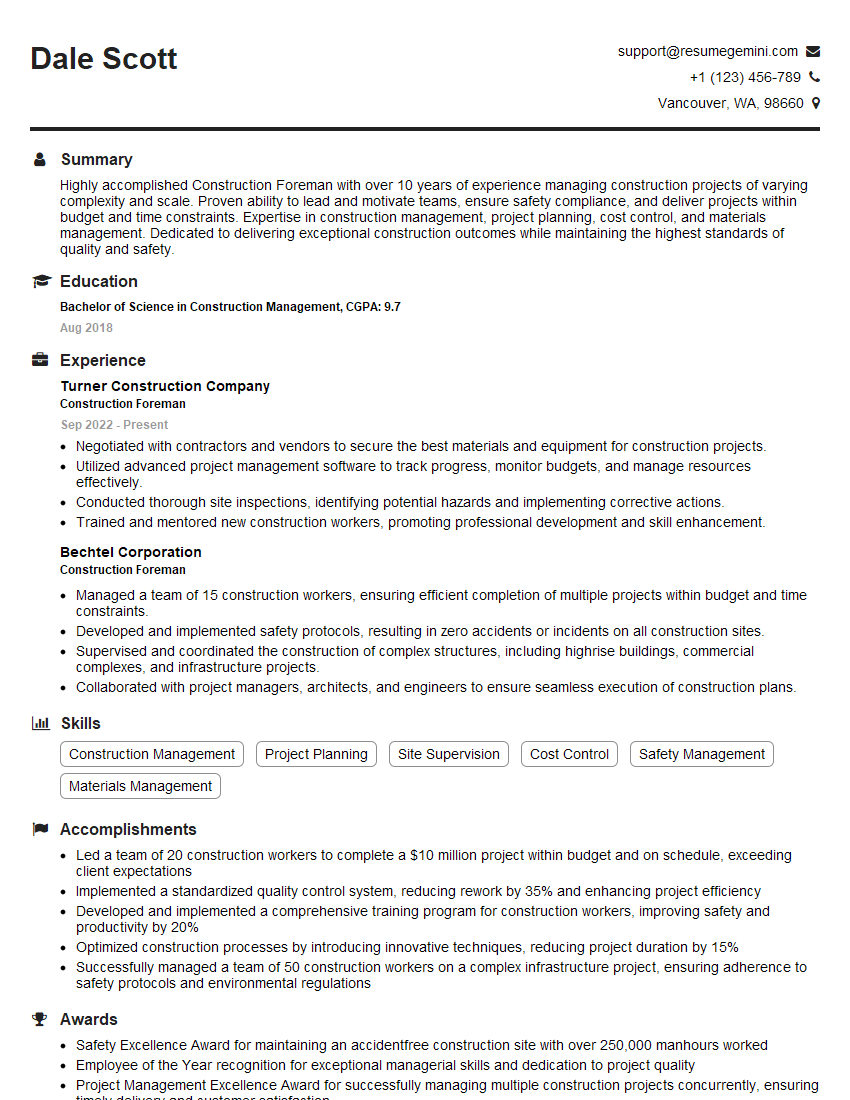
Construction Foreman Resume Sample
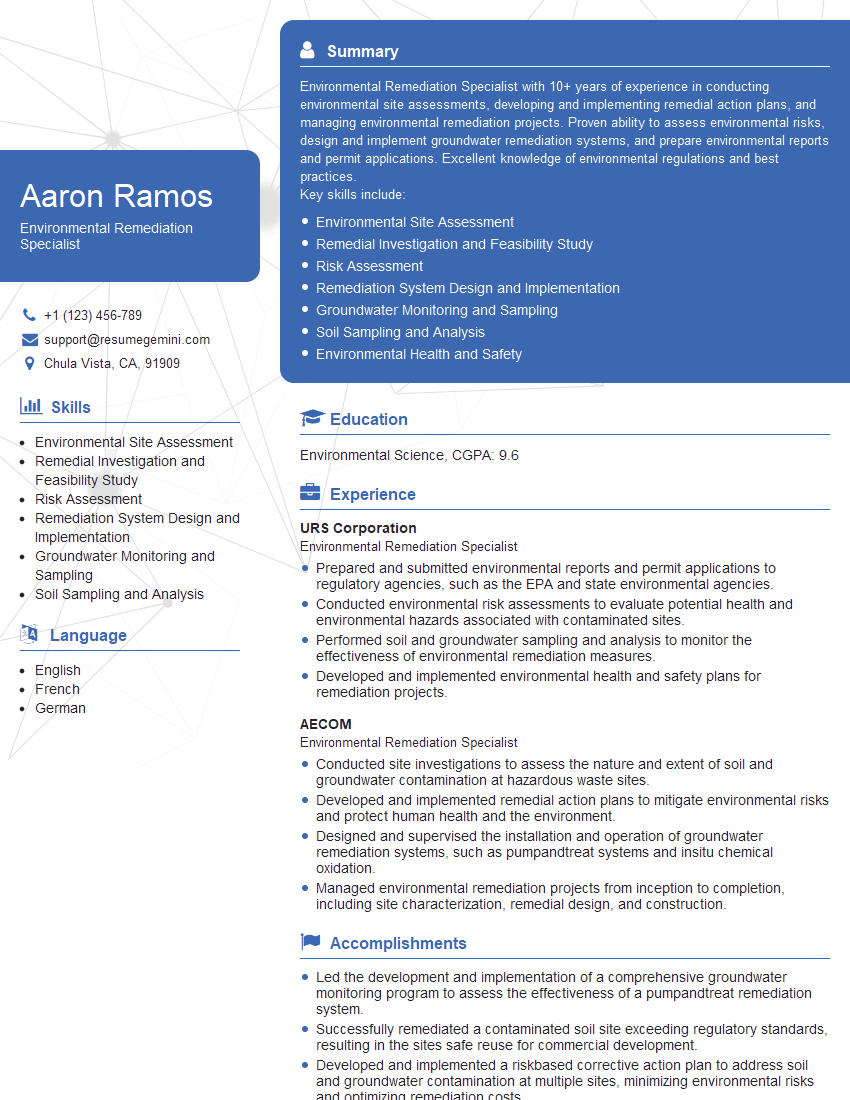
Environmental Remediation Specialist Resume Sample
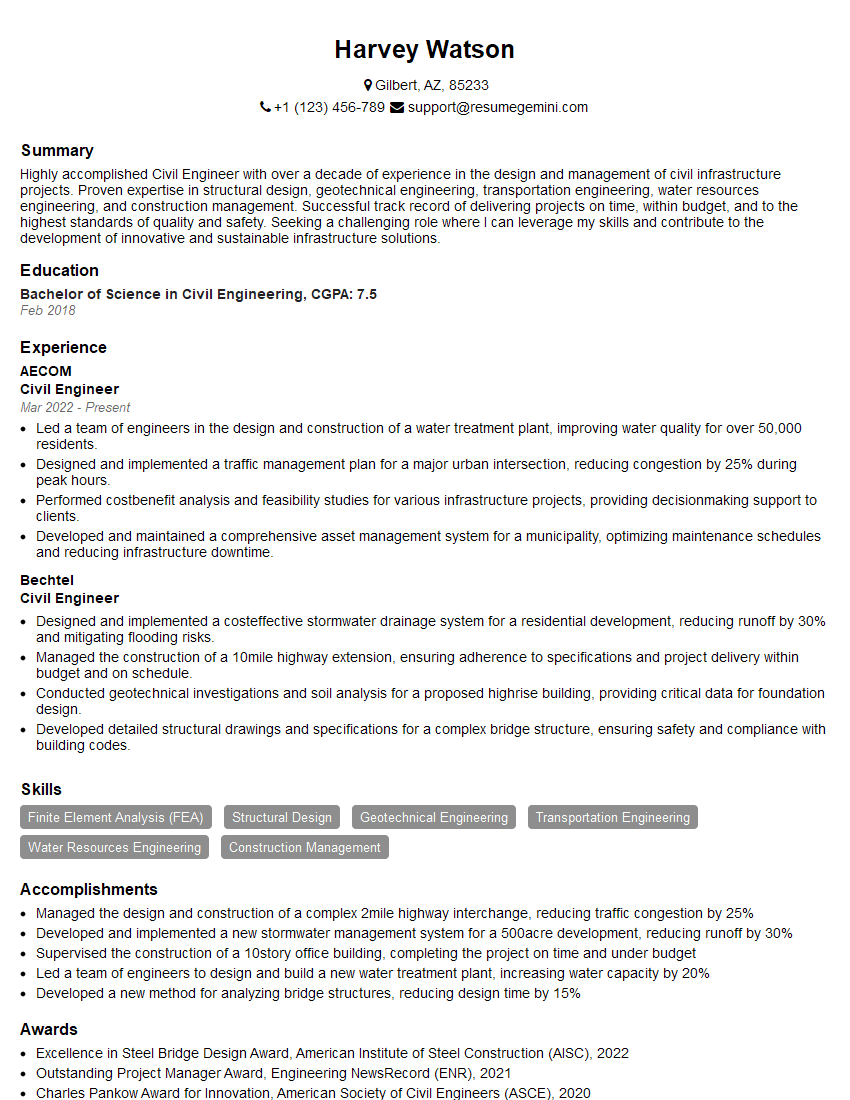
Civil Engineer Resume Sample
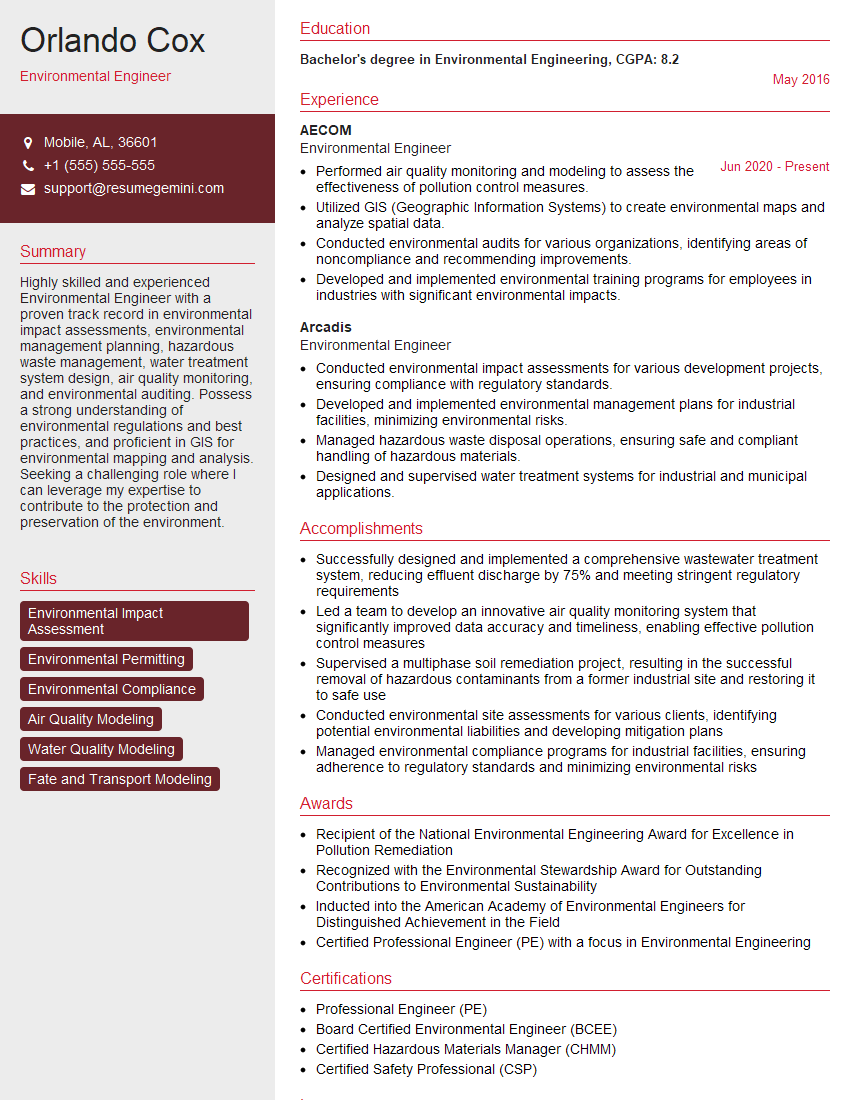
Environmental Engineer Resume Sample
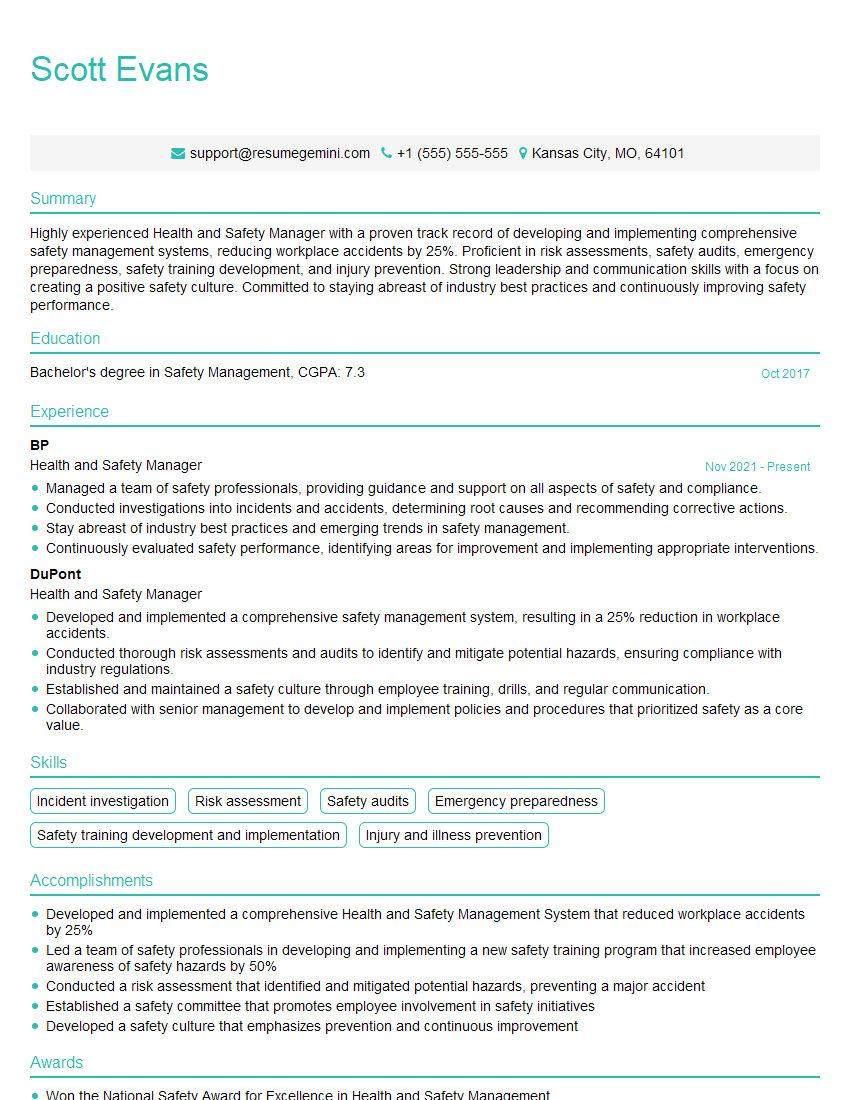
Health and Safety Manager Resume Sample
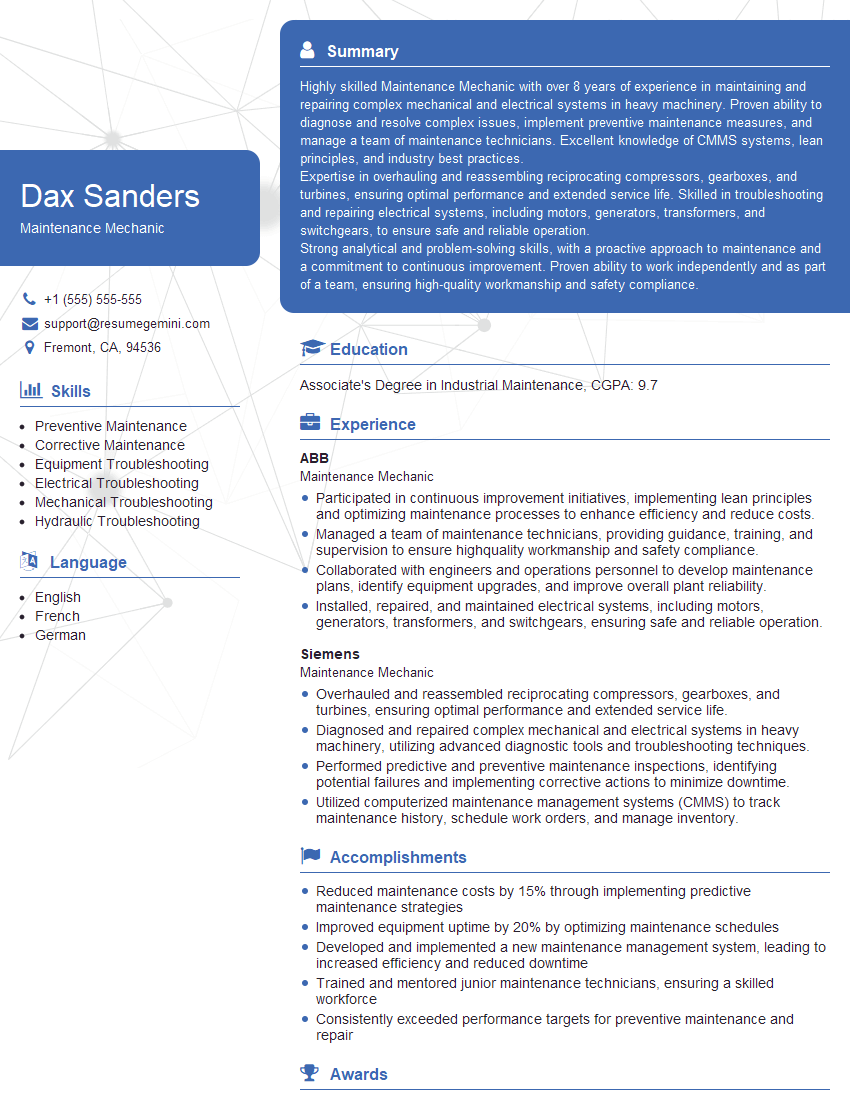
Maintenance Mechanic Resume Sample
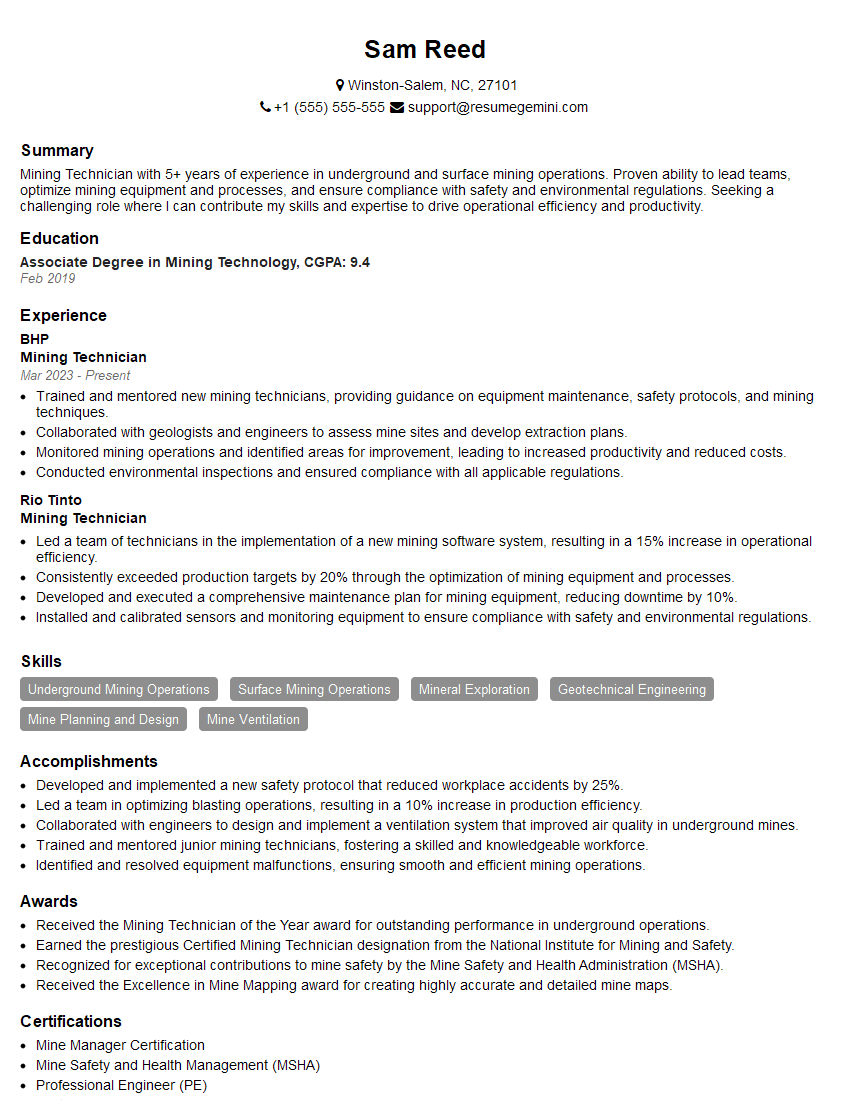
Mining Technician Resume Sample
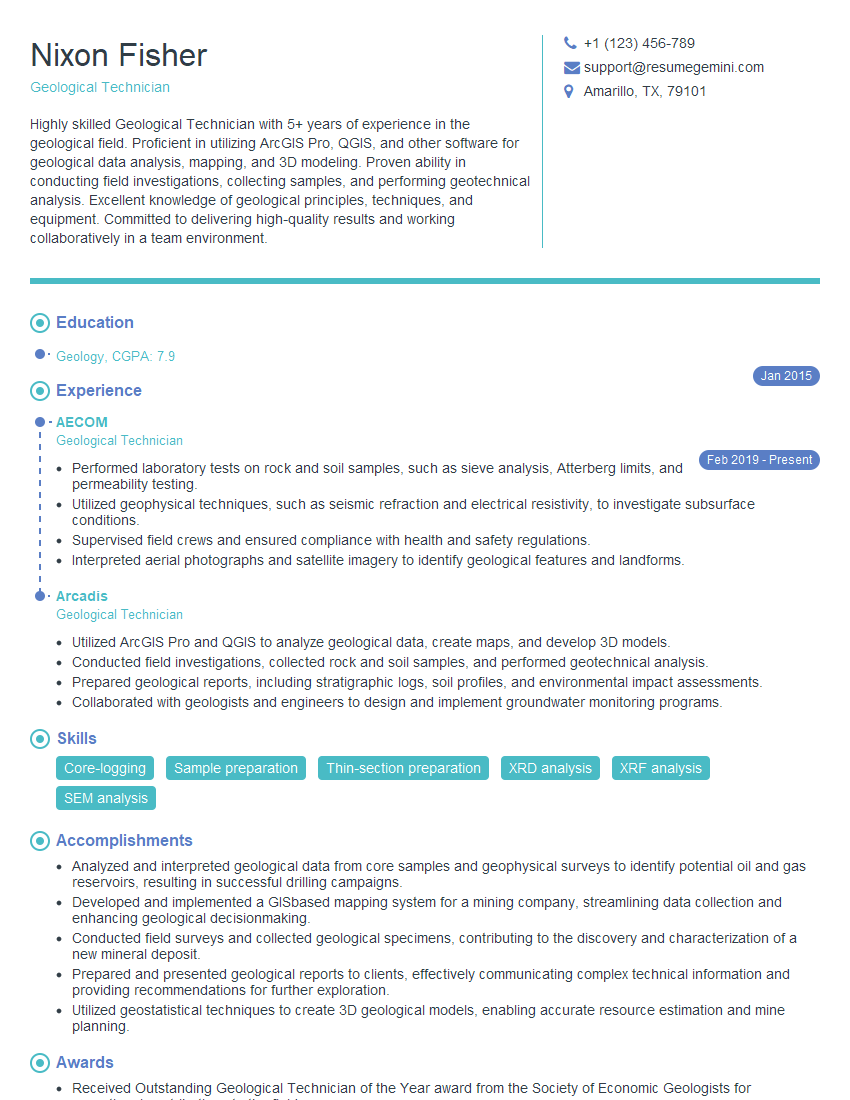
Geological Technician Resume Sample
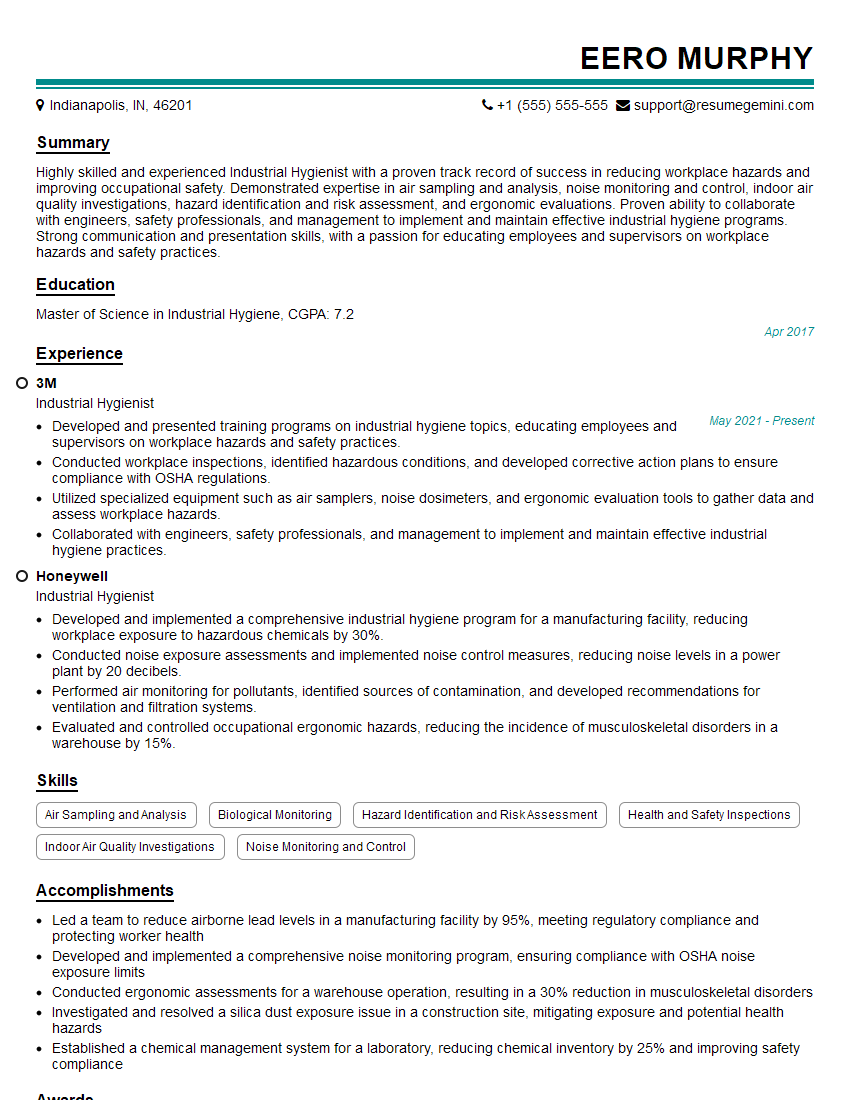
Industrial Hygienist Resume Sample
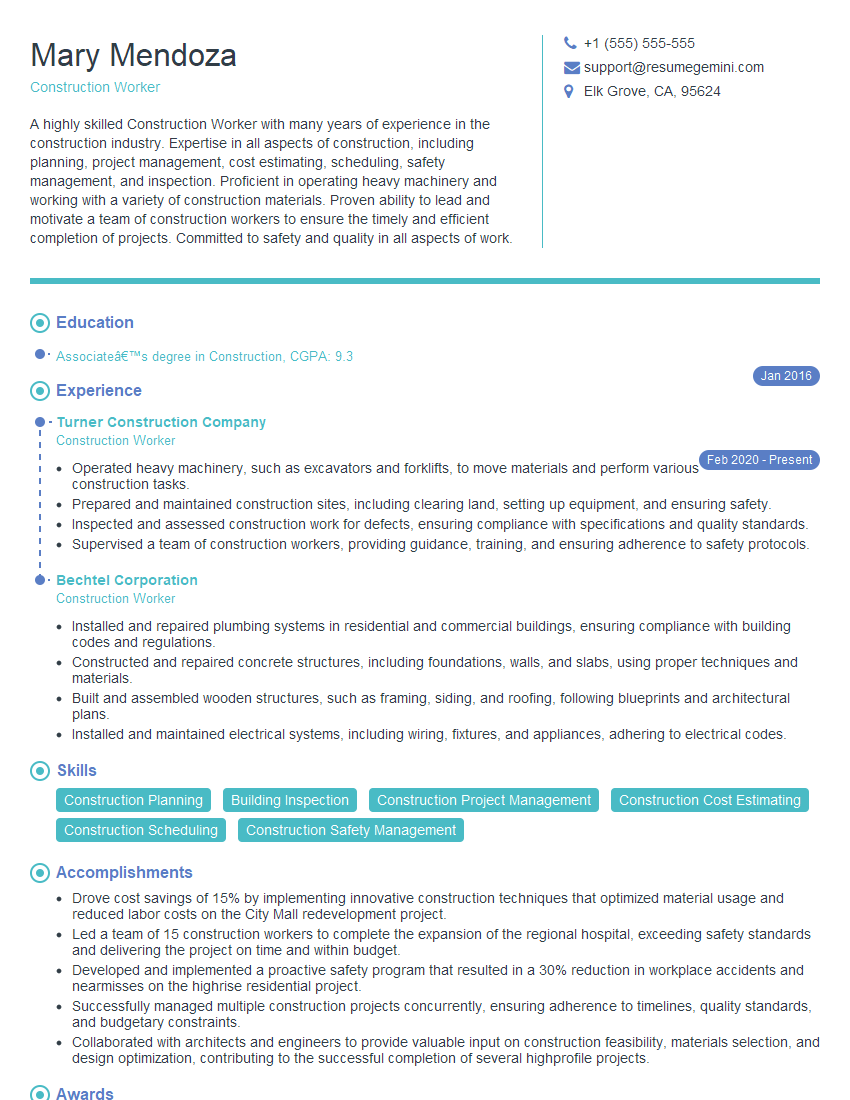
Construction Worker Resume Sample
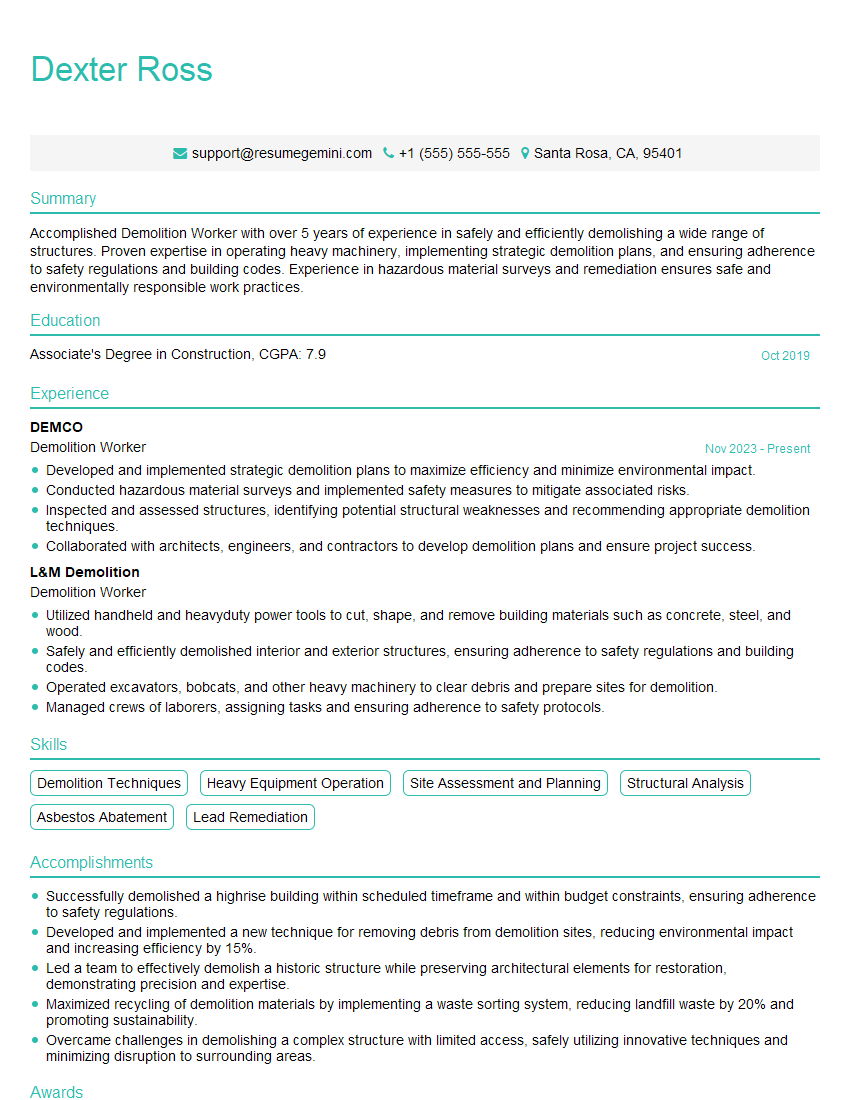
Demolition Worker Resume Sample
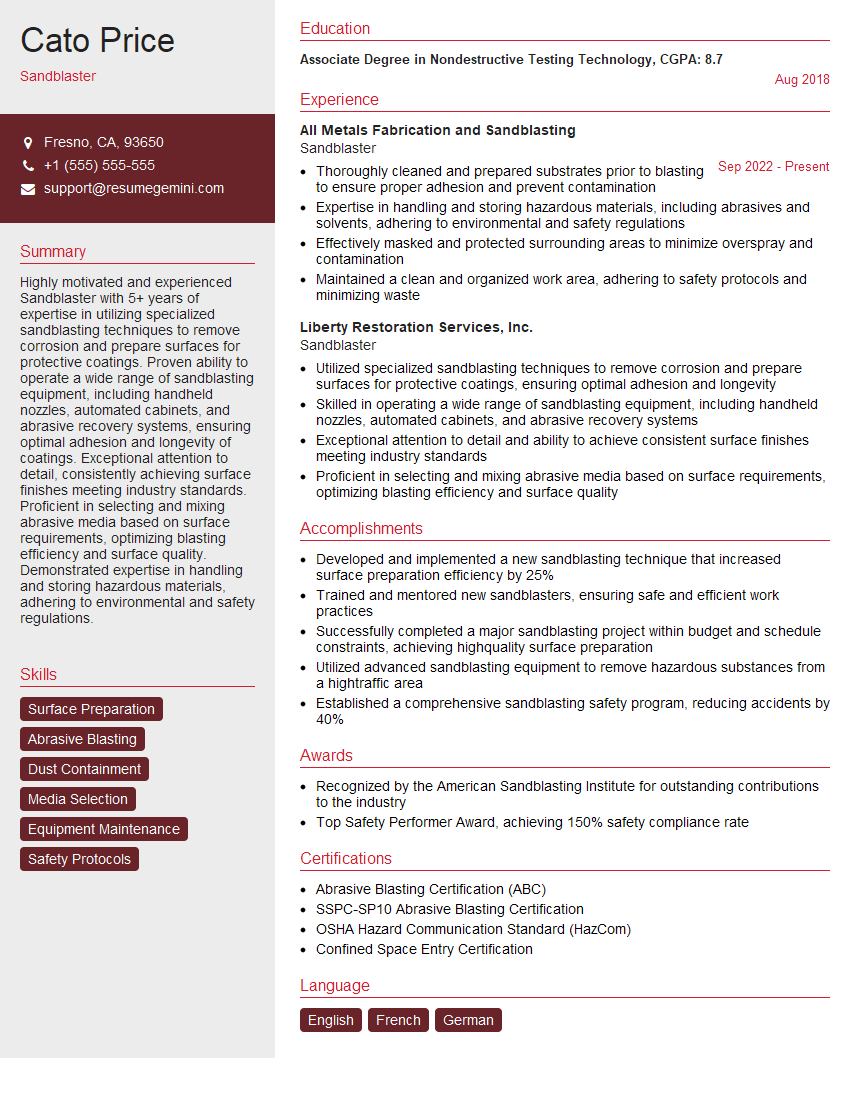
Sandblaster Resume Sample
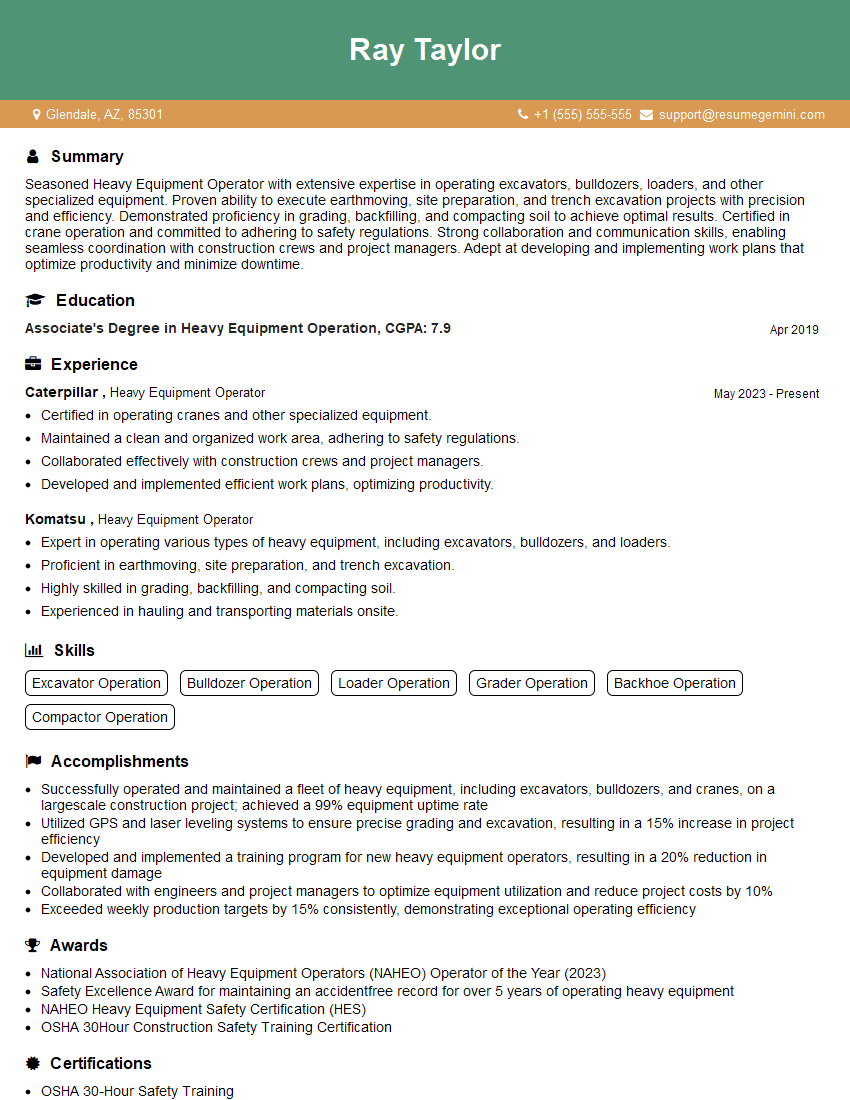
Heavy Equipment Operator Resume Sample
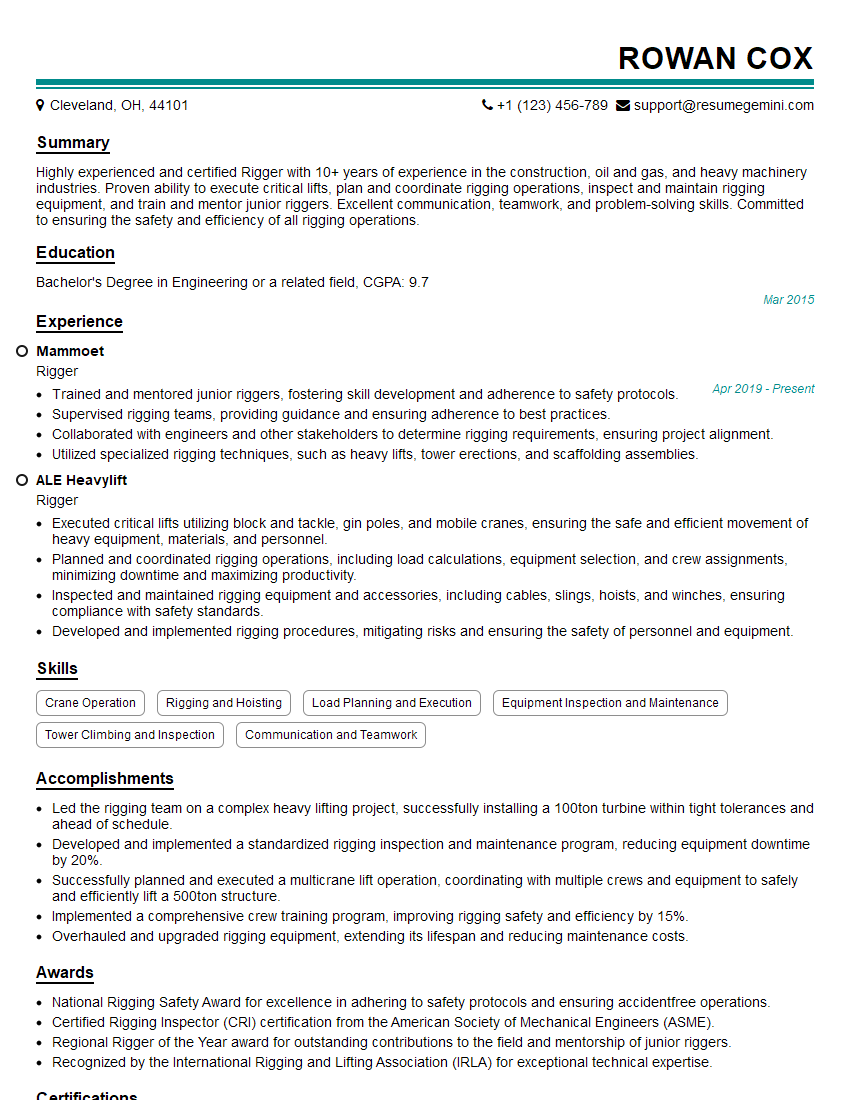
Rigger Resume Sample
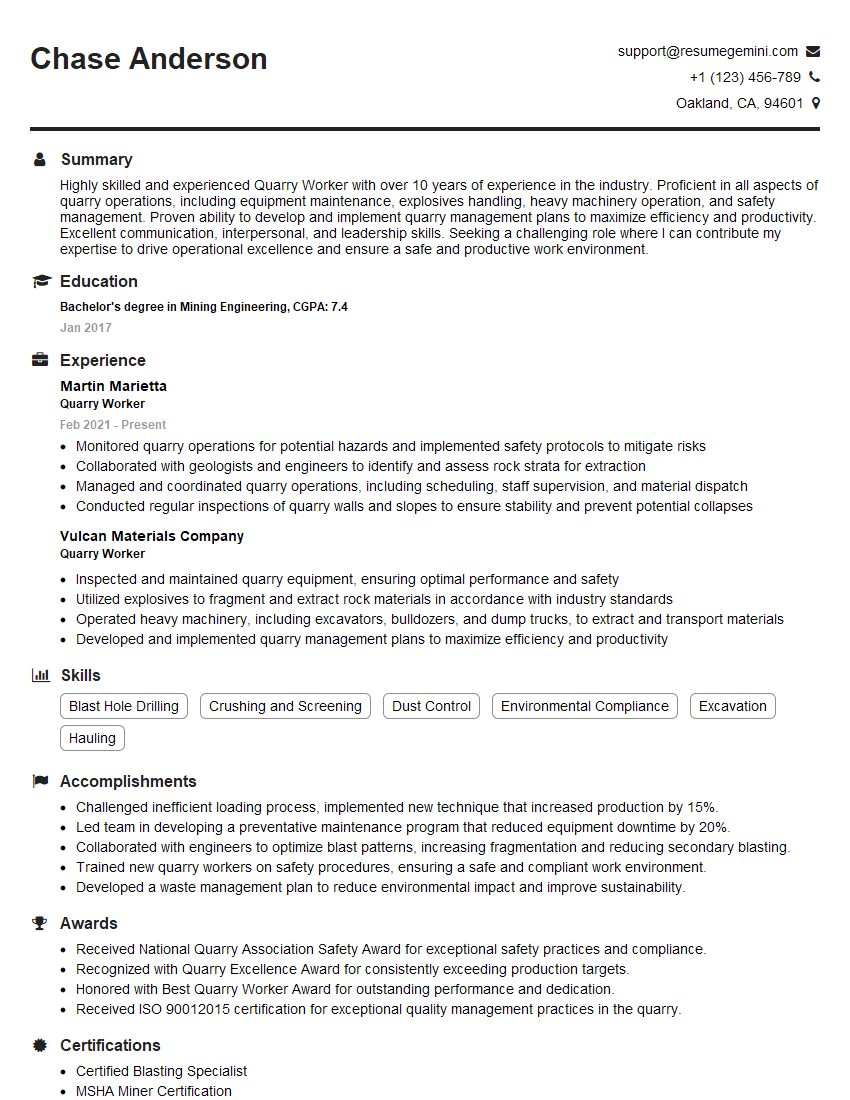
Quarry Worker Resume Sample
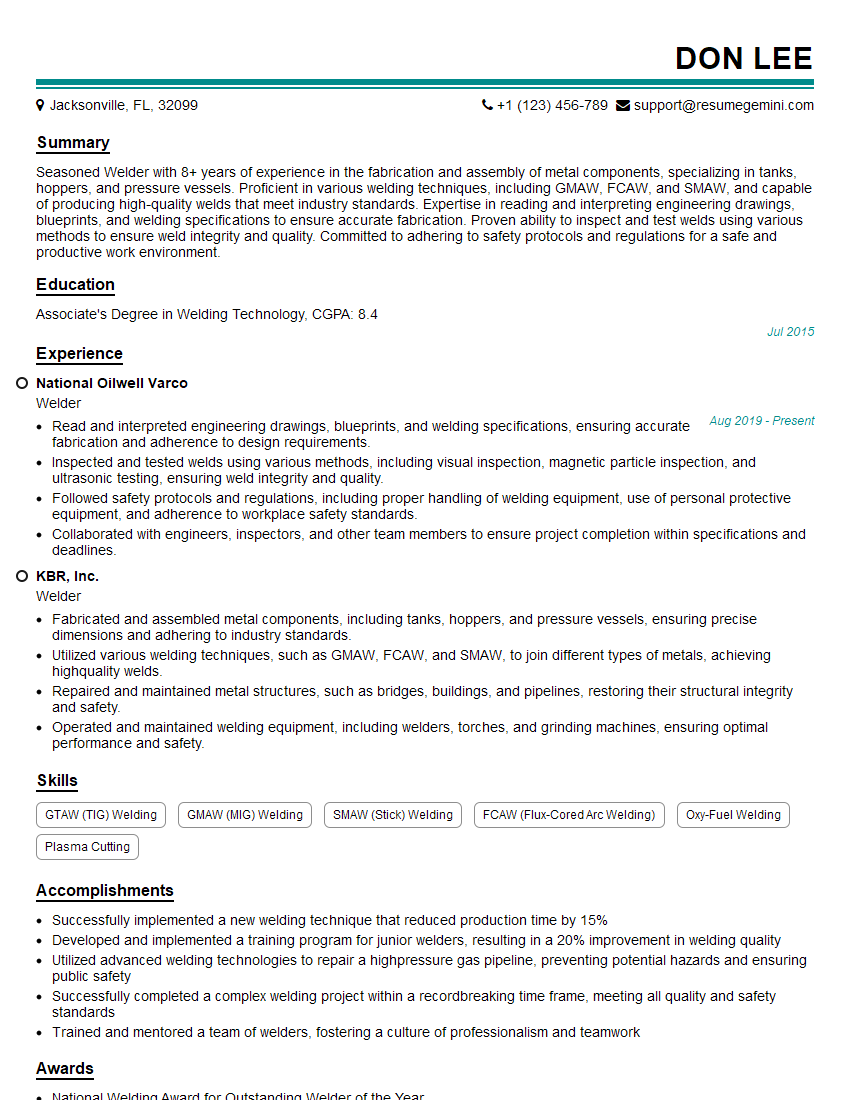
Welder Resume Sample
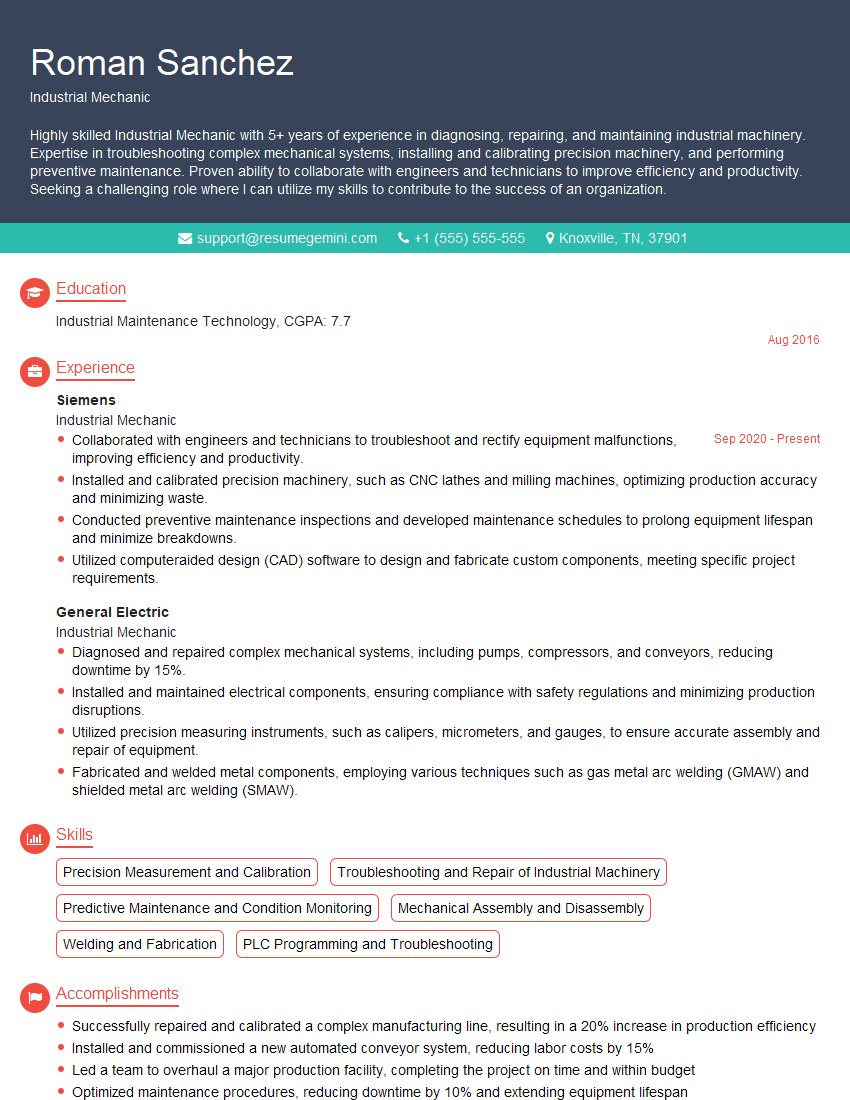
Industrial Mechanic Resume Sample
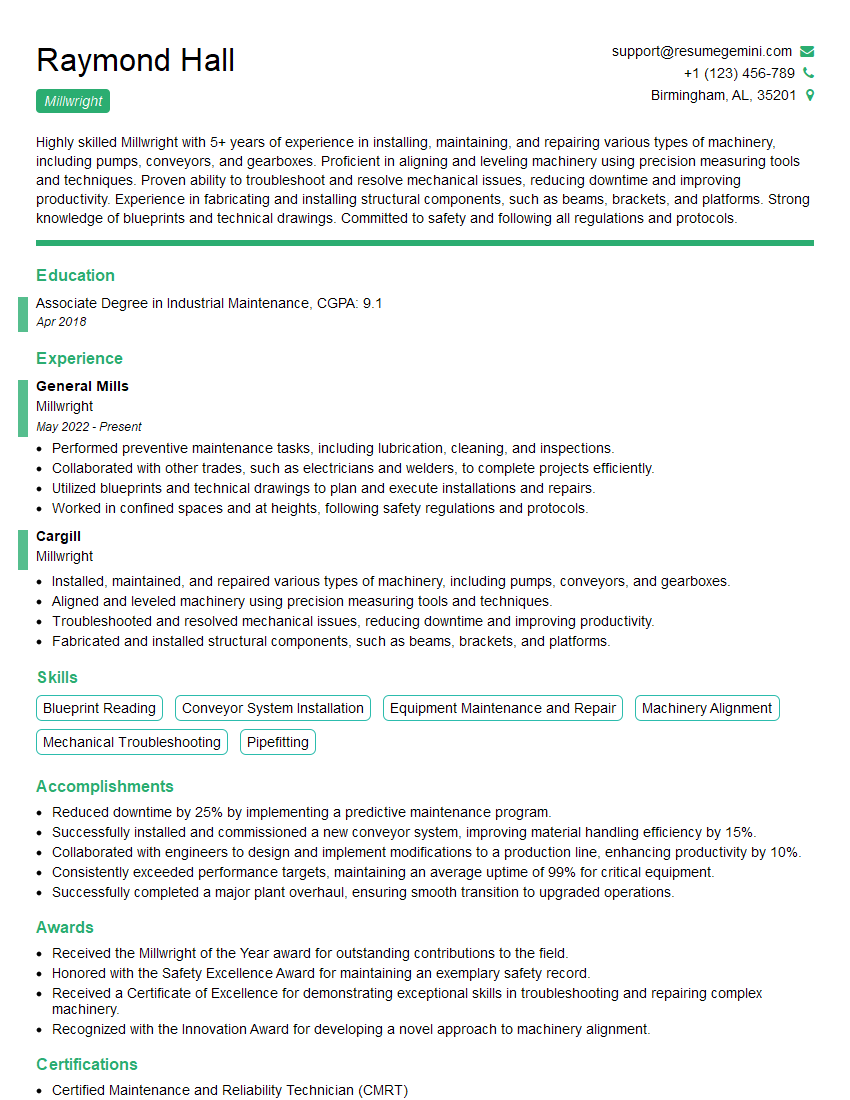
Millwright Resume Sample
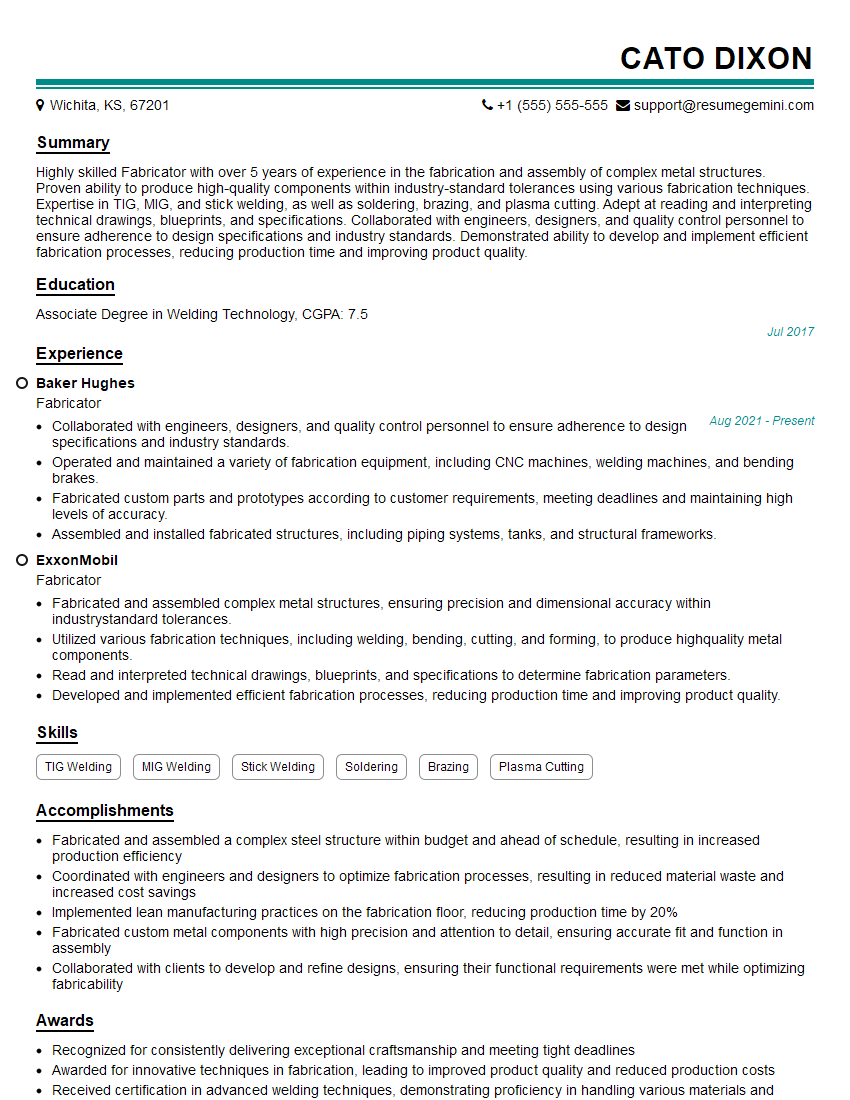
Fabricator Resume Sample
- Construction Foreman
- Environmental Remediation Specialist
- Civil Engineer
- Environmental Engineer
- Health and Safety Manager
- Maintenance Mechanic
- Mining Technician
- Geological Technician
- Industrial Hygienist
- Construction Worker
- Demolition Worker
- Sandblaster
- Heavy Equipment Operator
- Rigger
- Quarry Worker
- Welder
- Industrial Mechanic
- Millwright
- Fabricator
Explore more articles
Users Rating of Our Blogs
Share Your Experience
We value your feedback! Please rate our content and share your thoughts (optional).
What Readers Say About Our Blog
Very informative content, great job.
good