Cracking a skill-specific interview, like one for Working overtime, requires understanding the nuances of the role. In this blog, we present the questions you’re most likely to encounter, along with insights into how to answer them effectively. Let’s ensure you’re ready to make a strong impression.
Questions Asked in Working overtime Interview
Q 1. Describe your experience managing workload during periods of extended work hours.
Managing workload during extended work hours requires a proactive and organized approach. It’s not just about working longer, but working smarter. My strategy centers around effective time management and prioritization. I begin by breaking down large tasks into smaller, manageable chunks. This makes the overall workload feel less daunting and allows for more frequent breaks, preventing burnout. I also utilize project management tools to track progress, deadlines, and dependencies between tasks. This visual representation helps me stay on track and identify potential bottlenecks early on. For instance, during a recent project launch, I used a Kanban board to visualize the workflow, allowing me to identify and reassign tasks efficiently when faced with an unexpected surge in demand, ensuring timely completion despite extended hours.
Furthermore, I regularly review my schedule to identify potential time-wasting activities and streamline my processes. This might involve delegating tasks where appropriate or automating repetitive actions. Finally, I’m always open to collaborating with colleagues; seeking help or advice when needed is crucial for efficient workload management, particularly during periods of high pressure. Effective communication is key to preventing unnecessary delays and ensuring everyone is working towards the same goal.
Q 2. How do you prioritize tasks when facing deadlines and overtime?
Prioritizing tasks under pressure demands a clear and structured approach. I use the Eisenhower Matrix (urgent/important) to categorize tasks, ensuring I focus on the most critical items first. Tasks that are both urgent and important are tackled immediately. Important but not urgent tasks are scheduled for later, while urgent but not important tasks are either delegated or handled quickly, but efficiently. Tasks that are neither urgent nor important are often eliminated or postponed. This ensures a focused approach to my workload, maximizing output within the limited time available. For example, during a critical bug fix requiring overtime, I prioritized resolving the most impactful bugs first, based on their severity and frequency of occurrence. Less impactful fixes were addressed once the critical ones were resolved, avoiding unnecessary time spent on lower priority issues.
Q 3. What strategies do you use to maintain productivity and prevent burnout during overtime?
Maintaining productivity and preventing burnout during overtime necessitates a multi-faceted approach. I prioritize short, regular breaks to rest my mind and body. Techniques like the Pomodoro Technique (25 minutes work, 5 minutes break) can be extremely effective. I also make sure to stay hydrated and eat nutritious meals, avoiding energy crashes. Furthermore, I emphasize good sleep hygiene, ensuring I get adequate rest even when working extended hours. This might involve adjusting my sleep schedule or utilizing relaxation techniques before bed. Finally, I actively seek ways to make my work more enjoyable, focusing on projects I find engaging or rewarding. Burnout is a serious concern, and proactive measures such as regular exercise, spending time with loved ones, and engaging in hobbies outside of work are crucial for long-term well-being and sustained productivity.
Q 4. How do you balance overtime work with your personal life?
Balancing overtime with personal life requires careful planning and strong boundaries. Open communication with family and friends is crucial; letting them know my schedule and making time for them, even if it means adjusting my overtime commitments, is essential for maintaining healthy relationships. I also dedicate specific times for personal activities, even if it’s just a short period each day. This could involve exercise, reading, or simply unwinding. Setting clear boundaries between work and personal life is also vital. This might involve turning off work notifications after a certain time or creating a dedicated workspace to avoid blurring the lines between professional and personal responsibilities. Planning and scheduling personal time, similar to managing work tasks, is a key strategy for achieving a work-life balance.
Q 5. Have you ever had to work significant overtime? Describe the situation and your approach.
Yes, I once worked significant overtime during a major system upgrade. The project was mission-critical, and a tight deadline was imposed. My approach involved careful planning, breaking down the project into smaller, manageable tasks, and working closely with my team. We established clear communication channels and regular check-ins to stay informed and manage expectations. We also prioritized self-care, ensuring adequate breaks and rest periods to avoid burnout. While the extended hours were challenging, our collaborative efforts and structured approach ensured the successful and timely completion of the project, proving that even in high-pressure situations, a well-planned strategy and teamwork can overcome obstacles.
Q 6. How do you ensure accuracy and quality of your work when working overtime?
Maintaining accuracy and quality during overtime requires rigorous attention to detail and self-awareness. I use checklists, double-checking my work, and utilizing automated testing wherever possible. I also take regular breaks to refresh my focus and prevent errors caused by fatigue. It’s important to recognize that fatigue can impact judgment, so I’m extra cautious about reviewing my work before submitting it, seeking a second pair of eyes when possible. Furthermore, I use version control systems diligently to track changes and allow for easy rollback in case of errors. This structured approach ensures a consistent level of quality, even under pressure.
Q 7. What are the potential downsides of working excessive overtime, and how do you mitigate them?
Excessive overtime carries several potential downsides, including burnout, decreased productivity (due to fatigue), health problems (physical and mental), and strained personal relationships. To mitigate these risks, I focus on several strategies: I prioritize my well-being by ensuring adequate rest, healthy eating habits, and regular exercise. I communicate openly with my supervisor about workload, seeking assistance or adjustments to the schedule where necessary. I also utilize time management techniques effectively and advocate for reasonable workload distribution within my team. Ultimately, a balanced approach that prioritizes both professional goals and personal well-being is crucial for long-term success and avoidance of excessive overtime and its negative consequences.
Q 8. How do you communicate effectively with your team and manager during periods of overtime?
Effective communication during overtime is crucial for maintaining team morale and project success. I prioritize proactive and transparent communication. This involves:
- Regular Check-ins: I schedule brief check-ins with my team members and manager to discuss progress, challenges, and any emerging needs. This ensures everyone is on the same page and allows for early intervention if issues arise.
- Clear Expectations: Before embarking on overtime, I clearly communicate the goals, deadlines, and individual responsibilities. This prevents confusion and ensures everyone understands their contribution to the overall effort.
- Open Dialogue: I encourage open and honest dialogue, fostering an environment where team members feel comfortable expressing concerns or challenges. This includes actively listening to their perspectives and addressing their needs.
- Utilizing Communication Tools: Project management software, instant messaging, and email are used strategically to facilitate efficient communication and maintain a clear record of discussions and decisions.
For instance, during a recent project launch, regular check-ins enabled us to quickly identify and resolve a bottleneck in the design phase, avoiding significant overtime later in the project.
Q 9. Describe a time you had to work overtime to meet a critical deadline. What was the outcome?
During the development of a new client’s website, we faced an unexpected surge in technical complexities close to the launch deadline. The initial timeline was unrealistic, requiring significant overtime to meet the contractual obligations. We worked late into the night for several days, prioritizing tasks collaboratively. The outcome was successful—the website launched on time and met client expectations. This experience reinforced the importance of thorough risk assessment and contingency planning in future projects. We also had a post-project debrief to identify the issues that led to the crisis and prevent similar scenarios in the future. This involved adjustments to our initial estimations, increased communication and collaboration, and further refinement of our technical processes.
Q 10. How do you manage your energy levels to perform effectively during extended work hours?
Managing energy levels during extended work hours requires a multi-faceted approach. I focus on:
- Prioritization and Time Management: I prioritize tasks based on urgency and importance, focusing on high-impact activities during peak energy periods. Effective time management techniques, like the Pomodoro Technique, help maintain focus and prevent burnout.
- Regular Breaks: I take short, regular breaks throughout the day to rest my eyes, stretch, and move around. This improves focus and prevents mental fatigue.
- Healthy Diet and Hydration: I ensure adequate hydration and consume nutritious snacks and meals to maintain energy levels and concentration. Avoiding sugary drinks and processed foods is crucial.
- Adequate Sleep: Even with overtime, I strive for sufficient sleep. A well-rested mind is far more efficient and productive. This may involve adjusting my sleep schedule to accommodate the extra hours.
- Mindfulness and Stress Management: I incorporate mindfulness techniques like meditation or deep breathing exercises to manage stress and improve mental clarity.
Think of it like marathon running; you need to pace yourself and regularly refuel to complete the race successfully.
Q 11. What are your expectations regarding compensation for overtime work?
My expectation regarding compensation for overtime work aligns with both company policy and legal requirements. I expect fair and appropriate compensation for the additional hours worked, either through overtime pay, compensatory time off, or other mutually agreed-upon arrangements. Transparency and clear communication regarding compensation policies are essential.
Q 12. How do you identify potential issues that could lead to future overtime?
Identifying potential overtime issues requires proactive risk assessment and careful project planning. I focus on:
- Realistic Time Estimation: Accurately estimating task durations, considering potential challenges and complexities. Underestimation is a major culprit leading to overtime.
- Dependency Mapping: Clearly identifying dependencies between tasks to prevent bottlenecks and delays. A Gantt chart or similar tool is helpful here.
- Risk Assessment: Identifying potential risks and developing contingency plans to mitigate potential delays.
- Regular Monitoring and Evaluation: Regularly tracking progress against the project timeline, identifying early warning signs of potential issues.
- Communication and Collaboration: Open communication among team members to promptly identify and address emerging challenges.
For example, during project planning, we would identify potential risks—like software incompatibility—and allocate buffer time to deal with any unexpected challenges. That would be discussed with management, so we are on the same page about what constitutes acceptable time needed for the project.
Q 13. How do you track your overtime hours and ensure accurate record-keeping?
Accurate overtime tracking is paramount. I utilize a combination of methods:
- Timesheets: I meticulously record my work hours daily on approved timesheets, providing detailed descriptions of tasks undertaken.
- Project Management Software: Many project management tools (like Jira or Asana) have built-in time tracking features, providing a digital record of time spent on specific tasks and projects.
- Regular Review: I regularly review my recorded hours to ensure accuracy and promptly report any discrepancies. I would usually have a weekly review of timesheets to ensure no anomalies are missed and any questions are addressed promptly.
Maintaining accurate records protects both the company and the employee, ensuring fair compensation and preventing disputes.
Q 14. How do you delegate tasks during periods of high workload and potential overtime?
Effective delegation is crucial during high-workload periods. This involves:
- Identifying Suitable Tasks: Determining which tasks can be effectively delegated based on team members’ skills and capacity. Not all tasks can be successfully delegated.
- Clear Instructions: Providing clear, concise instructions, outlining expectations, deadlines, and required resources. Ambiguity leads to errors and delays.
- Appropriate Training: Providing necessary training or support to enable team members to complete delegated tasks effectively.
- Monitoring and Support: Regularly monitoring progress and providing support where needed. This helps prevent issues and ensures deadlines are met.
- Feedback and Recognition: Providing timely feedback and recognizing team members’ contributions.
For instance, in a previous project, I delegated tasks like data entry and report generation to junior team members, freeing up my time to focus on critical aspects of the project, leading to greater efficiency and a reduction in overall overtime for the whole team.
Q 15. Have you ever had a conflict regarding overtime work? How did you resolve it?
Yes, I have experienced conflicts regarding overtime. In one instance, a project deadline was rapidly approaching, requiring significant overtime from my team. While I understood the urgency, some team members expressed concern about the impact on their work-life balance and the lack of advance notice.
To resolve this, I facilitated a team meeting where we openly discussed everyone’s concerns. We collaboratively re-evaluated the project timeline, identifying tasks that could be streamlined or re-prioritized. We also implemented a system for transparent communication regarding overtime needs, including advance notice whenever possible and offering flexible scheduling options where feasible to minimize disruption. This involved clearly defining which tasks were essential for the deadline and which could be adjusted if absolutely necessary. We also ensured that everyone felt heard and understood, fostering a more collaborative and supportive environment. The conflict was resolved by building consensus through transparent communication and collaborative problem-solving.
Career Expert Tips:
- Ace those interviews! Prepare effectively by reviewing the Top 50 Most Common Interview Questions on ResumeGemini.
- Navigate your job search with confidence! Explore a wide range of Career Tips on ResumeGemini. Learn about common challenges and recommendations to overcome them.
- Craft the perfect resume! Master the Art of Resume Writing with ResumeGemini’s guide. Showcase your unique qualifications and achievements effectively.
- Don’t miss out on holiday savings! Build your dream resume with ResumeGemini’s ATS optimized templates.
Q 16. How do you proactively plan to avoid unnecessary overtime?
Proactive planning is key to minimizing unnecessary overtime. My approach involves several key strategies:
- Realistic Time Estimation: I carefully estimate task durations, factoring in potential unforeseen delays. I often use techniques like the Pomodoro Technique to better understand my own work rhythm and improve accuracy.
- Prioritization and Delegation: I prioritize tasks based on urgency and importance, using tools like Eisenhower Matrix (Urgent/Important). Where possible, I delegate tasks to team members, ensuring everyone is appropriately utilized.
- Effective Time Management Techniques: I utilize techniques such as time blocking, setting daily/weekly goals, and regularly reviewing my progress to identify potential bottlenecks early on. This allows me to adjust my schedule proactively.
- Proactive Communication: I maintain open communication with my manager and team members, alerting them to potential delays or resource constraints before they escalate into overtime situations.
By implementing these strategies, I aim to create a more efficient workflow and minimize the need for unexpected overtime.
Q 17. What are your preferred methods for staying focused during long working hours?
Maintaining focus during long working hours requires a multi-faceted approach. I focus on the following:
- Regular Breaks: I take short, regular breaks every hour or so to stretch, walk around, or simply clear my head. These short breaks significantly increase my overall productivity and prevent burnout.
- Healthy Diet and Hydration: Staying well-hydrated and eating nutritious snacks helps maintain energy levels throughout the day. Avoiding sugary drinks and processed foods is crucial.
- Ergonomic Workspace: A comfortable and ergonomically designed workspace minimizes physical discomfort and fatigue.
- Mindfulness and Meditation: Short mindfulness exercises or meditation sessions can help improve focus and reduce stress.
- Task Switching Strategies: I avoid context switching as much as possible, focusing on completing one task before moving on to the next. This helps maintain concentration and prevents feeling overwhelmed.
These practices help me stay productive and engaged even during extended work hours.
Q 18. How do you collaborate effectively with colleagues during overtime?
Effective collaboration during overtime is crucial. I ensure this by:
- Clear Communication: Maintaining open and frequent communication is vital, keeping everyone informed about progress, challenges, and changes in priorities.
- Shared Goals and Understanding: Ensuring everyone understands the project goals and their individual roles is paramount. Regular check-ins prevent misunderstandings and wasted time.
- Mutual Support: Creating a supportive team environment where team members help each other is vital. This fosters a sense of shared responsibility and boosts morale during long hours.
- Appropriate Tools and Technology: Utilizing collaborative tools such as project management software (e.g., Jira, Asana), shared documents (e.g., Google Docs), and instant messaging platforms facilitates efficient information sharing and task coordination.
By fostering a collaborative spirit and utilizing appropriate tools, we can maximize efficiency and minimize stress during overtime.
Q 19. Describe your experience with different overtime policies and compensation structures.
My experience encompasses various overtime policies and compensation structures. I’ve worked under systems where overtime was compensated at a time-and-a-half rate, others with compensatory time off in lieu of additional pay, and some with a combination of both. I’ve also experienced situations with strict limitations on the amount of overtime permitted and those with more flexible policies.
In each instance, understanding the specific policy and adhering to it was paramount. Transparency and clear communication with my manager regarding overtime hours worked were crucial to ensure accurate compensation and prevent any discrepancies. Furthermore, I always endeavored to find balance between meeting project deadlines and maintaining a healthy work-life equilibrium, communicating any concerns proactively.
Q 20. How do you utilize technology or tools to increase efficiency and reduce overtime needs?
Technology plays a significant role in increasing efficiency and reducing overtime. I leverage various tools such as:
- Project Management Software: Tools like Jira and Asana help track progress, manage tasks, and identify potential bottlenecks proactively, preventing unforeseen delays.
- Automation Tools: Automating repetitive tasks using scripts or macros frees up time for more complex work, streamlining the workflow. For instance,
pythonscripts can be used to automate data processing or report generation. - Collaboration Platforms: Tools like Slack or Microsoft Teams facilitate real-time communication and efficient information sharing, reducing the need for lengthy email exchanges.
- Cloud-Based Storage: Cloud storage ensures accessible data from anywhere, eliminating the need to search for files or wait for access.
By strategically utilizing technology, I optimize my workflow, minimizing inefficiencies and reducing the likelihood of overtime.
Q 21. Have you ever been required to work overtime without sufficient notice? How did you handle it?
Yes, I have encountered situations requiring overtime with insufficient notice. In such cases, my priority is to:
- Assess the Urgency: Understand the criticality of the situation and the potential consequences of not completing the work within the short timeframe.
- Communicate Clearly: While I’m committed to meeting deadlines, I communicate my availability and limitations clearly. This includes expressing concerns about the lack of notice and the potential impact on my work-life balance.
- Seek Collaboration: If the task requires extensive overtime, I work collaboratively with my manager and team to re-prioritize tasks, delegate work, and find solutions that minimize the overall overtime burden.
- Document Everything: It’s important to maintain accurate records of all communication and overtime hours worked, ensuring fair compensation or compensatory time off.
While accommodating unexpected requests is important, it’s equally crucial to maintain a healthy work-life balance and to ensure that these occurrences are the exception rather than the norm.
Q 22. How do you ensure compliance with regulations related to overtime pay and working hours?
Ensuring compliance with overtime pay and working hour regulations is paramount. It involves a multi-pronged approach encompassing thorough understanding of applicable laws (like the Fair Labor Standards Act in the US or equivalent legislation in other countries), meticulous record-keeping, and transparent communication with employees.
Firstly, I familiarize myself with the specific regulations governing overtime in the location and industry. This includes understanding the definition of ‘overtime,’ the calculation methods for overtime pay (e.g., time-and-a-half, double-time), and any exemptions that may apply. I then establish clear processes for tracking employee hours. This typically involves utilizing time-tracking software or timesheets which are diligently reviewed and approved by managers.
Secondly, I maintain accurate records of all employee hours, including regular hours and overtime hours. This documentation serves as irrefutable proof of compliance during audits. Finally, I ensure employees are fully informed about overtime policies, pay rates, and their rights. Regular training sessions and readily accessible documentation help to promote clarity and prevent misunderstandings.
For instance, if an employee works 10 hours a day over a 5-day week and the standard working hours are 8, I would carefully calculate the 2 hours of overtime per day, multiply by the appropriate overtime rate, and ensure this is accurately reflected in their paycheck. Any discrepancies are immediately addressed and corrected to maintain compliance.
Q 23. What are your expectations regarding support from your manager during periods of overtime?
My expectations regarding manager support during periods of overtime are straightforward: clear communication, adequate resources, and recognition of the extra effort.
Effective communication is key; I expect to be informed of the need for overtime in advance, whenever possible, and provided with a clear explanation of why it’s necessary. This allows me to plan accordingly and avoid unforeseen personal conflicts.
Adequate resources are equally important. This includes access to the necessary tools, technology, and support staff to complete the task efficiently. Working overtime without proper support can lead to frustration and reduced productivity. Finally, I expect my manager to acknowledge and appreciate the extra effort. This could take the form of verbal acknowledgement, flexible scheduling in the future, or even a small token of appreciation.
Q 24. How do you maintain a positive attitude and morale while working overtime?
Maintaining a positive attitude and morale while working overtime requires a conscious effort and self-care. It’s a marathon, not a sprint.
Firstly, I focus on breaking down large tasks into smaller, manageable chunks. This makes the overall workload feel less daunting and provides a sense of accomplishment as each small task is completed. I also prioritize self-care. This includes getting enough sleep, eating healthy meals, and taking regular breaks during overtime periods. Even short breaks can significantly boost energy levels and improve focus.
Finally, I make an effort to maintain work-life balance. While overtime is necessary, it’s crucial to avoid burnout. I schedule time for personal activities and hobbies, ensuring I have something to look forward to outside of work. Communicating boundaries and needs is also crucial, for instance, specifying the days I am available and ensuring my personal time is respected.
Q 25. Describe your experience using project management tools to track progress and minimize overtime.
I have extensive experience using various project management tools to track progress and minimize overtime. My experience ranges from using simple tools like spreadsheets to sophisticated platforms such as Asana, Trello, and Jira.
In past projects, I’ve used project management software to create detailed project plans outlining tasks, deadlines, and resource allocation. This allows for better estimation of time required and facilitates early identification of potential bottlenecks. The tools offer features such as Gantt charts that visualize project timelines, helping to pinpoint potential areas where overtime might be needed. By proactively addressing these potential issues, we often prevent the need for extensive overtime.
For example, using Jira’s time-tracking feature, I can monitor how much time is being spent on each task. If a task is consistently taking longer than estimated, I can investigate the reasons, implement solutions (e.g., additional resources, task refinement), and prevent similar delays in future projects. This data-driven approach leads to more accurate project forecasts and reduced overtime needs.
Q 26. How would you explain the importance of managing overtime effectively to your team?
Explaining the importance of effective overtime management to a team involves highlighting its impact on individual well-being, team productivity, and project success.
I would emphasize that excessive overtime can lead to burnout, decreased productivity, and increased risk of errors. By effectively managing time and resources, we can complete projects on time and within budget without compromising our health and well-being. This means collaborating effectively, prioritizing tasks, and utilizing project management tools to track progress and identify potential issues early on.
Furthermore, I would highlight the positive aspects of efficient planning and task management – avoiding unnecessary stress, ensuring a healthy work-life balance, and fostering a more positive and collaborative team environment. This emphasizes that managing overtime effectively benefits everyone involved.
Q 27. How do you anticipate and prepare for potential overtime needs in your projects?
Anticipating and preparing for potential overtime needs involves proactive planning and accurate estimation.
I start by carefully reviewing project requirements, scope, and deadlines. I then break down the project into smaller, manageable tasks, estimating the time needed for each. This detailed breakdown allows for a more accurate overall time estimate, minimizing the chances of unexpected delays.
I also consider potential risks and challenges, building in buffer time to account for unforeseen issues. This proactive approach helps to mitigate potential overtime needs. Regular progress monitoring and communication are essential. By tracking progress against the plan, I can identify potential delays early on and take corrective actions before they escalate. This might involve reallocating resources, re-prioritizing tasks, or seeking additional support.
Q 28. Describe a time when you successfully minimized overtime through efficient planning and execution.
In a previous project involving the development of a new software module, we faced a tight deadline. By applying rigorous project management practices, we successfully minimized overtime needs.
Initially, we created a detailed work breakdown structure (WBS) and a Gantt chart using Microsoft Project. This provided a clear overview of tasks, dependencies, and timelines. We then held daily stand-up meetings to track progress, identify potential roadblocks, and address any emerging issues immediately. We utilized agile methodologies, with short sprints and frequent reviews. This iterative approach enabled us to adapt to changing requirements and prevent major delays.
Through this collaborative and proactive approach, we completed the project on time and within budget, minimizing overtime to a negligible amount. The success stemmed from our thorough planning, effective communication, and agile methodology – a testament to proactive overtime management.
Key Topics to Learn for Working Overtime Interview
- Understanding Company Overtime Policies: Learn the legal aspects and company-specific rules regarding overtime pay, eligibility, and approval processes. This includes understanding different types of overtime (e.g., mandatory vs. voluntary).
- Productivity and Efficiency Strategies: Explore techniques for maximizing output during regular working hours to minimize the need for overtime. This includes time management, prioritization, and delegation.
- Communication and Collaboration During Overtime: Discuss effective communication with colleagues and supervisors regarding overtime needs and expectations. This includes clear communication of workload and potential burnout.
- Impact of Overtime on Work-Life Balance: Analyze the effects of frequent overtime on personal well-being and explore strategies for maintaining a healthy work-life integration. This includes recognizing personal limitations and advocating for healthy boundaries.
- Ethical Considerations of Overtime: Understand the ethical implications of working excessive overtime, including potential impacts on project quality and team morale. This might involve discussing the pressure to work overtime and its impact on decision-making.
- Negotiating Overtime Compensation: Learn how to effectively negotiate fair compensation for overtime work, considering both the financial and non-financial aspects of the compensation.
Next Steps
Mastering the nuances of working overtime demonstrates your commitment, adaptability, and problem-solving skills – highly valued attributes in today’s competitive job market. This knowledge will significantly boost your interview performance and increase your chances of securing your dream role. To further enhance your job prospects, create an ATS-friendly resume that highlights your relevant skills and experience. ResumeGemini is a trusted resource to help you build a professional and impactful resume that catches the recruiter’s eye. We provide examples of resumes tailored to highlight experience with working overtime to give you a head start.

Operations Manager Resume Sample
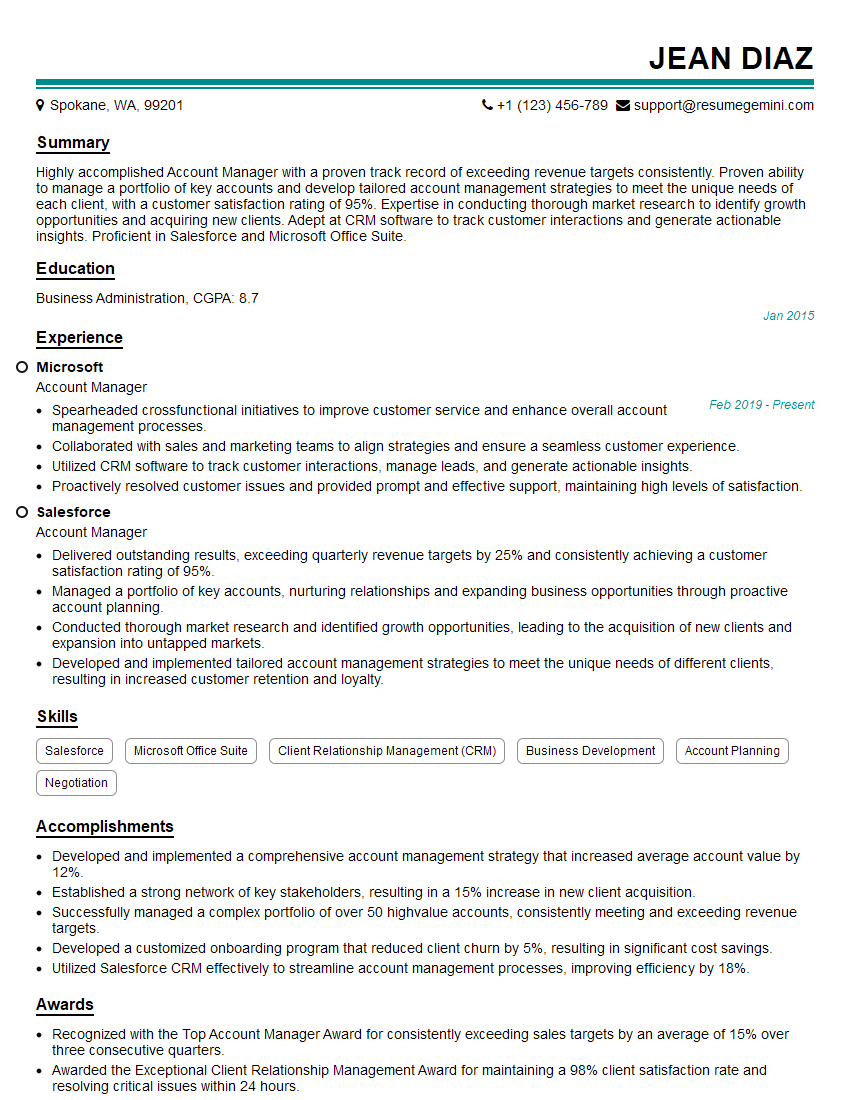
Account Manager Resume Sample
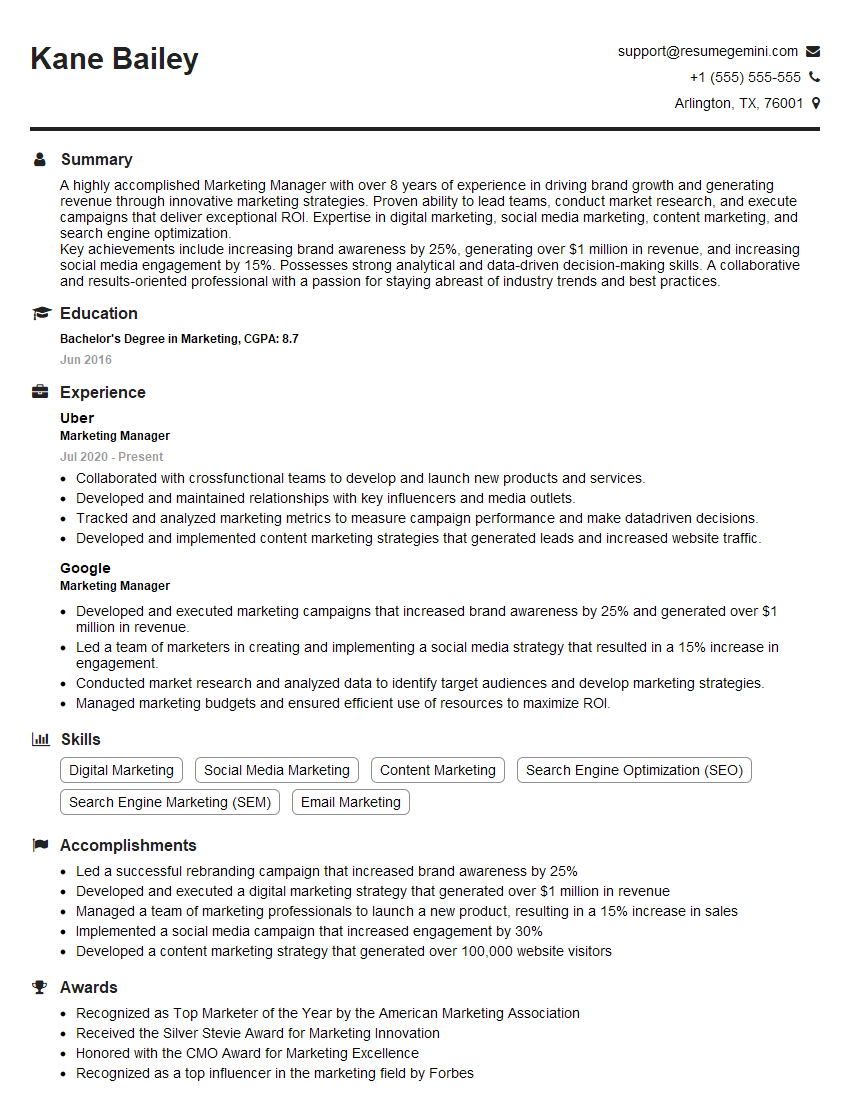
Marketing Manager Resume Sample
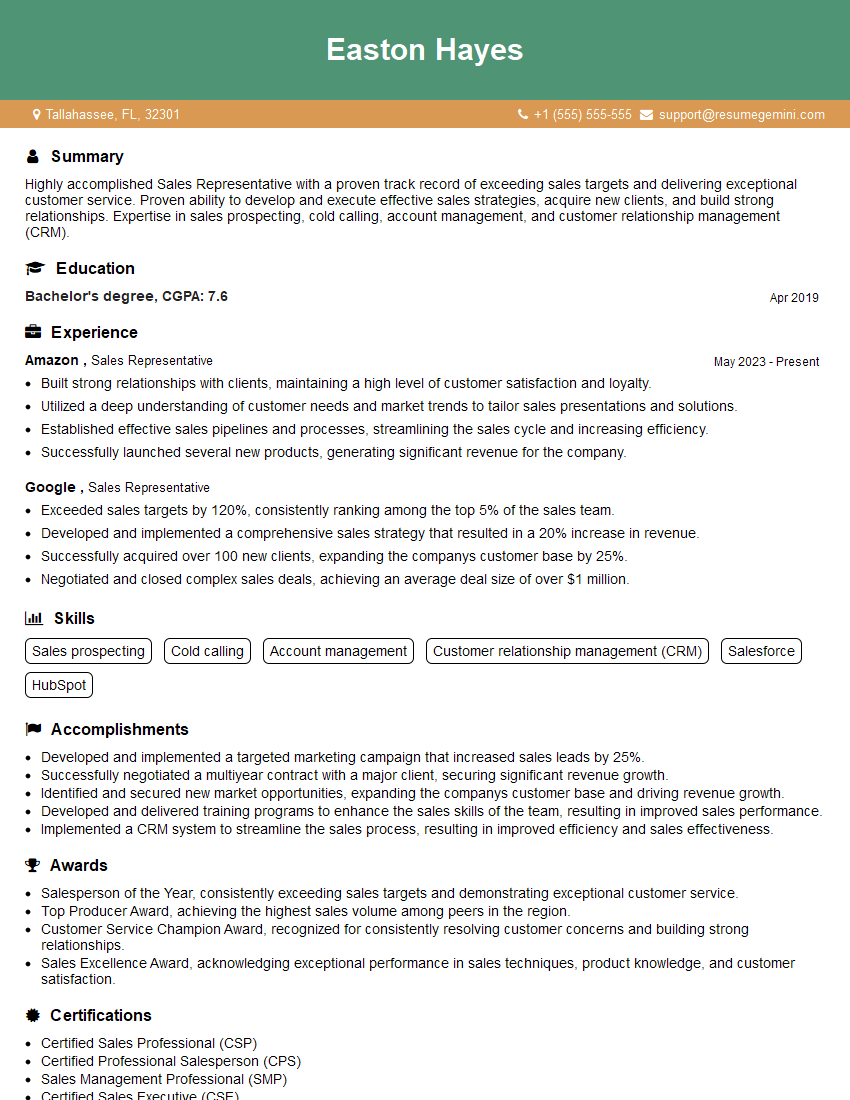
Sales Representative Resume Sample
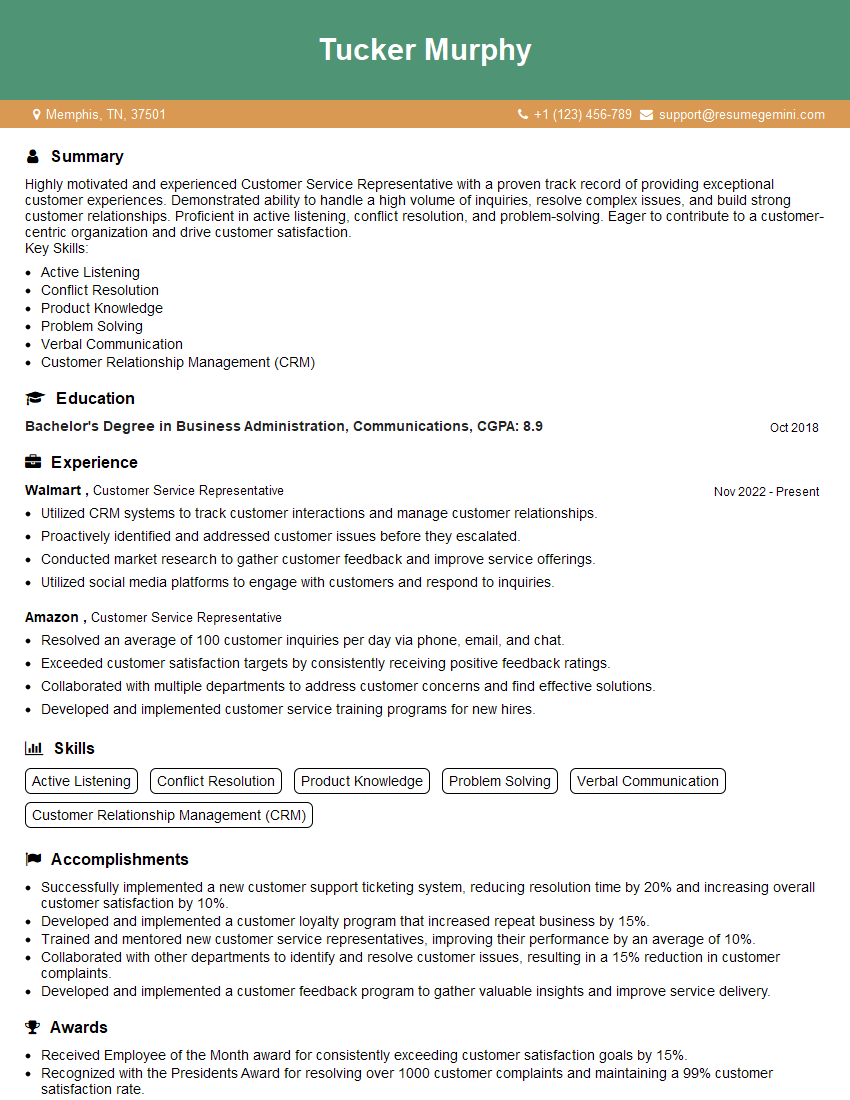
Customer Service Representative Resume Sample

Project Manager Resume Sample
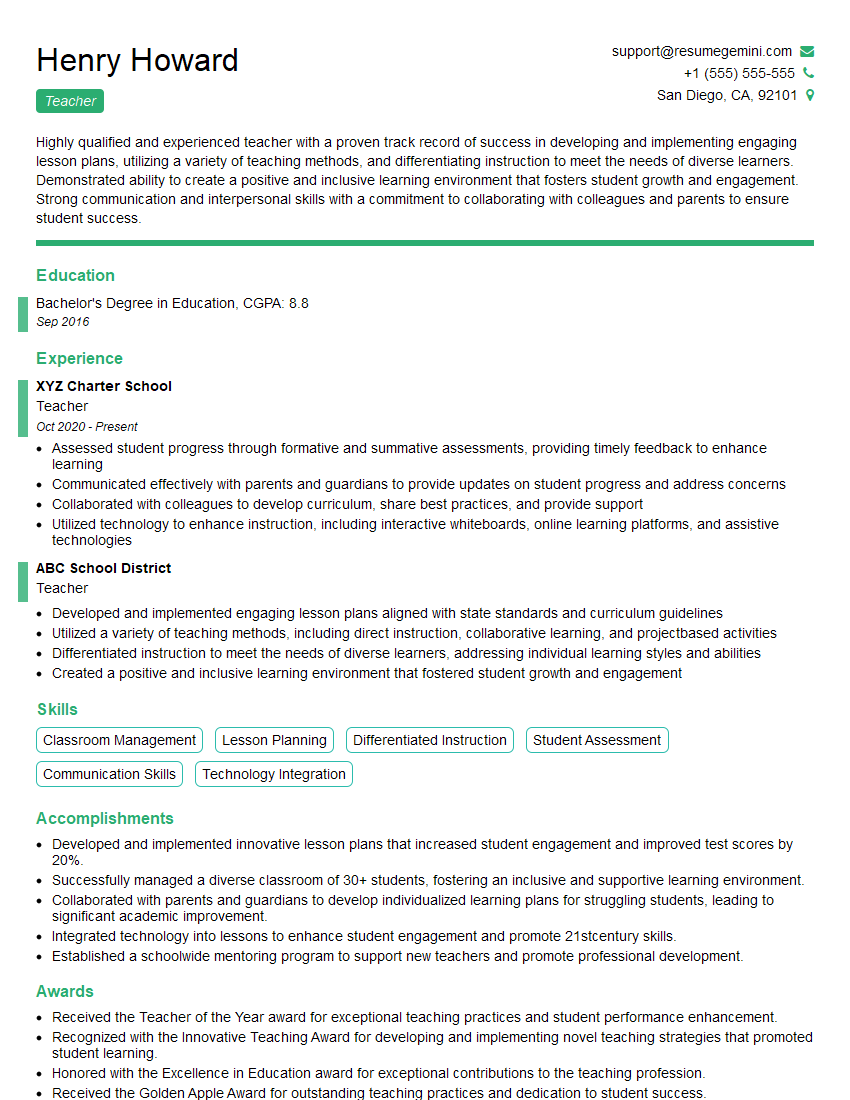
Teacher Resume Sample
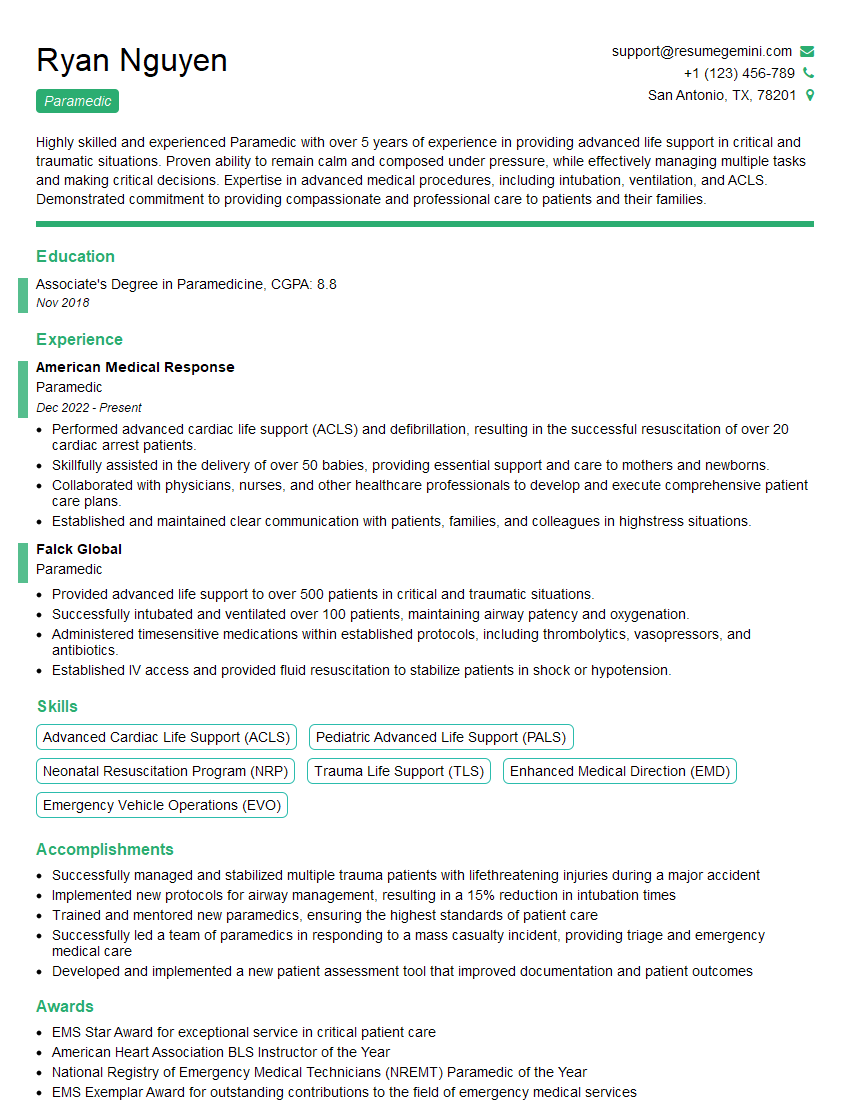
Paramedic Resume Sample
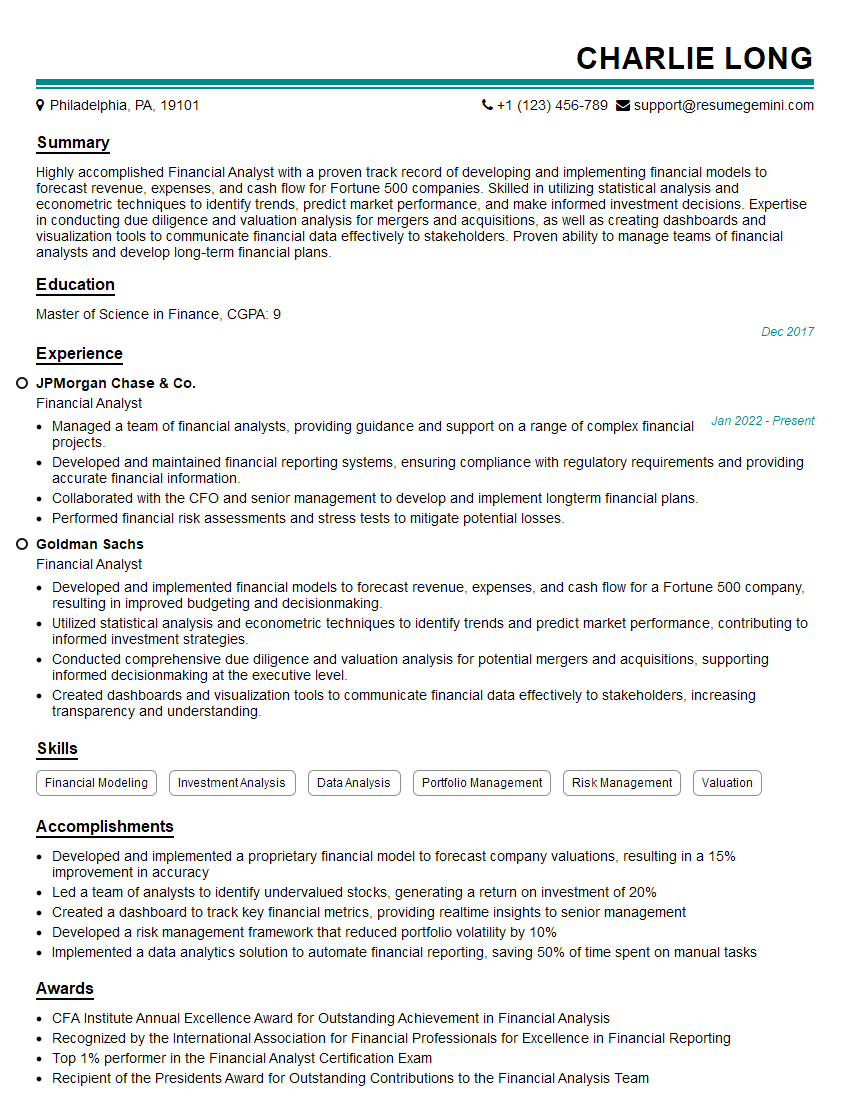
Financial Analyst Resume Sample
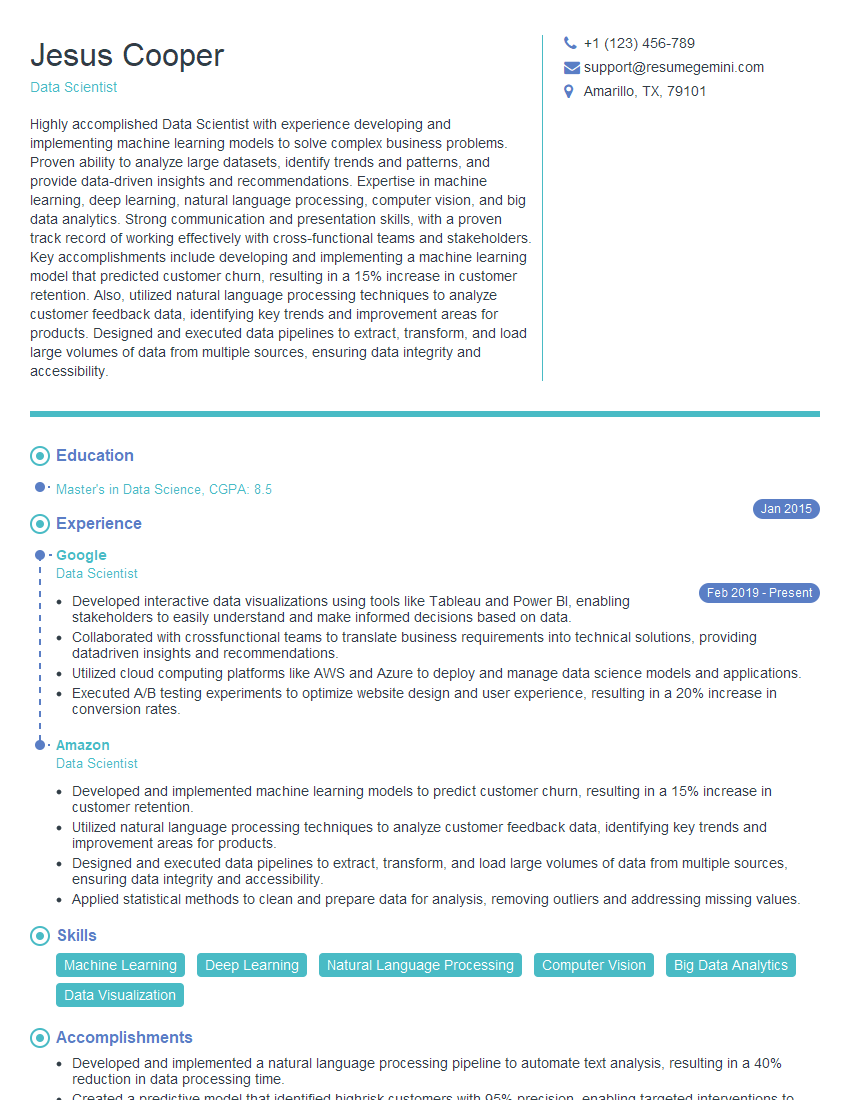
Data Scientist Resume Sample
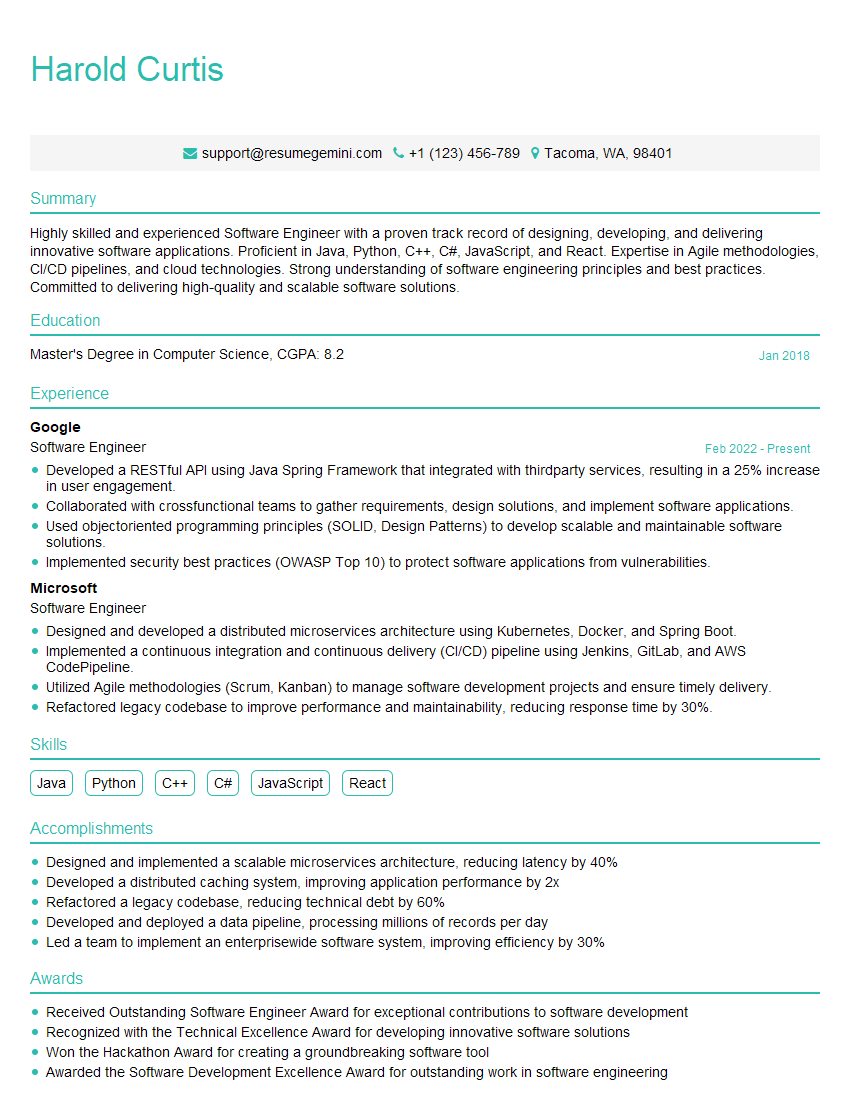
Software Engineer Resume Sample
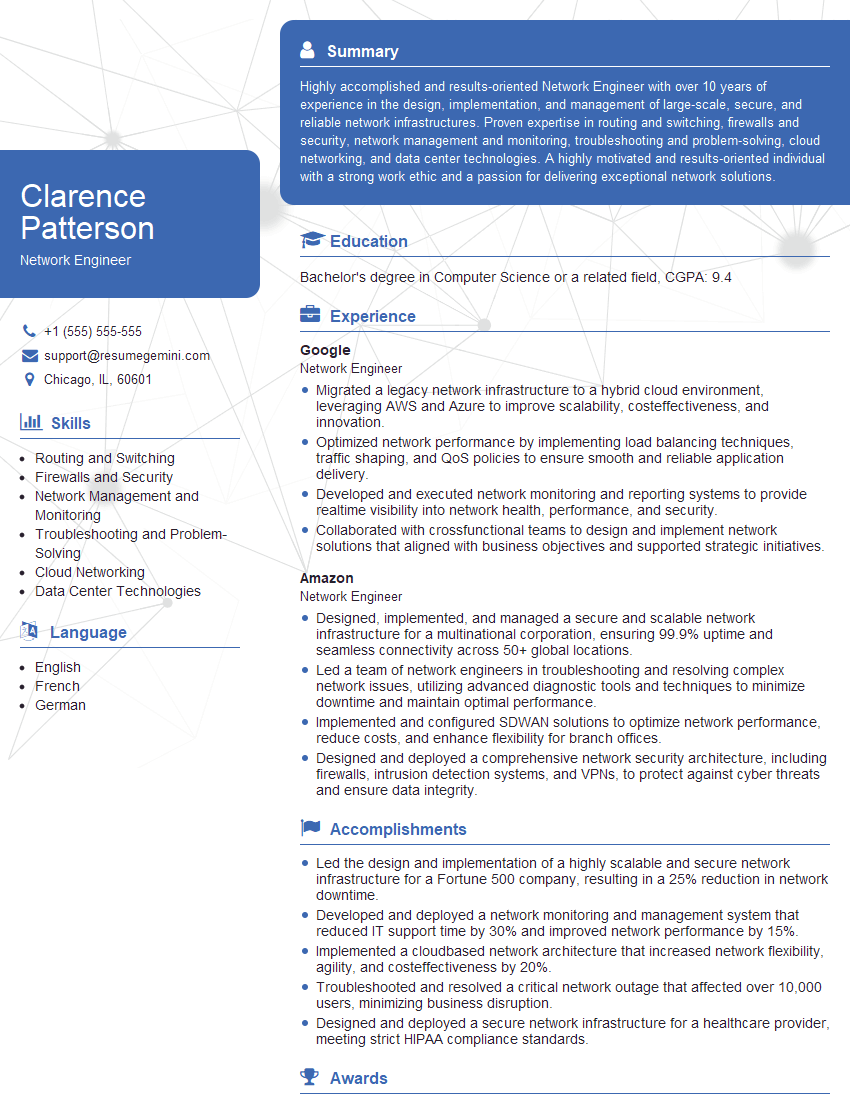
Network Engineer Resume Sample
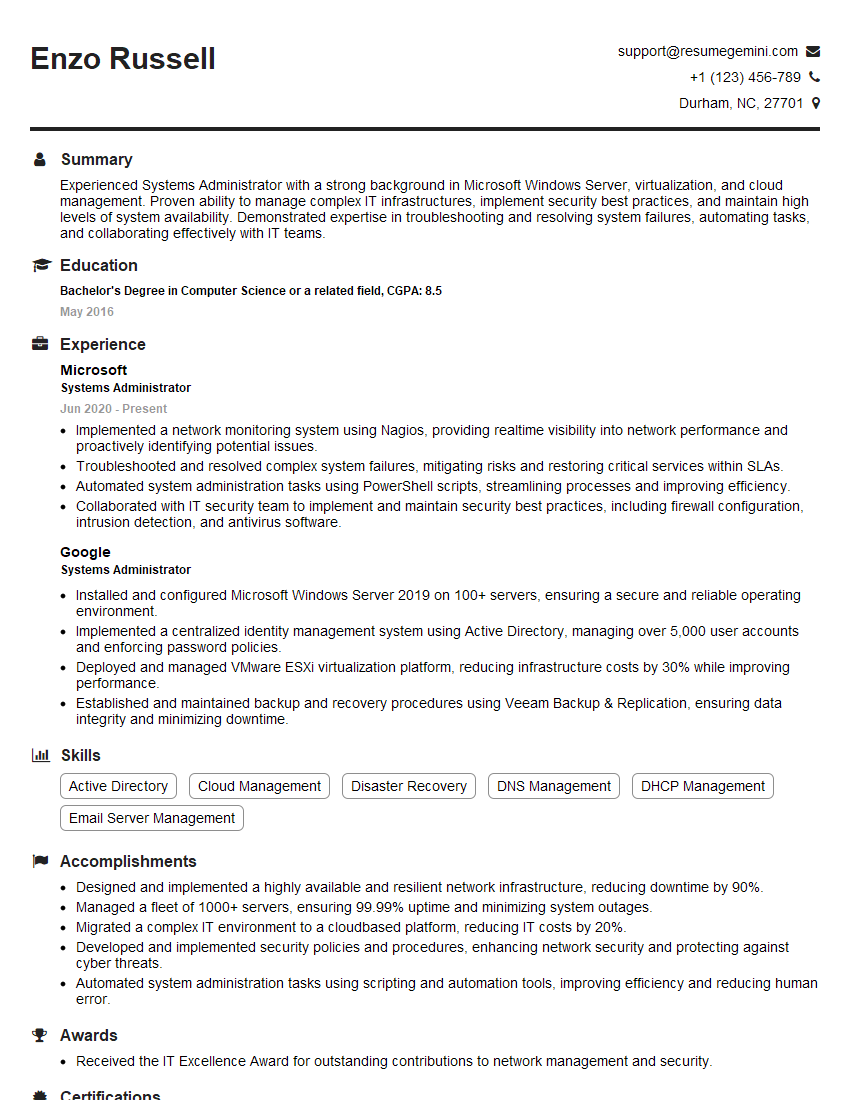
Systems Administrator Resume Sample
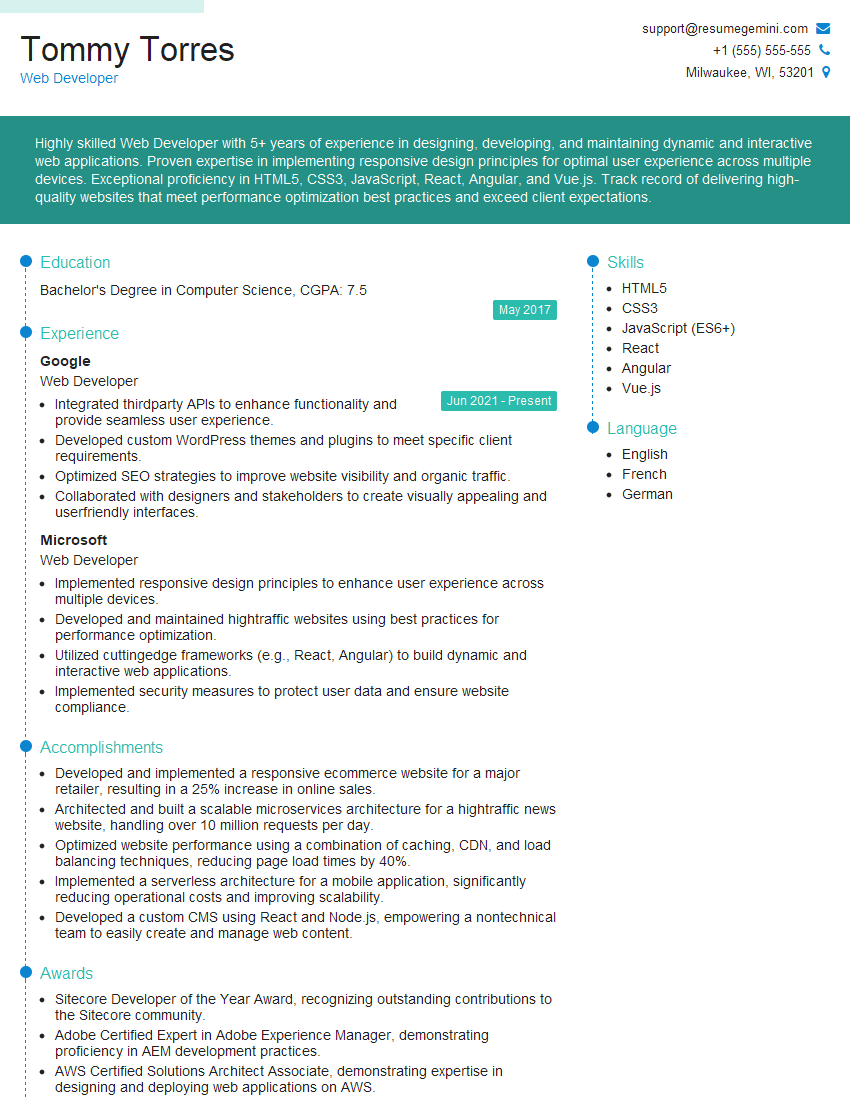
Web Developer Resume Sample
Firefighter Resume Sample
Police Officer Resume Sample
Graphic Designer Resume Sample
Editor Resume Sample
Doctor Resume Sample
Content Writer Resume Sample
Database Administrator Resume Sample
UX Designer Resume Sample
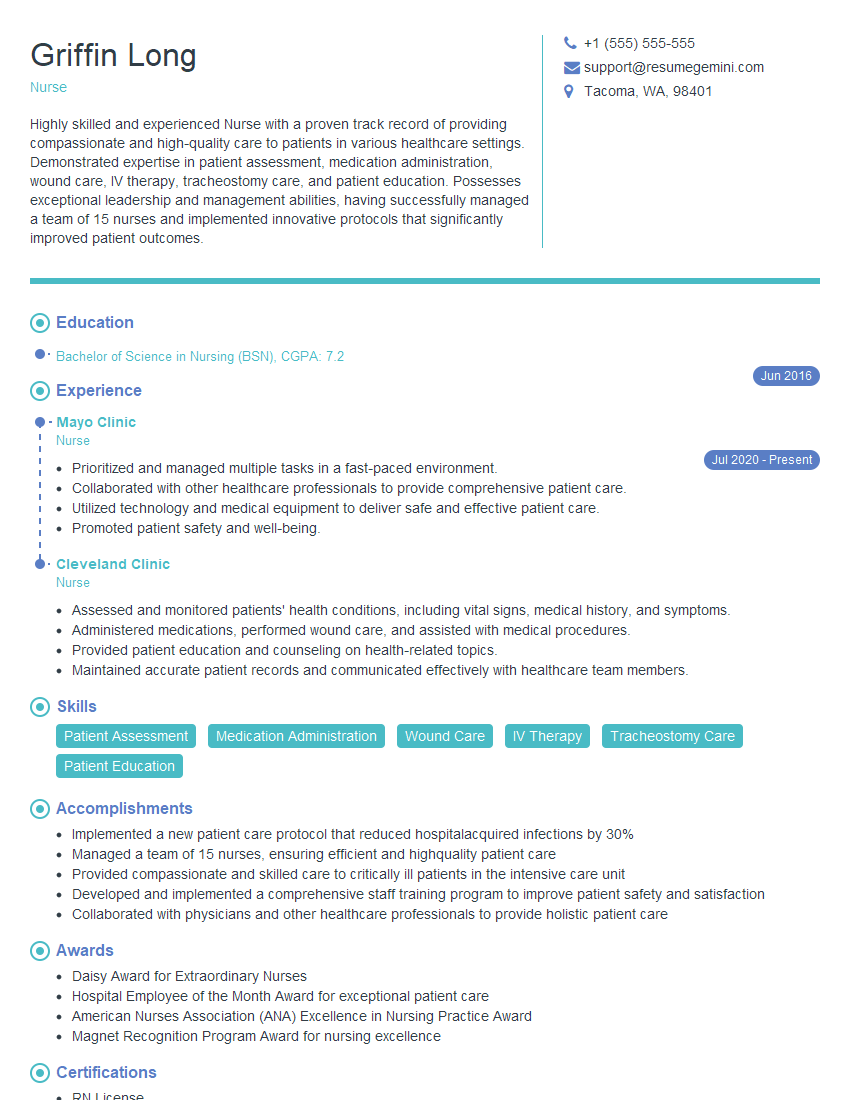
Nurse Resume Sample
- Operations Manager
- Account Manager
- Marketing Manager
- Sales Representative
- Customer Service Representative
- Project Manager
- Teacher
- Paramedic
- Financial Analyst
- Data Scientist
- Software Engineer
- Network Engineer
- Systems Administrator
- Web Developer
- Firefighter
- Police Officer
- Graphic Designer
- Editor
- Doctor
- Content Writer
- Database Administrator
- UX Designer
- Nurse
Explore more articles
Users Rating of Our Blogs
Share Your Experience
We value your feedback! Please rate our content and share your thoughts (optional).
What Readers Say About Our Blog
Hello,
we currently offer a complimentary backlink and URL indexing test for search engine optimization professionals.
You can get complimentary indexing credits to test how link discovery works in practice.
No credit card is required and there is no recurring fee.
You can find details here:
https://wikipedia-backlinks.com/indexing/
Regards
NICE RESPONSE TO Q & A
hi
The aim of this message is regarding an unclaimed deposit of a deceased nationale that bears the same name as you. You are not relate to him as there are millions of people answering the names across around the world. But i will use my position to influence the release of the deposit to you for our mutual benefit.
Respond for full details and how to claim the deposit. This is 100% risk free. Send hello to my email id: [email protected]
Luka Chachibaialuka
Hey interviewgemini.com, just wanted to follow up on my last email.
We just launched Call the Monster, an parenting app that lets you summon friendly ‘monsters’ kids actually listen to.
We’re also running a giveaway for everyone who downloads the app. Since it’s brand new, there aren’t many users yet, which means you’ve got a much better chance of winning some great prizes.
You can check it out here: https://bit.ly/callamonsterapp
Or follow us on Instagram: https://www.instagram.com/callamonsterapp
Thanks,
Ryan
CEO – Call the Monster App
Hey interviewgemini.com, I saw your website and love your approach.
I just want this to look like spam email, but want to share something important to you. We just launched Call the Monster, a parenting app that lets you summon friendly ‘monsters’ kids actually listen to.
Parents are loving it for calming chaos before bedtime. Thought you might want to try it: https://bit.ly/callamonsterapp or just follow our fun monster lore on Instagram: https://www.instagram.com/callamonsterapp
Thanks,
Ryan
CEO – Call A Monster APP
To the interviewgemini.com Owner.
Dear interviewgemini.com Webmaster!
Hi interviewgemini.com Webmaster!
Dear interviewgemini.com Webmaster!
excellent
Hello,
We found issues with your domain’s email setup that may be sending your messages to spam or blocking them completely. InboxShield Mini shows you how to fix it in minutes — no tech skills required.
Scan your domain now for details: https://inboxshield-mini.com/
— Adam @ InboxShield Mini
Reply STOP to unsubscribe
Hi, are you owner of interviewgemini.com? What if I told you I could help you find extra time in your schedule, reconnect with leads you didn’t even realize you missed, and bring in more “I want to work with you” conversations, without increasing your ad spend or hiring a full-time employee?
All with a flexible, budget-friendly service that could easily pay for itself. Sounds good?
Would it be nice to jump on a quick 10-minute call so I can show you exactly how we make this work?
Best,
Hapei
Marketing Director
Hey, I know you’re the owner of interviewgemini.com. I’ll be quick.
Fundraising for your business is tough and time-consuming. We make it easier by guaranteeing two private investor meetings each month, for six months. No demos, no pitch events – just direct introductions to active investors matched to your startup.
If youR17;re raising, this could help you build real momentum. Want me to send more info?
Hi, I represent an SEO company that specialises in getting you AI citations and higher rankings on Google. I’d like to offer you a 100% free SEO audit for your website. Would you be interested?
Hi, I represent an SEO company that specialises in getting you AI citations and higher rankings on Google. I’d like to offer you a 100% free SEO audit for your website. Would you be interested?
good