Interviews are opportunities to demonstrate your expertise, and this guide is here to help you shine. Explore the essential Working with Limited Supervision interview questions that employers frequently ask, paired with strategies for crafting responses that set you apart from the competition.
Questions Asked in Working with Limited Supervision Interview
Q 1. Describe a situation where you had to manage your time effectively without direct supervision.
Effective time management under limited supervision hinges on proactive planning and self-discipline. It’s about treating yourself as your own manager.
For example, during a freelance project involving designing a series of marketing materials for a client with a tight deadline, I lacked direct oversight. I began by meticulously breaking down the project into smaller, manageable tasks: creating a detailed project timeline using a Gantt chart, assigning specific time slots for each task, and incorporating buffer time for unexpected delays. This allowed me to track my progress, identify potential bottlenecks, and adjust my schedule as needed. Regular self-check-ins—like short progress reviews at the end of each day— ensured I stayed on track and addressed any emerging issues promptly.
Q 2. How do you prioritize tasks when working independently?
Prioritizing tasks independently requires a structured approach. I use a combination of methods, including the Eisenhower Matrix (urgent/important), MoSCoW method (must have, should have, could have, won’t have), and value-based prioritization.
The Eisenhower Matrix helps me categorize tasks based on urgency and importance, allowing me to focus on high-impact activities first. The MoSCoW method helps to establish a clear order of importance based on the client’s or project’s needs. Value-based prioritization involves considering the potential impact of each task on the overall goal and selecting those with the greatest return on investment. For instance, when working on a software development project, I prioritized bug fixes that impacted core functionalities over those affecting minor UI elements.
Q 3. How do you identify and solve problems without immediate assistance?
Problem-solving without immediate assistance involves a systematic approach. My first step is to clearly define the problem. Next, I gather relevant information through research, reviewing documentation, and leveraging available resources. I then brainstorm potential solutions, evaluating each based on feasibility, cost, and potential impact. I test the chosen solution, documenting the results and refining as needed. If the problem persists, I iterate through this process until a resolution is found.
For example, while developing a web application, I encountered a persistent database connection issue. After defining the problem, I examined server logs, checked database configurations, and researched potential solutions online. This iterative process eventually led me to discover a minor code error in my database connection script, which I corrected, effectively resolving the issue.
Q 4. How do you stay motivated and focused when working alone?
Maintaining motivation and focus when working alone requires self-discipline and strategies to combat isolation. I set realistic goals and celebrate milestones, breaking down large tasks into smaller, achievable steps to prevent feeling overwhelmed. I also maintain a structured work schedule, including regular breaks to prevent burnout. Connecting with colleagues and mentors, even through brief check-ins or virtual coffee breaks, helps to maintain a sense of community and provides valuable support.
Furthermore, I use techniques like the Pomodoro Technique to improve focus and productivity, alternating between periods of intense concentration and short breaks. I also ensure my workspace is comfortable and conducive to concentration, minimizing distractions.
Q 5. Explain your approach to seeking clarification when needed, even without direct access to a supervisor.
Seeking clarification without direct access to a supervisor often involves utilizing available resources effectively. I start by thoroughly reviewing documentation, including project briefs, style guides, and any relevant communication. Then, I try to find answers online through forums, documentation, or online communities related to my field. If these resources fail, I might consult with colleagues or mentors within the organization via email or instant messaging, ensuring my query is concise and includes all relevant information.
For instance, when facing ambiguity in a technical specification, I first consulted the project’s documentation and relevant online resources. When still unsure, I sent a well-defined email to a senior colleague, concisely explaining my understanding, the point of confusion, and the impact on the project. This approach ensured a quick and effective resolution.
Q 6. Describe a time you proactively identified a potential problem and took steps to mitigate it before it escalated.
Proactive problem identification is crucial for independent work. During a data analysis project, I noticed an unusual trend in the data indicating a potential issue with data integrity. Instead of proceeding, I investigated further, performing additional data validation and cleaning. This proactive approach revealed a previously unnoticed error in the data collection process. By alerting my team early, we avoided potentially skewed results and made necessary corrections, saving significant time and resources down the line.
Q 7. How do you ensure the quality of your work when working independently?
Ensuring quality in independent work involves several key strategies. First, I meticulously follow established processes and guidelines. Second, I employ rigorous self-review and testing procedures at each stage of the project. Third, I maintain detailed documentation, including notes, logs, and version control to support traceability and accountability. Finally, I actively seek feedback from colleagues or mentors when appropriate, using tools such as code reviews or informal discussions to identify potential areas for improvement.
For example, when developing code, I utilize version control (like Git) to track changes, making it easy to revert to previous versions if needed. I also write comprehensive unit tests to ensure the functionality and reliability of my code, regularly running these tests throughout the development process.
Q 8. Describe a project where you managed your time and resources effectively to meet a deadline.
Effective time and resource management is crucial for meeting deadlines, especially in independent work. My approach involves a multi-stage process: First, I meticulously break down the project into smaller, manageable tasks. This allows for better tracking of progress and identification of potential bottlenecks early on. Second, I prioritize tasks based on urgency and dependency, employing methods like Eisenhower Matrix (urgent/important) to focus my efforts. Third, I create a realistic timeline with buffer time for unforeseen issues. Finally, I consistently monitor my progress against the timeline, adjusting as needed.
For example, in a recent data analysis project, I had to deliver a comprehensive report within a tight two-week deadline. I divided the project into data cleaning, exploratory analysis, model building, and report writing. By allocating specific time slots for each task and using a project management tool to track my progress, I completed the project successfully and on time. Regular self-check-ins ensured I stayed focused and addressed any emerging challenges promptly.
Q 9. How do you handle setbacks or unexpected challenges when working without direct supervision?
Setbacks are inevitable, especially in independent work. My strategy for handling them involves a structured approach: First, I acknowledge and analyze the setback, identifying its root cause. This prevents emotional reactions and fosters a solution-oriented mindset. Second, I explore potential solutions, considering both immediate fixes and longer-term preventive measures. Third, I communicate the issue and proposed solutions to relevant stakeholders proactively, ensuring transparency. Finally, I document the setback, its resolution, and any lessons learned to avoid similar situations in the future.
For instance, during a web development project, a crucial API unexpectedly went down. I immediately investigated alternative APIs, communicated the delay to the client, and implemented a temporary workaround using cached data. This minimized disruption and highlighted my problem-solving skills.
Q 10. How do you communicate your progress and challenges to stakeholders when working independently?
Clear and consistent communication is critical when working independently. My approach involves using a combination of methods to keep stakeholders informed. Regular progress reports, either through email, project management software (like Jira or Asana), or even scheduled calls, are essential. These reports include a concise summary of completed tasks, current progress, and any anticipated challenges. I also proactively communicate any roadblocks or unexpected delays, offering potential solutions. This proactive communication builds trust and ensures everyone is on the same page.
For example, I used weekly email updates to keep my manager informed about the status of a large-scale research project. These updates included charts visualizing key findings and a brief discussion of any difficulties encountered, along with suggested mitigation strategies.
Q 11. Explain your process for documenting your work and maintaining records when working alone.
Maintaining thorough documentation is paramount when working alone. This ensures accountability, facilitates knowledge transfer, and aids in troubleshooting. I use a version control system (like Git) for code, and detailed notes for all other aspects of my work. These notes include design decisions, implementation details, problem-solving steps, and test results. I also utilize a centralized repository (like Google Drive or Dropbox) to organize all project-related files. Regular backups are crucial to protect against data loss.
For instance, when developing a machine learning model, I meticulously documented each step of the process, including data preprocessing techniques, model selection criteria, hyperparameter tuning results, and performance metrics. This complete documentation ensured reproducibility and facilitated future improvements.
Q 12. How do you ensure you stay up-to-date on relevant information and developments in your field when working independently?
Staying current in a rapidly evolving field requires a proactive approach. I subscribe to relevant industry publications, follow influential researchers and experts on social media (like Twitter or LinkedIn), and actively participate in online communities (e.g., forums, Stack Overflow). Attending webinars, conferences, and workshops also provides valuable updates. Furthermore, I regularly review relevant research papers and explore open-source projects to broaden my knowledge and skills.
For instance, I subscribe to several newsletters on data science and regularly attend online courses to stay abreast of the latest advancements in machine learning algorithms and techniques.
Q 13. Describe a time you had to make a critical decision with limited information.
Making critical decisions with limited information requires a structured approach. I begin by clearly defining the problem and its potential impact. Next, I gather all available data, even if incomplete. I then systematically evaluate potential solutions, weighing their pros and cons based on the available information. This often involves considering different scenarios and potential risks. Finally, I document my reasoning and the rationale behind my decision, ensuring transparency and accountability. Even if the decision proves less than optimal, the documented process helps in learning from the experience.
In one project, I had to choose a specific algorithm for a crucial component with limited data on its performance in the target environment. I carefully analyzed available benchmarks, considered the potential trade-offs, and made a decision based on a risk assessment. While the choice wasn’t perfect, the process was transparent, and we learned valuable lessons from the outcome.
Q 14. How do you stay organized and manage multiple tasks simultaneously without direct supervision?
Managing multiple tasks effectively without direct supervision relies heavily on strong organizational skills and effective time management techniques. I use tools such as task management software (like Todoist or Trello) to break down projects into smaller tasks, prioritize them based on urgency and importance, and assign deadlines. Timeboxing (allocating specific time blocks to particular tasks) and the Pomodoro Technique (working in focused intervals with short breaks) help me maintain focus and prevent task switching overload. Regular review and readjustment of my schedule ensures I remain on track.
For example, during a busy period, I managed three concurrent projects using a Kanban board to visualize progress, deadlines, and dependencies. By prioritizing tasks effectively and utilizing time-blocking techniques, I successfully completed all projects within their respective deadlines.
Q 15. How do you handle conflicting priorities when working independently?
When working independently, conflicting priorities are inevitable. My approach involves a structured prioritization process. First, I clearly define all tasks and their deadlines. Then, I assess the urgency and importance of each using a matrix (like the Eisenhower Matrix – urgent/important). This helps categorize tasks as: Do (urgent and important), Decide (important but not urgent), Delegate (urgent but not important – if possible), and Delete (neither urgent nor important). This system allows me to focus my energy on the most critical tasks first, minimizing wasted effort and maximizing efficiency. For example, if I’m working on a report due tomorrow and a less urgent project, the report takes precedence.
I also proactively communicate any potential conflicts to stakeholders (even if it’s just a self-imposed check-in). This ensures transparency and allows for potential adjustments to deadlines or expectations, preventing misunderstandings and frustration down the line.
Career Expert Tips:
- Ace those interviews! Prepare effectively by reviewing the Top 50 Most Common Interview Questions on ResumeGemini.
- Navigate your job search with confidence! Explore a wide range of Career Tips on ResumeGemini. Learn about common challenges and recommendations to overcome them.
- Craft the perfect resume! Master the Art of Resume Writing with ResumeGemini’s guide. Showcase your unique qualifications and achievements effectively.
- Don’t miss out on holiday savings! Build your dream resume with ResumeGemini’s ATS optimized templates.
Q 16. Describe a time you had to adapt to changing circumstances or priorities while working autonomously.
During a project developing a new marketing campaign, the client unexpectedly shifted their target audience midway. This required a complete overhaul of my strategy, including revised messaging, visuals, and platform selection. Instead of panicking, I systematically addressed the change. I first reviewed the new target audience profile to understand their needs and preferences. Then, I adjusted my existing work, prioritizing adaptable elements while discarding those incompatible with the new direction. I also utilized agile methodologies, breaking the project into smaller, more manageable tasks, allowing for flexibility and adaptation throughout the process. Regularly checking in with the client helped me stay aligned with their evolving needs and maintain a positive working relationship even amidst the significant changes.
Q 17. How do you utilize available resources to complete tasks efficiently when working alone?
Efficient resource utilization is crucial when working independently. My strategy involves a multi-pronged approach. Firstly, I thoroughly research available tools and technologies before starting a project. This ensures I’m leveraging the most appropriate and efficient resources from the outset. Secondly, I meticulously plan each task, identifying all required resources – be it software, data, or information – to avoid interruptions or delays. For example, if I need specific data for analysis, I obtain it beforehand to avoid delays in the process. Thirdly, I leverage online resources like tutorials, documentation, and forums to quickly acquire knowledge and problem-solve efficiently. Lastly, I prioritize automation wherever possible, using tools like scripting or task schedulers to streamline repetitive tasks.
Q 18. How do you measure your success when working on independent projects?
Measuring success on independent projects requires a multifaceted approach that goes beyond simply completing the tasks. I use a combination of quantitative and qualitative metrics. Quantitative metrics may include things like project completion time, the number of bugs resolved, or increased website traffic. Qualitative metrics consider things like client feedback, improvements in the product’s usability, or the positive impact on overall business goals. For example, if I’m developing a new software feature, I’d measure success by the number of users adopting it, the frequency of use, and their positive feedback on its usefulness. A critical part of self-assessment is setting clear, measurable, achievable, relevant, and time-bound (SMART) goals from the start, against which I can measure my accomplishments.
Q 19. How do you seek feedback on your work when a supervisor isn’t readily available?
Even without constant supervisor oversight, seeking feedback is vital. When a supervisor isn’t readily available, I utilize various strategies. I might present my work to a trusted colleague for a peer review, getting constructive criticism from someone with a different perspective. Online communities and forums related to my field can also provide valuable input on my work. For example, posting code snippets on Stack Overflow or sharing design mockups on Dribbble can elicit helpful feedback. I also document my work thoroughly, including rationale and decision-making processes. This helps me identify potential areas of improvement and prepare for discussions when a supervisor is available for a more formal review.
Q 20. What strategies do you use to stay accountable for your work when working independently?
Maintaining accountability when working independently requires self-discipline and proactive strategies. I employ several techniques: Regular self-check-ins: I schedule regular review points to assess my progress, identify potential roadblocks, and make necessary adjustments. Detailed project planning: Breaking down large projects into smaller, manageable tasks with clear deadlines helps maintain focus and track progress effectively. Utilizing project management tools: Tools like Trello, Asana, or even simple to-do lists help organize tasks, monitor progress, and visually track completion. Regular communication: Even without constant supervision, I maintain regular contact with stakeholders (if applicable) to update them on my progress and address any concerns. This ensures transparency and reinforces accountability.
Q 21. Describe your preferred method for tracking your progress on independent projects.
My preferred method for tracking progress on independent projects is a combination of digital and analog techniques. I use project management software like Asana or Trello to visually track tasks, deadlines, and dependencies. This allows me to see the big picture and identify potential bottlenecks. However, I also maintain a detailed personal log or journal, documenting my daily progress, challenges faced, and solutions implemented. This helps contextualize my progress beyond simple task completion, allowing for a more comprehensive self-assessment and identifying areas for improvement. The combination of these methods provides a robust and comprehensive approach to project tracking.
Q 22. How do you ensure your work aligns with company goals when working independently?
Ensuring alignment with company goals while working independently requires proactive communication and a results-oriented approach. It’s not enough to simply *do* the work; you need to ensure your work contributes meaningfully to the larger objectives.
- Regular Check-ins: Schedule regular meetings (even brief ones) with your manager or relevant stakeholders to discuss progress, address challenges, and confirm your work continues to align with shifting priorities.
- Goal Clarity: Before embarking on a task, I ensure I have a clear understanding of the project’s overall goals and my specific role in achieving them. This might involve reviewing relevant documentation, asking clarifying questions, and ensuring a shared understanding of success metrics.
- Proactive Reporting: I proactively share updates on my progress, not just when problems arise. This includes both formal reports and informal updates, keeping stakeholders informed and allowing for course correction if needed. This could involve using project management tools to track progress and communicate effectively.
- Continuous Improvement: Regularly review company performance reports and strategic documents to stay informed about overall company goals and identify opportunities for my work to contribute even more effectively.
For example, if my company’s goal is to increase customer satisfaction, I might focus on initiatives that directly improve customer experience in my tasks, even if not explicitly stated. This shows initiative and alignment beyond the task itself.
Q 23. Explain a situation where you demonstrated initiative and took ownership of a task or project.
In my previous role, we were facing a significant backlog in processing customer support tickets. While my primary responsibility was data analysis, I recognized the bottleneck was impacting our overall customer satisfaction scores – a key company metric. Instead of simply focusing on my assigned tasks, I took the initiative to analyze the ticket processing workflow.
I identified several inefficiencies and proposed a streamlined process that involved automating repetitive tasks using scripting. I presented my findings and proposed solution to my manager, who was impressed by my initiative and proactive problem-solving. I then took ownership of implementing the solution, collaborating with the IT team for support. The result was a 30% reduction in ticket processing time, which significantly improved customer satisfaction and team morale. This demonstrated my ability to identify problems, propose solutions, and take ownership of their implementation, even outside my direct responsibilities.
Q 24. How do you handle ambiguity or uncertainty when working without direct supervision?
Ambiguity and uncertainty are inherent in many independent work situations. My approach involves a structured, systematic methodology:
- Define the Problem Clearly: Begin by clearly defining the problem or task at hand. This involves breaking down complex tasks into smaller, manageable steps.
- Information Gathering: Aggressively seek information from all available sources – documentation, colleagues, online resources, etc. Don’t hesitate to ask questions to clarify any uncertainties.
- Risk Assessment: Identify potential risks and challenges associated with different approaches. This allows for proactive mitigation planning.
- Prioritization: Prioritize tasks based on urgency and impact. Focus on the most critical aspects first.
- Iterative Approach: Embrace an iterative approach, starting with a Minimum Viable Product (MVP) and iteratively improving based on feedback or learnings.
- Documentation: Meticulously document all assumptions, decisions, and outcomes to ensure transparency and facilitate future troubleshooting.
Think of it like navigating with a partially obscured map. You might not see the entire route at first, but by carefully studying the available details, asking for guidance when needed, and adjusting your course as you learn more, you can still reach your destination.
Q 25. How do you effectively delegate tasks when appropriate, even in a self-managed context?
Even in a self-managed context, effective delegation is crucial for maximizing efficiency and achieving ambitious goals. The key is to delegate strategically, focusing on tasks that can be effectively handled by others while retaining oversight.
- Task Suitability: Identify tasks appropriate for delegation, considering the skills and experience of the team members. Choose tasks that don’t require my direct expertise.
- Clear Communication: Provide clear instructions, expectations, and deadlines. Ensure the individual understands the task’s purpose and its contribution to the larger goal.
- Empowerment: Empower the individual with the necessary resources, authority, and support to complete the task successfully. Avoid micromanaging.
- Monitoring & Feedback: Regularly check in on progress, provide constructive feedback, and offer assistance when needed. Avoid unnecessary interruptions.
- Recognition & Appreciation: Acknowledge and appreciate the individual’s contributions to foster a positive collaborative environment.
For instance, if I’m leading a project that involves data entry and report generation, I might delegate the data entry tasks to a junior team member, providing them with clear instructions and training. This allows me to focus on the more complex aspects of report generation and analysis.
Q 26. How do you build and maintain effective working relationships with colleagues while working independently?
Building and maintaining effective working relationships while working independently requires proactive effort and clear communication. It’s about being a valuable team member even when working remotely or autonomously.
- Proactive Communication: Regularly update colleagues on your progress, challenges, and any potential roadblocks. Use appropriate communication tools for different scenarios.
- Collaboration Tools: Utilize project management software, shared documents, and communication platforms to facilitate seamless collaboration and information sharing.
- Active Listening & Feedback: Actively listen to colleagues’ perspectives, offer constructive feedback, and be receptive to suggestions. This fosters a sense of teamwork.
- Virtual Team Building: Participate in virtual team-building activities to strengthen relationships and foster a sense of camaraderie.
- Seeking Help When Needed: Don’t hesitate to ask for help when needed. Demonstrate a willingness to collaborate and learn from others.
Think of it as nurturing a plant remotely. You might not be physically present all the time, but you still need to regularly check on its growth, provide it with the necessary resources, and communicate with those who help you care for it.
Q 27. How do you proactively seek opportunities for professional development while working with limited supervision?
Proactive professional development is vital for sustained success, especially when working with limited supervision. It demonstrates initiative and commitment to continuous improvement.
- Identify Skill Gaps: Regularly assess your skills and identify areas for improvement. This might involve self-reflection, peer feedback, or performance reviews.
- Online Courses & Workshops: Utilize online learning platforms (e.g., Coursera, Udemy, LinkedIn Learning) to acquire new skills or deepen existing ones. This is a flexible and accessible way to continue learning.
- Conferences & Networking: Attend industry conferences and networking events to expand your knowledge, stay updated on industry trends, and connect with other professionals.
- Mentorship Programs: Seek out mentorship opportunities to learn from experienced professionals and gain valuable insights into industry best practices.
- Independent Projects: Undertake personal projects to explore new technologies or techniques and expand your skillset.
Even small, consistent efforts toward self-improvement accumulate over time, leading to significant growth and enhancing your value to the company.
Q 28. Describe a time you learned from a mistake you made while working independently.
During a previous independent project, I underestimated the complexity of integrating a new API into our existing system. I had assumed the integration would be straightforward based on the documentation, but I encountered unexpected challenges and delays.
My mistake was failing to thoroughly test the integration in a staging environment before deploying it to production. This led to a temporary service disruption, which impacted users. I learned a valuable lesson about the importance of rigorous testing and risk assessment in independent projects. Following this incident, I implemented a more thorough testing protocol, including unit tests, integration tests, and user acceptance testing (UAT), before deploying any significant changes. This ensures greater stability and minimizes the risk of disruptions in the future. This experience taught me the importance of comprehensive planning and rigorous testing before deployment.
Key Topics to Learn for Working with Limited Supervision Interview
- Proactive Problem-Solving: Identifying potential issues before they arise, developing contingency plans, and taking initiative to find solutions independently.
- Time Management & Prioritization: Effectively managing multiple tasks and deadlines without constant oversight, prioritizing tasks based on urgency and importance.
- Self-Motivation & Discipline: Maintaining focus and productivity without external pressure, setting realistic goals, and tracking progress independently.
- Communication & Reporting: Proactively communicating progress, challenges, and successes to relevant stakeholders; providing clear and concise updates.
- Resourcefulness & Research Skills: Independently seeking out necessary information, tools, and resources to complete tasks efficiently; demonstrating initiative in learning new skills.
- Decision-Making & Judgement: Making sound judgments and decisions within defined parameters; understanding when to escalate issues requiring higher-level input.
- Adaptability & Flexibility: Responding effectively to changing priorities and unexpected challenges; demonstrating resilience and a positive attitude.
- Organization & Attention to Detail: Maintaining meticulous records, documentation, and work processes; ensuring accuracy and thoroughness in all tasks.
- Seeking Clarification & Feedback: Knowing when to ask for guidance and utilizing feedback constructively to improve performance.
Next Steps
Mastering “Working with Limited Supervision” is crucial for career advancement, opening doors to more challenging and rewarding roles with increased autonomy and responsibility. To significantly improve your job prospects, invest time in crafting an ATS-friendly resume that highlights your relevant skills and experience. ResumeGemini is a trusted resource that can help you build a professional and impactful resume. We provide examples of resumes tailored to showcasing “Working with Limited Supervision” skills, helping you present yourself effectively to potential employers. Take the next step towards your dream job today!

Operations Manager Resume Sample
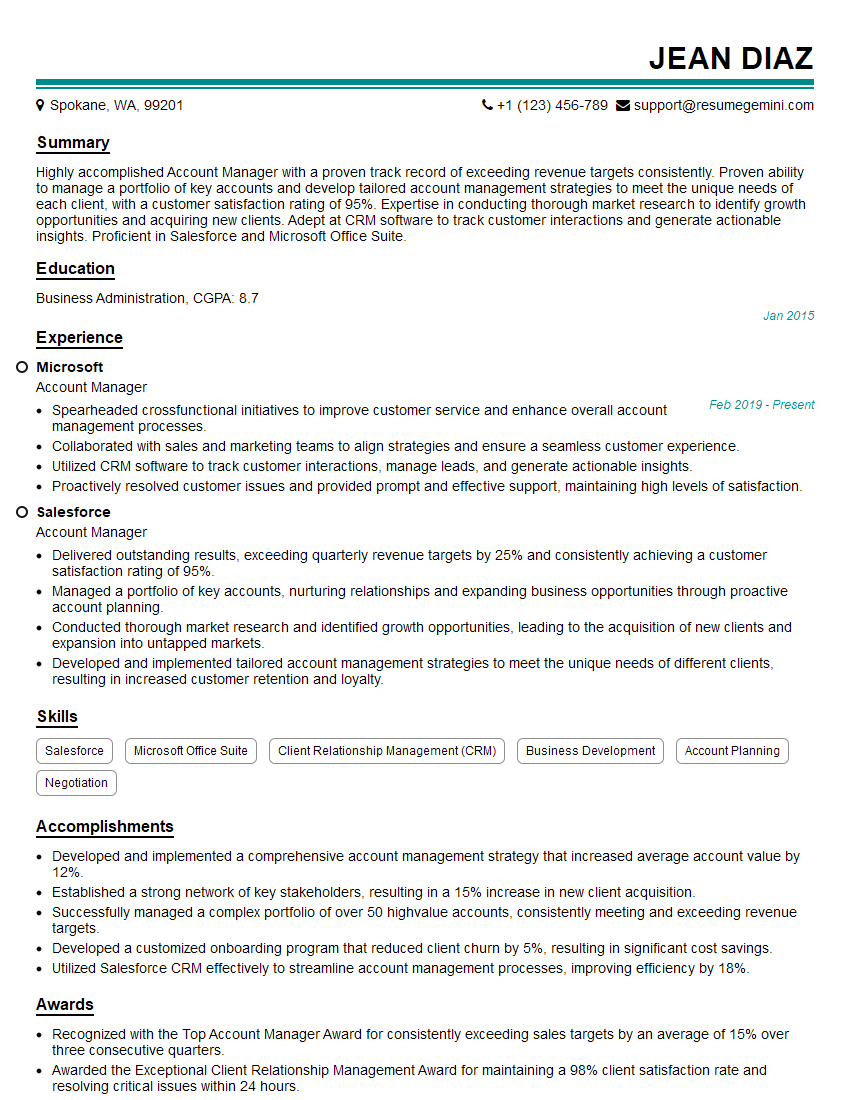
Account Manager Resume Sample
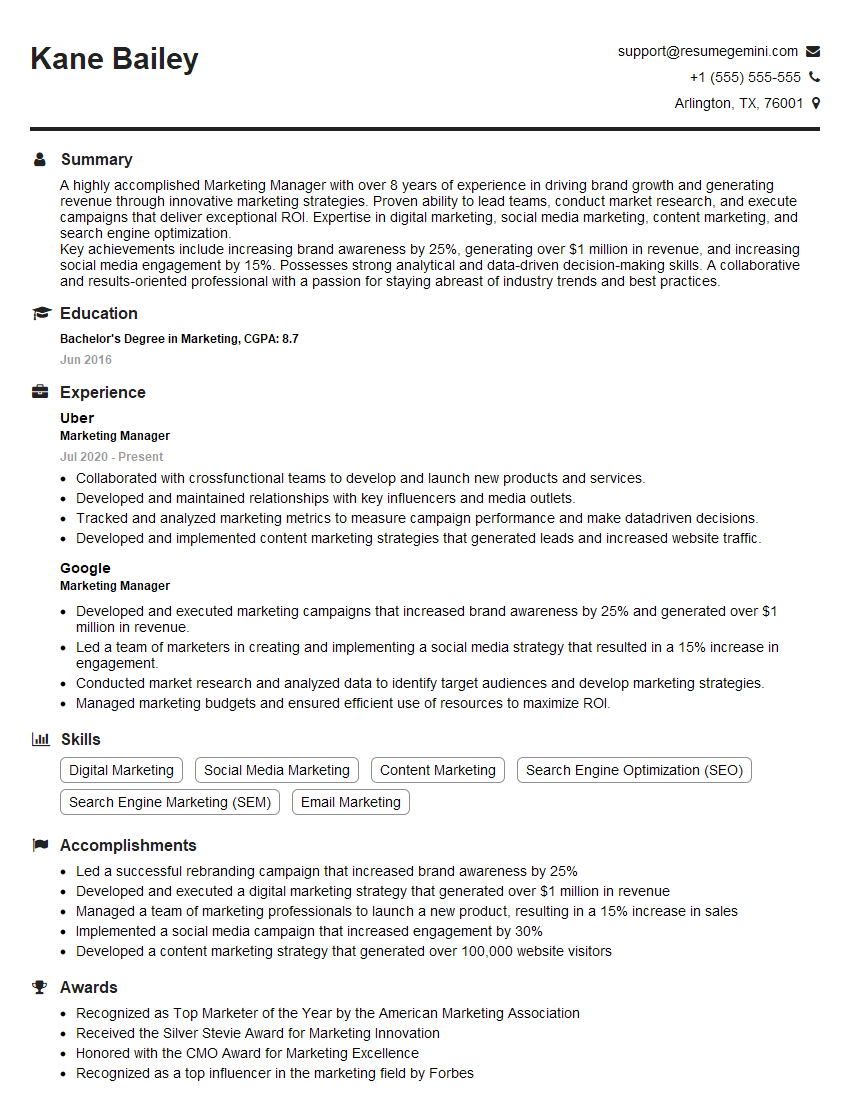
Marketing Manager Resume Sample
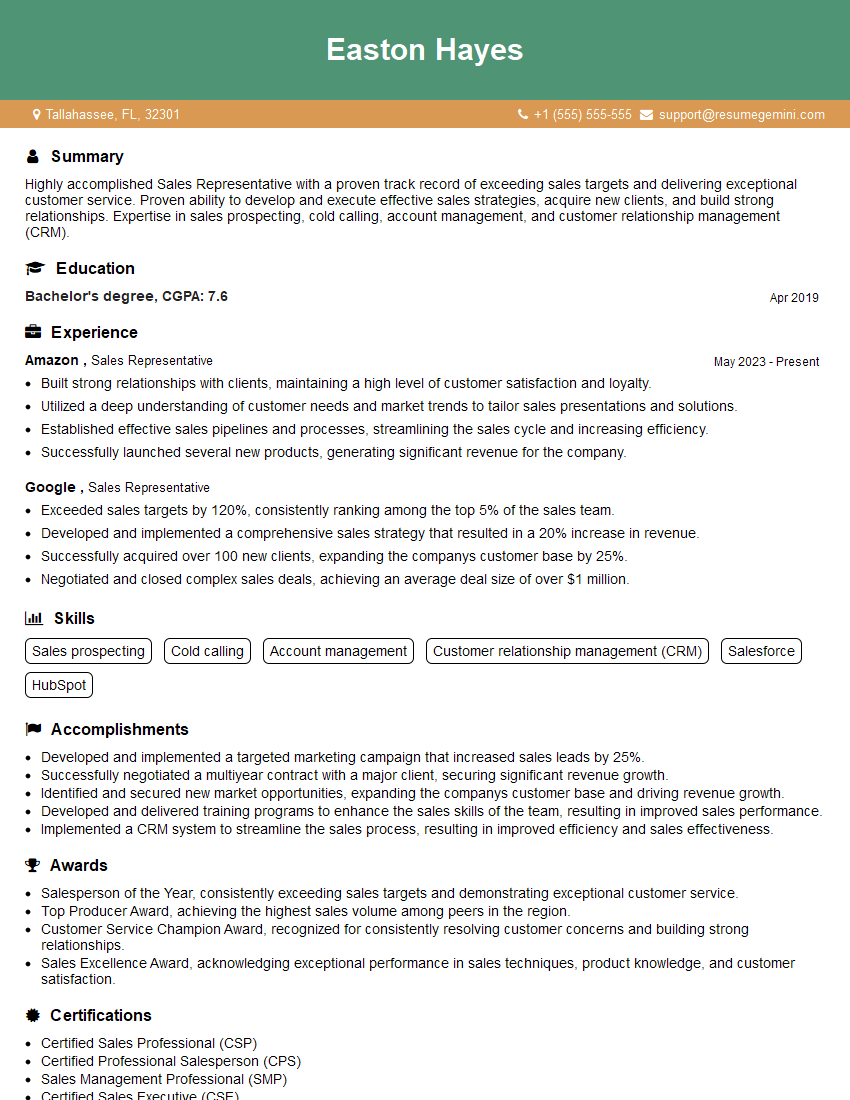
Sales Representative Resume Sample

Project Manager Resume Sample
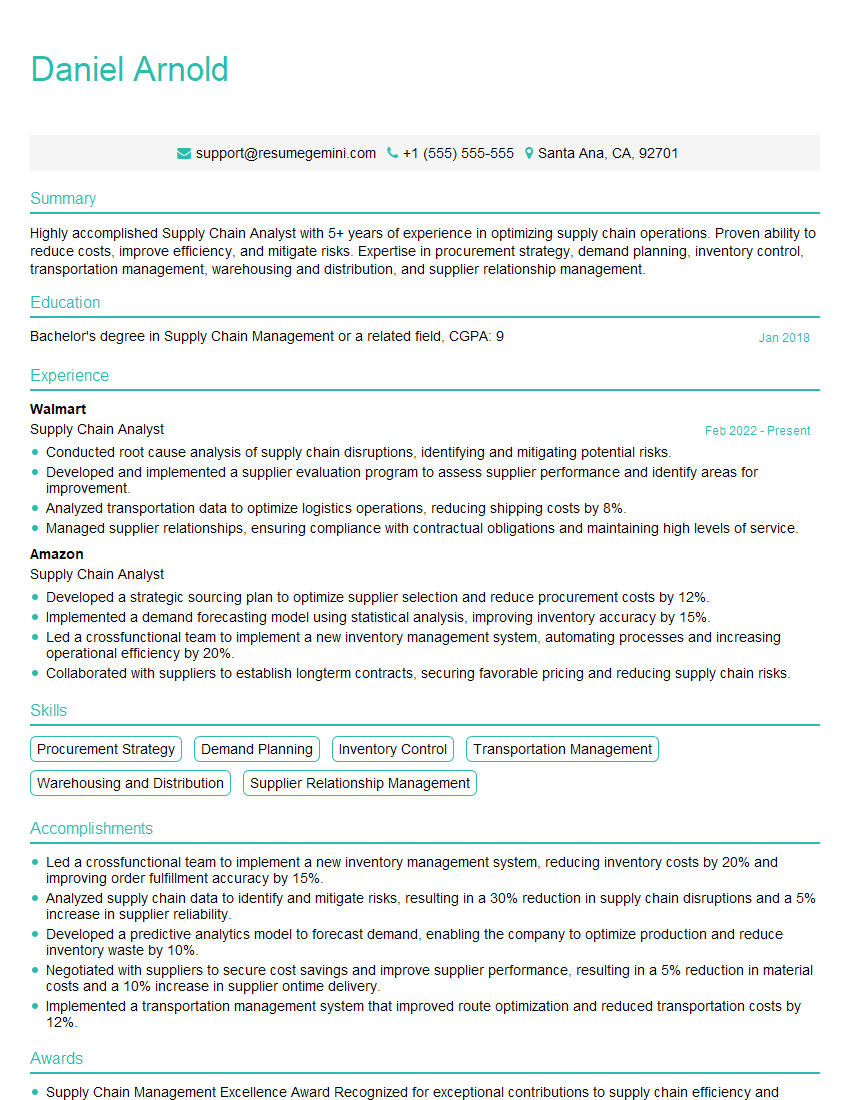
Supply Chain Analyst Resume Sample
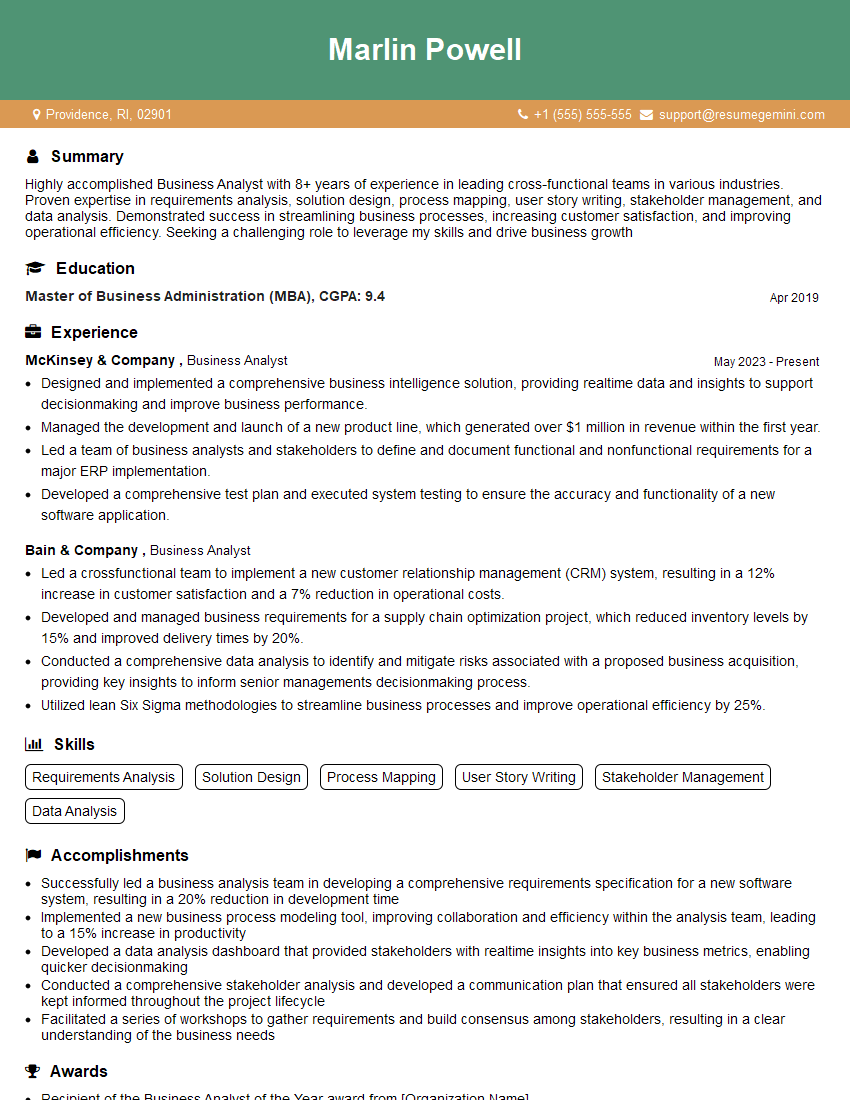
Business Analyst Resume Sample
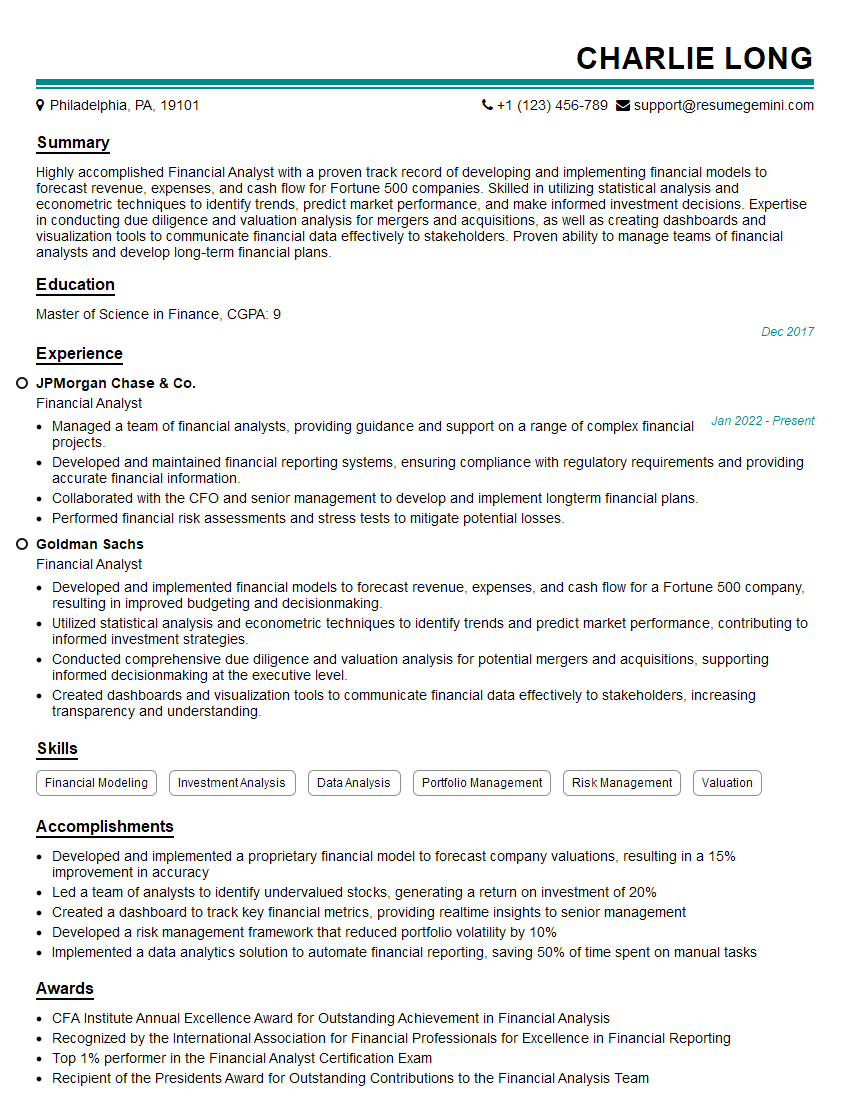
Financial Analyst Resume Sample
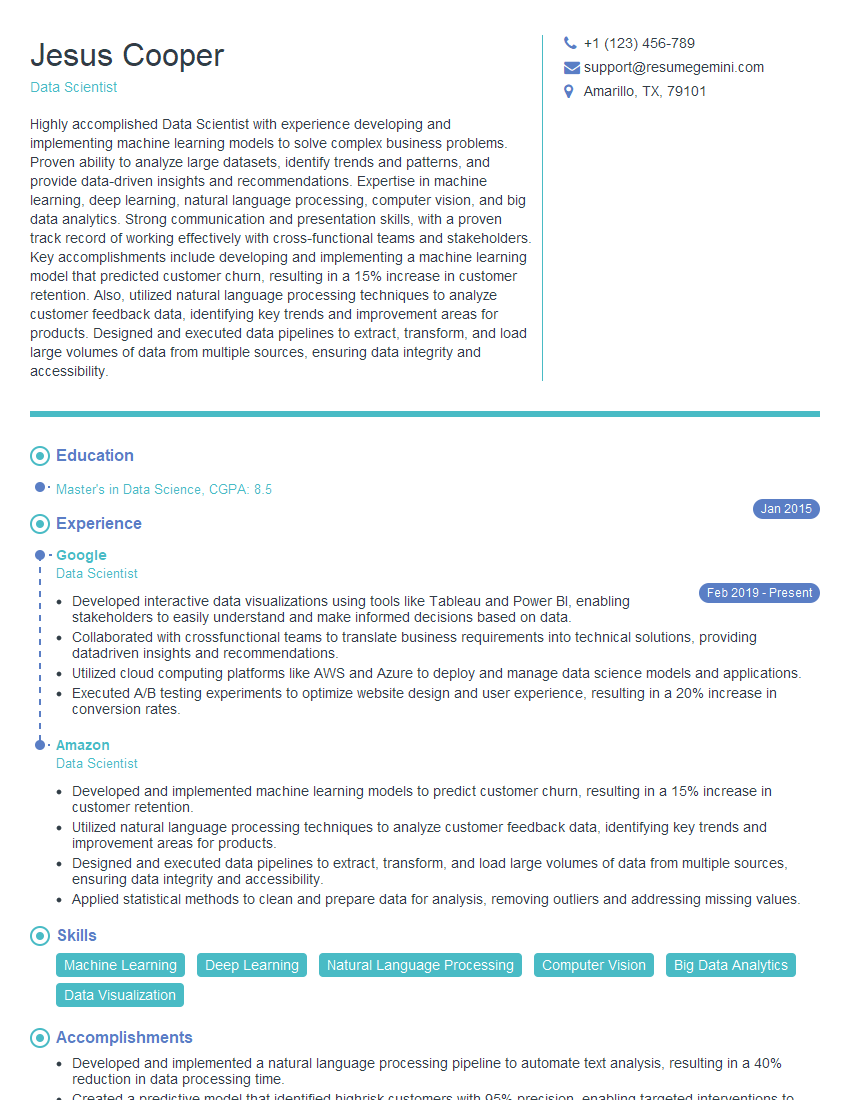
Data Scientist Resume Sample
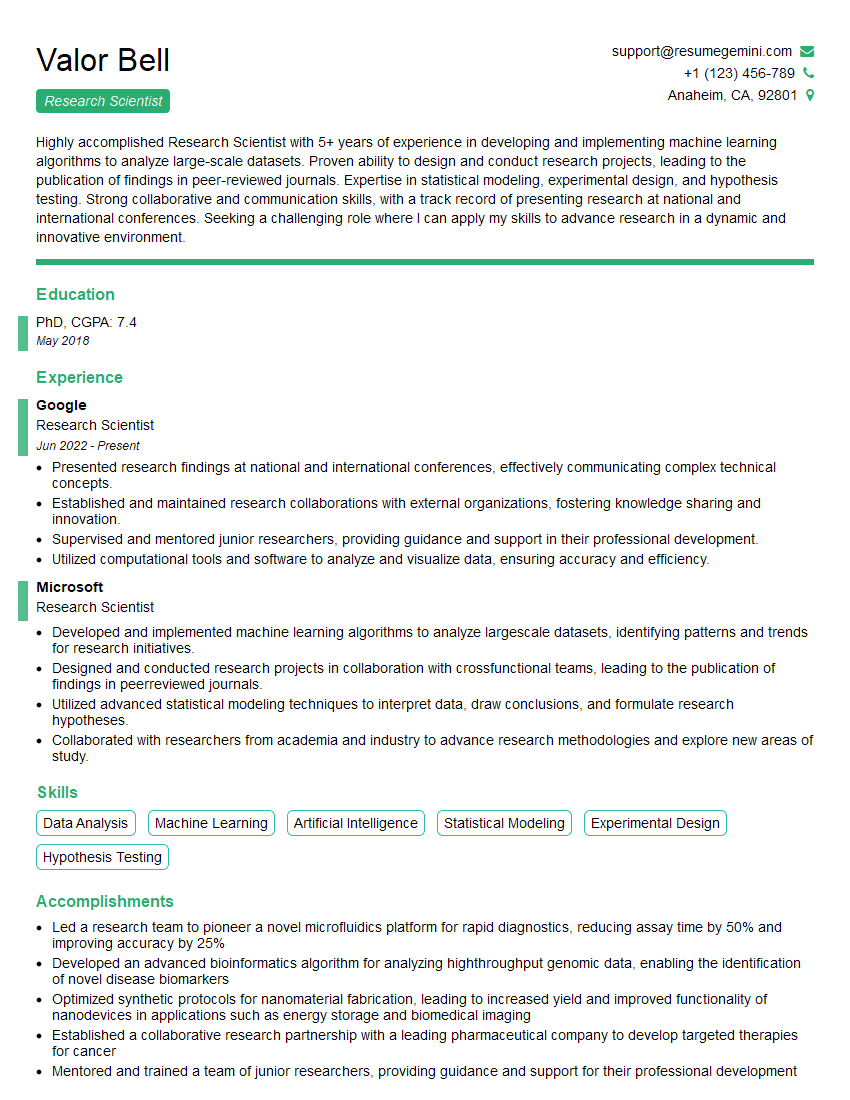
Research Scientist Resume Sample
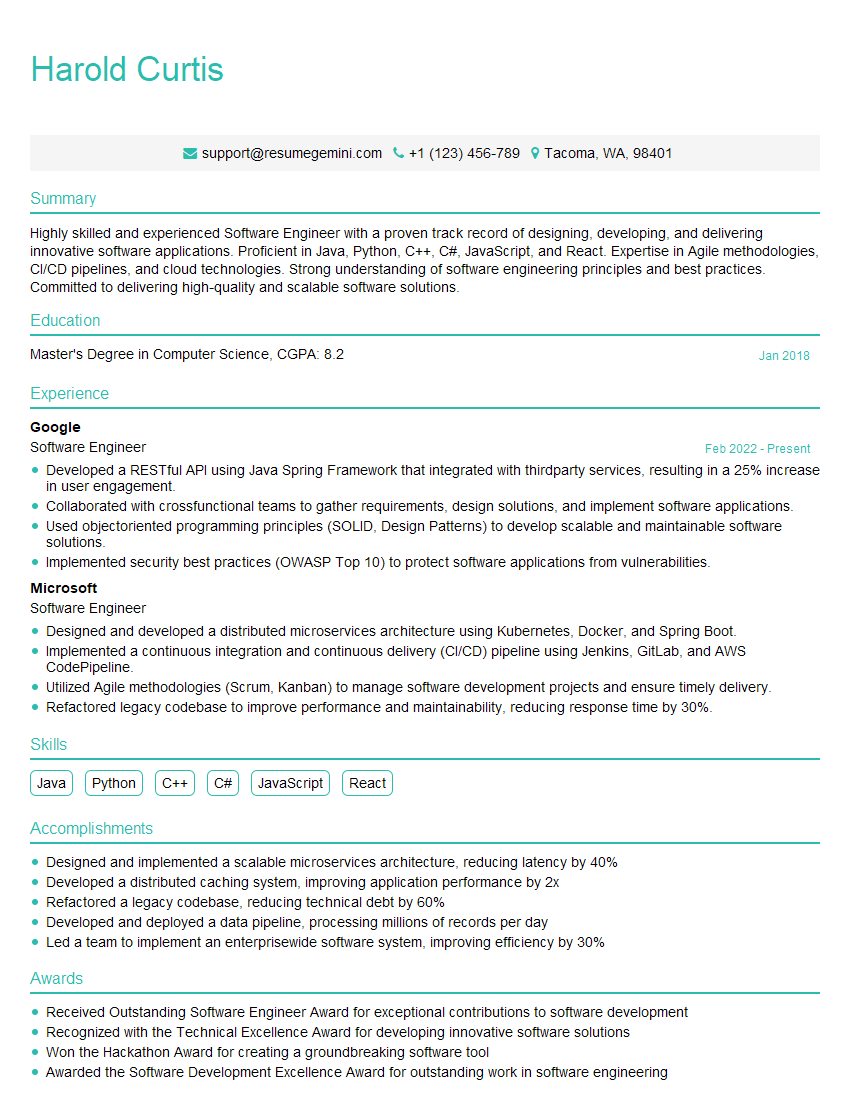
Software Engineer Resume Sample
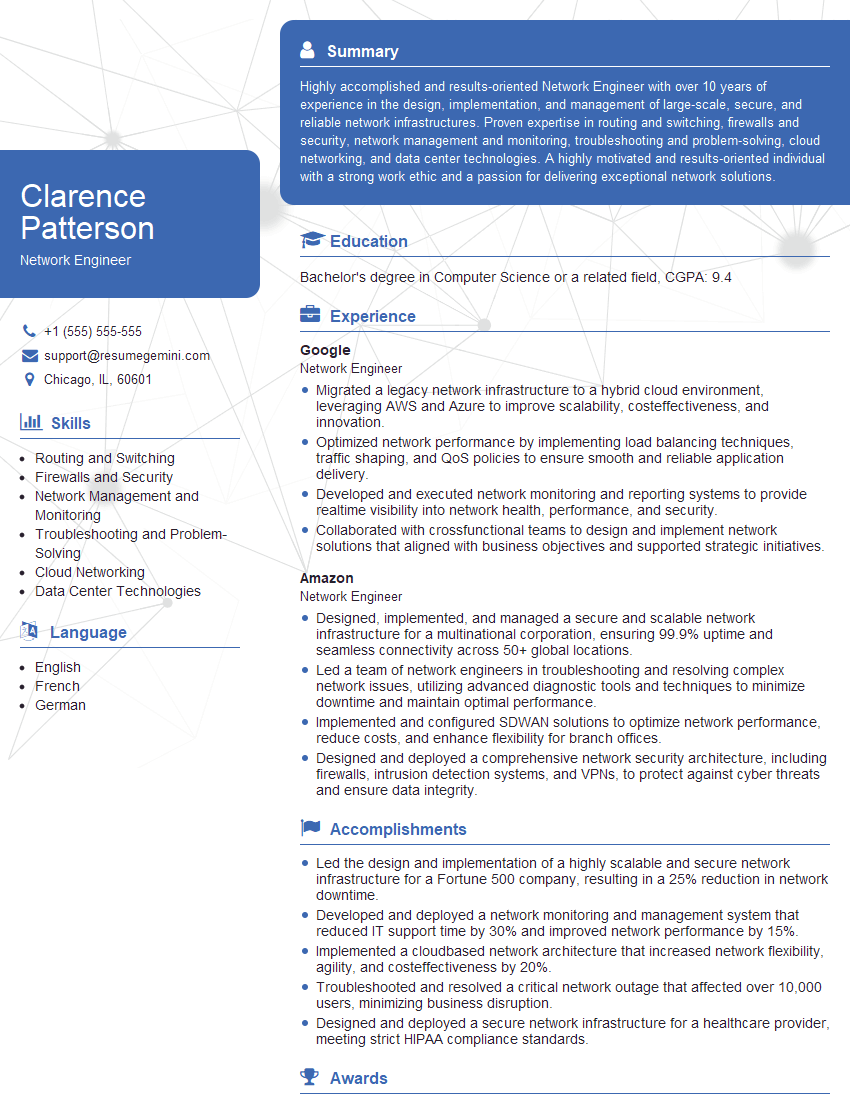
Network Engineer Resume Sample
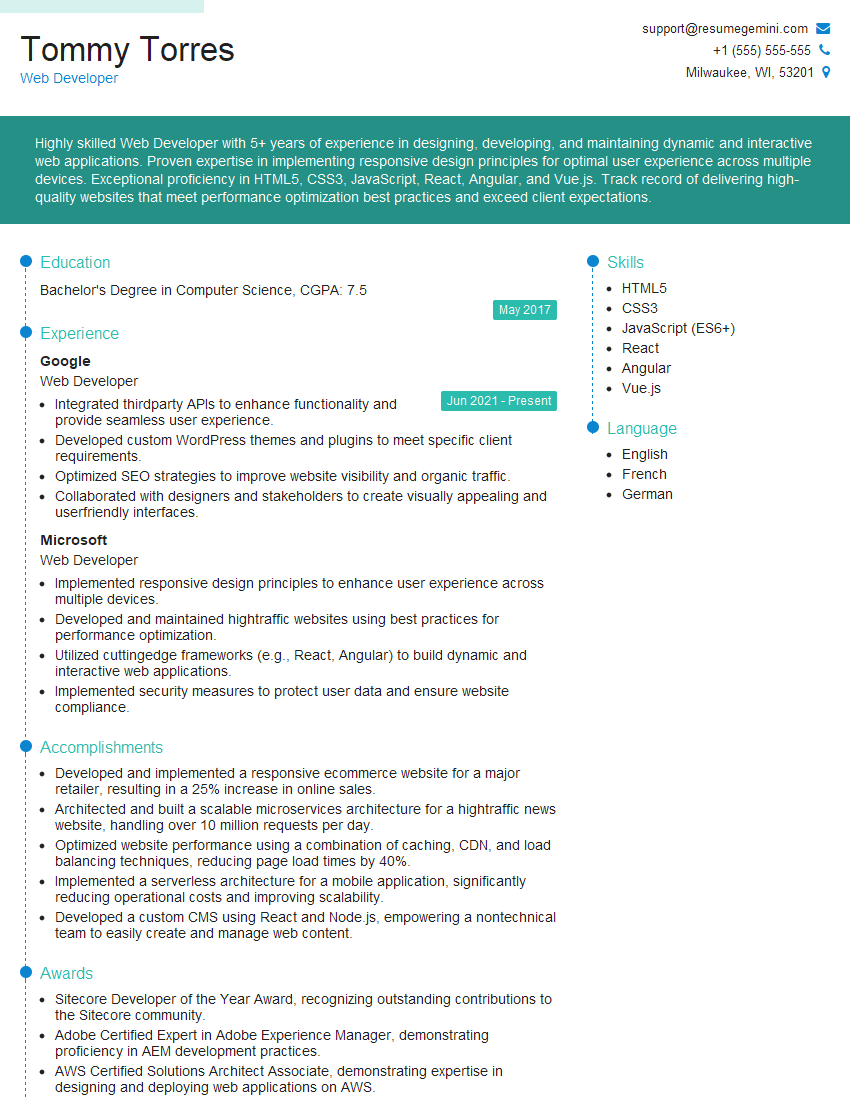
Web Developer Resume Sample
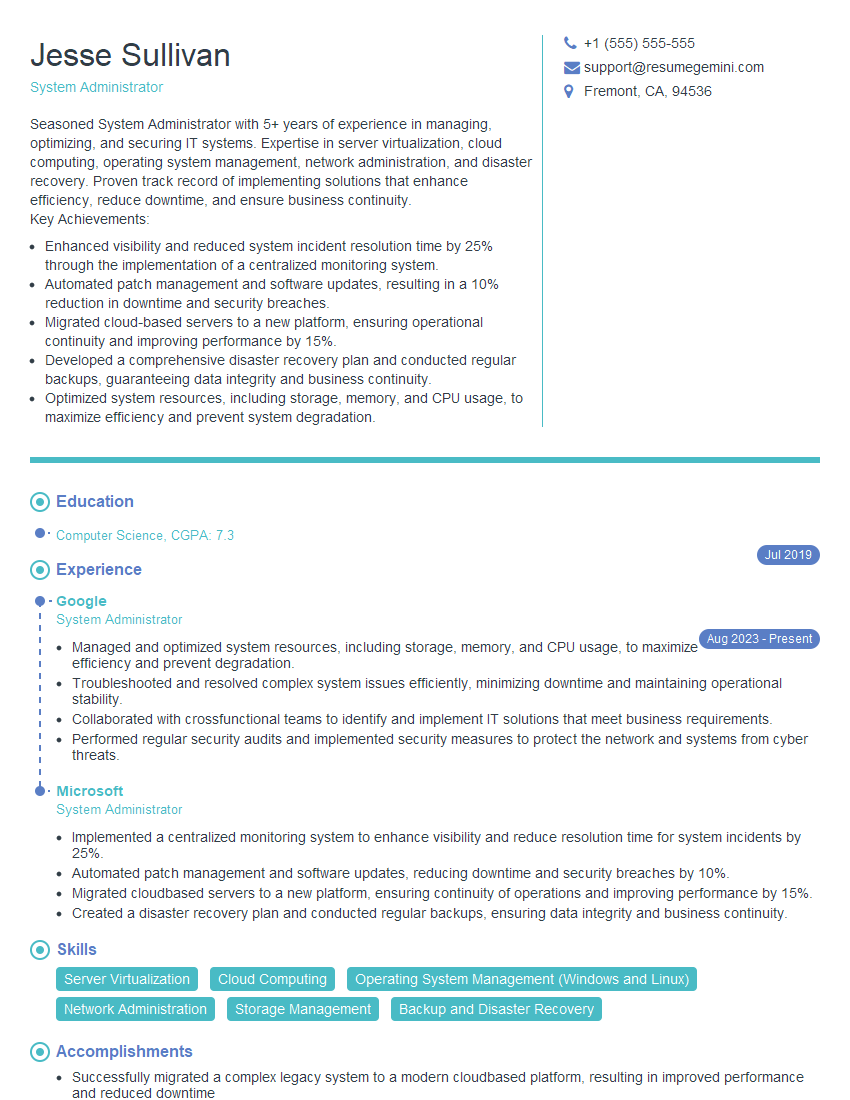
System Administrator Resume Sample
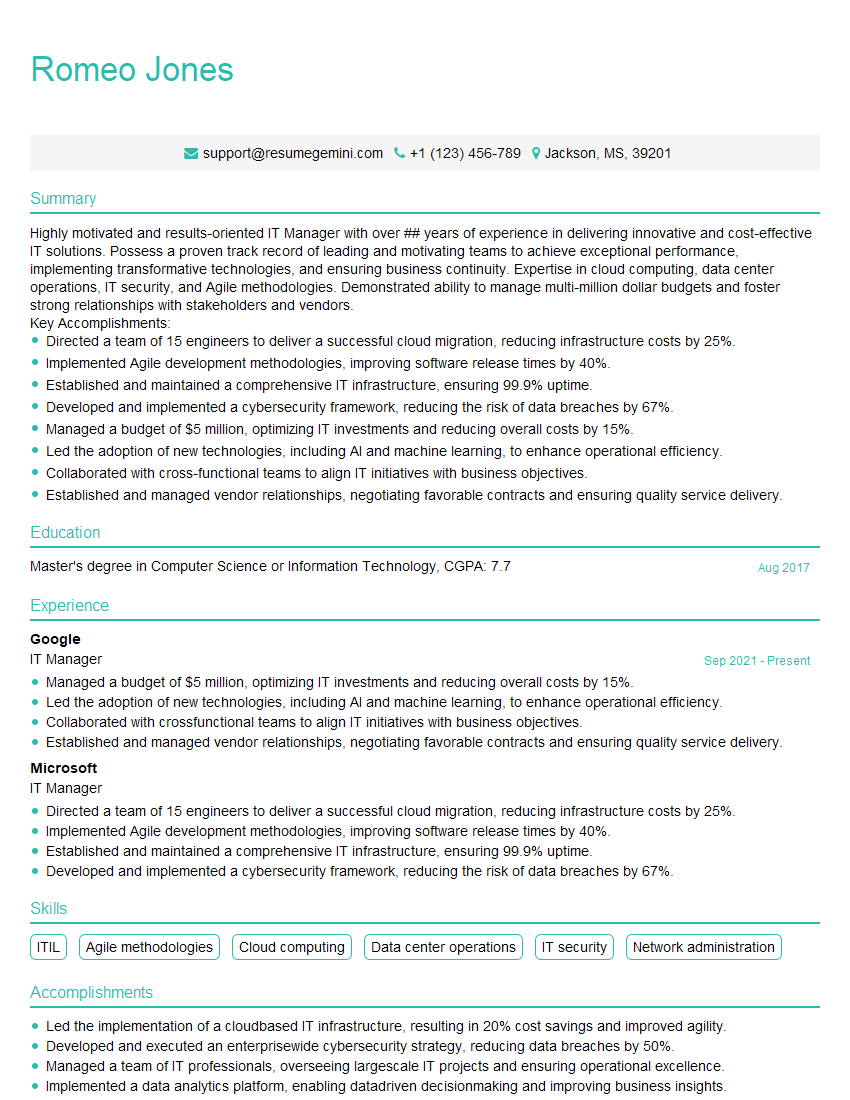
IT Manager Resume Sample
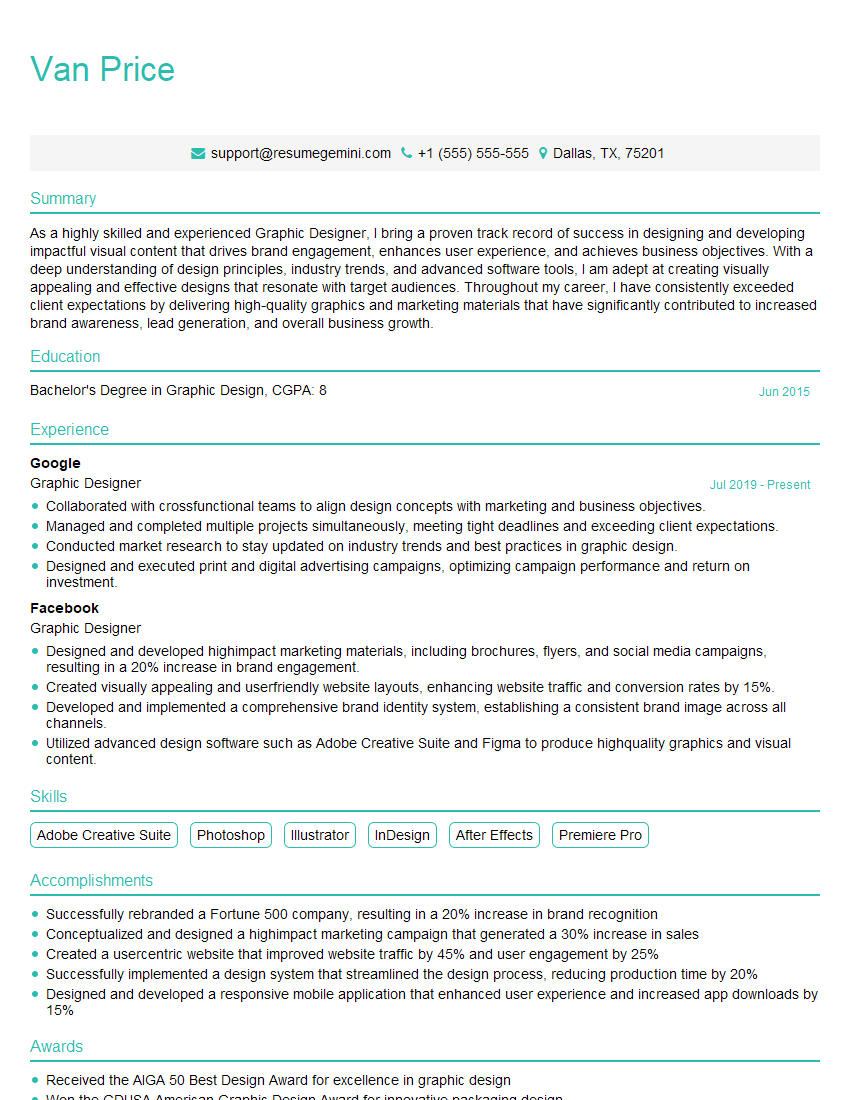
Graphic Designer Resume Sample
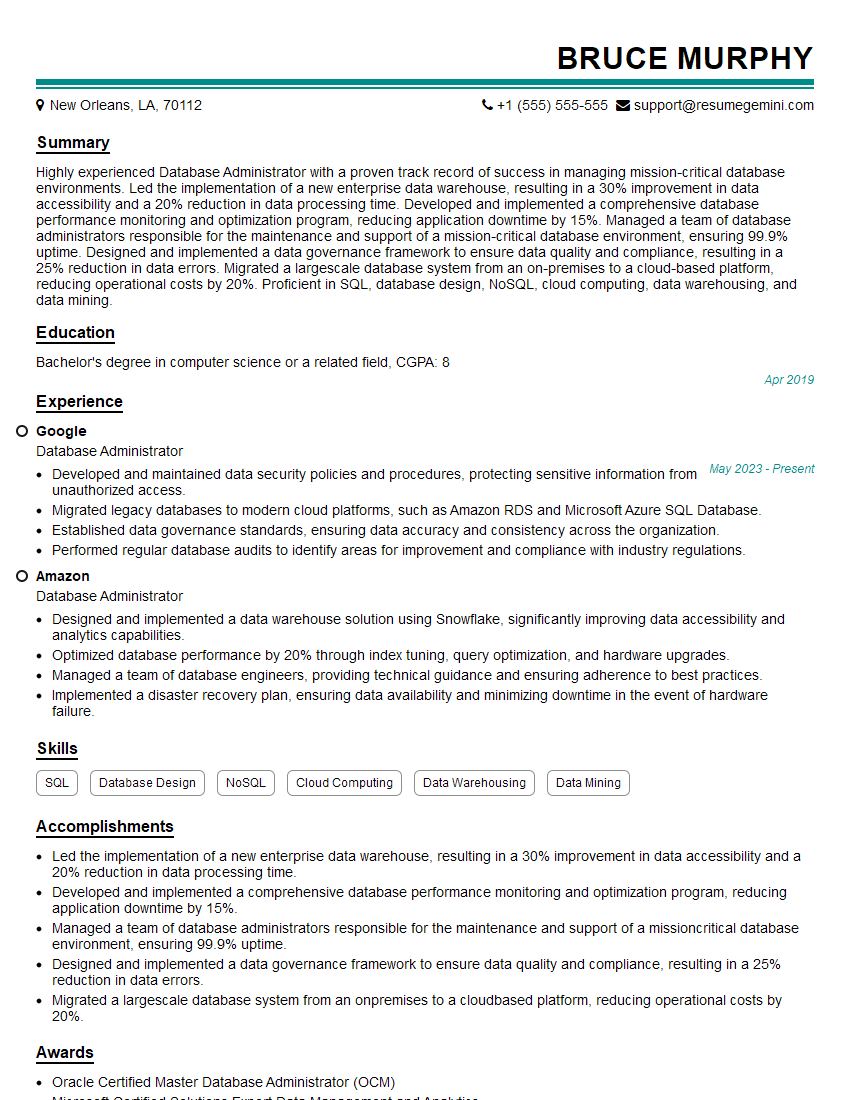
Database Administrator Resume Sample
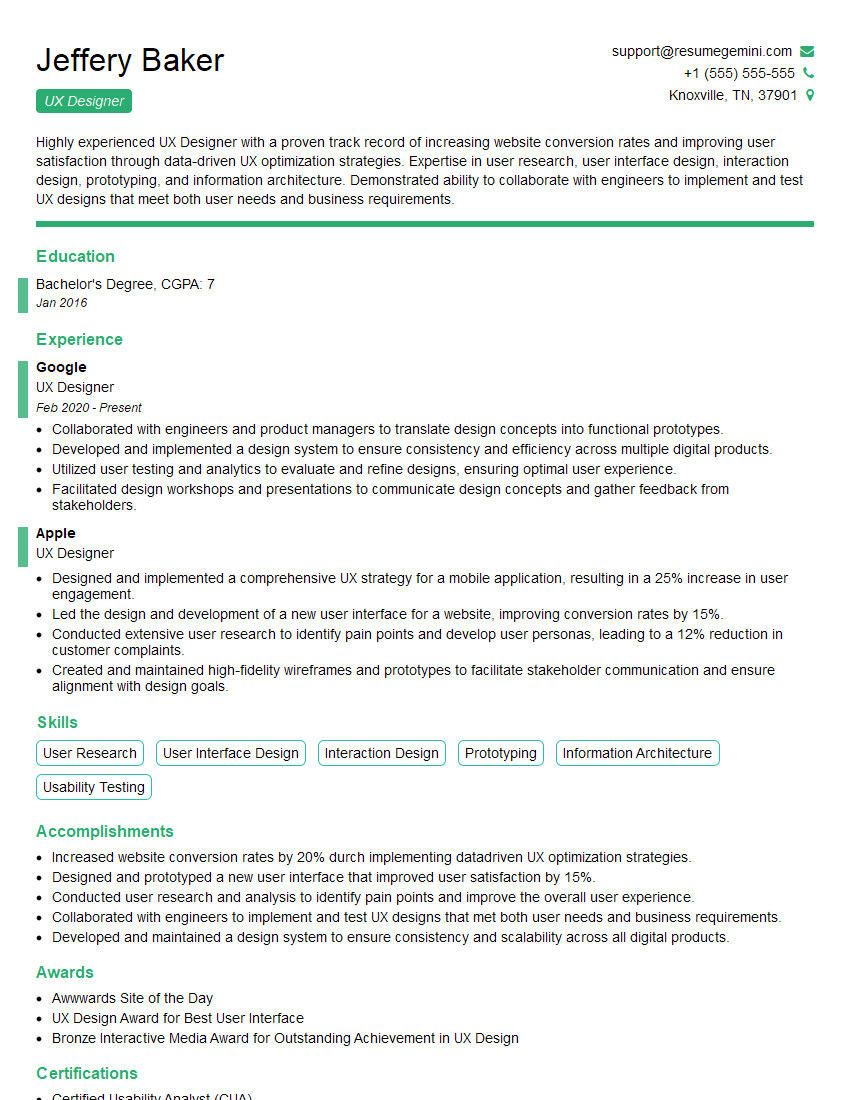
UX Designer Resume Sample
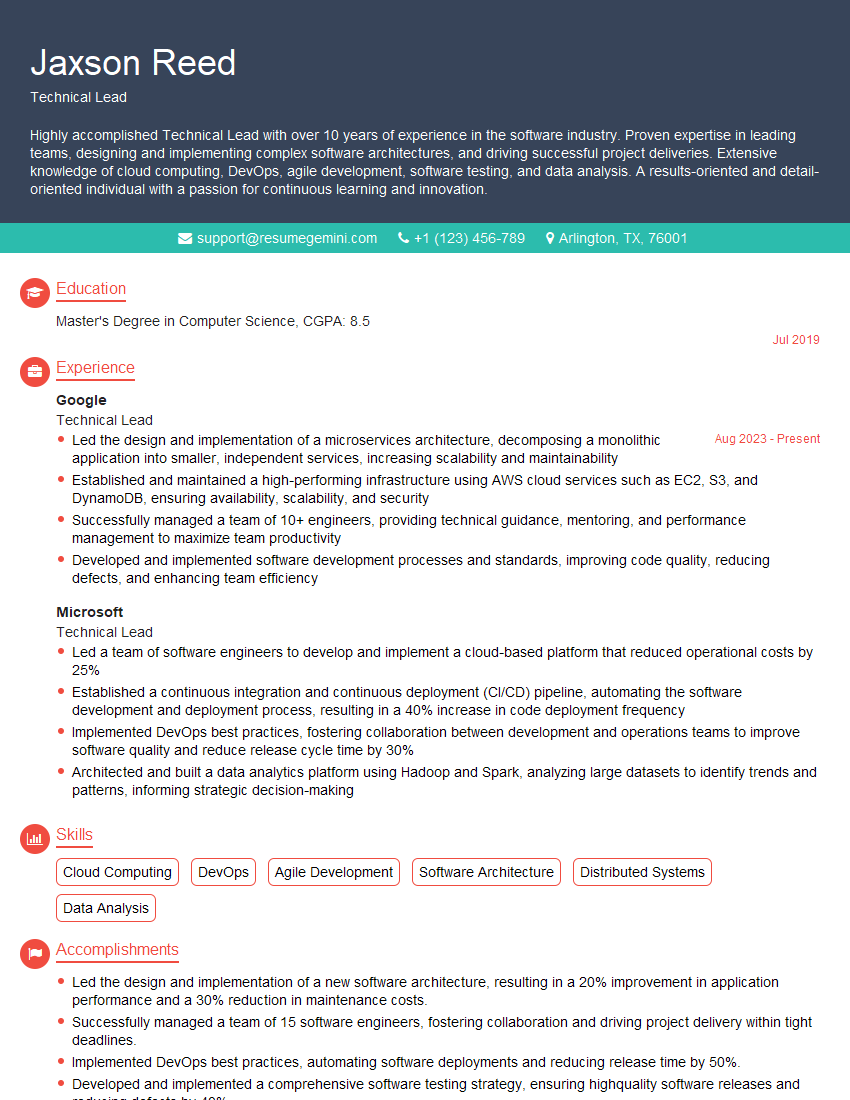
Technical Lead Resume Sample
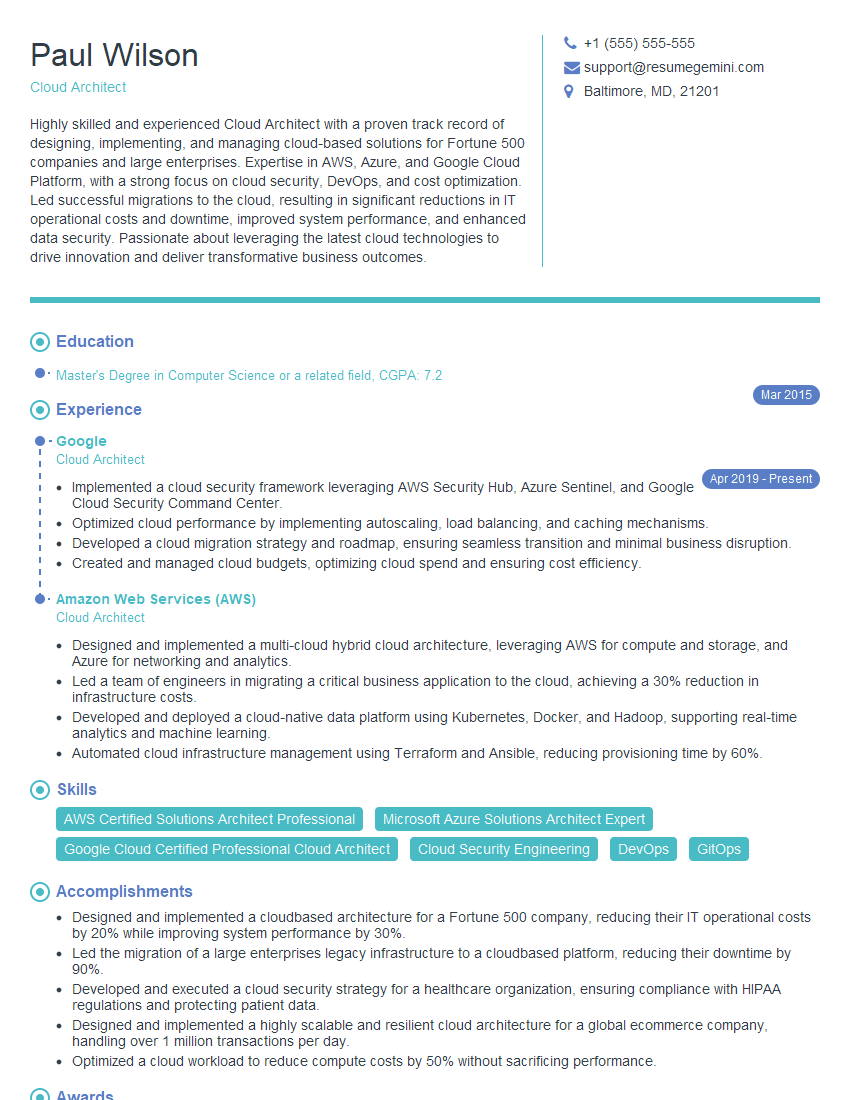
Cloud Architect Resume Sample
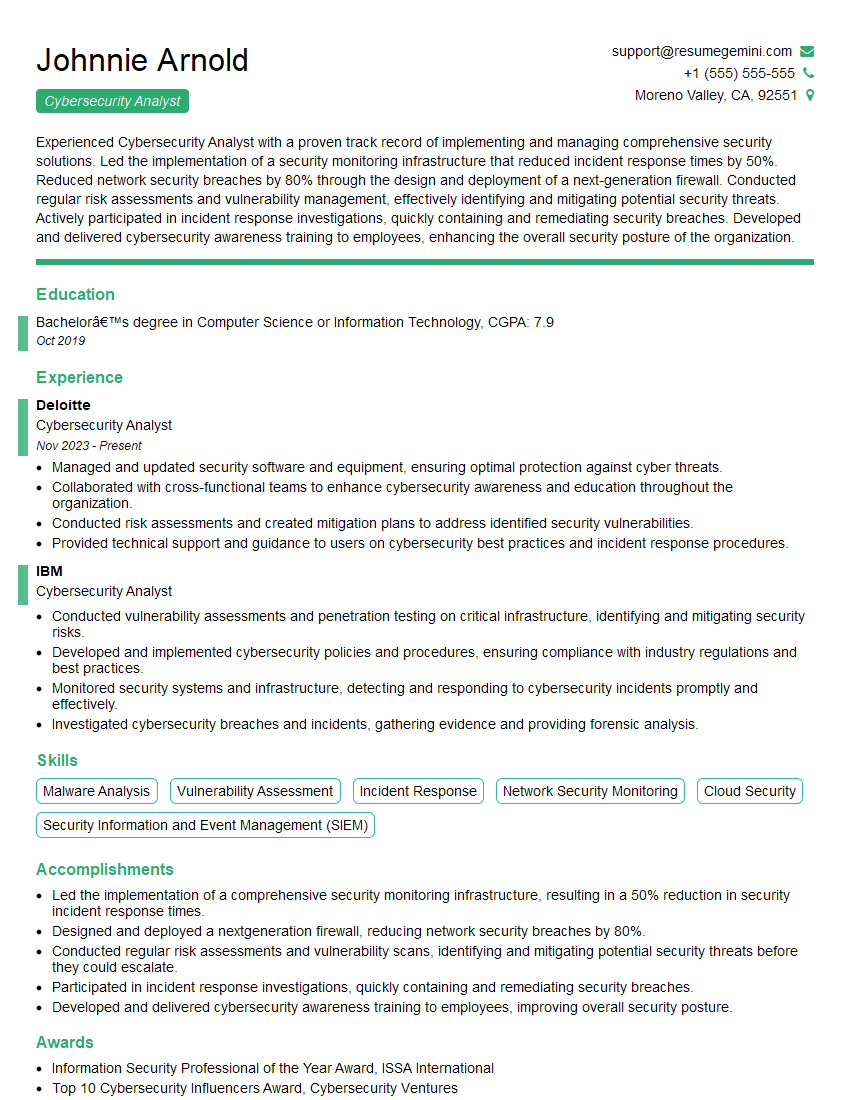
Cybersecurity Analyst Resume Sample
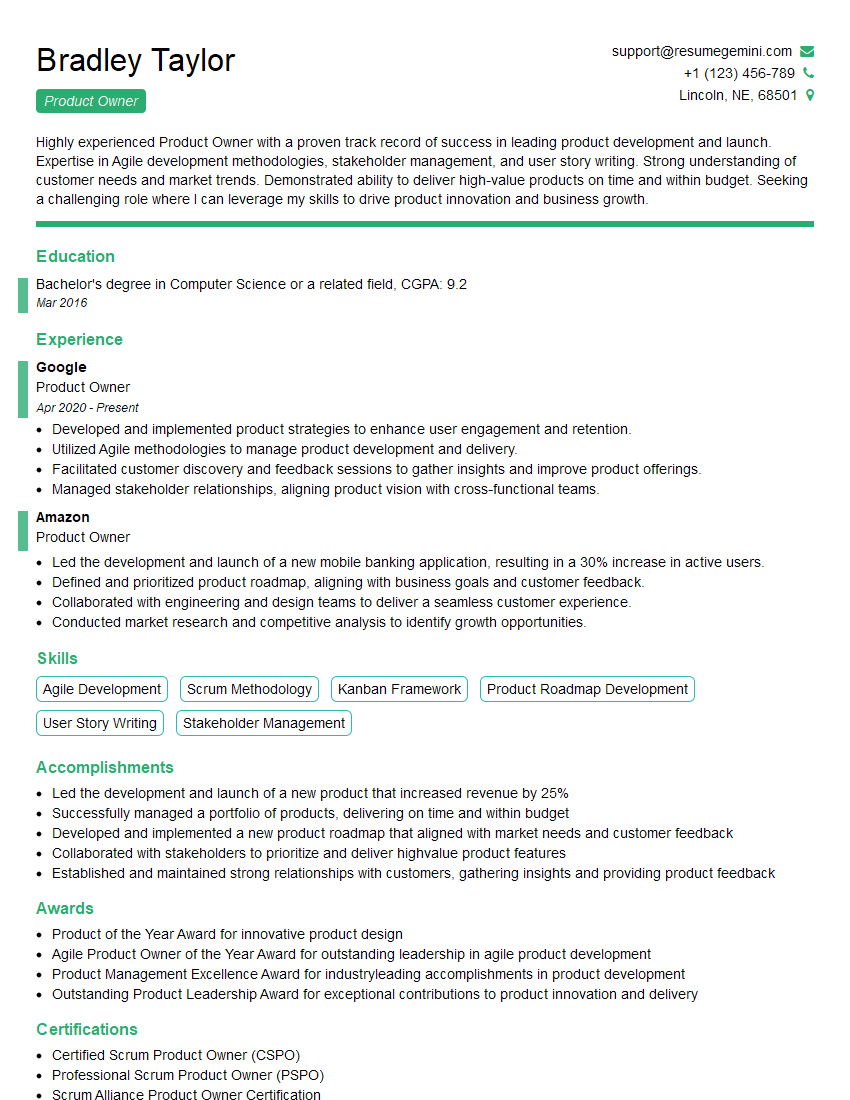
Product Owner Resume Sample
- Operations Manager
- Account Manager
- Marketing Manager
- Sales Representative
- Project Manager
- Supply Chain Analyst
- Business Analyst
- Financial Analyst
- Data Scientist
- Research Scientist
- Software Engineer
- Network Engineer
- Web Developer
- System Administrator
- IT Manager
- Graphic Designer
- Database Administrator
- UX Designer
- Technical Lead
- Cloud Architect
- Cybersecurity Analyst
- Product Owner
Explore more articles
Users Rating of Our Blogs
Share Your Experience
We value your feedback! Please rate our content and share your thoughts (optional).
What Readers Say About Our Blog
Very informative content, great job.
good