Interviews are opportunities to demonstrate your expertise, and this guide is here to help you shine. Explore the essential Working weekends interview questions that employers frequently ask, paired with strategies for crafting responses that set you apart from the competition.
Questions Asked in Working weekends Interview
Q 1. Describe your experience managing workload demands during weekends.
Managing workload demands on weekends requires a proactive and organized approach. It’s not simply about working longer, but working smarter. My strategy involves careful planning during the week, prioritizing tasks based on urgency and importance, and setting realistic goals for weekend work. I avoid overcommitting and allocate specific time blocks for different tasks. For example, I might dedicate Saturday morning to focused work on a critical project and Sunday afternoon to addressing emails and less urgent matters. This structured approach prevents feeling overwhelmed and ensures I can effectively address all my responsibilities.
In previous roles, I utilized project management tools like Trello or Asana to visualize my workload and track progress. This helped me stay organized and ensure I didn’t miss any deadlines, even when working across multiple projects simultaneously over the weekend.
Q 2. How do you maintain work-life balance while working weekends?
Maintaining work-life balance while working weekends is crucial for preventing burnout. It’s a delicate balancing act, but achievable with conscious effort. My approach is multifaceted: I set boundaries – defining specific start and end times for weekend work to prevent it from encroaching on personal time. I also schedule dedicated time for relaxation and activities I enjoy, such as spending time with family, exercising, or pursuing hobbies. These activities act as important buffers, preventing work from dominating my life. Furthermore, I communicate clearly with my family and friends about my weekend work schedule, ensuring they understand my availability and can plan accordingly.
I also prioritize disconnecting from work outside of my allocated work hours. This means turning off notifications, resisting the urge to check emails, and mentally shifting my focus to personal activities.
Q 3. What strategies do you employ for effective time management on weekends?
Effective time management on weekends starts with planning. Before beginning work, I create a prioritized to-do list. This list isn’t just a random collection of tasks; it’s strategically organized using methods like the Eisenhower Matrix (Urgent/Important), allowing me to focus on high-impact tasks first. I also break down large tasks into smaller, more manageable chunks to avoid feeling overwhelmed. This approach enhances focus and prevents procrastination. Timeboxing – allocating a specific amount of time for each task – is another valuable technique I employ to maintain focus and stay on schedule.
For example, instead of saying “Work on report,” my to-do list might say “Work on Section 1 of report (1 hour),” followed by “Work on Section 2 of report (1.5 hours).” This granular level of planning keeps me accountable and prevents tasks from expanding to fill the available time.
Q 4. Have you ever had to handle an urgent issue on a weekend? Describe the situation and your response.
Yes, I have had to handle urgent issues on weekends. Once, a critical server went down at 2 AM on a Sunday morning, impacting a major client’s operations. My immediate response was to assess the situation, gathering information to diagnose the problem. I contacted the relevant team members (even though it was a weekend), and we collaboratively worked through the issue remotely, using our established communication channels and troubleshooting protocols. We successfully restored the server within three hours, minimizing the impact on our client. This experience underscored the importance of having clear escalation procedures and a reliable remote work setup for handling urgent situations.
Q 5. How do you prioritize tasks when multiple urgent requests arise on a weekend?
When multiple urgent requests arise simultaneously on a weekend, I prioritize using a combination of urgency and impact assessment. I use a decision matrix to rate each request based on its urgency (how quickly it needs addressing) and its impact (the consequences of not addressing it promptly). Requests with high urgency and high impact take precedence. I clearly communicate the prioritization to all stakeholders, explaining the rationale behind my decisions. This transparency builds trust and manages expectations, even during stressful situations. This approach ensures the most critical issues are tackled first, while still acknowledging the importance of all requests.
Q 6. Describe a time you had to make a difficult decision during weekend work.
During a weekend project, I had to decide whether to release a feature with a minor bug or delay the release until the bug was fixed. Delaying would have impacted the project timeline and potentially disappointed clients. Releasing with the bug would risk a negative user experience. I carefully weighed the pros and cons of each option, consulting with the team. We ultimately decided to release the feature with a clear communication to users about the minor bug and a promise of a quick fix. This decision, although risky, prioritized timely delivery and transparent communication, which ultimately minimized negative consequences and strengthened client relationships.
Q 7. How do you ensure consistent performance across weekdays and weekends?
Ensuring consistent performance across weekdays and weekends relies heavily on self-discipline, healthy lifestyle choices, and proactive management. I ensure I get enough sleep, maintain a healthy diet, and incorporate regular exercise into my routine, regardless of the day. This physical well-being is critical for maintaining mental acuity and focus. I also avoid overworking on any single day, ensuring a sustainable pace. I use the same organizational and time management strategies on weekends as I do during the weekdays. This consistency promotes a seamless workflow and helps prevent burnout.
Q 8. What are your expectations regarding compensation for weekend work?
My expectation regarding compensation for weekend work is fair and competitive, reflecting the premium associated with working outside of standard business hours. This typically involves either a higher hourly rate, overtime pay (as per the relevant laws and company policy), or compensatory time off. I would expect compensation to be clearly defined and communicated upfront, and ideally aligned with industry standards for similar roles. For example, I might expect a 1.5x or 2x multiplier on my regular hourly rate for weekend work, or a corresponding number of paid days off to be accrued. The specifics would depend on the overall compensation package and company policy.
Q 9. Are you comfortable working overtime on weekends when necessary?
Yes, I am comfortable working overtime on weekends when necessary. I understand that urgent situations or project deadlines may require additional hours, and I am willing to contribute as needed. However, I believe in clear communication and transparency. I would expect to be informed about the need for overtime in advance, if possible, and to be compensated accordingly for any extra time worked. In my previous role, for instance, we had a critical system upgrade scheduled for a weekend, and the team worked extra hours to ensure a smooth transition; everyone received appropriate overtime pay and had a follow-up team debrief to address any issues.
Q 10. How do you stay focused and productive during long weekend shifts?
Maintaining focus and productivity during long weekend shifts requires a proactive approach. My strategies include:
- Planning and Prioritization: I begin each shift with a detailed plan, prioritizing tasks based on urgency and importance. Breaking down large tasks into smaller, manageable chunks also helps.
- Regular Breaks: Short, scheduled breaks are essential to avoid burnout. Stepping away from my workstation for 5-10 minutes every hour can significantly improve focus and energy levels.
- Ergonomic Setup: A comfortable and ergonomic workspace is key to maintaining physical well-being during long shifts. This includes proper posture, lighting, and a comfortable chair.
- Hydration and Nutrition: Keeping myself hydrated and having healthy snacks readily available helps maintain energy levels throughout the day.
- Minimize Distractions: Turning off non-essential notifications and creating a quiet work environment are crucial. This could involve using noise-canceling headphones or finding a quiet corner of the office.
For example, during a particularly busy weekend, I used a time-blocking technique where I scheduled specific blocks of time for focused work and interspersed them with short breaks and light exercise to maintain my energy levels and prevent burnout.
Q 11. How do you handle conflicts or disagreements that arise during weekend work?
Handling conflicts or disagreements during weekend work requires a calm and professional approach. My strategy focuses on:
- Open Communication: Addressing concerns directly and respectfully with the involved parties, ensuring everyone feels heard.
- Active Listening: Understanding all perspectives before offering solutions.
- Collaborative Problem Solving: Working together to find mutually acceptable solutions that address the root cause of the conflict.
- Escalation Protocol: If the conflict cannot be resolved at the team level, I will escalate it to the appropriate manager, providing a clear and concise summary of the situation.
In a previous experience, a disagreement arose over the best approach to resolving a system error. By actively listening to each team member’s perspective and collaboratively discussing different solutions, we were able to resolve the issue effectively and improve our teamwork.
Q 12. Describe your experience collaborating with colleagues during weekend operations.
My experience collaborating with colleagues during weekend operations has been largely positive. I value teamwork and believe that effective collaboration is crucial for successful weekend shifts. I actively participate in team discussions, share my expertise, and readily assist my colleagues. In my past roles, I’ve worked alongside team members on various projects, ranging from emergency system repairs to large-scale deployments. Communication is key during weekend operations, and I ensure regular updates and information sharing with my team members through various channels such as instant messaging, email, and quick team stand-up meetings. This allows everyone to stay informed and coordinated during long weekend shifts. In one particular instance, a colleague was struggling with a specific task, and by working collaboratively, we found a faster and more efficient way to complete the job and ensured we met our deadline.
Q 13. How do you stay updated on critical information while working weekends?
Staying updated on critical information while working weekends involves utilizing multiple communication channels and proactively seeking information. This includes:
- Regular Check-ins: Setting up regular communication channels with key stakeholders to ensure any urgent updates are received promptly.
- Monitoring Systems: Using monitoring tools and dashboards to track performance and identify potential issues.
- Email and Messaging: Regularly checking email and instant messaging platforms for updates and important communications.
- Incident Management System: Staying informed via the company’s incident management system for urgent alerts and troubleshooting information.
For example, I might set up automated alerts for critical system events, ensuring I am notified immediately of any issues needing immediate attention. This ensures I’m always in the loop, even during off-peak hours.
Q 14. How do you ensure seamless handoffs between weekend and weekday teams?
Ensuring seamless handoffs between weekend and weekday teams is crucial for maintaining operational continuity. My approach involves:
- Detailed Documentation: Creating comprehensive and easily understandable documentation outlining all completed tasks, outstanding issues, and upcoming priorities.
- Thorough Briefing: Conducting a detailed briefing at the end of the weekend shift to inform the weekday team of all relevant information.
- Clear Communication Channels: Establishing readily available communication channels to facilitate rapid information sharing between teams.
- Pre-Planned Tasks: Whenever possible, scheduling tasks to be completed before the end of the weekend to ease the transition for the weekday team.
For instance, I always create a detailed report summarizing our weekend activities, noting any unresolved issues, and outlining tasks for the weekday team. This ensures a smooth handover and minimizes disruptions to operations.
Q 15. Describe your experience with on-call responsibilities on weekends.
My experience with on-call responsibilities on weekends has spanned several roles, requiring me to be readily available to address urgent issues and provide support. In my previous role at XYZ Corp, I was part of a rotating on-call schedule for our critical systems. This involved being reachable 24/7 during my assigned week, including weekends. I utilized a dedicated on-call phone and regularly checked system monitoring tools. A typical weekend on-call might involve responding to alerts, troubleshooting minor issues remotely, and escalating major incidents to the appropriate teams. In one instance, I successfully resolved a database performance bottleneck on a Sunday evening, preventing a significant service disruption. This required quick thinking, problem-solving skills, and the ability to access and utilize remote diagnostic tools effectively. My experience has honed my ability to handle unexpected situations with calm efficiency, minimizing downtime and ensuring system stability even outside of regular business hours.
Career Expert Tips:
- Ace those interviews! Prepare effectively by reviewing the Top 50 Most Common Interview Questions on ResumeGemini.
- Navigate your job search with confidence! Explore a wide range of Career Tips on ResumeGemini. Learn about common challenges and recommendations to overcome them.
- Craft the perfect resume! Master the Art of Resume Writing with ResumeGemini’s guide. Showcase your unique qualifications and achievements effectively.
- Don’t miss out on holiday savings! Build your dream resume with ResumeGemini’s ATS optimized templates.
Q 16. How do you manage stress and maintain your well-being while working weekends?
Maintaining well-being while working weekends requires a proactive approach to stress management. I prioritize a clear separation between work and personal life, even when working remotely. This includes setting boundaries: defining specific work hours, sticking to them as much as possible, and having dedicated time for relaxation and hobbies. I use mindfulness techniques like short meditation sessions to reduce stress. Regular exercise, a healthy diet, and sufficient sleep are crucial. Open communication with my family and friends is vital to maintain strong relationships. I also ensure I take advantage of any compensatory time off offered to balance the extra weekend work. It’s a balancing act, but intentionally scheduling downtime and self-care is essential to avoid burnout.
Q 17. How do you utilize technology to improve efficiency during weekend work?
Technology plays a crucial role in improving my efficiency during weekend work. Remote access tools like VPNs allow me to securely access company systems from anywhere. Collaboration tools such as Slack and Microsoft Teams facilitate seamless communication with colleagues regardless of location or time zone. Automated monitoring systems provide alerts for critical issues, allowing me to proactively address problems before they escalate. For example, using automated scripts to perform routine checks and backups saves significant time. I also rely heavily on cloud-based services and project management software to keep track of tasks and collaborate effectively. This ensures efficiency and minimizes the need for manual intervention, allowing me to focus on the most critical tasks.
Q 18. What are your preferred methods for communication during weekend shifts?
My preferred communication methods during weekend shifts depend on the urgency and nature of the situation. For urgent issues requiring immediate attention, a phone call is the most effective approach. For less urgent matters, instant messaging platforms like Slack are convenient for quick updates and information sharing. Email is suitable for documenting issues and providing detailed reports. I always aim for clear, concise communication, avoiding ambiguity. In instances where multiple teams are involved, I use conference calls or video conferencing to ensure everyone is on the same page and to facilitate efficient problem-solving.
Q 19. How do you address potential safety concerns during weekend work?
Addressing safety concerns during weekend work involves being extra vigilant. If working remotely, I ensure my home workspace is well-lit and ergonomically sound. When working on-site, I follow all established safety protocols and report any potential hazards immediately. I am familiar with emergency procedures and have readily accessible contact information for emergency services and company security. Regular security audits of remote access tools and adherence to company security policies are essential to mitigate risks. Prioritizing safety ensures a productive and incident-free work environment, even outside of typical working hours.
Q 20. How do you adapt your communication style when working with different teams on weekends?
Adapting my communication style when working with different teams on weekends involves understanding their individual communication preferences and technical expertise. For instance, I might use more technical jargon when communicating with engineering teams but opt for a simpler, more concise approach when explaining issues to business stakeholders. I always ensure my communication is respectful, clear, and easily understood by everyone involved. Active listening and clarifying questions are crucial for effective collaboration across teams, especially during stressful situations that may arise during weekend shifts.
Q 21. What are your strategies for staying motivated during weekend work?
Staying motivated during weekend work requires a combination of strategies. I set clear goals for each weekend shift and break down larger tasks into smaller, manageable components. Celebrating milestones, no matter how small, helps maintain momentum. Remembering the purpose and impact of my work is a strong motivator. Knowing that my contributions are vital to the organization’s success keeps me focused. I also actively seek feedback on my performance to understand areas for improvement and maintain a sense of accomplishment. Finally, ensuring I have adequate rest and relaxation time between shifts is key to staying motivated and preventing burnout.
Q 22. Describe your experience with remote work on weekends.
My experience with remote weekend work has been extensive, spanning various roles and projects. I’ve found that effective remote weekend work hinges on clear communication, strong self-discipline, and a dedicated workspace separate from my relaxation areas. For example, in my previous role, I successfully managed a critical bug fix remotely on a Saturday, requiring meticulous attention to detail and proactive communication with the team. The ability to work independently, while maintaining contact with colleagues as needed, is crucial for success in this setting.
Another example involves collaborating with a distributed team on a project deadline. We utilized project management software to track progress and communicate effectively, ensuring that weekend contributions aligned with the overall project goals. The transparency and clear expectations minimized confusion and maximized productivity.
Q 23. How have you improved processes or systems to minimize weekend work in the past?
Minimizing weekend work requires proactive process improvements and leveraging technology. In one instance, I identified a bottleneck in our deployment pipeline that frequently resulted in late-night and weekend fixes. By implementing automated testing and continuous integration/continuous deployment (CI/CD) pipelines, we reduced the number of urgent issues requiring weekend intervention significantly. This resulted in a noticeable improvement in team morale and work-life balance.
Another strategy I successfully employed involved introducing a more robust issue tracking system. By meticulously categorizing and prioritizing issues, we were better able to focus on critical problems during the week, thus greatly reducing the need for weekend troubleshooting. The improved system allowed for better resource allocation and problem prediction, ultimately minimizing weekend work.
Q 24. How do you document your work completed during weekends?
My documentation practices for weekend work are rigorous and adhere to company standards. I use a combination of methods to ensure complete and accurate records. This typically involves detailed entries in our project management system, which includes timestamps, steps taken, results, and any relevant files. For more complex tasks, I also create concise reports summarizing my work, outlining challenges faced, and solutions implemented. This meticulous approach helps ensure accountability and simplifies handover to colleagues during the week.
For example, if I worked on a database migration on a weekend, my documentation would include the specific SQL scripts executed, the timestamps for each step, any error messages encountered, and the final validation steps taken to confirm success. This level of detail makes it easy for others to understand what I accomplished and ensure continuity of the project.
Q 25. Describe a time you had to troubleshoot a complex technical issue on a weekend.
One weekend, I encountered a critical production issue causing significant service disruptions. It involved a complex interaction between our application server and the database, leading to intermittent data corruption. My systematic troubleshooting approach involved:
- Initial Diagnosis: Quickly isolating the problem using monitoring tools and log files.
- Data Backup: Securing a backup of the affected database before attempting any fixes.
- Replication: Attempting to replicate the issue in a staging environment for safe testing.
- Code Review: Examining the relevant codebase for potential root causes.
- Solution Implementation: Deploying a hotfix after thoroughly testing it in the staging environment.
- Monitoring & Reporting: Continuously monitoring the system post-fix and documenting the entire process for future reference.
The incident highlighted the importance of proactive monitoring, robust logging, and a well-defined incident management process for effective troubleshooting, even outside of regular working hours. The thorough documentation also aided in preventing similar issues in the future.
Q 26. How do you balance your personal life and weekend work commitments?
Balancing personal life and weekend work requires careful planning and setting boundaries. I allocate specific blocks of time for work on weekends, ensuring these periods don’t encroach on pre-planned personal activities or family time. Clear communication with family and friends is crucial to manage expectations and ensure their understanding. For example, I might dedicate Saturday morning to work, but ensure the afternoon is free for family activities. Similarly, I block out time on Sunday afternoon for relaxation and hobbies.
I also prioritize my well-being by ensuring I take breaks, maintain a healthy diet, and get sufficient sleep. Burning out is counterproductive; sustained productivity requires prioritizing rest and relaxation alongside professional commitments.
Q 27. What are your expectations for support and resources during weekend work?
My expectations for support and resources during weekend work are realistic, yet essential for effective problem-solving. I anticipate access to the necessary tools and systems, including remote access to servers, databases, and relevant software. Clear communication channels are crucial; the ability to reach key stakeholders, such as senior engineers or operations personnel, when needed, is paramount. Finally, a defined escalation path for issues beyond my immediate expertise ensures that problems are addressed promptly and efficiently.
I also expect that my weekend contributions are acknowledged and valued. The understanding that weekend work is sometimes necessary but not the norm is important for maintaining morale and preventing burnout.
Q 28. How would you handle a situation where weekend work significantly impacts your personal commitments?
If weekend work significantly impacts my personal commitments, I address the situation proactively through clear communication. I’ll first assess the urgency and importance of the task. If the task isn’t time-sensitive, I’ll discuss the workload with my manager, exploring options such as delegating tasks or prioritizing differently to reduce the weekend burden. If the task is truly urgent, I’ll communicate this to my manager and family, explaining the situation and seeking their understanding while attempting to minimize disruption to my personal life as much as possible.
Ultimately, it’s about finding a balance that respects both professional obligations and personal commitments. This might involve seeking additional support, re-evaluating project timelines, or adjusting personal plans where necessary. Open and honest communication is key to successfully navigating such challenges.
Key Topics to Learn for Working Weekends Interview
- Time Management Strategies: Explore effective techniques for balancing weekend work with personal commitments. Consider prioritizing tasks, utilizing time-blocking, and setting realistic goals.
- Communication & Collaboration: Understand how to effectively communicate availability and expectations with colleagues and clients when working weekends. Practice clear and concise communication, especially in potentially urgent situations.
- Maintaining Work-Life Balance: Discuss strategies for preventing burnout and maintaining a healthy personal life despite weekend work. This includes techniques for stress management, self-care, and boundary setting.
- Productivity & Efficiency: Focus on optimizing your workflow for maximum productivity during weekend work. This includes identifying and eliminating time-wasting activities, utilizing productivity tools, and focusing on high-impact tasks.
- Problem-Solving Under Pressure: Develop strategies for handling unexpected issues or emergencies that may arise during weekend work. Practice your ability to think critically, make quick decisions, and find creative solutions.
- Legal & Ethical Considerations: Understand any relevant legal and ethical considerations pertaining to working weekends, such as overtime pay, safety regulations, and employee rights.
Next Steps
Mastering the art of effectively working weekends significantly enhances your career prospects by demonstrating dedication, flexibility, and a strong work ethic – highly valued attributes in many industries. To boost your job search, creating an ATS-friendly resume is crucial. This ensures your application stands out and is properly indexed by applicant tracking systems. ResumeGemini is a trusted resource to help you build a professional and impactful resume. We provide examples of resumes tailored to highlight your experience and skills related to working weekends, showcasing your capabilities effectively. Use ResumeGemini to build a resume that will help you land your dream job.
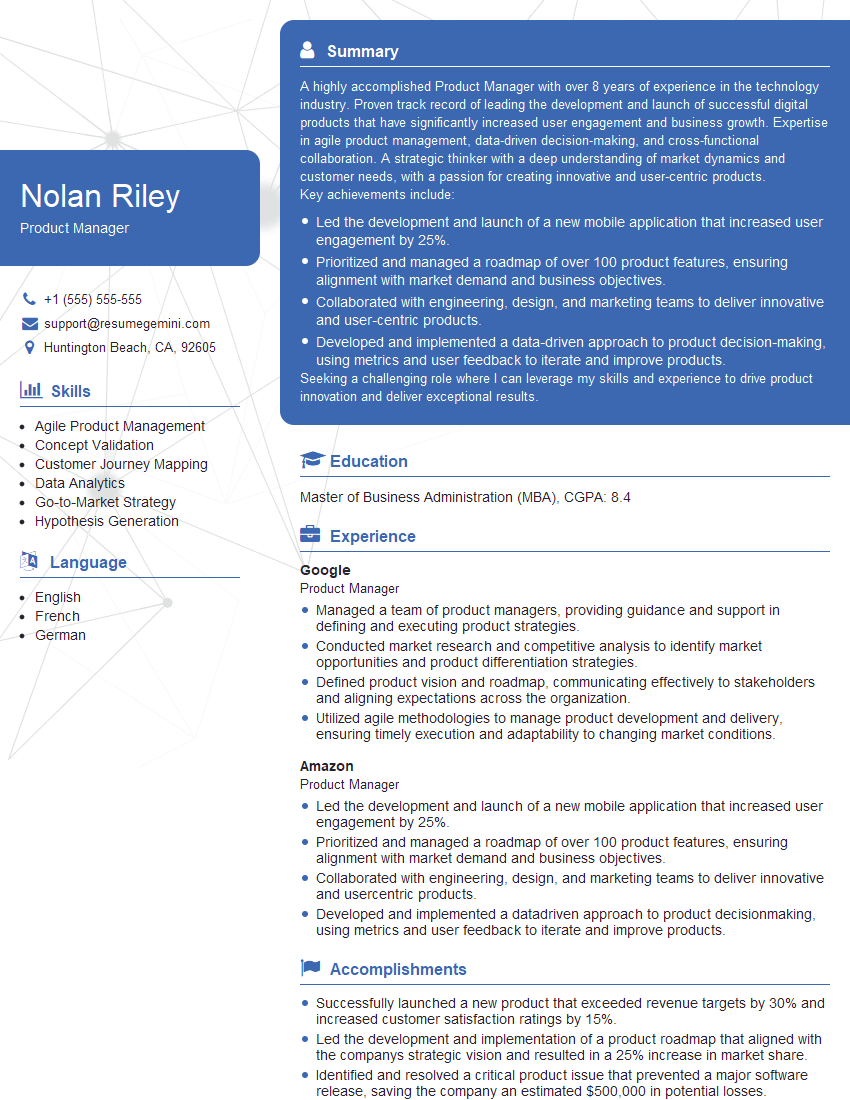
Product Manager Resume Sample
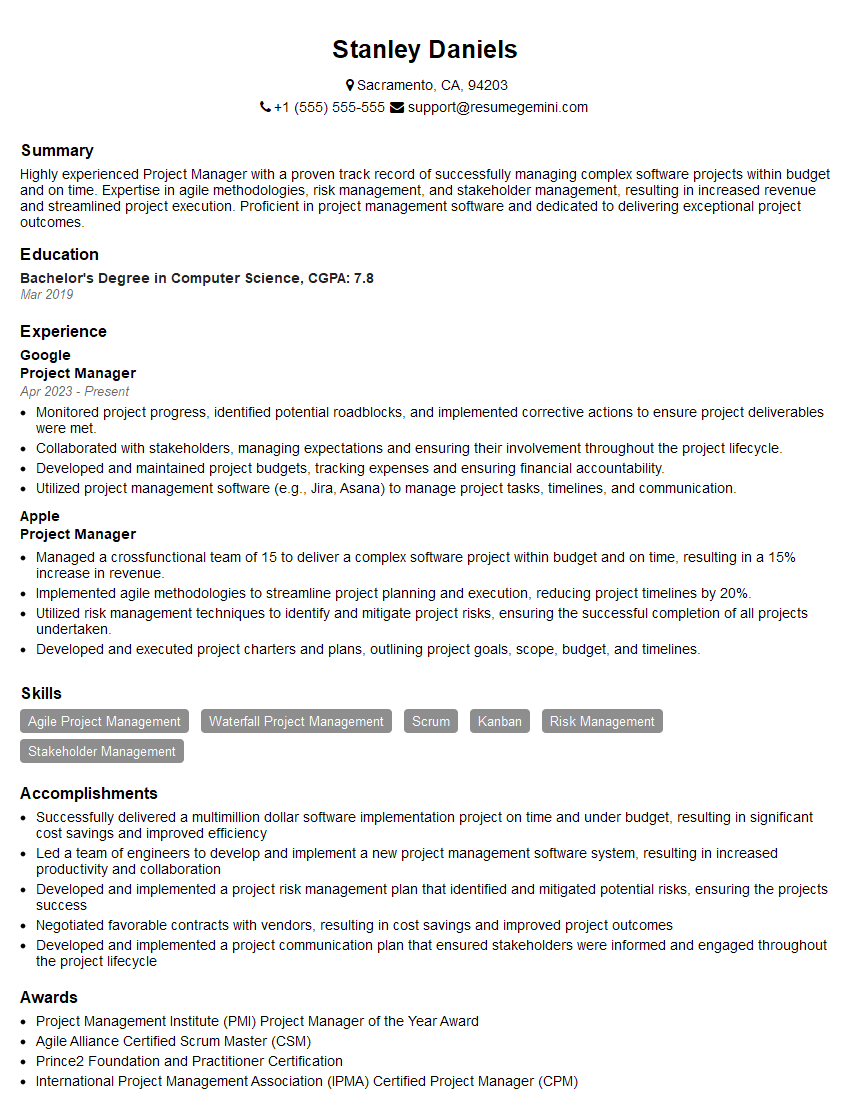
Project Manager Resume Sample
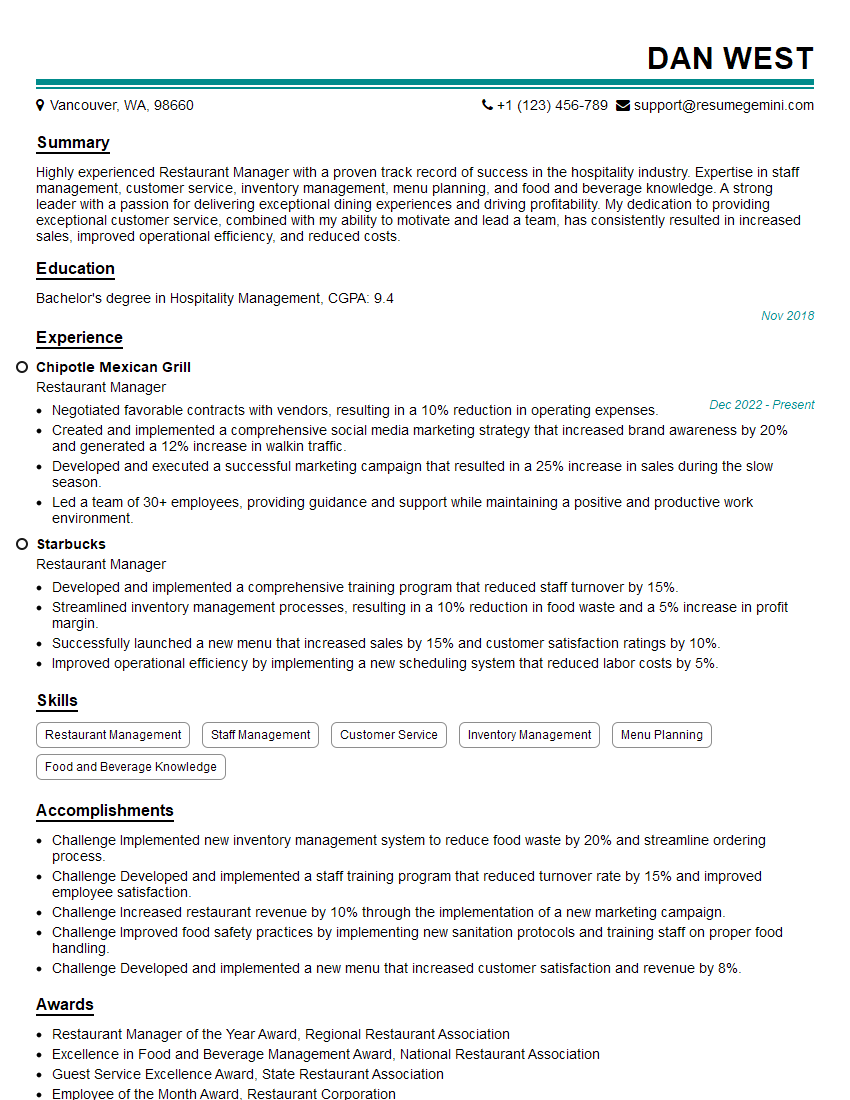
Restaurant Manager Resume Sample
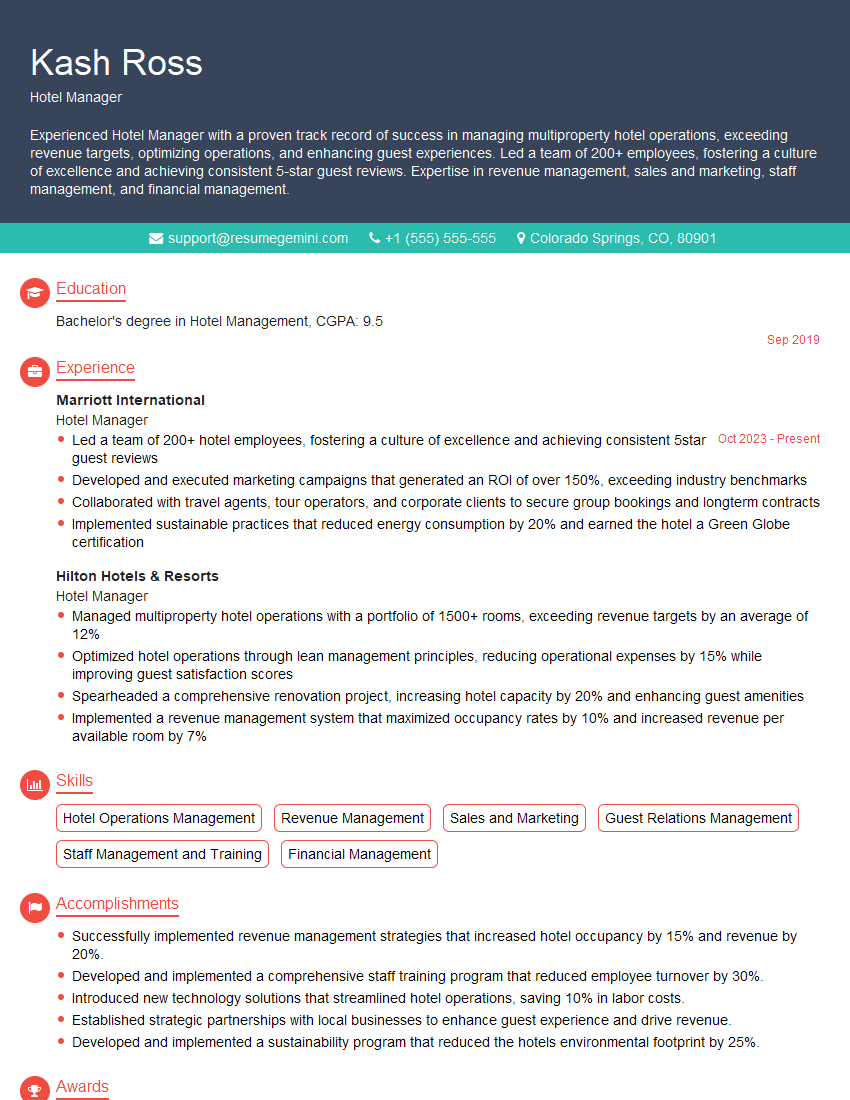
Hotel Manager Resume Sample
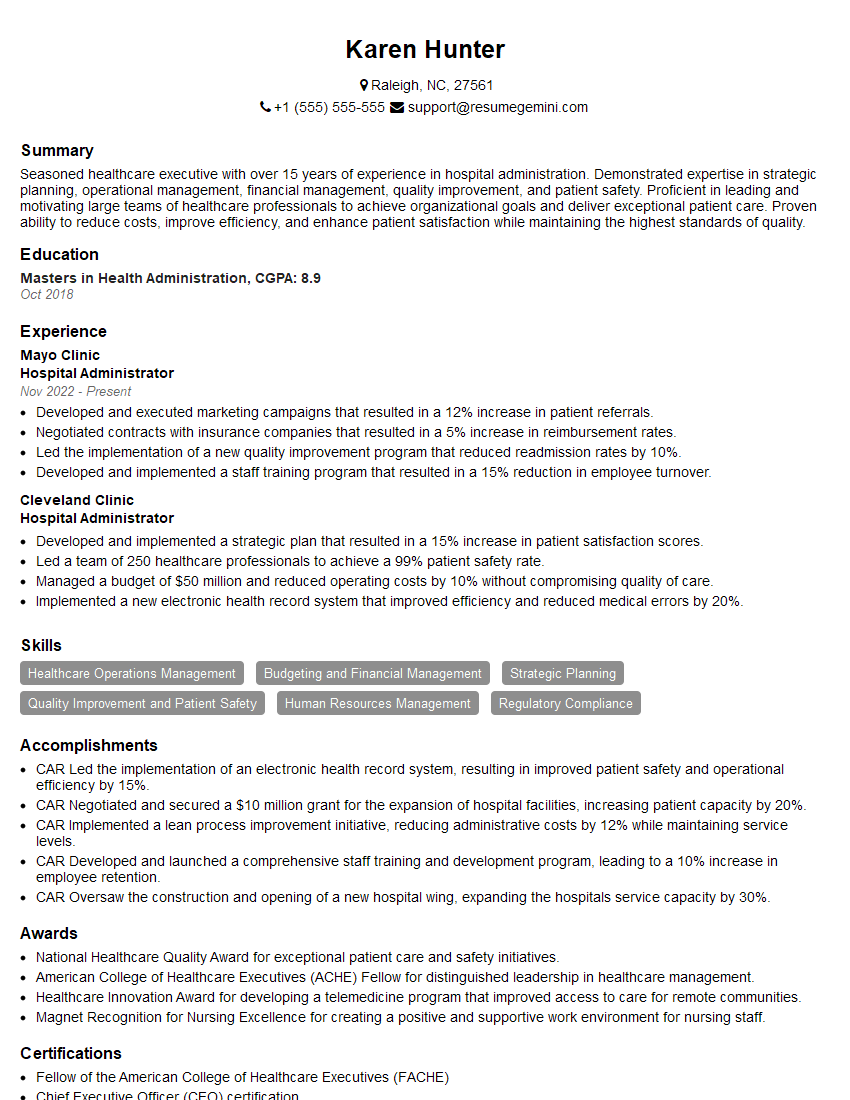
Hospital Administrator Resume Sample
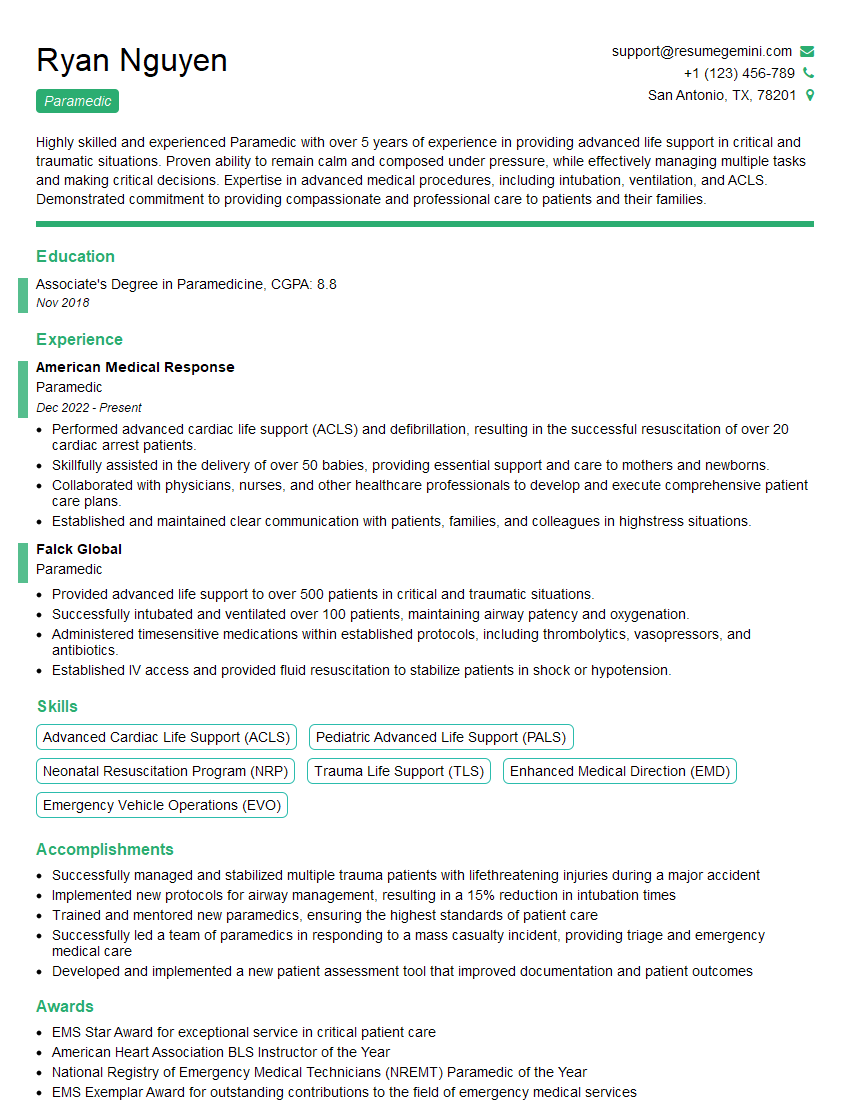
Paramedic Resume Sample
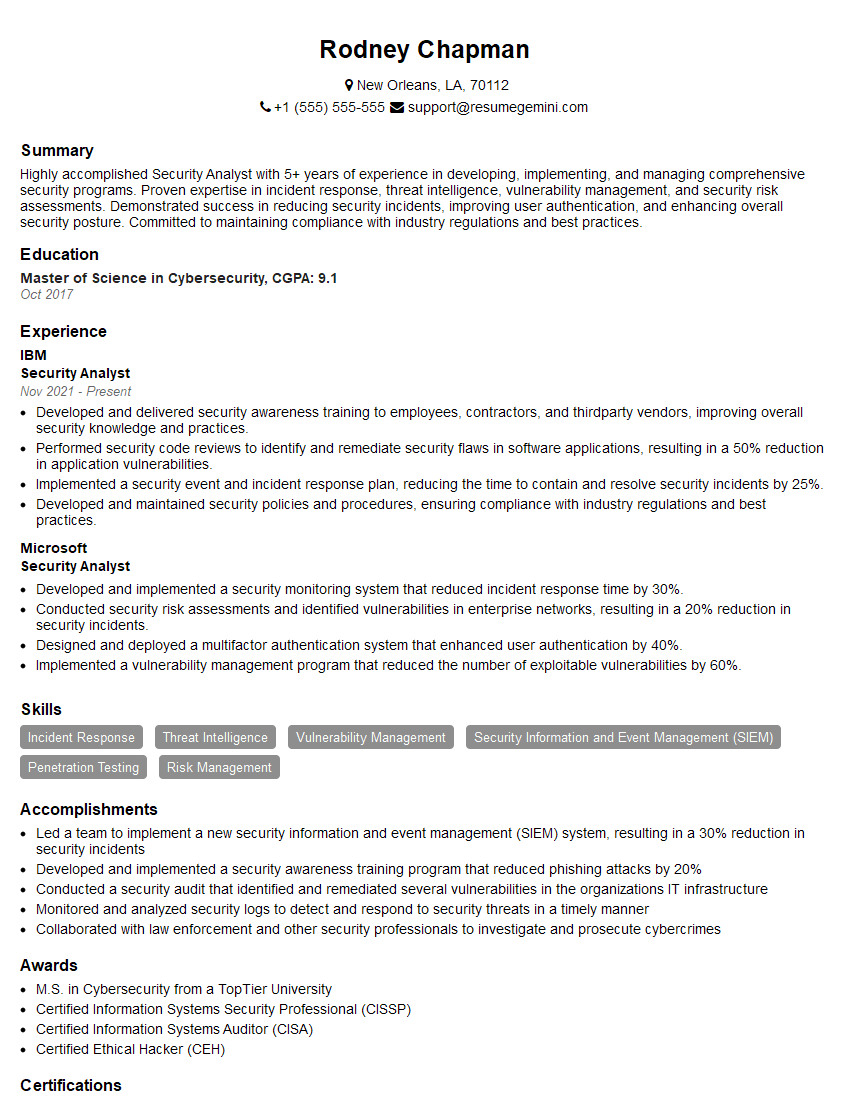
Security Analyst Resume Sample
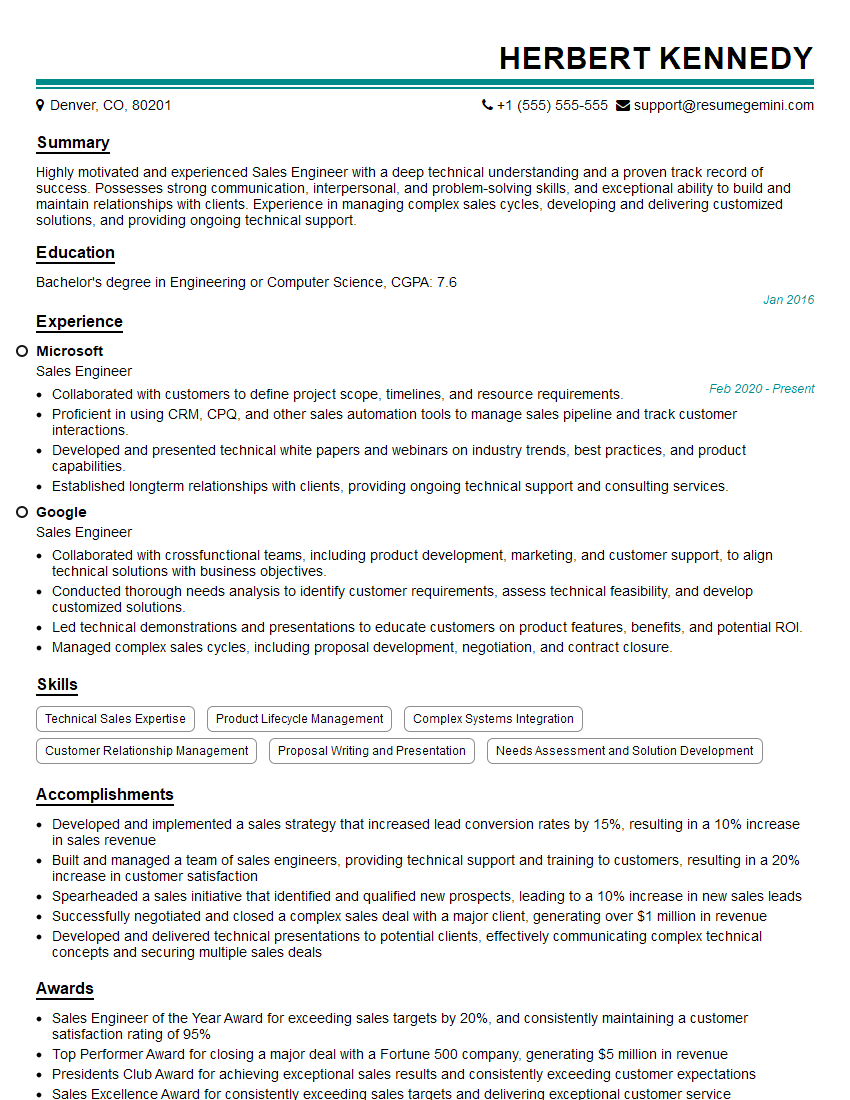
Sales Engineer Resume Sample
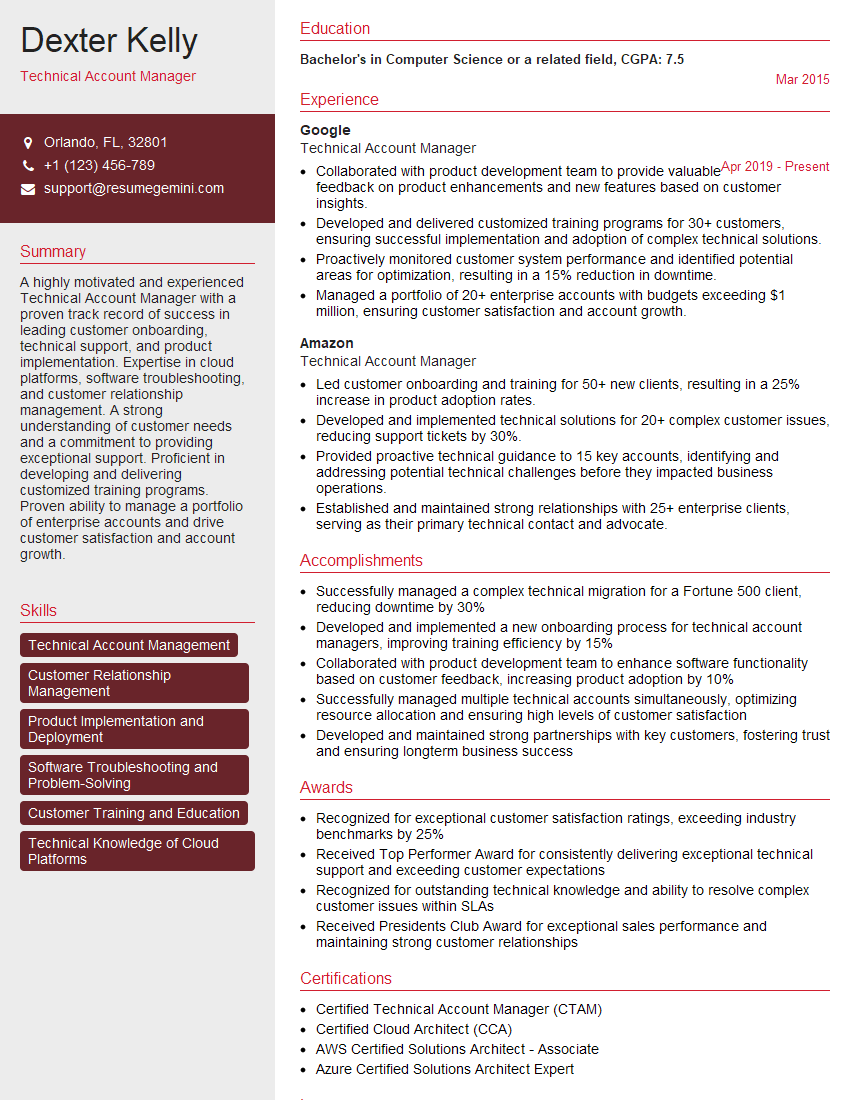
Technical Account Manager Resume Sample
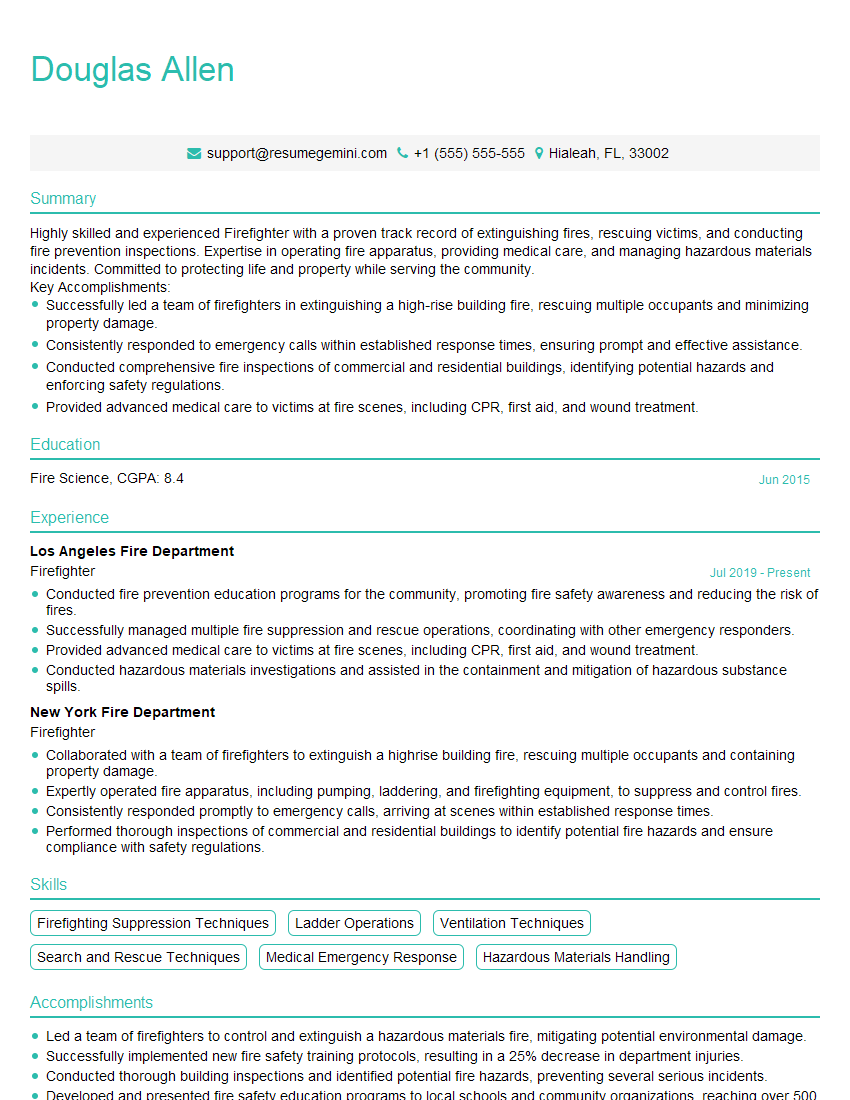
Firefighter Resume Sample
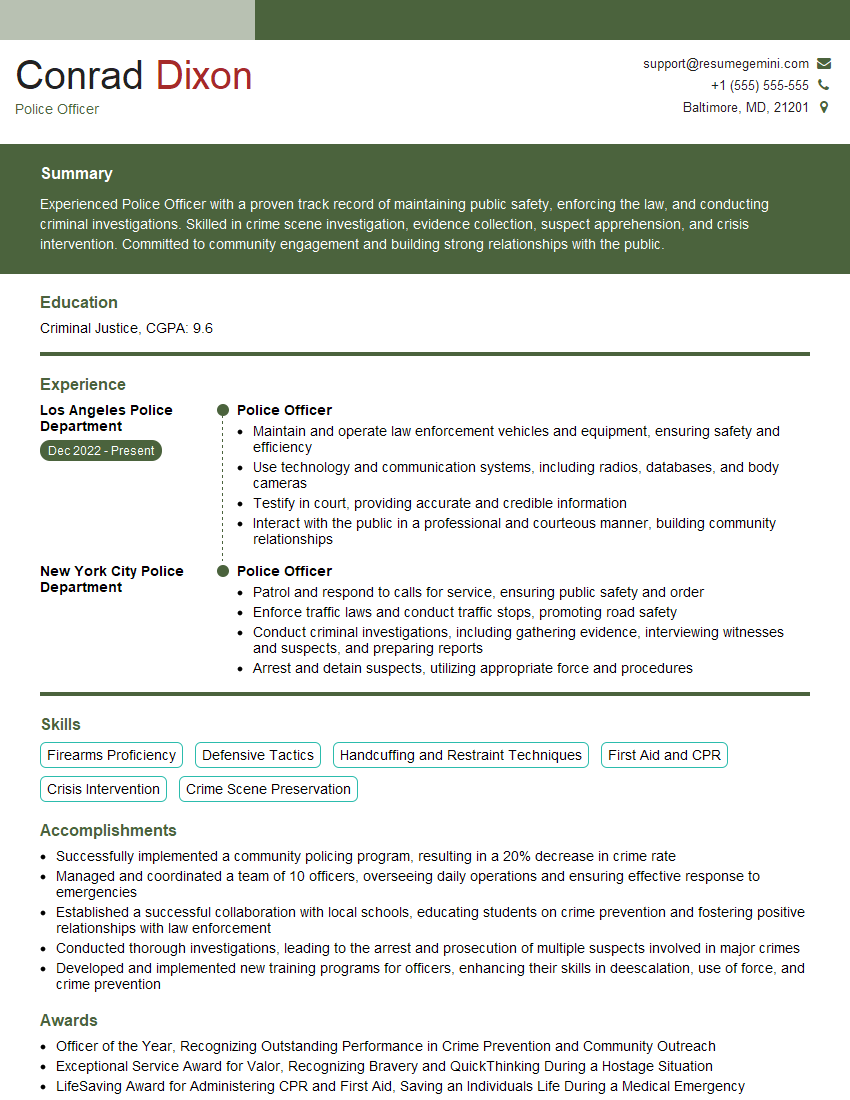
Police Officer Resume Sample
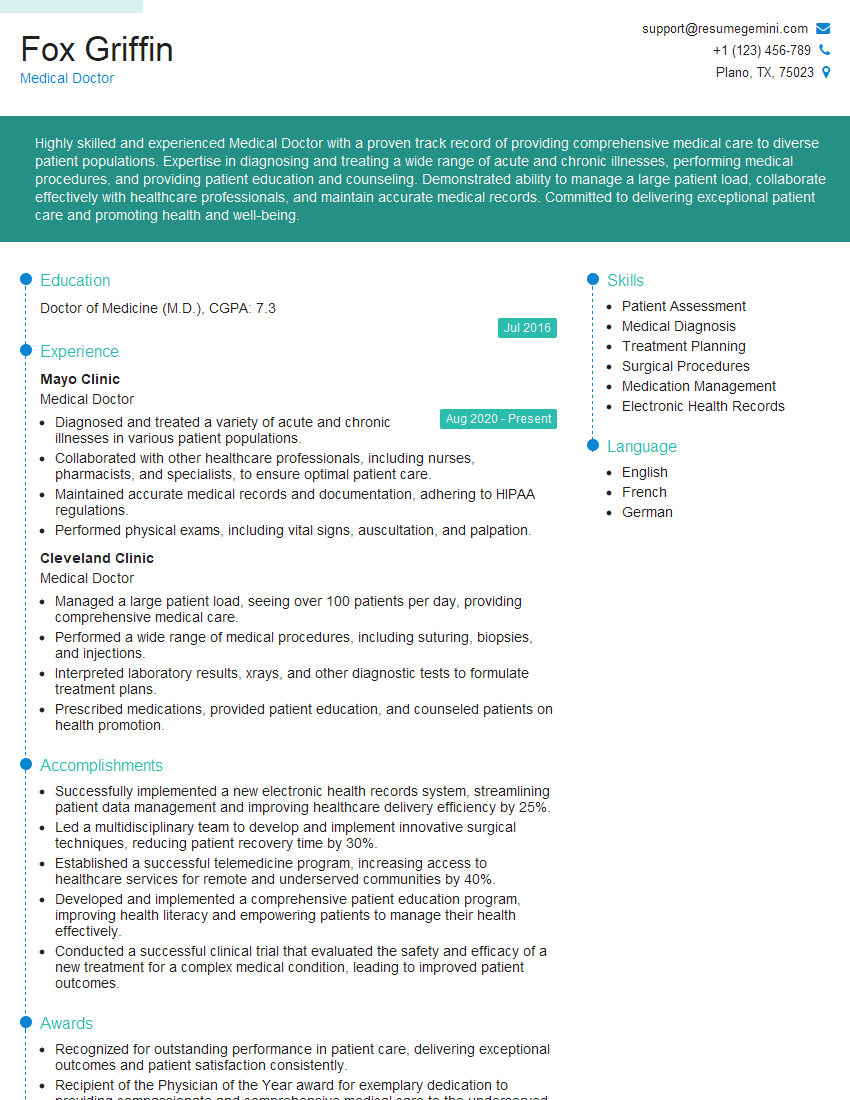
Medical Doctor Resume Sample
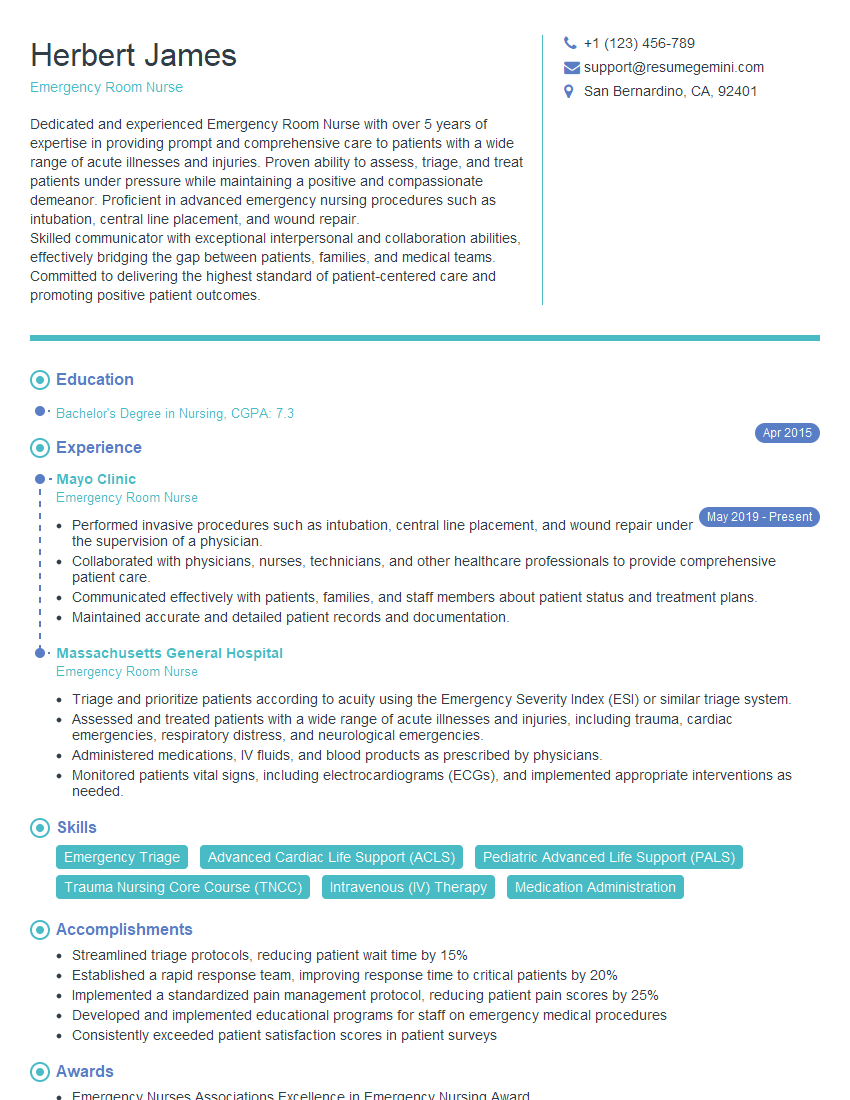
Emergency Room Nurse Resume Sample
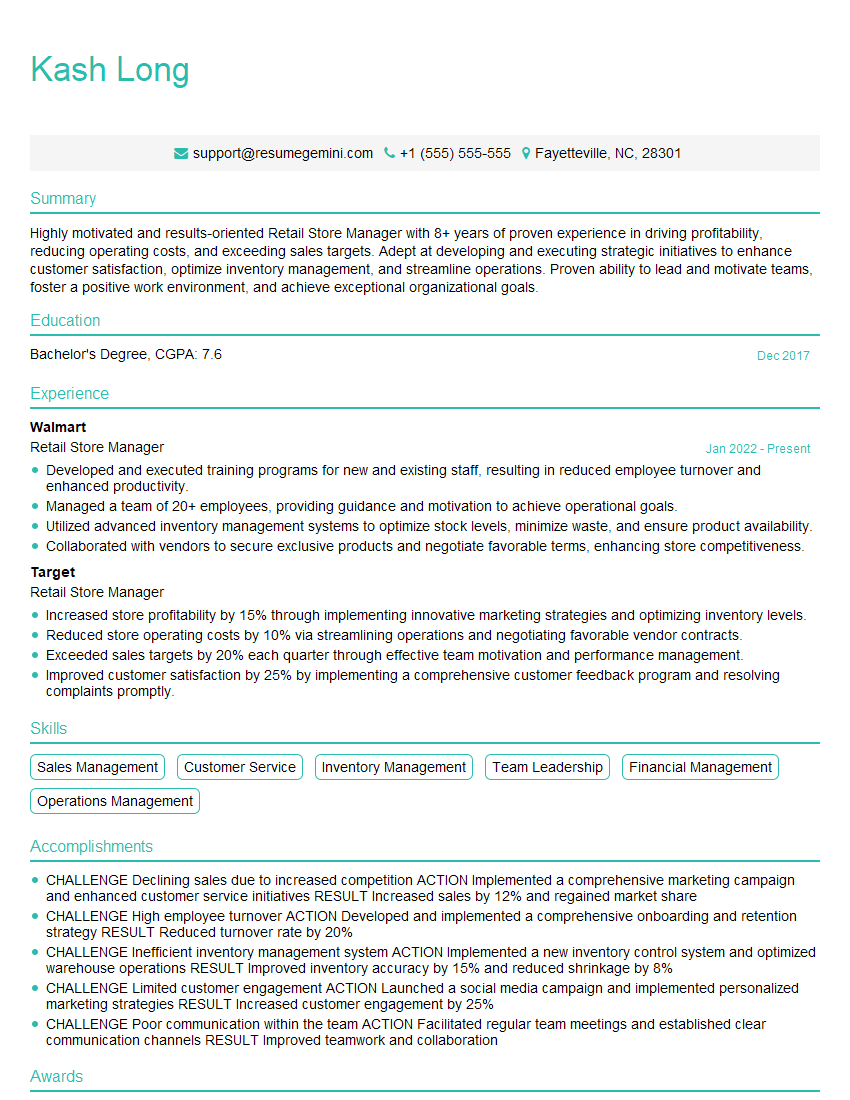
Retail Store Manager Resume Sample
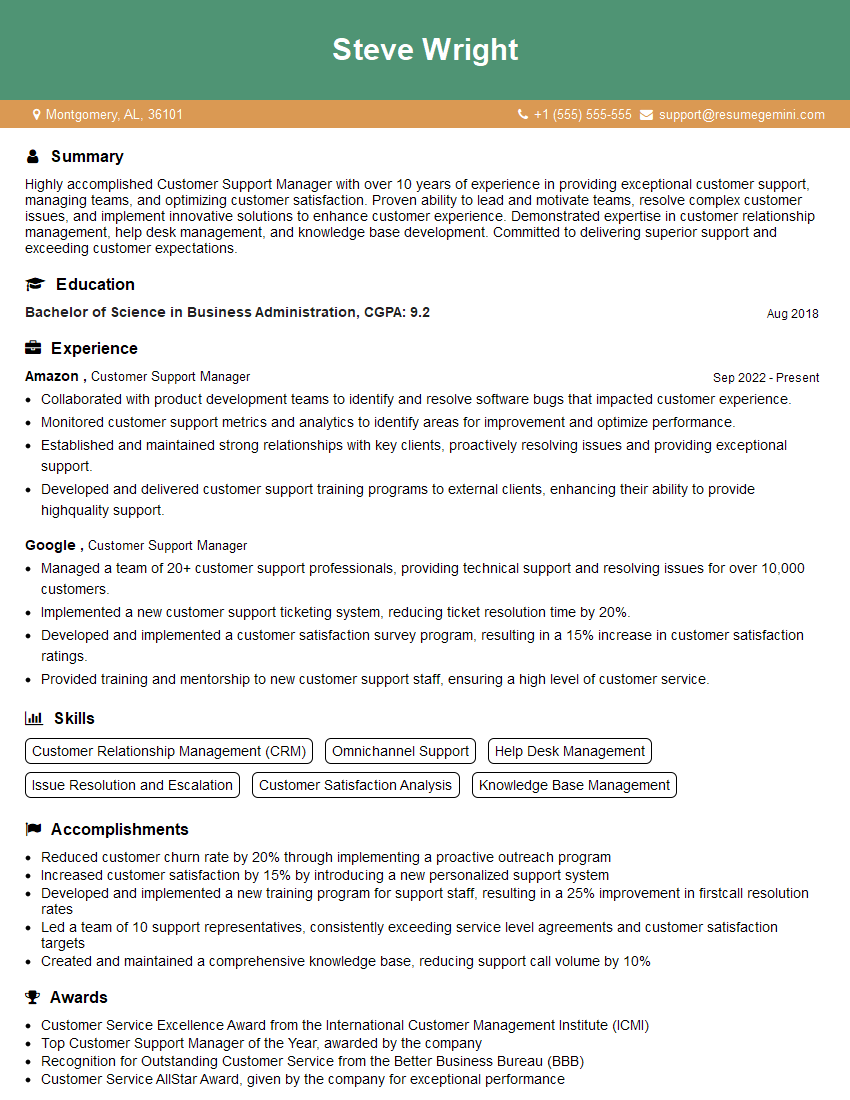
Customer Support Manager Resume Sample
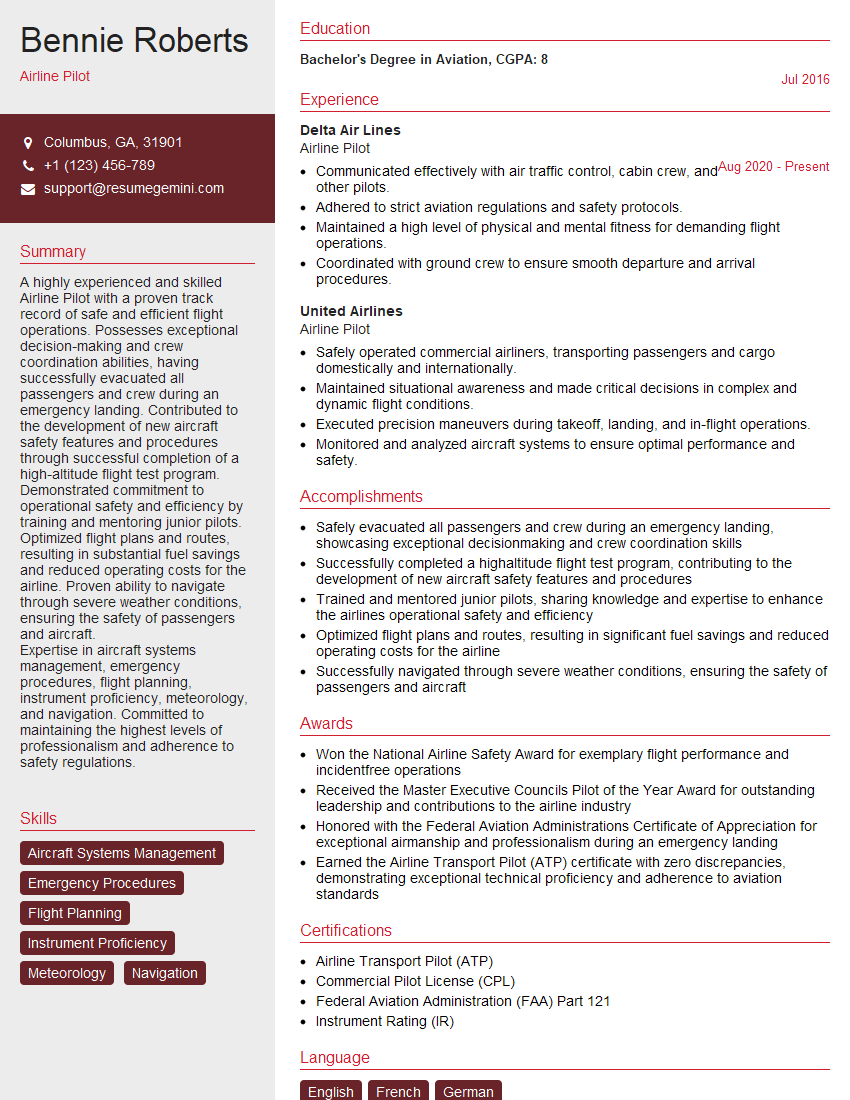
Airline Pilot Resume Sample
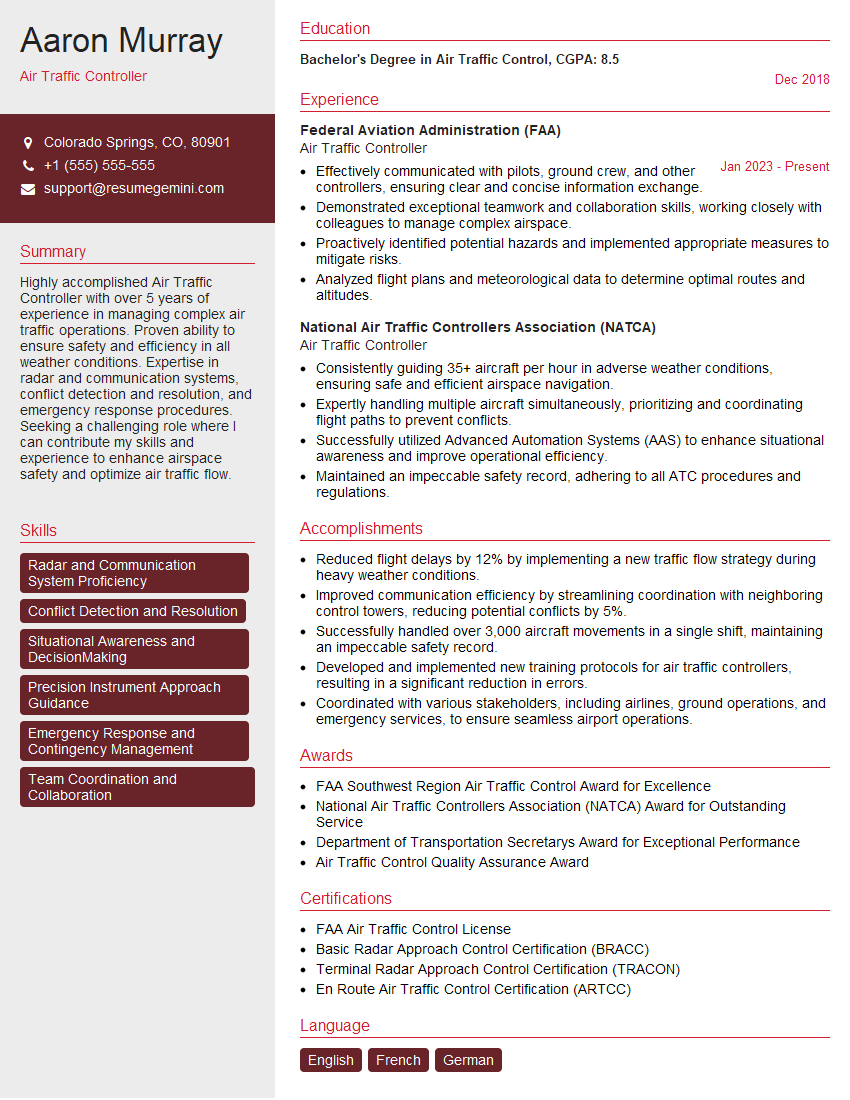
Air Traffic Controller Resume Sample
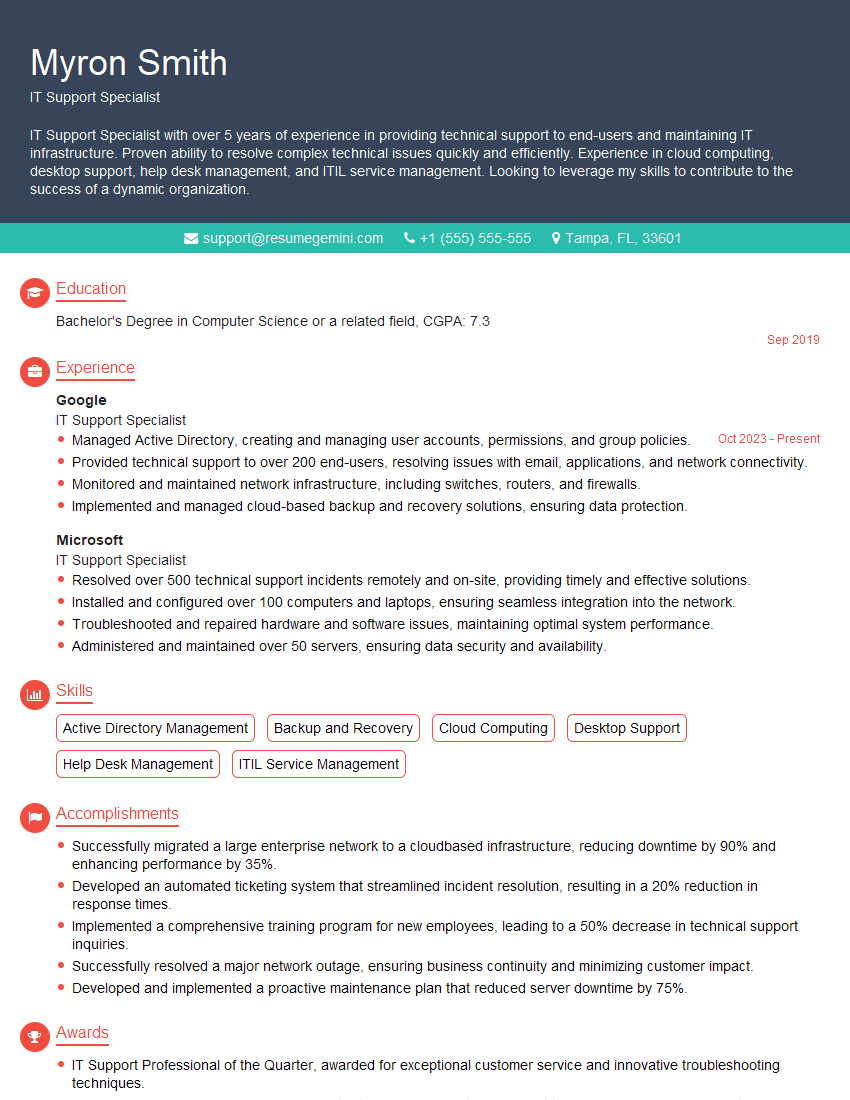
IT Support Specialist Resume Sample
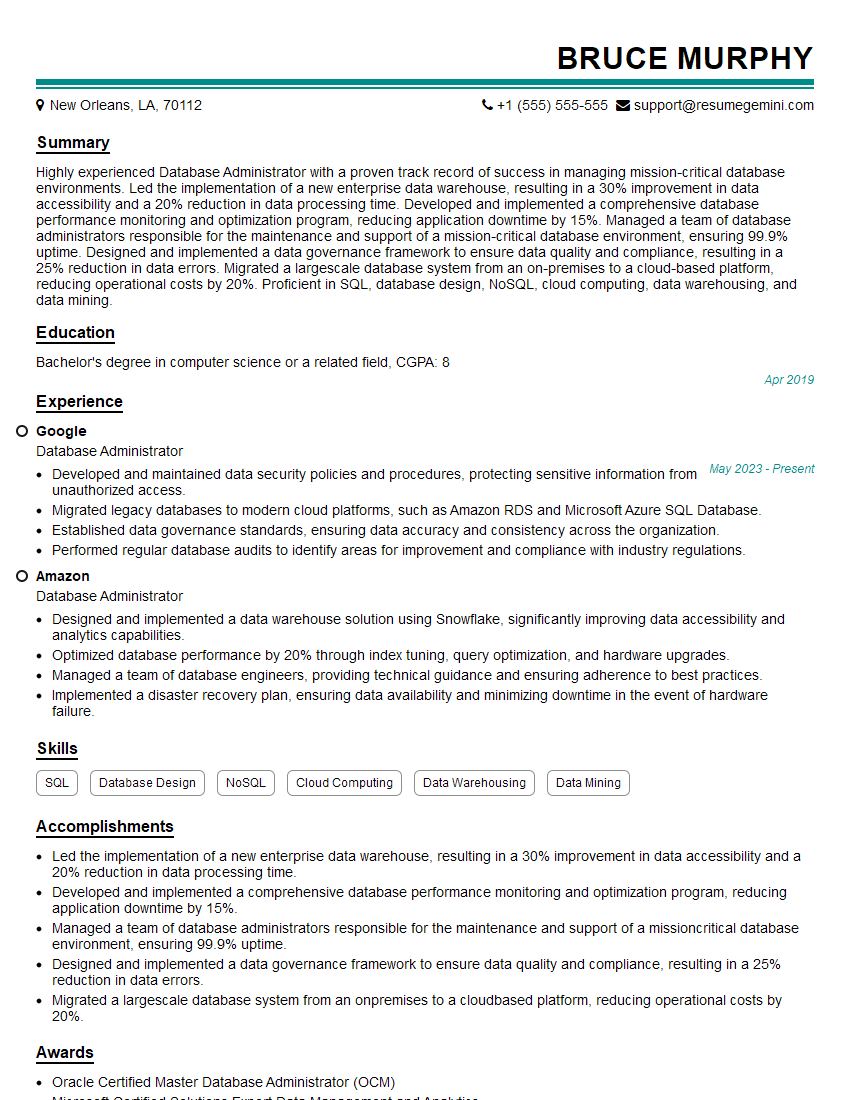
Database Administrator Resume Sample
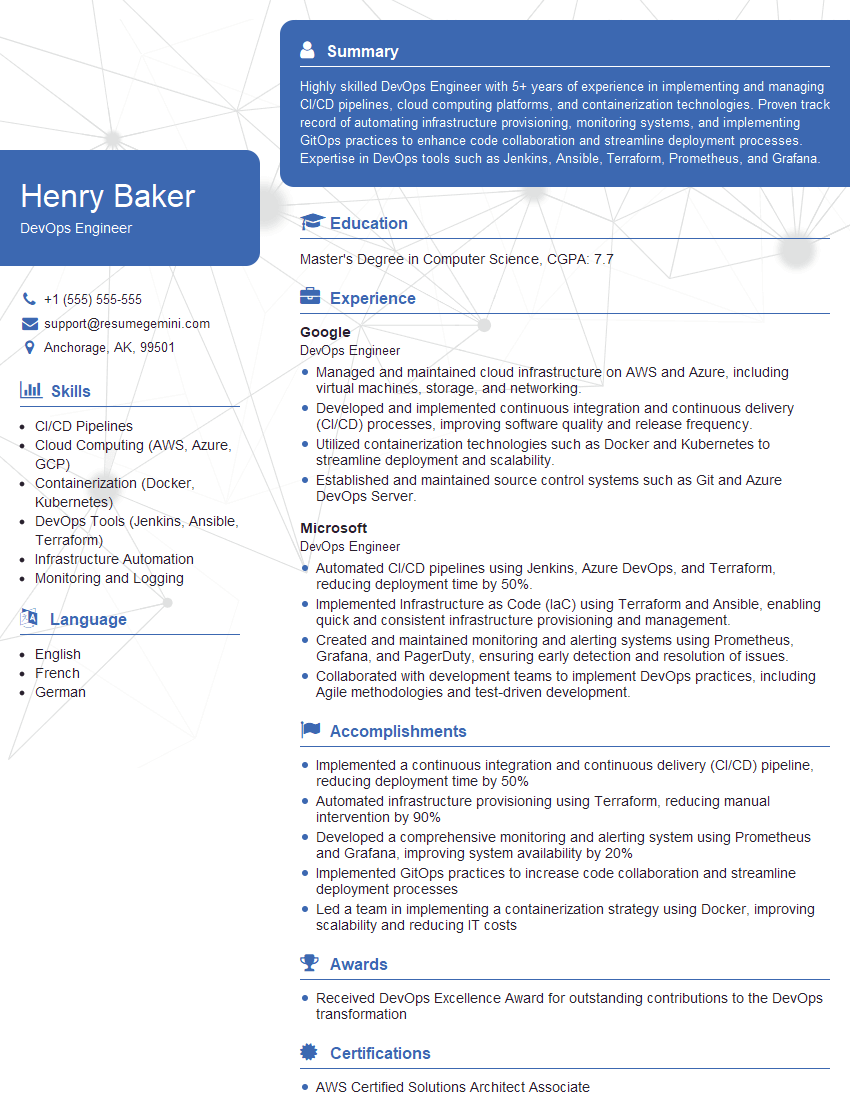
DevOps Engineer Resume Sample
- Product Manager
- Project Manager
- Restaurant Manager
- Hotel Manager
- Hospital Administrator
- Paramedic
- Security Analyst
- Sales Engineer
- Technical Account Manager
- Firefighter
- Police Officer
- Medical Doctor
- Emergency Room Nurse
- Retail Store Manager
- Customer Support Manager
- Airline Pilot
- Air Traffic Controller
- IT Support Specialist
- Database Administrator
- DevOps Engineer
Explore more articles
Users Rating of Our Blogs
Share Your Experience
We value your feedback! Please rate our content and share your thoughts (optional).
What Readers Say About Our Blog
Very informative content, great job.
good