Feeling uncertain about what to expect in your upcoming interview? We’ve got you covered! This blog highlights the most important Working with a Team interview questions and provides actionable advice to help you stand out as the ideal candidate. Let’s pave the way for your success.
Questions Asked in Working with a Team Interview
Q 1. Describe a time you had to resolve a conflict within a team.
Conflict is inevitable in any team, but its resolution is crucial for success. My approach focuses on understanding the root cause, facilitating open communication, and finding a mutually agreeable solution. For example, on a project involving the development of a new software feature, two team members – a designer and a developer – clashed over the feasibility of a specific design element. The developer believed it was too complex to implement within the timeline, while the designer felt it was critical to the overall user experience. Instead of siding with one party, I facilitated a meeting where each member could explain their perspective. We used a whiteboard to brainstorm alternative solutions, weighing the pros and cons of each. Ultimately, we found a compromise that incorporated the core design principle while simplifying the technical implementation, satisfying both parties and ensuring a successful project outcome.
Q 2. How do you handle disagreements with team members?
Disagreements are opportunities for improvement, not threats. I strive to approach them with empathy and a focus on finding common ground. My first step is always active listening – truly understanding the other person’s viewpoint before stating my own. Then, I frame the disagreement as a problem to be solved collaboratively. For instance, if a team member disagrees with my proposed approach to a task, I’d ask them to explain their reasoning. We’d then discuss the merits and drawbacks of both approaches, potentially incorporating elements from each to reach a more robust solution. If a compromise can’t be reached, I’ll ensure that the final decision is data-driven and transparent, explaining the rationale clearly to all team members.
Q 3. What strategies do you use to ensure effective team communication?
Effective team communication is the backbone of any successful project. My strategies revolve around clarity, consistency, and accessibility. This includes:
- Regular meetings: Daily stand-ups for quick updates and weekly meetings for more in-depth discussions.
- Clear communication channels: Using project management tools (like Jira or Asana) to track progress and tasks, and utilizing instant messaging for quick queries.
- Documentation: Creating and maintaining well-documented procedures and knowledge bases to ensure everyone is on the same page.
- Active listening and feedback: Creating a safe space where team members feel comfortable sharing their thoughts and concerns without fear of judgment.
For example, when working remotely, I found using video conferencing for team meetings drastically improved understanding and collaboration compared to just voice calls. The ability to see each other’s expressions and body language enriched the communication process significantly.
Q 4. Describe your preferred team collaboration tools and techniques.
My preferred tools and techniques depend on the project and team size. However, I frequently utilize:
- Project management software: Jira, Asana, Trello – for task management, progress tracking, and collaboration.
- Communication platforms: Slack, Microsoft Teams – for instant messaging, file sharing, and video conferencing.
- Version control systems: Git – for collaborative code development and managing changes.
- Collaborative document editing tools: Google Docs, Microsoft Office 365 – for creating and editing documents in real-time.
Beyond tools, I find techniques like pair programming (for software development) and regular knowledge sharing sessions incredibly effective in boosting team collaboration and knowledge transfer.
Q 5. How do you contribute to a positive team environment?
Contributing to a positive team environment involves fostering respect, inclusivity, and trust. I believe in leading by example, being approachable and supportive, and actively celebrating team achievements. I always strive to acknowledge individual contributions and recognize the effort each team member puts in. Furthermore, I create opportunities for team bonding, such as informal social gatherings or team-building activities, to strengthen relationships and build rapport. I also actively address any negativity or conflict within the team to maintain a healthy and productive atmosphere. For example, I introduced a ‘Kudos’ channel in our Slack workspace where team members could publicly acknowledge each other’s contributions and accomplishments. This simple action significantly improved team morale and fostered a more positive environment.
Q 6. Explain your experience with different team structures (e.g., Agile, Waterfall).
I have experience working within both Agile and Waterfall methodologies. Waterfall, with its linear, sequential approach, is well-suited for projects with clearly defined requirements and minimal anticipated changes. I’ve worked on Waterfall projects where a detailed plan was crucial, like developing a complex database system where changes late in the process could be very costly. In contrast, Agile methodologies, with their iterative and flexible nature, are ideal for projects with evolving requirements or where rapid feedback is necessary. I’ve successfully used Scrum and Kanban in Agile projects, adapting my approach to the specific needs of the project and team. This adaptability allows me to effectively navigate the strengths and weaknesses of each approach to deliver successful outcomes.
Q 7. How do you delegate tasks effectively within a team?
Effective delegation is about assigning tasks to the right people, empowering them to succeed, and providing the necessary support. My approach involves:
- Assessing team members’ skills and strengths: Matching tasks to individual capabilities.
- Setting clear expectations: Defining goals, deadlines, and deliverables precisely.
- Providing necessary resources and support: Ensuring team members have the tools and information they need.
- Monitoring progress and offering guidance: Regularly checking in on progress but avoiding micromanagement.
- Offering constructive feedback: Providing feedback to improve performance and identify areas for growth.
For instance, when delegating a complex design task, I wouldn’t just assign it; I’d discuss the goals with the designer, review their understanding, ensure they had access to relevant assets and information, and schedule check-in meetings for updates and feedback. This approach ensures task completion within the expected parameters and fosters a sense of ownership and responsibility within the team.
Q 8. How do you manage deadlines and prioritize tasks in a team setting?
Effective deadline management and task prioritization are crucial for team success. My approach involves a multi-step process. First, we collaboratively create a project timeline using tools like Gantt charts or project management software. This ensures everyone understands deadlines and individual responsibilities. Then, we prioritize tasks based on urgency and importance, often using methods like the Eisenhower Matrix (urgent/important), assigning levels of priority (high, medium, low), or utilizing a weighted scoring system. Regular check-ins, using daily stand-up meetings for example, allow us to track progress, identify roadblocks, and re-prioritize as needed. Transparency is key – using shared project management tools keeps everyone informed and aligned. Finally, I encourage proactive communication about potential delays, allowing us to adjust our plan collaboratively rather than scrambling at the last minute. For example, in a previous project, by identifying a potential bottleneck early in the process, we were able to reallocate resources and prevent a critical delay, resulting in successful on-time delivery.
Q 9. Describe a time you had to motivate a team member.
In a past project, a team member, Sarah, was struggling with a particularly complex coding task. She appeared frustrated and demotivated. Instead of directly criticizing her work, I took a two-pronged approach. First, I focused on understanding the root cause of her struggle. Through one-on-one conversation, I discovered she felt overwhelmed by the technical complexity. Secondly, I provided support. I offered to pair program with her, breaking down the task into smaller, more manageable chunks. I also connected her with a senior developer who had expertise in that area for mentorship. Gradually, her confidence grew as she saw progress. Ultimately, she not only completed the task but also gained valuable new skills, demonstrating increased self-efficacy and a renewed enthusiasm for the project. This experience highlighted the importance of understanding the individual’s perspective and providing tailored support rather than simply applying pressure.
Q 10. How do you provide constructive feedback to team members?
Constructive feedback focuses on specific behaviors and their impact, not on the person. My approach follows the SBI model: Situation, Behavior, Impact. I start by describing the specific situation (‘During the client presentation…’), then describe the observable behavior (‘…you interrupted the lead developer three times…’), and finally explain the impact of that behavior (‘…this disrupted the flow and potentially undermined the credibility of our message’). I always frame feedback positively, focusing on areas for improvement rather than criticism. I encourage a two-way conversation, asking for the team member’s perspective and actively listening to their response. The goal is collaborative growth and improvement, not to assign blame. For example, I might conclude by saying, ‘I believe focusing on letting others complete their thoughts would significantly enhance the impact of our future presentations.’ This approach fosters open communication and a culture of continuous learning.
Q 11. How do you handle a situation where a team member is not meeting expectations?
Addressing underperformance requires a systematic approach. I begin with a private conversation, focusing on specific instances where expectations weren’t met. I start by asking open-ended questions to understand the reasons for the shortfall – are there resource constraints, lack of clarity on expectations, or personal challenges? Depending on the cause, the solution might involve additional training, clarifying roles and responsibilities, providing more support, or adjusting deadlines. If the issues persist despite support, I document the performance issues, outlining specific instances and actions taken. In severe cases, after documenting everything thoroughly, it might be necessary to escalate to HR for further guidance. The key is to be fair, consistent, and to approach the situation with empathy, while maintaining the team’s overall productivity and project goals. It’s crucial to document all interactions and progress, maintaining a record of the support provided and the team member’s response.
Q 12. How do you measure the success of a team project?
Measuring the success of a team project goes beyond simply completing it on time and within budget. We define success using a combination of metrics aligned with our initial project goals. These could include: achieving specific functionalities, meeting user satisfaction targets (through surveys or feedback), adhering to quality standards (defect rates, code reviews), staying within the budget and timeline, and improvements in team efficiency or collaboration. We use a combination of quantitative data (e.g., number of bugs fixed, customer satisfaction scores) and qualitative feedback (e.g., team retrospectives, client feedback) to get a complete picture of our success. Post-project reviews, where we analyze what went well and what could be improved, are also crucial in assessing overall success and informing future projects.
Q 13. Describe your experience with different team decision-making processes.
I’ve experienced various decision-making processes, including:
- Consensus-based decision making: This involves thorough discussion to reach a decision everyone agrees on. It fosters buy-in but can be time-consuming.
- Majority rule: Decisions are based on the votes of the majority. It’s efficient but might leave some feeling unheard.
- Delegative decision-making: One person makes the decision, often the team leader. It’s fast but can lack input from team members.
- Collaborative decision-making: This involves brainstorming, discussion, and collaborative problem-solving to reach a joint decision. It’s a balance of efficiency and inclusivity.
Q 14. How do you ensure everyone on the team feels valued and heard?
Creating a culture where everyone feels valued and heard requires consistent effort. This starts by actively listening during team meetings, encouraging open communication, and responding thoughtfully to all team members’ contributions. I utilize regular one-on-one meetings to check in on individual progress, address concerns, and provide personal support. I actively solicit feedback through surveys, team retrospectives, and informal discussions. Fairly distributing tasks and responsibilities, according to each member’s skills and preferences, promotes a sense of ownership and importance. Recognizing and celebrating individual and team achievements reinforces positive contributions and boosts morale. Addressing conflicts promptly and fairly and ensuring diverse voices are heard and respected contribute to an inclusive and supportive team environment. For example, regularly rotating roles in team meetings (e.g., note-taker, facilitator) can distribute leadership responsibilities and create a sense of shared responsibility.
Q 15. How do you adapt your communication style to different team members?
Adapting communication style is crucial for effective teamwork. It’s about understanding individual preferences and tailoring your approach accordingly. Some team members prefer concise, direct communication; others appreciate more detailed explanations and context. Some thrive on written communication while others prefer face-to-face conversations.
My approach involves active listening and observation. I pay attention to how team members respond to different communication styles. Do they prefer email, instant messaging, or in-person meetings? Are they direct or indirect in their communication? Do they respond well to visual aids or prefer written summaries? I adjust my style accordingly, using a combination of written and verbal communication, visual aids, and different communication channels to suit their preferences. For example, if I’m working with a more introverted team member, I might schedule a one-on-one meeting instead of addressing the entire team. If a team member consistently misses details in emails, I might follow up with a brief phone call.
This flexible approach ensures that information is clearly understood and that everyone feels heard and valued, fostering stronger team dynamics and better collaboration.
Career Expert Tips:
- Ace those interviews! Prepare effectively by reviewing the Top 50 Most Common Interview Questions on ResumeGemini.
- Navigate your job search with confidence! Explore a wide range of Career Tips on ResumeGemini. Learn about common challenges and recommendations to overcome them.
- Craft the perfect resume! Master the Art of Resume Writing with ResumeGemini’s guide. Showcase your unique qualifications and achievements effectively.
- Don’t miss out on holiday savings! Build your dream resume with ResumeGemini’s ATS optimized templates.
Q 16. How do you handle competing priorities among team members?
Competing priorities are inevitable in team environments. Effective management requires a structured approach. I prioritize tasks based on urgency, importance, and alignment with overall project goals. A clear understanding of deadlines and dependencies is paramount.
I utilize tools like project management software (e.g., Jira, Asana) to visualize tasks, dependencies, and deadlines. This allows for clear communication and transparent prioritization. Regular team meetings, coupled with individual check-ins, offer opportunities to discuss potential conflicts and proactively adjust priorities. Open communication is key; we openly discuss constraints, potential roadblocks, and collectively determine the best course of action. This collaborative approach often involves re-negotiating deadlines, re-allocating resources, or breaking down complex tasks into smaller, more manageable units.
For example, if two team members are working on tasks with overlapping deadlines, we’ll collaboratively assess the impact of delaying either task. We might identify which task has a higher impact on the overall project, or we might explore ways to re-allocate resources or responsibilities to ensure timely completion of both.
Q 17. Describe a time you had to work with a difficult team member.
In a previous project, I worked with a team member who consistently missed deadlines and was resistant to feedback. Initially, I tried providing constructive criticism in a one-on-one setting. However, this wasn’t effective. The challenge was to find a balance between addressing the performance issues and maintaining a positive working relationship.
My approach evolved. I began by documenting missed deadlines and specific instances of resistance to feedback. This provided concrete evidence to support my concerns. I then scheduled a formal meeting with the team member, my manager, and HR. This allowed for a neutral and supported environment to address the issues openly. During the meeting, we discussed the impact of the team member’s actions on the team and the project, and we collaboratively developed an action plan with clear expectations and support systems. The plan involved regular check-ins, assigning smaller tasks with more frequent deadlines, and providing additional training and mentorship.
This structured approach led to a significant improvement. The team member began to meet deadlines more consistently and became more receptive to feedback. The key takeaway was understanding the root cause of the behavior and addressing it through a collaborative, supported approach, rather than confrontation.
Q 18. How do you build trust and rapport within a team?
Building trust and rapport is fundamental to high-performing teams. It’s about fostering a culture of mutual respect, open communication, and shared goals. I achieve this through several key strategies.
- Open and honest communication: I prioritize transparency and actively encourage open dialogue. I share information openly and honestly, even when it’s challenging news.
- Active listening: I actively listen to team members’ perspectives and concerns, showing genuine interest and empathy.
- Showing appreciation: I regularly acknowledge and appreciate individual and team contributions. Celebrating successes, both big and small, boosts morale and reinforces positive behavior.
- Collaboration and teamwork: I encourage collaboration and teamwork, fostering a sense of shared responsibility and ownership.
- Vulnerability and authenticity: I strive to be authentic and approachable, showing vulnerability when appropriate to build connections.
For example, I regularly organize team-building activities that foster informal relationships outside of work. These activities help to build relationships and break down barriers between team members, fostering a more collaborative and supportive environment.
Q 19. Describe your approach to mentoring junior team members.
Mentoring junior team members involves guidance, support, and fostering their growth. My approach is multifaceted and focuses on both skill development and professional growth.
- Setting clear expectations and providing regular feedback: I establish clear expectations for performance and provide regular, constructive feedback, both positive and critical. This includes frequent check-ins to monitor progress and address any challenges.
- Delegating tasks strategically: I delegate tasks that challenge them and allow them to expand their skill set, providing support and guidance as needed.
- Offering opportunities for learning and development: I encourage them to participate in training programs, workshops, or conferences relevant to their roles and career aspirations. I also encourage them to take on challenging projects that will stretch their abilities.
- Providing career guidance and mentorship: I offer guidance on career development, helping them identify their strengths and weaknesses, and set professional goals. I act as a sounding board for their career decisions.
For example, I might pair a junior team member with a senior team member on a project, allowing for on-the-job training and skill development through observation and collaboration.
Q 20. How do you identify and address team performance bottlenecks?
Identifying and addressing team performance bottlenecks involves a systematic approach. I use a combination of data analysis, observation, and communication to pinpoint areas for improvement.
I start by collecting data on project timelines, task completion rates, and resource utilization. This data helps to identify any delays or inefficiencies. Then, I observe the team’s workflow and communication patterns to identify potential bottlenecks, such as inefficient processes, unclear roles and responsibilities, or communication breakdowns. Finally, I hold discussions with team members to gain their perspectives and identify any challenges or roadblocks they are facing. This may involve one-on-one meetings, brainstorming sessions, or team retrospectives.
Once the bottlenecks are identified, I work with the team to develop solutions. This might involve streamlining processes, re-allocating resources, improving communication, or providing additional training or support. Regular monitoring and evaluation are crucial to ensure the effectiveness of the implemented solutions.
For example, if data shows that a particular phase of a project is consistently delayed, I’ll investigate the cause, perhaps discovering a lack of necessary resources or a poorly defined process. We might then adjust the process, request additional resources, or provide training to the team members involved to resolve the bottleneck.
Q 21. How do you facilitate effective brainstorming sessions?
Facilitating effective brainstorming sessions requires careful planning and execution. My approach focuses on creating a safe, inclusive environment that encourages creative thinking and idea generation.
- Clear objectives and guidelines: Before the session, I define clear objectives and guidelines, ensuring everyone understands the purpose and scope of the brainstorming session.
- Creating a safe and inclusive environment: I emphasize the importance of respectful communication and encourage all team members to contribute their ideas without fear of judgment or criticism.
- Using brainstorming techniques: I utilize various brainstorming techniques, such as mind mapping, round-robin brainstorming, or brainwriting, to stimulate creativity and ensure broad participation.
- Encouraging diverse perspectives: I actively seek diverse perspectives and encourage team members to challenge assumptions and explore unconventional ideas.
- Capturing and summarizing ideas: I ensure that all ideas are captured, organized, and summarized, allowing for later review and prioritization.
For example, I might start a brainstorming session with a mind map to visually represent the problem, then use a round-robin approach to ensure every team member contributes ideas before moving into a more free-flowing discussion. Following the session, I would compile and summarize all ideas, creating an action plan based on the most promising suggestions.
Q 22. Describe a time you had to adapt to a change in team dynamics.
Adapting to changing team dynamics is crucial for success in any collaborative environment. It requires flexibility, strong communication, and a willingness to learn and adjust. In one project, our team initially used a waterfall methodology. However, halfway through, we transitioned to Agile due to evolving client needs and unexpected challenges. This shift required a significant adjustment. We held several team meetings to understand the new process, clarify roles and responsibilities within the Agile framework (such as Scrum Master, Product Owner, and Development Team), and establish new communication protocols. We also invested time in training sessions to ensure everyone was comfortable with the Agile tools and techniques. The transition was initially bumpy, with some resistance to change, but by proactively addressing concerns and emphasizing the benefits of increased flexibility and responsiveness, we ultimately succeeded in adopting the new methodology and delivering the project successfully.
Q 23. How do you contribute to knowledge sharing within a team?
Knowledge sharing is fundamental to a high-performing team. I actively contribute in several ways. First, I regularly participate in team knowledge-sharing sessions, presenting on topics related to my expertise or projects I’ve completed. These sessions aren’t just one-way presentations; I encourage open dialogue and questions to foster a collaborative learning environment. Second, I maintain detailed documentation of my work, including best practices, troubleshooting steps, and code comments. This documentation ensures easy knowledge transfer to other team members, even if I’m unavailable. Finally, I actively mentor junior team members, providing guidance and support, sharing my experience, and helping them develop their skills. I view knowledge sharing as a two-way street; I learn from my colleagues as much as I share my own expertise.
Q 24. What is your experience with remote team collaboration?
I have extensive experience collaborating with remote teams, both within my current organization and in previous roles. I’ve found that effective remote collaboration depends heavily on clear communication and the right tools. We utilize project management software like Asana or Jira for task assignment, progress tracking, and communication. Video conferencing tools like Zoom or Google Meet are essential for regular meetings and informal check-ins. Instant messaging platforms like Slack greatly facilitate quick questions and informal communication. Beyond the tools, establishing clear expectations, setting realistic deadlines, and maintaining consistent communication are vital. I’ve also learned the importance of fostering a strong sense of community and team cohesion, even remotely, through virtual team-building activities and regular social interactions.
Q 25. How do you handle situations where team members are geographically dispersed?
Handling geographically dispersed teams requires a proactive and structured approach. Clear communication channels are paramount. We rely heavily on asynchronous communication tools, like email and project management software, to ensure everyone stays informed regardless of time zones. Regularly scheduled virtual meetings, encompassing both project updates and informal check-ins, help maintain team cohesion and address any arising issues. I also make an effort to understand each team member’s working style and preferences and tailor my communication accordingly. For example, I might schedule meetings to accommodate different time zones or provide documentation in multiple formats to cater to diverse learning styles. Utilizing project management software with robust task assignment and reporting capabilities provides a central hub for tracking progress and collaboration irrespective of location.
Q 26. How do you measure team effectiveness and productivity?
Measuring team effectiveness and productivity isn’t just about individual output; it’s about achieving shared goals efficiently and effectively. We use a multi-faceted approach. We track key performance indicators (KPIs) aligned with project goals. These KPIs might include the number of completed tasks, project completion rate, budget adherence, and client satisfaction scores. We also conduct regular team retrospectives to identify areas for improvement in our processes and workflow. Furthermore, regular feedback sessions, both formally and informally, allow us to gauge individual and team morale and identify any challenges that need to be addressed. Finally, qualitative assessments, such as peer reviews and client feedback, provide valuable insights into team dynamics, collaboration effectiveness, and overall contribution.
Q 27. Describe a time you had to lead a team through a challenging situation.
In a previous role, our team faced a critical project delay due to an unforeseen technical issue. The initial reaction was panic and uncertainty. As the team lead, I facilitated a calm and organized response. First, I convened an emergency meeting to assess the situation objectively. We identified the root cause of the problem, created a prioritized list of tasks to address the issue, and established realistic timelines. I delegated tasks effectively, ensuring each team member was assigned responsibilities that matched their skills and experience. We adopted a problem-solving approach, leveraging our collective expertise to brainstorm innovative solutions. Transparency and frequent communication were crucial. I kept stakeholders informed of our progress and any potential risks. Through decisive action, effective communication, and teamwork, we managed to mitigate the impact of the delay and successfully deliver the project, albeit slightly behind schedule.
Q 28. How do you ensure your team’s work aligns with overall organizational goals?
Aligning team work with organizational goals is essential for overall success. We achieve this through a few key strategies. Firstly, we ensure that project objectives are clearly defined and directly contribute to broader company goals. This alignment is often facilitated through regular communication with senior management and a clear understanding of the company’s strategic priorities. Secondly, we regularly review progress against those objectives, ensuring our work remains on track and making adjustments as needed. This might involve adjusting project scopes, refining timelines, or reallocating resources. Finally, we cultivate a team culture where everyone understands the bigger picture and how their individual contributions contribute to the overall success of the organization. This fosters a sense of purpose and motivates team members to work towards shared goals.
Key Topics to Learn for Working with a Team Interview
- Understanding Team Dynamics: Learn to identify different team roles, communication styles, and potential conflict points. Consider the impact of individual personalities on group productivity.
- Effective Communication Strategies: Practice articulating your ideas clearly and concisely, both verbally and in writing. Explore active listening techniques and strategies for giving and receiving constructive feedback.
- Collaboration and Problem-Solving: Discuss your approach to collaborative projects. Prepare examples demonstrating your ability to contribute to a shared goal, resolve disagreements, and navigate challenges as part of a team.
- Conflict Resolution: Explore different conflict resolution styles and how to choose the most appropriate approach based on the situation. Prepare examples of how you’ve successfully mediated disagreements within a team setting.
- Contribution and Leadership: Showcase instances where you’ve taken initiative, mentored colleagues, or contributed to a team’s success. Highlight your ability to adapt your approach depending on your role within the team.
- Adaptability and Flexibility: Discuss your capacity to adjust to changing priorities, unexpected challenges, and evolving team structures. Prepare examples demonstrating your resilience and willingness to learn from setbacks.
Next Steps
Mastering teamwork is crucial for career advancement. Employers highly value collaborative skills, and showcasing your abilities in this area significantly strengthens your candidacy. To increase your job prospects, build an ATS-friendly resume that clearly highlights your teamwork achievements. ResumeGemini can help you craft a professional and impactful resume tailored to emphasize your teamwork skills. We offer examples of resumes specifically designed to showcase expertise in working with a team – check them out to see how you can effectively present your experience!
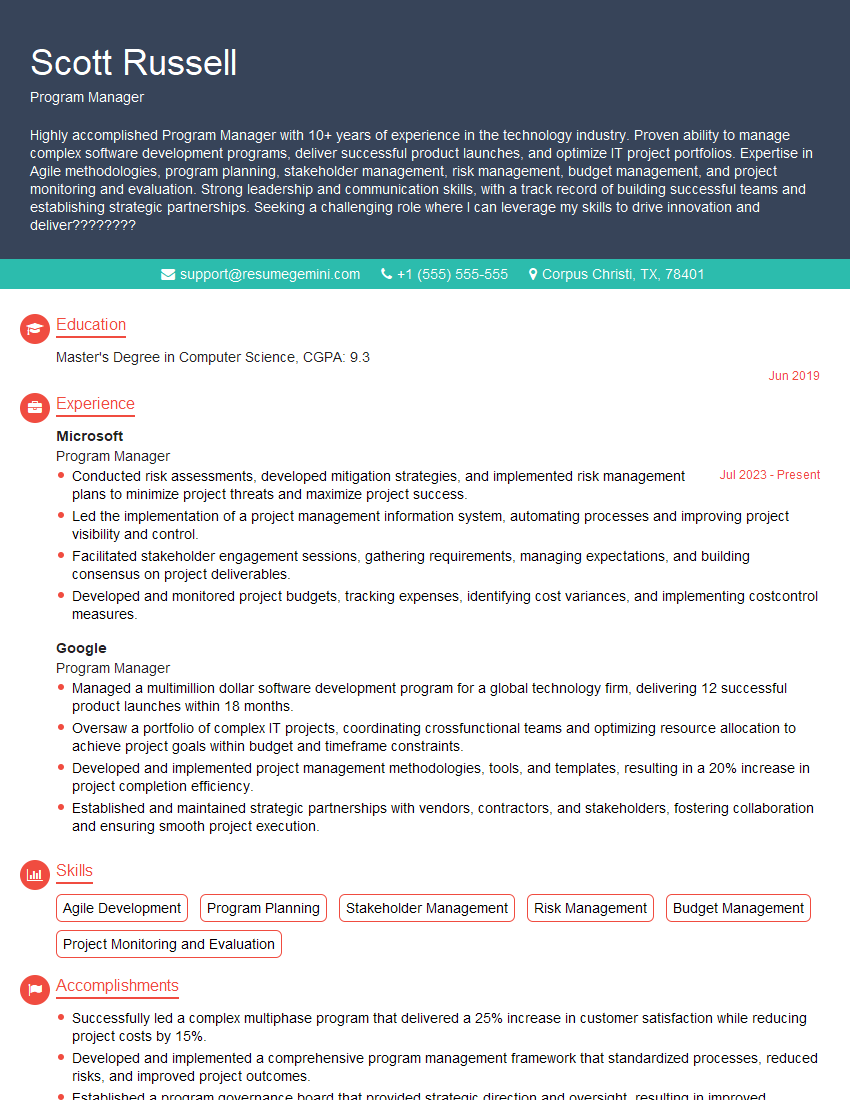
Program Manager Resume Sample

Operations Manager Resume Sample
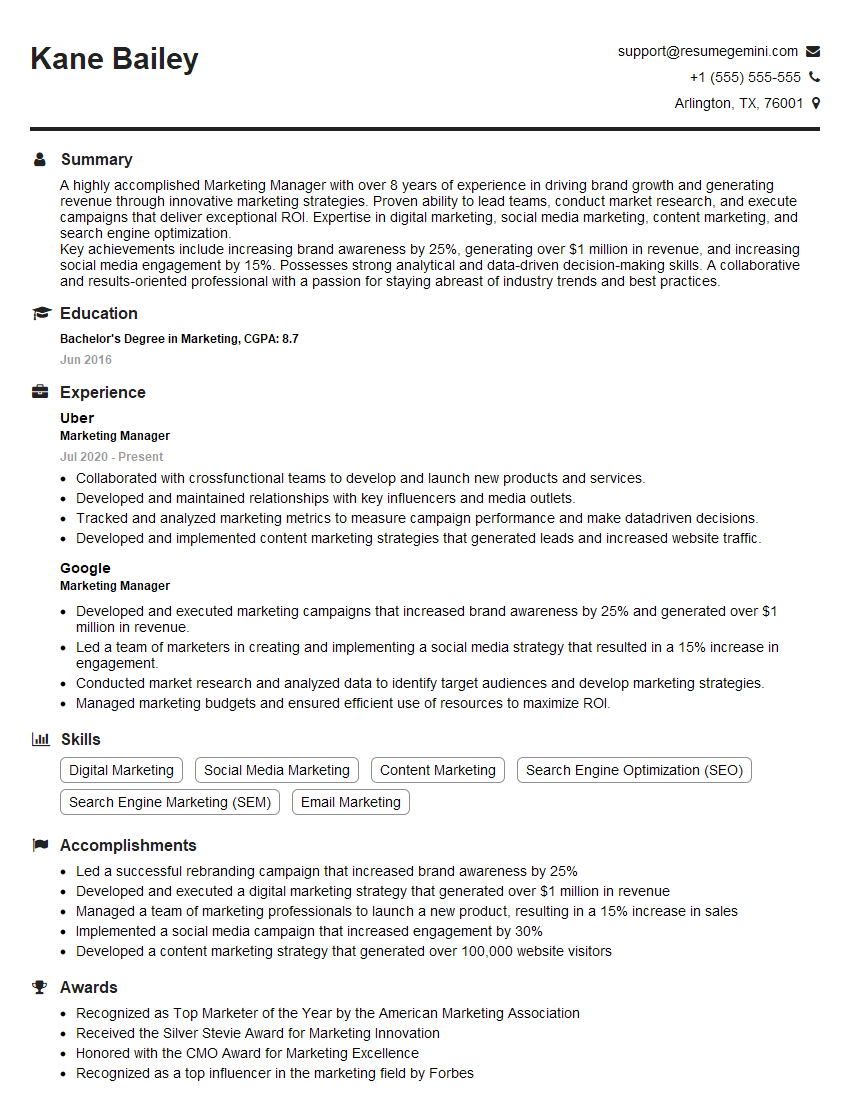
Marketing Manager Resume Sample
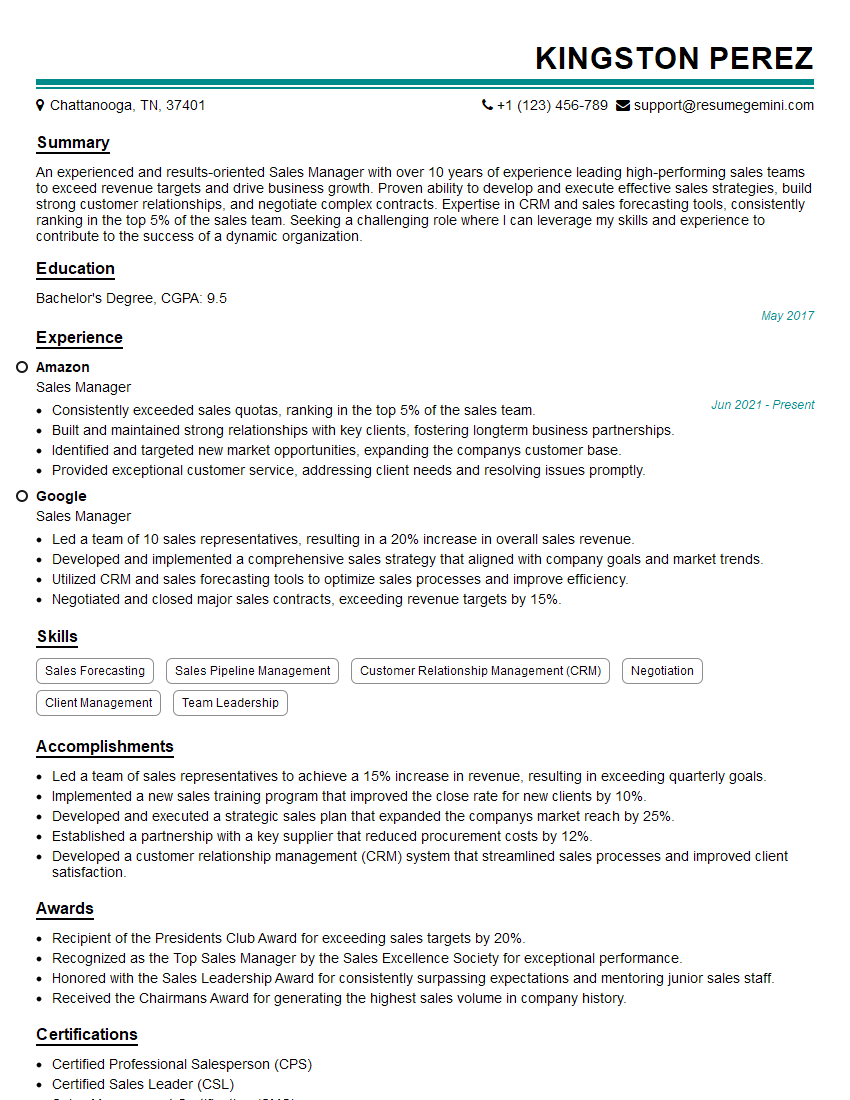
Sales Manager Resume Sample
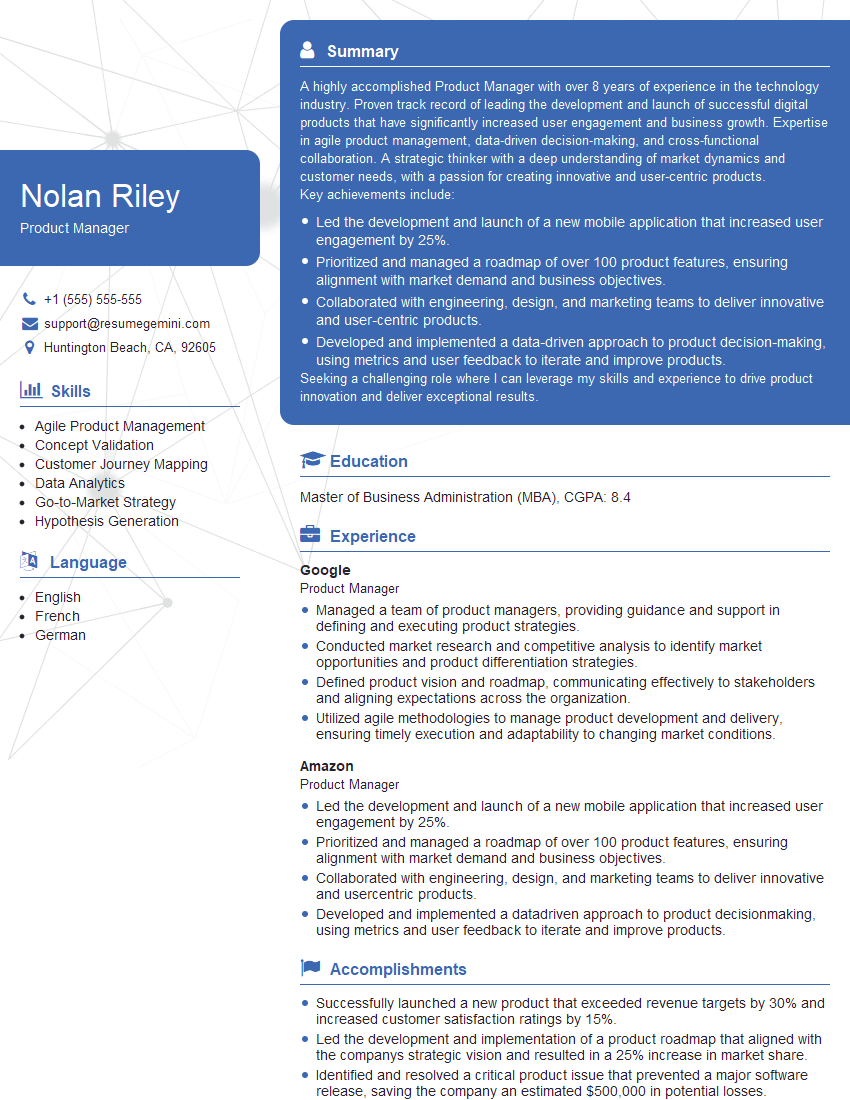
Product Manager Resume Sample
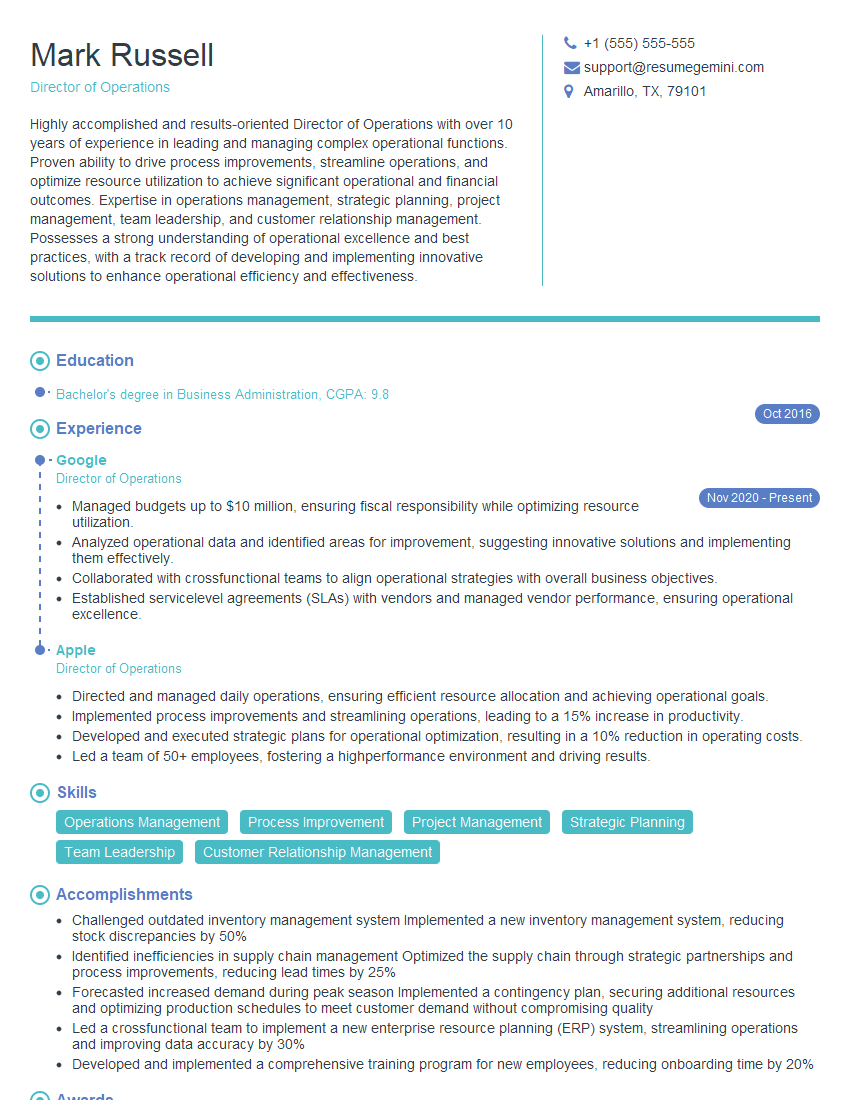
Director of Operations Resume Sample
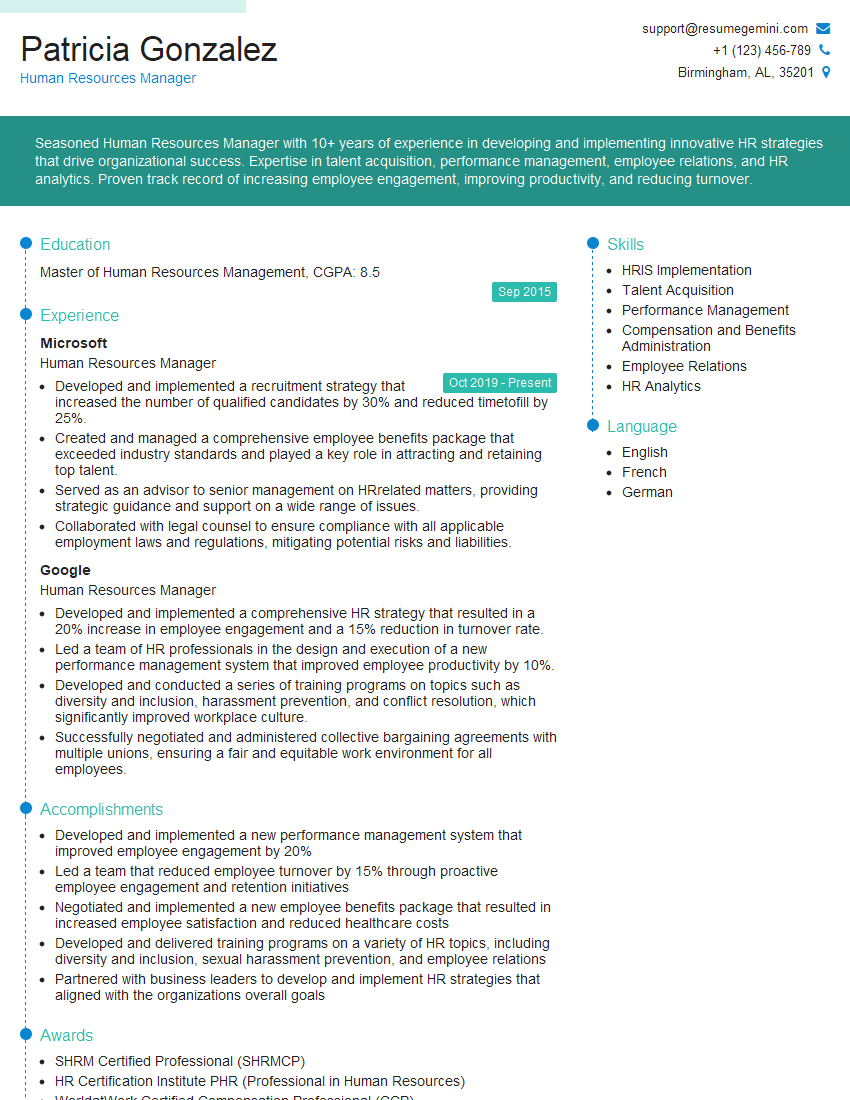
Human Resources Manager Resume Sample

Project Manager Resume Sample
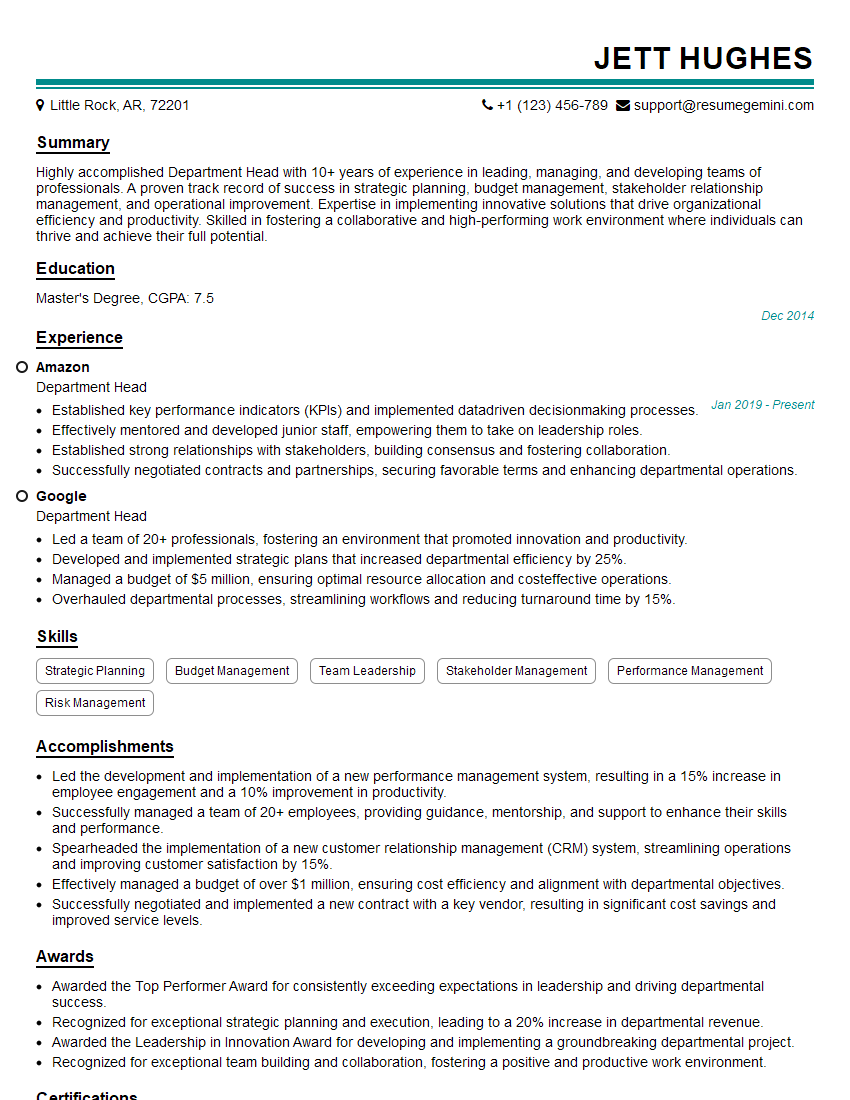
Department Head Resume Sample
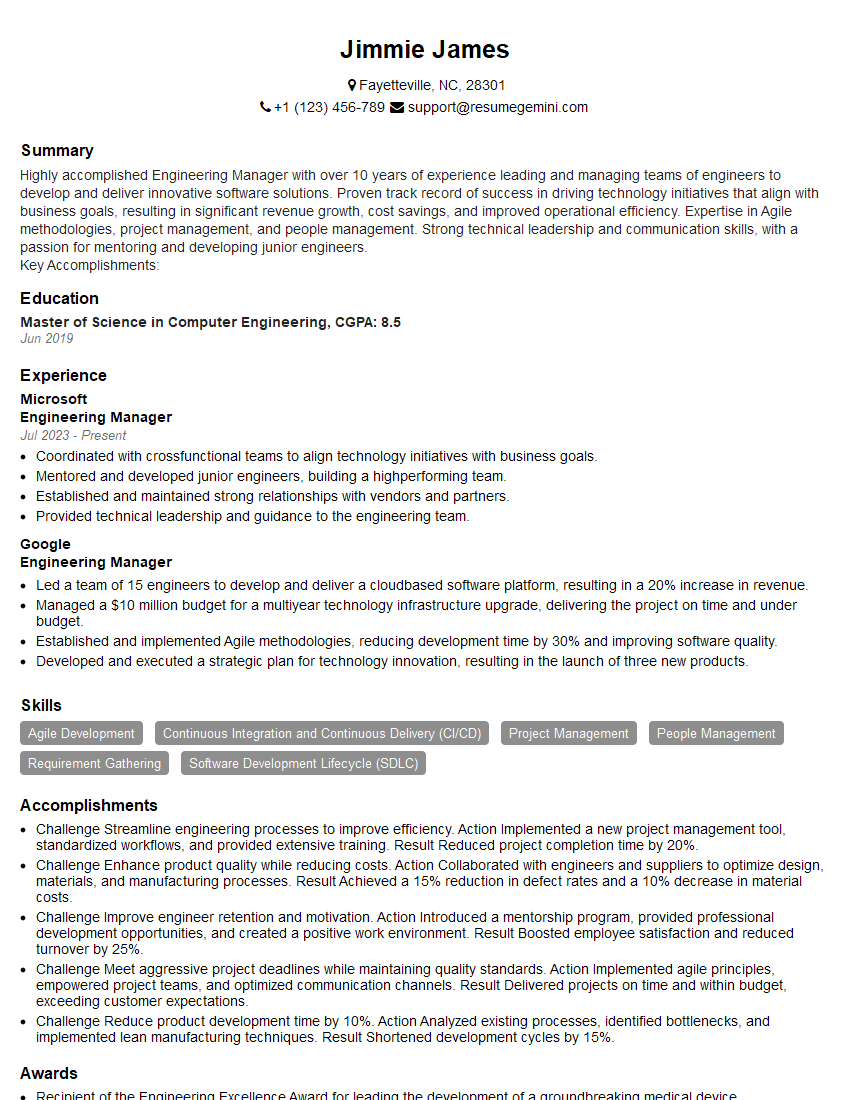
Engineering Manager Resume Sample
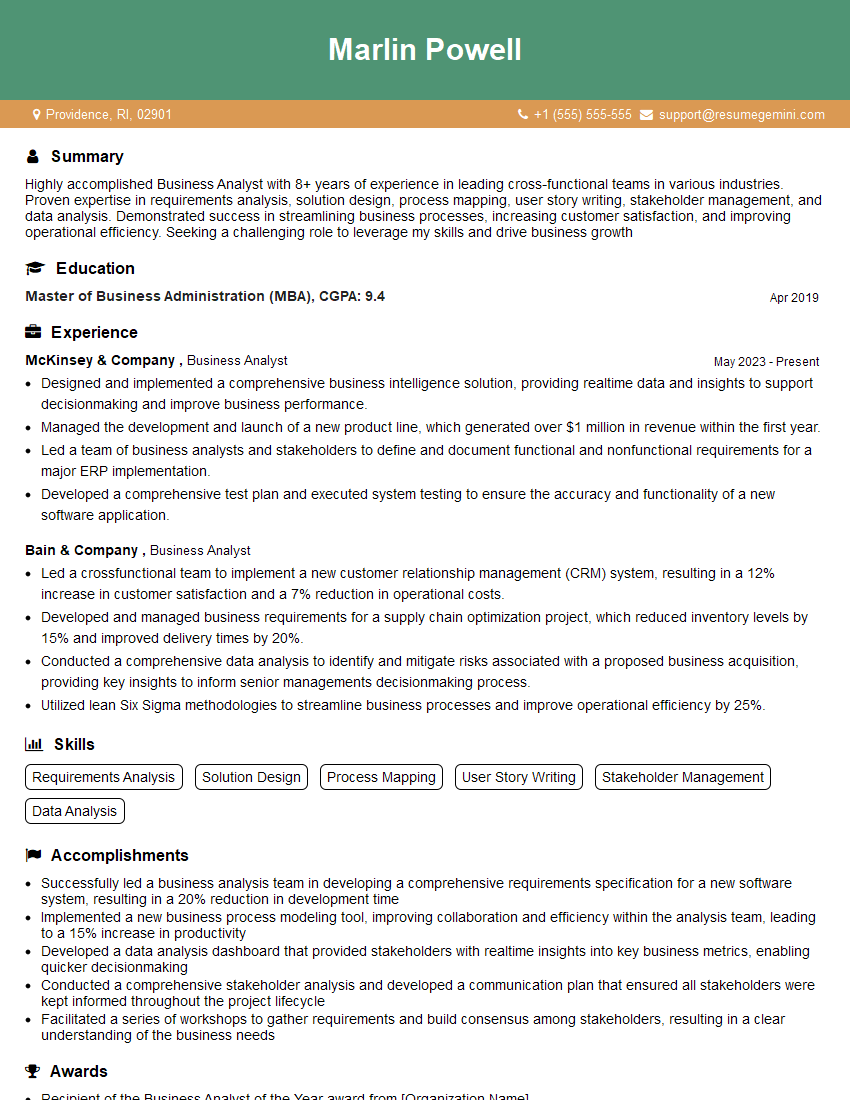
Business Analyst Resume Sample
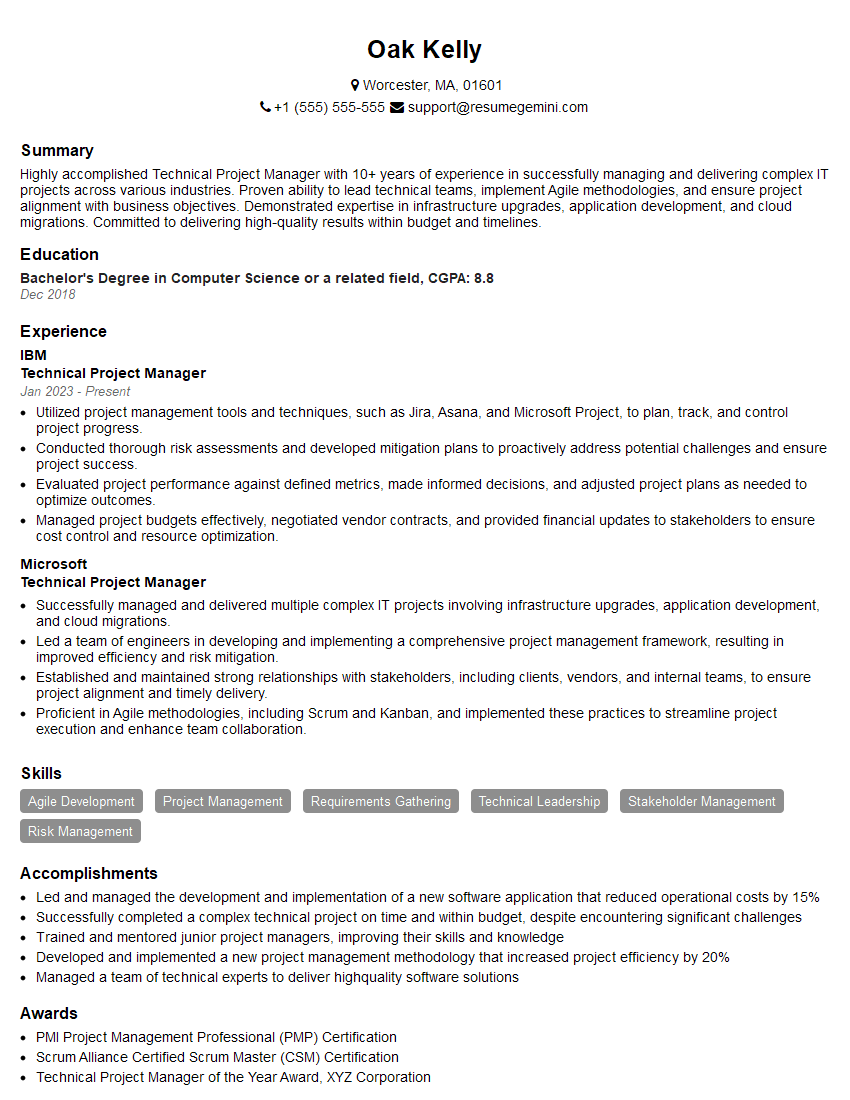
Technical Project Manager Resume Sample

Senior Software Engineer Resume Sample
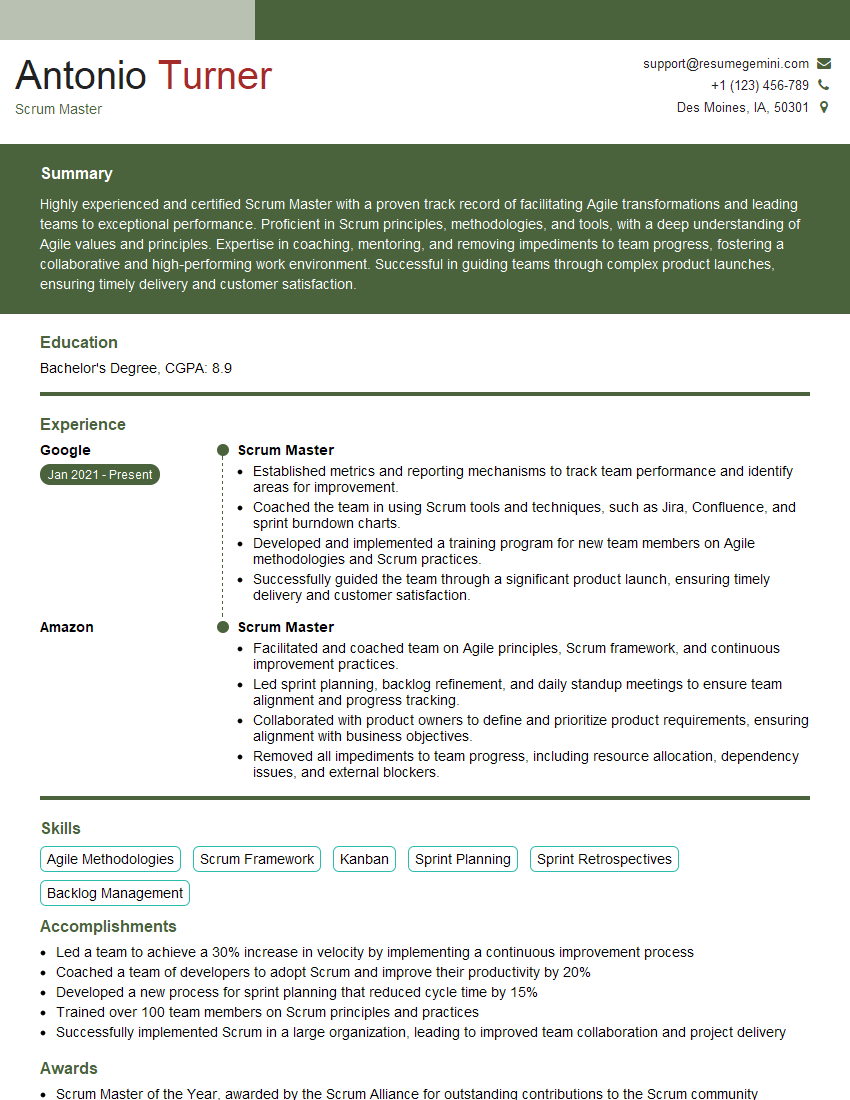
Scrum Master Resume Sample
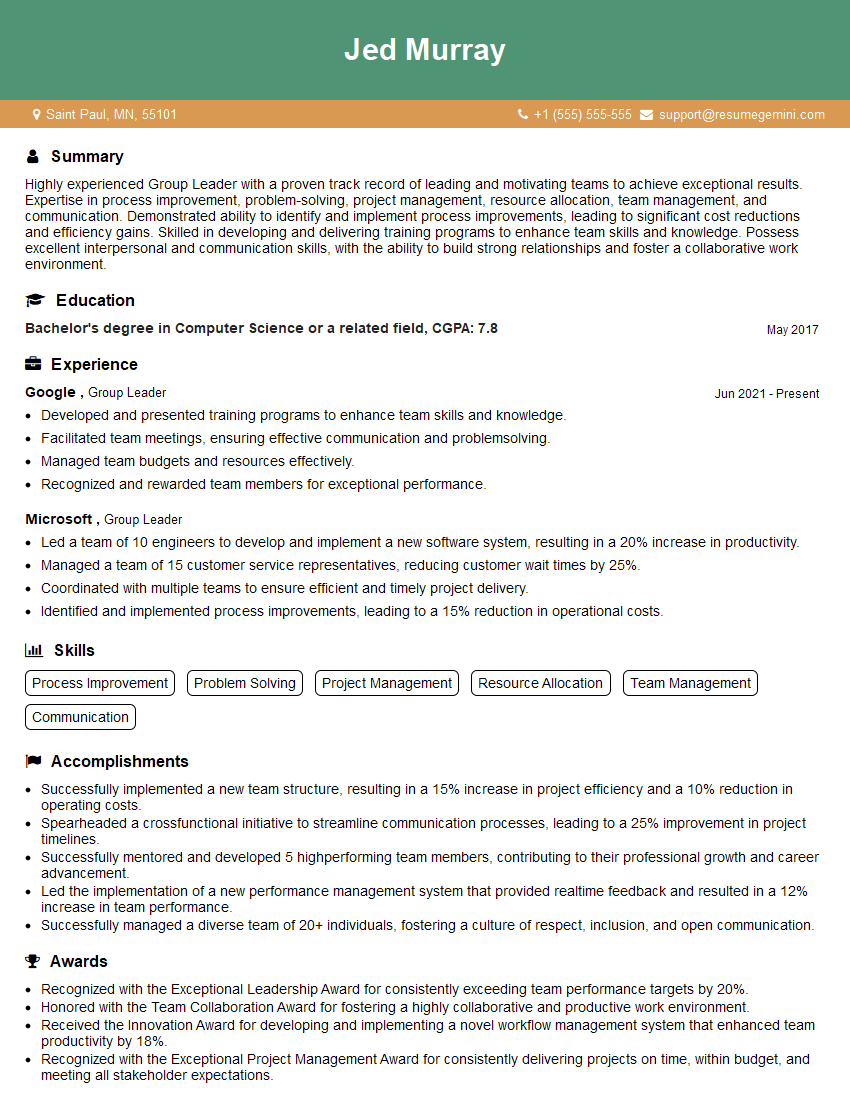
Group Leader Resume Sample
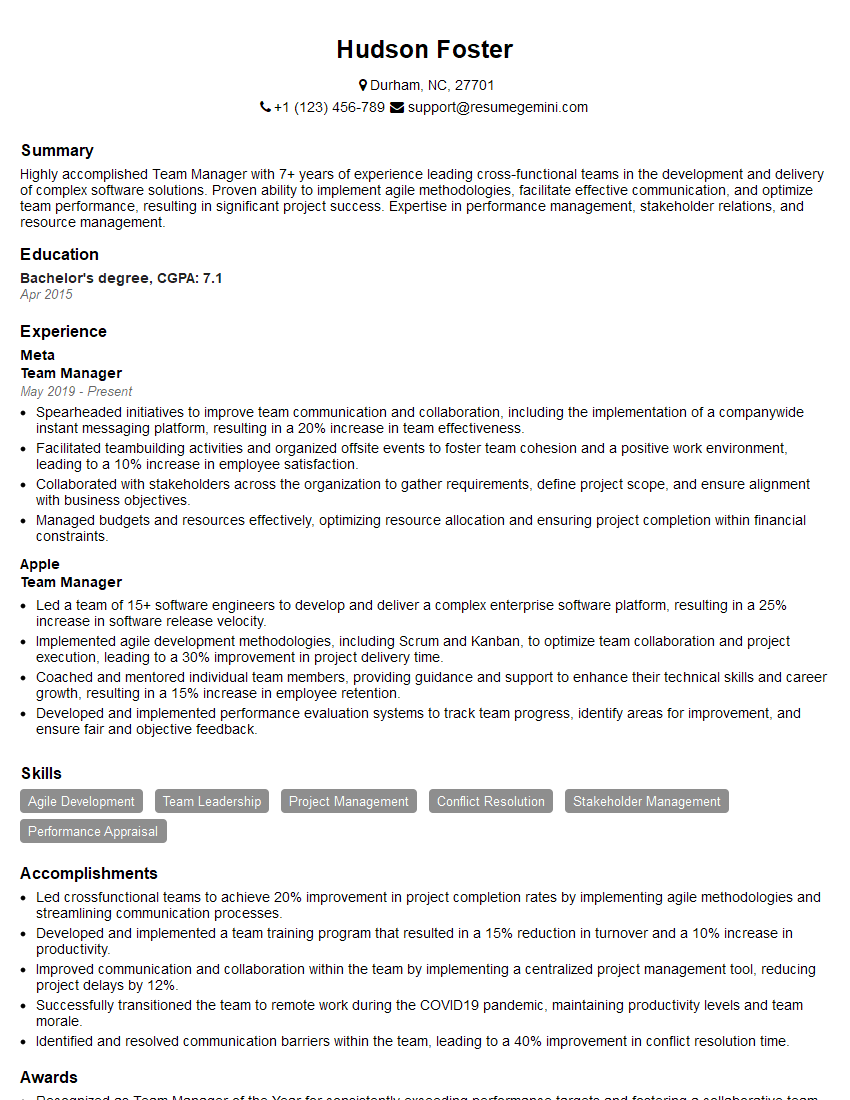
Team Manager Resume Sample
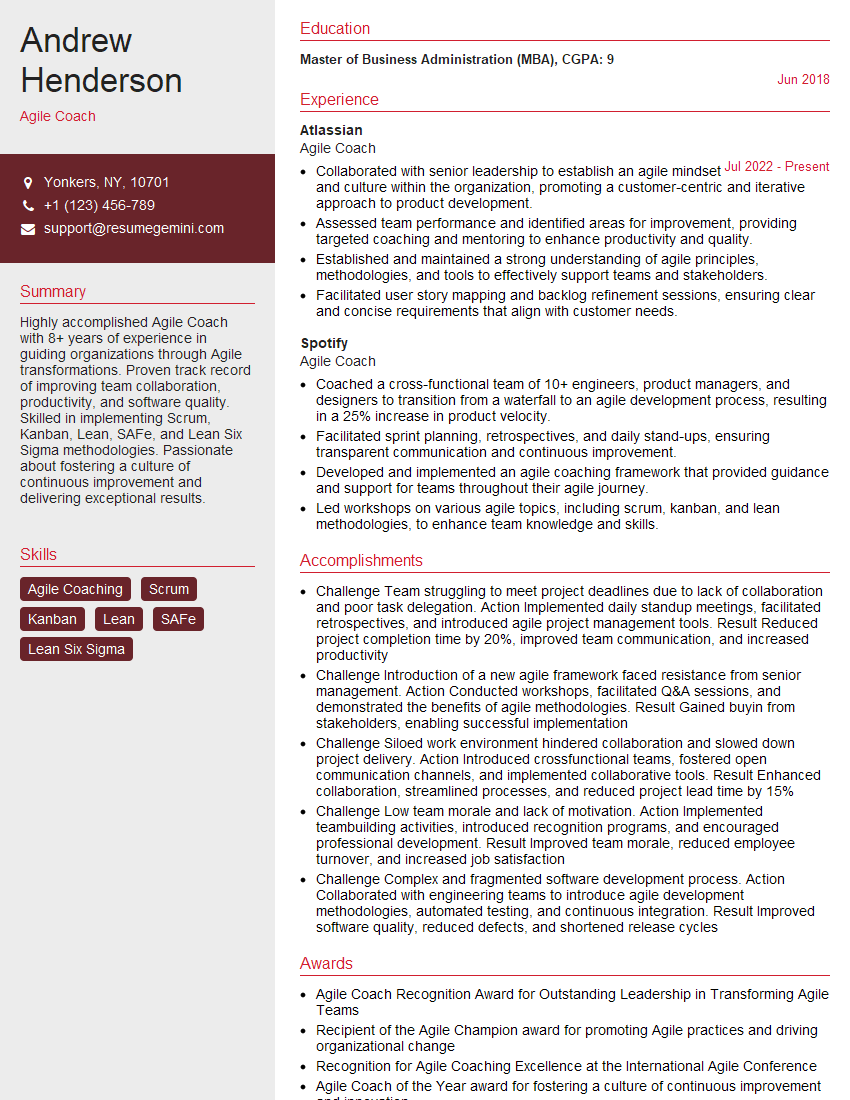
Agile Coach Resume Sample
- Program Manager
- Operations Manager
- Marketing Manager
- Sales Manager
- Product Manager
- Director of Operations
- Human Resources Manager
- Project Manager
- Department Head
- Engineering Manager
- Business Analyst
- Technical Project Manager
- Senior Software Engineer
- Scrum Master
- Group Leader
- Team Manager
- Agile Coach
Explore more articles
Users Rating of Our Blogs
Share Your Experience
We value your feedback! Please rate our content and share your thoughts (optional).
What Readers Say About Our Blog
Very informative content, great job.
good