Interviews are opportunities to demonstrate your expertise, and this guide is here to help you shine. Explore the essential Working with Different Fabric Types interview questions that employers frequently ask, paired with strategies for crafting responses that set you apart from the competition.
Questions Asked in Working with Different Fabric Types Interview
Q 1. Explain the difference between woven and knitted fabrics.
Woven and knitted fabrics are fundamentally different in their construction, leading to distinct properties. Woven fabrics are created by interlacing two sets of yarns—the warp (lengthwise) and weft (crosswise)—at right angles, creating a strong, stable structure. Think of a traditional handwoven tapestry or a tightly woven cotton shirt. Knitted fabrics, on the other hand, are formed by interlocking loops of a single yarn, creating a more flexible and stretchy material. Imagine a sweater or a pair of socks—the stretch and give are characteristic of knitted construction.
- Woven: Stronger, less stretchy, often more durable, crisper drape.
- Knitted: More flexible, stretchy, often warmer, softer drape.
This difference in construction significantly impacts the final garment’s properties. For instance, a woven fabric is suitable for tailored garments requiring structure, while a knitted fabric is better suited for comfortable, form-fitting clothes.
Q 2. Describe the properties of cotton, silk, wool, and linen.
Cotton, silk, wool, and linen are all natural fibers with unique properties:
- Cotton: A plant-based fiber known for its softness, breathability, and absorbency. It’s versatile, relatively inexpensive, and widely used in clothing and home textiles. However, it can wrinkle easily and shrink after washing.
- Silk: An animal-based fiber produced by silkworms. It’s luxurious, smooth, and has a beautiful drape. It’s also lightweight, breathable, and naturally hypoallergenic. However, silk is delicate, requires careful cleaning, and can be expensive.
- Wool: An animal-based fiber from sheep. It’s naturally warm, moisture-wicking, and durable. It also possesses excellent insulation properties. However, wool can be itchy for some people and requires special care to prevent shrinking or felting.
- Linen: A plant-based fiber from the flax plant. It’s strong, durable, and highly absorbent. It’s also known for its crisp hand and beautiful drape, making it ideal for high-end clothing and home decor. However, linen wrinkles easily and requires more care than cotton.
Each fiber’s unique properties dictate its suitability for specific applications. For example, cotton is perfect for everyday shirts, while silk is more appropriate for formal wear.
Q 3. What are the advantages and disadvantages of using synthetic fabrics?
Synthetic fabrics, such as polyester, nylon, and acrylic, are created from petroleum-based chemicals. They offer a range of advantages and disadvantages:
- Advantages: Durable, wrinkle-resistant, easy to care for, often less expensive than natural fibers, water-resistant or waterproof in some cases, and can be designed with specific performance properties (e.g., moisture-wicking).
- Disadvantages: Less breathable than natural fibers, can be less comfortable against the skin (especially in hot weather), may not drape as well, and can contribute to environmental pollution due to their production and disposal.
The choice between natural and synthetic fibers often involves a trade-off between performance, cost, and environmental impact. For example, while polyester is highly durable and wrinkle-resistant, it might not be the best choice for clothing worn in hot and humid climates.
Q 4. How does fabric weight affect garment construction?
Fabric weight, typically measured in ounces per square yard (oz/sq yd) or grams per square meter (gsm), significantly affects garment construction. Heavier fabrics require stronger seams and more robust construction techniques to withstand the weight and prevent tearing. Conversely, lighter fabrics allow for more delicate designs and simpler construction.
- Heavyweight fabrics (e.g., denim, heavy wool) need reinforced seams, sturdier interfacings, and potentially additional support structures to maintain their shape and prevent sagging.
- Lightweight fabrics (e.g., silk chiffon, voile) can be constructed with smaller seams, finer needles, and less interfacing, as the fabric’s inherent lightness mitigates the need for heavy-duty construction.
Understanding fabric weight is crucial in pattern selection and construction techniques. Using inappropriate construction methods for a given weight can lead to poor garment fit and durability.
Q 5. Explain the concept of fabric drape and its importance in design.
Fabric drape refers to the way a fabric falls and hangs. It’s influenced by factors like fiber type, yarn structure, and fabric weight. A fabric with good drape flows gracefully and hangs smoothly, while a fabric with poor drape appears stiff or bulky.
Drape is critical in garment design because it dictates how a garment will hang on the body and contributes significantly to its overall aesthetic appeal. For example, a lightweight fabric with excellent drape, such as silk charmeuse, is ideal for flowing evening gowns, while a stiff fabric with poor drape, such as canvas, would be more suitable for structured jackets.
Understanding fabric drape is essential for choosing appropriate fabrics for different garment styles and ensuring the final product meets the designer’s aesthetic vision.
Q 6. What are some common fabric finishes and their effects?
Fabric finishes are treatments applied to fabrics to alter their properties. These finishes can significantly impact the fabric’s appearance, feel, and performance.
- Mercerization: A treatment for cotton that enhances luster, strength, and dye affinity.
- Sanforizing: A process that pre-shrinks fabrics to minimize shrinkage during washing.
- Water-repellent finishes: Treatments that make fabrics resistant to water, often used in outerwear.
- Flame-retardant finishes: Treatments that make fabrics less flammable, important for safety applications.
- Softening finishes: Treatments that improve the softness and hand feel of the fabric.
The choice of fabric finish depends on the intended use of the fabric and the desired properties of the final product. For example, mercerization might be used for high-quality cotton shirts to enhance their luster, while a water-repellent finish would be appropriate for a raincoat.
Q 7. How do you identify different fabric blends?
Identifying fabric blends requires a combination of techniques. Often, the blend composition is stated on a care label, but if unavailable, several methods can help:
- Burn Test (with caution): A small, inconspicuous sample can be carefully burned. Natural fibers (cotton, wool, silk, linen) have distinct burning characteristics, such as smelling like burning hair or paper. Synthetic fibers melt or behave differently. However, this method should be used carefully and only on very small samples.
- Microscopic Examination: Under a microscope, different fibers have distinct structural properties, enabling identification of fiber types within the blend.
- Visual Inspection and Feel: Experienced professionals can often deduce the fiber blend based on the fabric’s appearance, drape, texture, and feel. For example, the presence of shine might indicate silk or rayon, while a rougher texture may indicate wool or linen.
- Testing for Properties: Certain tests can determine the fabric’s absorbency, strength, and elasticity, which can provide clues to the fiber content.
Combining several of these methods provides a more accurate identification of fabric blends. It’s important to note that sophisticated laboratory testing might be necessary for precise blend determination.
Q 8. Describe the process of selecting appropriate fabrics for a specific garment.
Selecting the right fabric is paramount to a garment’s success. It’s not just about aesthetics; it’s about functionality, drape, and durability. The process involves considering several factors:
- Garment Type: A flowing summer dress requires a lightweight, breathable fabric like cotton voile or linen, whereas a winter coat needs a heavier, insulating material like wool or fleece.
- Intended Use: Will the garment be for everyday wear, formal events, or specific activities (like sports)? This dictates the fabric’s durability, stretch, and wrinkle resistance.
- End User: Consider the wearer’s comfort preferences, body type, and lifestyle. Someone active might prefer moisture-wicking fabrics, while someone with sensitive skin might opt for natural fibers.
- Budget: Fabric costs vary widely. Setting a budget helps narrow down options and prevents overspending.
- Fabric Properties: Analyze the fiber content (e.g., cotton, silk, polyester), weave (e.g., twill, satin, plain), weight (in ounces per square yard), drape (how the fabric hangs), and texture. Understanding these properties allows for informed decisions about suitability.
For example, if designing a tailored business suit, I’d choose a high-quality wool worsted for its drape, durability, and professional appearance. For a child’s play dress, a durable, easy-to-clean cotton would be more practical.
Q 9. What are the key considerations when choosing fabrics for different seasons?
Fabric selection for different seasons hinges on its thermal properties and breathability.
- Summer: Lightweight, breathable fabrics like cotton, linen, silk, and rayon are ideal. These fabrics allow air circulation, keeping the wearer cool and comfortable. Consider fabrics with a loose weave for maximum airflow.
- Winter: Heavier fabrics such as wool, cashmere, fleece, and corduroy provide warmth and insulation. The higher density and weight trap air, helping retain body heat. Consider adding a lining for extra warmth.
- Spring/Autumn: These transitional seasons call for fabrics with moderate weight and breathability. Examples include cotton blends, lightweight wool, chambray, and denim. They offer warmth without being overly heavy.
Think of it like choosing the right type of jacket: a thin windbreaker for spring, a thick parka for winter.
Q 10. Explain the importance of pre-washing fabrics before sewing.
Pre-washing fabrics is crucial for several reasons:
- Shrinkage Prevention: Many fabrics, especially natural fibers like cotton and wool, shrink after washing. Pre-washing prevents unexpected shrinkage after the garment is sewn, ensuring a properly fitted final product.
- Colorfastness Testing: Pre-washing reveals if the fabric bleeds color, preventing unpleasant surprises during or after laundering the finished garment. This is particularly important with dark or brightly colored fabrics.
- Removal of Sizing Agents: Many fabrics are treated with sizing agents during manufacturing to improve their appearance and handleability. These agents can interfere with sewing and affect the final drape and feel of the garment. Pre-washing removes these agents.
- Improved Drape: Pre-washing softens the fabric and can improve its drape and handleability, making sewing easier.
I always pre-wash fabrics using the care instructions specified on the label to avoid damaging the fibers. Ignoring this step can lead to significant problems later on.
Q 11. How do you handle different fabric types during the cutting process?
Handling different fabrics during cutting requires adapting techniques to avoid damage or distortion.
- Lightweight Fabrics: These fabrics, like silk or chiffon, require careful handling to prevent stretching or tearing. Use sharp shears, a cutting mat, and possibly weights to hold the fabric in place.
- Medium-Weight Fabrics: Cotton, linen, and chambray are easier to manage. Ensure the fabric is smooth and flat on the cutting surface to obtain accurate cuts.
- Heavyweight Fabrics: Thick fabrics like denim or wool require more force and potentially rotary cutters for efficient cutting. Use pins carefully to avoid leaving holes.
- Stretchy Fabrics: Knits and jersey require special care to prevent stretching during cutting. Use a special stretch fabric marker and shears designed for these fabrics. Consider using a pattern with seam allowances adjusted for stretch.
For instance, when cutting delicate silk, I use tailor’s shears and pin the pattern pieces very carefully to minimize stress on the fabric.
Q 12. What are some common fabric defects and how do you identify them?
Identifying fabric defects is a critical skill. Some common defects include:
- Holes and Tears: Easily visible; require careful inspection before cutting.
- Stains and Marks: Can be caused by manufacturing processes or handling. Look for discoloration or irregular patterns.
- Weave Irregularities: Loose threads, uneven weaves, or slubs (thickened areas) can affect the garment’s appearance and durability.
- Color Variations: Shades of color may vary within a single bolt of fabric. It is essential to check for consistency, especially in garments using large fabric panels.
- Shrinkage: Check if the fabric is pre-shrunk to avoid unwanted shrinkage after washing.
I always meticulously inspect fabric before purchasing and before cutting. A simple visual examination along with careful handling can often reveal these imperfections.
Q 13. Describe your experience with different sewing techniques for various fabrics.
My experience encompasses a wide range of sewing techniques tailored to different fabric types:
- Woven Fabrics: Techniques include French seams, flat-felled seams, and bound seams, depending on the fabric weight and desired finish. For example, I might use French seams for sheer fabrics to create a clean, professional finish that hides raw edges.
- Knit Fabrics: This often involves using a serger or overlock machine for neat seam finishes to prevent fraying and curling. Specific stitch types like a zig-zag stitch are used to accommodate the stretch of the fabric.
- Leather and Suede: Requires specialized needles and heavy-duty thread, using a heavier stitch for durability. Stitches need to be evenly spaced to prevent punctures or tearing.
- Delicate Fabrics: For delicate fabrics, I use a fine needle and a small stitch length, often hand-sewing seams in critical areas for a more controlled approach.
Sewing a tailored jacket requires a completely different approach than sewing a stretchy t-shirt. Adaptability and experience with varied techniques are key.
Q 14. How do you determine the appropriate needle size and thread type for different fabrics?
The appropriate needle size and thread type depend heavily on the fabric’s weight and fiber content.
- Fabric Weight: Heavier fabrics like denim or canvas require heavier needles (size 14-18) and stronger thread, whereas lightweight fabrics like silk or voile need finer needles (size 8-12) and thinner thread.
- Fiber Type: Natural fibers such as cotton and linen may require a slightly sharper needle than synthetic fibers like polyester or nylon. Delicate fibers like silk or wool benefit from needles with a rounded tip to prevent snagging or damage.
- Thread Type: Cotton thread is versatile and suitable for many fabrics. Polyester thread offers greater strength and durability, especially for heavier or stretchy fabrics. Silk thread is best for delicate fabrics like silk and chiffon.
Using the wrong needle size can lead to broken needles, skipped stitches, or damaged fabric. Choosing the correct thread ensures proper strength and a professional finish.
Q 15. Explain the difference between natural and synthetic dyes.
The key difference between natural and synthetic dyes lies in their origin. Natural dyes are derived from natural sources like plants, insects, or minerals. Think of the vibrant reds from madder root, the deep blues from indigo, or the rich yellows from turmeric. These dyes often offer subtle variations in shade and possess a unique, sometimes earthy, quality. Their production is generally more environmentally friendly, although sourcing and processing can still have an impact.
Synthetic dyes, on the other hand, are manufactured chemically. They offer a wider range of vibrant and consistent colors, and their production is often more cost-effective and faster than natural dye production. However, some synthetic dyes can be harmful to the environment and human health if not properly handled or disposed of. For example, azo dyes, a common class of synthetic dyes, can release potentially carcinogenic substances.
In my experience, choosing between natural and synthetic dyes often involves balancing aesthetic preferences, environmental concerns, and budget constraints. For example, a high-end fashion house might prioritize the unique qualities and eco-friendliness of natural dyes, even with the added cost and complexities, while a mass-market producer might opt for the consistency and affordability of synthetic dyes.
Career Expert Tips:
- Ace those interviews! Prepare effectively by reviewing the Top 50 Most Common Interview Questions on ResumeGemini.
- Navigate your job search with confidence! Explore a wide range of Career Tips on ResumeGemini. Learn about common challenges and recommendations to overcome them.
- Craft the perfect resume! Master the Art of Resume Writing with ResumeGemini’s guide. Showcase your unique qualifications and achievements effectively.
- Don’t miss out on holiday savings! Build your dream resume with ResumeGemini’s ATS optimized templates.
Q 16. What are the environmental impacts of using certain fabrics?
The environmental impact of fabrics varies drastically depending on the material and its production process. Cotton, for instance, while a natural fiber, requires significant amounts of water and pesticides during cultivation, contributing to water pollution and harming biodiversity. Synthetic fabrics like polyester, derived from petroleum, have a high carbon footprint due to their energy-intensive manufacturing process and contribute to plastic pollution. The dyeing process itself can also be a major source of pollution, with discharge of harmful chemicals into waterways.
Sustainable alternatives are gaining traction, including organic cotton (grown without harmful pesticides), recycled polyester (reducing reliance on virgin petroleum), and innovative bio-based fibers like Tencel (made from sustainably harvested wood pulp). Assessing the environmental impact involves understanding the entire lifecycle of a fabric, from raw material sourcing to manufacturing, transportation, and end-of-life disposal. Certifications like GOTS (Global Organic Textile Standard) can help consumers identify more environmentally friendly options.
Q 17. How do you assess the quality of a fabric sample?
Assessing fabric quality involves a multi-sensory approach. First, I’d examine the fiber content—the type and quality of fibers used significantly impact durability and drape. For example, a higher percentage of long-staple cotton will yield a smoother, stronger fabric than short-staple cotton. Then, I’d evaluate the weave structure—how the yarns are interlaced—which influences the fabric’s strength, texture, and breathability. A tightly woven fabric will generally be more durable and less likely to snag than a loosely woven one.
Next, I would check for evenness in dyeing and finishing—consistent color and texture throughout indicate quality craftsmanship. I’d also assess the hand feel—the way the fabric feels to the touch—which gives an indication of its softness, drape, and overall quality. Finally, I’d perform some simple stress tests, such as gently pulling on the fabric to assess its strength and resistance to tearing. Fabric flaws like holes, discoloration, or loose threads would be noted. This meticulous process ensures that the fabric meets the required standards for the intended application.
Q 18. What are some common problems encountered when working with delicate fabrics?
Delicate fabrics, such as silk, lace, chiffon, and certain linens, present unique challenges. Snagging and runs are common problems, easily caused by sharp objects or rough handling. Stretching and distortion can occur due to improper handling during washing, drying, or ironing. Color bleeding is another concern, especially with less colorfast dyes. These fabrics often require specialized care, including hand washing in cool water with gentle detergents, avoiding harsh scrubbing or wringing, and air-drying flat to prevent stretching.
In my experience, working with delicate fabrics demands patience and precision. Understanding the fiber content and weave structure helps to anticipate potential problems and apply appropriate handling techniques. For example, using a mesh laundry bag to protect delicate garments during machine washing can mitigate snagging, while employing a low heat setting and pressing cloth during ironing can prevent scorching or damage.
Q 19. Describe your experience with working with specialty fabrics (e.g., leather, suede).
I have extensive experience working with specialty fabrics like leather and suede. These materials require a different approach compared to textiles. Leather, depending on the type (e.g., full-grain, top-grain), exhibits varying degrees of durability and requires specific cleaning and conditioning techniques to maintain its suppleness and prevent cracking. Suede, with its delicate nap, necessitates gentle cleaning methods and careful handling to avoid damage to the pile.
I’ve worked on projects involving leather upholstery, suede jackets, and leather accessories, requiring specialized tools and techniques. For instance, I’ve used specialized leather cleaners and conditioners to restore and preserve the quality of leather goods, and employed specialized brushes to clean suede without damaging the nap. My knowledge of different leather types and finishing techniques enables me to select the most appropriate care and maintenance methods for each project.
Q 20. How do you address shrinkage issues in different fabrics?
Shrinkage is a common issue, particularly with natural fibers like wool and cotton. The extent of shrinkage depends on the fiber content, weave, and finishing processes. Addressing shrinkage involves a combination of pre-treatment and careful washing. Pre-shrinking, which involves washing the fabric before cutting and sewing, is an effective method to minimize shrinkage later. For fabrics that can’t be pre-shrunk, careful washing according to the fabric’s care instructions is essential.
Specific techniques include using cold water, gentle detergents, avoiding harsh agitation, and air-drying flat. For fabrics prone to significant shrinkage, like wool, a professional dry-cleaning service might be necessary. Understanding the fabric’s properties and using appropriate washing and drying methods is crucial to avoid unexpected shrinkage. For example, using a wool wash cycle in a washing machine and laying wool garments flat to dry can minimize shrinkage in wool garments.
Q 21. What are some methods for preventing fabric damage during storage?
Preventing fabric damage during storage requires careful attention to several factors. First, fabrics should be stored in a clean, dry environment, away from direct sunlight, heat, and moisture, as these can cause discoloration, fading, and mildew. Proper folding or rolling techniques help prevent creasing and damage. Delicate fabrics should be wrapped in acid-free tissue paper to protect them from abrasion and pests.
For long-term storage, airtight containers or garment bags made of breathable materials like cotton or muslin are ideal. Using cedar chips or sachets containing lavender or other natural insect repellents can help deter moths and other pests. Regularly inspecting stored fabrics and airing them occasionally can prevent mildew and maintain freshness. In my professional experience, employing these storage methods has proven highly effective in preserving the quality of diverse fabric types over extended periods.
Q 22. Explain the concept of fabric flammability and its relevance to garment safety.
Fabric flammability refers to how easily a fabric ignites and how quickly the fire spreads. It’s a crucial safety consideration in garment manufacturing, particularly for clothing designed for children, firefighters, or those working in high-risk environments. Highly flammable fabrics can pose a significant risk of severe burns and injury.
The flammability of a fabric depends on its fiber composition, weave structure, and any treatments applied. For example, natural fibers like cotton and linen tend to burn relatively slowly, while synthetic fibers like polyester and nylon can melt and adhere to the skin, causing more severe burns. Regulations exist worldwide to ensure that garments meet minimum flammability standards, often involving tests like the vertical burn test or the horizontal flammability test. These tests assess the speed of flame spread, char length, and afterglow. Failing to meet these standards can lead to product recalls, legal issues, and reputational damage for brands. In my experience, I’ve worked with fabrics that required flame-retardant treatments to meet the safety standards for children’s sleepwear.
Q 23. How do you handle different fabric types during the pressing and finishing stages?
Pressing and finishing are critical steps in garment production that influence the final look and feel of the product. Different fabrics require different approaches to avoid damage. Delicate fabrics like silk or lace need lower temperatures and gentler pressure than robust fabrics like denim or canvas. I always consult fabric care instructions before choosing the appropriate temperature and pressure settings.
For instance, wool requires careful handling to prevent shrinkage and shine. I might use a press cloth and a lower temperature iron to press wool garments. Linen, on the other hand, benefits from a slightly higher temperature and steam to remove wrinkles. Synthetic fabrics might require a lower iron temperature to prevent melting. The choice of pressing equipment – iron, steam press, or vacuum press – also depends on the fabric. For example, a vacuum press is ideal for smoothing out complex garments made from heavy fabrics, minimizing the risk of creasing. Understanding fabric properties is crucial for producing a high-quality finish without compromising the garment’s integrity.
Q 24. What is your experience with different types of textile machinery?
My experience encompasses a wide range of textile machinery, from preparatory equipment like scouring and bleaching ranges to weaving and knitting machines, and finishing equipment such as calenders, tenter frames, and stenters. I am proficient in operating and maintaining various types of weaving machines including those designed for different fabric structures, such as plain weave, twill weave, and satin weave. I’m also experienced with different knitting machines, such as circular knitting machines and flat knitting machines, for creating different types of knitted fabrics.
I’ve worked extensively with dyeing and finishing machinery, including jet dyeing machines, continuous dyeing ranges, and various types of finishing equipment. My experience extends to the troubleshooting and maintenance of these machines, ensuring optimal efficiency and high-quality fabric production. This includes experience with both traditional mechanical machinery as well as more modern automated systems that are digitally controlled.
Q 25. Describe your understanding of fabric costing and sourcing.
Fabric costing involves calculating the total cost of a fabric, from raw materials to finished product. This includes the cost of raw materials (fibers, yarns), manufacturing processes (spinning, weaving, knitting, dyeing, finishing), transportation, and any applicable duties or taxes. Sourcing involves identifying and selecting reliable fabric suppliers that meet the quality and price requirements.
Effective fabric costing requires a thorough understanding of market prices for raw materials and manufacturing processes. It’s crucial to consider factors like fabric weight, width, and construction, as these impact the overall yardage needed and thus the cost. Sourcing involves considering factors such as supplier reliability, minimum order quantities (MOQs), lead times, ethical practices, and environmental impact. Building strong relationships with suppliers helps ensure timely delivery and consistent quality. Negotiating favorable prices and payment terms is another crucial aspect. In my experience, using a cost breakdown spreadsheet and thorough supplier evaluation criteria has been instrumental in achieving efficient fabric procurement and cost management.
Q 26. How do you stay updated on the latest trends in fabric technology and design?
Staying updated on fabric technology and design trends is essential in this dynamic industry. I achieve this through a multi-pronged approach. I regularly attend industry trade shows and conferences like Premiere Vision and Texworld, where I network with industry experts and see the latest innovations firsthand. I also subscribe to industry publications and online resources such as Textile World and technical journals, keeping me abreast of research on new fiber technologies, manufacturing techniques, and sustainable practices.
I actively participate in online forums and communities, engaging in discussions with other professionals and sharing knowledge. Furthermore, I continuously explore research papers and publications on new materials, technologies, and designs. This proactive approach ensures I’m always informed about the latest developments and equipped to implement them in my work.
Q 27. Explain your experience with different fabric testing methods.
My experience encompasses a broad range of fabric testing methods. These tests are crucial for ensuring quality and meeting industry standards. I’m proficient in conducting tests that assess fiber content (e.g., using microscopy or chemical analysis), fabric strength (e.g., tensile strength, tear strength), dimensional stability (e.g., shrinkage, elongation), colorfastness (e.g., lightfastness, washfastness), and flammability (as previously discussed).
I have experience using various testing equipment, including tensile testers, colorimeters, and flammability testers. Interpreting the results of these tests and using them to identify areas for improvement is key to maintaining consistent quality and meeting customer requirements. For example, if a fabric fails a washfastness test, I can work with the supplier to adjust the dyeing or finishing processes to improve the fabric’s colorfastness. Understanding the limitations and applications of each test is crucial for drawing accurate conclusions and making data-driven decisions.
Q 28. How do you troubleshoot problems related to fabric defects during production?
Troubleshooting fabric defects is a critical aspect of textile production. My approach involves a systematic investigation to pinpoint the root cause and implement corrective measures. This typically starts with a visual inspection of the defective fabric to identify the type and location of the defect.
I then trace the fabric’s production process, examining each stage to determine where the defect originated. This might involve reviewing production records, examining machine settings, and analyzing samples from different stages of production. Common defects might include weaving faults (e.g., broken ends, slubs), dyeing issues (e.g., uneven coloration, shade variation), or finishing problems (e.g., creases, shrinkage). Once the root cause is identified, I implement corrective actions, which might include adjusting machine settings, modifying production parameters, or replacing faulty equipment. Preventative measures are put in place to prevent recurrence of similar defects. Effective communication and collaboration with different teams (production, quality control, etc.) are critical to efficiently troubleshoot and resolve these issues.
Key Topics to Learn for Working with Different Fabric Types Interview
- Fabric Properties: Understanding fiber content (natural vs. synthetic), weave structures (plain, twill, satin), and their impact on drape, durability, and maintenance.
- Fabric Handling & Manipulation: Practical skills in cutting, sewing, pressing, and finishing different fabrics, considering their unique characteristics (e.g., stretching, fraying, shrinkage).
- Pattern Adaptation: Adjusting patterns based on fabric type to achieve the desired fit and finish. This includes understanding grainlines and bias.
- Fabric Selection: Choosing appropriate fabrics for specific garments and applications, considering factors like end-use, budget, and aesthetic requirements.
- Troubleshooting Fabric Issues: Identifying and resolving common problems like puckering, uneven seams, and fabric distortion during construction.
- Sustainable Fabric Practices: Awareness of eco-friendly fabrics and manufacturing processes, and their impact on the industry.
- Specialized Fabrics: Knowledge of unique fabric properties and handling techniques for materials like leather, silk, lace, and performance fabrics.
- Industry Standards & Terminology: Familiarity with common industry terms and standards related to fabric quality, testing, and labeling.
Next Steps
Mastering the art of working with different fabric types is crucial for career advancement in the fashion and textile industries. A strong understanding of fabric properties and handling techniques demonstrates expertise and attention to detail – qualities highly valued by employers. To maximize your job prospects, focus on building an ATS-friendly resume that showcases your skills and experience effectively. ResumeGemini is a trusted resource to help you create a professional and impactful resume. Examples of resumes tailored to working with different fabric types are available to help guide you.

Textile Engineer Resume Sample

Textile Technologist Resume Sample
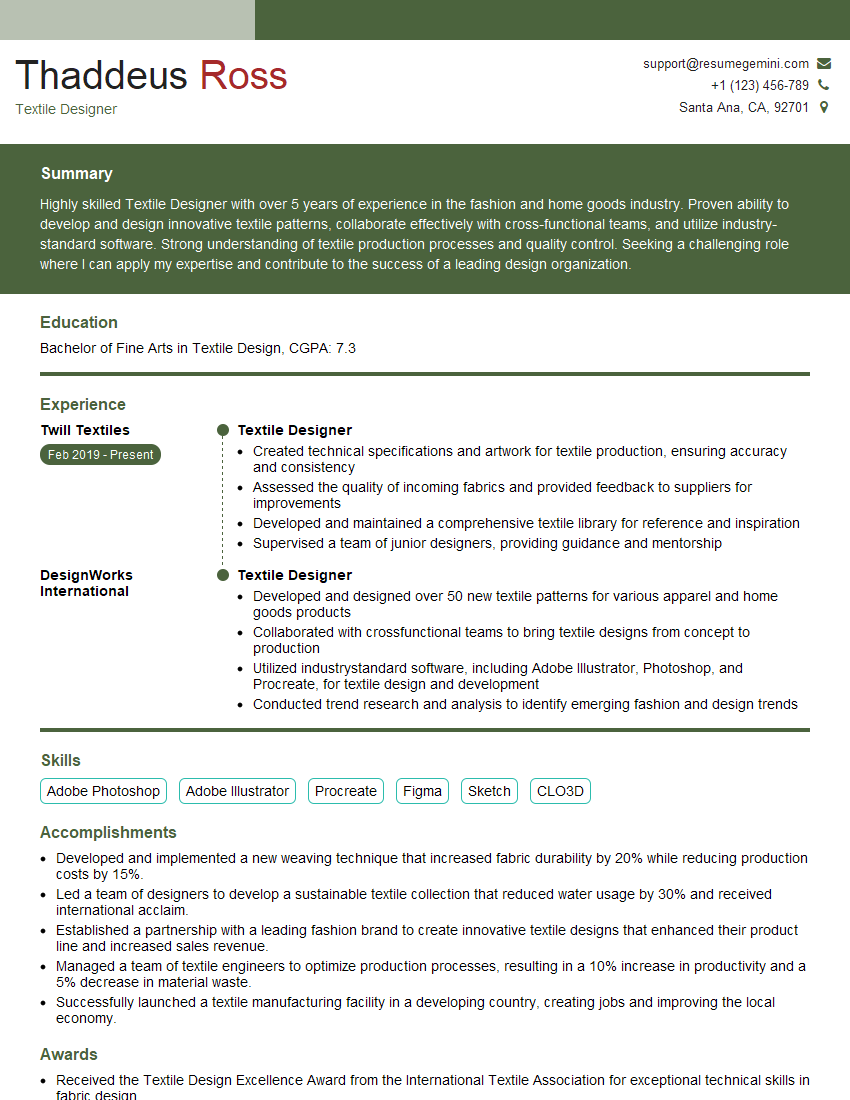
Textile Designer Resume Sample

Apparel Designer Resume Sample

Fashion Designer Resume Sample

Draper Resume Sample
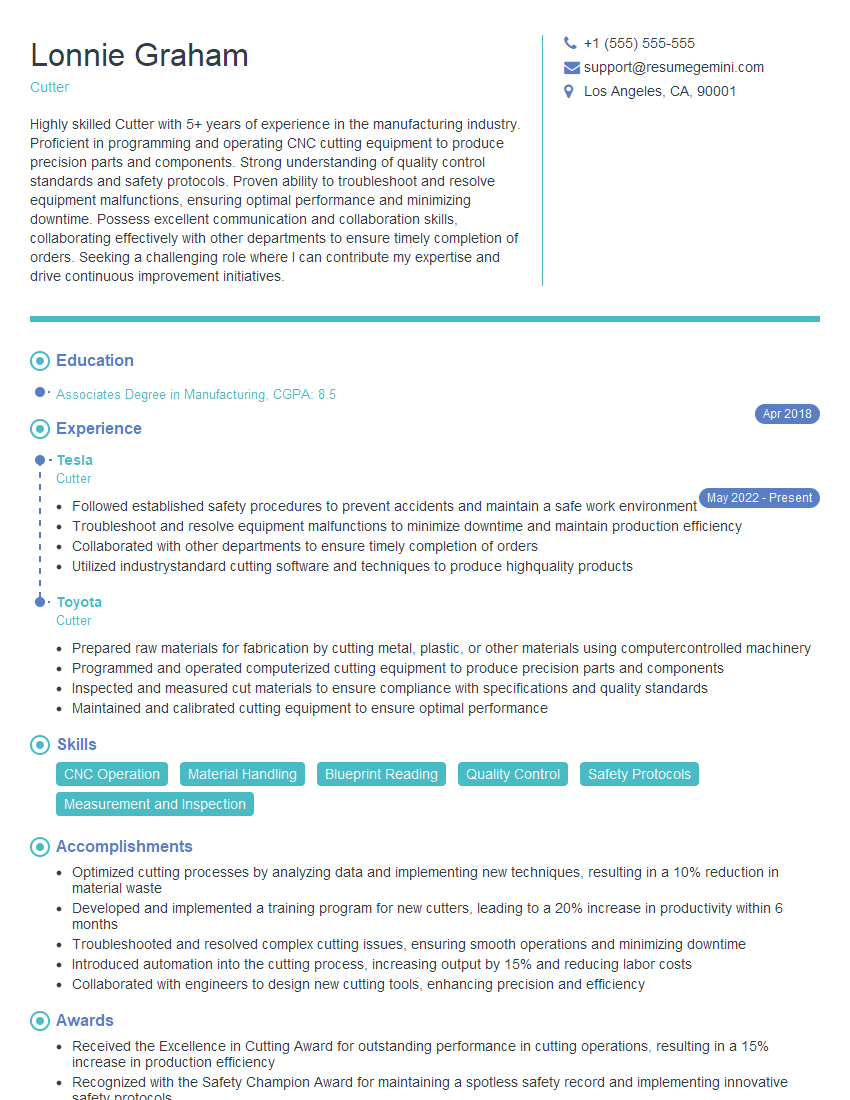
Cutter Resume Sample

Seamstress Resume Sample
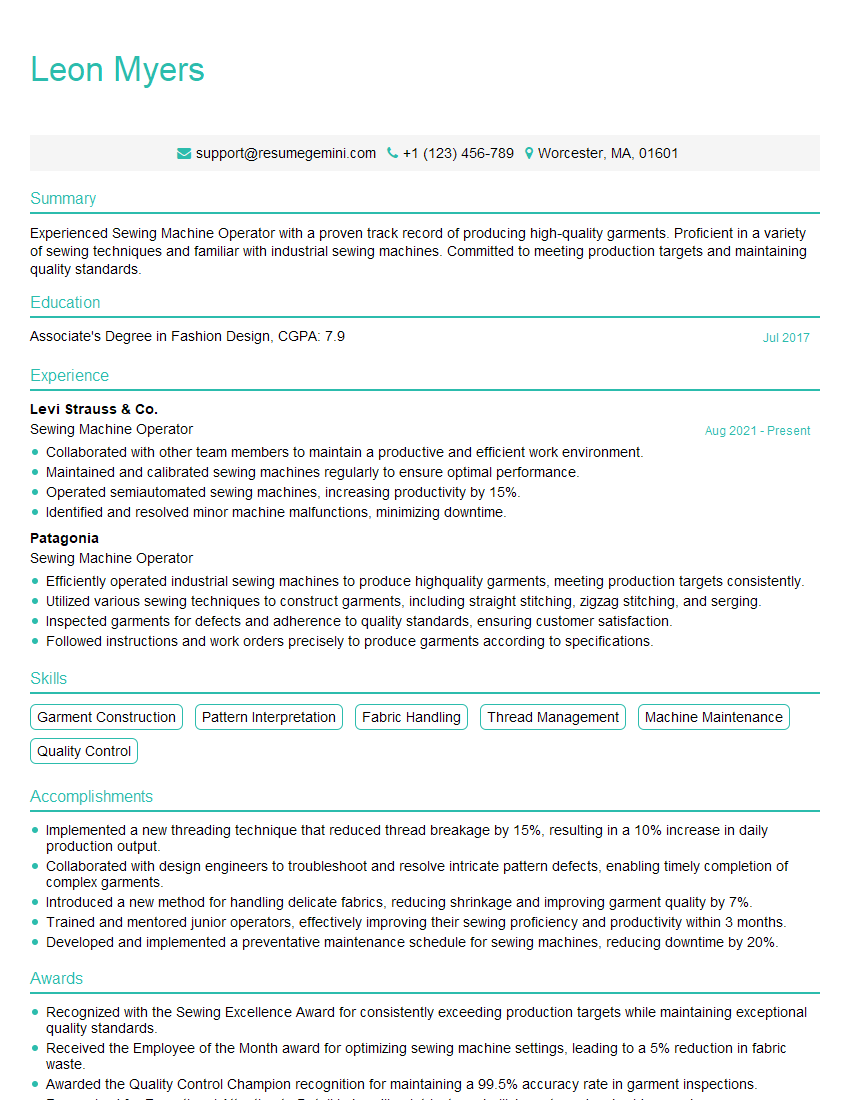
Sewing Machine Operator Resume Sample
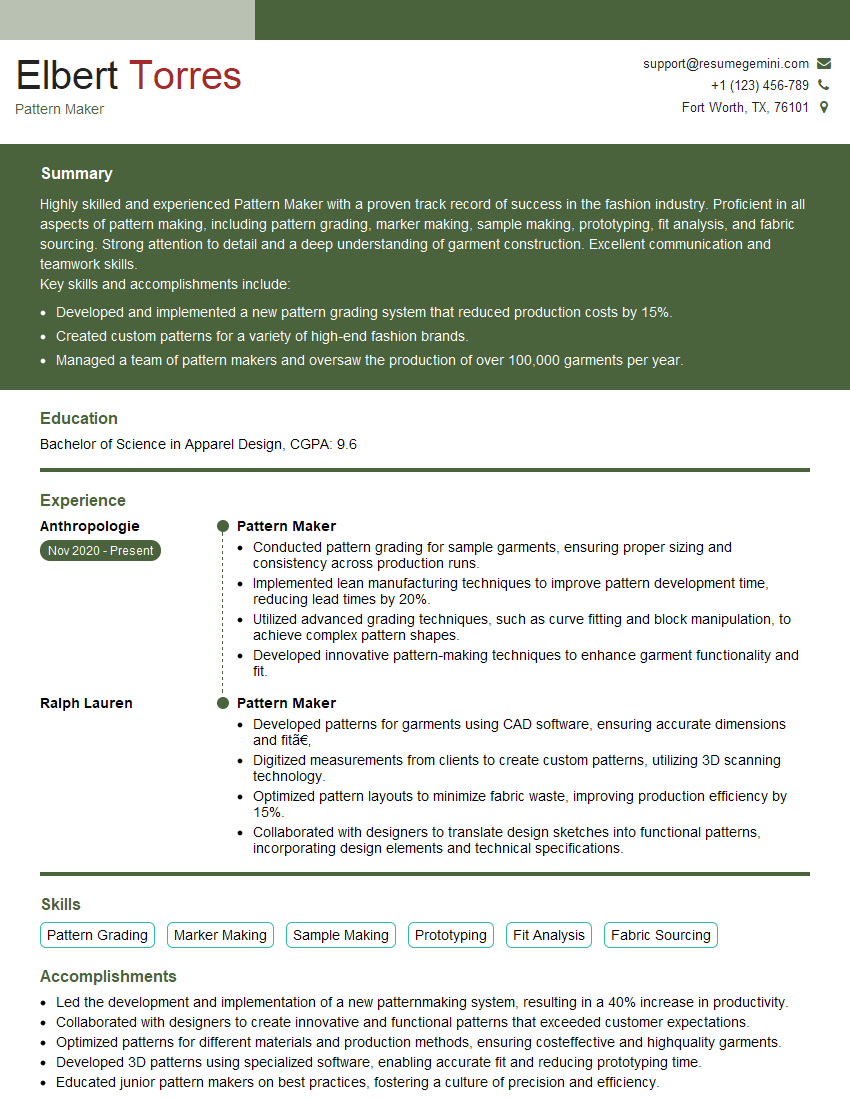
Pattern Maker Resume Sample

Sample Maker Resume Sample
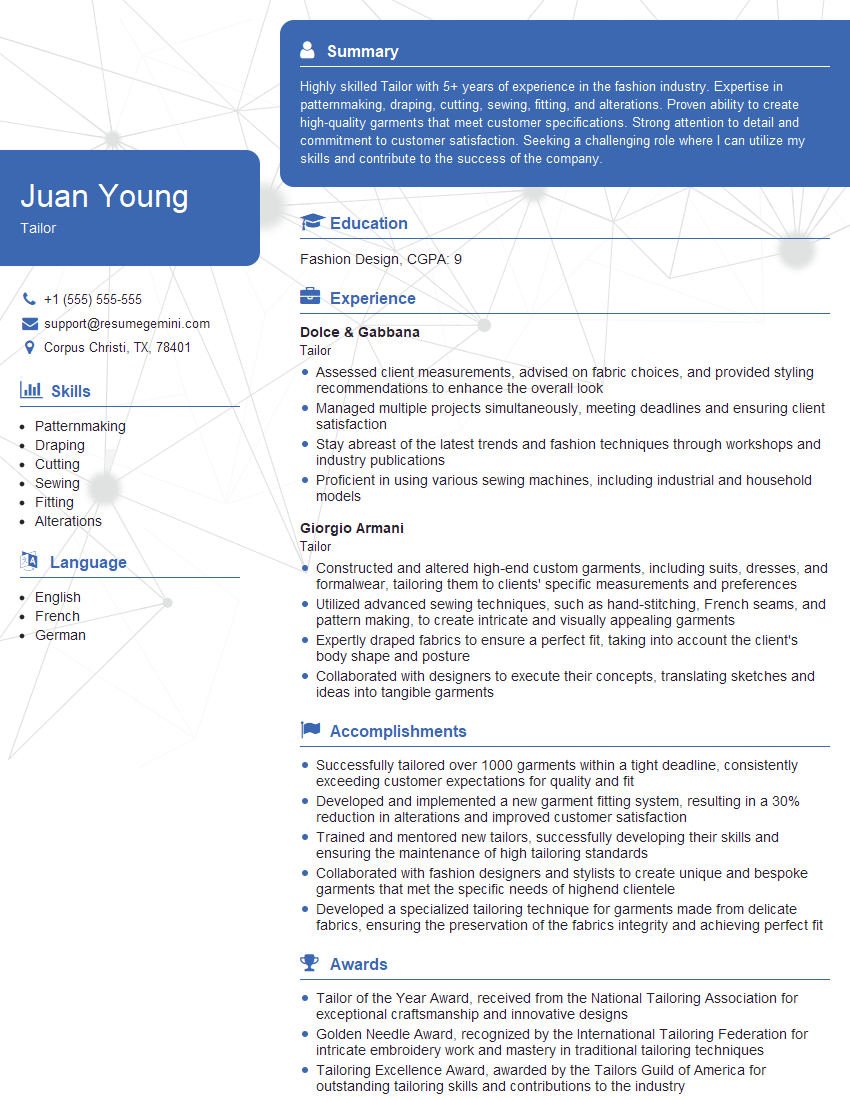
Tailor Resume Sample

Embroidery Specialist Resume Sample
Explore more articles
Users Rating of Our Blogs
Share Your Experience
We value your feedback! Please rate our content and share your thoughts (optional).
What Readers Say About Our Blog
good