Feeling uncertain about what to expect in your upcoming interview? We’ve got you covered! This blog highlights the most important Workplace Hygiene Monitoring interview questions and provides actionable advice to help you stand out as the ideal candidate. Let’s pave the way for your success.
Questions Asked in Workplace Hygiene Monitoring Interview
Q 1. Describe your experience with different hygiene monitoring methods.
My experience encompasses a wide range of hygiene monitoring methods, tailored to different workplace environments and potential hazards. This includes:
- Microbial Sampling: This involves collecting samples (e.g., swabs, air samples) to identify and quantify the presence of bacteria, fungi, and viruses. I’m proficient in various techniques like contact plates, air samplers (e.g., settle plates, impaction samplers), and membrane filtration.
- Environmental Monitoring: This focuses on assessing physical factors like temperature, humidity, air quality (including particulate matter, gases like carbon dioxide), and noise levels, all of which can significantly impact hygiene and worker well-being. I’ve used a variety of instruments including hygrometers, thermometers, and air quality analyzers.
- Surface Hygiene Testing: I utilize ATP bioluminescence testing (measures adenosine triphosphate, an indicator of organic matter) and swab tests to assess the cleanliness of surfaces. This provides a rapid indication of contamination levels.
- Personal Hygiene Monitoring: This involves observing employee practices, such as handwashing techniques and use of personal protective equipment (PPE), to ensure adherence to established protocols. Checklists and observational studies are key tools.
For example, in a food processing facility, I’d prioritize microbial sampling and surface hygiene testing, whereas in an office environment, air quality and ergonomic assessments might be more crucial. Each method is selected based on the specific risks and regulatory requirements of the workplace.
Q 2. Explain the importance of regular hygiene monitoring in preventing workplace illnesses.
Regular hygiene monitoring is paramount in preventing workplace illnesses. It’s a proactive approach that identifies potential hazards before they cause outbreaks or widespread health problems. Think of it as a preventative health check for the workplace.
- Early Hazard Detection: Regular monitoring allows for the early detection of microbial contamination, poor air quality, or unsafe working conditions, enabling prompt corrective actions. This prevents the escalation of minor issues into major health crises.
- Reduced Absenteeism and Productivity Loss: By preventing illness, hygiene monitoring minimizes employee absenteeism due to sickness, leading to increased productivity and reduced costs associated with sick leave.
- Improved Employee Morale and Safety: A clean and safe workplace boosts employee morale and fosters a sense of trust and well-being, leading to increased job satisfaction and reduced stress.
- Compliance and Legal Requirements: Many industries have stringent hygiene regulations. Regular monitoring ensures compliance, mitigating legal risks and potential penalties.
For instance, consistent monitoring in a healthcare facility helps prevent hospital-acquired infections (HAIs), protecting both patients and staff. In a manufacturing plant, it can prevent outbreaks of respiratory illnesses related to airborne contaminants.
Q 3. What are the key indicators you monitor for workplace hygiene?
The key indicators I monitor for workplace hygiene vary depending on the industry and specific workplace, but generally include:
- Microbial Counts: The number of colony-forming units (CFUs) of bacteria, fungi, and other microorganisms per unit area or volume. High CFUs indicate potential contamination.
- Air Quality Parameters: Levels of particulate matter (PM2.5, PM10), carbon dioxide (CO2), volatile organic compounds (VOCs), and other gases that can affect respiratory health.
- Temperature and Humidity: These factors influence microbial growth and employee comfort. Extreme temperatures or humidity levels can create unhealthy conditions.
- Surface Cleanliness: Measured using ATP bioluminescence or visual inspection, this assesses the presence of organic matter and residue on surfaces.
- Noise Levels: Excessive noise can contribute to stress and hearing loss.
- Ergonomic Factors: Assessment of workstation setup, posture, and lifting techniques to prevent musculoskeletal disorders.
- Hand Hygiene Compliance: Through observation and data collection, we can measure the effectiveness of hand hygiene protocols.
The specific indicators and their thresholds are determined based on relevant guidelines, industry best practices, and risk assessments.
Q 4. How do you interpret hygiene monitoring data and identify areas for improvement?
Interpreting hygiene monitoring data is a multi-step process that involves comparing results against established benchmarks, identifying trends, and pinpointing areas requiring improvement.
- Data Analysis: I use statistical software to analyze the collected data, looking for patterns, outliers, and significant deviations from baseline values or regulatory limits.
- Benchmarking: I compare the results to established industry standards and best practices to determine whether the levels of contaminants or other indicators are acceptable.
- Trend Analysis: I track data over time to identify any emerging trends or worsening conditions that could signify a developing problem.
- Root Cause Analysis: If significant deviations are found, I conduct a root cause analysis to identify the underlying reasons for the issues (e.g., inadequate cleaning procedures, equipment malfunction, or poor employee practices).
- Reporting and Recommendations: Finally, I prepare a comprehensive report summarizing the findings, highlighting areas for improvement, and providing specific recommendations for corrective actions.
For example, a consistent increase in microbial counts on a particular surface might suggest a problem with the cleaning process or the need for more frequent disinfection. High CO2 levels in an office could indicate inadequate ventilation.
Q 5. What are your strategies for implementing and enforcing hygiene protocols?
Implementing and enforcing hygiene protocols requires a multi-faceted approach focusing on education, training, and monitoring.
- Develop Comprehensive Protocols: I work with stakeholders to create clear, concise, and easy-to-understand hygiene protocols tailored to the specific workplace. These protocols should cover all aspects of hygiene, including handwashing, cleaning procedures, waste disposal, and PPE use.
- Training and Education: Comprehensive training programs are essential to ensure employees understand and adhere to the established protocols. This includes practical demonstrations and hands-on training.
- Regular Monitoring and Audits: Regular audits and inspections are crucial for verifying compliance with the established protocols. This might involve observation of employee practices, environmental monitoring, and review of cleaning logs.
- Feedback Mechanisms: Establishing feedback mechanisms encourages employee participation and identification of potential issues. This might include suggestion boxes or regular meetings to discuss hygiene concerns.
- Incentives and Recognition: Recognizing and rewarding employees who demonstrate exemplary hygiene practices can promote compliance and reinforce positive behaviors.
For instance, in a healthcare setting, regular hand hygiene audits combined with educational programs are crucial for preventing the spread of infections.
Q 6. How do you ensure the accuracy and reliability of hygiene monitoring results?
Ensuring the accuracy and reliability of hygiene monitoring results is critical. This involves careful planning, meticulous execution, and proper quality control.
- Calibration and Maintenance of Equipment: All testing equipment must be regularly calibrated and maintained according to the manufacturer’s instructions. This ensures accurate and reliable measurements.
- Proper Sampling Techniques: Following standardized sampling procedures is essential for obtaining representative samples. This includes proper training for personnel involved in sampling.
- Chain of Custody: Maintaining a clear chain of custody for samples is vital for ensuring sample integrity. This involves proper labeling, storage, and transport of samples.
- Quality Control Measures: Including positive and negative controls in testing protocols helps validate the accuracy and reliability of the results. This helps identify any potential errors in the testing process.
- Data Validation: Reviewing and validating the collected data is crucial before making any interpretations or drawing conclusions. This involves checking for inconsistencies, outliers, or errors in data entry.
- Laboratory Accreditation: When using external laboratories, choosing accredited laboratories ensures adherence to quality standards.
For example, using sterile sampling equipment and employing appropriate preservation techniques for microbial samples is crucial to preventing contamination and ensuring accurate results. Regular calibration of air quality monitors is necessary to obtain dependable readings.
Q 7. Describe your experience with different types of hygiene testing equipment.
My experience includes using a wide variety of hygiene testing equipment, depending on the specific indicator being measured.
- Microbial Testing Equipment: This includes incubators, autoclaves, colony counters, and various types of air samplers (e.g., slit-to-agar samplers, impaction samplers) and surface samplers (e.g., swabs, contact plates).
- Environmental Monitoring Equipment: I’ve worked with instruments like multi-parameter data loggers (measuring temperature, humidity, and other parameters), particle counters, gas detectors (detecting CO2, VOCs, etc.), and sound level meters.
- Surface Hygiene Testing Equipment: This encompasses ATP bioluminescence meters, which provide rapid assessment of surface cleanliness, and various types of swabs and collection devices.
- Personal Protective Equipment (PPE): I’m familiar with a range of PPE, including gloves, masks, gowns, and safety eyewear, and ensure that appropriate PPE is used during hygiene monitoring activities to prevent contamination and protect personnel.
Selecting the right equipment is crucial for obtaining accurate and reliable results. The choice depends on factors such as the type of contaminant being measured, the sampling method employed, and the sensitivity required.
Q 8. How do you handle discrepancies in hygiene monitoring data?
Discrepancies in hygiene monitoring data are a common challenge, but addressing them effectively is crucial for maintaining a safe and healthy workplace. My approach involves a systematic investigation, focusing on identifying the root cause rather than simply dismissing the anomaly. This starts with a thorough review of the data collection process – were the samples taken correctly? Was the equipment calibrated and functioning properly? Were the analytical methods followed precisely? I’d cross-reference the results with previous data to identify trends and potential sources of error. If the discrepancy is significant, I’d re-test the sample using a different method or different equipment to validate the initial findings. For example, if microbial counts from a surface swab were unexpectedly high, I would repeat the sampling and also examine the cleaning and disinfection procedures in that area to look for weaknesses. If the discrepancy persists, I would then consider external factors like changes in the raw materials, equipment malfunctions, or even changes in the environment that might be impacting hygiene levels. Finally, I would meticulously document all findings and corrective actions taken, ensuring complete transparency and accountability.
Q 9. What are the legal and regulatory requirements related to workplace hygiene in your region?
Legal and regulatory requirements for workplace hygiene vary by region but generally revolve around maintaining a safe and healthy work environment. In my region, we adhere strictly to the [Insert relevant regional legislation, e.g., OSHA guidelines in the US, the Health and Safety at Work etc. Act 1974 in the UK, etc.]. These regulations cover various aspects, including:
- Hazard identification and risk assessment: We must systematically identify potential hazards and assess the risks associated with them.
- Exposure limits: We need to ensure that employee exposure to hazardous substances is below the permissible limits set by relevant regulatory bodies.
- Personal protective equipment (PPE): We must provide and ensure the correct use of PPE where necessary.
- Cleaning and disinfection procedures: Detailed protocols must be developed and implemented for effective cleaning and disinfection of work surfaces and equipment.
- Monitoring and record-keeping: Regular monitoring of workplace hygiene is mandatory, along with the meticulous keeping of records to demonstrate compliance.
- Training and education: Employees must receive adequate training on workplace hygiene practices and safety procedures.
Q 10. How do you communicate hygiene monitoring results to different stakeholders?
Communicating hygiene monitoring results effectively to diverse stakeholders is critical. My approach involves tailoring the information to the audience’s needs and understanding. For example, I would provide technical reports with detailed data and analysis to senior management or regulatory bodies. These reports would include statistical analysis, graphs, and tables showcasing trends and patterns. For employees, I’d use simpler, more accessible language, focusing on key findings and actionable insights. Visual aids such as infographics or short videos can be incredibly effective in conveying complex information in a clear and engaging manner. If there are areas of concern, I’d emphasize the corrective actions being implemented and involve employees in the process. Regular feedback sessions and open communication channels are maintained to ensure transparency and build trust. For example, I might present a summary of monthly findings at team meetings, highlighting improvements and areas requiring attention, and solicit employee feedback on hygiene practices.
Q 11. Describe your experience with developing and implementing hygiene training programs.
I have extensive experience developing and implementing hygiene training programs, drawing on adult learning principles to make them engaging and impactful. My approach focuses on a blended learning strategy, incorporating both theoretical knowledge and practical application. Training programs typically include classroom sessions covering relevant legislation, hygiene principles, and practical techniques. Hands-on training using simulations or real-world scenarios reinforces learning. For example, we use mock-up cleaning exercises to practice proper cleaning and disinfection techniques. The training also includes elements of risk assessment and hazard identification to empower employees to proactively contribute to maintaining a safe work environment. Regular quizzes and assessments help monitor comprehension and knowledge retention. Finally, I evaluate the program’s effectiveness through feedback surveys and observation of improved hygiene practices in the workplace.
Q 12. How do you ensure compliance with hygiene standards and regulations?
Ensuring compliance with hygiene standards and regulations is a continuous process, not a one-time event. This involves a multifaceted approach. Firstly, we develop and implement comprehensive Standard Operating Procedures (SOPs) detailing best practices for all hygiene-related activities. Secondly, regular monitoring and auditing are conducted to identify any deviations from these SOPs and address them promptly. This might include unannounced inspections and regular review of hygiene monitoring data. Thirdly, employee training and engagement are paramount. Employees must understand their roles and responsibilities regarding hygiene. Fourthly, we utilize a system of corrective and preventative actions (CAPA). Any identified non-compliance is investigated thoroughly, root causes are identified, corrective actions implemented, and preventative measures put in place to prevent recurrence. For instance, if a hygiene audit revealed inconsistent handwashing practices, we’d revise our training materials, provide additional hands-on training, and install visual reminders near handwashing stations.
Q 13. How do you prioritize hygiene monitoring tasks in a busy work environment?
Prioritizing hygiene monitoring tasks in a busy environment requires a structured approach. I use a risk-based prioritization system, focusing on areas and activities with the highest potential risk. This involves a thorough risk assessment to identify critical control points (CCPs) – areas where a failure in hygiene could have significant consequences. For example, food processing areas would have higher priority than office spaces. We also consider factors like frequency of use, potential for contamination, and regulatory requirements. Utilizing a task management system with clearly defined timelines and responsibilities ensures tasks are completed efficiently and effectively. Regular reviews and adjustments to the prioritization system based on monitoring data and emerging risks ensure that resources are allocated effectively to areas of greatest need. For instance, if a particular area consistently shows high microbial counts, its monitoring frequency would be increased.
Q 14. What is your experience with risk assessment related to workplace hygiene?
My experience in workplace hygiene risk assessment is extensive. I am proficient in conducting thorough risk assessments, following established methodologies such as HAZOP (Hazard and Operability study) or FMEA (Failure Mode and Effects Analysis). This begins with identifying potential hazards associated with the workplace, including biological, chemical, and physical hazards. Next, we evaluate the likelihood and severity of each hazard. Then we implement control measures to mitigate the identified risks, following the hierarchy of controls – elimination, substitution, engineering controls, administrative controls, and personal protective equipment (PPE). For instance, if we identify a risk of exposure to a hazardous chemical, we would first consider eliminating the use of that chemical entirely, then explore safer alternatives. If elimination or substitution isn’t feasible, we’d implement engineering controls like local exhaust ventilation. The effectiveness of the implemented controls is then monitored and reviewed periodically to ensure ongoing effectiveness. All findings are documented meticulously in a risk assessment report, which serves as a basis for developing and implementing appropriate control measures.
Q 15. Describe your experience with investigating and resolving hygiene-related incidents.
Investigating and resolving hygiene-related incidents requires a systematic approach. It starts with a thorough assessment of the situation – identifying the source of the problem, the extent of contamination (if any), and individuals potentially affected. This often involves interviewing staff, reviewing records (e.g., cleaning logs, maintenance reports), and conducting visual inspections. For example, if a foodborne illness outbreak is suspected in a cafeteria, I would meticulously examine food preparation procedures, food storage temperatures, staff hygiene practices, and equipment sanitation. Once the root cause is identified, I develop a remediation plan, which might include enhanced cleaning protocols, staff retraining, equipment repairs or replacements, and potentially, external consultation with specialists like epidemiologists or industrial hygienists. The plan’s effectiveness is then monitored through follow-up inspections and data analysis to prevent recurrence. Proper documentation throughout the entire process is crucial for traceability and accountability.
Career Expert Tips:
- Ace those interviews! Prepare effectively by reviewing the Top 50 Most Common Interview Questions on ResumeGemini.
- Navigate your job search with confidence! Explore a wide range of Career Tips on ResumeGemini. Learn about common challenges and recommendations to overcome them.
- Craft the perfect resume! Master the Art of Resume Writing with ResumeGemini’s guide. Showcase your unique qualifications and achievements effectively.
- Don’t miss out on holiday savings! Build your dream resume with ResumeGemini’s ATS optimized templates.
Q 16. How do you manage and dispose of hygiene-related waste?
Managing and disposing of hygiene-related waste is a critical aspect of workplace hygiene, governed by strict regulations and best practices to protect public health and the environment. Waste classification is the first step. This differentiates between general waste, clinical waste (e.g., sharps, bandages), and potentially hazardous waste (e.g., chemical spills). Each type necessitates specific handling procedures. For instance, clinical waste requires segregation into designated containers, labelled appropriately, and disposed of through licensed waste management companies. Hazardous waste requires specialized handling, potentially necessitating neutralization or containment before disposal, following guidelines from relevant authorities (e.g., OSHA, EPA). Regular audits of waste management practices are crucial to ensure compliance and to identify potential areas for improvement. For example, in a hospital setting, I’d ensure all sharps containers are properly sealed and replaced promptly, while in an office environment, I’d check for appropriate recycling systems and waste segregation. Accurate record-keeping for waste disposal is essential for auditing and demonstrating compliance.
Q 17. What are the best practices for maintaining a clean and hygienic workplace?
Maintaining a clean and hygienic workplace is paramount for employee health, productivity, and the overall workplace reputation. Best practices encompass several key areas. Firstly, regular cleaning and disinfection are essential. This should incorporate established schedules, including daily cleaning, weekly deep cleaning, and periodic professional cleaning services. Secondly, appropriate cleaning agents and equipment are necessary. Choosing products effective against specific contaminants and using equipment properly is crucial. Thirdly, a strong focus on hand hygiene is vital, ensuring readily available handwashing facilities and promoting good hand hygiene practices among employees. Fourthly, waste management strategies, as discussed before, are integral. Finally, implementing a comprehensive hygiene policy which outlines procedures and responsibilities is paramount. Clear communication, regular training, and ongoing monitoring are critical for ensuring adherence to the policy. For example, in a manufacturing facility, I’d ensure regular cleaning of machinery, and in a food service establishment, stringent food safety procedures would be prioritized.
Q 18. How do you stay updated on the latest hygiene standards and regulations?
Staying abreast of the latest hygiene standards and regulations requires a multi-pronged approach. Active membership in relevant professional organizations (e.g., the American Industrial Hygiene Association) offers access to industry publications, conferences, and networking opportunities that share up-to-date information. Regularly reviewing government agency websites (e.g., OSHA, EPA) and subscribing to industry-specific newsletters ensures compliance with legal requirements. Attending training courses and workshops provided by reputable organizations offers valuable practical knowledge. Finally, engaging with industry peers and sharing best practices fosters continuous learning and improvement. Continual professional development is vital in this ever-evolving field. For example, keeping updated on the latest CDC guidelines on infectious disease control is essential for any workplace hygiene professional.
Q 19. What is your experience with using different cleaning and disinfection agents?
My experience encompasses a wide range of cleaning and disinfection agents, each with specific applications and limitations. I have extensive experience with disinfectants like quaternary ammonium compounds, alcohols, and chlorine-based solutions. Understanding their efficacy against different microorganisms (bacteria, viruses, fungi) is crucial. Knowing the appropriate contact time required for effective disinfection is also vital. I’m familiar with using enzymatic cleaners for removing organic matter and acid cleaners for mineral deposits. The selection of a cleaning agent depends on the surface to be cleaned and the nature of the contaminant. Safety data sheets (SDS) are meticulously reviewed to understand handling procedures, potential hazards, and personal protective equipment (PPE) requirements. For example, I would use a sporicidal disinfectant for areas with high contamination risk, while a general-purpose disinfectant would suffice for routine cleaning.
Q 20. Describe your experience with monitoring personal protective equipment (PPE) related to hygiene.
Monitoring personal protective equipment (PPE) related to hygiene is crucial for ensuring employee safety. This involves ensuring that appropriate PPE is available, readily accessible, and used correctly. For example, gloves, eye protection, and respirators might be necessary when handling cleaning chemicals or potentially hazardous materials. Regular inspections of PPE are crucial to detect damage or wear and tear. Proper storage and disposal of used PPE are equally important, to prevent cross-contamination and maintain workplace hygiene. Training employees on proper PPE use and disposal procedures is a key aspect of effective monitoring. The effectiveness of PPE is also monitored to ensure it is adequate for the tasks involved. For instance, in a healthcare setting, I would routinely check the integrity of gloves and ensure that appropriate masks are used for airborne precautions.
Q 21. How do you ensure that hygiene monitoring protocols are cost-effective?
Ensuring cost-effectiveness in hygiene monitoring requires a strategic approach. This begins with a risk assessment that focuses resources where they are most needed, prioritizing high-risk areas. Implementing preventative measures reduces the need for extensive reactive interventions. Regular preventative maintenance of equipment extends its lifespan and reduces replacement costs. Employing efficient cleaning methods and optimizing cleaning schedules reduces labour costs. Choosing cost-effective cleaning products without compromising efficacy is key. Regular audits and monitoring help to identify areas for optimization. For example, instead of blanket disinfection, targeted disinfection in high-risk areas can be more cost-effective. Data-driven decisions, informed by regular monitoring and analysis, ensure that resources are used judiciously and effectively. This might include using automated cleaning systems or implementing a robust preventative maintenance program.
Q 22. Describe your experience with different types of microbial contamination.
My experience encompasses a wide range of microbial contamination, including bacteria, fungi (yeasts and molds), and viruses. I’ve worked in diverse settings, from food processing plants where Salmonella and Listeria are major concerns, to healthcare facilities where we monitor for pathogens like Staphylococcus aureus and Clostridium difficile. I’m also familiar with the challenges posed by spore-forming bacteria, which are notoriously resistant to disinfection. In each setting, the specific types of contamination vary greatly depending on the environment and processes involved. For example, a meat processing plant will have different microbial concerns than a pharmaceutical cleanroom. My expertise lies in identifying these contaminants through various techniques like culture methods, rapid microbiological tests, and molecular techniques such as PCR. I’m able to not only identify the contaminants but also assess their significance regarding potential health risks and compliance with regulatory standards.
For instance, in a recent project at a hospital, we identified a significant increase in Pseudomonas aeruginosa in a specific ward. This involved meticulous environmental sampling, followed by laboratory analysis to confirm the species and quantify its presence. This led to targeted disinfection procedures and improved infection control practices to mitigate further contamination.
Q 23. What are the common sources of contamination in a workplace?
Common sources of contamination in the workplace are surprisingly varied and often interconnected. They can be broadly categorized as:
- People: Employees, visitors, and even cleaning staff can introduce microorganisms through skin shedding, respiratory droplets, or clothing.
- Equipment: Machinery, tools, and processing equipment can harbor microbes, particularly in hard-to-clean areas or crevices.
- Materials: Raw materials, ingredients, or packaging can be contaminated before arriving at the workplace.
- Environment: Dust, air, water, and surfaces can all act as reservoirs for microbial growth. Poor ventilation or inadequate cleaning can exacerbate this problem.
- Pests: Rodents and insects can carry pathogens and contaminate food and surfaces.
Understanding these sources is crucial for implementing effective contamination control strategies. For example, in a food processing plant, a leaky pipe may contribute to water contamination, while improper hand hygiene by employees might introduce pathogens to products. A thorough assessment of the environment is necessary to identify the primary sources and tailor the control measures accordingly.
Q 24. How do you prevent cross-contamination in the workplace?
Preventing cross-contamination requires a multi-faceted approach, incorporating robust hygiene protocols and good manufacturing practices (GMPs). Key strategies include:
- Dedicated Equipment and Tools: Using separate equipment and tools for different tasks and products minimizes the risk of transferring contamination.
- Effective Cleaning and Disinfection: Implementing a thorough and validated cleaning and disinfection program, selecting appropriate disinfectants, and adhering to contact times are crucial. This includes regular cleaning and sanitation of high-touch surfaces, machinery, and equipment.
- Hand Hygiene: Regular and proper handwashing with soap and water or hand sanitizer is paramount. Training employees on correct handwashing techniques is essential.
- Personal Protective Equipment (PPE): Using appropriate PPE, such as gloves, gowns, and masks, protects both the worker and the product from contamination.
- Traffic Control: Restricting access to areas to authorized personnel and implementing controlled flow of materials prevents accidental contamination.
- Air Quality Control: Maintaining adequate ventilation and air filtration can help reduce airborne contamination.
- Waste Management: Implementing safe disposal protocols for waste materials prevents the spread of contamination.
For example, in a laboratory setting, we strictly enforce a color-coded system for equipment and reagents to prevent accidental mixing and contamination. Furthermore, regular environmental monitoring allows us to detect any contamination early and take corrective actions before it escalates into a larger problem.
Q 25. Describe your experience in using and interpreting data from ATP testing.
ATP (adenosine triphosphate) testing is a rapid method for assessing the cleanliness of surfaces. My experience with ATP testing includes using luminometers to measure the relative light units (RLUs) emitted by the reaction of ATP with luciferase. Lower RLUs indicate a cleaner surface, while higher RLUs suggest greater microbial load or organic residue. I’m proficient in interpreting these results within the context of pre-determined pass/fail criteria, specific to the environment and its standards.
For example, in a food processing facility, we would establish a baseline RLU value for each surface and set acceptable limits. Regular testing during production runs allows for immediate detection of deviations from cleanliness standards and proactive corrective actions. The data is documented and used for trend analysis to identify areas requiring improved cleaning protocols or process adjustments.
Q 26. What are the limitations of ATP testing and what other methods are used to complement it?
While ATP testing is a valuable tool, it does have limitations. It doesn’t directly measure the number of viable microorganisms; it measures total ATP, including that from dead cells and non-microbial sources. This means a high RLU value might not always correspond to a high level of viable microorganisms. The test is also affected by factors such as the type of swab, sampling technique, and environmental conditions.
To overcome these limitations, we often complement ATP testing with other methods, including:
- Microbial Culture Methods: These provide quantitative data on the number of viable microorganisms of specific types.
- Rapid Microbiological Methods: These methods, such as PCR, can offer faster results than traditional culture methods.
- Visual Inspections: A visual inspection is crucial before any testing to assess visible contamination such as debris or mold growth.
Using a combination of these techniques allows for a more comprehensive and accurate assessment of hygiene standards. The ATP testing provides a quick, initial assessment, and the other methods give a more detailed and precise picture of microbial contamination.
Q 27. How do you select appropriate hygiene monitoring methods for different workplace settings?
Selecting appropriate hygiene monitoring methods depends heavily on the specific workplace setting, its processes, and the associated risks. Factors to consider include:
- Type of Industry: A sterile pharmaceutical manufacturing facility will require much stricter monitoring than a retail store.
- Regulatory Requirements: Various industries have specific regulations and guidelines for hygiene monitoring.
- Potential Hazards: The type and severity of potential hazards (e.g., pathogenic microorganisms, allergens) dictate the level of monitoring needed.
- Budget and Resources: The availability of resources influences the choice of methods.
- Frequency of Monitoring: High-risk areas require more frequent monitoring than low-risk areas.
For example, a food processing facility might use a combination of ATP testing, microbial culture, and visual inspections, while a hospital might employ more sophisticated methods, including PCR and specialized tests for specific pathogens. A risk assessment should always be conducted to determine the appropriate monitoring strategy.
Q 28. What is your experience with environmental sampling techniques for hygiene monitoring?
My experience with environmental sampling techniques for hygiene monitoring is extensive. I’m familiar with various techniques, including:
- Swabbing: This is a common technique for sampling surfaces, using sterile swabs to collect samples for subsequent analysis.
- Contact Plates: These plates are pressed directly onto a surface to collect microorganisms.
- Air Sampling: Air samplers can be used to collect airborne microorganisms using different techniques like impingement or filtration.
- Water Sampling: Sterile techniques are used to collect water samples for microbiological analysis.
The choice of sampling technique depends on the surface type, the type of contamination being investigated, and the required level of precision. It’s crucial to ensure appropriate sampling locations, using a representative number of samples to get an accurate picture of the environment’s microbial status. Furthermore, proper sample handling and transportation procedures are essential to prevent contamination or degradation of samples during transit to the laboratory.
For instance, during an investigation into a suspected outbreak of Listeria in a food processing plant, we employed both swabbing techniques from multiple processing equipment surfaces and air sampling to assess whether airborne contamination played a role. The results identified critical control points that subsequently led to significant improvements in the hygiene protocols and prevented further contamination.
Key Topics to Learn for Workplace Hygiene Monitoring Interview
- Microbiological Monitoring: Understanding sampling techniques for bacteria, fungi, and viruses; interpreting results and identifying potential contamination sources.
- Chemical Monitoring: Knowledge of relevant regulations and standards (e.g., OSHA, EPA); proficiency in using monitoring equipment to detect hazardous chemicals and assess risks.
- Physical Monitoring: Assessing noise levels, lighting, temperature, and ergonomic factors; understanding their impact on worker health and safety.
- Data Analysis and Reporting: Skills in data interpretation, trend analysis, and creating comprehensive reports to communicate findings to stakeholders.
- Hygiene Practices and Controls: Familiarity with best practices for hand hygiene, cleaning and disinfection procedures, waste management, and personal protective equipment (PPE) usage.
- Risk Assessment and Management: Ability to conduct thorough risk assessments, identify hazards, and develop and implement effective control measures to minimize risks.
- Regulatory Compliance: Deep understanding of relevant legislation, regulations, and standards related to workplace hygiene monitoring and reporting.
- Practical Application: Experience with implementing and maintaining hygiene monitoring programs, including sampling, testing, data analysis, and reporting.
- Problem-solving & Troubleshooting: Demonstrating the ability to identify and resolve hygiene-related issues, including root cause analysis and corrective actions.
Next Steps
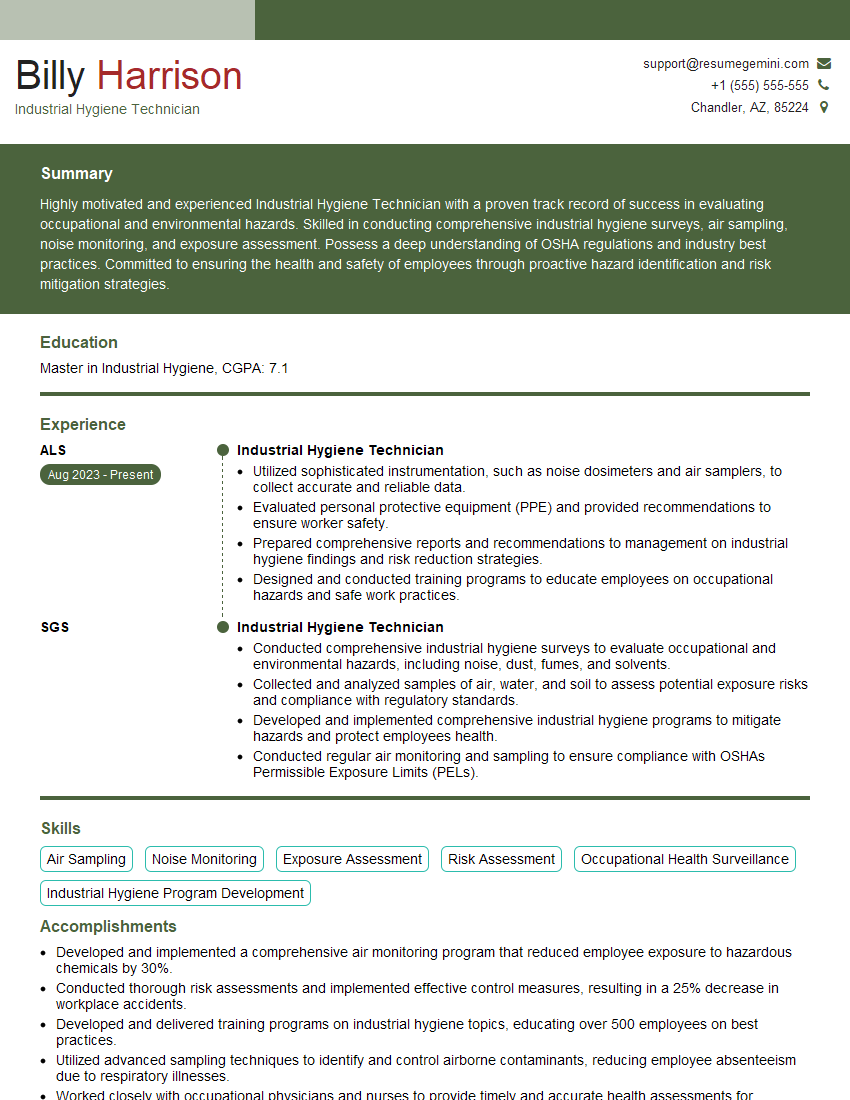
Mastering Workplace Hygiene Monitoring opens doors to rewarding careers in safety, health, and environmental fields. Strong expertise in this area is highly sought after by many industries. To maximize your job prospects, creating an ATS-friendly resume is crucial. A well-structured resume highlights your skills and experience effectively, increasing your chances of getting noticed by potential employers. We recommend using ResumeGemini, a trusted resource for building professional resumes. ResumeGemini provides examples of resumes tailored to Workplace Hygiene Monitoring to help you craft a compelling application that showcases your qualifications.
Explore more articles
Users Rating of Our Blogs
Share Your Experience
We value your feedback! Please rate our content and share your thoughts (optional).
What Readers Say About Our Blog
good