The thought of an interview can be nerve-wracking, but the right preparation can make all the difference. Explore this comprehensive guide to Writing and submitting reports interview questions and gain the confidence you need to showcase your abilities and secure the role.
Questions Asked in Writing and submitting reports Interview
Q 1. Describe your experience in writing different types of reports (e.g., financial, technical, progress).
Throughout my career, I’ve crafted a wide array of reports, each tailored to its specific purpose and audience. Financial reports, for instance, demand precision and adherence to accounting standards. I’ve prepared balance sheets, income statements, and cash flow analyses, ensuring accuracy and compliance. My experience includes generating technical reports detailing complex engineering projects, where clarity and detailed explanations are crucial. These reports often involve diagrams, schematics, and data tables to effectively communicate technical information. Progress reports, on the other hand, focus on tracking milestones, outlining achievements, and identifying roadblocks. I’ve successfully written these for projects spanning software development, construction, and marketing campaigns, consistently delivering concise and informative updates.
For example, in a recent project managing a software development lifecycle, I produced weekly progress reports that tracked sprint completion, identified potential risks, and highlighted successes, allowing stakeholders to monitor the project’s health proactively. In contrast, a technical report I wrote for a manufacturing client detailed the results of a failure analysis, providing specific recommendations to prevent future issues and including detailed technical diagrams and statistical analyses.
Q 2. What software or tools do you use for report writing and data analysis?
My report writing workflow relies on a combination of powerful tools. For data analysis, I’m proficient in Microsoft Excel, SQL, and Python (with libraries like Pandas and NumPy). These allow me to clean, analyze, and visualize data effectively. For report creation and formatting, I primarily use Microsoft Word and Adobe Acrobat. Word provides comprehensive formatting options, while Acrobat enables the creation of professional-looking PDFs, ideal for sharing and archiving. I also leverage data visualization tools like Tableau and Power BI to create compelling charts and graphs that enhance report clarity and understanding.
For instance, when analyzing sales data, I might use SQL to extract relevant information from a database, then import that data into Python for further cleaning and analysis. Finally, I’d use Tableau to create interactive visualizations that illustrate key trends and insights, ultimately incorporating these into a polished report in Microsoft Word.
Q 3. How do you ensure the accuracy and reliability of the information presented in your reports?
Accuracy and reliability are paramount in report writing. My process involves several key steps to ensure these qualities. First, I meticulously source data from reputable and validated sources. This often includes referencing primary sources like original research papers or company databases, rather than relying solely on secondary sources. Second, I rigorously cross-check information from multiple sources to identify and resolve discrepancies. Third, I employ appropriate statistical methods and error analysis techniques to assess the reliability of the data and account for potential biases or uncertainties. Finally, before submitting any report, I have a thorough review process in place, often involving colleagues for fact-checking and quality assurance. This multi-layered approach minimizes errors and maximizes trustworthiness.
For example, if I am writing a report on market trends, I would consult several industry reports, market research databases, and financial statements from relevant companies. I would compare the findings to identify any inconsistencies and ensure the data is consistent and reliable before making conclusions based on that data.
Q 4. Explain your process for structuring and organizing a complex report.
Structuring a complex report requires a systematic approach. I typically begin with a detailed outline, breaking down the report into logical sections and subsections. This outline serves as a roadmap, guiding the writing process and ensuring a clear flow of information. Each section has a specific purpose, such as introducing the topic, presenting findings, analyzing data, and drawing conclusions. Headings, subheadings, and bullet points are strategically used to enhance readability and guide the reader through the information. Clear transitions between sections maintain coherence and guide the narrative smoothly. Visual aids, such as charts, graphs, and tables, are incorporated to clarify complex data and enhance comprehension.
Think of it like building a house: you wouldn’t start constructing the roof before laying the foundation. Similarly, a well-structured report starts with a strong introduction, builds its argument or presents findings section by section, and concludes with a summary and recommendations.
Q 5. How do you handle conflicting data or information when writing a report?
Handling conflicting data is a critical skill in report writing. When inconsistencies arise, I don’t simply ignore them; instead, I investigate the source of the conflict. This might involve reviewing the methodologies used to collect the data, checking for errors in data entry or processing, or consulting with subject matter experts. Once the root cause is identified, I assess the credibility and reliability of each source. If the conflict can’t be resolved, I clearly present both conflicting pieces of information, explaining the discrepancies and their potential implications. I highlight the limitations of the data and emphasize the need for further investigation, transparency being crucial.
For example, if two different sources offer conflicting figures for a key performance indicator, I would document both figures, cite the sources, and analyze possible reasons for the discrepancy, such as different data collection methods or reporting periods. I would then state the limitations of the data based on the identified conflicts and recommend further analysis to resolve the conflict.
Q 6. How do you tailor your report writing style to different audiences?
Adapting writing style to different audiences is essential for effective communication. For technical audiences, I employ precise language, technical jargon (where appropriate and clearly defined), and detailed explanations. In contrast, when writing for a less technical audience, I use simpler language, avoid jargon, and focus on conveying the key findings and implications in a clear and concise manner. The choice of visual aids also adapts to the audience; highly technical audiences might appreciate detailed charts, while a broader audience may benefit from simpler, visually appealing infographics. Ultimately, the goal is to ensure the report is easily understood and relevant to the specific reader’s background and needs.
A technical report for engineers might include detailed equations and diagrams, while a summary report for senior management would focus on high-level findings and implications, using concise language and avoiding technical jargon.
Q 7. Describe your experience with data visualization techniques in report writing.
Data visualization is a cornerstone of effective report writing. I’m experienced in using various techniques to represent data clearly and persuasively. I frequently utilize bar charts, line graphs, scatter plots, and pie charts to illustrate trends, relationships, and key data points. For more complex datasets, I might use heatmaps, treemaps, or network graphs. The choice of visualization depends on the type of data and the message I want to convey. Beyond the charts themselves, I pay close attention to chart titles, axis labels, and legends, ensuring they are clear, concise, and accurately represent the data. Interactive dashboards, where applicable, enhance the reader’s ability to explore the data and draw their own conclusions.
For example, to show the growth of sales over time, a line graph is ideal. If I needed to show the relative proportion of different product sales, a pie chart would be more appropriate. The use of color, consistent formatting, and well-chosen chart types can make all the difference in enhancing comprehension and impact.
Q 8. How do you ensure your reports are concise, clear, and easy to understand?
Conciseness, clarity, and ease of understanding are paramount in effective report writing. I achieve this through a multi-step process. First, I meticulously outline my report before writing, ensuring a logical flow of information and eliminating redundancy. This pre-writing stage is crucial. Think of it as building a strong foundation for a house; without it, the structure will be weak.
Next, I use active voice whenever possible. Active voice makes sentences more direct and easier to understand. For example, instead of writing “The report was completed by John,” I write “John completed the report.” I also employ simple language, avoiding jargon unless absolutely necessary and defining any technical terms I do use.
Finally, I break down complex information into smaller, digestible chunks using headings, subheadings, bullet points, and visuals like charts and graphs. Imagine trying to eat a whole pizza in one bite – it’s overwhelming! Breaking it into slices makes it much more manageable. This structured approach ensures the reader can easily navigate and comprehend the information presented.
Q 9. How do you manage multiple reporting deadlines simultaneously?
Managing multiple reporting deadlines requires meticulous planning and prioritization. I utilize project management tools, such as Trello or Asana, to visually track tasks, deadlines, and progress. These tools allow me to break down large reports into smaller, manageable tasks with assigned due dates. This granular approach helps prevent feeling overwhelmed.
I also prioritize tasks based on urgency and importance, employing methods like the Eisenhower Matrix (urgent/important) to allocate my time effectively. Furthermore, I communicate proactively with stakeholders, updating them on my progress and addressing any potential roadblocks early on. Open communication prevents unexpected delays and ensures everyone is on the same page. This proactive approach ensures smooth sailing even in high-pressure situations.
Q 10. What is your approach to proofreading and editing your reports?
My proofreading and editing process is rigorous and multi-layered. I typically begin by reviewing the report for overall clarity and flow, ensuring the information is logically organized and easy to follow. I then conduct a line-by-line edit, checking for grammatical errors, spelling mistakes, punctuation issues, and inconsistencies in style and tone. Think of it as a detailed quality control check for your writing.
After the initial edits, I take a break and return to the report with fresh eyes. This helps catch errors I might have missed initially. I then read the report aloud; this is surprisingly effective in catching awkward phrasing or grammatical mistakes that might be missed when reading silently. Finally, I often ask a colleague to review the report as a final check for accuracy and clarity. A second pair of eyes often catches mistakes that I might have overlooked.
Q 11. Describe your experience with using style guides and formatting requirements.
I have extensive experience working with various style guides and formatting requirements, including APA, MLA, Chicago, and company-specific guidelines. I am adept at adapting my writing style and formatting to meet the specific needs of each project. Understanding and adhering to style guides is not just about following rules; it’s about ensuring consistency, clarity, and credibility in the report.
For example, if a client requires a report in APA style, I am familiar with the rules regarding citations, formatting of headings, and the use of references. My familiarity with various styles allows me to efficiently and accurately adapt to diverse client specifications.
Q 12. How do you incorporate feedback from reviewers into your reports?
Incorporating feedback is a crucial aspect of the report writing process. I treat feedback as an opportunity for improvement, not criticism. I carefully review all comments and suggestions, understanding the rationale behind them. I then revise the report accordingly, addressing each point thoughtfully.
For example, if a reviewer suggests adding more data to support a claim, I diligently research and incorporate the relevant information. If the feedback involves restructuring the report, I carefully reorganize sections to improve clarity and flow. I strive to maintain open communication with the reviewer throughout this process, clarifying any ambiguities and ensuring that the changes accurately reflect their intentions. This collaborative approach leads to a much stronger final product.
Q 13. How familiar are you with different report formats (e.g., PDF, Word, PowerPoint)?
I am proficient in various report formats, including PDF, Word, and PowerPoint. I understand the strengths and limitations of each format and can choose the most appropriate one based on the report’s purpose, audience, and length. PDF is ideal for archiving and maintaining the integrity of the report’s formatting, while Word allows for easier editing and collaboration. PowerPoint is best for concise presentations emphasizing key findings.
Moreover, I am familiar with creating accessible reports that cater to individuals with disabilities. This includes using appropriate heading levels, alternative text for images, and ensuring sufficient color contrast for readability.
Q 14. How do you maintain the confidentiality of sensitive data used in your reports?
Maintaining the confidentiality of sensitive data is a top priority. I adhere to strict data security protocols, including password-protecting documents, using encryption when necessary, and limiting access to authorized personnel only. I also understand and follow all relevant data privacy regulations, such as GDPR or HIPAA, depending on the context.
For instance, when dealing with personal identifiable information (PII), I ensure that it’s anonymized or pseudonymized whenever possible. I also make sure all sensitive data is stored securely, either on encrypted drives or cloud-based systems with robust security measures. These precautions are not just about following rules; they’re about upholding ethical responsibilities and protecting the integrity of the information I handle.
Q 15. What strategies do you use to ensure your reports are visually appealing and effective?
Visual appeal and effectiveness in reports are paramount. I achieve this through a multi-pronged approach focusing on clear structure, impactful visuals, and consistent branding.
- Structure: I use headings, subheadings, bullet points, and numbered lists to break down complex information into digestible chunks. Think of it like building a skyscraper – a solid foundation (introduction) followed by distinct levels (sections) culminating in a strong conclusion.
- Visuals: Charts, graphs, and images are crucial. I carefully select the most appropriate visual for the data; a bar chart for comparing categories, a line graph for showing trends over time, etc. I ensure all visuals are clear, concise, and accurately labeled. Overly complex or distracting visuals are avoided.
- Branding and Consistency: A consistent font, color palette, and logo application create a professional and cohesive look. This helps reinforce the report’s credibility and strengthens brand recognition. I use templates to maintain this consistency across different reports.
For example, in a recent financial report, I used a combination of clear line graphs to illustrate revenue growth over five years, accompanied by concise bullet points summarizing key performance indicators. The use of a consistent brand color scheme throughout ensured a professional and easily digestible report.
Career Expert Tips:
- Ace those interviews! Prepare effectively by reviewing the Top 50 Most Common Interview Questions on ResumeGemini.
- Navigate your job search with confidence! Explore a wide range of Career Tips on ResumeGemini. Learn about common challenges and recommendations to overcome them.
- Craft the perfect resume! Master the Art of Resume Writing with ResumeGemini’s guide. Showcase your unique qualifications and achievements effectively.
- Don’t miss out on holiday savings! Build your dream resume with ResumeGemini’s ATS optimized templates.
Q 16. Explain your experience with using data analysis tools to support your findings.
Data analysis tools are essential for extracting insights and supporting findings. My experience spans several tools, including SQL, R, and Tableau.
- SQL: I leverage SQL for querying large datasets, extracting relevant information, and cleaning the data to ensure accuracy. For instance, I’ve used SQL to identify customer segments with the highest purchasing power from a database containing millions of records.
- R: I use R for statistical analysis, creating visualizations, and generating reports. It’s invaluable for uncovering trends and patterns that aren’t immediately apparent in raw data. A recent project involved using R’s regression modeling capabilities to predict future sales based on historical data.
- Tableau: Tableau is a powerful tool for creating interactive dashboards and visualizations that are easy to understand and share. I utilize it to present complex data in an accessible manner, allowing stakeholders to explore the data themselves and draw their own conclusions. In a marketing report, I used Tableau to create an interactive dashboard showing website traffic sources and conversion rates.
Q 17. Describe a time you had to revise a report significantly due to new information or feedback.
In a recent environmental impact assessment report, I faced a significant revision after receiving updated data from a field study. The initial report predicted a moderate impact based on preliminary findings. However, the new data revealed a much higher level of contamination than anticipated.
This necessitated a complete overhaul. I had to:
- Re-analyze the data: I incorporated the new data into my analysis using statistical software to assess the impact on my conclusions.
- Update the findings: The report’s conclusions and recommendations had to be rewritten to reflect the new, more severe findings.
- Revise the visuals: Charts and graphs required updating to reflect the revised data.
- Communicate the changes: I clearly explained the changes to the stakeholders, highlighting the reasons for the revision and the implications of the new data.
While initially challenging, this revision resulted in a much more accurate and impactful report, ultimately enhancing the credibility of my work.
Q 18. How do you ensure your reports comply with relevant regulations and standards?
Compliance is a top priority. I ensure reports adhere to relevant regulations and standards through several measures:
- Understanding the requirements: I thoroughly research applicable regulations (e.g., HIPAA, GDPR, industry-specific standards) before commencing the report writing process.
- Data privacy and security: I handle sensitive data responsibly, applying appropriate anonymization techniques and adhering to all data protection regulations.
- Fact-checking and verification: I meticulously verify all data sources and ensure the accuracy of all information presented.
- Review and approval processes: I follow established review and approval workflows to ensure compliance before submission.
For example, when preparing financial reports, I meticulously follow Generally Accepted Accounting Principles (GAAP) to ensure accuracy and regulatory compliance.
Q 19. How do you prioritize different tasks and deadlines when working on multiple reports?
Juggling multiple reports with differing deadlines requires a structured approach. I employ a project management strategy that combines prioritization techniques and time management tools.
- Prioritization: I prioritize based on urgency and importance (using a matrix), focusing on the reports with the closest deadlines and highest impact first.
- Task breakdown: I break down each report into smaller, manageable tasks. This facilitates better time estimation and tracking progress.
- Time management techniques: I use tools such as time blocking and the Pomodoro Technique to optimize my time and maintain focus.
- Communication: Open communication with stakeholders is essential to manage expectations and proactively address potential delays.
Imagine it like a conductor leading an orchestra. Each report is a piece of music, and I need to coordinate the various instruments (tasks) to create a harmonious outcome, ensuring all pieces are played in time.
Q 20. What metrics do you use to evaluate the effectiveness of your reports?
Evaluating report effectiveness involves both qualitative and quantitative metrics.
- Quantitative metrics: These include things like the number of downloads, website views, or the number of times the report was cited in subsequent documents. This provides a measure of reach and engagement.
- Qualitative metrics: These are harder to quantify but equally important. This involves gathering feedback from stakeholders, assessing whether the report’s goals were met, and analyzing whether the report impacted decisions or outcomes. Did it lead to action? Did it influence policy changes? This reflects the report’s influence.
A combination of these metrics provides a well-rounded picture of a report’s success. For example, a high download number coupled with positive stakeholder feedback indicates a highly effective report.
Q 21. How do you effectively communicate complex information in a simple and understandable manner?
Communicating complex information clearly requires a thoughtful approach. I employ several techniques:
- Simplify language: I avoid jargon and technical terms whenever possible. If necessary, I define them clearly.
- Use storytelling: Framing data within a narrative makes complex information relatable and easier to remember.
- Visual aids: Charts, graphs, and diagrams can effectively illustrate complex relationships that may be difficult to grasp from text alone.
- Analogies and metaphors: Using relatable analogies helps explain complex concepts in a simple, understandable manner.
- Chunking information: Break down large amounts of information into smaller, digestible chunks, using headings, subheadings, bullet points, etc.
Think of it as translating a scientific journal article into everyday language. The core message remains the same, but the delivery is accessible to a wider audience.
Q 22. Describe your experience collaborating with others on report writing projects.
Collaboration is the cornerstone of effective report writing. I’ve been involved in numerous projects requiring teamwork, ranging from small, focused teams to larger, cross-functional groups. My approach centers on clear communication, defined roles, and efficient workflow management. For instance, in a recent project analyzing market trends, our team (comprising a data analyst, a marketing specialist, and myself as the report writer) utilized a project management tool to track progress, share drafts, and provide feedback. We held regular meetings to discuss findings, address challenges, and ensure consistent messaging. Each member had a clearly defined role – the analyst provided the data, the marketing specialist contributed insights, and I synthesized this information into a cohesive, well-structured report. This collaborative effort resulted in a report that was both data-driven and strategically insightful.
- Clear Communication: We used a shared online document for real-time collaborative editing and comments.
- Defined Roles: Responsibilities were clearly assigned to avoid duplication of effort and ensure accountability.
- Efficient Workflow: We established a timeline with clear milestones and deadlines.
Q 23. How do you handle situations where deadlines are tight or resources are limited?
Tight deadlines and limited resources are realities in report writing. My strategy involves prioritization, efficient resource allocation, and proactive communication. When faced with a short deadline, I begin by outlining the key objectives and prioritizing the most critical sections of the report. I then break down the writing process into smaller, manageable tasks, allocating time accordingly. Resource limitations require creative solutions; for example, if access to specific data is limited, I might explore alternative data sources or adjust the scope of the report to focus on the most readily available information. Open communication with stakeholders is vital – keeping them informed of potential delays or compromises allows for collaborative problem-solving. Think of it like baking a cake with limited ingredients: you might need to adjust the recipe, but with careful planning, you can still produce a delicious result.
- Prioritization: Focusing on the most critical information first.
- Task Breakdown: Dividing the project into smaller, manageable tasks.
- Resource Optimization: Exploring alternative sources or adjusting the scope.
- Proactive Communication: Keeping stakeholders informed of progress and potential challenges.
Q 24. What is your experience with different data sources for report generation?
My experience encompasses a wide range of data sources for report generation, including:
- Databases (SQL, NoSQL): I’m proficient in querying and extracting data from various database systems using SQL and other database-specific languages.
- Spreadsheets (Excel, Google Sheets): I’m comfortable cleaning, manipulating, and analyzing data within spreadsheets.
- APIs (Application Programming Interfaces): I have experience integrating data from external APIs into my reports.
- Web Scraping: For specific data collection needs, I have employed web scraping techniques (always ethically and legally).
- Surveys and Questionnaires: I have experience analyzing data collected from surveys and questionnaires.
Selecting the appropriate data source is crucial for report accuracy and reliability. The choice depends on the specific needs of the project, data availability, and accessibility. For example, a report on website traffic might utilize data from Google Analytics (API) whereas a report on customer satisfaction would rely on survey data.
Q 25. How do you handle unexpected challenges or obstacles during the report writing process?
Unexpected challenges are inevitable in report writing. My approach is to remain calm, systematically assess the problem, and develop a solution. For example, if I encounter unexpected data inconsistencies, I’d first identify the source of the error, thoroughly review the data cleaning process, and then implement the necessary corrections. If a key data source becomes unavailable, I would explore alternative data sources, potentially adjusting the report’s scope to mitigate the impact. Documentation of each step is essential, allowing for easy troubleshooting and transparent record-keeping. The key is to remain flexible, adapt to the changing circumstances, and communicate effectively with stakeholders about the situation and proposed solutions.
- Systematic Assessment: Identifying the root cause of the problem.
- Solution Development: Formulating and implementing a solution.
- Documentation: Maintaining detailed records of all steps and decisions.
- Communication: Keeping stakeholders informed.
Q 26. How do you ensure the data used in your reports is properly sourced and referenced?
Data integrity and proper sourcing are paramount. I meticulously cite all sources using a consistent citation style (e.g., APA, MLA, Chicago). This includes in-text citations within the report and a comprehensive bibliography or references section at the end. For data obtained from databases or APIs, I document the query parameters and relevant metadata. For charts and graphs, I clearly label the source of the data used. This level of transparency ensures the report’s credibility and allows readers to verify the information provided. Imagine a scientific paper – it would be deemed unreliable without proper citation and sourcing; the same principle applies to all reports needing verifiable information.
- Consistent Citation Style: Employing a standard citation method for accuracy and clarity.
- Comprehensive Documentation: Providing details about data sources and retrieval methods.
- Data Verification: Ensuring data accuracy and reliability.
Q 27. What is your approach to conducting research for your reports?
My research approach is methodical and thorough. It begins with clearly defining the research question or objectives. Then, I identify relevant keywords to guide my searches across various databases (like JSTOR, Google Scholar, industry-specific databases), libraries, and reputable online sources. I critically evaluate the credibility and relevance of each source, considering factors such as author expertise, publication date, and potential biases. I meticulously document my research process, keeping track of all sources used. Note-taking is crucial, allowing me to synthesize the information effectively. My research process is iterative; I constantly refine my search strategy based on the information I gather. Think of it like detective work—gathering clues (information), analyzing them, and ultimately building a compelling case (report).
- Defining Objectives: Starting with a clear understanding of the research goal.
- Keyword Research: Identifying relevant search terms.
- Source Evaluation: Critically assessing the credibility and relevance of sources.
- Documentation: Maintaining a comprehensive record of sources and findings.
- Iterative Approach: Refining the research process based on gathered information.
Q 28. Describe your experience with using version control systems for report writing.
Version control is essential for managing multiple drafts and collaborating effectively. I have extensive experience using Git, including platforms like GitHub and GitLab. This allows for tracking changes, reverting to previous versions if necessary, and facilitating collaborative writing. Each significant change is committed with a descriptive message, making it easy to understand the evolution of the report. Branching allows for parallel work on different aspects of the report without disrupting the main version. This collaborative system ensures the report’s integrity, maintainability, and traceability, reducing errors and conflicts. It’s like having a detailed history of the document’s development, allowing easy retrieval of previous versions or the identification of who made specific changes.
- Tracking Changes: Git allows detailed tracking of revisions and modifications.
- Collaboration: Facilitates teamwork through shared repositories and branching.
- Version History: Provides a comprehensive record of the document’s development.
- Conflict Resolution: Offers tools to handle conflicting changes effectively.
Key Topics to Learn for Writing and Submitting Reports Interview
- Report Structure & Formatting: Understanding different report formats (formal, informal, analytical), mastering headings, subheadings, visual aids, and consistent formatting styles.
- Data Analysis & Interpretation: Transforming raw data into meaningful insights, using charts and graphs effectively, and drawing accurate conclusions.
- Clear & Concise Writing: Crafting compelling narratives, using precise language, avoiding jargon where inappropriate, and ensuring readability for diverse audiences.
- Audience Awareness & Adaptation: Tailoring reports to the specific needs and understanding of the intended recipient(s), choosing the right tone and level of detail.
- Research & Information Gathering: Utilizing reliable sources, conducting thorough research, properly citing information, and avoiding plagiarism.
- Proofreading & Editing: Mastering grammar, punctuation, and style guidelines, ensuring accuracy and professionalism in the final product. Utilizing tools to assist with proofreading.
- Submission Process & Protocols: Understanding organizational guidelines for submitting reports, adhering to deadlines, and using appropriate submission methods (email, online portals, etc.).
- Problem-Solving in Reporting: Identifying and addressing challenges in data collection, analysis, or presentation. Developing solutions to overcome obstacles in the reporting process.
- Technology & Tools for Reporting: Familiarity with relevant software (e.g., Microsoft Word, Excel, specialized reporting tools) and their applications in creating and managing reports.
Next Steps
Mastering the art of writing and submitting reports is crucial for career advancement in many fields. It demonstrates strong analytical, communication, and organizational skills – highly valued by employers. To boost your job prospects, creating an ATS-friendly resume that highlights these skills is essential. ResumeGemini is a trusted resource that can help you build a professional resume tailored to your experience. We provide examples of resumes tailored to roles involving writing and submitting reports to help you get started. Invest the time to craft a compelling resume; it’s your first impression on potential employers.

Communications Manager Resume Sample
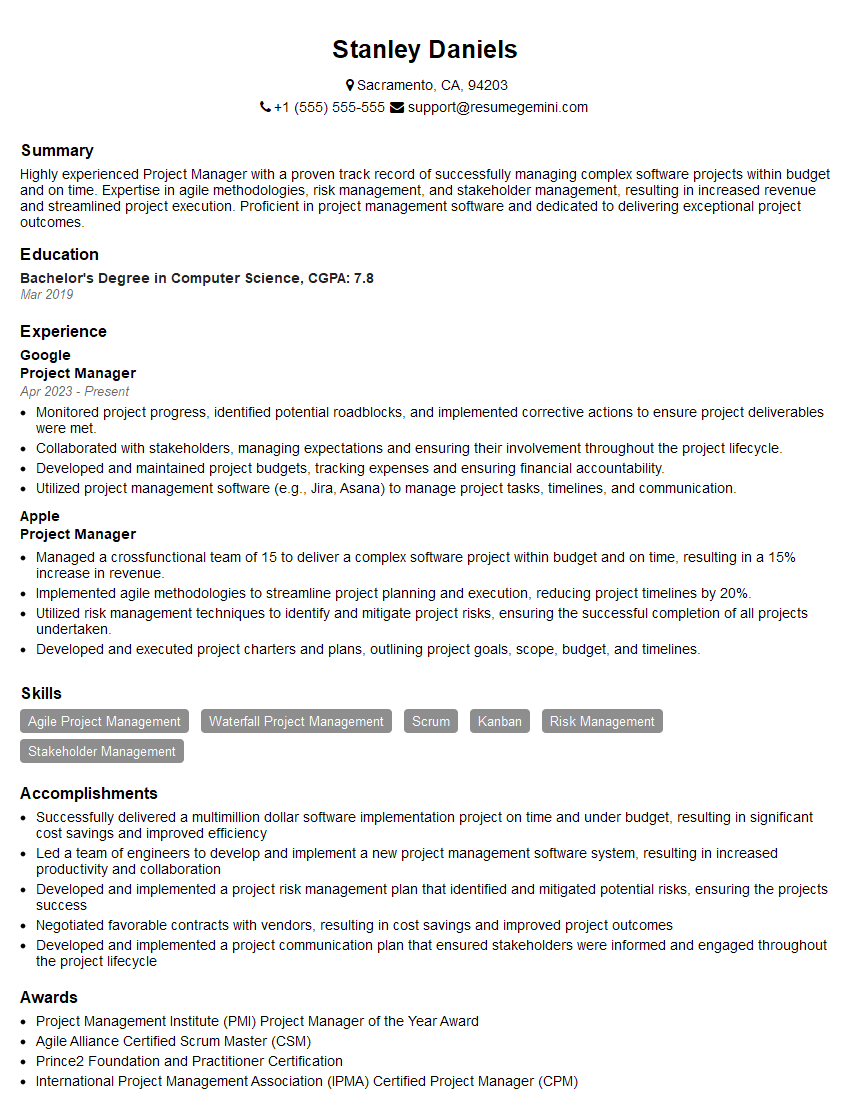
Project Manager Resume Sample
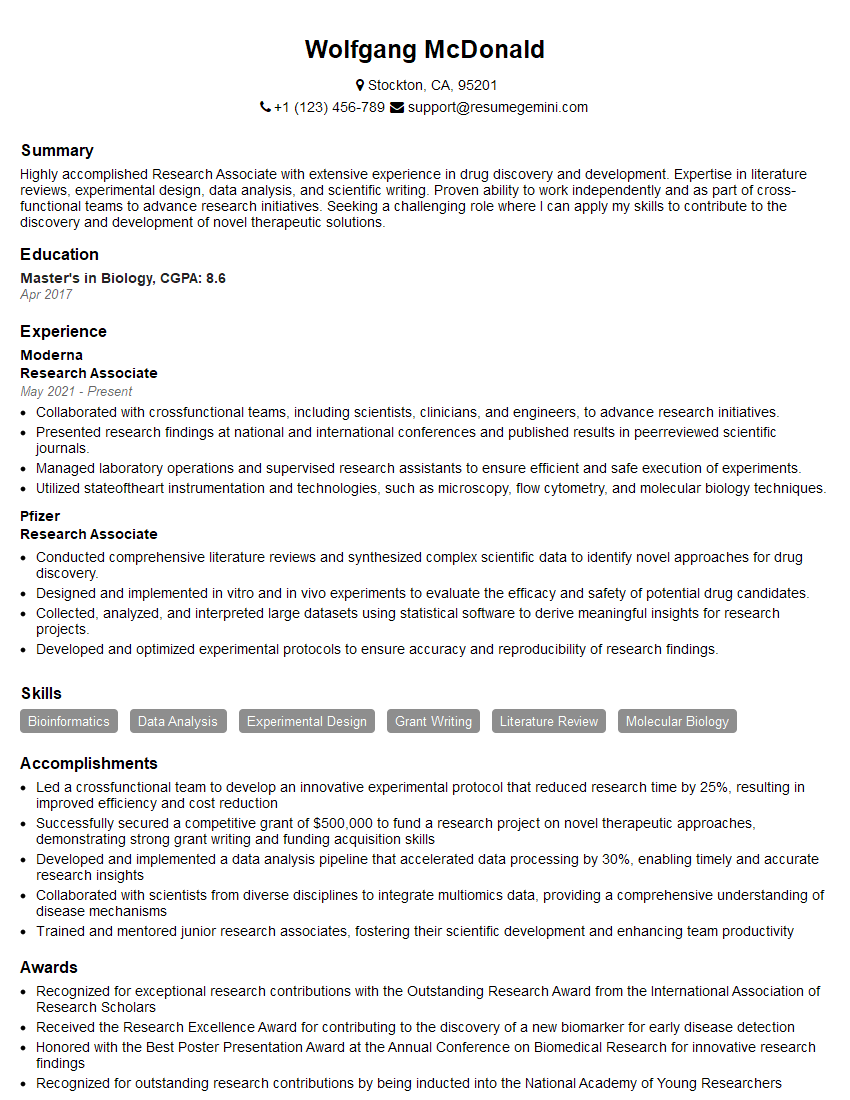
Research Associate Resume Sample
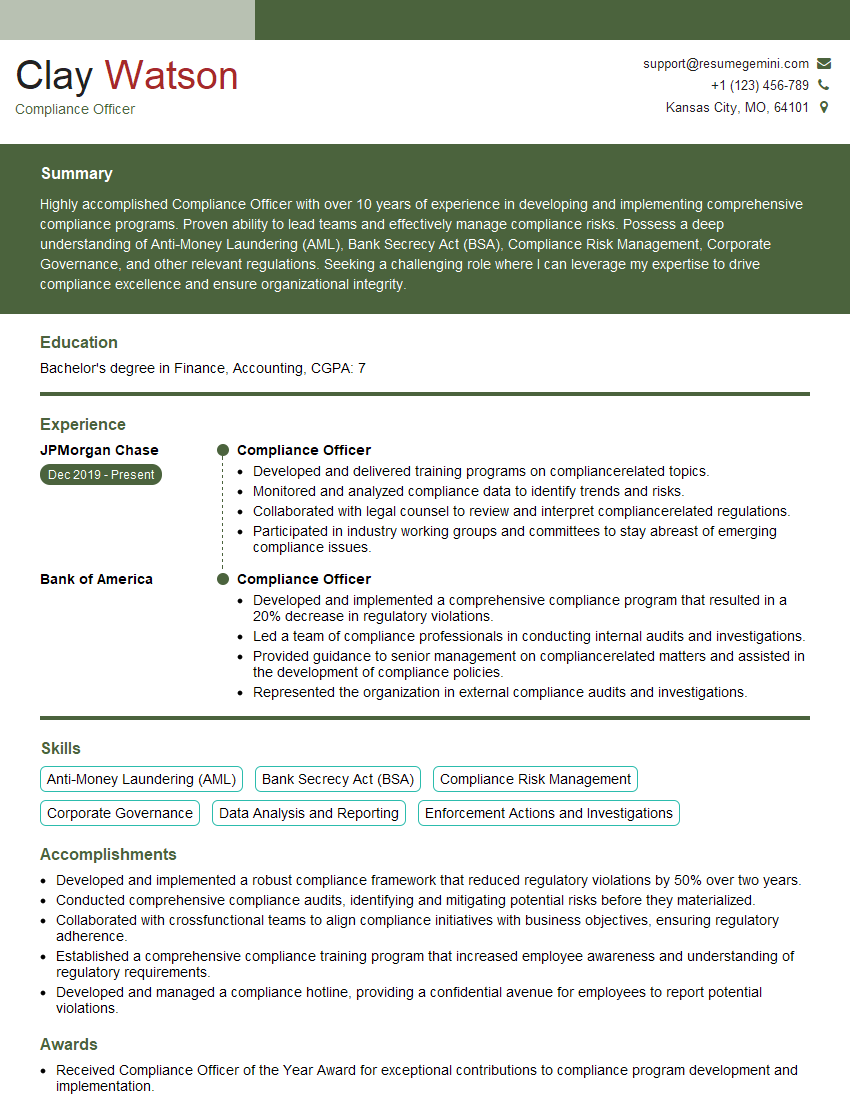
Compliance Officer Resume Sample
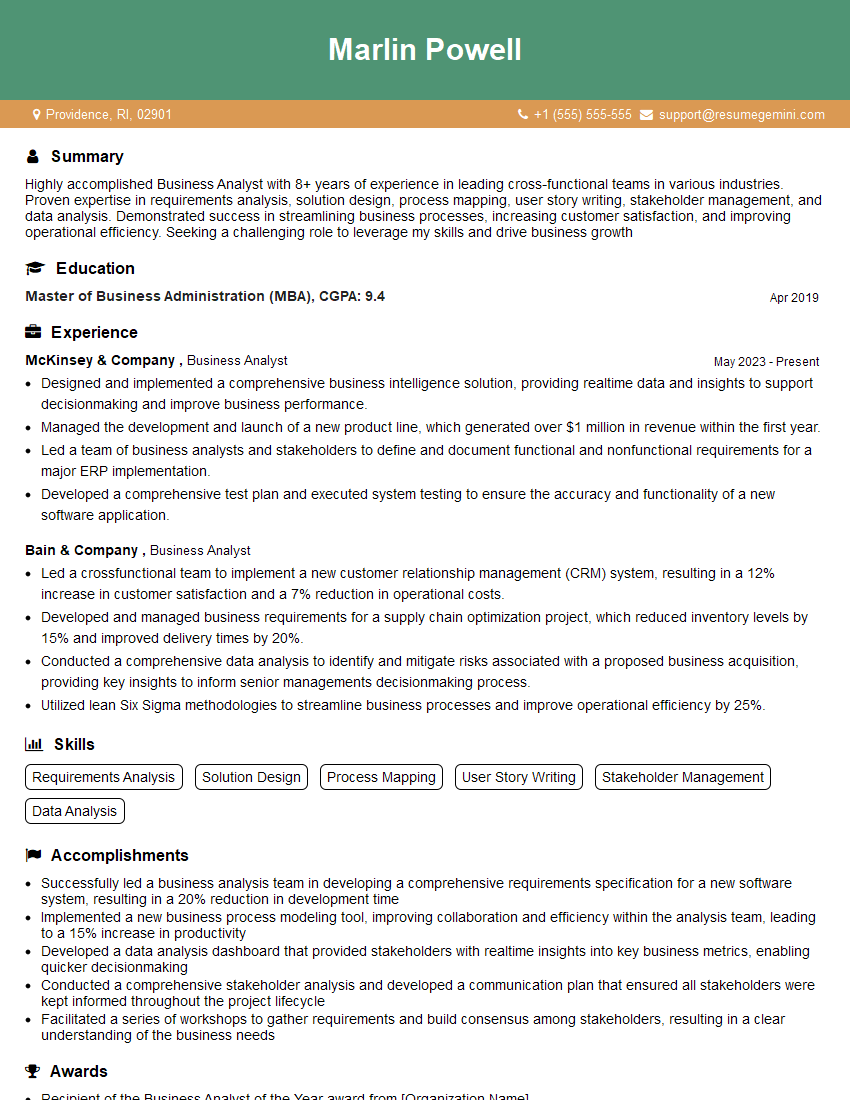
Business Analyst Resume Sample
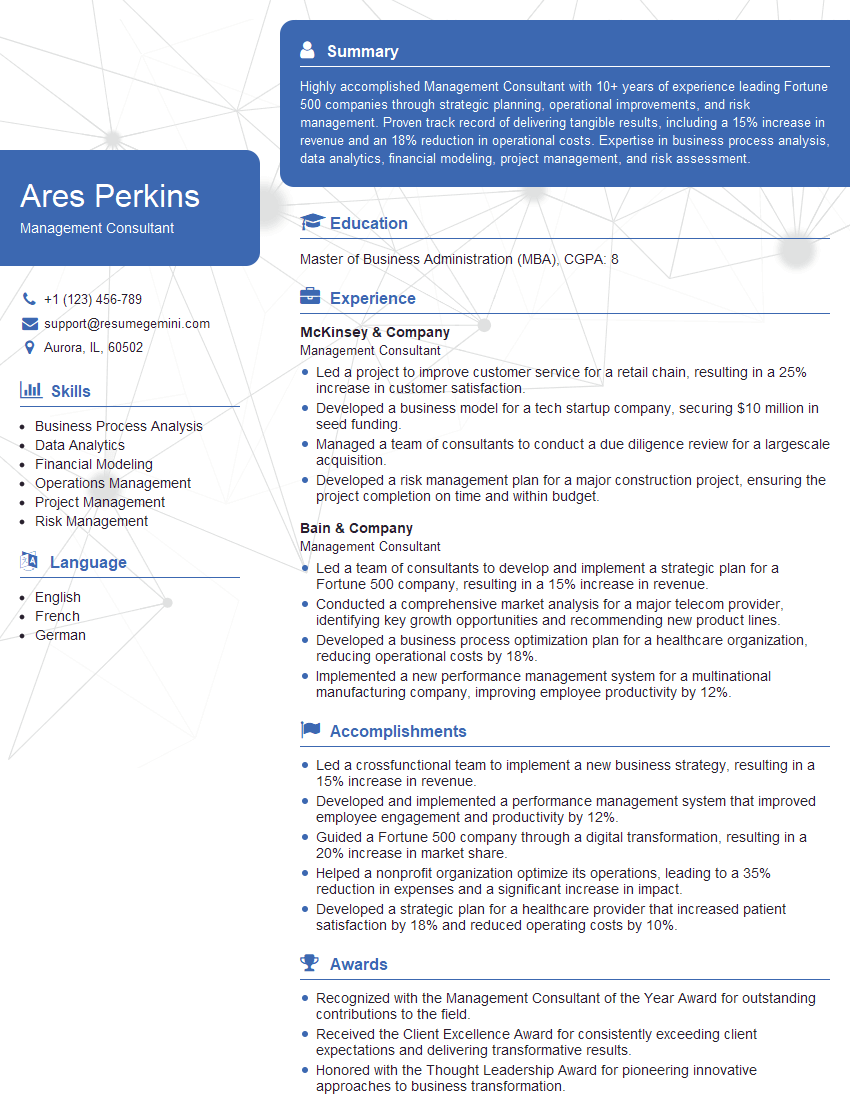
Management Consultant Resume Sample
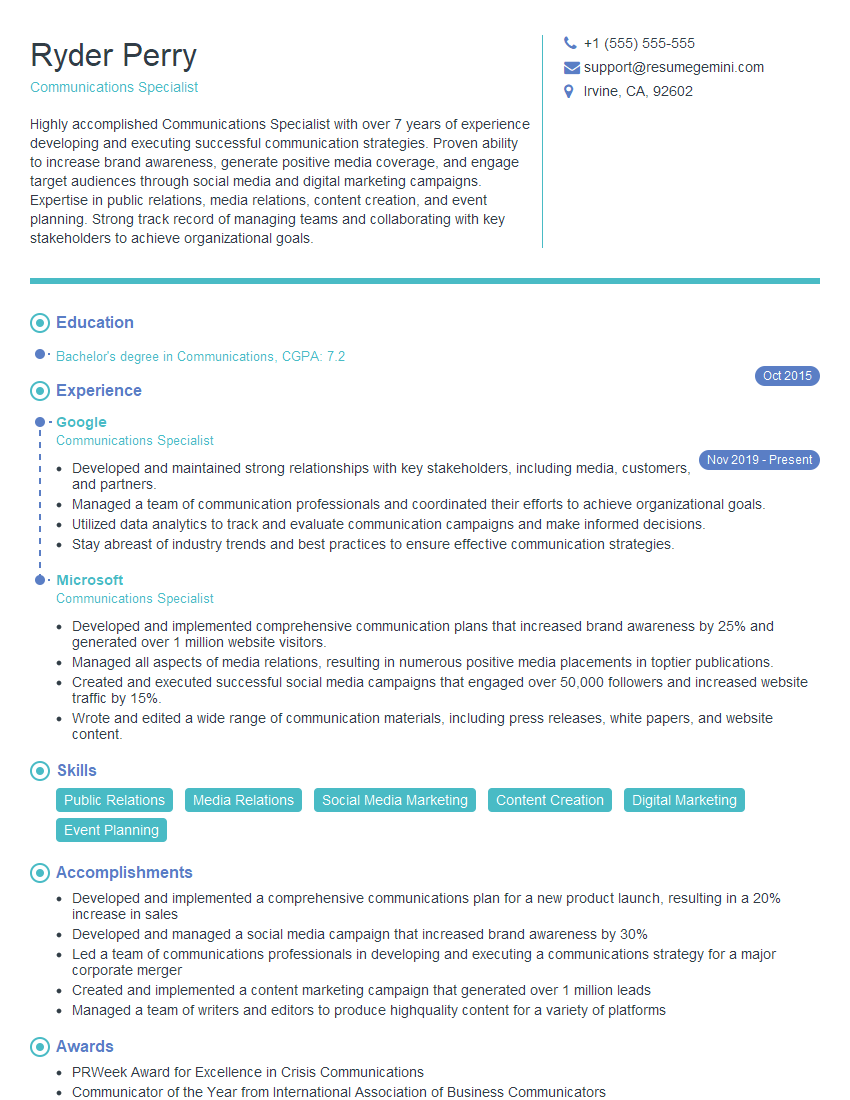
Communications Specialist Resume Sample
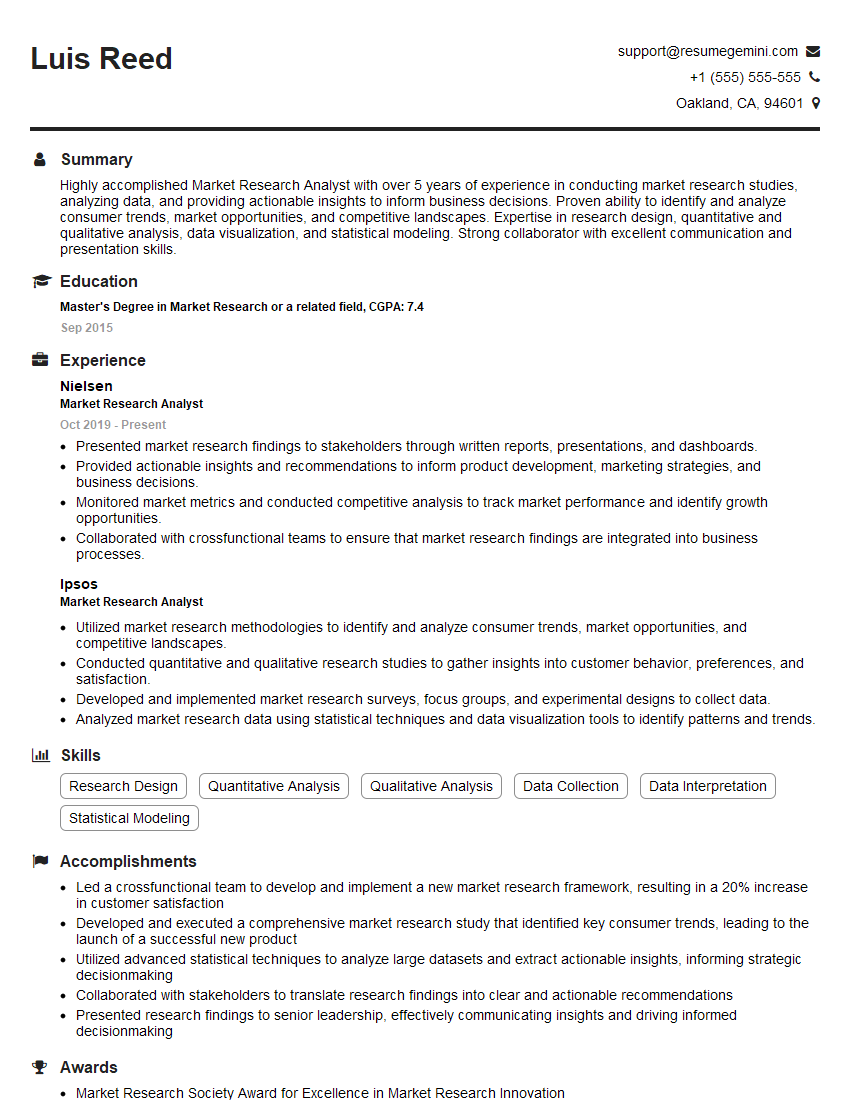
Market Research Analyst Resume Sample
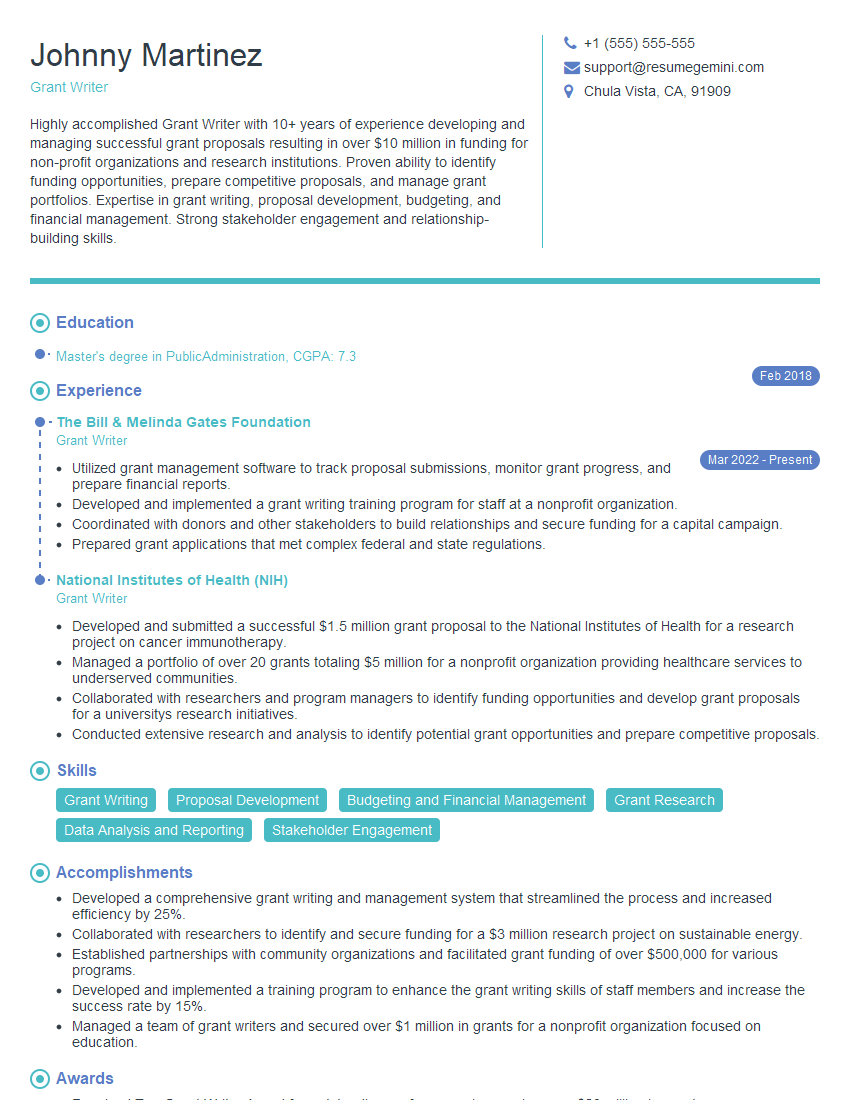
Grant Writer Resume Sample
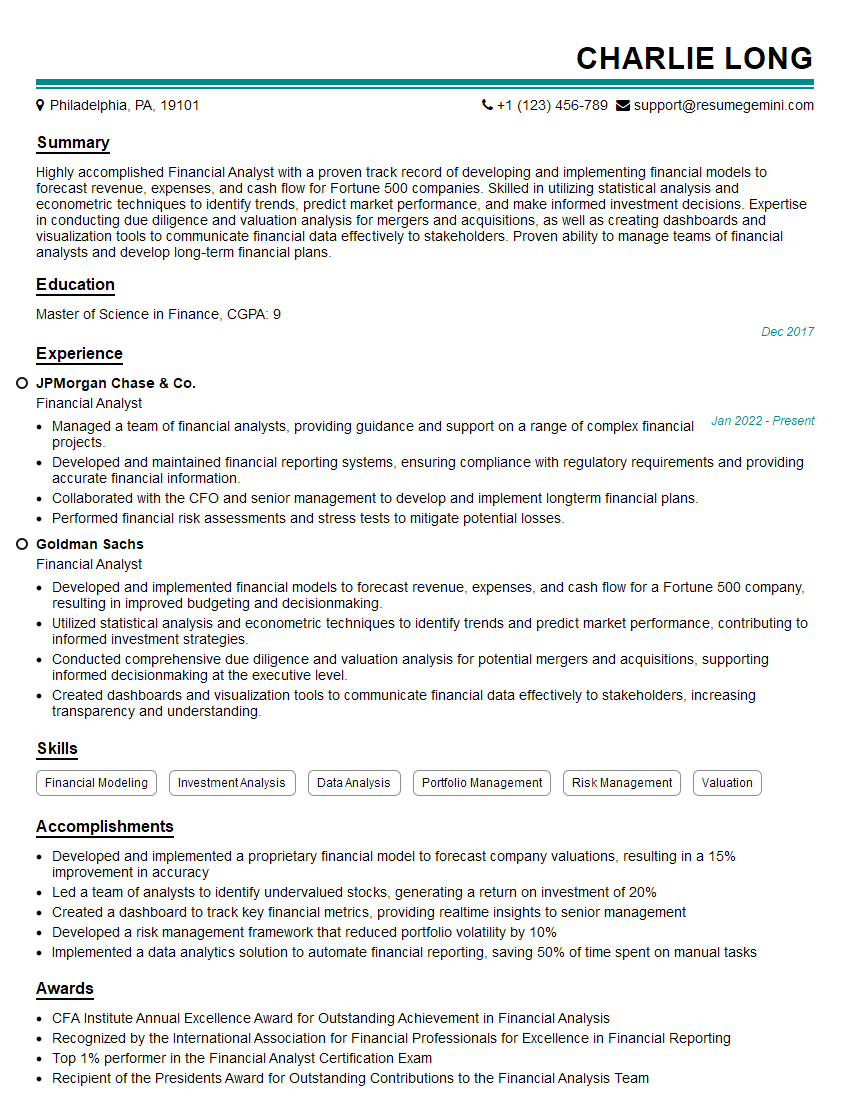
Financial Analyst Resume Sample
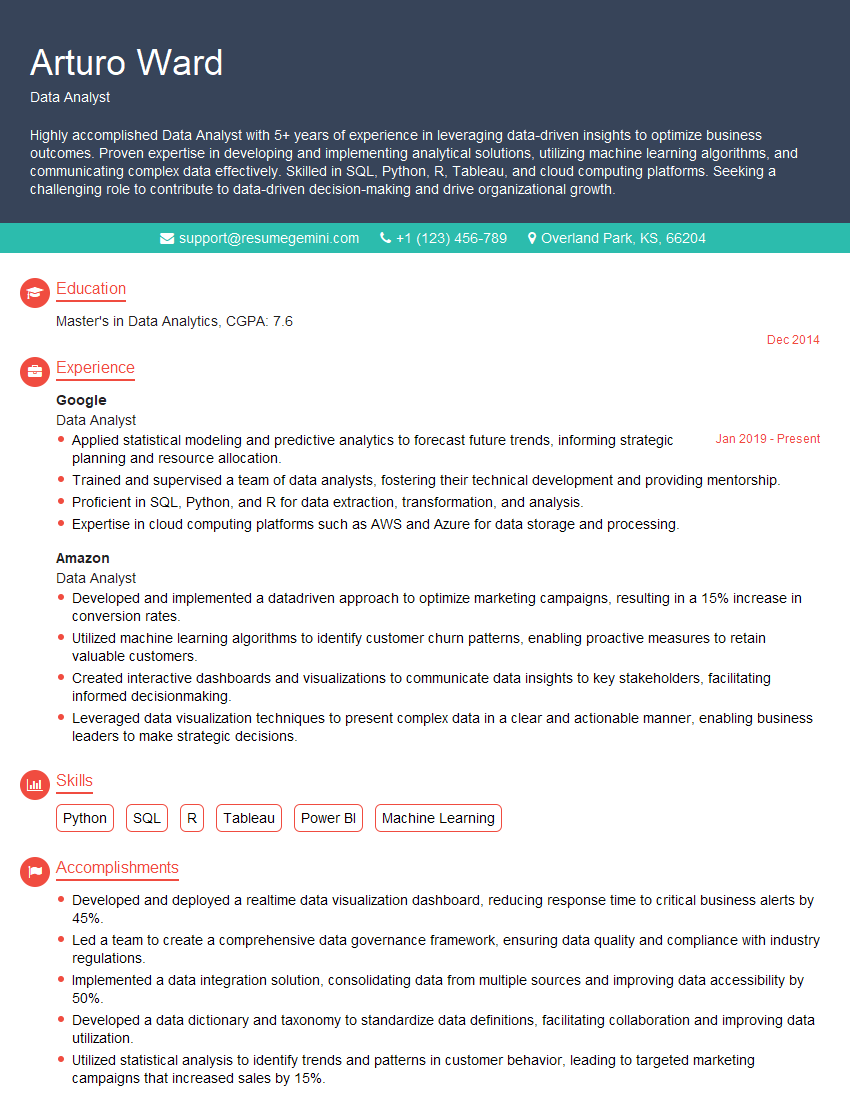
Data Analyst Resume Sample
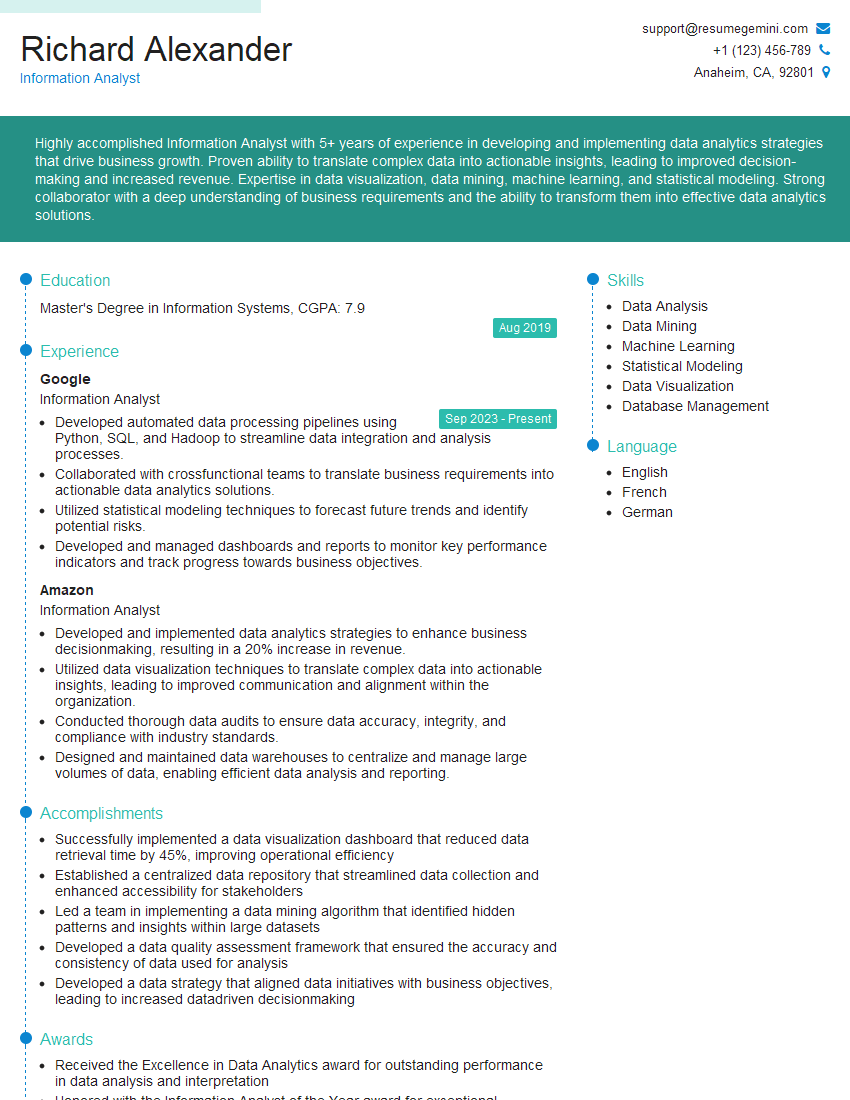
Information Analyst Resume Sample
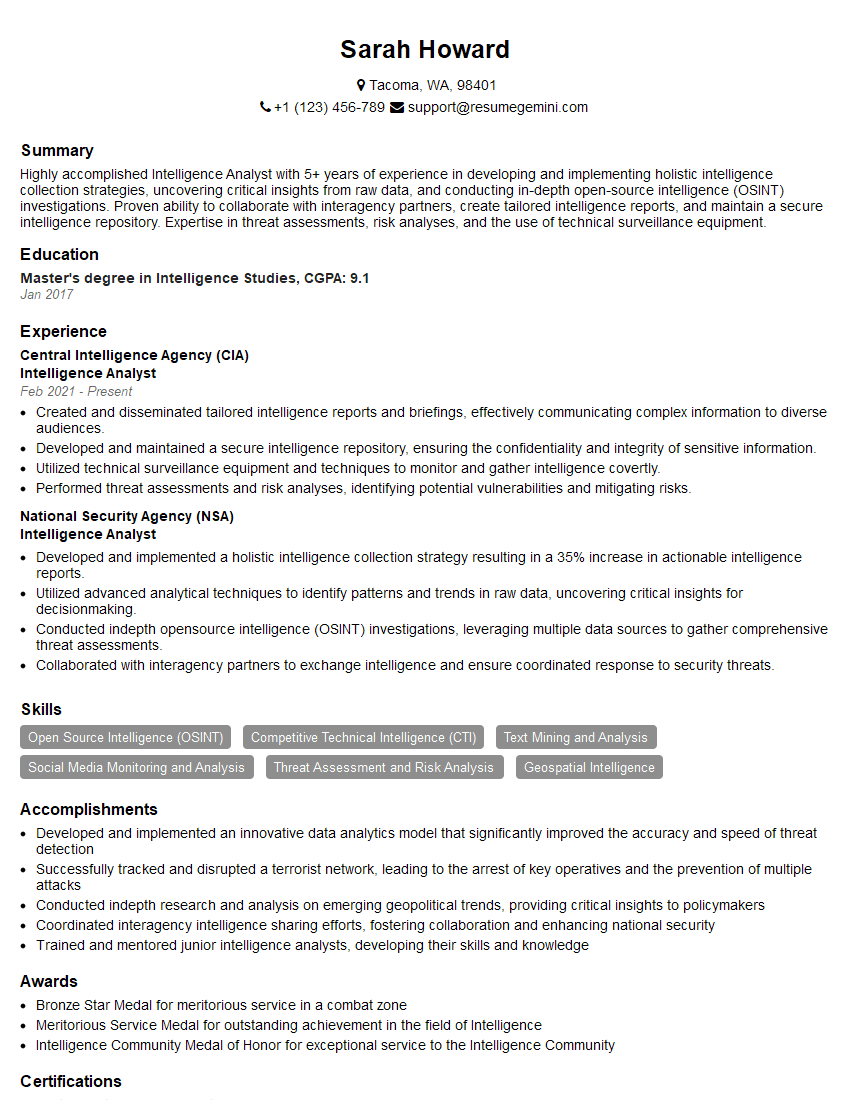
Intelligence Analyst Resume Sample

Content Strategist Resume Sample
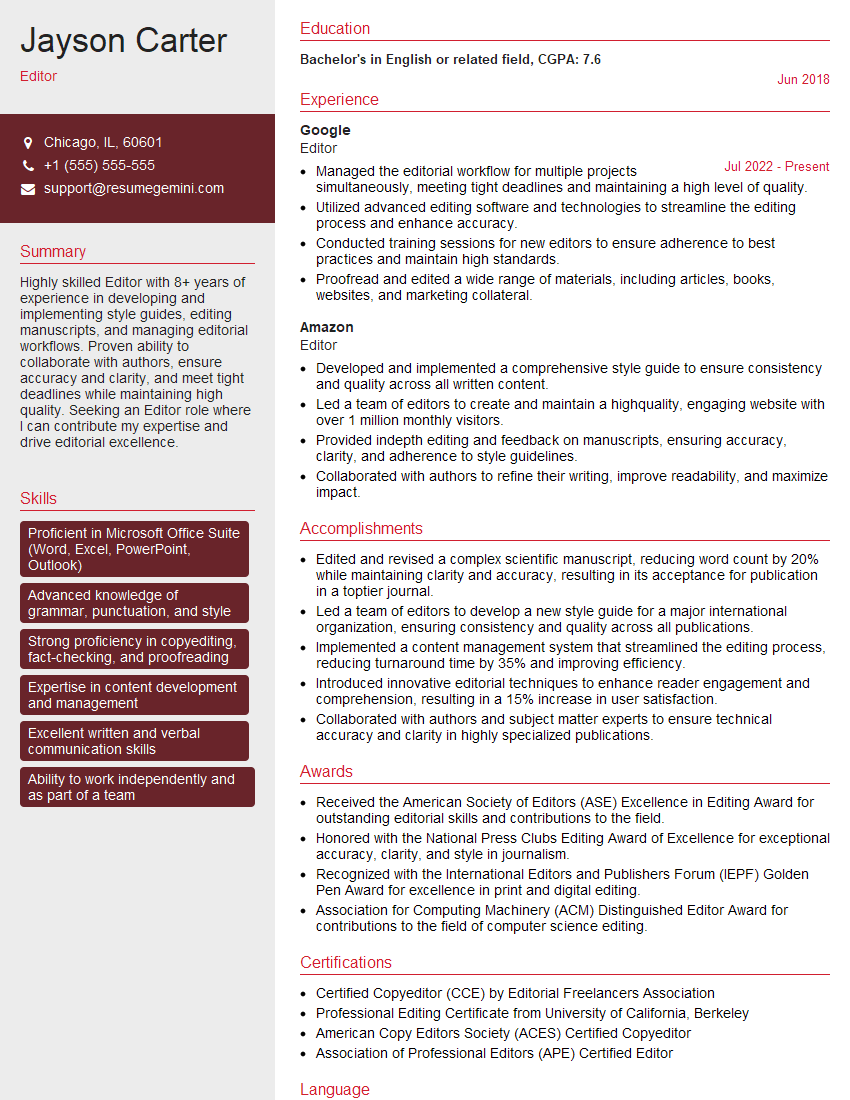
Editor Resume Sample
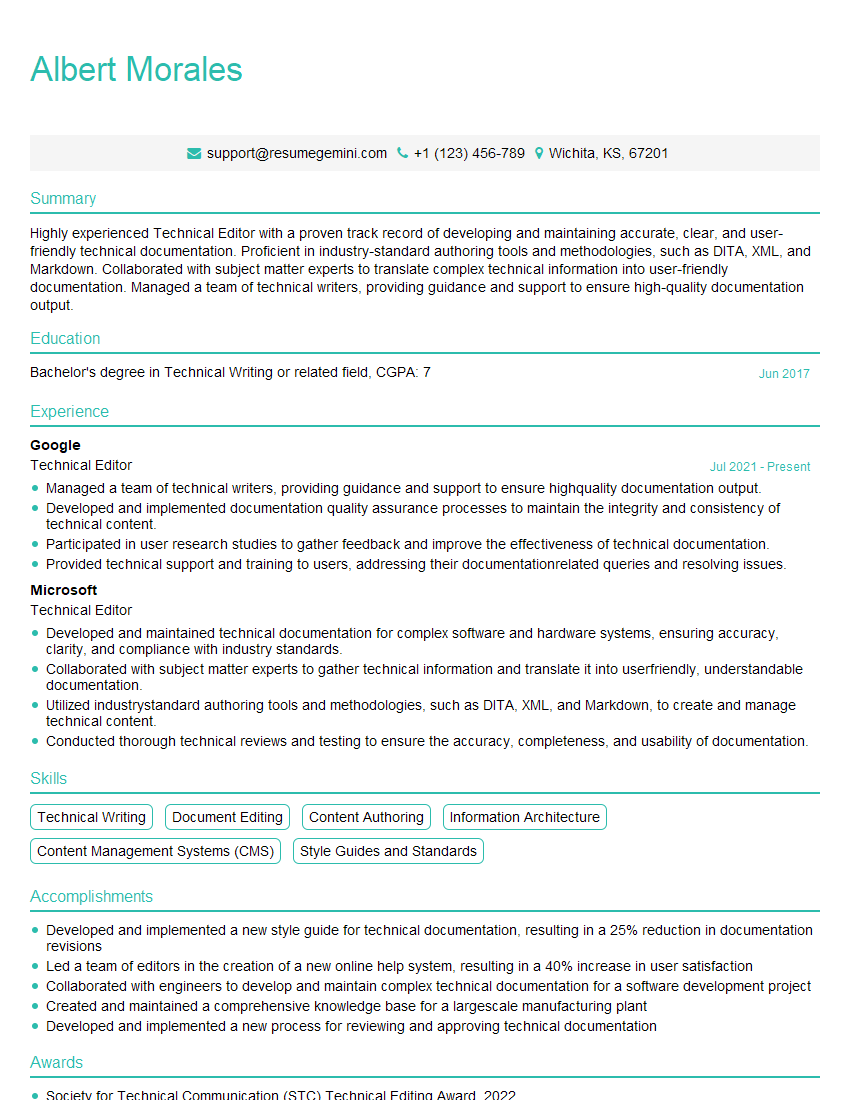
Technical Editor Resume Sample
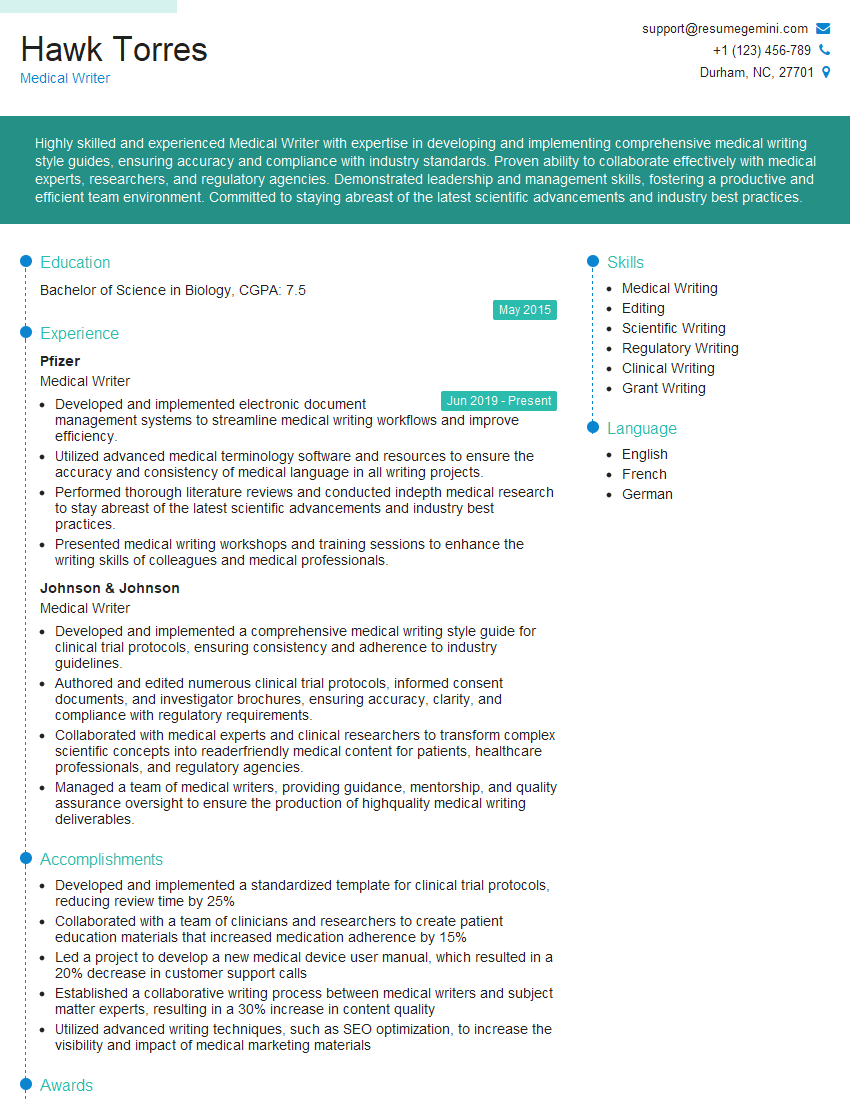
Medical Writer Resume Sample
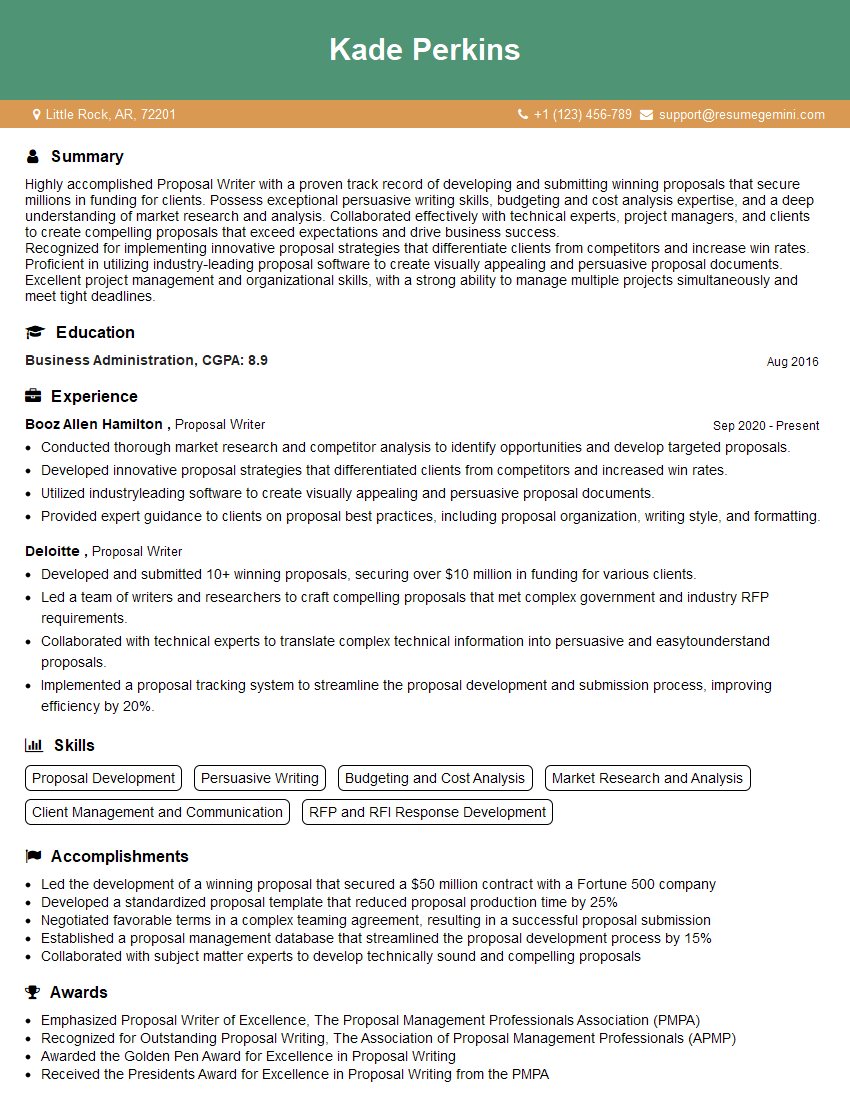
Proposal Writer Resume Sample
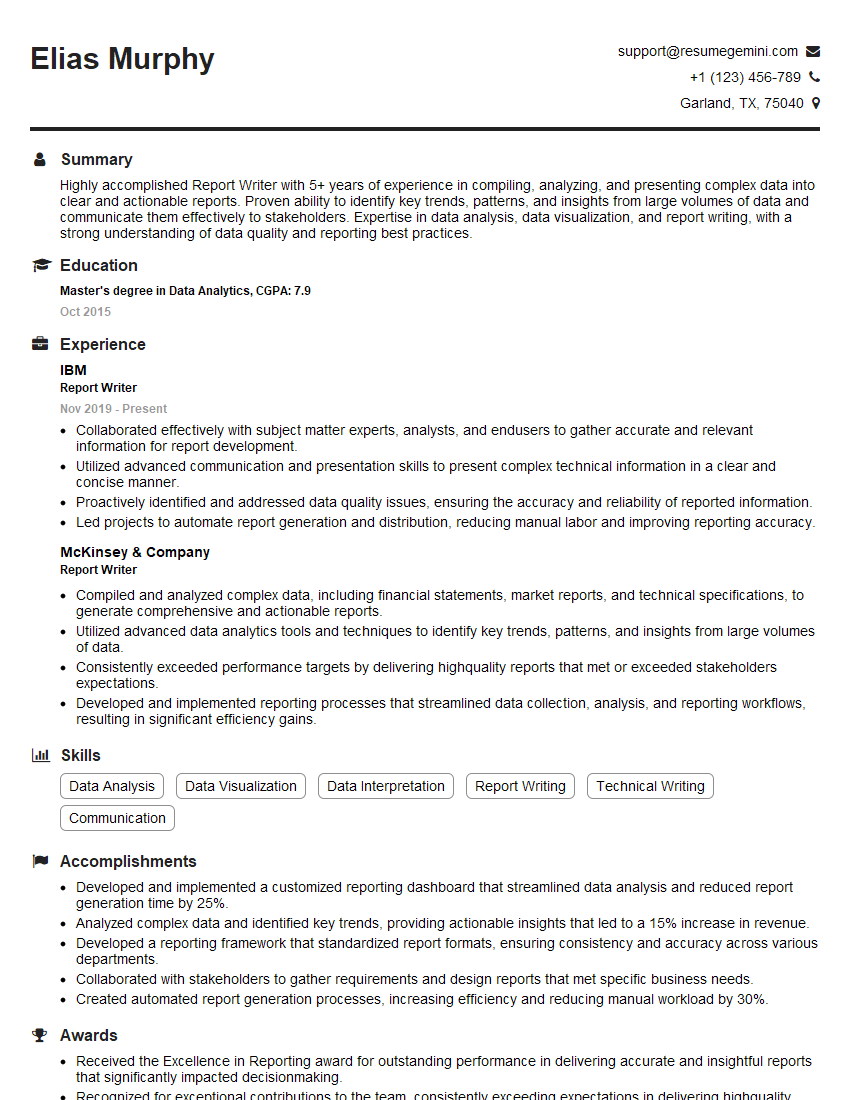
Report Writer Resume Sample
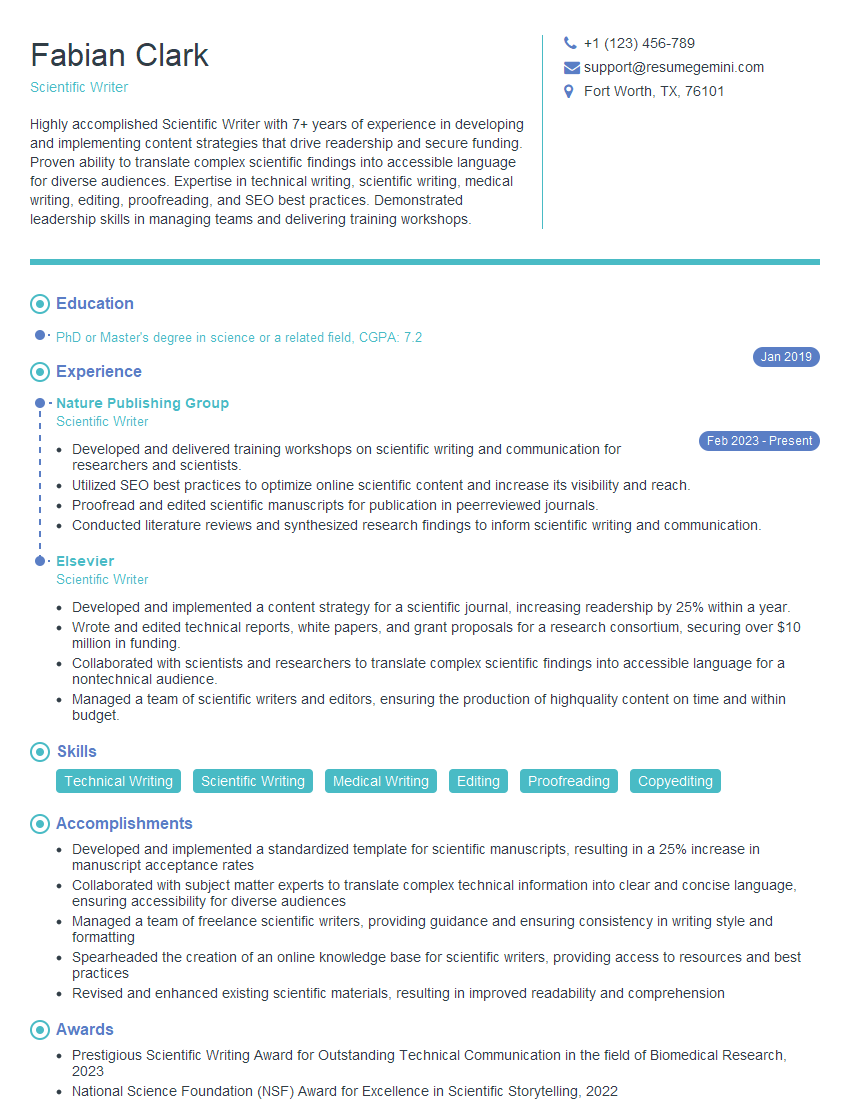
Scientific Writer Resume Sample

Technical Writer Resume Sample

Copywriter Resume Sample
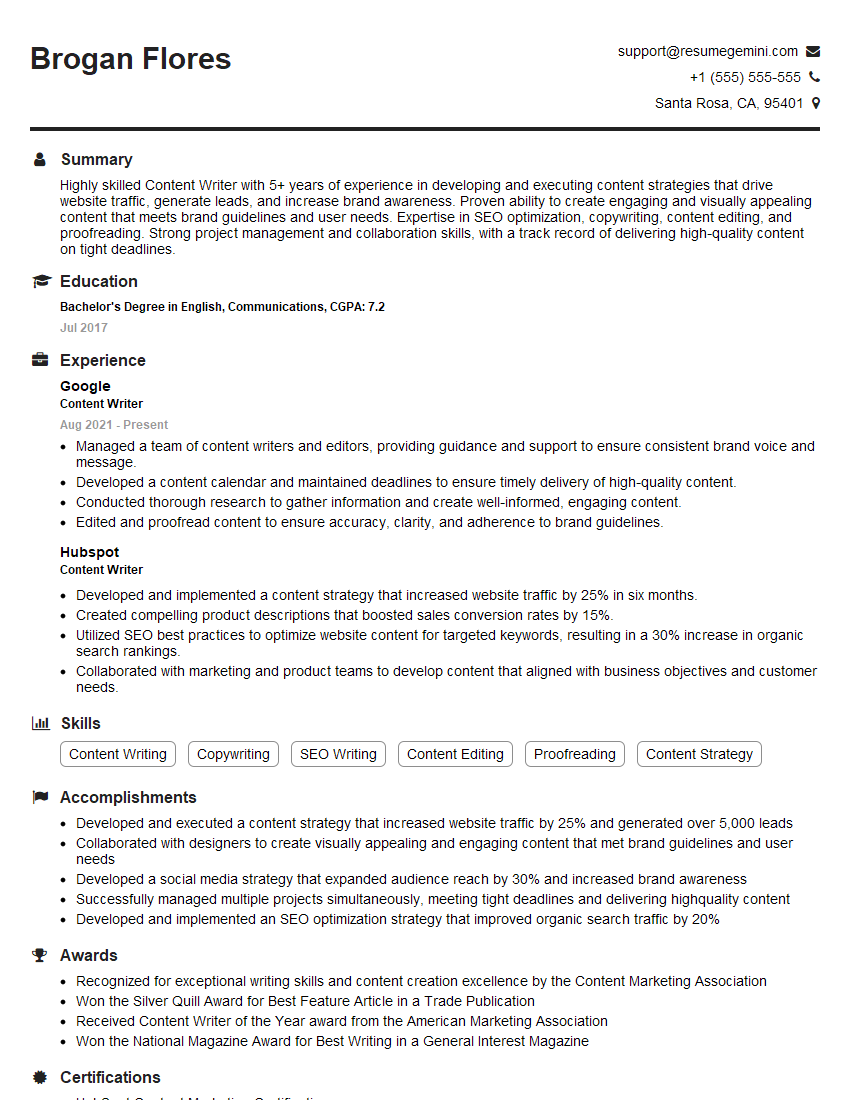
Content Writer Resume Sample
- Communications Manager
- Project Manager
- Research Associate
- Compliance Officer
- Business Analyst
- Management Consultant
- Communications Specialist
- Market Research Analyst
- Grant Writer
- Financial Analyst
- Data Analyst
- Information Analyst
- Intelligence Analyst
- Content Strategist
- Editor
- Technical Editor
- Medical Writer
- Proposal Writer
- Report Writer
- Scientific Writer
- Technical Writer
- Copywriter
- Content Writer
Explore more articles
Users Rating of Our Blogs
Share Your Experience
We value your feedback! Please rate our content and share your thoughts (optional).
What Readers Say About Our Blog
Very informative content, great job.
good