Are you ready to stand out in your next interview? Understanding and preparing for Youth and Adult Education interview questions is a game-changer. In this blog, we’ve compiled key questions and expert advice to help you showcase your skills with confidence and precision. Let’s get started on your journey to acing the interview.
Questions Asked in Youth and Adult Education Interview
Q 1. Describe your experience developing curriculum for adult learners.
Developing curriculum for adult learners requires a significantly different approach than designing curricula for younger students. Adults often come with established life experiences, diverse learning preferences, and specific goals. My approach centers around understanding the learner’s needs and context. I begin by conducting thorough needs assessments – surveys, interviews, focus groups – to identify the knowledge gaps, skill deficiencies, and learning objectives of the target audience. This informs the selection of relevant content, learning activities, and assessment methods.
For example, when developing a curriculum on financial literacy for low-income adults, I wouldn’t simply lecture on budgeting; instead, I’d incorporate case studies reflecting their real-life situations, hands-on budgeting exercises using their own hypothetical income and expenses, and opportunities for peer learning and discussion. The curriculum would also be designed to be modular, allowing learners to focus on areas most relevant to their immediate needs. Finally, I ensure the learning materials are accessible and engaging, often incorporating real-world examples and relevant technology.
Q 2. How do you adapt your teaching methods to accommodate diverse learning styles?
Accommodating diverse learning styles is paramount in adult education. I employ a multifaceted approach incorporating various teaching methods to cater to visual, auditory, and kinesthetic learners. This involves using a mix of visual aids (charts, diagrams, videos), lectures and discussions, hands-on activities, group work, and simulations. For instance, in a workshop on conflict resolution, I might use role-playing (kinesthetic), case study analysis (visual and auditory), and group discussions (auditory and social).
Furthermore, I offer varied learning materials: written handouts, audio recordings, and online resources. I encourage learners to identify their preferred learning styles and provide choices in how they engage with the material. Providing opportunities for self-directed learning through online platforms and resources further enhances this approach.
Q 3. Explain your approach to assessing student learning in an adult education setting.
Assessment in adult education should be relevant, authentic, and aligned with learning objectives. I favor a variety of assessment methods to get a holistic picture of learner progress. This can include: pre- and post-tests to gauge knowledge gains, practical application assignments that mimic real-world tasks (e.g., creating a budget, writing a business plan), case study analyses, group projects, and reflective journals.
For example, in a course on public speaking, rather than just a final exam, I might use a combination of assessments: a self-assessment of their strengths and weaknesses, peer feedback on a practice speech, and a final presentation with an audience. Feedback is always provided constructively, focusing on strengths and areas for improvement, aiming to empower learners and promote self-directed learning.
Q 4. What strategies do you employ to engage disengaged adult learners?
Engaging disengaged adult learners requires understanding the root cause of their disengagement. This often stems from lack of relevance, prior negative learning experiences, or personal circumstances. My strategy focuses on building rapport, creating a supportive learning environment, and making the learning experience relevant and meaningful.
I start by actively listening to their concerns, demonstrating empathy, and tailoring the learning experience to their needs and interests. I might incorporate real-world case studies, project-based learning that connects to their work or personal lives, and opportunities for peer interaction and collaboration. Offering flexible learning options, such as online modules or self-paced assignments, can also help increase engagement. Celebrating successes, both large and small, is crucial for building confidence and motivating continued participation.
Q 5. How do you handle challenging behaviors in the classroom?
Addressing challenging behaviors requires a proactive and empathetic approach. I strive to create a positive classroom culture where respectful communication is valued. When challenging behaviors arise, I address them privately and respectfully, aiming to understand the underlying cause.
For example, if a learner is consistently disruptive, I might schedule a one-on-one meeting to discuss their concerns and explore strategies for better managing their behavior. If the behavior is severe or persistent, I’d involve the appropriate support services. My focus remains on creating a supportive environment where all learners feel safe, respected, and valued, even when addressing challenging behaviors. Consistent application of clear classroom rules and expectations is also key.
Q 6. Describe your experience using technology to enhance learning.
Technology plays a crucial role in enhancing adult learning. I use various technological tools to enhance learning outcomes, including Learning Management Systems (LMS) like Moodle or Canvas for delivering course materials, facilitating online discussions, and tracking progress. Interactive simulations, online quizzes, and multimedia resources make learning more engaging and accessible.
For example, in a leadership training program, I might use virtual reality simulations to allow learners to practice difficult scenarios in a safe environment. I also incorporate video conferencing for guest speakers or virtual field trips. The choice of technology is always guided by its potential to enhance learning, accessibility, and engagement.
Q 7. How do you create a positive and inclusive learning environment?
Creating a positive and inclusive learning environment is fundamental to successful adult education. I foster a sense of community and respect by establishing clear expectations for respectful interaction, promoting active listening, and valuing diverse perspectives. This means creating space for learners to share their experiences and learning styles, ensuring materials are accessible to learners with disabilities, and celebrating the diversity of the group.
I actively encourage participation from all learners, making a conscious effort to involve quieter individuals and address any potential biases or power imbalances in the classroom. By celebrating achievements and building a strong sense of community, I help learners feel comfortable taking risks, sharing their ideas, and learning from each other.
Q 8. What are your strengths and weaknesses as an educator?
My greatest strength as an educator lies in my ability to build strong, positive relationships with students. I believe that a supportive and trusting environment is crucial for learning, and I work hard to create that in my classroom. I achieve this through active listening, showing genuine interest in their lives and perspectives, and providing consistent positive reinforcement. I also consider myself highly adaptable and a strong communicator, capable of adjusting my teaching style to meet the unique needs of each individual student.
However, I recognize that a potential weakness is my tendency to be a perfectionist. While striving for excellence is important, sometimes this can lead to spending too much time on minor details, potentially at the expense of broader learning goals or timely feedback. I’m actively working on managing this by prioritizing tasks and utilizing time management techniques like the Pomodoro method to improve my efficiency.
Q 9. How do you differentiate instruction to meet the needs of diverse learners?
Differentiating instruction for diverse learners is fundamental to effective teaching. It involves recognizing that students learn at different paces, have varying learning styles, and possess unique strengths and weaknesses. I approach this through a multi-faceted strategy.
- Varied Instructional Methods: I employ a blend of teaching methods such as lectures, group work, individual projects, hands-on activities, and technology integration to cater to different learning preferences. For instance, visual learners benefit from diagrams and videos, while kinesthetic learners thrive with hands-on projects.
- Flexible Grouping: I utilize various grouping strategies, including whole-class instruction, small group work, and peer tutoring, allowing students to learn from each other and receive targeted support based on their individual needs. This might involve grouping students by skill level for certain activities.
- Differentiated Assessment: Assessments aren’t one-size-fits-all. I offer varied assessment options, like oral presentations, written reports, projects, and tests, enabling students to demonstrate their understanding in ways that best suit their abilities.
- Technology Integration: Utilizing educational technology platforms allows me to provide personalized learning experiences. For example, adaptive learning software can adjust the difficulty level based on a student’s performance, ensuring they are challenged appropriately.
Ultimately, my goal is to create a learning environment where every student feels supported and challenged, regardless of their background or learning style. This often involves regular communication with students to understand their learning preferences and make adjustments accordingly.
Q 10. Explain your experience with individualized learning plans.
I have extensive experience developing and implementing Individualized Learning Plans (ILPs). These plans are crucial for students with Individual Education Programs (IEPs) or 504 plans, as well as for students who require additional support or enrichment.
The process begins with a thorough assessment of the student’s current skills, learning needs, and goals. This often involves reviewing existing assessment data, conducting observations, and collaborating with parents, other educators, and sometimes specialists.
Once a comprehensive understanding is established, the ILP is developed collaboratively. It outlines specific, measurable, achievable, relevant, and time-bound (SMART) goals. For example, a goal might be: “Student will improve reading comprehension skills by one grade level within six months, as measured by standardized reading assessments.” The ILP will then detail the strategies and interventions that will be used to help the student achieve these goals. These strategies might include specific teaching methods, assistive technologies, and accommodations. Regular monitoring and adjustments are key to ensure the ILP remains effective and relevant. Data collected through formative assessments are used to track progress and make necessary modifications to the plan. The ILP is a living document that evolves with the student’s progress.
Q 11. Describe your experience working with parents or guardians of youth learners.
Building strong partnerships with parents or guardians is paramount to a student’s success. I believe in open communication and collaboration. I regularly communicate with parents through email, phone calls, and parent-teacher conferences. I proactively share student progress, both positive and areas needing improvement.
For example, I always strive to highlight student strengths and achievements in my communications, emphasizing positive behaviors and academic progress. When addressing areas of concern, I approach the conversation with sensitivity and focus on collaborative solutions. I might share examples of strategies I’m using in the classroom and suggest ways parents can support learning at home.
I make myself accessible to parents and encourage them to share their perspectives and concerns. I believe that by working together, we can create a supportive environment that promotes the student’s overall development. This collaborative approach extends beyond just addressing challenges; it includes celebrating successes and fostering a sense of shared responsibility in the student’s educational journey.
Q 12. How do you maintain student confidentiality?
Maintaining student confidentiality is a top priority. I adhere strictly to all relevant laws and school policies regarding the privacy of student information. This means I never share student information with anyone who doesn’t have a legitimate educational need to know.
I am careful about where I discuss student matters. I avoid conversations about students in public spaces. When I need to share information with colleagues, I do so only in secure settings and I never disclose personally identifiable information without proper authorization. All student records are kept securely, both physically and digitally, following all school regulations and FERPA guidelines (Family Educational Rights and Privacy Act). I understand that breaking confidentiality could have serious consequences, and I take my responsibility very seriously.
Q 13. What methods do you use to provide effective feedback to students?
Providing effective feedback is crucial for student learning. My approach is multi-faceted and focuses on being specific, timely, and actionable. I avoid generic comments like “good job” and instead focus on providing detailed feedback that highlights both strengths and areas for improvement.
For instance, instead of saying “Your essay is good,” I might say, “Your essay demonstrates a strong understanding of the historical context, but you could strengthen your argument by providing more specific evidence from primary sources.” I might also use rubrics to provide clear expectations and make grading transparent.
I offer both written and oral feedback. I use written comments on assignments to provide detailed explanations and suggestions. Oral feedback can be used for quick corrections during class or in individual conferences to address specific concerns and questions. I also encourage self-assessment, providing opportunities for students to reflect on their work and identify areas for improvement. The overall goal is to provide feedback that is both encouraging and instructive, promoting student growth and self-regulation.
Q 14. Describe your experience with formative and summative assessment.
Formative and summative assessments are both essential components of effective teaching and learning. Formative assessment is ongoing and provides feedback during the learning process. It helps me to identify areas where students are struggling and adjust my instruction accordingly. Examples of formative assessments include: exit tickets, quizzes, class discussions, and observations of student work during in-progress assignments.
Summative assessments, on the other hand, measure student learning at the end of a unit or course. These assessments provide a summary of what students have learned and identify areas where students need further support. Examples of summative assessments include: unit tests, final exams, and major projects.
I use the data from both formative and summative assessments to inform my instruction and make necessary adjustments to improve student learning. Formative assessments help me guide my teaching in real time, while summative assessments give me a broader picture of student achievement. The combination provides a comprehensive understanding of student progress and allows for effective intervention and support.
Q 15. How do you collaborate with colleagues and other professionals?
Collaboration is the cornerstone of effective education. I believe in a multifaceted approach, fostering strong relationships with colleagues through open communication, shared planning, and mutual support. This includes:
- Regular team meetings: We discuss student progress, identify challenges, and brainstorm innovative teaching strategies. For example, recently, our team collaborated on a new curriculum for adult learners focusing on digital literacy, each member contributing their expertise in different areas.
- Mentorship and peer learning: I actively participate in mentoring new educators and learning from experienced colleagues. This peer-to-peer learning ensures continuous improvement and the sharing of best practices. I regularly observe other teachers’ classes and provide constructive feedback, while also seeking feedback on my own teaching.
- Professional development workshops and conferences: Attending these events allows me to network with professionals from various institutions and learn about cutting-edge methodologies. I often bring back new ideas and strategies from these sessions to share with my colleagues.
- Parent and community engagement: Building strong partnerships with parents and the wider community is crucial. I regularly communicate with parents, inviting their input and collaboration to support student learning at home. We’ve successfully implemented a community-based mentorship program for at-risk youth where community volunteers work alongside teachers.
Career Expert Tips:
- Ace those interviews! Prepare effectively by reviewing the Top 50 Most Common Interview Questions on ResumeGemini.
- Navigate your job search with confidence! Explore a wide range of Career Tips on ResumeGemini. Learn about common challenges and recommendations to overcome them.
- Craft the perfect resume! Master the Art of Resume Writing with ResumeGemini’s guide. Showcase your unique qualifications and achievements effectively.
- Don’t miss out on holiday savings! Build your dream resume with ResumeGemini’s ATS optimized templates.
Q 16. How do you stay current with best practices in Youth and Adult Education?
Staying current in Youth and Adult Education requires continuous professional development. I utilize several strategies to ensure I’m abreast of best practices:
- Professional journals and publications: I regularly read journals such as the Journal of Adult and Continuing Education and Educational Researcher to stay informed about research findings and new trends.
- Online courses and webinars: Platforms like Coursera and edX offer valuable courses on various aspects of education. I recently completed a course on incorporating technology in the classroom, significantly enhancing my teaching capabilities.
- Conferences and workshops: Attending conferences and workshops allows me to network with other professionals and learn about best practices from experts in the field. Last year, I attended a conference on trauma-informed teaching which significantly altered how I approached classroom management.
- Networking with colleagues: Sharing resources, discussing challenges, and learning from colleagues is vital. I participate in professional learning communities both online and offline to enhance my knowledge base.
- Following educational leaders and organizations: I actively follow thought leaders in education on social media and engage with relevant organizations like the American Association of Adult and Continuing Education (AAACE) to receive updates and resources.
Q 17. Describe a time you had to resolve a conflict in a classroom setting.
In a youth education setting, I once had a conflict between two students who were engaged in a heated argument over a group project. My approach involved:
- Creating a safe space: I separated the students to allow them to calm down before discussing the situation individually.
- Active listening: I listened to each student’s perspective without interrupting, validating their feelings and concerns. This helped them feel heard and understood.
- Identifying the root cause: I discovered the conflict stemmed from a misunderstanding regarding project responsibilities and a lack of effective communication.
- Collaborative problem-solving: I facilitated a discussion where the students worked together to find a solution. This involved creating a new project timeline, clarifying roles, and establishing communication guidelines.
- Reinforcing positive behavior: Once the conflict was resolved, I praised their collaborative effort and emphasized the importance of respectful communication.
The outcome was a successful project completion and improved relationships between the students. This experience reinforced the importance of employing active listening, empathy, and collaborative problem-solving skills in conflict resolution.
Q 18. How do you address student learning gaps?
Addressing learning gaps requires a multi-pronged approach that focuses on both assessment and individualized instruction. My strategy includes:
- Diagnostic assessment: I start by identifying the specific skills or knowledge areas where the student is struggling. This can involve using pre-tests, observations, and informal assessments.
- Differentiated instruction: Based on the assessment, I adjust my teaching to meet the individual needs of the student. This may involve providing additional support, modifying assignments, or offering alternative learning activities.
- Targeted interventions: I develop and implement specific interventions designed to address the identified learning gap. This could include one-on-one tutoring, small group instruction, or utilizing assistive technology.
- Regular monitoring and feedback: I regularly monitor the student’s progress and provide constructive feedback to guide their learning. This ensures that interventions are effective and adjustments can be made as needed.
- Collaboration with colleagues and parents: I collaborate with other educators and parents to ensure a cohesive and supportive learning environment. This teamwork allows for comprehensive support for the student’s needs.
For example, I recently worked with a student struggling with reading comprehension. Through diagnostic assessments, I identified their weakness in vocabulary. I then implemented targeted interventions including vocabulary-building activities, paired reading, and graphic organizers to support their understanding.
Q 19. What is your philosophy of education?
My philosophy of education is rooted in the belief that all learners have the potential to succeed. I strive to create a learning environment that is:
- Student-centered: Learning should be engaging and relevant to students’ lives. I incorporate student interests and real-world applications into my lessons.
- Inquiry-based: Students should be active participants in their learning, asking questions, exploring ideas, and constructing their own understanding. I encourage critical thinking and problem-solving skills.
- Collaborative: Learning is enhanced through collaboration and peer interaction. I incorporate group work, discussions, and peer teaching into my lessons.
- Inclusive: All students should feel valued, respected, and supported. I create a classroom culture that is welcoming and inclusive of diverse learners.
- Assessment-driven: Assessment should be used to inform instruction and guide learning. I use a variety of assessment methods, including formative and summative assessments, to gauge student understanding and adjust my teaching accordingly.
Essentially, my goal is to empower students to become lifelong learners who are equipped with the knowledge, skills, and critical thinking abilities necessary to succeed in their personal and professional lives.
Q 20. How do you support students’ social and emotional development?
Supporting students’ social and emotional development is integral to their academic success. My strategies include:
- Creating a positive classroom climate: I foster a classroom environment that is respectful, supportive, and inclusive. This involves establishing clear expectations for behavior, promoting positive relationships, and addressing conflicts constructively.
- Social-emotional learning (SEL) activities: I incorporate SEL activities into my lessons, such as mindfulness exercises, cooperative learning games, and discussions about social issues.
- Building relationships with students: I take the time to get to know my students individually, understanding their strengths, challenges, and interests. This builds trust and rapport, creating a safe space for them to share their feelings.
- Providing opportunities for self-reflection: I encourage students to reflect on their emotions, behaviors, and learning experiences. This helps them develop self-awareness and emotional regulation skills.
- Collaborating with families and support services: I work closely with parents and support services, such as counselors and social workers, to provide comprehensive support for students’ social and emotional needs.
For instance, we implemented a weekly ‘mindfulness moment’ in the classroom, which significantly reduced classroom disruptions and improved overall student well-being.
Q 21. Describe your experience with project-based learning.
Project-based learning (PBL) is a cornerstone of my teaching approach. I’ve found it incredibly effective in fostering deep understanding and engagement. My experience includes:
- Designing engaging projects: I design projects that are relevant to students’ lives, interests, and the curriculum. For adult learners, this might involve a project analyzing local economic trends, while for youth, it could be designing a community garden plan.
- Student-led inquiry: Students drive the learning process, formulating their own questions, researching, collaborating, and presenting their findings. This autonomy promotes critical thinking and problem-solving skills.
- Scaffolding support: I provide scaffolding, offering guidance and support throughout the project. This includes breaking down complex tasks, providing resources, and offering feedback at various stages.
- Authentic assessment: Assessment isn’t just a final grade but a continuous process integrated throughout the project. This includes peer feedback, self-reflection, and presentations, allowing for varied demonstration of understanding.
- Reflection and iteration: We dedicate time for students to reflect on the learning process, identifying strengths, weaknesses, and areas for improvement. This iterative process ensures learning is continuous and improved upon.
One successful PBL project involved adult learners developing a marketing plan for a local small business. The students not only learned marketing principles but also gained valuable real-world experience, enhancing their employability skills.
Q 22. How do you use data to inform your instructional decisions?
Data plays a crucial role in shaping my instructional decisions. I use data both formatively and summatively to understand student learning and adjust my teaching strategies accordingly. Formative assessment data, such as quizzes, exit tickets, and informal observations, provides real-time feedback on student understanding. This allows me to identify areas where students are struggling and immediately adapt my instruction, perhaps by re-explaining a concept, providing additional practice, or differentiating activities.
Summative assessment data, such as unit tests and final exams, provides a broader picture of student learning outcomes. Analyzing this data helps me identify overall strengths and weaknesses in my teaching and curriculum. For example, consistently low scores on a particular topic might indicate a need to revise my lesson plans, incorporate different teaching methods, or provide additional resources. I often use tools like learning management systems (LMS) to track student progress and analyze data trends, which can be visualized through graphs and charts to quickly identify patterns. This allows for data-driven decision making which is essential for effective teaching and improved student outcomes.
Q 23. What is your approach to classroom management?
My approach to classroom management is built on a foundation of respect, clear expectations, and positive reinforcement. I believe in creating a classroom environment where students feel safe, supported, and engaged. This starts with establishing clear classroom rules and procedures at the beginning of the year, collaboratively created whenever possible. These are not just arbitrary rules, but rather guidelines designed to foster a productive learning environment. I communicate these rules clearly and consistently, and reinforce positive behaviors through verbal praise, positive notes home, or small rewards.
I also proactively address minor disruptions before they escalate. This might involve a quiet word with a student, redirecting their attention to the lesson, or providing them with a different task. For more serious infractions, I use a tiered system of consequences, always aiming for restorative practices and focusing on teaching the student how to make better choices. Ultimately, my goal is to create a classroom where students feel empowered to take responsibility for their learning and behavior.
Q 24. How do you ensure all students feel safe and respected in your classroom?
Ensuring all students feel safe and respected is paramount. This requires a multifaceted approach. Firstly, I create a classroom culture of empathy and respect by actively modeling inclusive behavior and consistently celebrating diversity. This includes using inclusive language, ensuring representation in curriculum materials, and actively addressing any instances of bias or discrimination. I make it clear that bullying, harassment, or any form of disrespect will not be tolerated.
Secondly, I build strong relationships with students by getting to know them individually, understanding their backgrounds, learning styles, and challenges. This fosters a sense of trust and belonging. I provide a safe space for students to express themselves and share their concerns without fear of judgment. Open communication and regular check-ins are essential for identifying and addressing any issues promptly. I also ensure that all students have equitable access to resources and support, working closely with parents, administrators, and other support staff when needed.
Q 25. How do you promote critical thinking skills in your students?
Promoting critical thinking skills is central to my teaching philosophy. I achieve this by incorporating various strategies into my lessons. Instead of simply presenting information, I encourage students to question, analyze, evaluate, and synthesize information. This includes using open-ended questions that encourage higher-order thinking, such as ‘Why?’ ‘How?’ and ‘What if?’
I regularly engage students in activities that require them to analyze data, solve problems, and make informed decisions. For instance, I might use case studies, debates, or simulations to challenge their assumptions and encourage critical analysis. I also incorporate activities that promote collaboration and peer learning, as this helps students to articulate their thinking and learn from each other. Constructive feedback is essential, focusing not just on the right answers, but also on the reasoning behind them.
Q 26. What are some common challenges faced in Youth and Adult Education, and how would you address them?
Youth and adult education present unique challenges. One common challenge is addressing diverse learning styles and needs within a single classroom. Adults, for instance, may have varying levels of prior knowledge, different learning preferences, and competing commitments outside of the classroom. With youth, developmental stages and varying maturity levels add to the complexity. To address this, I use differentiated instruction, tailoring my teaching methods and materials to meet the individual needs of each learner.
Another challenge is maintaining engagement, especially with adult learners who may have limited time or be less accustomed to formal learning environments. To counter this, I incorporate interactive learning activities, real-world applications, and opportunities for collaboration. Creating a supportive and inclusive learning environment where all learners feel valued and respected is also key. Finally, access to resources and technology can be a significant challenge, particularly in underserved communities. Addressing this requires advocacy for equitable resource allocation and finding creative solutions to bridge the digital divide.
Q 27. Describe your experience with creating and managing budgets for educational programs.
I have extensive experience in creating and managing budgets for educational programs. This involves careful planning, resource allocation, and financial accountability. I begin by clearly defining the program goals and objectives, which helps determine the necessary resources and associated costs. Then, I develop a detailed budget, outlining all anticipated expenses, such as instructor fees, materials, technology, and facility rental. This budget is often broken down into categories for easier tracking and analysis.
I regularly monitor expenditures against the budget, identifying any potential variances and taking corrective action as needed. This process involves careful record-keeping and the use of budgeting software to track income and expenses. Transparency is crucial, and I frequently report on budget performance to stakeholders, ensuring accountability and providing updates on any changes or adjustments. Seeking grant funding and exploring cost-effective solutions are also part of my approach to responsible budget management.
Q 28. How do you measure the effectiveness of your teaching and training programs?
Measuring the effectiveness of my teaching and training programs involves a combination of quantitative and qualitative data. Quantitative data includes assessment scores, attendance rates, and completion rates, providing objective measures of student learning and program participation. I analyze this data to identify areas of strength and weakness and track overall program effectiveness over time.
Qualitative data is equally important, offering a deeper understanding of student learning experiences. This includes gathering feedback through surveys, interviews, and focus groups, providing insights into student satisfaction, perceived learning gains, and areas for improvement. Observing students during lessons and analyzing their work can also offer valuable insights. By combining both quantitative and qualitative data, I get a comprehensive picture of program effectiveness and can make informed decisions about future program development and improvement.
Key Topics to Learn for Youth and Adult Education Interview
- Learning Theories and Pedagogical Approaches: Understanding different learning styles (visual, auditory, kinesthetic), andragogy (adult learning principles), and various teaching methodologies (e.g., experiential learning, project-based learning, collaborative learning) is crucial. Consider how these theories translate into practical classroom management and lesson planning.
- Curriculum Development and Assessment: Explore the process of designing engaging and effective curricula aligned with learning objectives. This includes selecting appropriate learning materials, creating assessments that accurately measure student progress, and adapting curriculum to diverse learners’ needs. Practice outlining a sample curriculum and assessment plan.
- Diversity, Equity, and Inclusion (DEI): Demonstrate a strong understanding of DEI principles and their application in the classroom. This involves creating inclusive learning environments, addressing bias, and catering to the diverse needs of students from various backgrounds and abilities. Prepare examples of how you’ve fostered inclusive learning or addressed challenging situations related to diversity.
- Classroom Management and Behavior Strategies: Effective classroom management is essential. Review various strategies for creating a positive and productive learning environment, addressing challenging behaviors, and fostering student engagement. Be ready to discuss your preferred approaches and how you adapt them to different age groups and learning contexts.
- Technology Integration in Education: Explore how technology can enhance teaching and learning. This includes using educational software, online platforms, and digital tools to create interactive and engaging learning experiences. Be prepared to discuss your experience with educational technology and its effective integration into your teaching practices.
- Professional Development and Collaboration: Highlight your commitment to continuous professional growth and collaboration with colleagues. Discuss your experience with professional development activities, mentoring, or collaborative projects. Demonstrate your ability to learn and adapt to new educational trends and research.
Next Steps
Mastering Youth and Adult Education principles is key to a rewarding and successful career, opening doors to diverse roles and opportunities for professional growth. An ATS-friendly resume is crucial for maximizing your job prospects. To create a compelling resume that showcases your skills and experience effectively, we highly recommend using ResumeGemini. ResumeGemini provides a user-friendly platform to build a professional resume and offers examples of resumes tailored specifically to Youth and Adult Education, helping you present yourself confidently to potential employers.
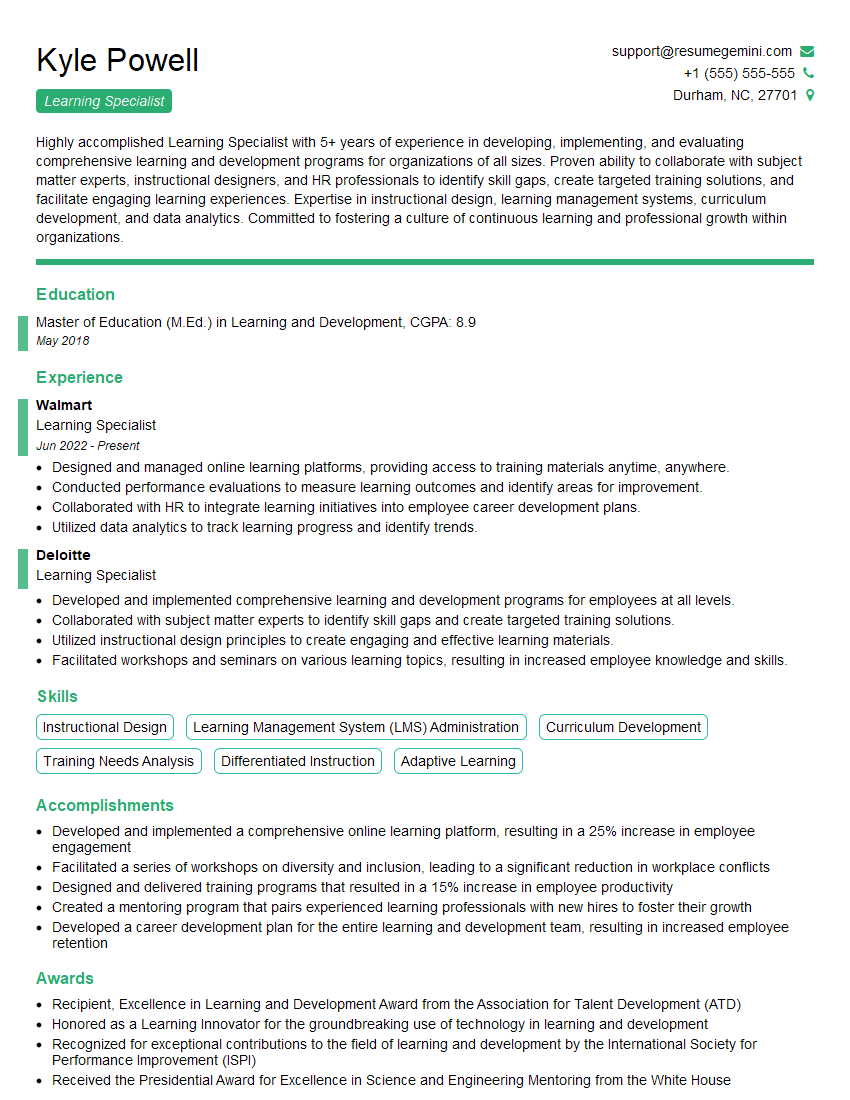
Learning Specialist Resume Sample
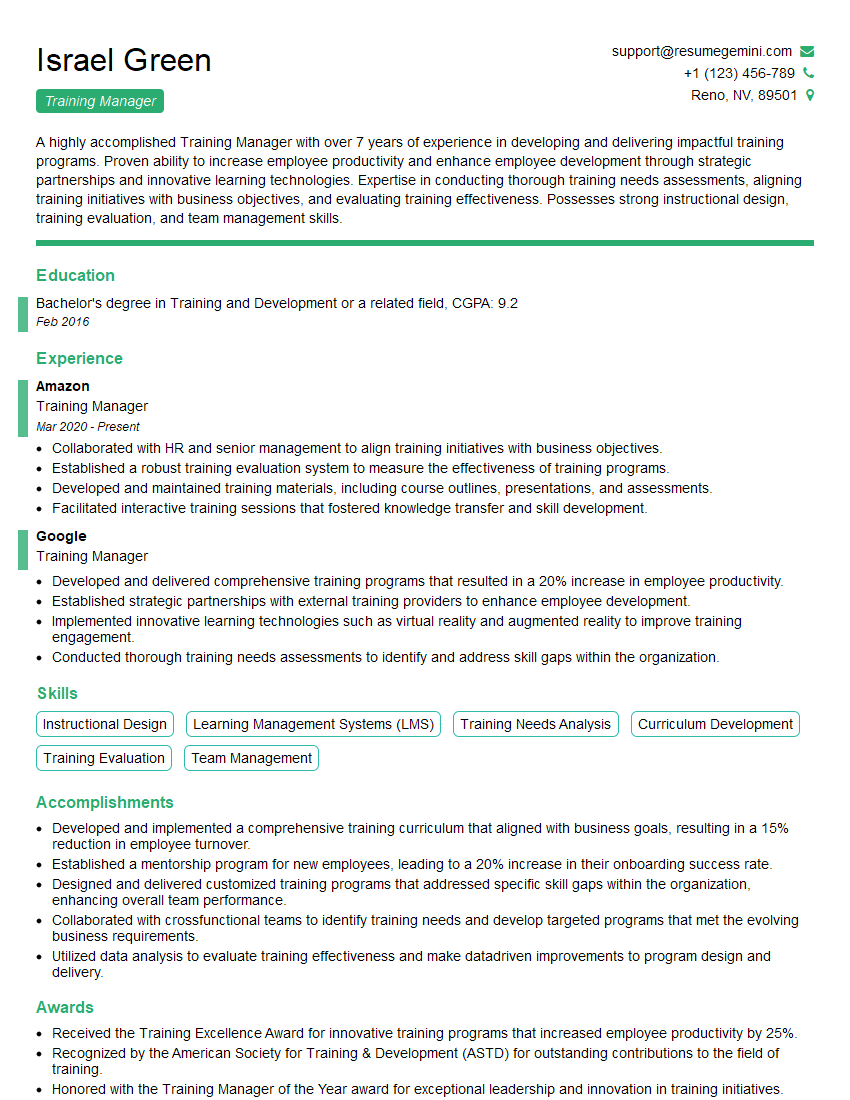
Training Manager Resume Sample
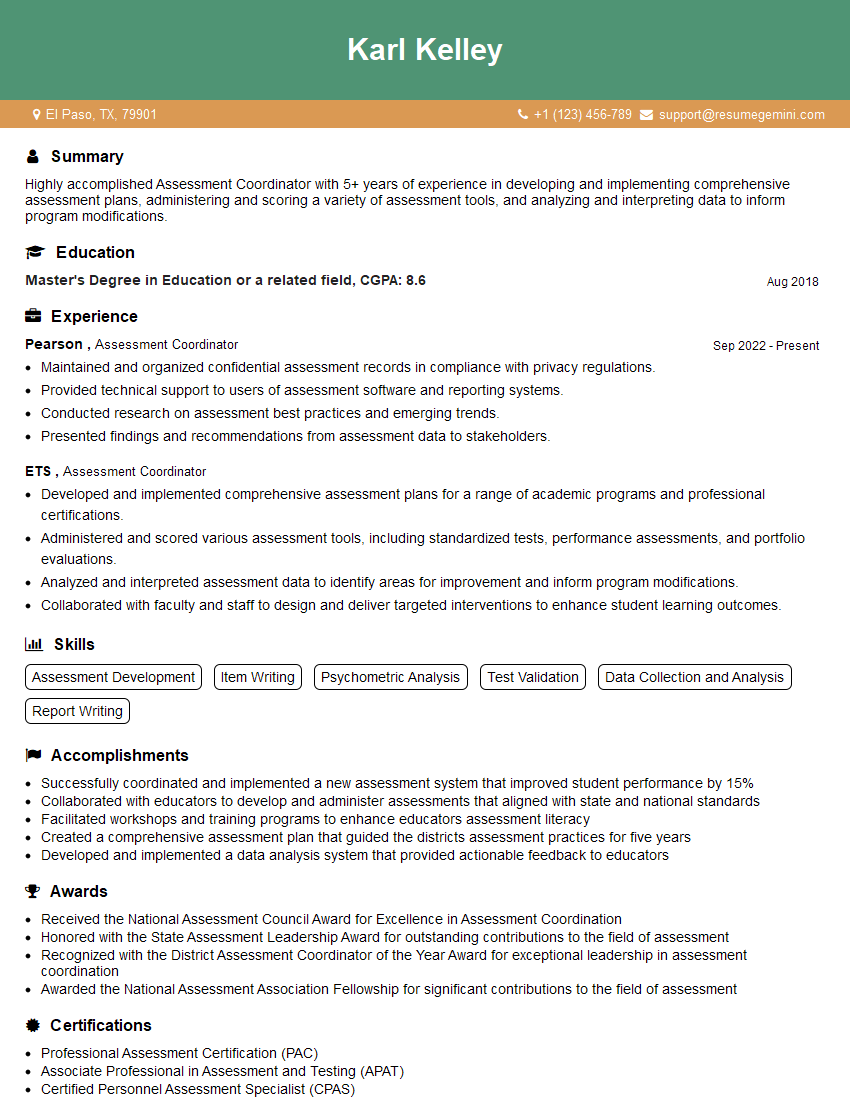
Assessment Coordinator Resume Sample
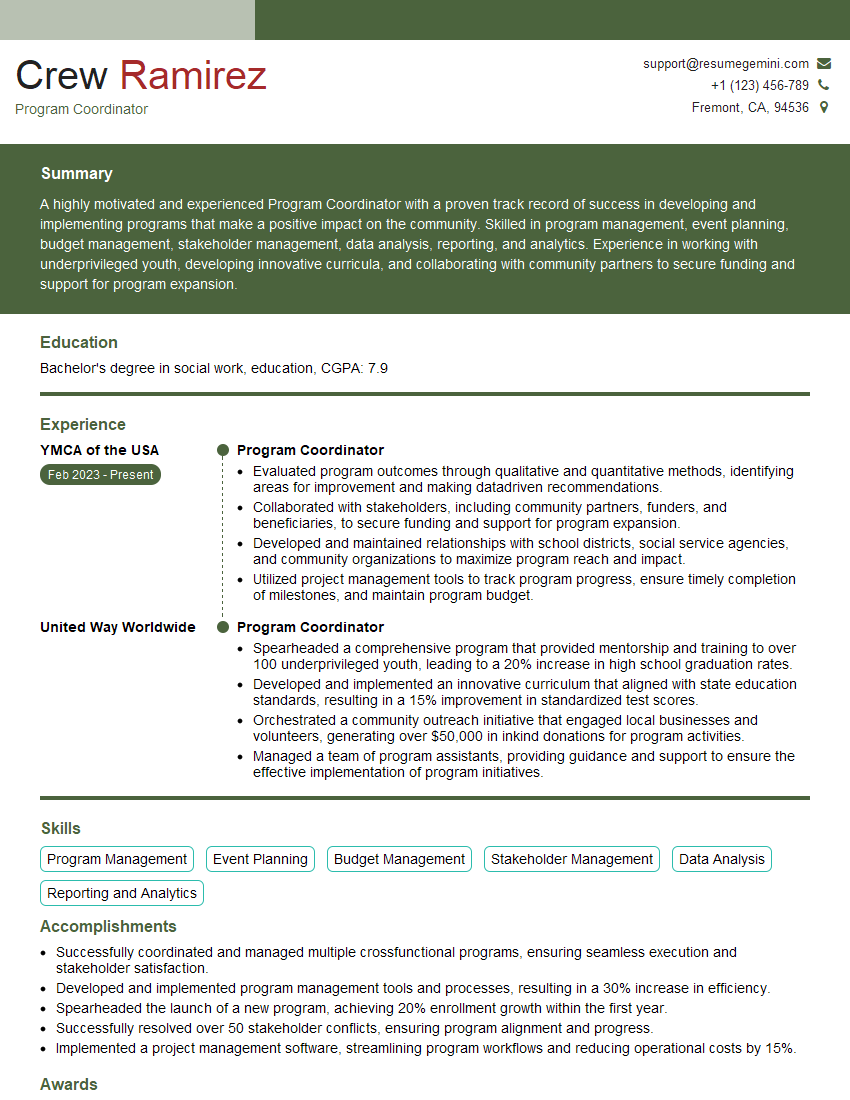
Program Coordinator Resume Sample
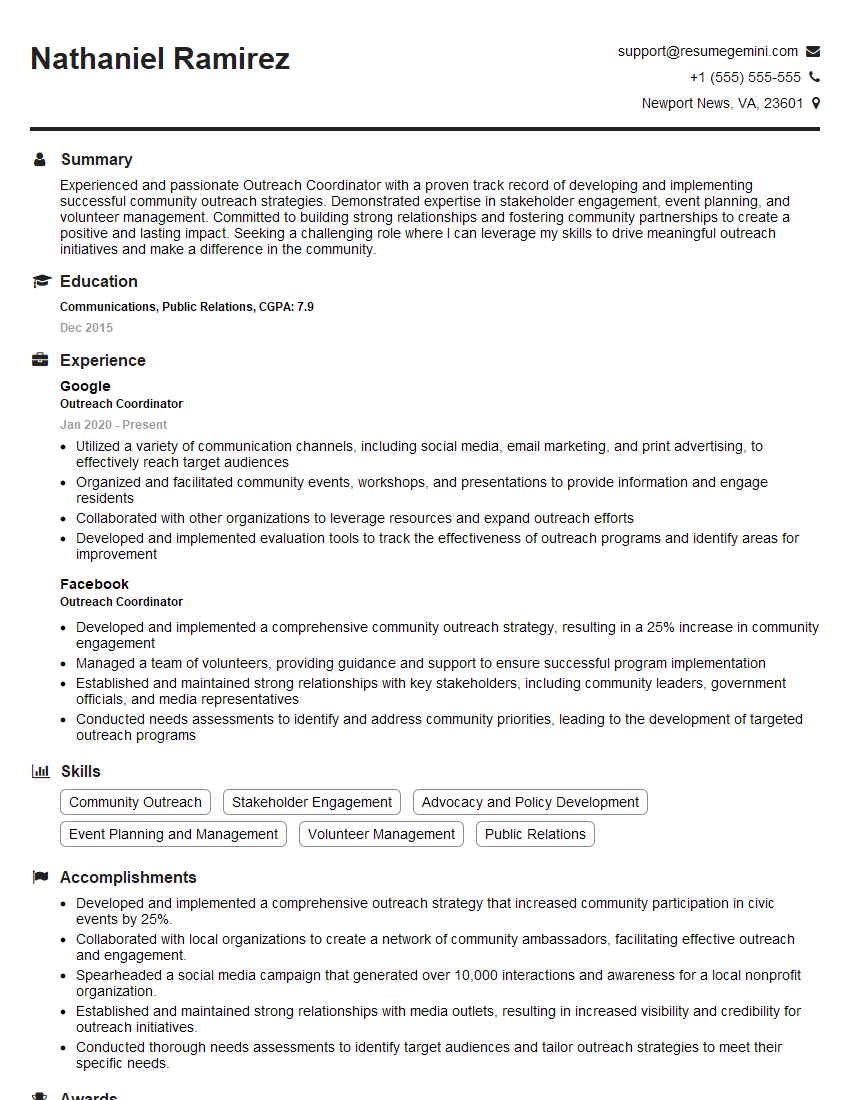
Outreach Coordinator Resume Sample
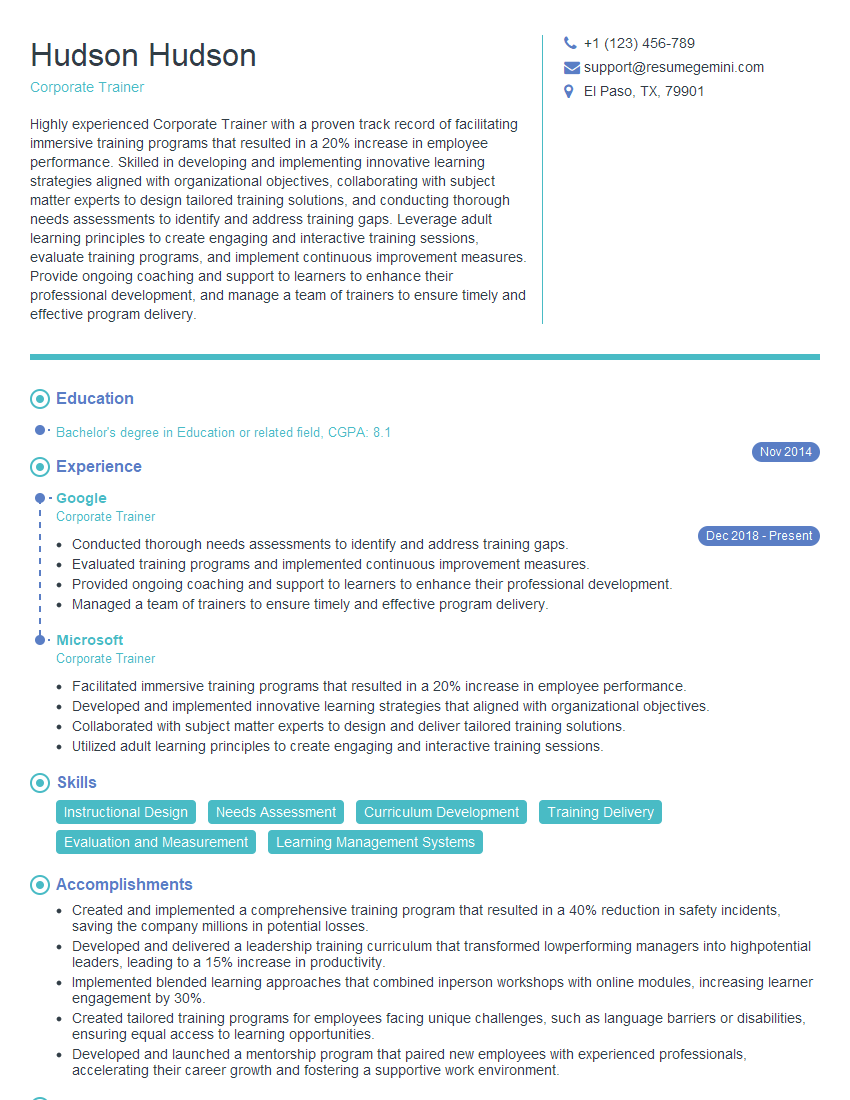
Corporate Trainer Resume Sample

Curriculum Developer Resume Sample
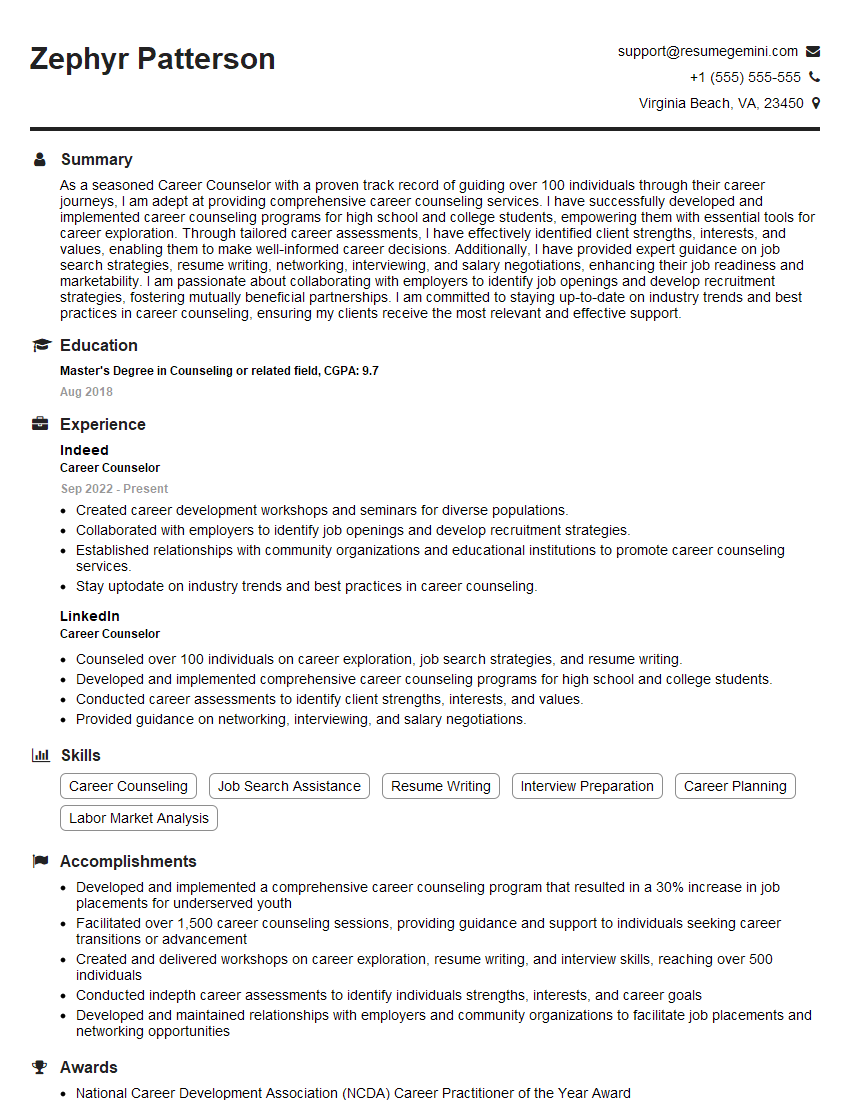
Career Counselor Resume Sample

Life Skills Coach Resume Sample
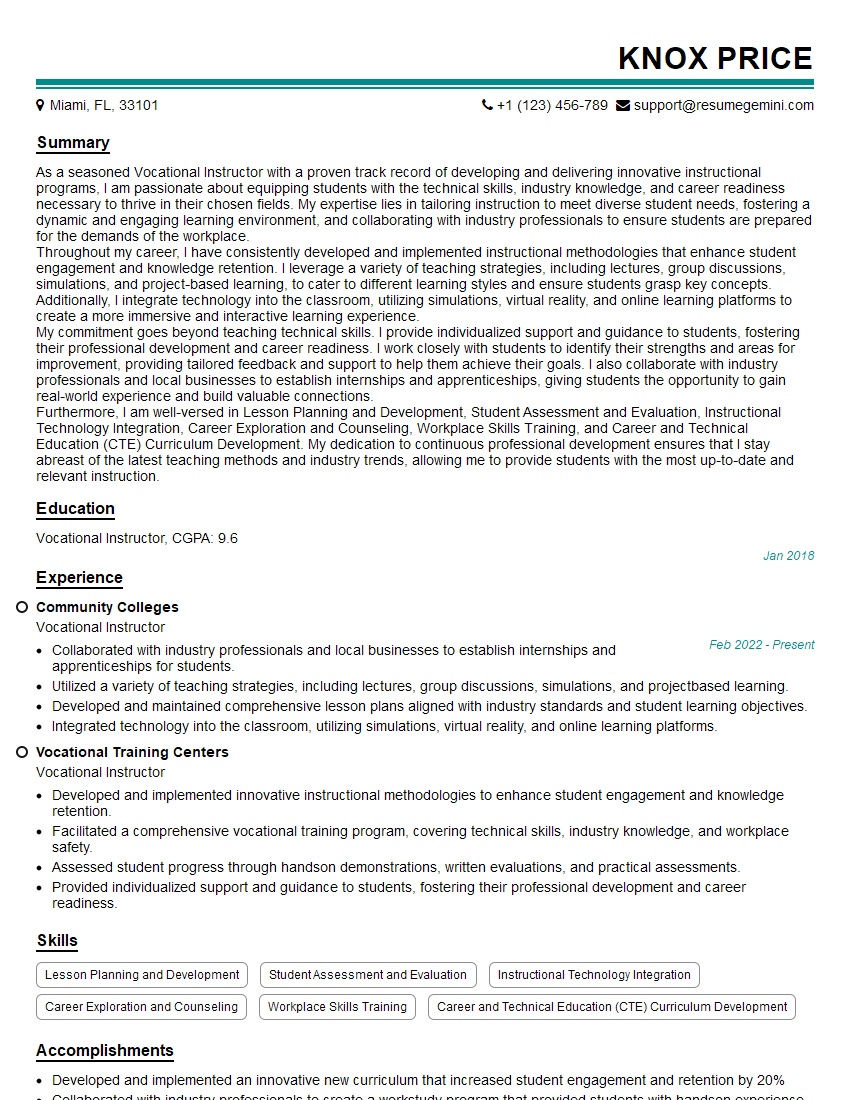
Vocational Instructor Resume Sample

Adult Education Instructor Resume Sample

Tutor Resume Sample
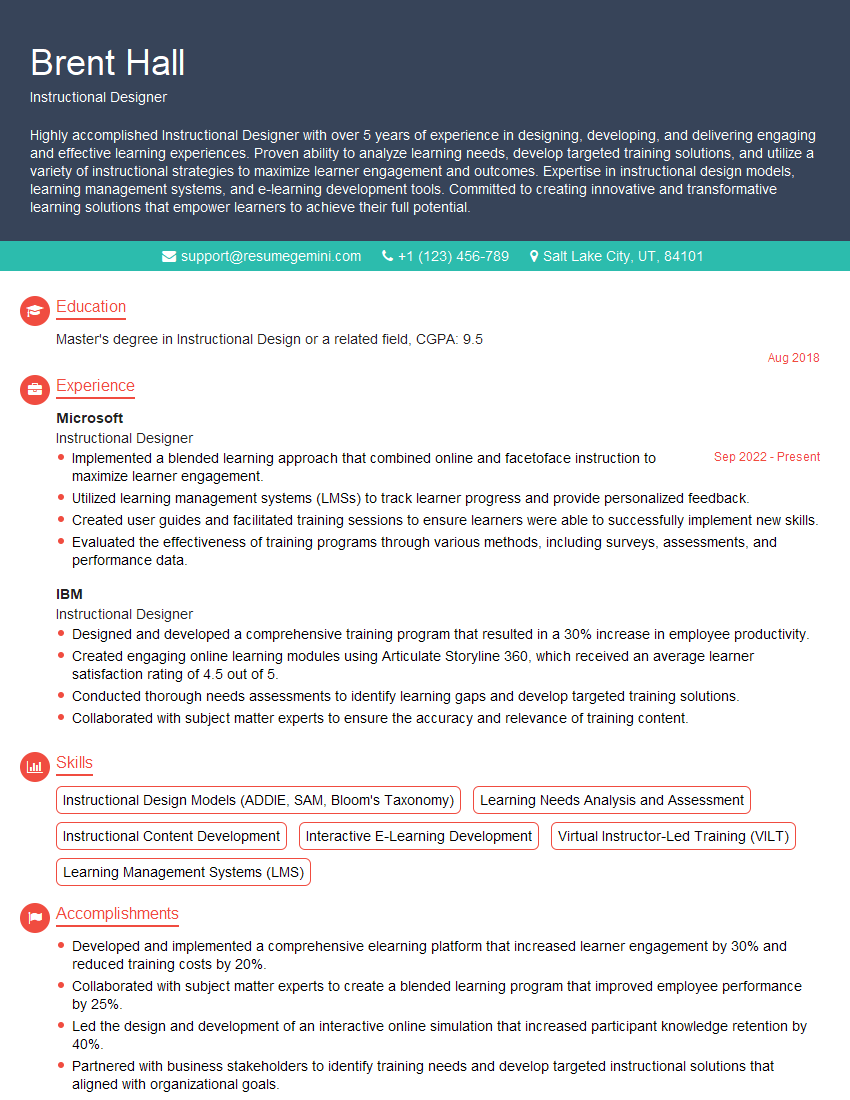
Instructional Designer Resume Sample

Educational Technologist Resume Sample
Explore more articles
Users Rating of Our Blogs
Share Your Experience
We value your feedback! Please rate our content and share your thoughts (optional).
What Readers Say About Our Blog
Very informative content, great job.
good