Every successful interview starts with knowing what to expect. In this blog, we’ll take you through the top Experience in Troubleshooting and Diagnosing Engine Issues interview questions, breaking them down with expert tips to help you deliver impactful answers. Step into your next interview fully prepared and ready to succeed.
Questions Asked in Experience in Troubleshooting and Diagnosing Engine Issues Interview
Q 1. Describe your experience diagnosing engine misfires.
Diagnosing engine misfires involves a systematic approach. A misfire occurs when one or more cylinders fail to ignite properly, leading to rough running, decreased power, and potentially a check engine light. My process begins with a thorough visual inspection, looking for obvious issues like loose or damaged spark plug wires, cracked spark plugs, or vacuum leaks. I then utilize a diagnostic scan tool to retrieve trouble codes (DTCs) which often pinpoint the affected cylinder(s). These codes provide clues, but I don’t solely rely on them.
Next, I perform a compression test to check the cylinder pressure. Low compression in a specific cylinder indicates potential issues with the valves, piston rings, or head gasket. Further investigation might involve inspecting the spark plugs for signs of fouling or damage – a wet, black spark plug might suggest a fuel delivery problem, while a white, chalky plug indicates overheating. Finally, I’d check the ignition system, including the coil packs and ignition control module, ensuring they’re delivering sufficient spark. A recent case involved a misfire in a customer’s vehicle; the scan tool indicated a misfire in cylinder 3. A compression test revealed low compression in that cylinder, and visual inspection uncovered a burnt exhaust valve. Replacing the valve resolved the misfire.
Q 2. How do you troubleshoot a loss of engine power?
Loss of engine power is a broad symptom with numerous potential causes. My diagnostic strategy focuses on systematically eliminating possibilities. I start by asking the customer about the circumstances – was the power loss gradual or sudden? Did any warning lights illuminate? These details help narrow the field. A sudden power loss often points to a fuel delivery or ignition problem, whereas a gradual decline might indicate a more mechanical issue.
My next step is to use a scan tool to read DTCs. Codes related to fuel injectors, mass airflow sensor (MAF), throttle position sensor (TPS), or catalytic converter can all contribute to power loss. I’d also check fuel pressure using a gauge. Low fuel pressure immediately indicates a problem within the fuel system. If fuel pressure is fine, I might examine the air intake system for restrictions (dirty air filter, blocked intake). Low compression or vacuum leaks can also lead to significant power loss. A faulty MAF sensor, for example, can cause a rich or lean fuel mixture, resulting in decreased power. I meticulously inspect each component, testing sensors and verifying the integrity of various systems. For example, I once addressed a situation where a faulty camshaft position sensor caused a significant power loss— replacing the sensor completely restored engine performance.
Q 3. Explain the process of diagnosing a rough idle.
A rough idle is characterized by uneven engine operation at idle speed, often accompanied by vibrations. This is often indicative of issues within the ignition, fuel delivery, or vacuum systems. My approach starts with a visual inspection – are there any visible vacuum leaks? Then I’d use a scan tool to identify any relevant DTCs. Common codes may point toward issues with the throttle position sensor, mass airflow sensor, or individual ignition components.
A further step would be to check for vacuum leaks using a smoke machine, which will help visualize any air escaping from the system. I’d also perform a test to measure the idle air control (IAC) valve function. A malfunctioning IAC valve can cause inconsistent idle speed. I’d also inspect the throttle body for buildup of dirt or carbon deposits that could hinder smooth operation. Furthermore, I would inspect the spark plugs for signs of wear or fouling; worn-out plugs can significantly affect idle quality. Lastly, a compression test may be necessary, ruling out mechanical issues in cylinders that might contribute to a rough idle. For instance, I solved a rough idle problem in a client’s car by simply cleaning a heavily soiled throttle body, restoring smooth operation without needing any further repairs.
Q 4. What are the common causes of overheating engines?
Overheating engines are a serious concern, potentially leading to significant damage. The most common causes can be grouped into several categories:
- Cooling System Problems: Low coolant levels (due to leaks, improper maintenance), a faulty water pump (failing to circulate coolant efficiently), a clogged radiator (restricting coolant flow), a malfunctioning thermostat (failing to regulate coolant temperature), or a faulty radiator cap (preventing proper pressure build-up).
- Mechanical Issues: A failing head gasket (allowing coolant to mix with oil or enter the combustion chamber), a cracked engine block or cylinder head (allowing coolant to escape), or problems with the timing chain or belt leading to inefficient combustion and subsequent heat generation.
- Electrical Issues: Malfunctioning cooling fans (incapable of drawing sufficient airflow for cooling).
Effective diagnosis involves checking coolant levels, inspecting hoses and clamps for leaks, testing the radiator cap pressure, verifying the function of the water pump and thermostat, and examining the cooling fans’ operation.
Q 5. How do you diagnose and repair a leaking head gasket?
Diagnosing a leaking head gasket requires a thorough examination. Initial signs often include white smoke from the exhaust (indicating coolant entering the combustion chamber), milky oil (coolant mixing with engine oil), loss of coolant, and overheating. A compression test and leak-down test can reveal if a head gasket is the culprit; low compression in specific cylinders and air escaping through the coolant system can confirm a leak.
For diagnosis, a pressure test on the cooling system can pinpoint leaks. Sometimes, a simple visual inspection will show signs of coolant leakage around the cylinder head. The repair process usually involves removing the cylinder head, inspecting it for warping or cracks, replacing the head gasket, and carefully resealing the cylinder head to the engine block. This procedure requires specialized tools and knowledge of engine mechanics. It’s critical to ensure the cylinder head is properly resurfaced (machined flat) before installing the new gasket. Failure to do so could lead to a recurring leak. Repairing a leaking head gasket is a complex process requiring expertise and precision to restore the engine to its proper function.
Q 6. Describe your experience using diagnostic scan tools.
I am proficient in using a wide range of diagnostic scan tools, from basic OBD-II scanners to more advanced equipment capable of accessing manufacturer-specific data. My experience includes interpreting data streams, performing active tests (e.g., actuating components like solenoids), and clearing trouble codes. I regularly utilize scan tools to retrieve diagnostic trouble codes (DTCs), monitor live sensor data (engine speed, coolant temperature, fuel trim, etc.), and analyze various engine parameters. This allows for efficient identification of problems, avoiding time-consuming guesswork. I’ve worked with tools from various manufacturers, adapting my approach based on the specific features and capabilities of each device. My familiarity with different protocols and software ensures I can accurately read data from diverse vehicle makes and models.
Q 7. How do you interpret diagnostic trouble codes (DTCs)?
Diagnostic Trouble Codes (DTCs) are numeric codes stored in a vehicle’s onboard computer (ECM/PCM). They are generated when a sensor or system detects a malfunction. Interpreting DTCs involves understanding their format and using repair manuals or online resources to determine the specific problem they indicate. Each code has a specific meaning, indicating the affected system and the nature of the fault. For example, a P0171 code typically indicates a lean fuel condition in bank 1, suggesting a potential problem with the air/fuel mixture. P0300 might indicate a random misfire, while a P0123 code would refer to a throttle position sensor malfunction.
I always cross-reference DTCs with my own diagnostics. A code might point toward a particular component, but it doesn’t always tell the entire story. For example, a code for a faulty oxygen sensor might be caused by another underlying issue like an air leak. I use the codes as starting points in my diagnostic process, combining them with observations, measurements, and tests to arrive at an accurate diagnosis. I find having a good understanding of the vehicle’s systems and how they interact to be crucial for interpreting DTCs correctly and efficiently resolving the root cause.
Q 8. What are the common causes of engine knocking?
Engine knocking, that sharp metallic rapping sound, is usually caused by uncontrolled explosions in the combustion chamber. Think of it like tiny explosions happening prematurely or in the wrong place. This can be attributed to a few key culprits:
- Detonation: This occurs when the air-fuel mixture ignites spontaneously before the spark plug fires. High compression ratios, advanced ignition timing, lean fuel mixtures, or low-octane fuel are common causes. Imagine it like lighting a fuse too early – the explosion is uncontrolled and damaging.
- Pre-ignition: Similar to detonation, but the ignition source is something other than the spark plug, like hot carbon deposits on the piston or a glowing component in the combustion chamber. It’s like having a second, unexpected spark.
- Mechanical Issues: Worn bearings, connecting rods, or piston slap can also contribute to knocking sounds. These are more of a rhythmic ‘clatter’ rather than a sharp rap.
Diagnosing requires listening to the knock’s frequency and intensity, checking the fuel type, and potentially performing a compression test to rule out mechanical problems. The solution depends on the cause – adjusting ignition timing, using higher-octane fuel, or, in severe cases, engine rebuild.
Q 9. Explain the process of diagnosing and repairing a blown engine.
Diagnosing a blown engine is a systematic process, starting with a visual inspection to identify external damage like cracks in the block or head. Then comes the internal assessment, which often involves removing the engine for a more thorough examination.
I’d start with a compression test, checking each cylinder for leaks, then proceed to a leak-down test for a more detailed analysis of where the compression is escaping (past piston rings, valves, etc.).
Once the damage extent is clear – a cracked block might require engine replacement, while a blown head gasket needs only a gasket replacement and head resurfacing – we can plan the repair. This could include replacing pistons, connecting rods, bearings, or the entire engine depending on the extent of the damage. If we discover the problem originated with a failed component, like a faulty oil pump, that needs to be corrected before reassembly.
Reassembly is meticulous; precise torque specifications must be followed, and proper sealing is critical to avoid future problems. A final functionality test ensures everything runs smoothly.
Q 10. How do you diagnose and repair a faulty fuel injector?
Diagnosing a faulty fuel injector involves several steps. I’d begin with a visual inspection, checking for leaks or damage. Then comes a functionality test – we can use a fuel pressure gauge to check for adequate fuel pressure, and a specialized tool or scan tool to check the injector’s pulse width and spray pattern. A clogged or malfunctioning injector will either not inject fuel or inject it unevenly.
There are several ways to approach the repair. Sometimes, a simple cleaning with an injector cleaner can resolve the issue. However, if the injector is severely damaged or clogged, it may need to be replaced. Replacing the injector requires disconnecting the fuel line, electrical connector, and carefully removing and installing the new injector. Post-repair, it is essential to reset any fault codes stored in the car’s computer and ensure proper functioning before sending the car back to the customer.
Q 11. Describe your experience with engine compression testing.
Engine compression testing is a fundamental diagnostic procedure I regularly perform. It’s a straightforward process that provides valuable insight into the health of the engine’s cylinders. I use a compression tester, which is a tool that measures the pressure in each cylinder when the piston is at its top dead center (TDC). It tells us how well the cylinder is sealing.
Low compression in a cylinder often indicates issues like worn piston rings, leaky valves, or a blown head gasket. For example, I once diagnosed a persistent misfire with significantly low compression in one cylinder. The leak-down test later confirmed a worn piston ring, allowing us to isolate and resolve the problem effectively. By identifying cylinder-specific problems via compression testing, we can avoid unnecessary repairs and address the root cause quickly.
Q 12. How do you diagnose and repair a faulty ignition system?
Diagnosing a faulty ignition system is like solving a puzzle. It’s a system of interdependent components; a problem in one area can affect others. The process typically involves a systematic approach: I first check the battery voltage and ensure a good connection to the starter motor.
Next, I move to the ignition coil, verifying it’s delivering the required high voltage. This involves using a multimeter to check for proper resistance and spark. Then comes the ignition control module (or ECU), which I examine using a scan tool to check for fault codes, particularly those related to misfires or ignition timing issues. I would test each ignition wire’s continuity to ensure there are no shorts or breaks.
If a component fails, replacement is necessary. It is crucial to always replace parts with OEM-approved components and reset any stored fault codes after the repair. Careful diagnosis often saves time and money by pinpointing the exact problem area instead of replacing parts unnecessarily.
Q 13. What are the common causes of excessive engine oil consumption?
Excessive oil consumption is a common engine problem with several potential causes. Imagine your engine as a finely tuned machine; if oil is leaking or being burnt, it’s not functioning as designed.
- Worn Piston Rings: These are responsible for sealing the combustion chamber and preventing oil from entering. Worn rings allow oil to slip past into the combustion chamber, where it’s burned.
- Valve Stem Seals: These seals prevent oil from leaking down the valve stems. If these are worn or damaged, oil can enter the combustion chamber.
- Leaking Oil Seals: These seals prevent oil from leaking from various engine components. A leak, either internal or external, will cause oil consumption.
- PCV Valve Issues: The positive crankcase ventilation (PCV) system vents gases from the crankcase. A malfunctioning PCV valve can lead to increased oil consumption.
Diagnosing the exact cause requires a thorough examination – checking for leaks, performing a compression test, and possibly a cylinder leak-down test to pinpoint the source of the problem. The solution ranges from replacing worn seals and rings to more extensive repairs.
Q 14. Explain your process for diagnosing and repairing a failing starter motor.
Troubleshooting a failing starter motor begins with a visual inspection. I’d check the battery connections for corrosion or looseness. Then I’d move to the starter motor itself, checking for obvious signs of damage or wear.
I usually perform a voltage drop test to check the voltage at the starter motor’s terminals and at the battery terminals when the starter is engaged. A significant voltage drop indicates a problem with the wiring or the starter itself. A faulty starter can have various problems: it may not engage, make clicking noises, or crank slowly.
Testing the starter solenoid is crucial; often, a simple tap can help restart it, suggesting a faulty solenoid that needs to be replaced. If the problem lies within the starter motor itself, it often necessitates replacement. A replacement should always involve a thorough cleaning of the terminals, ensuring the battery connection is secure and checking the starter motor’s functionality once replaced.
Q 15. How do you troubleshoot and repair a faulty alternator?
Troubleshooting a faulty alternator involves a systematic approach. First, you need to identify the symptoms. Common signs include dim headlights, a battery warning light, and electrical accessories malfunctioning. A simple voltage test at the battery terminals with the engine running is the next step. A healthy alternator should produce around 13.5-14.5 volts. Lower voltage indicates a problem.
If the voltage is low, visually inspect the alternator’s drive belt for wear or slippage. A slipping belt prevents the alternator from spinning properly. Next, check the alternator’s connections for corrosion or looseness. Clean and tighten them if necessary. You might also test the alternator’s output using a multimeter directly on the alternator’s terminals.
If the problem persists after these checks, the alternator itself might be faulty and require replacement. This usually involves removing the alternator from the engine, usually requiring belt removal, and installing the new unit. It’s important to follow the vehicle’s specific repair manual for proper installation and torque specifications. Incorrect installation can lead to further damage.
Career Expert Tips:
- Ace those interviews! Prepare effectively by reviewing the Top 50 Most Common Interview Questions on ResumeGemini.
- Navigate your job search with confidence! Explore a wide range of Career Tips on ResumeGemini. Learn about common challenges and recommendations to overcome them.
- Craft the perfect resume! Master the Art of Resume Writing with ResumeGemini’s guide. Showcase your unique qualifications and achievements effectively.
- Don’t miss out on holiday savings! Build your dream resume with ResumeGemini’s ATS optimized templates.
Q 16. Describe your experience working with different types of engine management systems.
My experience encompasses a wide range of engine management systems, from older, simpler carburettor systems to modern, sophisticated electronic systems like those using OBD-II (On-Board Diagnostics II). I’m proficient in interpreting diagnostic trouble codes (DTCs) generated by these systems. These codes provide valuable clues about the root cause of engine issues.
I’ve worked extensively with systems utilizing various sensors, including mass airflow sensors (MAF), throttle position sensors (TPS), oxygen sensors (O2), and crankshaft position sensors (CKP). Understanding how these sensors work and interact is crucial for effective diagnostics. For example, a faulty MAF sensor can lead to a rich or lean fuel mixture, resulting in poor engine performance or even misfires.
I’m also experienced with various engine control unit (ECU) programming and calibration. This includes adapting the engine’s performance parameters to different conditions and fuel types, ensuring optimal operation and efficiency. My experience spans both domestic and import vehicles, giving me a broad understanding of the various technological approaches and solutions used across different manufacturers.
Q 17. How do you diagnose and repair a vacuum leak?
Diagnosing a vacuum leak requires a methodical approach. Vacuum leaks disrupt the engine’s air/fuel mixture, leading to poor performance, rough idling, and reduced power. The first step is to listen carefully for hissing sounds near the engine, especially when the engine is running. This can help pinpoint the location of the leak.
A smoke test is a very effective method for pinpointing small leaks. A smoke machine introduces non-combustible smoke into the intake system. The escaping smoke visually reveals the location of any leaks. Another common technique involves using a vacuum gauge to monitor engine vacuum. A significant drop in vacuum indicates a leak somewhere in the system.
Once the leak is identified, the repair is relatively straightforward. It might involve replacing a cracked hose, tightening a loose connection, or repairing a faulty vacuum component. After the repair, retest the system to ensure the leak is resolved and that the engine is running smoothly again. It is critical to use vacuum-rated hose and to ensure all connections are tight and secure to prevent future leaks.
Q 18. Explain your experience with engine performance tuning.
My experience with engine performance tuning involves optimizing engine parameters to improve power output, fuel efficiency, or emissions. This often involves modifying the ECU’s programming to alter fuel delivery, ignition timing, and other engine control parameters. This is done using specialized tuning software and hardware.
I’ve worked with various tuning methods, including remapping the ECU’s calibration, adjusting boost pressure (in turbocharged engines), and modifying the air intake and exhaust systems. Safety is paramount, and careful monitoring of engine parameters such as air/fuel ratio and exhaust gas temperature is crucial to prevent engine damage. Data logging is essential to monitor the effects of tuning changes and ensure optimal engine health and performance.
For example, I worked on a project optimizing the fuel efficiency of a fleet of delivery trucks. By carefully tuning the engine management system, we were able to achieve a significant improvement in fuel economy without compromising performance, resulting in substantial cost savings for the client. This involved thorough testing and adjustments to ensure both fuel efficiency and drivability.
Q 19. What safety precautions do you take when working on engines?
Safety is my top priority when working on engines. I always begin by disconnecting the battery’s negative terminal to prevent accidental short circuits. I wear appropriate personal protective equipment (PPE), including safety glasses, gloves, and hearing protection. Working in a well-ventilated area is crucial to avoid inhaling harmful fumes or toxic substances.
I use jack stands and wheel chocks when working under a vehicle to prevent it from unexpectedly rolling. I handle hot components with care, and use tools appropriate for the task to prevent injury. I am also trained in the proper handling and disposal of hazardous fluids such as engine oil and coolant.
Before starting any repairs, I thoroughly consult the vehicle’s repair manual to understand the specific procedures and safety precautions. This ensures I’m aware of any potential hazards associated with the particular vehicle and engine. I also take precautions to prevent tools or parts from falling into the engine bay, causing potential damage.
Q 20. How do you handle difficult or unusual engine problems?
Handling difficult engine problems involves a structured approach. I start by systematically gathering information, including the vehicle’s history, the owner’s description of the problem, and any diagnostic trouble codes (DTCs). I then perform a thorough visual inspection, checking for obvious issues like loose connections, leaks, or damaged components.
If necessary, I employ advanced diagnostic tools, such as oscilloscopes and specialized scan tools, to analyze sensor data and engine parameters. I utilize online resources, technical manuals, and my network of colleagues to access additional information and expertise when facing unusual problems. Sometimes, trial and error is necessary, but always within safe parameters and with careful monitoring of the engine’s health.
Documentation is vital. I keep detailed records of my diagnostic steps and findings. This aids in troubleshooting and tracking progress, and also serves as a valuable reference for future repairs. When completely stumped, seeking the opinion of a more experienced mechanic or consulting specialist resources can be extremely valuable.
Q 21. Describe a time you had to troubleshoot a complex engine issue.
I once encountered a situation where a vehicle exhibited intermittent misfires and a loss of power. Standard diagnostic procedures initially yielded no clear results. The vehicle’s OBD-II system was providing erratic codes, which further complicated the situation.
After a thorough examination, I noticed subtle variations in the crankshaft position sensor’s signal using an oscilloscope. The signal was showing signs of minor interference, which was only apparent during specific engine load and RPM conditions. This subtle variation was the root cause of the intermittent misfires. It was initially dismissed as noise, but my experience allowed me to recognize it as a significant problem.
Replacing the crankshaft position sensor with a new, high-quality component resolved the issue. This case highlights the importance of using advanced diagnostic tools and possessing a keen eye for detail to identify the root cause of complex engine problems. It is the ability to recognize subtle anomalies that separates a good mechanic from a great one.
Q 22. What tools and equipment are essential for engine diagnostics?
Effective engine diagnostics require a comprehensive toolkit. The essentials can be broadly categorized into tools for inspection, measurement, and testing.
- Inspection Tools: These include a good quality flashlight, mirrors for hard-to-reach areas, a borescope for internal inspection (especially helpful for identifying damage inside cylinders or the head), and various screwdrivers and wrenches to access components.
- Measurement Tools: Accurate measurements are critical. This necessitates a reliable compression tester to check cylinder pressure, a vacuum gauge to assess intake manifold vacuum (indicative of engine health and leaks), and various gauges for measuring things like fuel pressure, oil pressure, and coolant temperature.
- Testing Equipment: This is where it gets more specialized. A scan tool capable of reading and interpreting diagnostic trouble codes (DTCs) from the engine control module (ECM) is indispensable. For more advanced diagnostics, an oscilloscope can be used to examine waveforms and identify electrical issues. Specialized testers might be needed for specific components like injectors or sensors.
For example, during a recent job, I used a borescope to identify a hairline crack in a cylinder wall that was causing a significant drop in compression – something that wouldn’t have been visible without it.
Q 23. How do you stay up-to-date with the latest engine technology?
Staying current in engine technology is a continuous process. The automotive industry is constantly evolving, with new engine designs, emission standards, and diagnostic techniques emerging regularly.
- Manufacturer Training: I actively participate in manufacturer-sponsored training programs, often involving hands-on workshops focusing on the latest diagnostic tools and techniques for their specific engine families. These programs often cover new emission control systems and troubleshooting strategies related to those systems.
- Professional Organizations: Membership in organizations like the Automotive Service Excellence (ASE) keeps me abreast of industry best practices and advancements through publications, webinars, and conferences. These events offer invaluable opportunities to network with fellow professionals and learn from their experiences.
- Technical Publications: I regularly consult technical service bulletins (TSBs) issued by manufacturers, as well as industry journals and online resources focusing on engine technology. These resources provide valuable insights into emerging trends, new diagnostic methods, and solutions to common problems.
- Online Courses and Certifications: Online platforms offer various courses on engine management systems, hybrid technology, and fuel efficiency. Completing these courses not only enhances my expertise but also provides verifiable certifications.
Continuous learning is key, and I view it as an investment in my professional development and my ability to provide the best possible service.
Q 24. Explain your experience with different types of engine fuels.
My experience encompasses a wide range of engine fuels, including gasoline, diesel, and alternative fuels like ethanol blends (E85) and propane.
- Gasoline: I have extensive experience diagnosing problems related to gasoline engine systems, including fuel injection issues, fuel pressure regulation, fuel delivery issues, and fuel quality effects on combustion. Understanding the octane rating and its impact on engine performance is crucial.
- Diesel: Diesel engines present unique challenges due to the higher compression ratios and different combustion processes. I’m proficient in diagnosing problems like injector malfunctions, glow plug issues, fuel filter contamination, and common rail system problems.
- Alternative Fuels: My experience also includes working with vehicles using ethanol blends and propane. Ethanol blends require adjustments in fuel delivery systems and careful attention to potential sensor issues. Propane systems necessitate understanding vaporization and pressure regulation for optimal combustion.
For instance, I once diagnosed a problem with a vehicle running on E85 where the fuel sensors were calibrated for gasoline; recalibration and proper sensor readings were key to solving the performance issue.
Q 25. How do you troubleshoot problems related to engine emissions?
Troubleshooting engine emissions involves a systematic approach, starting with a thorough inspection and utilizing diagnostic tools. The goal is to identify the root cause of excessive emissions, which can range from minor issues to major engine problems.
- OBD-II Scan: The first step is always to connect a scan tool to the vehicle’s OBD-II port to retrieve diagnostic trouble codes (DTCs). These codes provide valuable clues to the source of the problem.
- Emission System Inspection: A visual inspection is crucial to check the condition of the catalytic converter, oxygen sensors, and other emission control components. Look for leaks, damage, or signs of malfunction.
- Component Testing: Testing individual components, such as oxygen sensors and the catalytic converter, is often necessary. Specialized tools can be used to measure sensor output and catalytic converter efficiency.
- Smoke Test: A smoke test can reveal leaks in the intake manifold, vacuum lines, or exhaust system that might contribute to increased emissions.
A recent example involved a vehicle failing an emissions test due to a faulty oxygen sensor. Replacing the faulty sensor immediately resolved the issue.
Q 26. Describe your experience with engine rebuild processes.
Engine rebuild processes are complex and require precision and attention to detail. My experience involves complete engine disassembly, inspection, repair, and reassembly.
- Disassembly: Carefully removing all components, ensuring proper labeling and storage of parts is crucial to prevent damage or misplacement.
- Inspection: Thoroughly inspecting all parts for wear, damage, or defects. This includes checking cylinder walls, pistons, rings, bearings, crankshaft, and camshaft.
- Repair/Replacement: Repairing or replacing worn or damaged parts, adhering to manufacturer’s specifications.
- Reassembly: Precisely reassembling the engine, following proper torque specifications for all bolts and fasteners. This ensures correct engine operation.
- Testing: After reassembly, the engine is rigorously tested for leaks, compression, and proper function.
I’ve rebuilt numerous engines, from small car engines to larger truck engines, consistently delivering quality work. For example, I recently rebuilt a heavily worn V8 engine, and after rigorous testing and meticulous attention to detail, the engine performed exceptionally well after rebuild.
Q 27. What are the common causes of engine vibration?
Engine vibration is often a symptom of underlying issues and can stem from various sources. Diagnosing the cause involves a systematic approach.
- Engine Mounts: Worn or damaged engine mounts can cause excessive vibration. Inspecting the mounts for cracks, tears, or excessive deflection is the first step.
- Balance Issues: Internal imbalance within the engine, such as an unbalanced crankshaft or damaged rotating assembly, can also contribute to vibration. This requires more in-depth diagnostics.
- Exhaust System Problems: Exhaust leaks or a damaged exhaust system can create vibration. Inspecting the system for leaks or damage is crucial.
- Transmission Problems: In some cases, transmission issues can lead to vibration felt throughout the vehicle, including the engine compartment.
- Driveshaft Issues: For rear-wheel-drive vehicles, driveshaft problems can cause vibration transferred to the engine area.
I once diagnosed a persistent engine vibration as being caused by a worn engine mount, the replacement of which solved the problem immediately.
Q 28. How do you diagnose and repair a failed catalytic converter?
Diagnosing a failed catalytic converter requires a combination of testing and inspection. Symptoms often include a check engine light, reduced engine performance, and a strong smell of sulfur or rotten eggs.
- Visual Inspection: Inspect the catalytic converter for any physical damage, such as dents or cracks. A broken or damaged converter can be quite obvious.
- Backpressure Test: Measuring exhaust backpressure can reveal blockages in the exhaust system, including a clogged catalytic converter. Excessive backpressure indicates a problem.
- OBD-II Scan: A scan tool can help determine if any relevant trouble codes point towards the catalytic converter. This confirms whether the ECM has detected problems with the oxygen sensors, which often indicates problems with the catalytic converter.
- Emission Test: An emissions test will definitively show if the catalytic converter is not functioning properly by measuring the amount of pollutants in the exhaust gases.
Once a failed catalytic converter is confirmed, replacement is usually the only solution. I’ve replaced numerous catalytic converters over the years, ensuring proper fitment and securing all connections.
Key Topics to Learn for Experience in Troubleshooting and Diagnosing Engine Issues Interview
- Fundamental Engine Components: Understanding the function and interrelation of key engine parts (e.g., intake system, combustion chamber, exhaust system, lubrication system, cooling system).
- Diagnostic Tools and Techniques: Proficiency in using diagnostic scanners, multimeters, and other tools to identify engine malfunctions. This includes interpreting diagnostic trouble codes (DTCs) and understanding their implications.
- Engine Performance Analysis: Ability to analyze engine performance data (e.g., compression tests, leak-down tests, fuel pressure tests) to pinpoint problem areas.
- Troubleshooting Common Engine Problems: Practical experience in diagnosing and resolving common engine issues such as misfires, rough idle, loss of power, overheating, and starting problems.
- Fuel System Diagnostics: Understanding fuel delivery systems, fuel injectors, and common fuel-related problems (e.g., fuel pressure issues, clogged injectors).
- Ignition System Diagnostics: Knowledge of ignition coils, spark plugs, and the ignition timing system, and how to diagnose related issues.
- Emission Control Systems: Familiarity with emission control components (e.g., catalytic converters, oxygen sensors) and their role in engine operation and diagnostics.
- Problem-Solving Methodology: Applying a systematic approach to troubleshooting, including using a logical process of elimination and utilizing diagnostic charts and flow diagrams.
- Safety Procedures: Prioritizing safety when working on engines, including proper handling of tools and chemicals, and understanding potential hazards.
- Communication and Documentation: Clearly and concisely documenting diagnostic findings and repair procedures.
Next Steps
Mastering troubleshooting and diagnosing engine issues is crucial for career advancement in automotive technology and related fields. It demonstrates a high level of technical skill and problem-solving ability, highly valued by employers. To significantly boost your job prospects, creating a strong, ATS-friendly resume is essential. ResumeGemini can help you build a professional and impactful resume that highlights your expertise. We provide examples of resumes tailored to showcase experience in troubleshooting and diagnosing engine issues, helping you present your skills effectively to potential employers.
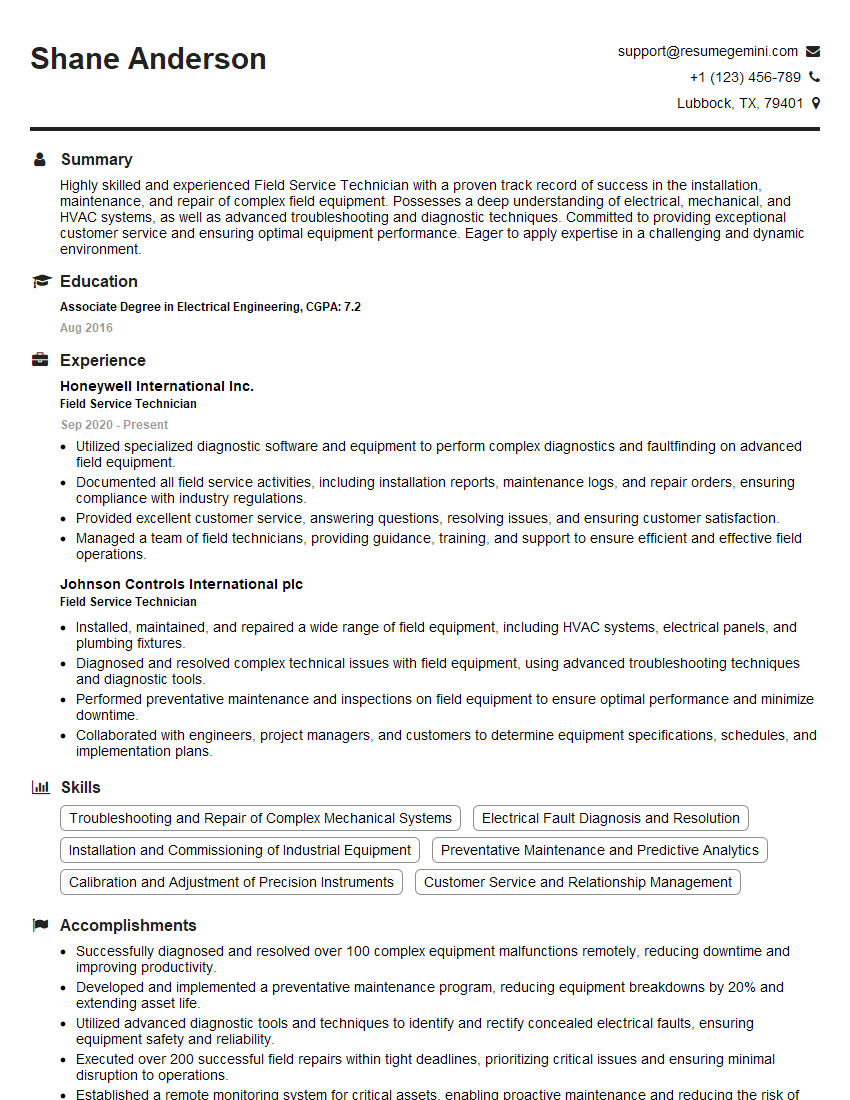
Field Service Technician Resume Sample
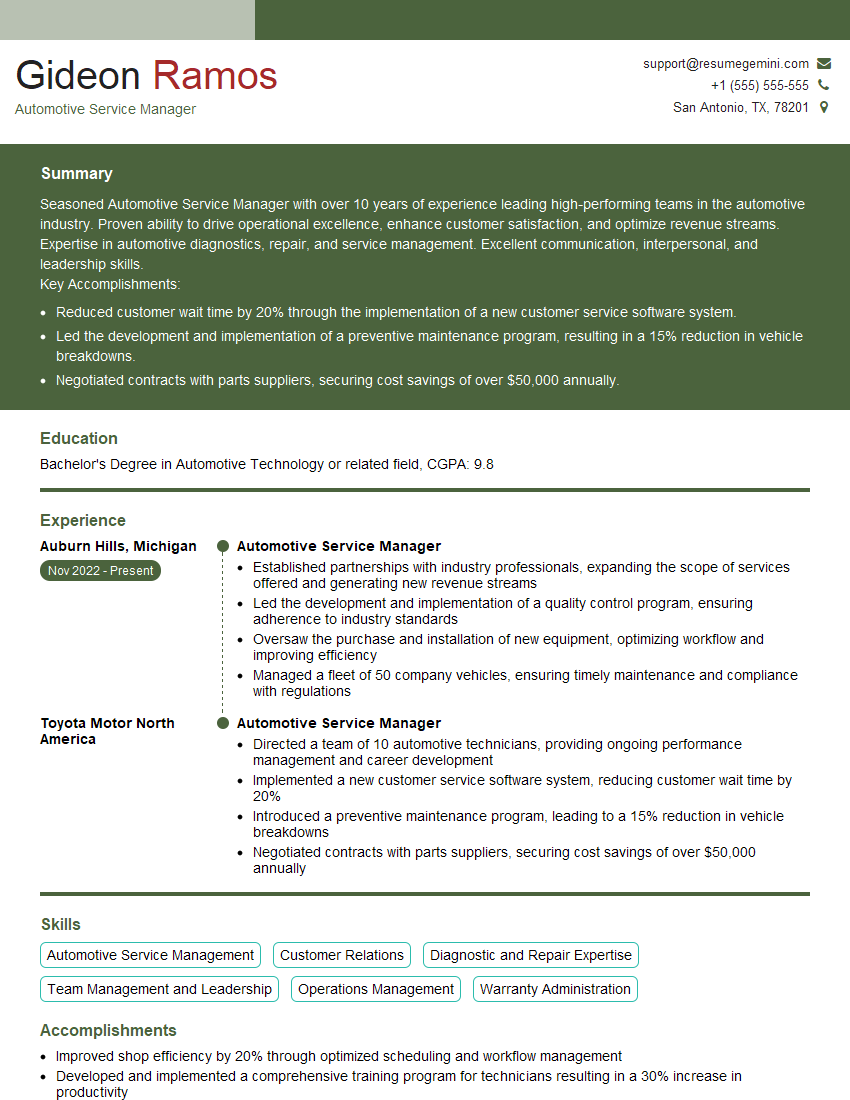
Automotive Service Manager Resume Sample
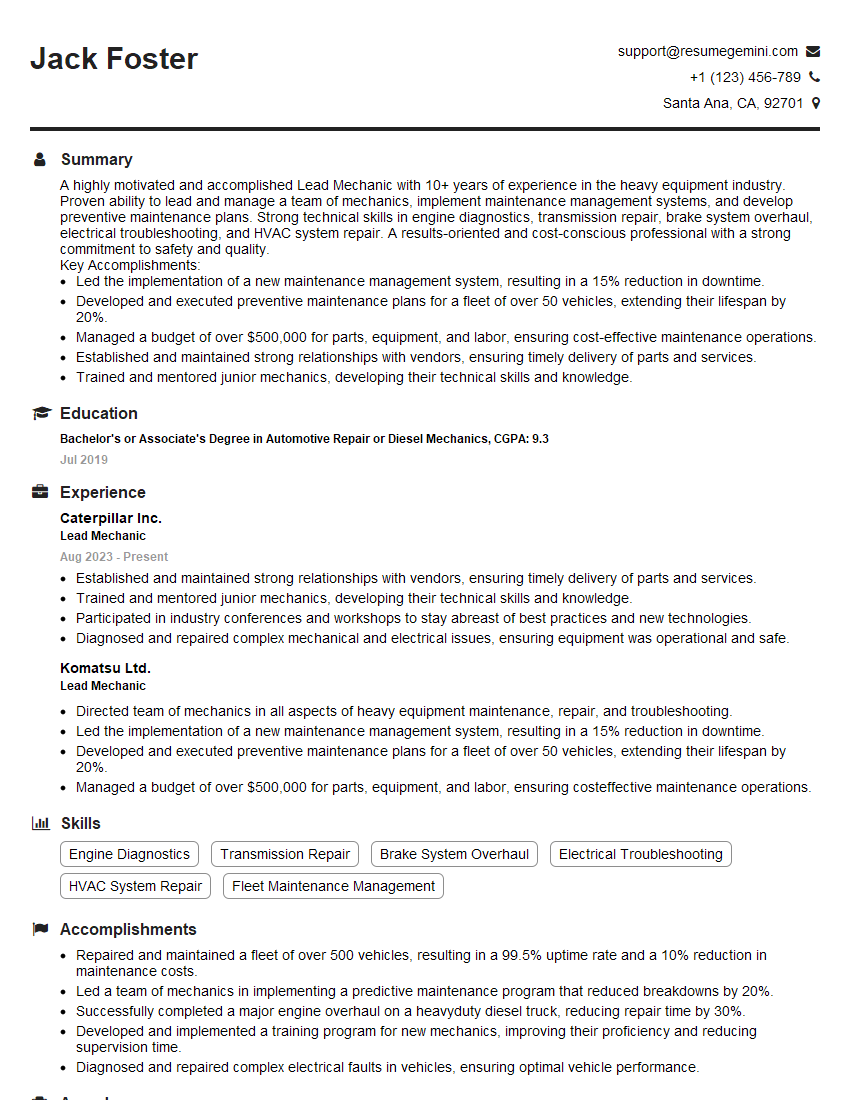
Lead Mechanic Resume Sample
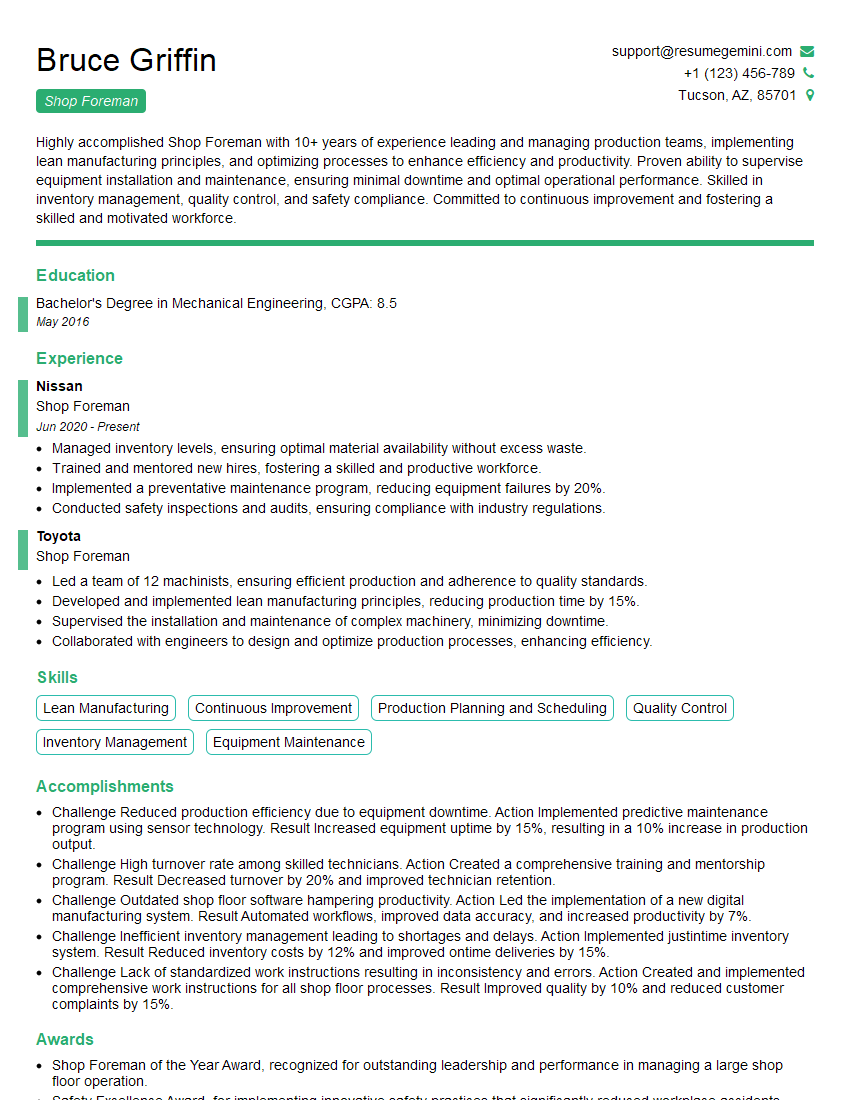
Shop Foreman Resume Sample
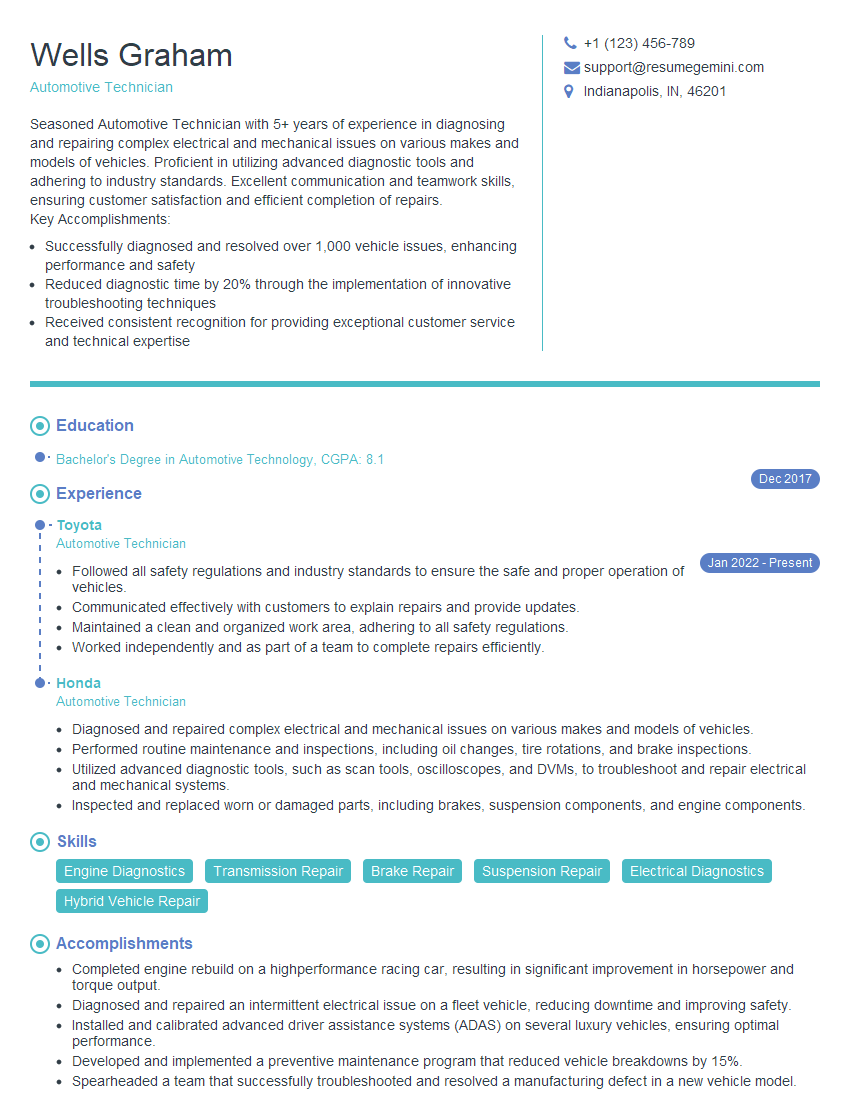
Automotive Technician Resume Sample
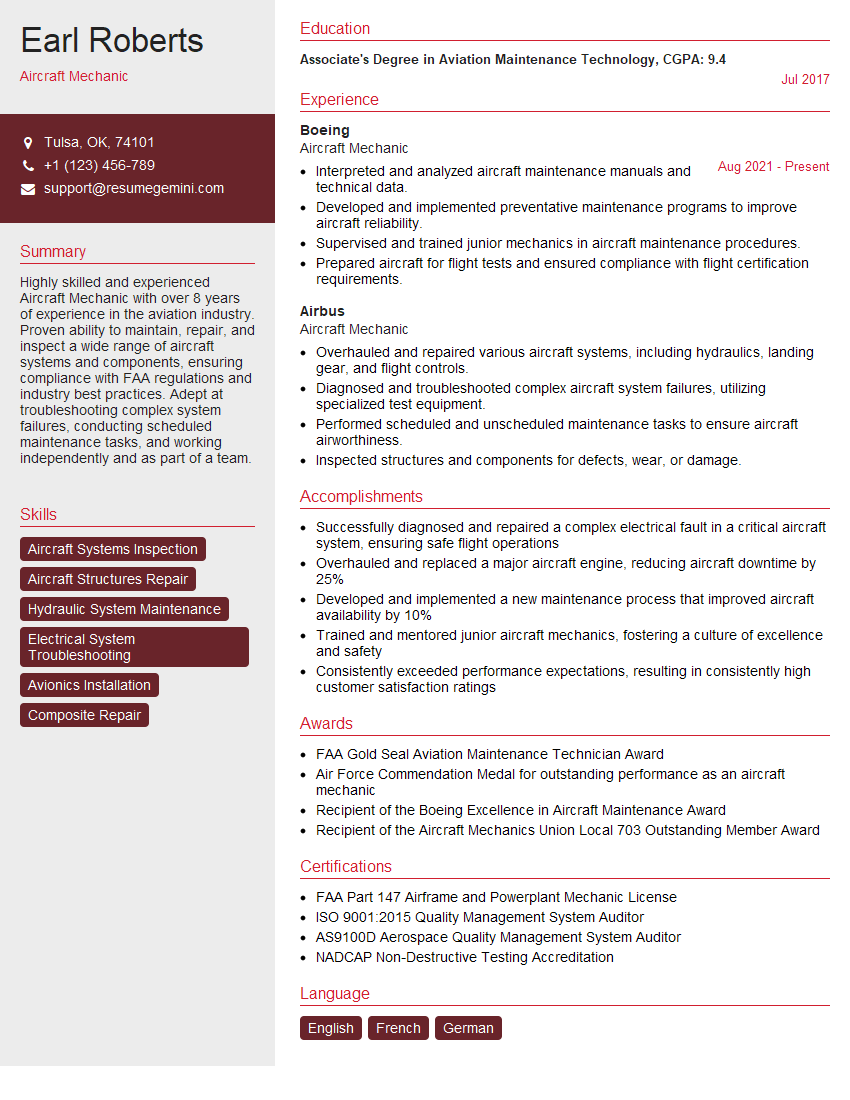
Aircraft Mechanic Resume Sample
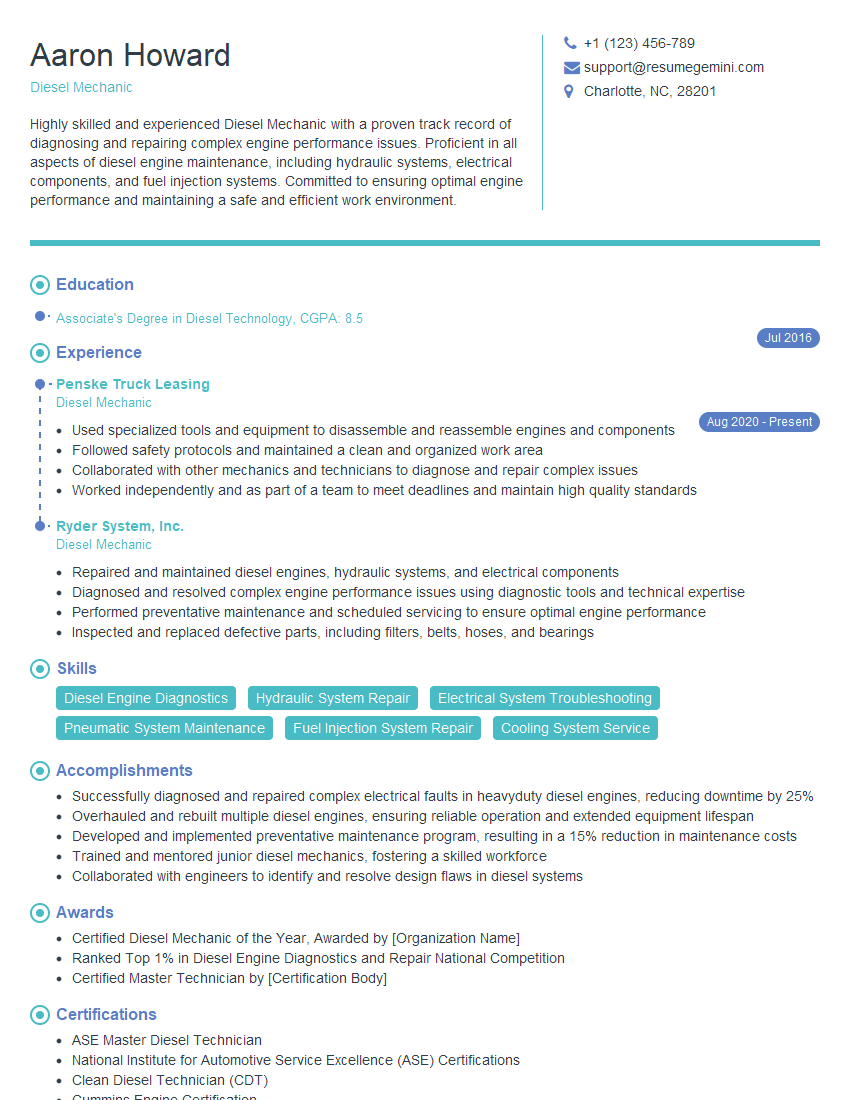
Diesel Mechanic Resume Sample
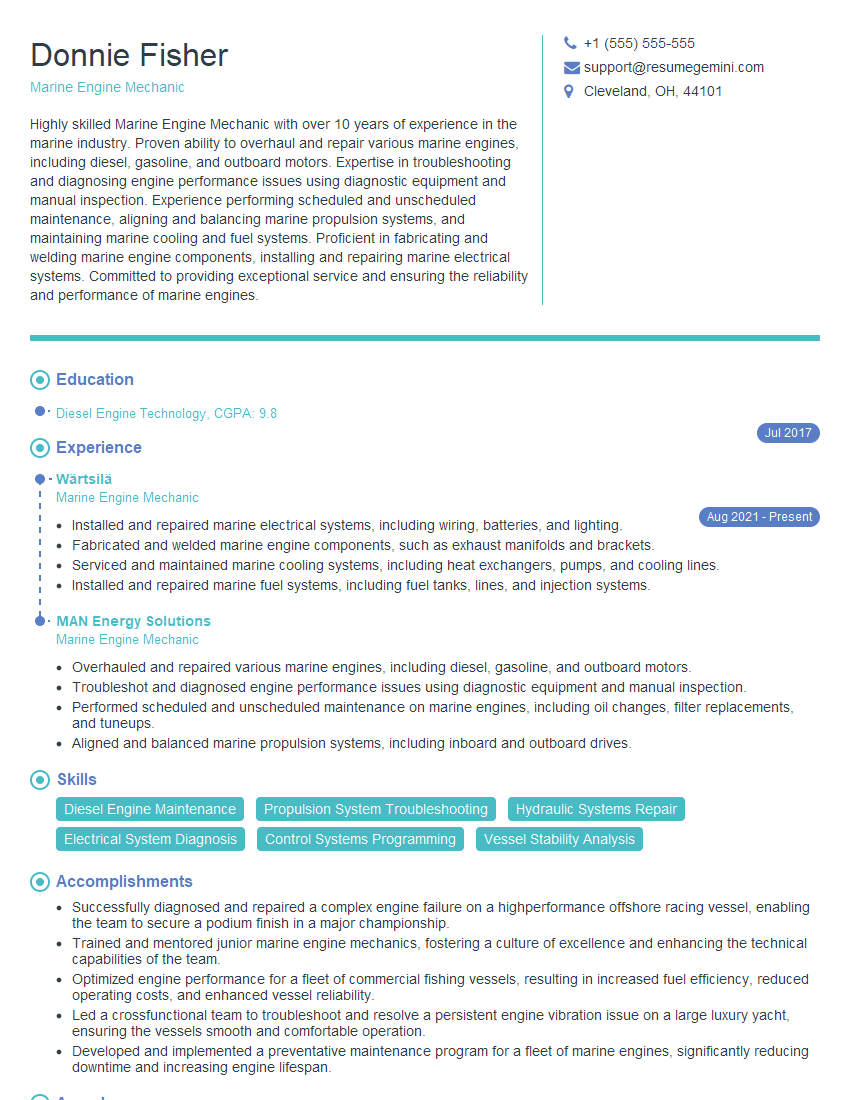
Marine Engine Mechanic Resume Sample
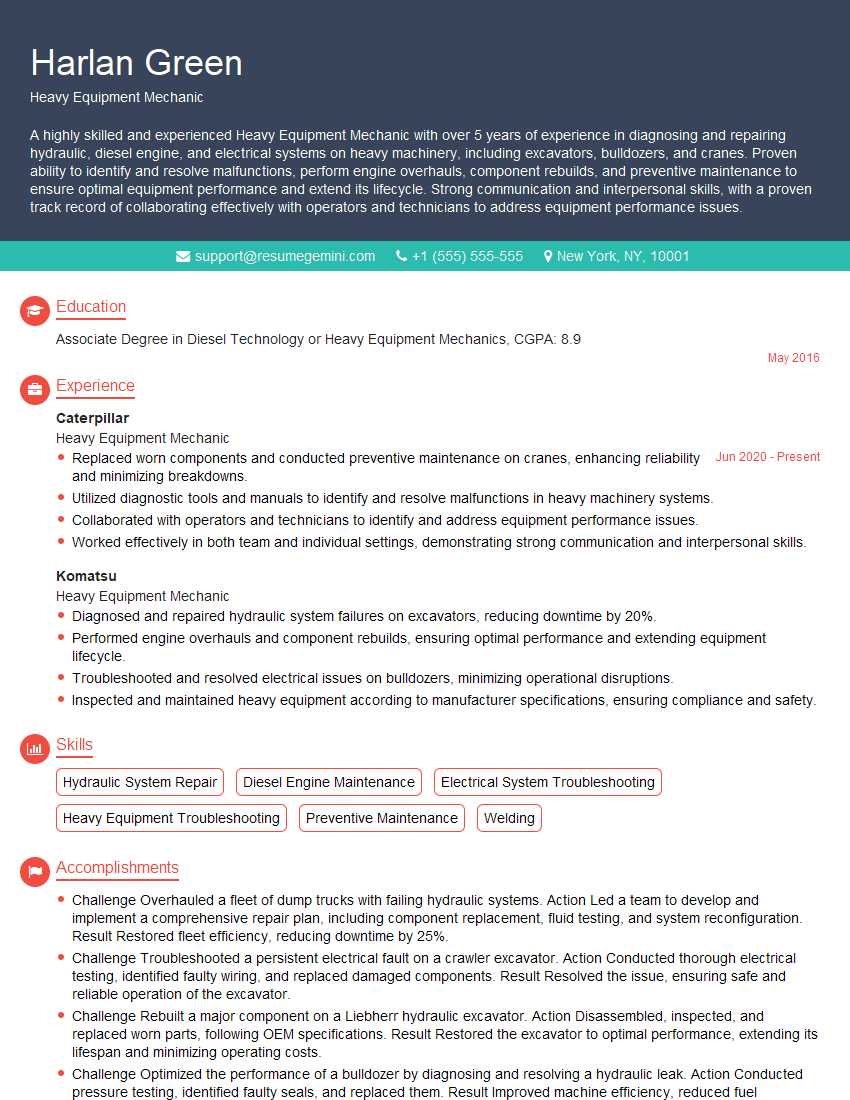
Heavy Equipment Mechanic Resume Sample
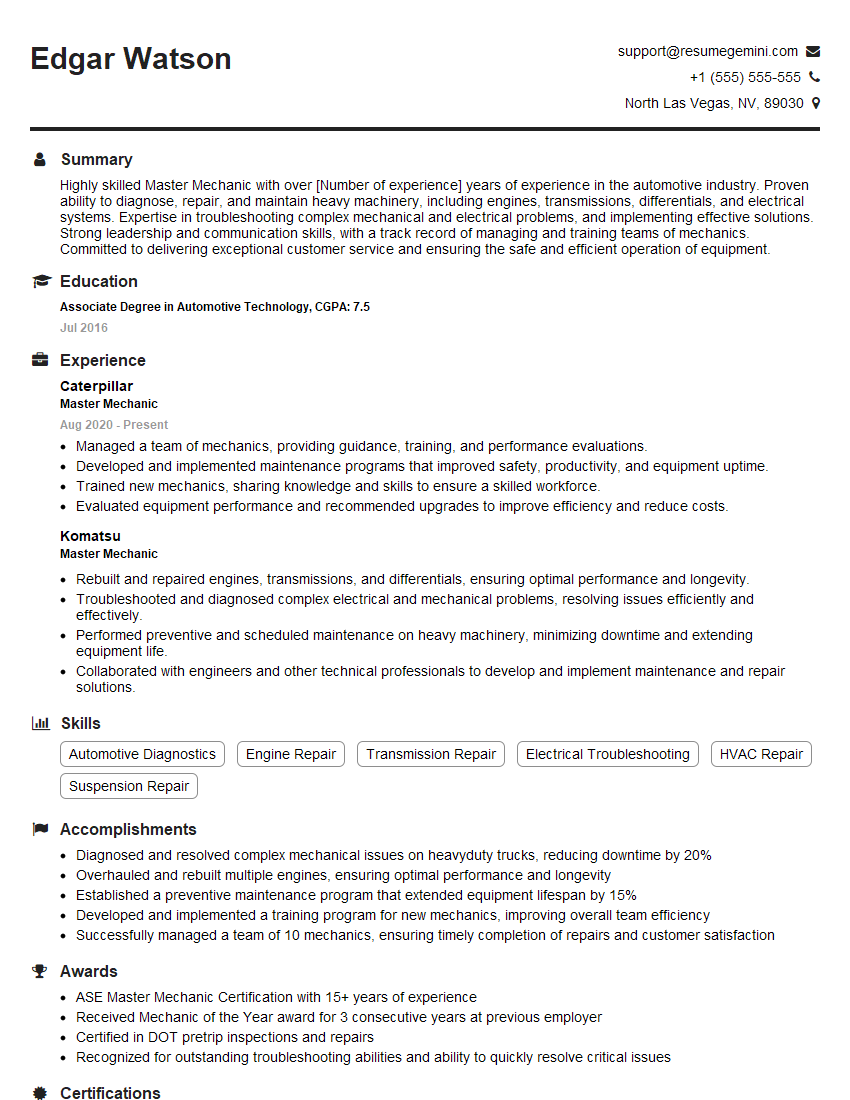
Master Mechanic Resume Sample
Explore more articles
Users Rating of Our Blogs
Share Your Experience
We value your feedback! Please rate our content and share your thoughts (optional).
What Readers Say About Our Blog
Very informative content, great job.
good