The right preparation can turn an interview into an opportunity to showcase your expertise. This guide to Experience in Maintenance Planning and Execution interview questions is your ultimate resource, providing key insights and tips to help you ace your responses and stand out as a top candidate.
Questions Asked in Experience in Maintenance Planning and Execution Interview
Q 1. Describe your experience with Computerized Maintenance Management Systems (CMMS).
My experience with Computerized Maintenance Management Systems (CMMS) spans over ten years, encompassing implementation, configuration, and day-to-day utilization. I’ve worked extensively with several leading CMMS platforms, including IBM Maximo and SAP PM. My expertise includes not only data entry and work order management but also the crucial aspects of system optimization, reporting, and integration with other enterprise systems. For instance, in my previous role at a manufacturing plant, I successfully implemented a new CMMS, migrating data from an outdated system and configuring it to meet our specific needs. This involved customizing workflows, creating preventive maintenance schedules, and training over 50 maintenance technicians. The result was a 20% reduction in downtime and a 15% improvement in maintenance efficiency, as measured by mean time to repair (MTTR).
Beyond basic functionality, I’m proficient in leveraging advanced CMMS features, such as predictive maintenance capabilities (using data from sensors and equipment), resource scheduling optimization algorithms, and the generation of detailed performance dashboards for key metrics. I understand the importance of data integrity and regularly audit the CMMS database to ensure accuracy and reliability.
Q 2. Explain your process for developing a preventive maintenance schedule.
Developing a preventive maintenance (PM) schedule is a systematic process that begins with a thorough understanding of the equipment’s criticality, operating conditions, and manufacturer’s recommendations. I typically follow these steps:
- Equipment Inventory & Assessment: A comprehensive list of all equipment is compiled, including details like make, model, age, and operational hours. This involves physically inspecting the equipment to identify potential failure points and assessing their criticality to overall production.
- Failure Analysis: Historical maintenance data is reviewed to identify common failure modes, their frequencies, and root causes. This helps prioritize equipment for PM.
- Manufacturer’s Recommendations: Consult manufacturer’s manuals for recommended PM schedules and intervals. These schedules often suggest specific tasks and frequencies for lubrication, inspection, and replacement of components.
- Risk Assessment: Evaluate the potential consequences of equipment failure, considering factors such as safety risks, production downtime, and repair costs. This helps prioritize tasks based on their potential impact.
- Schedule Development: Based on the above analysis, a detailed PM schedule is created, specifying the tasks, frequencies, responsible personnel, and required resources for each piece of equipment. This often involves using CMMS software to automate scheduling and tracking.
- Review and Optimization: The PM schedule is regularly reviewed and updated based on performance data, changes in operational conditions, and equipment modifications. This iterative approach ensures the schedule remains relevant and effective.
For example, in a previous role, I implemented a PM schedule for a critical production line. By analyzing historical data and considering the risk of failure, we significantly reduced downtime related to that line by 30% within the first year.
Q 3. How do you prioritize maintenance tasks?
Prioritizing maintenance tasks requires a balanced approach that considers several factors. I often employ a multi-criteria decision-making process, using a combination of criteria to rank tasks. This might include:
- Criticality: How essential is the equipment to overall operations? Equipment critical to production takes precedence.
- Risk: What is the likelihood and potential impact of equipment failure? Higher risk equates to higher priority.
- Cost: What is the cost of repairing the equipment vs. the cost of preventive maintenance? Preventive measures are prioritized if they reduce overall costs.
- Urgency: Are there any immediate safety hazards or signs of impending failure? These tasks demand immediate attention.
- Downtime cost: How much does it cost the business per hour of downtime for specific equipment? This influences the prioritization.
I frequently use a prioritization matrix or a scoring system that combines these criteria to create a clear ranking of maintenance tasks. For instance, I might assign weights to each criterion (e.g., criticality 40%, risk 30%, cost 30%) and then score each task accordingly. This provides a quantitative measure for task prioritization, making decisions more objective and transparent.
Q 4. What metrics do you use to measure maintenance effectiveness?
Measuring maintenance effectiveness is vital for continuous improvement. Key metrics I regularly track include:
- Mean Time Between Failures (MTBF): The average time between equipment failures. A higher MTBF indicates improved equipment reliability.
- Mean Time To Repair (MTTR): The average time taken to repair failed equipment. A lower MTTR indicates improved maintenance efficiency.
- Maintenance Costs: Total cost of preventive and corrective maintenance. Tracking this helps identify areas for cost optimization.
- Overall Equipment Effectiveness (OEE): This metric combines availability, performance, and quality to measure the overall effectiveness of equipment. It provides a holistic view of equipment performance and maintenance impact.
- Preventive Maintenance Compliance Rate: The percentage of scheduled PM tasks completed on time. This shows how well the PM schedule is adhered to.
- Downtime: Total time lost due to equipment failure. This is a critical indicator of maintenance performance.
By regularly monitoring these metrics and comparing them against targets, we can identify areas for improvement and justify maintenance investments. Data visualization tools and reporting capabilities within the CMMS are crucial in this regard.
Q 5. How do you handle unexpected equipment failures?
Handling unexpected equipment failures requires a swift and organized response. My approach typically involves:
- Immediate Response: Isolate the affected equipment to prevent further damage or safety hazards.
- Assessment: Quickly assess the severity of the failure and its impact on production.
- Work Order Generation: Create a work order in the CMMS, detailing the problem, required parts, and skilled technicians needed.
- Resource Allocation: Assign the most appropriate technicians and resources to the repair task, prioritizing based on urgency and skillset.
- Repair Execution: Supervise the repair process, ensuring adherence to safety procedures and efficient problem resolution.
- Post-Repair Analysis: Once the equipment is repaired, investigate the root cause of the failure to prevent recurrence.
In one instance, a critical compressor failed unexpectedly, halting a major production line. By implementing this rapid response protocol, we minimized downtime to just four hours, significantly reducing the financial impact compared to previous unplanned downtime situations.
Q 6. Describe your experience with root cause analysis.
Root cause analysis (RCA) is crucial for preventing equipment failures. I’m experienced in several RCA methodologies, including the 5 Whys, Fishbone diagrams, and Fault Tree Analysis. The goal is to go beyond simply fixing the immediate problem and uncovering the underlying cause to prevent future occurrences.
The 5 Whys technique is a simple yet effective method. By repeatedly asking ‘Why?’ after each answer, you delve deeper into the cause of the problem. For instance, if a pump failed, we might ask:
- Why did the pump fail? (Answer: Bearing failure)
- Why did the bearing fail? (Answer: Insufficient lubrication)
- Why was there insufficient lubrication? (Answer: Lubrication system malfunctioned)
- Why did the lubrication system malfunction? (Answer: Sensor failure)
- Why did the sensor fail? (Answer: Lack of regular calibration)
This reveals the root cause: inadequate sensor calibration. More sophisticated techniques like Fishbone diagrams (Ishikawa diagrams) provide a visual representation of potential causes, facilitating brainstorming sessions. I tailor my RCA approach to the complexity of the issue and the available resources.
Q 7. How do you manage maintenance budgets?
Managing maintenance budgets requires careful planning, tracking, and control. I use a combination of techniques to ensure effective budget allocation and control:
- Budget Forecasting: I forecast maintenance costs based on historical data, planned maintenance activities, and anticipated equipment failures. This forms the basis of the budget request.
- Cost Allocation: Maintenance costs are allocated to specific equipment, departments, or projects to track spending and identify areas of potential overspending.
- Budget Monitoring: I regularly monitor actual spending against the budget, flagging variances and investigating their causes. This allows for timely corrective action.
- Performance-Based Budgeting: I advocate for a performance-based approach, linking budget allocation to maintenance performance metrics. For example, improved MTBF might justify increased investment in preventive maintenance.
- Value Engineering: I actively seek opportunities for cost savings through value engineering initiatives. This involves exploring alternatives for maintenance procedures, parts, and service providers.
Through proactive budget management and regular analysis, I can ensure that maintenance activities are cost-effective and aligned with organizational priorities.
Q 8. Explain your understanding of Reliability Centered Maintenance (RCM).
Reliability Centered Maintenance (RCM) is a systematic approach to maintenance that focuses on preventing functional failures rather than simply adhering to a predetermined schedule. Instead of routine maintenance on everything, RCM analyzes each asset to identify its potential failure modes, their consequences, and the most effective ways to prevent or mitigate those failures. This is done by asking a series of critical questions about each component’s functionality and potential impact.
Think of it like this: Imagine you have a car. Instead of changing the oil every 3,000 miles regardless of its condition, RCM would help you understand which components are most likely to fail and cause significant problems (like the engine or transmission) and prioritize maintenance on those.
The RCM process typically involves a multi-disciplinary team analyzing the asset using detailed failure mode and effects analysis (FMEA) and applying decision trees to determine the best maintenance strategy for each failure mode. Strategies include preventative maintenance (PM), predictive maintenance (PdM), condition-based maintenance (CBM), or even run-to-failure (RTF) if the consequences of failure are minimal.
- Functional Failure Analysis: Identifying what functions an asset must perform.
- Failure Mode Analysis: Determining how the asset can fail and its potential causes.
- Failure Effects Analysis: Assessing the consequences of each failure mode (safety, cost, downtime).
- Maintenance Task Selection: Choosing the most effective maintenance strategy for each failure mode.
Q 9. How do you ensure compliance with safety regulations during maintenance?
Ensuring safety compliance during maintenance is paramount. It involves a multi-layered approach starting with thorough risk assessments, which identify potential hazards and establish control measures. These assessments are usually conducted using methods like Job Safety Analyses (JSAs) or HAZOP (Hazard and Operability) studies, carefully considering factors such as hazardous energy sources (locked-out/tag-out procedures – LOTO), confined space entry protocols, and the use of personal protective equipment (PPE).
Before any work commences, permits-to-work systems ensure authorization from appropriate personnel and verification of safety precautions. Regular safety briefings and training remind team members of established safety procedures, emphasizing safe working practices and hazard recognition. I ensure compliance by personally overseeing these processes, verifying compliance with regulatory guidelines (OSHA, for example), and implementing a robust system for incident reporting and investigation, learning from mistakes to improve safety protocols.
Example: In a chemical plant, working on a pressurized vessel requires a detailed LOTO procedure, specific PPE (including respirators), and a permit-to-work signed by multiple authorized personnel. Failure to adhere to these steps could result in serious accidents.
Q 10. Describe your experience with maintenance planning software.
I have extensive experience utilizing various maintenance planning software packages. These systems are crucial for efficient maintenance management, including scheduling tasks, tracking work orders, and managing inventory. I’m proficient with CMMS (Computerized Maintenance Management System) solutions like IBM Maximo, SAP PM, and Infor EAM. My experience encompasses not just the technical aspects of using these systems but also their strategic application within an organization’s overall maintenance plan.
For instance, in a previous role, I implemented IBM Maximo to streamline our maintenance processes. This involved customizing the software to meet our unique business needs, integrating it with our ERP system, and providing training to maintenance personnel. The result was a significant improvement in maintenance efficiency, reduced downtime, and improved cost tracking.
I understand the importance of data analysis within these systems. Using data-driven insights from CMMS, I can identify trends, predict potential failures, optimize maintenance schedules, and justify maintenance investments.
Q 11. How do you communicate maintenance schedules and updates to relevant stakeholders?
Effective communication is crucial in maintenance. I use a variety of methods to ensure all relevant stakeholders are informed. This includes regular reports detailing upcoming maintenance activities, highlighting any potential disruptions, and providing updates on completed work.
For scheduled maintenance, I typically use email and/or internal communication platforms to notify relevant personnel. These notifications include details of the scheduled work, duration, impact on operations, and any necessary precautions. For unscheduled maintenance, I use more immediate communication methods like phone calls and SMS messaging, escalating issues based on severity.
I also leverage visual management tools, such as dashboards and displayed schedules, to provide real-time updates and ensure transparency. These visuals offer a clear overview of the status of various maintenance activities and any delays or potential problems. Regular meetings with key stakeholders provide further opportunities for updates, discussion, and feedback.
Q 12. How do you manage and track maintenance work orders?
Maintenance work orders are managed and tracked through our CMMS (Computerized Maintenance Management System). Each work order is created with detailed information, including the description of the work, assigned technician, priority level, required parts, and estimated completion time. The system provides a centralized repository for tracking the status of each work order—from its initiation to completion—allowing for monitoring of progress and identifying any delays. Automated notifications alert relevant personnel of updates, deadlines, and potential issues.
Key performance indicators (KPIs) are tracked, such as work order completion time, backlog, and technician productivity, to continuously improve the efficiency of our work order management. Regular reviews and analysis of this data help identify areas for improvement and ensure the system is effectively meeting operational needs.
Example: A work order for a malfunctioning pump would detail the pump’s location, the nature of the malfunction, the necessary parts, assigned technician, and a priority level (e.g., high priority due to production impact). The status would be updated throughout the process (initiated, in progress, completed).
Q 13. How do you identify and manage critical spare parts?
Managing critical spare parts requires a strategic approach that balances cost and availability. I utilize a combination of methods to identify and manage these parts, starting with a thorough analysis of the equipment’s criticality and the impact of its failure.
We use an inventory management system, often integrated with our CMMS, to track spare part levels, minimum stock levels, and lead times. This allows for proactive identification of parts approaching critical levels, triggering automatic purchase orders when needed. For high-criticality parts with long lead times, we maintain higher safety stock levels. Regular reviews of consumption data and obsolescence checks help optimize inventory levels and avoid holding unnecessary stock.
An ABC analysis categorizes spare parts based on their value and criticality. ‘A’ parts represent a small percentage of parts but a significant cost and impact, requiring careful management and potentially higher safety stock. ‘C’ parts, representing the bulk of the inventory, have minimal impact and can be managed with simpler methods. This targeted approach ensures that resources are allocated effectively.
Q 14. Explain your experience with different types of maintenance (preventive, predictive, corrective).
My experience encompasses all three types of maintenance: preventive, predictive, and corrective. Each has its place and is often used in combination.
- Preventive Maintenance (PM): This involves scheduled maintenance tasks performed at predetermined intervals to prevent failures. Examples include oil changes, filter replacements, and inspections. PM is effective for reducing failures caused by wear and tear but can be costly and may not address all potential failure modes.
- Predictive Maintenance (PdM): This uses condition monitoring techniques to predict potential failures before they occur. Methods include vibration analysis, oil analysis, and thermal imaging. PdM enables targeted maintenance, reducing unnecessary work and optimizing resource allocation. It requires specialized equipment and expertise.
- Corrective Maintenance (CM): This addresses failures that have already occurred. It’s reactive and often results in unplanned downtime, increased costs, and potential safety risks. While unavoidable entirely, CM should be minimized through effective PM and PdM strategies.
In practice, a well-rounded maintenance strategy often combines all three. For instance, we might have a PM schedule for regular inspections, but PdM techniques like vibration analysis would help identify emerging problems between scheduled inspections. Corrective maintenance would be necessary only for unforeseen events or failures that escape PdM’s detection.
Q 15. How do you improve maintenance efficiency?
Improving maintenance efficiency is all about optimizing resource allocation and streamlining processes to maximize output with minimal waste. This involves a multi-pronged approach.
- Preventive Maintenance Optimization: Implementing a robust CMMS (Computerized Maintenance Management System) allows for proactive scheduling of preventive maintenance tasks, reducing the likelihood of unexpected breakdowns. This means shifting from reactive fixes to proactive prevention. For example, instead of waiting for a bearing to fail, we schedule its lubrication and inspection based on its expected lifespan and operating conditions.
- Predictive Maintenance Implementation: Leveraging technologies like vibration analysis, thermal imaging, and oil analysis allows us to predict potential equipment failures *before* they occur. This shifts maintenance from scheduled intervals to condition-based triggers, maximizing uptime and minimizing unnecessary interventions. Think of it like a health check-up for your machinery.
- Streamlining Work Orders: Clear, concise work orders with all necessary information (parts, tools, procedures) reduce delays and improve technician efficiency. A well-defined work order process ensures technicians have everything they need, reducing wasted time searching for information or parts.
- Inventory Management: Effective inventory control minimizes downtime due to missing parts. A well-managed inventory system helps ensure the right parts are readily available when needed.
- Technician Training and Skill Development: Investing in training programs for maintenance personnel improves their skills, reduces errors, and improves overall efficiency. A skilled technician can perform tasks faster and more accurately.
Career Expert Tips:
- Ace those interviews! Prepare effectively by reviewing the Top 50 Most Common Interview Questions on ResumeGemini.
- Navigate your job search with confidence! Explore a wide range of Career Tips on ResumeGemini. Learn about common challenges and recommendations to overcome them.
- Craft the perfect resume! Master the Art of Resume Writing with ResumeGemini’s guide. Showcase your unique qualifications and achievements effectively.
- Don’t miss out on holiday savings! Build your dream resume with ResumeGemini’s ATS optimized templates.
Q 16. What are your strategies for reducing downtime?
Reducing downtime requires a proactive and strategic approach, focusing on preventing failures before they happen and minimizing the impact when they do.
- Preventive Maintenance: As mentioned earlier, a well-planned preventive maintenance schedule is the cornerstone of reducing downtime. This minimizes the risk of catastrophic failures.
- Predictive Maintenance: Utilizing condition-based monitoring allows for early detection of potential problems, providing ample time to schedule repairs during planned downtime, avoiding emergency shutdowns.
- Spare Parts Inventory: Maintaining a sufficient inventory of critical spare parts significantly reduces downtime caused by part shortages. Knowing the critical path components and ensuring their readily available is crucial.
- Rapid Response Teams: Establishing a rapid response team to address emergencies quickly minimizes the duration of unplanned downtime. Having dedicated personnel available and properly equipped to address a sudden failure is very important.
- Root Cause Analysis: After each incident, performing a thorough root cause analysis identifies underlying issues contributing to downtime, preventing recurrence. Learning from each failure is crucial for ongoing improvement.
Q 17. Describe your experience with maintenance performance indicators (KPIs).
Maintenance performance indicators (KPIs) are crucial for evaluating the effectiveness of maintenance strategies. Key KPIs I use include:
- Mean Time Between Failures (MTBF): Measures the average time between equipment failures, indicating the reliability of the assets.
- Mean Time To Repair (MTTR): Measures the average time taken to repair equipment after a failure, reflecting the efficiency of the maintenance team.
- Overall Equipment Effectiveness (OEE): A comprehensive KPI encompassing availability, performance, and quality, providing a holistic view of equipment effectiveness.
- Maintenance Cost per Unit of Production: Indicates the efficiency of the maintenance spend relative to the output.
- Preventive Maintenance Compliance Rate: Shows the percentage of scheduled preventive maintenance tasks completed on time.
I regularly monitor these KPIs, analyze trends, and use the insights to adjust strategies for ongoing improvement. For example, a consistently low MTBF for a particular machine might indicate a need for more frequent preventive maintenance or even a replacement.
Q 18. How do you handle conflicting priorities in maintenance scheduling?
Conflicting priorities in maintenance scheduling are inevitable. To manage this effectively, I utilize a prioritization framework that considers several factors:
- Criticality of Equipment: Equipment critical to production receives higher priority, even if it means delaying less critical tasks.
- Risk Assessment: The potential impact of a failure on production is assessed; higher-risk equipment gets prioritized.
- Cost Analysis: The cost of downtime versus the cost of maintenance is considered, balancing cost-effectiveness with risk mitigation.
- Urgency: Emergency repairs always supersede scheduled maintenance.
- Scheduling Software: Using a CMMS with advanced scheduling capabilities helps optimize the schedule, considering resource constraints and task dependencies.
Sometimes, compromise is necessary. Prioritization matrices and discussions with stakeholders are crucial to ensure everyone understands the reasoning behind the schedule.
Q 19. How do you train and supervise maintenance personnel?
Training and supervision of maintenance personnel are paramount for achieving high performance and safety. My approach involves:
- On-the-Job Training: Experienced technicians mentor newer employees, providing hands-on training and guidance.
- Formal Training Programs: Employees participate in regular training courses, workshops, and certifications to enhance their skills and knowledge on new technologies and safety procedures.
- Safety Training: Regular safety training and refresher courses emphasize safe work practices and hazard identification, fostering a culture of safety.
- Performance Reviews: Regular performance reviews provide feedback, identify areas for improvement, and track progress.
- Mentorship Programs: Pairing experienced technicians with newer ones fosters knowledge transfer and provides ongoing support.
Supervision involves regular check-ins, reviewing work orders, and ensuring compliance with safety procedures. Open communication is key to addressing any challenges or concerns.
Q 20. How do you manage maintenance contracts with external vendors?
Managing maintenance contracts with external vendors requires careful planning and monitoring. My approach includes:
- Clear Service Level Agreements (SLAs): Contracts must clearly define responsibilities, response times, and performance metrics.
- Regular Performance Reviews: The vendor’s performance against the SLA is regularly monitored and reviewed, addressing any issues promptly.
- Transparent Communication: Open communication ensures both parties are informed of any changes or concerns.
- Vendor Selection: A thorough selection process ensures vendors have the necessary expertise, resources, and reputation.
- Cost Analysis: Regularly evaluating cost-effectiveness ensures the contracts remain beneficial.
It’s important to build strong relationships with vendors, fostering collaboration and mutual understanding.
Q 21. Describe a time you had to solve a complex maintenance problem.
In a previous role, we experienced a major breakdown of a critical compressor. Initial diagnostics pointed to a motor failure, but replacing the motor didn’t solve the problem. This highlighted the need for a more thorough investigation.
We implemented a step-by-step approach:
- Systematic Troubleshooting: We systematically checked all components of the compressor system, meticulously documenting each step.
- Data Analysis: We reviewed historical data on compressor performance, looking for patterns or anomalies that might have indicated the root cause.
- Expert Consultation: We consulted with the equipment manufacturer’s technical experts, leveraging their deep understanding of the equipment.
- Non-Destructive Testing: We employed non-destructive testing methods like vibration analysis and thermal imaging to identify any hidden issues in the compressor.
Eventually, we discovered a previously unnoticed crack in the compressor casing, which was causing the failure despite the motor replacement. Repairing the casing fully restored the compressor to operational capacity. This experience reinforced the importance of thorough root cause analysis and utilizing multiple diagnostic techniques to pinpoint complex problems.
Q 22. What is your experience with Total Productive Maintenance (TPM)?
Total Productive Maintenance (TPM) is a philosophy that aims to maximize equipment effectiveness by involving all employees in maintenance activities. It’s not just about fixing breakdowns; it’s about preventing them through proactive measures and continuous improvement. My experience with TPM spans several years and includes implementing it across various manufacturing plants. For example, in one facility, we successfully reduced equipment downtime by 30% within 18 months by implementing a TPM program that focused on operator-led autonomous maintenance, scheduled preventative maintenance, and focused improvement (Kaizen) events. This involved training all operators on basic maintenance tasks like lubrication and visual inspections, empowering them to identify and address minor issues before they escalate into major failures. We also established a system for regularly reviewing maintenance schedules and making data-driven adjustments based on equipment performance and historical data. This collaborative approach fostered a culture of ownership and responsibility across all levels, leading to significant improvements in overall equipment effectiveness (OEE).
Q 23. How do you incorporate data analytics into your maintenance planning?
Data analytics plays a crucial role in optimizing maintenance planning. I leverage various data sources, including CMMS (Computerized Maintenance Management System) data, sensor readings from equipment, and production records, to identify trends, predict failures, and optimize maintenance schedules. For instance, we can use historical data on equipment failures to create predictive maintenance models, using techniques like regression analysis or machine learning algorithms. These models help determine optimal maintenance intervals, preventing unplanned downtime. Further, analyzing production data alongside maintenance data allows us to identify correlations between equipment performance and maintenance activities, helping prioritize maintenance efforts where they yield the greatest impact on production efficiency. We utilize dashboards to visualize key performance indicators (KPIs) such as Mean Time Between Failures (MTBF), Mean Time To Repair (MTTR), and overall equipment effectiveness (OEE), allowing for real-time monitoring and informed decision-making.
Q 24. How do you ensure the accuracy of maintenance records?
Maintaining accurate maintenance records is critical for effective maintenance planning and compliance. We use a CMMS system to meticulously record all maintenance activities, including preventative maintenance schedules, corrective maintenance actions, parts used, and labor costs. Regular audits are conducted to ensure data integrity, and we have processes in place for reconciling discrepancies. For example, we implement a double-check system for recording parts usage, comparing the CMMS record with physical inventory counts. We also encourage technicians to use digital tools like mobile CMMS apps to input data directly into the system in real-time, minimizing transcription errors. Additionally, we provide thorough training to technicians on proper data entry procedures, emphasizing the importance of accurate and complete records. This robust system ensures data accuracy, facilitates effective trend analysis, and supports informed decision-making in maintenance planning.
Q 25. Describe your experience with inventory management for maintenance parts.
Effective inventory management for maintenance parts is essential for minimizing downtime. We utilize an inventory management system integrated with our CMMS, allowing for real-time tracking of parts levels, automatic reorder points based on consumption patterns, and demand forecasting. We employ an ABC analysis to categorize parts based on their criticality and usage frequency, focusing our efforts on managing high-value, frequently used ‘A’ items more closely. We implement a just-in-time (JIT) inventory system for some high-demand components, minimizing storage costs while ensuring availability. Furthermore, we regularly conduct physical inventory checks to reconcile system data with actual stock levels. In one instance, by implementing a Kanban system for commonly used fasteners, we reduced storage space by 25% while simultaneously improving order fulfillment speed and reducing stockouts.
Q 26. How do you develop and implement a maintenance plan for a new piece of equipment?
Developing a maintenance plan for new equipment requires a systematic approach. First, we thoroughly review the manufacturer’s recommendations, including the preventative maintenance schedules and lubrication requirements. Second, we conduct a risk assessment to identify critical components and potential failure points. Third, we collaborate with the equipment vendor and operational staff to establish key performance indicators (KPIs) for monitoring the equipment’s health. Fourth, we develop a detailed preventative maintenance (PM) schedule based on the manufacturer’s recommendations and our risk assessment, incorporating condition-based monitoring techniques like vibration analysis or oil analysis where appropriate. Finally, we incorporate the maintenance plan into our CMMS system for tracking and managing activities. For a new robotic welding system, for example, we developed a detailed lubrication schedule and a program for regularly inspecting the welding torch and other critical components. We also implemented a system for tracking welding parameters and identifying potential wear patterns.
Q 27. How do you handle emergency maintenance requests?
Handling emergency maintenance requests requires a rapid and efficient response system. We have a dedicated emergency maintenance team available 24/7, and a clear escalation process for prioritizing requests based on their severity and impact on production. We utilize a CMMS system to log emergency requests, track response times, and record repair actions. A key aspect is having a well-stocked inventory of commonly needed repair parts for immediate response. For example, we maintain a separate emergency stock room with critical spare parts for high-priority equipment, ensuring quick access during unexpected failures. After addressing an emergency, we conduct a root cause analysis to identify underlying issues and implement corrective actions to prevent future occurrences. This could involve modifications to equipment, operator training, or process improvements.
Q 28. What is your experience with Lean Manufacturing principles in maintenance?
Lean manufacturing principles, such as eliminating waste (muda) and continuous improvement (Kaizen), are highly relevant to maintenance. We apply these principles by streamlining maintenance processes, reducing downtime, and improving overall equipment effectiveness. For example, we utilize 5S methodology (Sort, Set in Order, Shine, Standardize, Sustain) to organize maintenance workshops and storage areas, improving efficiency and reducing wasted time searching for tools and parts. We also use Value Stream Mapping to identify and eliminate bottlenecks in maintenance processes, such as excessive paperwork or delays in obtaining necessary parts. Continuous improvement initiatives, such as Kaizen events, are regularly conducted to identify and address inefficiencies in maintenance procedures. In one plant, we implemented a Kanban system for maintenance parts, eliminating delays in replenishing stock and significantly reducing downtime due to parts shortages.
Key Topics to Learn for Experience in Maintenance Planning and Execution Interview
- Preventive Maintenance Strategies: Understanding different PM strategies (e.g., time-based, condition-based, predictive), their implementation, and the trade-offs involved. Consider practical examples of how you’ve chosen and implemented a strategy.
- CMMS Software Proficiency: Demonstrate familiarity with common CMMS (Computerized Maintenance Management System) platforms. Highlight your experience in data entry, work order management, reporting, and analysis. Be prepared to discuss your experience with specific software.
- Maintenance Scheduling and Optimization: Discuss techniques for optimizing maintenance schedules to minimize downtime and maximize efficiency. This could involve resource allocation, prioritizing tasks, and using scheduling software.
- Spare Parts Management: Explain your experience in managing inventory, forecasting demand, and optimizing stock levels to avoid costly downtime due to part shortages. Be ready to discuss inventory control methods.
- Root Cause Analysis (RCA): Describe your experience in identifying the root causes of equipment failures using techniques like the 5 Whys, Fishbone diagrams, or Fault Tree Analysis. Provide specific examples of successful RCA investigations.
- Budgeting and Cost Control: Explain your experience with maintenance budgeting, cost tracking, and identifying opportunities for cost reduction. Be prepared to discuss methods for justifying maintenance expenditures.
- Teamwork and Communication: Highlight your ability to collaborate effectively with technicians, engineers, and other stakeholders to ensure smooth maintenance operations. Discuss your communication skills and ability to manage expectations.
- Performance Monitoring and Reporting: Discuss how you track key performance indicators (KPIs) related to maintenance effectiveness, such as Mean Time Between Failures (MTBF) and Mean Time To Repair (MTTR). Be prepared to discuss your reporting methods and insights gained.
Next Steps
Mastering Maintenance Planning and Execution is crucial for career advancement in many industries. A strong understanding of these principles demonstrates valuable skills in efficiency, problem-solving, and cost management – highly sought-after attributes in today’s job market. To maximize your chances of landing your dream role, focus on creating an ATS-friendly resume that showcases your expertise effectively. ResumeGemini is a trusted resource that can help you build a professional and impactful resume. They provide examples of resumes tailored to Experience in Maintenance Planning and Execution, ensuring your qualifications shine through.
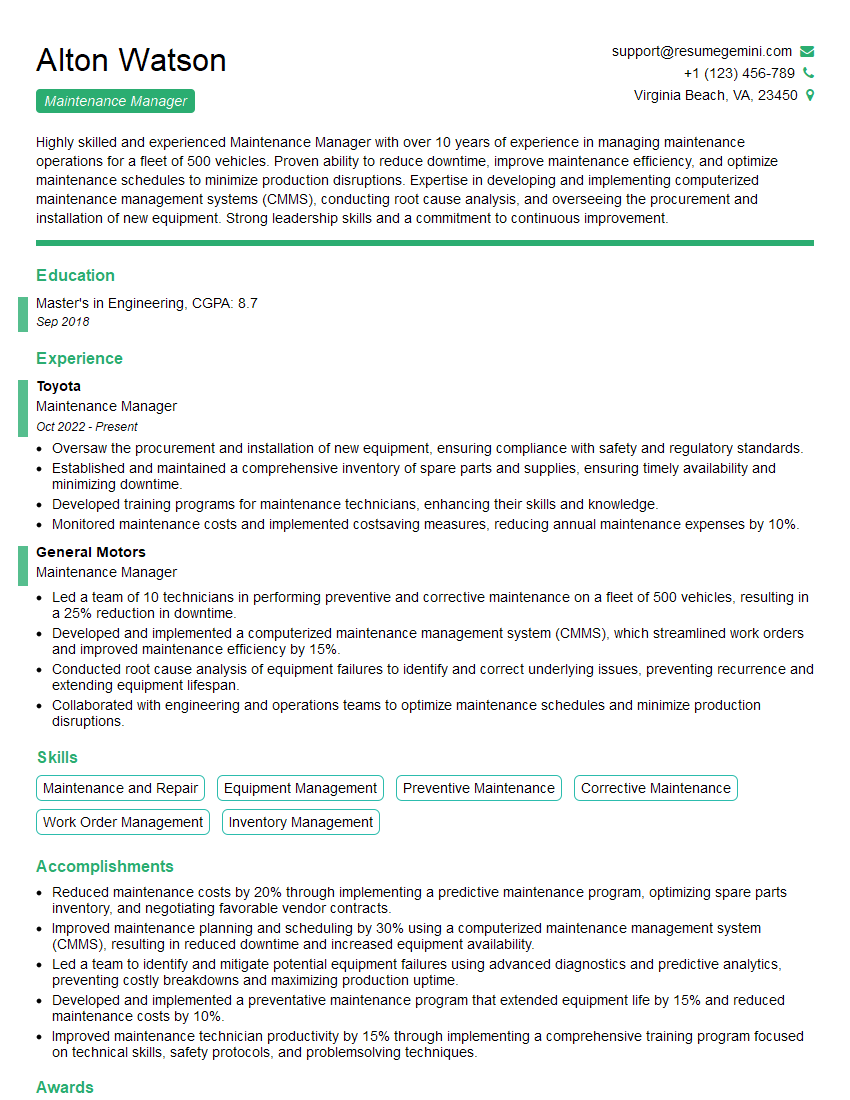
Maintenance Manager Resume Sample
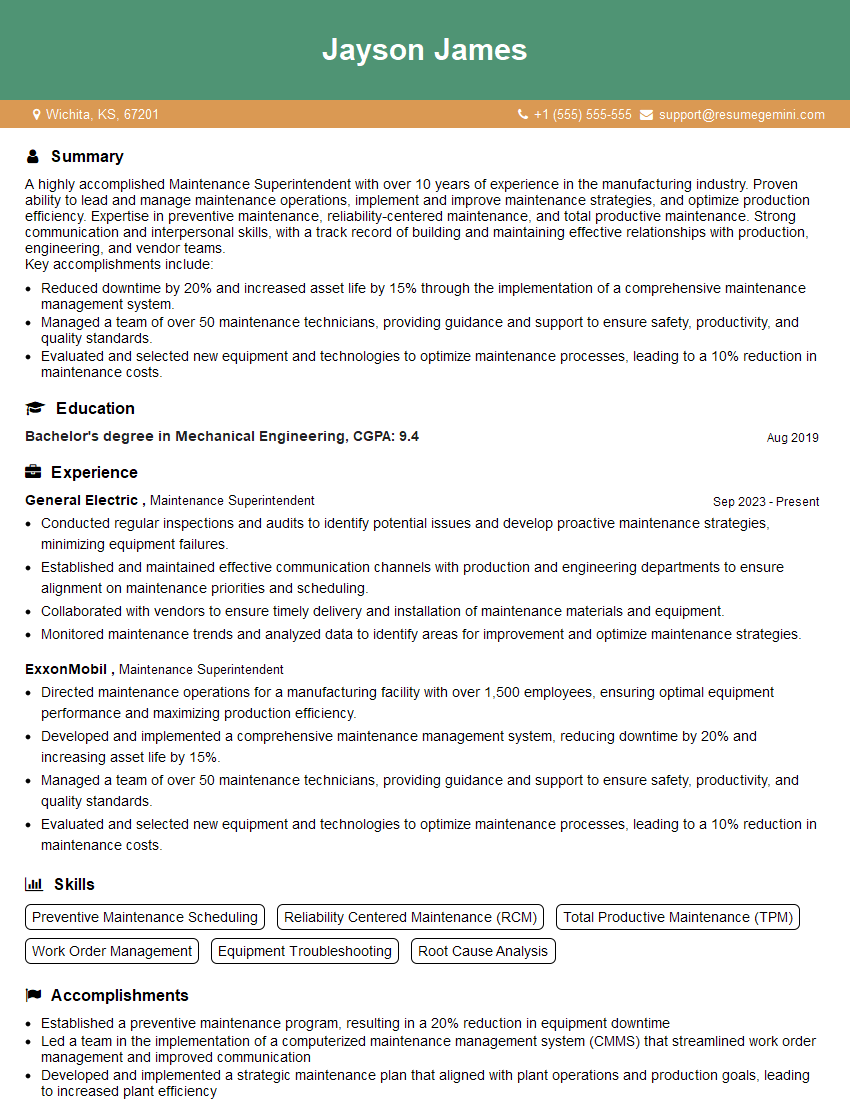
Maintenance Superintendent Resume Sample
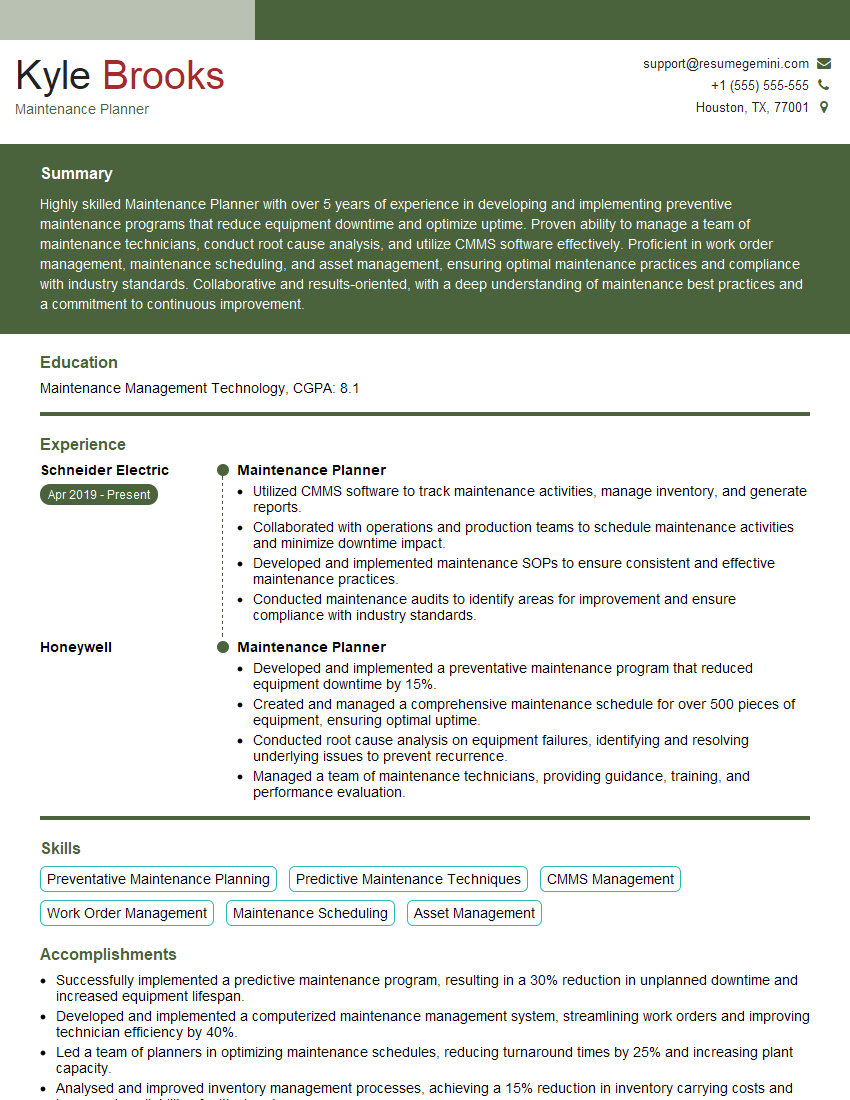
Maintenance Planner Resume Sample
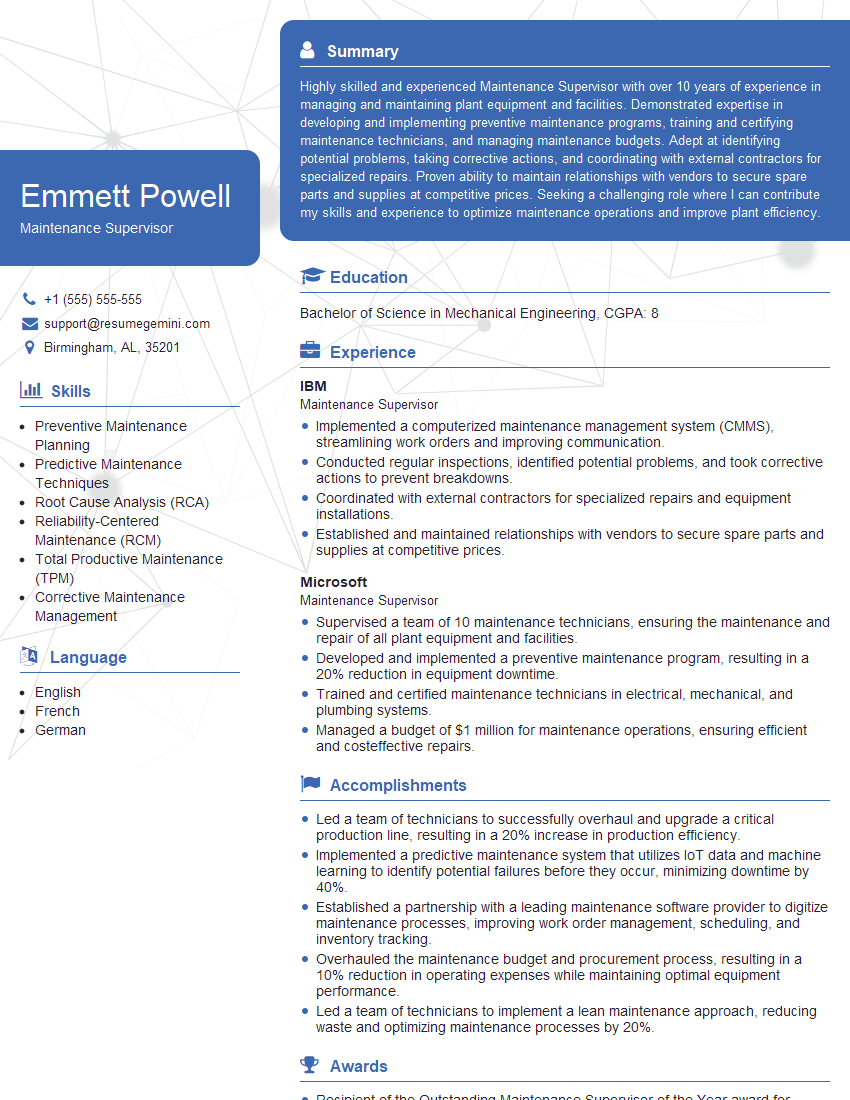
Maintenance Supervisor Resume Sample
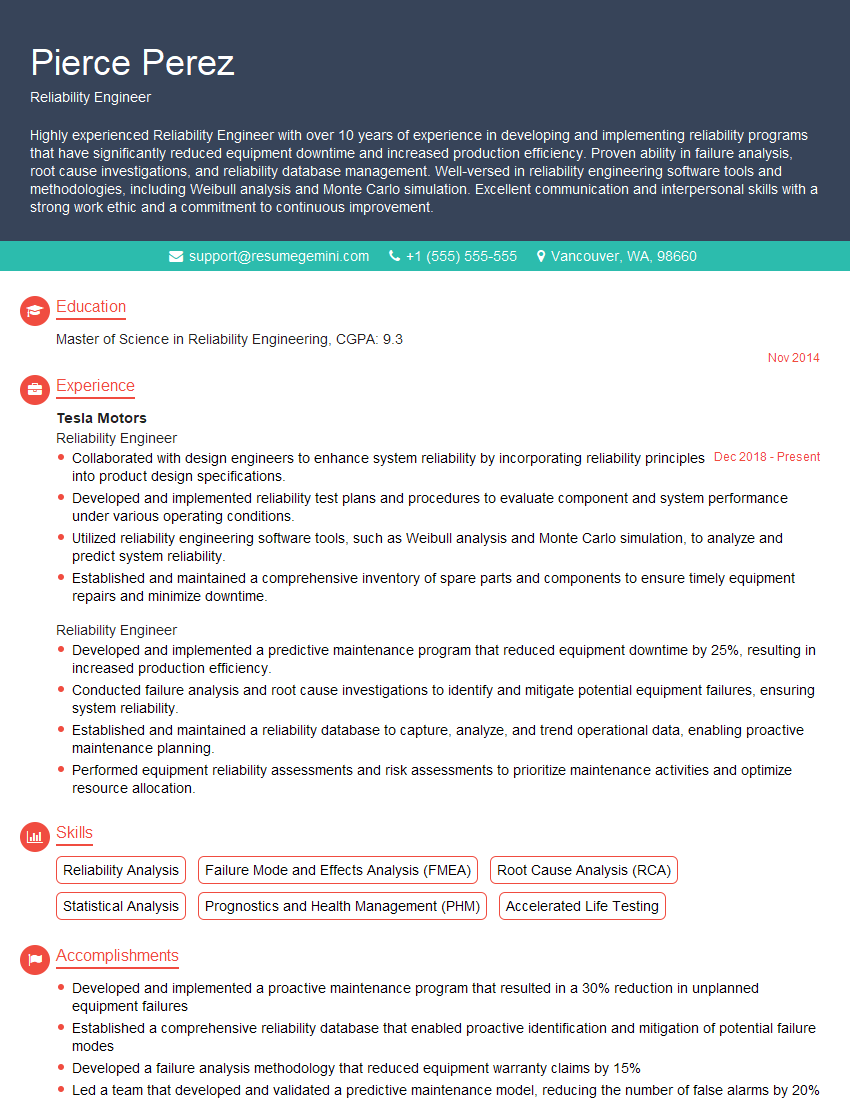
Reliability Engineer Resume Sample
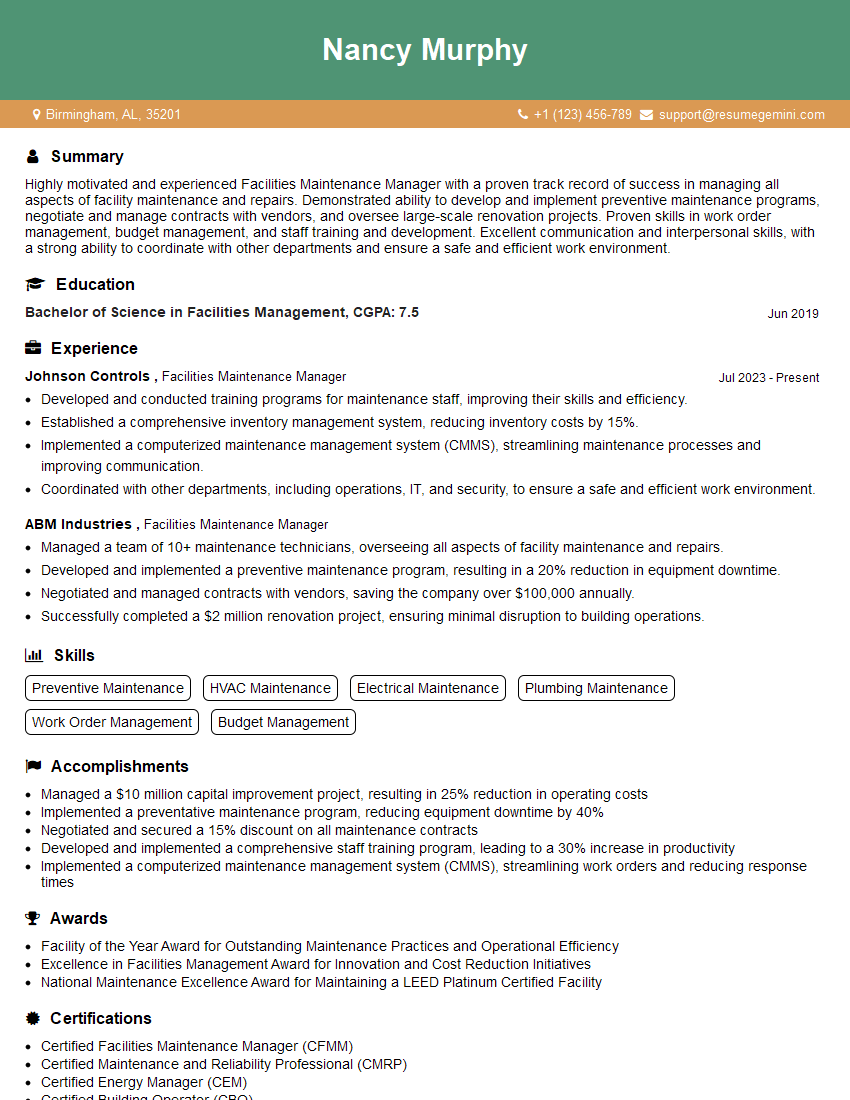
Facilities Maintenance Manager Resume Sample
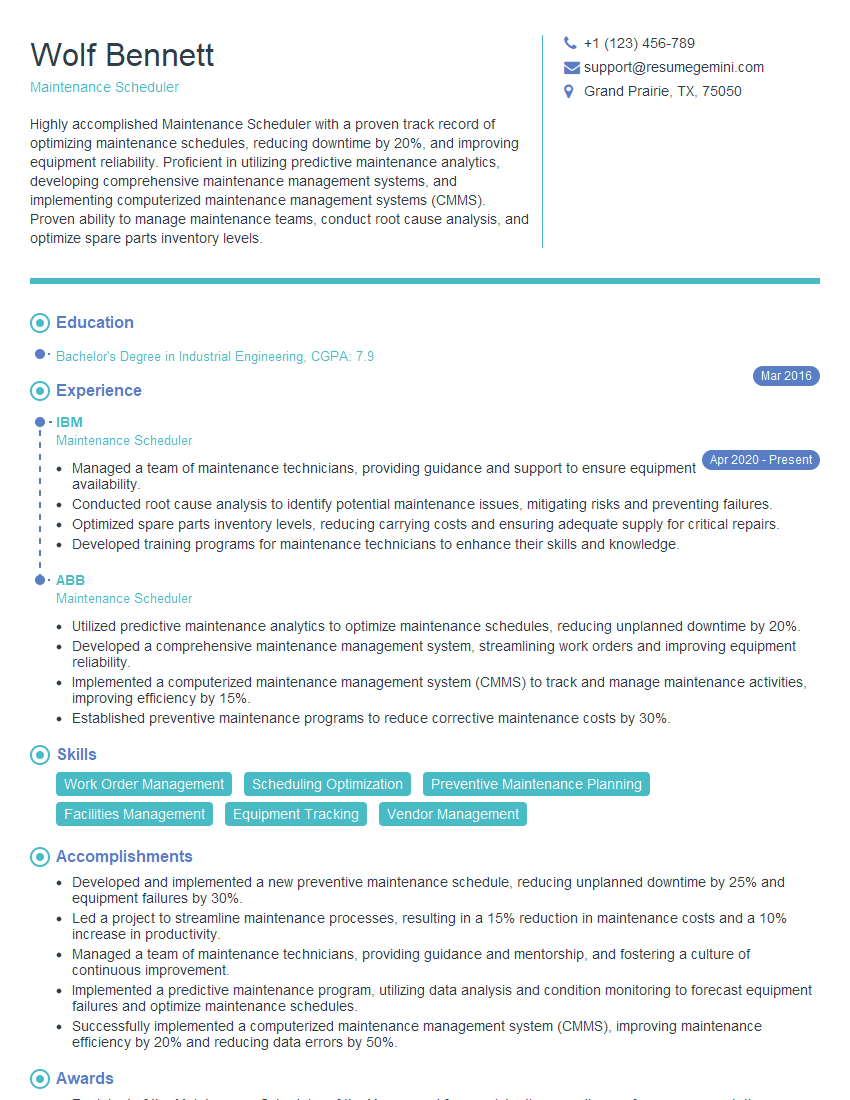
Maintenance Scheduler Resume Sample
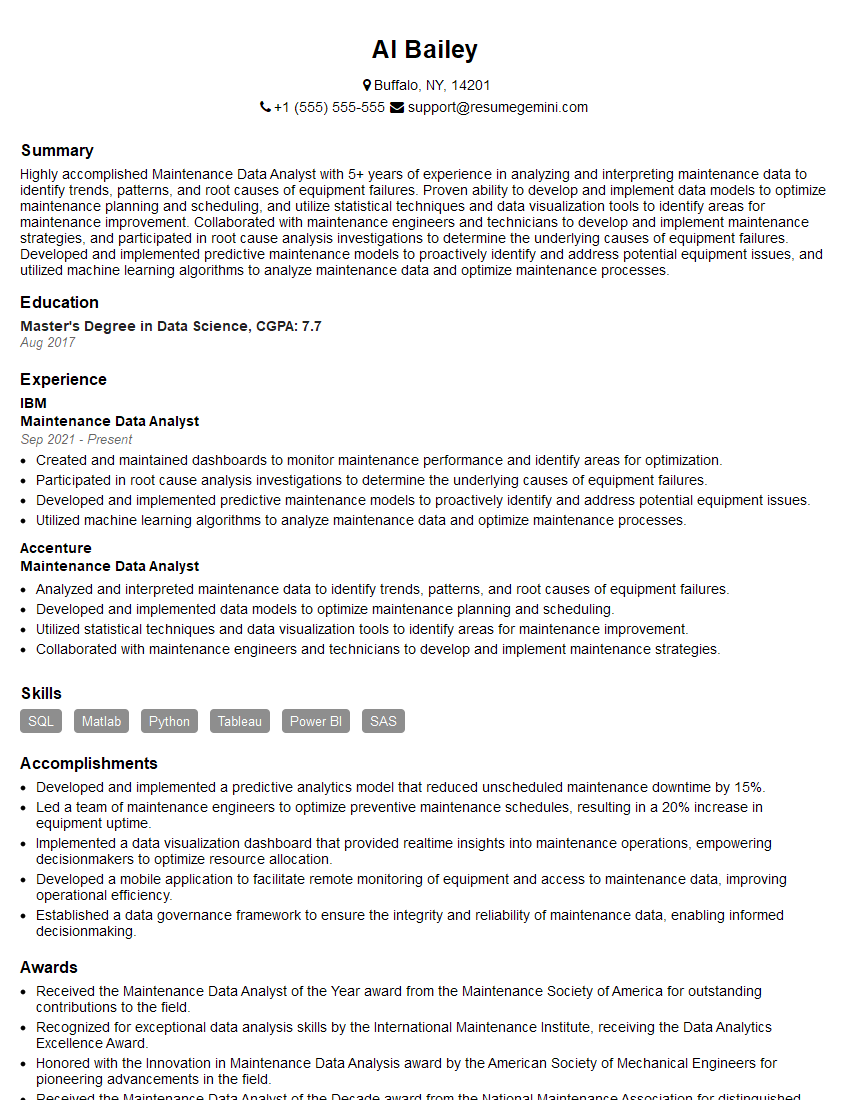
Maintenance Data Analyst Resume Sample
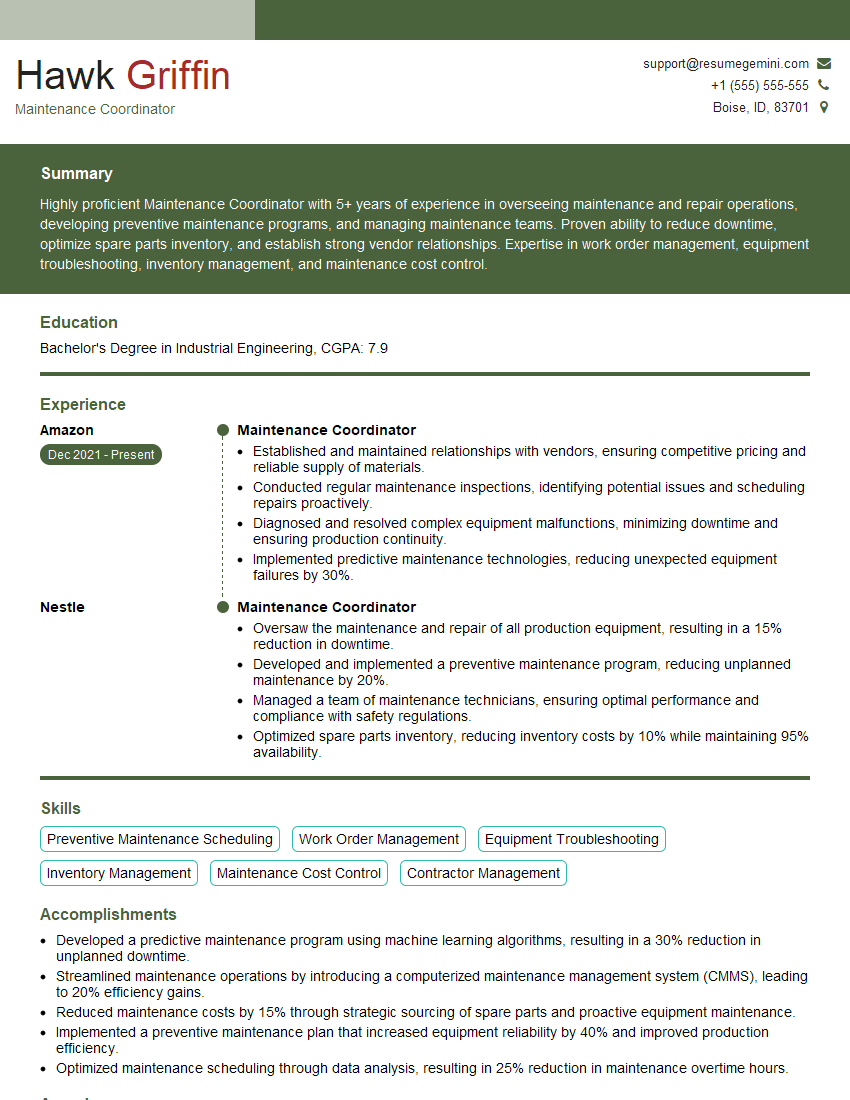
Maintenance Coordinator Resume Sample
Explore more articles
Users Rating of Our Blogs
Share Your Experience
We value your feedback! Please rate our content and share your thoughts (optional).
What Readers Say About Our Blog
Very informative content, great job.
good