The right preparation can turn an interview into an opportunity to showcase your expertise. This guide to Annealing Oven Operation interview questions is your ultimate resource, providing key insights and tips to help you ace your responses and stand out as a top candidate.
Questions Asked in Annealing Oven Operation Interview
Q 1. Explain the annealing process and its purpose.
Annealing is a heat treatment process that alters the physical and sometimes chemical properties of a material to improve its ductility, relieve internal stresses, and refine its microstructure. Imagine a metal that’s been heavily worked – it’s likely stressed and brittle. Annealing is like giving that metal a relaxing spa day! We heat it to a specific temperature, hold it there for a while, and then slowly cool it, allowing the atoms to rearrange themselves in a more relaxed and stable configuration. This results in a softer, more malleable material, often with improved machinability and reduced brittleness.
The purpose varies depending on the material and application. For example, annealing might be used to soften steel after cold working to make it easier to shape, or it could be used to reduce internal stresses in a welded component to prevent cracking. In glass manufacturing, annealing removes internal stresses to improve the strength and durability of the finished product, preventing spontaneous shattering.
Q 2. What are the different types of annealing?
There are several types of annealing, each tailored to achieve specific results:
- Stress Relief Annealing: This low-temperature process primarily aims to reduce internal stresses without significantly altering the material’s hardness. Think of it as a gentle massage for the metal.
- Recovery Annealing: Used after cold working, this anneal partially restores the material’s ductility and electrical conductivity. It’s like a light workout to increase flexibility.
- Recrystallization Annealing: At higher temperatures, this process eliminates cold work deformation, creating new, strain-free grains. This creates a finer-grained structure, leading to improved ductility and strength.
- Full Annealing: This involves heating the material to a specific temperature, holding it for a sufficient time, and then slowly cooling it to create a soft, ductile material with a uniform microstructure. It’s like a complete overhaul, creating a completely relaxed state.
- Normalizing: This is a type of annealing that involves heating the material to a slightly higher temperature than full annealing followed by air cooling. It improves homogeneity and reduces stress.
Q 3. Describe the various heating and cooling cycles used in annealing.
Heating and cooling cycles in annealing are crucial for achieving the desired outcome. The heating phase involves raising the temperature of the material to a precisely controlled temperature, often within a specific temperature range, determined by the material’s composition and the desired result. This is typically done using an annealing oven with precise temperature controls. The holding time at this temperature is also critical, as insufficient time won’t allow for complete stress relief or recrystallization.
Cooling cycles vary. Slow cooling, often in the oven itself, is typical for full annealing, to minimize internal stress formation. Rapid cooling, like air cooling, can be used for certain processes such as normalizing to achieve different properties. Controlled cooling, employing specific cooling rates, can help manipulate the microstructure for particular outcomes. The cooling rate is often just as, if not more, important than the heating phase. For example, a too-rapid cooling rate after annealing steel can cause internal stress and even cracking.
Q 4. How do you monitor and control the temperature within the annealing oven?
Monitoring and controlling temperature within the annealing oven is paramount. Modern ovens use sophisticated control systems incorporating:
- Multiple thermocouples: Strategically positioned throughout the oven to provide accurate temperature readings across the entire chamber. These thermocouples measure the temperature in several key positions within the chamber and ensure that the temperature gradient across the material is even.
- Programmable Logic Controllers (PLCs): PLCs manage the heating elements and cooling systems, maintaining the pre-programmed temperature profile with high precision. This allows for automated control of the heating and cooling cycles.
- Data acquisition systems: These systems record temperature data over time, creating a comprehensive record of the annealing process. This ensures compliance with quality standards and helps troubleshoot problems.
Regular calibration of these systems is crucial to guarantee accuracy and consistent results.
Q 5. What safety precautions are essential when operating an annealing oven?
Safety is paramount when operating an annealing oven. Key precautions include:
- Proper Personal Protective Equipment (PPE): Always wear heat-resistant gloves, safety glasses, and closed-toe shoes. High temperatures and potential for burns are obvious hazards.
- Ventilation: Ensure adequate ventilation to remove any fumes or gases that may be released during the annealing process. Some materials may release toxic gases when heated.
- Emergency Shutdown Procedures: Familiarize yourself with the emergency shut-off procedures for the oven and the location of fire extinguishers and emergency exits. There should also be a well established plan to safely remove the material from the oven in case of equipment failure.
- Lockout/Tagout Procedures: Before performing maintenance or repairs, always follow lockout/tagout procedures to prevent accidental activation of the oven.
- Regular Inspections: Conduct regular inspections of the oven for any signs of damage or malfunction.
Thorough training and adherence to established safety protocols are essential for safe operation.
Q 6. Explain the role of atmosphere control in the annealing process.
Atmosphere control plays a vital role in preventing oxidation, decarburization, or other unwanted reactions during annealing. The type of atmosphere used depends on the material being annealed and the desired outcome. For example, a reducing atmosphere (low oxygen content) might be used to protect against oxidation in steel, while an inert atmosphere (like argon) would prevent any chemical changes in materials sensitive to oxygen or nitrogen.
Controlled atmospheres are often achieved through the use of gases like nitrogen, argon, or hydrogen, or through the use of vacuum annealing. The choice of atmosphere is crucial in preventing defects like surface scaling or internal changes in the composition and properties of the material. These atmospheres are precisely controlled and monitored to ensure the proper condition within the annealing chamber.
Q 7. How do you identify and troubleshoot common problems in an annealing oven?
Troubleshooting annealing oven problems requires a systematic approach. Common issues include inconsistent temperatures, malfunctioning heating elements, and faulty thermocouples.
Step-by-step troubleshooting:
- Check temperature readings: Verify the accuracy of all thermocouples using a calibrated reference. Inconsistent readings may indicate a faulty thermocouple or a problem with the temperature control system.
- Inspect heating elements: Look for any visible signs of damage, such as broken wires or burnt-out elements. Faulty elements need replacement.
- Review control system logs: Analyze data logs from the PLC and data acquisition system for anomalies that might point to problems in the heating or cooling cycles.
- Check for gas leaks (if applicable): If using a controlled atmosphere, test for gas leaks to prevent safety hazards and ensure correct atmospheric conditions.
- Consult maintenance logs: Review previous maintenance records and identify any recurring problems that might help pinpoint the root cause.
- Seek expert assistance: If the problem persists, consult with experienced technicians or engineers specialized in annealing oven maintenance.
A thorough investigation usually pinpoints the root cause, leading to efficient repairs and minimized downtime.
Q 8. What are the different types of annealing furnaces?
Annealing furnaces come in various types, each suited for specific applications and material properties. The choice depends on factors like the size and type of the workpiece, the desired annealing temperature, and the required heating rate. Common types include:
- Batch Furnaces: These are ideal for smaller production runs or specialized materials. Workpieces are loaded into a chamber, heated, and then cooled at a controlled rate. Think of it like baking a large batch of cookies – you load them, bake them all together, and then let them cool. They’re good for achieving precise temperature control.
- Continuous Furnaces: These are more suited for mass production. Workpieces move continuously through the furnace on a conveyor belt or similar system, ensuring a consistent and efficient annealing process. Imagine an assembly line for annealing – a continuous flow of parts undergoing the same process. They offer higher throughput but might be less adaptable to varied workpiece sizes or complex annealing cycles.
- Bell Furnaces: Often used for heat treating large quantities of smaller parts, these utilize a bell-shaped cover that seals the chamber, creating a controlled atmosphere for the annealing process. The bell itself acts as an insulator, helping to regulate temperature and maintain atmosphere purity.
- Roller Hearth Furnaces: These use a series of rollers to move the workpieces through the furnace. This is ideal for long, continuous parts, like metal sheets or coils.
- Pusher Furnaces: These furnaces use a pusher mechanism to move the workpieces through a series of heating zones. Each zone is designed to deliver a different temperature, enabling complex annealing cycles for high precision and uniformity.
The selection of the right furnace type is a crucial decision, impacting both the quality of the annealed product and the overall efficiency of the process. In my experience, selecting the wrong furnace can lead to inconsistencies in the final product and increased production costs.
Q 9. Describe the importance of proper material handling in annealing.
Proper material handling in annealing is paramount to ensure the integrity of the workpiece and the success of the annealing process. Improper handling can lead to damage, uneven heating, and ultimately, a subpar final product. Here’s why it’s so important:
- Preventing Damage: Scratches, dents, or other forms of physical damage introduced during handling can compromise the material’s properties and affect the annealing outcome. Imagine trying to bake a cake after dropping it – you’ll get a very different result.
- Ensuring Even Heating: Workpieces must be positioned within the furnace to ensure uniform heat distribution. Overlapping or closely packed items could create hotspots or cold spots, resulting in inconsistent annealing. Think of it like cooking on a grill; you’d want to spread out the food for even grilling.
- Maintaining Cleanliness: Contaminants introduced during handling can react with the workpiece during annealing, altering its properties and leading to defects. Cleanliness is crucial to maintain consistent quality.
- Optimizing Throughput: Efficient loading and unloading procedures are essential for maximizing the furnace’s throughput and reducing production time.
In my experience, I’ve implemented standardized material handling procedures and implemented safety measures like using jigs and fixtures, which significantly improved process efficiency and reduced the number of defective parts.
Q 10. How do you ensure the quality and consistency of the annealing process?
Ensuring quality and consistency in the annealing process requires meticulous control over numerous parameters. It’s like baking a perfect cake – every ingredient and step needs careful attention.
- Precise Temperature Control: The most critical aspect is maintaining the specified temperature profile throughout the annealing cycle. Using advanced temperature control systems, including multiple thermocouples placed strategically in the furnace, is crucial to ensure uniform heating.
- Controlled Atmosphere: The furnace atmosphere must be carefully regulated to prevent oxidation or other unwanted reactions with the workpiece. This might involve using protective gases, like nitrogen or argon.
- Consistent Heating and Cooling Rates: The heating and cooling rates must be precisely controlled to avoid thermal shock and to achieve the desired microstructure. Rushing the process can compromise the material’s integrity.
- Regular Calibration and Maintenance: Regular calibration of temperature sensors and regular maintenance of the furnace are essential to maintain accuracy and prevent equipment malfunctions. A poorly maintained oven is like a poorly tuned engine – you’ll get inconsistent results.
- Statistical Process Control (SPC): Implementing SPC methods allows for continuous monitoring of process parameters and early detection of any deviations from the established norms. This helps in identifying potential issues and addressing them proactively.
- Material Inspection: Regular inspection of the annealed materials through methods like hardness testing, microstructural analysis, and tensile testing ensures that the desired properties have been achieved.
By diligently adhering to these guidelines and continually improving our practices based on data analysis, we ensure consistent, high-quality annealed products.
Q 11. What are the critical parameters to monitor during the annealing cycle?
Monitoring critical parameters during the annealing cycle is vital for ensuring a successful outcome. Think of it as monitoring a patient’s vital signs during surgery – constant observation is essential for a successful procedure.
- Temperature: This is the most crucial parameter, constantly monitored at multiple points within the furnace using thermocouples. Deviations from the set profile can lead to defects.
- Time: Accurate timing of each stage of the annealing cycle (heating, soaking, cooling) is essential for achieving the desired material properties.
- Atmosphere: The composition of the furnace atmosphere (e.g., oxygen levels in protective gas environments) must be monitored to prevent oxidation or other undesirable reactions.
- Heating and Cooling Rates: These rates must be controlled precisely to avoid thermal shock and ensure uniformity.
- Pressure: In some annealing processes, pressure control is essential, particularly in vacuum furnaces.
Data logging systems are essential for recording all these parameters throughout the cycle. This data is used for process optimization and troubleshooting. Any anomalies are immediately investigated to understand their root cause and prevent recurrence.
Q 12. Explain the concept of stress relief annealing.
Stress relief annealing aims to reduce internal stresses within a material, typically caused by processes such as welding, machining, or cold working. These stresses can lead to warping, cracking, or reduced fatigue life. The process involves heating the material to a specific temperature, holding it there for a sufficient time, and then slowly cooling it. The goal is to allow the internal stresses to relax, reducing the risk of future failure.
Imagine a tightly wound spring. Stress relief annealing is like gently unwinding the spring, reducing the tension and making it less prone to snapping. This is particularly important for critical components where structural integrity is paramount. For example, stress relief annealing is commonly used on welded structures in aerospace and automotive industries to enhance their durability.
Q 13. How do you interpret annealing charts and graphs?
Annealing charts and graphs provide a visual representation of the process parameters during the annealing cycle. They are crucial for analyzing the process efficiency, identifying potential problems, and optimizing the process parameters. A typical chart would show temperature as a function of time.
Interpreting these charts involves analyzing the shape of the curve and comparing it to the target profile. For instance, a rapid temperature drop might indicate problems in the cooling system. Deviations from the expected profile are carefully investigated to understand the causes. This may involve checking the functionality of temperature controllers, ensuring proper insulation, or reviewing the material handling procedures.
Data points outside the specified tolerance are often flagged to highlight potential defects or areas for process improvement. Trend analysis over multiple annealing cycles helps in predicting potential issues and making informed adjustments to prevent defects.
Q 14. Describe your experience with different types of annealing materials.
Throughout my career, I’ve worked with a wide variety of materials requiring annealing, each presenting unique challenges and requiring tailored approaches. Some examples include:
- Steels: Different types of steel require different annealing parameters to achieve the desired microstructure and properties. For example, low-carbon steel requires different annealing parameters than high-carbon tool steel.
- Aluminum Alloys: These alloys require careful control of the heating and cooling rates to avoid cracking or other defects.
- Copper and its Alloys: These materials are often annealed to improve ductility and electrical conductivity. The annealing process needs to be carefully managed to prevent oxidation.
- Nickel-based Superalloys: These high-temperature alloys used in aerospace and power generation industries demand precise control over the annealing process to maintain their high-temperature strength and creep resistance. The process is very different from other alloys due to the materials’ unique properties and applications.
My expertise lies in understanding the specific requirements of each material and adjusting the annealing process accordingly to achieve the optimal outcome. This requires a deep understanding of material science and heat transfer principles. For instance, I once successfully modified the annealing cycle for a specific nickel-based superalloy leading to a 15% improvement in its creep resistance, without compromising other crucial properties. This demonstrated the importance of understanding both the material and the annealing process.
Q 15. What are the potential hazards associated with annealing operations?
Annealing oven operation presents several potential hazards, primarily stemming from high temperatures and the materials being processed. These hazards include:
- Burns: Contact with hot surfaces, materials, or escaping hot gases can cause severe burns. This is the most common hazard and requires rigorous adherence to safety protocols, including proper PPE (Personal Protective Equipment).
- Fire Hazards: Depending on the material being annealed and the oven atmosphere, there’s a risk of fire. Flammable materials must be carefully assessed and appropriate safety measures implemented. This might include inert gas purging or specialized fire suppression systems.
- Toxic Gases: Some materials release toxic fumes during annealing. Proper ventilation is critical, and the use of appropriate respiratory protection may be necessary. For example, annealing certain metals might release carbon monoxide, necessitating robust exhaust systems.
- Equipment Malfunctions: Oven failures, such as overheating or sudden temperature drops, can lead to material damage or injury. Regular maintenance and safety interlocks are essential.
- Material Degradation: Improper annealing parameters can lead to material degradation, making it unsuitable for its intended use. This highlights the importance of accurate temperature control and process monitoring.
Effective risk mitigation strategies include implementing comprehensive safety procedures, providing thorough employee training, and using appropriate safety equipment.
Career Expert Tips:
- Ace those interviews! Prepare effectively by reviewing the Top 50 Most Common Interview Questions on ResumeGemini.
- Navigate your job search with confidence! Explore a wide range of Career Tips on ResumeGemini. Learn about common challenges and recommendations to overcome them.
- Craft the perfect resume! Master the Art of Resume Writing with ResumeGemini’s guide. Showcase your unique qualifications and achievements effectively.
- Don’t miss out on holiday savings! Build your dream resume with ResumeGemini’s ATS optimized templates.
Q 16. How do you maintain and calibrate annealing equipment?
Maintaining and calibrating annealing equipment involves a multi-faceted approach focused on both preventative measures and accurate adjustments. This typically involves:
- Regular Inspections: Visual inspections of the oven’s internal components, heating elements, insulation, and safety systems are crucial. This helps identify wear and tear or potential problems early on.
- Temperature Calibration: Using certified thermocouples and calibration equipment, we regularly check and adjust the oven’s temperature sensors and controllers to ensure accuracy. We maintain detailed calibration logs.
- Atmosphere Control Calibration: For ovens using controlled atmospheres (inert or oxidizing), the gas flow rates and composition need regular calibration to maintain the desired environment. This often requires specialized gas analyzers.
- Cleaning and Maintenance: Regular cleaning of the oven’s interior is essential to remove accumulated debris and prevent contamination. This might involve specialized cleaning solutions appropriate for the oven’s materials.
- Component Replacement: We replace worn-out or damaged components promptly. This includes heating elements, insulation, and any other parts showing signs of degradation.
Maintaining meticulous records of all maintenance activities is crucial for compliance and ensures traceability.
Q 17. Explain your experience with preventative maintenance of annealing ovens.
Preventative maintenance is crucial for reliable and safe annealing operations. My experience encompasses developing and implementing a comprehensive PM schedule that includes:
- Scheduled Inspections: Regular visual inspections of the oven and its components, documenting any anomalies observed.
- Preventive Cleaning: Regular cleaning of the oven chamber to remove any build-up of material or debris that can affect temperature uniformity or cause malfunction.
- Sensor Calibration: Routine calibration of temperature sensors using traceable standards to ensure accuracy and consistency.
- Component Checks: Checking the condition of heating elements, insulation, control systems, and safety interlocks, replacing components proactively when needed to avoid unexpected failures. I’ve used predictive maintenance techniques, such as vibration analysis, on complex oven systems.
- Safety System Testing: Regular testing of safety systems, such as emergency shut-off switches and safety interlocks, to ensure they are functioning correctly.
By adhering to this schedule, we’ve significantly reduced downtime and prevented costly repairs caused by unexpected failures. This proactive approach has improved the overall efficiency and reliability of the annealing process.
Q 18. Describe your experience with troubleshooting malfunctioning annealing ovens.
Troubleshooting malfunctioning annealing ovens requires a systematic approach. My experience includes:
- Identifying the Problem: Starting with a thorough assessment of the symptoms—erratic temperature, uneven heating, safety system alarms—to isolate the potential source of the problem. I use diagnostic tools like data loggers to analyze temperature profiles and identify anomalies.
- System Checks: Checking the power supply, control system, heating elements, sensors, and safety interlocks. I meticulously check wiring and connections for damage or loose terminals.
- Component Testing: Testing individual components (like sensors and controllers) to identify faulty parts. This often involves using specialized test equipment.
- Atmosphere Analysis (if applicable): For atmosphere-controlled ovens, analyzing the gas composition to ensure it’s within the specified parameters. This might involve gas chromatograph analysis.
- Documentation and Reporting: Documenting all troubleshooting steps, findings, repairs, and the outcome of the repair. This is essential for future reference and continuous improvement.
I recall one instance where an unexpected temperature drop was traced to a faulty thermocouple, easily resolved after replacement. In another case, a more complex problem involving uneven heating required a detailed analysis of the heating element configuration and airflow patterns. Systematic investigation is key to effective troubleshooting.
Q 19. What is your experience with documentation and record-keeping in annealing operations?
Comprehensive documentation and record-keeping are essential in annealing operations for safety, quality control, and regulatory compliance. My experience involves maintaining the following records:
- Operating Logs: Detailed logs of each annealing cycle, including date, time, material type, temperature profile, atmosphere conditions (if applicable), and cycle duration.
- Maintenance Logs: Meticulous records of all preventative maintenance and repair activities, including the date, time, work performed, personnel involved, and any parts replaced.
- Calibration Records: Documentation of all temperature and atmosphere control calibrations, including the date, results, and any corrective actions taken.
- Safety Records: Records of safety inspections, training, and any incidents or near misses. This ensures ongoing improvement in safety practices.
- Material Traceability: Maintaining records of the origin and specifications of all materials used in the annealing process to ensure quality and accountability.
These records are kept electronically and in a secure, readily accessible format, adhering to good documentation practices. This detailed record-keeping enables effective process monitoring, quality control, and compliance audits.
Q 20. How do you ensure compliance with safety and environmental regulations in annealing?
Ensuring compliance with safety and environmental regulations in annealing operations is paramount. This is achieved through:
- Understanding Regulations: Thoroughly understanding and complying with all relevant local, national, and international safety and environmental regulations pertaining to high-temperature processes and the handling of specific materials.
- Safety Training: Providing comprehensive safety training to all personnel involved in annealing operations, covering emergency procedures, proper use of PPE, and hazard recognition.
- Emission Control: Implementing measures to control and monitor emissions of harmful gases. This might involve using appropriate filtration systems or adhering to strict gas handling procedures.
- Waste Management: Implementing proper procedures for handling and disposing of any waste materials generated during the annealing process, in accordance with environmental regulations.
- Regular Audits: Conducting regular internal audits and participating in external audits to verify compliance with regulations and identify areas for improvement.
- Documentation: Maintaining thorough records of all safety and environmental compliance activities.
By prioritizing safety and environmental protection, we not only meet legal requirements but also foster a safer and more sustainable workplace.
Q 21. Describe your experience with different types of oven atmospheres (e.g., inert, oxidizing).
My experience encompasses working with various oven atmospheres, each with unique properties and applications:
- Inert Atmospheres (e.g., Argon, Nitrogen): These atmospheres are used to prevent oxidation of materials during annealing. This is critical for certain metals where exposure to oxygen can lead to surface degradation. I have extensive experience controlling gas flow rates, purging procedures, and leak detection in these systems.
- Oxidizing Atmospheres (e.g., Air): These are used in situations where a controlled oxidation is desired, perhaps to form a protective oxide layer on the material’s surface. Precise control of oxygen levels is crucial, and I’m proficient in managing the gas composition and monitoring its impact on the annealing process.
- Controlled Reducing Atmospheres: In some annealing processes, a reducing atmosphere (lower oxygen content) is needed to control the chemical reactions and obtain the desired properties in the material. This often requires precise control of gas mixtures and careful monitoring.
The choice of atmosphere is critical to achieving the desired material properties and maintaining process integrity. My expertise lies in selecting the appropriate atmosphere based on material type and desired outcome and ensuring precise control of its composition and flow.
Q 22. How do you handle material defects discovered after annealing?
Handling material defects discovered after annealing involves a multi-step process prioritizing safety and minimizing waste. First, the defective parts are carefully isolated to prevent contamination of other materials. A thorough investigation is then launched to determine the root cause of the defect. This might involve analyzing the annealing process parameters (temperature profile, atmosphere control, etc.), inspecting the raw material for initial flaws, or even examining the equipment for malfunctions. Depending on the nature and severity of the defect, several actions can be taken. Minor surface imperfections might be addressed through secondary finishing processes like polishing or grinding. More significant defects might necessitate scrapping the batch, adjusting the annealing parameters for future runs, or even replacing faulty equipment. Detailed documentation of the defect, investigation, and corrective actions is crucial for continuous improvement and process optimization. For example, if we consistently find oxidation on a specific part of the annealed steel, we might adjust the annealing atmosphere or improve the protective coatings.
Q 23. Explain your understanding of the relationship between annealing temperature and material properties.
Annealing temperature is intrinsically linked to material properties. The temperature directly influences the microstructure, affecting the material’s strength, ductility, hardness, and other mechanical properties. Consider the process of stress relieving in steel: heating to a specific temperature range allows the internal stresses, built up from prior manufacturing processes, to relax. This results in a more stable, less brittle material. Conversely, higher temperatures in processes like recrystallization annealing can lead to grain growth, which can reduce strength while increasing ductility. The precise relationship between temperature and the resulting properties is specific to the material type and the desired outcome. For instance, the annealing temperature for copper will be significantly different from that for stainless steel. It’s a delicate balance; insufficient heating won’t achieve the desired effect, while excessive heat can lead to degradation or even melting.
Q 24. What are your experience with different types of annealing oven controls (e.g., PLC, PID)?
My experience encompasses various annealing oven control systems, including Programmable Logic Controllers (PLCs) and Proportional-Integral-Derivative (PID) controllers. PLCs offer sophisticated control over complex sequences, including multiple heating and cooling stages, atmosphere control, and data logging. I’ve used PLCs to manage large industrial annealing furnaces, precisely controlling temperature profiles across different zones within the oven for optimal results. PID controllers are more commonly used in simpler setups, providing precise temperature regulation via feedback loops. They continuously adjust the heating elements based on the difference between the setpoint and the measured temperature. While simpler than PLCs, well-tuned PID controllers can achieve excellent results in smaller or single-zone annealing ovens. For instance, I’ve used PID controllers to fine-tune the annealing process for small batches of specialty alloys requiring very precise temperature control. My expertise extends to troubleshooting and programming both types of systems, ensuring efficient and reliable operation.
Q 25. How do you ensure the accuracy of temperature measurements in the annealing oven?
Ensuring the accuracy of temperature measurements in the annealing oven is paramount. This begins with the selection and calibration of appropriate sensors, such as thermocouples or pyrometers. Thermocouples are frequently used due to their robustness and relatively low cost, providing direct temperature measurements at specific points within the oven. Regular calibration against traceable standards is essential to maintain accuracy. In addition, the placement of thermocouples is critical; they should be strategically positioned to represent the temperature variation throughout the oven’s chamber. We use multiple thermocouples, comparing their readings to identify and address any temperature gradients. The oven itself must be properly designed with sufficient insulation and appropriate thermal mass to ensure uniform heating. Regular preventative maintenance, including checks on the oven’s insulation and the condition of the thermocouples, is vital. Data logging and analysis help to identify trends and potential issues before they impact the annealing process. For example, consistent temperature deviations beyond the acceptable tolerance might indicate a failing heating element or inadequate insulation.
Q 26. Describe your experience with using various types of pyrometers and thermocouples.
My experience with pyrometers and thermocouples is extensive. Thermocouples, offering direct contact measurements, are my primary tool for precise temperature monitoring within the annealing chamber. I’m experienced with various types, including Type K (chromel-alumel) and Type S (platinum-rhodium), selecting the appropriate type based on the temperature range and the material being annealed. Pyrometers, on the other hand, provide non-contact temperature measurements, useful for monitoring surface temperatures and preventing physical contact that could damage the sensors. I’ve used both infrared and optical pyrometers, understanding their limitations and choosing the optimal instrument depending on the material’s emissivity and the operating environment. Regular calibration and maintenance are essential for both thermocouple and pyrometer systems to maintain accuracy and ensure reliable data for the annealing process. For instance, when annealing high-temperature materials like titanium alloys, we use specialized pyrometers with wider temperature ranges and better accuracy at high temperatures. Careful documentation of instrument calibration and any maintenance work ensures traceability and assists in identifying any potential systemic errors.
Q 27. Explain your understanding of the impact of annealing on material microstructure.
Annealing significantly impacts material microstructure. The process involves heating the material to a specific temperature range, holding it for a sufficient time, and then cooling it at a controlled rate. This carefully controlled thermal cycle alters the arrangement of atoms within the material, influencing its properties. For instance, in stress relief annealing, heating relieves internal stresses, resulting in a more uniform microstructure. In recrystallization annealing, the heating promotes the formation of new, strain-free grains, enhancing ductility and reducing hardness. In a real-world scenario involving the annealing of cold-worked steel, we see the reduction of dislocation density and the refinement of grain size, leading to improved machinability and formability. Conversely, improper annealing can lead to undesirable changes in the microstructure, such as excessive grain growth, which can weaken the material. Understanding the material’s phase diagram and the kinetics of the annealing process is crucial for controlling the microstructure and achieving the desired properties.
Q 28. What are your problem-solving skills when faced with unexpected issues during the annealing process?
Problem-solving during the annealing process relies on a structured approach. Upon encountering an unexpected issue, I immediately prioritize safety and halt the process if necessary. Next, I gather data—analyzing temperature readings, atmosphere composition, and any error logs from the control system. This data helps to pinpoint the potential source of the problem. For example, unusual temperature fluctuations might point towards a faulty heating element or poor insulation. Unexpected oxidation could indicate issues with the furnace atmosphere control. A systematic approach, involving careful inspection of the equipment, review of the process parameters, and analysis of the resulting material, guides the investigation. Once the root cause is identified, I implement corrective actions, which might involve equipment repairs, adjustments to the annealing cycle, or even material replacement. Post-incident reviews and documentation ensure lessons learned are applied to prevent similar issues in the future. For instance, after a power outage interrupted an annealing cycle, we implemented backup power systems and refined our process to manage such unexpected interruptions.
Key Topics to Learn for Annealing Oven Operation Interview
- Understanding Annealing Processes: Different annealing types (stress relief, process, etc.), their purposes, and the materials they’re applied to. Consider the theoretical underpinnings of the process – what’s happening at a metallurgical level?
- Oven Operation and Control Systems: Familiarize yourself with the various types of annealing ovens (e.g., batch, continuous), their control systems (temperature, atmosphere control), and safety protocols. Think about how you would troubleshoot common operational issues.
- Material Handling and Loading Procedures: Safe and efficient loading and unloading of materials into the annealing oven, considering different material types and sizes. Understand the importance of proper placement and avoiding damage.
- Temperature and Atmosphere Control: Deep dive into the critical role of precise temperature control and atmosphere management. How do variations impact the annealing process and the final product quality? What are the safety considerations related to atmosphere control?
- Quality Control and Inspection: Understand the methods used to ensure the quality of the annealed material, including inspection techniques and the importance of documentation. Consider how you would identify and address potential quality issues.
- Safety Procedures and Regulations: Comprehensive knowledge of all relevant safety regulations and procedures for operating annealing ovens. This includes understanding potential hazards and the appropriate safety measures.
- Troubleshooting and Maintenance: Be prepared to discuss common problems encountered during annealing oven operation and how you would approach troubleshooting and preventative maintenance.
- Data Analysis and Reporting: Understanding how to collect, analyze, and interpret data from the annealing process to optimize efficiency and quality. How would you present this data to stakeholders?
Next Steps
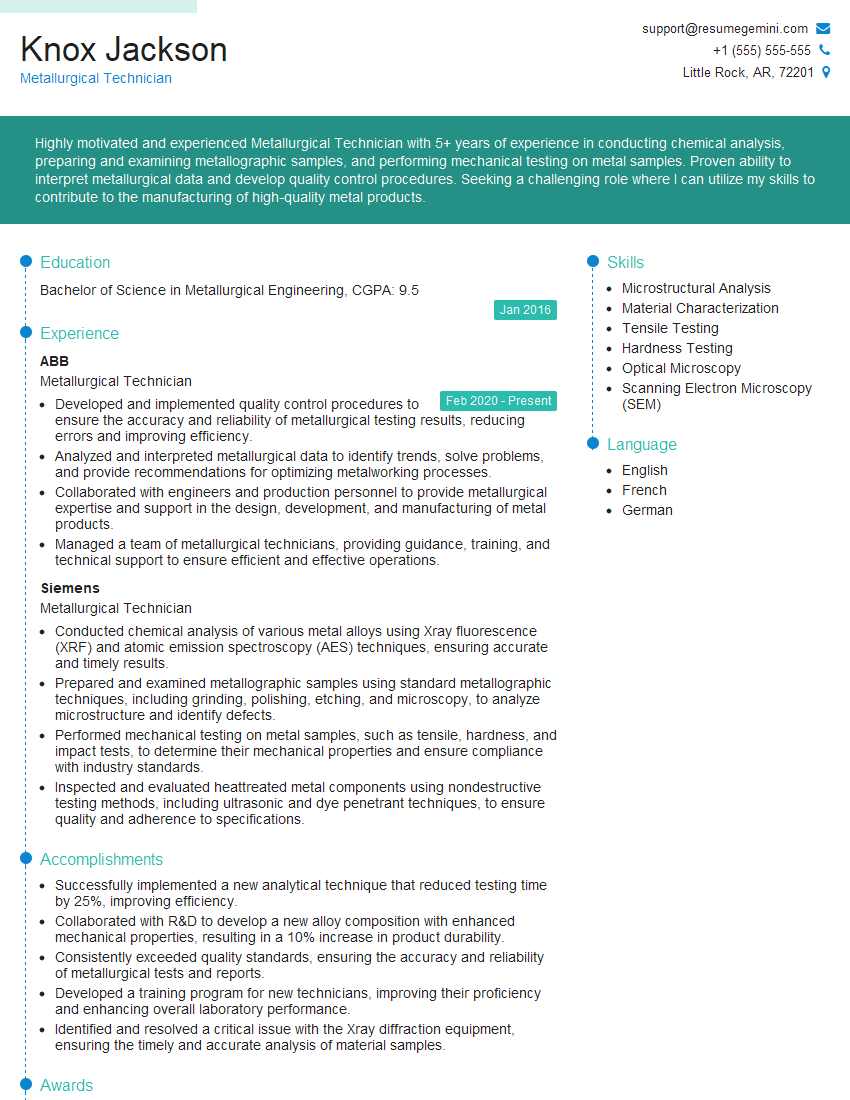
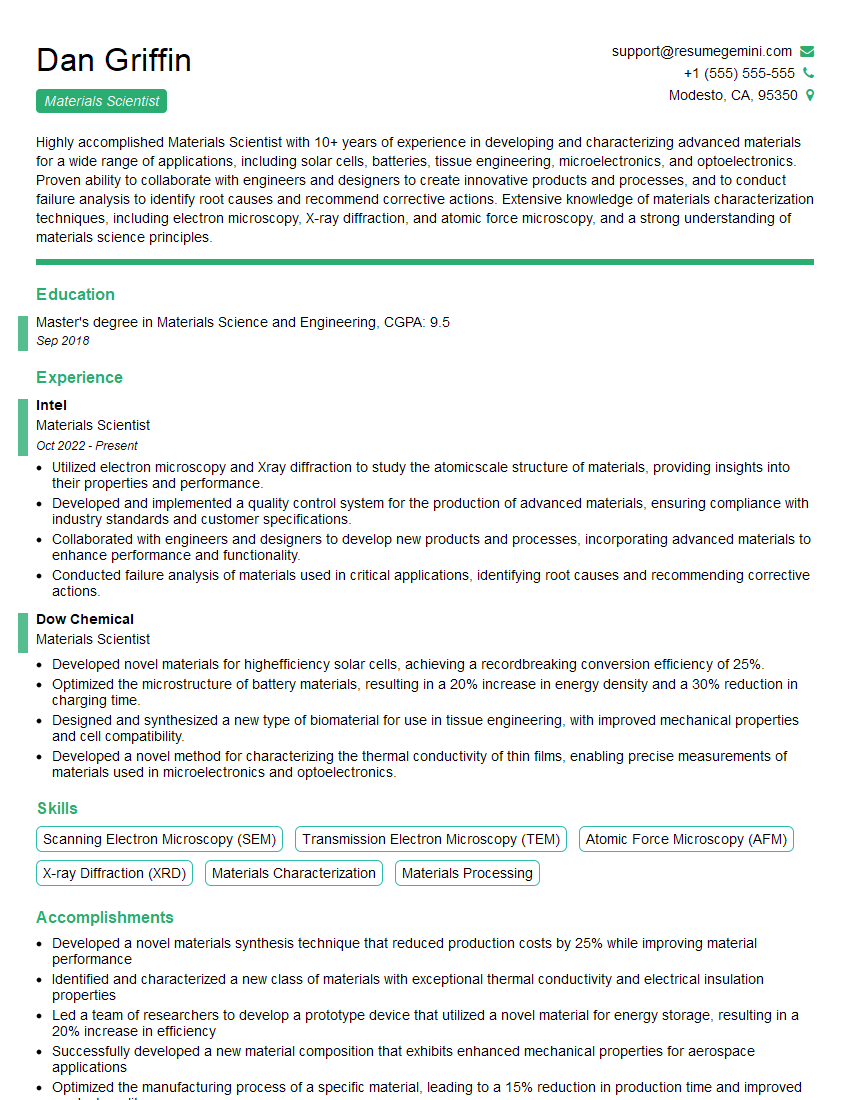
Mastering Annealing Oven Operation opens doors to exciting career opportunities within manufacturing and materials processing. To stand out, create a strong, ATS-friendly resume that highlights your skills and experience. ResumeGemini is a trusted resource that can help you build a professional and impactful resume tailored to the specific demands of this field. Examples of resumes tailored to Annealing Oven Operation are available to guide you.


Explore more articles
Users Rating of Our Blogs
Share Your Experience
We value your feedback! Please rate our content and share your thoughts (optional).
What Readers Say About Our Blog
Very informative content, great job.
good