Preparation is the key to success in any interview. In this post, we’ll explore crucial Cat Show Management and Judging interview questions and equip you with strategies to craft impactful answers. Whether you’re a beginner or a pro, these tips will elevate your preparation.
Questions Asked in Cat Show Management and Judging Interview
Q 1. What are the key responsibilities of a Cat Show Judge?
A Cat Show Judge’s primary responsibility is to objectively assess cats according to breed standards, ensuring a fair and accurate representation of each animal’s qualities. This involves a meticulous examination of the cat’s physical attributes, conformation, temperament, and overall presentation. It’s crucial to understand that judging isn’t simply about picking a ‘pretty’ cat; it’s about evaluating how closely the cat conforms to its breed standard, a detailed document outlining ideal characteristics for each breed.
- Careful Examination: Judges meticulously assess each cat, checking for breed-specific features like coat texture, eye color, body structure, and tail length.
- Impartial Assessment: Judges must maintain strict impartiality, avoiding personal biases and focusing solely on the breed standard. Any pre-conceived notions about the cat or its owner must be set aside.
- Accurate Record Keeping: Detailed records of each cat’s assessment must be kept, clearly indicating the reasons for scoring and placement.
- Professional Demeanor: Judges should maintain a professional demeanor throughout the show, interacting respectfully with exhibitors and other judges.
- Adherence to Rules: Judges are responsible for adhering to the rules and regulations set by the governing cat organization.
Q 2. Explain the judging criteria for a specific cat breed (e.g., Persian).
Judging a Persian cat involves a detailed assessment focusing on several key characteristics. The Persian breed standard emphasizes a round, cobby body type, a sweet expression, and a luxurious, long coat. Points are awarded based on how closely the cat matches this ideal.
- Head: A broad, round head with a short, broad muzzle is essential. A desirable feature is a well-defined stop (the indentation between the forehead and muzzle).
- Eyes: Large, round, and expressive eyes are key. The color should be rich and complement the coat color.
- Coat: A long, dense, luxurious coat is a defining feature. The coat should be free from matting and evenly distributed across the body.
- Body: A cobby body type, short and stocky, is preferred. The body should be well-muscled but not overweight.
- Tail: A short, plumed tail complements the overall roundness of the cat.
- Temperament: While not directly scored, temperament plays a role. A Persian should be calm and sweet-natured.
A judge will meticulously assess each cat against these points, awarding points based on the cat’s proximity to the ideal. Minor imperfections might result in lower scores, while significant deviations can lead to lower placements.
Q 3. How do you ensure the fair and impartial judging of cats?
Fair and impartial judging relies on several key strategies. The foundation is a thorough understanding and strict adherence to the breed standards. Judges are expected to have extensive knowledge of various breeds and their characteristics, ensuring that comparisons are made appropriately.
- Blind Judging: Where possible, information about the cat’s ownership or breeding background is withheld from the judge to prevent bias.
- Consistent Application of Standards: The same standards are applied to all cats within a breed, ensuring that no cat receives preferential treatment.
- Multiple Judges: Having multiple judges helps minimize individual bias; their scores are then tallied to provide a more balanced overall ranking.
- Ongoing Training and Education: Judges participate in ongoing education and training to ensure their skills remain sharp and their understanding of breed standards is current. This can include workshops and mentoring programs.
- Transparency: Judges often provide feedback to exhibitors, explaining the reasons behind their scoring. This fosters trust and allows exhibitors to improve their breeding and presentation skills.
Q 4. Describe your experience managing cat show logistics (e.g., venue setup, scheduling).
My experience in cat show logistics encompasses all aspects from initial venue selection to the final clean-up. This involves detailed planning and coordination.
- Venue Selection: Choosing a suitable venue with adequate space, climate control, and accessibility for exhibitors and visitors is crucial. Careful consideration is given to parking, catering, and restroom facilities.
- Scheduling: Creating a realistic and efficient show schedule, accounting for judging times, breaks, and ring changes is critical to ensuring smooth operations.
- Setup and Layout: Designing an effective layout to manage ring traffic flow, exhibitor access, and visitor movement is key. This also includes establishing designated areas for registration, vendors, and amenities.
- Staff Management: Organizing and managing all the show staff, including ring stewards, volunteers, and registration personnel, is vital. Clear communication and assignment of responsibilities are essential.
- Emergency Preparedness: Having contingency plans in place for unexpected events, such as power outages or medical emergencies is important for the smooth running of the event.
I’ve been involved in shows ranging from small, local events to larger, regional competitions, allowing me to adapt my logistic skills to varying scales and complexities. I am proficient in using scheduling software and coordinating with vendors to ensure a well-organized and successful cat show.
Q 5. How would you handle a dispute between exhibitors at a cat show?
Handling disputes between exhibitors requires a calm and diplomatic approach. My strategy focuses on active listening and mediation to resolve the issue fairly and efficiently.
- Gather Information: Listen carefully to both sides of the story, ensuring that each exhibitor feels heard and understood. Note down key facts and details.
- Identify the Root Cause: Determine the core issue causing the dispute. Is it a misunderstanding, a rule violation, or a personal conflict?
- Apply the Rules: If the dispute involves a breach of show rules, apply those rules consistently and fairly. The show’s rules are the basis for decision-making.
- Mediation: Attempt to mediate a solution that is acceptable to both parties. This may involve compromise or finding alternative solutions.
- Escalation: If mediation fails, or if the dispute involves serious misconduct, escalation to higher authorities, such as the show organizer or governing body, may be necessary.
Maintaining a neutral stance and focusing on resolving the conflict fairly is essential. It’s crucial to document all steps taken in handling the dispute.
Q 6. What are the different types of cat show formats?
Cat shows can be organized in several formats, each with its own characteristics:
- Championship Shows: These are large, competitive shows where cats compete for points that contribute to championship titles.
- Household Pet Shows: These shows are more informal and focus on celebrating all cats, regardless of breed or pedigree.
- Breed-Specific Shows: These shows are dedicated to a single breed, allowing for a more specialized and detailed assessment of cats within that breed.
- Regional Shows: Shows that are organized at the regional level and offer opportunities for many breeds and breeders to compete locally.
- International Shows: Large-scale events that attract competitors and judges from across the globe.
The format impacts judging criteria, judging procedures, and event organization. Championship shows, for example, typically involve more rigorous judging and a complex point system compared to household pet shows.
Q 7. What is your experience with cat show registration procedures?
My experience with cat show registration procedures is extensive. I’m familiar with various registration systems, both manual and online, and understand the importance of accurate and timely processing of entries.
- Online Registration Systems: I’m proficient in utilizing online registration platforms, including data entry, verification, and managing payments.
- Data Management: I can efficiently manage large volumes of registration data, ensuring accuracy and maintaining confidentiality.
- Verification of Pedigrees and Health Records: I’m experienced in verifying the authenticity of pedigrees and reviewing required health documents for compliance with show rules.
- Communication with Exhibitors: I maintain clear communication with exhibitors, providing timely updates, addressing queries, and resolving any registration issues.
- Generating Show Catalogs: I’m familiar with generating show catalogs from registration data, ensuring the information is accurate and presented clearly.
Efficient registration procedures are essential for a well-organized show. My skills in this area ensure that exhibitors can easily register their cats and the show organizers have accurate data for smooth operation.
Q 8. How do you maintain accurate records during a cat show?
Maintaining accurate records at a cat show is crucial for smooth operations and fair judging. We employ a multi-pronged approach, combining digital and physical record-keeping. This begins with pre-show registration, using a robust database system to track entries, ensuring each cat has a unique ID number linked to its breed, owner information, and vaccination records.
During the show, we use a combination of printed entry forms, which are updated by ring stewards as cats are shown, and a digital system for real-time updates. This digital system allows for immediate access to show results and rankings, minimizing potential errors and discrepancies. After the show, all data is reconciled, ensuring consistency across both systems. This rigorous system minimizes errors, provides an audit trail for any disputes, and streamlines the overall post-show administrative tasks like prize distribution and awards.
For example, if a dispute arises regarding a cat’s placement, we can readily access its entry details, judging scores, and any notes made by the judges, facilitating a fair and transparent resolution.
Q 9. Describe your experience with cat show marketing and promotion.
Effective marketing and promotion are essential for a successful cat show. We utilize a multi-channel approach, targeting different segments of cat enthusiasts. This includes partnering with local cat clubs and breeders to leverage their existing networks. We utilize social media platforms like Facebook and Instagram to reach a broader audience, using visually appealing content such as photos and videos of previous shows, highlighting the unique aspects of our events and promoting early-bird registration discounts.
We also collaborate with local newspapers and community magazines to increase visibility within the community and attract new attendees. Furthermore, we create a professional website with easy-to-navigate online registration and detailed information about the show, including entry fees, judging schedules, and rules and regulations. A well-designed email marketing campaign keeps registered participants informed about updates and important deadlines. Finally, we leverage sponsorships with pet supply companies and veterinarians to secure funding and gain access to their marketing channels.
For instance, a successful campaign we ran involved a partnership with a local pet store, offering a discount on their products to show attendees, which led to a significant increase in show attendance and exhibitor engagement.
Q 10. How would you manage volunteers effectively during a cat show?
Managing volunteers effectively is critical for a well-organized cat show. We begin with a clear volunteer recruitment strategy, utilizing online platforms and direct outreach to local animal welfare organizations. Before the show, each volunteer is assigned a specific role with a detailed description of their responsibilities, including training materials and contact information for supervisors. We ensure adequate supervision and communication channels are established, with designated team leaders for each area (e.g., ring stewards, registration desk, hospitality).
During the show, we emphasize clear communication and regular check-ins to ensure all volunteers are performing their duties correctly and efficiently. We provide breaks and refreshments, showing appreciation for their valuable contribution. Post-show, we express gratitude with thank-you notes and offer certificates of appreciation, encouraging future participation. A well-managed volunteer program contributes to a smoother-running show, creating a positive and supportive environment for both volunteers and participants.
For example, we had a volunteer who was initially unsure about their role. After clear instruction and regular check-ins, they became one of our most valuable assets, demonstrating the importance of proper training and support.
Q 11. How do you ensure the health and safety of cats at a cat show?
Ensuring the health and safety of the cats is our top priority. We enforce strict health regulations, requiring all exhibitors to provide up-to-date vaccination records for their cats before entry. Cats exhibiting any signs of illness are immediately isolated to prevent the spread of disease. We maintain a clean and sanitized show environment, with regular cleaning and disinfection of cages, show areas, and common spaces. The show venue is carefully selected, ensuring adequate ventilation and temperature control to minimize stress on the cats.
We provide designated quiet areas for resting cats and have a veterinarian on-site to address any emergencies. Clear signage reminds exhibitors and attendees of important hygiene practices, including hand washing and minimizing physical contact with the cats. We also implement robust security measures to prevent theft or accidental escapes. We adhere to all relevant animal welfare guidelines and regulations to prioritize the well-being of all participating animals.
For instance, we had a situation where a cat showed signs of mild respiratory distress. Our on-site veterinarian immediately intervened, preventing the situation from escalating. This highlights the importance of having readily available veterinary support.
Q 12. What are your strategies for handling unexpected issues during a cat show?
Handling unexpected issues requires a proactive and flexible approach. We have a dedicated crisis management team prepared to address various contingencies, from equipment malfunctions to medical emergencies. Our team consists of experienced personnel capable of handling various unexpected situations.
Our strategies include having backup systems in place (e.g., a secondary generator for power outages, extra supplies, and alternate judging spaces). We maintain open communication channels between all staff members, volunteers, and exhibitors. We establish clear escalation procedures for handling critical issues, ensuring swift and appropriate responses. We practice scenarios for likely emergencies through simulations, training staff to handle them calmly and efficiently. Thorough pre-show planning and contingency planning ensure a smooth show despite unexpected issues.
For example, once, the main sound system failed mid-show. Our team quickly switched to the backup system, minimizing disruption and ensuring the show continued without significant delay. This demonstrates the importance of having backup plans and a well-trained team.
Q 13. Explain your understanding of cat show rules and regulations.
A comprehensive understanding of cat show rules and regulations is paramount. We follow the guidelines established by recognized cat registries (e.g., The Cat Fanciers’ Association, Governing Council of the Cat Fancy). These rules encompass all aspects of the show, including entry requirements, breed standards, judging procedures, and code of conduct for exhibitors and judges.
We ensure all personnel, including judges, stewards, and exhibitors, are fully informed of these rules and regulations. We publish these rules clearly on our website and provide copies to all participants. We conduct pre-show briefings to review key regulations and address any questions or concerns. Strict adherence to these rules ensures fairness, consistency, and a smooth-running show that upholds the integrity of the competition and the welfare of the cats.
For instance, familiarity with breed standards allows judges to accurately assess the cats based on established criteria, avoiding subjectivity and ensuring a fair evaluation.
Q 14. How would you resolve a conflict regarding judging decisions?
Resolving conflicts regarding judging decisions requires a calm, diplomatic approach. Our primary goal is to maintain fairness and transparency. We have a clear process for handling complaints, with a designated appeals committee composed of experienced judges and show officials.
The process begins with a formal written complaint, detailing the reasons for the dispute. The appeals committee thoroughly reviews the complaint, examining the relevant judging sheets, breed standards, and any supporting documentation. They interview the involved parties (exhibitor and judge) to obtain their perspectives and clarify any misunderstandings. The committee’s decision is final and based on objective evaluation of the evidence and a thorough understanding of the applicable rules. The entire process is documented and available for review, maintaining transparency and accountability.
For example, if an exhibitor disagrees with a placement, we would review the judge’s comments and scoring alongside the breed standard. If the judge’s rationale is deemed justified and consistent with the rules, the original decision stands. If inconsistencies are identified, adjustments can be made, always emphasizing fairness and adherence to established standards.
Q 15. Describe your experience with breed standards and recognition.
Breed standards are the detailed descriptions of the ideal physical characteristics, temperament, and overall appearance of a specific cat breed. These standards are crucial for consistent breed development and judging. My experience encompasses over 15 years of involvement in various cat fancy organizations, where I’ve meticulously studied and applied breed standards for numerous breeds, ranging from Persians and Maine Coons to Siamese and Sphynx. I’ve judged countless cats, consistently referring to the relevant standards published by organizations like The Cat Fanciers’ Association (CFA) and The Governing Council of the Cat Fancy (GCCF). Recognition of a breed involves its acceptance and registration within a specific cat registry; this often entails a rigorous review process to ensure the breed meets established criteria for genetic health, distinct characteristics, and a viable breeding population. I’ve been involved in breed recognition discussions, providing expert opinions based on my extensive knowledge of feline genetics and morphology.
For example, when judging a Persian cat, I’d closely examine its coat length and texture, head shape, eye color and size, and body conformation, all in comparison to the established breed standard. Any deviation would be carefully weighed against the overall presentation and health of the cat.
Career Expert Tips:
- Ace those interviews! Prepare effectively by reviewing the Top 50 Most Common Interview Questions on ResumeGemini.
- Navigate your job search with confidence! Explore a wide range of Career Tips on ResumeGemini. Learn about common challenges and recommendations to overcome them.
- Craft the perfect resume! Master the Art of Resume Writing with ResumeGemini’s guide. Showcase your unique qualifications and achievements effectively.
- Don’t miss out on holiday savings! Build your dream resume with ResumeGemini’s ATS optimized templates.
Q 16. What are some common health problems in cats, and how would you identify them?
Cats, like any other animal, are prone to several health issues. Some common problems I frequently encounter include:
- Hypertrophic Cardiomyopathy (HCM): A heart muscle disease that can be difficult to detect without specialized testing like echocardiograms. I look for subtle signs like lethargy, difficulty breathing, or sudden collapse during the show.
- Feline Infectious Peritonitis (FIP): A viral disease manifesting in wet or dry forms. Symptoms can range from fever and lethargy to abdominal distension and jaundice. While not always readily apparent during a show, a cat exhibiting unexplained weight loss or lethargy should raise concern.
- Feline Leukemia Virus (FeLV) and Feline Immunodeficiency Virus (FIV): These viruses weaken the immune system. Signs can be subtle and include recurring infections or poor coat condition. Exhibitors are typically required to provide health certificates, which help in identifying possible carriers.
- Genetic conditions: Many breeds are susceptible to breed-specific genetic problems. For example, Persians are prone to polycystic kidney disease (PKD), which I would look for through careful assessment of body condition and potential signs of kidney failure.
Identifying these problems often requires a combination of observing the cat’s behavior, physical examination (coat condition, body weight, overall demeanor), and reviewing the health certificates provided by exhibitors. If I suspect a serious health issue, I advise the exhibitor to consult a veterinarian immediately. It’s crucial to remember that I am not a veterinarian and my role is limited to identifying potential problems, not diagnosing them.
Q 17. How do you manage the flow of cats and exhibitors throughout the show?
Efficient cat show management requires a well-structured flow to ensure a smooth and timely process for both cats and exhibitors. My approach includes:
- Pre-show planning: Careful scheduling of ring times, ensuring sufficient breaks, and designating specific areas for each class. This often involves using dedicated show management software.
- Clear communication: Providing exhibitors with clear instructions regarding arrival times, ring numbers, and judging procedures. This might involve emails, show catalogs, and announcements made on the day of the show.
- Designated staff: Employing or assigning a team of stewards and helpers to assist with the smooth movement of cats between waiting areas, rings, and cages. This ensures cats are handled calmly and efficiently.
- Ring management: Maintaining a systematic flow within each judging ring, ensuring efficient judging and minimizing wait times for exhibitors. This includes pre-judging and post-judging procedures.
- Contingency plans: Having a plan in place to handle unexpected delays or emergencies, such as a cat escaping or an exhibitor becoming unwell.
Think of it like orchestrating a complex dance – each participant has a specific role and timing, ensuring the entire event proceeds smoothly and efficiently.
Q 18. What software or systems have you used for cat show management?
Throughout my career, I’ve utilized several software and systems to manage cat shows effectively. These include:
- ShowManager: This popular software streamlines entry management, scheduling, judging, and results reporting. I’ve used its features to generate entry lists, create judging schedules, and manage ring assignments.
Example: ShowManager's automated email system for communicating with exhibitors about schedule changes. - Online entry systems: Many shows now use online platforms for exhibitors to register, submit health certificates, and even pay entry fees. I’ve found that these significantly reduce the administrative burden.
- Spreadsheet software (e.g., Excel, Google Sheets): For smaller shows, spreadsheets can be useful for tracking entries, managing judging scores, and generating reports. While less comprehensive than dedicated cat show software, they are readily available and easy to use.
The choice of software often depends on the size and complexity of the show. Larger shows almost always require dedicated software like ShowManager, while smaller, local events might utilize spreadsheets combined with online entry systems.
Q 19. How familiar are you with cat show judging scoring systems?
I am highly familiar with various cat show judging scoring systems. Most systems utilize a point-based approach where judges assess cats based on how well they conform to the breed standard. Points are awarded for different aspects of the cat’s appearance, such as coat quality, body type, and head conformation. These points are then totalled to determine the overall score and ranking. I’ve worked with systems where judges assign scores on a numerical scale (e.g., 1-100) or use a more qualitative approach involving descriptive assessments along with a final ranking. Some systems also incorporate penalties for defects or non-conformities. I have a comprehensive understanding of these variations and can adapt my approach based on the specific requirements of the show and the governing body. My experience ensures fair and accurate assessment of each cat within the context of the established scoring parameters.
Q 20. How would you deal with a cat that becomes aggressive or stressed during judging?
Dealing with an aggressive or stressed cat during judging requires a calm and careful approach prioritizing the safety and well-being of both the cat and the judge. My steps are:
- Assess the situation: Identify the cause of the aggression or stress (e.g., unfamiliar environment, loud noises, handling technique).
- Calm the cat: Speak softly, avoid sudden movements, and allow the cat to acclimatize to the environment. If necessary, gently restrain the cat using appropriate techniques, but avoid forceful handling.
- Seek assistance: If the cat remains aggressive or uncooperative, I’d seek assistance from experienced stewards or exhibitors who are familiar with the cat’s temperament. Experienced handlers often have effective techniques to calm their cats.
- Adjust the judging process: Depending on the severity of the situation, I might shorten the examination or postpone it to a later time. The safety of all parties involved is paramount.
- Document the incident: Note down the event, the steps taken, and any observations in the judging record. This is for accountability and to identify potential issues for future shows.
My priority is always to ensure the safety of the cat and the people involved. If the situation cannot be resolved safely, I would discontinue the judging for that particular cat.
Q 21. What steps do you take to ensure a positive experience for exhibitors?
Creating a positive experience for exhibitors is crucial for the success of any cat show. My approach focuses on:
- Clear communication: Providing exhibitors with detailed information about the show schedule, rules, regulations, and judging procedures well in advance.
- Fair judging: Applying breed standards consistently and fairly across all entries, avoiding any bias or favoritism. Maintaining professionalism and respect throughout the judging process is key.
- Constructive feedback: Offering exhibitors constructive and respectful feedback on their cats’ performance, highlighting both positive aspects and areas for improvement.
- Creating a welcoming atmosphere: Encouraging a friendly and supportive atmosphere among exhibitors, fostering a sense of community and camaraderie.
- Addressing concerns promptly: Responding promptly and effectively to any concerns or complaints raised by exhibitors, ensuring all issues are addressed fairly and efficiently.
I remember one instance where an exhibitor’s cat unexpectedly got sick just before the show. By coordinating with show staff and local veterinarians, we were able to provide prompt veterinary assistance, ensuring both the cat’s well-being and the exhibitor’s peace of mind. It’s through these small acts that a positive and memorable experience is created for everyone involved.
Q 22. How do you balance the needs of exhibitors with the smooth running of the show?
Balancing exhibitor needs with show logistics is crucial for a successful cat show. Think of it like orchestrating a complex ballet – each cat, owner, and judge is a dancer, and I’m the choreographer. My approach involves meticulous pre-planning and transparent communication.
- Pre-Show Communication: Clear, detailed entry instructions, readily available show schedules, and FAQ sections on the website or show program address common concerns before they arise.
- Dedicated Support Staff: Having a friendly and efficient team readily available to answer questions, provide assistance with ringside logistics, and address any concerns exhibitors may have is essential. This includes handling late entries (within reason) and providing clear directions.
- Prioritization of Exhibitors: We prioritize exhibitors’ needs where possible, for instance, accommodating requests for specific ring times (as long as it doesn’t disrupt the overall schedule). This builds trust and ensures their positive experience.
- Fair Judging Practices: We use experienced, qualified judges and clearly communicate the judging criteria to avoid confusion or any perception of unfairness. Post-show feedback mechanisms allow for continuous improvement.
For example, at a recent show, we had an exhibitor whose cat became distressed. Our team quickly provided a quiet space, water, and reassurance, ensuring both the cat and owner felt comfortable and cared for. This demonstrated our commitment to exhibitor well-being.
Q 23. How experienced are you with different cat show judging categories?
My judging experience encompasses all major cat show categories, including household pets, championship classes, and various breeds. I’m familiar with the breed standards for numerous breeds, the nuances of judging kittens versus adult cats, and the importance of evaluating temperament alongside physical attributes. I’ve judged across various organizations, including (mention specific organizations if you have experience with them), which has broadened my understanding of diverse judging styles and preferences.
My expertise extends to recognizing genetic defects, assessing conformation and coat quality, and evaluating the cat’s overall health and well-being. I also consider the cat’s presentation – the handler’s skill and the cat’s temperament— to ensure a fair and comprehensive assessment.
Q 24. How would you manage a large number of entries at a cat show?
Managing a large number of entries requires a well-structured system. Think of it as managing a complex database. It’s all about organization, technology, and teamwork.
- Online Entry System: Using a robust online entry system streamlines the registration process, automatically generates show catalogs, and manages waitlists. This system allows for easy data management, including tracking entries and payments.
- Ring Scheduling Software: Specialized software assists in creating efficient ring schedules that minimize wait times and maximize judge productivity. It helps to anticipate potential bottlenecks and adjust the schedule accordingly.
- Clear Ringside Procedures: Clearly defined ringside procedures, including entry and exit procedures for cats and exhibitors, minimize confusion and delays. This can be done with signage and clear announcements.
- Efficient Staff Allocation: Adequate staffing is crucial, with assigned roles and responsibilities for each team member: ring stewards, registration staff, and customer service representatives. A detailed staffing schedule prevents conflicts and ensures sufficient support.
For example, at a show with over 500 entries, our online system automated the catalog generation, greatly reducing our administrative workload and allowing us to focus on smooth show operations. Our ring scheduling software minimized judge idle time, resulting in a quicker, more efficient show.
Q 25. What are your strategies for effective communication with exhibitors, judges, and volunteers?
Effective communication is paramount. I utilize a multi-pronged approach to ensure everyone is informed and engaged.
- Pre-Show Communication: Regular email updates, newsletters, and a dedicated show website keep exhibitors informed about show rules, schedules, and any changes. Pre-show meetings with judges cover judging criteria, any specific show requirements, and the expected schedule.
- Show Day Communication: Clear signage, announcements, and a designated communication point for exhibitors helps to avoid any confusion. A dedicated volunteer team handles any inquiries efficiently.
- Post-Show Communication: Feedback mechanisms, such as surveys, are used to gather feedback from exhibitors and judges, facilitating continuous improvement for future shows. We provide results promptly and address any concerns professionally.
- Technology: We use email, text messaging, and social media to reach exhibitors quickly and efficiently. A centralized communication platform can further enhance communication.
For instance, at one show, using text messages to send updates about schedule changes avoided long wait times and increased exhibitor satisfaction.
Q 26. Describe your experience with budget management for cat shows.
Budget management is a critical aspect of cat show organization. It requires detailed planning and careful monitoring.
- Detailed Budgeting: We create a comprehensive budget that includes all anticipated expenses (venue rental, judging fees, prizes, marketing, supplies, insurance, etc.) and potential revenue sources (entry fees, sponsorships, merchandise sales). This budget is presented to the organizing committee for review and approval.
- Sponsorship Acquisition: Seeking sponsorships from businesses related to the pet industry can significantly offset costs. We approach potential sponsors with well-crafted proposals, outlining the benefits of association with the event.
- Cost Control: We implement cost-saving measures where appropriate, such as negotiating favorable rates with vendors and optimizing resource utilization.
- Financial Reporting: We maintain accurate financial records throughout the event, ensuring transparent financial reporting to the organizing committee and sponsors.
In one instance, securing a major sponsorship from a pet food company covered a large part of our venue rental costs and prizes, significantly improving our financial position.
Q 27. What are some common challenges in cat show management, and how would you overcome them?
Common challenges in cat show management include unexpected cancellations (judges, exhibitors), logistical issues (venue problems, technical malfunctions), and handling unexpected circumstances (ill cats, conflicts among exhibitors).
- Contingency Planning: A robust contingency plan is vital. This plan should include backup judges, alternative venues (if feasible), and procedures for handling emergencies. Having a backup judge’s contact information readily available is essential.
- Problem-Solving: A calm, decisive approach to resolving problems is necessary. We assess the situation, determine the best course of action, communicate the solution to affected parties, and implement it efficiently.
- Flexibility: The ability to adapt to unexpected situations is crucial. Maintaining a flexible schedule allows us to accommodate unforeseen changes without disrupting the entire flow of the show.
- Communication: Clear communication is essential throughout the process, ensuring everyone is informed about any changes or challenges.
For example, when a judge had a last-minute cancellation, we immediately contacted our backup judge, communicated the situation to exhibitors, and adjusted the ring schedule accordingly, minimizing disruptions.
Q 28. How would you handle a situation where a judge is unavailable at the last minute?
Having a judge cancel at the last minute requires immediate action. Our procedure involves:
- Contacting Backup Judges: Our first step is contacting our pre-identified backup judges. Having a list of qualified judges ready to step in is crucial.
- Assessing the Situation: We evaluate the judge’s specialization and the number of cats in the affected rings to ensure the backup judge’s expertise is a suitable fit.
- Communication: We inform exhibitors of the change immediately, explaining the reason and the new judge’s credentials. Transparency is key here.
- Rescheduling (If Necessary): In some cases, we may need to slightly adjust the ring schedule to accommodate the new judge. This adjustment will depend on the complexity of the situation.
- Post-Show Follow-Up: We document the situation for future reference and analyze any vulnerabilities in our judge recruitment or backup plans.
In a past instance, a judge canceled due to illness. We swiftly contacted our backup, who was equally qualified, and informed exhibitors via email and text message. The show continued smoothly with minimal disruption.
Key Topics to Learn for Cat Show Management and Judging Interview
- Cat Show Regulations & Rules: Understanding the intricacies of different cat show organizations’ rules and regulations, including breed standards, judging criteria, and show procedures.
- Practical Application: Ability to explain how to handle various situations, such as disqualifications, disputes, or emergencies during a cat show.
- Breed Recognition & Standards: In-depth knowledge of various cat breeds, their characteristics, and how to accurately assess them according to established breed standards.
- Practical Application: Demonstrate your ability to differentiate subtle variations in breed characteristics and explain your assessment rationale.
- Cat Show Logistics & Management: Experience in planning, organizing, and executing all aspects of a cat show, including vendor management, volunteer coordination, and budget control.
- Practical Application: Describe your experience in solving logistical challenges and managing unexpected problems during a cat show.
- Judging Techniques & Ethics: Mastering the art of objective judging, understanding ethical considerations, and maintaining impartiality throughout the judging process.
- Practical Application: Explain your approach to evaluating cats fairly and consistently, and how you handle potential biases.
- Health & Welfare of Cats: Knowledge of feline health, identifying potential health issues, and ensuring the well-being of cats participating in the show.
- Practical Application: Detail your experience in ensuring the safety and comfort of cats during a show, including handling stressed or unwell animals.
- Record Keeping & Reporting: Experience with accurate record keeping, data management, and generating reports for show organizers and relevant authorities.
- Practical Application: Describe your experience with efficient data entry and report generation for cat show results.
Next Steps
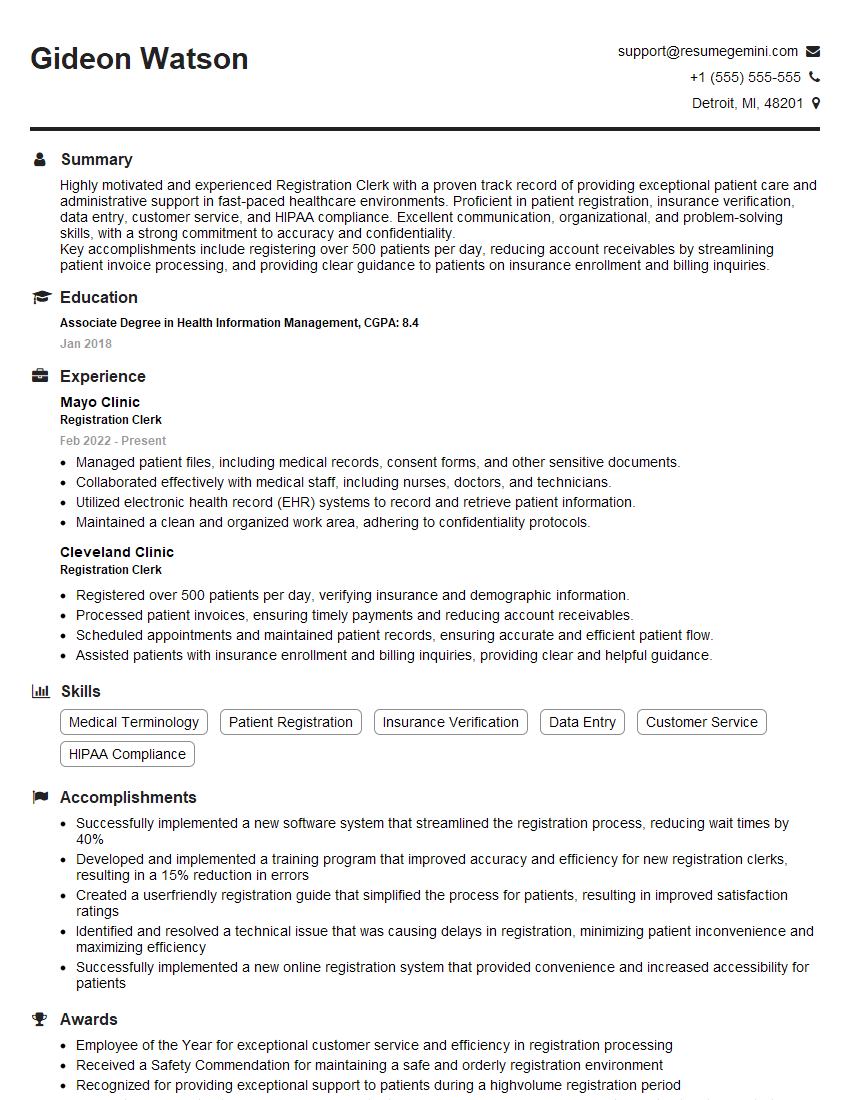
Mastering Cat Show Management and Judging opens doors to exciting career opportunities within the feline community, from prestigious judging roles to managing large-scale events. To maximize your job prospects, crafting a strong, ATS-friendly resume is crucial. ResumeGemini is a trusted resource that can help you build a professional and impactful resume tailored to highlight your specific skills and experience in this field. Examples of resumes specifically designed for Cat Show Management and Judging positions are available to help you get started.
Explore more articles
Users Rating of Our Blogs
Share Your Experience
We value your feedback! Please rate our content and share your thoughts (optional).
What Readers Say About Our Blog
Very informative content, great job.
good