Cracking a skill-specific interview, like one for Consulting Skills, requires understanding the nuances of the role. In this blog, we present the questions you’re most likely to encounter, along with insights into how to answer them effectively. Let’s ensure you’re ready to make a strong impression.
Questions Asked in Consulting Skills Interview
Q 1. Describe your approach to problem-solving in a consulting context.
My approach to problem-solving in consulting is structured and iterative, employing a framework I’ve refined over time. It begins with a deep understanding of the client’s needs – not just the stated problem, but the underlying issues driving it. This involves active listening, probing questions, and potentially reviewing substantial data. I then define the problem clearly and concisely, ensuring everyone is on the same page. Next, I develop hypotheses – potential solutions – and prioritize them based on impact and feasibility. Each hypothesis is then rigorously tested using data analysis, market research, or other appropriate methods. Finally, I present clear, concise recommendations supported by evidence, along with a plan for implementation and monitoring progress. This iterative process allows for flexibility and adaptation as new information emerges.
For example, in a recent project for a struggling retail client, we initially focused on their declining sales figures. However, through deeper investigation, we uncovered a deeper issue: a mismatch between their online and offline branding. Adjusting our hypothesis to address this branding problem ultimately led to a more impactful and successful solution.
Q 2. Explain your understanding of the ’80/20 rule’ and its application in consulting.
The ’80/20 rule,’ or Pareto Principle, states that roughly 80% of effects come from 20% of causes. In consulting, this means identifying the vital 20% of efforts that will yield the greatest 80% of results. It’s about prioritizing high-impact activities and avoiding getting bogged down in low-value tasks. This principle guides resource allocation, data analysis, and problem-solving. We use it to streamline projects, focus on the most impactful levers for change, and maximize efficiency.
For instance, when analyzing a company’s marketing campaigns, we might find that 20% of the campaigns generate 80% of the leads. Focusing on optimizing those top-performing 20% offers a much higher return on investment than spreading efforts thinly across all campaigns.
Q 3. How would you structure an analysis of a client’s market position?
Analyzing a client’s market position requires a multi-faceted approach. I would structure this analysis using a framework that incorporates several key elements:
- Market Sizing and Segmentation: Defining the total addressable market (TAM), serviceable available market (SAM), and serviceable obtainable market (SOM) to understand the potential market size and identify key customer segments.
- Competitive Analysis: Identifying key competitors, analyzing their strengths and weaknesses, and assessing their market share. This involves understanding their strategies, pricing, and customer base.
- SWOT Analysis: Evaluating the client’s internal strengths and weaknesses, and the external opportunities and threats in the market. This helps to pinpoint areas for improvement and potential risks.
- Value Proposition Analysis: Assessing the uniqueness and value of the client’s offerings compared to competitors. What makes them stand out? Do they have a clear value proposition that resonates with their target customers?
- Customer Analysis: Understanding the client’s customer base – their demographics, needs, and preferences. This might involve surveys, interviews, or analyzing customer data.
- Financial Performance Analysis: Examining key financial metrics such as revenue, profitability, and market share to understand the client’s financial health and overall market performance.
By combining these elements, we can build a comprehensive picture of the client’s market position, identifying opportunities for growth and areas requiring improvement.
Q 4. What is your experience with data analysis tools relevant to consulting?
My experience with data analysis tools is extensive. I’m proficient in using tools such as SQL for data extraction and manipulation, R and Python for statistical analysis and data visualization, and Tableau and Power BI for creating interactive dashboards and reports. I also have experience with various statistical software packages and data mining techniques. My ability to leverage these tools enables me to extract meaningful insights from large datasets, identify trends, and support strategic decision-making for our clients.
For instance, in a recent project, I used Python and Pandas to analyze customer transaction data, identifying key factors driving customer churn. This led to the development of targeted retention strategies that significantly improved customer loyalty.
Q 5. How do you prioritize tasks when facing multiple deadlines?
Prioritizing tasks with multiple deadlines requires a structured approach. I use a combination of techniques, including:
- Prioritization Matrix: Ranking tasks based on urgency and importance (Eisenhower Matrix). Urgent and important tasks are tackled first, followed by important but not urgent, etc.
- Time Blocking: Allocating specific time slots for particular tasks to ensure focused work and prevent distractions.
- Project Management Tools: Utilizing tools like Asana or Jira to manage tasks, deadlines, and dependencies effectively.
- Communication and Collaboration: Open communication with stakeholders and team members is crucial to proactively manage changes and shifting priorities.
I also regularly review and adjust my priorities based on new information or changes in circumstances. Flexibility and adaptability are key to managing multiple deadlines successfully.
Q 6. Explain a situation where you had to overcome a significant obstacle in a project.
In a project for a financial institution, we faced a significant obstacle when a key data source became unavailable due to a technical glitch just weeks before the deadline. This jeopardized the entire project timeline and deliverables. To overcome this, I immediately assembled a cross-functional team, including data engineers, project managers, and client representatives. We explored alternative data sources, validating their reliability and relevance. Simultaneously, we worked with the IT team to troubleshoot the primary data source. We also re-prioritized our tasks and adjusted our deliverables to reflect the available data. Through collaborative efforts and proactive problem-solving, we managed to deliver a revised but still valuable report within the adjusted timeline, minimizing the impact on the client.
Q 7. Describe your experience with client communication and management.
Client communication and management are paramount in consulting. I prioritize clear, concise, and regular communication throughout the project lifecycle. This involves setting clear expectations upfront, providing regular updates, and actively soliciting feedback from the client. I adapt my communication style to the client’s preferences, ensuring that information is delivered in a timely and accessible manner. I also build strong relationships based on trust and mutual respect. This collaborative approach fosters open communication, making it easier to address challenges and ensure the project’s success.
For example, I often use visual aids like dashboards and presentations to communicate complex information clearly. I also schedule regular check-in calls to proactively address any concerns or questions, keeping the client informed and engaged.
Q 8. How do you ensure the quality and accuracy of your deliverables?
Ensuring the quality and accuracy of deliverables is paramount in consulting. My approach is multifaceted and begins even before the project starts. It involves a rigorous process incorporating planning, execution, and review phases.
- Thorough Planning: This includes clearly defining the scope of work, establishing realistic timelines and milestones, and meticulously documenting requirements with the client. We use a robust framework for requirement gathering to minimize ambiguities and ensure everyone is on the same page from the outset.
- Rigorous Execution: During project execution, I employ meticulous data collection and analysis techniques. We utilize appropriate quality control checks at each stage, including peer reviews and internal quality assurance processes. This helps to catch errors early and prevents downstream problems.
- Comprehensive Review and Validation: Before delivery, we perform a thorough review of all deliverables, verifying the accuracy and completeness of the data, analysis, and recommendations. This often involves a final walkthrough with the client to address any outstanding questions or concerns. We also document all changes and approvals.
For example, in a recent project optimizing supply chain logistics, we implemented a rigorous data validation process using statistical sampling and cross-referencing data from multiple sources to ensure the accuracy of our cost and efficiency models before presenting our recommendations to the client.
Q 9. How familiar are you with different consulting methodologies (e.g., Agile, Waterfall)?
I’m proficient in both Agile and Waterfall methodologies, understanding their strengths and weaknesses and adapting my approach based on the specific project requirements and client preferences.
- Waterfall: A structured, sequential approach best suited for projects with clearly defined requirements and minimal anticipated changes. Its strength lies in its predictability and control, making it ideal for projects with regulatory constraints or significant upfront investment.
- Agile: An iterative approach emphasizing flexibility and collaboration, well-suited for projects with evolving requirements or those requiring frequent feedback loops. Its strength lies in its responsiveness to change and ability to quickly adapt to new information. I have experience using Scrum and Kanban frameworks within Agile environments.
In practice, I’ve found that a hybrid approach, incorporating elements of both methodologies, can often be the most effective. For example, we might use a Waterfall approach for the initial stages of a project, focusing on establishing a clear foundation, and then transition to Agile for iterative development and refinement of solutions.
Q 10. Explain your experience with financial modeling techniques.
My experience with financial modeling encompasses a wide range of techniques, including discounted cash flow (DCF) analysis, sensitivity analysis, scenario planning, and valuation modeling. I am proficient in using software such as Excel and specialized financial modeling tools.
I’ve used these techniques extensively to support various client engagements, including:
- Mergers and Acquisitions: Developing valuation models to assess the fair market value of target companies.
- Investment Appraisal: Creating financial models to evaluate the profitability and risk of proposed investments.
- Strategic Planning: Developing financial forecasts and simulations to assess the impact of different strategic options.
For instance, during a recent due diligence assignment, I constructed a detailed DCF model incorporating various assumptions about revenue growth, operating margins, and capital expenditures to determine the intrinsic value of a target company, which was crucial in guiding the client’s acquisition strategy.
Q 11. How would you present complex information to a non-technical audience?
Communicating complex information to a non-technical audience requires simplifying the message without compromising accuracy. My approach involves:
- Identifying the key takeaways: What are the 2-3 most important points the audience needs to understand?
- Using plain language: Avoiding jargon and technical terms. If absolutely necessary, I define these terms clearly and concisely.
- Visual aids: Charts, graphs, and other visuals can greatly enhance understanding and engagement. I tailor the visuals to the audience’s level of understanding.
- Storytelling: Framing the information as a narrative can make it more engaging and memorable.
- Analogies and metaphors: Relating the complex concepts to familiar examples helps the audience grasp the main points easily.
For example, when explaining a complex statistical model to a board of directors, I wouldn’t focus on the intricate mathematical formulas. Instead, I would use a simple analogy and compelling visuals to illustrate the key findings and their implications for the business.
Q 12. Describe your approach to root cause analysis.
My approach to root cause analysis is systematic and data-driven. I typically employ a structured methodology such as the “5 Whys” or the Fishbone diagram (Ishikawa diagram).
- 5 Whys: This involves repeatedly asking “why” to progressively drill down to the underlying cause of a problem. It’s a simple but effective method for identifying the root cause.
- Fishbone Diagram: This visual tool helps to brainstorm and categorize potential causes, organized by categories like people, processes, materials, and equipment.
- Data Analysis: I always try to support my root cause analysis with data. This could involve reviewing historical data, conducting surveys, or interviewing stakeholders to gather relevant information.
In a recent project involving declining sales, I used a combination of the 5 Whys and data analysis. We systematically questioned declining sales figures to identify weak points in our marketing campaign and subsequently used A/B testing to improve results significantly.
Q 13. How do you handle conflicting priorities from multiple stakeholders?
Handling conflicting priorities from multiple stakeholders requires strong communication, negotiation, and prioritization skills. My approach involves:
- Understanding the perspectives: Actively listening to and understanding the concerns and priorities of each stakeholder.
- Facilitating discussion: Creating a forum for stakeholders to openly discuss their priorities and find common ground.
- Prioritization framework: Developing a clear framework for prioritizing competing demands, considering factors such as urgency, impact, and feasibility.
- Transparency and communication: Keeping all stakeholders informed of decisions and rationale behind them.
- Negotiation and compromise: Finding mutually acceptable solutions that balance the interests of different stakeholders.
For example, in a project with tight deadlines and limited resources, I used a weighted prioritization matrix to objectively assess the relative importance of different tasks, involving stakeholders in the weighting process to ensure buy-in and transparency.
Q 14. What metrics would you use to measure the success of a consulting project?
The metrics used to measure the success of a consulting project vary depending on the project’s objectives. However, some common and crucial metrics include:
- Client satisfaction: Measured through surveys, feedback sessions, and ongoing communication.
- Achieving project objectives: Did the project deliver on its intended goals and within the defined scope?
- Financial performance: Did the project deliver the expected return on investment (ROI)? This could involve cost savings, revenue increases, or improved efficiency.
- Timeliness: Was the project completed on time and within budget?
- Quality of deliverables: Were the deliverables accurate, complete, and useful to the client?
- Impact on client’s key performance indicators (KPIs): Did the project improve the client’s key performance indicators, such as customer satisfaction, market share, or employee productivity?
It’s important to define these metrics upfront, making sure they are measurable, attainable, relevant, and time-bound (SMART).
Q 15. How do you build rapport with clients?
Building rapport with clients is crucial for successful consulting. It’s about establishing trust and a strong working relationship based on mutual understanding and respect. This involves active listening, demonstrating empathy, and building a connection on a personal and professional level.
- Active Listening: I focus intently on what the client is saying, both verbally and nonverbally. I ask clarifying questions to ensure I fully understand their needs and concerns, showing genuine interest in their perspective. For example, instead of jumping to solutions, I might ask, “Can you tell me more about the challenges you’re facing with that process?”
- Empathy and Understanding: I try to see things from the client’s point of view, acknowledging their challenges and validating their feelings. This helps them feel heard and understood, fostering trust and open communication. A simple phrase like, “I understand this must be frustrating,” can go a long way.
- Building Personal Connection: While maintaining professionalism, I strive to find common ground and build a connection beyond the purely business context. This might involve casually discussing shared interests or experiences, creating a more comfortable and collaborative atmosphere. However, this should always be appropriate and sensitive to the client’s comfort level.
- Clear and Open Communication: I ensure communication is clear, concise, and consistent. I provide regular updates and proactively address any concerns. This builds transparency and trust.
For instance, in a recent project with a manufacturing company, I spent the initial meeting not just discussing their production bottlenecks, but also learning about their company culture and the challenges they face in the broader market. This helped build trust and opened the door for more candid conversations later.
Career Expert Tips:
- Ace those interviews! Prepare effectively by reviewing the Top 50 Most Common Interview Questions on ResumeGemini.
- Navigate your job search with confidence! Explore a wide range of Career Tips on ResumeGemini. Learn about common challenges and recommendations to overcome them.
- Craft the perfect resume! Master the Art of Resume Writing with ResumeGemini’s guide. Showcase your unique qualifications and achievements effectively.
- Don’t miss out on holiday savings! Build your dream resume with ResumeGemini’s ATS optimized templates.
Q 16. Describe a time you had to adapt to unexpected changes in a project.
Adaptability is essential in consulting. A project I worked on involved optimizing a company’s supply chain. Initially, we planned to implement a new software solution. However, halfway through the project, the company underwent a sudden merger, significantly altering priorities and resources.
My response involved several steps:
- Assessment: I immediately assessed the impact of the merger on the project scope, timeline, and budget. This included discussions with key stakeholders from both merging companies to understand their new objectives and concerns.
- Reprioritization: We adjusted the project plan, focusing on the most critical aspects that aligned with the post-merger goals. Some less important features of the software implementation were temporarily deferred.
- Communication: I maintained open and transparent communication with all stakeholders, keeping them informed about the changes and their implications. This prevented misunderstandings and fostered cooperation.
- Creative Solutions: We explored alternative solutions to achieve the core objectives. Instead of a full software implementation, we implemented a phased rollout and focused on optimizing existing processes in the short term.
The result was a successful adaptation. While we didn’t fully achieve the initial plan, we delivered significant value to the merged entity within the revised constraints, demonstrating the importance of flexibility and quick thinking under pressure.
Q 17. How do you manage your time effectively during a busy period?
Effective time management during busy periods relies on a structured approach, combining planning, prioritization, and execution techniques. It’s not just about working harder, but working smarter.
- Prioritization: I use techniques like the Eisenhower Matrix (urgent/important) to categorize tasks. This helps me focus on high-impact activities first and delegate or defer less critical ones.
- Time Blocking: I allocate specific time slots for particular tasks, minimizing context switching and improving focus. This involves creating a realistic schedule and sticking to it as much as possible.
- Delegation: I effectively delegate tasks that can be handled by others, freeing up my time for higher-level activities requiring my expertise.
- Technology and Tools: I leverage project management software (e.g., Asana, Trello) and calendar applications to track progress, deadlines, and meetings efficiently.
- Regular Review and Adjustment: I regularly review my schedule and adjust as needed, ensuring I stay on track and address any emerging issues proactively.
For example, during a particularly demanding period involving multiple concurrent projects, I used time blocking to allocate specific time blocks for client meetings, analysis, report writing, and communication. This enabled me to stay focused and deliver all project deliverables on time and within budget.
Q 18. What are your strengths and weaknesses as a consultant?
My strengths as a consultant include strong analytical skills, excellent communication, and a proactive approach to problem-solving. I can quickly grasp complex issues, analyze data effectively, and translate findings into actionable recommendations. I am also adept at building relationships with clients and colleagues, fostering collaboration and trust.
One area I’m continuously working on is delegation. While I enjoy hands-on involvement, I recognize the importance of effectively delegating tasks to optimize team efficiency and my own time management. I’m actively practicing delegating more effectively by clearly defining expectations, providing sufficient support, and trusting my team members’ abilities.
Q 19. Explain your experience with stakeholder management.
Stakeholder management is a critical aspect of successful consulting projects. It involves identifying, analyzing, and engaging with all individuals or groups who have an interest in or are affected by the project. This requires understanding their perspectives, managing expectations, and fostering collaboration.
- Identification: I begin by thoroughly identifying all stakeholders, mapping out their influence and interest levels using a stakeholder matrix. This helps prioritize engagement strategies.
- Analysis: I analyze each stakeholder’s needs, concerns, and potential impact on the project. This allows me to tailor communication and engagement strategies appropriately.
- Communication and Engagement: I establish clear communication channels and proactively engage with stakeholders throughout the project. This involves regular updates, feedback sessions, and addressing any concerns promptly.
- Conflict Resolution: I develop strategies for addressing conflicts that may arise among stakeholders. This includes facilitating open dialogue, mediating disagreements, and finding mutually acceptable solutions.
In a recent project, a disagreement arose between the project sponsor and the IT department regarding the implementation timeline. By facilitating a meeting and understanding each party’s concerns, I helped them reach a compromise that satisfied both sides and ensured the project remained on track.
Q 20. How do you identify and mitigate risks in a project?
Risk management is a crucial component of any project. It involves identifying potential problems that could jeopardize the project’s success, assessing their likelihood and impact, and developing strategies to mitigate them.
- Risk Identification: I utilize brainstorming sessions, checklists, and project documentation to identify potential risks throughout the project lifecycle. This can include technical challenges, resource constraints, and stakeholder conflicts.
- Risk Assessment: I assess each risk’s likelihood and potential impact, using a qualitative or quantitative approach. This allows for prioritizing risks based on their severity.
- Risk Response Planning: For each significant risk, I develop a response plan that includes mitigation strategies such as contingency plans, risk transfer (insurance), risk avoidance (changing the project plan), or risk acceptance (acknowledging and monitoring the risk).
- Monitoring and Control: Throughout the project, I regularly monitor identified risks and adjust the response plans as needed. This includes tracking progress, identifying new risks, and communicating any changes to stakeholders.
For instance, on a project with a tight deadline, we identified the risk of delays due to external dependencies. To mitigate this, we built buffer time into the schedule and established clear communication channels with external partners to monitor progress and address any potential issues promptly.
Q 21. How would you approach a problem where you lack all the necessary information?
When confronted with incomplete information, a structured approach is essential. It’s about gathering available data, making informed assumptions, and iteratively refining understanding as more information becomes available.
- Information Gathering: I start by identifying the specific information gaps and prioritizing what information is most critical to proceed. I leverage various sources: existing documentation, client interviews, industry research, etc.
- Assumption Making: Based on available information and reasonable assumptions, I develop a preliminary understanding of the problem. I clearly document these assumptions, acknowledging their limitations.
- Analysis with Partial Data: I proceed with the analysis using the available data, highlighting the limitations imposed by the information gaps. This allows for developing preliminary recommendations.
- Iterative Refinement: I actively seek additional information to fill the gaps. This might involve further client meetings, research, or data analysis. As new information emerges, I refine the analysis and adjust recommendations accordingly.
- Transparency and Communication: I maintain open communication with the client about the information gaps and their implications for the analysis and recommendations. Transparency builds trust and allows for collaborative problem-solving.
In one project, we needed to assess the market viability of a new product. Initially, we lacked comprehensive market research data. We proceeded with available data, clearly stating our assumptions, and then commissioned a targeted market research study to fill the knowledge gap. This iterative approach led to a more robust and reliable final assessment.
Q 22. Describe your experience with presentation development and delivery.
Presentation development and delivery are critical consulting skills. I approach it as a three-stage process: preparation, design, and delivery.
Preparation involves thorough research and understanding of the audience. I tailor the message to their level of expertise and interests, ensuring the information is relevant and impactful. I define clear objectives – what I want the audience to know, understand, and do after the presentation. This informs the structure and content.
Design focuses on creating a visually appealing and easy-to-follow presentation. I utilize a combination of charts, graphs, and storytelling to present complex information concisely. I avoid overwhelming the audience with text-heavy slides, instead opting for clear visuals and concise bullet points. I’ve found using templates helps maintain consistency and professionalism.
Delivery is about confident communication. I practice extensively to ensure a smooth and engaging delivery. I incorporate techniques like using visuals effectively, maintaining eye contact, and varying my tone to keep the audience engaged. I also plan for Q&A, anticipating potential questions and preparing concise answers. For example, during a presentation to a board of directors on streamlining operations, I used data visualizations to showcase projected cost savings, which significantly improved understanding and buy-in.
Q 23. How familiar are you with different types of market research methodologies?
I’m familiar with a wide range of market research methodologies, both qualitative and quantitative. Qualitative research helps understand the ‘why’ behind consumer behavior. Methods include focus groups, in-depth interviews, and ethnographic studies. For instance, I once used in-depth interviews to understand the unmet needs of a specific customer segment, leading to the development of a new product feature.
Quantitative research focuses on numerical data to identify trends and patterns. This includes surveys, experiments, and data analysis. I often use statistical software like SPSS or R to analyze large datasets. For example, I conducted a large-scale survey to assess market size and potential for a new service, providing the client with concrete numbers to support their investment decision.
I understand the importance of selecting the appropriate methodology based on the research objective, budget, and timeframe. A well-designed research plan ensures reliable and actionable insights.
Q 24. How do you quantify the impact of your recommendations?
Quantifying the impact of recommendations is paramount. I use a variety of methods depending on the context. For cost-saving recommendations, I calculate the projected reduction in expenses based on detailed cost analysis and realistic assumptions. I express this in concrete terms – for example, ‘a projected annual cost saving of $500,000’.
For revenue-generating recommendations, I use forecasting models and market analysis to estimate the potential increase in revenue. I always support these estimations with detailed calculations and assumptions, clearly outlining potential risks and uncertainties. For example, when proposing a new marketing strategy, I projected a 15% increase in sales based on historical data and market trends.
Beyond financial metrics, I also quantify the impact on other key performance indicators (KPIs) such as customer satisfaction, employee engagement, or operational efficiency. Using a balanced scorecard approach helps to provide a holistic view of the impact of my recommendations.
Q 25. Explain your understanding of different types of business models.
My understanding of business models encompasses various frameworks, including the Business Model Canvas. I’m familiar with different types such as:
- Subscription models: Recurring revenue streams through subscriptions (e.g., Netflix).
- Freemium models: Offering a basic service for free and charging for premium features (e.g., Spotify).
- Franchise models: Licensing a business model to independent operators (e.g., McDonald’s).
- Razor-and-blades models: Selling a low-cost product and high-margin consumables (e.g., printer cartridges).
- Platform models: Connecting buyers and sellers (e.g., eBay).
I analyze a client’s current business model to identify strengths and weaknesses and explore potential opportunities for improvement or transition to a more sustainable model. This includes assessing the value proposition, revenue streams, key activities, and key partnerships. The choice of model depends on factors like market conditions, target audience, and competitive landscape.
Q 26. How do you maintain ethical standards in a consulting role?
Maintaining ethical standards is non-negotiable. This involves adhering to professional codes of conduct, protecting client confidentiality, and avoiding conflicts of interest. I always prioritize objectivity and transparency in my work, ensuring that all recommendations are based on factual data and sound judgment. I refuse assignments that conflict with my ethical principles. I believe in fostering trust and long-term relationships with clients built on integrity.
Furthermore, I ensure data integrity and transparency in my analysis. I clearly document my methods and findings to avoid any misunderstanding or misrepresentation. For example, I’ve declined engagements where I perceived a potential conflict of interest, even if it meant losing potential business. My reputation for ethical conduct is invaluable.
Q 27. Describe a challenging client interaction and how you resolved it.
In one project, a client was resistant to adopting a key recommendation due to concerns about the initial investment. The client had a strong preference for a short-term solution, overlooking the long-term benefits. I addressed this by first actively listening to their concerns and validating their apprehension. I then reframed the recommendation, focusing on the potential return on investment (ROI) over a longer period, demonstrating the cost savings and increased efficiency in the long run.
I presented a detailed financial model outlining the initial investment, projected savings, and the overall ROI. I also showcased case studies of similar companies that had successfully implemented the same solution. This data-driven approach helped build confidence and ultimately led the client to accept the recommendation. Effective communication and understanding the client’s perspective were crucial to resolving this conflict.
Q 28. How do you contribute to a team’s success in a consulting environment?
Contributing to team success in consulting involves a multifaceted approach. Firstly, I ensure timely and high-quality delivery of my individual tasks. I actively participate in brainstorming sessions, contributing creative ideas and solutions. I’m proficient in collaborative tools and effectively communicate with team members to maintain transparency and ensure everyone is on the same page.
I also actively seek feedback from colleagues and incorporate constructive criticism to improve my performance. I readily assist team members, sharing my expertise and knowledge to support their work. Building strong relationships based on mutual respect and trust is vital for collaborative success. For example, I recently mentored a junior consultant on a project, helping them develop their analytical skills and presentation abilities, which ultimately benefited the team as a whole. A successful consulting team relies on collective expertise and supportive collaboration.
Key Topics to Learn for Consulting Skills Interview
- Problem Structuring & Decomposition: Learn to break down complex business problems into manageable, solvable components. This involves identifying key issues, defining objectives, and outlining a logical approach to analysis.
- Case Interview Frameworks: Understand and apply various frameworks (e.g., market sizing, profitability analysis, competitive analysis) to structure your thinking and approach problem-solving systematically. Practice applying these frameworks to hypothetical scenarios.
- Data Analysis & Interpretation: Develop your ability to extract insights from data, identify trends, and draw meaningful conclusions. This includes understanding different data types, interpreting charts and graphs, and formulating data-driven recommendations.
- Communication & Presentation: Practice clearly articulating your thoughts, presenting complex information concisely, and effectively communicating your findings and recommendations to both technical and non-technical audiences. Focus on structuring your presentations logically and visually.
- Client Management & Relationship Building: Understand the importance of building strong client relationships, actively listening to their needs, and adapting your approach to effectively address their concerns.
- Business Acumen & Industry Knowledge: Develop a strong understanding of general business principles and familiarize yourself with industry trends relevant to the consulting field you are targeting. This demonstrates your commitment to the profession.
- Logical Reasoning & Problem Solving: Sharpen your analytical and critical thinking skills. Practice solving logic puzzles and case studies to enhance your problem-solving abilities. Focus on a structured, step-by-step approach.
Next Steps
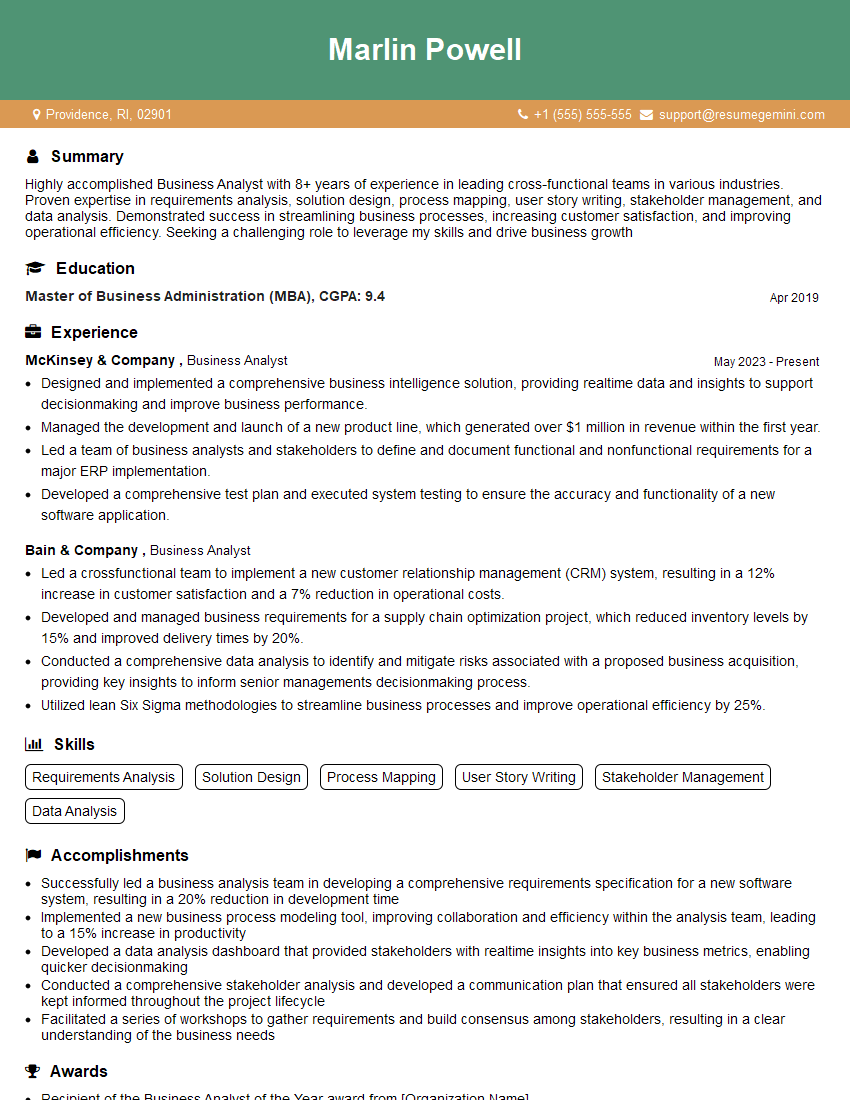
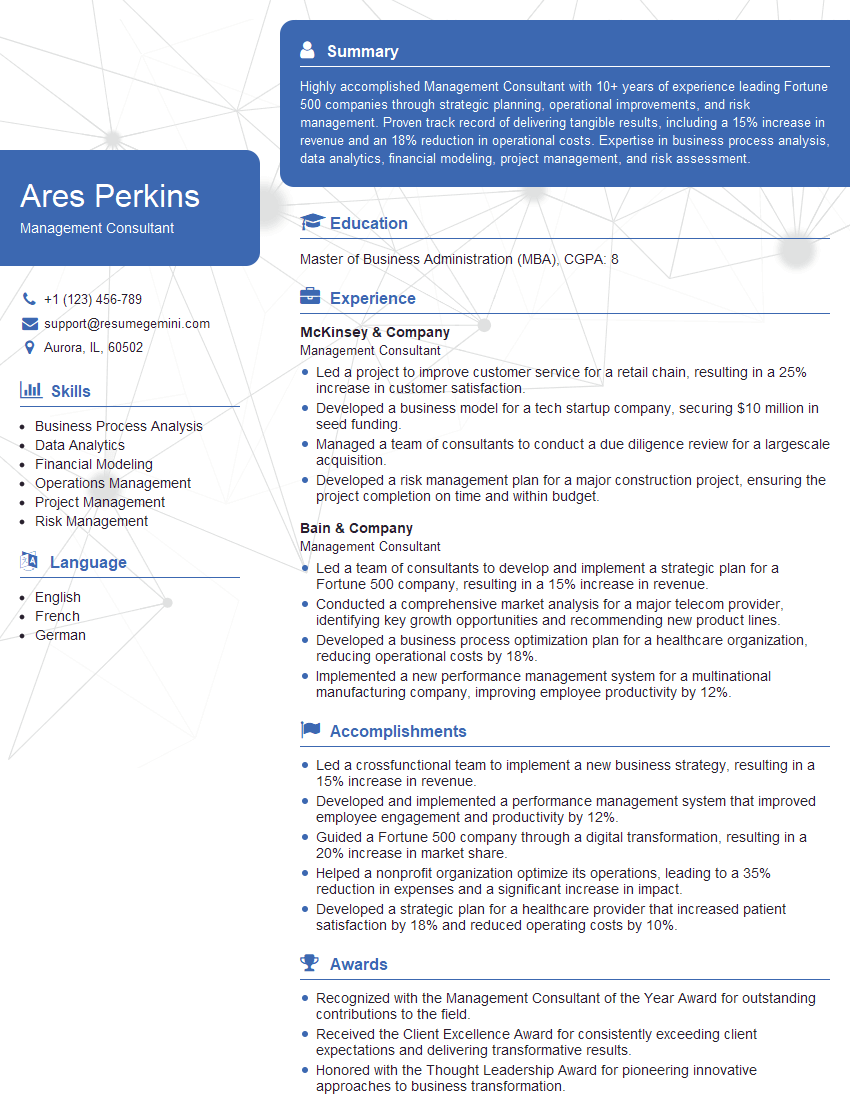
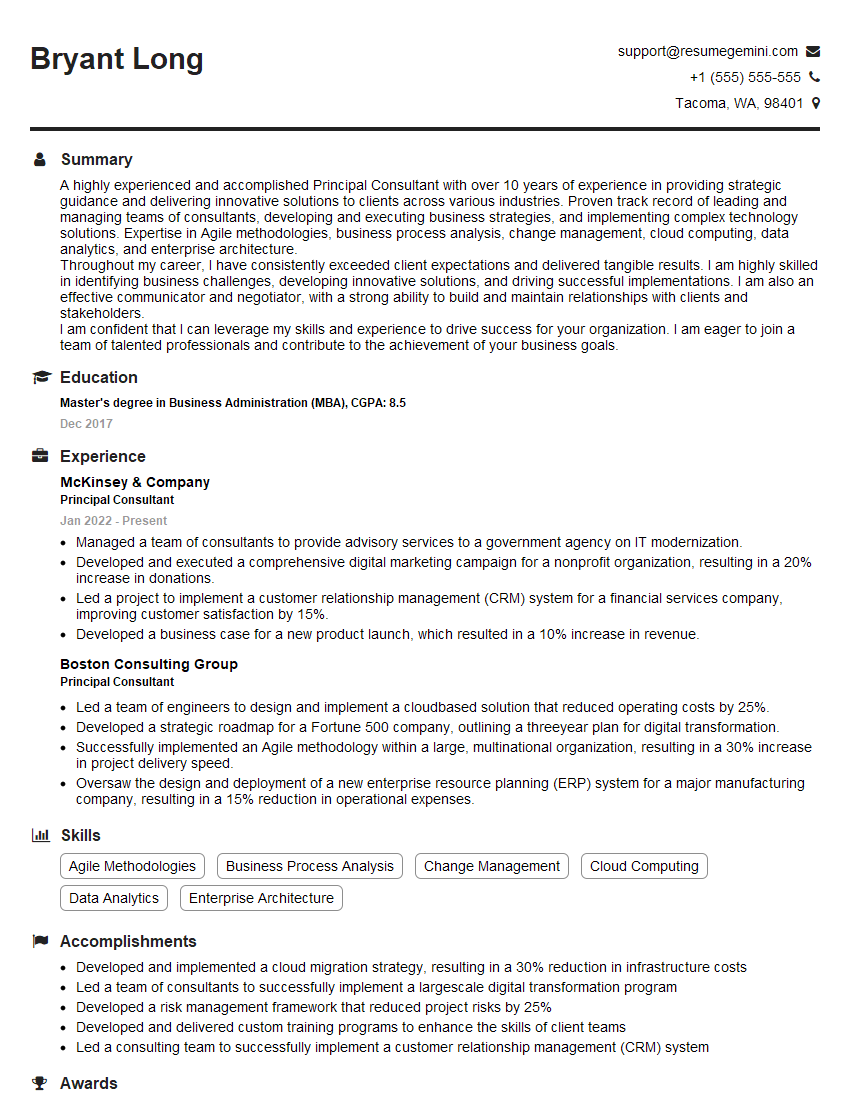
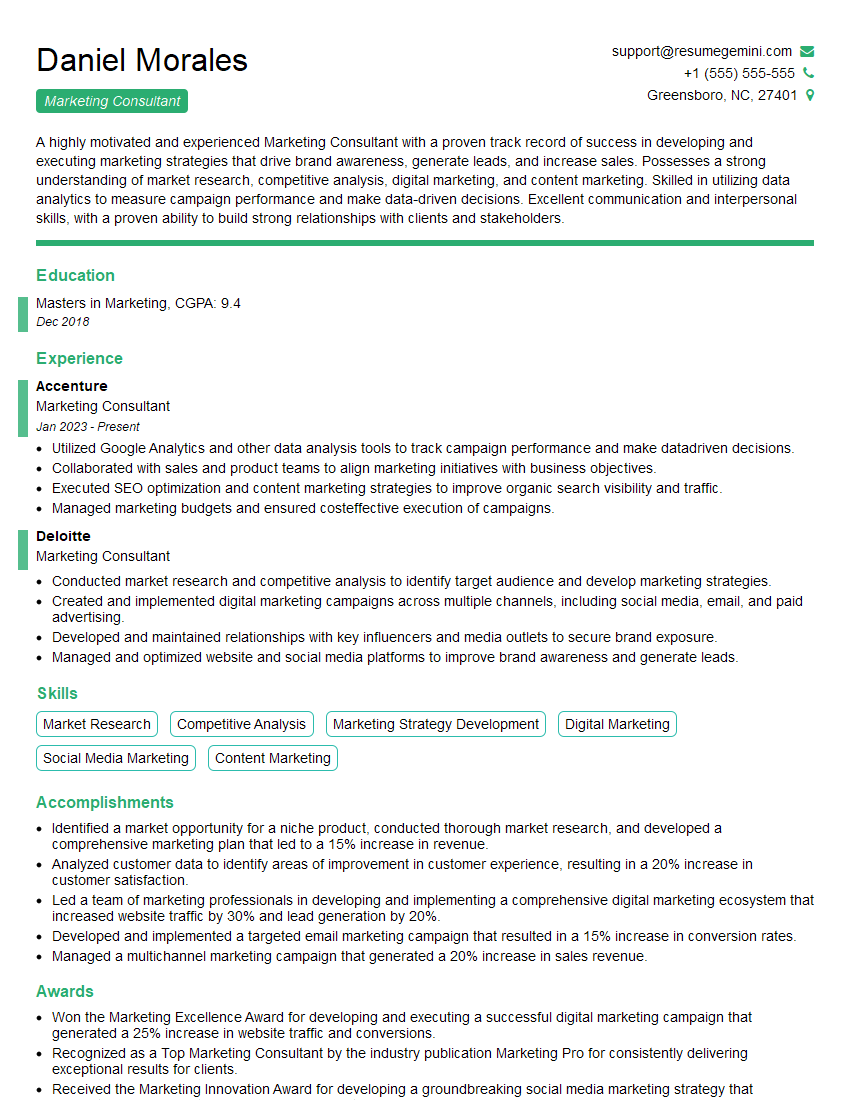
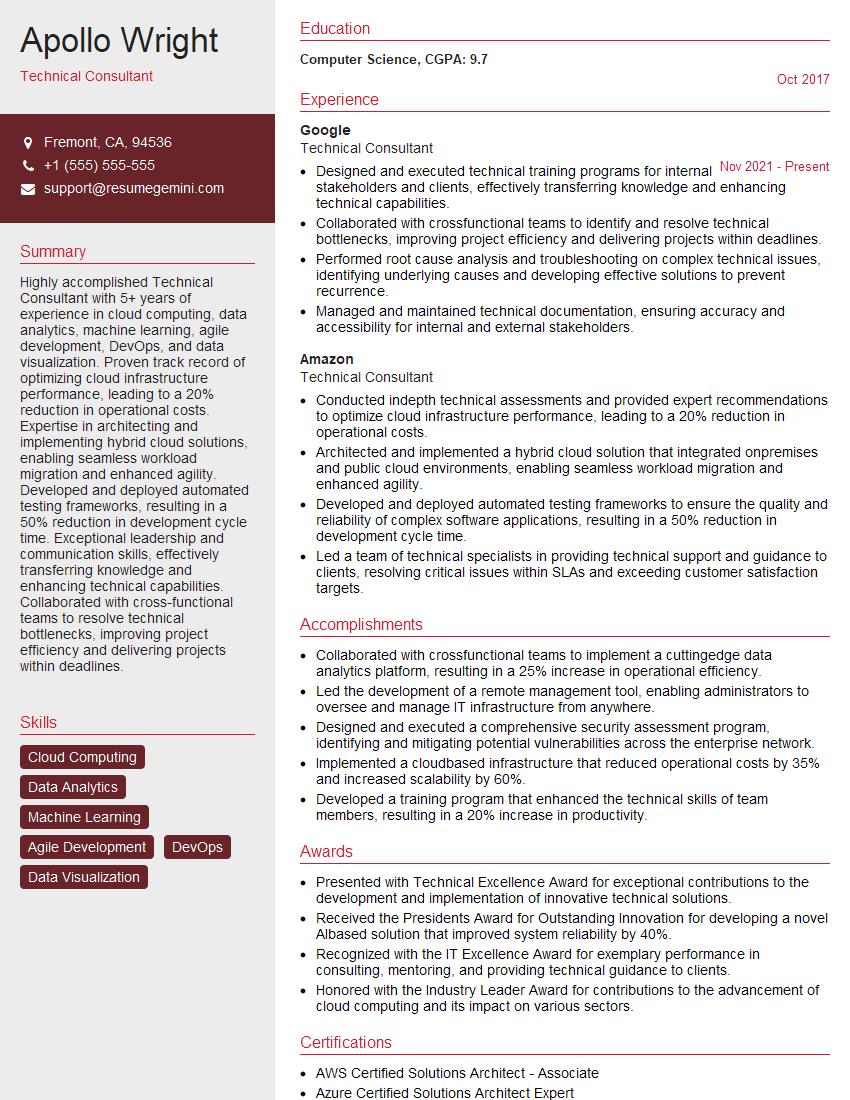
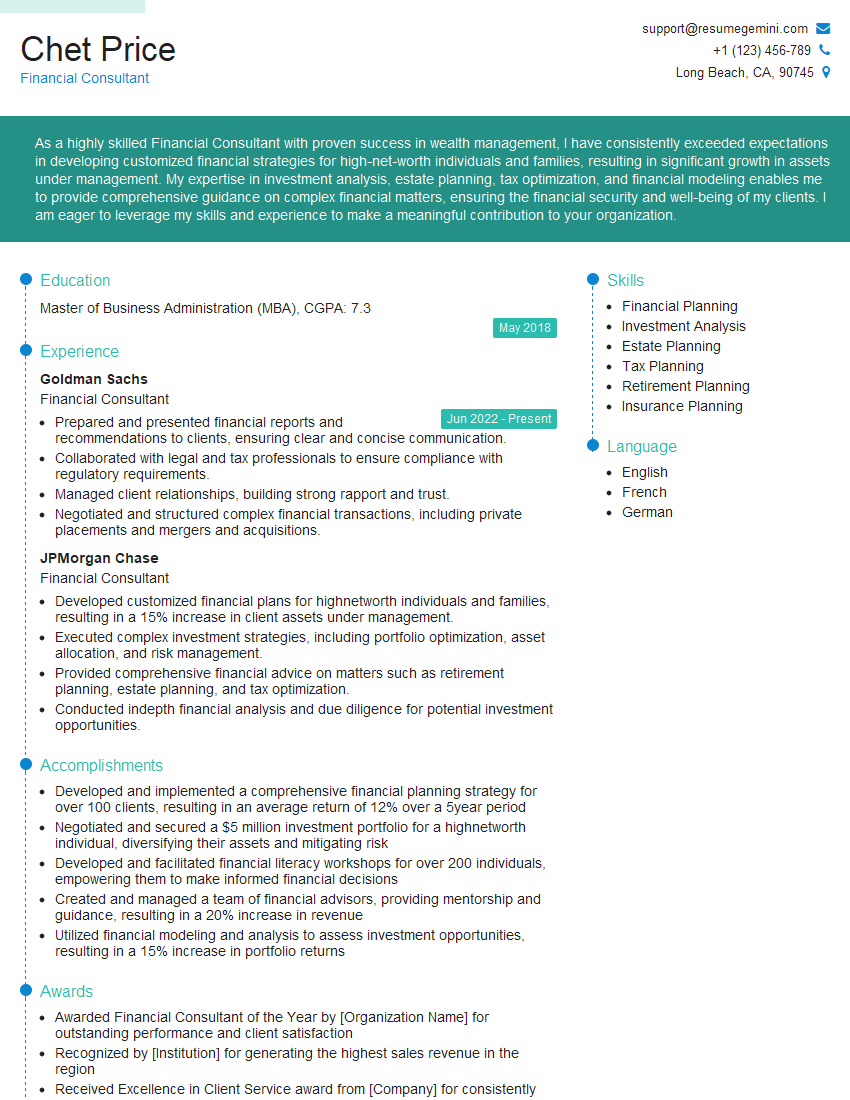
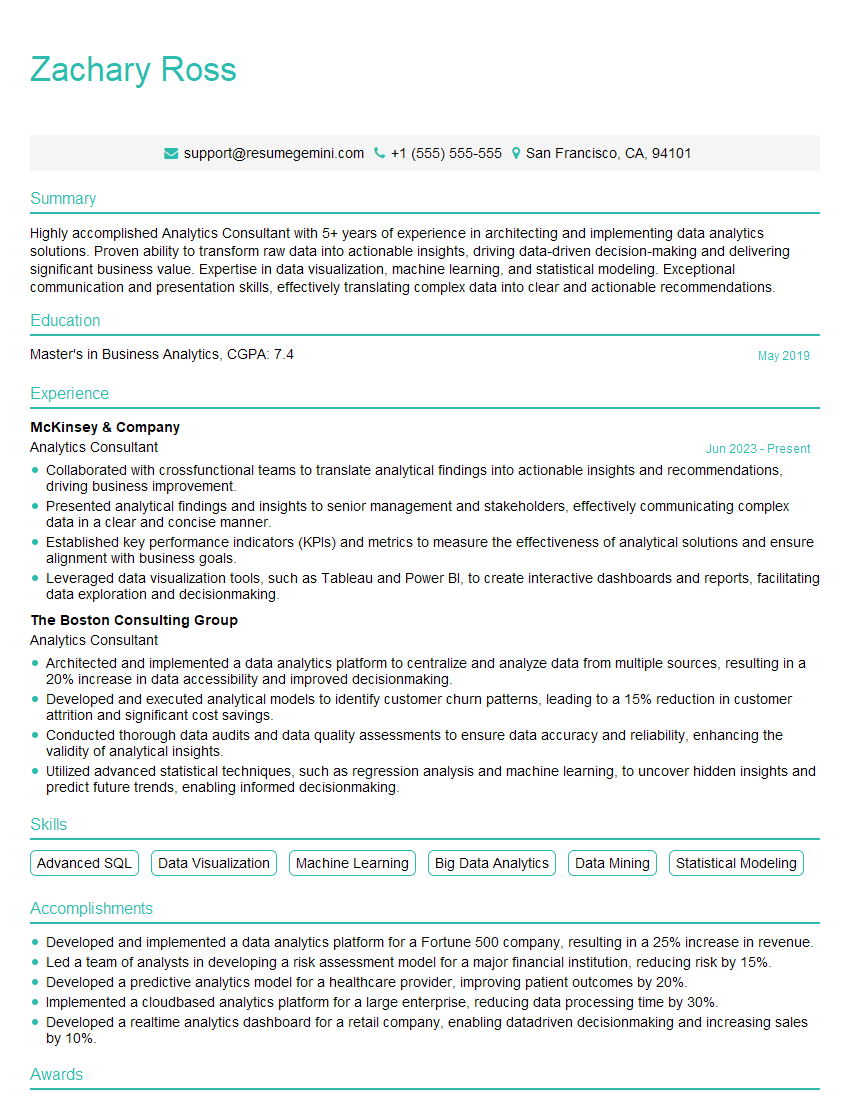
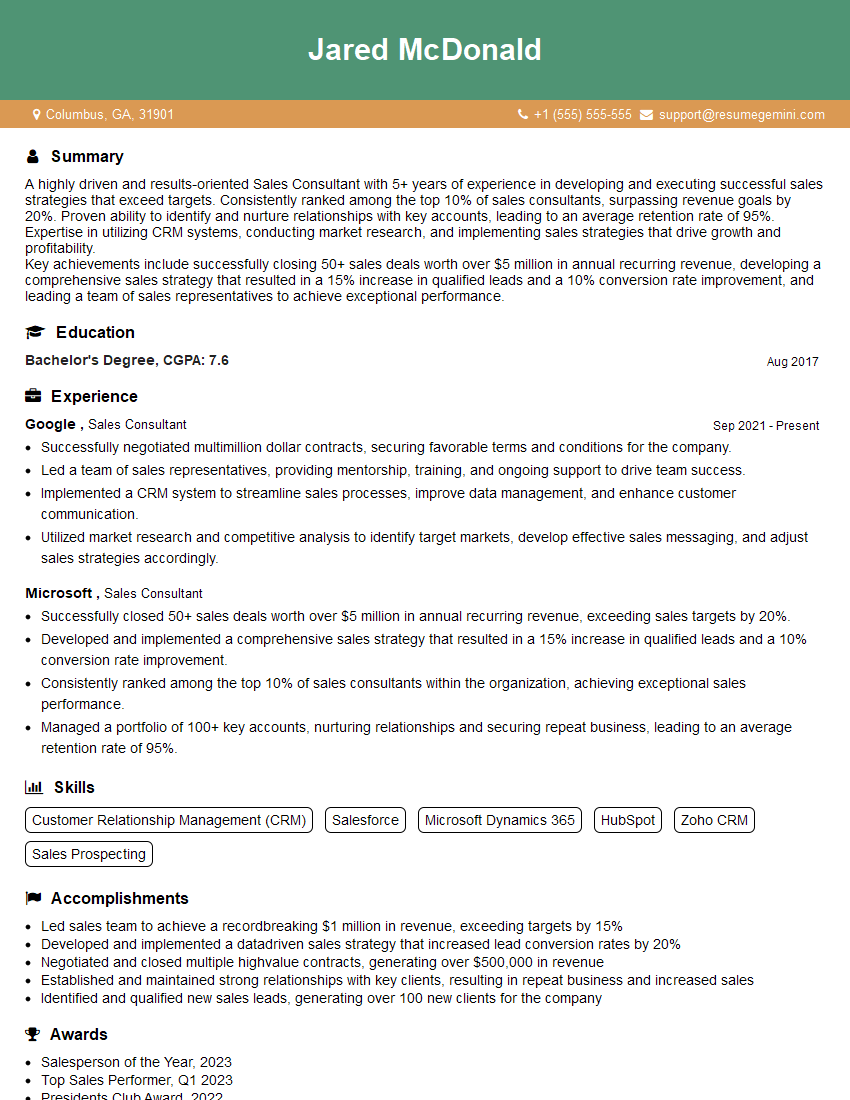
Mastering consulting skills is crucial for a successful and rewarding career. It opens doors to challenging and impactful roles, offering significant growth opportunities and the chance to make a real difference. To maximize your job prospects, a well-crafted, ATS-friendly resume is essential. ResumeGemini can help you create a professional and impactful resume that highlights your key consulting skills and experience. Examples of resumes tailored to showcasing Consulting Skills are available to guide you. Invest time in crafting a resume that effectively communicates your capabilities – it’s your first impression!
Explore more articles
Users Rating of Our Blogs
Share Your Experience
We value your feedback! Please rate our content and share your thoughts (optional).
What Readers Say About Our Blog
Attention music lovers!
Wow, All the best Sax Summer music !!!
Spotify: https://open.spotify.com/artist/6ShcdIT7rPVVaFEpgZQbUk
Apple Music: https://music.apple.com/fr/artist/jimmy-sax-black/1530501936
YouTube: https://music.youtube.com/browse/VLOLAK5uy_noClmC7abM6YpZsnySxRqt3LoalPf88No
Other Platforms and Free Downloads : https://fanlink.tv/jimmysaxblack
on google : https://www.google.com/search?q=22+AND+22+AND+22
on ChatGPT : https://chat.openai.com?q=who20jlJimmy20Black20Sax20Producer
Get back into the groove with Jimmy sax Black
Best regards,
Jimmy sax Black
www.jimmysaxblack.com
Hi I am a troller at The aquatic interview center and I suddenly went so fast in Roblox and it was gone when I reset.
Hi,
Business owners spend hours every week worrying about their website—or avoiding it because it feels overwhelming.
We’d like to take that off your plate:
$69/month. Everything handled.
Our team will:
Design a custom website—or completely overhaul your current one
Take care of hosting as an option
Handle edits and improvements—up to 60 minutes of work included every month
No setup fees, no annual commitments. Just a site that makes a strong first impression.
Find out if it’s right for you:
https://websolutionsgenius.com/awardwinningwebsites
Hello,
we currently offer a complimentary backlink and URL indexing test for search engine optimization professionals.
You can get complimentary indexing credits to test how link discovery works in practice.
No credit card is required and there is no recurring fee.
You can find details here:
https://wikipedia-backlinks.com/indexing/
Regards
NICE RESPONSE TO Q & A
hi
The aim of this message is regarding an unclaimed deposit of a deceased nationale that bears the same name as you. You are not relate to him as there are millions of people answering the names across around the world. But i will use my position to influence the release of the deposit to you for our mutual benefit.
Respond for full details and how to claim the deposit. This is 100% risk free. Send hello to my email id: lukachachibaialuka@gmail.com
Luka Chachibaialuka
Hey interviewgemini.com, just wanted to follow up on my last email.
We just launched Call the Monster, an parenting app that lets you summon friendly ‘monsters’ kids actually listen to.
We’re also running a giveaway for everyone who downloads the app. Since it’s brand new, there aren’t many users yet, which means you’ve got a much better chance of winning some great prizes.
You can check it out here: https://bit.ly/callamonsterapp
Or follow us on Instagram: https://www.instagram.com/callamonsterapp
Thanks,
Ryan
CEO – Call the Monster App
Hey interviewgemini.com, I saw your website and love your approach.
I just want this to look like spam email, but want to share something important to you. We just launched Call the Monster, a parenting app that lets you summon friendly ‘monsters’ kids actually listen to.
Parents are loving it for calming chaos before bedtime. Thought you might want to try it: https://bit.ly/callamonsterapp or just follow our fun monster lore on Instagram: https://www.instagram.com/callamonsterapp
Thanks,
Ryan
CEO – Call A Monster APP
To the interviewgemini.com Owner.
Dear interviewgemini.com Webmaster!
Hi interviewgemini.com Webmaster!
Dear interviewgemini.com Webmaster!
excellent
Hello,
We found issues with your domain’s email setup that may be sending your messages to spam or blocking them completely. InboxShield Mini shows you how to fix it in minutes — no tech skills required.
Scan your domain now for details: https://inboxshield-mini.com/
— Adam @ InboxShield Mini
support@inboxshield-mini.com
Reply STOP to unsubscribe
Hi, are you owner of interviewgemini.com? What if I told you I could help you find extra time in your schedule, reconnect with leads you didn’t even realize you missed, and bring in more “I want to work with you” conversations, without increasing your ad spend or hiring a full-time employee?
All with a flexible, budget-friendly service that could easily pay for itself. Sounds good?
Would it be nice to jump on a quick 10-minute call so I can show you exactly how we make this work?
Best,
Hapei
Marketing Director
Hey, I know you’re the owner of interviewgemini.com. I’ll be quick.
Fundraising for your business is tough and time-consuming. We make it easier by guaranteeing two private investor meetings each month, for six months. No demos, no pitch events – just direct introductions to active investors matched to your startup.
If youR17;re raising, this could help you build real momentum. Want me to send more info?
Hi, I represent an SEO company that specialises in getting you AI citations and higher rankings on Google. I’d like to offer you a 100% free SEO audit for your website. Would you be interested?
Hi, I represent an SEO company that specialises in getting you AI citations and higher rankings on Google. I’d like to offer you a 100% free SEO audit for your website. Would you be interested?