Interviews are opportunities to demonstrate your expertise, and this guide is here to help you shine. Explore the essential Welding Defects interview questions that employers frequently ask, paired with strategies for crafting responses that set you apart from the competition.
Questions Asked in Welding Defects Interview
Q 1. Explain the different types of welding defects.
Welding defects are imperfections that compromise the structural integrity and performance of a weld. They can be broadly categorized into several types, each with its unique characteristics and causes. These include:
- Porosity: The presence of small, gas-filled cavities within the weld metal.
- Cracks: Fractures or fissures within the weld metal, often caused by stresses during cooling.
- Incomplete Fusion: Lack of proper bonding between the weld metal and the base material.
- Incomplete Penetration: The weld metal doesn’t extend to the full depth of the joint.
- Undercutting: A groove melted into the base metal along the edge of the weld.
- Overlap: The weld metal extends beyond the edges of the joint, often weakening the weld.
- Slag Inclusions: Non-metallic impurities trapped within the weld metal, usually from the welding process.
- Tungsten Inclusions (GTAW): Small pieces of the tungsten electrode embedded in the weld metal.
- Spatter: Small metal droplets ejected from the weld during the welding process.
Think of it like baking a cake; a perfectly smooth cake is like a perfect weld, while lumps, air bubbles, or cracks would be analogous to various defects.
Q 2. Describe the causes of porosity in welds.
Porosity in welds, those tiny gas pockets, arises from various sources. The most common causes are:
- Trapped Gases: Moisture or oil contamination on the base material, or gases released from the filler metal during welding, can become trapped within the molten metal as it solidifies.
- Incorrect Welding Parameters: Too high a current, insufficient travel speed, or an improper shielding gas flow can all lead to increased porosity. Imagine trying to stir a thick sauce – if you’re too slow, air bubbles get trapped.
- Poor Joint Design: A poorly designed joint can trap gases, preventing them from escaping.
- Contaminated Filler Metal: Filler metal that contains absorbed gases or other impurities can contribute to the problem.
For example, using a rusty or oily base material will almost certainly create porosity. Proper cleaning and preparation are key to preventing this defect.
Q 3. How do you identify and classify weld cracks?
Weld cracks are serious defects that significantly weaken the weld. They are identified and classified based on their location, appearance, and orientation relative to the weld.
- Location: Cracks can occur in the weld metal (weld centerline cracks), the heat-affected zone (HAZ cracks), or the base metal (base metal cracks).
- Appearance: Cracks can be linear, branched, or irregular in shape. Their length and width also vary significantly.
- Orientation: Cracks can be longitudinal (parallel to the weld direction), transverse (perpendicular to the weld direction), or crater cracks (at the end of a weld).
Identifying cracks often involves visual inspection, followed by more detailed examination using non-destructive testing (NDT) methods. A simple magnifying glass can be used for initial identification, followed by more sophisticated methods like dye penetrant testing for small, hard-to-see cracks.
Q 4. What are the consequences of incomplete fusion in a weld?
Incomplete fusion, a serious defect, means the weld metal hasn’t properly bonded with the base material. The consequences are severe:
- Reduced Strength: The weld becomes significantly weaker, potentially leading to catastrophic failure under stress. Imagine a chain where one link is only partially fused to the others – it will easily break at that weak point.
- Stress Concentration: The un-fused area acts as a stress concentration point, increasing the likelihood of crack initiation and propagation.
- Leakage (in pressure vessels): In applications like pipelines or pressure vessels, incomplete fusion can cause leaks, leading to safety hazards and environmental damage.
- Fatigue Failure: The weld is more susceptible to fatigue failure, meaning it will break more easily under repeated cycles of loading.
The severity depends on the extent of the incomplete fusion and the application. Even a small area of incomplete fusion can have major consequences.
Q 5. Explain the role of NDT in detecting welding defects.
Non-destructive testing (NDT) plays a crucial role in detecting welding defects without damaging the weldment. It allows for the evaluation of weld quality and ensures structural integrity. NDT provides a detailed picture of the weld’s internal structure, revealing flaws that are not readily visible to the naked eye. This is critical for safety-critical applications, like aerospace or pressure vessel fabrication.
Think of it as a medical checkup for your weld – we need to ensure it’s healthy and strong before it goes into service.
Q 6. What are the different NDT methods used for weld inspection?
Various NDT methods are employed for weld inspection, each with its strengths and limitations:
- Visual Inspection (VT): A basic yet crucial method involving visual examination for surface defects.
- Liquid Penetrant Testing (PT): Detects surface-breaking flaws by applying a dye that penetrates the crack and is then revealed.
- Magnetic Particle Testing (MT): Detects surface and near-surface flaws in ferromagnetic materials by applying magnetic fields and iron particles.
- Ultrasonic Testing (UT): Uses high-frequency sound waves to detect internal flaws by measuring the reflection and scattering of the waves.
- Radiographic Testing (RT): Employs X-rays or gamma rays to create images of the weld’s internal structure, revealing internal defects.
The choice of NDT method depends on the type of weld, material, and the potential defects expected.
Q 7. Describe the process of visual inspection of welds.
Visual inspection is the first and often most important step in weld inspection. It’s a non-destructive method that involves carefully examining the weld’s surface for any visible defects. This is done under appropriate lighting conditions, sometimes using magnification tools. The inspector looks for:
- Surface Cracks: Any visible fractures or fissures on the weld surface.
- Undercuts: Grooves melted into the base metal along the weld edges.
- Overlap: Weld metal extending beyond the joint edges.
- Porosity: Surface indications of internal porosity (though internal porosity may require other NDT methods).
- Spatter: Small metal droplets ejected during welding.
- Slag Inclusions: Non-metallic impurities embedded in the weld.
- Burn-through: Holes or excessive thinning of the weld.
Detailed records, including photographs, are usually kept to document the findings. This initial visual check helps identify areas that may need further investigation using other NDT methods.
Q 8. How do you interpret radiographic images of welds?
Interpreting radiographic images of welds requires a keen eye for detail and a thorough understanding of welding metallurgy. We’re looking for inconsistencies in the weld’s density, which show up as variations in grayscale on the film or digital image. Darker areas generally indicate porosity (small holes) or lack of fusion (incomplete joining of the weld metal to the base metal), while lighter areas might suggest inclusions (foreign material trapped in the weld) or excessive penetration.
The process begins with carefully reviewing the image for any anomalies. I use various techniques, such as magnification and comparison with established standards to assess the severity and type of defect. For instance, a linear discontinuity might indicate a crack, while a cluster of small dark spots points to porosity. It’s crucial to understand the weld’s geometry and the radiographic technique employed (e.g., exposure parameters) to accurately interpret the image. Finally, I meticulously document all findings, including the location, size, and type of each detected defect. This detailed documentation ensures consistency in assessment and facilitates effective communication with engineers and other stakeholders. Think of it like reading a map – you need to understand the symbols and context to interpret the terrain accurately.
Q 9. What are the acceptance criteria for welding defects according to relevant codes (e.g., AWS D1.1)?
Acceptance criteria for welding defects are defined in various codes, most prominently the American Welding Society (AWS) codes, like AWS D1.1 (Structural Welding Code—Steel). These codes specify allowable defect sizes and types depending on the weld’s location, type, and the intended application. For instance, a small amount of porosity might be acceptable in a low-stress application, but the same level of porosity would be unacceptable in a weld subjected to high pressure or cyclic loading. The criteria are often expressed in terms of maximum allowable length, depth, and the total area of defects. The codes also outline specific procedures for defect evaluation, including radiographic interpretation and mechanical testing.
It’s important to note that acceptance criteria are not static; they are usually accompanied by detailed acceptance standards that consider the service environment, design requirements, and criticality of the welded joint. For example, a pressure vessel weld will have significantly stricter acceptance criteria compared to a non-critical structural weld. Furthermore, these codes are regularly updated to reflect advancements in welding technology and safety considerations. Failing to adhere to these codes can lead to serious safety hazards and structural failures.
Q 10. How do you document and report welding defects?
Documenting and reporting welding defects involves a systematic approach ensuring accurate and traceable records. This typically involves detailed forms or software that capture information like the weld identification number, the type of welding process used, the location and type of defect (e.g., porosity, crack, undercut), its dimensions (length, width, depth), and its location within the weld (e.g., root, toe, center). Digital imaging, coupled with the use of specialized software, facilitates precise defect measurement and reporting.
A comprehensive report should include visual aids like photographs or radiographic images illustrating the defect. The report should also state the applicable welding code and acceptance criteria used for evaluation. Crucially, the report needs to clearly state whether the weld passes or fails based on the acceptance criteria. I ensure all documentation is reviewed by qualified inspectors before final submission to the project stakeholders. This systematic approach avoids ambiguities and misunderstandings, ensuring that decisions about repair or rejection are based on objective and well-documented evidence. In essence, the documentation serves as a crucial audit trail, guaranteeing the quality and safety of the weld.
Q 11. Explain the difference between undercut and overlap in welds.
Undercut and overlap are both common weld defects that compromise the integrity of the weld. Think of them as being on opposite sides of the ideal weld profile. Undercut is a groove melted into the base metal along the weld toe (the edge of the weld), leaving a depression. This weakens the weld and creates a stress concentration point, making it susceptible to fatigue failure. Overlap, on the other hand, occurs when the weld metal extends beyond the edges of the prepared joint, essentially creating a small protrusion. While not as structurally critical as undercut, overlap can still cause problems like increased surface roughness and stress concentration.
Imagine trying to glue two pieces of wood together. Undercut is like leaving a gap between the glue and the wood, reducing the strength of the bond. Overlap is like applying too much glue and it spills over the edges, creating an uneven and potentially weak joint. Both undercut and overlap indicate inconsistencies in the welding process, and addressing their root cause is crucial for preventing future occurrences.
Q 12. What are the effects of improper weld preparation on defect formation?
Improper weld preparation significantly impacts defect formation. The preparation process, including joint design, edge beveling, and surface cleaning, directly affects the weld’s metallurgical characteristics and mechanical properties. Inadequate joint design, for instance, can lead to incomplete penetration or excessive dilution. Insufficient edge beveling can result in improper fusion between the weld metal and the base metal, increasing the likelihood of lack of fusion or incomplete joint penetration. Contamination of the weld surfaces (e.g., oil, rust, scale) can cause porosity, inclusions, or other defects.
For example, if the joint faces are not properly cleaned or the bevel angle is incorrect, the molten weld metal might not properly fuse with the base metal, leading to lack of fusion. This weakens the joint and makes it more vulnerable to failure. Similarly, insufficient gap between the two parts can lead to excessive dilution and reduced strength. Hence, paying careful attention to all aspects of weld preparation – from the choice of joint design to the meticulous cleaning of the surfaces – is absolutely crucial for producing sound welds that meet the required quality standards.
Q 13. How do you determine the root cause of a welding defect?
Determining the root cause of a welding defect requires a systematic and methodical approach. It often involves a combination of visual inspection, non-destructive testing (NDT), and metallurgical analysis. The process starts with a thorough examination of the defect itself, noting its type, location, size, and orientation. Next, the welding parameters, such as welding current, voltage, travel speed, and shielding gas type and flow rate, are reviewed. The welder’s skill and experience, and the quality of the welding equipment, should be carefully considered. The condition of the base material, including its chemical composition and surface cleanliness, also plays a critical role.
A detailed investigation frequently involves reviewing the welding procedure specification (WPS) to ensure compliance with the specified welding parameters and procedures. I employ a structured approach like a fishbone diagram or a fault tree analysis to identify potential contributing factors. For example, if porosity is detected, I might investigate the shielding gas purity, the cleanliness of the base material, or the welding speed. By systematically eliminating possible causes, we can pinpoint the root cause, allowing for corrective actions to prevent similar defects from occurring in the future. Think of it as detective work; you gather evidence, eliminate possibilities, and ultimately find the culprit.
Q 14. Describe your experience with different welding processes and their associated defects.
My experience encompasses a range of welding processes, including Gas Metal Arc Welding (GMAW), Gas Tungsten Arc Welding (GTAW), and Shielded Metal Arc Welding (SMAW). Each process has its own set of potential defects. For example, GMAW, while highly productive, can be prone to porosity if the shielding gas coverage is inadequate or the wire feed speed is incorrect. In GTAW, improper tungsten electrode manipulation can result in lack of fusion or excessive penetration. SMAW, due to the use of coated electrodes, is susceptible to slag inclusions if the slag is not properly removed between passes.
I’ve encountered and addressed various defects associated with these processes in diverse applications, including pipeline construction, pressure vessel fabrication, and structural steel work. My experience helps me predict and mitigate potential defects by choosing the appropriate welding process for each application, carefully selecting welding parameters, and enforcing strict quality control procedures. It’s about understanding the nuances of each process and its susceptibility to certain defects. Through years of practice and continuous learning, I’ve developed the ability to identify and resolve the root cause of defects, consistently delivering high-quality welds that meet the specified requirements. I view each welding process as a unique tool in my arsenal, and I’ve honed my skills to leverage each effectively and safely.
Q 15. How do you manage and mitigate welding defects during a project?
Managing and mitigating welding defects starts long before the welding torch is even ignited. It’s a proactive, multi-stage process focusing on prevention and early detection. Think of it like building a house – you wouldn’t just start laying bricks without a solid foundation and blueprint.
- Preventive Measures: This includes meticulous planning, using qualified welders, selecting appropriate welding procedures (WPS) and materials, ensuring proper joint preparation, and maintaining clean working conditions. For instance, ensuring the base material is free from contaminants like rust or oil is crucial to prevent porosity.
- In-Process Monitoring: Regular visual inspection during the welding process itself helps identify defects early on, like undercut or excessive spatter. This allows for immediate corrective action, preventing larger issues down the line. Imagine noticing a small crack in a wall while it’s being built; it’s much easier to fix then than after the entire house is finished.
- Non-Destructive Testing (NDT): After welding, various NDT methods are employed to detect hidden defects. These methods, such as radiographic testing (RT), ultrasonic testing (UT), liquid penetrant testing (PT), and magnetic particle testing (MT), provide a detailed assessment of the weld’s integrity. The choice of method depends on the type of weld, material, and potential defect types.
- Corrective Actions: If defects are found, a documented repair procedure must be followed. This includes removing the defective area, re-welding the joint, and then re-inspecting the repair using appropriate NDT methods.
- Documentation: Thorough documentation of all stages, from WPS selection to NDT results and repairs, is critical for traceability and quality assurance. This allows for continuous improvement and analysis of recurring defects.
Career Expert Tips:
- Ace those interviews! Prepare effectively by reviewing the Top 50 Most Common Interview Questions on ResumeGemini.
- Navigate your job search with confidence! Explore a wide range of Career Tips on ResumeGemini. Learn about common challenges and recommendations to overcome them.
- Craft the perfect resume! Master the Art of Resume Writing with ResumeGemini’s guide. Showcase your unique qualifications and achievements effectively.
- Don’t miss out on holiday savings! Build your dream resume with ResumeGemini’s ATS optimized templates.
Q 16. What are the safety precautions related to welding defect detection and repair?
Safety is paramount in welding defect detection and repair. The environment is inherently hazardous, and safety protocols must be strictly followed at every stage.
- Personal Protective Equipment (PPE): This includes safety glasses or face shields, welding helmets with appropriate shade filters, protective clothing (leather jackets and gloves), and respiratory protection (depending on the welding process and environment). For example, when using grinding equipment during repair, proper eye and respiratory protection is crucial.
- Environmental Controls: Adequate ventilation is necessary to remove harmful fumes and gases generated during welding and grinding operations. Working in a well-ventilated area, or using fume extractors, is non-negotiable.
- Fire Prevention: Flammable materials must be kept away from the welding area. Fire extinguishers should be readily available and accessible. In situations involving high temperatures, thermal burns are a risk, so appropriate protective measures are necessary.
- Radiation Safety: For methods like radiographic testing, shielding and monitoring are critical to protect personnel from ionizing radiation exposure. Using lead shielding and radiation badges are standard practice.
- Lockout/Tagout: When working on equipment, the lockout/tagout procedure should be implemented to ensure that power to the equipment is disconnected before working on it. This prevents accidents when repairing live machinery.
Q 17. Explain the principles of weld repair procedures.
Weld repair procedures are carefully documented steps that ensure the repair restores the weld’s structural integrity and meets the required quality standards. It’s more than just re-welding – it’s about understanding the root cause and addressing it effectively.
- Defect Characterization: The type, size, and location of the defect must be accurately determined through detailed NDT inspection.
- Repair Planning: A specific repair procedure is developed based on the defect’s characteristics, material type, and design requirements. This plan outlines the steps involved and the necessary equipment.
- Defect Removal: The defective area is carefully removed using appropriate methods, such as grinding, gouging, or machining. It’s important to remove sufficient material to ensure complete removal of the flawed weld metal.
- Re-welding: The area is re-welded using the correct welding parameters, as specified in the approved welding procedure specification (WPS). Weld parameters include current, voltage, travel speed, and type of filler material.
- Post-Repair Inspection: After the repair, the weld is inspected using appropriate NDT methods to verify that the defect has been completely removed and the repair is sound. The goal is to ensure that the repaired weld is as strong or stronger than the original weld.
- Documentation: The entire repair process, including defect identification, repair procedures, and inspection results, must be thoroughly documented.
Q 18. What are the limitations of different NDT methods in detecting specific welding defects?
Different NDT methods have limitations in detecting specific welding defects. It’s crucial to understand these limitations to select the most appropriate methods and interpret the results accurately. Think of it like using different tools for different jobs; a screwdriver isn’t ideal for hammering nails.
- Ultrasonic Testing (UT): Excellent for detecting internal defects like cracks, porosity, and lack of fusion, but less effective for surface-breaking defects or defects in thin sections.
- Radiographic Testing (RT): Effective in detecting internal defects, but limited in detecting small surface flaws. Also, it requires specialized equipment and trained personnel, and the process can be relatively slow and expensive.
- Liquid Penetrant Testing (PT): Ideal for detecting surface-breaking defects such as cracks and porosity, but ineffective for internal defects. Surface preparation is crucial for success.
- Magnetic Particle Testing (MT): Excellent for detecting surface and near-surface defects in ferromagnetic materials. However, it is unsuitable for non-ferromagnetic materials like aluminum or stainless steel.
Often, a combination of NDT methods is used to provide a more comprehensive assessment. For example, PT could be used to check the surface for cracks and UT to find subsurface defects.
Q 19. Describe your experience with using specific NDT equipment (e.g., ultrasonic testing, liquid penetrant testing).
I have extensive experience with various NDT equipment, including ultrasonic and liquid penetrant testing.
- Ultrasonic Testing (UT): I’m proficient in operating various UT equipment, from handheld units to automated systems. I’m skilled in interpreting UT waveforms, identifying different types of discontinuities, and creating accurate reports. For instance, I have used UT to detect lack of fusion defects in critical pressure vessel welds.
- Liquid Penetrant Testing (PT): I’m experienced in all stages of PT, from surface preparation to penetrant application, developer application, inspection, and reporting. I’ve used PT to identify surface cracks in welds on various structures, including bridges and pipelines. I understand the importance of proper cleaning and drying procedures to ensure accurate results.
My experience encompasses various standards and codes, allowing me to adapt my techniques based on project requirements. I’ve always prioritized meticulous technique to ensure the accuracy and reliability of the testing results.
Q 20. How do you ensure the effectiveness of corrective actions for recurring welding defects?
Ensuring the effectiveness of corrective actions for recurring welding defects requires a systematic approach focusing on root cause analysis and continuous improvement. Simply fixing the defect isn’t enough; we need to understand *why* it occurred in the first place.
- Root Cause Analysis: This involves meticulously investigating the reasons behind the recurring defect. This might involve reviewing welding procedures, welder performance, material properties, or equipment calibration.
- Corrective Actions: Once the root cause is identified, corrective actions must be implemented to prevent recurrence. This may include retraining welders, modifying welding procedures, improving equipment maintenance, or changing materials.
- Process Monitoring: Closely monitoring the welding process after corrective actions have been implemented is crucial to verify their effectiveness. Regular inspections and NDT help track improvement.
- Data Analysis: Analyzing data from inspections and NDT reports over time helps identify trends and patterns, potentially revealing latent issues not immediately apparent.
- Continuous Improvement: A culture of continuous improvement, involving regular reviews of procedures and performance, is essential in preventing future recurrences.
Q 21. How do you handle disagreements with other inspectors regarding weld acceptability?
Disagreements regarding weld acceptability can arise, and handling them professionally is crucial. It’s about collaborative problem-solving, not personal conflict.
- Review of Evidence: The first step is to calmly and thoroughly review all available evidence, including welding procedures, NDT results, and relevant codes and standards.
- Open Communication: Open and respectful communication with the other inspector is essential. Understanding their perspective and explaining your reasoning is critical.
- Third-Party Consultation: If the disagreement cannot be resolved, it’s often beneficial to involve a third-party expert to provide an independent assessment. This could be a senior inspector or a qualified expert from a testing laboratory.
- Documentation: All aspects of the disagreement, including the differing opinions, the evidence considered, and the resolution reached, should be meticulously documented.
- Adherence to Standards: Ultimately, the decision should be based on established codes and standards. This ensures the weld’s structural integrity and meets safety requirements.
Q 22. Describe your experience with interpreting weld symbols and specifications.
Interpreting weld symbols and specifications is fundamental to ensuring the correct weld is produced. Weld symbols are a visual shorthand, conveying crucial information about the weld’s type, size, location, and other critical parameters. My experience encompasses years of interpreting these symbols, understanding their nuances, and translating them into practical welding procedures. For example, a symbol might indicate a fillet weld of a specific size (e.g., 6mm leg length) located on a particular side of a joint, with specific requirements for the weld’s preparation (e.g., bevel angle). I’m proficient in recognizing different symbol components such as reference lines, arrows, and supplementary symbols to fully understand the weld’s requirements. My experience extends to interpreting detailed specifications, ensuring compliance with engineering drawings and relevant codes and standards. I can confidently identify inconsistencies or ambiguities, and I can communicate these effectively to ensure the correct weld is produced and inspected.
Q 23. What is your experience with different welding codes and standards?
My experience with welding codes and standards is extensive, covering various international and national standards. I’m familiar with codes like AWS D1.1 (Structural Welding Code—Steel), ASME Section IX (Welding and Brazing Qualifications), and ISO 15614 (Welding – Filler Metals). These codes provide detailed guidelines on welding procedures, qualification of welders and welding processes, and acceptance criteria for weld quality. I understand the implications of adhering to these standards, as they directly impact the safety and structural integrity of the welded components. For example, I have hands-on experience with the requirements for welder qualification testing based on ASME Section IX, including the different types of tests (e.g., bend tests, tensile tests) and the criteria for acceptance. My ability to navigate these codes and standards ensures I can develop robust welding procedures and effectively manage quality control during projects. I also understand how different codes might vary based on the application and material type.
Q 24. Describe a time you had to troubleshoot a complex welding defect.
During a project involving the welding of high-pressure vessels, we encountered excessive porosity in the welds. Initial inspection revealed numerous small, gas-filled cavities, compromising the integrity of the vessel. Troubleshooting involved a systematic approach. First, we analyzed the welding procedure, checking for any deviations from the established parameters like current, voltage, and travel speed. Next, we investigated the base materials, verifying their chemical composition and ensuring they were free from contamination. We also examined the shielding gas purity and flow rate, as gas contamination can directly cause porosity. Through careful examination, we found that the shielding gas was contaminated with moisture due to a leak in the supply line. Replacing the gas supply and thoroughly drying the system resolved the issue. This highlighted the importance of meticulous process control, careful inspection of consumables and equipment, and systematic troubleshooting to identify the root cause of welding defects.
Q 25. How do material properties affect the likelihood of certain welding defects?
Material properties play a critical role in determining the susceptibility of a weld to certain defects. For instance, materials with high carbon content can be more prone to cracking due to the formation of hard, brittle phases during welding. The melting point and thermal conductivity of the materials also affect heat input and cooling rates, influencing the likelihood of various defects. Low thermal conductivity materials can lead to slower cooling, increasing the risk of cracking or porosity. Materials with high susceptibility to hydrogen embrittlement can exhibit cracking if sufficient hydrogen is absorbed during welding. Understanding these material-specific behaviors is critical for selecting appropriate welding processes and parameters. For example, preheating might be necessary for materials prone to cracking, while different filler materials might be required for materials with different melting points or chemical compositions. I leverage my knowledge of material data sheets and metallurgical principles to assess the welding challenges and choose appropriate measures to mitigate risks.
Q 26. What are the common causes of slag inclusions in welds?
Slag inclusions, the presence of non-metallic impurities within the weld, are a common defect with several causes. The primary source is improper cleaning of the weld joint before and during welding. If slag from a previous weld pass remains on the surface, it can be trapped within subsequent passes. Similarly, incomplete fusion, where the weld metal doesn’t fully join the base metal, can create spaces where slag can be entrapped. Other causes include inadequate shielding gas coverage, allowing atmospheric contaminants to mix with the molten metal, and inappropriate filler metal, which may produce excessive slag. I address this by emphasizing meticulous cleaning between weld passes using appropriate cleaning tools and techniques and ensure proper shielding gas coverage. The use of flux-cored wires, which have a self-shielding mechanism, can also minimize slag inclusion.
Q 27. Explain the importance of pre-weld and post-weld heat treatments in preventing defects.
Pre-weld and post-weld heat treatments are crucial for preventing and mitigating welding defects. Preheating reduces the cooling rate, reducing the likelihood of cracking in materials susceptible to cracking due to high cooling rates or high hardness. This is especially important for high-carbon steels or materials prone to hydrogen embrittlement. Post-weld heat treatment (PWHT) helps relieve residual stresses that are created during the welding process and refine the microstructure, leading to improved toughness and reduced risk of cracking. PWHT can also reduce the risk of hydrogen-induced cracking by allowing trapped hydrogen to diffuse out of the weld metal. The specific parameters of the heat treatments, like temperature and duration, depend on the material and the welding process. For example, preheating might be required to a temperature of 150-200°C for certain carbon steel welds, while a PWHT might be conducted at 600-650°C for a specific duration to relieve residual stresses.
Q 28. How do you maintain your knowledge and skills in welding defect identification and mitigation?
Maintaining proficiency in welding defect identification and mitigation requires continuous learning and practical application. I regularly attend industry conferences and workshops to stay updated on the latest advancements in welding technology and defect analysis. I participate in professional development courses focusing on specific aspects of welding metallurgy, non-destructive testing (NDT) techniques, and advanced welding processes. Furthermore, I actively engage with online resources, technical publications, and industry standards to deepen my understanding. Crucially, I apply my knowledge on real-world projects, constantly refining my skills and enhancing my diagnostic capabilities. This hands-on approach provides continuous feedback, allowing for refinement of my techniques and a deeper understanding of defect causes and effective mitigation strategies.
Key Topics to Learn for Welding Defects Interview
- Types of Welding Defects: Understanding the various categories of defects, including porosity, cracks, inclusions, and incomplete penetration. Learn to differentiate between them visually and through testing methods.
- Root Causes of Defects: Explore the underlying factors contributing to defect formation. This includes improper welding parameters (current, voltage, speed), inadequate joint preparation, base metal issues, and environmental influences.
- Non-Destructive Testing (NDT) Methods: Become proficient in common NDT techniques used to detect welding defects, such as visual inspection, radiographic testing (RT), ultrasonic testing (UT), and magnetic particle testing (MT). Focus on interpreting results and identifying defect characteristics.
- Defect Prevention and Mitigation Strategies: Discuss proactive measures to prevent defects, including proper welding procedure specification (WPS) development and adherence, operator training and qualification, and quality control procedures. Learn about repair techniques for rectifying identified defects.
- Welding Codes and Standards: Familiarize yourself with relevant industry codes and standards (e.g., ASME Section IX, AWS D1.1) that govern welding quality and defect acceptance criteria. Understanding these standards is crucial for ensuring compliance and safety.
- Case Studies and Practical Examples: Review real-world examples of welding defects, their causes, and the consequences of their presence in various applications. Analyzing case studies improves problem-solving skills.
- Welding Metallurgy and Material Science: Understand the metallurgical changes occurring during welding and how these changes can influence defect formation. Knowledge of different base materials and their weldability is essential.
Next Steps
Mastering the knowledge of welding defects is crucial for career advancement in the welding industry, opening doors to more specialized roles and higher earning potential. A well-crafted resume is your key to unlocking these opportunities. Ensure your resume is ATS-friendly to maximize its visibility to potential employers. ResumeGemini is a trusted resource to help you build a professional and impactful resume that showcases your skills and experience effectively. Examples of resumes tailored to highlight expertise in Welding Defects are available to guide you.

Quality Assurance Manager Resume Sample
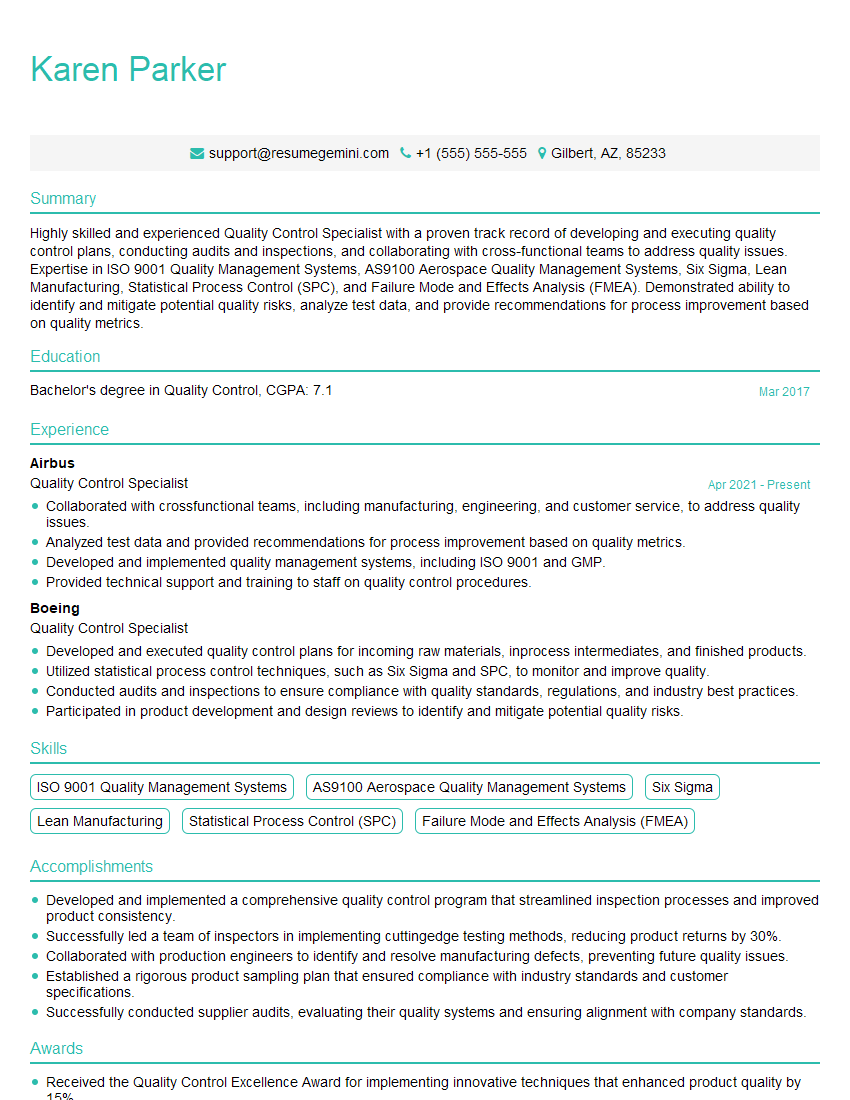
Quality Control Specialist Resume Sample
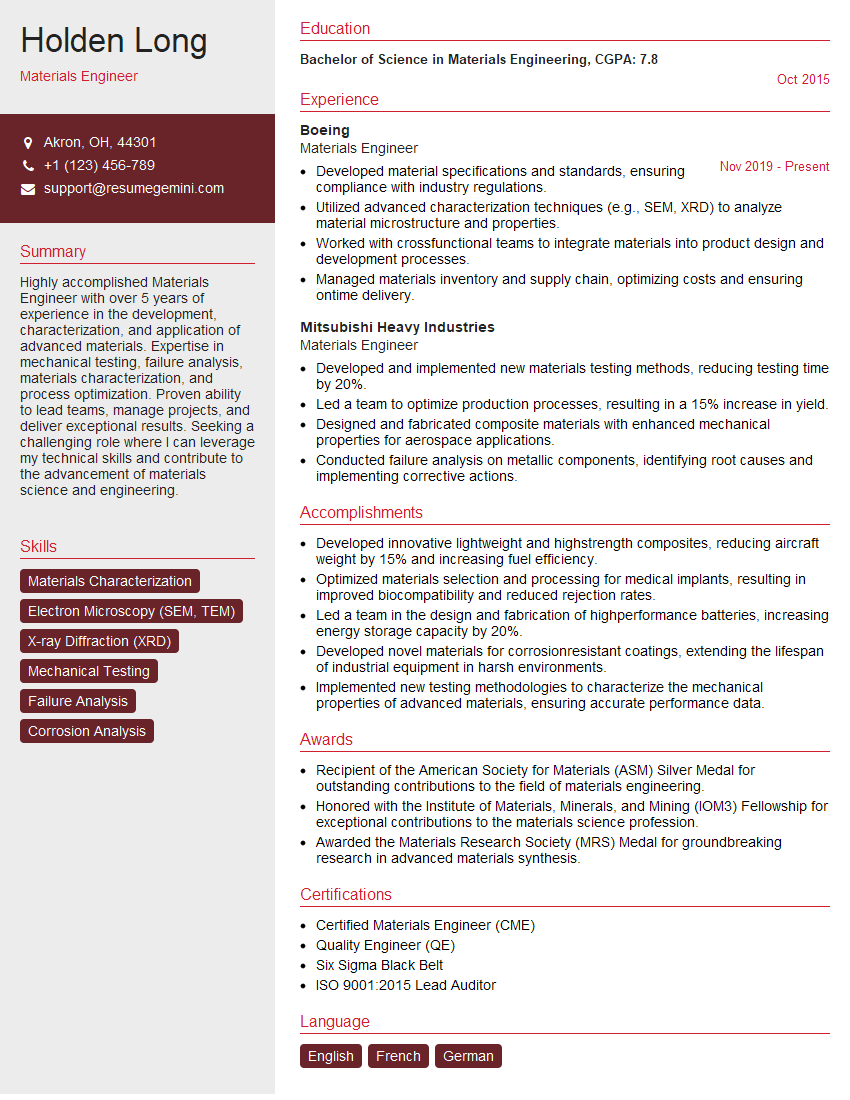
Materials Engineer Resume Sample
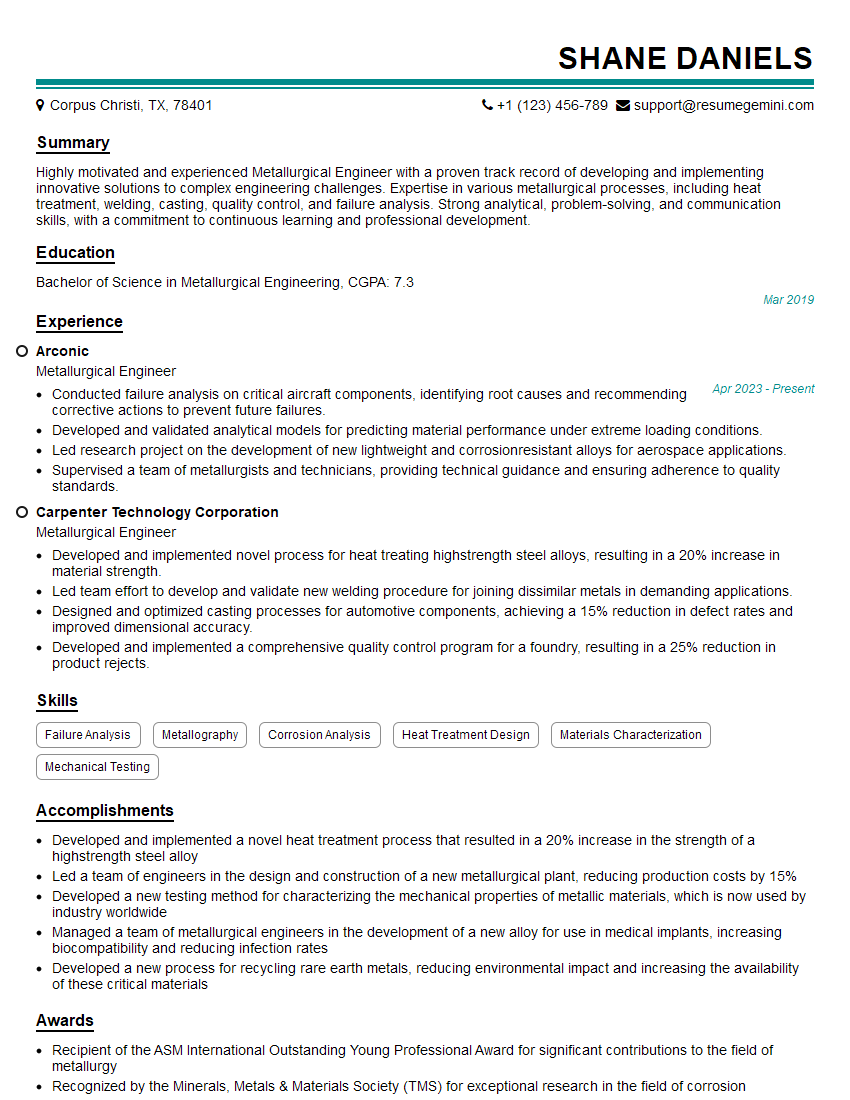
Metallurgical Engineer Resume Sample

Welding Engineer Resume Sample
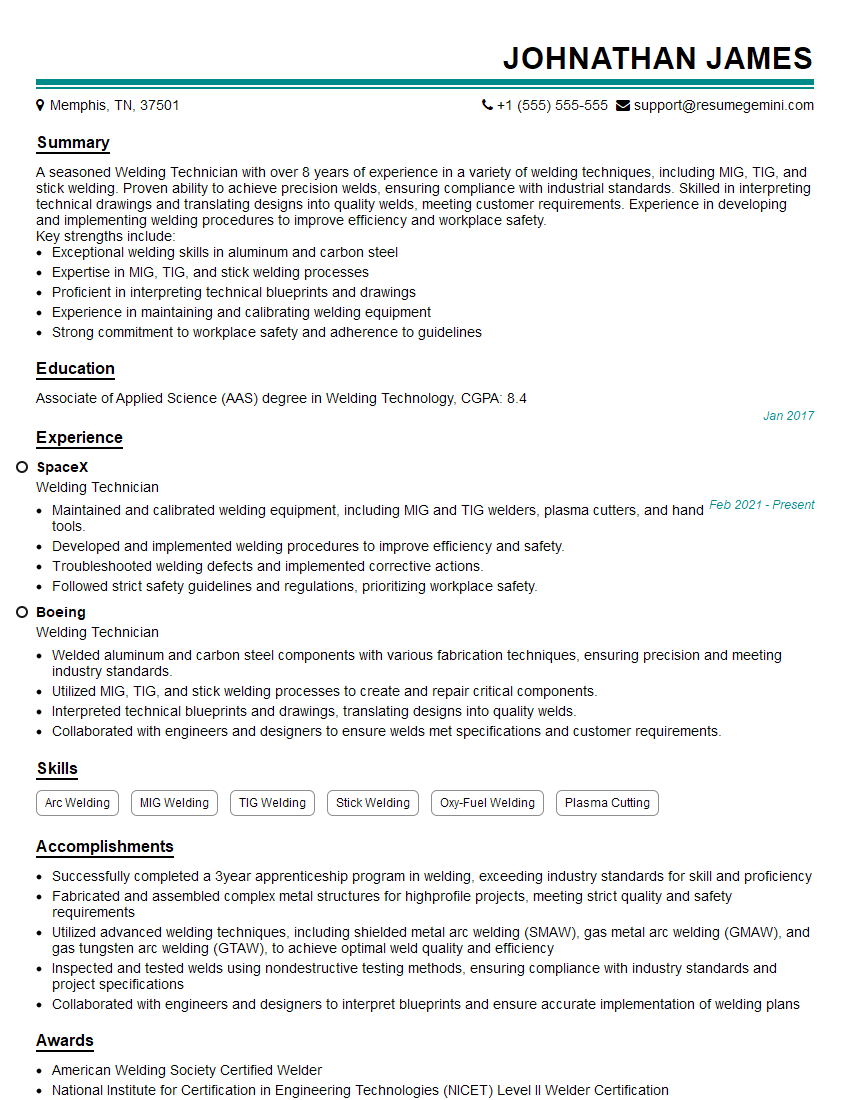
Welding Technician Resume Sample

Welding Foreman Resume Sample
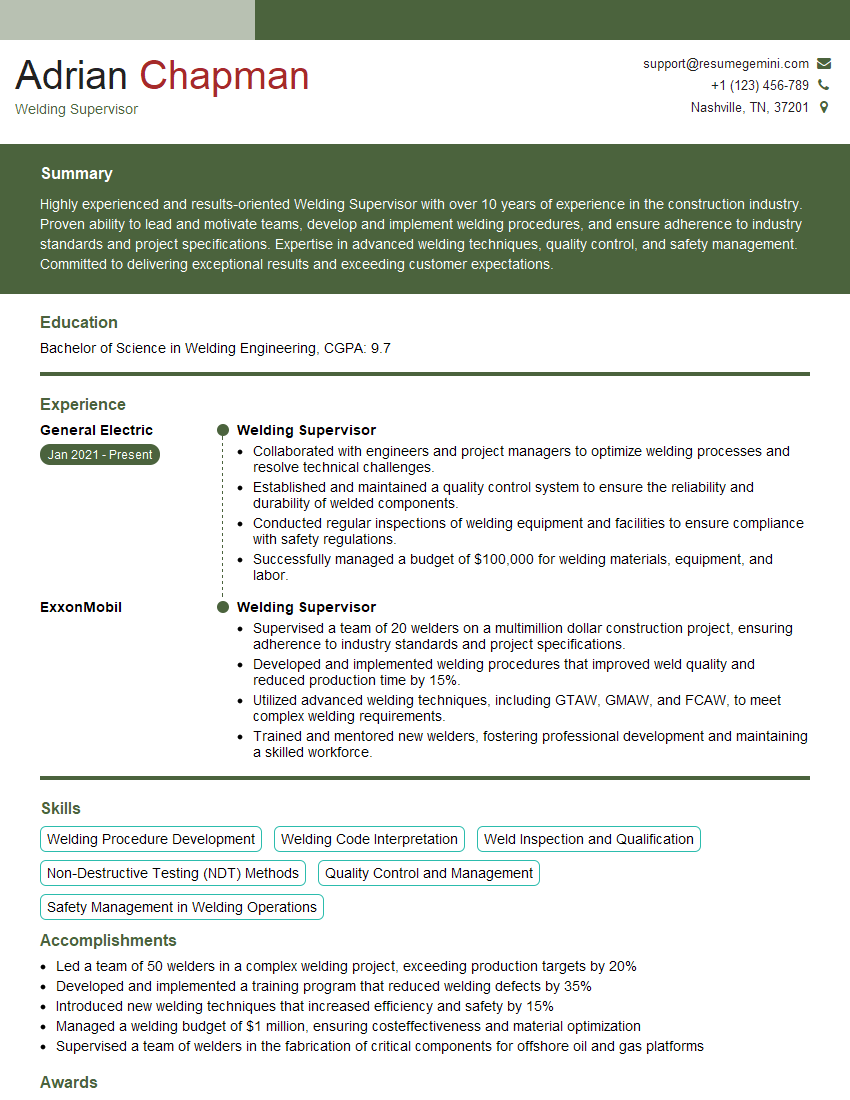
Welding Supervisor Resume Sample
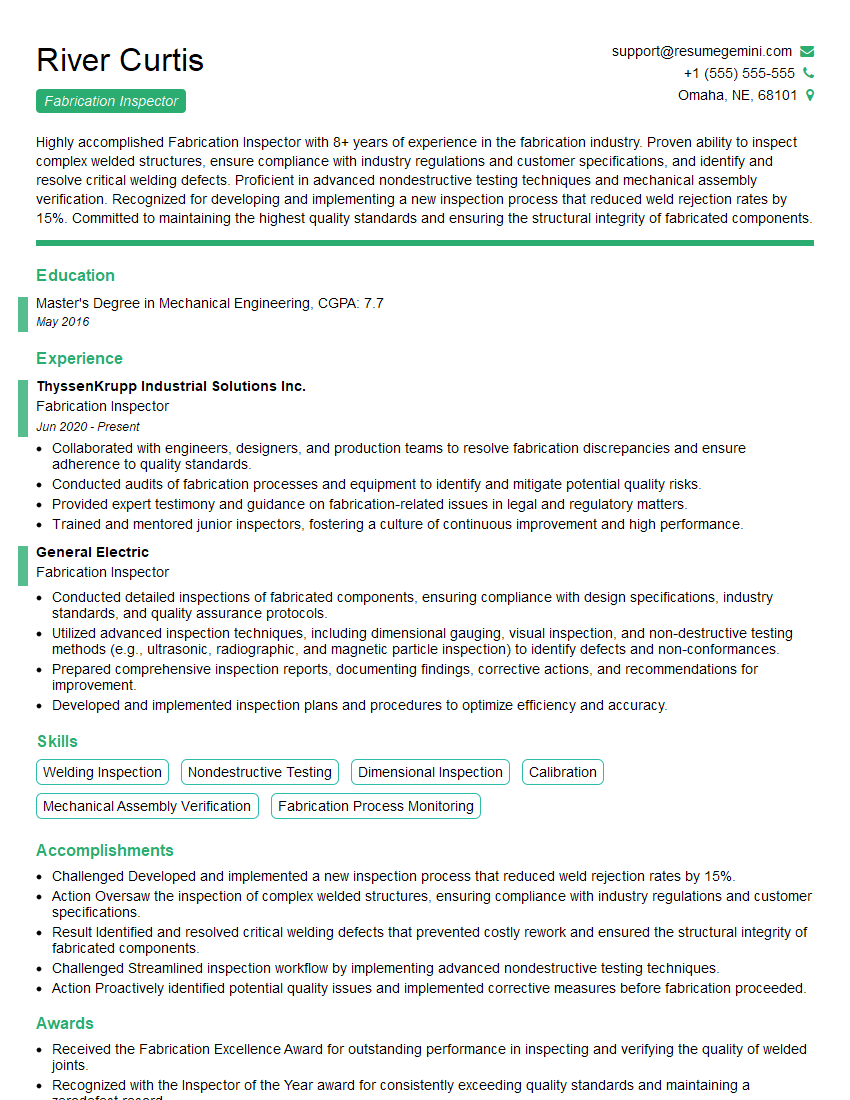
Fabrication Inspector Resume Sample
Explore more articles
Users Rating of Our Blogs
Share Your Experience
We value your feedback! Please rate our content and share your thoughts (optional).
What Readers Say About Our Blog
Very informative content, great job.
good