Are you ready to stand out in your next interview? Understanding and preparing for Mood Boarding interview questions is a game-changer. In this blog, we’ve compiled key questions and expert advice to help you showcase your skills with confidence and precision. Let’s get started on your journey to acing the interview.
Questions Asked in Mood Boarding Interview
Q 1. Explain the purpose of creating a mood board.
A mood board is a visual representation of the overall feeling or atmosphere you want to create for a design project. Think of it as a visual brainstorming session captured on a single board. It’s used to explore concepts, communicate a design direction, and ultimately, to get everyone – the client and the design team – on the same page before diving into the detailed design work. It’s like painting a picture with colors, textures, and images to convey the mood before sketching out the final form.
For example, a mood board for a website redesign might include images showcasing a modern aesthetic, specific color palettes, typography examples, and textures that evoke feelings of trust and sophistication. Similarly, a mood board for a fashion campaign might include fabric swatches, photography styles, and even sketches of potential outfits.
Q 2. What software are you proficient in for creating mood boards?
I’m proficient in a variety of software for mood board creation, each offering unique advantages. My go-to tools include Adobe Photoshop and Illustrator for their robust image editing and layout capabilities. These allow for precise control over image placement and manipulation. I also use Pinterest for initial inspiration gathering and Miro for collaborative mood boarding, especially when working with clients remotely. For simpler boards, Canva offers a user-friendly interface with pre-designed templates. The choice of software depends on the project’s scope, the level of detail needed, and the collaborative aspects involved.
Q 3. Describe your process for gathering inspiration for a mood board.
My inspiration gathering process is multifaceted and iterative. I start by deeply understanding the project’s brief, considering the target audience, and identifying the core message or feeling we want to evoke. Then, I dive into research using various sources:
- Online platforms: Pinterest, Instagram, Behance, Dribbble, and other visual platforms for design trends and ideas.
- Competitor analysis: Examining the visual language of competitors to understand current market trends.
- Magazines and books: Exploring physical media for unique imagery and layouts.
- Client collaboration: Gathering client references, including websites, images, and brands they admire.
- Physical exploration: Visiting locations or experiencing situations relevant to the project.
This research phase allows me to build a rich repository of visuals that align with the project’s objective, ultimately forming the foundation for my mood board.
Q 4. How do you ensure a mood board effectively communicates a design concept?
Effective communication is key to a successful mood board. I ensure this by carefully curating the visual elements and structuring them thoughtfully. This involves:
- Clear visual hierarchy: Arranging elements to guide the viewer’s eye, highlighting key themes.
- Color palette cohesion: Ensuring a consistent and harmonious color scheme that reflects the desired mood.
- Strategic image selection: Choosing images that strongly evoke the intended emotions and aesthetics.
- Concise annotations: Adding short descriptions or keywords to clarify the meaning behind specific elements.
- Consistent style: Maintaining a unified visual style throughout the board, avoiding conflicting elements.
By meticulously choosing and arranging elements, a well-crafted mood board avoids ambiguity and clearly communicates the design’s vision and essence.
Q 5. Explain the difference between a mood board and a style guide.
While both mood boards and style guides are vital design tools, they serve distinct purposes. A mood board is a broad visual representation of the overall feeling and aesthetic direction. It’s exploratory and inspirational, setting the tone for the project. A style guide, on the other hand, is a detailed document defining specific design elements such as fonts, colors, logos, and brand voice. It provides concrete guidelines for consistent implementation across all design assets. Think of a mood board as the inspiration, and the style guide as the implementation manual. For example, a mood board might show images suggesting a ‘rustic chic’ aesthetic; the style guide would then specify the exact font, color codes, and imagery guidelines to create that style consistently.
Q 6. How do you incorporate client feedback into a mood board?
Client feedback is integral to the mood board process. I facilitate feedback sessions where I present the initial board and actively encourage clients to share their thoughts and preferences. This involves:
- Open-ended questions: Encouraging detailed responses and understanding the ‘why’ behind their feedback.
- Iterative revisions: Incorporating feedback into revised mood boards and presenting these for further review.
- Visual aids: Using image editing software to quickly showcase potential changes suggested by the client.
- Clear communication: Explaining design choices and justifying alterations based on design principles.
This collaborative approach ensures that the final mood board reflects the client’s vision while staying true to sound design principles. It is a continuous dialogue, not a one-time presentation.
Q 7. How do you handle conflicting design ideas when creating a mood board?
Conflicting design ideas are inevitable. My approach involves:
- Identifying the core conflict: Clearly defining the nature of the disagreement, such as conflicting color palettes or stylistic approaches.
- Analyzing the rationale: Understanding the reasons behind each conflicting idea, considering project objectives and client preferences.
- Finding common ground: Seeking unifying elements that can bridge the gap between conflicting ideas.
- Creating alternative versions: Developing multiple mood board iterations exploring different design solutions to the conflict.
- Client involvement: Presenting the alternative versions to the client and engaging in a discussion to reach a consensus.
The goal isn’t necessarily to eliminate all conflict, but to find a creative synthesis that incorporates the best aspects of each idea. This ensures a unified and cohesive final design.
Q 8. Describe a time you had to revise a mood board based on feedback.
Revising a mood board based on feedback is a crucial part of the design process. It shows adaptability and a willingness to refine the initial vision. For example, I once created a mood board for a website redesign focused on a minimalist aesthetic using muted tones and clean lines. The client, however, felt it was too austere and lacked personality. Their feedback highlighted the need for warmer colors and textures to reflect the brand’s friendly and approachable nature.
My revision involved incorporating more organic textures, like wood grain and linen, alongside warmer earth tones. I replaced some of the initially chosen geometric shapes with softer, more fluid lines. I also added images showcasing people interacting positively, replacing some abstract images to better reflect the brand’s human element. The revised mood board successfully incorporated the client’s feedback while maintaining the overall minimalist concept, resulting in a more effective visual representation of the brand’s identity.
Q 9. How do you ensure your mood boards are visually appealing and well-organized?
Visual appeal and organization are paramount in a mood board. Think of it as a curated story; it needs to be easily understood and engaging. I achieve this through careful planning and execution.
- Layout and Structure: I use a grid system or other deliberate arrangement to avoid a chaotic look. This provides visual hierarchy and guides the viewer’s eye. I might group similar elements together (textures, colors, fonts).
- Color Harmony: I select a color palette that complements the overall theme and brand guidelines, using tools like Adobe Color to explore different harmonies.
- White Space: Strategic use of white space prevents overcrowding and allows individual elements to breathe. It’s about balance; too much can feel empty, too little feels cluttered.
- Digital Tools: I leverage tools like Miro, Pinterest, or Adobe Photoshop to create visually engaging and easily shareable mood boards. These tools allow for layering and precise arrangement, ensuring a polished final product.
Q 10. What are some key elements you consider when creating a mood board for a specific project?
Creating a mood board for a specific project necessitates a deep understanding of its goals and target audience. My process involves considering these key elements:
- Project Goals: What is the intended outcome? What message needs to be conveyed?
- Target Audience: Who is the intended audience? Their demographics, preferences, and lifestyle influence the overall aesthetic.
- Brand Identity (if applicable): Does the project align with an existing brand? The mood board should reflect the brand’s values and personality.
- Keywords and Themes: Identifying key words and themes related to the project helps guide the selection of images, colors, and textures. For example, for a luxury watch brand, keywords might include ‘sophistication,’ ‘timeless,’ and ‘prestige.’
- Style and Tone: This defines the overall mood and feeling the mood board should evoke – modern, rustic, playful, serious, etc.
Q 11. How do you choose the right color palette for a mood board?
Choosing the right color palette is essential. It sets the tone and mood, and directly impacts the overall perception. My approach is multifaceted:
- Brand Guidelines: If a brand exists, its color palette should be the starting point.
- Color Psychology: Understanding the emotional associations of different colors is vital. Blues suggest calmness, reds energy, greens nature, etc.
- Color Harmony Tools: Digital tools like Adobe Color allow exploring various color harmonies (complementary, analogous, triadic) to find a visually appealing and consistent palette.
- Mood and Theme: The selected colors should align with the project’s mood and theme. A calming spa might utilize soft blues and greens, whereas a high-energy sports brand might use vibrant reds and yellows.
- Testing and Iteration: I often create several palette options and test their effectiveness before finalizing a selection.
Q 12. How do you select appropriate imagery and typography for a mood board?
Imagery and typography are powerful visual communication tools. They must be chosen carefully to reinforce the mood board’s message.
- Imagery: Images should be high-quality and relevant to the project’s theme. They should evoke the desired emotions and convey the intended message. I often source images from stock photo sites, paying attention to licensing and usage rights.
- Typography: Font choices are crucial for conveying the right message. Serif fonts often feel more traditional, while sans-serif fonts appear more modern. The font size and weight influence readability and visual impact. The typography must align with the overall aesthetic and brand identity.
- Visual Consistency: The imagery and typography should complement each other and maintain a visual cohesiveness.
Q 13. How do you maintain consistency in style and tone across multiple mood boards?
Maintaining consistency across multiple mood boards, especially for large projects, requires a structured approach. This helps create a unified brand identity or project aesthetic.
- Style Guide: Developing a style guide documenting the approved color palettes, fonts, imagery styles, and overall tone is crucial. This serves as a reference for all mood boards.
- Centralized Resource: Using a shared online platform like Miro allows easy access and consistent updates across the team. This ensures everyone adheres to the defined style guide.
- Regular Review and Feedback: Consistent review sessions help identify any inconsistencies early, allowing timely adjustments.
Q 14. Describe your experience using mood boards in different design projects (e.g., web, print, interior).
Mood boards have proven invaluable across various design disciplines.
- Web Design: I’ve used mood boards extensively in web design to establish the visual direction for websites, setting the tone and style for layout, color scheme, and overall user experience.
- Print Design: In print design, mood boards help define the visual identity for brochures, magazines, or packaging. They guide the selection of fonts, colors, and imagery that accurately reflect the brand or product’s personality.
- Interior Design: Mood boards play a significant role in setting the aesthetic direction for interior spaces. They help visualize the color palette, materials, and overall style of a room, helping clients understand the final design vision.
In each case, the mood board serves as a vital communication tool, bridging the gap between the designer’s vision and the client’s expectations, ensuring a successful project outcome.
Q 15. How do you ensure the mood board remains relevant to the project’s scope?
Maintaining relevance is paramount. Before even touching a digital tool or grabbing a glue stick, I meticulously review the project brief, focusing on the client’s goals, target audience, and brand identity. Think of it like building a house – you wouldn’t start constructing without blueprints. I translate the project’s core message into visual keywords. For example, if the project is a website for a sustainable clothing brand, keywords might include ‘natural textures,’ ‘earth tones,’ ‘minimalist design,’ and ‘recycled materials.’ These keywords directly inform the selection of images, textures, colors, and fonts for the mood board. Regular check-ins with the client during the creation process also ensure that the board stays aligned with their evolving vision.
For instance, I once worked on a mood board for a tech startup launching a new productivity app. Initially, the client envisioned a sleek, minimalist design. However, after reviewing a preliminary mood board emphasizing clean lines and muted colors, they expressed a desire for a more playful and vibrant aesthetic. By having an ongoing dialogue, we adjusted the mood board to reflect their updated vision, avoiding costly revisions later in the project.
Career Expert Tips:
- Ace those interviews! Prepare effectively by reviewing the Top 50 Most Common Interview Questions on ResumeGemini.
- Navigate your job search with confidence! Explore a wide range of Career Tips on ResumeGemini. Learn about common challenges and recommendations to overcome them.
- Craft the perfect resume! Master the Art of Resume Writing with ResumeGemini’s guide. Showcase your unique qualifications and achievements effectively.
- Don’t miss out on holiday savings! Build your dream resume with ResumeGemini’s ATS optimized templates.
Q 16. What are some common pitfalls to avoid when creating mood boards?
Common pitfalls often stem from a lack of clarity or focus. One major mistake is including too many disparate elements without a cohesive theme. Imagine a mood board with images of a tropical beach, a futuristic cityscape, and a rustic farmhouse – it’s visually confusing and lacks direction. The mood board should tell a story, not just display random visuals. Another pitfall is relying too heavily on trends without considering the project’s specific needs. Trends are fleeting, and a mood board should reflect a timeless essence, not just the latest Instagram craze. Over-reliance on stock photography can also result in a generic and uninspired mood board. Finally, not considering the client’s feedback adequately is detrimental. A mood board is a collaborative tool, and ignoring valuable input can lead to a disconnect between the design vision and the client’s expectations.
Q 17. How do you present your mood boards to clients or stakeholders?
Presentation is key! I typically present mood boards digitally, using platforms like PowerPoint or Keynote, which allow for seamless transitions and annotations. I start by briefly explaining the concept behind the board and highlighting the key visual elements and their connection to the project’s objectives. I don’t just *show* the mood board; I *tell* a story. I narrate the journey of how I arrived at the visual concepts, explaining my rationale behind specific choices. I encourage interaction and discussion. I use the mood board as a springboard for dialogue, allowing the client to voice their thoughts and preferences. After the presentation, I provide a digital copy of the mood board for future reference.
Sometimes, particularly for more tactile projects, I’ll create a physical mood board alongside the digital one, using materials like fabric swatches, paint chips, and printed images. This tactile representation helps clients connect with the design on a different level.
Q 18. How do you handle criticism of your mood boards?
Criticism is an opportunity for growth. I listen actively and respectfully to all feedback, regardless of how it’s delivered. I try to understand the underlying concerns behind the criticism. Is it a matter of aesthetics, functionality, or a disconnect between the mood board and the project’s goals? Once I understand the feedback, I address it constructively. I might explain my design choices, offer alternative options, or make revisions to address specific points of concern. The goal is not to be defensive but to engage in a collaborative problem-solving process. Even if I don’t agree with all the criticism, I always show appreciation for the input and make adjustments when appropriate.
For example, if a client finds a certain color palette too bold, I might present alternative options that retain the essence of the mood board while addressing their concerns.
Q 19. How familiar are you with different mood board creation techniques (digital vs. physical)?
I’m proficient in both digital and physical mood board creation techniques. Digital mood boards offer flexibility and ease of revision. Tools like Pinterest, Adobe Photoshop, and Canva allow for quick iteration and experimentation. I can easily share and collaborate on digital mood boards. On the other hand, physical mood boards provide a tactile experience that can be highly engaging for clients. They offer a more tangible connection to the design process, which can be beneficial, especially for projects that involve physical materials or textures. I often use a combination of both methods, using digital tools for initial exploration and refinement, and sometimes creating a physical board for final presentation or client review.
Q 20. How do you manage time constraints when creating multiple mood boards simultaneously?
Managing multiple mood boards simultaneously requires meticulous planning and prioritization. I utilize project management tools to track deadlines and allocate time effectively. I break down each mood board into smaller, manageable tasks, assigning specific timeframes to each. This allows me to focus on one task at a time without feeling overwhelmed. I also leverage my knowledge of design principles to quickly assemble mood boards, reusing certain elements (with appropriate attribution) where suitable and avoiding unnecessary repetition of research. The key is to streamline processes and focus on efficiency without sacrificing quality.
Q 21. What is your approach to incorporating trending design elements into mood boards without compromising the overall concept?
Incorporating trends requires a discerning approach. I start by identifying trending elements that genuinely resonate with the project’s overall concept and aesthetic. I wouldn’t just slap the latest color of the year onto a mood board for a Victorian-era themed project. Instead, I might subtly incorporate a contemporary spin, perhaps through the texture or typography, while maintaining the overall period-appropriate aesthetic. I view trends as spices, not the main course. They should enhance, not overpower, the core concept. The balance lies in finding innovative ways to weave the trendy elements into the design narrative in a way that feels authentic and purposeful.
Q 22. Describe your experience with collaborating with others on mood board creation.
Collaboration is paramount in mood board creation. It’s not just about aesthetics; it’s about aligning creative visions and ensuring the final product resonates with all stakeholders. My approach involves a highly communicative process. I start with a kickoff meeting to understand everyone’s expectations and the project’s goals. This involves clarifying the brand identity, target audience, and desired emotional response. Then, I create an initial mood board based on this information, sharing it for feedback via a collaborative platform like Miro or Figma. This allows for real-time comments and edits, fostering a dynamic and iterative process. We then refine the mood board iteratively, incorporating suggestions and addressing concerns until consensus is reached. For example, on a recent project for a sustainable clothing brand, initial feedback from the marketing team highlighted the need for more imagery reflecting natural landscapes, which we readily incorporated. This collaborative process ensures that the mood board effectively captures everyone’s input and vision for the project.
Q 23. How do you adapt your mood board creation style to different client needs and preferences?
Adaptability is key to successful mood board creation. Each client possesses unique needs, preferences, and brand identities. My approach involves a thorough initial consultation to understand their specific requirements. For example, a high-end jewelry brand might need a mood board emphasizing elegance and luxury, using high-quality images and a sophisticated color palette, while a tech startup might prefer a more modern and minimalist approach with bold colors and graphic elements. I tailor my style by adjusting the imagery, color schemes, typography, and overall aesthetic to perfectly align with the client’s brand identity and target audience. I also adjust the level of detail; some clients prefer highly detailed boards while others prefer a more abstract overview. The key is active listening and a flexible approach. I might even provide several options, presenting different interpretations of their brief to ensure a collaborative and satisfying end result.
Q 24. What resources do you regularly use to stay updated on design trends and inspiration?
Staying updated on design trends is crucial. I leverage a variety of resources for inspiration. My go-to sources include design blogs like Design Milk and Dezeen, which offer curated insights into current trends. I also actively follow leading designers and design firms on platforms like Instagram and Pinterest, allowing me to explore diverse styles and innovative approaches. Trend forecasting websites and reports provide a broader perspective on the upcoming design landscapes. I also attend relevant industry conferences and workshops to network with other designers and learn about new techniques and tools. Finally, I regularly browse design magazines, both print and digital, for ideas and inspiration. The combination of online resources, in-person events, and print publications provides a well-rounded perspective, ensuring that I am always on the pulse of evolving design trends.
Q 25. How do you organize and archive your mood boards after project completion?
Organization and archiving are critical for project management and future reference. After project completion, I create a well-structured digital archive for all my mood boards. I use a cloud-based system like Dropbox or Google Drive, organizing them by client name and project title in clearly labeled folders. Each folder contains not only the final mood board but also the source images, notes, and any feedback received during the collaborative process. This detailed record allows me to easily retrieve and reference past projects for future similar work, and also aids in identifying successful design elements. A clear naming convention is essential, using a consistent format like “[Client Name]_[Project Name]_[Date].jpg” for quick retrieval and easy identification. This detailed archiving ensures accessibility and allows me to learn from past experiences.
Q 26. How do you demonstrate the value of mood boards to a client unfamiliar with the process?
Demonstrating the value of mood boards to a client unfamiliar with the process requires clear communication and a focus on tangible benefits. I explain that mood boards act as a visual blueprint, serving as a powerful communication tool between designers and clients. They help avoid misunderstandings and ensure everyone is on the same page regarding the project’s overall aesthetic and direction. I emphasize that this shared vision prevents costly rework further down the line, saving both time and resources. I use real-world examples of how a well-crafted mood board has streamlined a project and brought a client’s vision to life. For instance, I might show a before-and-after comparison of a project where a mood board significantly improved efficiency. I present the mood board as a crucial investment in the project’s success rather than an extra expense. This helps to shift their understanding from simply an aesthetic tool to a fundamental element in the project’s success.
Q 27. What are your strengths and weaknesses in creating effective mood boards?
My greatest strength is my ability to translate abstract concepts into compelling visual narratives. I excel at synthesizing diverse design elements – colors, textures, typography, and imagery – to create cohesive and evocative mood boards. My detailed understanding of design principles and trends allows me to create boards that are not only aesthetically pleasing but also strategically aligned with the project’s objectives. However, like any creative endeavor, there are areas for improvement. While I am efficient in my workflow, I sometimes get caught up in the details and need to better prioritize my time when juggling multiple projects. I’m actively working on improving my time management skills through project planning tools and techniques to ensure all deadlines are consistently met while maintaining high quality output.
Key Topics to Learn for Your Mood Boarding Interview
- Understanding Mood Board Principles: Explore the core concepts behind effective mood boarding, including visual communication, storytelling, and target audience analysis.
- Software & Tools Proficiency: Demonstrate familiarity with relevant software (e.g., Adobe Photoshop, Illustrator, Pinterest) and your ability to utilize them for creating compelling mood boards.
- Image Selection & Curation: Discuss your approach to selecting and arranging visual elements to convey a specific message or feeling. Highlight your understanding of color theory, typography, and visual hierarchy.
- Practical Application in Design Disciplines: Showcase how mood boards are used in different design fields (e.g., graphic design, web design, interior design, fashion design) and your experience in these areas.
- Client Communication & Collaboration: Explain how you’d present and discuss a mood board with a client, addressing feedback and revisions effectively.
- Problem-Solving & Iteration: Describe your approach to refining a mood board based on feedback and evolving project needs. Highlight your ability to adapt and improve your work.
- Trend Awareness & Research: Discuss your methods for staying updated on current design trends and incorporating relevant visual inspiration into your mood boards.
Next Steps
Mastering mood boarding opens doors to exciting opportunities in various creative fields. A strong portfolio is essential, but a compelling resume is your first impression. Creating an ATS-friendly resume significantly increases your chances of getting noticed by recruiters. To build a professional and effective resume that highlights your mood boarding skills, leverage the power of ResumeGemini. ResumeGemini provides a user-friendly platform and offers examples of resumes tailored to Mood Boarding roles, helping you present yourself in the best possible light. Take the next step towards your dream job by crafting a resume that truly showcases your talent.
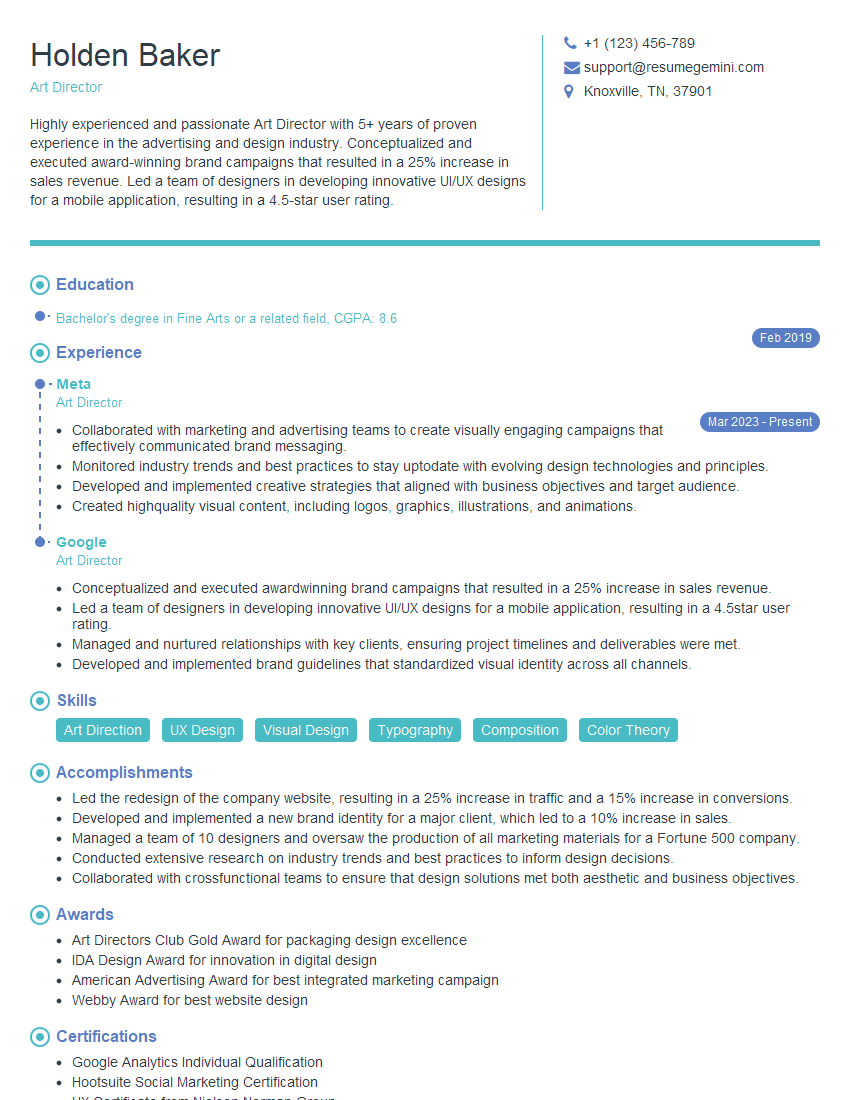
Art Director Resume Sample

Creative Director Resume Sample

Social Media Manager Resume Sample
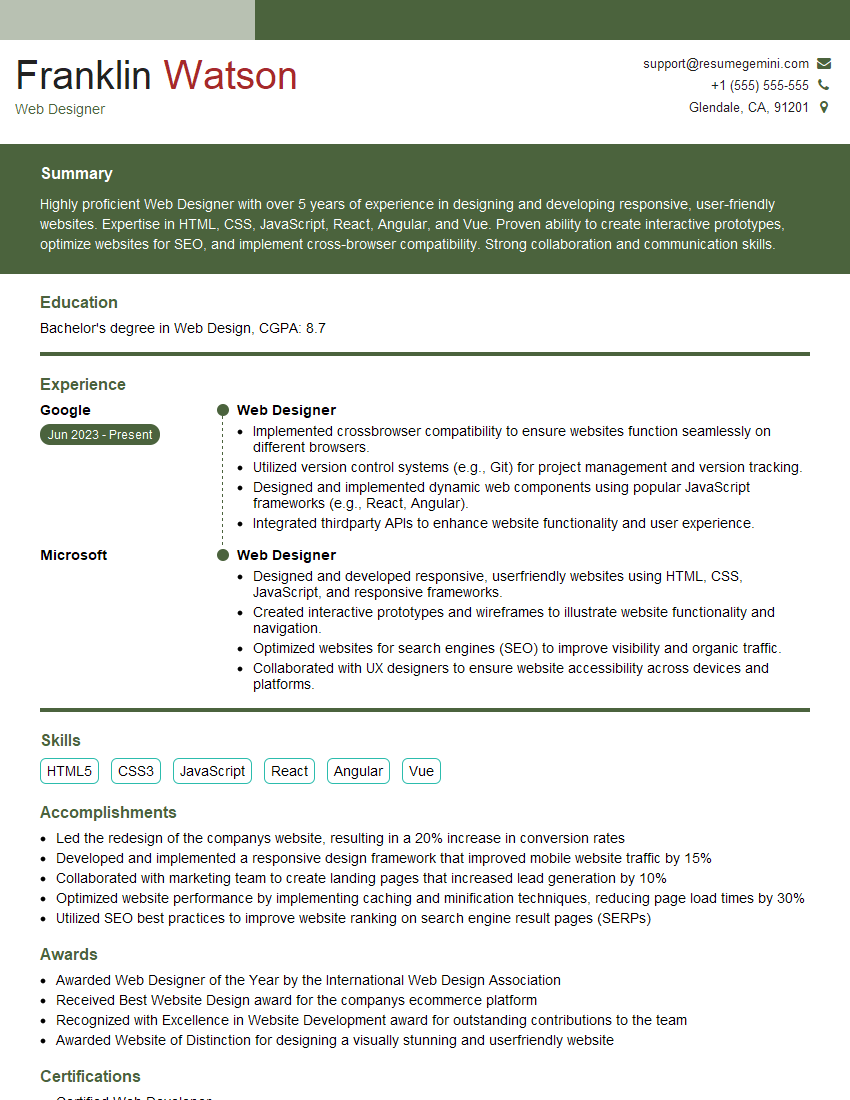
Web Designer Resume Sample
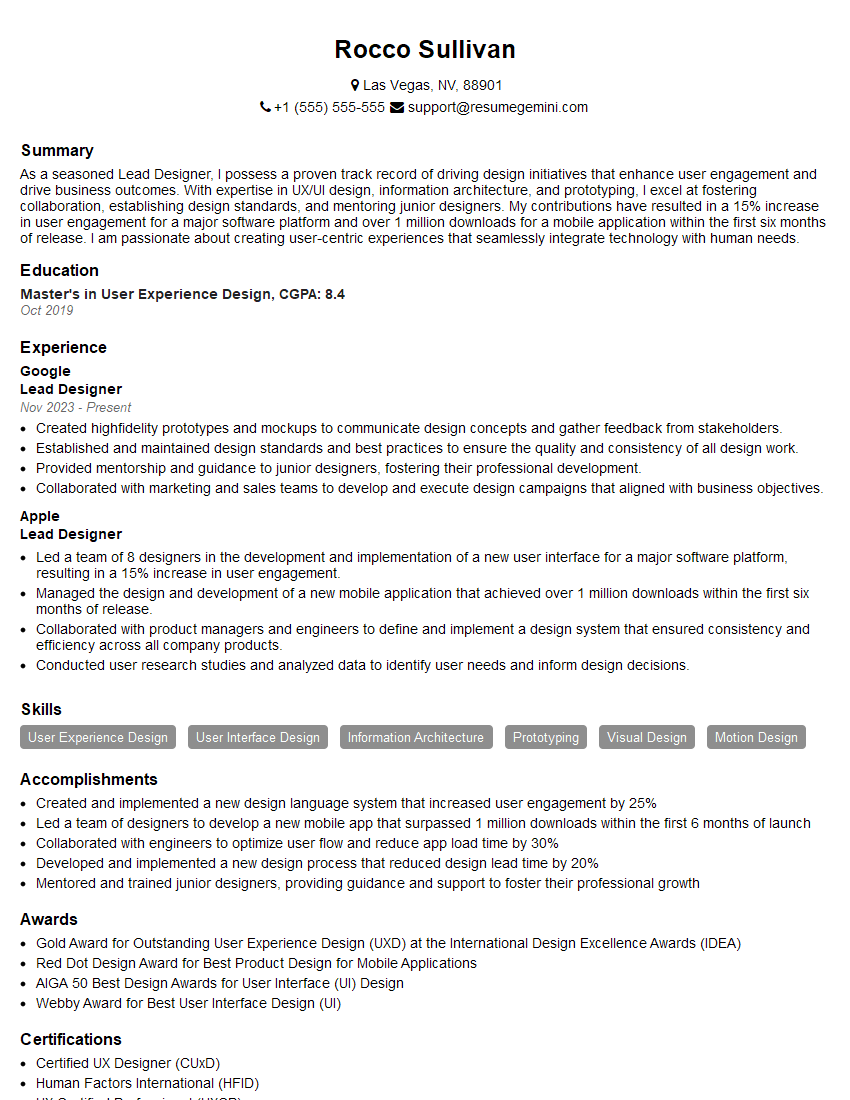
Lead Designer Resume Sample
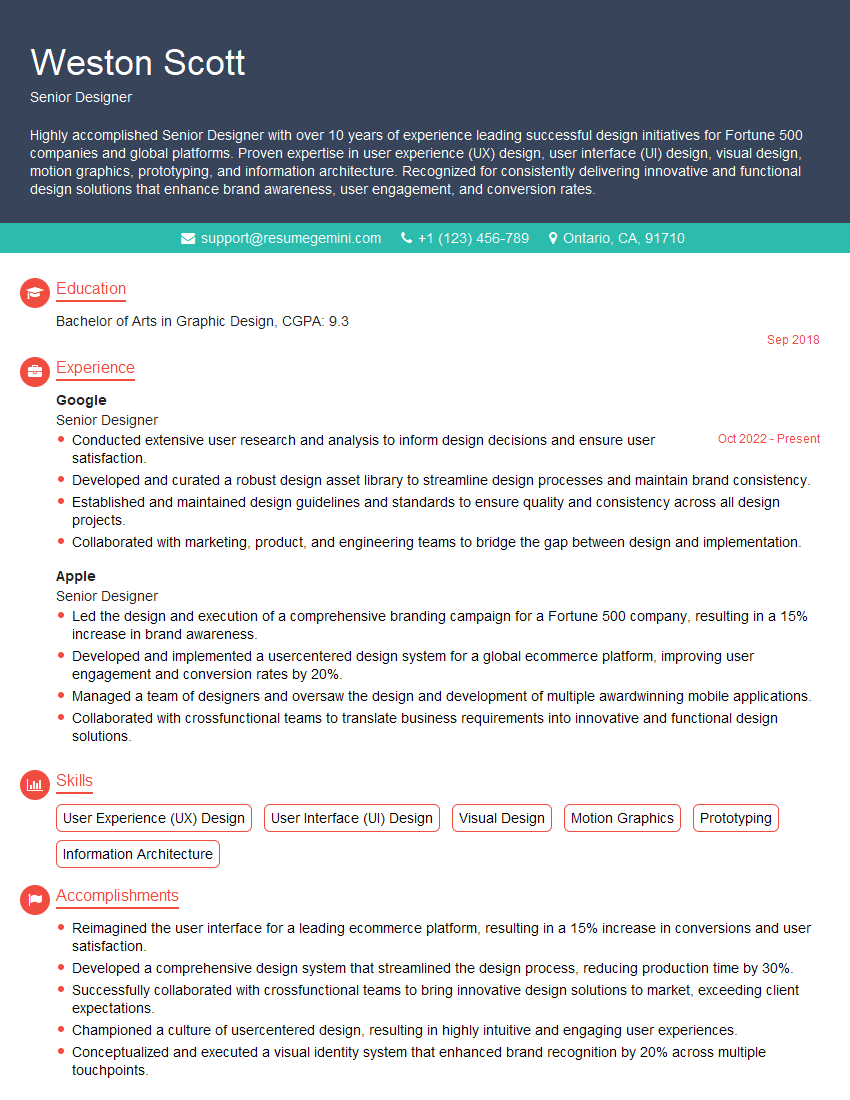
Senior Designer Resume Sample
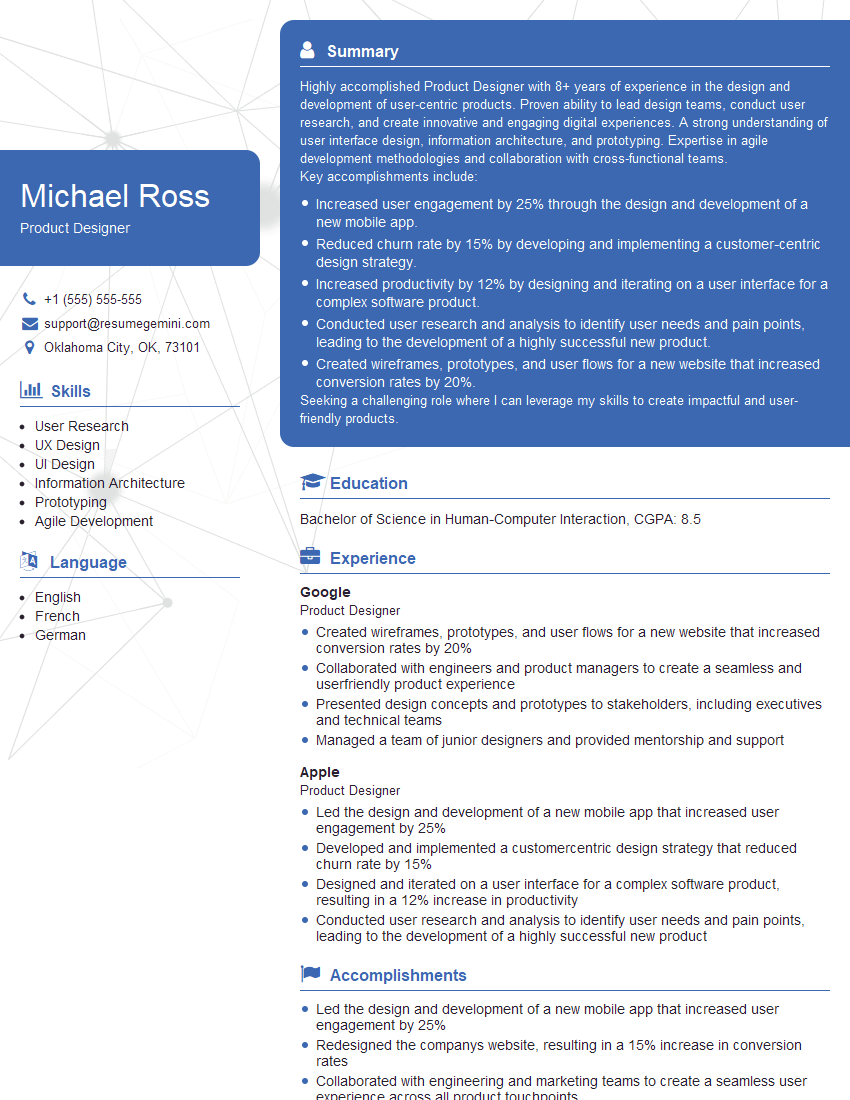
Product Designer Resume Sample
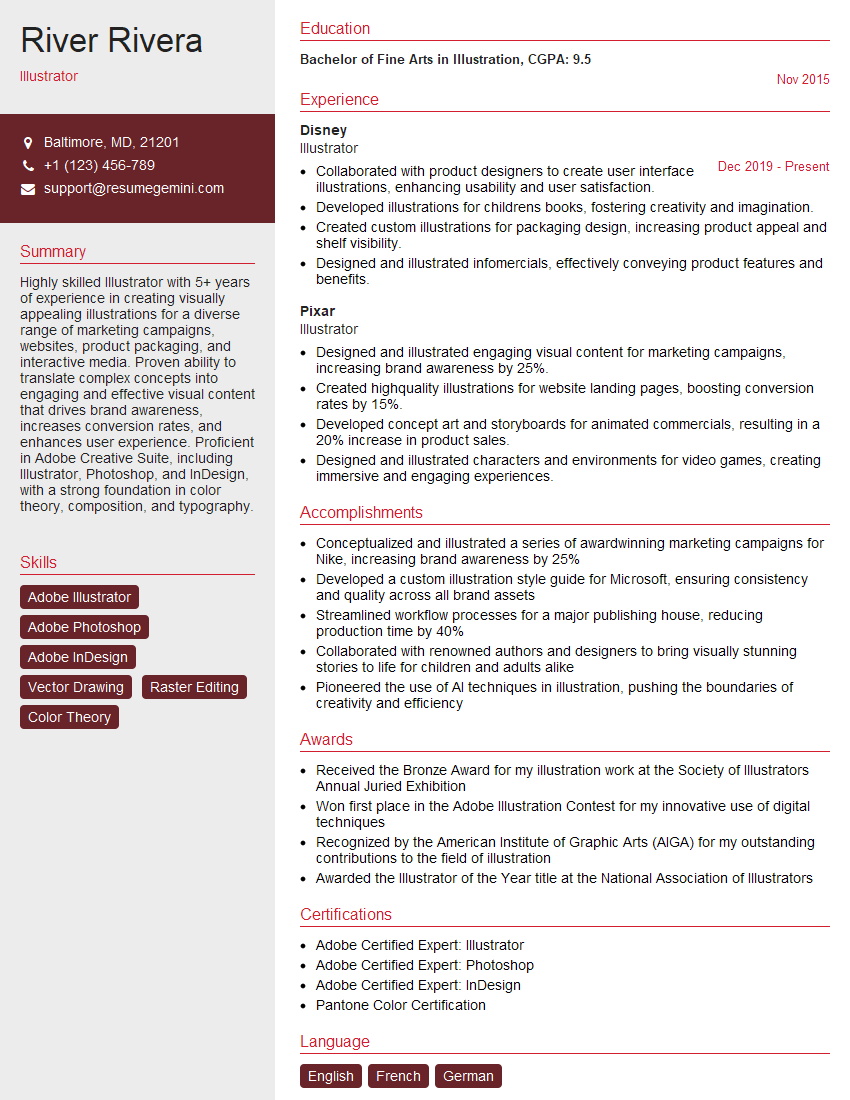
Illustrator Resume Sample
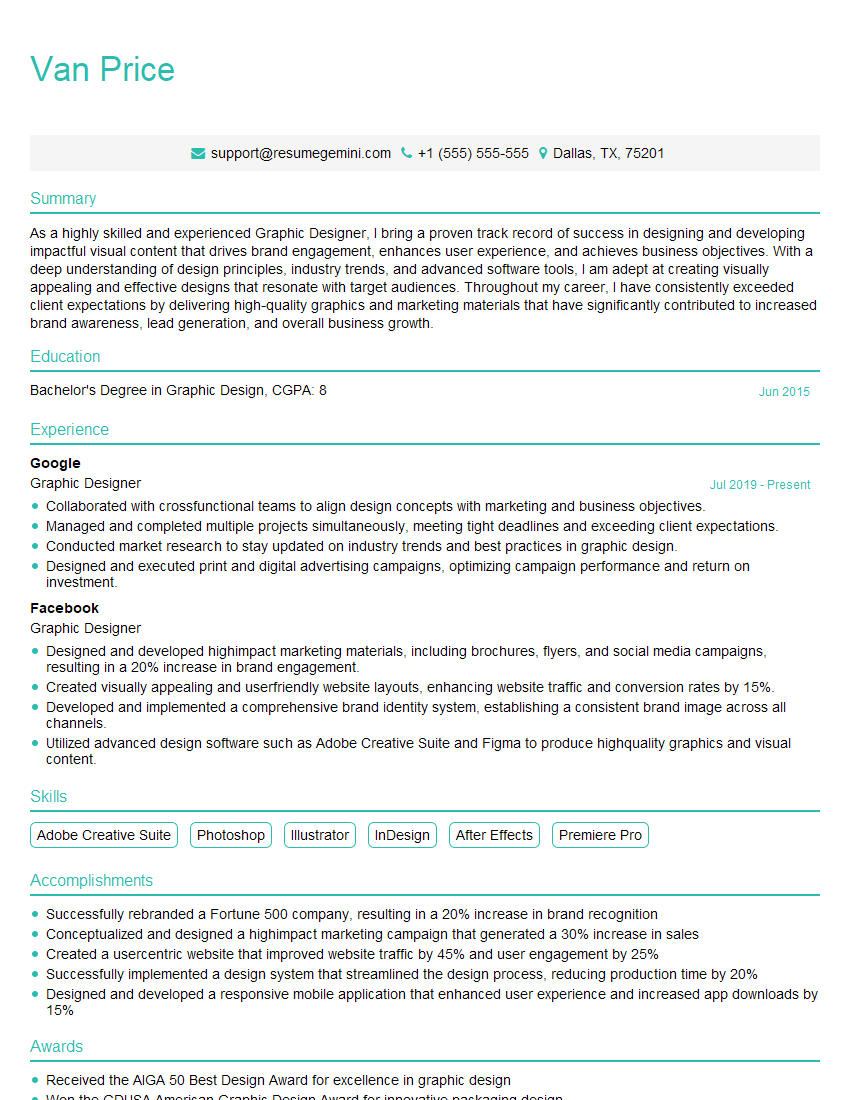
Graphic Designer Resume Sample
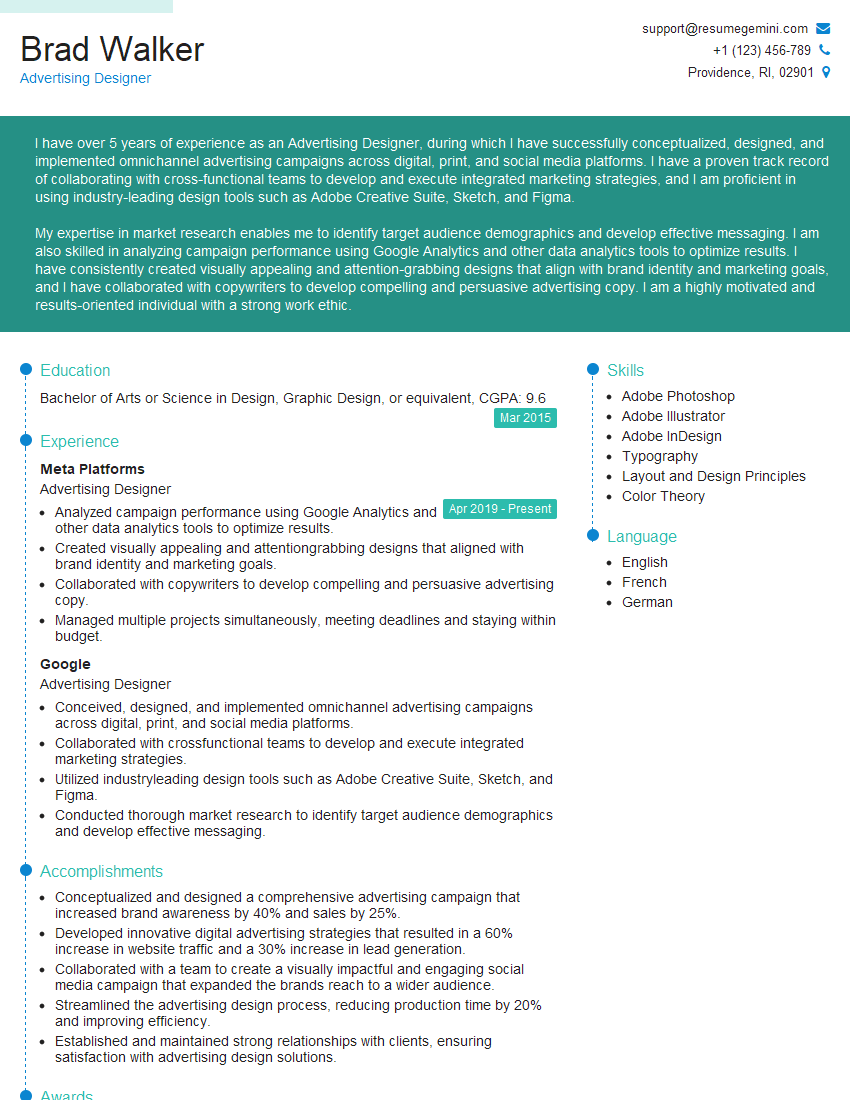
Advertising Designer Resume Sample
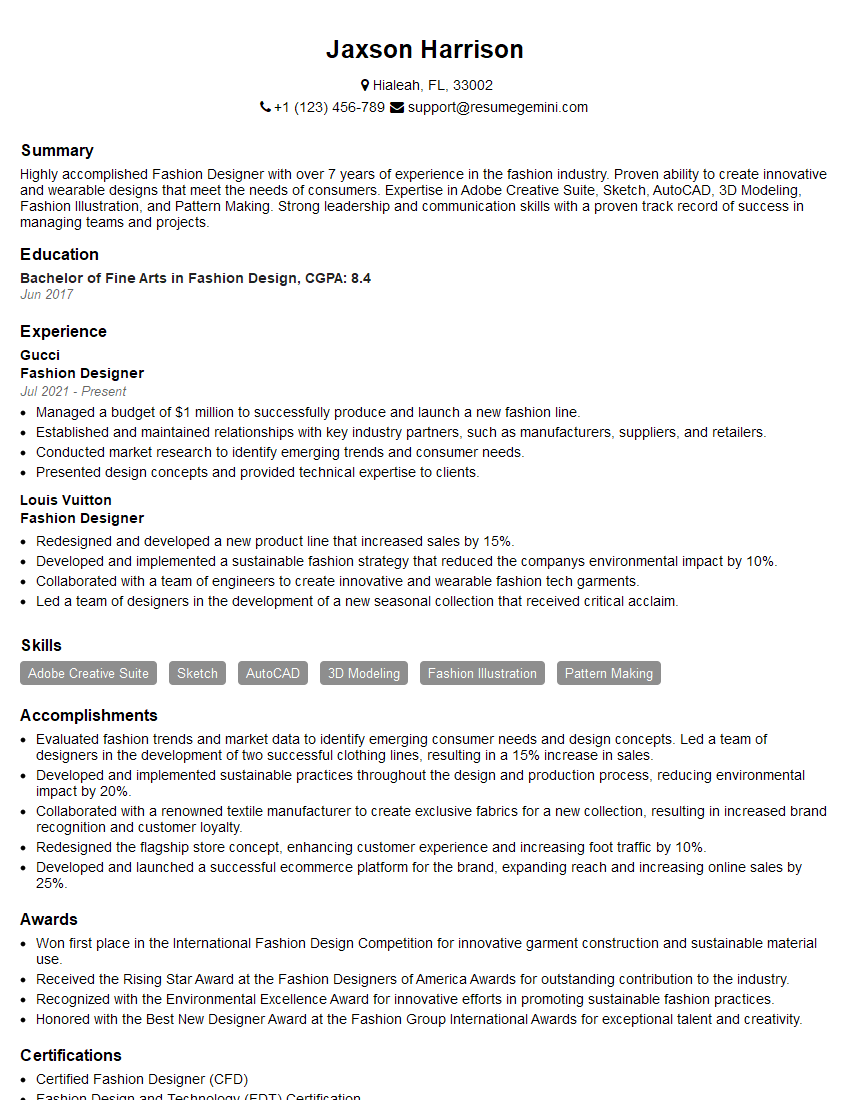
Fashion Designer Resume Sample
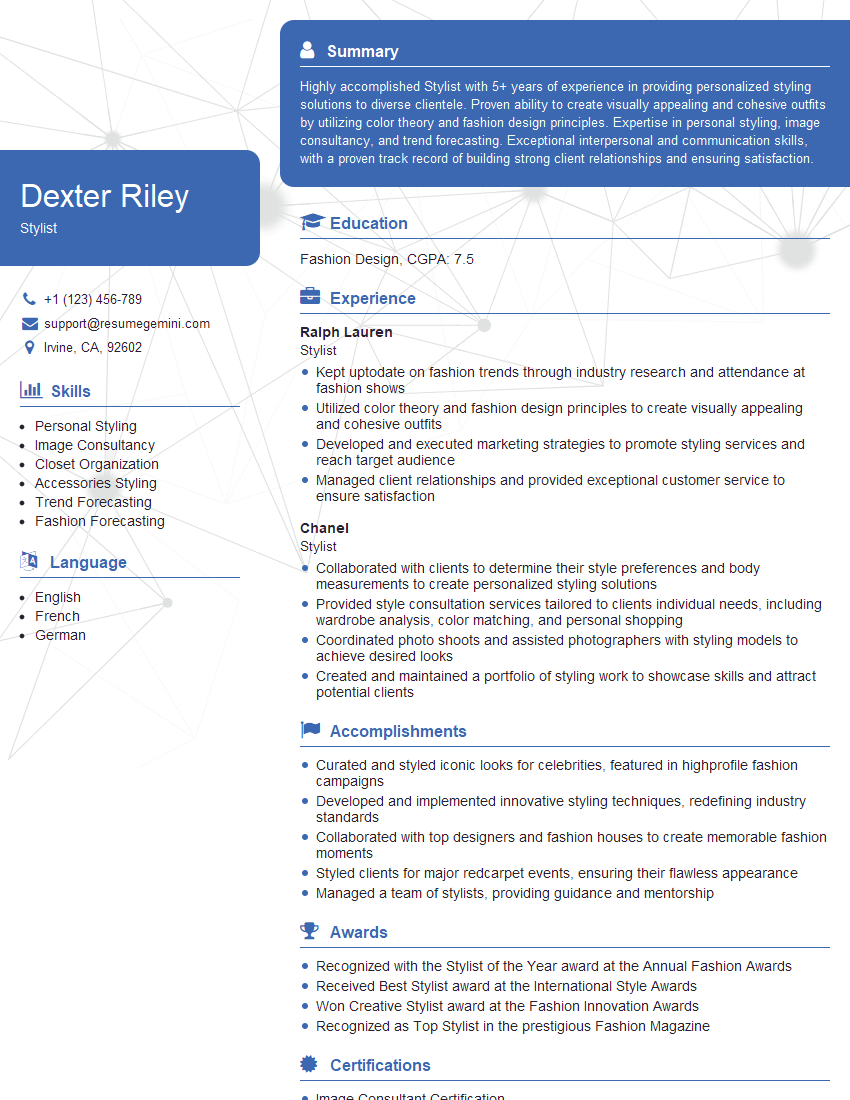
Stylist Resume Sample
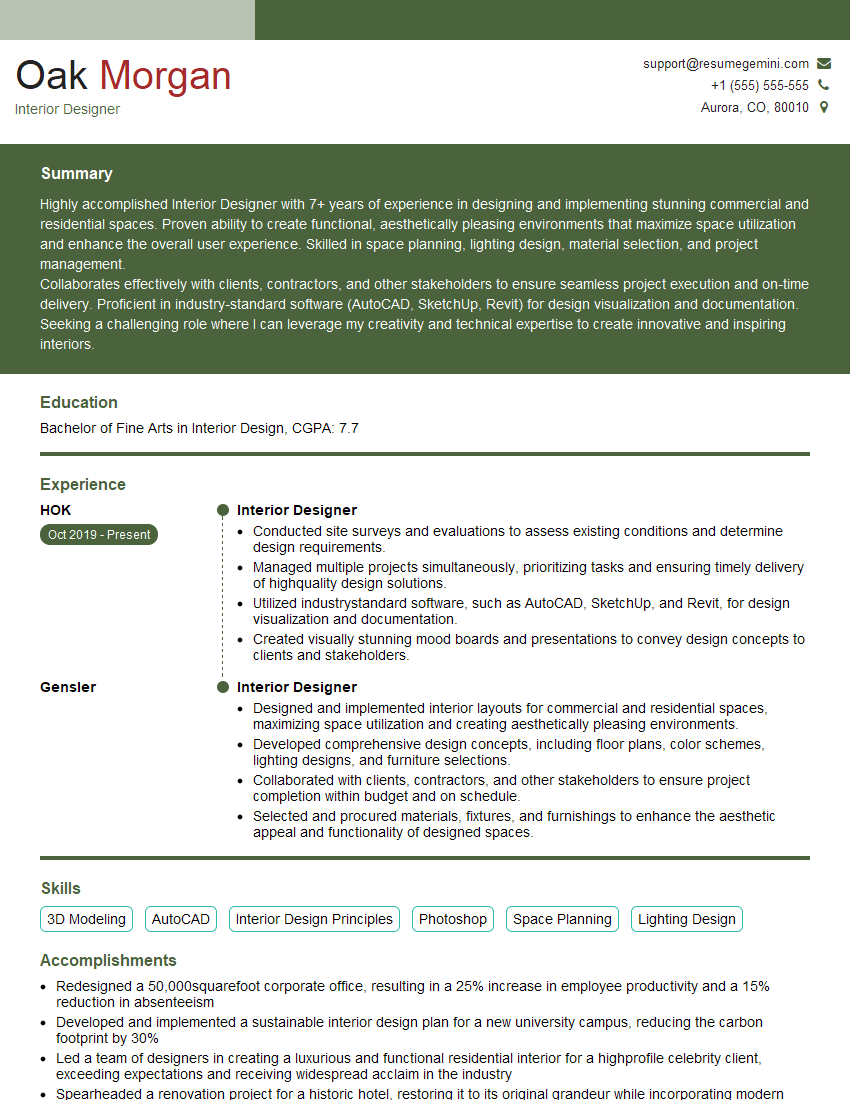
Interior Designer Resume Sample
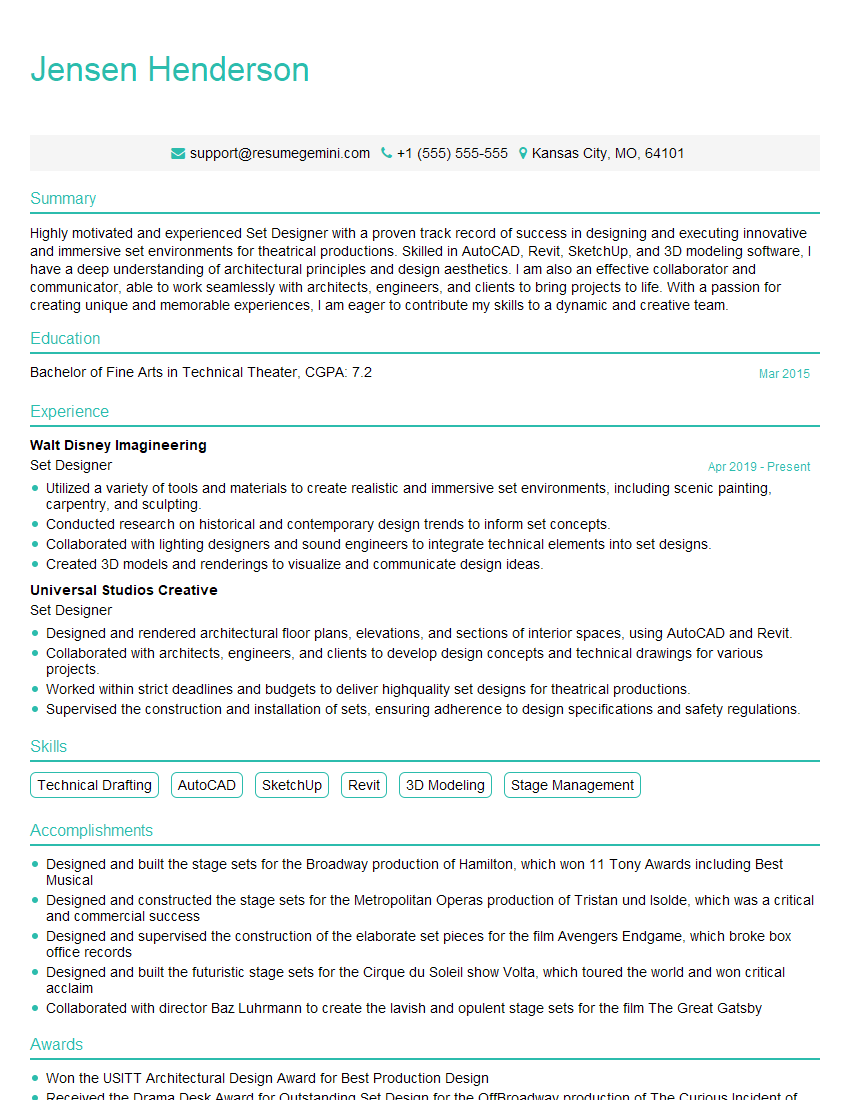
Set Designer Resume Sample
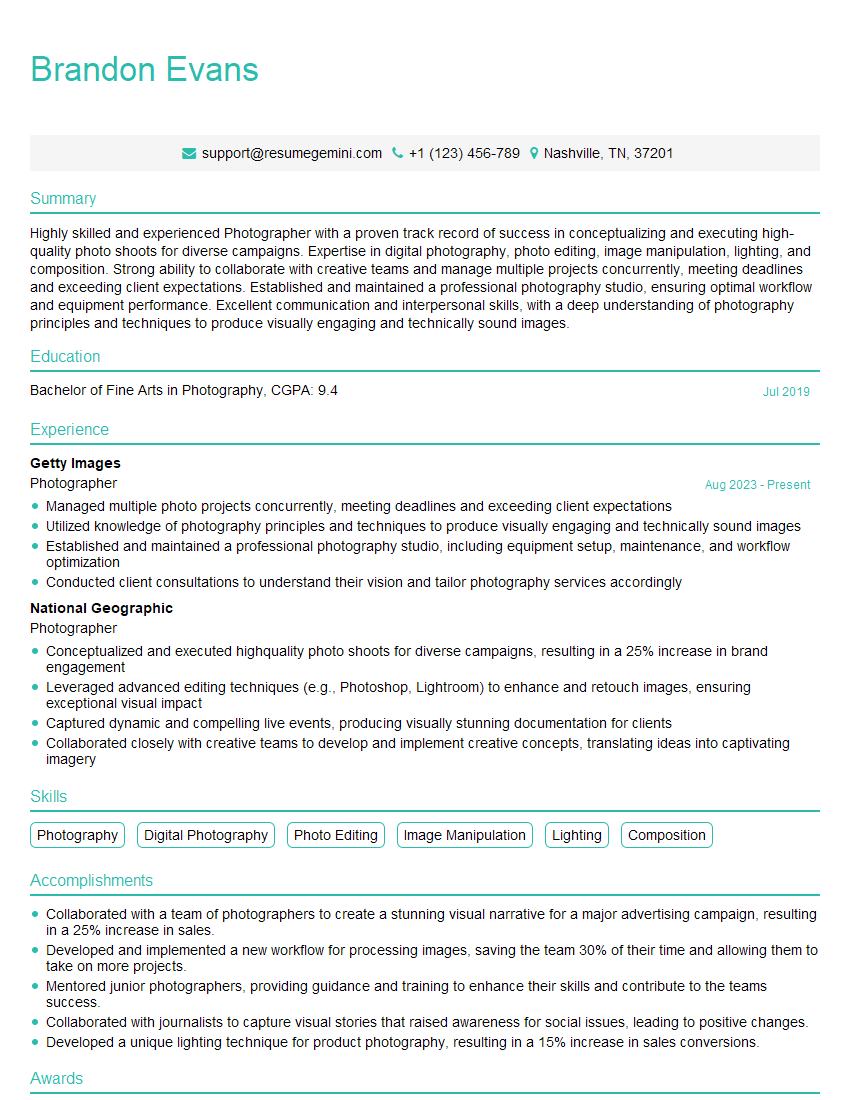
Photographer Resume Sample

Content Creator Resume Sample
Explore more articles
Users Rating of Our Blogs
Share Your Experience
We value your feedback! Please rate our content and share your thoughts (optional).
What Readers Say About Our Blog
Very informative content, great job.
good