The thought of an interview can be nerve-wracking, but the right preparation can make all the difference. Explore this comprehensive guide to Knowledge of bioinformatics and genomics interview questions and gain the confidence you need to showcase your abilities and secure the role.
Questions Asked in Knowledge of bioinformatics and genomics Interview
Q 1. Explain the difference between genomics and bioinformatics.
Genomics and bioinformatics are closely related but distinct fields. Genomics focuses on studying an organism’s complete set of genes and their interactions, essentially the entire genome. Think of it as the ‘what’ – what genes are present, how many, and where are they located? Bioinformatics, on the other hand, is the application of computational tools and techniques to analyze genomic and other biological data. It’s the ‘how’ – how do we store, manage, and interpret the massive amounts of data generated by genomics experiments?
For example, genomics might involve sequencing the entire human genome, while bioinformatics would involve developing algorithms to align those sequences, identify genes, and predict their functions. One couldn’t exist effectively without the other; genomics provides the raw data, and bioinformatics provides the tools for understanding it.
Q 2. Describe your experience with NGS data analysis pipelines.
I have extensive experience with NGS data analysis pipelines, from raw read processing to downstream analysis. My workflow typically involves several key steps: First, I perform quality control checks on the raw FASTQ files using tools like FastQC to identify and address potential issues. This is crucial because low-quality reads can introduce significant errors in downstream analyses. Next, I use tools such as BWA or Bowtie2 to align the reads to a reference genome. The aligned reads are then converted to SAM/BAM format for efficient storage and manipulation.
Further steps often include variant calling using tools like GATK or Freebayes, followed by variant annotation and filtering to identify significant variants. Finally, depending on the research question, I might conduct gene expression analysis using RNA-Seq data with tools like RSEM or Cufflinks, or perform other analyses such as copy number variation analysis or methylation analysis. I’m proficient in using various scripting languages like Python and R to automate these pipelines and manage large datasets. In a recent project, I optimized a pipeline for analyzing whole-exome sequencing data, resulting in a 20% reduction in processing time while improving accuracy.
Q 3. What are some common file formats used in bioinformatics (e.g., FASTA, FASTQ, SAM/BAM)?
Several common file formats are used in bioinformatics, each serving a specific purpose. Let’s look at three examples:
- FASTA (.fasta, .fa): This format stores biological sequences (DNA, RNA, or protein) as a single-line identifier followed by multiple lines of sequence data. It’s simple and widely used for storing sequences.
>sequence_name
ATGCGT... - FASTQ (.fastq): This format extends FASTA by adding quality scores to each base, crucial for assessing the accuracy of sequencing reads in next-generation sequencing. Each read has four lines: identifier, sequence, +, and quality scores.
- SAM/BAM (.sam, .bam): SAM (Sequence Alignment/Map) format stores sequence alignments, showing how reads map to a reference genome. BAM is a binary version of SAM, offering much better compression and processing speed. It contains information on the read position, orientation, and quality score, enabling detailed analysis of genomic variations.
Q 4. How would you handle missing data in a genomic dataset?
Handling missing data in genomic datasets is crucial because it can significantly impact the accuracy of the results. Several approaches exist depending on the nature and extent of the missing data:
- Imputation: This involves estimating the missing values based on the observed values. Simple methods might use the mean or median of the observed values, while more sophisticated methods utilize machine learning algorithms to predict missing values based on correlation with other variables.
- Deletion: If the amount of missing data is small, it’s sometimes acceptable to remove rows or columns with missing values. However, this might lead to a loss of information and could bias the analysis if the missing data is not random.
- Multiple Imputation: Instead of a single imputation, generate multiple imputed datasets and run the analysis on each. The results are then combined to get a more robust estimate, accounting for the uncertainty introduced by imputation.
The choice of method depends on factors such as the amount of missing data, the pattern of missingness, and the nature of the analysis being performed. It’s essential to carefully consider the implications of each approach and justify the chosen method.
Q 5. What are some common bioinformatics databases you have used (e.g., NCBI, UniProt, Ensembl)?
I have extensively utilized several major bioinformatics databases throughout my career, including:
- NCBI (National Center for Biotechnology Information): This is a vast resource for genomic and molecular data, including GenBank (nucleotide sequences), PubMed (biomedical literature), and BLAST (sequence similarity search tool). I frequently use NCBI databases for retrieving sequence data, conducting homology searches, and exploring published research.
- UniProt: A comprehensive database of protein sequences and functional information. I use UniProt to obtain detailed information on protein structures, domains, and pathways, essential for understanding protein function and evolution.
- Ensembl: A genome browser containing annotated genomic sequences from many species. Ensembl is invaluable for visualizing genomic features, conducting gene expression analysis, and identifying genomic variations.
In addition to these, I’ve also worked with specialized databases such as dbSNP (single nucleotide polymorphism database) and KEGG (Kyoto Encyclopedia of Genes and Genomes), depending on the project’s specific requirements.
Q 6. Explain the concept of sequence alignment and its applications.
Sequence alignment is a fundamental bioinformatics technique used to compare two or more sequences of DNA, RNA, or protein to identify regions of similarity. The goal is to arrange the sequences optimally to highlight conserved regions, suggesting evolutionary relationships or functional similarities. Imagine it like trying to find matching words in a slightly scrambled sentence—you need to arrange the words to find the overlaps and similarities.
There are two main types: global alignment (aligning the entire sequences) and local alignment (identifying regions of similarity within longer sequences). Tools like BLAST (Basic Local Alignment Search Tool) are widely used for local alignments to find similar sequences in large databases. Needleman-Wunsch and Smith-Waterman algorithms are commonly used for global and local alignments, respectively. Applications of sequence alignment include identifying homologous genes, predicting protein structure, studying evolutionary relationships, and designing primers for PCR experiments.
Q 7. Describe your experience with phylogenetic analysis.
I have significant experience with phylogenetic analysis, using it to infer evolutionary relationships between biological sequences. This involves constructing phylogenetic trees (cladograms) which represent the evolutionary history of a set of organisms or genes. My work has included building trees using various methods, including distance-based methods (like UPGMA and Neighbor-Joining) and character-based methods (like maximum parsimony and maximum likelihood).
I’m proficient with software such as MEGA, PhyML, and MrBayes. The choice of method depends on the nature of the data (DNA, RNA, protein) and the size of the dataset. For example, maximum likelihood methods are generally preferred for large datasets but are computationally more intensive than distance-based methods. In a recent project, I used phylogenetic analysis to study the evolution of a particular gene family, revealing important insights into the diversification of its functions over time. The resulting tree clearly showed the evolutionary relationships between the different gene family members, and their divergence based on their functional adaptations.
Q 8. What are some common algorithms used in sequence alignment?
Sequence alignment algorithms are crucial for comparing biological sequences (DNA, RNA, protein) to identify similarities and differences, revealing evolutionary relationships or functional regions. Several algorithms exist, each with strengths and weaknesses depending on the application.
- Needleman-Wunsch: A dynamic programming algorithm that finds the optimal global alignment between two sequences. It considers the entire length of both sequences, making it suitable for closely related sequences. Think of it as meticulously aligning two long strips of paper by perfectly matching all parts.
- Smith-Waterman: Another dynamic programming algorithm, but it finds the optimal local alignment, identifying regions of similarity within longer sequences that may not be globally aligned. This is useful for finding conserved domains within proteins, even if the surrounding sequences are quite different. Imagine finding similar sections within two very different paragraphs of text.
- BLAST (Basic Local Alignment Search Tool): A heuristic algorithm, meaning it uses shortcuts to speed up the search, making it ideal for searching large databases. While not guaranteed to find the absolute best alignment, it’s incredibly fast and effective for identifying similar sequences. Think of it as a rapid search engine for biological sequences.
- Bowtie2/BWA: These are short read aligners specifically designed for aligning short sequencing reads (e.g., from Illumina sequencing) to a reference genome. They are optimized for speed and efficiency, handling the massive datasets generated by next-generation sequencing.
The choice of algorithm depends on the specific research question and data. For instance, BLAST is great for finding homologous genes, while Bowtie2 is essential for RNA-Seq analysis.
Q 9. Explain the difference between RNA-Seq and DNA-Seq.
Both RNA-Seq and DNA-Seq are powerful high-throughput sequencing technologies used to study the genome, but they target different molecules and provide distinct insights.
- DNA-Seq (Whole Genome Sequencing): Sequences the entire genome, providing a complete picture of an organism’s DNA. This is useful for identifying SNPs, INDELS, structural variations, and other genomic alterations. Think of it as creating a complete map of all the roads in a city.
- RNA-Seq: Sequences the transcriptome – the entire collection of RNA molecules expressed in a cell or organism at a specific time. This reveals gene expression levels, identifies alternatively spliced transcripts, and detects non-coding RNAs. Imagine taking a snapshot of the traffic flow on the city roads at a particular time.
In short, DNA-Seq provides a static view of the genome, while RNA-Seq provides a dynamic view of gene expression. Often, researchers use both to gain a comprehensive understanding of the organism’s genetics and function.
Q 10. How would you perform differential gene expression analysis?
Differential gene expression analysis compares gene expression levels between different groups (e.g., treatment vs. control) to identify genes that are differentially expressed. The process typically involves several steps:
- Read Mapping: Aligning RNA-Seq reads to a reference genome using tools like STAR or HISAT2.
- Quantification: Counting the number of reads mapping to each gene using tools like featureCounts or RSEM. This gives you the expression level of each gene.
- Normalization: Adjusting for differences in sequencing depth and library size across samples using methods like RPKM, FPKM, or TPM. This ensures fair comparison between samples.
- Statistical Testing: Performing statistical tests (e.g., t-test, DESeq2, edgeR) to identify genes with significantly different expression levels between groups. These tools account for multiple testing corrections to control the false discovery rate.
- Visualization and Interpretation: Visualizing the results using volcano plots or heatmaps to identify differentially expressed genes and explore patterns of gene expression.
The choice of statistical method depends on the experimental design and data characteristics. For example, DESeq2 and edgeR are popular choices for count data from RNA-Seq experiments.
Q 11. Describe your experience with variant calling.
I have extensive experience in variant calling, a process crucial for identifying genomic variations from sequencing data. This involves several key steps:
- Read Mapping: Aligning sequencing reads to a reference genome. I’ve utilized tools like BWA-MEM and Bowtie2 for this.
- Variant Calling: Using tools such as GATK HaplotypeCaller, Freebayes, or SAMtools mpileup to identify potential variants based on differences between the reads and the reference genome.
- Variant Filtering and Annotation: Applying filters based on quality scores, read depth, and other metrics to remove false positives and annotate the remaining variants using databases like dbSNP and ANNOVAR to understand their potential functional consequences.
In my previous role, I was involved in a project analyzing whole-genome sequencing data from cancer patients. We identified several novel somatic mutations that could be potential therapeutic targets. I am proficient in using various software tools and have expertise in handling large datasets involved in variant calling.
Q 12. What are some common methods for identifying SNPs and INDELS?
SNPs (Single Nucleotide Polymorphisms) and INDELS (Insertions and Deletions) are common types of genetic variations. Identifying them typically involves the steps outlined in variant calling (above). Specific tools and approaches include:
- Read Mapping: As mentioned, accurately aligning reads to the reference genome is the foundation. Tools like BWA MEM and Bowtie2 are commonly used.
- Variant Calling Software: GATK HaplotypeCaller, Freebayes, and SAMtools are frequently employed to identify SNPs and INDELS from mapped reads. These tools use various algorithms to detect variations from the reference sequence.
- Variant Filtration and Quality Control: This step is critical to remove false positives. Filters are applied based on parameters such as read depth, quality scores, and strand bias.
For example, a low quality score might indicate a sequencing error rather than a genuine SNP. Careful filtering ensures the accuracy of the final variant calls.
Q 13. Explain the concept of genome annotation.
Genome annotation is the process of identifying and classifying functional elements within a genome. It’s like adding labels to a map, indicating the location and function of various features.
This involves identifying genes, regulatory regions (promoters, enhancers), non-coding RNAs, repetitive elements, and other functional features. Computational methods are employed using various data sources, including:
- Gene prediction algorithms: Software like AUGUSTUS and GENSCAN predict gene locations based on sequence features.
- Experimental data: RNA-Seq data helps identify transcribed regions, while ChIP-Seq data identifies regions bound by specific proteins, providing information about regulatory elements.
A well-annotated genome provides a valuable resource for understanding the biology of an organism, facilitating research on gene function, evolution, and disease.
Q 14. Describe your experience with genome-wide association studies (GWAS).
Genome-wide association studies (GWAS) are used to identify genetic variants associated with a particular trait or disease. They involve scanning the genomes of a large number of individuals to find variations that are more common in individuals with the trait compared to those without.
My experience with GWAS includes designing study parameters, data analysis using tools such as PLINK and other statistical packages and the interpretation of findings. This involves:
- Study Design: Defining the study population, selecting appropriate controls, and determining the statistical power needed.
- Genotyping and Quality Control: Performing quality control checks on the genotyping data to remove low-quality SNPs and individuals.
- Association Testing: Using statistical methods such as chi-squared tests or logistic regression to identify SNPs associated with the trait of interest. Correction for multiple testing is crucial.
- Data Interpretation and Visualization: Interpreting the results, considering factors like linkage disequilibrium and population stratification, and visualizing the results using Manhattan plots or Q-Q plots.
In a previous project, I was involved in a GWAS investigating genetic factors associated with type 2 diabetes. We identified several SNPs associated with an increased risk of the disease, which contributed to a better understanding of its genetic basis. It is vital to remember that GWAS results often require further validation and replication.
Q 15. How would you interpret the results of a GWAS?
Interpreting Genome-Wide Association Study (GWAS) results involves carefully examining the statistical associations between genetic variants (SNPs – single nucleotide polymorphisms) and a specific trait or disease. It’s not simply about finding SNPs with low p-values; it’s about understanding the biological context and potential limitations.
Steps to Interpretation:
- Identify Significant SNPs: GWAS typically uses a Manhattan plot to visualize the p-values of each SNP. SNPs significantly associated with the trait will stand out as peaks above a predetermined threshold (e.g., p < 5 x 10⁻⁸). These SNPs are considered candidate variants.
- Consider Effect Size: While significance is important, the effect size (e.g., odds ratio for disease risk) indicates the strength of the association. A large effect size suggests a more substantial influence on the trait.
- Examine Linkage Disequilibrium (LD): SNPs in high LD are physically close together on the chromosome and tend to be inherited together. A significant SNP might not be the causal variant itself, but rather in LD with the true causal variant. Identifying the likely causal variant within the LD block requires further investigation.
- Investigate Gene Function: Once candidate SNPs are identified, we examine the genes they reside in or are near. We then investigate these genes’ known or predicted functions to gain insights into their potential role in the trait.
- Replicate Findings: GWAS results must be independently replicated in different populations to rule out false positives due to population stratification or other biases.
- Consider Limitations: GWAS primarily identifies associations, not direct causation. It is also usually limited in its power to explain the entire heritability of a complex trait. Furthermore, many GWAS rely on single nucleotide polymorphisms, missing potentially important information from structural variants, copy number variants and epigenetic modifications.
Example: A GWAS might identify a SNP strongly associated with increased risk of type 2 diabetes. The interpretation would involve analyzing the nearby genes, checking for functional roles related to glucose metabolism or insulin signaling, and validating the association in independent cohorts.
Career Expert Tips:
- Ace those interviews! Prepare effectively by reviewing the Top 50 Most Common Interview Questions on ResumeGemini.
- Navigate your job search with confidence! Explore a wide range of Career Tips on ResumeGemini. Learn about common challenges and recommendations to overcome them.
- Craft the perfect resume! Master the Art of Resume Writing with ResumeGemini’s guide. Showcase your unique qualifications and achievements effectively.
- Don’t miss out on holiday savings! Build your dream resume with ResumeGemini’s ATS optimized templates.
Q 16. What are some common statistical methods used in bioinformatics?
Bioinformatics employs a wide array of statistical methods to analyze biological data. The choice of method depends heavily on the type of data and research question.
- Hypothesis Testing: t-tests, ANOVA, chi-squared tests are frequently used to compare groups, determine differences in means, or test for associations.
- Regression Analysis: Linear regression, logistic regression are used to model relationships between variables, particularly in GWAS and gene expression studies.
- Clustering and Classification: Methods like k-means clustering, hierarchical clustering, and support vector machines (SVMs) are used to group similar samples or classify samples into different categories (e.g., disease subtypes).
- Principal Component Analysis (PCA): A dimensionality reduction technique used to reduce high-dimensional data to a smaller set of principal components, capturing the most significant variation.
- Hidden Markov Models (HMMs): Used in sequence alignment and gene prediction, HMMs model the probabilities of transitions between states (e.g., coding regions, introns).
- Bayesian methods: These methods integrate prior knowledge into analysis and are frequently used in areas like phylogenetic analysis and comparative genomics.
Example: In a gene expression study comparing cancer cells and normal cells, a t-test could be used to determine if the expression of a specific gene is significantly different between the two groups. PCA might be used to visualize the overall relationship between the samples and identify distinct clusters.
Q 17. Explain the concept of machine learning and its applications in bioinformatics.
Machine learning (ML) is a subfield of artificial intelligence that enables computer systems to learn from data without explicit programming. In bioinformatics, ML algorithms are used to analyze complex biological data, predict outcomes, and discover patterns that would be difficult or impossible to find manually.
Applications in Bioinformatics:
- Sequence Analysis: Predicting protein secondary structure, identifying genes in genomic sequences, and classifying protein families.
- Genomics: Predicting disease risk based on genomic data, identifying disease subtypes based on gene expression patterns, and predicting drug response.
- Proteomics: Predicting protein-protein interactions, identifying biomarkers for diseases, and classifying proteins based on their mass spectrometry data.
- Drug Discovery: Predicting drug efficacy and toxicity, identifying potential drug targets, and designing new drugs.
- Metagenomics: Taxonomic classification of microorganisms in complex environments, functional prediction of microbial communities and discovering novel genes.
Example: A support vector machine (SVM) can be trained on a dataset of protein sequences and their known functions to classify new protein sequences into functional categories. A neural network might be trained on gene expression data to predict the survival time of cancer patients.
Q 18. Describe your experience with R or Python programming for bioinformatics.
I have extensive experience using both R and Python for bioinformatics analyses. My proficiency includes data manipulation, statistical analysis, visualization, and the integration of various bioinformatics tools.
R: I’ve utilized R extensively for statistical modeling, particularly in analyzing gene expression data (microarrays, RNA-Seq) and performing GWAS. I’m proficient with packages such as ggplot2 for visualization, limma and edgeR for differential expression analysis, and SNPrelate for GWAS analysis. I’ve also used R to create custom scripts for data preprocessing and analysis pipelines.
Python: Python is my preferred language for tasks requiring scripting, automation, and integration with command-line bioinformatics tools. I’ve worked with packages such as Biopython for sequence manipulation and analysis, pandas and NumPy for data manipulation, and scikit-learn for machine learning applications. I’ve developed Python scripts to automate workflows involving sequence alignment, variant calling, and genomic annotation.
Example: In a recent project, I used Python with Biopython to parse genomic annotations, then used R with limma to identify differentially expressed genes in RNA-Seq data, and finally visualized the results using ggplot2 in R. This combined approach allowed me to efficiently manage the entire analysis pipeline.
Q 19. What are some common bioinformatics software packages you have used (e.g., BLAST, Bowtie, SAMtools)?
My experience includes a wide range of bioinformatics software packages. Here are some key examples:
- BLAST (Basic Local Alignment Search Tool): Used extensively for sequence similarity searches, comparing a query sequence against a database of known sequences.
- Bowtie2: A fast and memory-efficient short-read aligner, crucial for aligning next-generation sequencing (NGS) reads to a reference genome.
- SAMtools: A suite of tools for manipulating and analyzing SAM/BAM (Sequence Alignment/Map) files, which store sequence alignments. I use SAMtools for tasks like sorting, indexing, and variant calling.
- Variant Call Format (VCF) tools: Tools such as bcftools are essential for manipulating and filtering VCF files containing variants identified by tools like GATK.
- Genome Analysis Toolkit (GATK): A powerful collection of tools for variant discovery, genotyping, and other genomics analyses. This package has been particularly relevant in my work.
- Geneious Prime: A user-friendly software package for sequence analysis, assembly, and annotation, useful for both basic and advanced genomic analysis.
Example: In a recent project involving whole-genome sequencing data, I used Bowtie2 to align reads to the reference genome, SAMtools to process the alignment files, and GATK for variant calling. Then, I used ANNOVAR to annotate the discovered variants and investigated functional consequences.
Q 20. How would you assess the quality of genomic data?
Assessing genomic data quality is a critical step in ensuring reliable results. This involves multiple checks at different stages of the workflow.
Quality Control Metrics:
- Sequencing Quality Scores (Phred scores): These scores reflect the probability of a base call being incorrect. Low-quality bases can lead to errors in downstream analyses. I frequently check and filter reads based on their quality scores.
- Read Mapping Rate: The percentage of reads that successfully align to a reference genome indicates the overall quality of the sequencing and library preparation. Low mapping rates can suggest problems with library preparation or sequencing.
- GC Content: The percentage of guanine (G) and cytosine (C) bases in the genome or reads. Significant deviations from expected GC content can indicate biases in the sequencing data.
- Duplicate Reads: PCR duplicates are artifact reads that can skew downstream analysis, especially in high coverage sequencing data. Duplicate removal is an important step in data processing.
- Contamination: The presence of reads originating from unwanted sources (e.g., other organisms, adapter sequences) should be investigated and addressed.
Software and Tools: I utilize tools like FastQC for assessing read quality, Picard for marking PCR duplicates, and various alignment metrics to evaluate mapping rates. I will also use visualizations to detect potential issues with the data.
Example: When analyzing RNA-Seq data, I use FastQC to assess the quality of the raw reads. I then examine the mapping rate and identify and remove PCR duplicates using Picard. Finally, I visualize the data to check for biases in library preparation or sequencing.
Q 21. Describe your experience with cloud computing for bioinformatics analysis.
Cloud computing has revolutionized bioinformatics analysis, providing scalable and cost-effective solutions for handling massive datasets. I have experience using cloud platforms, primarily AWS and Google Cloud Platform, for bioinformatics workflows.
My Experience:
- Scalable Computing: I’ve used cloud-based virtual machines (VMs) to run computationally intensive bioinformatics pipelines, such as genome assembly, variant calling, and phylogenetic analysis. The ability to scale resources up or down based on demand is particularly valuable for large projects.
- Data Storage and Management: Cloud storage services (e.g., Amazon S3, Google Cloud Storage) allow for efficient storage and management of large genomic datasets. I frequently use cloud storage to manage project data and facilitate collaboration.
- Workflow Management Tools: I’ve leveraged workflow management systems like Cromwell and Nextflow on cloud platforms to orchestrate complex bioinformatics pipelines. These systems allow for better reproducibility and tracking of analyses.
- Containerization: I use Docker containers to encapsulate bioinformatics workflows and dependencies. This approach ensures consistency and portability across different computing environments.
Example: In a recent project analyzing whole-genome sequencing data from a large cohort, I used AWS to create a cluster of VMs to run the GATK variant calling pipeline. This allowed for parallel processing of the data, significantly reducing the analysis time. I used S3 to store the raw data and intermediate results.
Q 22. Explain the ethical considerations in genomics research.
Genomics research, with its power to unveil the secrets of life, carries significant ethical responsibilities. The potential for misuse and the impact on individuals and society demand careful consideration.
- Privacy and Data Security: Genomic data is incredibly sensitive, revealing predispositions to diseases and potentially identifying individuals and their families. Robust security measures and anonymization techniques are crucial to prevent unauthorized access and breaches of confidentiality. For instance, strict access control protocols and data encryption are essential.
- Informed Consent: Participants must fully understand the implications of their involvement, including the potential benefits and risks, before providing consent. This includes clarity on data usage, storage, and sharing, especially regarding potential uses in research beyond the initial study.
- Genetic Discrimination: The fear of discrimination based on genetic information is a significant concern. Legislation and policies are needed to prevent insurers or employers from using genetic data to deny coverage or employment. For example, the Genetic Information Nondiscrimination Act (GINA) in the US aims to address this.
- Equity and Access: The benefits of genomic research should be accessible to all populations, regardless of socioeconomic status or geographic location. Addressing disparities in access to testing, treatment, and research participation is crucial to ensure equitable outcomes.
- Incidental Findings: Genomic testing may uncover unexpected health information unrelated to the initial purpose of the test. Determining how to handle and communicate these ‘incidental findings’ requires careful ethical guidelines and counselling to prevent undue distress.
- Reproductive Choices: Genomic information influences reproductive decisions. Ethical concerns arise around the potential for misuse of this information, such as selective abortion based on genetic predisposition to disease. Responsible counselling and support are vital.
In essence, ethical genomics demands a balance between scientific advancement and the protection of individual rights and societal well-being. Continuous dialogue among scientists, ethicists, policymakers, and the public is necessary to navigate this complex landscape.
Q 23. How would you design a bioinformatics project?
Designing a successful bioinformatics project requires a structured approach. I typically follow these steps:
- Define the research question: Clearly articulate the biological problem you’re trying to address. This sets the stage for all subsequent steps. For example, ‘Identifying genes associated with drug resistance in a specific cancer type’.
- Data acquisition and management: Identify the necessary data sources (e.g., genomic databases, sequencing data, clinical records). Develop a strategy for data acquisition, cleaning, and storage. Version control is essential from the beginning.
- Data preprocessing and analysis: Select appropriate bioinformatics tools and methods for data preprocessing (e.g., quality control, alignment, normalization). Plan the statistical analyses to answer your research question. For instance, using RNA-seq data, you might perform differential gene expression analysis.
- Interpretation and visualization: Analyze the results and interpret their biological significance. Create informative visualizations (e.g., graphs, heatmaps) to communicate findings effectively. Tools like R or Python are frequently used for this step.
- Validation and reproducibility: Validate your results using independent datasets or experimental approaches. Ensure your analysis pipeline is documented and reproducible by others. This involves clear documentation of the analysis workflow.
- Communication and dissemination: Prepare a report, manuscript, or presentation to communicate your findings to the scientific community. Make your data and code available where possible.
Throughout the process, iterative feedback and refinement are crucial. Regular meetings and progress reports help maintain focus and address challenges effectively. I’ve found that using project management tools like Trello or Jira to track tasks, milestones, and deadlines is invaluable.
Q 24. Describe your experience with version control systems (e.g., Git).
I have extensive experience with Git, utilizing it for both individual projects and collaborative research endeavors. I’m proficient in using Git for version control, branching, merging, and resolving conflicts.
In my previous role, we used Git extensively for managing our genomic analysis pipelines. We employed branching strategies (like Gitflow) to manage different features and bug fixes concurrently. This allowed multiple team members to work on the same project without overwriting each other’s changes. Pull requests were used to review code changes before merging them into the main branch, ensuring code quality and consistency. I’m comfortable using Git command-line interface as well as GUI tools like Sourcetree or GitHub Desktop.
For example, I once used Git to track changes made to a complex RNA-seq analysis pipeline. When a bug was discovered, I created a new branch, fixed the bug, and then submitted a pull request for review. This allowed us to maintain a stable main branch while simultaneously developing and testing a fix. This collaborative approach greatly improved our workflow and reduced the risk of errors.
Beyond the technical aspects, I understand the importance of clear commit messages and detailed documentation for ensuring reproducibility and collaboration.
Q 25. How do you stay up-to-date with the latest advancements in bioinformatics and genomics?
Staying current in the rapidly evolving fields of bioinformatics and genomics is critical. I employ a multi-faceted approach:
- Reading scientific literature: I regularly read journals such as Nature Biotechnology, Genome Research, and Bioinformatics. I also use tools like PubMed and Google Scholar to search for relevant articles.
- Attending conferences and workshops: Participating in conferences provides access to the latest research and networking opportunities. I actively look for presentations and workshops on new technologies and methods.
- Online courses and webinars: Platforms like Coursera, edX, and others offer valuable courses on bioinformatics and genomics. Webinars often provide updates on specific tools and techniques.
- Following bioinformatics blogs and communities: Several blogs and online communities provide updates on the latest advancements and discussions on emerging technologies.
- Networking with colleagues: Engaging in discussions with colleagues, attending seminars and journal clubs, and collaborating on projects is an excellent way to learn from others’ experiences.
By combining these strategies, I maintain a strong understanding of current trends and advancements in the field, allowing me to adapt my skills and methodologies accordingly.
Q 26. Explain the concept of pathway analysis.
Pathway analysis is a powerful bioinformatics technique used to understand the biological processes underlying large datasets, such as gene expression or protein interaction data. It focuses on identifying enriched pathways or networks that are significantly affected by a specific condition or treatment.
Imagine a cell as a complex city with many interconnected roads (pathways). These pathways represent biological processes like metabolism, cell signaling, or gene regulation. Genes are like workers performing different jobs along those roads. Pathway analysis helps us understand which roads (pathways) are most congested or disrupted under certain circumstances (e.g., disease).
The process typically involves:
- Data input: Start with a list of genes or proteins that show significant changes in expression or activity.
- Pathway database: Use a curated pathway database like KEGG, Reactome, or GO to map the genes/proteins onto known pathways.
- Enrichment analysis: Perform statistical tests (e.g., hypergeometric test, Fisher’s exact test) to determine if a particular pathway is over-represented in your dataset compared to a background set of genes.
- Visualization: Visualize the results using pathway diagrams to highlight the affected pathways and their constituent genes.
Pathway analysis provides valuable insights into disease mechanisms, drug targets, and potential biomarkers. For example, in cancer research, pathway analysis can identify pathways involved in tumor growth or metastasis, providing potential targets for new therapies.
Q 27. Describe your experience with using databases to query and analyze biological information.
I have extensive experience querying and analyzing biological information from various databases. My expertise encompasses a wide range of databases including:
- NCBI databases (GenBank, PubMed, SRA): I’m proficient in using Entrez to search for gene sequences, publications, and other biological information. I regularly use BLAST for sequence similarity searches.
- UniProt: I use UniProt to retrieve protein sequence, structure, and functional information. I’m familiar with its advanced search options and data retrieval formats.
- Gene Ontology (GO): I utilize GO databases to explore the functional roles of genes and proteins. I understand the hierarchical structure of GO terms and use enrichment analysis tools to identify enriched GO terms in datasets.
- KEGG: I frequently use KEGG to explore metabolic pathways and other biological networks. I’m familiar with its pathway visualization tools.
- ArrayExpress and GEO: I have experience retrieving and analyzing microarray and sequencing data from these repositories.
For example, I recently used a combination of UniProt and KEGG to identify potential drug targets for a novel disease. I first used UniProt to obtain protein sequences for genes related to the disease phenotype. Then I used KEGG to identify pathways in which these proteins participated, looking for key enzymes or proteins that could be targeted by drugs. My familiarity with SQL and other querying languages allows me to efficiently retrieve and analyze large datasets from these databases.
Key Topics to Learn for a Bioinformatics and Genomics Interview
- Genome Sequencing and Assembly: Understanding different sequencing technologies (e.g., Illumina, PacBio), read mapping, and assembly algorithms. Practical application: Analyzing sequencing data to identify mutations or variations.
- Genomic Variation Analysis: Identifying and characterizing SNPs, INDELS, CNVs, and structural variations. Practical application: Using tools like GATK for variant calling and annotation.
- Gene Expression Analysis: Understanding RNA-Seq, microarray data, and differential gene expression analysis. Practical application: Identifying genes differentially expressed in disease states.
- Phylogenetic Analysis: Constructing phylogenetic trees and understanding evolutionary relationships between organisms. Practical application: Tracing the evolution of specific genes or pathways.
- Bioinformatics Databases and Tools: Familiarity with NCBI databases (GenBank, BLAST), Ensembl, UCSC Genome Browser, and commonly used bioinformatics tools (e.g., SAMtools, BWA). Practical application: Efficiently accessing and analyzing biological data.
- Algorithm Design and Computational Biology: Understanding basic algorithms and data structures relevant to bioinformatics (e.g., dynamic programming, graph theory). Practical application: Developing efficient solutions for biological data analysis problems.
- Statistical Analysis and Interpretation: Applying statistical methods to interpret biological data, including hypothesis testing and statistical significance. Practical application: Drawing meaningful conclusions from genomic data.
- Next-Generation Sequencing (NGS) Data Analysis Pipelines: Understanding the workflow of processing NGS data, from raw reads to meaningful biological insights. Practical application: Managing and analyzing large datasets efficiently.
Next Steps
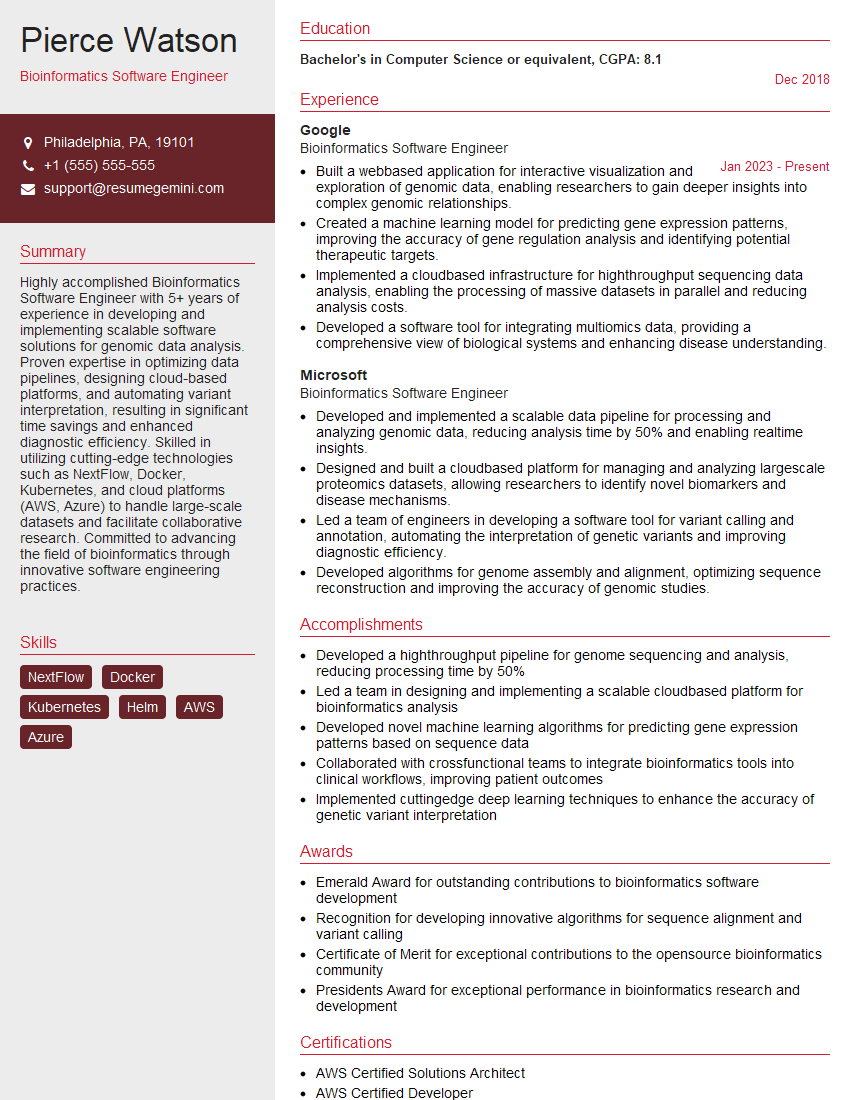
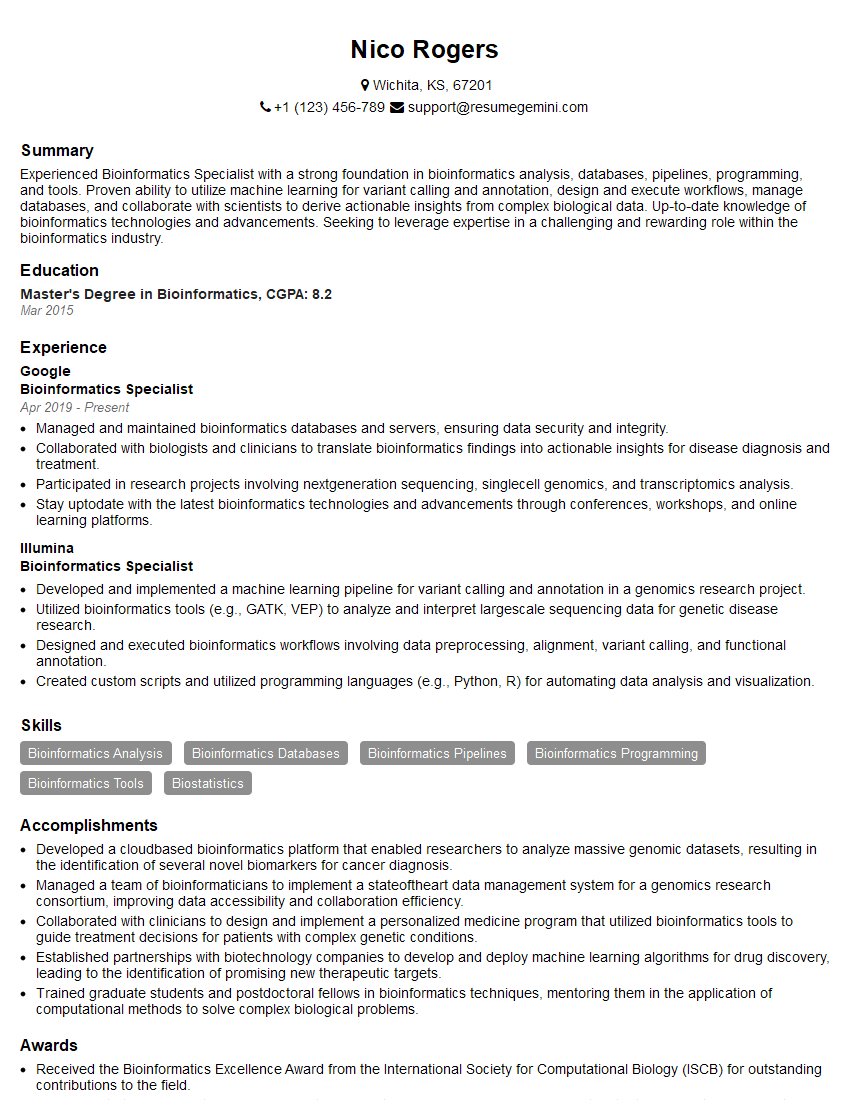
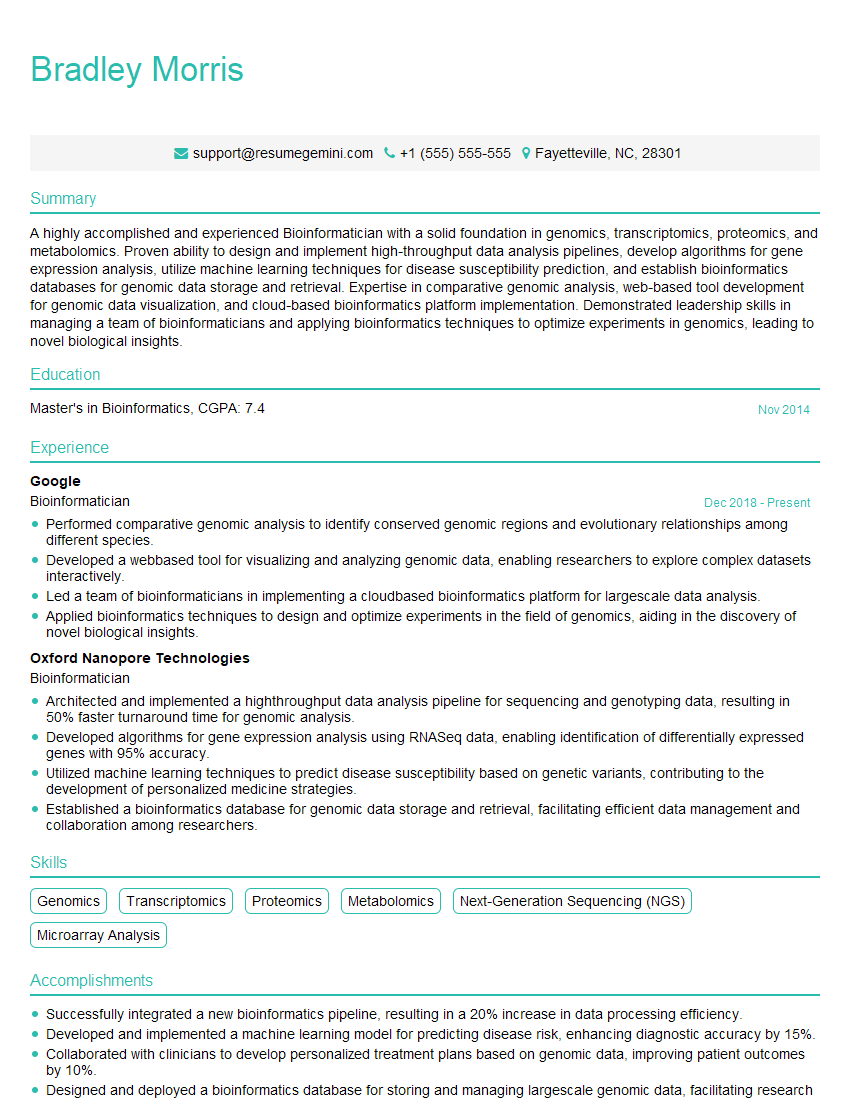
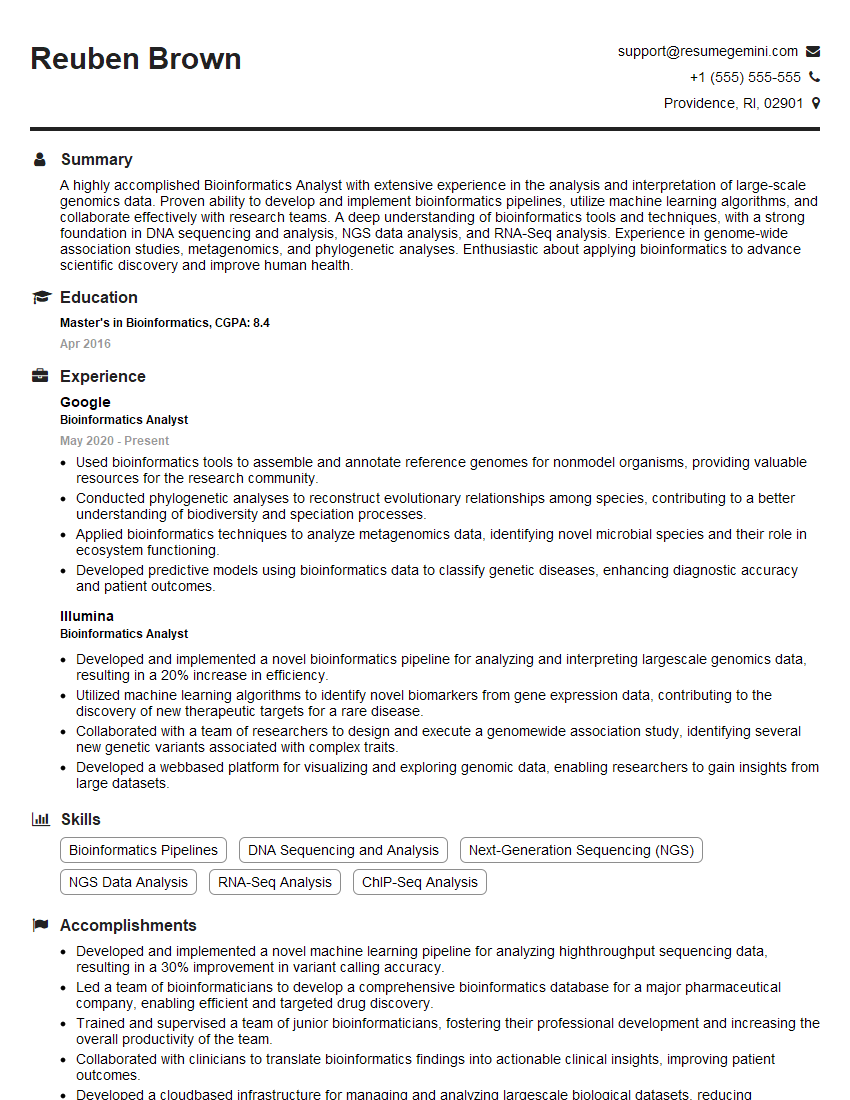
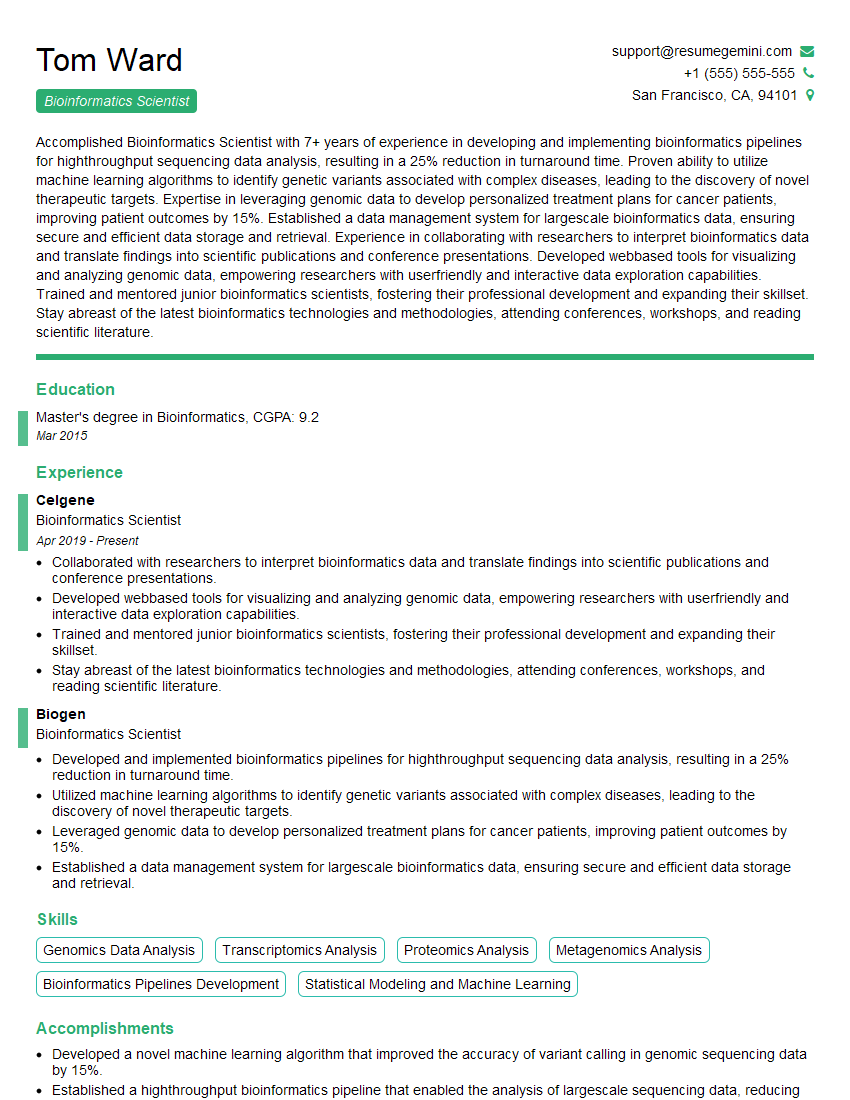
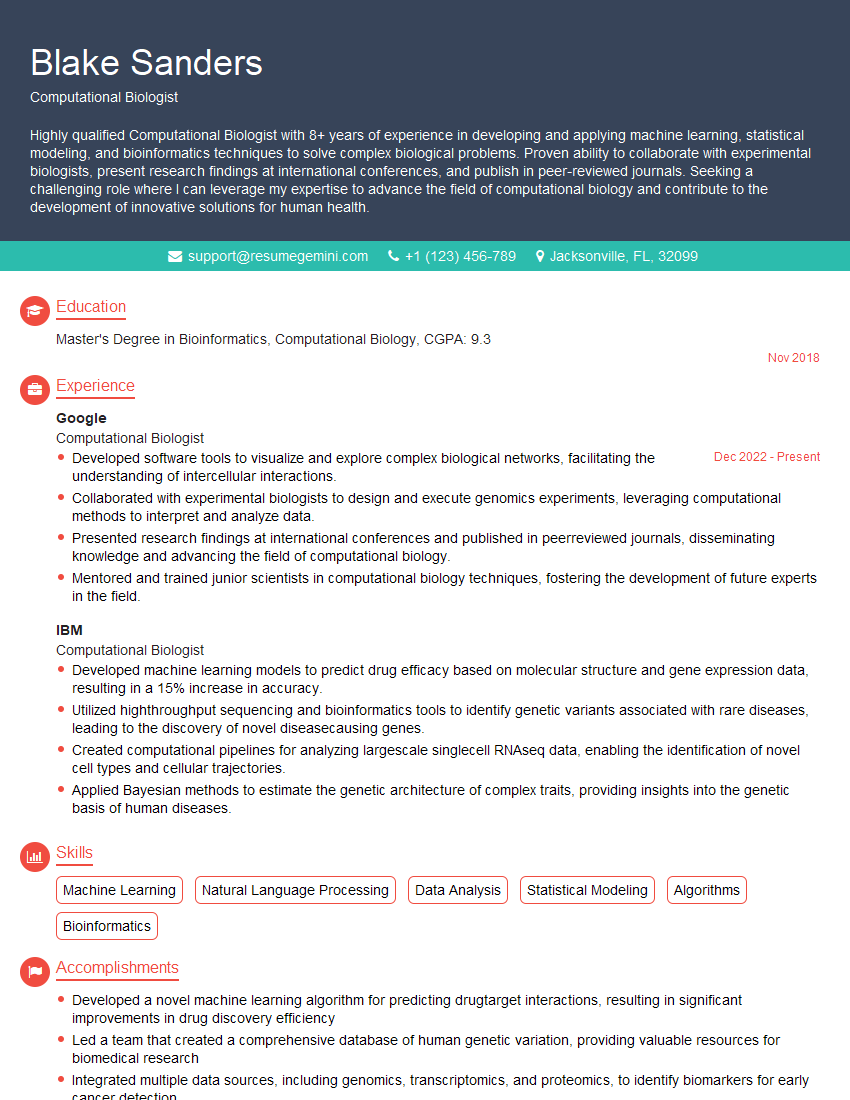
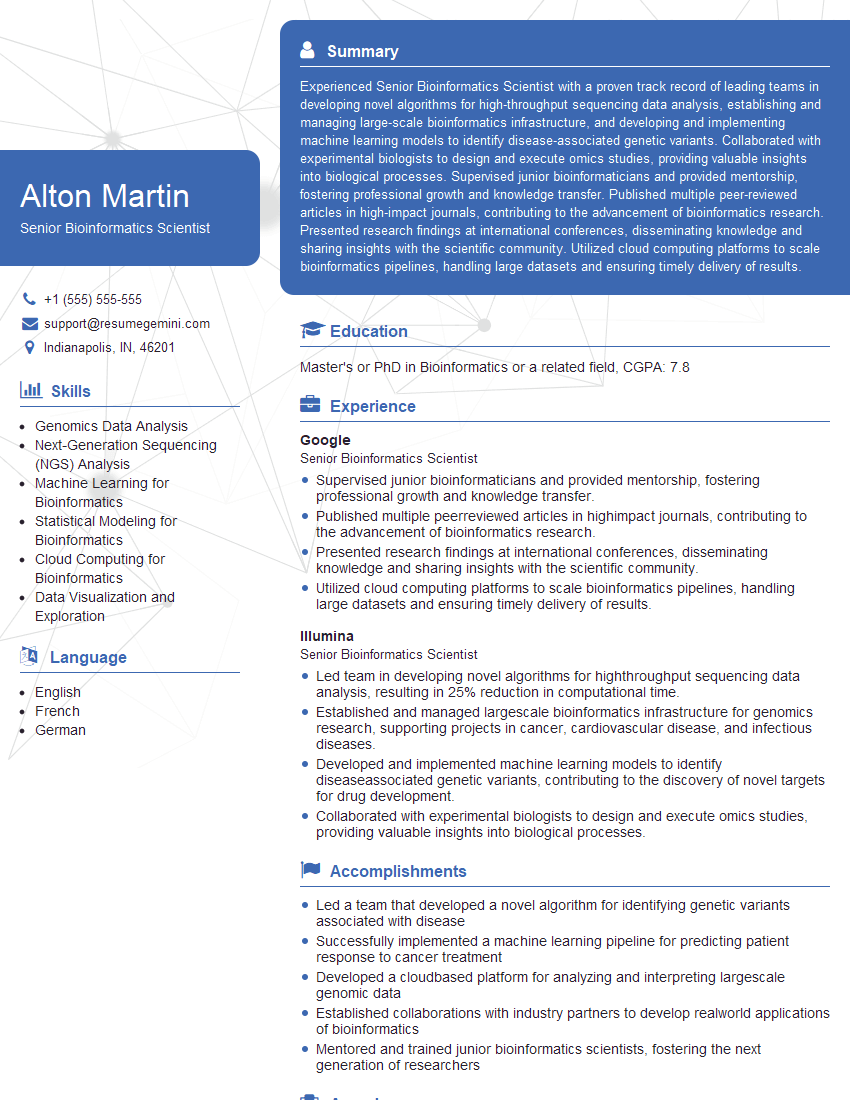
Mastering bioinformatics and genomics opens doors to exciting careers in research, drug development, and personalized medicine. To maximize your job prospects, creating a strong, ATS-friendly resume is crucial. ResumeGemini can help you build a professional and impactful resume that highlights your skills and experience effectively. ResumeGemini offers examples of resumes tailored to bioinformatics and genomics roles, providing you with a template for success. Invest the time to craft a compelling resume – it’s your first impression with potential employers.
Explore more articles
Users Rating of Our Blogs
Share Your Experience
We value your feedback! Please rate our content and share your thoughts (optional).
What Readers Say About Our Blog
Very informative content, great job.
good