Interviews are opportunities to demonstrate your expertise, and this guide is here to help you shine. Explore the essential Sorting and Packing interview questions that employers frequently ask, paired with strategies for crafting responses that set you apart from the competition.
Questions Asked in Sorting and Packing Interview
Q 1. Explain the importance of accurate sorting in a warehouse environment.
Accurate sorting is the backbone of efficient warehouse operations. Think of it like organizing a massive library – without a proper system, finding a specific book (order) becomes a nightmare. In a warehouse, inaccurate sorting leads to delayed shipments, increased costs from searching for misplaced items, and frustrated customers. It impacts order fulfillment times, inventory accuracy, and ultimately, the bottom line.
For example, imagine a clothing warehouse where sweaters are mixed with shirts. Picking orders will take significantly longer, and there’s a high risk of sending the wrong items. Accurate sorting ensures that items are grouped correctly based on product type, order number, destination, or any other relevant criteria, streamlining the picking and packing processes.
Q 2. Describe your experience with different sorting methods (e.g., manual, automated).
My experience encompasses both manual and automated sorting methods. In smaller warehouse settings, manual sorting—using barcodes, labels, or simply visual inspection—is often sufficient. I’m proficient in various manual techniques, including sorting by size, weight, color, and order priority. I’ve also implemented and managed automated sorting systems in larger facilities. These systems often involve conveyor belts, scanners, and sophisticated software to automatically route items to designated locations based on pre-defined rules. For example, I’ve worked with automated sorters using RFID (Radio-Frequency Identification) tags for fast and precise item identification and routing. The choice of method depends on the scale of operations, budget, and the characteristics of the items being sorted.
Q 3. How do you prioritize tasks when faced with multiple sorting and packing orders?
Prioritizing tasks when dealing with multiple sorting and packing orders requires a structured approach. I typically employ a combination of methods, including:
- Urgency/Deadline: Orders with the closest deadlines are always given priority to ensure timely delivery and avoid late penalties.
- Order Size/Volume: Larger orders may require more time and resources, so careful planning is needed. I break down large orders into smaller, manageable tasks to improve efficiency and avoid bottlenecks.
- Product Type: Certain products might require specialized handling or specific packing materials, influencing task prioritization.
- Customer Importance: High-value clients or those with special requests might receive preferential treatment.
I often use task management software to visualize and schedule all tasks, ensuring that resources are allocated effectively and efficiently.
Q 4. What are your strategies for maintaining speed and accuracy while sorting and packing?
Maintaining speed and accuracy is a balancing act. My strategies include:
- Ergonomic Workspace: A well-organized workspace minimizes wasted movements and reduces errors. Everything should be within easy reach.
- Proper Training and Procedures: Clear instructions and standardized procedures ensure consistency and reduce errors. Regular training keeps everyone updated on best practices.
- Quality Control Checks: Implementing regular checks, including random audits and double-checking, helps identify and rectify errors early in the process.
- Technology Integration: Using barcode scanners, pick-to-light systems, and warehouse management systems (WMS) significantly improves both speed and accuracy.
- Teamwork and Communication: A strong team working collaboratively and communicating effectively reduces delays and errors.
Q 5. How do you handle damaged or defective items during the sorting and packing process?
Handling damaged or defective items requires a systematic approach. Firstly, I immediately segregate these items from the good ones to prevent accidental inclusion in orders. Depending on company policy and the nature of the damage, I might:
- Report the damage: A detailed report, including photos, is submitted to the appropriate department for investigation and potential returns/repairs.
- Dispose of items: Beyond repair items are disposed of according to company regulations and environmental standards.
- Mark items as damaged: If the damage is minor and doesn’t affect functionality, I clearly mark the item to avoid being shipped to customers.
Proper documentation at each step is crucial for tracking and resolving issues efficiently.
Q 6. Describe your experience with different types of packaging materials.
My experience includes working with a wide variety of packaging materials, selected based on the product’s characteristics and shipping requirements. This includes:
- Cardboard boxes: Various sizes and strengths depending on product fragility and weight.
- Bubble wrap and packing peanuts: Effective cushioning for fragile items.
- Air pillows: Space-saving and lightweight alternative to traditional fillers.
- Poly bags and envelopes: Suitable for lightweight and non-fragile items.
- Specialized containers: For items requiring specific protection, like temperature-sensitive goods or liquids.
I understand the importance of selecting cost-effective and environmentally friendly packaging materials while ensuring adequate product protection during transit.
Q 7. How do you ensure the correct items are packed into each order?
Ensuring the correct items are packed into each order is paramount. I utilize several techniques:
- Order Verification: Carefully compare the picking list or order details against the items being packed.
- Barcode/RFID Scanning: Using scanners to verify item identification against the order details eliminates manual errors.
- Double-Checking: A second pair of eyes reviewing the packed items before sealing the package is a crucial step in preventing mistakes.
- WMS Integration: Warehouse management systems provide real-time order tracking and alerts, reducing the risk of errors.
- Packing Slips and Labels: Accurate and clear packing slips and labels further minimize confusion and ensure correct delivery.
By combining multiple methods, we create a robust system to ensure order accuracy.
Q 8. What safety measures do you follow while sorting and packing?
Safety is paramount in sorting and packing. My approach is multifaceted, prioritizing both individual and team safety. This begins with proper training on safe lifting techniques to avoid back injuries, especially when handling heavier items. We use ergonomic tools and equipment wherever possible, like lift assists and anti-fatigue mats to reduce strain.
Furthermore, I strictly adhere to company safety protocols, wearing appropriate Personal Protective Equipment (PPE) such as safety shoes, gloves (depending on the material being handled), and high-visibility vests in designated areas. Maintaining a clean and organized workspace is also crucial to prevent trips and falls. Regularly inspecting the work area for hazards and reporting any issues immediately is standard practice for me.
For example, during a recent project involving fragile glassware, we implemented extra safety measures like using bubble wrap and protective inserts, along with double-checking each package for secure closure. A proactive approach to safety, including regular safety briefings and refresher courses, is vital to prevent accidents and ensure a safe working environment.
Q 9. How do you manage inventory discrepancies during sorting and packing?
Inventory discrepancies are inevitable, but effective management is key. My approach involves meticulous attention to detail throughout the entire process, starting with accurate receiving and verification of incoming goods against purchase orders. I utilize a system of double-checking and cross-referencing – comparing counts against packing lists, manifests, and the WMS (Warehouse Management System) data at every stage.
When discrepancies arise, I investigate systematically. I first check for potential data entry errors in the system. Next, I physically recount and inspect the items to identify any damage or missing components. If the issue stems from damaged goods, I document the problem, notify relevant parties, and follow established procedures for returns or replacements. For missing items, I retrace the process, checking for errors in sorting or picking. If discrepancies remain, I escalate the issue to management for further investigation and reconciliation. Detailed documentation of each step is crucial for accountability and tracking purposes. This systematic approach minimizes losses and ensures accuracy.
Q 10. Explain your experience with using warehouse management systems (WMS).
I have extensive experience using Warehouse Management Systems (WMS). In my previous role, we used a WMS to manage inventory, track orders, optimize storage space, and streamline the sorting and packing process. The system allowed us to generate accurate picking lists, track the movement of goods within the warehouse, and provide real-time visibility into inventory levels. This drastically reduced errors and improved efficiency. I’m proficient in using WMS features such as RF scanning integration, automated reporting, and inventory cycle counting.
For instance, using the WMS’s reporting function, we were able to identify slow-moving items, allowing us to adjust inventory levels and optimize storage strategies. The system’s guided picking process ensured accuracy and minimized the risk of picking the wrong items, leading to fewer order errors and faster processing times. My skills encompass not just using the software but also understanding its underlying logic and how it can be optimized to improve operational efficiency.
Q 11. How do you handle unexpected delays or disruptions in the sorting and packing process?
Unexpected delays and disruptions require a flexible and proactive response. My approach involves first assessing the nature and extent of the disruption. Is it a supplier issue, equipment malfunction, or a sudden surge in order volume? Once identified, I communicate the situation to relevant stakeholders, including management and clients, to manage expectations and ensure transparency.
Next, I prioritize tasks based on urgency and impact. If there’s an equipment failure, we utilize backup equipment or find alternative solutions. If it’s a surge in orders, I may need to adjust staffing levels or re-allocate resources to handle the increased workload. We might employ overtime or prioritize urgent orders. Detailed record-keeping during these periods helps in identifying patterns and improving our preparedness for future incidents. For example, during a recent power outage, we quickly switched to manual processes using paper-based systems and prioritized orders destined for time-sensitive deliveries.
Q 12. Describe your experience with RF scanning devices.
I am highly proficient in using RF scanning devices. I’ve used them extensively in various warehouse settings to track inventory, verify picking lists, and update order status in real-time. This technology significantly improves accuracy and speed compared to manual data entry. I understand how to troubleshoot common issues with RF scanners, such as connectivity problems or battery depletion.
For instance, during a high-volume order fulfillment period, using RF scanners allowed us to significantly speed up the picking process by eliminating manual data entry, resulting in a substantial reduction in processing time and order errors. My experience also extends to understanding the different types of scanners, their functionalities, and how to select the appropriate scanner for a given task. Regular maintenance and proper handling of these devices are vital to ensure their longevity and operational efficiency.
Q 13. How do you maintain a clean and organized workspace?
Maintaining a clean and organized workspace is not just about aesthetics; it’s crucial for safety and efficiency. My approach is based on the 5S methodology – Sort, Set in Order, Shine, Standardize, and Sustain. We regularly declutter the area, removing unnecessary items and ensuring everything has its designated place. This improves workflow and minimizes the risk of accidents.
We implement a system of regular cleaning and tidying, ensuring that all equipment is in good working order and properly stored. This includes cleaning up spills immediately and disposing of waste properly. We also use visual aids, like labels and color-coding, to easily identify items and their locations. A clean and organized workspace enhances morale, leading to a more productive and safer working environment. It’s a continuous process, requiring consistent effort from every team member.
Q 14. What is your understanding of proper packaging techniques to prevent damage?
Proper packaging is critical for preventing damage during transit. My understanding encompasses selecting the right packaging materials based on the product’s fragility, size, and weight. This includes using appropriate cushioning materials such as bubble wrap, foam, or air pillows to protect fragile items. I understand the importance of using sturdy boxes of the correct size to minimize movement during transit and reinforce the box with additional tape where necessary.
For heavy or irregularly shaped items, I utilize specialized packaging techniques, such as custom-made crates or palletizing with appropriate stretch wrap. Clear and accurate labeling is essential, including fragile handling instructions and the correct recipient address. I’m also familiar with industry best practices and regulations for hazardous materials packaging. For example, I’ve previously worked with packaging electronics, using anti-static bags and foam inserts to prevent damage. A well-packaged item significantly reduces the risk of damage and ensures the product reaches the customer in perfect condition.
Q 15. How do you ensure that all packages meet weight and size requirements?
Ensuring packages meet weight and size requirements is crucial for efficient shipping and to avoid costly errors. This involves a multi-faceted approach, beginning even before the packing process itself.
- Pre-defined Packaging Specifications: We establish clear weight and dimension limits for each product and package type. This information is integrated into our Warehouse Management System (WMS).
- Automated Weighing and Dimensioning Systems: We utilize automated systems – scales and dimensioners – integrated with the WMS to verify package dimensions and weight in real-time. Any discrepancies trigger an alert.
- Visual Verification and Manual Checks: While automation is key, visual inspection by trained staff is also implemented as a secondary check, particularly for oddly-shaped or fragile items. This human element helps catch errors that automated systems might miss.
- Packaging Optimization: We employ strategies to minimize void fill, reducing overall package dimensions and weight, whilst still ensuring product protection. This not only saves on shipping costs but also makes the process more sustainable.
- Real-time Feedback and Adjustment: Data from automated systems and manual checks are regularly analyzed to identify trends and areas for improvement. This might involve adjusting packaging materials, optimizing the packing process, or refining product dimensions.
For example, if we consistently find packages exceeding the weight limit for a specific carrier, we can investigate if the packaging material is too heavy or if the product itself needs to be lighter. This ensures we comply with shipping regulations and avoid costly surcharges.
Career Expert Tips:
- Ace those interviews! Prepare effectively by reviewing the Top 50 Most Common Interview Questions on ResumeGemini.
- Navigate your job search with confidence! Explore a wide range of Career Tips on ResumeGemini. Learn about common challenges and recommendations to overcome them.
- Craft the perfect resume! Master the Art of Resume Writing with ResumeGemini’s guide. Showcase your unique qualifications and achievements effectively.
- Don’t miss out on holiday savings! Build your dream resume with ResumeGemini’s ATS optimized templates.
Q 16. How do you deal with a high volume of orders during peak seasons?
Handling peak seasons demands a strategic and flexible approach. It’s not just about increasing manpower; it’s about optimizing the entire process for maximum efficiency.
- Predictive Forecasting: We utilize historical data and market trends to predict order volume fluctuations well in advance. This allows us to proactively scale up our resources accordingly.
- Staffing Optimization: Temporary staff is hired and thoroughly trained weeks before the peak season commences. This avoids the last-minute rush and ensures everyone is equipped to handle the workload.
- Process Optimization: We streamline our processes, identifying and eliminating bottlenecks. This could involve re-evaluating workflow, improving automation, or optimizing packaging materials for faster handling.
- Technology Implementation: Technology plays a significant role. We leverage our WMS to allocate orders to packers based on real-time availability and prioritize urgent shipments. This ensures a smooth and consistent throughput.
- Communication and Coordination: Clear communication channels across all teams are vital during peak seasons. This includes daily briefings, updated progress reports, and proactive issue resolution.
In one particular peak season, by implementing a new automated sorting system, we were able to reduce processing time per order by 15%, allowing us to handle a 30% increase in order volume without compromising quality.
Q 17. Explain your experience with different types of conveyor systems.
My experience encompasses various conveyor systems, each with its own strengths and weaknesses. The choice depends heavily on the specific requirements of the facility and the throughput needed.
- Roller Conveyors: These are simple, gravity-fed systems ideal for lighter packages and slower throughput. They’re cost-effective but less efficient for high-volume operations.
- Belt Conveyors: These are more powerful and versatile, handling heavier packages and higher volumes. They can be customized with features like incline sections for multi-level facilities.
- Sortiing Conveyors: These systems automate the routing of packages to designated areas, using various technologies such as diverters, pushers, and scanners. They are crucial for efficient order fulfillment in large warehouses.
- Automated Guided Vehicles (AGVs): These are robotic systems that transport packages autonomously, ideal for large warehouses where manual movement is inefficient and costly.
I’ve worked extensively with sorters incorporating bar code scanners for automated package routing and tracking. In a previous role, we upgraded from a basic roller conveyor system to a belt conveyor with a cross-belt sorter, resulting in a 40% increase in processing speed.
Q 18. How do you identify and resolve packing errors?
Identifying and resolving packing errors is an ongoing process requiring a multi-pronged approach. The key is prevention, detection, and correction.
- Real-time Error Detection: Our WMS integrates with our automated systems to flag potential errors such as incorrect item quantities, missing items, or damaged products.
- Post-Packing Audits: Random sample audits are performed to verify the accuracy of packed orders against the order details. This involves physically inspecting the packages for damage, correct contents, and accurate labeling.
- Feedback Mechanisms: We actively solicit feedback from customers regarding damaged or incorrectly packed orders. This feedback is crucial for identifying systemic issues.
- Root Cause Analysis: When errors occur, we conduct a thorough investigation to pinpoint the root cause. This may involve analyzing packing procedures, employee training, or equipment malfunction.
- Corrective Actions: Based on the root cause analysis, corrective actions are implemented to prevent future errors. This can involve procedural changes, staff retraining, or equipment upgrades.
For instance, if we repeatedly find incorrect items packed in orders, we might review the picking process, implement stricter verification steps, or invest in better inventory management software.
Q 19. Describe your experience with using different types of labeling systems.
My experience includes various labeling systems, each suited to different needs and scales of operation.
- Thermal Printers: These are commonly used for printing shipping labels directly onto adhesive material. They’re relatively inexpensive and offer high throughput.
- Direct Thermal Printers: These require specially coated labels that change color when heated. They are cost-effective but the labels are less durable than those from other printers.
- Laser Printers: These provide higher quality and more durable labels, particularly for situations requiring high-resolution images or barcodes. However, they are generally more expensive.
- Labeling Software Integration: The labeling system is seamlessly integrated with our WMS, ensuring accurate and consistent label generation based on real-time order data. This eliminates manual data entry and reduces the risk of errors.
In a previous role, we migrated from manual label creation to a thermal printer integrated with our WMS, resulting in a significant decrease in labeling errors and a considerable time saving.
Q 20. What is your experience with quality control checks in the packing process?
Quality control is paramount. Our approach involves a multi-layered system of checks and balances throughout the packing process.
- Pre-Packing Quality Checks: Items are inspected for damage or defects before packing. This reduces the likelihood of sending faulty products to customers.
- In-Process Quality Checks: Random checks are conducted during packing to ensure accuracy and consistency. This often involves verifying the correct items are included, the packing materials are appropriate, and the package is securely sealed.
- Post-Packing Quality Checks: As mentioned earlier, random sample audits are performed to verify the accuracy and integrity of packed orders.
- Data Analysis: We track key quality metrics, such as error rates, damage rates, and customer complaints. This data provides insights into areas needing improvement.
- Continuous Improvement: We regularly review our quality control procedures, seeking continuous improvement and refinement.
By diligently tracking and analyzing these metrics, we’ve consistently improved our quality control, resulting in significantly fewer customer complaints and returns.
Q 21. How familiar are you with different shipping methods and carrier requirements?
Familiarity with various shipping methods and carrier requirements is essential for efficient and cost-effective shipping. My experience includes working with a wide range of carriers and services.
- Carrier Selection: We select carriers based on factors such as cost, delivery speed, reliability, and service area. The choice often depends on the destination, urgency, and product sensitivity.
- Shipping Method Selection: Different shipping methods cater to different needs. We utilize options ranging from standard ground shipping to express delivery, freight shipping for bulk orders, and specialized services for fragile or hazardous goods.
- Packaging for Specific Carriers: We adhere to carrier-specific packaging requirements to ensure proper handling and reduce the risk of damage during transit. This includes proper labeling, securing fragile items, and using appropriate packaging materials.
- Shipping Documentation: We ensure all necessary shipping documentation is accurately completed and attached to each shipment. This includes commercial invoices, packing lists, and customs declarations (for international shipments).
- Tracking and Monitoring: We utilize carrier tracking systems to monitor the progress of shipments and proactively address any potential delays or issues.
For example, when shipping internationally, we meticulously follow the customs regulations for the specific country, ensuring accurate documentation and appropriate labeling to avoid delays or import issues. We maintain strong relationships with various carriers to negotiate favorable rates and ensure reliable service.
Q 22. How do you ensure the security of packages during the sorting and packing process?
Package security is paramount throughout the sorting and packing process. It involves a multi-layered approach, starting with proper packaging materials – ensuring sufficient cushioning to prevent damage during transit. We use a variety of materials, selecting the most appropriate for the item’s fragility and size. For example, fragile items are secured in bubble wrap and placed inside sturdy boxes, while less delicate goods might only require corrugated cardboard.
Beyond the packaging itself, we implement strict procedures to prevent theft or loss. This includes secure storage areas, regular inventory checks, and clear labeling and tracking of all packages from the moment they enter the warehouse until they leave. We use barcode or RFID scanning at every stage to minimize human error and maintain a complete audit trail. Any discrepancies are immediately investigated. Additionally, we might employ security cameras and personnel monitoring to deter theft and ensure the integrity of the entire operation. Finally, secure transportation methods are chosen based on the value and fragility of the contents.
Q 23. Describe your experience working in a fast-paced warehouse environment.
I thrive in fast-paced warehouse environments. My previous role at a major e-commerce fulfillment center involved managing peak season demands, where order volumes could increase by 300% or more. This necessitated quick thinking, adaptability, and seamless coordination with colleagues. We used lean methodologies to optimize workflow and minimize bottlenecks. For instance, we reorganized the picking and packing stations to improve efficiency, minimizing travel time for pickers. This resulted in a 15% increase in throughput during peak season. I also regularly dealt with unexpected issues such as equipment malfunctions or sudden order surges, requiring immediate problem-solving skills and the ability to prioritize tasks effectively. This experience honed my ability to perform under pressure and make quick, informed decisions.
Q 24. How do you maintain a high level of productivity while working independently?
Maintaining high productivity while working independently relies on strong self-discipline, effective time management, and a proactive approach. I break down large tasks into smaller, manageable chunks, setting realistic goals for each segment. This allows me to track progress and stay motivated, preventing feeling overwhelmed. I utilize productivity tools, like to-do lists and time-blocking techniques, to stay focused and on schedule. Additionally, I proactively identify potential bottlenecks or inefficiencies in my individual workflow and seek solutions to improve them. For instance, I once noticed that a particular packing material was stored inefficiently, causing unnecessary time delays. I proposed and implemented a simple reorganization that reduced my packing time by 10%.
Q 25. How do you work effectively as part of a team in a warehouse setting?
Effective teamwork in a warehouse setting is crucial for smooth operation and high productivity. It’s about clear communication, mutual respect, and a shared understanding of the overall goals. I actively listen to my colleagues’ input and contribute my ideas to create a collaborative environment. I’m adept at supporting team members where needed, whether that involves assisting with a particularly challenging order or sharing my expertise in a specific area. For example, during a particularly hectic period, I helped train new team members on the use of our warehouse management system (WMS), which enabled them to become fully productive more quickly, thus benefiting the whole team. I also believe in celebrating successes together, recognizing that shared accomplishments foster team spirit and encourage further collaboration.
Q 26. Explain your experience with order picking technologies.
My experience with order picking technologies includes proficiency in various WMS (Warehouse Management Systems), such as Manhattan Associates and Blue Yonder. I’m comfortable using voice-picking systems, RF scanners, and put-to-light systems. My experience with these technologies spans from simple item-level picking to complex wave picking and batch picking strategies. I understand the importance of system accuracy and efficiency. I have experience troubleshooting system errors, identifying and reporting system bugs, and suggesting process improvements to streamline workflows based on system data and reporting capabilities. For example, I once identified a recurring error in our WMS’s routing algorithm, which was causing unnecessary travel time for pickers. I reported the issue, and it was successfully resolved, significantly improving picking efficiency.
Q 27. Describe your experience with using a handheld scanner for picking and packing.
I am highly proficient in using handheld scanners for picking and packing. I’m familiar with various scanner models and their associated software. My skills include barcode scanning, RFID scanning, and data entry using handheld devices. I understand the importance of accuracy in scanning and data input to minimize errors in order fulfillment. I’m experienced in troubleshooting scanner malfunctions and utilizing the built-in diagnostics to identify and resolve problems quickly. I also understand the security and data privacy aspects associated with handheld scanners and ensure adherence to all relevant company policies. For example, I know how to correctly log in and log out to prevent unauthorized access and ensure accurate data tracking.
Q 28. How do you handle customer returns and repackaging?
Handling customer returns and repackaging requires attention to detail and a systematic approach. We start by inspecting the returned item for damage or defects, carefully documenting the condition using photos and descriptions. This information is crucial for determining the appropriate course of action, whether it’s a refund, replacement, or repair. Next, we repackage the returned item using appropriate materials to ensure its safe transport back to the warehouse or supplier. For items requiring repackaging before being returned to inventory, we follow strict hygiene and quality control procedures. Damaged or defective items are processed according to established procedures, possibly being sent to a recycling or disposal facility. This ensures both customer satisfaction and efficient inventory management. We use specialized software to track returned items and maintain accurate records of the entire process.
Key Topics to Learn for Your Sorting and Packing Interview
- Order Fulfillment Processes: Understanding the entire workflow from receiving inventory to shipping orders. This includes knowledge of different order fulfillment models (e.g., single-order picking, batch picking).
- Inventory Management Techniques: Familiarize yourself with methods for tracking inventory levels, managing stock rotation (FIFO, LIFO), and minimizing waste. Practical application involves understanding how these methods affect efficiency in a warehouse setting.
- Sorting and Classification Methods: Learn about various sorting techniques (alphabetical, numerical, by size, weight, etc.) and how to apply them efficiently in different scenarios. Consider the impact of different sorting methods on overall throughput and accuracy.
- Packaging and Material Handling: Understand different packaging materials, techniques, and equipment used in the industry. Practical application: Knowing best practices for secure packaging to prevent damage during transit.
- Safety Procedures and Regulations: Demonstrate understanding of warehouse safety protocols, including proper lifting techniques, use of equipment, and adherence to OSHA regulations. This shows responsibility and commitment to a safe work environment.
- Efficiency and Optimization Strategies: Explore techniques to improve speed and accuracy in sorting and packing processes. This could include lean methodologies, process mapping, and identifying bottlenecks.
- Technology in Sorting and Packing: Familiarize yourself with common technologies used in modern warehouses such as conveyor systems, automated sorters, and warehouse management systems (WMS).
Next Steps
Mastering sorting and packing skills opens doors to a wide range of opportunities within logistics, warehousing, and distribution. These skills are highly valued by employers and can lead to career advancement, increased responsibility, and higher earning potential. To maximize your chances of securing your dream role, it’s crucial to present yourself effectively. Creating an ATS-friendly resume is essential for getting past Applicant Tracking Systems and landing interviews. We strongly encourage you to utilize ResumeGemini, a trusted resource for building professional resumes. ResumeGemini provides examples of resumes tailored to the Sorting and Packing industry, helping you create a compelling application that showcases your skills and experience.
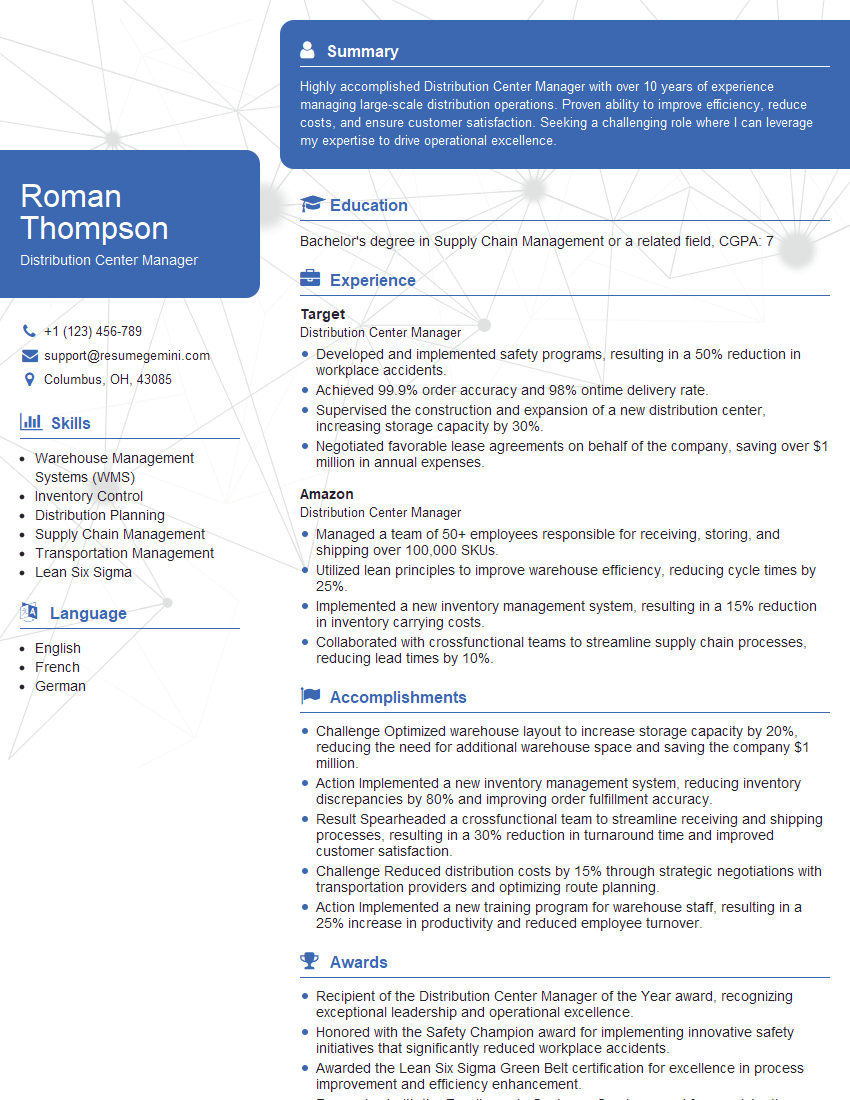
Distribution Center Manager Resume Sample
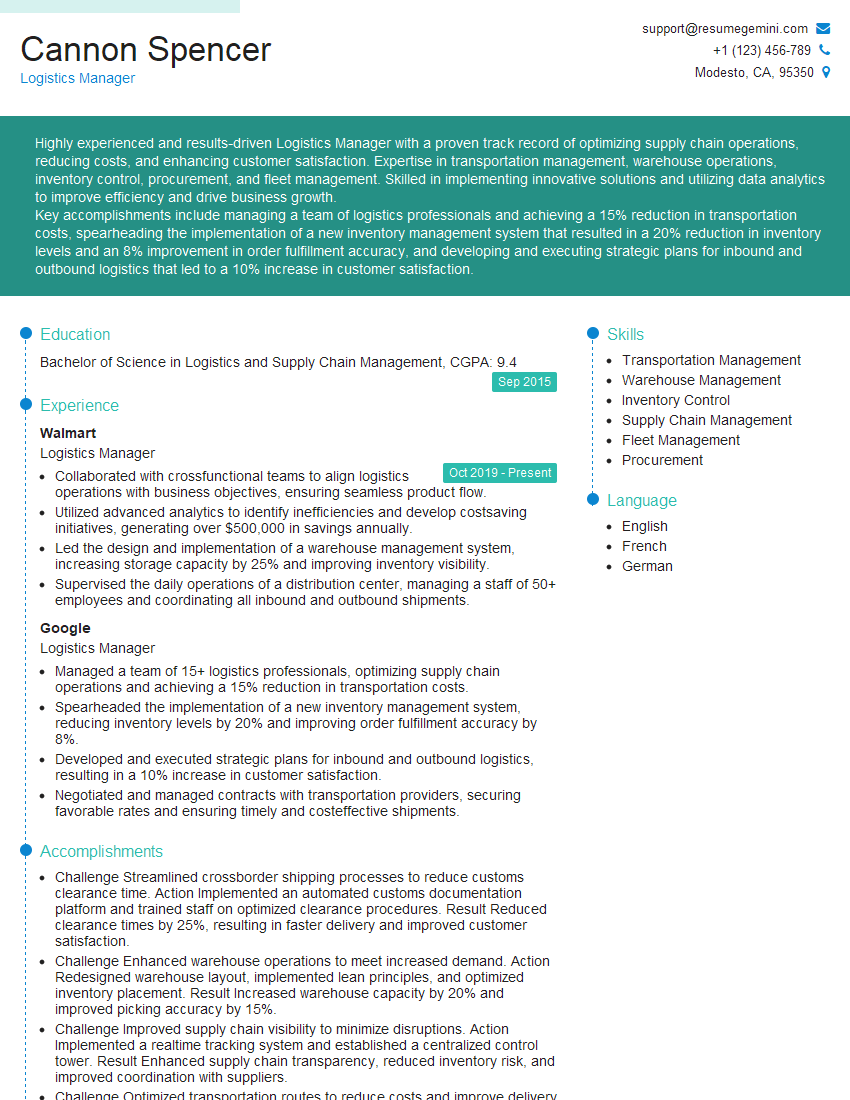
Logistics Manager Resume Sample
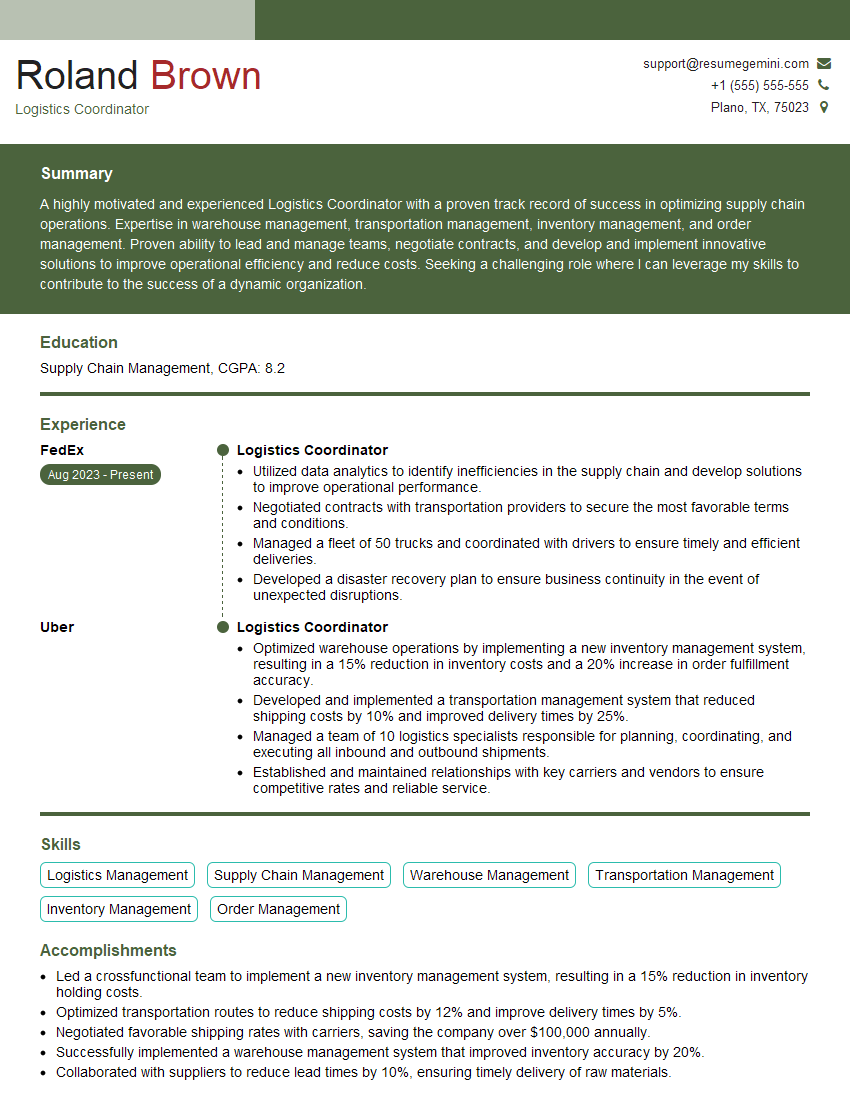
Logistics Coordinator Resume Sample
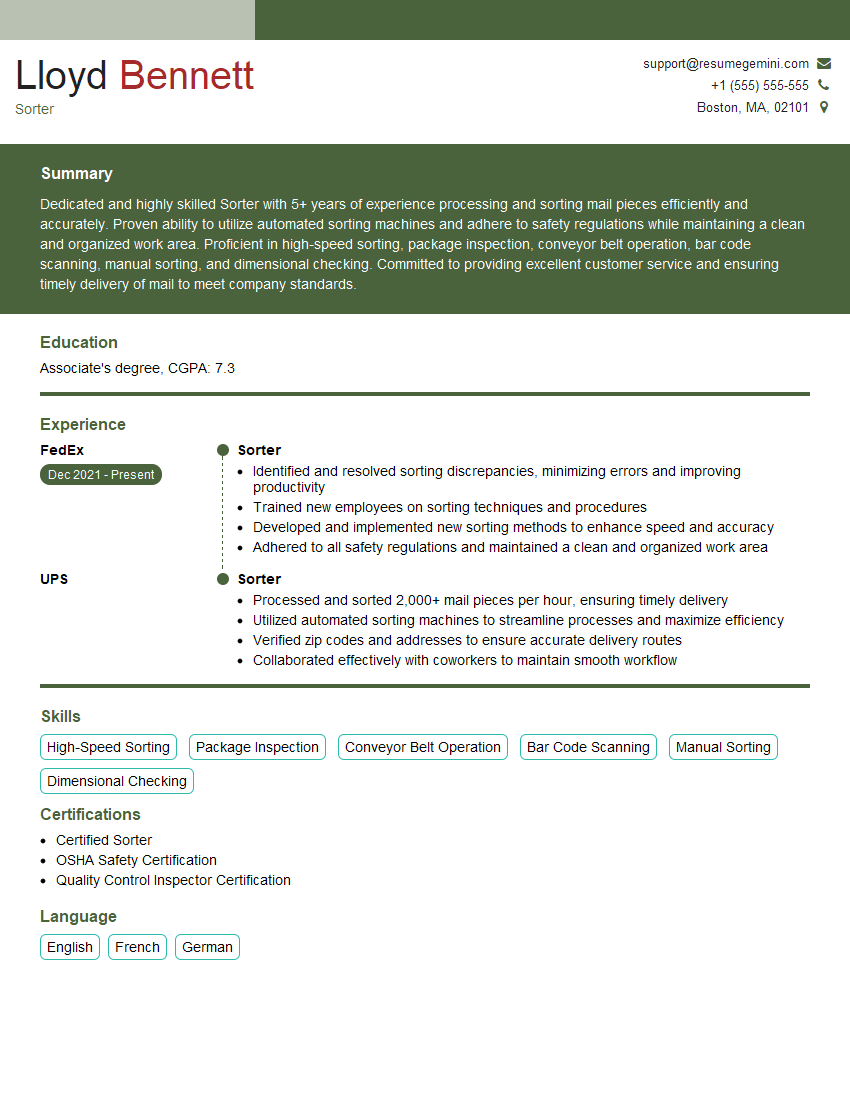
Sorter Resume Sample
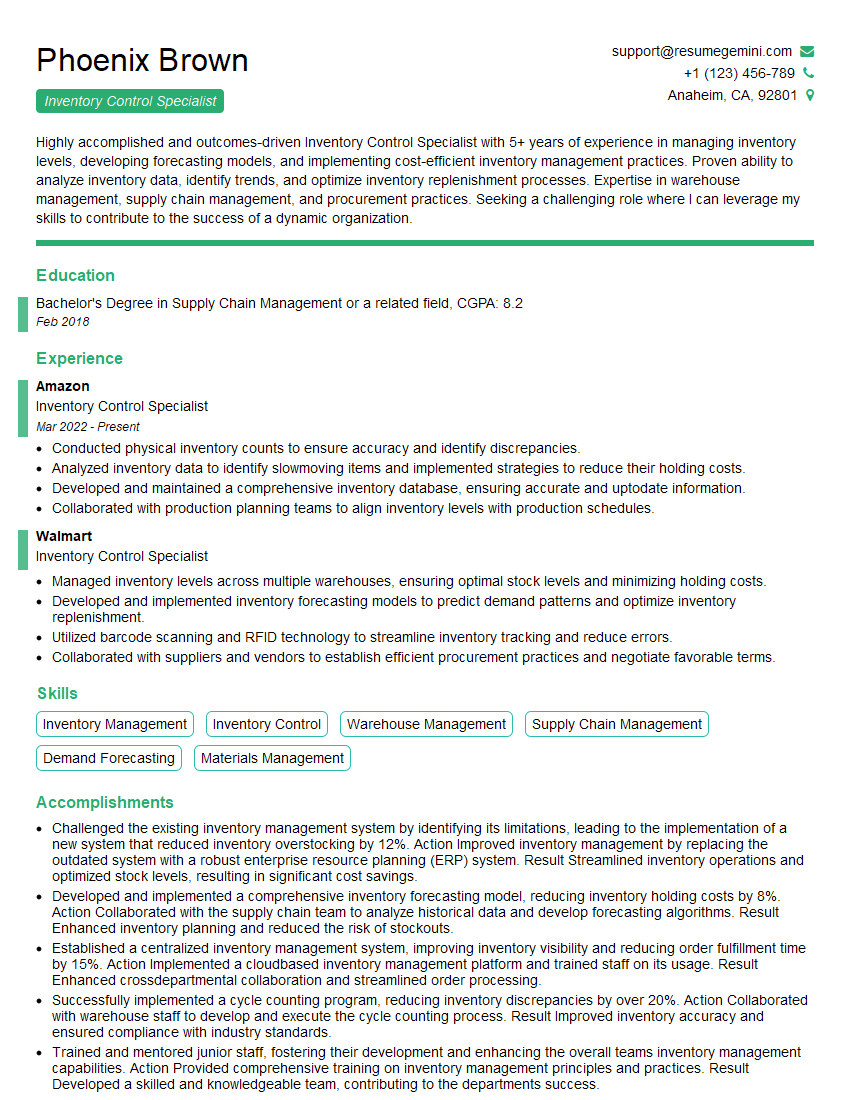
Inventory Control Specialist Resume Sample
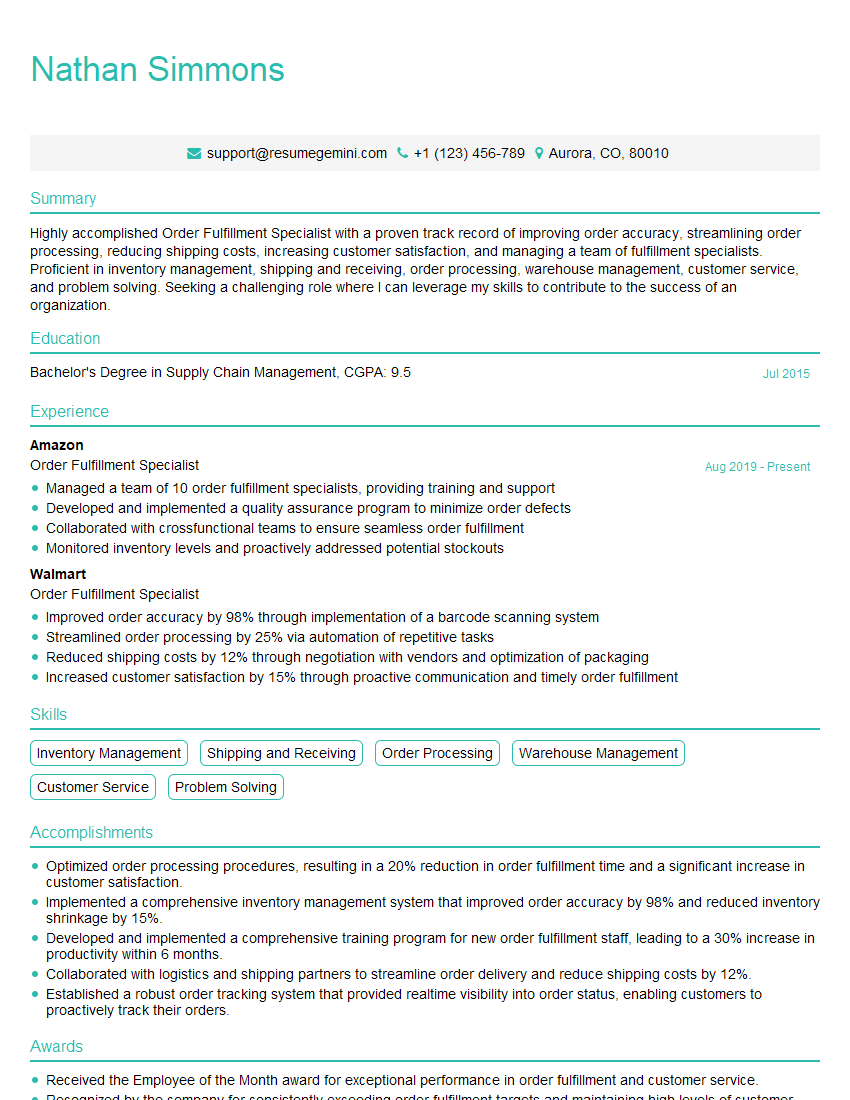
Order Fulfillment Specialist Resume Sample

Shipping and Receiving Clerk Resume Sample
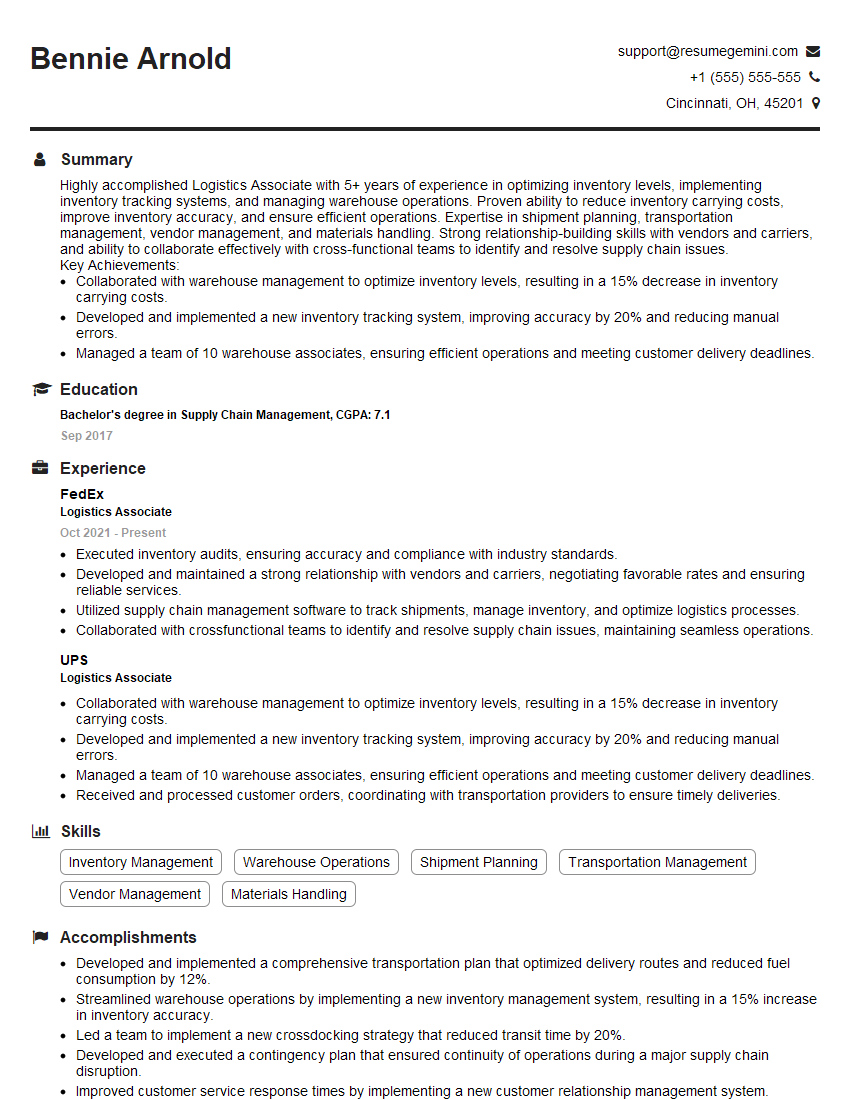
Logistics Associate Resume Sample
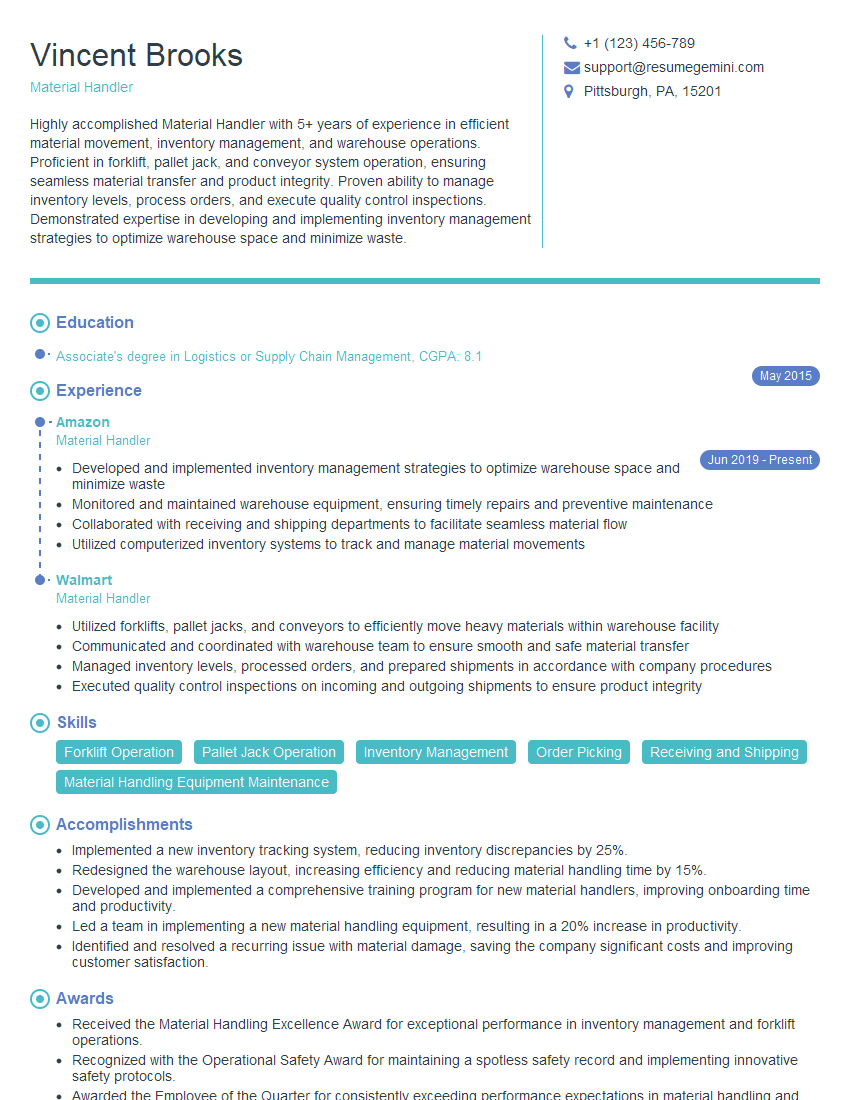
Material Handler Resume Sample
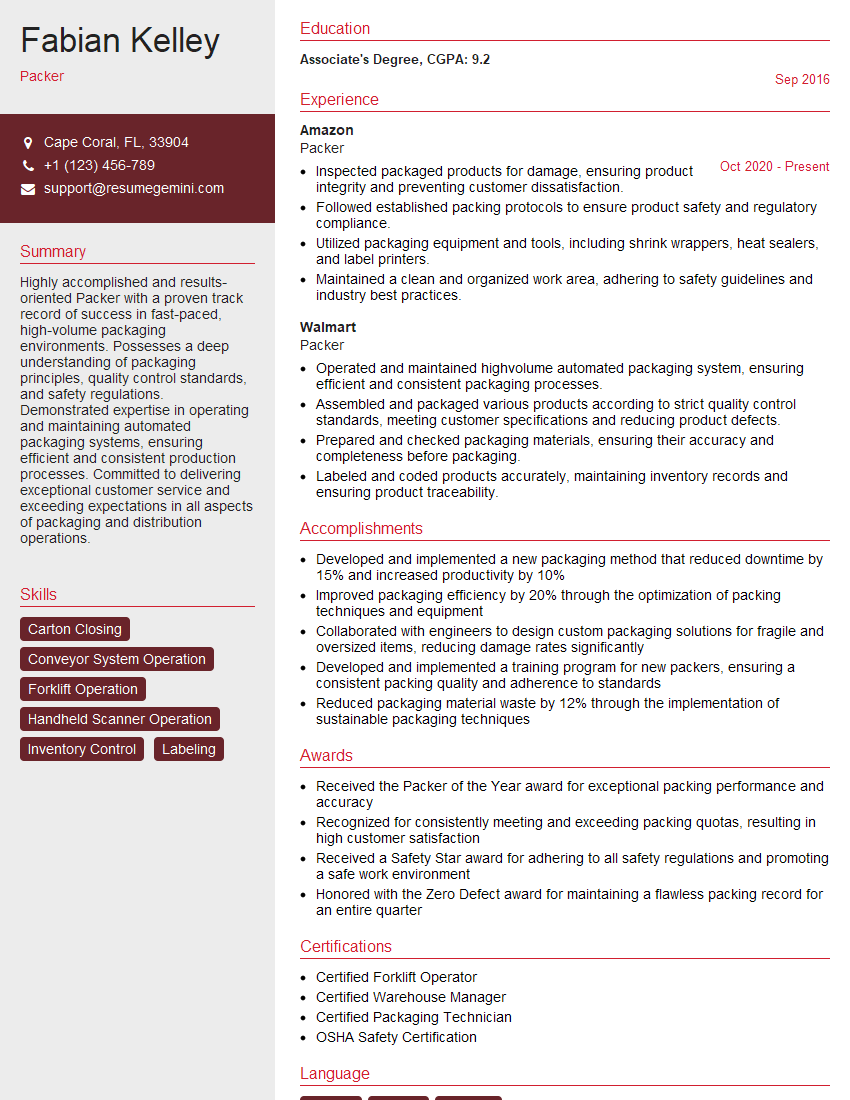
Packer Resume Sample

Packaging Technician Resume Sample
Explore more articles
Users Rating of Our Blogs
Share Your Experience
We value your feedback! Please rate our content and share your thoughts (optional).
What Readers Say About Our Blog
Very informative content, great job.
good