Preparation is the key to success in any interview. In this post, we’ll explore crucial Collaboration with Creative Teams interview questions and equip you with strategies to craft impactful answers. Whether you’re a beginner or a pro, these tips will elevate your preparation.
Questions Asked in Collaboration with Creative Teams Interview
Q 1. Describe your experience managing creative projects with tight deadlines.
Managing creative projects with tight deadlines requires a proactive and organized approach. It’s not just about pushing people harder; it’s about strategic planning and efficient execution. My experience involves establishing clear milestones with achievable deadlines, breaking down large projects into smaller, manageable tasks, and utilizing project management tools to track progress and identify potential bottlenecks early on.
For example, on a recent rebranding project for a tech startup, we had a three-month deadline. I divided the project into phases (research, design, development, testing, launch) with specific deadlines for each. We used a Kanban board to visualize tasks, their progress, and any roadblocks. Regular stand-up meetings ensured everyone was aligned and any issues were addressed immediately. This approach, combined with transparent communication, allowed us to deliver the project on time and to the client’s satisfaction.
Another crucial element is risk management. Identifying potential delays (e.g., delayed feedback from stakeholders, unforeseen technical difficulties) and developing contingency plans ensures smooth sailing even when unexpected issues arise. This proactive approach minimizes stress and ensures on-time delivery.
Q 2. How do you handle conflicting creative visions within a team?
Conflicting creative visions are inevitable in collaborative environments. The key is not to suppress individual ideas but to facilitate a process that leads to a unified and stronger vision. I approach this through open and respectful dialogue, emphasizing active listening and finding common ground.
My strategy involves creating a safe space for team members to express their ideas without fear of judgment. We often start by clearly defining the project goals and target audience. Then, each team member presents their vision, explaining their rationale. This helps everyone understand the underlying motivations and perspectives. Following this, we engage in brainstorming sessions to identify areas of agreement and compromise. Sometimes, using mood boards or visual representations can be particularly effective in bridging the gap between differing viewpoints.
Ultimately, the goal is to create a consensus where everyone feels their input has been valued, even if the final vision incorporates aspects from multiple initial concepts. It is about creating a shared vision, not just imposing one.
Q 3. Explain your process for giving constructive criticism to creative team members.
Giving constructive criticism is about providing feedback that helps individuals grow and improve, not about personal attacks. My approach focuses on being specific, balanced, and actionable. I always start by highlighting the positive aspects of the work before addressing areas for improvement.
Instead of saying “This is bad,” I’ll say something like, “I really appreciate the creativity in this design; however, I think the color palette could be more consistent with the brand guidelines. Perhaps we could explore alternatives that reflect [specific brand attributes].” I use the ‘sandwich method’, where positive feedback is placed before and after the constructive criticism. This softens the blow and makes the feedback more palatable.
I also encourage a two-way conversation. I ask questions to understand the creative choices made, and I encourage the team member to explain their thinking process. This helps foster mutual understanding and create a collaborative environment for improvement.
Q 4. What tools or methods do you use to facilitate effective communication within a creative team?
Effective communication is the backbone of any successful creative team. I utilize a combination of tools and methods tailored to the project and team dynamics. Project management software like Asana or Trello are invaluable for task assignment, progress tracking, and communication. They allow for seamless updates and minimize email clutter. For real-time collaboration, video conferencing platforms like Zoom or Google Meet are crucial, particularly when working remotely or when visual communication is needed.
Beyond digital tools, I emphasize regular team meetings—both formal and informal. Formal meetings focus on project updates, problem-solving, and decision-making. Informal interactions, such as coffee breaks or casual chats, encourage bonding and improve team cohesion. These create opportunities for spontaneous collaboration and help improve team morale. Open communication channels, such as dedicated Slack channels or shared Google Docs, also enhance teamwork and ensure everyone is up to speed.
Q 5. How do you ensure all team members feel valued and heard during a creative process?
Ensuring every team member feels valued and heard is paramount. I achieve this through active listening, creating a psychologically safe space for sharing ideas, and recognizing individual contributions. I make it a point to ask each member for their input during brainstorming sessions and decision-making processes, and I ensure everyone has an opportunity to share their perspective.
Regular one-on-one check-ins help me understand individual needs and concerns. This also provides a chance to offer personalized feedback and encouragement. Celebrating milestones and acknowledging individual achievements, both big and small, fosters a positive team environment and builds morale. Public recognition and appreciation for contributions are essential in making everyone feel recognized and valued.
Q 6. Describe a time you had to mediate a conflict within a creative team. What was the outcome?
In a past project, a disagreement arose between the designer and the copywriter regarding the placement of text on a website banner. The designer preferred a minimalist approach, while the copywriter wanted more prominent text. The conflict escalated to the point where both individuals were hesitant to collaborate.
To mediate, I facilitated a meeting with both individuals. First, I helped each explain their perspective without interruption. I then helped them understand each other’s creative goals by focusing on the underlying needs: the designer wanted to maintain visual appeal, while the copywriter wanted to ensure message clarity. By reframing their individual goals, we identified a compromise that met both requirements. We created multiple versions of the banner and tested them with target users. Ultimately, the data helped us select the best version, ensuring both creative perspectives were taken into consideration.
The outcome was a refined banner design that satisfied both team members and achieved our marketing goals. It solidified trust and reinforced the value of open communication and collaboration.
Q 7. How do you prioritize tasks and manage competing priorities in a creative project?
Prioritizing tasks in creative projects requires a balanced approach that considers both creative vision and project deadlines. I typically use a combination of methods. First, a clear project scope and goals are essential. This forms the foundation for task prioritization.
I often employ a prioritization matrix, such as the Eisenhower Matrix (urgent/important), to categorize tasks. This helps distinguish between urgent tasks requiring immediate attention and important tasks that contribute to long-term project success. Tasks are then prioritized based on their impact on project goals and deadlines. For example, crucial design elements might be prioritized over less impactful features to meet deadlines without sacrificing the project’s core functionality.
Regular project review meetings allow for dynamic adjustments to the priority list. If unexpected delays or changes in client requirements occur, tasks are re-evaluated and prioritized as needed. This flexibility is crucial for managing competing priorities and adapting to unforeseen circumstances within the constraints of creative projects.
Q 8. How do you track progress and measure success in creative projects?
Tracking progress and measuring success in creative projects requires a multi-faceted approach that goes beyond simple deadlines. We need to define clear, measurable, achievable, relevant, and time-bound (SMART) goals from the outset. This might involve specific metrics for each phase of the project, such as the number of design iterations completed, the level of client feedback incorporated, or the number of social media engagements generated.
For example, if designing a marketing campaign, success could be measured by website traffic generated, leads captured, or brand awareness uplift, as tracked through analytics platforms. We use project management software like Asana or Monday.com to monitor tasks, deadlines, and resource allocation. Regular check-ins, both individually and as a team, allow for early identification of bottlenecks and prompt adjustments. Visual progress trackers – like Gantt charts or Kanban boards – provide a clear overview of project status for all team members and stakeholders.
Ultimately, success is also assessed qualitatively. We use client feedback surveys, internal reviews, and post-project analyses to evaluate the overall impact and effectiveness of the creative work against its initial goals. Did it achieve its intended purpose? Did the team work efficiently and effectively? These insights inform our future projects and continuously improve our process.
Q 9. What strategies do you employ to foster creativity and innovation within a team?
Fostering creativity and innovation requires cultivating a safe and supportive environment. This starts with building trust and open communication within the team. We use brainstorming sessions, mind-mapping exercises, and even ‘idea jams’ to encourage free-flowing ideas without judgment. Techniques like ‘design thinking’ help us to approach challenges from a user-centric perspective, promoting empathy and problem-solving.
We also prioritize diverse perspectives. A team with varied backgrounds and skill sets brings a richer range of ideas to the table. I encourage exploration of unconventional approaches and experimentation, recognizing that not every idea will be a winner, but that failures are vital learning opportunities. Regular exposure to external sources of inspiration – attending industry events, reviewing competitors’ work, or exploring new technologies – keeps the team’s thinking fresh and current. Providing adequate resources, including time, tools, and training, is also crucial. A team that feels empowered and supported is far more likely to be creative and innovative.
Q 10. How do you handle a situation where a team member is consistently missing deadlines?
Addressing consistent missed deadlines requires a sensitive yet firm approach. The first step is a private, one-on-one conversation with the team member. I aim to understand the underlying reasons for the missed deadlines. Are there obstacles in their workflow? Do they lack the necessary skills or resources? Is there a personal issue impacting their productivity?
Once the root cause is identified, we collaborate to find solutions. This may involve adjusting their workload, providing additional training, or offering support to address any personal challenges. We might also implement clearer task management strategies, setting smaller, more manageable milestones with regular check-ins. If the issues persist despite these interventions, further action might be necessary, which could include performance management measures. However, the focus remains on supporting the individual while ensuring project timelines are met. Open communication and a supportive environment are key to resolving such situations effectively.
Q 11. Explain your approach to delegating tasks within a creative team.
Delegating tasks within a creative team requires considering individual strengths and preferences. It’s not just about assigning tasks; it’s about empowering individuals to shine. I assess each team member’s skills and experience to match them with tasks that align with their abilities and interests. This boosts morale and increases the likelihood of high-quality work. For example, a team member with strong illustration skills would be assigned illustration tasks, while a team member adept at copywriting would handle the text-based elements.
Clear instructions, deadlines, and expectations are essential. I provide ample context, ensuring that team members understand the overall project goals and how their individual contributions fit into the bigger picture. I also encourage open communication and feedback throughout the process, ensuring that everyone is on the same page and that any challenges are addressed promptly. Regular check-ins provide opportunities to offer support and address any questions or concerns. This collaborative approach ensures that everyone feels valued and invested in the project’s success.
Q 12. How do you ensure that the creative work aligns with the overall business objectives?
Aligning creative work with business objectives is paramount. This requires a close collaboration between the creative team and business stakeholders from the project’s inception. Before any creative work begins, we jointly define clear objectives – what business problem are we trying to solve? What are the key performance indicators (KPIs) we’ll use to measure success? For instance, a marketing campaign might aim to increase brand awareness by 20% or drive a specific number of sales.
This shared understanding ensures that the creative direction supports the overarching business strategy. Regular feedback loops with stakeholders throughout the project ensure that the creative work remains aligned with the objectives. We might use mood boards, design prototypes, or storyboards to present and discuss ideas, getting buy-in at each key stage. By continuously linking creative choices to business goals, we ensure that the work is not only aesthetically pleasing but also contributes directly to the company’s bottom line. This proactive approach prevents costly rework and ensures a cohesive and effective campaign.
Q 13. What experience do you have with agile or other iterative project management methodologies in a creative context?
I have extensive experience using Agile methodologies, specifically Scrum, in creative projects. The iterative nature of Scrum, with its sprints and frequent feedback cycles, is particularly well-suited to the creative process. In a typical Scrum framework, the creative brief forms the product backlog, broken down into user stories that represent specific design tasks or deliverables.
During each sprint, the team works on a subset of these stories, with daily stand-up meetings to track progress, identify any impediments, and collaborate on solutions. Frequent reviews at the end of each sprint allow for stakeholder feedback and course correction, ensuring that the creative work remains aligned with the overall vision. This iterative approach allows for flexibility and adaptability, allowing us to respond to changing requirements or feedback throughout the project lifecycle. The visual nature of Kanban boards complements the Agile process, making progress visible to everyone involved.
Q 14. How do you build consensus among team members with differing opinions on creative direction?
Building consensus among team members with differing opinions requires a thoughtful and inclusive approach. Open and respectful dialogue is crucial. I facilitate discussions that encourage everyone to voice their perspectives without feeling judged. Active listening is key; I ensure that every team member feels heard and understood.
When conflicts arise, I guide the team towards a solution that incorporates the best elements from each suggestion, while remaining focused on the overall goals of the project. Techniques like collaborative design sessions, where everyone participates in creating and refining the design, can foster a sense of shared ownership and buy-in. Sometimes, a compromise might involve creating different versions and testing them with a target audience to determine which resonates best. Ultimately, the goal is to reach a solution that everyone can support, even if it’s not exactly what each individual initially envisioned. The focus is on collaboration, compromise, and a shared commitment to the project’s success.
Q 15. Describe a time you had to adapt to unexpected changes or challenges during a creative project.
Adapting to unexpected changes is crucial in creative projects. Think of it like navigating a river – you have a planned route, but unexpected rapids (challenges) can appear. During a recent rebranding project for a tech startup, our initial design direction, heavily reliant on a specific animation style, became obsolete due to a sudden shift in the client’s target audience. Instead of resisting the change, we swiftly organized a brainstorming session involving designers, developers, and the client. We analyzed the new target audience’s preferences, explored alternative design approaches, and rapidly prototyped new concepts. This involved re-allocating resources, adjusting timelines, and prioritizing features. The result was a more relevant and successful rebrand, demonstrating our flexibility and problem-solving capabilities.
This experience taught me the importance of:
- Open communication: Keeping all stakeholders informed and involved throughout the adjustment process.
- Agile methodologies: Embracing iterative development and adapting our plans as needed.
- Creative problem-solving: Focusing on finding solutions, not just identifying problems.
Career Expert Tips:
- Ace those interviews! Prepare effectively by reviewing the Top 50 Most Common Interview Questions on ResumeGemini.
- Navigate your job search with confidence! Explore a wide range of Career Tips on ResumeGemini. Learn about common challenges and recommendations to overcome them.
- Craft the perfect resume! Master the Art of Resume Writing with ResumeGemini’s guide. Showcase your unique qualifications and achievements effectively.
- Don’t miss out on holiday savings! Build your dream resume with ResumeGemini’s ATS optimized templates.
Q 16. How do you provide feedback that is both constructive and motivating for creative professionals?
Providing constructive and motivating feedback to creative professionals requires a delicate balance. Imagine it like gardening: you need to prune (critique) to shape the plant (the creative work) but also nourish (encourage) it to thrive. I start by focusing on the positive aspects of the work, highlighting what’s successful before addressing areas for improvement. I use the ‘feedback sandwich’ technique – positive comment, constructive criticism, and another positive comment. For instance, instead of saying ‘This logo is terrible,’ I might say, ‘I love the color palette you chose! However, the font choice feels a bit dated. Perhaps experimenting with a more modern sans-serif font would enhance its appeal. Overall, it’s a strong starting point!’.
Crucially, I frame my feedback as suggestions, not criticisms, and I make sure it’s specific and actionable, offering concrete examples and solutions whenever possible. This approach encourages the creative professional to feel valued and motivated to improve their work.
Q 17. What is your experience with using collaborative design tools (e.g., Figma, InVision)?
I have extensive experience with collaborative design tools like Figma and InVision. These tools are essential for streamlining workflows and fostering seamless collaboration. In Figma, for example, I frequently utilize features such as version history, design systems, and real-time co-editing to ensure efficient project management. The ability to leave comments and annotations directly on designs significantly reduces email chains and fosters a clear communication trail. InVision’s prototyping capabilities help us demonstrate interactive elements early in the design process, allowing for quicker iteration and client feedback.
My experience includes using these tools for:
- Real-time collaboration: Multiple designers working concurrently on a single design file.
- Client feedback integration: Directly incorporating client comments and revisions into the design process.
- Version control: Tracking changes and reverting to previous iterations if necessary.
- Prototyping: Creating interactive prototypes to test usability and gather feedback.
Q 18. How do you encourage open communication and transparency within your creative team?
Encouraging open communication and transparency within a creative team is akin to building a strong team spirit. To achieve this, I foster a culture of psychological safety where team members feel comfortable sharing their ideas, concerns, and challenges without fear of judgment. Regular team meetings, both formal and informal, are crucial. We use a mix of stand-up meetings for quick updates and more in-depth sessions to discuss project challenges and strategies. Transparent communication also involves openly sharing project timelines, budgets, and decision-making processes. I also encourage the use of project management tools to provide a centralized platform for information sharing and task assignments, making it easy for everyone to stay informed and updated.
In addition, I actively listen to team members, valuing diverse perspectives and opinions. I believe that a free flow of information and feedback contributes to a more creative and productive environment.
Q 19. How do you handle situations where a creative idea needs to be refined or rejected?
Handling the refinement or rejection of creative ideas requires sensitivity and tact. It’s crucial to remember that creative work is inherently personal, and rejection can be disheartening. I approach this by framing the process as an iterative journey, where refinement is an integral part of the creation process. If an idea needs refining, I initiate a constructive dialogue with the creator, focusing on the strengths of the idea and suggesting specific areas for improvement. I encourage them to explore alternative approaches and offer support in the refinement process.
If rejection becomes necessary, I prioritize empathy and clear communication. I explain my reasoning objectively and respectfully, providing alternatives or opportunities to contribute to other aspects of the project. The goal is to redirect their creative energy towards successful outcomes, preserving their motivation and morale.
Q 20. What is your preferred method for documenting creative project decisions and progress?
Documenting creative project decisions and progress is crucial for accountability, transparency, and future reference. My preferred method involves a combination of digital and physical tools. We utilize project management software like Asana or Trello to track tasks, deadlines, and progress. This software also allows us to attach design files, meeting notes, and other relevant documents. For quick decisions and brainstorming sessions, we maintain a shared online document or whiteboard (like Miro) where team members can record their thoughts and insights. Physical notebooks are also used for initial sketches, brainstorming sessions, and quick notes during meetings. This approach offers a balance between a structured digital record and the spontaneous nature of creative exploration.
Q 21. How do you ensure that all stakeholders are kept informed throughout the creative process?
Keeping stakeholders informed throughout the creative process is paramount. This involves establishing a clear communication plan from the outset, defining key milestones and communication touchpoints. We leverage regular progress reports, utilizing email, presentations, or project management dashboards. For example, weekly status reports summarizing progress, highlighting challenges, and outlining next steps are sent to all stakeholders. We also utilize client portal software to provide direct access to relevant documents and project updates, fostering transparency and accountability. Furthermore, strategic meetings involving key stakeholders allow for direct interaction, feedback, and addressing any concerns proactively. This multi-faceted approach ensures that everyone remains informed, engaged, and aligned with the project’s progress.
Q 22. How do you balance the need for creativity with the need for efficiency and practicality?
Balancing creativity and efficiency requires a structured approach. Think of it like baking a cake: you need creative flair in the design and presentation, but you also need to follow a recipe (a process) to ensure it’s baked perfectly and on time. We achieve this through a combination of strategies.
Clearly Defined Goals and Scope: Starting with a well-defined brief and clear project goals helps prevent creative tangents that waste time and resources. This establishes parameters within which creativity can flourish.
Agile Methodologies: Utilizing iterative processes like Agile allows for flexibility and adjustments based on feedback, preventing major rework later on. Each iteration balances a creative sprint with a review and refinement phase.
Timeboxing and Prioritization: Allocating specific timeframes for brainstorming, design, development, and testing prevents projects from dragging on unnecessarily. Prioritizing tasks based on impact ensures focus on what matters most.
Regular Check-ins and Feedback Loops: Consistent communication and feedback sessions throughout the process allow for early identification and resolution of potential roadblocks and keeps the project on track.
For instance, in a recent website redesign project, we initially brainstormed design concepts for a week, then allocated a set period for each design phase (wireframing, prototyping, visual design) followed by rigorous testing and refinement. This structured approach ensured creative freedom while delivering the project on schedule and within budget.
Q 23. How do you measure the success of a collaborative creative project?
Measuring the success of a collaborative creative project goes beyond simply meeting deadlines. It involves a multi-faceted approach that considers both qualitative and quantitative aspects.
Meeting Objectives: Did the project achieve its stated goals? This could involve increased brand awareness, improved user engagement, or higher sales conversions, depending on the project.
User Feedback: How did the target audience respond to the final product? Gathering feedback through surveys, user testing, and analytics provides valuable insights into user satisfaction and effectiveness.
Team Satisfaction: Did team members feel valued, supported, and empowered throughout the process? A positive team experience contributes to better collaboration and project outcomes. We use anonymous surveys and feedback sessions to assess this.
Efficiency and Resource Management: Were resources used effectively and within budget? Analyzing project timelines and resource allocation provides insights for future projects.
Key Performance Indicators (KPIs): Defining specific KPIs relevant to the project allows for quantitative measurement of success. For example, a website redesign might track bounce rate, conversion rate, and time spent on site.
In a recent marketing campaign, we tracked website traffic, social media engagement, and lead generation to measure success. By combining quantitative data with qualitative user feedback, we were able to not only assess the campaign’s effectiveness but also identify areas for improvement in future campaigns.
Q 24. What is your experience with managing creative budgets and resources?
Managing creative budgets and resources requires a blend of financial acumen and creative understanding. It’s about optimizing resource allocation to achieve the best possible outcome within given constraints.
Detailed Budgeting: Creating a comprehensive budget that accounts for all anticipated costs, including personnel, materials, software licenses, and potential contingencies, is crucial.
Resource Allocation: Strategically assigning resources (people, time, and materials) to different project phases ensures efficient use. Prioritization helps allocate more resources to critical tasks.
Tracking Expenses: Regularly monitoring expenses helps identify areas where costs can be reduced without compromising quality.
Negotiation and Vendor Management: Effectively negotiating contracts with vendors and suppliers can significantly impact project costs.
Contingency Planning: Building in a buffer for unforeseen expenses protects against budget overruns.
For example, in a recent project, we used project management software to track expenses and resource allocation, ensuring we remained within budget. We also negotiated favorable rates with our print vendor, saving the company a significant amount of money.
Q 25. Describe a time you successfully navigated a disagreement between designers and developers.
In one project, designers favored a highly stylized aesthetic while developers argued for a more minimalist approach for better performance and accessibility. This disagreement threatened to derail the project.
To resolve this, I facilitated a meeting where both sides could present their arguments in a non-confrontational setting. I ensured everyone felt heard and respected. We then collaboratively explored potential compromises by focusing on the project’s overarching goals (user experience and performance). Using prototyping tools, we created variations that incorporated aspects of both designs. This allowed everyone to visualize the trade-offs, leading to a consensus on a hybrid approach that satisfied both design and development concerns. The key was to translate their concerns into shared goals and finding a solution through open discussion, compromise, and visual demonstrations.
Q 26. How do you foster a positive and collaborative work environment for creative teams?
Fostering a positive and collaborative work environment for creative teams requires a conscious effort to create a space where individuals feel valued, respected, and empowered.
Open Communication: Encouraging open and honest communication among team members is paramount. This could be through regular meetings, collaborative platforms, and informal interactions.
Respectful Collaboration: Establishing guidelines for respectful interaction and feedback helps prevent conflict and ensures a safe space for idea sharing. Emphasis on constructive criticism is important.
Shared Goals and Vision: Ensuring everyone understands the project goals and their role in achieving them creates a sense of shared purpose and motivation.
Recognition and Appreciation: Recognizing individual and team contributions boosts morale and fosters a sense of accomplishment.
Work-Life Balance: Supporting a healthy work-life balance helps prevent burnout and promotes overall well-being, improving team effectiveness.
For instance, in our team, we hold weekly ‘creative check-ins’ to discuss project progress, challenges, and individual needs. This allows us to identify and resolve problems early, fostering a supportive environment where everyone feels heard and valued.
Q 27. How do you adapt your communication style to different personalities and communication preferences within a creative team?
Adapting my communication style is crucial for effective collaboration within diverse creative teams. I achieve this through active listening and mindful communication strategies.
Active Listening: Paying close attention to verbal and nonverbal cues allows me to understand individual communication preferences and tailor my responses accordingly.
Visual Communication: Using visual aids like mood boards, prototypes, and diagrams aids communication, especially with visual learners.
Written Communication: Clear and concise written communication is important, especially for documenting decisions and ensuring everyone has access to crucial information.
Verbal Communication: Adapting my tone and language to suit the context and audience is crucial, ensuring that my message is well received.
Feedback Mechanisms: Implementing regular feedback sessions provides opportunities for individuals to express their preferences and identify areas for improved communication.
For example, I’ve worked with a team where one designer was highly visual, while another preferred detailed written instructions. I adjusted my communication style to accommodate both, providing visual examples for the first and written briefs for the second, creating a productive environment for both.
Key Topics to Learn for Collaboration with Creative Teams Interview
- Understanding Creative Processes: Learn the different stages of creative projects (ideation, design, production, etc.) and the roles within a team.
- Effective Communication: Practice clear, concise communication, both written and verbal, to ensure everyone is on the same page. Consider how to give and receive constructive feedback.
- Project Management Basics: Familiarize yourself with Agile methodologies or other project management frameworks relevant to creative workflows. Understand how to track progress, manage deadlines, and allocate resources effectively.
- Conflict Resolution: Develop strategies for navigating disagreements and finding solutions that satisfy all stakeholders. Practice active listening and empathy.
- Creative Brief Interpretation: Understand how to analyze and translate a creative brief into actionable tasks and deliverables.
- Collaboration Tools & Technologies: Familiarize yourself with common project management software (e.g., Asana, Trello) and collaborative design tools (e.g., Figma, Adobe Creative Cloud).
- Understanding Creative Budgets and Resources: Learn the importance of resource allocation and budgeting within creative projects.
- Presenting & Advocating for Creative Work: Practice confidently presenting creative work to clients or stakeholders, highlighting its value and addressing potential concerns.
Next Steps
Mastering collaboration with creative teams is crucial for career advancement in today’s dynamic work environment. Strong collaboration skills demonstrate your ability to work effectively within a team, contribute to successful project outcomes, and navigate complex creative processes. This translates to increased opportunities and career progression. To maximize your job prospects, create an ATS-friendly resume that highlights these skills. Use ResumeGemini to build a professional and impactful resume that showcases your abilities effectively. Examples of resumes tailored to Collaboration with Creative Teams are available to help you get started.
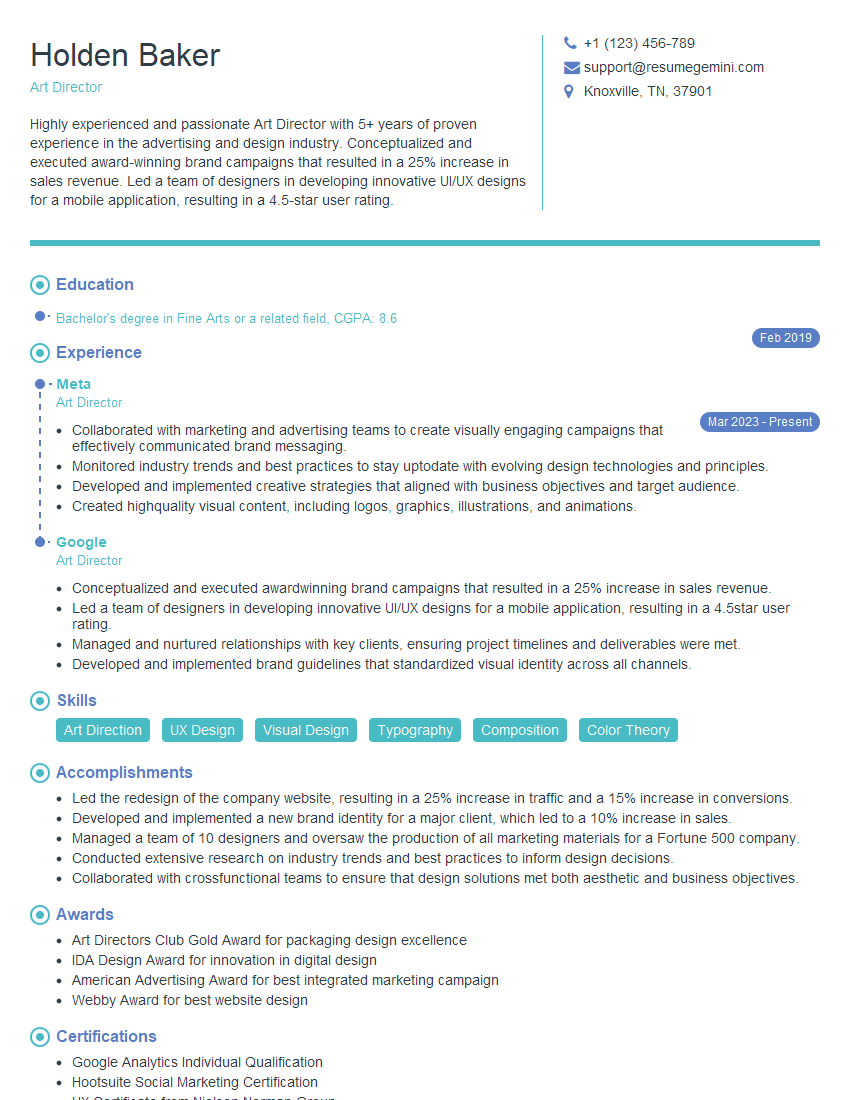
Art Director Resume Sample
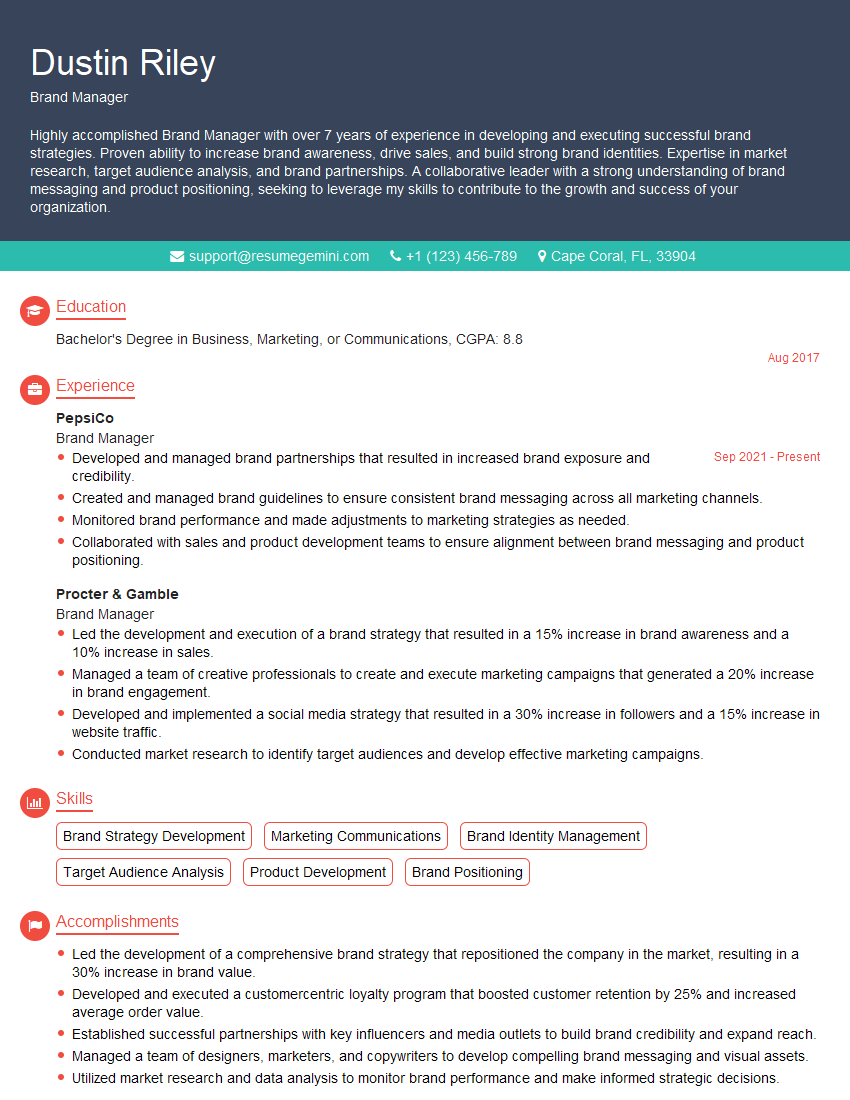
Brand Manager Resume Sample

Creative Director Resume Sample
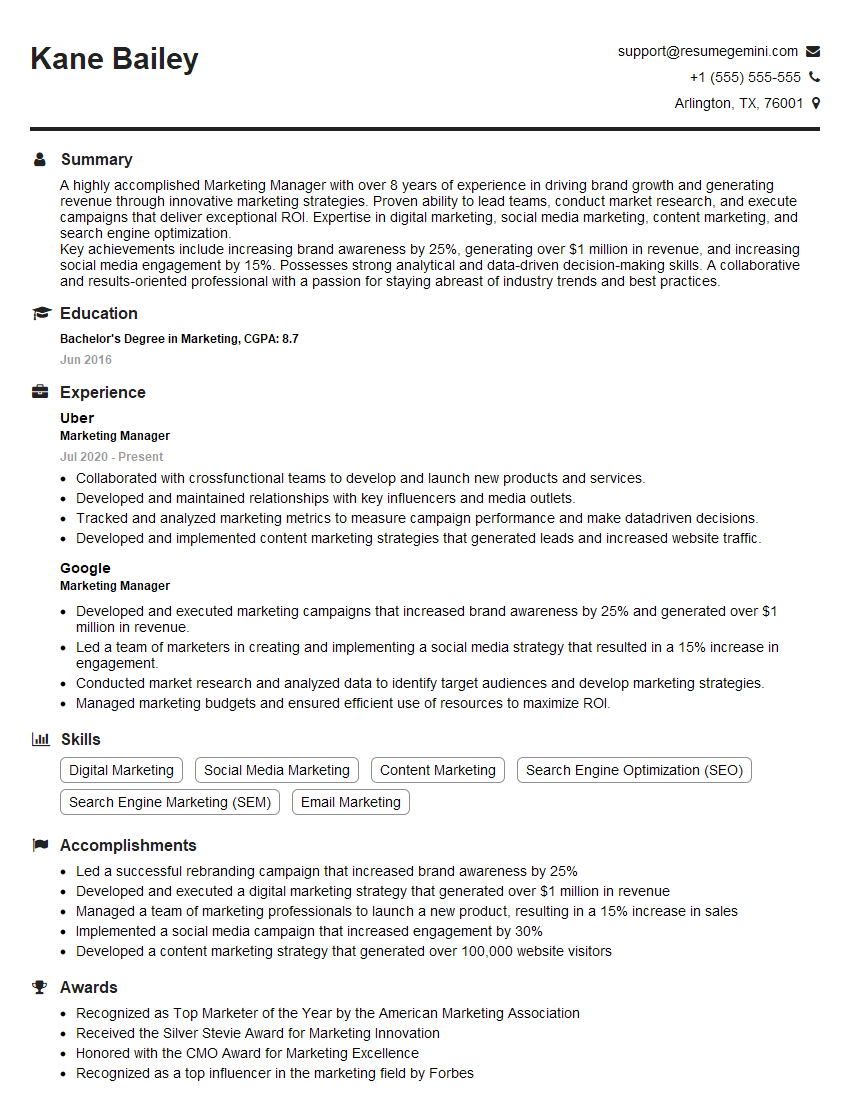
Marketing Manager Resume Sample

Social Media Manager Resume Sample
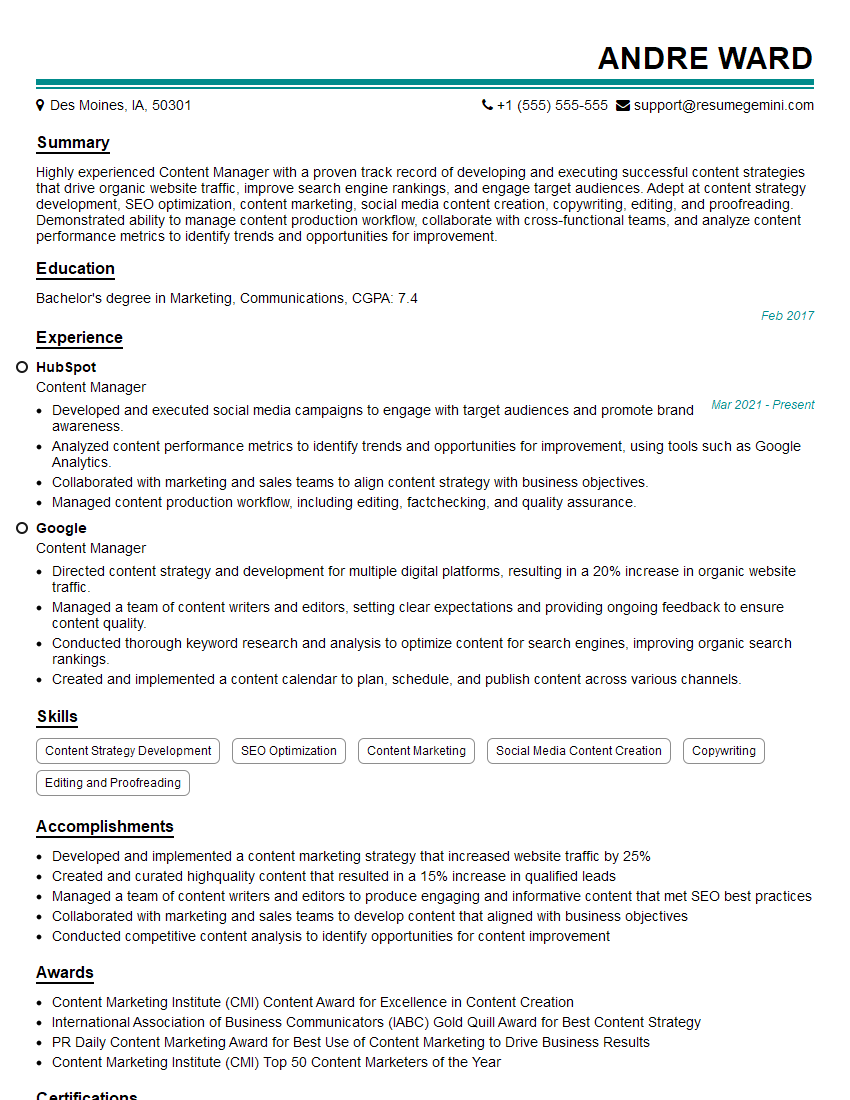
Content Manager Resume Sample
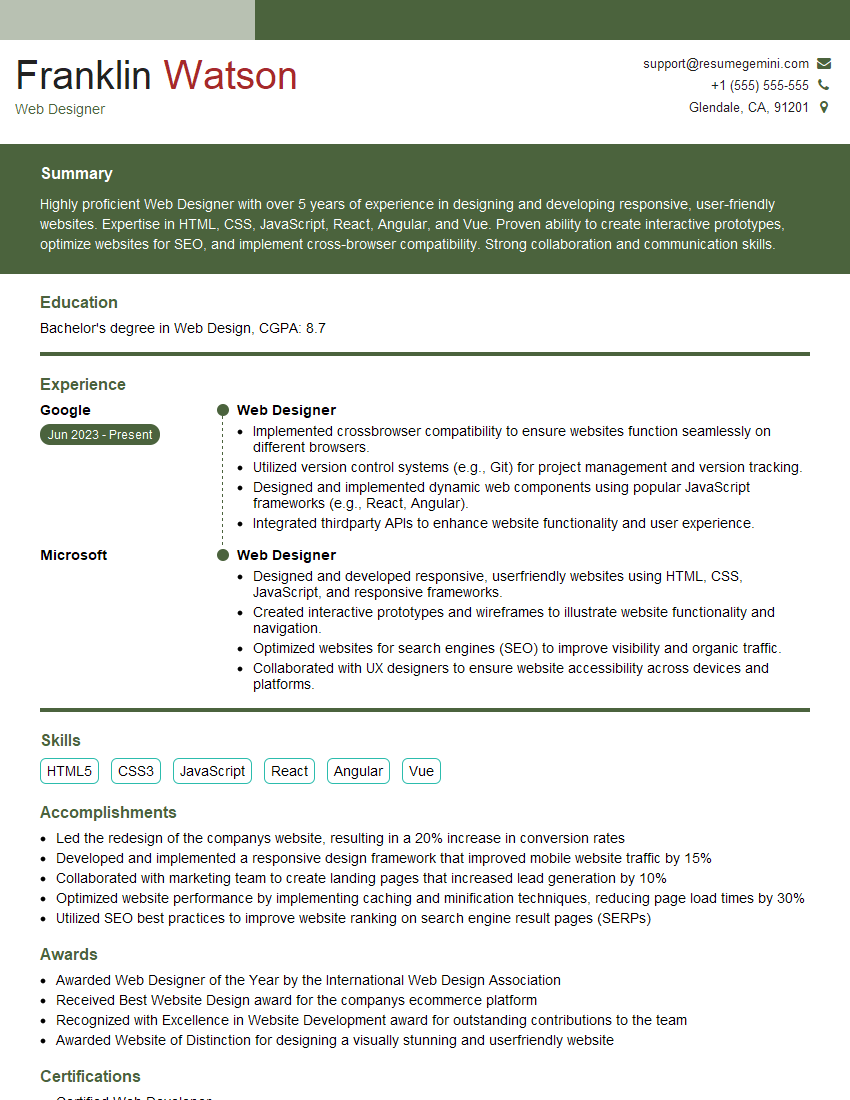
Web Designer Resume Sample
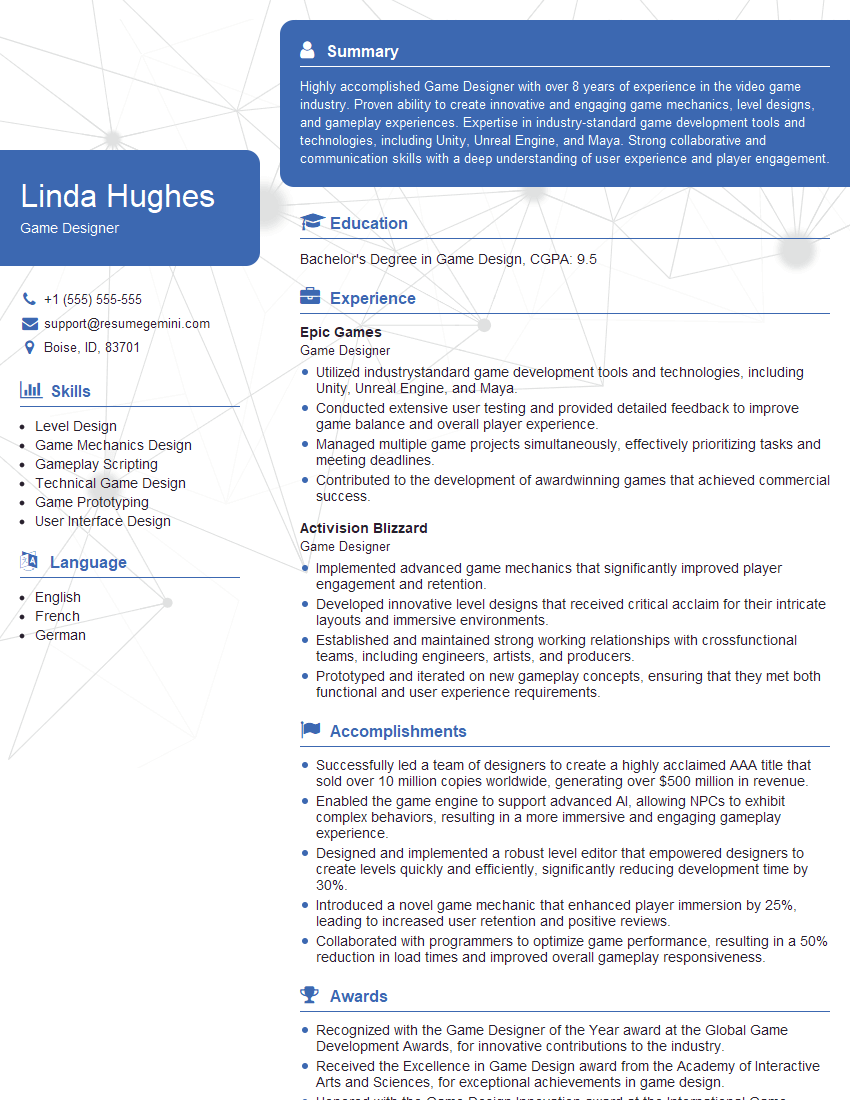
Game Designer Resume Sample
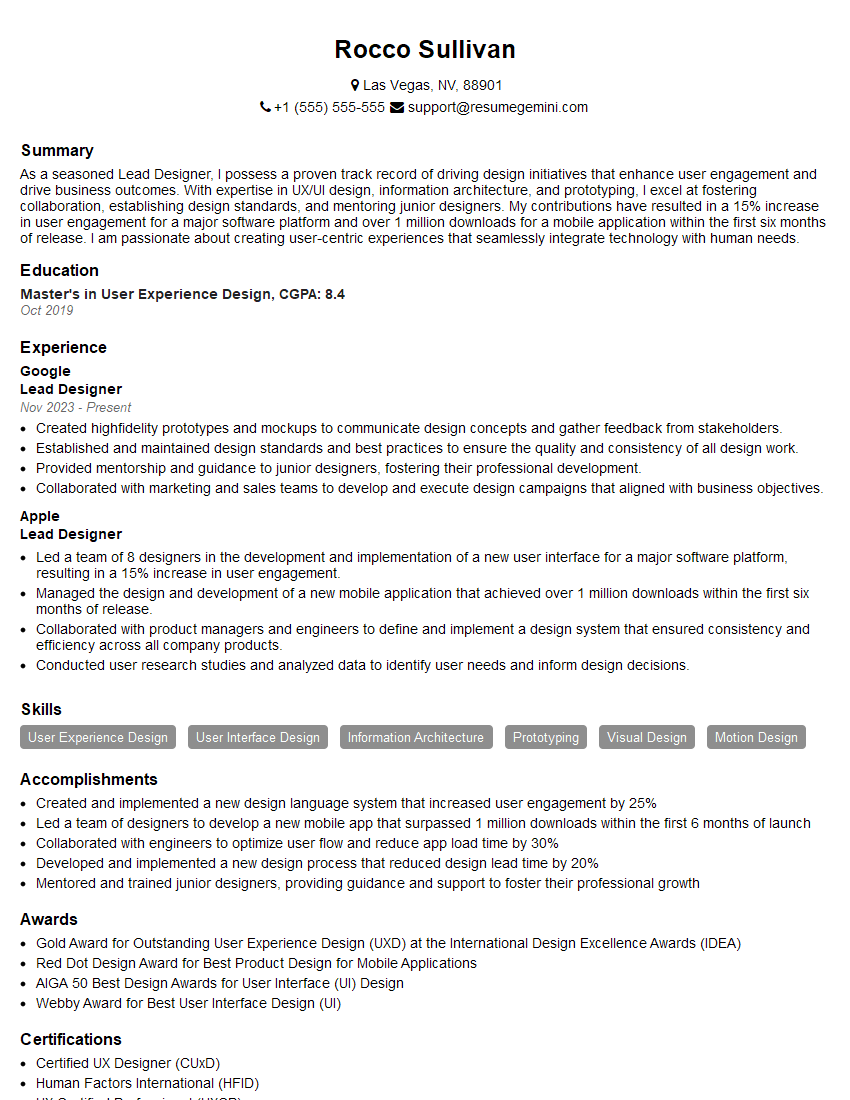
Lead Designer Resume Sample
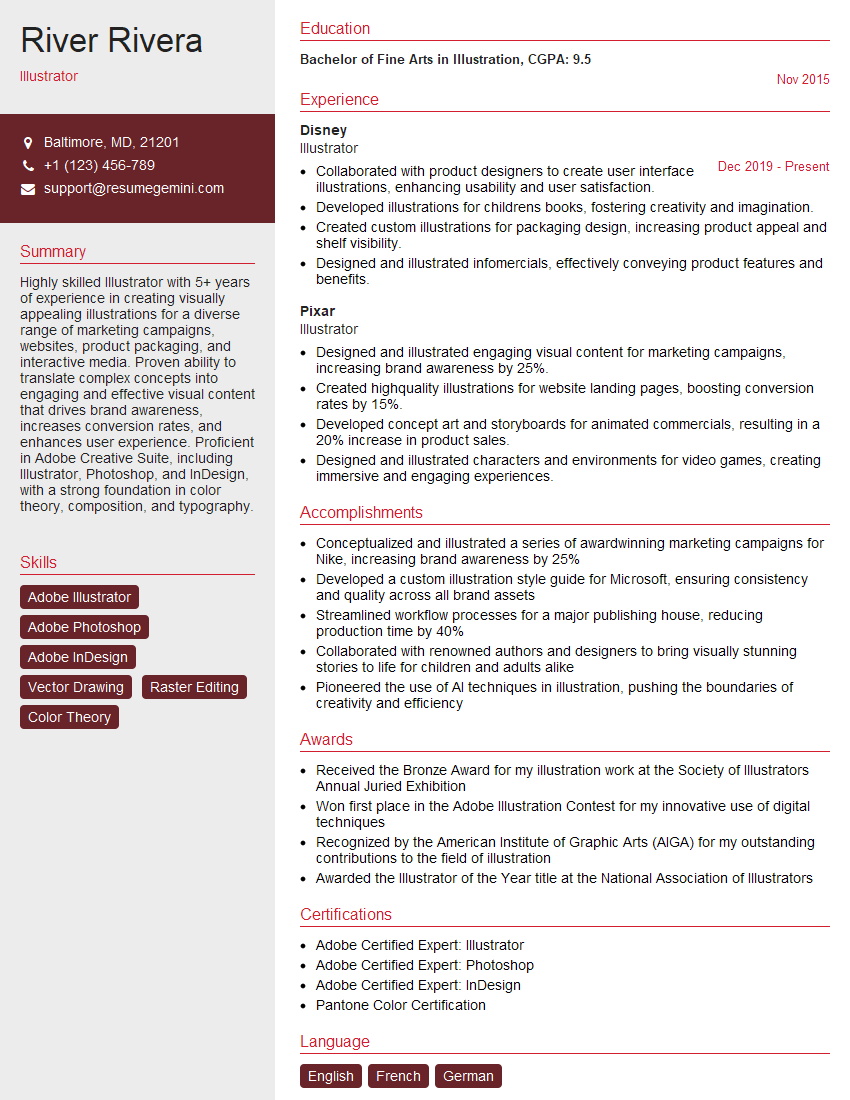
Illustrator Resume Sample
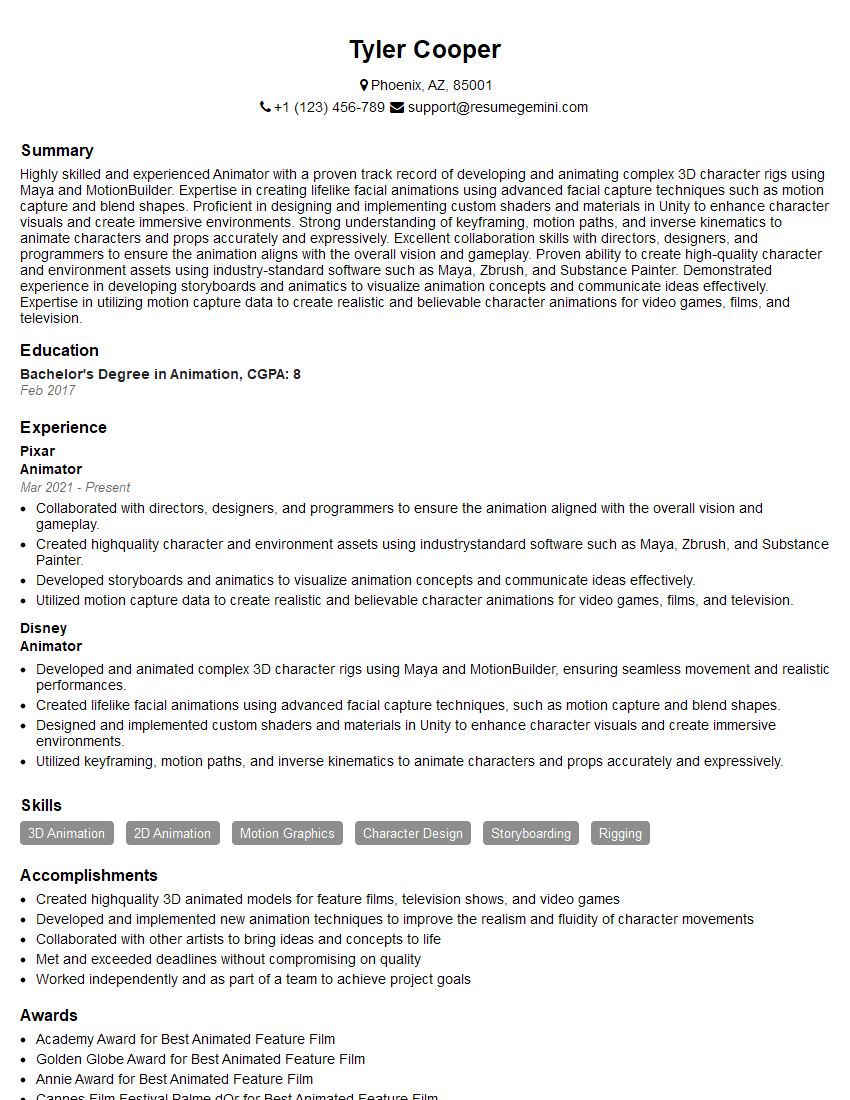
Animator Resume Sample
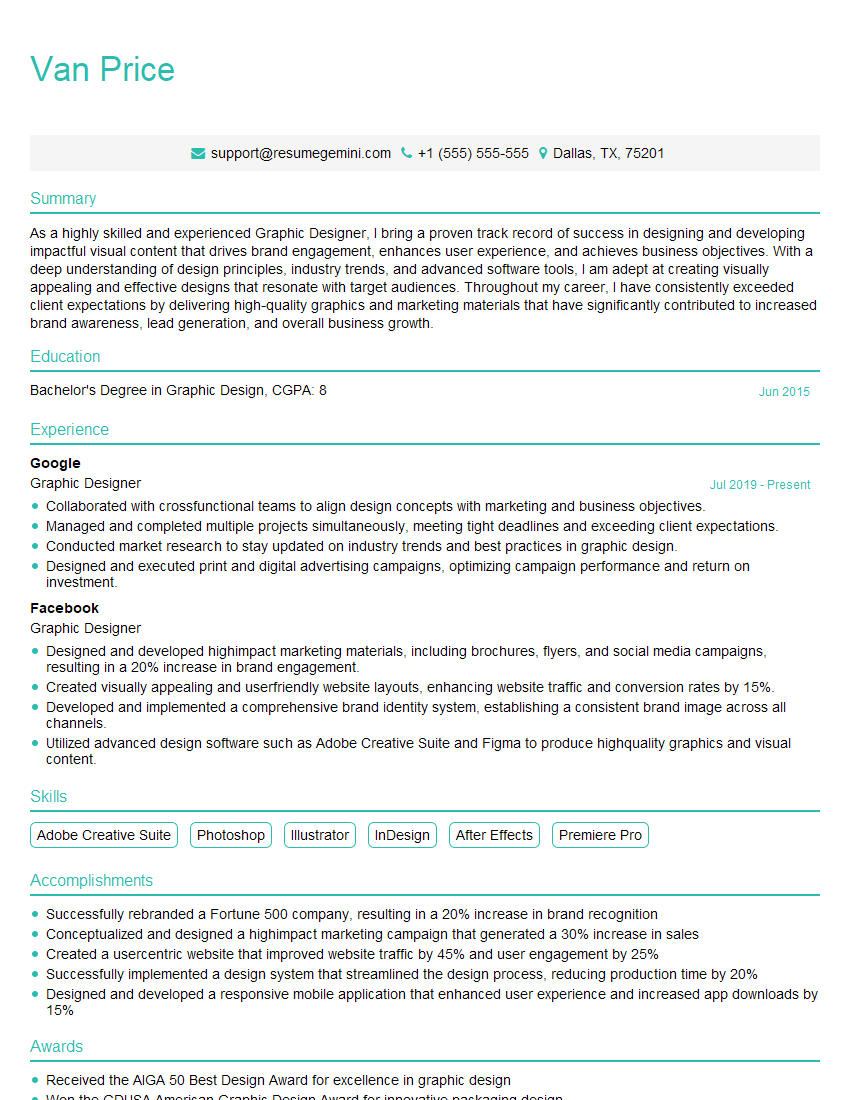
Graphic Designer Resume Sample
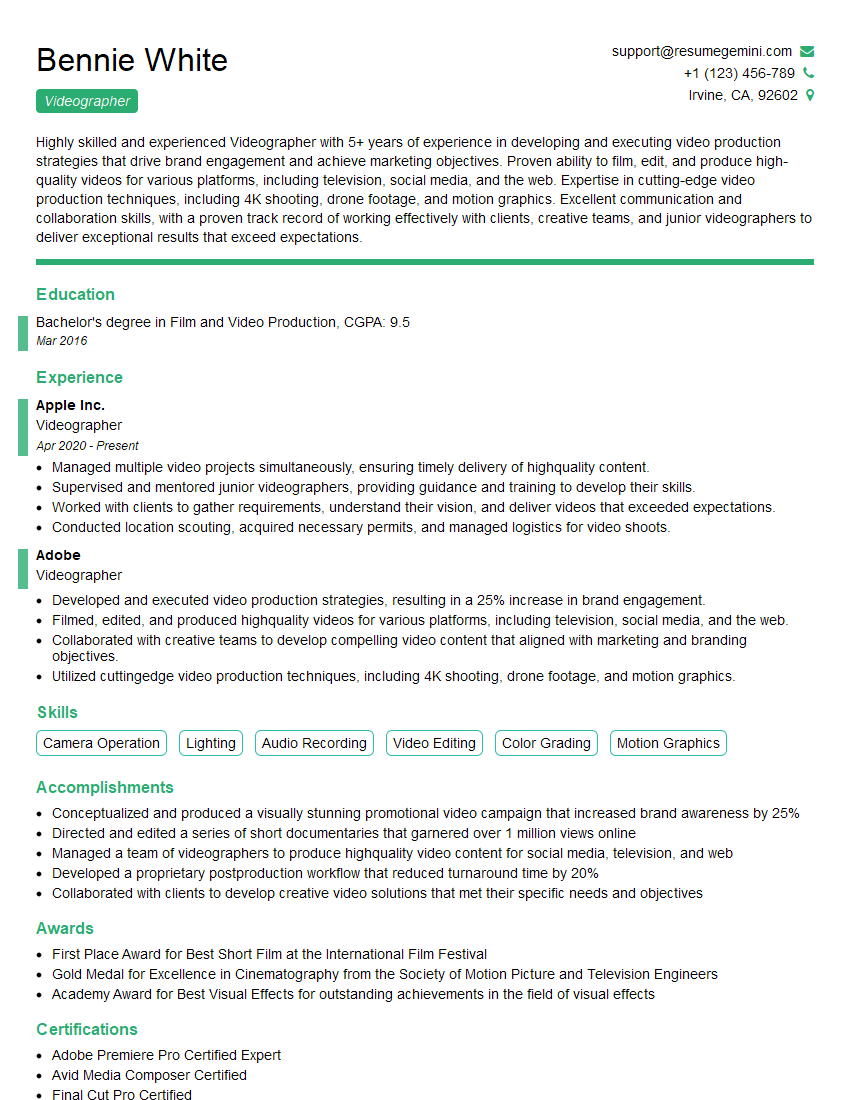
Videographer Resume Sample
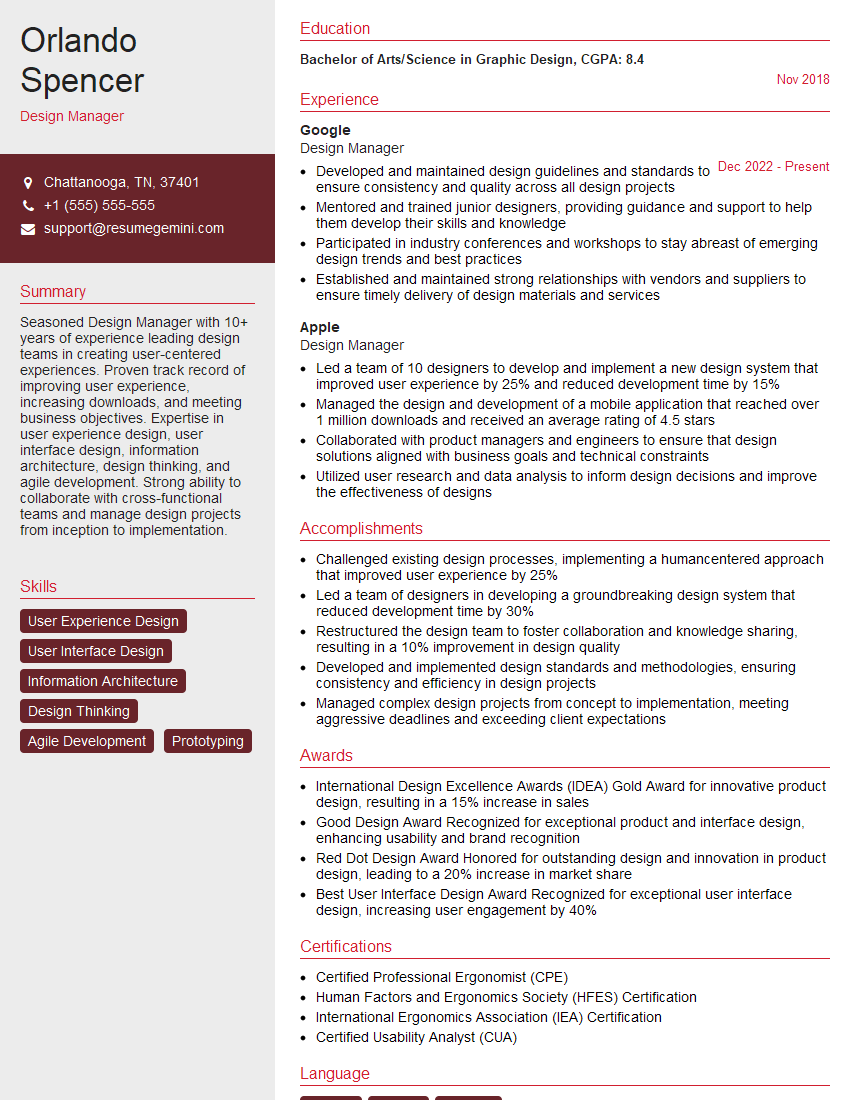
Design Manager Resume Sample
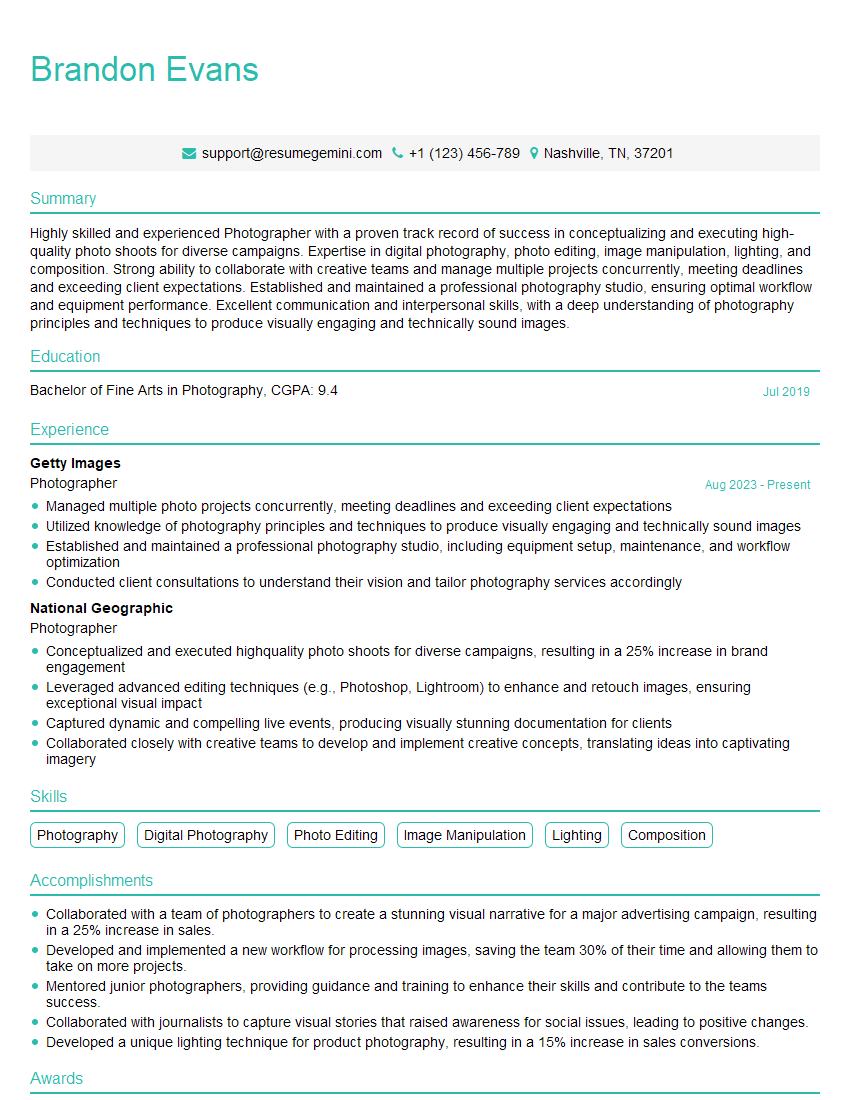
Photographer Resume Sample

Copywriter Resume Sample
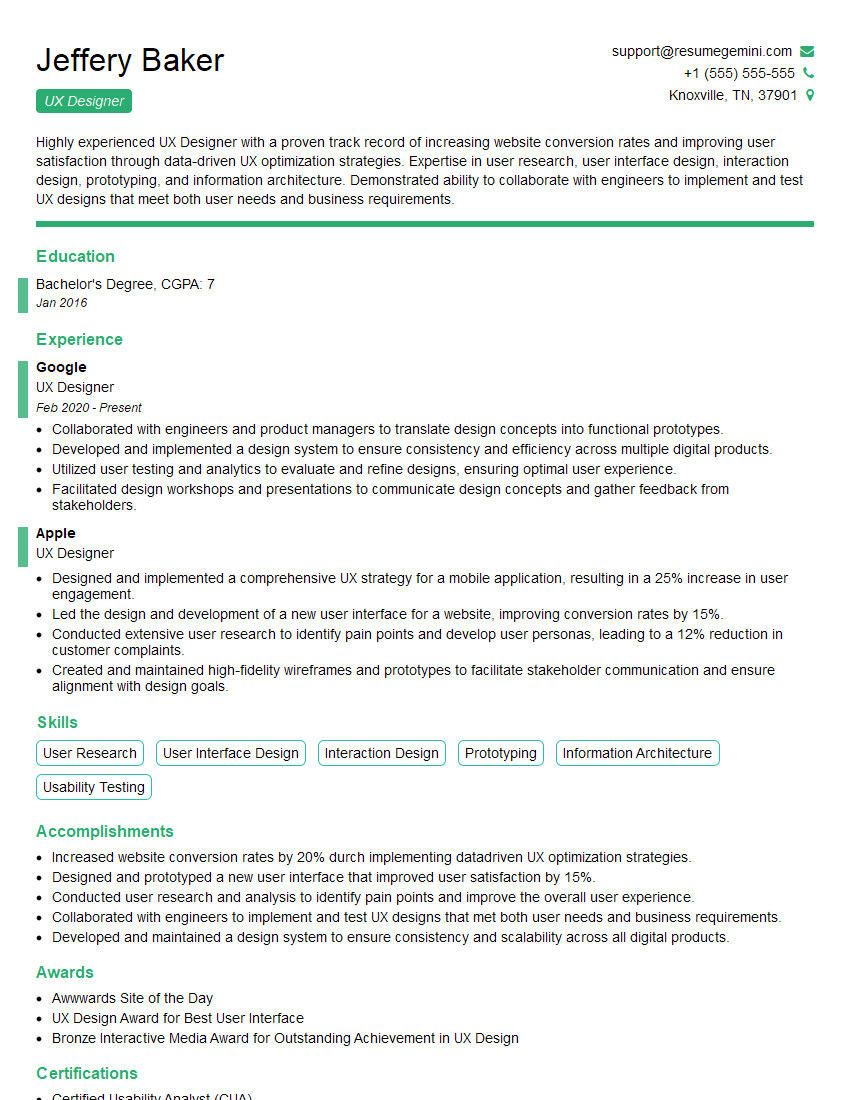
UX Designer Resume Sample
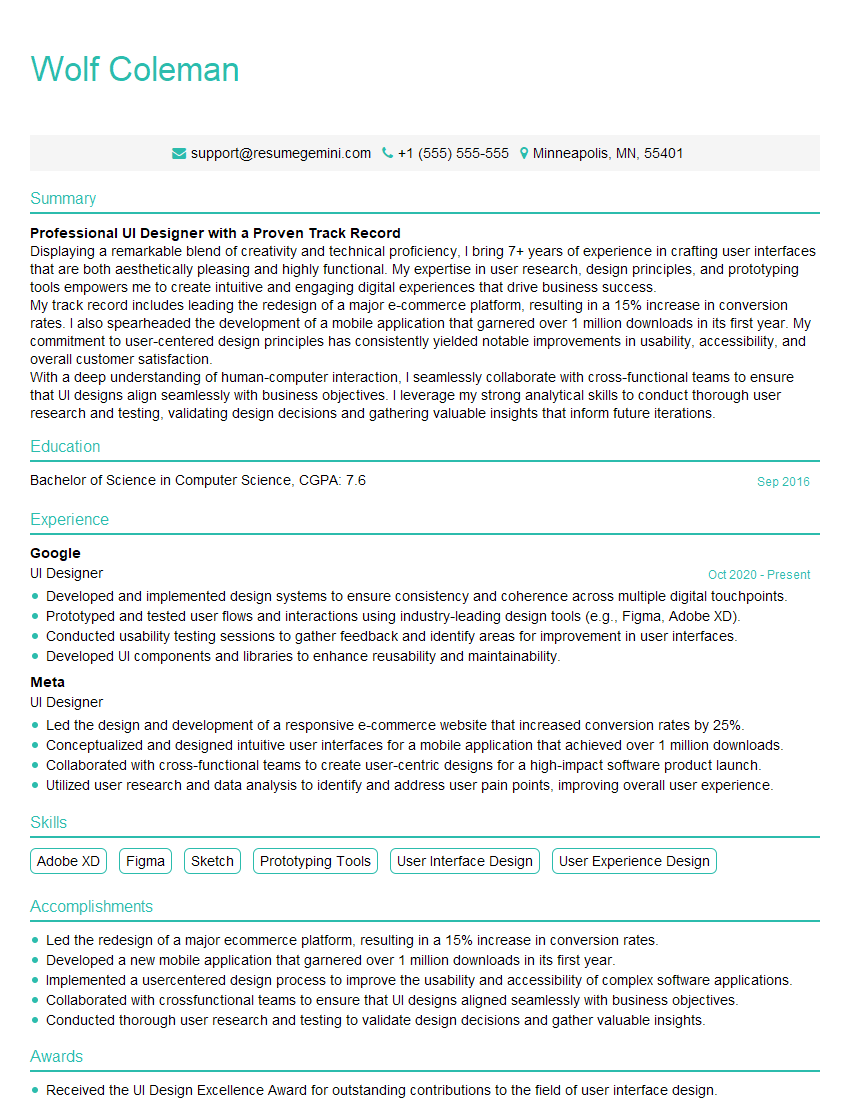
UI Designer Resume Sample
Explore more articles
Users Rating of Our Blogs
Share Your Experience
We value your feedback! Please rate our content and share your thoughts (optional).
What Readers Say About Our Blog
Attention music lovers!
Wow, All the best Sax Summer music !!!
Spotify: https://open.spotify.com/artist/6ShcdIT7rPVVaFEpgZQbUk
Apple Music: https://music.apple.com/fr/artist/jimmy-sax-black/1530501936
YouTube: https://music.youtube.com/browse/VLOLAK5uy_noClmC7abM6YpZsnySxRqt3LoalPf88No
Other Platforms and Free Downloads : https://fanlink.tv/jimmysaxblack
on google : https://www.google.com/search?q=22+AND+22+AND+22
on ChatGPT : https://chat.openai.com?q=who20jlJimmy20Black20Sax20Producer
Get back into the groove with Jimmy sax Black
Best regards,
Jimmy sax Black
www.jimmysaxblack.com
Hi I am a troller at The aquatic interview center and I suddenly went so fast in Roblox and it was gone when I reset.
Hi,
Business owners spend hours every week worrying about their website—or avoiding it because it feels overwhelming.
We’d like to take that off your plate:
$69/month. Everything handled.
Our team will:
Design a custom website—or completely overhaul your current one
Take care of hosting as an option
Handle edits and improvements—up to 60 minutes of work included every month
No setup fees, no annual commitments. Just a site that makes a strong first impression.
Find out if it’s right for you:
https://websolutionsgenius.com/awardwinningwebsites
Hello,
we currently offer a complimentary backlink and URL indexing test for search engine optimization professionals.
You can get complimentary indexing credits to test how link discovery works in practice.
No credit card is required and there is no recurring fee.
You can find details here:
https://wikipedia-backlinks.com/indexing/
Regards
NICE RESPONSE TO Q & A
hi
The aim of this message is regarding an unclaimed deposit of a deceased nationale that bears the same name as you. You are not relate to him as there are millions of people answering the names across around the world. But i will use my position to influence the release of the deposit to you for our mutual benefit.
Respond for full details and how to claim the deposit. This is 100% risk free. Send hello to my email id: lukachachibaialuka@gmail.com
Luka Chachibaialuka
Hey interviewgemini.com, just wanted to follow up on my last email.
We just launched Call the Monster, an parenting app that lets you summon friendly ‘monsters’ kids actually listen to.
We’re also running a giveaway for everyone who downloads the app. Since it’s brand new, there aren’t many users yet, which means you’ve got a much better chance of winning some great prizes.
You can check it out here: https://bit.ly/callamonsterapp
Or follow us on Instagram: https://www.instagram.com/callamonsterapp
Thanks,
Ryan
CEO – Call the Monster App
Hey interviewgemini.com, I saw your website and love your approach.
I just want this to look like spam email, but want to share something important to you. We just launched Call the Monster, a parenting app that lets you summon friendly ‘monsters’ kids actually listen to.
Parents are loving it for calming chaos before bedtime. Thought you might want to try it: https://bit.ly/callamonsterapp or just follow our fun monster lore on Instagram: https://www.instagram.com/callamonsterapp
Thanks,
Ryan
CEO – Call A Monster APP
To the interviewgemini.com Owner.
Dear interviewgemini.com Webmaster!
Hi interviewgemini.com Webmaster!
Dear interviewgemini.com Webmaster!
excellent
Hello,
We found issues with your domain’s email setup that may be sending your messages to spam or blocking them completely. InboxShield Mini shows you how to fix it in minutes — no tech skills required.
Scan your domain now for details: https://inboxshield-mini.com/
— Adam @ InboxShield Mini
support@inboxshield-mini.com
Reply STOP to unsubscribe
Hi, are you owner of interviewgemini.com? What if I told you I could help you find extra time in your schedule, reconnect with leads you didn’t even realize you missed, and bring in more “I want to work with you” conversations, without increasing your ad spend or hiring a full-time employee?
All with a flexible, budget-friendly service that could easily pay for itself. Sounds good?
Would it be nice to jump on a quick 10-minute call so I can show you exactly how we make this work?
Best,
Hapei
Marketing Director
Hey, I know you’re the owner of interviewgemini.com. I’ll be quick.
Fundraising for your business is tough and time-consuming. We make it easier by guaranteeing two private investor meetings each month, for six months. No demos, no pitch events – just direct introductions to active investors matched to your startup.
If youR17;re raising, this could help you build real momentum. Want me to send more info?
Hi, I represent an SEO company that specialises in getting you AI citations and higher rankings on Google. I’d like to offer you a 100% free SEO audit for your website. Would you be interested?
Hi, I represent an SEO company that specialises in getting you AI citations and higher rankings on Google. I’d like to offer you a 100% free SEO audit for your website. Would you be interested?