Preparation is the key to success in any interview. In this post, we’ll explore crucial Loading/Unloading interview questions and equip you with strategies to craft impactful answers. Whether you’re a beginner or a pro, these tips will elevate your preparation.
Questions Asked in Loading/Unloading Interview
Q 1. Describe your experience with various loading/unloading equipment.
My experience encompasses a wide range of loading and unloading equipment, from basic hand trucks and pallet jacks to sophisticated forklift systems and conveyor belts. I’m proficient in operating forklifts with various attachments, including clamps for handling awkward loads, and telescopic handlers for reaching high-stacked materials. I’ve also worked extensively with loading docks, including the use of dock levelers and restraints to ensure safe and efficient loading and unloading from trucks and trailers. My experience also includes using specialized equipment for specific materials, such as vacuum lifters for glass or other delicate materials. I understand the safety procedures and operational requirements for each piece of equipment, and I’m always mindful of choosing the right tool for the job to maximize efficiency and minimize the risk of damage or injury.
For instance, in a previous role, we transitioned from manually loading pallets to using a powered conveyor system. This significantly reduced loading times and worker fatigue, while also improving the overall safety of the operation.
Q 2. Explain your process for safely unloading fragile items.
Safe unloading of fragile items requires a methodical approach. It begins with a thorough inspection of the packaging to identify any potential damage. Next, I carefully assess the weight and dimensions of the items to select the appropriate handling equipment. For heavier items, I might use a forklift with cushioned forks or a pallet jack with protective padding. Lighter items might be handled by hand, but always with meticulous care and attention to avoid dropping or jarring them. I would always prioritize using proper lifting techniques to protect both the items and myself. I often employ additional protective measures such as using specialized blankets, bubble wrap, or air pillows to further protect the contents. The unloading area should be clear of obstacles, and I would always ensure there is sufficient lighting to prevent accidents.
For example, when unloading a shipment of antique glassware, I used a hand truck with soft padding on its surface and carefully placed each piece into pre-marked spaces on the floor. This ensured each item could be readily identified and protected.
Q 3. How do you prioritize tasks during peak loading/unloading periods?
During peak periods, efficient task prioritization is critical. My approach involves a combination of planning and real-time adjustment. I begin by reviewing the incoming and outgoing manifests to identify urgent orders and prioritize those with tight deadlines. I then assess the available resources, including personnel and equipment, to determine optimal workflow. I often use a first-in, first-out (FIFO) system for inventory management to prevent older items from being overlooked. Communication with colleagues and supervisors is key to coordinating efforts and ensuring smooth operations. Real-time adjustments are made as needed, based on unforeseen delays or changes in priorities.
Imagine a scenario with a rush order needing immediate dispatch. I would temporarily re-prioritize to ensure this order is handled promptly while maintaining the general flow of operations to minimize delays for other tasks.
Q 4. What safety measures do you employ while loading/unloading?
Safety is paramount in loading and unloading operations. I consistently employ a multi-layered safety approach. This includes wearing appropriate personal protective equipment (PPE), such as safety shoes, high-visibility vests, and gloves. I always follow the manufacturer’s instructions for operating any equipment and regularly inspect equipment for defects. I ensure the loading and unloading areas are well-lit and free of obstacles, and I maintain a clean and organized workspace to prevent slips, trips, and falls. Load securing is a critical aspect, and I ensure all loads are properly secured to prevent shifting or falling during transport. Communication is key, so I always maintain clear communication with colleagues and drivers to coordinate movements and avoid collisions. Regular safety briefings and training help to reinforce best practices.
For instance, before operating a forklift, I always perform a pre-operation check to ensure the brakes, lights, and other critical components are in good working order.
Q 5. Describe your experience with inventory management related to loading/unloading.
My experience with inventory management in the context of loading and unloading is extensive. I’m proficient in using various inventory management systems, both manual and computerized. Accurate record-keeping is essential, and I meticulously document the quantity and condition of goods received and dispatched. I participate in cycle counting and stocktaking activities to ensure the accuracy of inventory records. This involves verifying the physical inventory against the recorded inventory. I am also involved in identifying and reporting discrepancies, such as damaged or missing items. Effective inventory management directly impacts loading and unloading efficiency, preventing delays and minimizing the risk of errors. Data analysis from inventory records also informs future planning and resource allocation.
For example, by tracking the frequency of damaged goods from a particular supplier, we were able to address the issue with the supplier and improve packaging to significantly reduce damage rates.
Q 6. How do you handle damaged goods during the loading/unloading process?
Handling damaged goods during loading and unloading requires a systematic process. First, I thoroughly document the damage, noting the extent of the damage, the affected items, and any potential causes. I use photographs and detailed descriptions to support the documentation. This documentation is crucial for claims with carriers or suppliers. Damaged goods are segregated from undamaged goods to prevent further damage and to ensure accurate inventory control. Depending on the extent of the damage and the nature of the goods, I might repackage salvageable items or prepare them for return or disposal. I communicate promptly with relevant stakeholders, such as supervisors, clients, or suppliers, to inform them of the situation and discuss appropriate actions.
For example, in a case of damaged pallets, I documented the damage, took pictures, and separated the damaged pallets from the undamaged ones to avoid further damage and confusion.
Q 7. Explain your understanding of proper pallet stacking techniques.
Proper pallet stacking techniques are crucial for safety and efficiency. The key principles involve stability, weight distribution, and load securing. Pallets should be stacked evenly, ensuring the weight is distributed uniformly to prevent tipping or collapse. Heavier items should be placed at the bottom and lighter items on top. Pallets must be compatible with the racking system being used, ensuring proper fitting and clearance. Stacking height should adhere to safe limits, considering both the weight of the load and the structural integrity of the pallets and racking. Interleaving with appropriate separators can help prevent damage. Proper load securing, using strapping or shrink wrap, is essential to prevent the load from shifting or falling during handling or transport.
For instance, when stacking boxes on a pallet, I make sure heavier items are placed at the bottom, and the overall height doesn’t exceed the pallet’s safe stacking height. This prevents instability and potential accidents. Using stretch wrap secures the entire load, ensuring that it stays intact throughout the transport process.
Q 8. How do you ensure efficient workflow during loading/unloading?
Efficient loading/unloading hinges on meticulous planning and execution. It’s like orchestrating a symphony – each instrument (worker, equipment, process) must play its part in harmony.
- Pre-planning: Before anything moves, we need a detailed loading plan. This includes knowing the order of items for loading, the optimal placement within the vehicle to maximize space and balance weight distribution, and the designated unloading location at the destination. For example, heavier items should generally be loaded first at the bottom of a truck to prevent shifting during transit.
- Equipment and Personnel: The right tools make all the difference. Forklifts, pallet jacks, conveyors – choosing the appropriate equipment and ensuring adequate personnel are assigned based on the volume and type of goods being handled significantly impacts efficiency.
- Clear Communication: Miscommunication is the enemy of efficiency. Using clear hand signals, standardized procedures, and even two-way radios ensures everyone is on the same page. This prevents bottlenecks and delays caused by confusion.
- Process Optimization: Continuously evaluating the process and identifying areas for improvement is crucial. This might involve analyzing loading times, identifying bottlenecks, and implementing lean principles to reduce wasted motion and improve workflow.
For instance, at a previous role, we implemented a new loading sequence based on an analysis of loading times. By reorganizing how we loaded pallets, we reduced loading time by 15%, leading to significant cost savings.
Q 9. Describe a time you had to troubleshoot a loading/unloading problem.
During a large-scale furniture shipment, we experienced a significant delay due to a mismatch between the delivery manifest and the actual goods loaded. Several items were missing, and others were incorrectly identified.
My troubleshooting process involved:
- Verification: I first revisited the loading area and compared the original loading manifest against the physical inventory remaining. This confirmed the discrepancies.
- Investigation: I reviewed the loading process documentation, including the footage from security cameras monitoring the loading bay. This revealed a miscommunication between the loading crew and the inventory control team.
- Solution: We contacted the warehouse where the furniture originated to verify their inventory. We discovered a packing error at their end. Then, we created a revised manifest and communicated the changes to the delivery team and customer. We also initiated an internal review of our loading procedures to improve communication and cross-verification practices.
This experience highlighted the critical importance of robust inventory management, clear communication throughout the supply chain, and utilizing technology like cameras to resolve such issues quickly and efficiently.
Q 10. How do you maintain accurate records of loaded/unloaded items?
Maintaining accurate records is fundamental. Think of it as keeping a detailed ledger for every item that enters and leaves. Accuracy is paramount to ensure accountability and prevent disputes.
- Barcodes and RFID: Utilizing barcode or RFID scanning technology integrated with a warehouse management system (WMS) is the most effective method. Each item is scanned upon loading and unloading, creating a digital audit trail that eliminates manual errors.
- Manifest and Bills of Lading: Physical manifests (lists of loaded goods) and bills of lading (formal contracts between shipper and carrier) are crucial for tracking goods during transit. These documents are compared against the digital records from the scanners.
- Digital Databases: Our WMS stores all loading and unloading information, including timestamps, locations, and personnel involved. This data can be analyzed for trends, improvements, and auditing.
- Regular Audits: Periodic physical audits of inventory confirm the accuracy of digital records. This can help identify and rectify any discrepancies early on.
Example of a simple data entry: {“item_id”: “ABC1234”, “quantity”: 10, “load_time”: “2024-10-27 10:00”, “location”: “Bay 3”, “employee_id”: “EMPL567”}
Q 11. What is your experience with different types of shipping containers?
My experience spans several container types, each with its own strengths and weaknesses:
- Standard 20′ and 40′ Containers: These are the workhorses of the industry, versatile and widely available for general cargo. I’m experienced in loading and securing various goods within these, including the use of dunnage (protective materials) to prevent shifting.
- High Cube Containers: These offer increased vertical space, ideal for bulky or lightweight goods, allowing for higher capacity. I understand their unique loading considerations and safety protocols.
- Refrigerated Containers (Reefer): I’m familiar with the specific handling procedures needed for temperature-sensitive goods, including monitoring temperature settings and ensuring proper ventilation.
- Open-Top Containers: These are suitable for oversized or heavy cargo that can’t be loaded through the standard door. I’m adept at securing such cargo safely, using appropriate lashing techniques.
- Tank Containers: While not my primary area of expertise, I have a basic understanding of their usage for liquids and gases, and the safety procedures involved.
My experience ensures I can adapt to diverse shipping needs and ensure the appropriate container is chosen for the cargo and destination.
Q 12. How familiar are you with warehouse management systems (WMS)?
I’m highly proficient with Warehouse Management Systems (WMS). These are the brains of a modern warehouse operation, integrating all aspects of inventory management, order fulfillment, and loading/unloading processes.
My experience encompasses:
- Inventory Tracking: Utilizing WMS to accurately track stock levels, location, and movement in real time.
- Order Management: Using WMS to generate pick lists, route optimization, and assign tasks for efficient order fulfillment.
- Loading and Unloading Management: Using WMS to create and manage loading plans, track loaded items, and generate shipping documents.
- Reporting and Analytics: Leveraging WMS data to create reports on key performance indicators (KPIs), like loading times, order accuracy, and inventory turnover.
In my previous role, our team migrated to a new WMS, and I played a key role in training staff and optimizing the system for our specific needs. The result was a 20% increase in overall warehouse efficiency.
Q 13. Describe your experience with RF scanners or other similar technology.
I have extensive experience with RF scanners and other similar technologies used in loading/unloading operations. These handheld devices are essential for streamlining data entry and improving accuracy.
My experience includes:
- Barcode and RFID Scanning: Accurately scanning barcodes or RFID tags on items to capture data for inventory management and tracking.
- Data Integration: Seamlessly integrating scanner data with our WMS for real-time updates on inventory and order status.
- Data Verification: Using scanners to verify the accuracy of items being loaded against the manifest or picking list, preventing errors.
- Productivity Enhancement: Using scanners eliminates manual data entry, speeding up loading/unloading times and freeing up staff for other tasks.
The use of RF scanners has been fundamental in reducing errors and improving efficiency in my previous roles. For instance, in one case, the implementation of RF scanners reduced data entry errors by 40%, saving valuable time and resources.
Q 14. How do you ensure the security of goods during loading/unloading?
Security of goods during loading/unloading is paramount. It’s about establishing a layered security approach, combining physical and procedural safeguards.
- Secure Loading Docks: Utilizing secured loading docks, ideally with access control, prevents unauthorized access to goods.
- Surveillance Systems: CCTV cameras provide visual monitoring of the loading/unloading area, deterring theft and providing evidence in case of incidents.
- Inventory Control: Strict inventory control procedures, coupled with barcode or RFID scanning, helps account for all items and prevent losses.
- Personnel Security: Background checks and security training for loading/unloading personnel are essential to minimize internal theft.
- Sealing and Locking: Securely sealing containers and vehicles with tamper-evident seals helps prevent unauthorized access during transit.
Implementing these measures establishes a proactive defense against theft and damage, ensuring the safe delivery of goods to their destination. In a previous role, the implementation of robust security measures reduced losses due to theft by 75%.
Q 15. Explain your experience with different types of loading docks.
My experience encompasses a wide range of loading dock types, from the basic, level-loading docks common in smaller warehouses to more sophisticated configurations. I’ve worked with docks equipped with various technologies, including:
- Hydraulic levelers: These ensure a smooth transition between the truck bed and the dock, minimizing the risk of damage and injury. I’m proficient in their operation and safety protocols.
- Vehicle restraints: I’m experienced with different restraint systems, like wheel chocks and interlocking devices, crucial for preventing accidental movement of trucks during loading and unloading. Understanding their correct application is paramount for safety.
- Dock shelters and seals: These minimize energy loss and protect against weather conditions. I understand their maintenance and importance in efficient operations. I’ve even troubleshooted minor malfunctions to ensure minimal downtime.
- Conveyors and automated systems: In larger facilities, I’ve worked with automated systems that significantly increase efficiency. My experience includes using these systems safely and troubleshooting minor issues.
This varied experience allows me to adapt quickly to different environments and optimize loading/unloading procedures regardless of the dock’s setup. For example, in one role I had to quickly learn the specific operation of a new type of hydraulic leveler and incorporate it into our standard operating procedures.
Career Expert Tips:
- Ace those interviews! Prepare effectively by reviewing the Top 50 Most Common Interview Questions on ResumeGemini.
- Navigate your job search with confidence! Explore a wide range of Career Tips on ResumeGemini. Learn about common challenges and recommendations to overcome them.
- Craft the perfect resume! Master the Art of Resume Writing with ResumeGemini’s guide. Showcase your unique qualifications and achievements effectively.
- Don’t miss out on holiday savings! Build your dream resume with ResumeGemini’s ATS optimized templates.
Q 16. What is your experience with manual handling techniques?
Manual handling is a core element of my experience, and I’m deeply committed to safe practices. My training includes proper lifting techniques, avoiding twisting movements, maintaining a stable base, and lifting with the legs rather than the back. I’m also well-versed in the use of lifting aids such as:
- Hand trucks: I can efficiently maneuver various types of hand trucks – two-wheel, four-wheel, and specialized models – to move pallets and other heavy items.
- Pallet jacks: I’m experienced in operating both manual and electric pallet jacks, prioritizing safety checks before operation and adhering to weight limits.
- Straps and slings: I understand how to properly secure loads using straps and slings, ensuring stability during transport.
Beyond the practical skills, I understand the importance of regular breaks to prevent fatigue, a major risk factor in manual handling injuries. I actively monitor my own physical condition and report any concerns immediately to avoid strain.
Q 17. How do you adapt to changing demands during loading/unloading?
Adapting to changing demands is a crucial skill in this field. I approach it systematically:
- Prioritization: I quickly assess the urgency of different tasks and prioritize based on deadlines and order fulfillment needs.
- Communication: I immediately communicate any changes in demand to team members, ensuring everyone is informed and can adjust their work accordingly. This involves clear, concise communication and actively listening to team inputs.
- Flexibility: I am comfortable shifting between different tasks and adjusting my work schedule to meet unexpected surges in demand.
- Problem-solving: I proactively identify potential bottlenecks and develop solutions, for instance, adjusting workflow or requesting additional resources if needed.
For instance, I once faced an unexpected rush order requiring immediate shipment. By quickly communicating with the team, we re-prioritized tasks, utilized available resources efficiently, and successfully met the deadline without compromising safety.
Q 18. Describe your experience working under pressure.
I thrive under pressure and consider it a normal part of this fast-paced job. My approach is to:
- Remain Calm: I focus on maintaining a calm demeanor and clear thinking, even when faced with tight deadlines and complex challenges.
- Systematic Approach: I break down large tasks into smaller, manageable steps to stay organized and focused.
- Time Management: I efficiently manage my time, prioritizing tasks and utilizing time-saving techniques.
- Proactive Problem Solving: I anticipate potential problems and develop contingency plans to minimize disruptions.
For example, during a severe winter storm that caused significant delays, I coordinated with trucking and receiving teams to mitigate delays. By prioritizing shipments, communicating effectively, and proactively finding alternative solutions, we minimized the impact on our operations.
Q 19. How do you communicate effectively with team members during loading/unloading?
Effective communication is critical for team safety and efficiency. I use a multi-pronged approach:
- Clear and Concise Language: I use clear, unambiguous language, avoiding jargon, to ensure everyone understands instructions.
- Active Listening: I pay close attention to my team members’ input, ensuring everyone feels heard and their concerns are addressed.
- Non-Verbal Communication: I use hand signals and visual cues to communicate in noisy environments.
- Regular Check-ins: I regularly check in with my team to ensure everyone is on track and to address any challenges.
For instance, during a particularly complex unloading process involving fragile items, I used clear, concise instructions coupled with visual demonstrations to ensure all team members understood the proper handling techniques, preventing accidents.
Q 20. What is your experience working in a fast-paced environment?
I’m highly comfortable in fast-paced environments. My experience in high-volume distribution centers and busy loading docks has honed my ability to work efficiently and effectively under pressure. I leverage my skills in:
- Multitasking: I can effectively juggle multiple tasks simultaneously while maintaining focus and accuracy.
- Quick Decision-Making: I am adept at making quick, informed decisions, prioritizing tasks based on urgency and importance.
- Adaptability: I adapt seamlessly to shifting priorities and unexpected changes in the workflow.
- Teamwork: I work collaboratively with team members to ensure smooth and efficient operations.
I’ve worked in environments where hundreds of pallets are processed daily and have consistently delivered results even under peak season demands, demonstrating my capacity to maintain high standards in a high-pressure setting.
Q 21. How do you prioritize safety over speed during loading/unloading?
Safety is paramount, always exceeding speed. My approach is to:
- Strict Adherence to Safety Protocols: I meticulously follow all safety procedures, including the proper use of personal protective equipment (PPE) and adherence to company safety guidelines.
- Pre-shift Inspections: I always conduct pre-shift inspections of equipment and the work area to identify and address potential hazards.
- Proper Lifting Techniques: I always utilize proper lifting techniques to prevent injuries and utilize available equipment to assist in heavy lifting tasks.
- Reporting Hazards: I immediately report any unsafe conditions or practices to my supervisor.
- Team Safety Culture: I actively promote a strong safety culture within my team, reinforcing the importance of safe practices and encouraging everyone to report hazards.
Rather than focusing solely on the number of units loaded or unloaded, I consistently prioritize a safe working environment. If a task seems unsafe, I would immediately stop and seek assistance to develop a safer alternative. This approach has proven to be more efficient in the long run by reducing workplace injuries and preventing costly delays associated with accidents.
Q 22. How do you identify and report potential hazards in the loading/unloading area?
Identifying and reporting potential hazards in loading/unloading areas is crucial for maintaining a safe work environment. My approach involves a systematic process combining proactive observation and documentation. First, I conduct a thorough pre-shift inspection, focusing on potential trip hazards like loose debris, uneven surfaces, or damaged flooring. I also check for obstacles that could impede the safe movement of equipment or personnel, such as improperly stacked materials or inadequate lighting.
- Slippery surfaces: I’d immediately report any spills of oil, water, or other liquids, ensuring they’re cleaned and appropriately marked until cleaned.
- Unstable loads: I look for poorly secured loads which could topple, causing damage or injury. I’d report any instances requiring restacking or additional securing measures.
- Equipment malfunctions: I inspect loading equipment – forklifts, cranes, etc. – for any signs of damage or malfunction, reporting anything that needs maintenance or repair immediately.
- Traffic flow: I assess pedestrian and vehicular traffic patterns to identify potential conflicts and suggest improvements like clearer signage or designated walkways.
All hazards are meticulously documented using a standardized reporting system, which includes the location, nature of the hazard, potential risks, and corrective actions taken. This ensures accountability and allows for tracking of hazard trends to identify areas needing improvement in safety procedures.
Q 23. What is your understanding of weight limits and load capacity?
Understanding weight limits and load capacity is fundamental to safe loading and unloading operations. Weight limits refer to the maximum weight a piece of equipment (e.g., a forklift, a pallet) or a structure (e.g., a floor, a dock) can safely support. Load capacity refers to the maximum amount of weight that can be transported or lifted by specific equipment safely. Exceeding these limits poses significant risks, from structural damage to serious injuries or fatalities.
For instance, a forklift will have a clearly stated weight capacity plate specifying the maximum load it can lift at different distances. Similarly, loading docks often have weight restrictions to prevent structural failure. Before undertaking any loading or unloading operation, I always verify the weight of the goods and ensure it’s well within the capacity limits of all involved equipment and infrastructure. This involves accurate weighing of goods, using weight scales or referring to provided shipping documentation. Proper load distribution is also crucial; an unevenly distributed load can cause instability even if the overall weight is within the limit. Imagine trying to lift a very heavy box – it’s much easier and safer if the weight is evenly distributed.
Q 24. How familiar are you with different types of loading equipment?
My familiarity with loading equipment encompasses a wide range of machinery. I have extensive experience with:
- Forklifts: I’m proficient in operating various types including counterbalanced, reach trucks, and order pickers, adhering strictly to safety procedures.
- Cranes: I’m familiar with both overhead and mobile cranes, understanding their operational limitations and safety protocols. This includes understanding load charts and safe lifting procedures.
- Conveyors: I’m experienced with various conveyor belt systems, understanding how to maintain and operate them safely, ensuring proper material flow and preventing blockages.
- Pallet jacks: I’m adept at using manual pallet jacks for moving pallets efficiently and safely.
- Loading ramps: I understand the importance of checking ramp integrity before use and ensuring proper securing procedures to prevent accidents.
Beyond the operation of this equipment, I understand their maintenance requirements and can identify potential issues to ensure safe operation and avoid costly downtime.
Q 25. Describe your experience with loading/unloading hazardous materials.
Handling hazardous materials requires strict adherence to safety regulations and specific procedures. My experience includes working with various classes of hazardous materials, following detailed protocols for each. This includes understanding Safety Data Sheets (SDS) for each material, recognizing associated hazards (flammability, toxicity, reactivity etc.), and implementing appropriate safety measures.
- Personal Protective Equipment (PPE): This is paramount, including using the right respirators, gloves, eye protection, and protective clothing suitable for the specific hazard.
- Spill response plans: I’m trained in emergency spill response, knowing how to contain and clean up spills safely and efficiently, following established protocols.
- Segregation and labeling: I understand the importance of segregating incompatible materials to prevent reactions and ensuring accurate labeling to maintain clarity and safety.
- Transportation and storage: I follow specific procedures for safe transport, storage and handling of such materials, understanding the implications of temperature sensitivity, pressure sensitivity and other relevant factors.
A critical aspect is maintaining detailed records of handling, including any incidents, no matter how minor, to maintain transparency and improve safety measures. My experience has instilled in me a profound respect for safe hazardous material handling, valuing safety above all else.
Q 26. How do you maintain a clean and organized work area during loading/unloading?
Maintaining a clean and organized work area during loading/unloading is essential for safety and efficiency. My approach involves a combination of proactive measures and consistent upkeep throughout the process.
- Pre-shift cleaning: I begin by clearing away debris, removing any obstacles that could create trip hazards, and ensuring the area is well lit.
- Organized stacking: I carefully stack materials to prevent toppling and to maximize space efficiently, following guidelines for weight distribution and stability.
- Waste disposal: I promptly dispose of waste materials in designated receptacles, preventing build-up and maintaining a clean environment.
- Regular sweeping: I conduct regular sweeping or cleaning to remove loose debris during and after loading/unloading operations.
- Equipment tidiness: Ensuring equipment is properly stored and maintained minimizes the risk of accidents and keeps the work area clutter-free.
A clean and organized workspace not only improves safety, but it also improves efficiency by reducing time spent searching for items or navigating obstacles, ensuring a smoother and more productive workflow.
Q 27. How do you ensure compliance with all relevant safety regulations?
Compliance with safety regulations is a top priority in my work. I ensure compliance by:
- Regular training: Participating in regular safety training and refresher courses to stay abreast of updated regulations and best practices.
- Understanding regulations: Thoroughly understanding all relevant OSHA (or equivalent) regulations for loading/unloading operations, including those pertaining to specific equipment and materials.
- Following procedures: Adhering to company-specific safety procedures and protocols which reflect compliance with industry standards.
- Reporting non-compliance: Immediately reporting any instances of non-compliance, whether it’s related to equipment maintenance, safety procedures, or employee practices.
- Documentation: Maintaining detailed records of safety checks, inspections, and training, ensuring there’s a clear audit trail of compliance.
I treat safety regulations not as mere rules, but as essential guidelines to protect workers and prevent accidents. Proactive compliance ensures a safe and productive work environment.
Q 28. Describe your experience using a forklift or other powered equipment.
I possess significant experience operating forklifts and other powered equipment. My experience includes:
- Forklift operation: I hold a valid forklift operator’s license and have extensive experience operating various types of forklifts in different settings. This includes experience in navigating tight spaces, maneuvering loads safely, and adhering to pre-operational checklists.
- Pre-operational checks: Before each use, I meticulously conduct pre-operational checks, including fluid levels, tire pressure, and overall equipment condition.
- Safety protocols: I’m deeply familiar with and strictly adhere to all safety protocols, including load capacity limits, safe operating speeds, and pedestrian awareness.
- Other powered equipment: My experience extends to operating other powered equipment, like pallet jacks and loading docks, following their respective safety guidelines.
- Maintenance awareness: I can identify potential mechanical problems and report them to ensure timely maintenance and prevent malfunctions.
Safety is paramount in my operation of powered equipment; I treat every operation with the seriousness it deserves, mindful of the potential risks and committed to minimizing them.
Key Topics to Learn for Loading/Unloading Interview
- Safety Procedures and Regulations: Understanding and applying OSHA regulations, safe lifting techniques, and hazard identification to prevent accidents and injuries. Practical application includes describing your experience with specific safety protocols and equipment.
- Efficient Loading/Unloading Techniques: Mastering various loading and unloading methods (e.g., forklift operation, hand-truck usage, pallet stacking) to optimize speed and minimize damage. Consider how you’d adapt your technique for different cargo types and warehouse layouts.
- Inventory Management and Tracking: Understanding inventory control systems, verifying quantities, and accurately documenting loading/unloading processes. This includes describing your experience with scanning technologies or manual inventory tracking.
- Equipment Operation and Maintenance: Demonstrating familiarity with relevant equipment (forklifts, pallet jacks, conveyors) and basic maintenance procedures. Highlight your troubleshooting skills and ability to report equipment malfunctions.
- Communication and Teamwork: Effective communication with supervisors, team members, and potentially clients. Describe instances where you coordinated with others to complete loading/unloading tasks efficiently and safely.
- Problem-Solving and Adaptability: Addressing unexpected challenges, such as damaged goods, equipment malfunctions, or last-minute changes in schedules. Show your ability to think on your feet and find solutions under pressure.
Next Steps
Mastering loading and unloading techniques is crucial for a successful career in logistics and warehousing, opening doors to higher-paying roles and increased responsibility. To significantly boost your job prospects, crafting a strong, ATS-friendly resume is essential. ResumeGemini offers a powerful tool to build a professional resume that highlights your skills and experience effectively. We provide examples of resumes tailored to the Loading/Unloading field to help you get started. Invest the time to create a compelling resume – it’s your first impression with potential employers.
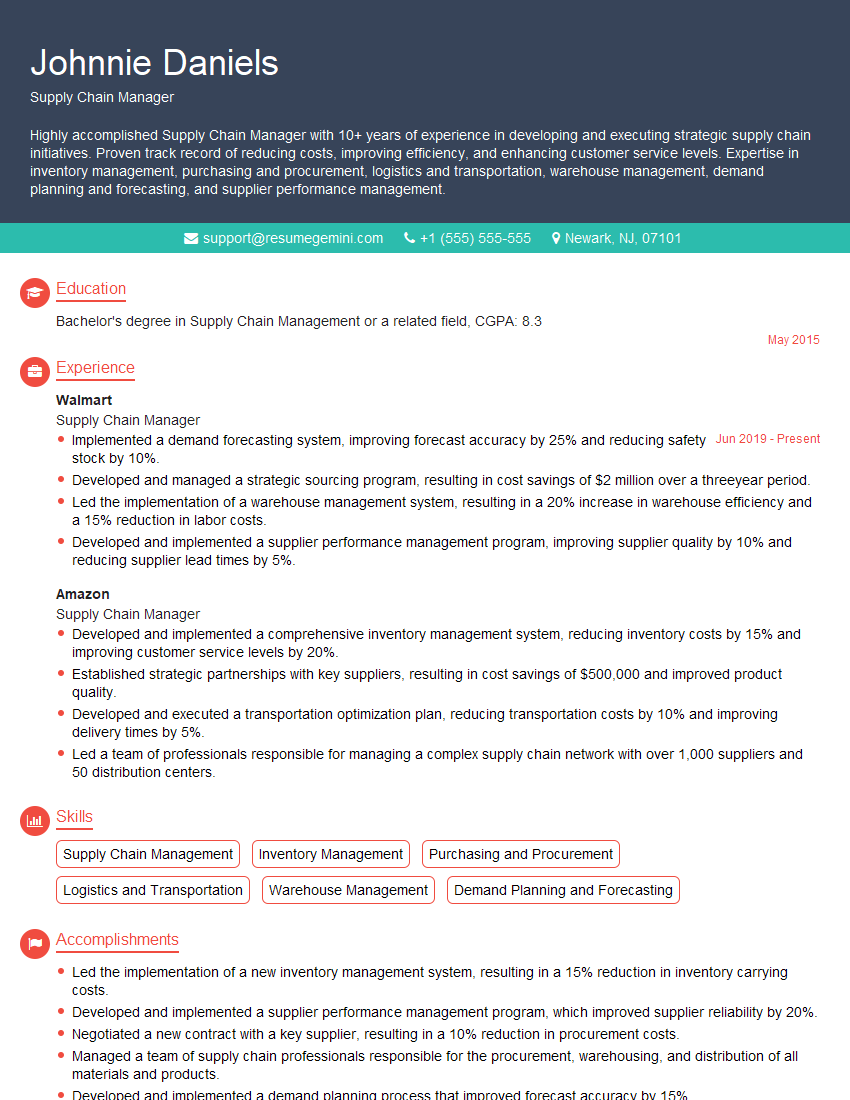
Supply Chain Manager Resume Sample

Logistics Manager Resume Sample

Warehouse Manager Resume Sample
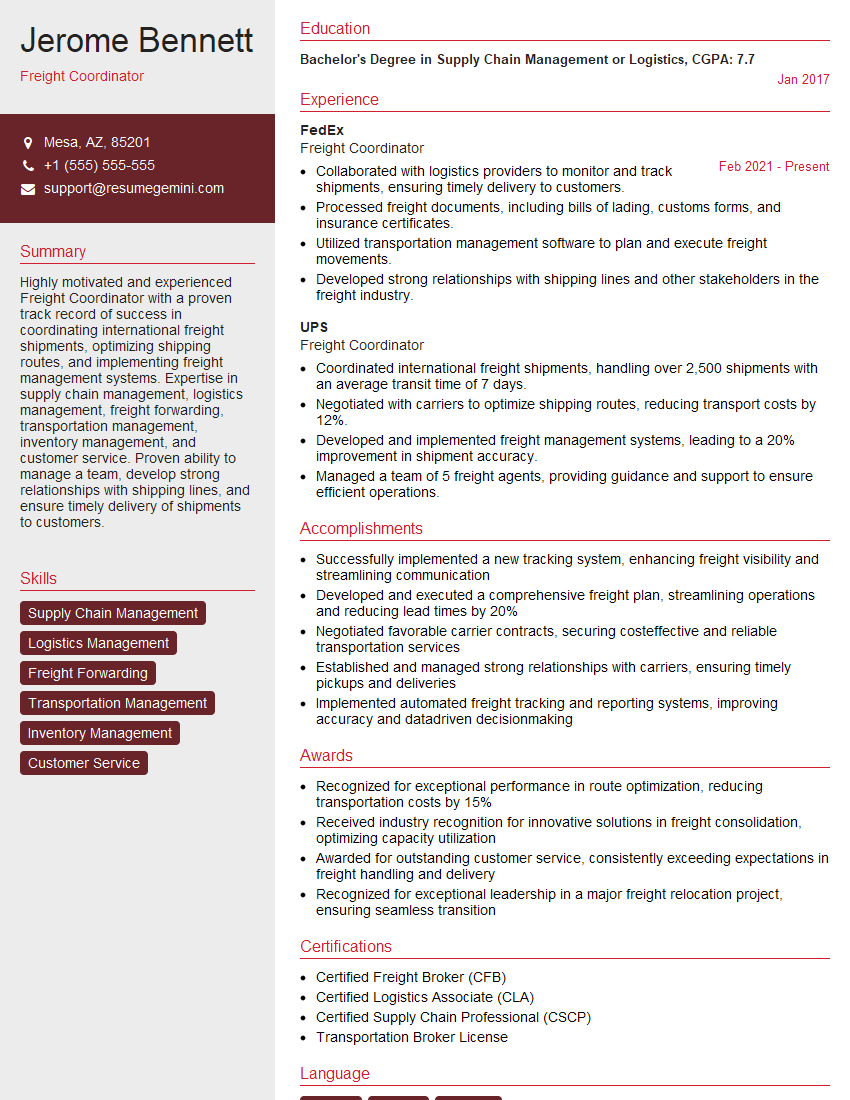
Freight Coordinator Resume Sample

Transportation Specialist Resume Sample
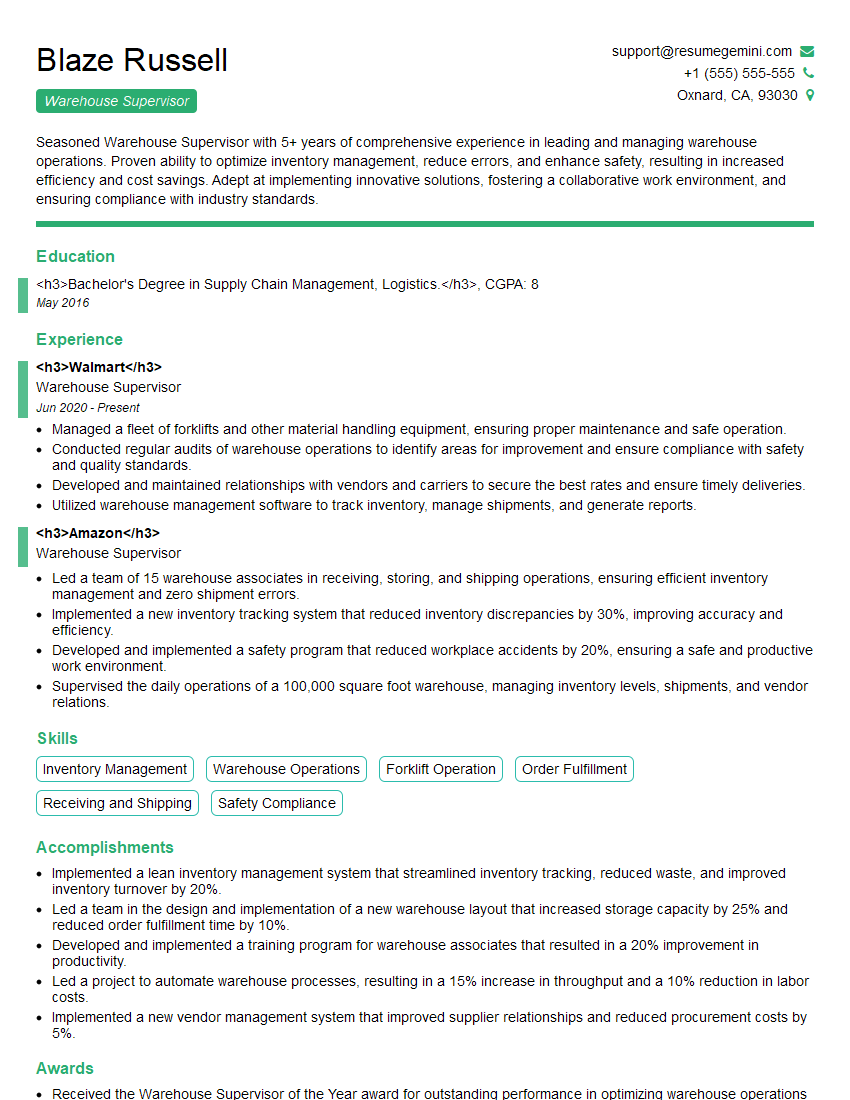
Warehouse Supervisor Resume Sample
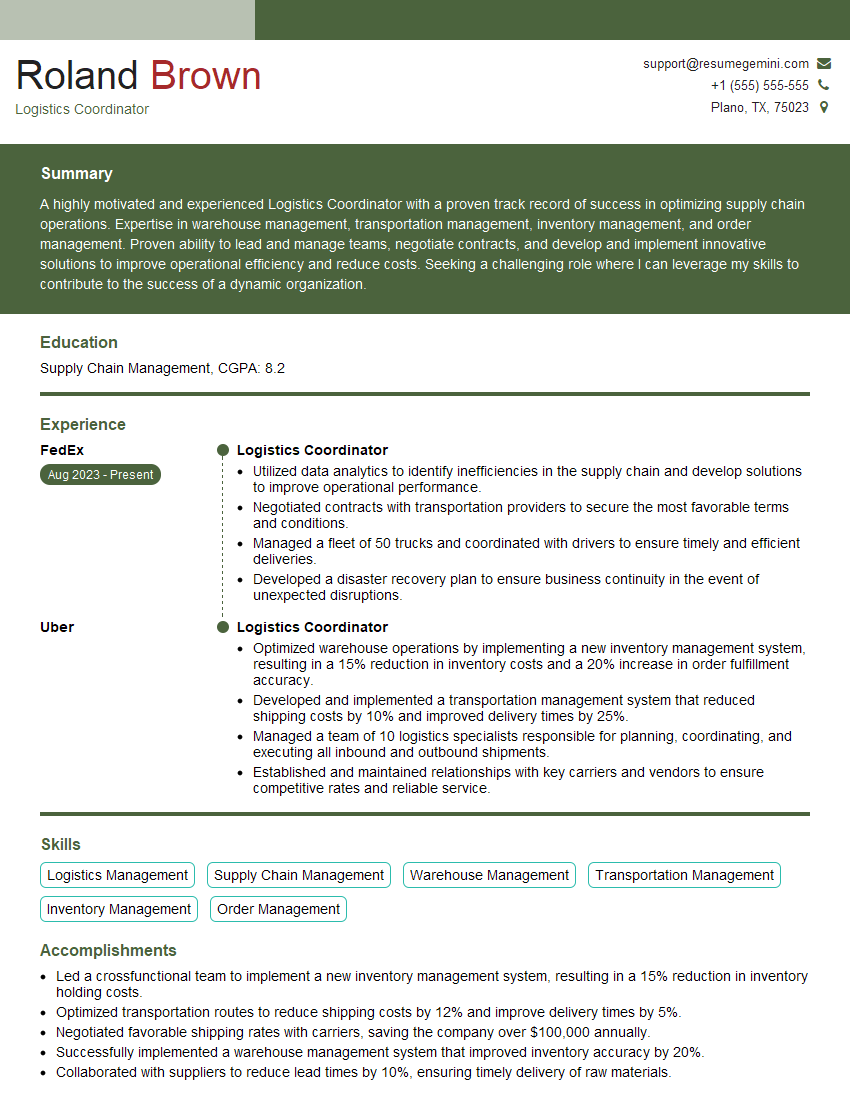
Logistics Coordinator Resume Sample
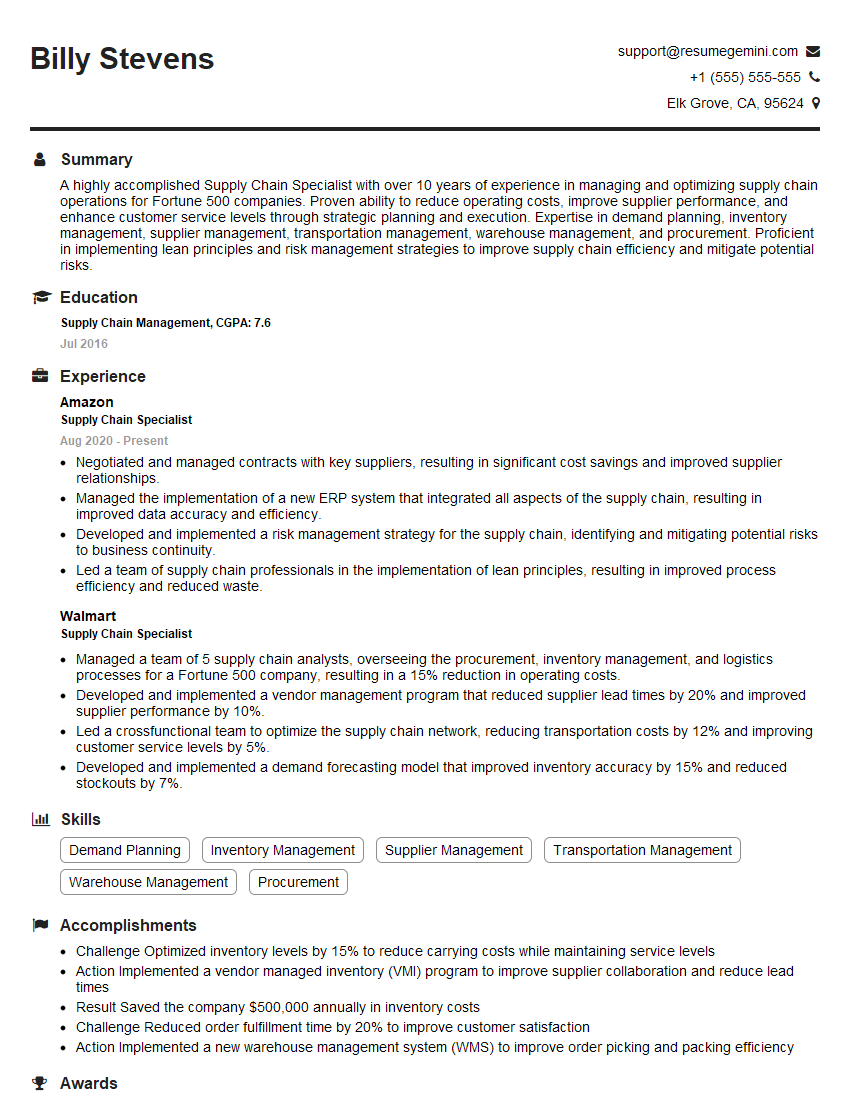
Supply Chain Specialist Resume Sample

Shipping and Receiving Clerk Resume Sample

Shipping and Receiving Supervisor Resume Sample
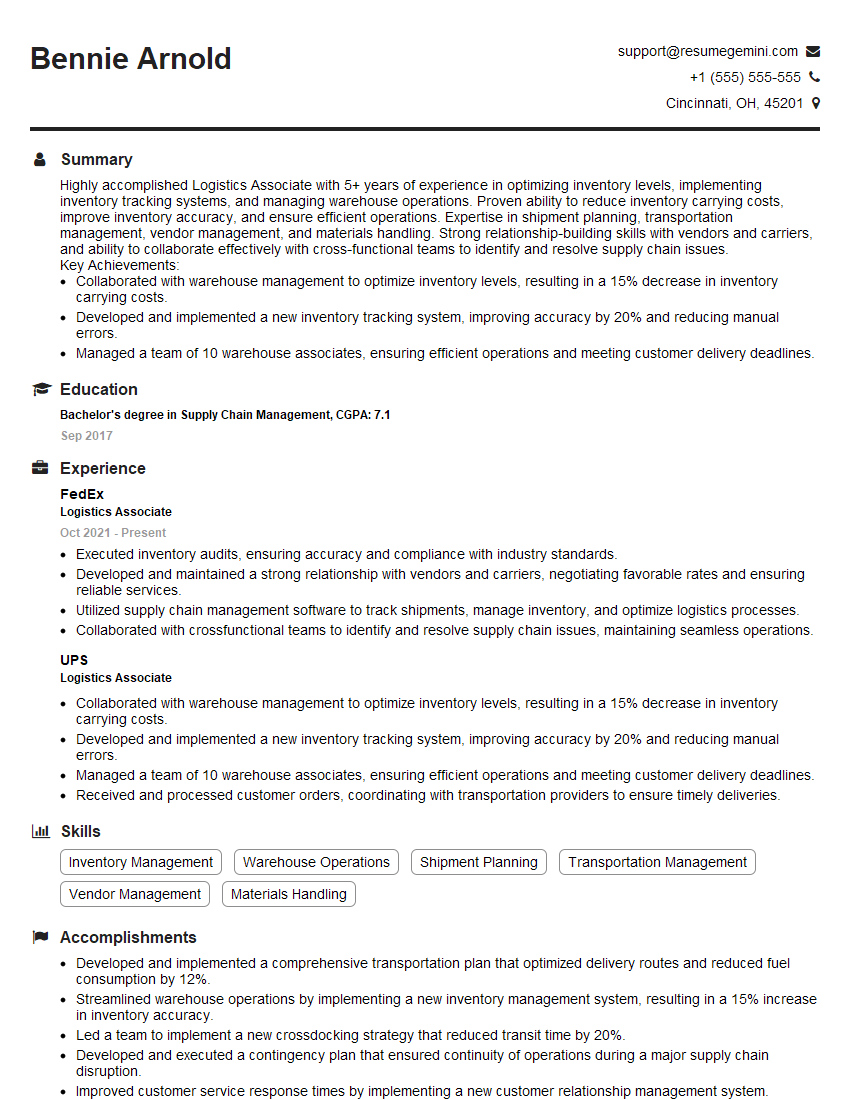
Logistics Associate Resume Sample
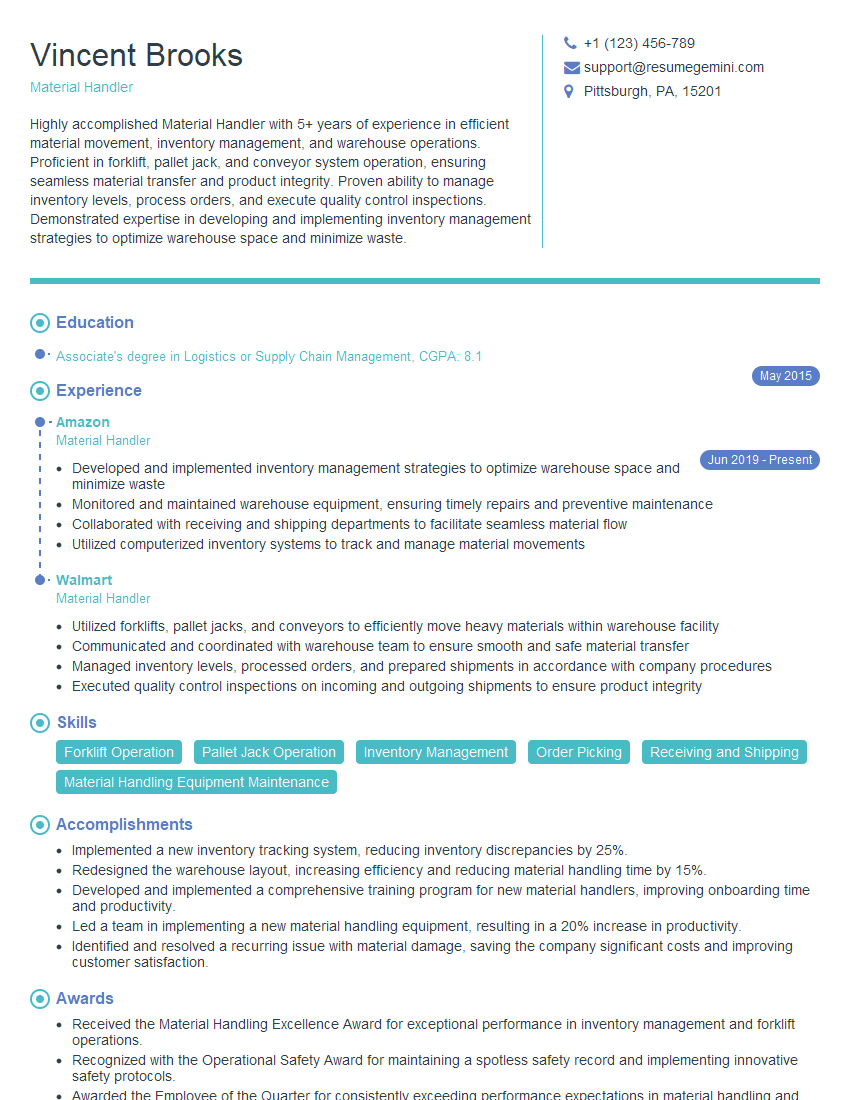
Material Handler Resume Sample
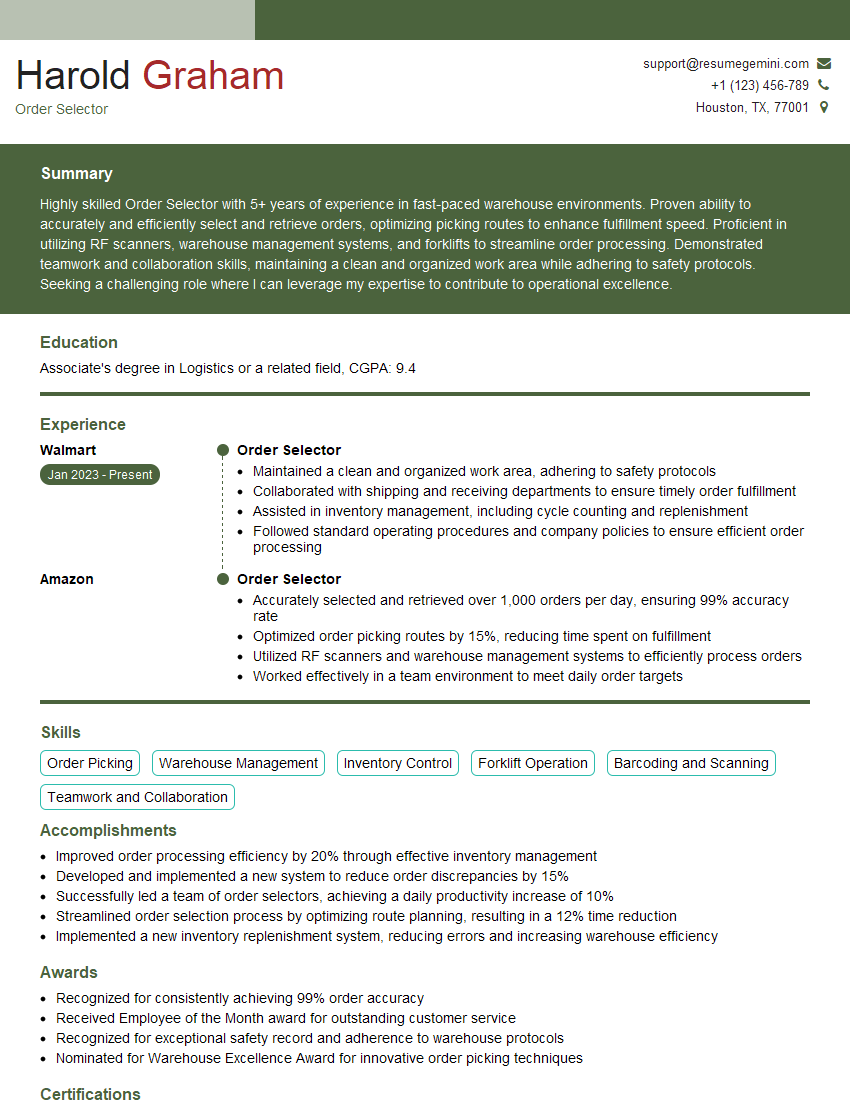
Order Selector Resume Sample
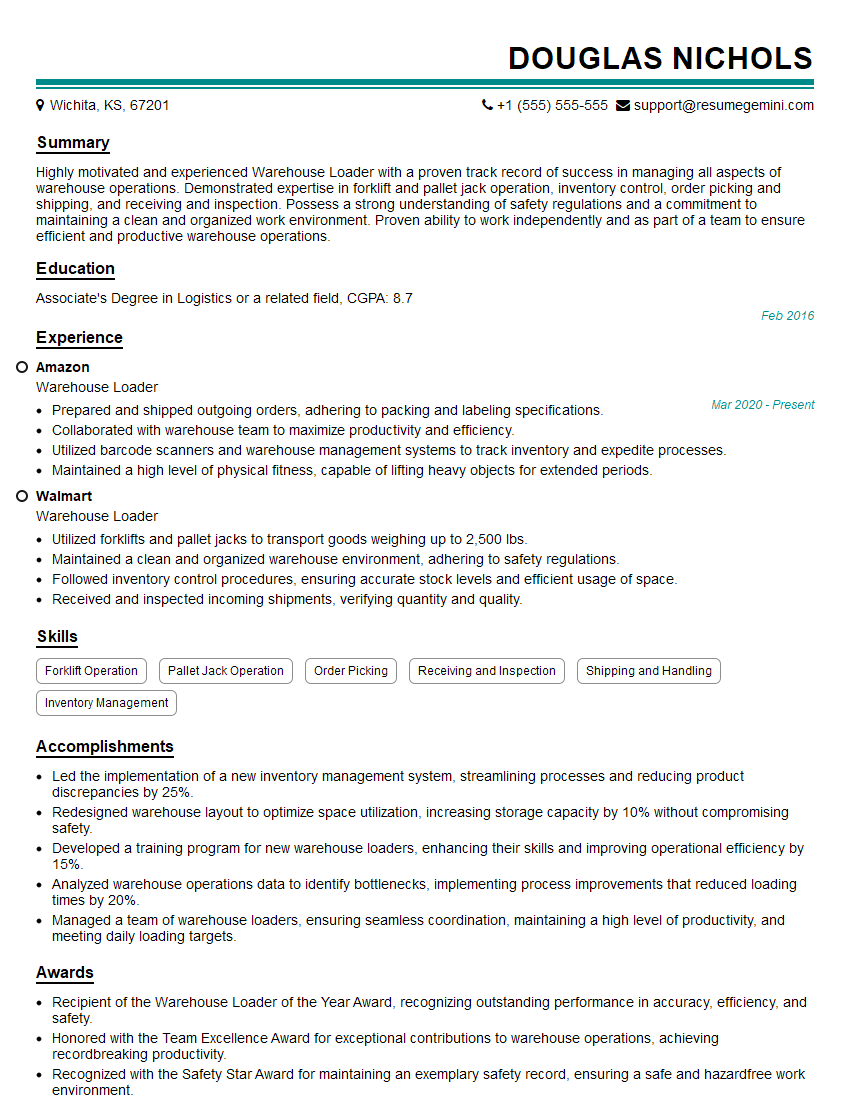
Warehouse Loader Resume Sample
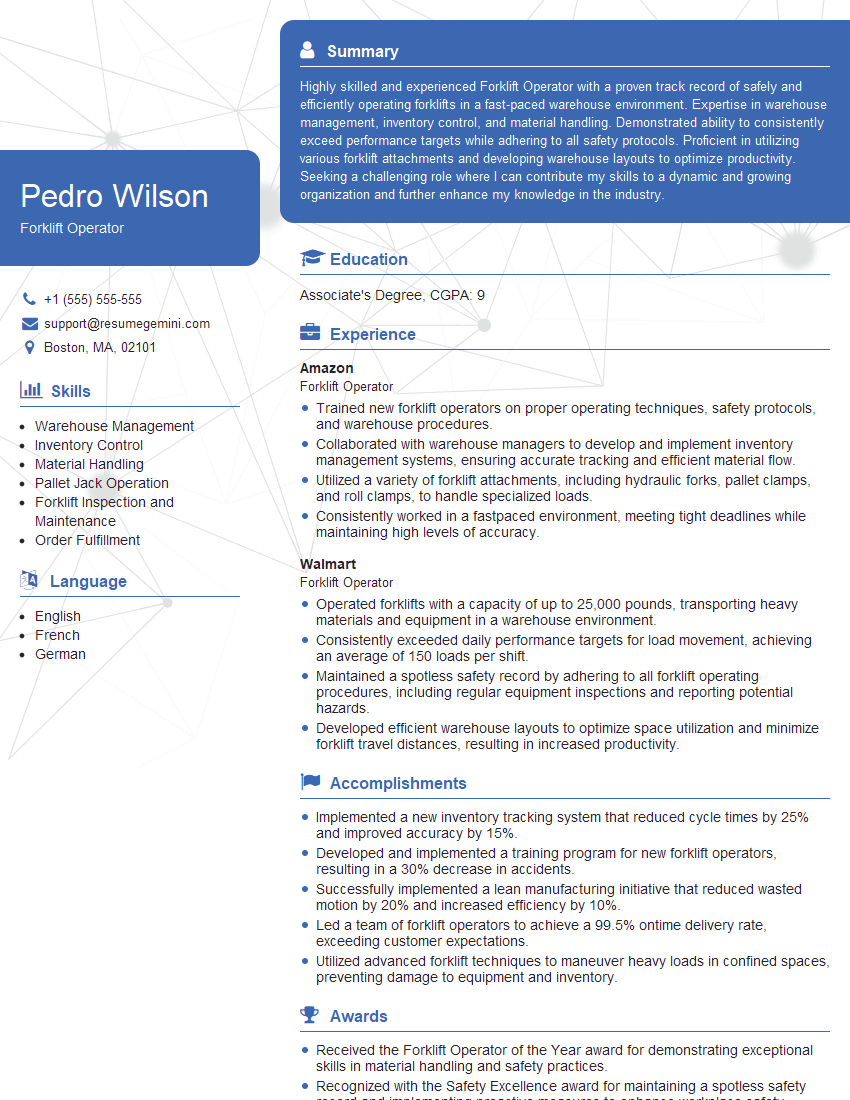
Forklift Operator Resume Sample
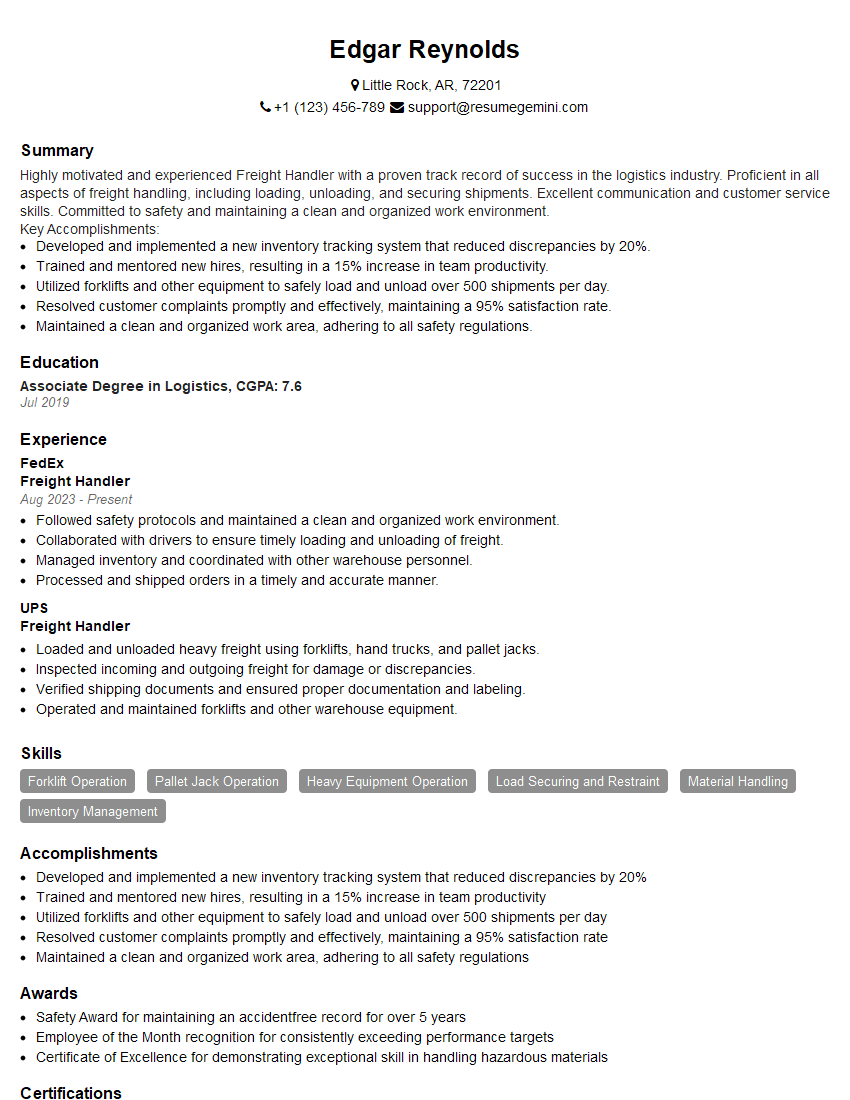
Freight Handler Resume Sample
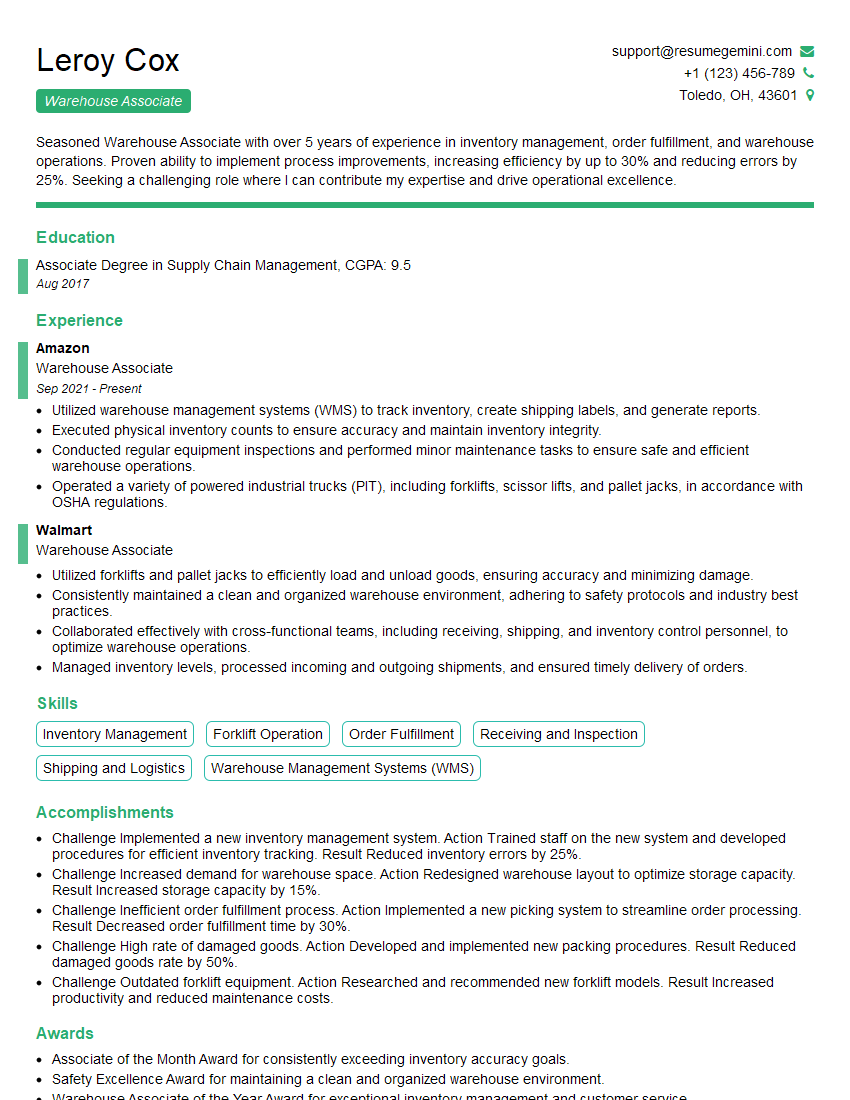
Warehouse Associate Resume Sample
- Supply Chain Manager
- Logistics Manager
- Warehouse Manager
- Freight Coordinator
- Transportation Specialist
- Warehouse Supervisor
- Logistics Coordinator
- Supply Chain Specialist
- Shipping and Receiving Clerk
- Shipping and Receiving Supervisor
- Logistics Associate
- Material Handler
- Order Selector
- Warehouse Loader
- Forklift Operator
- Freight Handler
- Warehouse Associate
Explore more articles
Users Rating of Our Blogs
Share Your Experience
We value your feedback! Please rate our content and share your thoughts (optional).
What Readers Say About Our Blog
Very informative content, great job.
good