The thought of an interview can be nerve-wracking, but the right preparation can make all the difference. Explore this comprehensive guide to Forklift or Tractor Operation interview questions and gain the confidence you need to showcase your abilities and secure the role.
Questions Asked in Forklift or Tractor Operation Interview
Q 1. Describe your experience operating a forklift.
I have over eight years of experience operating various forklift models in diverse warehouse and industrial settings. My experience ranges from loading and unloading trucks, stacking pallets to a height of 30 feet, moving materials within a facility, and operating forklifts in tight spaces. I’ve consistently maintained a perfect safety record, adhering strictly to all safety regulations and company procedures. For example, I once successfully navigated a particularly challenging situation involving a damaged pallet, preventing an accident by employing careful maneuvering and securing the unstable load with additional bracing.
Q 2. What are the different types of forklifts you are familiar with?
My experience encompasses several types of forklifts, including:
- Counterbalance forklifts: These are the most common type, excellent for general material handling and suitable for outdoor and indoor use. I’m proficient with both sit-down and stand-up rider models.
- Reach trucks: I’m skilled in operating reach trucks for high-bay warehousing, maximizing vertical space and efficiency in storage facilities. They’re crucial for accessing high-level racking systems efficiently.
- Order pickers: I’ve extensive experience using order pickers for efficient order fulfillment in warehouses. This involves precision maneuvering in narrow aisles to quickly gather specific items for orders.
- Sideloaders: I have experience using sideloaders for moving long and bulky materials, such as lumber or pipes, and am comfortable with their unique maneuvering requirements.
Understanding the strengths and limitations of each type allows me to choose the right machine for any given task, optimizing both safety and efficiency.
Q 3. Explain the pre-operational checks you perform on a forklift.
Before operating any forklift, I perform a meticulous pre-operational check, following a standardized checklist. This includes:
- Visual Inspection: Checking for any visible damage to the forks, tires, mast, and body of the forklift. I look for leaks, cracks, or any signs of wear and tear.
- Fluid Levels: I verify the levels of engine oil, hydraulic fluid, coolant, and fuel, ensuring they’re within the acceptable range. Low fluid levels can lead to serious malfunctions.
- Tires: Inspecting tire pressure and condition; ensuring they’re properly inflated and free from damage. This is critical for stability and safe operation.
- Lights and Horn: Testing all lights and the horn to guarantee they’re functioning correctly for safe operation in various conditions.
- Brakes and Steering: Testing the brakes and steering to ensure responsiveness and proper operation; avoiding potential hazards.
- Safety Devices: Confirming that the seatbelt, horn, and other safety devices are in good working condition and properly functioning.
Only after completing this thorough check and confirming everything is in order, will I proceed to operate the forklift. Think of it like a pilot pre-flight checklist – essential for a safe and productive operation.
Q 4. How do you ensure the safety of yourself and others while operating a forklift?
Safety is my paramount concern. I consistently practice the following to ensure the safety of myself and others:
- Following all safety regulations: This includes adhering strictly to speed limits, maintaining a safe distance from other workers and equipment, and never operating a forklift under the influence of drugs or alcohol.
- Wearing appropriate Personal Protective Equipment (PPE): This includes safety shoes, high-visibility clothing, and a hard hat, ensuring adequate protection against potential hazards.
- Conducting regular safety inspections: By consistently inspecting the forklift’s condition and reporting any potential problems, I help minimize the risk of accidents.
- Being aware of my surroundings: Constantly scanning my environment for pedestrians, other vehicles, and obstacles helps me avoid collisions and potential hazards.
- Using appropriate signaling: Communicating my intentions through hand signals or the horn prevents misunderstandings and potential accidents.
- Proper load handling: Never exceeding the forklift’s rated capacity and using correct techniques for lifting, transporting and placing loads to prevent toppling.
My commitment to safety is unwavering; it is not just a set of rules, but a fundamental principle of my work ethic.
Q 5. What is your experience with load capacity and weight distribution?
Understanding load capacity and weight distribution is crucial for safe and efficient forklift operation. I have extensive experience determining the appropriate forklift for a given load, checking the load’s weight, and ensuring it’s evenly distributed across the forks to prevent tipping. I’m familiar with the data plates on forklifts which specify their maximum load capacity, and I always ensure the weight of the load, including any unevenness, remains within these limits.
For instance, if I’m moving a pallet of bricks, I will carefully assess the weight and ensure the pallet is stable and the load is centrally positioned on the forks to maintain balance and prevent the forklift from tipping over, even during turns. Misjudging weight distribution is a common cause of forklift accidents, and I’m rigorously trained to avoid this.
Q 6. Describe your experience operating a tractor.
My experience with tractors spans five years, primarily focusing on agricultural applications. This includes operating tractors for plowing, planting, cultivating, harvesting, and general farm maintenance. I am proficient in operating both conventional and modern tractors with various attachments, such as tillers, mowers, and trailers. I have a solid understanding of tractor mechanics, including basic maintenance and troubleshooting.
For example, I’ve successfully managed large-scale planting operations, ensuring precise seeding depth and spacing for optimal crop yield. This involved careful adjustments of tractor settings and attachments based on soil conditions and field topography.
Q 7. What are the different types of tractors you are familiar with?
My familiarity with tractors includes:
- Wheel Tractors: These are versatile and widely used for various agricultural tasks, from plowing and tilling to hauling implements. I’m experienced with both two-wheel drive and four-wheel drive models, understanding their applications in different terrains and conditions.
- Crawler Tractors (Track Tractors): I’ve operated crawler tractors for heavy-duty applications such as land clearing and working in challenging terrains with poor traction. They are ideal for heavier loads and rougher terrains.
- Compact Tractors: I’m also experienced with compact tractors, perfect for smaller farms or specialized tasks requiring maneuverability.
My experience encompasses a wide range of tractor sizes and configurations, allowing me to adapt to diverse operational needs and environments. Each type has its own strengths and limitations, and knowing these distinctions is key to safe and efficient operation.
Q 8. Explain the pre-operational checks you perform on a tractor.
Before operating a tractor, a thorough pre-operational check is crucial for safety and efficiency. Think of it like a pilot’s pre-flight checklist – it’s non-negotiable. My routine involves several steps:
- Visual Inspection: I start with a walk-around, checking for any obvious damage like leaks, loose bolts, or worn tires. I pay close attention to the hydraulic lines and PTO (Power Take-Off) shaft for any signs of damage or leakage.
- Fluid Levels: I check the engine oil, transmission oil, coolant, and hydraulic fluid levels, ensuring they are within the recommended ranges. Low levels can lead to overheating or mechanical failure.
- Tire Pressure: Proper tire inflation is critical for traction and stability. Under-inflated tires can lead to punctures and reduced fuel efficiency, while over-inflation increases the risk of a blowout.
- Brakes and Steering: I test the brakes to ensure they are responsive and effective. I also check the steering for smooth operation and responsiveness, making sure there’s no binding or play.
- Safety Features: I verify the functionality of the lights, horn, seatbelt, and ROPS (Roll Over Protective Structure). A properly functioning ROPS is a lifesaver in case of a rollover.
- Attachments: If using any attachments, such as a plow or cultivator, I inspect them for damage, secure mounting, and proper functionality. A loose attachment is a dangerous hazard.
Only after completing this comprehensive checklist and ensuring everything is in optimal working order do I proceed to start the tractor.
Q 9. How do you maintain the safety of yourself and others while operating a tractor?
Maintaining safety during tractor operation is paramount. It’s not just about my safety; it’s about the safety of others and the environment. My approach involves:
- Awareness of Surroundings: I constantly scan my surroundings, paying attention to pedestrians, other vehicles, and any potential obstacles. I never assume anyone sees me; I always make my presence known.
- Safe Operating Speed: I adjust my speed according to the terrain and conditions. High speeds on uneven ground increase the risk of rollovers or loss of control. I also reduce speed when approaching intersections or other areas with reduced visibility.
- Proper Signaling: I use the tractor’s lights, horn, and hand signals appropriately to communicate my intentions to others. Clear communication is essential to prevent accidents.
- Load Management: I never overload the tractor or its attachments. Overloading compromises stability and increases the risk of tipping or equipment damage. I always stay within the manufacturer’s weight limits.
- Personal Protective Equipment (PPE): I always wear appropriate PPE, including a seatbelt, sturdy footwear, and appropriate clothing to avoid getting caught in moving parts. Eye protection is also crucial to prevent injury from flying debris.
- Weather Conditions: I am highly cautious in adverse weather conditions, such as rain, fog, or strong winds. Reduced visibility and slippery conditions significantly increase the risk of accidents. In extreme conditions, I may halt operation altogether.
Safety is not just a set of rules; it’s a mindset. I treat every operation with the seriousness it deserves.
Q 10. What is your experience with different tractor attachments?
My experience with tractor attachments is quite extensive. I’ve worked with a variety of implements, each suited for specific tasks. For example:
- Plows: I’m proficient in using both moldboard and disk plows for various soil types and tillage operations. I understand the importance of adjusting the plow’s depth and angle to achieve optimal results.
- Cultivators: I have experience using different cultivator types to control weeds and prepare the seedbed. Knowing how to adjust the cultivator’s depth and spacing is crucial for efficient weed control without damaging the soil structure.
- Harvesters: I’ve operated several types of harvesters, including hay balers and combines. This requires understanding the complexities of these machines and adjusting settings depending on the crop and its condition.
- Loaders: I’m experienced with front-end loaders, using them for material handling tasks such as loading and unloading feed, manure, or other materials. Safe load handling practices are paramount here.
- Backhoes: I have experience with operating backhoes for excavation and trenching. This includes understanding the safe operation procedures and ground conditions.
My knowledge of these attachments and their applications allows me to perform a wide range of tasks efficiently and safely.
Q 11. Describe your experience with tractor maintenance.
Tractor maintenance is an integral part of safe and efficient operation. Neglecting maintenance can lead to costly repairs, breakdowns, and safety hazards. My experience encompasses:
- Routine Checks: I perform daily checks of fluid levels, tire pressure, and overall condition of the tractor, including visual inspections for leaks or damage. I’m diligent in reporting any issues immediately.
- Preventative Maintenance: I’m familiar with scheduled maintenance tasks such as oil changes, filter replacements, and lubrication. I keep detailed records of all maintenance performed to track the tractor’s health and ensure timely service.
- Troubleshooting: I have experience diagnosing and repairing minor mechanical issues. This includes identifying problems with the engine, transmission, hydraulic system, and electrical components.
- Component Replacement: I’m capable of replacing worn or damaged parts such as belts, hoses, and filters, ensuring the tractor’s continued functionality and safety.
- Working with Mechanics: I understand the importance of collaborating with skilled mechanics when major repairs are necessary. I can effectively describe the problem to mechanics, ensuring they receive accurate and relevant information.
Proactive maintenance not only saves money in the long run but also enhances safety and minimizes downtime.
Q 12. How do you handle unexpected situations during operation (e.g., mechanical failure)?
Handling unexpected situations requires quick thinking and a calm approach. My response to a mechanical failure would depend on the nature of the problem, but my general procedure involves:
- Safety First: I immediately assess the situation, prioritizing my safety and the safety of others. If the situation is dangerous, I’ll exit the tractor and move to a safe location.
- Assess the Problem: I’ll try to identify the source of the problem, checking gauges and listening for unusual noises. Experience helps in quickly recognizing common mechanical failures.
- Emergency Procedures: I’ll follow the tractor’s emergency procedures, engaging the parking brake, turning off the engine, and activating hazard lights if necessary.
- Communication: If necessary, I’ll communicate the situation to my supervisor or maintenance personnel, providing them with as much information as possible about the problem and location.
- Preventative Measures: Depending on the nature of the failure, I’ll take steps to secure the equipment and prevent further damage or injury. If the failure is minor, and safe to do so, I might attempt a temporary fix.
I’ve learned that a calm and methodical response is crucial during emergencies. Panicking only exacerbates the situation.
Q 13. What is your experience with different types of terrain?
Experience with various terrains is vital for safe and efficient tractor operation. My experience includes:
- Flat Terrain: Operating on flat, level ground is generally straightforward, but maintaining awareness of obstacles and maintaining appropriate speeds remains critical.
- Sloped Terrain: Operating on slopes requires extra caution. I understand the risks of rollovers and always adjust my speed and technique to match the slope’s incline and the soil conditions. I’m careful to avoid sharp turns and maintain a steady speed.
- Rough Terrain: Operating on uneven or rocky terrain requires careful maneuvering. I adjust my speed to maintain control and prevent damage to the tractor and its attachments. Proper tire pressure is crucial here.
- Wet or Muddy Terrain: Operating in wet or muddy conditions significantly reduces traction. I adjust my speed accordingly, avoiding sharp turns and sudden movements. I may use specific tire chains or weights to increase traction.
Understanding the challenges posed by different terrains is essential for avoiding accidents and completing the job efficiently.
Q 14. How do you ensure the safe transportation of goods/materials?
Safe transportation of goods and materials using a tractor involves careful planning and execution. My approach includes:
- Load Securement: I always ensure the load is properly secured to prevent shifting or spillage during transport. I utilize appropriate straps, chains, or other securing devices to prevent accidents.
- Weight Distribution: I carefully distribute the weight of the load to maintain the tractor’s stability and prevent tipping. I avoid overloading the tractor or its attachments.
- Slow Speed Transport: I always drive at a slow and safe speed during transport, especially on uneven terrain or when navigating turns. This minimizes the risk of accidents.
- Visibility: I ensure good visibility during transport, using lights and signals as needed. I avoid transporting goods at night or in low visibility conditions unless absolutely necessary and with additional precautions.
- Route Planning: I plan the route carefully, selecting the safest and most efficient path, considering traffic conditions and potential obstacles.
- Maintenance of Equipment: Ensuring the tractor’s brakes, steering, and lights are in good working condition is crucial for safe transportation. Regular maintenance reduces the risks of breakdowns on the road.
Safe transportation of goods is not just about reaching the destination; it’s about doing so without causing harm to people or property.
Q 15. How do you manage your time effectively during a busy shift?
Effective time management during a busy shift is crucial for productivity and safety. My approach involves prioritizing tasks based on urgency and importance. I utilize a system of visual task management, similar to a checklist, ensuring I don’t overlook critical steps. For example, if I have a large order to fulfill and several smaller requests, I’ll prioritize the large order first to minimize downtime and ensure timely completion. I also incorporate short, planned breaks to maintain focus and prevent fatigue. Think of it like a race – pacing yourself is key to finishing strong.
- Prioritization: Urgent and important tasks are tackled first.
- Visual Task Management: Using a checklist or similar system to track progress.
- Planned Breaks: Short, regular breaks to improve focus and prevent fatigue.
Career Expert Tips:
- Ace those interviews! Prepare effectively by reviewing the Top 50 Most Common Interview Questions on ResumeGemini.
- Navigate your job search with confidence! Explore a wide range of Career Tips on ResumeGemini. Learn about common challenges and recommendations to overcome them.
- Craft the perfect resume! Master the Art of Resume Writing with ResumeGemini’s guide. Showcase your unique qualifications and achievements effectively.
- Don’t miss out on holiday savings! Build your dream resume with ResumeGemini’s ATS optimized templates.
Q 16. What is your experience with inventory management systems?
My experience with inventory management systems includes using both manual and computerized systems. In previous roles, I’ve used systems like [mention specific system if comfortable, otherwise use a generic example like] ‘Warehouse Management System (WMS)’ to track inventory levels, locate items, and manage stock replenishment. I’m proficient in scanning barcodes, updating inventory records, and identifying discrepancies. For instance, if a discrepancy arises between the physical count and the system’s record, I meticulously investigate, often checking for misplaced items or potential data entry errors. My understanding extends to FIFO (First-In, First-Out) and LIFO (Last-In, First-Out) inventory management principles, which are crucial for preventing stock spoilage and maintaining efficiency.
Q 17. How do you handle operating in a fast-paced environment?
Operating in a fast-paced environment requires a combination of skill, focus, and adaptability. My experience has taught me to remain calm under pressure and prioritize safety above all else. I handle multiple tasks simultaneously by systematically breaking down complex operations into smaller, manageable steps. For example, during peak periods, I might coordinate with other workers to streamline the process, ensuring efficient material handling. This minimizes congestion and keeps the workflow moving smoothly. I also proactively anticipate potential bottlenecks and adjust my approach accordingly.
Think of it like conducting an orchestra – each section (task) needs to be played in harmony to create a beautiful piece (efficient operation).
Q 18. What safety procedures do you follow when working near other equipment?
Safety is paramount when operating near other equipment. I always adhere to strict safety protocols, which include maintaining a safe distance from other machinery, using audible warnings when maneuvering, and ensuring clear communication with other operators. I never operate a forklift or tractor without ensuring I have a clear and unobstructed path. Before beginning any movement, I visually check my surroundings, using mirrors and horns as needed. I also regularly inspect my equipment for any potential mechanical issues that could compromise safety.
- Maintain Safe Distance: Keep a safe distance from other equipment and personnel.
- Audible Warnings: Use horns or other warning signals appropriately.
- Clear Communication: Maintain open communication with other operators.
- Pre-Operational Checks: Thoroughly inspect equipment before use.
Q 19. Explain your understanding of load stability and center of gravity.
Load stability and center of gravity are critical concepts for safe operation. Understanding these principles helps prevent tipping accidents. The center of gravity is the point where the weight of an object is evenly distributed. If the center of gravity is too high or shifted too far, the load becomes unstable, increasing the risk of tipping. To maintain stability, I ensure the load is properly secured, the weight is evenly distributed, and the forklift or tractor is operated within its load capacity limits. For example, I never stack loads unevenly, and I always travel slowly and smoothly when carrying heavy loads. This involves considering the load’s dimensions and weight in relation to the machine’s capacity.
Q 20. How do you address potential hazards on the job site?
Addressing potential hazards on a job site involves proactive hazard identification, risk assessment, and implementing control measures. I regularly scan my work area for potential hazards such as spills, uneven terrain, or obstructions. If I identify a hazard, I report it immediately to my supervisor, following the established reporting procedures. For example, if I notice a spill, I’ll cordon off the area and report the incident to prevent accidents. I also ensure I’m wearing appropriate Personal Protective Equipment (PPE) at all times.
Q 21. What is your experience with different types of fuel systems?
My experience encompasses various fuel systems, including diesel, gasoline, and propane. I understand the specific requirements and safety precautions associated with each fuel type. I’m familiar with refueling procedures, including proper handling and disposal of fuel, and the importance of preventing spills or leaks. I’m also trained on recognizing and addressing potential fuel system problems. For example, I understand how to identify symptoms of fuel starvation or leaks and take appropriate action to prevent damage or further problems.
Q 22. How do you perform routine maintenance on the equipment you operate?
Routine maintenance is crucial for ensuring the safe and efficient operation of any forklift or tractor. My approach is systematic and follows a checklist, adapting to the specific machine’s requirements.
- Pre-operational Checks: Before each shift, I inspect tires for wear and pressure, check fluid levels (engine oil, transmission fluid, hydraulic fluid, coolant), examine belts and hoses for cracks or damage, and ensure all lights and safety features are functional. I’ll also check the battery charge on an electric forklift.
- Regular Servicing: This includes tasks like changing oil and filters at the recommended intervals, lubricating moving parts (greasing joints, etc.), cleaning air filters, and inspecting the brakes and steering mechanisms. I keep detailed records of all service performed.
- Addressing Minor Issues Immediately: Any unusual noises, leaks, or performance issues are addressed immediately. For example, if I notice a squealing sound from the brakes, I would report it immediately to prevent further damage and ensure safety.
- Post-Operational Cleaning: After each shift, I thoroughly clean the machine, removing any debris or dirt that could impede its function or create safety hazards. I also make sure all attachments are securely stored.
Thinking proactively about maintenance prevents costly repairs down the line and minimizes downtime. It’s a habit I’ve cultivated throughout my career, ensuring both my safety and the efficiency of my work.
Q 23. Describe your experience with troubleshooting mechanical issues.
Troubleshooting mechanical issues is a key part of my job. My approach involves a combination of systematic diagnosis, practical experience, and, if needed, consulting the machine’s manual.
- Identify the Problem: First, I precisely identify the issue. Is the engine not starting? Is there a hydraulic leak? Is there unusual noise or vibration?
- Visual Inspection: I visually inspect relevant components, looking for obvious problems like loose connections, broken parts, or leaks.
- Check Fluid Levels: I check all fluid levels (oil, coolant, hydraulic fluid). Low levels can point to leaks or other problems.
- Testing and Diagnostics: I might use simple tests, such as checking spark plugs on an internal combustion engine or testing the battery voltage on an electric forklift. For more complex issues, I might use diagnostic tools.
- Documentation and Reporting: Once I’ve identified the problem, I thoroughly document my findings and report them to the appropriate supervisor. This ensures the problem is addressed efficiently and that any necessary repairs are made.
For example, I once had a forklift that wouldn’t start. After checking the battery (which was fine), I noticed a loose connection in the starter motor. Tightening the connection resolved the issue. However, I also documented the incident to highlight the need for regular inspections of electrical connections.
Q 24. How do you handle difficult or challenging situations?
Difficult situations call for calm, decisive action and adherence to safety protocols. I prioritize safety above all else.
- Assess the Situation: The first step is to thoroughly assess the situation, identifying the immediate risks and potential consequences.
- Prioritize Safety: Safety is my top priority. If a situation is unsafe, I’ll immediately stop work and report the hazard.
- Problem-Solving: I utilize problem-solving techniques, such as brainstorming solutions with colleagues, seeking guidance from supervisors, or consulting relevant manuals.
- Communicate Effectively: Clear and concise communication with colleagues and supervisors is crucial. I clearly explain the situation and the actions I’m taking.
- Adapt and Learn: I always try to learn from difficult situations to improve my performance in future similar circumstances.
In one instance, a heavy pallet shifted unexpectedly while I was moving it with a forklift. I immediately stopped the forklift, assessed the situation (no injuries, no major damage), and then carefully secured the pallet before continuing.
Q 25. What are your strengths and weaknesses as an operator?
My strengths lie in my meticulous attention to detail, my commitment to safety, and my ability to quickly troubleshoot mechanical issues. I’m also a proactive learner, constantly seeking ways to improve my skills and knowledge.
A weakness I’m working on is delegating tasks. I sometimes take on too much responsibility, but I’m actively learning to trust and rely on my team members more effectively.
Q 26. Describe a time you had to adapt to a changing work environment.
I once worked on a construction site where the layout and tasks changed frequently. To adapt, I focused on maintaining flexible work habits and communicating clearly with my supervisors and fellow workers.
- Open Communication: I frequently communicated with supervisors about changes to stay updated on shifting priorities and work assignments.
- Adaptability and Flexibility: I quickly adjusted my work schedule and approach to match the new circumstances.
- Continuous Learning: I embraced new challenges and actively sought out training opportunities related to new equipment or procedures.
This experience taught me the importance of adaptability and open communication in a dynamic work environment.
Q 27. What safety regulations are you familiar with?
I am thoroughly familiar with all relevant OSHA (Occupational Safety and Health Administration) regulations pertaining to forklift and tractor operation. This includes:
- Pre-operational inspections: Thorough daily checks of equipment are mandatory to ensure safety.
- Safe operating procedures: Following guidelines for load capacity, speed limits, and safe maneuvering.
- Personal protective equipment (PPE): Consistent use of safety gear such as seat belts, safety glasses, and hearing protection.
- Load stability: Proper handling of loads to prevent tipping or accidents.
- Pedestrian safety: Awareness of and consideration for pedestrians in the operating area. Sounding the horn frequently and maintaining safe distances.
- Emergency procedures: Knowledge of emergency shut-off procedures and reporting protocols.
I also understand and adhere to any site-specific safety regulations.
Q 28. What are your salary expectations?
My salary expectations are commensurate with my experience and skills, and in line with the industry standard for experienced forklift/tractor operators in this region. I am open to discussing a specific range after learning more about the compensation and benefits package offered.
Key Topics to Learn for Forklift or Tractor Operation Interview
- Safety Procedures and Regulations: Understanding and applying all relevant safety protocols, including pre-operation checks, load securing, and emergency procedures. This demonstrates your commitment to workplace safety.
- Equipment Operation and Maintenance: Detailed knowledge of your chosen equipment (forklift or tractor) – its controls, functionalities, and routine maintenance checks. Be prepared to discuss practical experience with preventative maintenance.
- Load Handling and Transportation: Safe and efficient techniques for loading, transporting, and unloading various materials. Discuss strategies for optimizing efficiency and minimizing risk of damage.
- Troubleshooting and Problem Solving: Ability to identify and address common mechanical issues, or at least know the proper reporting procedures for malfunctions. This showcases your problem-solving skills and resourcefulness.
- Warehouse/Farm Operations and Logistics: Familiarity with warehouse layout, inventory management (for forklift operators), or field operations and crop management (for tractor operators). Understanding the broader operational context is crucial.
- Communication and Teamwork: Effective communication with supervisors and colleagues, including reporting issues and collaborating on tasks. Highlight your ability to work effectively as part of a team.
Next Steps
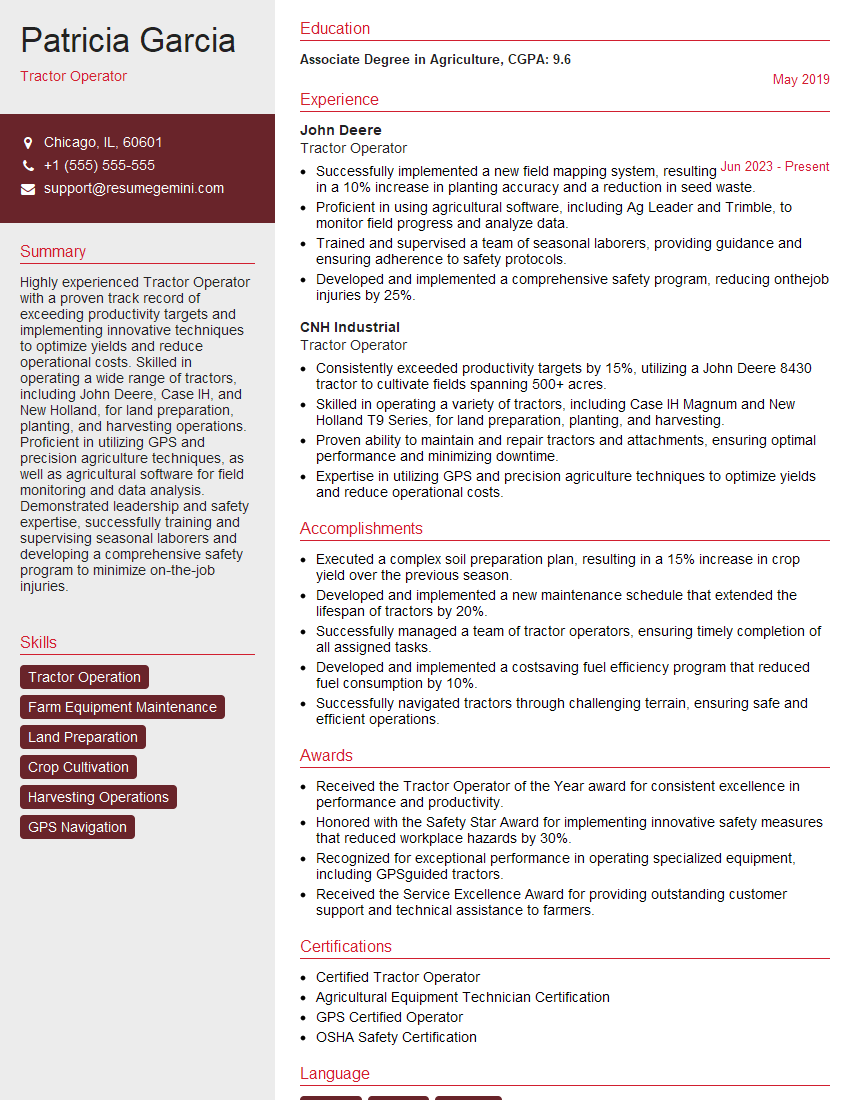
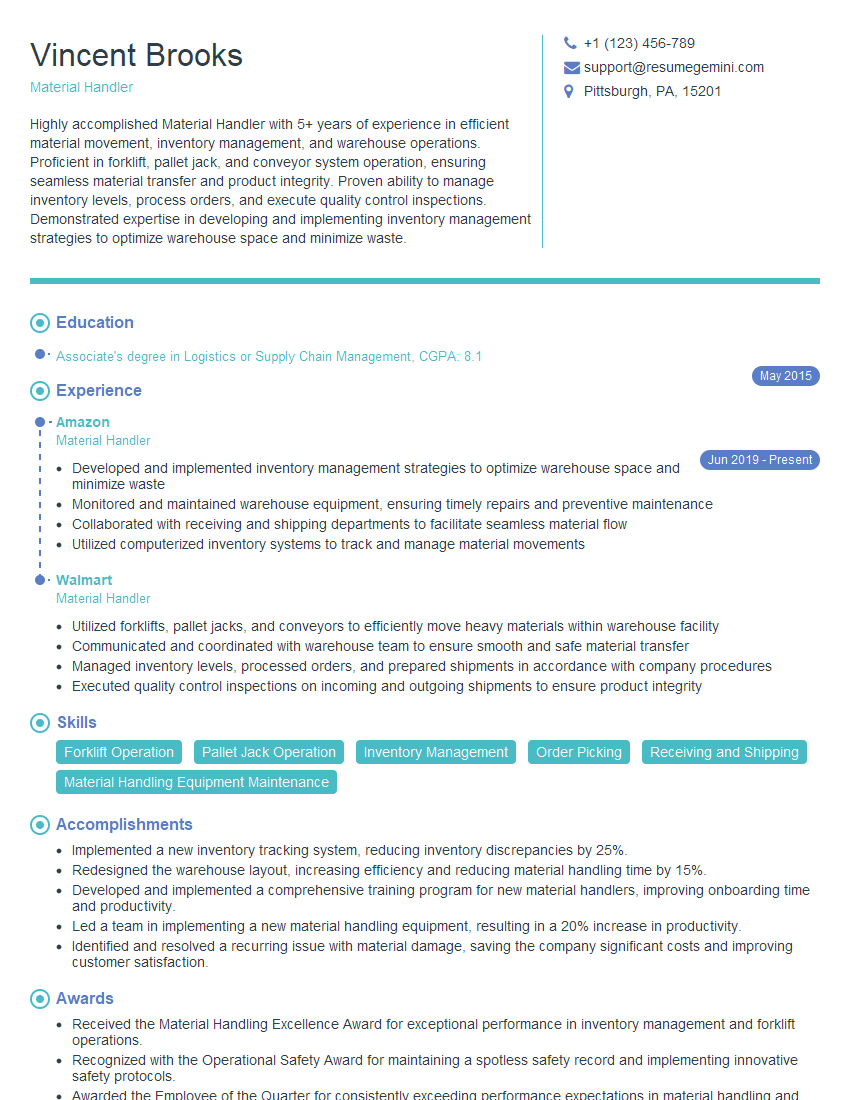
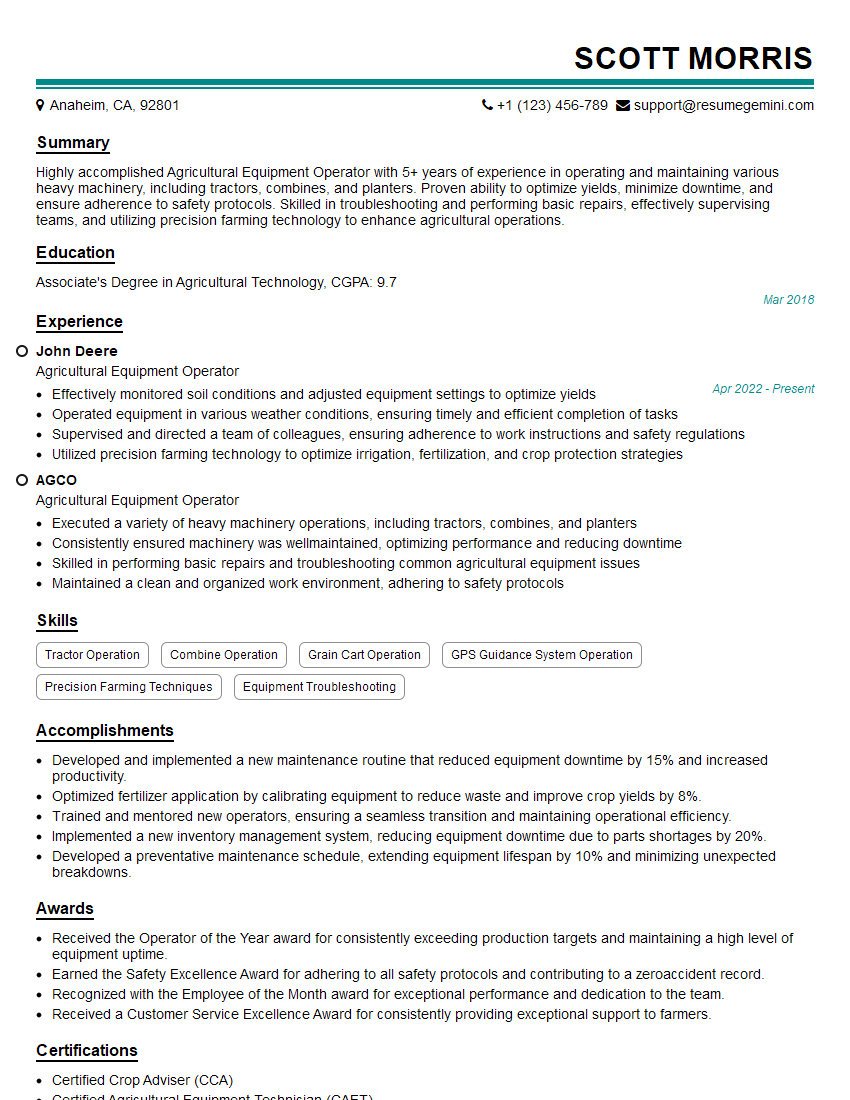
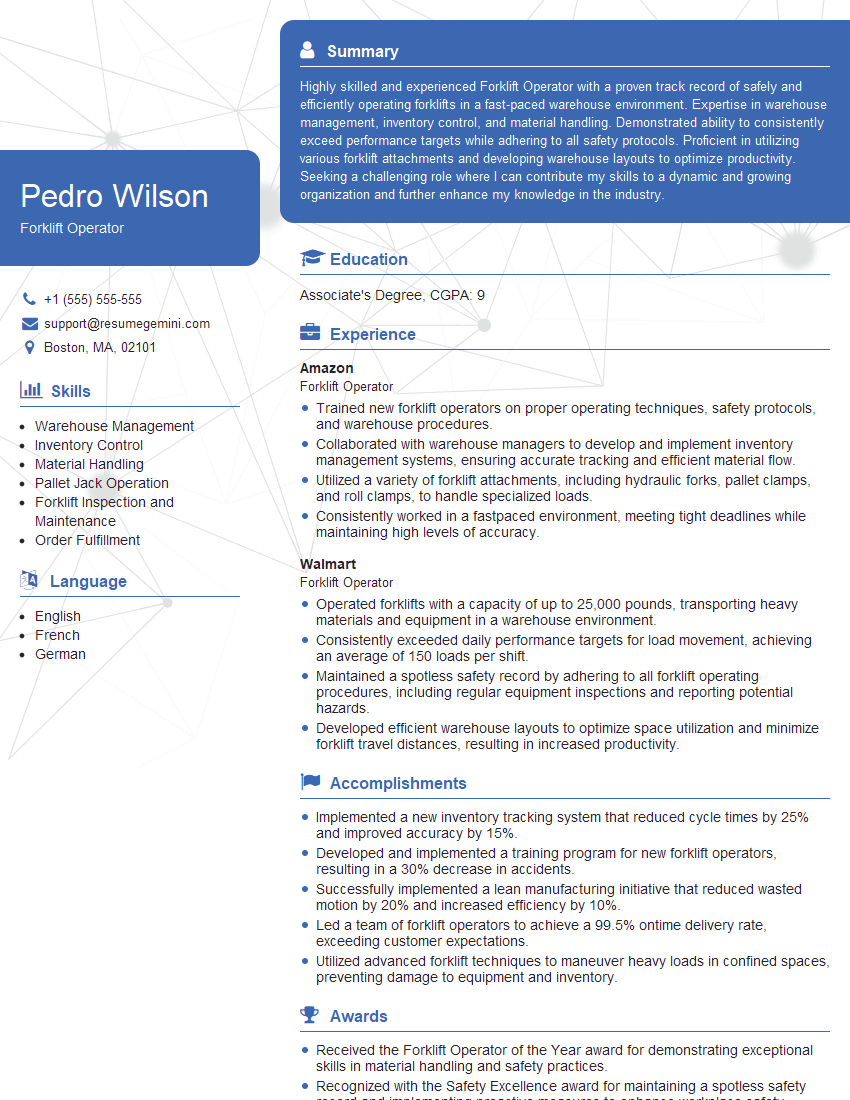
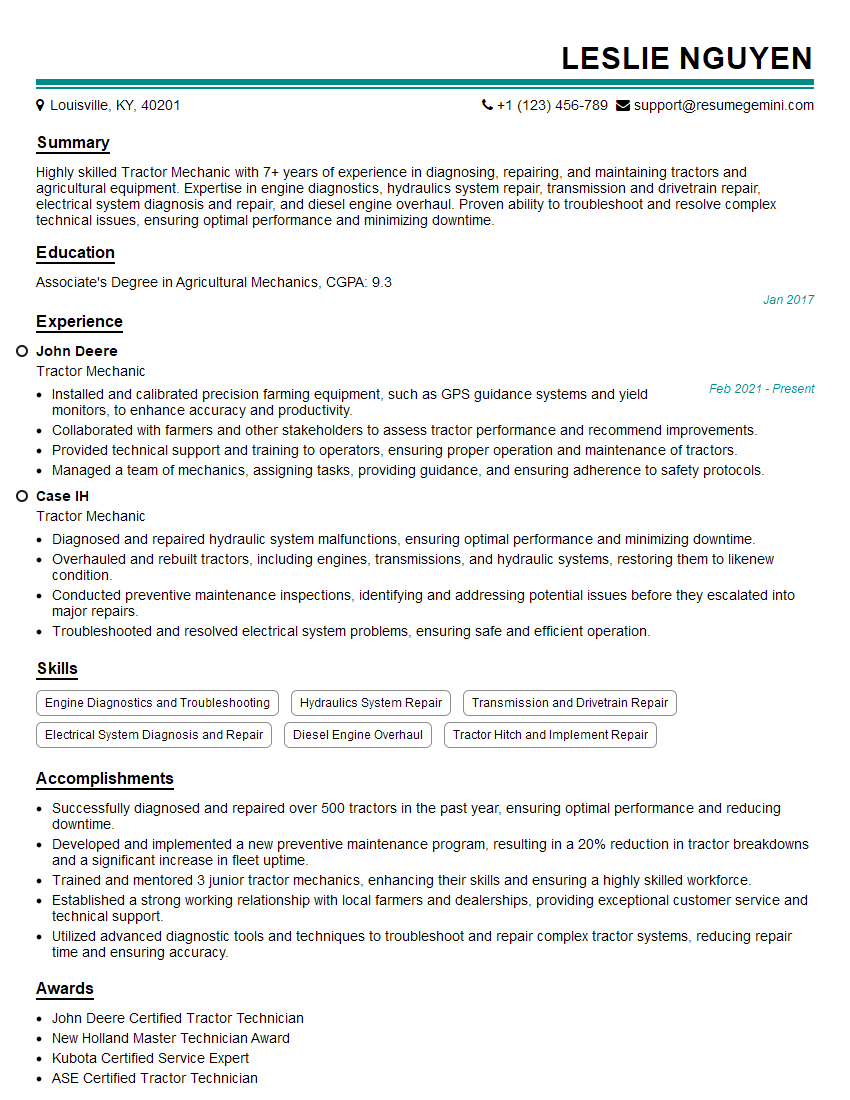
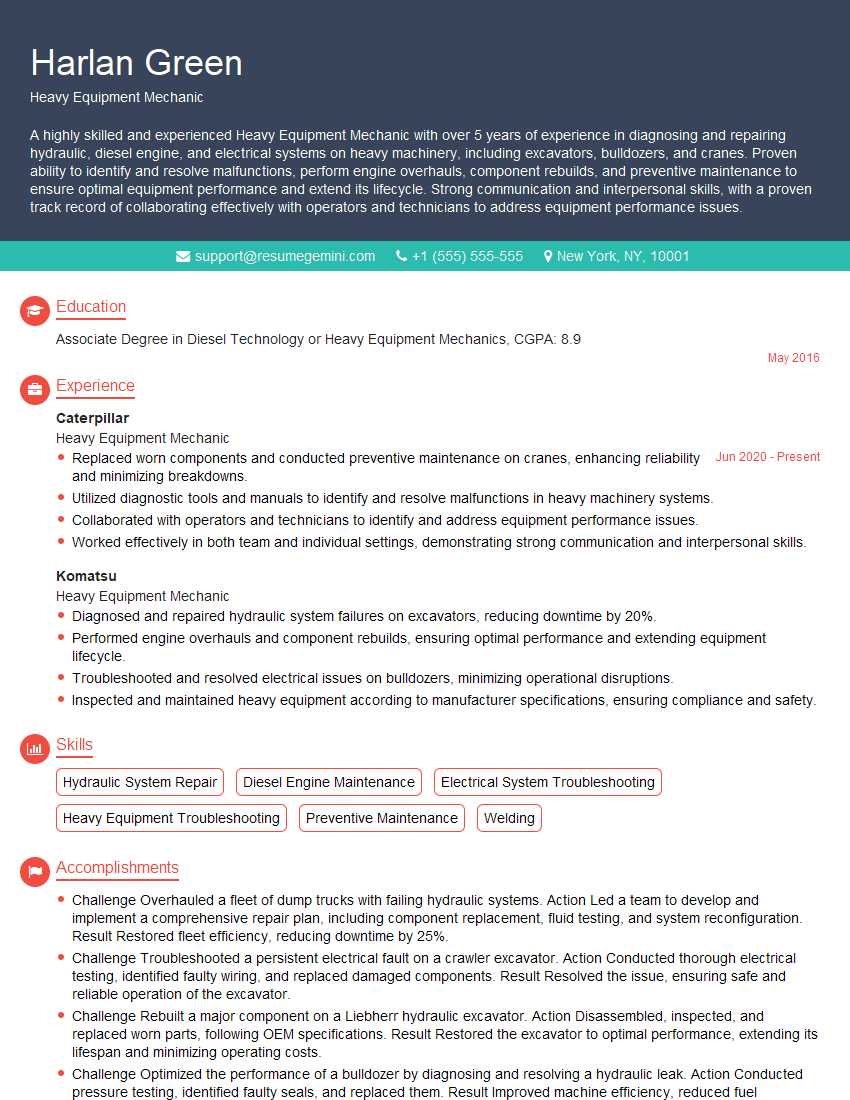
Mastering forklift or tractor operation opens doors to numerous rewarding career opportunities, offering excellent earning potential and opportunities for advancement. A strong resume is your key to unlocking these possibilities. Creating an ATS-friendly resume is essential to get your application noticed by potential employers. ResumeGemini can help you build a professional, impactful resume that highlights your skills and experience effectively. We offer examples of resumes tailored to forklift and tractor operation roles to guide you through the process. Invest time in crafting a compelling resume – it’s your first impression on a potential employer.


Explore more articles
Users Rating of Our Blogs
Share Your Experience
We value your feedback! Please rate our content and share your thoughts (optional).
What Readers Say About Our Blog
Very informative content, great job.
good