Feeling uncertain about what to expect in your upcoming interview? We’ve got you covered! This blog highlights the most important Equipment Operation (e.g., ladders, bins) interview questions and provides actionable advice to help you stand out as the ideal candidate. Let’s pave the way for your success.
Questions Asked in Equipment Operation (e.g., ladders, bins) Interview
Q 1. Describe your experience operating a forklift.
My forklift experience spans over five years, encompassing various models and working environments. I’m certified to operate sit-down, stand-up, and reach trucks. My responsibilities have included loading and unloading trucks, transporting materials within warehouses and across construction sites, and stacking pallets to optimize space. I’m proficient in pre-operation checks, including fluid levels, tire pressure, and horn functionality, ensuring the machine is in optimal working condition. For instance, at my previous role at Acme Manufacturing, I consistently maintained a perfect safety record while handling thousands of pallets of goods daily, streamlining their logistical operations. I understand the importance of load capacity, stability, and navigating tight spaces safely.
I’m also experienced in using various attachments, such as forks, clamps, and rotators, and I adapt my technique to the specific load and environment. For example, when handling fragile goods, I adjust my speed and use a gentler approach to prevent damage.
Q 2. Explain the proper techniques for safe ladder use.
Safe ladder use is paramount to prevent falls, a leading cause of workplace injuries. Proper technique involves selecting the right ladder for the job – ensuring it’s the appropriate height and type for the task. The ladder should be placed on a firm, level surface, with the base angle at approximately 75.5 degrees (a good rule of thumb is to measure one foot away from the wall for every four feet of ladder height). Never overload the ladder beyond its weight capacity. Always maintain three points of contact – two hands and one foot, or two feet and one hand – while climbing or descending.
- Inspect the ladder: Before each use, carefully check for any damage, such as broken rungs, loose connections, or cracked rails.
- Appropriate footwear: Wear shoes with good traction to prevent slips.
- Avoid reaching: Don’t overreach while on the ladder. Move the ladder as needed to keep your center of gravity within the ladder’s base.
- Face the ladder: Always face the ladder when climbing or descending.
Q 3. How do you ensure the stability of a ladder during use?
Ladder stability is crucial for safety. The key is proper setup and ongoing awareness. First, ensure a stable base. Avoid soft ground, uneven surfaces, or slippery conditions. If necessary, use stabilizing bases or outriggers. The angle is critical; the base should be far enough out to ensure the ladder doesn’t slide. As you climb, maintain your center of gravity within the ladder’s support structure. Avoid overloading one side, and never extend the ladder beyond its maximum reach. Consider using a spotter, especially in challenging environments or when working at significant heights. Regularly check the ladder’s position during use to ensure it hasn’t shifted or become unstable.
Q 4. What are the weight limits for the ladders you’ve operated?
The ladders I’ve operated have varied in weight capacity, typically ranging from 250 pounds to 300 pounds for standard extension ladders and up to 500 pounds for some heavier-duty models. However, the maximum weight load is always clearly marked on the ladder itself and must never be exceeded. It’s crucial to always check this rating before each use, as exceeding it severely compromises safety.
Q 5. What safety precautions do you take when using a ladder near electrical wires?
Working near electrical wires with a ladder demands extreme caution. The most crucial step is to always maintain a safe distance – never come within 10 feet of any power line. If work necessitates proximity, contact a qualified electrician to de-energize the lines before proceeding. Never use a metal ladder near electrical wires; fiberglass or wood ladders are safer alternatives. If an accident occurs, never attempt to touch a person in contact with live wires; immediately call emergency services. Always prioritize safety above all else in these situations.
Q 6. Explain the procedure for safely handling and stacking bins.
Safe bin handling begins with assessing the bin’s condition – checking for cracks, damage, or uneven weight distribution. Wear appropriate safety equipment, including gloves and safety shoes. Use mechanical aids like a forklift or hand truck whenever possible, especially for heavier bins. When lifting manually, bend at the knees and lift with your legs, keeping your back straight. Stack bins systematically, ensuring they’re properly nested to prevent collapse. Place heavier bins on the bottom and lighter ones on top, distributing weight evenly to prevent instability. Maintain a clear walkway around the stacked bins, and regularly inspect the stacks for any signs of instability.
Q 7. How do you prevent bin tipping or collapse during handling?
Preventing bin tipping or collapse involves several measures. Firstly, always ensure the bins are in good condition. Secondly, distribute weight evenly within each bin. Overfilling or uneven loading can easily lead to instability. Avoid stacking bins too high – follow recommended stacking guidelines. Ensure a stable base for the stack; uneven ground or soft surfaces are risky. When moving bins, use appropriate equipment to prevent sudden movements or drops. Interlocking bin systems can provide added stability and reduce the risk of collapse. Regularly inspect bin stacks for signs of stress or instability, and address any concerns promptly. Remember, a little preventative care goes a long way in ensuring safety.
Q 8. What are the different types of bins you’ve worked with?
Throughout my career, I’ve worked with a variety of bins, each suited for different materials and operational needs. These include:
- Standard Tote Bins: These are your everyday plastic bins, often used for parts storage, organization, and transport. They’re durable, stackable, and come in various sizes. I’ve used these extensively in warehouse settings for inventory management.
- Metal Bins: Heavier duty bins, usually steel or aluminum, ideal for holding heavier items or materials exposed to harsher environments. I’ve seen these used for scrap metal collection and outdoor storage in manufacturing.
- Pallet Bins: Large, often collapsible, bins designed to sit on pallets for efficient material handling using forklifts or pallet jacks. These are frequently used for bulk material storage and transport in distribution centers. Think large quantities of produce or packaged goods.
- Specialized Bins (e.g., Refrigerated Bins): Some bins are designed for specific needs like temperature control for perishable goods or chemical containment for hazardous materials. My experience with these was in a pharmaceutical warehouse where maintaining precise temperatures was critical.
The choice of bin depends heavily on the material stored, the environment, and the handling equipment available.
Q 9. Describe your experience with bin labeling and inventory management.
Bin labeling and inventory management are crucial for efficiency and safety. My approach involves a multi-step process:
- Clear Labeling: Each bin receives a clear, unambiguous label indicating its contents (e.g., part number, material description, date received). I use a standardized system to ensure consistency across the warehouse. For example, color-coded labels might indicate the location or priority of a bin.
- Inventory Tracking: I’ve utilized both manual and computerized inventory management systems. Manual systems involve regular physical counts and record-keeping. Computerized systems, such as barcoding or RFID tagging, provide real-time inventory visibility and significantly reduce human error.
- Bin Location: Bins are strategically placed to maximize space utilization and minimize travel time. I take into account factors like weight and frequency of access when designing bin placement within a warehouse.
- Regular Audits: Periodic audits verify accuracy of inventory records against physical stock. Discrepancies are investigated and corrected promptly. This is vital for preventing costly errors.
In one instance, implementing a barcoding system improved our inventory accuracy by 15% and significantly streamlined our order fulfillment process.
Q 10. How do you handle damaged or faulty bins?
Damaged or faulty bins pose safety risks and can lead to material loss. My procedure is:
- Immediate Identification: Damaged bins are immediately tagged and removed from service. This prevents accidental use and potential injury.
- Assessment of Damage: I carefully assess the extent of damage to determine whether repair is feasible or if replacement is necessary. Minor cracks might be repairable, but significant structural damage necessitates replacement.
- Repair or Replacement: Minor repairs might be done in-house, but significant damage usually leads to replacement. I ensure that replacement bins meet the same quality and safety standards.
- Waste Disposal: Damaged bins are disposed of according to company and local regulations. This includes proper segregation of materials for recycling if possible.
- Reporting: I document the damage, the action taken (repair or replacement), and the date of the incident in a dedicated log book or database. This helps in tracking equipment maintenance needs and identifying any potential systemic issues.
This systematic approach minimizes risks and maintains the integrity of the storage system.
Q 11. Explain the correct procedures for operating a scissor lift.
Operating a scissor lift safely requires careful adherence to procedures. Here’s the process:
- Pre-Operational Check: Inspect the lift’s hydraulics, controls, safety devices (e.g., emergency stops, guardrails), and tires for any damage or defects before each use.
- Ground Stability: Ensure the ground is level and stable enough to support the lift’s weight and the anticipated load. Avoid soft ground or uneven surfaces.
- Safe Operation: Always operate the lift within its weight capacity. Raise and lower the lift slowly and smoothly. Never overload it.
- Guardrails & Restraints: Utilize guardrails and restraints where possible, especially at heights. Never exceed the maximum working height.
- Awareness: Maintain awareness of surroundings while operating the lift. Avoid overhead obstructions and other hazards.
- Emergency Procedures: Understand the location of emergency stops and evacuation procedures. Know how to use them in the case of equipment malfunction or emergency.
- Training & Certification: Appropriate training and certification are essential before operating a scissor lift.
Think of it like driving a car – proper training, awareness, and regular maintenance are essential for safe operation.
Q 12. What are the safety protocols for working at heights with equipment?
Safety protocols for working at heights are paramount. They include:
- Fall Protection: Always use appropriate fall protection equipment, such as harnesses, lanyards, and anchor points, when working above a specified height (this height varies by location and regulations).
- Proper Equipment: Ensure that all equipment used at heights is inspected and in good working order. Scissor lifts, ladders, and other equipment should undergo pre-operational checks.
- Training: Personnel must receive training on safe work practices at heights, including proper use of fall protection equipment and rescue procedures.
- Communication: Establish clear communication channels between workers at height and ground personnel.
- Weather Conditions: Avoid working at heights during adverse weather conditions, such as strong winds or rain.
- Permit-to-Work System: In many workplaces, a permit-to-work system is implemented for high-risk tasks like working at heights, ensuring that all safety precautions are in place before work commences.
Ignoring these protocols can lead to serious injuries or fatalities.
Q 13. How do you perform pre-operational checks on equipment?
Pre-operational checks are critical for ensuring equipment safety and functionality. My routine includes:
- Visual Inspection: A thorough visual inspection of the equipment for any obvious damage, leaks, or loose parts. This includes checking tires, hydraulic systems, and safety features.
- Functional Test: Testing all controls and functions to verify proper operation. For example, on a scissor lift, I’d check the up/down controls, emergency stop, and hydraulic fluid levels.
- Safety Checks: Verifying that all safety devices are functioning correctly. This includes guardrails, alarms, and emergency stops.
- Fluid Levels: Checking fluid levels (e.g., hydraulic fluid, engine oil) and topping them off as needed.
- Documentation: Recording the pre-operational checks in a logbook or digital system, including any identified issues. This creates an audit trail and improves accountability.
These checks are not merely a formality; they’re a critical step to prevent accidents and ensure the safe and efficient operation of equipment.
Q 14. What are the common causes of equipment malfunctions?
Equipment malfunctions can stem from a variety of causes:
- Lack of Maintenance: Regular maintenance and scheduled inspections are crucial. Neglecting maintenance leads to wear and tear and eventually, failure.
- Operator Error: Incorrect operation or overloading of equipment can lead to damage or malfunctions. Proper training is essential.
- Environmental Factors: Exposure to extreme temperatures, moisture, or corrosive substances can degrade equipment performance.
- Wear and Tear: Over time, normal use can cause wear and tear on equipment components, leading to eventual failure.
- Defective Parts: Faulty parts from the manufacturer can lead to unexpected malfunctions. Using high-quality parts is crucial.
Understanding these potential causes allows for preventative maintenance strategies and training improvements to reduce downtime and ensure safety.
Q 15. Describe your troubleshooting skills related to equipment issues.
My troubleshooting approach is systematic and prioritizes safety. I start by assessing the situation, identifying the problem’s root cause, and then implementing a solution. I always begin by ensuring the equipment is safely shut down and secured before proceeding with any troubleshooting steps. For example, if a ladder is unstable, I wouldn’t just try to use it; I’d first check its feet for damage, inspect the rungs for cracks, and assess the ground for unevenness. If the problem is beyond my skillset or poses a safety risk, I immediately report it to my supervisor.
Let’s say a forklift’s hydraulics fail. My process would involve:
- Safety First: Shut down the forklift and secure the area.
- Visual Inspection: Check for any obvious leaks, damage to hoses, or loose connections.
- Check Fluid Levels: Verify hydraulic fluid levels are sufficient.
- System Diagnostics (if applicable): Use onboard diagnostics or consult manuals to identify error codes.
- Reporting: If the issue remains unresolved, I would report it to the maintenance team and document the findings.
This methodical approach ensures efficient problem-solving while minimizing risks.
Career Expert Tips:
- Ace those interviews! Prepare effectively by reviewing the Top 50 Most Common Interview Questions on ResumeGemini.
- Navigate your job search with confidence! Explore a wide range of Career Tips on ResumeGemini. Learn about common challenges and recommendations to overcome them.
- Craft the perfect resume! Master the Art of Resume Writing with ResumeGemini’s guide. Showcase your unique qualifications and achievements effectively.
- Don’t miss out on holiday savings! Build your dream resume with ResumeGemini’s ATS optimized templates.
Q 16. How do you maintain equipment to prevent accidents?
Preventive maintenance is crucial to avoiding accidents. Regular inspections, cleaning, and lubrication of equipment are essential. For instance, I would regularly inspect ladders for loose screws, cracks in the wood or aluminum, and damage to the feet. Bins need to be checked for structural integrity, ensuring there are no rusting or weakened areas that could lead to collapse. I meticulously document all inspections and any necessary repairs.
Following manufacturer’s recommendations is key. Each piece of equipment has a specific maintenance schedule, and adhering to it helps prolong the equipment’s lifespan and maintain its safe operation. I also participate in regular safety training to stay updated on best practices and to learn about new equipment and safety technologies.
Q 17. What are the emergency procedures if equipment malfunctions?
Emergency procedures vary based on the type of equipment malfunction, but the first priority is always safety. If a piece of equipment malfunctions, I would:
- Immediately shut down the equipment using the emergency stop mechanisms.
- Clear the area to prevent injury to myself and others.
- Alert others in the vicinity of the problem.
- Report the malfunction to my supervisor or the designated emergency contact.
- Follow company procedures for handling equipment malfunctions. This might include securing the malfunctioning equipment or setting up warning barriers.
For instance, if a bin tips, I’d ensure no one is in the immediate vicinity before contacting emergency services and reporting the incident following company policy. Effective communication and adherence to established protocols are paramount.
Q 18. How do you ensure the safety of yourself and others while operating equipment?
Safety is my top priority. I always follow established safety procedures, wear appropriate personal protective equipment (PPE), and ensure the work area is clear of hazards before starting any operation. When operating a ladder, I would make sure it’s placed on a stable surface at the correct angle. Working with bins, I’d secure the contents, use proper lifting techniques, and ensure the bin is stable before loading or unloading. I also actively look out for potential hazards in my work area and take steps to mitigate them.
For example, I’d never overload a bin and I’d always use appropriate lifting techniques to prevent injury. Before using any machinery, I thoroughly read and understand the operating instructions and safety precautions.
Q 19. Describe your experience with different types of material handling equipment.
My experience encompasses a range of material handling equipment including forklifts, pallet jacks, hand trucks, and various types of cranes (depending on certification and training). I am familiar with their operational procedures, safety regulations, and maintenance requirements. I’ve worked with both powered and non-powered equipment, adapting my approach as needed. I’m also experienced in the safe handling of different materials, considering weight, size, and fragility.
For instance, I’m proficient in operating a forklift to move pallets efficiently and safely while adhering to weight limits and speed restrictions. I understand the importance of load stability and how to avoid tip-overs. With hand trucks, I’m aware of the correct lifting techniques to avoid back injuries.
Q 20. How do you prioritize tasks when handling multiple pieces of equipment?
Prioritizing tasks involving multiple equipment pieces requires careful planning and consideration of several factors. My approach is based on urgency, safety, and efficiency. I use a system that prioritizes tasks based on deadlines, the potential for safety hazards, and the overall workflow. Tasks that pose safety risks are always addressed first.
I might use a simple task list or checklist to organize my tasks. For example, if I need to use a forklift, a hand truck, and load a bin, I’d prioritize moving the bin into a safe position (safety first) before using the forklift (more complex operation) and then using the hand truck for smaller, less critical items.
Q 21. How do you handle unexpected equipment failures during a shift?
Unexpected equipment failures require quick thinking and decisive action. My first response is always to ensure the safety of myself and others. I immediately shut down the affected equipment and secure the area. Then, I assess the situation to understand the nature of the failure. Following that, I determine the best course of action – whether to attempt a temporary fix (if safe and within my capabilities), call maintenance, or use an alternate piece of equipment to continue my work.
For example, if a pallet jack malfunctions mid-task, I would stop immediately, assess the situation, report the issue to my supervisor, and find an alternative method to move the pallets, possibly using a hand truck. Documentation of the failure and any subsequent actions is crucial for maintenance records and future prevention.
Q 22. Describe a time you had to adapt your equipment operation to changing circumstances.
Adaptability is crucial in equipment operation. Imagine I was using a ladder to access a high-level area for repairs, and a sudden, strong gust of wind began to sway the ladder. My initial plan was to complete the task using a standard extension ladder. However, the wind made that unsafe. My adaptation involved immediately securing the ladder more firmly, using additional support from a colleague, and assessing if an alternative approach – possibly using a cherry picker or scissor lift if available – was feasible. Ultimately, I decided to temporarily halt work, re-evaluate the situation, and prioritize safety over meeting the initial schedule. This involved clearly communicating the change in plan to my supervisor and team. The situation taught me the importance of dynamic risk assessment and prioritizing safety above all else.
Q 23. What are the regulations and safety standards for the equipment you operate?
Regulations and safety standards vary depending on location and the specific equipment, but common threads include adherence to OSHA (Occupational Safety and Health Administration) guidelines or equivalent international standards. For ladders, this includes proper setup (4:1 ratio for extension ladders), regular inspections for damage, and the use of appropriate personal protective equipment (PPE) like safety harnesses. For bins, regulations focus on safe stacking procedures to prevent collapses, load limits to prevent overloading, and the use of appropriate lifting equipment to avoid manual handling injuries. Specific regulations will often include detailed documentation and training requirements.
- Ladder Safety: Proper placement, angle, stability checks, and appropriate use of fall protection.
- Bin Safety: Safe stacking procedures, load limits clearly marked, and regular inspections for structural integrity.
- Material Handling Equipment Safety: Operator training and certification, pre-operational checks, and adherence to load capacity limits.
Q 24. How do you ensure compliance with company safety protocols?
Ensuring compliance begins with understanding the company’s safety protocols. This involves thorough review of the safety manuals, attending all safety training sessions, and actively participating in safety discussions. I actively check equipment for damage before use, report any deficiencies immediately, and use PPE as required. I also consistently follow the ‘lockout/tagout’ procedures where applicable, ensuring equipment is safely de-energized before maintenance or repair. My proactive approach includes regular self-audits of my work practices to ensure compliance, and reporting any near misses or unsafe conditions to the appropriate personnel. Example: If a colleague wasn’t following proper ladder safety procedures, I’d politely remind them of the correct technique and the associated risks, or report it to my supervisor if needed.
Q 25. What are the signs of potential equipment failure you look for?
Identifying potential equipment failure requires a keen eye for detail and regular inspections. For ladders, I look for cracks, bends, or loose rivets, worn-out rungs, and damaged feet. For bins, I check for structural damage like cracks or warping, signs of rust or corrosion, and any indication of overload or improper stacking. With material handling equipment such as forklifts, I pay close attention to fluid leaks (hydraulic or engine oil), unusual noises during operation, smoke or steam, and any signs of damage to the wheels, forks or chassis. I also look out for indicators on instrument panels, such as warning lights or unusual readings. If any of these are observed, the equipment is immediately taken out of service and reported.
Q 26. Describe your experience with load securing procedures.
Load securing is paramount for safety and efficient transport. My experience includes securing various loads using appropriate techniques, such as using straps, chains, or nets. I follow the principles of tensioning straps appropriately, ensuring proper placement to prevent shifting, and selecting the right type of securing equipment for the load’s weight and characteristics. This often involves using tensioning devices to prevent slippage during transit. For example, when securing materials on a pallet, I ensure the load is evenly distributed and the securing devices are properly attached and tightened to prevent movement during transport. Accurate documentation of the securing method is vital for regulatory compliance and incident investigation, if required.
Q 27. What is your experience with preventative maintenance on material handling equipment?
Preventative maintenance is key to extending the lifespan of equipment and preventing accidents. My experience includes conducting regular inspections, lubricating moving parts, checking fluid levels, and tightening loose bolts and fasteners. I adhere to established maintenance schedules for each piece of equipment, maintaining detailed records of all maintenance activities. For example, with forklifts, I’d check hydraulic fluid levels, battery charge (if applicable), tire pressure, and the functionality of safety systems like horns and lights. This proactive approach minimises the risk of unexpected failures and reduces downtime. Timely maintenance means fewer unexpected equipment failures and a safer work environment.
Q 28. How do you identify and report equipment hazards?
Identifying and reporting hazards is a critical aspect of safe equipment operation. I follow established procedures for reporting issues, usually involving immediate notification to the supervisor or safety officer. The report should include a detailed description of the hazard, its location, the potential risk, and any immediate actions taken to mitigate the risk. Photography or video evidence can be extremely useful, especially if describing damage or unsafe practices. Examples of hazards I might report include damaged equipment, unsafe working conditions (e.g., slippery floors near bins), or potential fire hazards due to electrical malfunction. I follow the company’s reporting system diligently, ensuring the issue is addressed effectively. Prompt and accurate reporting prevents more serious incidents and fosters a safer work environment.
Key Topics to Learn for Equipment Operation (e.g., ladders, bins) Interview
- Ladder Safety and Operation: Understanding proper ladder setup, weight limits, three-point contact, and safe climbing and descending procedures. Includes recognizing and avoiding hazardous situations.
- Practical Application of Ladder Safety: Describing scenarios where you’ve used ladders safely and efficiently, highlighting your ability to assess risk and make sound judgments.
- Bin Handling and Safety: Safe lifting techniques, proper bin stacking procedures, understanding weight distribution and stability, and recognizing potential hazards associated with overflowing or damaged bins.
- Practical Application of Bin Handling: Explaining your experience with different types of bins, detailing your approach to managing various bin sizes and weights, and demonstrating awareness of workplace safety regulations.
- Equipment Maintenance and Inspection: Basic inspection procedures for ladders and bins, identifying potential damage or wear and tear, understanding routine maintenance tasks, and reporting necessary repairs.
- Problem-Solving and Troubleshooting: Describing scenarios where you’ve encountered equipment malfunctions and how you efficiently resolved the issues, ensuring safety and productivity.
- Regulations and Compliance: Demonstrating knowledge of relevant safety regulations and industry best practices related to ladder and bin usage.
- Teamwork and Communication: Explaining how you coordinate your work with colleagues while using this equipment to maintain a safe and efficient work environment.
Next Steps
Mastering safe and efficient equipment operation, like using ladders and bins, is crucial for career advancement in many industries. It demonstrates responsibility, attention to detail, and a commitment to safety – highly valued attributes by employers. To boost your job prospects, creating an ATS-friendly resume is essential. ResumeGemini is a trusted resource that can help you craft a professional and impactful resume. They provide examples of resumes tailored to Equipment Operation roles, ensuring your skills and experience shine through. Take the next step towards your ideal career by building a standout resume with ResumeGemini.
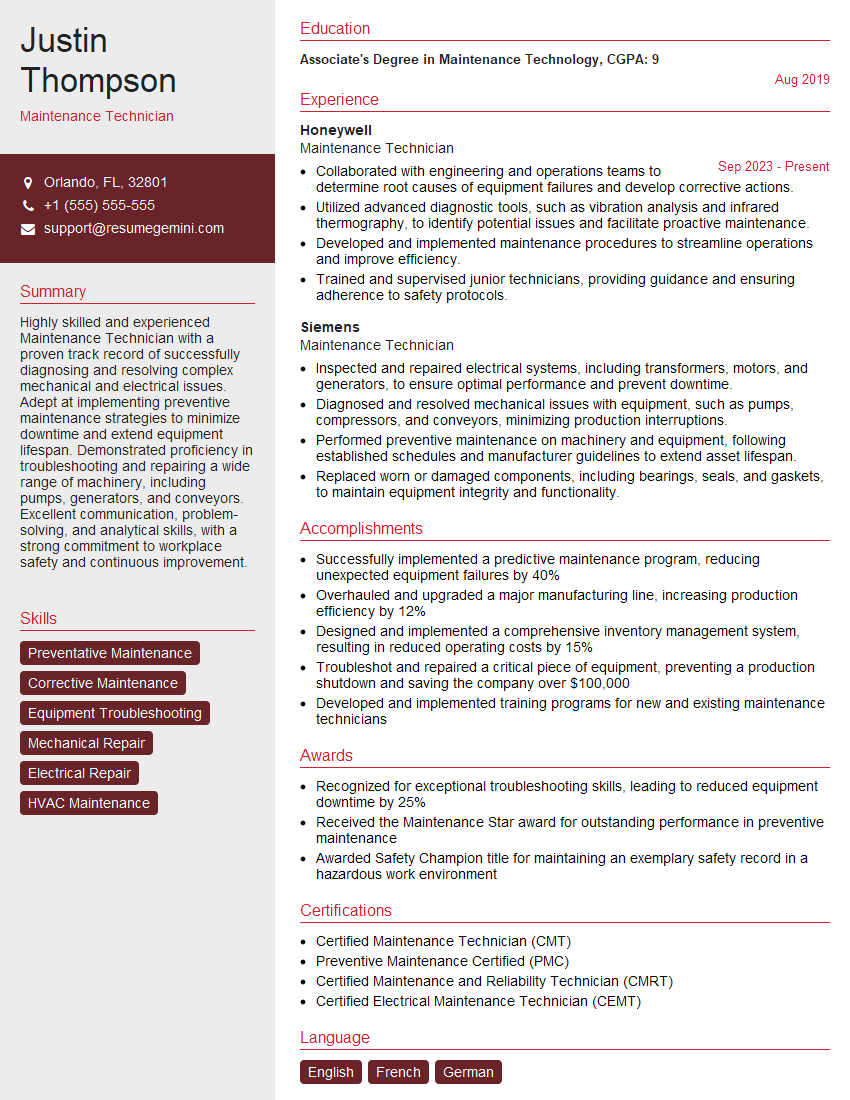
Maintenance Technician Resume Sample

Equipment Operator Resume Sample

Crane Operator Resume Sample
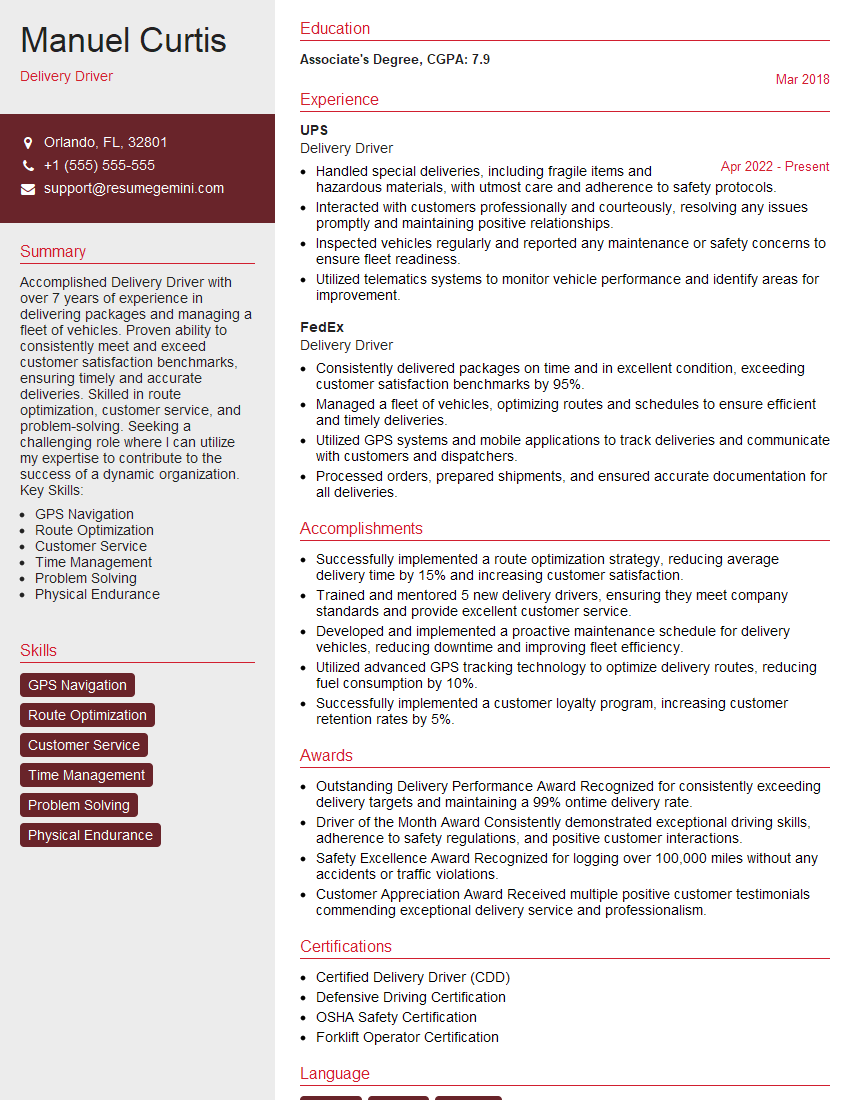
Delivery Driver Resume Sample

Shipping and Receiving Clerk Resume Sample
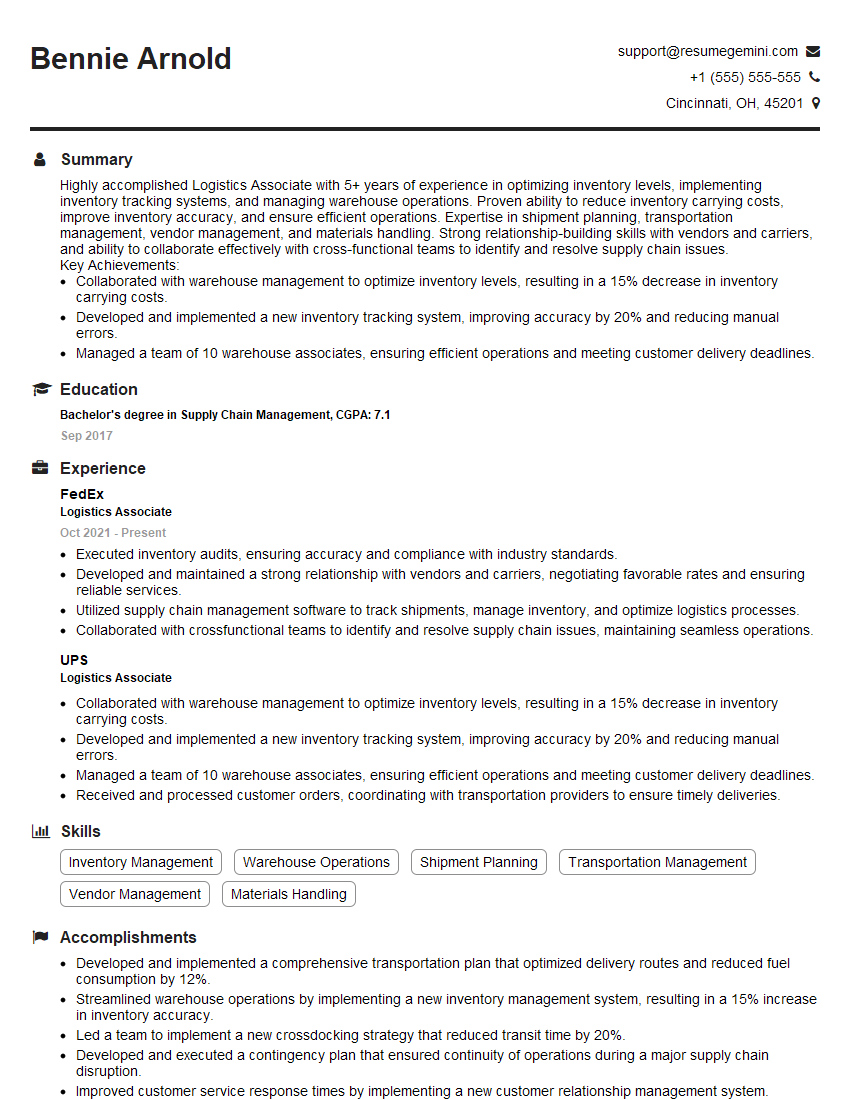
Logistics Associate Resume Sample
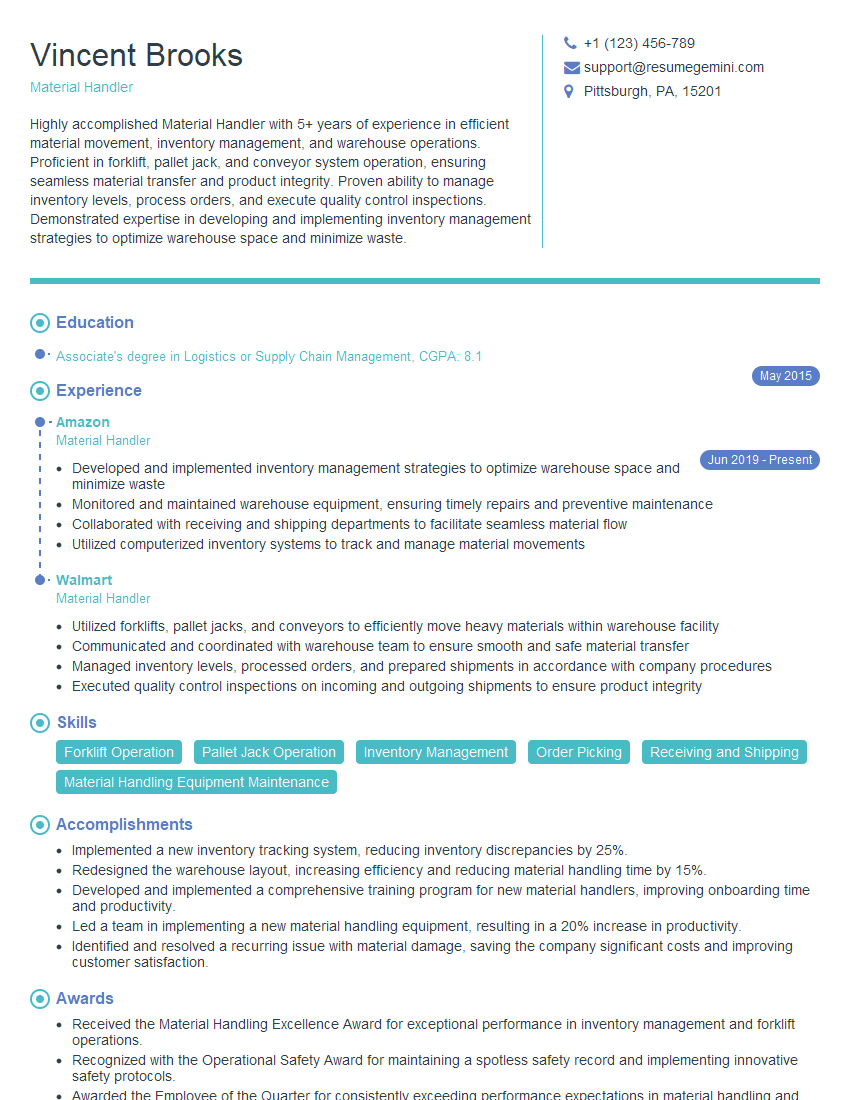
Material Handler Resume Sample
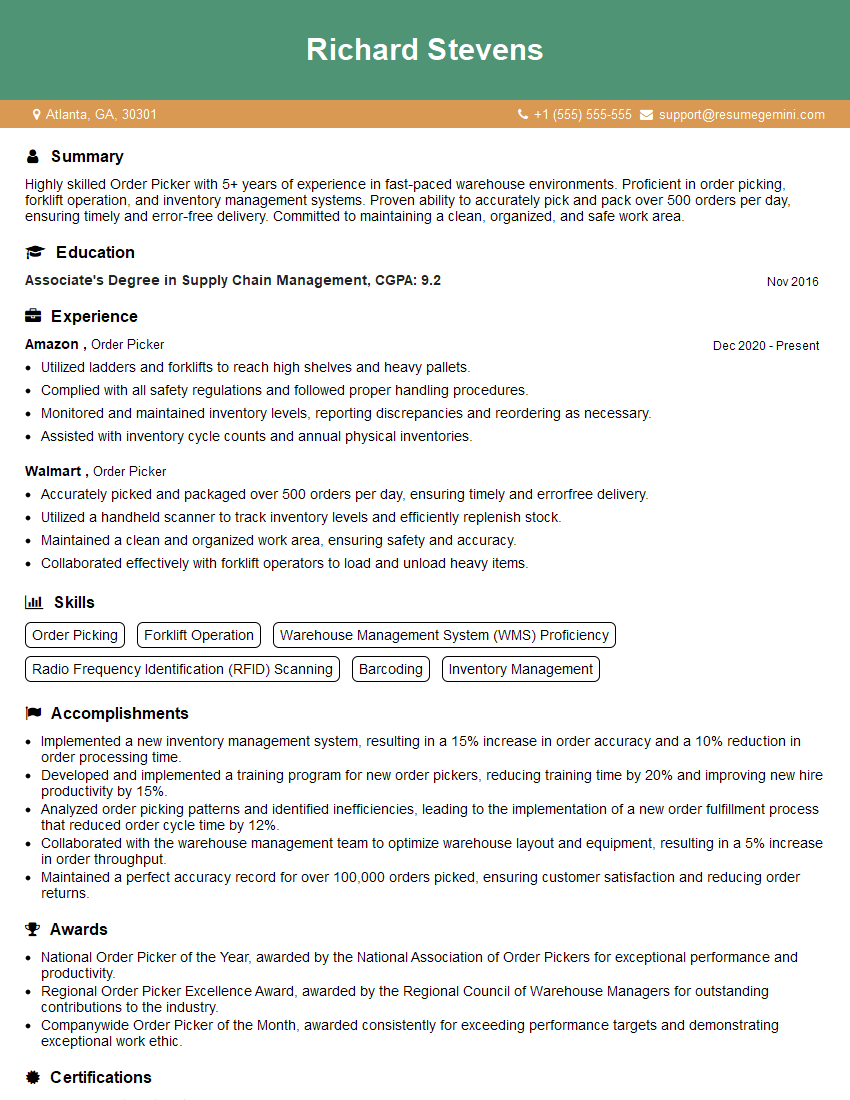
Order Picker Resume Sample
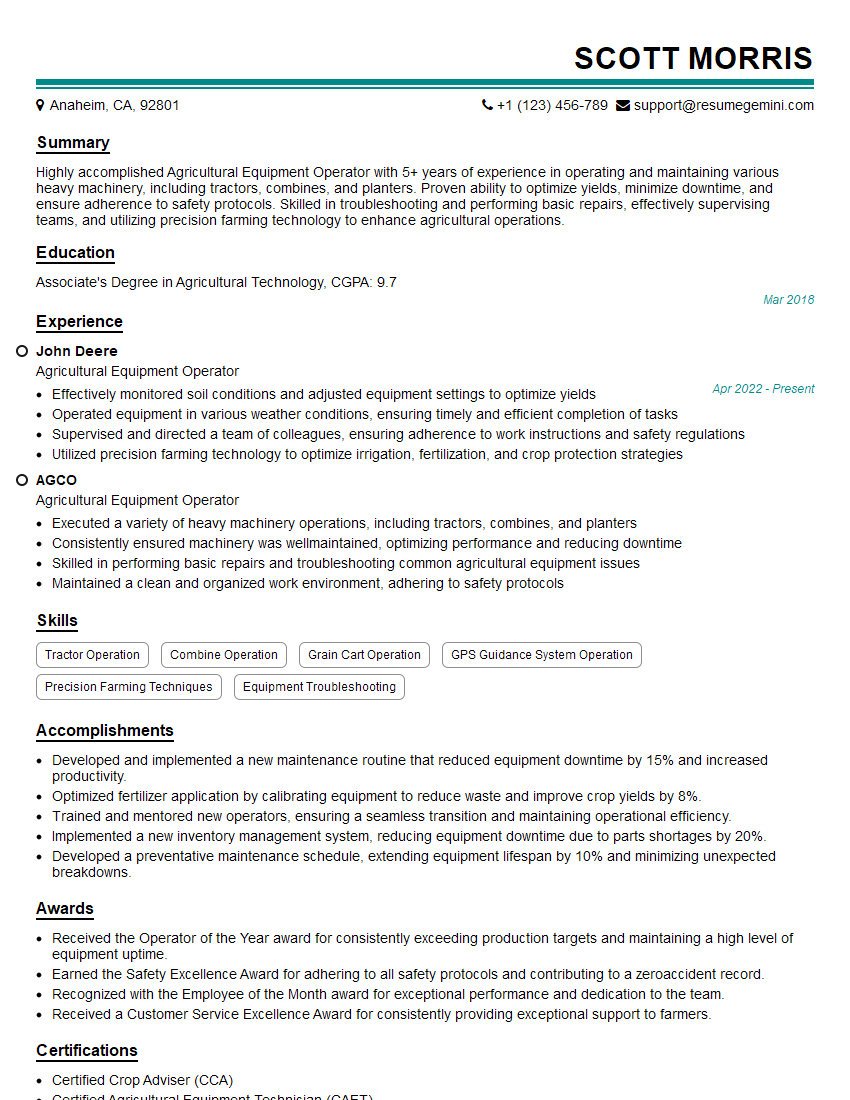
Agricultural Equipment Operator Resume Sample

Forklift Operator Resume Sample
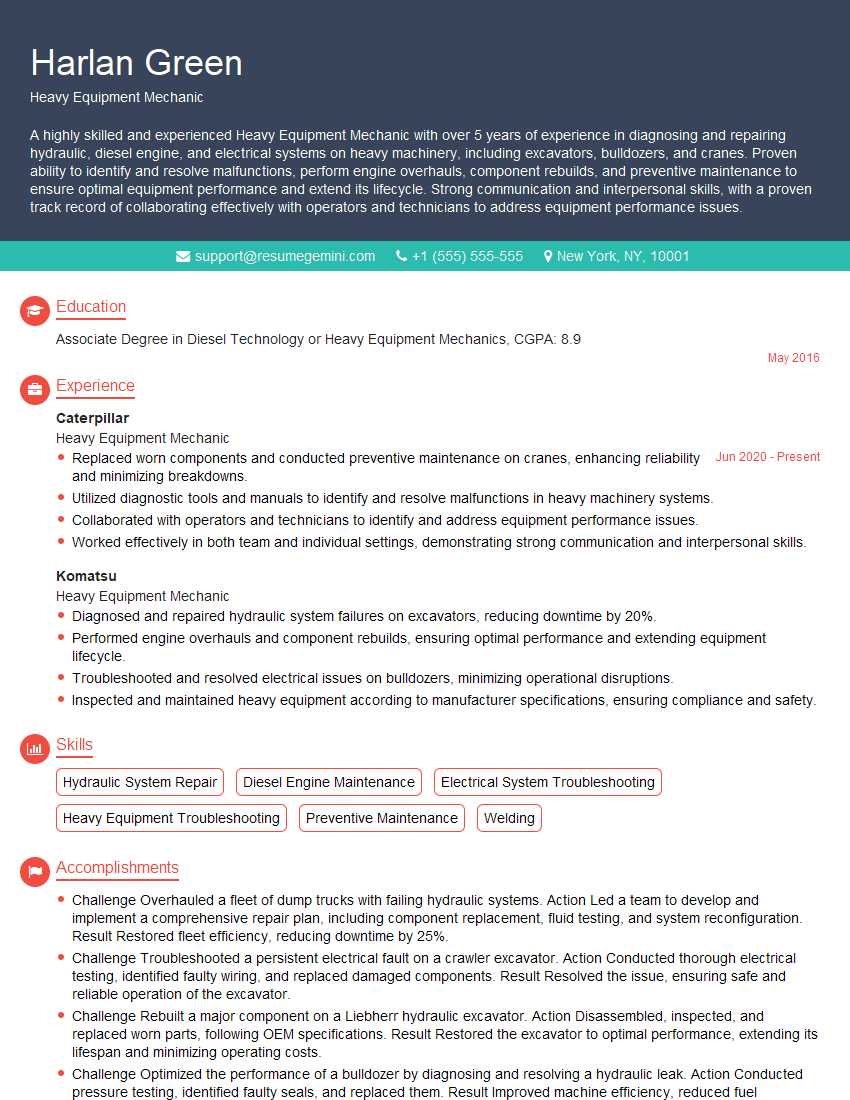
Heavy Equipment Mechanic Resume Sample

Production Line Operator Resume Sample

Conveyor Operator Resume Sample
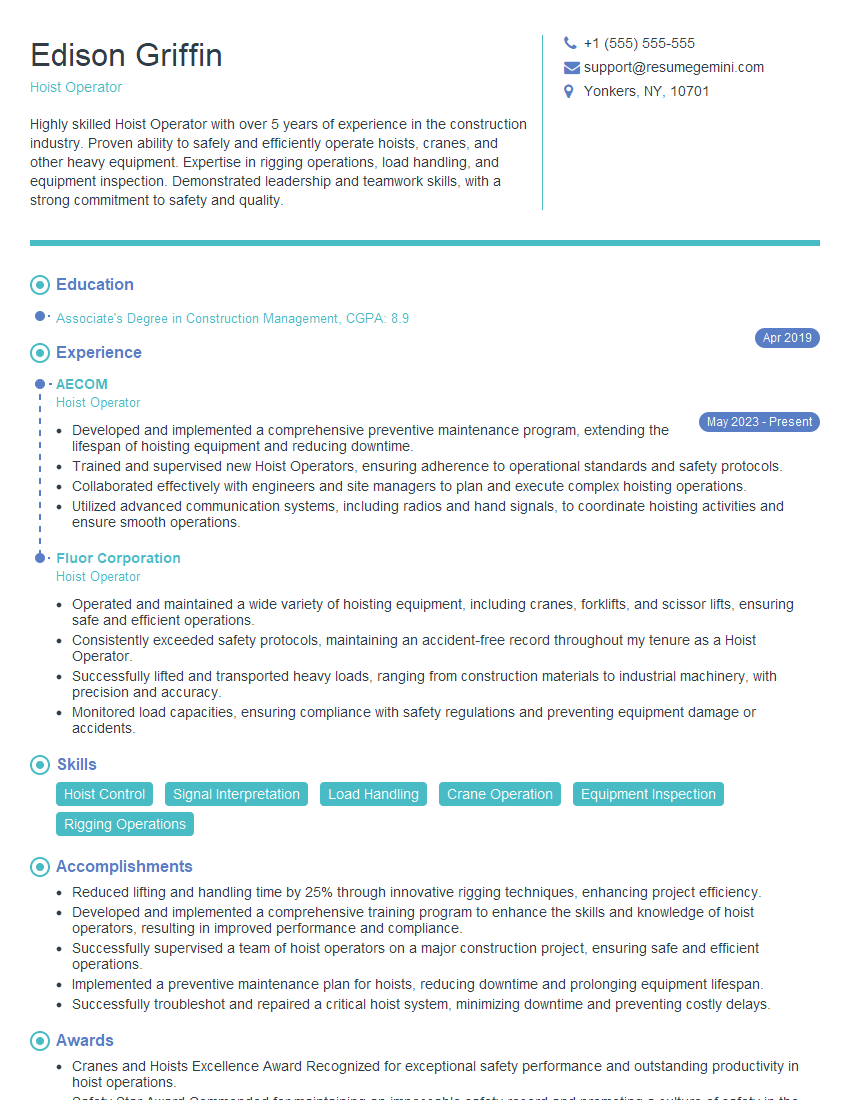
Hoist Operator Resume Sample

Lift Truck Operator Resume Sample
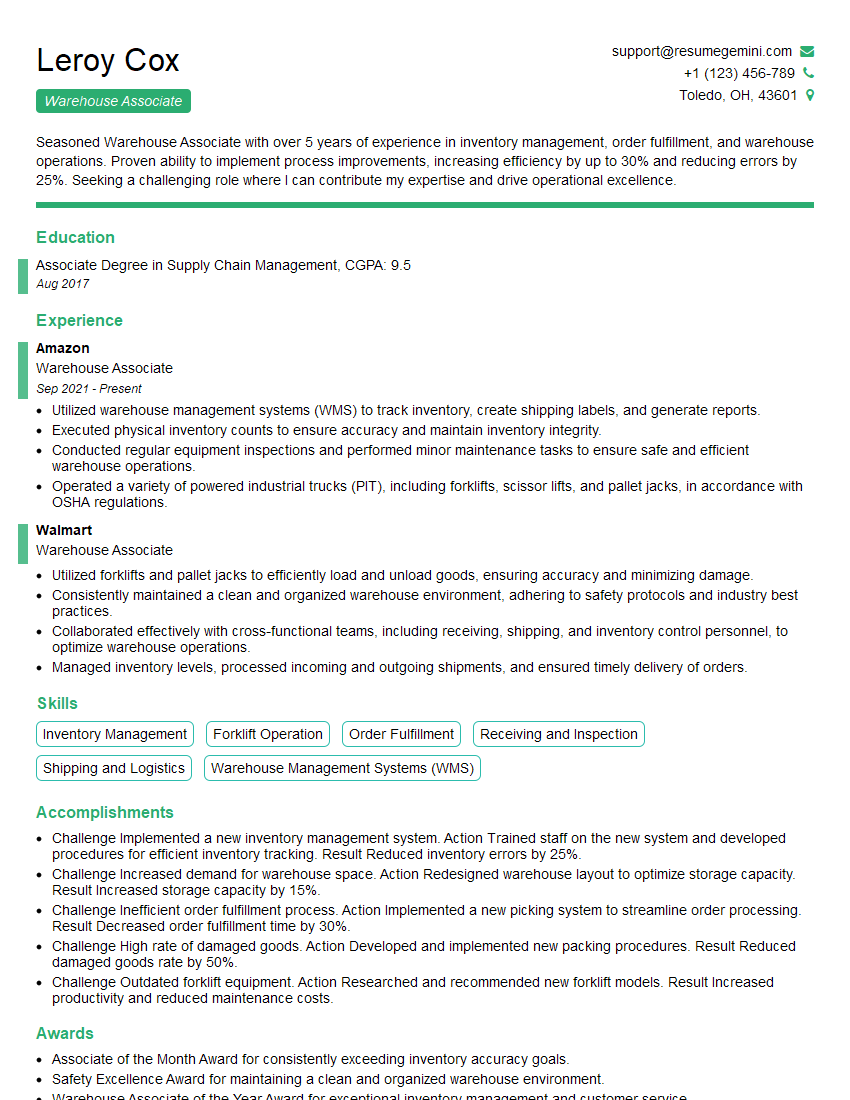
Warehouse Associate Resume Sample
- Maintenance Technician
- Equipment Operator
- Crane Operator
- Delivery Driver
- Shipping and Receiving Clerk
- Logistics Associate
- Material Handler
- Order Picker
- Agricultural Equipment Operator
- Forklift Operator
- Heavy Equipment Mechanic
- Production Line Operator
- Conveyor Operator
- Hoist Operator
- Lift Truck Operator
- Warehouse Associate
Explore more articles
Users Rating of Our Blogs
Share Your Experience
We value your feedback! Please rate our content and share your thoughts (optional).
What Readers Say About Our Blog
Very informative content, great job.
good