Cracking a skill-specific interview, like one for Basic Inventory Control, requires understanding the nuances of the role. In this blog, we present the questions you’re most likely to encounter, along with insights into how to answer them effectively. Let’s ensure you’re ready to make a strong impression.
Questions Asked in Basic Inventory Control Interview
Q 1. Explain the concept of Economic Order Quantity (EOQ).
Economic Order Quantity (EOQ) is the optimal quantity of inventory to order at a time to minimize the total inventory costs. These costs include ordering costs (like the administrative burden of placing an order) and holding costs (like warehouse space, insurance, and potential obsolescence). The EOQ model assumes constant demand and lead time (the time it takes to receive an order).
Imagine you’re a bakery ordering flour. Ordering large quantities reduces the number of orders you need to place, lowering ordering costs. However, holding large quantities of flour increases your storage costs and risks spoilage. EOQ finds the sweet spot that balances these opposing forces.
The EOQ formula is:
EOQ = √[(2DS)/H]Where:
- D = Annual demand
- S = Ordering cost per order
- H = Holding cost per unit per year
For example, if annual demand (D) is 10,000 units, ordering cost (S) is $50 per order, and holding cost (H) is $2 per unit per year, the EOQ would be:
EOQ = √[(2 * 10000 * 50) / 2] = √250000 = 500 unitsThis means the bakery should order 500 units of flour at a time to minimize its total inventory costs.
Q 2. Describe the different inventory costing methods (FIFO, LIFO, Weighted Average).
Inventory costing methods determine the value assigned to inventory and the cost of goods sold (COGS). Three common methods are:
- FIFO (First-In, First-Out): Assumes the oldest inventory items are sold first. This method reflects the current market value of inventory more accurately.
- LIFO (Last-In, First-Out): Assumes the newest inventory items are sold first. This method can result in lower taxable income during periods of inflation, as the higher recent costs are matched against revenue.
- Weighted Average Cost: Calculates the average cost of all inventory items and applies this average to both the cost of goods sold and the ending inventory. This simplifies the accounting process.
Example: Imagine a company buys 10 units at $10 each, then 10 units at $12 each. Let’s say they sell 5 units.
- FIFO: COGS = (5 units * $10) = $50; Ending Inventory value = (15 units * weighted average cost of $11).
- LIFO: COGS = (5 units * $12) = $60; Ending Inventory value = (15 units * $10).
- Weighted Average: Average cost = ($100 + $120)/20 = $11; COGS = (5 units * $11) = $55; Ending Inventory value = (15 units * $11).
The choice of method impacts financial statements and tax liabilities, and the most appropriate method depends on the specific industry and business circumstances.
Q 3. What are the key performance indicators (KPIs) used in inventory control?
Key Performance Indicators (KPIs) in inventory control track the efficiency and effectiveness of inventory management. Important KPIs include:
- Inventory Turnover Rate: Measures how quickly inventory is sold.
- Days Sales of Inventory (DSI): Indicates the number of days it takes to sell inventory.
- Stockout Rate: Percentage of time an item is out of stock.
- Inventory Holding Cost: The cost of storing and maintaining inventory.
- Fill Rate: Percentage of customer orders fulfilled from available stock.
- Inventory Accuracy: Difference between physical inventory and recorded inventory.
Monitoring these KPIs provides insights into areas for improvement, enabling businesses to optimize inventory levels, reduce costs, and improve customer service.
Q 4. How do you calculate inventory turnover rate?
The inventory turnover rate measures how many times a company sells and replaces its inventory during a specific period. A higher turnover rate generally indicates strong sales and efficient inventory management, while a low rate might suggest overstocking or slow-moving products.
The formula is:
Inventory Turnover Rate = Cost of Goods Sold / Average InventoryWhere:
- Cost of Goods Sold (COGS): The direct costs attributable to producing the goods sold by a company.
- Average Inventory: The average value of inventory during the period (typically calculated as (Beginning Inventory + Ending Inventory) / 2).
Example: If a company has a COGS of $100,000 and an average inventory of $25,000, the inventory turnover rate is $100,000 / $25,000 = 4. This means the company sold and replaced its inventory four times during the period.
Q 5. What is the difference between safety stock and buffer stock?
Both safety stock and buffer stock represent extra inventory held to mitigate against unexpected events, but there’s a subtle difference. Safety stock is specifically held to buffer against demand variability—that is, fluctuations in customer demand above the expected levels. Buffer stock is a more general term encompassing safety stock but also includes additional inventory held to account for potential supply chain disruptions (e.g., delays from suppliers, transportation issues).
Think of it this way: Safety stock protects against unexpectedly high demand, while buffer stock provides a wider safety net against both high demand and supply chain problems.
Q 6. Explain the ABC analysis method in inventory management.
ABC analysis categorizes inventory items based on their value and consumption. It’s a crucial technique for prioritizing inventory management efforts. Items are classified into three categories:
- A-items: High-value items that account for a significant portion (e.g., 80%) of the total inventory value. These require close monitoring and control.
- B-items: Medium-value items that represent a moderate portion (e.g., 15%) of the total inventory value. These require moderate control.
- C-items: Low-value items that make up a small portion (e.g., 5%) of the total inventory value. These require minimal control.
By focusing management efforts on A-items, businesses can maximize the impact of their inventory control strategies. A-items might warrant more precise forecasting, tighter security, and more frequent stock checks.
Q 7. How do you handle inventory discrepancies?
Inventory discrepancies—the differences between the recorded inventory levels and the actual physical count—require a systematic approach to resolve. The process involves:
- Identify the Discrepancy: Conduct a thorough physical inventory count and compare it to the inventory records.
- Investigate the Cause: Determine the reason for the discrepancy. Common causes include data entry errors, theft, damage, or inaccurate stock rotation.
- Document Findings: Record all discrepancies, along with their suspected causes.
- Adjust Records: Correct inventory records to reflect the actual physical count.
- Implement Preventative Measures: Address the root causes of the discrepancy to prevent future occurrences. This might involve improved data entry procedures, enhanced security measures, better stock control systems, or improved staff training.
Regular cycle counts (counting a subset of inventory regularly) can help detect and correct minor discrepancies before they become major problems. A robust inventory management system with barcode or RFID tracking can significantly minimize discrepancies.
Q 8. What are the common causes of inventory shrinkage?
Inventory shrinkage, also known as inventory loss, refers to the difference between the recorded inventory and the actual physical inventory. It represents a reduction in inventory value that isn’t due to legitimate sales. Several factors contribute to this discrepancy.
- Theft: Employee theft, shoplifting, or even organized crime can significantly impact inventory levels.
- Damage: Products can get damaged during handling, storage, or transportation, rendering them unsaleable.
- Obsolescence: Products become outdated or no longer in demand, losing their value.
- Spoilage: Perishable goods like food or pharmaceuticals can spoil before they are sold, leading to losses.
- Administrative Errors: Mistakes in data entry, inaccurate record-keeping, or poor inventory tracking systems can lead to discrepancies between physical and recorded inventory.
- Misplacement: Items can be misplaced or lost within the warehouse or storage facility.
For example, a retail store might experience shrinkage due to shoplifting, while a restaurant could face losses from food spoilage. Identifying the root cause is crucial to implementing effective preventative measures.
Q 9. Describe your experience with inventory management software.
I have extensive experience using various inventory management software solutions, including both cloud-based and on-premise systems. My experience spans from implementing and configuring the software to training staff and optimizing processes for maximum efficiency. I’m proficient in using software to track inventory levels, manage stock replenishment, generate reports on sales trends, and analyze inventory performance.
For instance, in my previous role at a manufacturing company, I implemented a new ERP system with integrated inventory management capabilities. This involved migrating existing data, customizing the system to match our specific business needs, and training over 50 employees on the new software. The result was a significant improvement in inventory accuracy and a reduction in stock-out situations.
My familiarity with different software features allows me to assess the needs of an organization and select the most appropriate system to improve inventory control and reduce costs. I’m also comfortable working with various reporting and analytics tools to derive actionable insights from inventory data.
Q 10. How do you manage obsolete or slow-moving inventory?
Managing obsolete or slow-moving inventory requires a strategic approach focusing on identifying, mitigating losses, and preventing future occurrences. The key is to act proactively rather than letting the inventory sit and lose value.
- Identify Slow-Moving Items: Regularly analyze inventory data to identify items that haven’t moved in a specific period (e.g., 6 months or a year).
- Analyze the Cause: Determine why the items are slow-moving. Is it due to changing market trends, poor pricing, or ineffective marketing?
- Price Reduction Strategies: Offer discounts or promotions to stimulate sales. Consider bundling slow-moving items with faster-moving ones.
- Liquidation or Disposal: If all else fails, consider liquidating the inventory at a loss or disposing of it appropriately (considering environmental regulations).
- Preventative Measures: Improve forecasting techniques, optimize order quantities, and regularly review the product line to avoid future accumulation of obsolete stock.
For example, a clothing retailer might offer deep discounts on last season’s apparel to clear out inventory. A technology company could sell obsolete parts at a lower price to secondary markets. The goal is to minimize losses and free up valuable storage space.
Q 11. Explain the importance of cycle counting in inventory control.
Cycle counting is a crucial inventory control method involving the regular counting of a small portion of inventory on a rotating schedule, instead of a full physical inventory count. It’s far more efficient and less disruptive than a complete inventory count and provides continuous accuracy improvements.
The importance lies in its ability to:
- Identify discrepancies early: Small discrepancies are identified and corrected immediately, preventing them from escalating into significant issues.
- Improve inventory accuracy: Regular counting ensures the accuracy of inventory records, leading to better decision-making regarding purchasing and production.
- Reduce the time and cost of a full inventory count: Counting a small portion regularly is much more efficient and less labor-intensive than a full inventory count.
- Improve operational efficiency: By allocating specific counting tasks to staff, you distribute responsibility and improve workflow.
Imagine a warehouse with thousands of items. Instead of shutting down operations for a week to count everything, a cycle counting system allows continuous inventory accuracy with minimal disruption. The data gathered helps identify trends and improve inventory management practices.
Q 12. What are the benefits of using barcode or RFID technology in inventory management?
Barcode and RFID (Radio-Frequency Identification) technologies dramatically improve the speed and accuracy of inventory management. They automate data collection, minimizing human error and significantly increasing efficiency.
- Barcode technology: Uses barcodes scanned by handheld scanners to identify and track items. It’s relatively inexpensive and widely used but requires line-of-sight scanning.
- RFID technology: Uses tags attached to items that emit radio waves to identify and track items. It’s more expensive but allows for tracking multiple items simultaneously, even without line of sight. It also facilitates real-time tracking and inventory visibility.
Benefits include:
- Increased accuracy: Automated data capture reduces human error significantly.
- Faster inventory counts: Significantly reduces the time required for inventory checks.
- Improved real-time visibility: Provides up-to-the-minute information on inventory levels and locations.
- Reduced theft and loss: Real-time tracking can help deter theft and quickly identify missing items.
- Better stock management: Enables efficient stock replenishment and minimizes stockouts.
For example, a large retail chain might use RFID tags to track items throughout the supply chain, from the warehouse to the store shelves, providing real-time information on inventory levels and locations. A smaller business might opt for barcodes as a more cost-effective solution.
Q 13. How do you maintain accurate inventory records?
Maintaining accurate inventory records is paramount for effective inventory control. This requires a combination of technological tools and robust processes.
- Utilize Inventory Management Software: A robust system automatically tracks inventory movements and updates records in real-time.
- Implement a Regular Cycle Counting System: Periodically count a small portion of inventory to identify and correct discrepancies.
- Use Barcode or RFID Technology: Automates data capture, significantly reducing manual errors.
- Establish Clear Procedures for Receiving, Storing, and Shipping: Well-defined procedures ensure accurate tracking of inventory at each stage.
- Regularly Reconcile Records: Compare physical inventory counts with recorded inventory levels to identify and address discrepancies.
- Employee Training: Train employees on proper inventory handling, data entry, and reporting procedures.
For example, implementing a system that automatically updates inventory levels after each sale, combined with regular cycle counting, ensures that the recorded inventory accurately reflects the physical inventory. Investing time and resources in training ensures everyone adheres to established procedures.
Q 14. Describe your experience with inventory forecasting techniques.
Accurate inventory forecasting is crucial for optimizing stock levels, minimizing waste, and meeting customer demand. I’ve utilized various techniques, adapting my approach to the specific context and data availability.
- Moving Average Method: A simple method that averages demand over a specific period. It’s easy to understand and implement but can be less accurate for products with seasonal or unpredictable demand.
- Exponential Smoothing: A more sophisticated method that assigns weights to past demand data, giving more weight to recent data. It’s better at adapting to changing demand patterns.
- ARIMA (Autoregressive Integrated Moving Average): A statistical model that analyzes historical time series data to forecast future demand. It’s more complex but can provide very accurate forecasts for relatively stable demand patterns.
- Qualitative Forecasting: Methods that rely on expert judgment or market research, particularly useful for new products or when historical data is limited.
In a previous role, we used exponential smoothing to forecast demand for seasonal products, adjusting the weighting parameters based on the seasonality of the product. This significantly improved our inventory accuracy and reduced stockouts during peak demand periods. The choice of method depends on the data available, the level of accuracy required, and the complexity of the demand pattern.
Q 15. How do you handle stockouts?
Stockouts, or running out of inventory, are a major problem impacting sales and customer satisfaction. Effective handling requires a multi-pronged approach.
- Proactive Monitoring: Closely monitor inventory levels using a robust inventory management system. Set reorder points based on lead times and demand forecasts to anticipate potential shortages. Think of it like keeping a watchful eye on your gas tank – you wouldn’t wait until it’s completely empty before refilling!
- Safety Stock: Maintain a buffer stock to account for unexpected demand spikes or delays in replenishment. This is like having a few extra gallons of gas in reserve for unexpected trips.
- Supplier Relationships: Cultivate strong relationships with reliable suppliers who can provide timely deliveries. Open communication about potential supply chain disruptions is crucial. Think of this as having a reliable gas station you can always count on.
- Emergency Procedures: Establish procedures to address stockouts when they occur. This might involve expediting orders, sourcing from alternative suppliers, or offering customers substitute products. This is your plan B if your main gas station is closed.
- Root Cause Analysis: Once a stockout occurs, investigate the underlying cause to prevent future occurrences. Was it inaccurate forecasting? A supplier issue? Addressing the root cause prevents the problem from recurring.
For example, in a retail setting, a stockout of a popular item during the holiday season can lead to lost sales and disgruntled customers. By implementing a robust inventory control system and anticipating demand through forecasting, we can minimize the risk of stockouts and maximize sales opportunities.
Career Expert Tips:
- Ace those interviews! Prepare effectively by reviewing the Top 50 Most Common Interview Questions on ResumeGemini.
- Navigate your job search with confidence! Explore a wide range of Career Tips on ResumeGemini. Learn about common challenges and recommendations to overcome them.
- Craft the perfect resume! Master the Art of Resume Writing with ResumeGemini’s guide. Showcase your unique qualifications and achievements effectively.
- Don’t miss out on holiday savings! Build your dream resume with ResumeGemini’s ATS optimized templates.
Q 16. How do you prevent overstocking?
Overstocking ties up capital, increases storage costs, and risks product obsolescence or damage. Prevention strategies include:
- Accurate Demand Forecasting: Employ sophisticated forecasting techniques incorporating historical data, seasonal trends, and market insights. More accurate forecasts mean less guesswork and fewer overstocked items.
- ABC Analysis: Categorize inventory items based on their value and consumption rate (A: high value, high consumption; B: medium value, medium consumption; C: low value, low consumption). Focus inventory control efforts on A items, optimizing stock levels and minimizing risk for the most valuable goods.
- Regular Inventory Reviews: Conduct periodic reviews of inventory levels, comparing actual stock to forecasted demand. This allows for early detection of potential overstock situations and timely adjustments.
- Efficient Storage and Handling: Optimize warehouse space and implement efficient stock rotation (FIFO – First-In, First-Out) to minimize storage costs and reduce the risk of obsolescence.
- Collaborate with Suppliers: Explore options like vendor-managed inventory (VMI), where the supplier manages inventory levels based on agreed-upon parameters. This shifts responsibility for stock management, potentially reducing the risk of overstocking for the business.
Imagine a restaurant ordering excessive amounts of perishable ingredients. This would lead to food waste and financial losses. By carefully forecasting demand and employing efficient inventory control measures, the restaurant can optimize its ingredient ordering and minimize waste.
Q 17. What is the role of demand forecasting in inventory control?
Demand forecasting is the cornerstone of effective inventory control. It’s the process of predicting future demand for products based on historical data, market trends, and other relevant factors. Accurate demand forecasts enable businesses to optimize inventory levels, reducing both stockouts and overstocking.
- Improved Ordering Decisions: Forecasts guide purchasing decisions, ensuring the right quantities of goods are ordered at the right time.
- Reduced Costs: Minimizes holding costs associated with excess inventory and reduces the costs associated with lost sales and expedited orders due to stockouts.
- Enhanced Customer Satisfaction: Accurate forecasts help meet customer demand consistently, leading to higher customer satisfaction and loyalty.
- Better Production Planning: For manufacturing businesses, demand forecasts support efficient production planning and resource allocation.
Various forecasting methods exist, from simple moving averages to more complex time series models. The choice of method depends on data availability, forecasting horizon, and the nature of demand. A clothing retailer, for instance, uses seasonal trends and past sales data to forecast demand for winter coats, ensuring sufficient stock is available during peak demand, while avoiding excessive inventory during the off-season.
Q 18. Describe your experience with just-in-time (JIT) inventory management.
Just-in-Time (JIT) inventory management is a system aimed at minimizing inventory by receiving goods only when needed for production or sale. My experience with JIT involved implementing and managing this system for a manufacturing client.
- Implementation Challenges: Implementing JIT requires close collaboration with suppliers to ensure reliable and timely delivery. The slightest disruption in the supply chain can severely impact production.
- Success Factors: Success depends on efficient processes, precise demand forecasting, and strong supplier relationships. Regular communication and monitoring are crucial to identify and resolve any potential issues promptly.
- Benefits Realized: By reducing inventory holding costs, JIT contributed to significant cost savings and improved cash flow. It also resulted in reduced waste due to obsolescence.
- Continuous Improvement: We used the Kanban system to visually manage inventory flow, facilitating continuous improvement and quick response to any deviations.
For instance, a car manufacturer using JIT receives parts from suppliers only as they are needed on the assembly line, minimizing warehouse space and reducing the risk of obsolete parts.
Q 19. How do you ensure inventory accuracy?
Ensuring inventory accuracy is critical for efficient inventory management. This involves a combination of techniques:
- Barcode/RFID Scanning: Utilize barcode or RFID technology for real-time tracking of inventory movements. This provides highly accurate and instantaneous updates.
- Cycle Counting: Regularly count a subset of inventory items on a rotating schedule, rather than a complete physical inventory count. This allows for identification and correction of discrepancies early on.
- Inventory Management System (IMS): Employ a robust IMS to track inventory levels, monitor stock movements, and generate reports. A good IMS is the backbone of accurate inventory control.
- Regular Audits: Conduct periodic inventory audits to compare physical counts against system records. This identifies inconsistencies and highlights areas for improvement.
- Employee Training: Thoroughly train staff on proper inventory handling procedures, including accurate data entry and the use of scanning equipment.
Think of it like balancing your checkbook regularly. Small discrepancies detected early are easier to rectify than large discrepancies discovered much later.
Q 20. Explain the importance of physical inventory counts.
Physical inventory counts are essential for verifying the accuracy of inventory records and identifying discrepancies between recorded and actual stock levels. While time-consuming, they are a critical part of maintaining accurate inventory data.
- Reconciling Records: Physical counts reconcile differences between the inventory management system and the actual physical inventory, ensuring data integrity.
- Identifying Shrinkage/Loss: Physical counts reveal inventory shrinkage or loss due to theft, damage, or obsolescence.
- Improving Inventory Accuracy: Regular counts help maintain a higher degree of accuracy in inventory records, leading to improved forecasting and decision-making.
- Auditing Purposes: Physical counts are essential for external audits and compliance with regulatory requirements.
Imagine a retail store that relies solely on its computer system to track inventory. A complete physical count might reveal significant discrepancies caused by theft or errors in stock handling. Regular physical counts help prevent such discrepancies from snowballing into significant losses.
Q 21. What are some common inventory control challenges?
Inventory control presents various challenges, including:
- Inaccurate Demand Forecasting: Inaccurate demand forecasts can lead to stockouts or overstocking, resulting in lost sales or excessive holding costs.
- Supply Chain Disruptions: Unexpected delays or disruptions in the supply chain can impact inventory availability and lead to stockouts.
- Inventory Shrinkage: Theft, damage, or obsolescence can lead to inventory shrinkage, resulting in financial losses.
- Data Management Issues: Poor data management practices, such as inaccurate data entry or lack of real-time tracking, can compromise inventory accuracy.
- Lack of Visibility: Limited visibility into inventory levels and movements can hinder effective decision-making and lead to inefficiencies.
- Integration Challenges: Integrating inventory management systems with other enterprise systems (e.g., ERP, CRM) can present technical and operational challenges.
Addressing these challenges requires a holistic approach involving improved data management, robust inventory control systems, strong supplier relationships, and a culture of continuous improvement.
Q 22. How do you prioritize inventory tasks?
Prioritizing inventory tasks involves a multi-faceted approach focusing on urgency, impact, and resource allocation. I typically use a combination of methods. First, I identify critical items – those with high demand, low stock levels, or short lead times – These are top priority. Think of it like a hospital’s emergency room: life-saving supplies get immediate attention. Then, I consider tasks impacting customer orders or production schedules. Delays here cause ripple effects, so they rank highly. Finally, I factor in routine tasks like cycle counting and stock rotation. These are crucial for maintaining accuracy and minimizing waste but are less urgent than immediate needs. I often use a Kanban board or a similar visual management system to track progress and manage workflow, ensuring tasks are assigned efficiently to team members based on their skills and availability.
Q 23. How do you handle damaged or defective inventory?
Handling damaged or defective inventory involves a structured process to minimize losses and maintain accurate records. The first step is to identify and isolate the damaged goods. A thorough inspection determines the extent of the damage. Depending on the nature and extent of the damage, several actions are possible: If repairable, items go through a repair process; documentation is crucial here, including the nature of the damage, repair costs, and the person performing the repair. If the damage renders the items unsalvageable, they may be disposed of, potentially through a salvage operation or recycling program, depending on environmental regulations and company policy. Detailed documentation of the disposal process, including the quantity discarded and the method used, is essential for financial reporting and accountability. For some products, a return to the supplier might be an option, but this depends on the return policy and the nature of the damage.
Q 24. Describe your experience with inventory reporting and analysis.
My experience with inventory reporting and analysis is extensive. I’m proficient in using various reporting tools, from spreadsheets to dedicated inventory management systems (IMS), to generate key performance indicators (KPIs). These KPIs are crucial for making data-driven decisions. Examples include inventory turnover rate (measuring how efficiently inventory is sold), stockout rate (percentage of time an item is out of stock), and carrying costs (expenses associated with holding inventory). I use this data to identify trends, such as slow-moving or obsolete items, and pinpoint areas for improvement. For instance, analyzing sales data alongside inventory levels helps forecast future demand and optimize ordering quantities. I’ve also developed customized reports to track key metrics specific to our business needs, such as identifying the cost of inventory discrepancies.
Q 25. Explain the process of receiving and putting away inventory.
The process of receiving and putting away inventory is critical for maintaining accuracy and efficiency. It begins with verifying the incoming shipment against the purchase order. This involves checking the quantity, quality, and condition of each item against the order details. Discrepancies are immediately documented and reported. Once verified, items are properly labeled and scanned into the inventory management system. The next step is to put away the inventory in designated storage locations. Efficient warehouse layout, clear labeling, and the use of barcode scanners or RFID technology significantly speed up this process. Regular cycle counting and audits ensure that the physical inventory aligns with the system records. This prevents costly discrepancies down the line. The entire process must comply with safety standards and company procedures to prevent accidents or damage during handling.
Q 26. How do you identify and address inventory-related risks?
Identifying and addressing inventory-related risks involves proactive measures to prevent financial losses and operational disruptions. Key risks include obsolescence, theft, damage, and inaccurate inventory records. To mitigate these, I employ several strategies. Obsolescence is addressed through careful demand forecasting and regular review of slow-moving items. Theft is minimized by implementing robust security measures like access control, surveillance, and regular stock checks. Damage is reduced through proper handling, storage, and environmental controls. Inaccurate records are prevented by utilizing accurate inventory tracking systems and implementing regular cycle counting procedures. I also regularly perform risk assessments to identify potential vulnerabilities and develop contingency plans to handle unforeseen events like natural disasters or supply chain disruptions.
Q 27. Describe a time you had to improve an inventory process.
In a previous role, we struggled with inefficient picking processes in our warehouse, leading to delays in order fulfillment and increased labor costs. The process relied on paper-based picking lists, which were prone to errors and slow to update. To improve this, I implemented a barcode scanning system integrated with our inventory management software. This eliminated manual data entry, reducing errors significantly. I also reorganized the warehouse layout to optimize picking routes, minimizing the distance traveled by warehouse staff. The results were dramatic. Order fulfillment times decreased by 40%, labor costs were reduced by 15%, and error rates fell by over 60%. This project demonstrated the value of investing in technology and process improvement to enhance efficiency and reduce costs.
Q 28. What strategies do you use to optimize inventory levels?
Optimizing inventory levels is a balancing act between avoiding stockouts and minimizing holding costs. I use several strategies to achieve this. Demand forecasting is key; accurate prediction of future demand allows for optimal ordering quantities. Economic Order Quantity (EOQ) models help determine the ideal order size to minimize total inventory costs. Just-in-Time (JIT) inventory management, where materials are delivered only when needed, is effective for reducing storage space and holding costs, but requires a reliable supply chain. Safety stock, a buffer against unexpected demand fluctuations, provides a cushion but increases holding costs. Regular inventory reviews and analysis help to identify slow-moving items and obsolete inventory that should be reduced or liquidated. By combining these strategies and adapting them to the specific characteristics of each product, I strive to maintain optimal inventory levels, ensuring customer satisfaction while controlling costs.
Key Topics to Learn for Basic Inventory Control Interview
- Inventory Counting Methods: Understanding cycle counting, periodic inventory, and their respective advantages and disadvantages. Practical application: Evaluating the efficiency of different counting methods in a warehouse setting.
- Inventory Management Software: Familiarity with common inventory management systems (e.g., ERP systems) and their functionalities. Practical application: Describing how to use such software to track inventory levels, generate reports, and manage orders.
- Inventory Accuracy and Control: Methods for minimizing discrepancies between recorded and physical inventory levels. Practical application: Developing strategies for addressing inventory shrinkage and improving data accuracy.
- Inventory Turnover and Stock Levels: Calculating and interpreting inventory turnover ratios and understanding the impact of different stock levels on profitability and customer service. Practical application: Analyzing sales data to optimize inventory levels and minimize carrying costs.
- Just-in-Time (JIT) Inventory: Understanding the principles of JIT inventory management and its implications for supply chain efficiency. Practical application: Explaining the benefits and challenges of implementing a JIT system.
- Demand Forecasting: Basic methods for predicting future inventory needs based on historical data and market trends. Practical application: Using forecasting techniques to prevent stockouts and overstocking.
- Economic Order Quantity (EOQ): Understanding the EOQ model and its application in determining optimal order sizes. Practical application: Calculating the EOQ to minimize total inventory costs.
- ABC Analysis: Categorizing inventory items based on their value and usage to prioritize management efforts. Practical application: Implementing an ABC analysis to optimize inventory control strategies.
Next Steps
Mastering basic inventory control principles is crucial for career advancement in logistics, supply chain management, and operations. A strong understanding of these concepts demonstrates valuable skills to potential employers. To enhance your job prospects, create an ATS-friendly resume that effectively showcases your abilities. ResumeGemini is a trusted resource for building professional, impactful resumes. Examples of resumes tailored to Basic Inventory Control are available to help you craft a compelling application that highlights your expertise. Take the next step toward your dream career today!
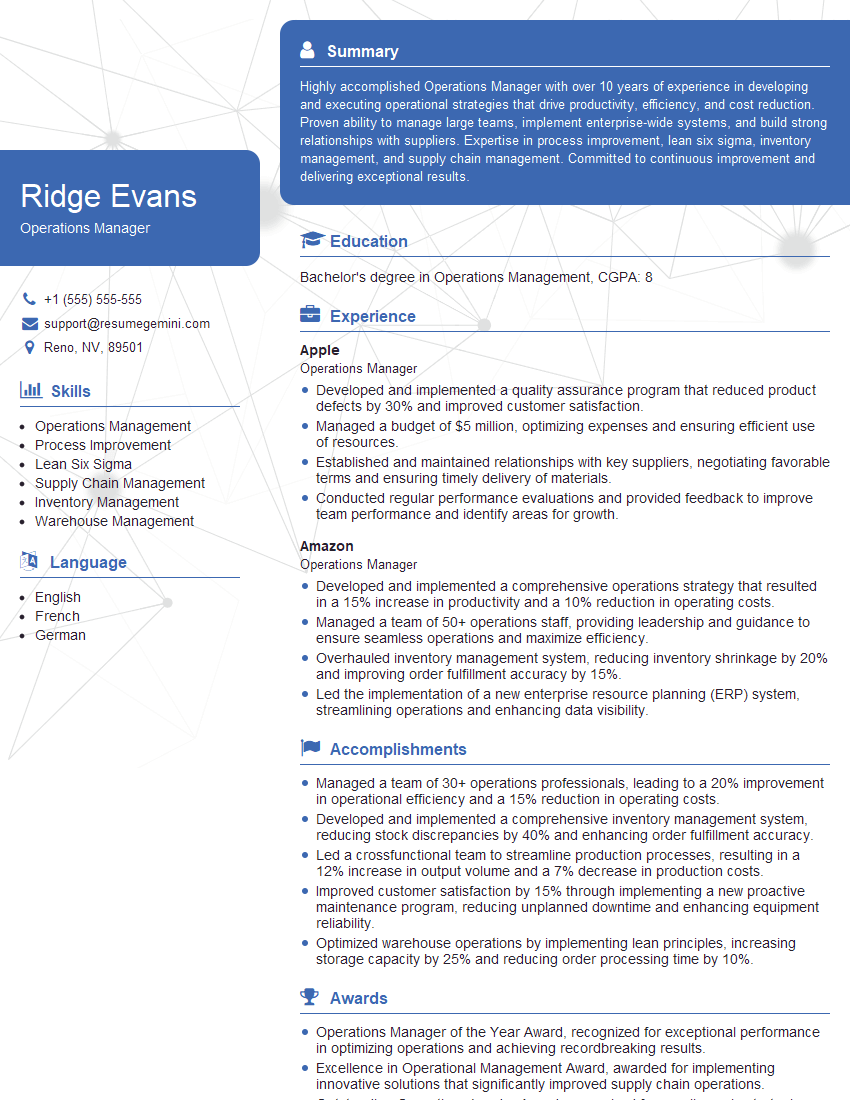
Operations Manager Resume Sample
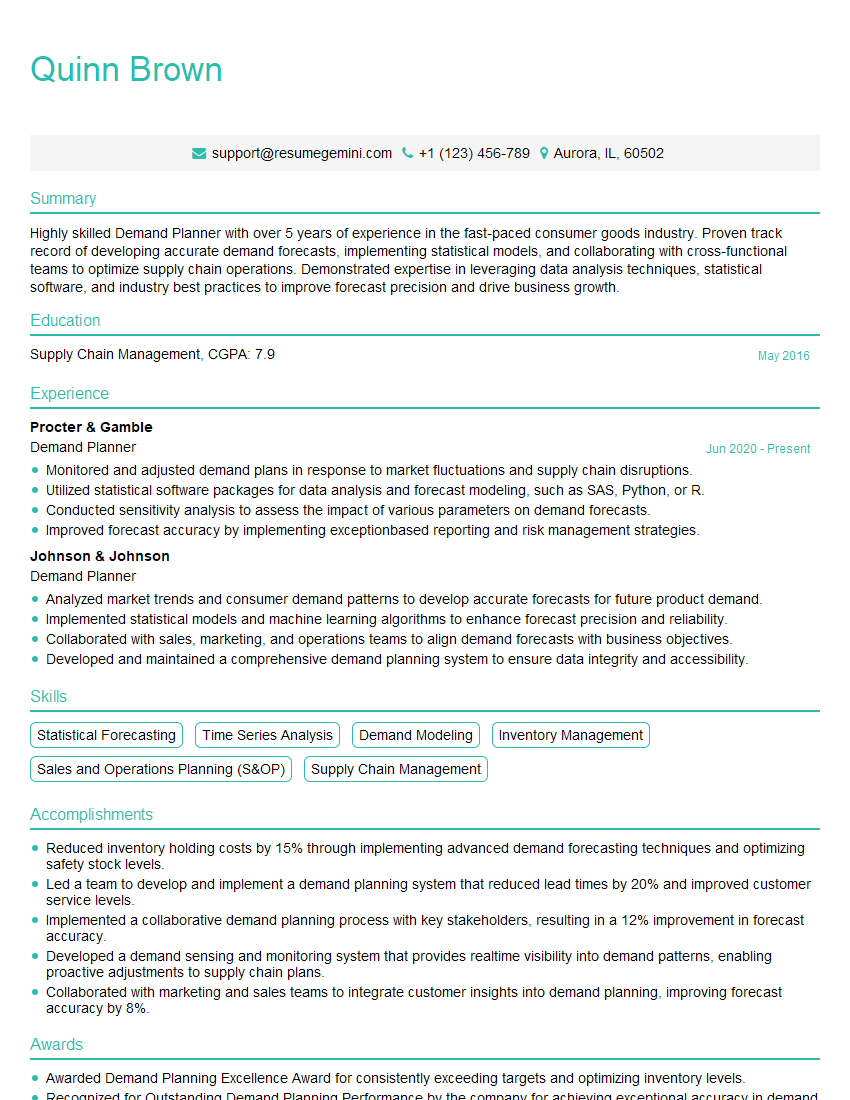
Demand Planner Resume Sample
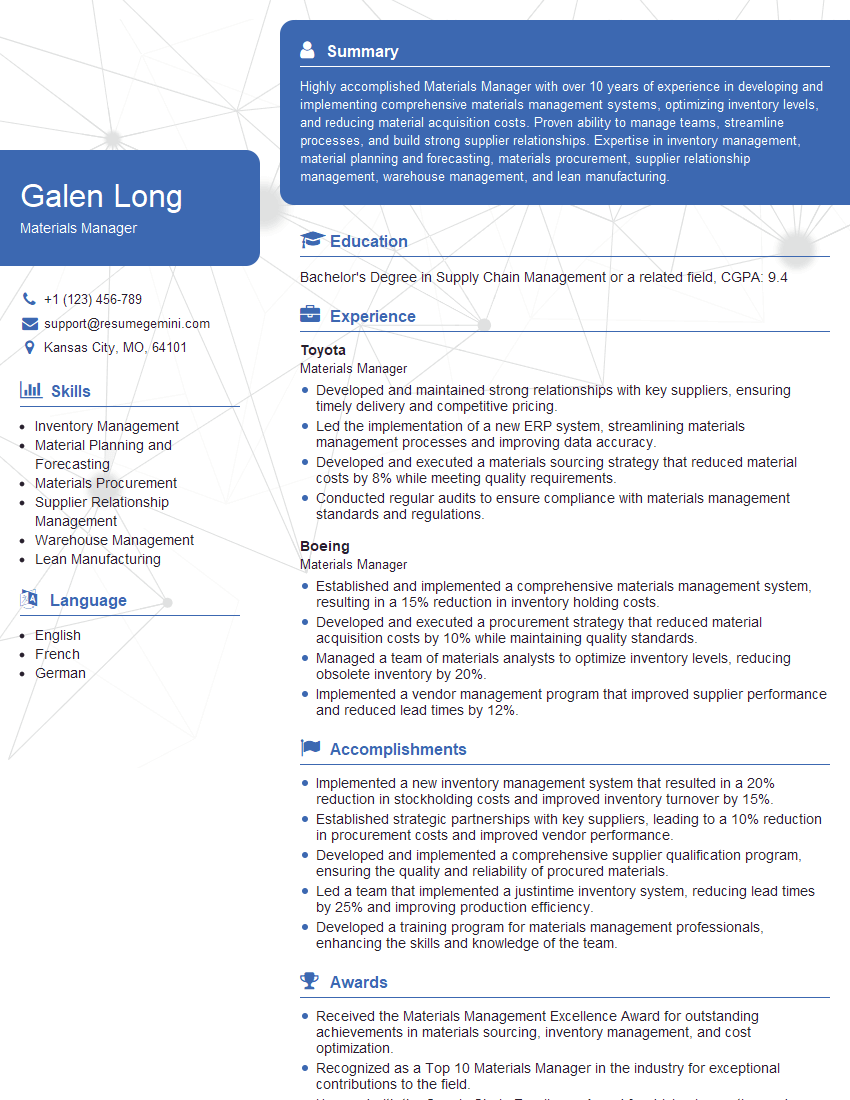
Materials Manager Resume Sample
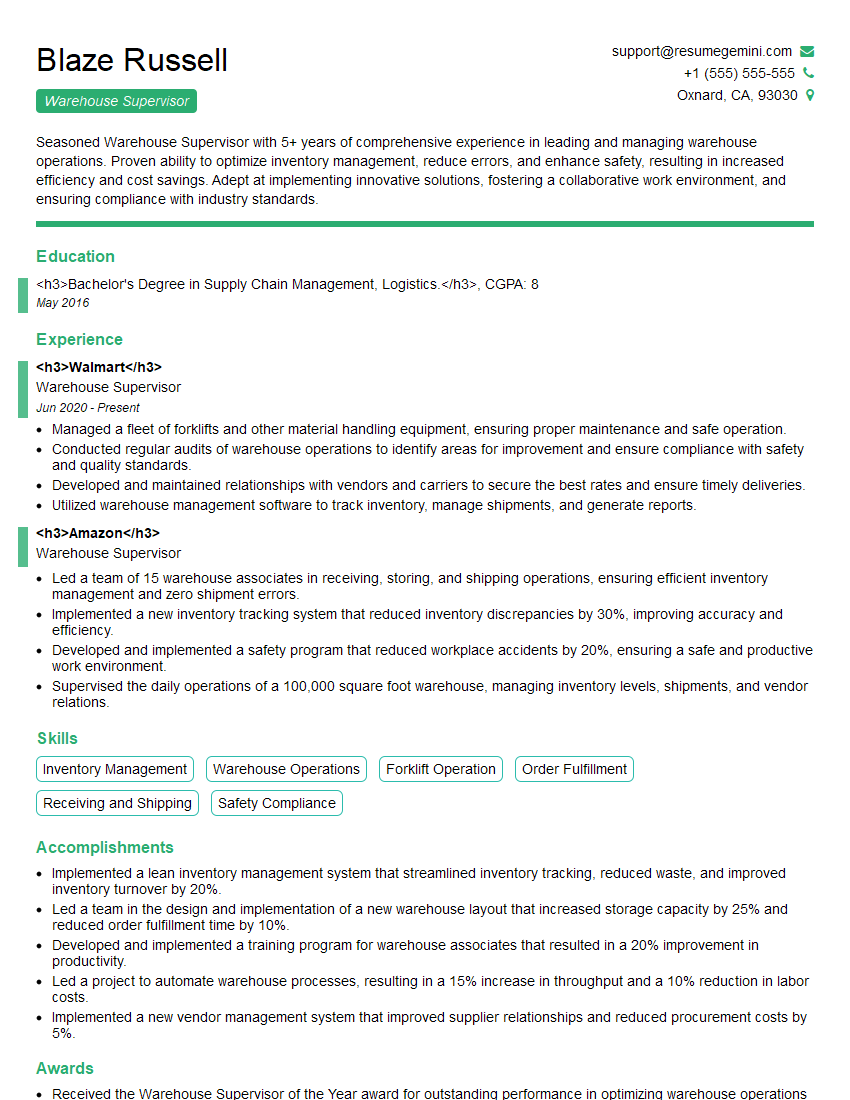
Warehouse Supervisor Resume Sample
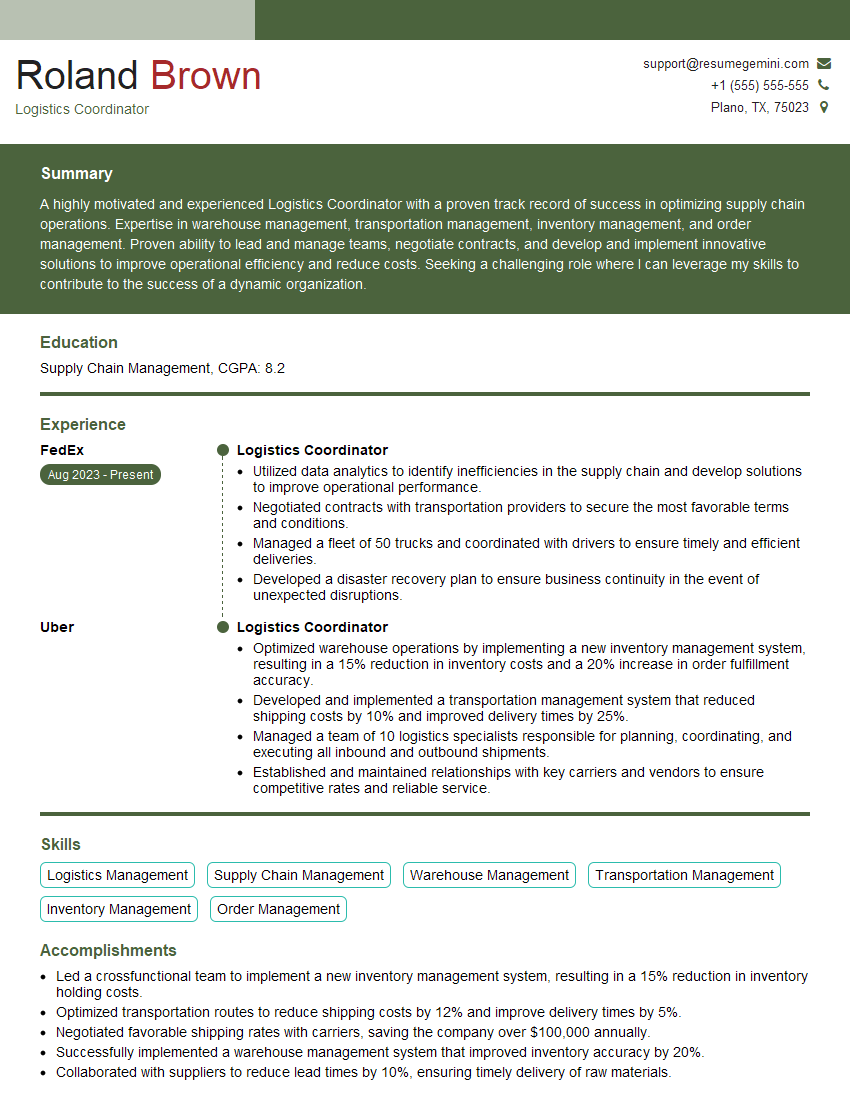
Logistics Coordinator Resume Sample
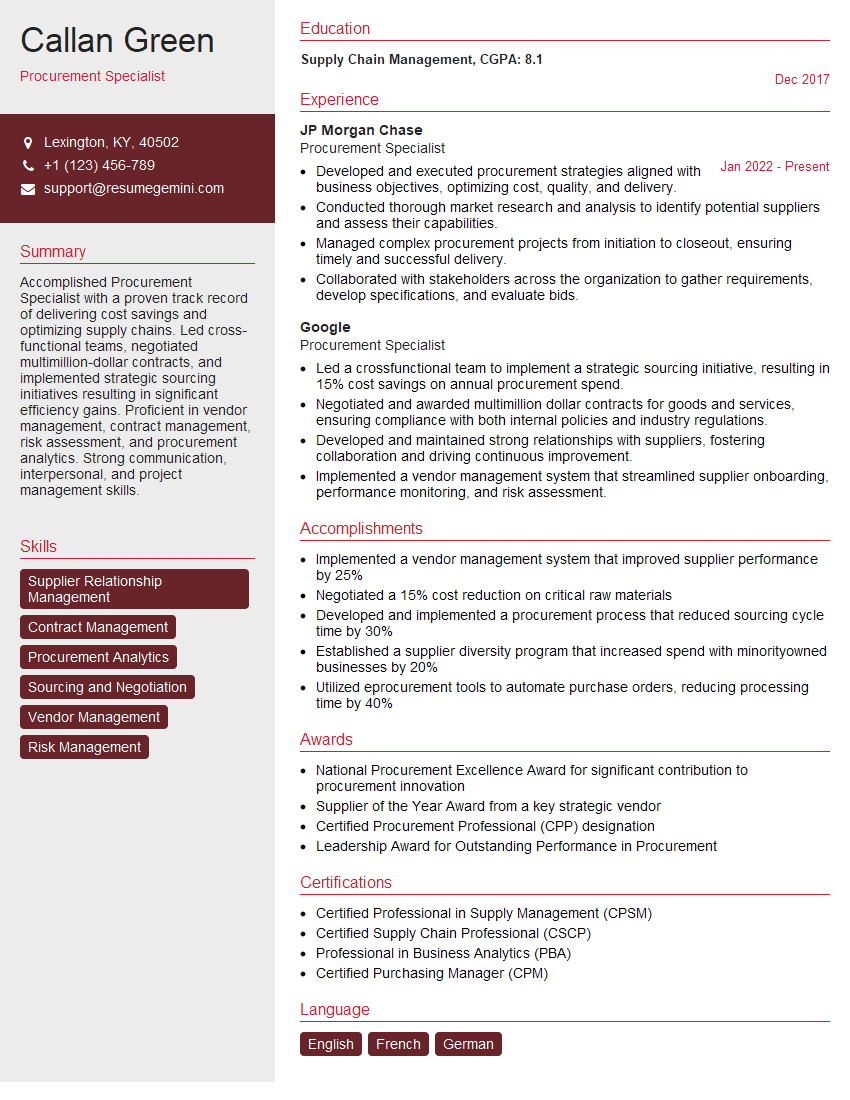
Procurement Specialist Resume Sample
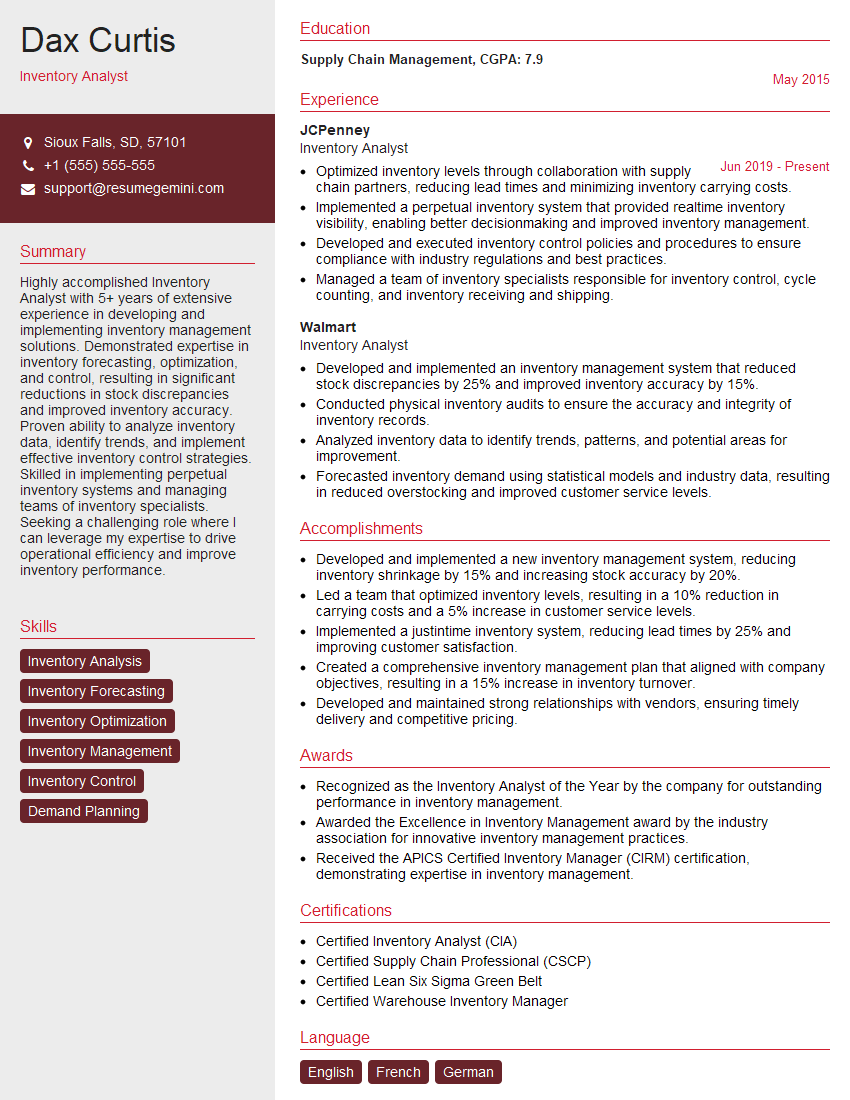
Inventory Analyst Resume Sample
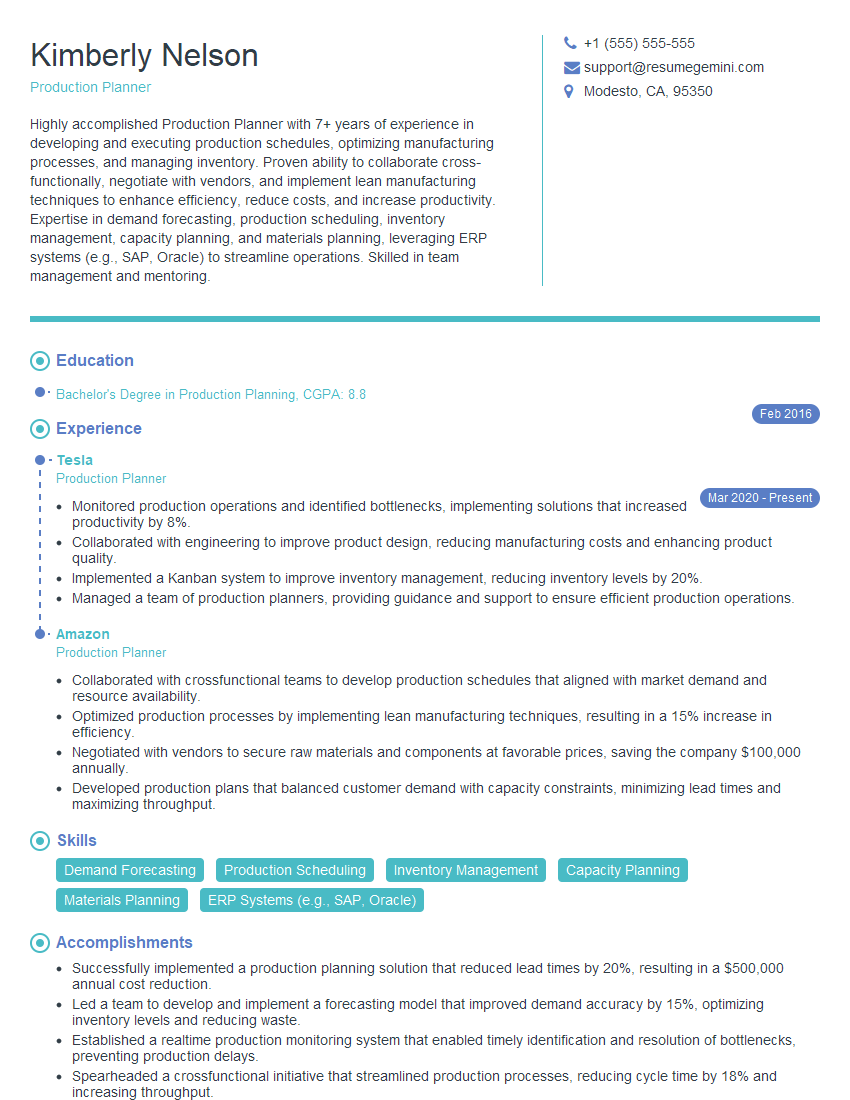
Production Planner Resume Sample
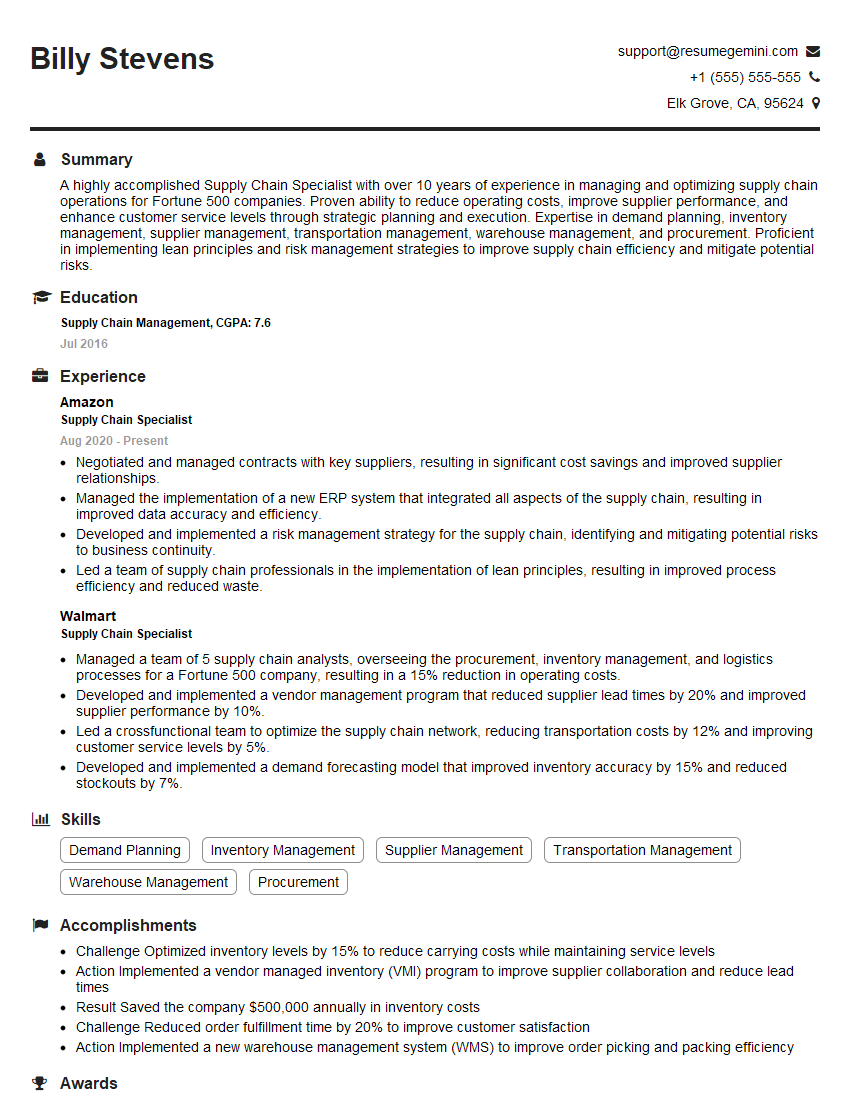
Supply Chain Specialist Resume Sample
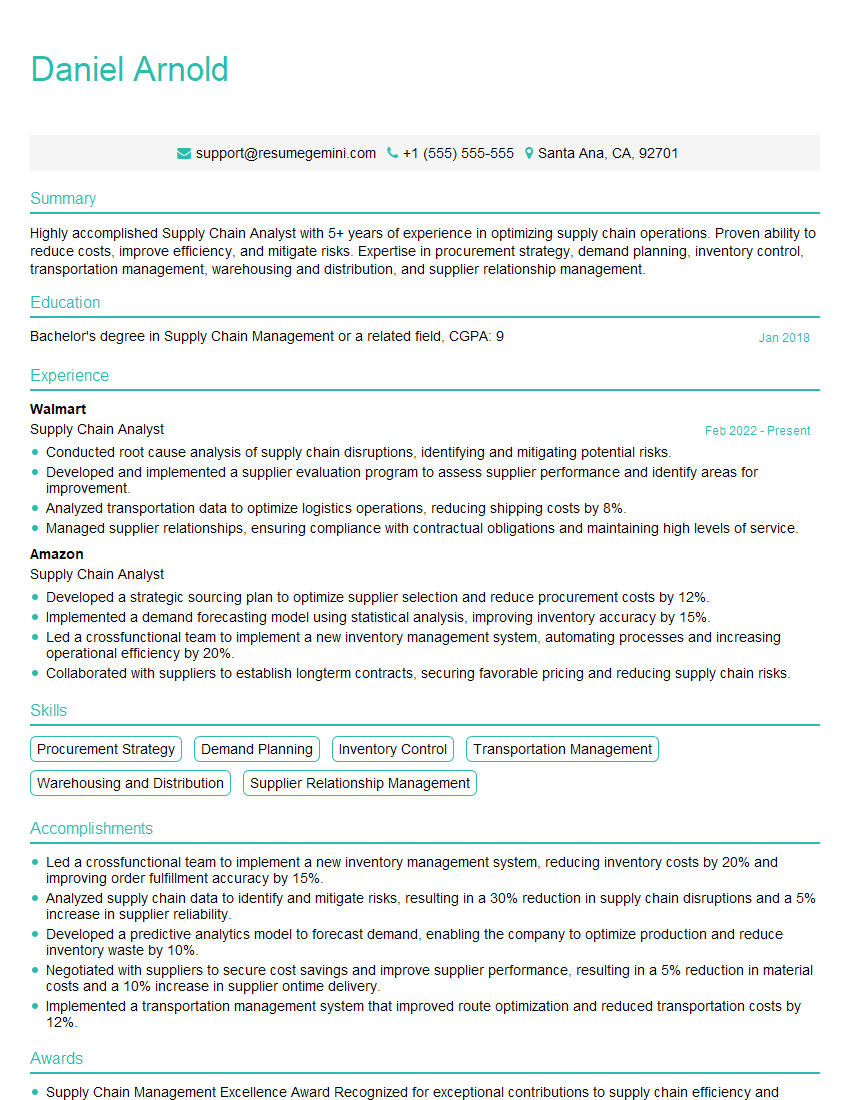
Supply Chain Analyst Resume Sample
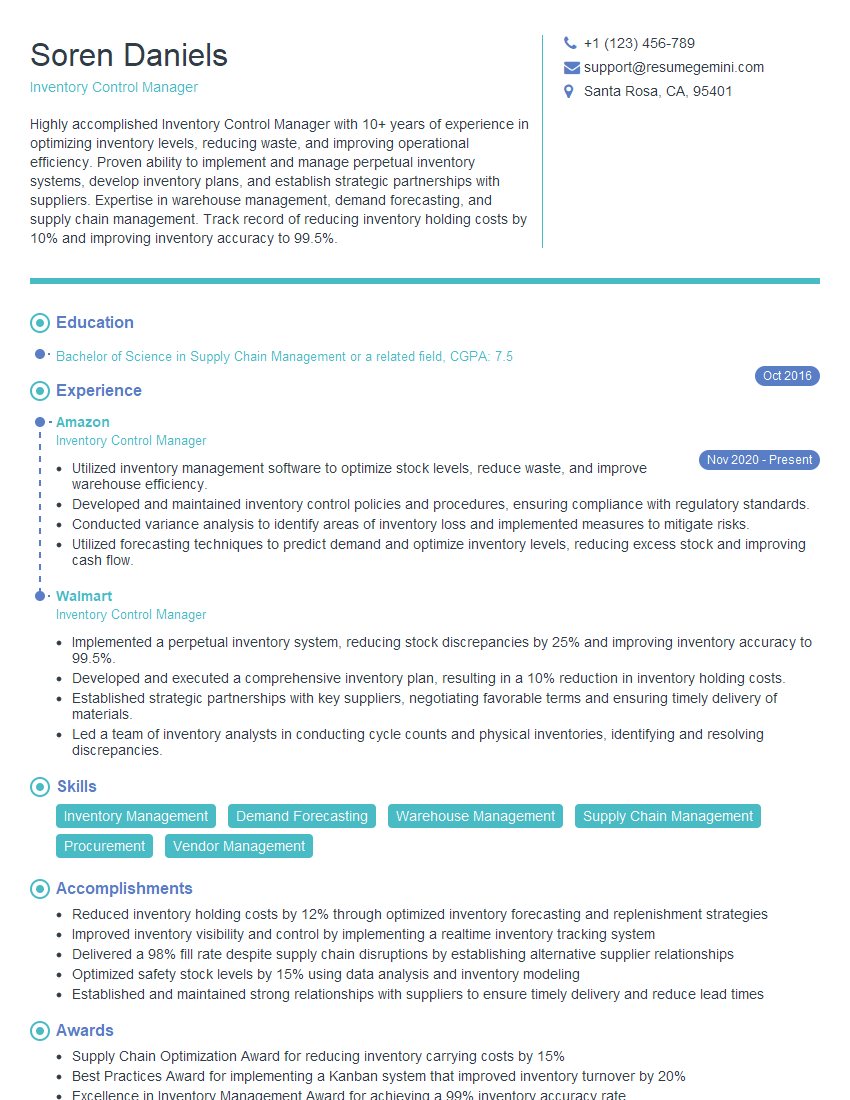
Inventory Control Manager Resume Sample
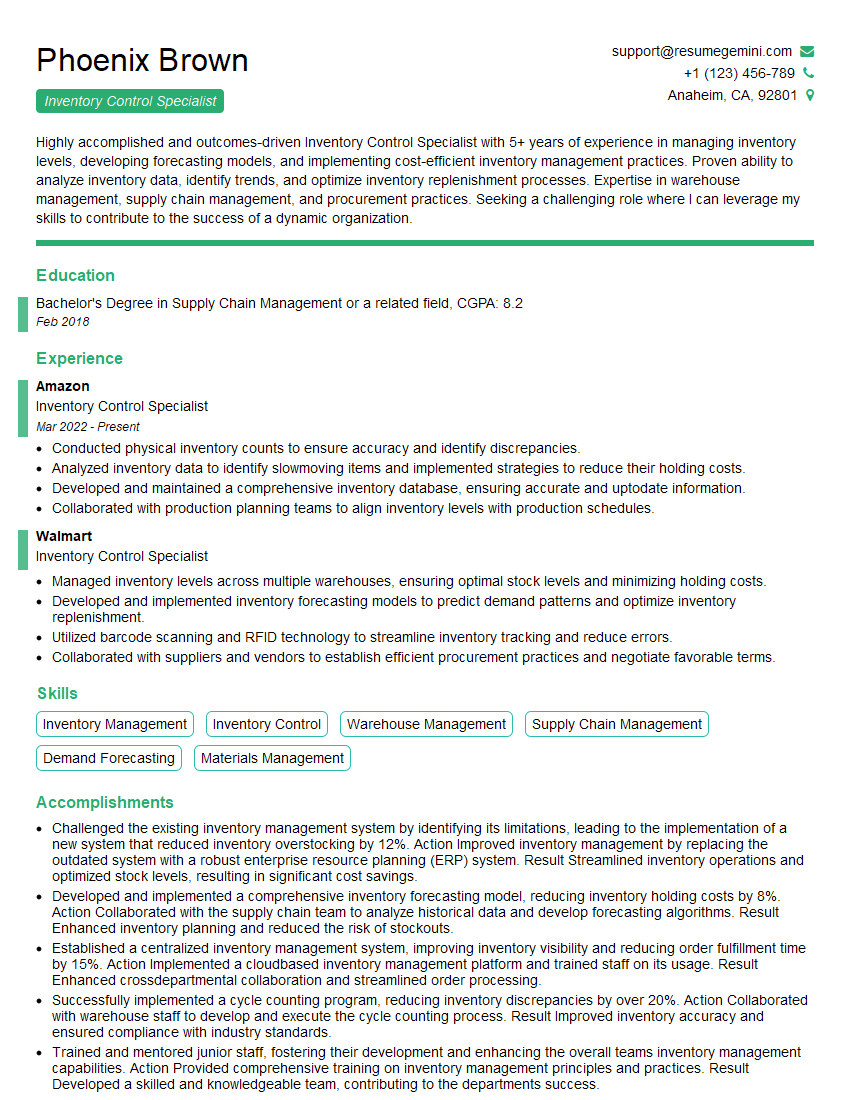
Inventory Control Specialist Resume Sample
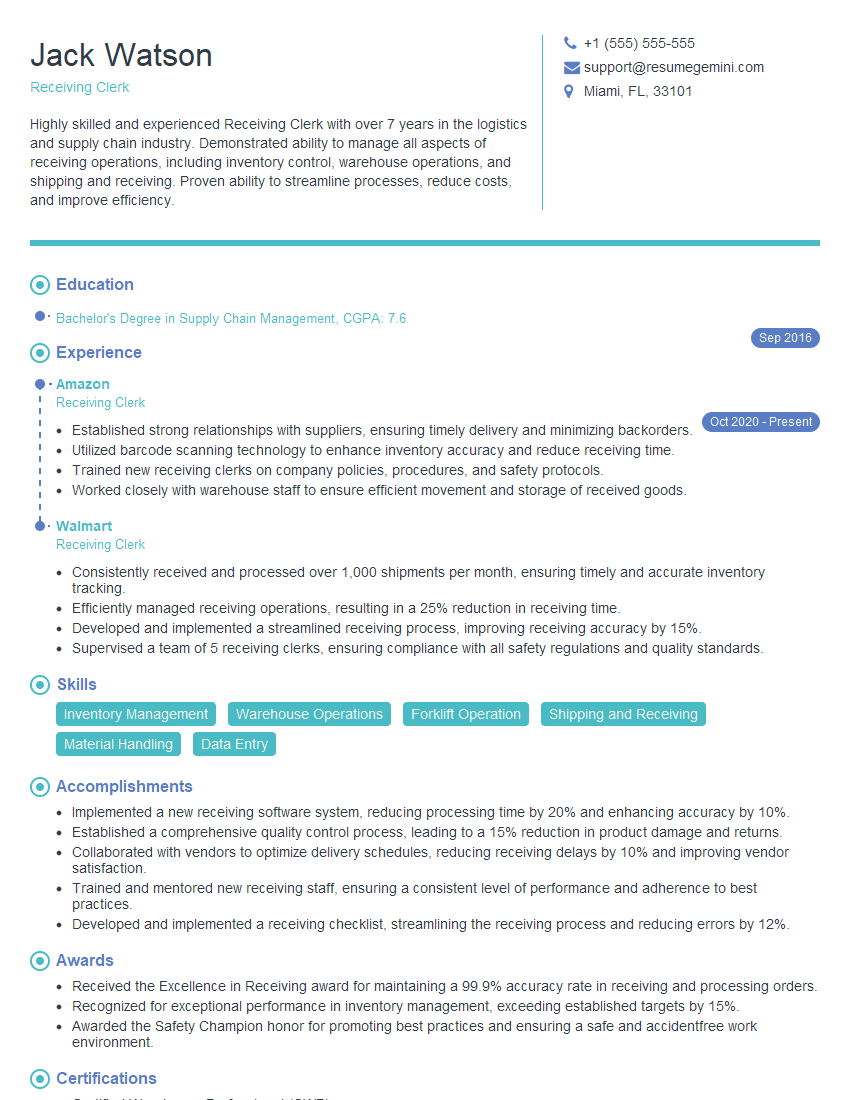
Receiving Clerk Resume Sample
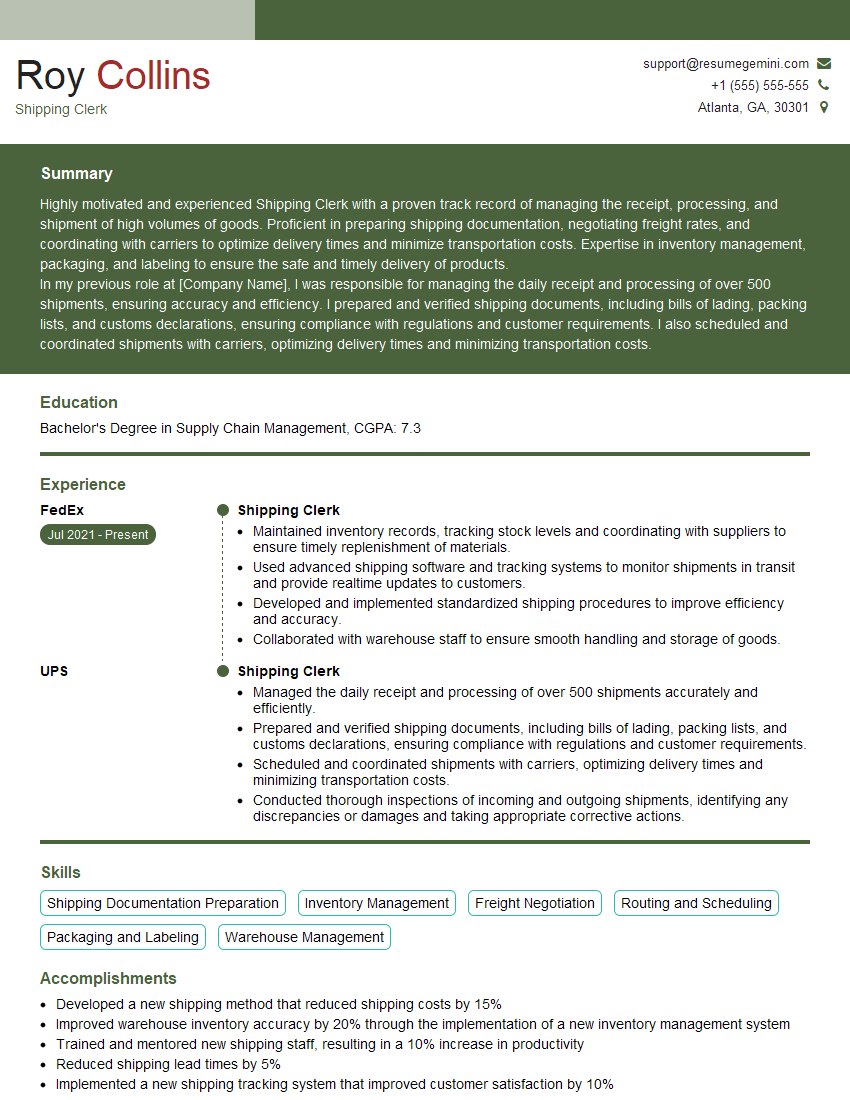
Shipping Clerk Resume Sample
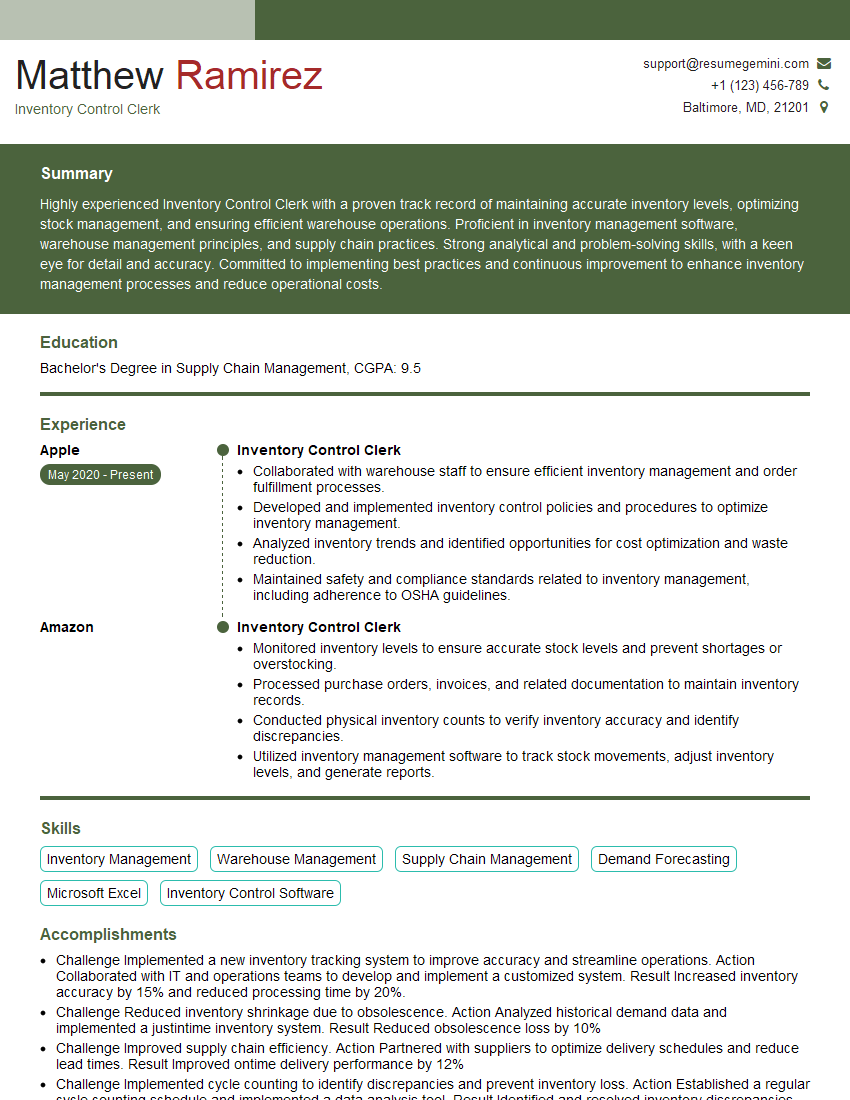
Inventory Control Clerk Resume Sample
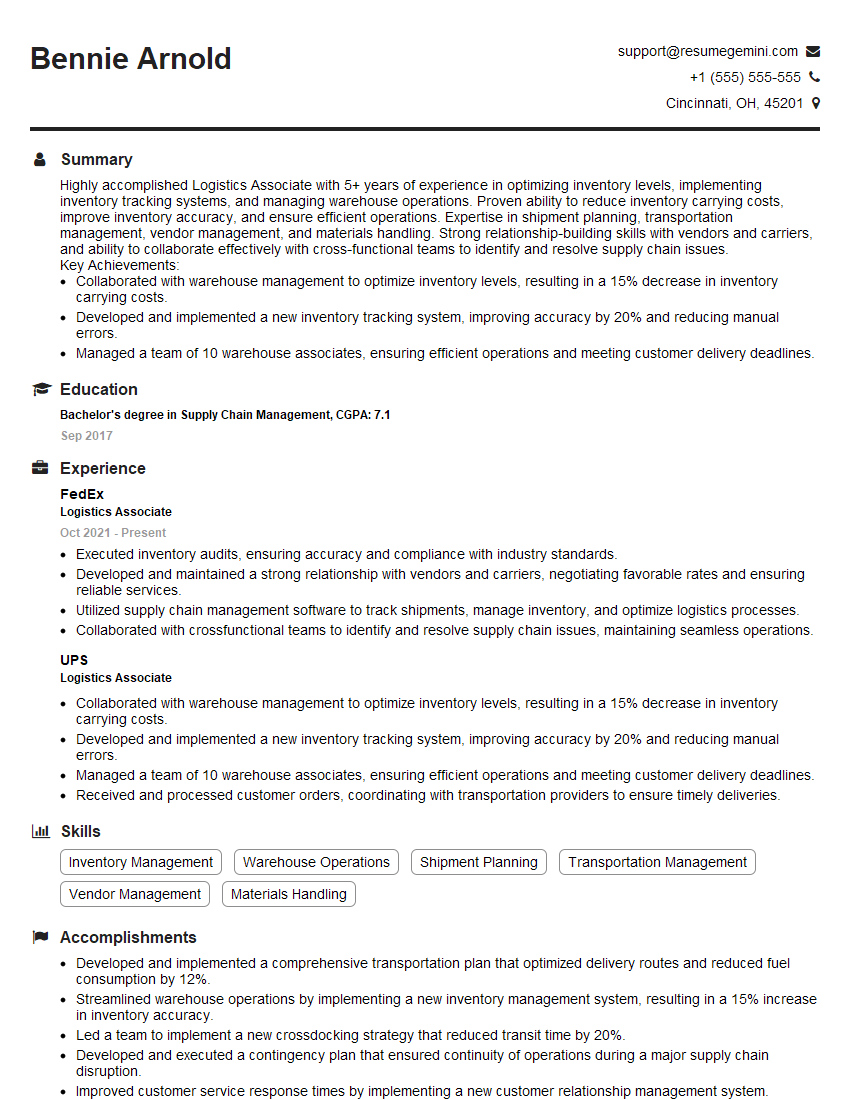
Logistics Associate Resume Sample
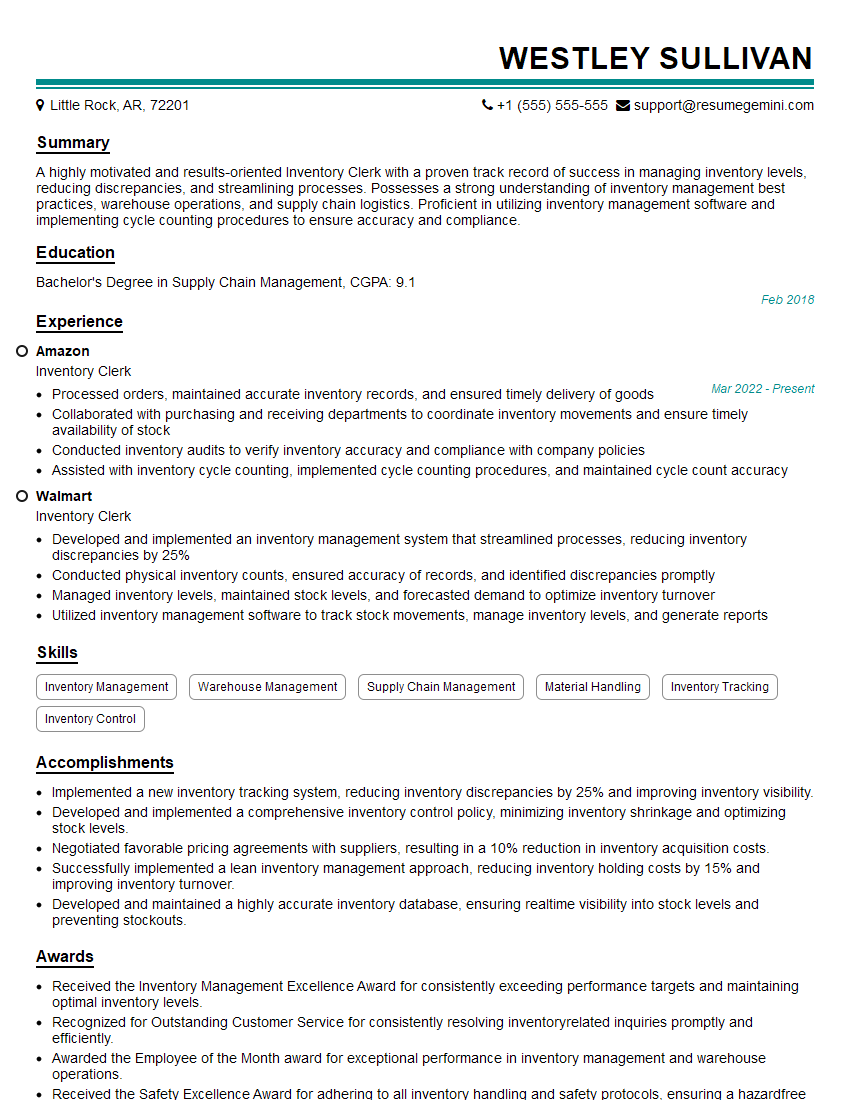
Inventory Clerk Resume Sample
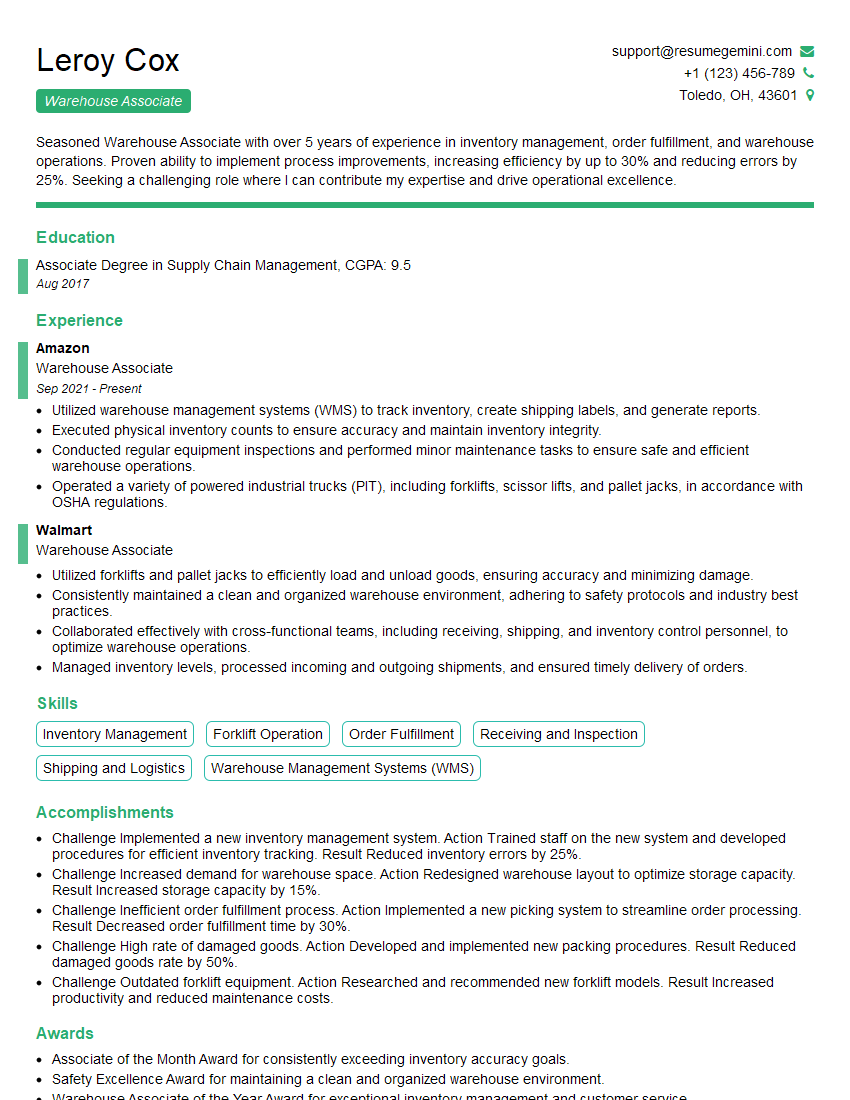
Warehouse Associate Resume Sample
- Operations Manager
- Demand Planner
- Materials Manager
- Warehouse Supervisor
- Logistics Coordinator
- Procurement Specialist
- Inventory Analyst
- Production Planner
- Supply Chain Specialist
- Supply Chain Analyst
- Inventory Control Manager
- Inventory Control Specialist
- Receiving Clerk
- Shipping Clerk
- Inventory Control Clerk
- Logistics Associate
- Inventory Clerk
- Warehouse Associate
Explore more articles
Users Rating of Our Blogs
Share Your Experience
We value your feedback! Please rate our content and share your thoughts (optional).
What Readers Say About Our Blog
Very informative content, great job.
good