Interviews are more than just a Q&A session—they’re a chance to prove your worth. This blog dives into essential Meeting Deadlines and Production Targets interview questions and expert tips to help you align your answers with what hiring managers are looking for. Start preparing to shine!
Questions Asked in Meeting Deadlines and Production Targets Interview
Q 1. Describe your process for prioritizing tasks to meet multiple deadlines.
Prioritizing tasks effectively to meet multiple deadlines requires a structured approach. I typically utilize a combination of methods, starting with a clear understanding of all deadlines and their relative importance. I then employ a prioritization matrix, often based on urgency and impact. This matrix visually categorizes tasks into quadrants: high urgency/high impact, high urgency/low impact, low urgency/high impact, and low urgency/low impact. Tasks in the high urgency/high impact quadrant get immediate attention. For tasks with similar urgency, I consider dependencies – a task blocking another higher-priority task will be addressed first. I also leverage tools like project management software to visually represent task dependencies and timelines.
For example, if I’m working on a marketing campaign with deadlines for content creation, social media scheduling, and email blasts, I’d first identify the most impactful deadline (e.g., the email blast to a high-value customer segment) and work backward, ensuring all dependencies (e.g., content creation for the email) are completed on time. I regularly review and adjust this prioritization as new information or changes emerge.
Q 2. How do you handle unexpected delays or obstacles that impact deadlines?
Unexpected delays are inevitable. My response involves a proactive, multi-step process. First, I acknowledge and assess the impact of the delay. This includes identifying the root cause – is it a technical issue, resource constraint, or external factor? Then, I communicate the delay transparently to all stakeholders, explaining the situation and the potential impact on timelines. Next, I explore mitigation strategies. This might involve re-prioritizing tasks, seeking additional resources, or renegotiating deadlines. Crucially, I document all changes and updates to keep everyone informed and accountable.
For instance, if a key supplier delays a shipment, affecting production, I’d immediately reach out to them to understand the extent of the delay and explore alternative suppliers or solutions. I’d then update the project plan, adjusting timelines accordingly and clearly communicate these changes to the team and clients. Open communication and proactive problem-solving are critical in minimizing the negative effects of unforeseen delays.
Q 3. Explain a time you successfully met a challenging production target.
In a previous role, we faced a challenging production target – launching a new software product within an extremely tight three-month timeframe. The challenge lay in coordinating multiple teams (development, design, marketing), managing intricate dependencies, and dealing with unforeseen bugs. To succeed, we implemented daily stand-up meetings to track progress, identify roadblocks, and ensure swift communication. We used Agile methodology, breaking down the project into smaller, manageable sprints with clearly defined goals and deliverables. We also established a robust testing process to catch bugs early. Constant monitoring of the project’s health using project management software allowed us to identify and address potential delays proactively.
The result was a successful launch, exceeding initial user acquisition targets. The collaborative effort and the meticulous planning and execution were key to achieving this ambitious target despite the tight deadlines.
Q 4. What strategies do you use to effectively manage your time and workload?
Effective time management is fundamental. My approach integrates several strategies. Firstly, I utilize time-blocking, scheduling specific time slots for focused work on particular tasks. I also prioritize tasks based on urgency and importance, as described earlier. I make liberal use of to-do lists and project management tools to stay organized and track progress. I also incorporate regular breaks to avoid burnout and maintain focus. I regularly review my schedule and adjust it based on my actual progress and evolving priorities.
For example, I might dedicate two hours in the morning to focused writing, followed by an hour for meetings, and then another block of time for addressing emails and other administrative tasks. This structured approach prevents task-switching, enhances concentration, and boosts overall productivity.
Q 5. How do you communicate project status and potential deadline risks to stakeholders?
Transparent and regular communication is crucial. I provide stakeholders with consistent project status updates, usually through a combination of methods. This includes weekly or bi-weekly progress reports outlining key accomplishments, roadblocks encountered, and any potential risks to the timeline. I utilize project management software to provide real-time visibility into task progress and deadlines. For critical updates or significant changes, I utilize email or schedule brief meetings to ensure clear and direct communication. In cases of potential deadline risks, I clearly articulate the risk, its potential impact, and proposed mitigation strategies, actively involving stakeholders in the decision-making process.
This proactive communication fosters trust and helps manage expectations. I find that providing regular, even small updates, maintains transparency and prevents surprises.
Q 6. How do you identify and mitigate potential bottlenecks in a production process?
Identifying and mitigating production bottlenecks requires a systematic approach. I begin by thoroughly understanding the entire production process, mapping out each step and its dependencies. I then analyze each stage for potential points of congestion, looking for areas with long processing times, high error rates, or resource constraints. This might involve reviewing historical data, conducting process mapping, or directly observing the workflow. Once potential bottlenecks are identified, I develop mitigation strategies. This may involve optimizing processes, improving resource allocation, investing in new technologies, or streamlining workflows. Continuous monitoring and data analysis are crucial for identifying and addressing emerging bottlenecks.
For example, if a particular stage in the production line is consistently delaying the overall process, I might investigate whether it’s due to equipment malfunction, insufficient staffing, or inefficient procedures. The solution might involve upgrading equipment, hiring additional staff, or implementing new training procedures.
Q 7. Describe your experience with project management software and tools.
I have extensive experience with various project management software and tools, including Asana, Jira, Trello, and Microsoft Project. My proficiency extends beyond basic task management; I’m adept at utilizing features like Gantt charts for visualizing project timelines, Kanban boards for workflow management, and resource allocation tools for optimizing team utilization. I understand how to configure these tools to track progress against key performance indicators (KPIs), identify potential risks, and facilitate collaboration among team members. My familiarity with these tools allows me to effectively manage complex projects, ensuring efficient task execution and timely completion.
I’m also comfortable adapting to new project management software as needed, as the best tool often depends on the specifics of a project and the team’s preferences. My focus is always on leveraging technology to enhance productivity and improve team collaboration.
Q 8. How do you measure your own productivity and success in meeting targets?
Measuring personal productivity and success in meeting targets isn’t just about hitting numbers; it’s about understanding the process. I utilize a multi-faceted approach. Firstly, I set SMART goals (Specific, Measurable, Achievable, Relevant, Time-bound). For example, instead of ‘improve efficiency,’ I’d set ‘reduce project completion time by 15% by implementing kanban by the end of Q3.’
Secondly, I track my progress using various tools, including project management software (like Jira or Asana), time-tracking apps (like Toggl Track), and personal spreadsheets. This data helps me identify bottlenecks and areas for improvement. I regularly review my performance against the SMART goals, analyzing what worked, what didn’t, and adjusting my approach accordingly. Finally, I also incorporate qualitative metrics like feedback from stakeholders and self-reflection on my workflow. This holistic approach ensures that I’m not just meeting targets, but doing so efficiently and effectively.
Q 9. How do you collaborate with team members to ensure deadlines are met?
Effective collaboration is crucial for meeting deadlines. I foster a culture of open communication and mutual respect within my teams. We use regular stand-up meetings (daily or weekly, depending on project complexity) to discuss progress, roadblocks, and dependencies. Tools like Slack or Microsoft Teams facilitate ongoing communication and quick issue resolution. We utilize project management tools to track individual tasks, ensuring transparency and accountability.
Beyond that, I actively encourage proactive problem-solving within the team. If someone faces a challenge, we brainstorm solutions collaboratively. I also ensure everyone understands the overall project goals and how their individual contributions fit into the larger picture. This sense of shared purpose enhances teamwork and commitment to shared deadlines.
Q 10. Have you ever had to adjust deadlines? Explain the process and outcome.
Adjusting deadlines is sometimes unavoidable. In one project, we were developing a new software feature. Initially, we had a tight deadline of six weeks. However, halfway through, we discovered a significant unforeseen technical challenge that required a different approach. We initiated a formal process involving:
- Assessing the Impact: We carefully evaluated the impact of the delay, quantifying the additional time and resources needed.
- Communicating the Change: We transparently communicated the revised timeline to all stakeholders (clients, management, and the team) providing clear justification for the delay.
- Reprioritizing Tasks: We adjusted the project plan, focusing on critical tasks and potentially delaying less crucial components.
- Seeking Solutions: We explored alternative solutions, potentially involving additional resources or a revised scope to minimize the delay.
The outcome was a slightly delayed project but one delivered to a higher quality standard. The transparent communication prevented misunderstandings and built trust with stakeholders. This experience reinforced the importance of proactive communication and risk assessment.
Q 11. What’s your approach to dealing with conflicting priorities?
Conflicting priorities are an inevitable part of project management. My approach involves a structured prioritization framework. I utilize techniques like the Eisenhower Matrix (urgent/important), which helps categorize tasks. This involves:
- Identifying all priorities: Listing all tasks and their deadlines.
- Assessing urgency and importance: Categorizing tasks based on the Eisenhower Matrix (Do, Decide, Delegate, Delete).
- Prioritizing tasks: Focusing on high-urgency, high-importance tasks first.
- Communicating priorities: Making the prioritization clear to the team, explaining the rationale behind the decisions.
- Seeking compromises: Where possible, negotiating adjustments with stakeholders to balance conflicting demands.
This allows me to focus my efforts effectively and ensure that the most critical tasks are completed on time.
Q 12. Describe a time you failed to meet a deadline. What did you learn?
In a previous role, we missed a critical product launch deadline. The root cause was a lack of clear communication and insufficient risk management. Several unexpected technical issues arose, and because we hadn’t anticipated these or had contingency plans, they severely impacted the timeline. We failed to effectively communicate these challenges to management until it was too late to implement corrective actions.
The key learning was the crucial role of proactive communication and comprehensive risk assessment. Now, I always include thorough risk assessment as part of project planning, identifying potential roadblocks and developing mitigation strategies. Regular, transparent communication prevents surprises and allows us to address problems promptly, keeping projects on track.
Q 13. How do you motivate your team to meet production targets?
Motivating a team to meet production targets involves creating a positive and supportive work environment. I focus on three key areas:
- Recognition and Appreciation: Acknowledging individual and team accomplishments, both big and small, is vital. This could involve simple verbal praise, team lunches, or formal performance awards.
- Empowerment and Ownership: Giving team members autonomy and ownership over their work increases engagement and motivation. I ensure everyone understands their role and how it contributes to the overall goals.
- Clear Expectations and Feedback: Setting clear, achievable goals, providing regular feedback, and offering support helps team members stay on track and feel confident in their abilities.
I firmly believe that a motivated team is a productive team. By fostering a positive work environment and providing the necessary resources and support, I strive to create a sense of shared purpose and commitment to achieving targets.
Q 14. How familiar are you with Agile or Waterfall methodologies?
I’m proficient in both Agile and Waterfall methodologies. Waterfall, with its linear, sequential approach, works well for projects with stable requirements and minimal expected changes. I’ve successfully utilized Waterfall in several large-scale infrastructure projects, where a structured approach was essential.
Agile, with its iterative and incremental approach, offers greater flexibility and adaptability, particularly for projects with evolving requirements. My experience with Scrum, a common Agile framework, includes sprint planning, daily stand-ups, sprint reviews, and retrospectives. I’ve used Agile extensively in software development projects, where frequent feedback and adaptation are crucial for success. I can adapt my approach based on the project’s specific needs and constraints, choosing the methodology that provides the best fit.
Q 15. What metrics do you use to track progress towards production targets?
Tracking progress towards production targets requires a multifaceted approach, utilizing key performance indicators (KPIs) tailored to the specific project. These metrics provide a clear picture of our efficiency and identify areas needing attention.
- Units Produced: A simple yet crucial metric, this measures the total output against the planned target. For example, in a manufacturing setting, we might track the number of widgets produced per day or week.
- Defect Rate: This metric highlights the quality of production. A lower defect rate indicates better efficiency and fewer resources wasted on rework. We might track the percentage of defective units compared to the total produced.
- Cycle Time: This measures the time it takes to complete one production cycle, from start to finish. Reducing cycle time boosts efficiency and increases output. For instance, in software development, this might be the time taken from code commit to deployment.
- On-Time Delivery Rate: This assesses the ability to meet delivery schedules. It’s crucial for maintaining client relationships and project timelines. We calculate the percentage of projects delivered on or before the due date.
- Resource Utilization: This monitors how effectively resources (personnel, machinery, materials) are used. High utilization suggests efficiency, while low utilization may indicate under-allocation or bottlenecks. We might track machine uptime or employee productivity rates.
By regularly monitoring these KPIs and analyzing trends, we can proactively address any deviations from the targets, ensuring timely and efficient production.
Career Expert Tips:
- Ace those interviews! Prepare effectively by reviewing the Top 50 Most Common Interview Questions on ResumeGemini.
- Navigate your job search with confidence! Explore a wide range of Career Tips on ResumeGemini. Learn about common challenges and recommendations to overcome them.
- Craft the perfect resume! Master the Art of Resume Writing with ResumeGemini’s guide. Showcase your unique qualifications and achievements effectively.
- Don’t miss out on holiday savings! Build your dream resume with ResumeGemini’s ATS optimized templates.
Q 16. How do you adapt your approach to meeting deadlines in different project contexts?
Adapting my approach to meeting deadlines across different project contexts hinges on flexibility and a thorough understanding of project specifics. I employ a tailored methodology for each project, considering its unique aspects.
- Project Size and Complexity: A small, simple project might require a less formal approach, whereas a large, complex project necessitates a more structured project management methodology like Agile or Waterfall.
- Team Dynamics: The team’s experience, skills, and communication styles greatly influence the project management approach. I’d adjust my communication and collaboration techniques accordingly.
- Resource Availability: The availability of resources (budget, personnel, equipment) affects the project timeline and execution strategy. A project with limited resources may require careful prioritization and task allocation.
- Client Requirements: The client’s expectations, communication style, and feedback mechanisms impact the project’s progress and deliverables. Consistent communication and regular updates are crucial in these situations.
For example, a quick turnaround project might utilize a rapid prototyping approach, while a long-term project would benefit from a phased rollout with regular checkpoints. This adaptability ensures deadlines are met effectively within various constraints.
Q 17. Describe your experience with resource allocation and management.
Resource allocation and management are fundamental to successful project completion. My experience includes identifying resource needs, assigning tasks, monitoring performance, and optimizing resource utilization.
I leverage various techniques, including:
- Resource Leveling: This involves smoothing out resource demands over time to avoid peaks and valleys, thereby improving resource utilization and preventing delays.
- Critical Path Analysis: This technique identifies the sequence of tasks that determines the shortest possible project duration. This allows for focused resource allocation on critical tasks.
- Task Prioritization: Based on urgency and importance, tasks are prioritized to ensure that the most critical activities are completed first.
- Team Skill Assessment: Before resource allocation, I conduct a thorough assessment of team members’ skills and experience to match individuals to appropriate tasks.
In one project, we faced a shortage of skilled developers. To overcome this, we prioritized tasks, outsourced some less critical components, and provided additional training to existing team members. This ensured the project remained on track despite resource constraints.
Q 18. How do you handle pressure when working towards tight deadlines?
Working under pressure is a common aspect of meeting tight deadlines. My approach involves a combination of proactive planning, effective time management, and stress management techniques.
- Proactive Planning: Thorough planning, including identifying potential risks and developing contingency plans, minimizes the impact of unexpected challenges. A detailed project schedule with clear milestones and deadlines helps maintain focus.
- Effective Time Management: Prioritization, task delegation, and timeboxing (allocating specific time slots for tasks) enable efficient time utilization.
- Stress Management: I incorporate techniques like regular breaks, exercise, and mindfulness to prevent burnout and maintain focus under pressure. Open communication with the team also helps in managing collective stress levels.
- Seeking Support: If overwhelmed, I don’t hesitate to seek help from colleagues or management. Collaboration and open communication can often provide solutions to challenging situations.
For instance, during a particularly demanding project launch, we implemented daily stand-up meetings to track progress and address challenges promptly. This ensured everyone stayed informed and collaborated effectively, lessening individual pressure.
Q 19. What are your preferred methods for tracking progress against deadlines?
I prefer a multi-pronged approach to tracking progress against deadlines, combining both digital and traditional methods depending on the project’s scale and complexity.
- Project Management Software: Tools like Jira, Asana, or Trello provide centralized platforms for task management, progress tracking, and team collaboration. These tools offer features like Gantt charts, Kanban boards, and progress reports that offer a comprehensive overview of the project status.
- Spreadsheets: Spreadsheets are effective for simple projects or for tracking specific metrics. They allow for customized tracking of KPIs and progress against milestones.
- Regular Meetings: Regular team meetings, such as daily stand-ups, provide opportunities to discuss progress, identify roadblocks, and collaboratively address challenges. This fosters accountability and ensures everyone is on the same page.
- Progress Reports: Regular progress reports, presented visually using charts and graphs, provide a concise and clear overview of the project status to stakeholders. This keeps everyone informed and allows for prompt adjustments if necessary.
The combination of these methods ensures comprehensive tracking and allows for flexibility depending on the project’s needs.
Q 20. How do you ensure accuracy and quality while meeting production targets?
Ensuring accuracy and quality while meeting production targets is paramount. This involves implementing quality control measures throughout the production process.
- Quality Control Checks: Implementing regular quality checks at various stages of the production process helps identify and address defects early, minimizing rework and delays. This can involve peer reviews, code testing, or quality assurance testing.
- Process Automation: Automating repetitive tasks reduces human error and increases consistency, contributing to higher accuracy and quality. This may involve using scripting, automated testing frameworks, or specialized software.
- Standardized Procedures: Establishing and adhering to standardized procedures ensures consistency in production and reduces variations that can lead to errors. This helps maintain quality and reduces the chance of defects.
- Continuous Improvement: Regularly reviewing the production process and identifying areas for improvement helps enhance efficiency and quality over time. This can involve using feedback from team members, stakeholders, and analyzing process data.
In one instance, we implemented automated testing for our software, which drastically reduced the number of bugs discovered after deployment. This improved product quality and saved time and resources spent on fixing post-release issues.
Q 21. What is your experience with risk management in relation to deadlines?
Risk management is crucial for meeting deadlines. It involves identifying potential threats to the project timeline and developing mitigation strategies.
- Risk Identification: This involves brainstorming potential problems that could affect the project timeline, such as resource shortages, technical challenges, or unforeseen delays. Techniques include SWOT analysis and brainstorming sessions.
- Risk Assessment: Once identified, risks are assessed based on their likelihood and potential impact on the project. This helps prioritize which risks need immediate attention.
- Risk Mitigation: Strategies are developed to reduce the likelihood or impact of identified risks. This could involve developing contingency plans, allocating additional resources, or establishing communication protocols.
- Risk Monitoring: Regular monitoring of risks is essential to identify any emerging threats or changes in the risk landscape. This ensures that mitigation strategies remain effective and adjustments can be made as needed.
For example, in a previous project, we identified the risk of a key supplier experiencing delays. We mitigated this by securing a secondary supplier and establishing clear communication channels to monitor the primary supplier’s progress. This proactive approach prevented significant project delays.
Q 22. How do you identify and address potential risks to meeting deadlines?
Identifying and mitigating risks to deadlines requires a proactive approach. It’s not enough to simply hope everything goes smoothly; you need a structured process. I begin by conducting a thorough risk assessment, identifying potential roadblocks early on. This involves brainstorming with the team, reviewing past project experiences, and considering external factors like supplier reliability or potential regulatory changes.
- Identify Potential Risks: I use techniques like SWOT analysis (Strengths, Weaknesses, Opportunities, Threats) and a simple risk register to document potential issues, assigning each a likelihood and impact score.
- Develop Mitigation Strategies: For each identified risk, I develop a mitigation strategy. This could involve securing backup resources, establishing contingency plans (e.g., having alternative vendors), or building buffer time into the schedule. For example, if a key team member might be unavailable, we’d pre-assign tasks and ensure knowledge transfer to avoid delays.
- Monitor and Adapt: Regularly monitoring progress is crucial. We utilize project management software to track task completion and identify any deviations from the plan. If a risk materializes, we promptly activate the mitigation plan and reassess the overall timeline.
For instance, on a recent project, we anticipated potential delays due to software integration. We proactively engaged the software vendor earlier than planned, securing their support and conducting preliminary tests, minimizing the impact on the final deadline.
Q 23. How do you balance speed and quality when striving for production targets?
Balancing speed and quality is a constant challenge. It’s not a simple trade-off; rather, it’s about optimizing both. The key is to establish clear quality standards early in the process and integrate them throughout the workflow, rather than trying to fix issues at the end.
- Define Quality Metrics: Specify exactly what ‘quality’ means for the project. This might include things like error rates, customer satisfaction scores, or adherence to specific design specifications.
- Process Optimization: Streamline workflows to eliminate unnecessary steps and bottlenecks. This could involve automation, process mapping, and continuous improvement practices like Kaizen.
- Agile Methodology: Employing Agile methodologies allows for iterative development and continuous feedback, enabling adjustments to be made quickly while still maintaining high-quality standards. Regular sprints with reviews and retrospectives help identify and address quality issues early.
- Prioritization: Focus on the most critical aspects that directly impact quality. This may require making trade-offs on less important features to meet deadlines while maintaining core quality.
In a past project involving website development, we initially prioritized core functionality over aesthetic elements in the early sprints. This allowed for a faster initial release, with aesthetic improvements integrated in later sprints without compromising the project’s overall deadline or functionality.
Q 24. How do you handle situations where resources are limited?
Limited resources require strategic allocation and creative problem-solving. It’s about maximizing the efficiency of what you have available.
- Prioritization and Scope Management: This is paramount. With limited resources, you need to focus on the most critical tasks that deliver the highest value. This might involve temporarily postponing less important tasks or reducing the project scope.
- Resource Optimization: Analyze how current resources are being utilized. Are there any inefficiencies? Can tasks be delegated more effectively? Can some tasks be automated or outsourced?
- Cross-Training: Upskill team members to handle a wider range of tasks, increasing flexibility and reducing reliance on specific individuals.
- Improved Communication and Collaboration: Effective communication is essential to ensure everyone is aligned on priorities and working efficiently together.
Once, when facing a tight deadline with a shortage of developers, we successfully prioritized features, delegated tasks effectively, and relied heavily on collaborative coding practices and code reviews to maintain quality while completing the project on time.
Q 25. Describe your experience with reporting on progress and performance against targets.
Reporting on progress and performance is crucial for accountability and transparency. I have extensive experience using various tools and methods to accurately and effectively communicate project status to stakeholders.
- Regular Progress Reports: I typically provide regular (e.g., weekly or bi-weekly) progress reports that include key metrics such as task completion rates, milestones achieved, and any identified risks or roadblocks.
- Data Visualization: I utilize charts, graphs, and dashboards to present data in a clear and concise manner. This makes it easy for stakeholders to understand the project’s progress at a glance.
- Variance Analysis: I regularly analyze variances between planned and actual performance, identifying areas where adjustments are needed and explaining potential causes of delays or cost overruns.
- Project Management Software: I leverage project management software (e.g., Jira, Asana, MS Project) to track progress, manage tasks, and generate reports automatically.
In my previous role, I implemented a weekly status report system using a customized dashboard, allowing senior management to easily monitor the progress of multiple projects simultaneously, enhancing transparency and proactive issue management.
Q 26. How do you use data analysis to inform decisions about deadlines and targets?
Data analysis is fundamental to effective deadline and target management. It helps us make data-driven decisions rather than relying on gut feeling.
- Historical Data Analysis: Analyzing past project data helps identify trends and patterns, informing more accurate estimations for future deadlines and resource allocation. For example, analyzing past sprint velocities in Agile projects can significantly improve future sprint planning.
- Predictive Modeling: Using statistical techniques, we can develop predictive models to forecast potential challenges and make proactive adjustments to mitigate risks. This could involve forecasting resource needs based on historical data or predicting potential delays based on task dependencies.
- Performance Monitoring: Regularly monitoring key performance indicators (KPIs) allows us to identify areas of strength and weakness, enabling timely intervention and adjustments to improve performance and meet deadlines.
- A/B Testing (where applicable): In some contexts, like marketing campaigns, A/B testing can help optimize strategies to achieve targets more effectively.
In a recent marketing campaign, we used data analysis to identify the most effective advertising channels, allowing us to reallocate resources and significantly improve our conversion rates, exceeding our initial targets.
Q 27. How do you build strong working relationships with colleagues to achieve shared deadlines?
Building strong working relationships is crucial for achieving shared deadlines. It fosters collaboration, trust, and a shared sense of purpose.
- Open Communication: I prioritize open and honest communication, ensuring everyone is informed and feels comfortable expressing concerns or challenges. Regular team meetings and informal check-ins are essential.
- Active Listening: Actively listening to team members’ perspectives helps build trust and ensures that everyone feels valued and heard.
- Collaboration and Teamwork: I promote a collaborative work environment where team members feel empowered to contribute their ideas and work together towards a common goal. Pair programming or collaborative documentation are examples of techniques I utilize.
- Conflict Resolution: Addressing conflicts promptly and fairly is essential to maintain a positive and productive work environment. Using constructive feedback and mediation techniques are critical.
On a complex software development project, fostering open communication and collaborative problem-solving within the team was instrumental in overcoming several roadblocks and delivering the project on time. Team members’ trust and willingness to help each other were crucial.
Q 28. What is your experience with using project management methodologies to meet deadlines?
I have extensive experience applying various project management methodologies, including Agile (Scrum, Kanban), Waterfall, and hybrid approaches, to meet deadlines effectively.
- Agile Methodologies: I’m proficient in using Agile frameworks like Scrum and Kanban for iterative development. This allows for flexibility, adapting to changing requirements and ensuring regular feedback loops, leading to better quality and on-time delivery.
- Waterfall Methodology: For projects with clearly defined requirements and minimal anticipated changes, a Waterfall approach can be highly effective. Its structured nature ensures a clear path towards completion.
- Hybrid Approaches: I often blend methodologies depending on the project’s specific needs. For example, a hybrid approach combining elements of Agile and Waterfall can be useful for large projects with both fixed and evolving requirements.
- Tools and Techniques: I use various tools and techniques like Gantt charts, critical path analysis, and risk management matrices, tailored to the chosen methodology, to effectively manage project timelines and resources.
In a recent project, we successfully utilized a hybrid approach, employing Scrum for the development phase and Waterfall for the deployment and testing phase. This allowed us to leverage the benefits of both methodologies, resulting in successful on-time delivery and high-quality software.
Key Topics to Learn for Meeting Deadlines and Production Targets Interview
- Time Management Strategies: Explore various techniques like prioritization matrices (e.g., Eisenhower Matrix), time blocking, and the Pomodoro Technique. Consider how these apply to balancing multiple deadlines and projects.
- Prioritization and Task Delegation: Understand how to effectively prioritize tasks based on urgency and importance. Discuss your experience delegating tasks (if applicable) and strategies for ensuring successful completion by others.
- Project Planning & Execution: Demonstrate your understanding of project management methodologies (e.g., Agile, Waterfall) and how you use them to plan, track, and execute projects within given deadlines.
- Proactive Problem Solving: Discuss your approach to identifying potential roadblocks before they impact deadlines. Highlight your ability to anticipate challenges and develop contingency plans.
- Communication & Collaboration: Explain how you communicate effectively with teams and stakeholders to manage expectations, report progress, and address challenges related to deadlines and targets.
- Performance Measurement & Analysis: Showcase your understanding of key performance indicators (KPIs) related to production targets. Discuss your experience tracking progress, analyzing results, and identifying areas for improvement.
- Adaptability & Resilience: Highlight your ability to adapt to changing priorities and unexpected challenges that might affect deadlines or targets. Discuss how you maintain a positive attitude and find solutions under pressure.
Next Steps
Mastering the art of meeting deadlines and production targets is crucial for career advancement. It demonstrates your reliability, efficiency, and ability to contribute meaningfully to any team. To increase your chances of landing your dream job, it’s essential to present your skills effectively through a well-crafted, ATS-friendly resume. ResumeGemini is a trusted resource to help you build a professional resume that highlights your achievements and experience in this area. Examples of resumes tailored to showcasing expertise in Meeting Deadlines and Production Targets are available to guide you.
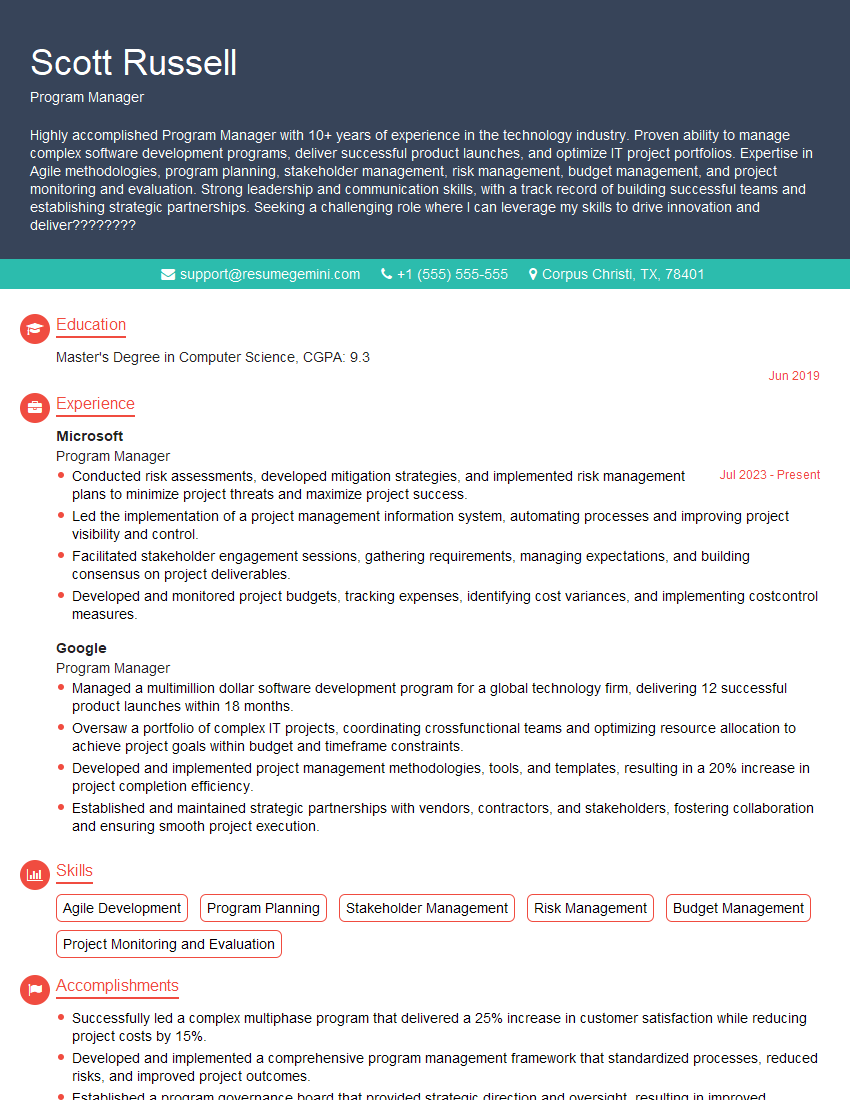
Program Manager Resume Sample
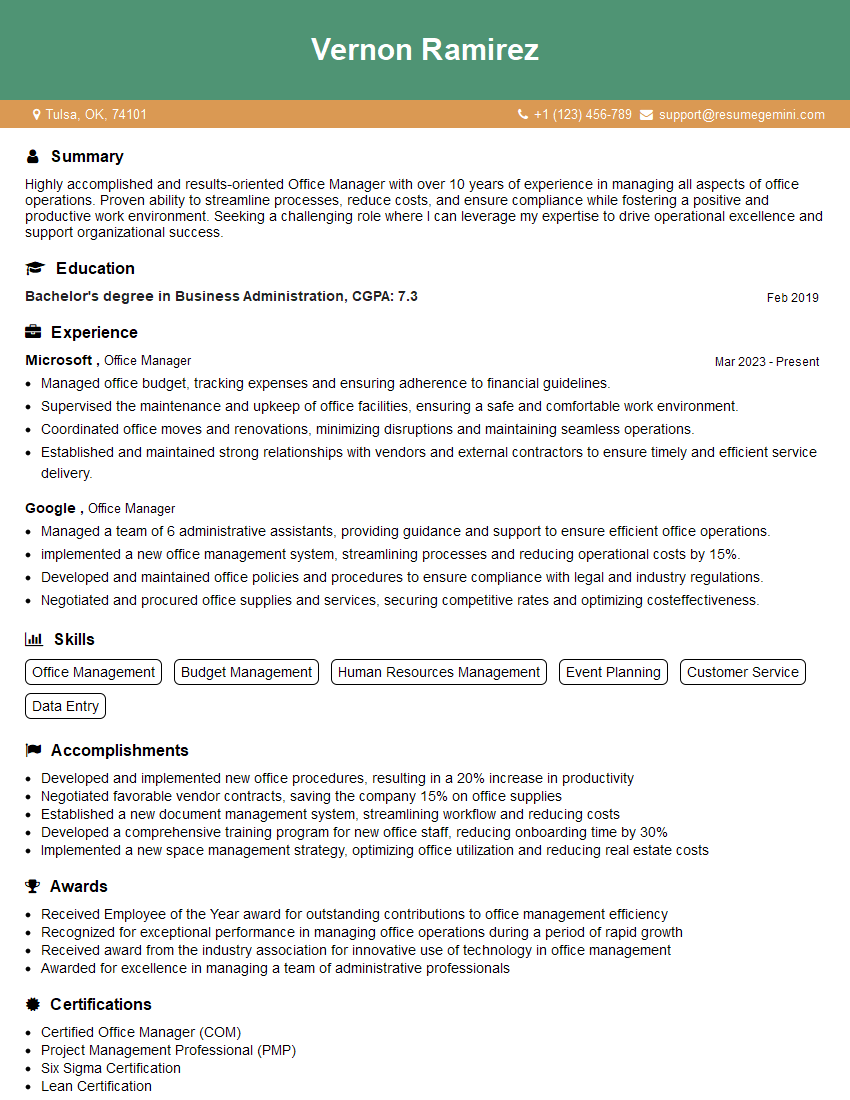
Office Manager Resume Sample

Operations Manager Resume Sample
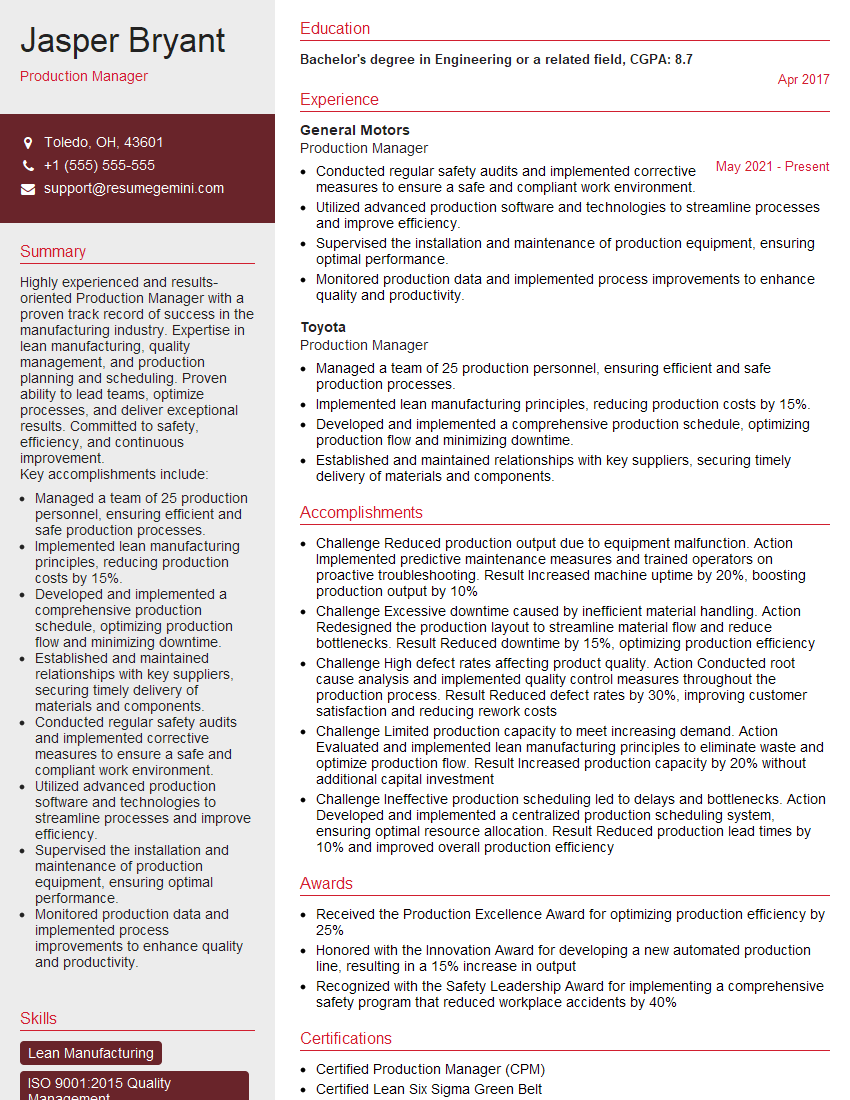
Production Manager Resume Sample
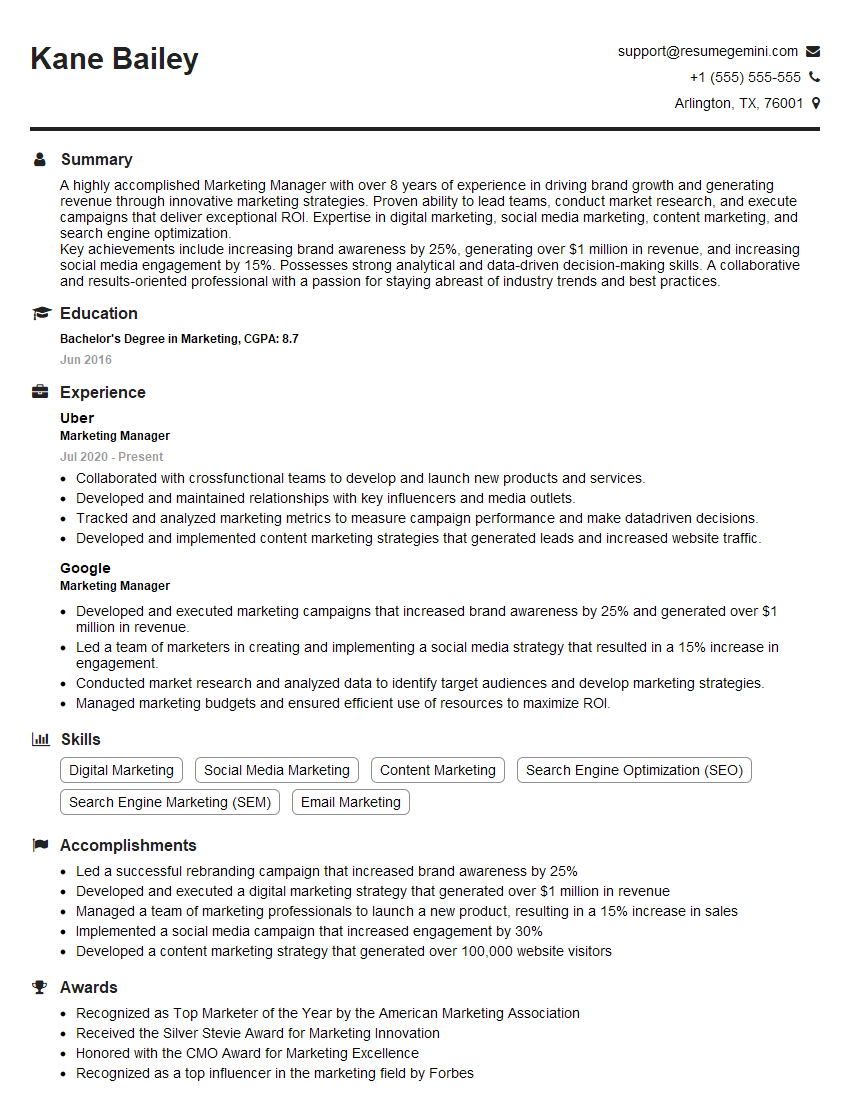
Marketing Manager Resume Sample
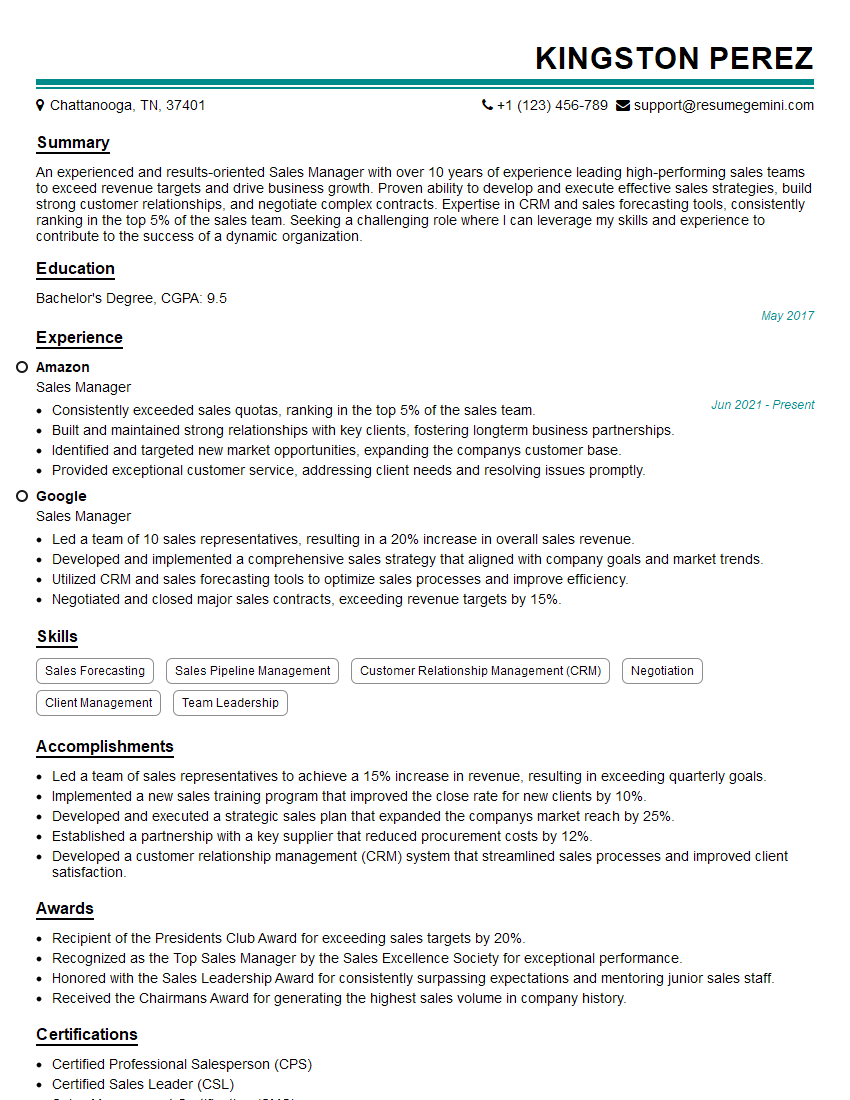
Sales Manager Resume Sample
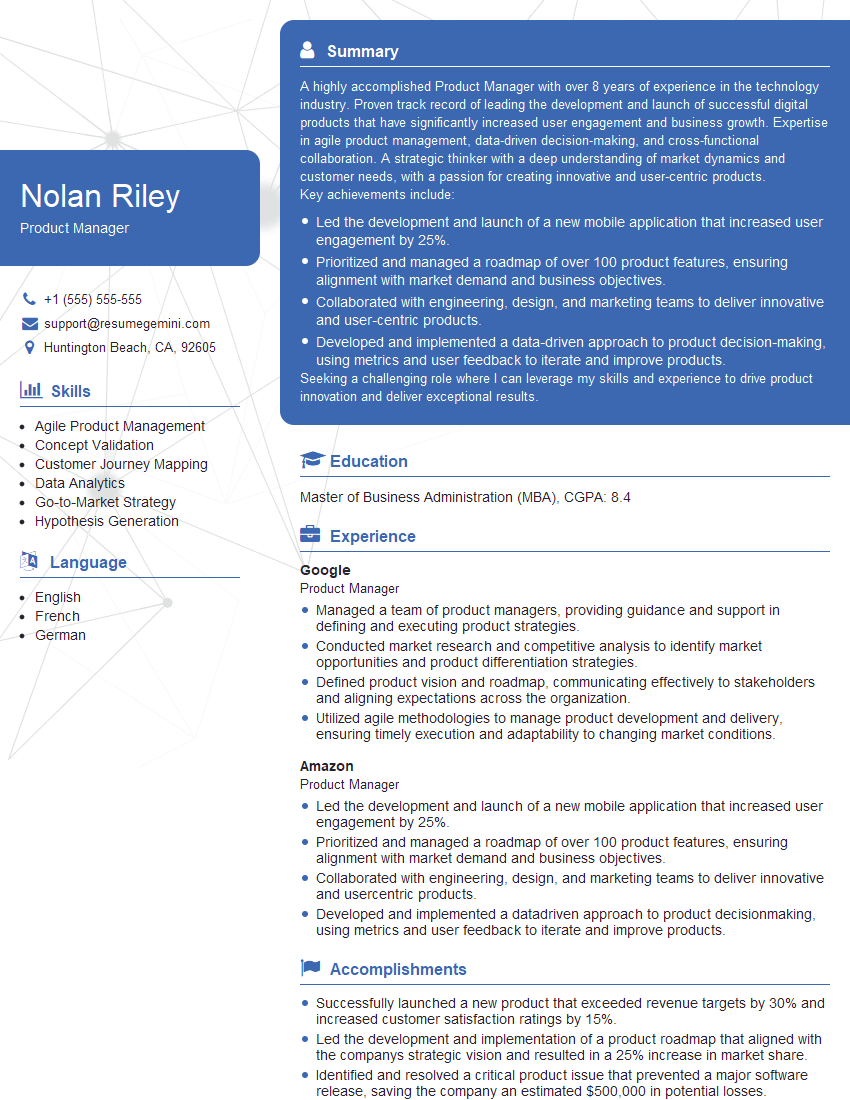
Product Manager Resume Sample
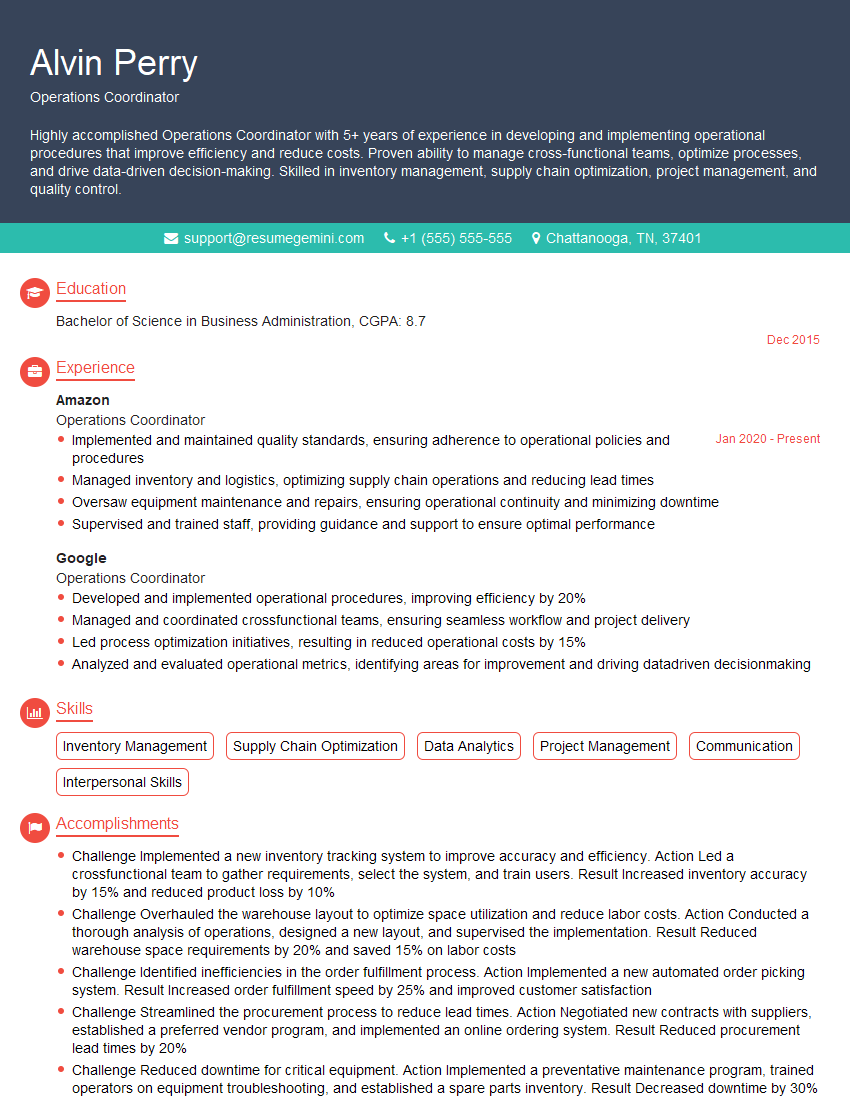
Operations Coordinator Resume Sample
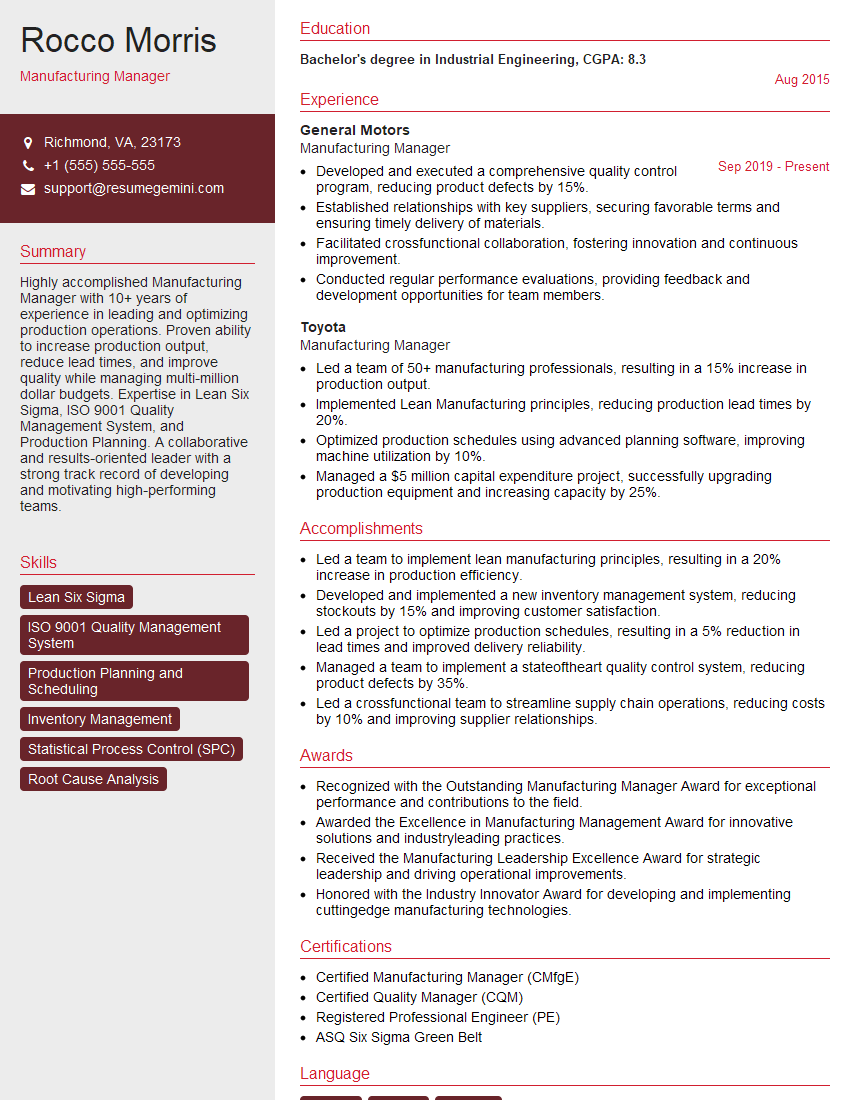
Manufacturing Manager Resume Sample
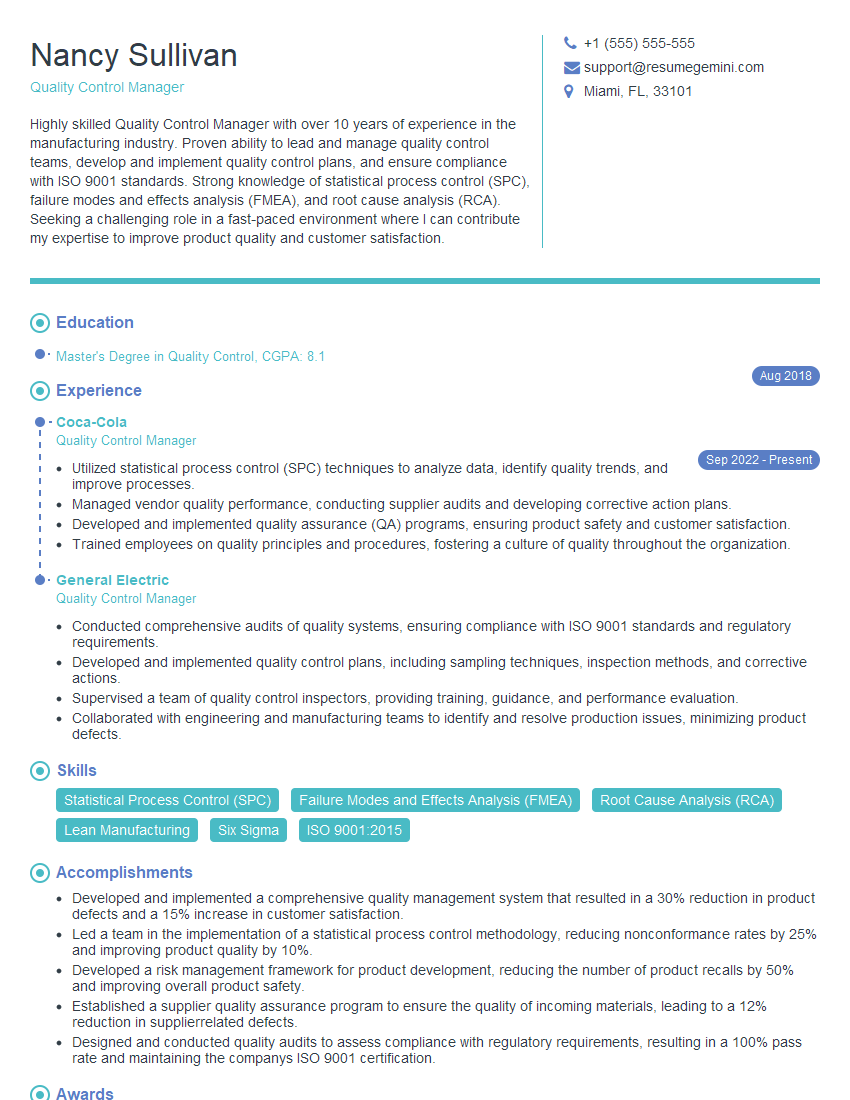
Quality Control Manager Resume Sample
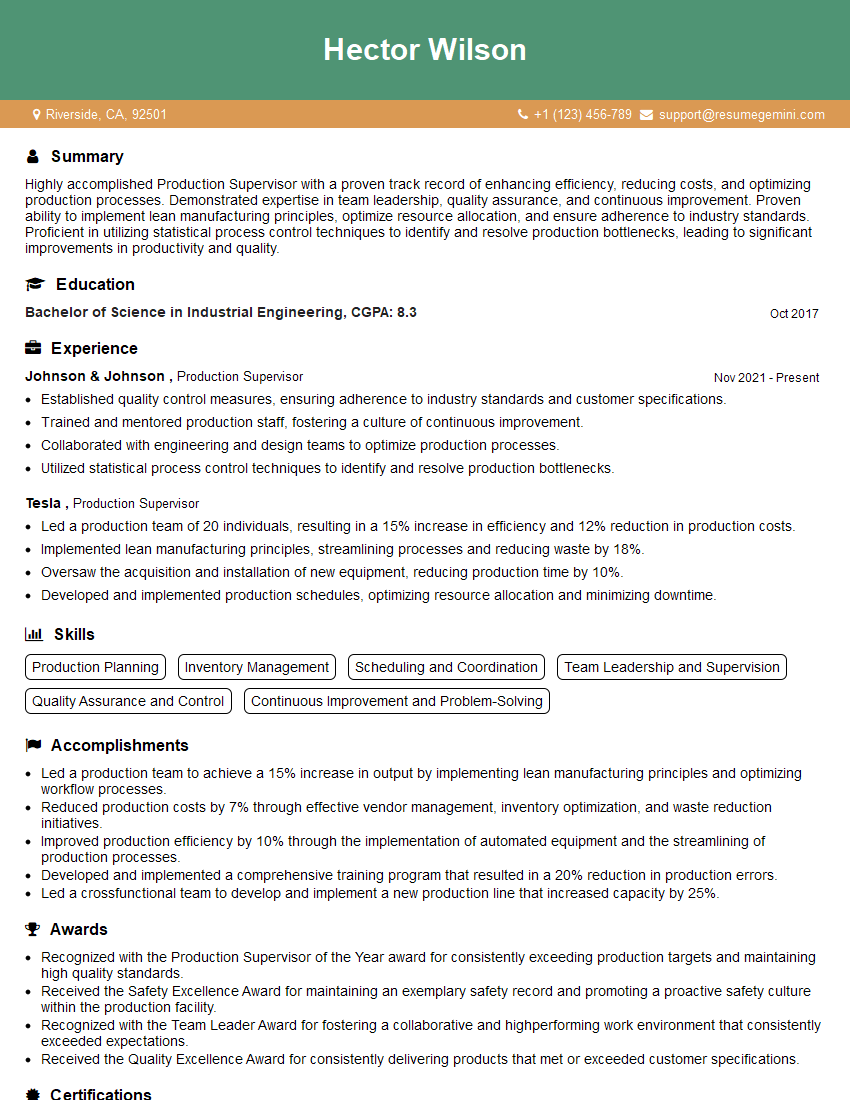
Production Supervisor Resume Sample

Supply Chain Manager Resume Sample
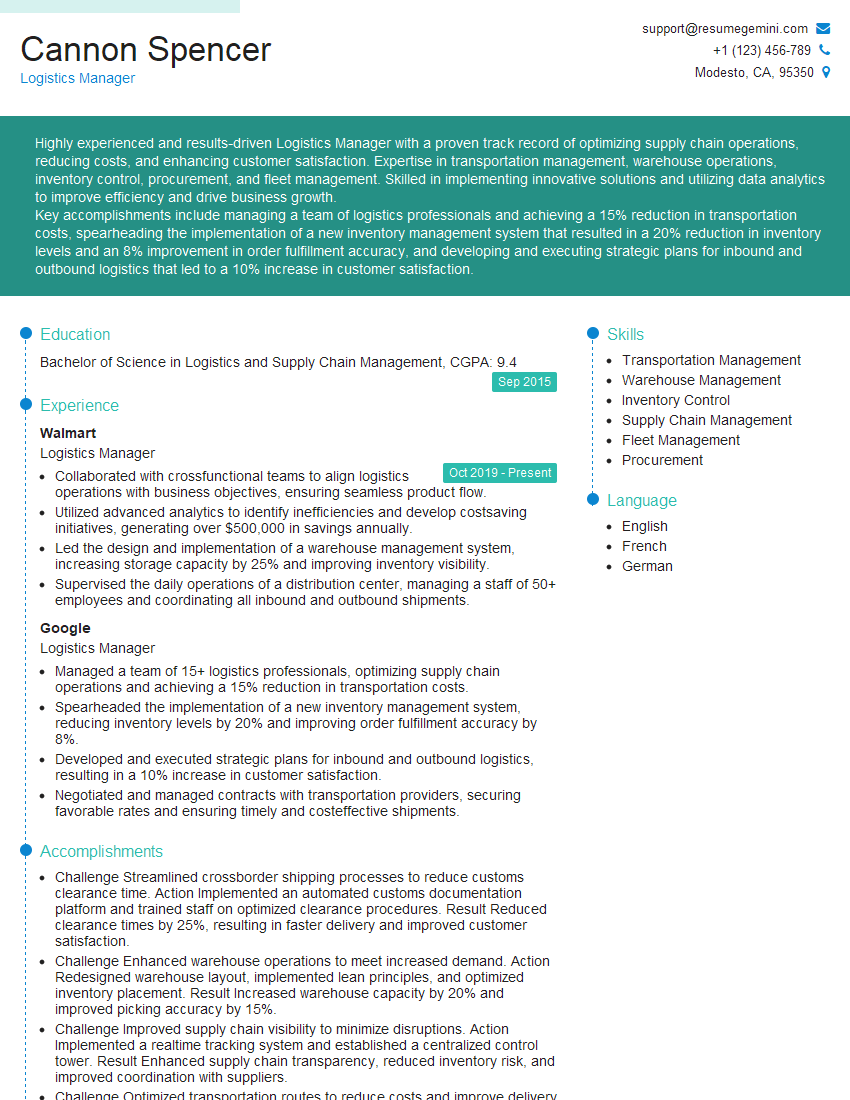
Logistics Manager Resume Sample
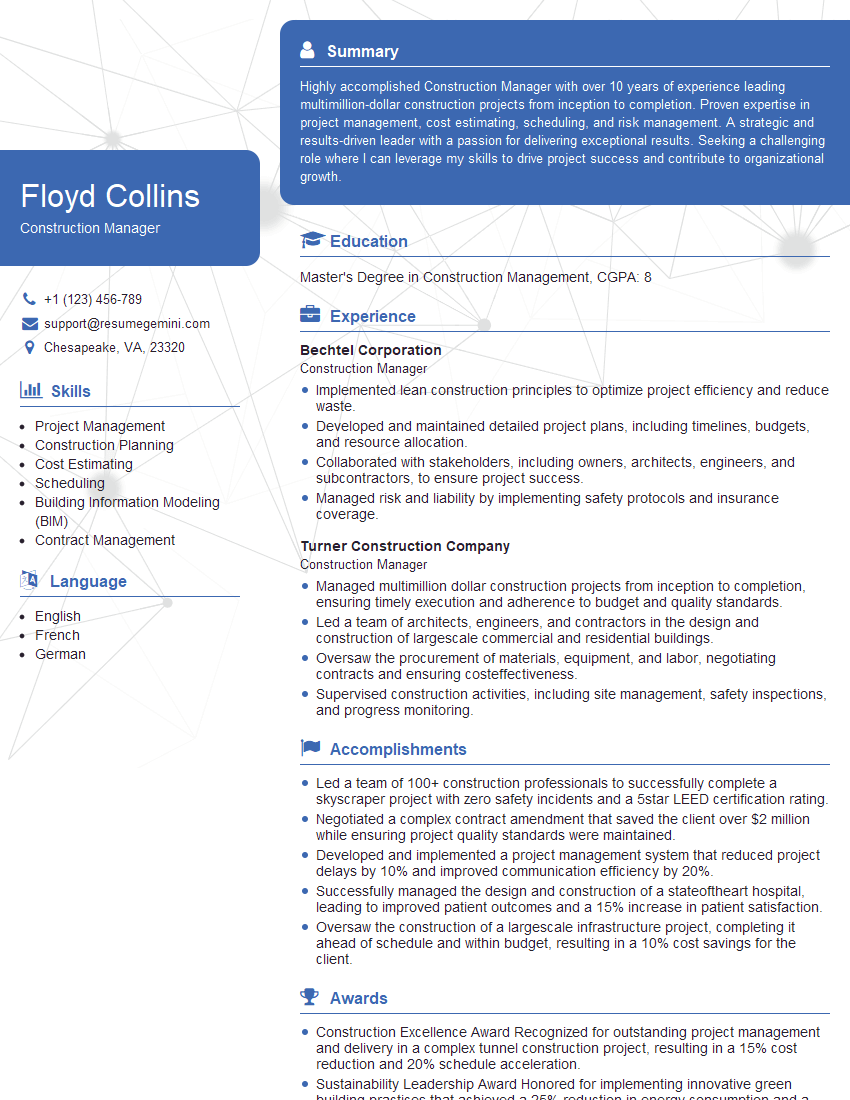
Construction Manager Resume Sample

Project Manager Resume Sample
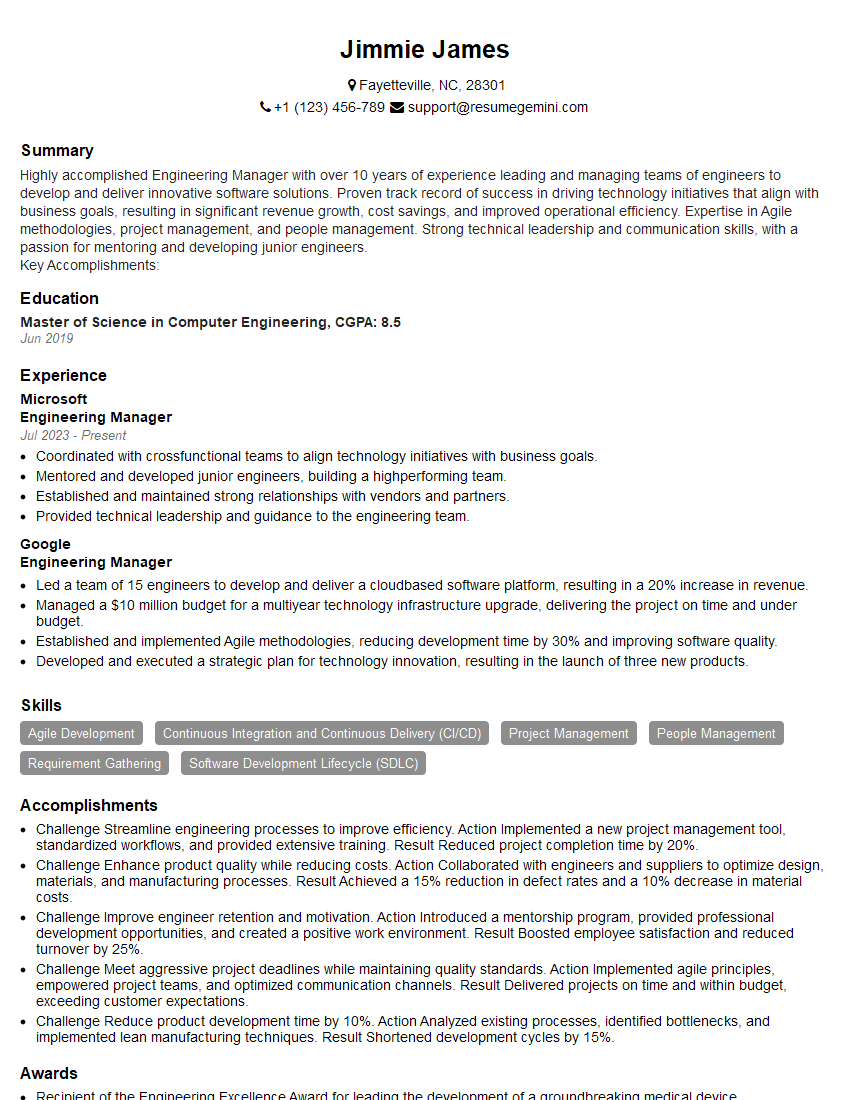
Engineering Manager Resume Sample
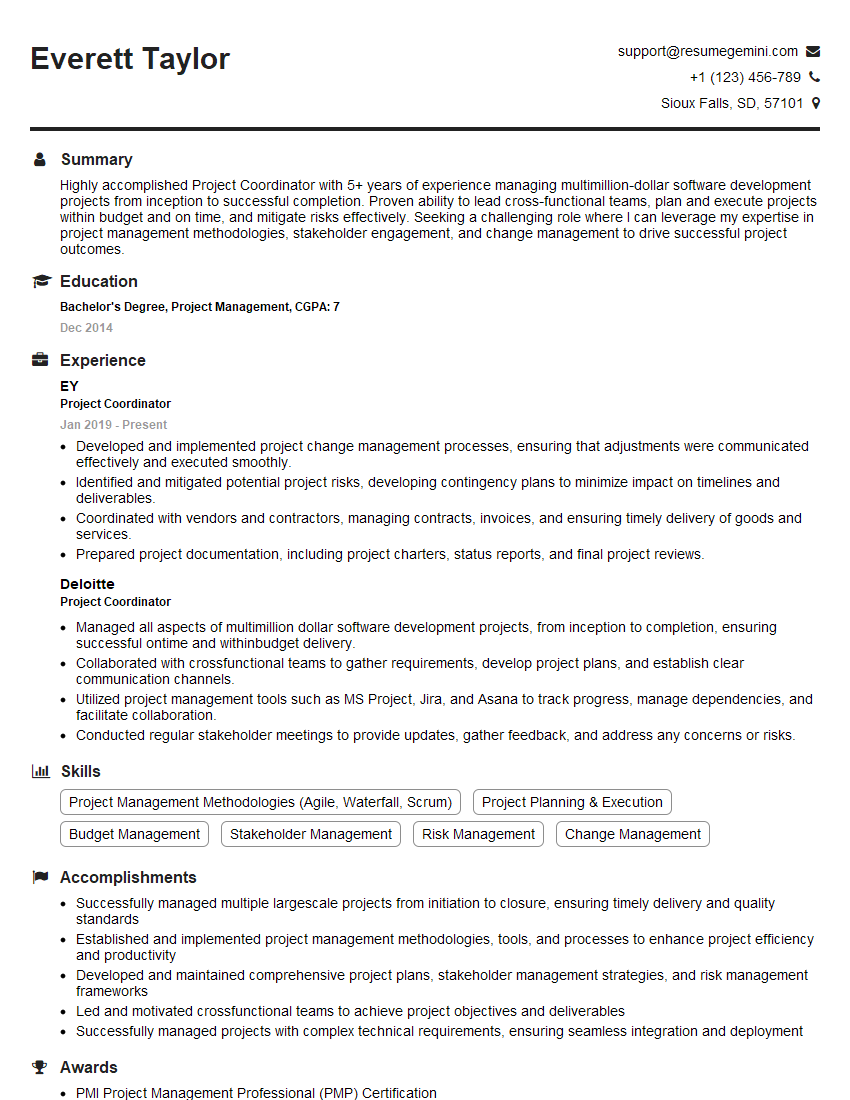
Project Coordinator Resume Sample
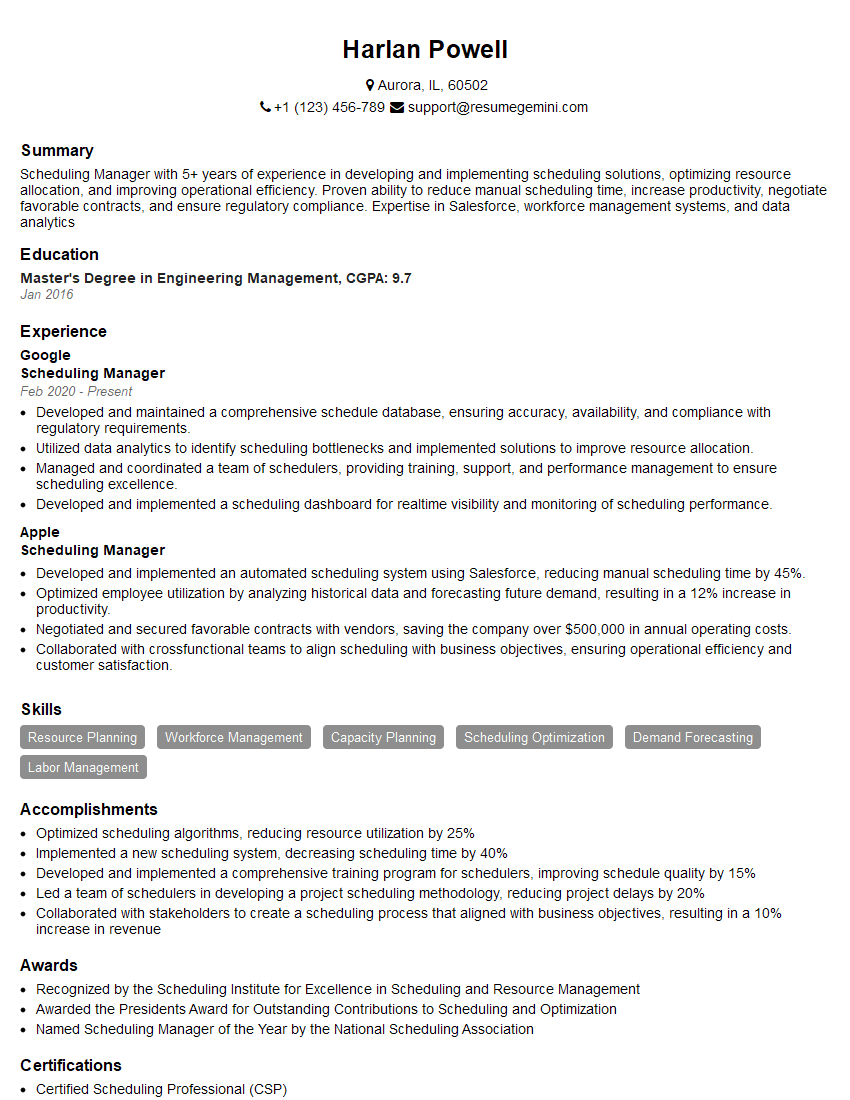
Scheduling Manager Resume Sample
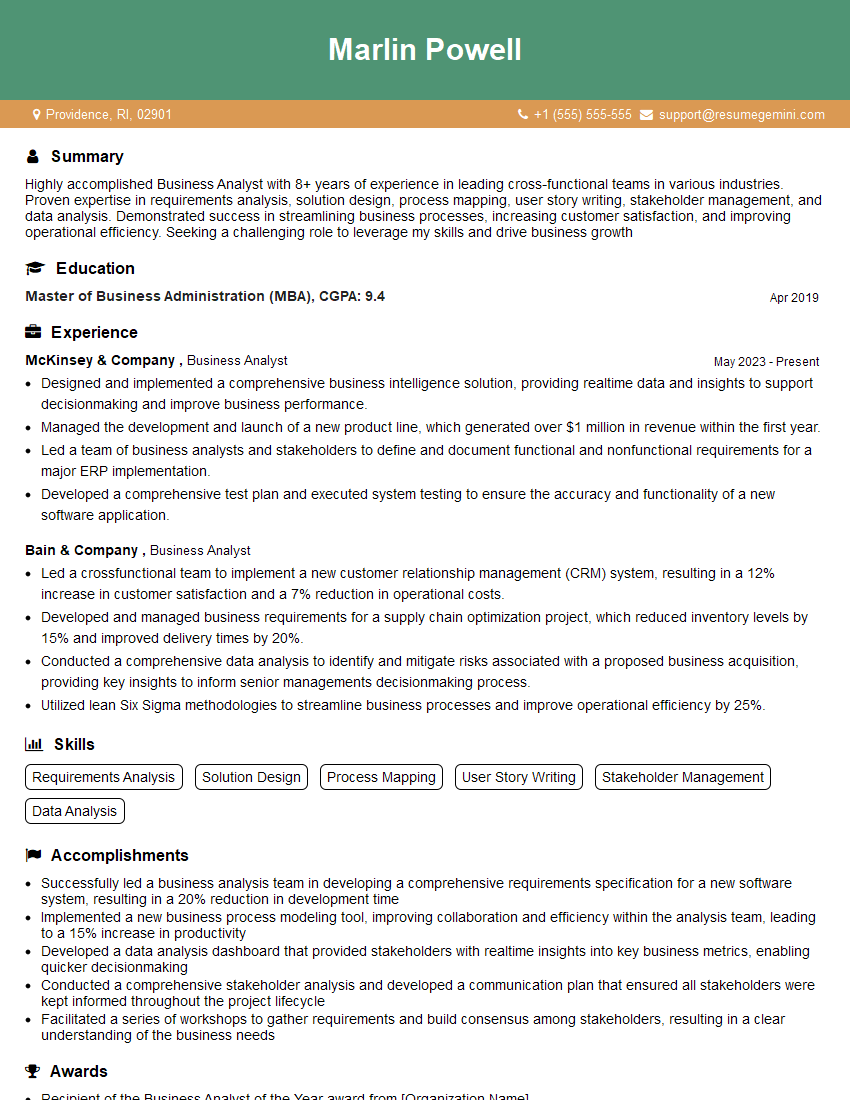
Business Analyst Resume Sample
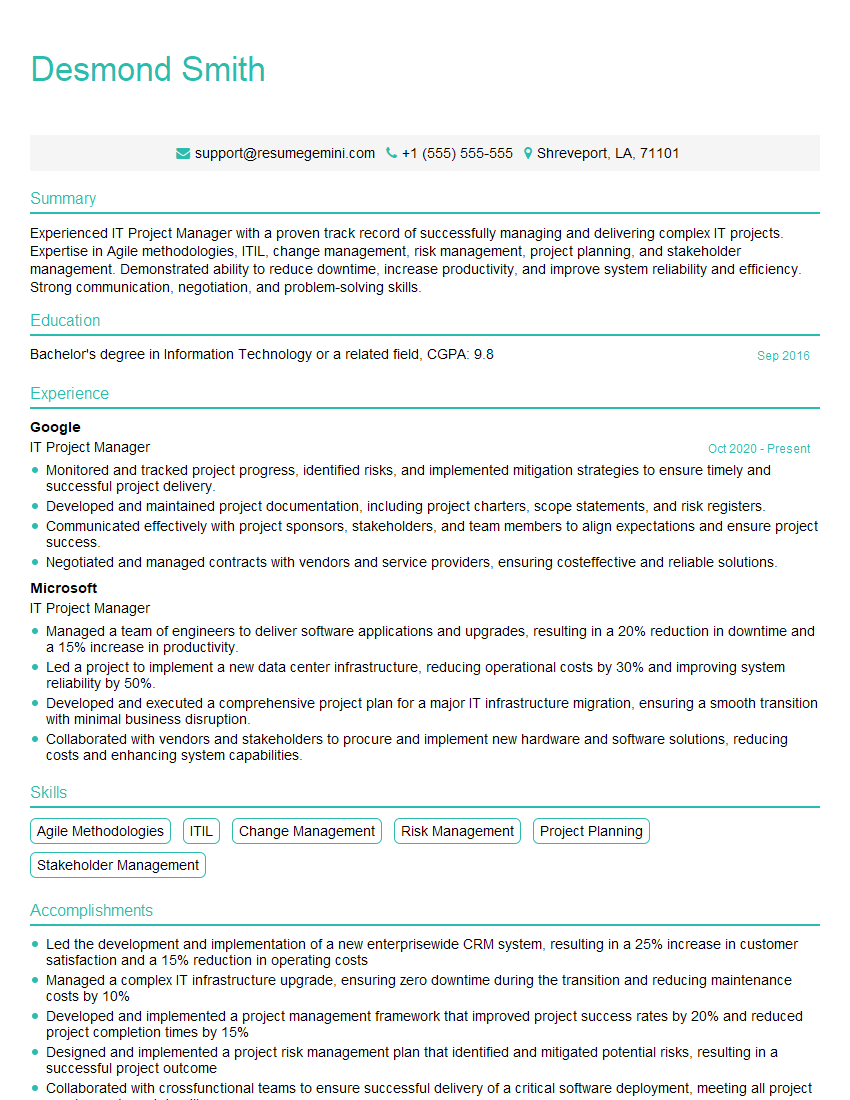
IT Project Manager Resume Sample
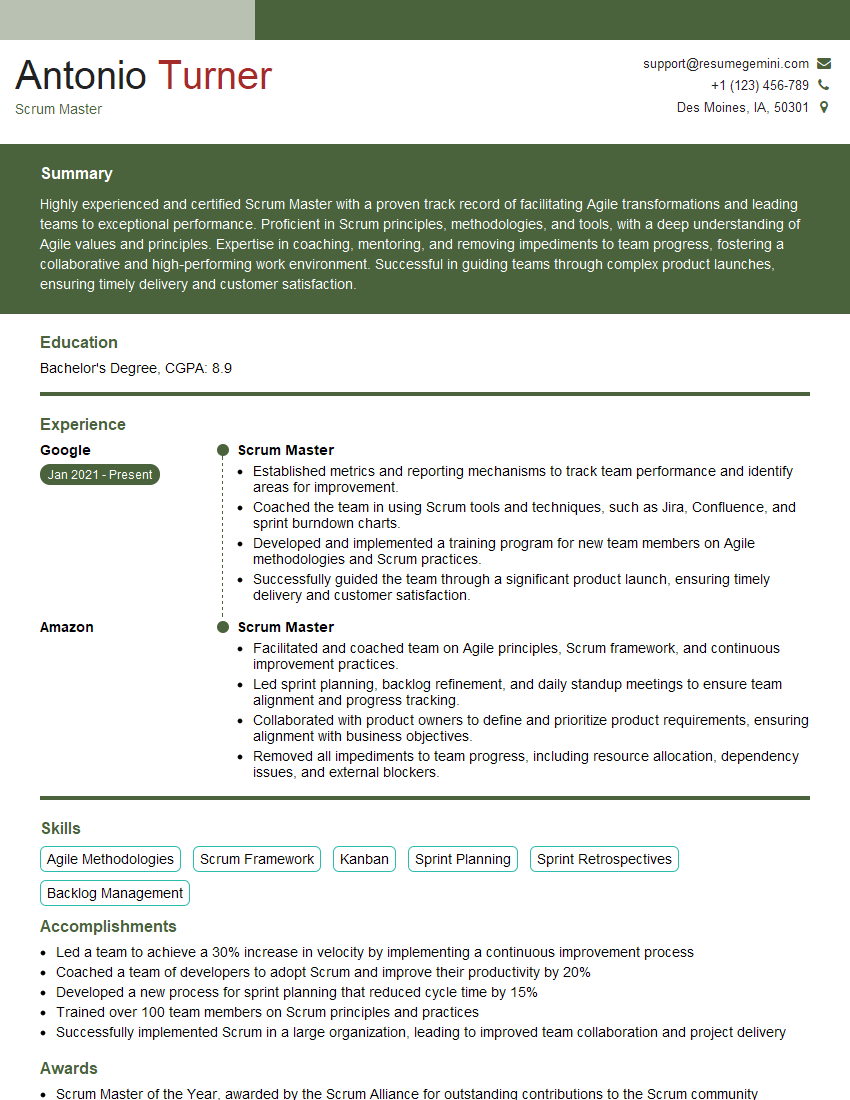
Scrum Master Resume Sample
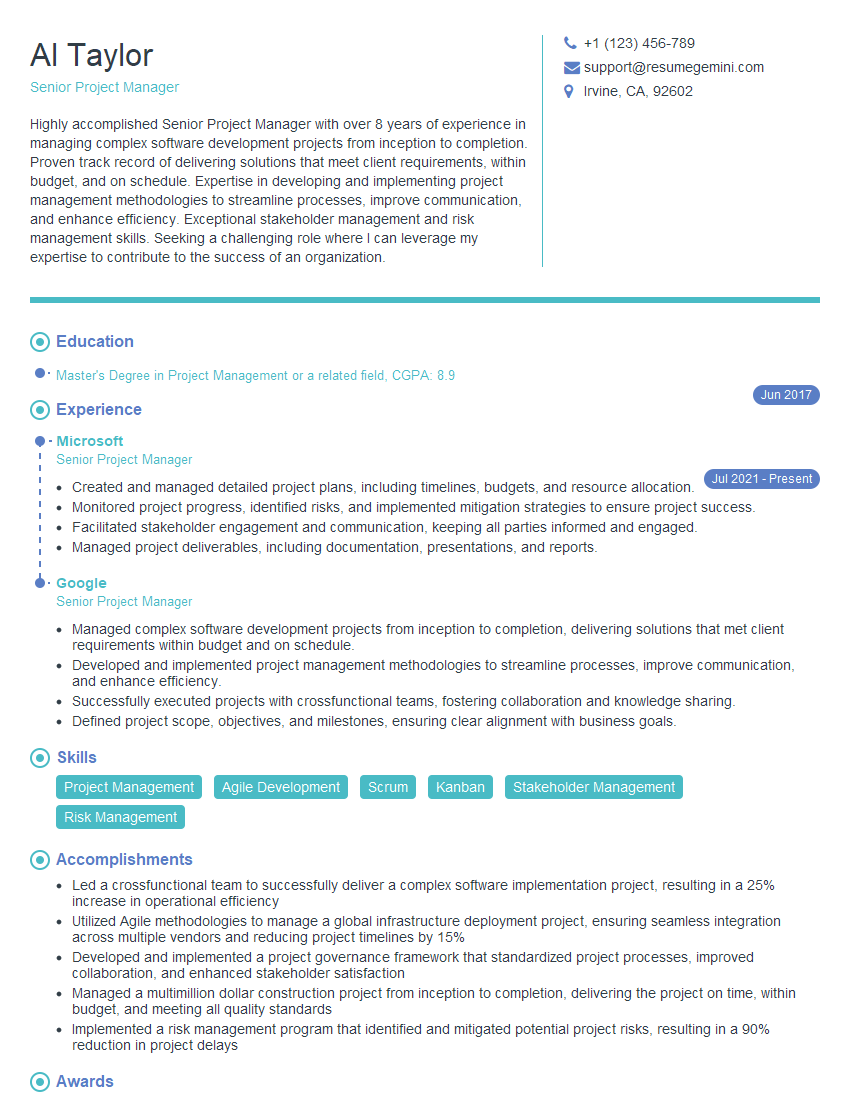
Senior Project Manager Resume Sample
- Program Manager
- Office Manager
- Operations Manager
- Production Manager
- Marketing Manager
- Sales Manager
- Product Manager
- Operations Coordinator
- Manufacturing Manager
- Quality Control Manager
- Production Supervisor
- Supply Chain Manager
- Logistics Manager
- Construction Manager
- Project Manager
- Engineering Manager
- Project Coordinator
- Scheduling Manager
- Business Analyst
- IT Project Manager
- Scrum Master
- Senior Project Manager
Explore more articles
Users Rating of Our Blogs
Share Your Experience
We value your feedback! Please rate our content and share your thoughts (optional).
What Readers Say About Our Blog
Very informative content, great job.
good