The right preparation can turn an interview into an opportunity to showcase your expertise. This guide to Knowledge of Green Strategies interview questions is your ultimate resource, providing key insights and tips to help you ace your responses and stand out as a top candidate.
Questions Asked in Knowledge of Green Strategies Interview
Q 1. Explain the concept of a circular economy and its benefits.
The circular economy is a model of production and consumption that involves keeping materials and products in use for as long as possible, extracting maximum value from them while in use, then recovering and regenerating products and materials at the end of each service life. It’s a departure from the traditional linear ‘take-make-dispose’ model, which is unsustainable.
- Benefits:
- Reduced waste: Minimizes landfill waste and resource depletion.
- Resource efficiency: Maximizes the use of resources, reducing the need for virgin materials.
- Economic benefits: Creates new business opportunities and reduces costs associated with waste management.
- Environmental benefits: Reduces greenhouse gas emissions, pollution, and environmental degradation.
Example: A company that collects used clothing, sorts it, repairs or repurposes it, and then resells it or uses the fabric scraps to create new products is operating within a circular economy model. Another example is using recycled plastic to create new packaging.
Q 2. Describe different life cycle assessment (LCA) methodologies.
Life Cycle Assessment (LCA) is a standardized method for evaluating the environmental impacts of a product or service throughout its entire life cycle, from raw material extraction to disposal or recycling. Several methodologies exist, including:
- ISO 14040/14044: This is the most widely used standard, providing a framework for conducting LCAs. It outlines four phases: goal and scope definition, inventory analysis, impact assessment, and interpretation.
- Eco-indicator 99 and ReCiPe: These are impact assessment methods that translate the inventory data (e.g., energy use, emissions) into a set of environmental indicators, like global warming potential or acidification.
- CML (Cumulative Energy Demand): This method focuses on the cumulative energy required throughout the product’s life cycle.
The choice of methodology depends on the specific goals of the LCA and the available data. Each method has its own strengths and limitations regarding the environmental impacts considered and the level of detail provided.
Q 3. What are the key elements of a successful sustainability strategy?
A successful sustainability strategy requires a holistic approach encompassing several key elements:
- Clear Goals and Targets: Setting measurable, achievable, relevant, and time-bound (SMART) goals. For example, reducing carbon emissions by 20% within five years.
- Materiality Assessment: Identifying the environmental and social issues most relevant to the organization’s operations and value chain.
- Stakeholder Engagement: Involving employees, customers, suppliers, and the community in the sustainability process.
- Data Collection and Monitoring: Tracking progress against goals using key performance indicators (KPIs) and reporting transparently.
- Innovation and Technology: Implementing new technologies and processes to reduce environmental impacts.
- Supply Chain Management: Engaging with suppliers to improve their sustainability performance.
- Resource Efficiency: Optimizing the use of energy, water, and materials.
- Waste Management: Implementing strategies to reduce, reuse, and recycle waste.
- Leadership and Accountability: Having clear lines of responsibility for sustainability initiatives.
A well-structured strategy should integrate sustainability into every aspect of the business, not just as a separate initiative.
Q 4. How do you measure and track environmental performance indicators (KPIs)?
Measuring and tracking Environmental KPIs involves a multi-step process:
- Identify Key Indicators: Select KPIs relevant to your organization’s goals and materiality assessment. Examples include energy consumption, water usage, greenhouse gas emissions, waste generation, and recycling rates.
- Data Collection: Establish systems for collecting accurate and reliable data. This might involve using metering devices, manual data entry, or integrating with existing enterprise resource planning (ERP) systems.
- Data Analysis: Analyze the data to identify trends and areas for improvement. Utilize data visualization tools to present findings effectively.
- Reporting and Communication: Regularly report on progress towards sustainability goals, both internally and externally. Transparency is crucial.
- Benchmarking: Compare your performance against industry benchmarks or best practices to identify areas for further improvement.
Example: A manufacturing company might track its energy consumption per unit produced, its water withdrawal rate, and the amount of waste sent to landfill. This data can then be used to set targets for improvement and to measure the effectiveness of implemented strategies.
Q 5. What are some common environmental regulations and compliance standards?
Environmental regulations and compliance standards vary significantly depending on location and industry. However, some common examples include:
- Clean Air Act (US): Regulates air pollution.
- Clean Water Act (US): Regulates water pollution.
- Resource Conservation and Recovery Act (RCRA) (US): Regulates hazardous waste management.
- European Union Emissions Trading System (EU ETS): A cap-and-trade system for greenhouse gas emissions.
- ISO 14001: A globally recognized standard for environmental management systems.
- REACH (Registration, Evaluation, Authorization, and Restriction of Chemicals) (EU): Regulates the use of chemicals.
Organizations must stay abreast of relevant regulations in their operating regions and ensure compliance to avoid penalties and reputational damage. This often involves conducting regular environmental audits and maintaining detailed records.
Q 6. Explain the concept of carbon footprint and how to reduce it.
A carbon footprint represents the total amount of greenhouse gases (GHGs), primarily carbon dioxide, generated by our actions. This includes direct emissions (e.g., from burning fuel) and indirect emissions (e.g., from the production and transportation of goods we consume). Reducing it is crucial to mitigating climate change.
- Reduction Strategies:
- Energy Efficiency: Improving energy efficiency in buildings, transportation, and industrial processes.
- Renewable Energy: Shifting to renewable energy sources like solar, wind, and hydropower.
- Sustainable Transportation: Reducing reliance on fossil fuel-powered vehicles by using public transportation, cycling, or walking, and promoting electric vehicles.
- Sustainable Consumption and Production: Choosing sustainable products and reducing consumption overall.
- Carbon Offset: Investing in projects that remove or reduce GHG emissions, such as reforestation or renewable energy projects, to compensate for unavoidable emissions.
Example: A company can reduce its carbon footprint by installing solar panels on its building, switching to electric delivery vehicles, and implementing energy-efficient manufacturing processes. Individual actions, such as reducing meat consumption and flying less, also contribute to a smaller personal carbon footprint.
Q 7. Describe your experience with renewable energy technologies.
Throughout my career, I’ve been involved in several projects related to renewable energy technologies. This includes:
- Assessing the feasibility of installing solar photovoltaic (PV) systems on commercial buildings, considering factors like roof orientation, shading, and energy consumption patterns.
- Developing strategies for integrating wind energy into the electricity grid, addressing issues like intermittency and grid stability.
- Conducting life cycle assessments of various renewable energy technologies to evaluate their environmental impacts compared to fossil fuel-based alternatives.
- Working on projects related to biomass energy, including evaluating the sustainability of different feedstocks and assessing the potential for carbon capture and storage.
- Analyzing policy implications of renewable energy deployment, including feed-in tariffs, renewable portfolio standards, and carbon pricing mechanisms.
I’m particularly interested in the advancements in energy storage technologies, such as battery storage and pumped hydro storage, which are essential for addressing the intermittency of renewable energy sources. My experience has provided me with a deep understanding of the technical, economic, and environmental aspects of renewable energy transitions.
Q 8. How do you integrate sustainability into supply chain management?
Integrating sustainability into supply chain management requires a holistic approach, focusing on minimizing environmental impact at every stage, from sourcing raw materials to product delivery and end-of-life management. It’s not just about ticking boxes; it’s about embedding sustainability into the core business strategy.
- Sustainable Sourcing: Prioritizing suppliers committed to ethical and environmental practices, using recycled materials, and sourcing locally to reduce transportation emissions. For example, a clothing company might switch to organic cotton from local farms instead of conventionally grown cotton shipped from overseas.
- Efficient Transportation: Optimizing logistics to minimize fuel consumption and greenhouse gas emissions. This could involve using fuel-efficient vehicles, consolidating shipments, and exploring alternative transportation modes like rail or sea freight.
- Waste Reduction: Implementing strategies to minimize waste at every stage of the supply chain, from manufacturing processes to packaging. This might involve redesigning products for easier disassembly and recycling or implementing closed-loop systems where waste from one process becomes the input for another.
- Supplier Engagement: Collaborating with suppliers to establish shared sustainability goals and track progress. Regular audits and transparent communication are crucial for ensuring accountability.
- Transparency and Traceability: Implementing systems to track materials and products throughout the supply chain, ensuring transparency and accountability. This allows for better identification of environmental hotspots and opportunities for improvement.
Ultimately, a sustainable supply chain creates a more resilient and responsible business, improving its reputation, reducing costs, and contributing to a healthier planet.
Q 9. What are the challenges of implementing green building practices?
Implementing green building practices presents several challenges, often stemming from higher upfront costs, technical complexities, and a lack of widespread knowledge and expertise.
- Higher Initial Costs: Green building materials and technologies often come with a higher price tag compared to conventional options. This can be a barrier for projects with limited budgets.
- Technical Expertise: Designing and constructing green buildings requires specialized knowledge and skills, which may not be readily available in all regions. Finding qualified professionals can be a challenge.
- Complexity of Regulations and Standards: Navigating the various green building certifications and regulations can be complex and time-consuming. Ensuring compliance requires careful planning and coordination.
- Performance Verification: Measuring and verifying the actual environmental performance of green buildings can be challenging. Accurate data collection and analysis are necessary to demonstrate the effectiveness of the implemented strategies.
- Life-Cycle Assessment: Considering the full life-cycle environmental impact of building materials and construction processes is crucial but often complex. This requires a thorough understanding of material sourcing, manufacturing, transportation, use, and end-of-life management.
Overcoming these challenges requires a commitment to education, collaboration, and investment in green technologies. Government incentives and supportive policies can also play a significant role in encouraging wider adoption.
Q 10. Explain different types of green certifications (LEED, BREEAM etc.)
Several green building certifications exist globally, each with its own specific criteria and rating systems. They provide a framework for evaluating and recognizing sustainable buildings.
- LEED (Leadership in Energy and Environmental Design): A widely recognized rating system developed by the U.S. Green Building Council (USGBC). It assesses various aspects of sustainability, including energy efficiency, water conservation, material selection, and indoor environmental quality.
- BREEAM (Building Research Establishment Environmental Assessment Method): A leading sustainability assessment method used in the UK and internationally. It covers similar aspects to LEED but with a slightly different emphasis and criteria.
- Green Star (Australia): A comprehensive rating system developed by the Green Building Council of Australia. It includes various rating tools for different building types and projects.
- DGNB (German Sustainable Building Council): A certification system focused on sustainability in German-speaking countries. It considers social, ecological, and economic aspects of building performance.
These certifications differ in their scoring methods, weighting of different criteria, and regional focus. The choice of certification depends on the project location, requirements, and desired level of sustainability.
Q 11. How do you assess the environmental impact of a project or product?
Assessing the environmental impact of a project or product involves conducting a Life Cycle Assessment (LCA). This is a comprehensive analysis that examines the environmental burdens associated with a product or project throughout its entire life cycle, from raw material extraction to disposal or recycling.
- Define the Goal and Scope: Clearly define the purpose of the LCA and the boundaries of the analysis. This includes specifying the functional unit, geographic scope, and time horizon.
- Inventory Analysis: Quantify the inputs and outputs associated with each stage of the life cycle. This involves collecting data on energy consumption, water use, emissions, and waste generation.
- Impact Assessment: Evaluate the environmental impacts of the inputs and outputs identified in the inventory analysis. This involves using impact assessment methods to determine the potential effects on various environmental areas, such as climate change, human health, and resource depletion.
- Interpretation: Interpret the results of the impact assessment to identify the key environmental hotspots and potential areas for improvement. This information can be used to inform design decisions and optimize the product or project’s environmental performance.
LCAs are complex, requiring specialized software and expertise. The results provide valuable insights into the environmental footprint, facilitating informed decision-making and promoting sustainability.
Q 12. Describe your experience with waste reduction and management strategies.
My experience with waste reduction and management strategies involves both preventative measures and comprehensive recycling and composting programs. In a previous role, we implemented a zero-waste-to-landfill initiative, dramatically reducing our environmental footprint.
- Waste Audits: We began with a comprehensive waste audit to identify the types and quantities of waste generated, pinpointing sources and potential areas for reduction. This data-driven approach allowed us to target our efforts effectively.
- Source Reduction: We implemented several strategies to reduce waste at its source, such as redesigning packaging, using reusable materials, and optimizing manufacturing processes to minimize waste generation. This included switching to bulk purchasing to reduce packaging waste.
- Recycling and Composting Programs: We established robust recycling and composting programs, providing clear labeling and training to employees. This involved segregating waste streams effectively and partnering with local recycling facilities.
- Employee Engagement: We actively engaged employees through awareness campaigns, training, and incentives to promote waste reduction practices. This included competitions and regular feedback sessions.
- Data Tracking and Reporting: We regularly tracked and reported our waste reduction progress, demonstrating the success of our initiatives and identifying areas needing further improvement.
These strategies not only decreased our environmental impact but also resulted in cost savings due to reduced waste disposal fees and increased material recovery.
Q 13. What are the key principles of sustainable procurement?
Sustainable procurement focuses on integrating environmental, social, and economic considerations into all aspects of the purchasing process. It’s about making purchasing decisions that support a more sustainable future.
- Environmental Criteria: Prioritizing products and services with lower environmental impacts, considering factors such as material sourcing, manufacturing processes, energy efficiency, and end-of-life management. This includes assessing products’ carbon footprint and prioritizing recycled or renewable materials.
- Social Criteria: Considering the social impacts of sourcing decisions, such as fair labor practices, worker safety, and community development. This often involves verifying suppliers’ compliance with ethical standards.
- Economic Criteria: Evaluating the long-term economic benefits of sustainable purchasing decisions, considering factors such as lifecycle costs, energy savings, and reduced waste disposal fees. While initial costs may be higher, long-term savings can be substantial.
- Supplier Engagement: Working collaboratively with suppliers to establish shared sustainability goals and monitor their environmental and social performance. This includes regular communication, audits, and capacity building initiatives.
- Transparency and Traceability: Ensuring transparency and traceability throughout the supply chain, allowing for better monitoring and accountability. This may involve using digital tools to track materials and products.
Sustainable procurement creates a virtuous cycle, driving innovation in sustainable product development, supporting ethical suppliers, and reducing the overall environmental and social impact of organizations.
Q 14. How do you communicate sustainability initiatives effectively to stakeholders?
Effective communication of sustainability initiatives is crucial for engaging stakeholders and ensuring the success of any green strategy. It requires a multi-faceted approach tailored to different audiences.
- Clear and Concise Messaging: Use simple, accessible language, avoiding jargon. Highlight the benefits of sustainability initiatives, focusing on both environmental and business advantages. For example, emphasize cost savings, improved brand reputation, and enhanced employee engagement.
- Data Visualization: Use charts, graphs, and infographics to present complex data in a clear and engaging way. This helps stakeholders quickly grasp the impact of sustainability efforts.
- Storytelling: Use compelling stories and case studies to illustrate the impact of sustainability initiatives. Share success stories and showcase the positive changes achieved.
- Multiple Communication Channels: Utilize a variety of channels to reach different stakeholders. This might include reports, newsletters, websites, social media, presentations, and internal communications.
- Two-Way Communication: Foster open dialogue and feedback mechanisms, enabling stakeholders to ask questions, provide input, and participate actively in sustainability efforts.
- Regular Reporting and Transparency: Provide regular updates on progress, openly communicating successes and challenges. This builds trust and credibility.
By effectively communicating sustainability initiatives, organizations can build support, drive engagement, and ultimately achieve their sustainability goals.
Q 15. What are some common barriers to implementing green strategies?
Implementing green strategies often faces significant hurdles. These barriers can be categorized into financial, operational, and even cultural challenges.
- Financial Constraints: Upfront investments in green technologies, such as renewable energy systems or energy-efficient equipment, can be substantial. The perceived lack of immediate return on investment (ROI) often deters companies, especially smaller ones, from adopting these strategies. For example, switching to LED lighting might have a higher initial cost, but the long-term energy savings can easily outweigh the initial expense.
- Operational Challenges: Integrating green practices into existing workflows can disrupt operations and require significant changes to existing processes. This can lead to inefficiencies and potential temporary setbacks. Imagine a manufacturing plant needing to re-engineer its production line to incorporate recycled materials – it takes time and careful planning.
- Lack of Awareness and Commitment: Sometimes, a lack of awareness about the benefits of green strategies or a lack of commitment from top management can hinder implementation. Without buy-in from leadership, initiatives often lack the necessary resources and support to succeed. This is why strong leadership communication and engagement are crucial.
- Regulatory and Policy Gaps: Inconsistent or inadequate environmental regulations can create uncertainty and discourage companies from investing in green solutions. A lack of clear guidelines can also make it difficult to measure and report on environmental performance.
- Technological Limitations: In some cases, the technology required for certain green initiatives might not be sufficiently developed or cost-effective. For example, certain recycling technologies for specific materials may still be in their early stages.
Career Expert Tips:
- Ace those interviews! Prepare effectively by reviewing the Top 50 Most Common Interview Questions on ResumeGemini.
- Navigate your job search with confidence! Explore a wide range of Career Tips on ResumeGemini. Learn about common challenges and recommendations to overcome them.
- Craft the perfect resume! Master the Art of Resume Writing with ResumeGemini’s guide. Showcase your unique qualifications and achievements effectively.
- Don’t miss out on holiday savings! Build your dream resume with ResumeGemini’s ATS optimized templates.
Q 16. Describe your experience with developing and implementing a sustainability plan.
In my previous role at a large agricultural company, I led the development and implementation of a comprehensive sustainability plan. We started by conducting a thorough materiality assessment to identify the environmental and social issues most relevant to our business. This involved analyzing our entire value chain, from sourcing raw materials to product distribution and waste management.
The plan focused on three key areas: reducing our carbon footprint, improving water stewardship, and promoting biodiversity on our farms. Specific initiatives included transitioning to renewable energy sources (solar panels on our processing facilities), implementing precision irrigation techniques to optimize water use, and partnering with local communities to protect and restore natural habitats. We also established a robust monitoring and reporting system to track our progress against our targets and make data-driven adjustments as needed. We used a balanced scorecard approach combining both qualitative and quantitative metrics. The success of this plan significantly improved our environmental performance and enhanced our brand reputation.
Q 17. How do you prioritize different sustainability goals?
Prioritizing sustainability goals requires a strategic approach. I typically use a multi-criteria decision analysis (MCDA) framework, considering factors like materiality, urgency, feasibility, and alignment with business objectives. The materiality assessment (as mentioned previously) identifies the most significant environmental and social impacts of the organization.
Urgency considers the time sensitivity of addressing specific issues; some risks may require immediate action. Feasibility assesses whether the resources and capabilities are available to achieve each goal. Lastly, alignment with business objectives ensures sustainability goals contribute to the overall success of the company. This is often visualized using a matrix to weigh these factors, enabling a data-driven prioritization process.
For example, if a company faces imminent regulatory compliance requirements regarding waste disposal, this might take precedence over a long-term goal like reducing carbon emissions, even if the latter has a larger overall impact.
Q 18. Explain the role of ESG factors in investment decisions.
Environmental, Social, and Governance (ESG) factors are becoming increasingly important in investment decisions. ESG investing considers not only financial returns but also a company’s impact on the environment, its social responsibility, and its corporate governance practices. Investors are realizing that companies with strong ESG profiles are often less risky and more likely to deliver long-term value.
For instance, a company with a poor environmental record might face higher costs associated with pollution control or regulatory fines. Similarly, a company with weak governance structures may be more susceptible to scandals or mismanagement. By incorporating ESG factors, investors can identify companies that align with their values and mitigate potential risks. ESG ratings and reporting frameworks are increasingly used by investors to assess companies’ performance in these areas.
Q 19. How do you use data to inform sustainability decisions?
Data is essential for making informed sustainability decisions. We use various data sources, including operational data (energy consumption, water usage, waste generation), supply chain data (emissions from transportation, material sourcing practices), and external data (climate change projections, regulatory requirements). This data is analyzed using various tools and techniques to identify trends, assess risks, and measure the effectiveness of our sustainability initiatives.
For example, we might use energy consumption data to pinpoint areas where energy efficiency improvements are most needed. Supply chain data can reveal hotspots of greenhouse gas emissions, guiding efforts to optimize logistics or switch to lower-carbon materials. Data visualization dashboards are invaluable in presenting this information in a clear and understandable way to stakeholders. The key is to ensure data accuracy, consistency, and reliability across all sources.
Q 20. What are some emerging trends in sustainable business practices?
Several emerging trends are shaping sustainable business practices. These include:
- Circular Economy: Moving away from a linear ‘take-make-dispose’ model towards a circular economy that emphasizes reuse, recycling, and waste reduction. This includes designing products for durability, repairability, and recyclability.
- Sustainable Supply Chains: Increasing transparency and traceability throughout the supply chain to identify and mitigate environmental and social risks. This includes the use of blockchain technology and ethical sourcing practices.
- Nature-Based Solutions: Leveraging natural processes, such as reforestation and wetland restoration, to address environmental challenges. This can include carbon sequestration and biodiversity conservation.
- Regenerative Agriculture: Farming practices that enhance soil health, biodiversity, and carbon sequestration. This goes beyond sustainable agriculture by actively improving the ecosystem.
- ESG Reporting and Disclosure: Increased scrutiny and standardization of ESG reporting, requiring companies to disclose their environmental and social performance more transparently.
Q 21. How do you identify and manage environmental risks?
Identifying and managing environmental risks is a critical aspect of a strong sustainability strategy. We use a combination of methods, including:
- Risk Assessment: A systematic process of identifying potential environmental risks (e.g., climate change, pollution, resource depletion) and assessing their likelihood and potential impact. This might involve scenario planning to consider various future possibilities.
- Materiality Assessment (as mentioned earlier): Determines which environmental issues are most significant to the organization and its stakeholders.
- Due Diligence: Thorough examination of suppliers, operations, and products to identify and address potential environmental hazards throughout the value chain.
- Environmental Monitoring: Regular monitoring of environmental indicators (e.g., air and water quality, waste generation) to detect and address potential problems early.
- Compliance Management: Ensuring compliance with relevant environmental regulations and standards. This includes developing and implementing environmental management systems (EMS).
- Emergency Response Planning: Developing plans to address environmental emergencies, such as spills or accidents, to minimize their impact.
The key is proactive risk management: identifying potential problems before they occur and implementing measures to mitigate those risks.
Q 22. Describe your experience with stakeholder engagement on sustainability issues.
Stakeholder engagement is crucial for successful sustainability initiatives. It’s about building consensus and collaboration among diverse groups who have a vested interest in, or are affected by, environmental and social impacts. My experience involves facilitating workshops, conducting surveys, and one-on-one meetings with stakeholders ranging from community members and NGOs to government officials and company executives. For example, during a project aiming to reduce carbon emissions in a manufacturing plant, I facilitated a series of workshops with employees to understand their concerns, gather input on potential solutions, and ensure buy-in for the implemented strategies. This collaborative approach led to a more effective and sustainable outcome, exceeding initial emission reduction targets.
Another example involved negotiating with local communities impacted by a proposed renewable energy project. Open communication, transparency regarding potential benefits and drawbacks, and addressing concerns proactively were critical in obtaining their support and ensuring the project’s long-term success. I believe that strong communication and respectful dialogue are essential tools in navigating the often complex landscape of stakeholder engagement.
Q 23. Explain your understanding of the concept of sustainable development.
Sustainable development is a multifaceted concept that aims to meet the needs of the present without compromising the ability of future generations to meet their own needs. It encompasses three interconnected pillars: environmental protection, economic growth, and social equity. Think of it as a three-legged stool – if one leg is weak (e.g., environmental degradation), the entire system becomes unstable. Environmental protection ensures the preservation of natural resources and ecosystems. Economic growth provides the resources needed to improve living standards and fund sustainability initiatives. Social equity promotes fairness, inclusivity, and access to resources and opportunities for all members of society. Successful sustainable development requires balancing these three pillars to create a resilient and equitable future.
For instance, a sustainable city might utilize renewable energy sources (environmental), create green jobs in the renewable energy sector (economic), and ensure affordable and accessible public transportation for all residents (social).
Q 24. How do you measure the success of a sustainability program?
Measuring the success of a sustainability program requires a multi-faceted approach combining quantitative and qualitative data. Key Performance Indicators (KPIs) are crucial for tracking progress. These can include:
- Environmental KPIs: Reduction in greenhouse gas emissions (measured in tons of CO2e), water consumption (measured in liters or gallons), waste generation (measured in tons or kilograms), energy efficiency improvements (measured in percentage).
- Social KPIs: Employee satisfaction scores regarding sustainability initiatives, community engagement levels, improvements in workplace safety, and diversity and inclusion metrics.
- Economic KPIs: Cost savings from reduced energy and water consumption, increased revenue from eco-friendly products or services, return on investment for sustainability projects.
Qualitative data, such as stakeholder feedback, case studies, and anecdotal evidence, provide valuable context and insights that supplement the quantitative data. A robust monitoring and evaluation framework should be established upfront, allowing for regular review and adjustments to ensure the program remains on track to achieve its objectives.
Q 25. What are some examples of successful green initiatives you’ve been involved in?
In my previous role, I spearheaded a project to implement a comprehensive waste management system at a large manufacturing facility. This involved a thorough waste audit, the introduction of a robust recycling program, and the implementation of measures to reduce waste generation at source. The results were impressive: a 35% reduction in landfill waste within a year, substantial cost savings, and a significant improvement in the company’s environmental footprint. We also won a prestigious award for our commitment to sustainability.
Another successful initiative involved the development and implementation of a carbon offsetting program for a major transportation company. This included investments in renewable energy projects to neutralize the company’s carbon emissions. This project not only reduced the environmental impact but also improved the company’s brand image and attracted environmentally conscious investors.
Q 26. What are your salary expectations for this role?
My salary expectations for this role are in the range of [Insert Salary Range] annually. This is based on my experience, skills, and the responsibilities associated with this position, taking into consideration the current market rates for similar roles.
Q 27. Describe your experience with environmental impact assessments (EIAs).
Environmental Impact Assessments (EIAs) are systematic processes used to evaluate the potential environmental impacts of proposed projects or developments. My experience encompasses conducting and reviewing EIAs, encompassing various stages: scoping, baseline data collection, impact prediction and assessment, mitigation strategy development, and reporting. I’m proficient in utilizing various assessment methodologies and tools, including life cycle assessment (LCA) and material flow analysis (MFA). For example, in one project, we assessed the potential impacts of a new highway construction on local ecosystems, water resources, and air quality. This assessment led to significant design modifications that mitigated negative environmental consequences and ultimately resulted in a more environmentally sound project.
A critical aspect of EIAs is stakeholder engagement, ensuring transparency and incorporating feedback from affected communities. This participatory approach is vital for making informed decisions and securing the necessary permits and approvals.
Q 28. How do you stay up-to-date on developments in sustainability?
Staying up-to-date on sustainability developments requires a multifaceted strategy. I regularly read industry publications, such as journals, reports, and news articles from reputable sources. I actively participate in professional networks and attend conferences, webinars, and workshops to learn about the latest innovations and best practices. I also engage with online resources and databases, including governmental and academic publications, to keep abreast of new regulations and research findings. Furthermore, I maintain a network of contacts in the field, enabling the exchange of knowledge and insights. This continuous learning process allows me to adapt my approach to evolving environmental challenges and emerging opportunities.
Key Topics to Learn for Knowledge of Green Strategies Interview
- Sustainability Frameworks: Understand key frameworks like ISO 14001, GRI Standards, and the SDGs. Be prepared to discuss their practical application in different business contexts.
- Life Cycle Assessment (LCA): Know how to conduct and interpret LCAs, including identifying environmental impacts throughout a product’s lifecycle. Discuss practical applications in product design and optimization.
- Renewable Energy Sources: Demonstrate a firm grasp of various renewable energy technologies (solar, wind, hydro, etc.), their advantages, limitations, and potential for integration into existing energy systems. Be ready to discuss cost-benefit analyses and potential challenges.
- Circular Economy Principles: Explain the core concepts of the circular economy – reduce, reuse, recycle, and recover – and how they translate into practical strategies for waste management and resource optimization. Be ready to provide examples of successful implementation.
- Climate Change Mitigation and Adaptation: Discuss strategies for reducing greenhouse gas emissions and adapting to the impacts of climate change within various sectors (e.g., transportation, agriculture, manufacturing). Consider both technological and policy-based approaches.
- Green Building Practices: Understand LEED certification and other green building standards. Be able to discuss sustainable building materials, energy-efficient design, and waste reduction strategies in construction.
- Environmental Reporting and Disclosure: Explain the importance of transparent environmental reporting and disclosure, including the role of carbon accounting and environmental impact assessments. Discuss relevant regulations and best practices.
- Green Supply Chain Management: Discuss how to integrate sustainability principles throughout the supply chain, focusing on ethical sourcing, reducing transportation emissions, and minimizing waste.
- Problem-Solving in Green Strategies: Prepare to discuss case studies and scenarios where you had to apply green strategies to solve environmental problems. Focus on your analytical skills and ability to develop innovative solutions.
Next Steps
Mastering Knowledge of Green Strategies is crucial for career advancement in today’s environmentally conscious world. Employers highly value candidates who can demonstrate a deep understanding of sustainable practices and their integration into business operations. To significantly boost your job prospects, create an ATS-friendly resume that highlights your relevant skills and experience. ResumeGemini is a trusted resource that can help you build a professional and impactful resume. Examples of resumes tailored to Knowledge of Green Strategies are available to guide you.
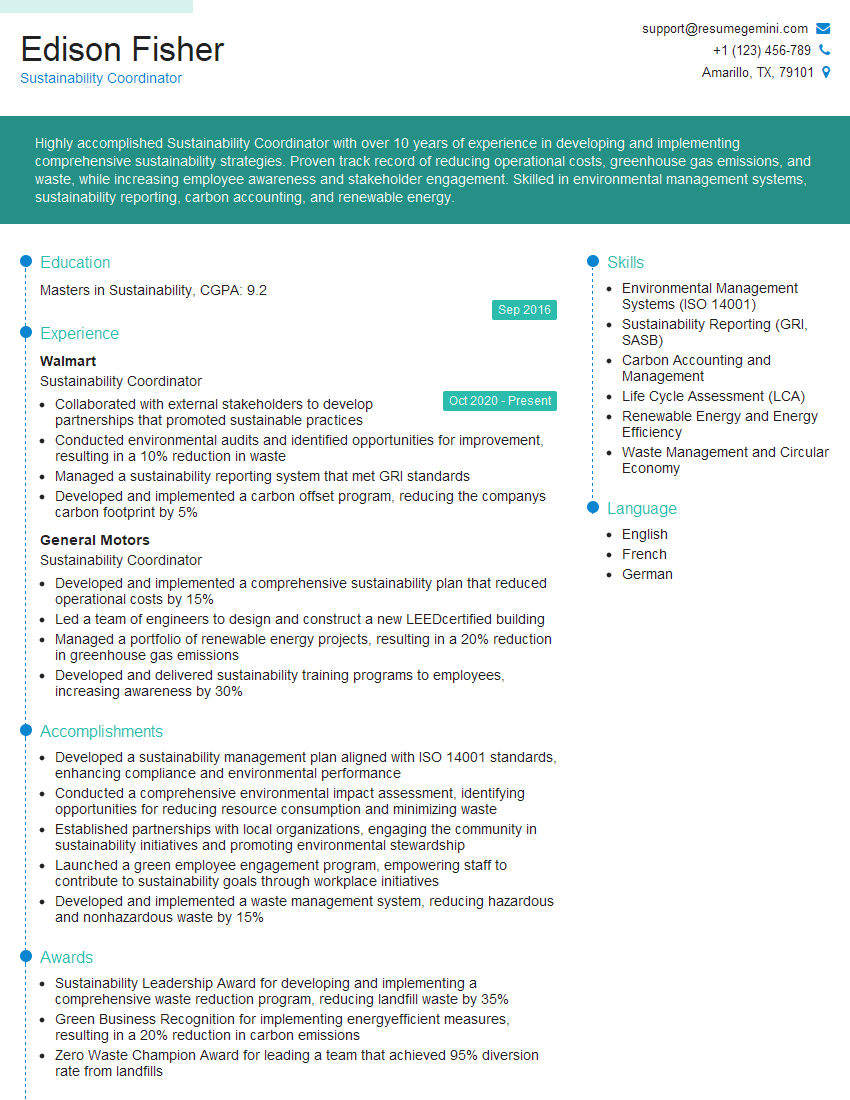
Sustainability Coordinator Resume Sample
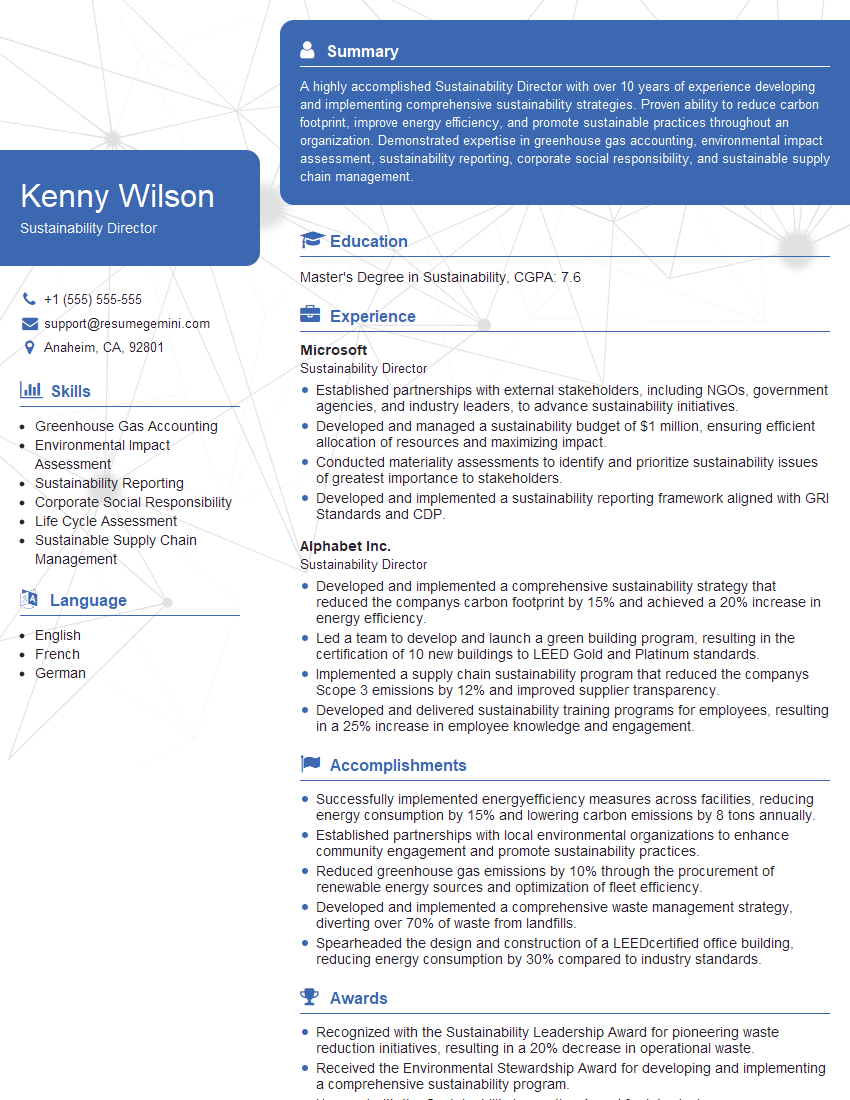
Sustainability Director Resume Sample
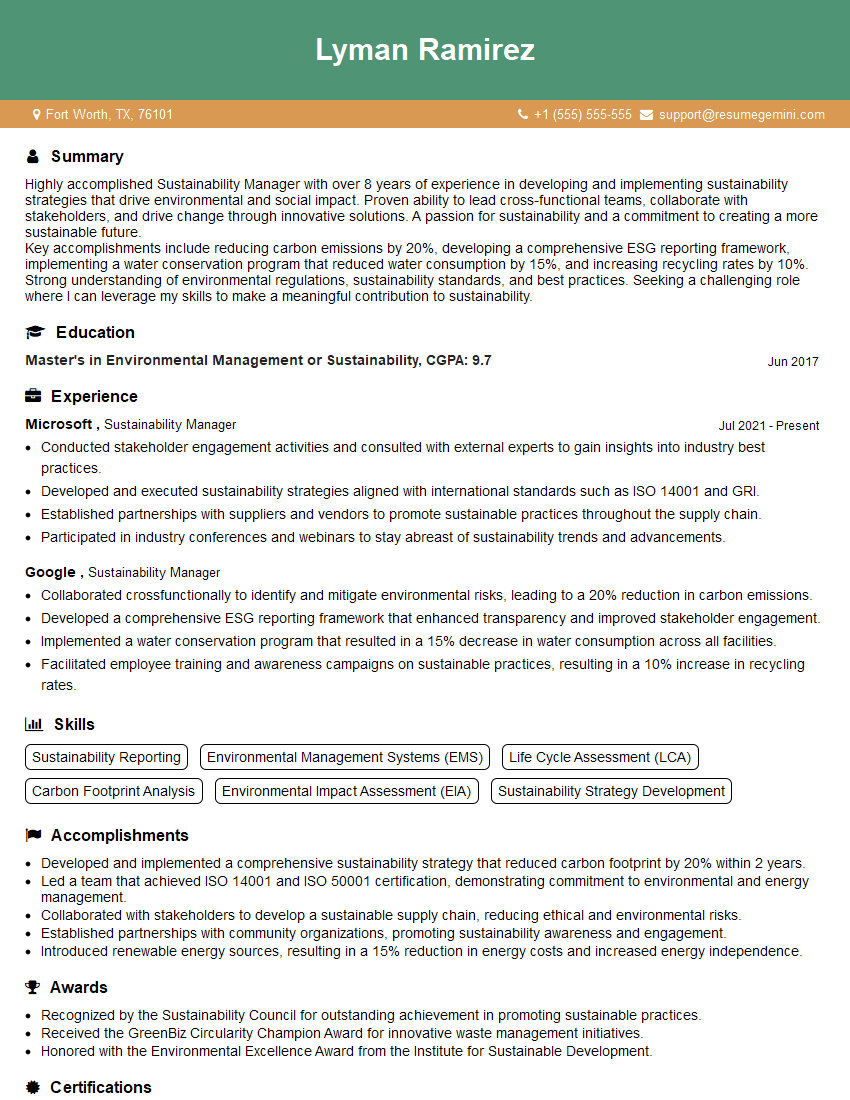
Sustainability Manager Resume Sample
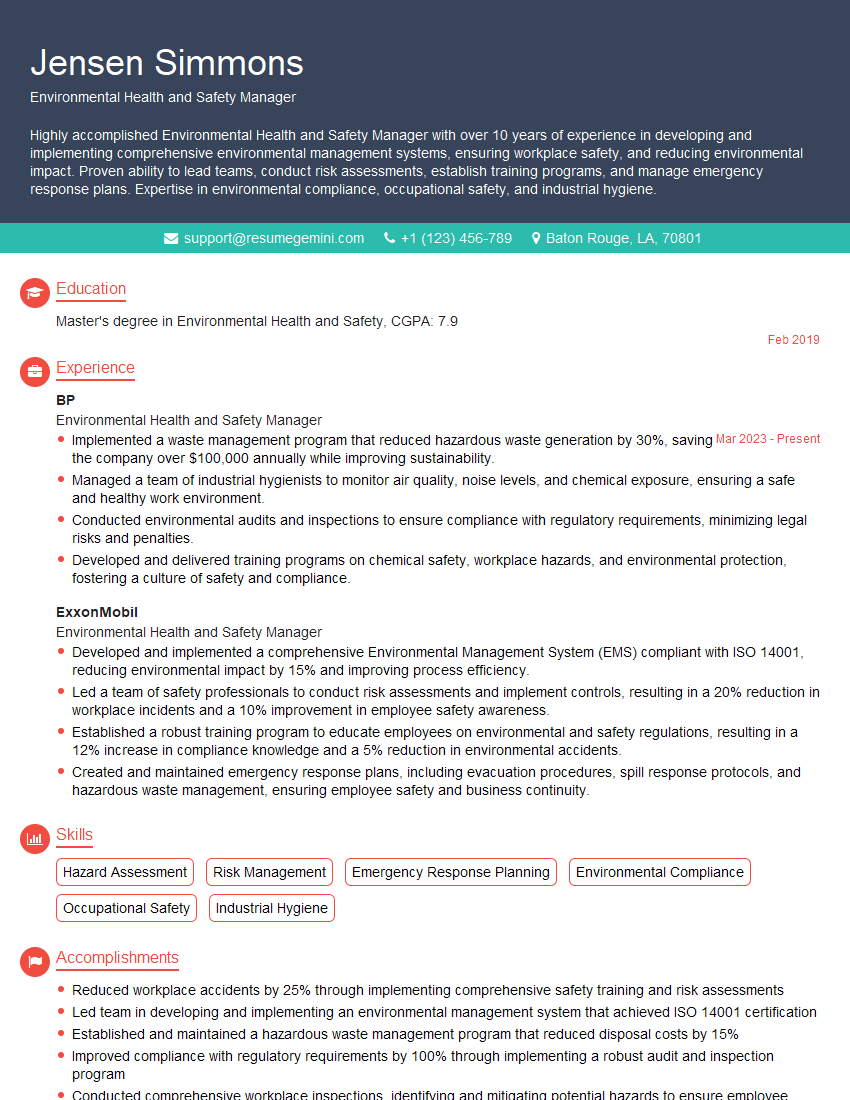
Environmental Health and Safety Manager Resume Sample
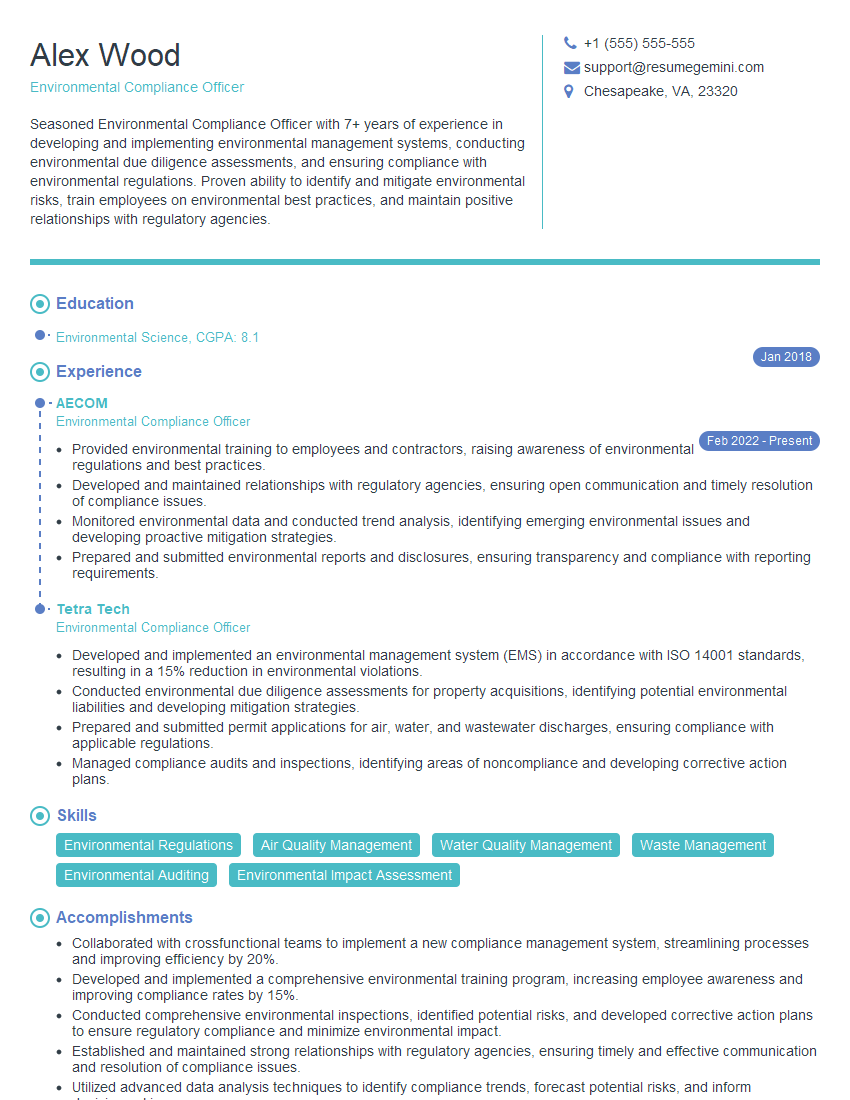
Environmental Compliance Officer Resume Sample
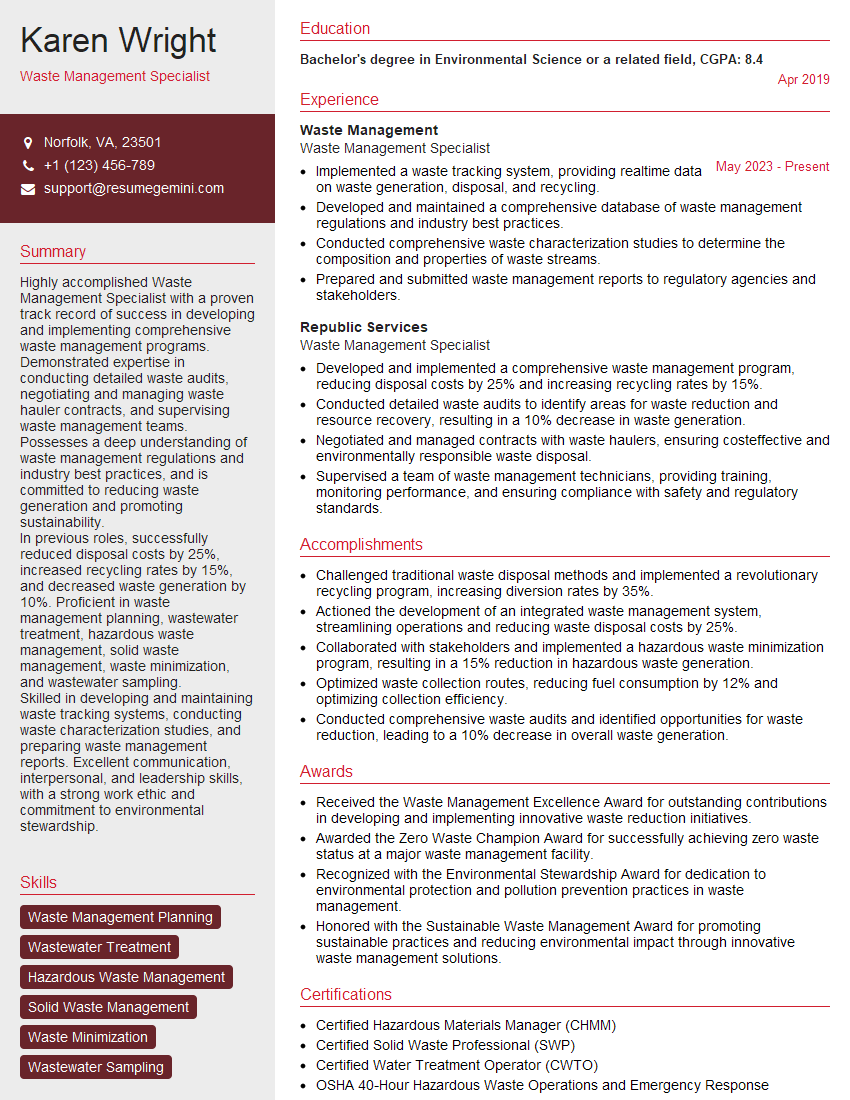
Waste Management Specialist Resume Sample
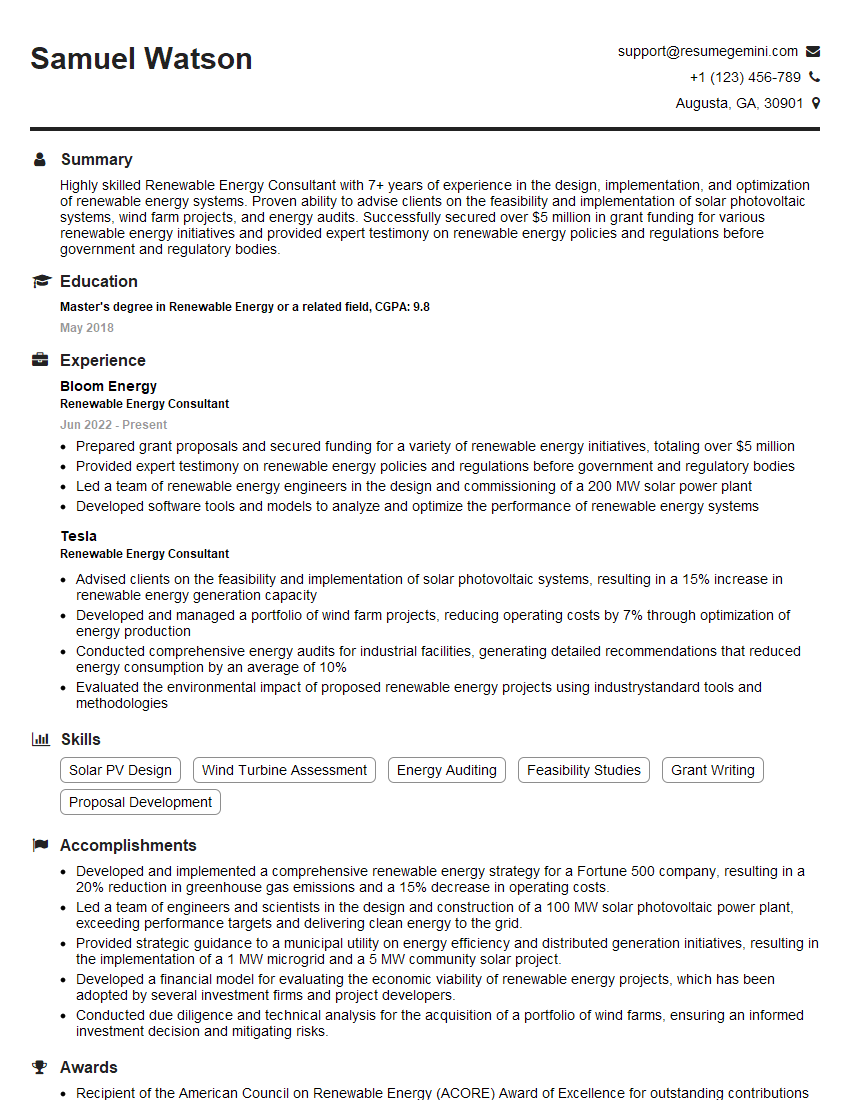
Renewable Energy Consultant Resume Sample
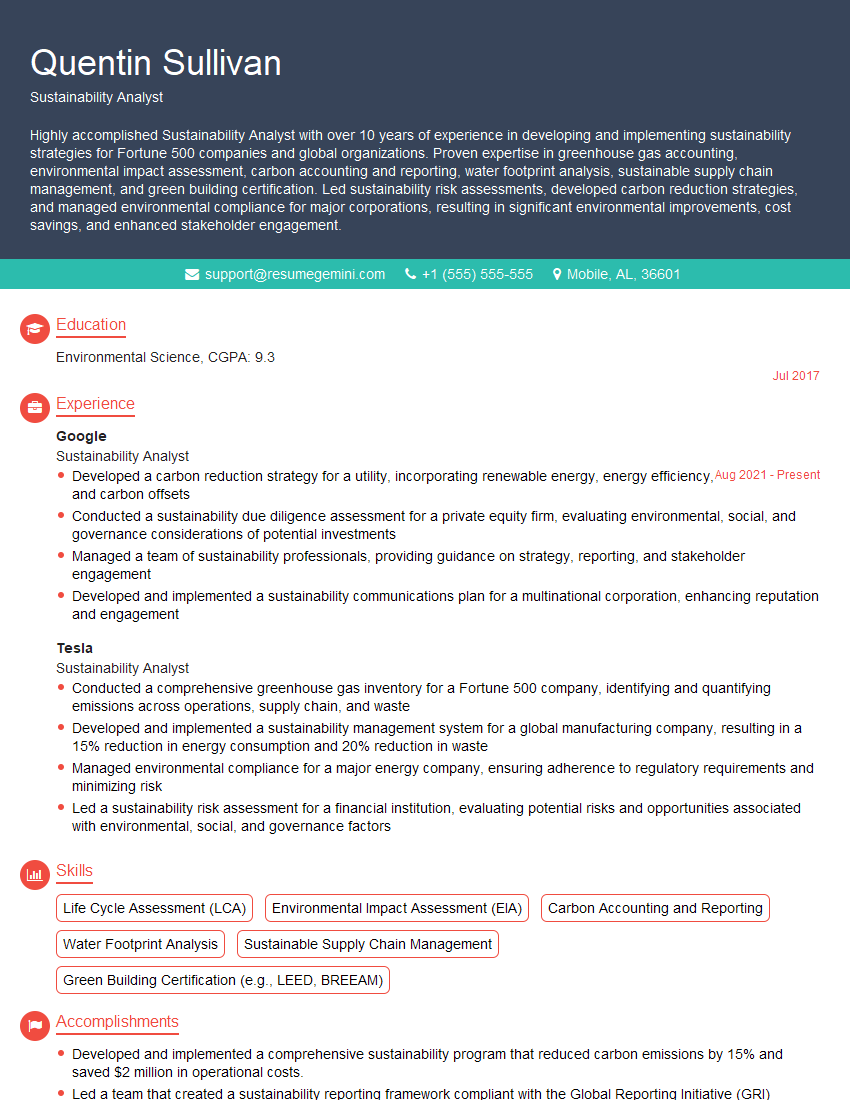
Sustainability Analyst Resume Sample
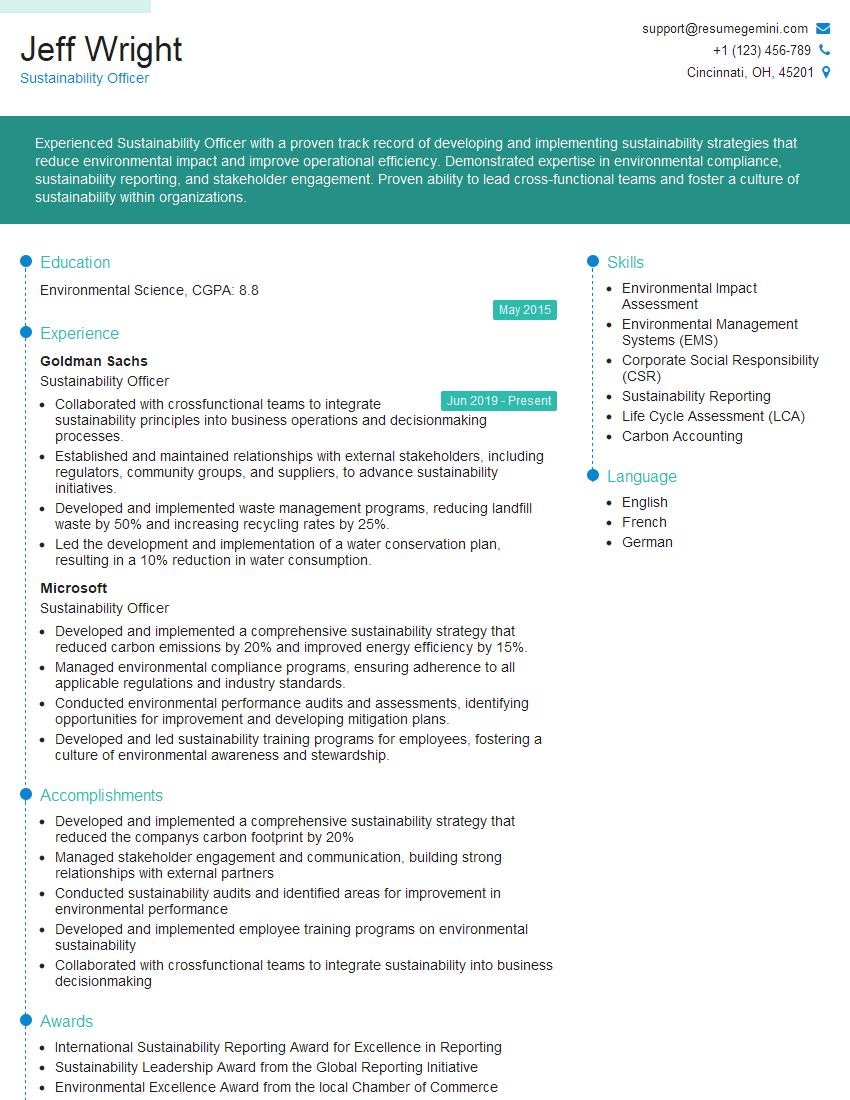
Sustainability Officer Resume Sample
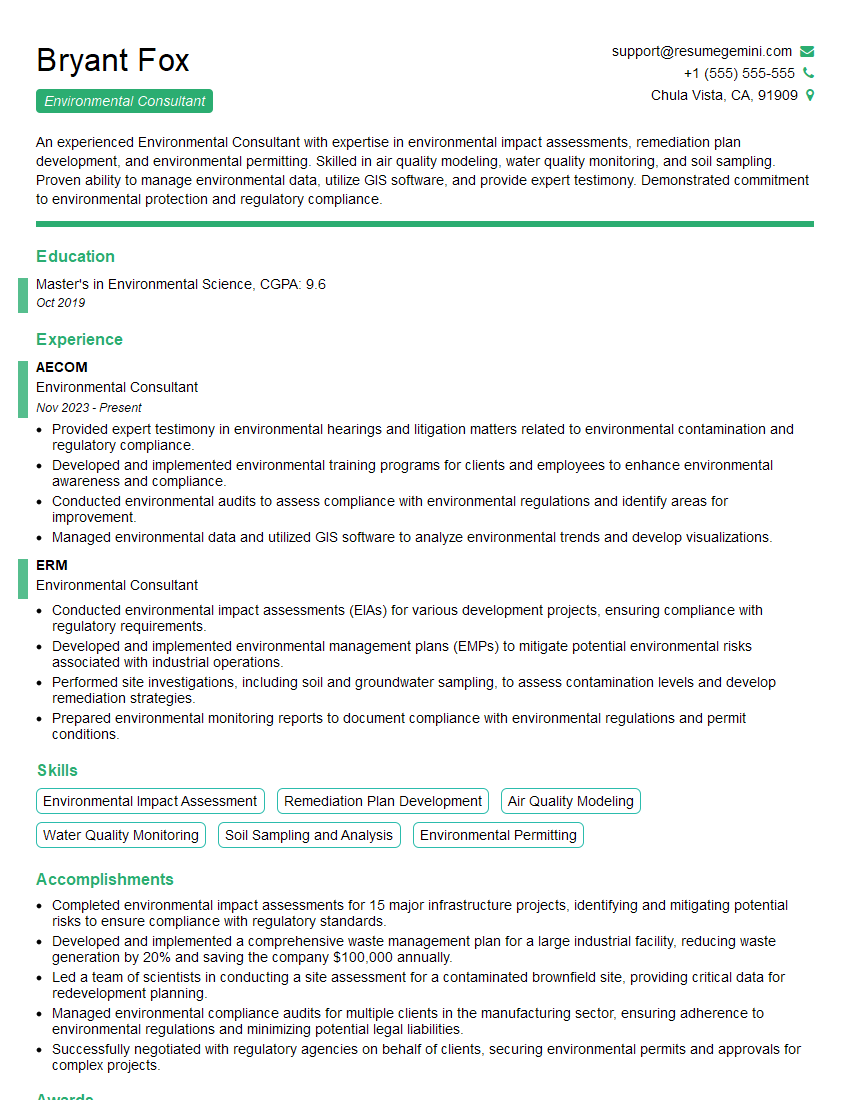
Environmental Consultant Resume Sample
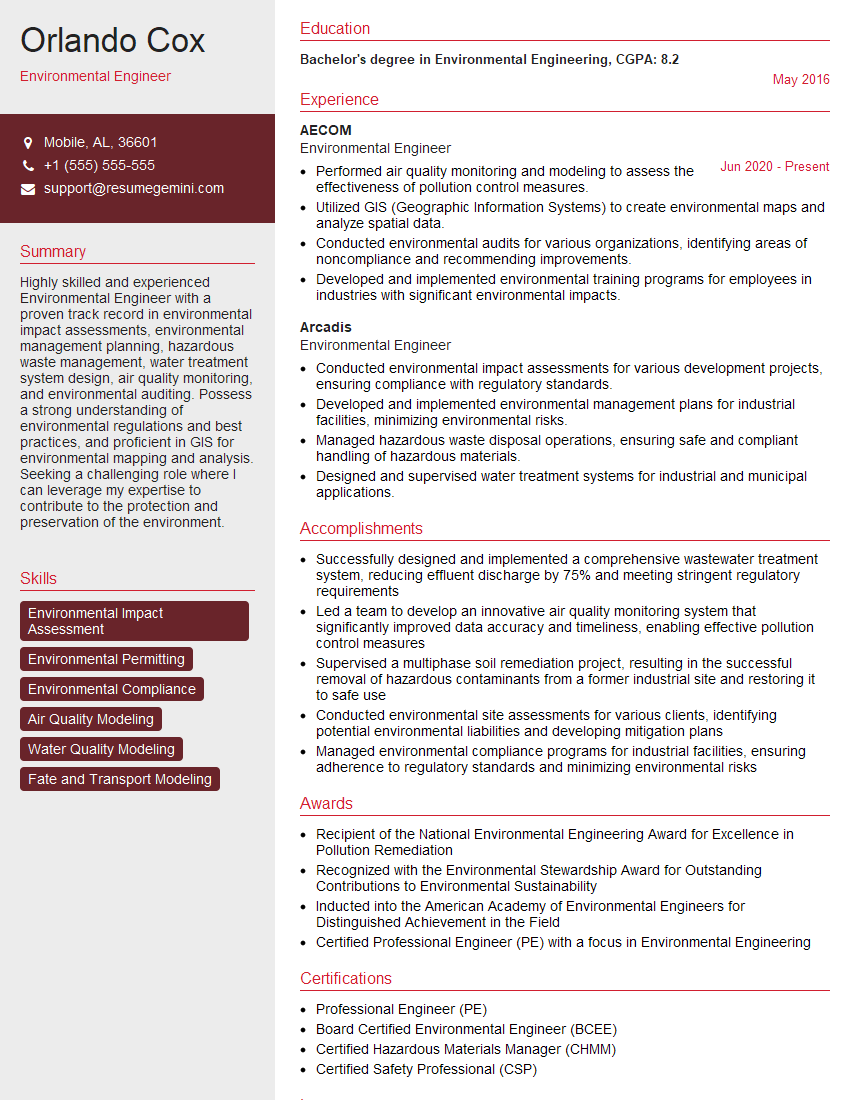
Environmental Engineer Resume Sample
Explore more articles
Users Rating of Our Blogs
Share Your Experience
We value your feedback! Please rate our content and share your thoughts (optional).
What Readers Say About Our Blog
Very informative content, great job.
good