Cracking a skill-specific interview, like one for Tactical Mission Planning, requires understanding the nuances of the role. In this blog, we present the questions you’re most likely to encounter, along with insights into how to answer them effectively. Let’s ensure you’re ready to make a strong impression.
Questions Asked in Tactical Mission Planning Interview
Q 1. Describe your experience in developing tactical mission plans.
Developing tactical mission plans is a meticulous process requiring a deep understanding of the operational environment, available assets, and potential threats. My experience spans diverse scenarios, from urban warfare to complex operations in challenging terrains. I’ve led teams in creating plans that encompass everything from reconnaissance and surveillance to direct action and close-quarters combat. This involves not only defining the mission’s objective and the phases of execution but also integrating detailed timelines, communication protocols, and contingency plans to ensure mission success. For example, in one operation, we planned a multi-phased approach to neutralize a high-value target in a densely populated urban area, requiring careful coordination of sniper teams, unmanned aerial vehicles (UAVs), and ground assault elements. This included meticulously mapping the area, identifying potential choke points, and accounting for civilian presence to minimize collateral damage.
A key element is the iterative process of refinement; plans are not static documents, but living documents constantly evaluated and adjusted based on new information and changing circumstances. I utilize various software tools for planning, including mission planning software packages that allow for 3D modeling of terrain and simulation of operational scenarios.
Q 2. Explain the process you use to conduct a threat assessment for a mission.
Conducting a thorough threat assessment is paramount for mission success. This involves a systematic approach, starting with identifying all potential threats – these can range from enemy combatants and their capabilities to environmental hazards and even technological failures. I begin by analyzing the operational environment, considering the geographic location, political climate, and potential enemy actions. I utilize intelligence gathered from multiple sources, including human intelligence (HUMINT), signals intelligence (SIGINT), and open-source intelligence (OSINT), to create a comprehensive picture of the threat landscape.
Next, I assess the capabilities and intentions of each potential threat. This includes evaluating their weapons systems, tactics, and likely courses of action. A key aspect of this is understanding the enemy’s order of battle (composition and disposition of enemy forces). Finally, I prioritize threats based on their lethality, probability of encounter, and impact on mission objectives. This prioritization informs the development of mitigation strategies, including defensive measures, route planning, and the allocation of resources. For instance, in a counter-insurgency operation, I would prioritize threats based on the assessed risk of improvised explosive devices (IEDs), ambushes, and direct assaults.
Q 3. How do you prioritize tasks and resources within a tactical mission?
Prioritizing tasks and resources is crucial in tactical mission planning. I employ a combination of methods, prioritizing tasks based on their criticality to mission success and their time sensitivity. This often involves using a decision matrix that weighs factors like impact, urgency, and risk. Resources, including personnel, equipment, and ammunition, are allocated accordingly, ensuring that the most critical tasks have the necessary support. This often resembles a resource allocation problem, often solved through linear programming or similar optimization techniques.
For example, in a hostage rescue operation, the immediate priority would be neutralizing the threat to the hostages, followed by securing the area and extracting personnel safely. Resources would then be allocated to these priorities, ensuring sufficient manpower and equipment for each phase. This frequently involves ‘critical path’ analysis, where delays on a key task significantly affect the overall mission timeline. The process often involves trade-offs and compromises, especially with limited resources, requiring careful judgment and decision-making.
Q 4. What methods do you use to ensure effective communication during a mission?
Effective communication is the backbone of any successful tactical mission. I ensure effective communication through a multi-layered approach, combining various communication methods to increase redundancy and robustness. This often includes utilizing dedicated communication channels such as encrypted radios, satellite phones, and secure data links. Pre-mission briefings establish clear communication protocols, including frequencies, call signs, and reporting procedures. During the mission, we maintain continuous situational awareness through regular updates and reports from all elements.
Furthermore, I utilize clear and concise language, avoiding jargon and ambiguity. We establish designated communication checkpoints and fallback communication plans to address potential communication failures. Regular rehearsals and communication drills further enhance team coordination and communication effectiveness. This also includes having contingency plans for communication breakdown, such as pre-arranged meeting locations or alternative communication methods.
Q 5. Describe your experience with contingency planning.
Contingency planning is an integral part of my approach to mission planning. This involves anticipating potential problems and developing alternative courses of action to address them. I identify potential risks and vulnerabilities throughout the mission, considering factors such as equipment malfunctions, enemy actions, weather conditions, and unforeseen circumstances. For each identified risk, we develop a corresponding contingency plan, outlining the procedures to follow if the risk materializes. These plans may involve deploying reserve forces, changing routes, or modifying the mission objective.
For example, in a reconnaissance mission, we would develop contingency plans for various scenarios, including equipment failure, detection by enemy forces, and changes in the environment. This might involve pre-designated rally points, alternative exfiltration routes, or adjustments to the data collection methods. This preemptive approach ensures that the mission can continue even when facing unexpected challenges. The level of detail in contingency plans varies based on the risk assessment and the potential impact on the mission objective.
Q 6. How do you handle unexpected events or changes during mission execution?
Handling unexpected events during mission execution requires adaptability, decisiveness, and clear communication. When faced with unexpected events, I prioritize assessing the situation to determine the impact on the mission objectives and the safety of personnel. This often involves a rapid decision-making process, weighing risks and benefits. Based on this assessment, I adjust the mission plan accordingly, utilizing pre-planned contingencies or creating new solutions ‘on-the-fly’. This may involve adapting tactics, reallocating resources, or even aborting the mission if necessary.
Effective communication is crucial during this phase. I ensure all team members are aware of the changes and their roles in implementing the revised plan. After-action reviews are critical to analyze the response to unexpected events, identify areas for improvement in future planning, and refine contingency plans. For instance, a sudden change in enemy disposition might necessitate a detour, a change in the attack plan, or a request for air support. A clear and calm response, based on the established procedures, is paramount.
Q 7. Explain your understanding of risk management in tactical planning.
Risk management is an iterative process that begins at the initial planning stages and continues through mission execution. It involves identifying, assessing, and mitigating potential risks to personnel, equipment, and the mission’s overall objectives. I utilize a risk assessment matrix that considers the likelihood and impact of each potential risk. This allows for prioritization of mitigation efforts, focusing on the most critical risks that could severely compromise the mission.
Mitigation strategies may include employing specific tactics, deploying additional security measures, using specialized equipment, or adjusting the mission timeline or objective. Risk management is not about eliminating all risks; it’s about making informed decisions and accepting calculated risks. Regular monitoring and reassessment of risks throughout the mission lifecycle are also important to adapt to evolving circumstances and emerging threats. Documentation of all risks, mitigation measures and the decision-making processes are also crucial for post-mission analysis.
Q 8. How do you incorporate intelligence and reconnaissance data into mission planning?
Incorporating intelligence and reconnaissance (Intel/Recon) data into mission planning is paramount to success. It’s not just about gathering information; it’s about effectively analyzing and applying it to create a robust plan that mitigates risks and maximizes chances of achieving objectives. We use a multi-step process:
- Data Collection & Fusion: We gather Intel from various sources – human intelligence (HUMINT), signals intelligence (SIGINT), imagery intelligence (IMINT), measurement and signature intelligence (MASINT), open-source intelligence (OSINT). These diverse sources are then fused together, cross-referenced, and validated to create a comprehensive picture of the operational environment.
- Threat Assessment: Once we have a clear picture, we perform a thorough threat assessment identifying potential enemy capabilities, likely actions, and vulnerabilities. This informs our choice of tactics, routes, and timings.
- Target Analysis: For offensive missions, detailed target analysis is crucial. This involves understanding the target’s composition, defenses, and surrounding environment to select the best approach and optimize weapon selection and employment.
- Risk Mitigation: Based on the Intel and threat assessment, we identify potential risks to personnel and mission success. We then develop contingency plans to address these risks, such as alternative routes, escape procedures, or communication strategies.
- Plan Integration: Finally, all the analyzed Intel is directly integrated into the mission plan, affecting everything from route selection and timing to the deployment of assets and communication protocols.
For example, if IMINT reveals a heavily fortified position along the planned route, we might adjust the route to avoid it or develop a plan for neutralizing the threat before proceeding.
Q 9. What software or tools are you proficient in for mission planning?
My proficiency spans several mission planning software packages. I’m highly experienced with Mission Planner (for unmanned aerial vehicles), Google Earth Pro (for detailed terrain analysis and route planning), and Joint Capabilities Integration and Development System (JCIDS) (for larger scale, joint operations planning). I’m also proficient in using Geographic Information Systems (GIS) software such as ArcGIS for creating detailed maps incorporating various layers of Intel.
Beyond software, I’m adept at utilizing various communication tools, such as encrypted messaging and secure video conferencing systems, to collaborate effectively during mission planning and execution. My proficiency extends to using specialized mapping and simulation tools which allow us to virtually rehearse the mission before deployment to identify and mitigate potential issues.
Q 10. Describe a time you had to make a critical decision under pressure during a mission.
During a hostage rescue operation, we encountered unexpected resistance. Initial Intel suggested a minimal security presence. However, we were immediately met with heavy fire. I had to make a split-second decision: commit to the original plan and risk casualties or adapt to the unforeseen circumstances.
After quickly assessing the situation and consulting with my team, I ordered a tactical shift from our planned entry point. This involved utilizing alternative cover and leveraging a nearby building for flanking maneuvers, allowing us to suppress the enemy and successfully extract the hostages with minimal risk. The decision was stressful, but post-mission analysis confirmed its effectiveness. It highlighted the importance of adaptability and rapid decision-making in dynamic operational environments.
Q 11. How do you ensure the safety and well-being of personnel during a mission?
Ensuring personnel safety and well-being is the top priority. This is addressed throughout the mission planning process:
- Risk Assessment: Identifying potential hazards from the outset, like enemy activity, environmental factors (terrain, weather), and potential equipment malfunctions.
- Detailed Planning: Establishing clear communication protocols, escape routes, and rally points. We meticulously plan all aspects, including timelines, equipment checks, and medical support.
- Pre-Mission Briefing: A thorough briefing ensures everyone understands the plan, their roles, and potential threats. This fosters situational awareness and team cohesion.
- Real-time Monitoring: Constant monitoring of the mission during execution, allowing for swift responses to unexpected developments. We continuously assess the risk level and adjust as necessary.
- Post-Mission Debrief: A critical step for identifying areas of improvement for future missions and learning from any mistakes or near misses.
For example, we might utilize specialized equipment like body armor and advanced communication systems or create redundant communication systems to address communication failures during a mission. This layered approach addresses a wide range of threats and scenarios.
Q 12. Explain your understanding of different mission types and their unique challenges.
Tactical missions vary considerably. Some common types include:
- Direct Action Raids: These involve swift, decisive attacks to seize objectives, often high-risk and requiring meticulous planning and precision execution. Challenges include minimizing collateral damage and ensuring rapid extraction.
- Reconnaissance Missions: These focus on gathering intelligence about a target or area. The challenges involve avoiding detection, maintaining operational security, and effectively gathering and reporting information.
- Security Operations: These protect assets, personnel, or infrastructure. Challenges may include maintaining vigilance over extended periods, adapting to unpredictable threats, and ensuring the safety of those being protected.
- Search and Rescue Missions: These involve locating and rescuing personnel in distress. Challenges include time constraints, difficult terrain, and unpredictable environmental factors.
Each mission type presents unique challenges. A direct action raid demands precision and speed, while reconnaissance necessitates stealth and patience. Effective planning requires a thorough understanding of the specific mission type and its associated risks.
Q 13. How do you evaluate the success of a completed tactical mission?
Evaluating mission success goes beyond simply achieving the stated objective. A comprehensive evaluation includes:
- Objective Achievement: Did the mission accomplish its primary and secondary objectives?
- Casualty Assessment: Were there any friendly casualties? How can future operations reduce this risk?
- Collateral Damage Assessment: Was there any damage to civilian property or unintended harm to non-combatants?
- Intelligence Gathering: If intelligence gathering was an objective, was sufficient and valuable intel gathered?
- Resource Consumption: Was the mission executed efficiently in terms of time, resources, and personnel?
- Operational Security: Was the mission executed without compromising operational security?
We use a structured after-action review (AAR) process involving all participants. This allows for candid feedback, identification of lessons learned, and implementation of improvements for future missions. Success isn’t simply about the outcome but also the efficiency, safety, and lessons learned throughout the process.
Q 14. Describe your experience with coordinating with other teams or agencies during a mission.
Coordination with other teams and agencies is crucial for complex missions. I have extensive experience collaborating with various entities, including:
- Other Military Units: Coordinating movements, sharing intelligence, and ensuring interoperability between different units. This often involves establishing clear communication channels and shared operational objectives.
- Law Enforcement Agencies: Collaborating on missions with law enforcement requires careful planning and adherence to legal and jurisdictional constraints. This involves establishing clear roles and responsibilities and maintaining open communication.
- Intelligence Agencies: Working with intelligence agencies requires handling sensitive information securely and maintaining trust. This often involves encrypted communications and secure data handling protocols.
- Civilian Agencies: Collaboration with civilian agencies, such as emergency medical services or disaster relief organizations, necessitates establishing clear communication channels and coordinated plans to ensure the safety and well-being of all personnel involved.
Effective coordination requires clear communication, mutual trust, and a shared understanding of objectives and responsibilities. I use established protocols and communication systems to facilitate this collaboration and ensure seamless teamwork.
Q 15. How familiar are you with different communication systems and protocols?
My familiarity with communication systems and protocols is extensive. I’ve worked with a wide range of systems, from simple handheld radios using basic protocols like VHF/UHF to sophisticated encrypted networks employing data links like SATCOM and dedicated tactical data networks. Understanding the capabilities and limitations of each is crucial for effective mission planning. For instance, VHF radios offer wide coverage but are susceptible to interference and have limited bandwidth. In contrast, SATCOM offers greater bandwidth and secure communication, but relies on line-of-sight to a satellite and can be more expensive and complex to set up. My experience encompasses selecting the appropriate system based on the mission’s specific requirements – range, security needs, data rate, environmental factors and the resources available. This includes understanding protocols like TCP/IP for data transmission, ensuring interoperability between different systems within the team and potentially with external entities.
- VHF/UHF Radios: Line-of-sight, susceptible to interference, used for basic voice communication.
- SATCOM: Satellite communication, offers wide-area coverage and higher bandwidth, but expensive and complex.
- Tactical Data Networks: Secure, high-bandwidth networks allowing for real-time data sharing and coordination between multiple units.
Career Expert Tips:
- Ace those interviews! Prepare effectively by reviewing the Top 50 Most Common Interview Questions on ResumeGemini.
- Navigate your job search with confidence! Explore a wide range of Career Tips on ResumeGemini. Learn about common challenges and recommendations to overcome them.
- Craft the perfect resume! Master the Art of Resume Writing with ResumeGemini’s guide. Showcase your unique qualifications and achievements effectively.
- Don’t miss out on holiday savings! Build your dream resume with ResumeGemini’s ATS optimized templates.
Q 16. Explain your understanding of the limitations of technology in tactical planning.
Technology, while invaluable in tactical planning, has inherent limitations. One key limitation is reliance on power and connectivity. A mission dependent on GPS may fail in GPS-denied environments. Similarly, reliance on complex software systems can create a single point of failure if the system malfunctions or is compromised. Another significant limitation is the human factor; technology requires skilled operators who understand its strengths and limitations. Misinterpretation of data or improper system use can lead to critical errors. For example, a poorly designed user interface can lead to delays or incorrect input, ultimately impacting mission success. Finally, the ever-evolving technological landscape introduces challenges of interoperability and compatibility, requiring continuous adaptation and training. Imagine a situation where the main communication system fails – a well-rehearsed backup plan utilising alternative communication methods becomes vital. Real-world experience constantly underscores the importance of redundancy and contingency planning to counter these technological shortcomings.
Q 17. How do you balance speed and accuracy in mission planning?
Balancing speed and accuracy in mission planning is a constant challenge. Rushing the process to meet a tight deadline can lead to critical omissions or errors, impacting mission success. However, excessive deliberation can result in missed opportunities or a loss of tactical advantage. My approach involves a structured methodology. Firstly, a thorough understanding of the mission objective and constraints informs a detailed initial plan. Secondly, a risk assessment identifies potential problems and contingency plans are developed. Thirdly, I use iterative planning; developing a plan, reviewing it for potential issues, adjusting and repeating until an optimal balance is achieved. Tools like simulations and wargames are crucial for testing plans before execution, allowing for refinement and improved accuracy without compromising speed. I find that clearly defined roles and responsibilities, coupled with effective communication, are essential in coordinating the effort across the team. For example, a high-speed, low-altitude infiltration might require a faster planning process to maintain the element of surprise, but extreme care must be taken to ensure the plan’s accuracy to mitigate risks.
Q 18. Describe your experience with creating and presenting mission briefings.
I have extensive experience in creating and delivering mission briefings. My approach prioritizes clarity, conciseness, and visual aids. A typical briefing begins with a clear statement of the mission’s objective, followed by a concise overview of the plan’s key elements. This includes outlining timelines, roles, responsibilities, and communication protocols. I utilize maps, diagrams, and other visuals to enhance comprehension and retention of key information. The briefing concludes with a Q&A session to address any questions or concerns from the team. Beyond the content, the delivery is crucial. I employ a confident and engaging style, ensuring the team understands the plan and feels confident in their roles. For instance, in a complex urban operation, a well-illustrated map highlighting key points, chokepoints and potential threats would be a vital component of the briefing. Post-mission debriefs are equally important, used to learn from the successes and failures, further refining future planning processes.
Q 19. How do you maintain situational awareness during a dynamic mission?
Maintaining situational awareness during a dynamic mission requires a multi-faceted approach. It starts with establishing a robust communication network allowing real-time information sharing. This is coupled with the use of real-time tracking systems, and continuous monitoring of intelligence feeds. The constant analysis of incoming data is crucial; I look for patterns, anomalies, and deviations from the plan, instantly assessing their implications. Proactive measures are taken to adjust the plan as needed, ensuring responsiveness to changes on the ground. This may involve deploying reserves, changing routes, or revising timelines. Furthermore, fostering a culture of open communication and feedback within the team, where every member feels empowered to contribute information, enhances the overall awareness of the situation. For example, if an unexpected enemy patrol is spotted, quick communication is key to adjust the plan, potentially utilizing cover or concealment techniques, or requesting immediate fire support.
Q 20. Explain your understanding of different mapping and navigation tools.
My experience encompasses a wide range of mapping and navigation tools. This includes both traditional methods like topographic maps and compasses, as well as advanced digital systems such as GPS, GIS software (Geographic Information Systems), and digital terrain elevation data (DTED). I understand the strengths and weaknesses of each. For example, while GPS offers high precision, it can be unreliable in certain environments (e.g., dense urban areas, canyons). Topographic maps provide a static representation of terrain but lack real-time updates. GIS software allows for integration of multiple data layers for comprehensive analysis; it helps in visualizing the operational environment and planning routes, avoiding potential obstacles and threats. Understanding how to use and integrate these different tools effectively is essential in developing robust and adaptable plans. For example, using GIS software to overlay satellite imagery with terrain data to assess visibility and cover is crucial for planning an ambush.
Q 21. How do you manage conflicts or disagreements within a mission team?
Managing conflicts or disagreements within a mission team requires a collaborative and diplomatic approach. Open communication is key; I encourage team members to express their concerns and ideas openly and respectfully. Active listening is vital to understanding diverse perspectives before attempting to resolve the conflict. A structured approach involves identifying the root cause of the disagreement, clarifying misunderstandings, and exploring alternative solutions collaboratively. If a consensus cannot be reached, I will facilitate a structured decision-making process, using a framework such as weighted decision matrix, ensuring transparency and fairness. Ultimately, my goal is to find a solution that aligns with the mission objective while maintaining team cohesion and morale. For example, if a disagreement arises about the best route to take, I’ll facilitate a discussion weighing the pros and cons of each option, potentially using data from GIS software to inform the decision.
Q 22. Describe your experience with post-mission analysis and debriefing.
Post-mission analysis and debriefing are critical for continuous improvement in tactical mission planning. It’s essentially a structured review process designed to identify what worked well, what didn’t, and how we can improve future operations. This involves a thorough examination of the mission’s execution, comparing the plan to reality, and identifying areas for enhancement.
My experience encompasses leading and participating in numerous debriefings, employing a variety of techniques. We typically start with a chronological review of the mission timeline, examining each phase against the original plan. We use a combination of methods, including:
- Data analysis: Reviewing sensor data, communication logs, and casualty reports to pinpoint specific successes and failures.
- Individual accounts: Gathering feedback from all personnel involved, fostering open communication, and encouraging constructive criticism. This helps to understand diverse perspectives and address any biases.
- After-action reviews (AARs): Structured discussions focused on identifying key decisions, their impact, and potential alternatives. We use a facilitated approach to ensure objective analysis and avoid blame-casting.
For example, in one mission involving a hostage rescue, the post-mission analysis revealed a communication breakdown during the final assault phase. This led to improved radio protocols and clearer communication procedures for future operations.
Q 23. How do you adapt your plans based on feedback or changing circumstances?
Adaptability is paramount in tactical mission planning. Plans are never truly static; they must evolve based on real-time feedback and changing circumstances. This requires a flexible mindset and the ability to quickly assess the situation and make informed decisions.
My approach involves several key steps:
- Continuous monitoring: I maintain constant situational awareness, actively seeking intelligence updates and tracking any changes in the operational environment.
- Risk assessment and mitigation: I regularly re-assess risks based on new information, adjusting the plan to minimize potential threats and maximize success probabilities. This might involve altering timelines, adjusting routes, or shifting resource allocation.
- Decision making framework: I employ a structured decision-making framework, weighing potential risks against the expected benefits of each adjustment. This ensures that changes are deliberate and well-justified.
- Communication and coordination: I ensure that all personnel are informed of any plan adjustments, providing clear and concise instructions. This prevents confusion and ensures effective coordination throughout the operation.
In one scenario, an unexpected enemy patrol forced a change in our insertion point. By leveraging real-time intelligence and rapidly adapting the plan, we avoided a direct confrontation and successfully executed the mission objectives.
Q 24. What are your strengths and weaknesses in tactical mission planning?
My strengths lie in my meticulous attention to detail, strong analytical skills, and proficiency in utilizing various planning tools and software. I’m also adept at visualizing complex scenarios and developing contingency plans to address potential challenges. I excel at incorporating lessons learned from past experiences into future planning, leading to more robust and effective missions.
My primary weakness is sometimes over-planning, leading to rigid plans that may not easily adapt to unexpected changes. I’m actively working to mitigate this by focusing on building a more flexible, adaptable approach, emphasizing adaptability over rigid adherence to the original plan while maintaining a balance between preparedness and responsiveness.
Q 25. Explain your understanding of legal and ethical considerations in mission planning.
Legal and ethical considerations are paramount in mission planning. Every decision must adhere to national and international laws, rules of engagement (ROE), and ethical principles. Failure to do so can have severe legal and reputational consequences.
My understanding encompasses:
- International Humanitarian Law (IHL): Understanding and applying the principles of proportionality, distinction, and precaution in planning and executing missions.
- Rules of Engagement (ROE): Strictly adhering to ROE, ensuring that all actions are authorized and within legal bounds.
- Ethical considerations: Prioritizing the safety and well-being of civilians and minimizing collateral damage. We constantly weigh potential risks to non-combatants against mission objectives.
- Accountability: Maintaining thorough documentation and transparency to ensure accountability for all actions taken during the mission.
For instance, in planning a raid, we meticulously analyzed the potential for civilian casualties and incorporated strategies to minimize the risk, such as selecting specific target times and areas, using precision weaponry, and ensuring that our actions did not violate the established ROE.
Q 26. Describe your experience with resource allocation and budget management in mission planning.
Resource allocation and budget management are crucial in mission planning. It involves optimizing the utilization of available resources – personnel, equipment, time, and funds – to maximize mission effectiveness while staying within budgetary constraints.
My experience includes:
- Needs assessment: Accurately determining the resources required for mission success, considering various factors such as the complexity of the task, the operational environment, and potential risks.
- Prioritization: Prioritizing resource allocation based on mission criticality and potential returns on investment. We carefully allocate assets to maximize the likelihood of achieving mission objectives.
- Budgeting and tracking: Developing a realistic budget, tracking expenditures, and ensuring that resources are utilized efficiently and effectively.
- Cost-benefit analysis: Evaluating the cost-effectiveness of various options, selecting the most efficient approach while still achieving the necessary level of capability.
For instance, in a large-scale operation, we performed a comprehensive cost-benefit analysis to justify the investment in advanced surveillance technology, ultimately proving its crucial role in mission success and long-term cost savings by reducing the risk of mission failure.
Q 27. How do you incorporate lessons learned from past missions into future planning?
Incorporating lessons learned from past missions is essential for continuous improvement in tactical mission planning. It allows us to refine our processes, identify areas for improvement, and ultimately, improve the effectiveness and safety of future operations.
My approach involves:
- Post-mission debriefings: Thoroughly reviewing past missions to identify successes, failures, and areas for improvement. We focus on identifying the root causes of problems rather than placing blame.
- Data analysis: Analyzing data from previous missions to identify trends and patterns that can inform future planning.
- Knowledge sharing: Sharing lessons learned with other teams to prevent similar mistakes in future missions.
- Updating procedures: Updating procedures, training programs, and doctrine to reflect lessons learned.
For instance, a previous mission revealed a vulnerability in our communication systems. This led to improvements in communication protocols and equipment upgrades for subsequent missions, resulting in significantly improved communication reliability.
Q 28. Describe your experience with using simulations or war games in mission planning.
Simulations and war games are invaluable tools in tactical mission planning. They provide a safe and controlled environment to test plans, identify potential vulnerabilities, and train personnel without the risks and costs associated with real-world operations.
My experience includes:
- Scenario development: Developing realistic scenarios that mirror the complexities of real-world operations.
- Simulation execution: Running simulations using various software tools to assess the effectiveness of different plans and strategies.
- Data analysis: Analyzing data from simulations to identify areas for improvement and refine plans.
- Personnel training: Using simulations to train personnel in various tactical procedures and decision-making processes.
For example, we utilized a virtual battlefield simulation to test various approaches to a complex urban operation. The simulation highlighted vulnerabilities in our initial plan, leading to significant modifications that greatly enhanced the effectiveness and safety of the planned operation.
Key Topics to Learn for Tactical Mission Planning Interview
- Mission Analysis & Planning: Understanding the mission objective, constraints, and available resources. This includes analyzing the operational environment and identifying potential threats and risks.
- Course of Action Development (COA): Developing, analyzing, and comparing multiple potential plans to achieve the mission objective. This involves weighing the pros and cons of each COA based on feasibility, risk, and effectiveness.
- Risk Assessment & Mitigation: Identifying potential risks and developing strategies to mitigate them. This requires a thorough understanding of the operational environment and potential threats.
- Intelligence Preparation of the Battlefield (IPB): Gathering, analyzing, and interpreting intelligence to inform the planning process. This includes understanding enemy capabilities, intentions, and likely courses of action.
- Communication & Coordination: Effective communication and coordination with other team members and stakeholders is crucial for successful mission execution. This includes understanding different communication protocols and procedures.
- Execution & Assessment: Understanding the phases of mission execution and how to effectively assess progress and adapt to changing circumstances. This involves analyzing real-time data and making informed decisions.
- Technology Integration: Familiarity with relevant technologies used in tactical mission planning, such as Geographic Information Systems (GIS) and mission planning software. Understanding their application and limitations is essential.
- Contingency Planning: Developing plans for unexpected events or changes in the operational environment. This demonstrates foresight and adaptability.
Next Steps
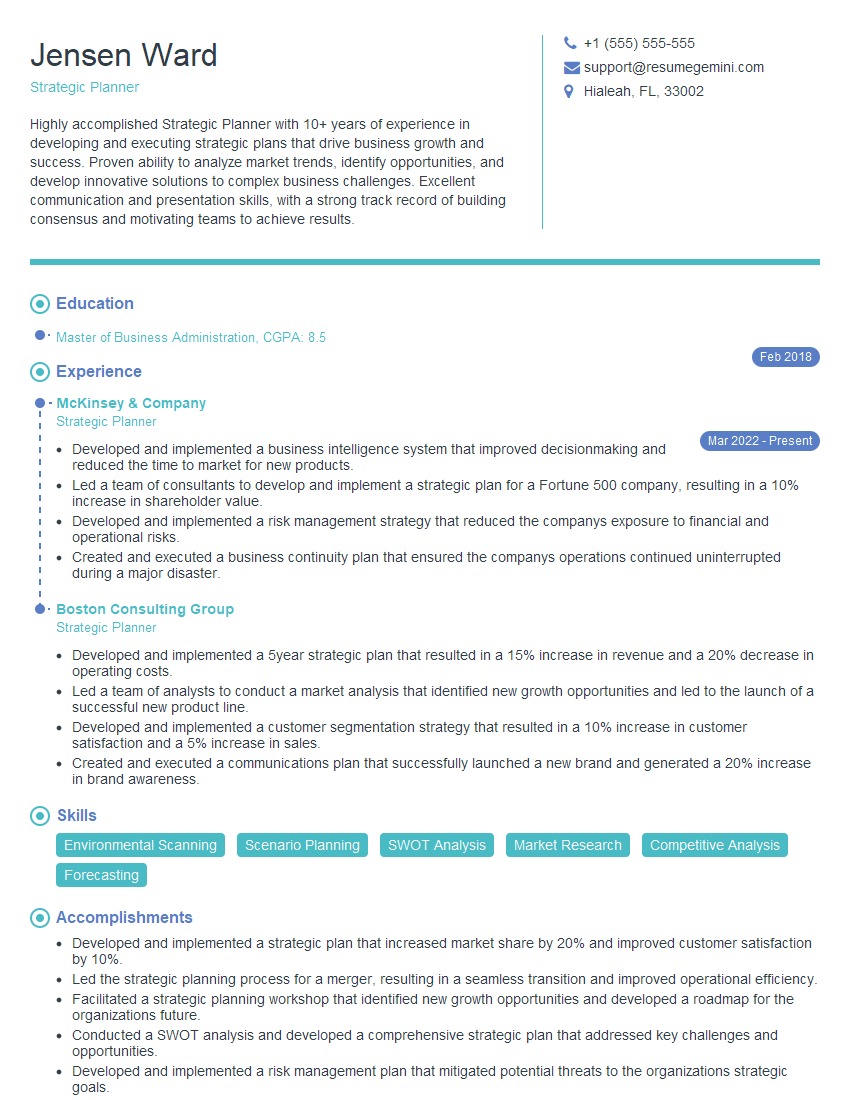
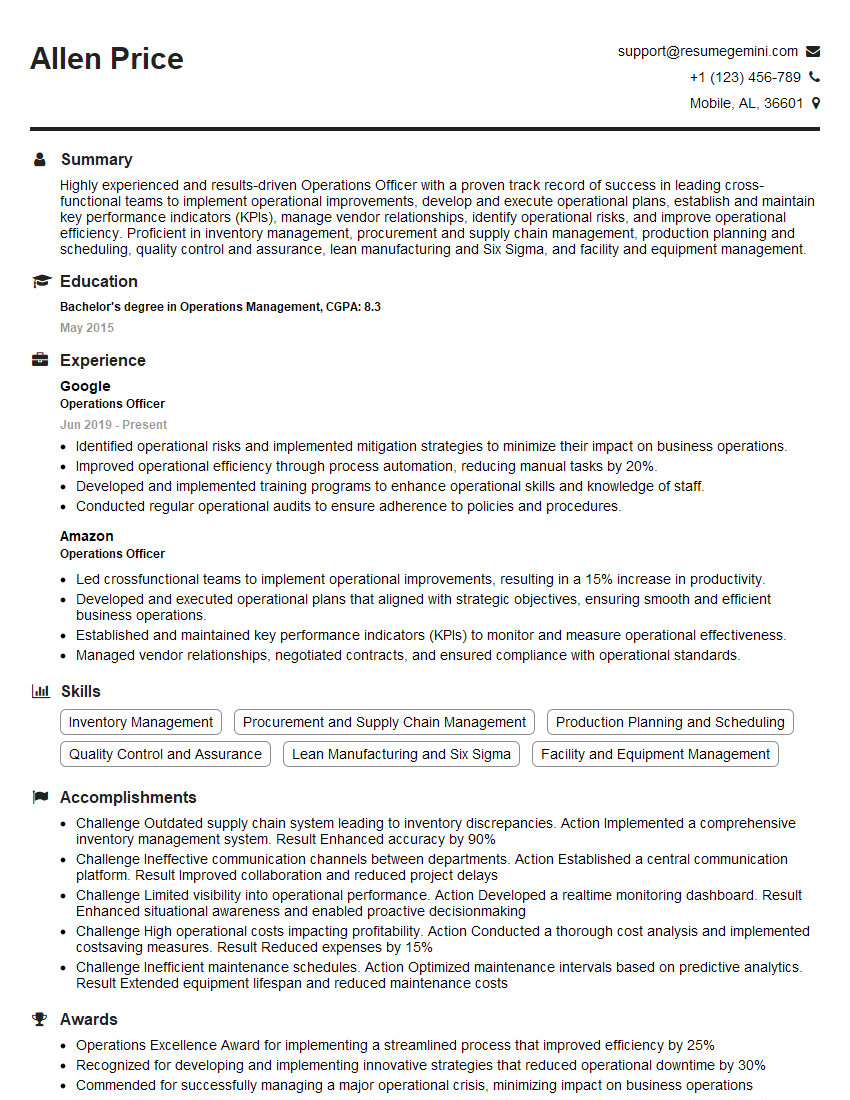
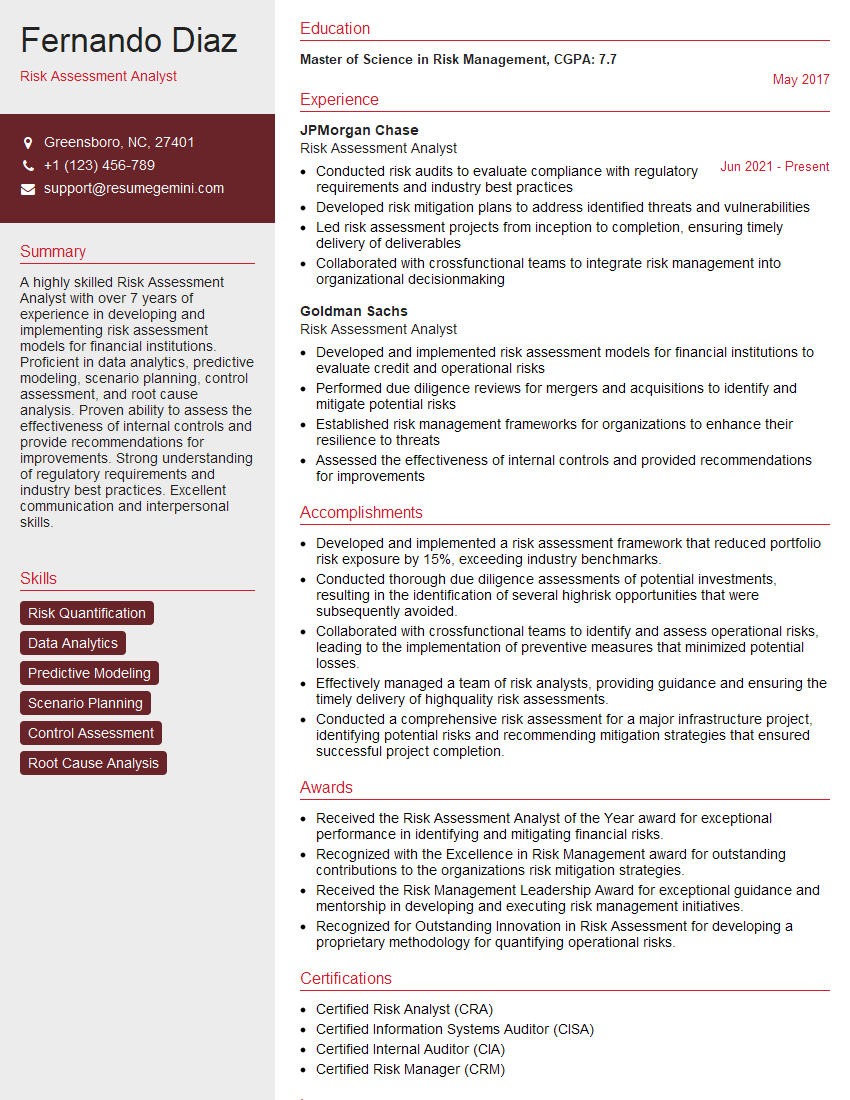
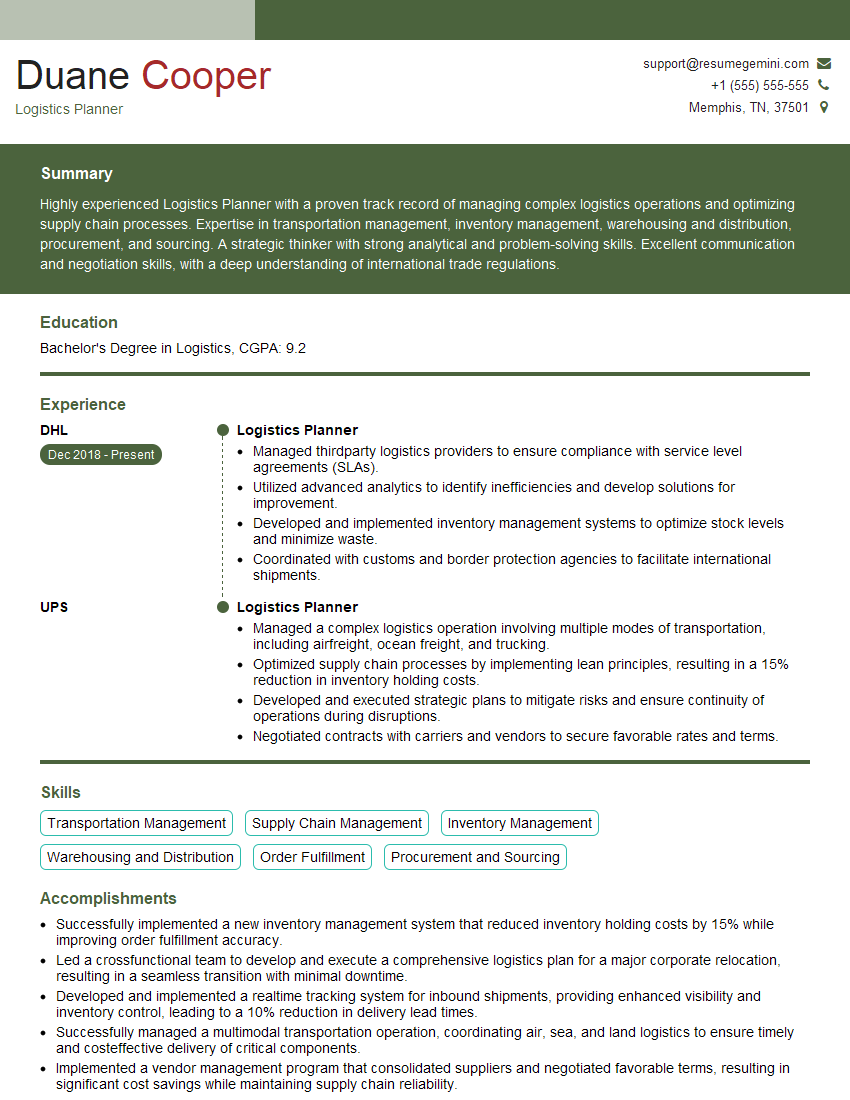
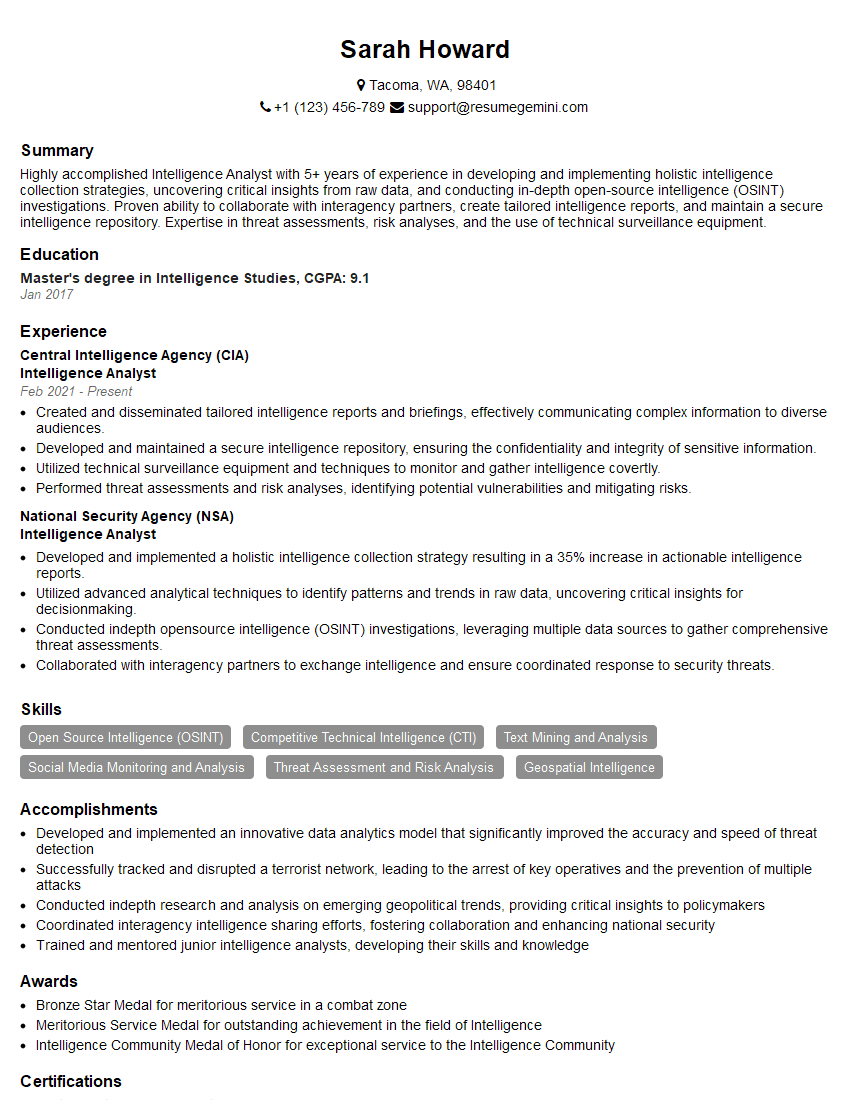
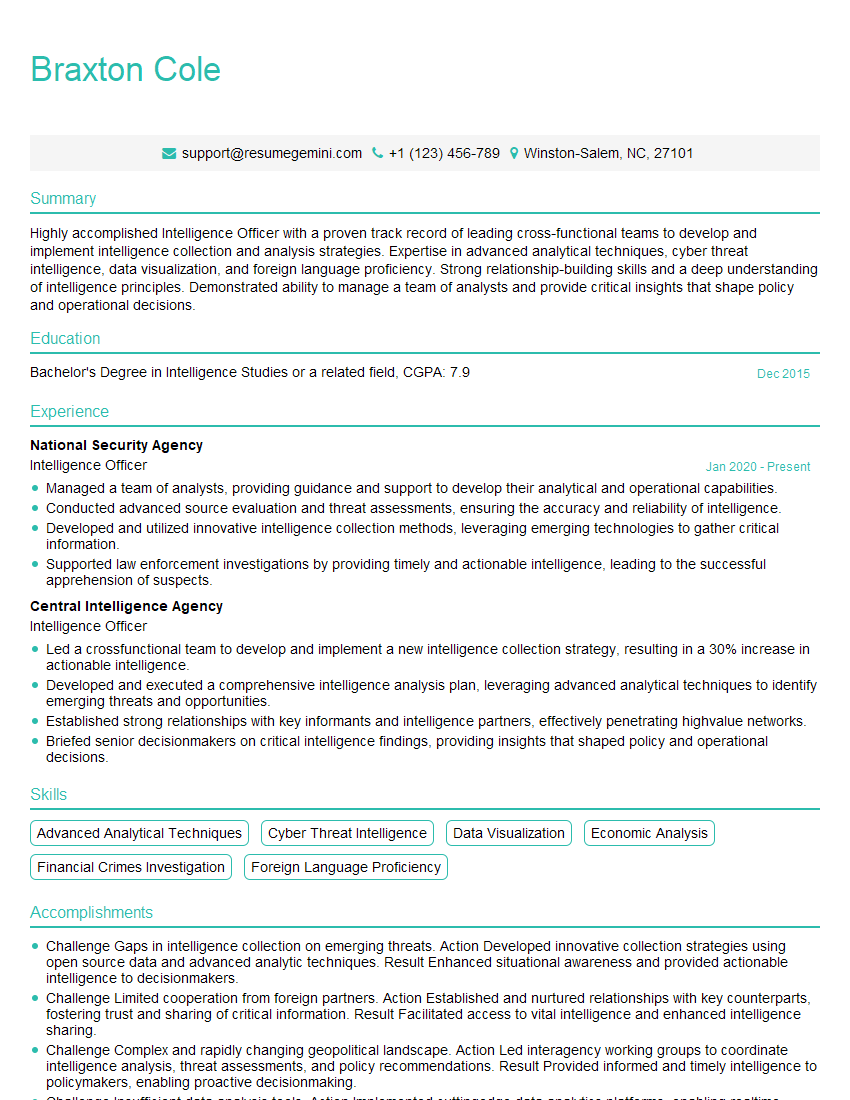
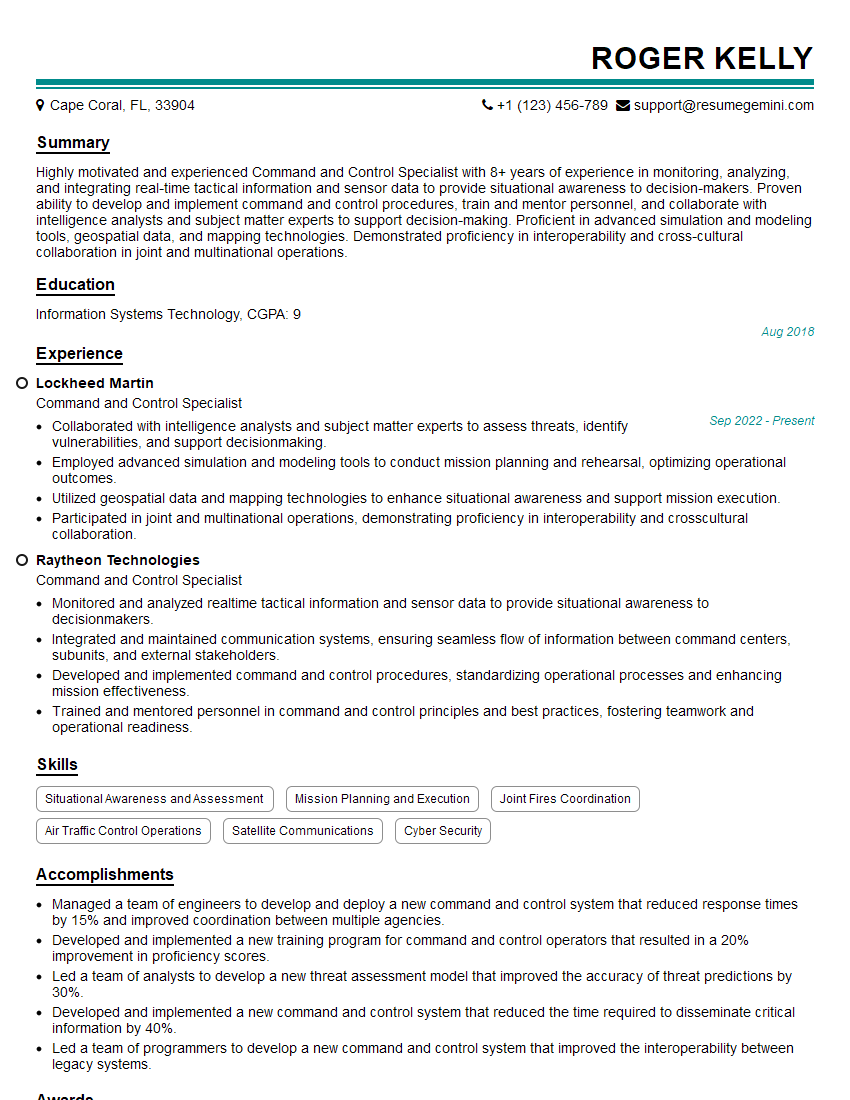
Mastering Tactical Mission Planning is crucial for career advancement in the defense and security sectors, opening doors to leadership roles and specialized assignments. To maximize your job prospects, it’s essential to create a compelling, ATS-friendly resume that showcases your skills and experience effectively. ResumeGemini is a trusted resource that can help you build a professional and impactful resume tailored to the specific requirements of Tactical Mission Planning roles. Examples of resumes tailored to this field are available to guide you through the process.
Explore more articles
Users Rating of Our Blogs
Share Your Experience
We value your feedback! Please rate our content and share your thoughts (optional).
What Readers Say About Our Blog
Very informative content, great job.
good