The thought of an interview can be nerve-wracking, but the right preparation can make all the difference. Explore this comprehensive guide to Progressive Workout Programming interview questions and gain the confidence you need to showcase your abilities and secure the role.
Questions Asked in Progressive Workout Programming Interview
Q 1. Explain the principle of progressive overload and its application in workout programming.
Progressive overload is the cornerstone of effective strength training. It simply means consistently increasing the demands placed on your body over time. Your muscles adapt to the stress you put them under; to continue improving, you must continually challenge them beyond their current capabilities. Think of it like this: if you always lift the same weight, your muscles will eventually plateau. Progressive overload ensures continuous growth and improvement.
In workout programming, this translates to gradually increasing variables like weight lifted, repetitions performed, sets completed, or the difficulty of the exercise itself. For instance, if you’re bench pressing 100 pounds for 8 reps, progressive overload might involve increasing the weight to 105 pounds next week, keeping the reps at 8, or increasing reps to 10 while keeping the weight at 100 pounds. The key is consistent, manageable increases over time.
Q 2. Describe different methods for manipulating training variables (sets, reps, intensity, rest) to achieve progressive overload.
Manipulating training variables is how we achieve progressive overload. Here are the key methods:
- Sets: Increasing the number of sets performed for an exercise. For example, going from 3 sets to 4 sets of squats.
- Reps: Increasing the number of repetitions performed per set. For instance, increasing reps from 8 to 10 reps of bench press.
- Intensity: Increasing the weight lifted (or resistance used) for a given number of reps. This is arguably the most crucial variable for strength gains. For example, moving from 100lbs to 105lbs for 8 reps of deadlifts.
- Rest: Decreasing rest periods between sets. This increases the metabolic demand and can lead to both strength and endurance improvements. For example, reducing rest from 3 minutes to 2 minutes between sets of pull-ups.
- Exercise Variation: Switching to a more challenging exercise variation. For example, progressing from dumbbell rows to barbell rows.
These variables can be manipulated individually or in combination, depending on the client’s goals and training phase. A well-designed program strategically combines these methods to ensure continuous progress without overtraining.
Q 3. How do you periodize training programs for optimal results?
Periodization is the strategic planning of training phases to optimize performance and prevent overtraining. It involves cycling through different training blocks, each with specific goals and intensities. A typical periodization model might include:
- Hypertrophy Phase (Muscle Growth): Focuses on higher reps (8-12) with moderate weight and shorter rest periods.
- Strength Phase: Emphasizes lower reps (1-5) with heavier weight and longer rest periods.
- Power Phase: Combines speed and strength training with explosive movements and plyometrics.
- Deload Phase: A period of reduced volume and intensity to allow the body to recover and prevent burnout.
The duration of each phase can vary depending on the individual’s training experience, goals, and the overall training cycle (e.g., 4-week, 8-week, 12-week cycles). Careful periodization ensures that the athlete is always challenged but avoids accumulating excessive fatigue.
Q 4. What are the key considerations for designing a program for a beginner versus an advanced athlete?
Programming for beginners versus advanced athletes differs significantly:
- Beginners: Focus should be on establishing proper movement patterns, building a foundational level of fitness, and gradually introducing progressive overload. Start with lighter weights, higher reps, and adequate rest periods. Prioritize proper form over lifting heavy weight. A structured program that gradually increases intensity and volume is key.
- Advanced Athletes: These individuals have a higher training base and can handle more intense training stimuli. Programming might involve more advanced training techniques (e.g., drop sets, supersets, rest-pause sets), higher training volumes, and more frequent changes in training variables to maintain the progressive overload stimulus. They also have to incorporate more advanced periodization strategies.
The difference boils down to the base level of fitness, tolerance to stress, and ability to adapt to high-intensity training. It is vital to assess the athlete’s current fitness level accurately to prevent injury and maximize gains.
Q 5. How do you assess a client’s current fitness level to create a safe and effective program?
Assessing a client’s fitness level is crucial for safety and program effectiveness. This involves a combination of methods:
- Movement Screen: Assessing body mechanics and movement quality to identify any limitations or imbalances that could increase injury risk. This can identify weaknesses to address during the program.
- Fitness Testing: Using standardized tests (e.g., 1-RM testing, body composition analysis) to establish a baseline and monitor progress over time. This provides objective data for making informed programming decisions.
- Health History Questionnaire: Gathering information on medical history, injuries, and current activity levels to identify contraindications or special needs.
- Initial Consultation: Discussing the client’s goals, experience, and expectations to personalize the program. This discussion helps to create a plan they feel comfortable and motivated to follow.
By combining these methods, a comprehensive understanding of the client’s fitness level is achieved, leading to a safe and effective personalized program.
Q 6. Explain the importance of incorporating deload weeks into a training program.
Deload weeks are essential for preventing overtraining and injury. They involve significantly reducing training volume (sets, reps, weight) and intensity for a week or two. This allows the body to recover from accumulated stress, replenish energy stores, and rebuild muscle tissue. Think of it as a planned break to recharge, akin to the way your phone needs time to recharge its battery.
The benefits include improved performance, reduced risk of injury, and enhanced recovery. Without deloads, the body might experience excessive fatigue, hormonal imbalances, and decreased performance. Incorporating deloads regularly is a proactive measure to enhance long-term training success and maintain motivation.
Q 7. How do you handle plateaus in training progress?
Plateaus are a natural part of the training process, but they can be frustrating. To handle them effectively:
- Assess Training Variables: Review your training program to identify areas where progressive overload has stagnated. Are you still increasing weight or reps each week? Have you changed up exercises recently?
- Modify Program: Make necessary adjustments. This might involve changing exercises, increasing the training volume, adding advanced training techniques, or decreasing rest periods.
- Improve Nutrition and Sleep: Ensure you’re consuming enough calories and protein to support muscle growth and recovery. Getting adequate sleep is essential for hormonal regulation and recovery.
- Address Potential Underlying Issues: Consider if any other factors, such as stress, illness, or injury, might be affecting performance. Rule out any medical reasons for the plateau.
- Seek Professional Guidance: Consider consulting a personal trainer or strength and conditioning coach to evaluate your program and develop strategies to break through your plateau.
Addressing plateaus often requires a multifaceted approach. The key is to be proactive, patient, and persistent, always remembering that continuous progress is a marathon, not a sprint.
Q 8. Describe the different types of training program variations (e.g., linear, non-linear, undulating).
Progressive workout programming utilizes various training variations to optimize results and prevent plateaus. These variations primarily differ in how they manipulate training volume and intensity over time.
- Linear Periodization: This classic approach involves a gradual increase in both training volume (sets and reps) and intensity (weight) over time. For example, a linear program for bench press might increase weight by 5 pounds each week while maintaining a rep range of 8-12. This is simple to understand and follow, making it suitable for beginners. However, it can lead to overtraining if not carefully managed.
- Non-linear Periodization (Undulating Periodization): This approach varies training volume and intensity within a week or microcycle, rather than gradually increasing them over longer periods. For instance, a non-linear program for squats might involve heavy lifting (low reps, high weight) on Monday, moderate lifting (moderate reps, moderate weight) on Wednesday, and lighter lifting (high reps, low weight) on Friday. This method offers more flexibility and can help manage fatigue better than linear periodization.
- Block Periodization: This strategy involves dividing the training year into distinct blocks, each focusing on a specific training goal (strength, hypertrophy, power). Each block utilizes a specific training protocol that is adjusted as the training program progresses through the blocks. For example, an athlete might focus on strength building for 6 weeks, then move to hypertrophy for the next 6 weeks, and finally, power development in the last 4 weeks.
The choice of periodization depends on the individual’s training experience, goals, and recovery capacity. Beginners often benefit from linear periodization due to its simplicity, while more advanced athletes may thrive with non-linear or block periodization for its enhanced flexibility and reduced risk of overtraining.
Q 9. Discuss the importance of individualization in workout program design.
Individualization is paramount in workout program design. A one-size-fits-all approach is ineffective and potentially harmful. Each individual possesses unique characteristics that influence their training response, including their training age, current fitness level, genetics, injury history, lifestyle, and even personal preferences. Ignoring these factors can lead to suboptimal results or even injuries.
Consider these key areas for individualization:
- Fitness Assessment: A thorough assessment – including strength testing, movement screening, and cardiovascular fitness evaluation – provides a baseline to build upon.
- Goal Setting: Clearly defined, measurable, achievable, relevant, and time-bound (SMART) goals ensure that the program aligns with the individual’s aspirations.
- Exercise Selection: Exercises must be chosen based on the individual’s capabilities, equipment availability, and injury history. Alternatives should always be available to adjust to unexpected challenges.
- Progressive Overload: The rate of progression should be individualized. Some individuals may respond well to rapid increases in load, while others require more gradual progressions.
- Recovery Strategies: Sleep, nutrition, and stress management are crucial components that must be tailored to the individual’s lifestyle.
For example, a client recovering from a knee injury might require modifications to exercises, focusing on strengthening supporting muscles before progressing to more strenuous movements. Another client focused on weight loss may need a program emphasizing high volume and moderate intensity, while a powerlifter might require lower volume and higher intensity training.
Q 10. How do you account for client adherence and motivation in your program design?
Client adherence and motivation are critical to successful training outcomes. Addressing these factors proactively is essential in program design.
- Program Enjoyment: Incorporating a variety of exercises to prevent boredom and monotony is crucial. Offer choices whenever possible, allowing the client some control.
- Realistic Goals: Setting achievable goals ensures continued motivation and prevents discouragement. Celebrate small victories to reinforce positive progress.
- Regular Check-ins: Frequent communication, feedback, and adjustments to the program demonstrate investment in the client’s success and help address potential challenges early.
- Education: Educating the client about the ‘why’ behind the program fosters understanding and commitment. It also empowers the client to take ownership of their fitness journey.
- Tracking Progress: Using tools like workout logs, apps, or even a simple notebook to monitor progress strengthens motivation by providing tangible evidence of improvement.
- Accountability: Strategies such as training with a partner or setting up regular check-ins with the trainer can improve compliance.
For instance, if a client consistently misses leg day, explore reasons for this lack of adherence. Perhaps the exercises are too challenging, or they find them boring. Adjusting the program to include preferred exercises or offering modifications can improve adherence.
Q 11. What are the potential risks and contraindications associated with progressive overload?
Progressive overload, while fundamental to gains, carries potential risks if not implemented carefully. The gradual increase in training stimulus can lead to:
- Overtraining: This occurs when the body is subjected to excessive training stress without sufficient recovery, leading to fatigue, decreased performance, and even injury. Symptoms include persistent muscle soreness, disrupted sleep, decreased mood, and a decline in performance.
- Injuries: Pushing too hard, too fast can result in muscle strains, ligament sprains, or even fractures. Inadequate warm-up and poor form significantly increase this risk.
- Burnout: Excessive training stress can lead to mental exhaustion and decreased motivation, impacting both adherence and recovery.
Contraindications: Progressive overload is contraindicated in individuals with certain medical conditions, including:
- Acute injuries: Progressive overload should be avoided until the injury has fully healed.
- Chronic conditions: Individuals with certain chronic illnesses, such as heart disease or osteoporosis, may require modifications or alternative training methods.
- Significant fatigue or illness: Training should be reduced or stopped entirely during periods of illness or significant fatigue.
Mitigation Strategies: To mitigate these risks, prioritize proper warm-up and cool-down routines, focus on proper form, allow for adequate rest and recovery between training sessions, and listen to the body’s signals, reducing training volume or intensity if needed. Regular monitoring of progress and adaptation of the program are essential.
Q 12. How do you modify exercises to accommodate injuries or limitations?
Modifying exercises to accommodate injuries or limitations is crucial for maintaining client safety and progress. This involves several strategies:
- Range of Motion Modifications: Reduce the range of motion of an exercise to minimize stress on the affected area. For example, a client with shoulder impingement might perform partial range of motion bench presses.
- Resistance Modifications: Decrease the weight or resistance used. Using resistance bands instead of free weights can also provide more control and reduce stress on joints.
- Exercise Substitutions: Replace an exercise that aggravates an injury with an alternative that targets the same muscle group but with less stress on the affected joint. For example, replace squats with leg press if the knees are injured.
- Assisted Exercises: Use assistance from a spotter, resistance bands, or machines to reduce the load or provide support.
- Bodyweight Exercises: Shift to bodyweight exercises that place minimal stress on the joints, allowing strength building without overtaxing the injured area.
For example, a client with a lower back injury might replace deadlifts with Romanian deadlifts (RDLs) focusing on proper form and reduced range of motion. Regular communication with the client and healthcare professionals is vital to ensure safety and effectiveness.
Q 13. Explain how to incorporate different training modalities (e.g., strength training, plyometrics, conditioning) into a program.
Integrating various training modalities into a program enhances overall fitness and prevents plateaus. A well-rounded program should include:
- Strength Training: Focuses on building muscle mass and strength. Exercises include squats, deadlifts, bench presses, and rows. It’s typically performed 2-3 times per week.
- Plyometrics: Emphasizes power and explosiveness through exercises like box jumps, jump squats, and medicine ball throws. It’s often incorporated 1-2 times per week.
- Conditioning: Enhances cardiovascular fitness and endurance. Methods include running, cycling, swimming, HIIT workouts. Frequency depends on the client’s goals and overall program.
- Flexibility and Mobility: Improves joint range of motion and reduces injury risk. Activities include yoga, stretching, foam rolling, incorporated daily or multiple times per week.
Consider this example: A client aiming for improved overall fitness might follow a program incorporating strength training (3 days/week), plyometrics (1 day/week), conditioning (2 days/week), and flexibility work (daily). The specific exercises and the intensity of each modality are customized based on the individual’s goals, experience level, and recovery capacity. The program should be meticulously planned to avoid overtraining and allow for adequate recovery between sessions. Proper sequencing of the modalities within the week is vital for optimal adaptations.
Q 14. How do you measure and track client progress?
Tracking client progress is essential for evaluating the effectiveness of the program and making necessary adjustments. Multiple methods can be employed:
- Strength Testing: Regularly assess 1-rep max (1RM) or multiple rep max (multi-RM) to track increases in strength.
- Body Composition Analysis: Use methods like calipers, DEXA scans, or bioelectrical impedance analysis (BIA) to monitor changes in body fat percentage and muscle mass.
- Measurements: Take measurements like waist circumference, hip circumference, and other relevant measures to track changes in body shape and size.
- Performance Metrics: Track improvements in speed, power, endurance, and other performance-related factors relevant to the client’s goals. For instance, monitoring run times or distance improvements in a runner.
- Self-reported data: Encourage the client to keep a workout log and record feelings, perceived exertion, and any pain or discomfort. This provides valuable insight into training response and recovery.
- Goal Achievement: Regularly assess how well the client is progressing toward their goals. This can involve qualitative and quantitative assessments.
The frequency of assessments depends on the client’s goals and training phase. For example, strength testing might occur every 4-6 weeks, while body composition assessments might happen every 8-12 weeks. Regularly reviewing data allows for timely adjustments to the program, ensuring it remains effective and safe. The data should inform and guide program adjustments and not be the sole driver of the program.
Q 15. Describe your experience with different training software or apps.
Throughout my career, I’ve utilized various training software and apps, each with its strengths and weaknesses. Early on, I relied heavily on spreadsheet software like Excel to track client progress, manually calculating increases in weight or reps. This was functional but became cumbersome with a larger client base. I then transitioned to more specialized fitness apps such as Trainerize and TrueCoach. These platforms offered streamlined program design, progress tracking, communication features, and client engagement tools. I found Trainerize particularly useful for its ability to easily customize workout templates and deliver programs directly to clients’ mobile devices. TrueCoach excels in its robust reporting and analytics, providing valuable insights into client adherence and performance trends. Currently, I’m experimenting with integrating a nutrition tracking app, MyFitnessPal, into my workflow, to gain a more holistic view of my clients’ health and fitness journeys. The choice of software depends heavily on individual needs and budget but focusing on seamless client communication, progress tracking and effective program design are crucial factors.
Career Expert Tips:
- Ace those interviews! Prepare effectively by reviewing the Top 50 Most Common Interview Questions on ResumeGemini.
- Navigate your job search with confidence! Explore a wide range of Career Tips on ResumeGemini. Learn about common challenges and recommendations to overcome them.
- Craft the perfect resume! Master the Art of Resume Writing with ResumeGemini’s guide. Showcase your unique qualifications and achievements effectively.
- Don’t miss out on holiday savings! Build your dream resume with ResumeGemini’s ATS optimized templates.
Q 16. Explain the concept of training specificity and how you apply it in your program design.
Training specificity refers to the principle that training should closely mimic the demands of the desired outcome. If you’re training for a marathon, you wouldn’t spend all your time lifting heavy weights; you’d prioritize endurance running. In program design, I apply this by thoroughly assessing the client’s goals. For instance, if a client aims to improve their bench press, I’ll incorporate various exercises that specifically target chest muscles, such as incline dumbbell presses, close-grip bench presses, and cable flyes, progressively overloading them over time. Furthermore, I’ll consider the specific demands of their sport or activity. A basketball player needs training focused on agility, jumping ability, and endurance, different from the strength and power training a weightlifter requires. Understanding the client’s individual needs is paramount in developing a specific training program that leads to the desired results. Ignoring specificity leads to wasted effort and suboptimal gains.
Q 17. How do you educate clients about proper form and technique?
Educating clients on proper form and technique is a cornerstone of my approach. I use a multi-pronged strategy. First, I demonstrate the exercise correctly, emphasizing key points of movement. Second, I use visual aids – videos, pictures, or even mirrors – to help clients see their own form and identify areas for improvement. I also provide verbal cues, like reminding them to “squeeze their glutes” during a squat or “keep their core tight” during a deadlift. Third, I actively correct their form during workouts, providing real-time feedback. For more complex movements, I might use a step-by-step approach, breaking down the exercise into smaller components before putting it all together. It’s a hands-on process. I believe the investment in teaching proper form significantly reduces the risk of injury and maximizes results, ensuring a safe and effective training experience. Furthermore, I continually reinforce good form throughout the training period.
Q 18. What are some common mistakes to avoid when designing progressive workout programs?
Several common mistakes can hinder the effectiveness of progressive workout programs. One crucial error is rushing progression. Increasing weight or intensity too quickly increases the risk of injury and burnout. Another common mistake is a lack of individualization; every client has unique needs and limitations. A cookie-cutter approach won’t work. Ignoring deloading periods is another problem. The body needs time to recover and rebuild; neglecting this can lead to overtraining. Failing to properly track progress and adjust programming accordingly can also lead to plateaus. Lastly, neglecting proper warm-up and cool-down routines can increase injury risk and hinder optimal performance. It’s essential to carefully plan progressions, considering individual circumstances and incorporating strategies for recovery and adaptation.
Q 19. How do you adjust programming based on client feedback and progress?
Client feedback and progress are continually assessed to optimize their program. I regularly check in with clients—both formally and informally—to gauge their experience. I use questionnaires, feedback forms, and direct conversations to gather information on their perceived exertion, any discomfort or pain, and their overall satisfaction. Progress is monitored through objective measures like strength gains (1 rep max), improvements in body composition, or performance on specific tasks (e.g., time to complete a mile run). Based on this information, adjustments are made. This might involve altering the training volume, intensity, exercise selection, or frequency. For instance, if a client reports increased pain, we might reduce the weight or modify the exercise. If they’re exceeding their targets, I might increase the intensity or volume to maintain a challenging yet manageable load. Flexibility and responsiveness to client signals are key components to successful programming.
Q 20. Discuss your experience with different types of assessments (e.g., physical assessments, questionnaires).
I utilize a range of assessments to gain a comprehensive understanding of each client’s physical capabilities and limitations. Physical assessments include measuring body composition (using methods like skinfold calipers or bioelectrical impedance analysis), assessing flexibility (sit-and-reach test), and evaluating strength and endurance (push-up test, etc.). Beyond these, I employ questionnaires to gather information about their medical history, current lifestyle, dietary habits, and training experience. These questionnaires help identify potential risk factors, assess their current fitness level, and understand their personal goals. Combining physical assessments with questionnaires provides a holistic view, allowing for the creation of safe and effective programs tailored to individual needs. For example, a client reporting previous knee injuries might necessitate modifications in exercises like squats, replaced with less stressful alternatives such as leg press or lunges. This integrated approach minimizes risks and maximizes the effectiveness of the program.
Q 21. How do you incorporate nutritional considerations into your program design?
Nutritional considerations are inseparable from effective program design. I don’t prescribe diets, but I guide clients towards making informed choices. The first step involves understanding their current dietary habits through questionnaires or discussions. Then, I help them identify areas for improvement, such as increasing protein intake to support muscle growth and recovery or ensuring adequate hydration. I might suggest tracking their food intake using an app like MyFitnessPal for a period to better understand their caloric needs and macro balance. The nutritional guidance is always tailored to their goals and preferences, keeping their dietary restrictions and lifestyle in mind. It’s important to note that I emphasize balanced eating and sustainable lifestyle changes over quick fixes or restrictive diets. Success in fitness training is significantly enhanced by incorporating sound nutritional practices, ensuring optimal recovery, energy levels, and progress towards their goals.
Q 22. What is your approach to creating a sustainable long-term fitness plan for your clients?
My approach to creating sustainable long-term fitness plans centers on the principles of progressive overload, periodization, and individualization. It’s not about a quick fix, but building a lifelong relationship with fitness.
Progressive Overload: We gradually increase the demands placed on the body over time. This might involve increasing weight, reps, sets, or even the intensity of cardio sessions. It’s crucial to avoid overtraining, ensuring clients progress at a sustainable pace. For example, if a client starts with 10 push-ups, we might aim for 12 next week, then 15 the week after, always considering their recovery.
Periodization: We break down training into distinct phases or cycles, each with specific goals. This might involve a strength phase, followed by a hypertrophy (muscle growth) phase, and then a power phase. This prevents plateaus and keeps the client engaged by constantly introducing new challenges. Imagine training for a marathon; you wouldn’t run 26.2 miles every day from the start.
Individualization: Every client is unique, with different goals, experience levels, and limitations. I take the time to understand their individual needs, preferences, and any past injuries, and create a tailored program that fits their lifestyle. This might involve adapting exercises, modifying equipment, and scheduling workouts around their availability.
Long-term success also hinges on building a strong client-trainer relationship based on trust, clear communication, and consistent monitoring of progress. Regular check-ins and adjustments are essential to ensure the plan remains relevant and effective.
Q 23. Explain how you’d handle a client who experiences significant pain during a workout.
Pain during a workout is a serious concern and should never be ignored. My immediate response is to stop the exercise and assess the situation. I will ask detailed questions about the location, type, and intensity of the pain to determine the potential cause.
Step 1: Assessment. Is it sharp, dull, localized, or radiating? Does it worsen with certain movements? Understanding the pain helps determine if it’s muscular fatigue, a minor strain, or something more serious. I may refer to the client’s initial health screening for pre-existing conditions.
Step 2: Intervention. For minor muscular discomfort, rest and ice can be applied. I might modify the exercise, reducing weight or reps, or substituting it with a similar movement that doesn’t aggravate the pain. If the pain is severe or doesn’t subside, we will stop the workout completely.
Step 3: Referral. If the pain is persistent, severe, or indicates a potential injury, I would advise the client to consult a medical professional, such as a doctor or physical therapist. I wouldn’t attempt to diagnose or treat injuries outside my scope of practice.
Step 4: Prevention. In future sessions, I’ll adjust the program to prevent similar issues by focusing on proper form, adequate warm-ups, and progressive overload principles to avoid overstressing the body.
Q 24. Describe your experience with designing programs for different age groups and populations.
My experience with designing programs for diverse age groups and populations is extensive. I understand that age and physical capabilities significantly impact training approaches.
Older Adults (55+): Programs prioritize maintaining functional strength, balance, flexibility, and bone density. Exercises involve lower intensity, controlled movements, and modifications to accommodate reduced mobility. We might focus on bodyweight exercises, resistance bands, and light weights.
Younger Adults (18-54): This group can tolerate higher intensity training, focusing on strength building, hypertrophy, and endurance. We tailor programs based on their fitness goals – weight loss, muscle gain, or sports performance. A wider variety of exercises and equipment can be used.
Youth (under 18): Programs emphasize proper form and technique, to prevent injuries during growth spurts. Intensity is carefully monitored, with an emphasis on fun and engagement to foster a positive relationship with exercise. Parents/Guardians are actively involved in the process.
Specific Populations (e.g., pregnant women, individuals with pre-existing conditions): Each presents unique challenges. For pregnant women, modifications ensure safety for both mother and child. Individuals with conditions like arthritis or heart disease require specific medical clearances and programs designed to improve function while managing their conditions. Collaboration with healthcare professionals is essential.
Q 25. How do you stay up-to-date with the latest research and best practices in fitness and training?
Staying up-to-date is crucial in this ever-evolving field. I utilize several strategies to ensure my knowledge and practices remain current.
- Professional Certifications & Continuing Education: I actively pursue continuing education courses and workshops to maintain and enhance my certifications in fitness and specific training modalities.
- Peer-Reviewed Research: I regularly read peer-reviewed journals and research articles from reputable sources like the American College of Sports Medicine (ACSM) and the National Strength and Conditioning Association (NSCA).
- Conferences and Workshops: Attending fitness conferences and workshops allows me to network with other professionals, learn about the latest research, and exchange ideas.
- Professional Organizations: Membership in professional organizations keeps me updated on industry best practices, guidelines, and research findings.
- Online Resources and Databases: I use reputable online resources and databases such as PubMed and Google Scholar to access the latest research and information.
This combination of strategies ensures that my client programs are based on the most up-to-date and evidence-based practices, promoting both safety and effectiveness.
Q 26. How do you adapt programming for clients with specific goals (e.g., weight loss, muscle gain, sports performance)?
Adapting programs for specific goals requires a nuanced understanding of training principles and their application to different objectives.
Weight Loss: Focus is on creating a calorie deficit through a combination of cardio and resistance training. We incorporate high-intensity interval training (HIIT) for improved metabolic rate, and resistance training to build muscle mass, increasing resting metabolic rate. Nutritional guidance is vital.
Muscle Gain (Hypertrophy): Prioritizes resistance training with a focus on progressive overload, targeting different muscle groups. Proper nutrition, including sufficient protein intake, is crucial for muscle protein synthesis. Training volume and intensity are higher compared to weight loss programs.
Sports Performance: This is highly specific to the sport and involves tailoring training to improve relevant skills and physical attributes. For example, a basketball player might focus on plyometrics for jumping ability and agility drills. Periodization is particularly important, ensuring peak performance during competition periods.
Regardless of the goal, proper assessment of the client’s baseline fitness level, goals, and any limitations is crucial. I always use a phased approach, gradually increasing the intensity and complexity of the program.
Q 27. What are your strategies for maintaining client motivation and adherence over time?
Maintaining client motivation and adherence requires a multifaceted approach that goes beyond simply designing a good workout plan.
- Goal Setting: Collaboratively setting realistic, measurable, achievable, relevant, and time-bound (SMART) goals creates a sense of purpose and direction.
- Regular Check-ins and Feedback: Providing regular feedback and support encourages clients and helps identify any challenges or plateaus. Tracking progress visually (e.g., charts, graphs) aids motivation.
- Variety in Workouts: Introducing variety prevents boredom and keeps clients engaged. This might include different exercise modalities, locations, or workout partners.
- Positive Reinforcement: Celebrating successes, no matter how small, reinforces positive behavior and builds confidence.
- Building a Community: Encouraging clients to connect with others with similar goals fosters a supportive environment and sense of belonging.
- Accountability: Regular communication and scheduled workouts promote accountability. This could be done through weekly check-ins, fitness tracking apps, or workout buddies.
Ultimately, fostering a strong client-trainer relationship built on trust and understanding is essential for long-term success. Adapting the program to the individual’s needs and life events ensures the plan remains relevant and achievable.
Q 28. Describe your experience with creating and delivering effective client education materials.
Client education is an integral part of my approach. I believe empowered clients are more likely to adhere to their programs and achieve their goals.
Methods: I use various methods to deliver effective education materials. These include:
- Personalized Handouts: I create customized handouts outlining the exercise program, including explanations of each exercise, proper form, and potential modifications.
- Visual Aids: Videos demonstrating correct form, and diagrams illustrating exercises can make understanding easier.
- Interactive Sessions: I incorporate educational components into each session, addressing client questions and concerns.
- Educational Resources: I provide clients with access to reputable online resources and articles relevant to their fitness goals and health concerns.
- Progress Tracking Tools: Using apps or spreadsheets to track progress helps clients visualize their improvement and stay motivated.
Content: My educational materials address essential aspects such as proper nutrition, sleep hygiene, stress management, and the importance of consistency and listening to one’s body. I tailor the level of detail and complexity to match the client’s understanding and learning style.
Ultimately, the goal is to equip clients with the knowledge and tools to make informed decisions about their health and fitness, leading to sustainable lifestyle changes.
Key Topics to Learn for Progressive Workout Programming Interview
- Understanding Progressive Overload: Learn the core principles of progressively increasing training stimulus (weight, reps, sets, intensity) over time to elicit continued muscle growth and strength gains. Consider the various methods of implementing progressive overload and their practical applications.
- Periodization and Training Cycles: Master the art of structuring training programs into distinct phases (macrocycles, mesocycles, microcycles) to optimize performance and prevent overtraining. Understand the different periodization models and their suitability for various training goals.
- Exercise Selection and Program Design: Explore the criteria for choosing appropriate exercises based on client goals, experience level, and available equipment. Develop a strong understanding of program design principles, including volume, frequency, and intensity manipulation.
- Adaptation and Recovery: Learn the physiological adaptations that occur in response to training and the importance of adequate rest and recovery for optimal progress. Understand the concepts of supercompensation and overreaching/overtraining.
- Individualization and Program Modification: Discuss the importance of tailoring training programs to meet individual client needs, considering factors like age, experience, and specific goals. Practice adapting programs based on client feedback and progress assessment.
- Monitoring Progress and Making Adjustments: Master techniques for tracking client progress (e.g., strength gains, body composition changes). Understand how to analyze data and make informed adjustments to training programs to maintain optimal results.
- Safety and Injury Prevention: Discuss proper exercise technique, spotting procedures, and strategies for minimizing the risk of injury. Understand common training injuries and how to prevent them.
Next Steps
Mastering Progressive Workout Programming is crucial for career advancement in the fitness industry, opening doors to specialized roles and higher earning potential. An ATS-friendly resume is key to getting your application noticed. To build a powerful resume that highlights your expertise and experience, we highly recommend using ResumeGemini. ResumeGemini provides a streamlined, user-friendly platform and offers examples of resumes tailored to Progressive Workout Programming to guide you through the process. Invest in crafting a compelling resume – it’s your first impression and a vital step towards securing your dream job.
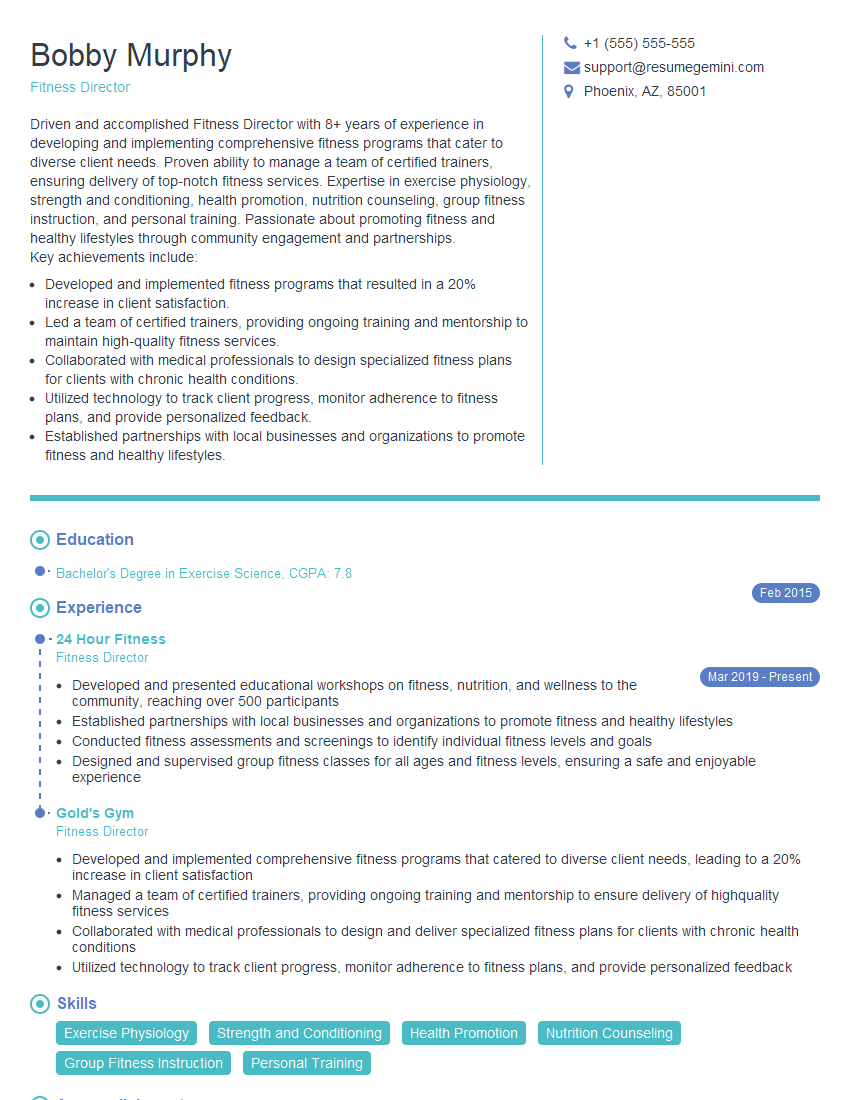
Fitness Director Resume Sample

Wellness Coach Resume Sample
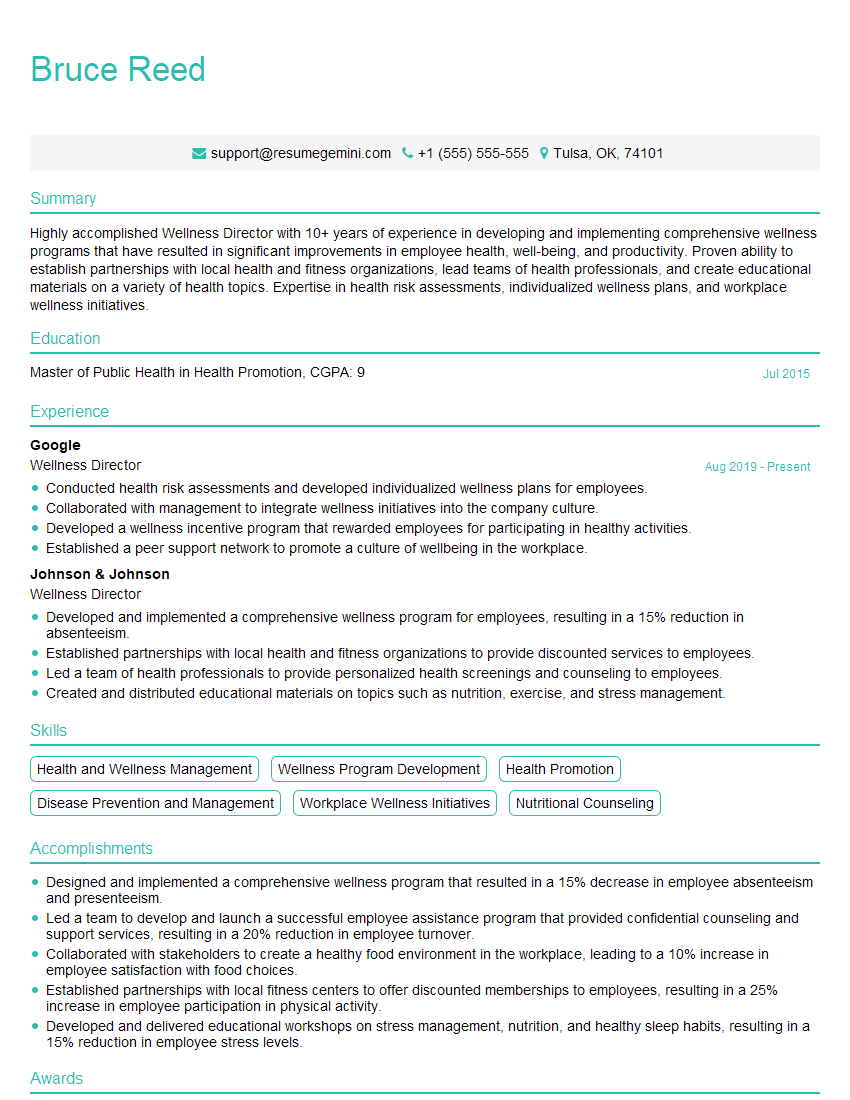
Wellness Director Resume Sample
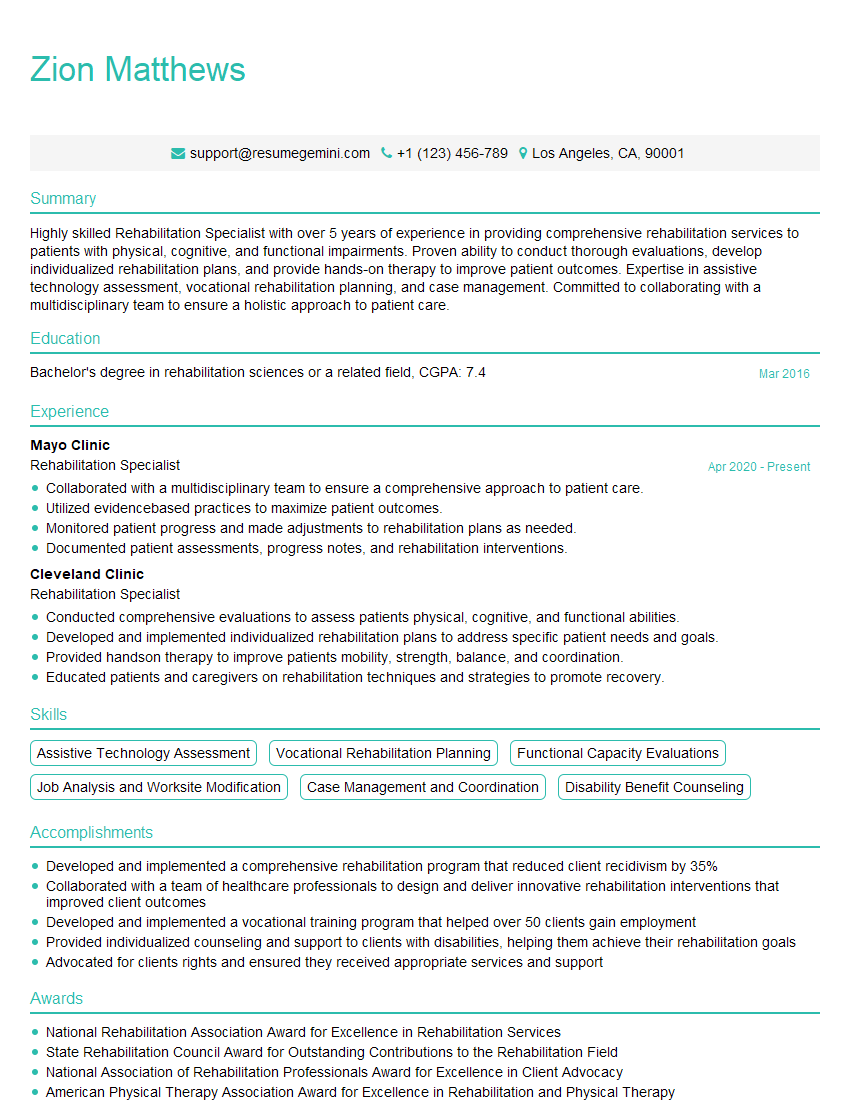
Rehabilitation Specialist Resume Sample
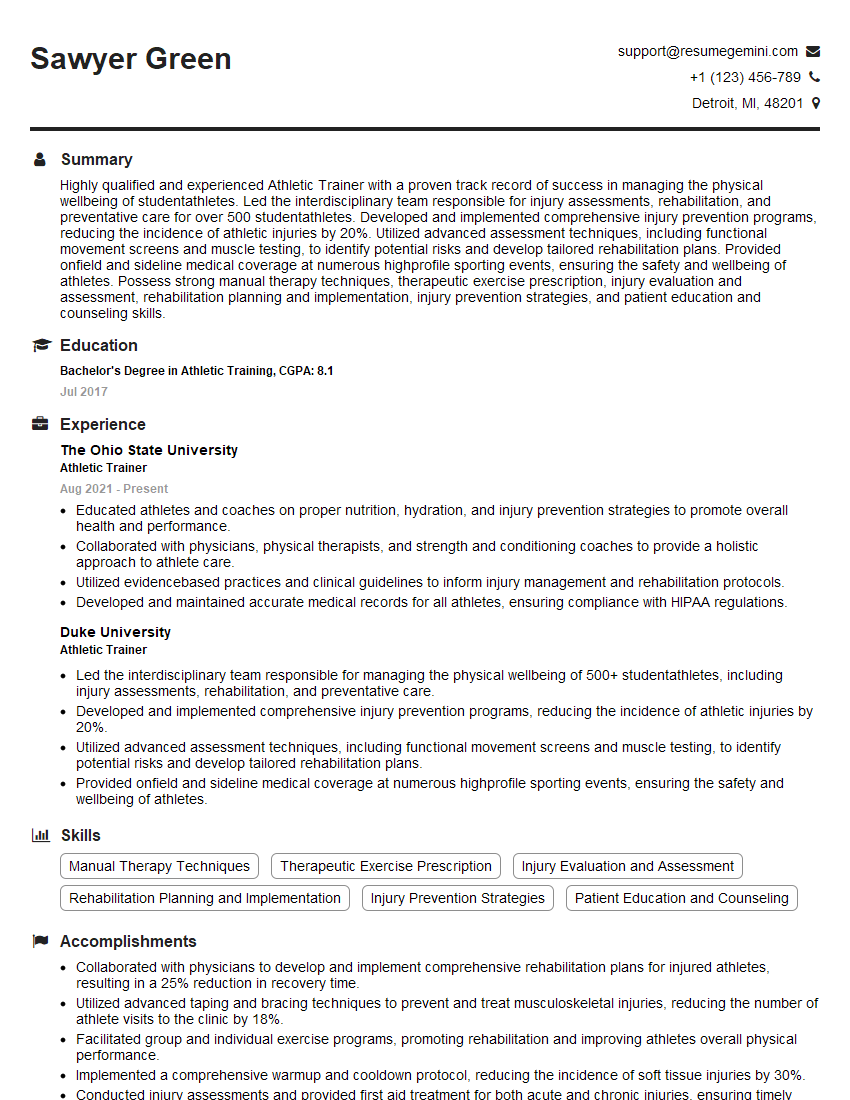
Athletic Trainer Resume Sample
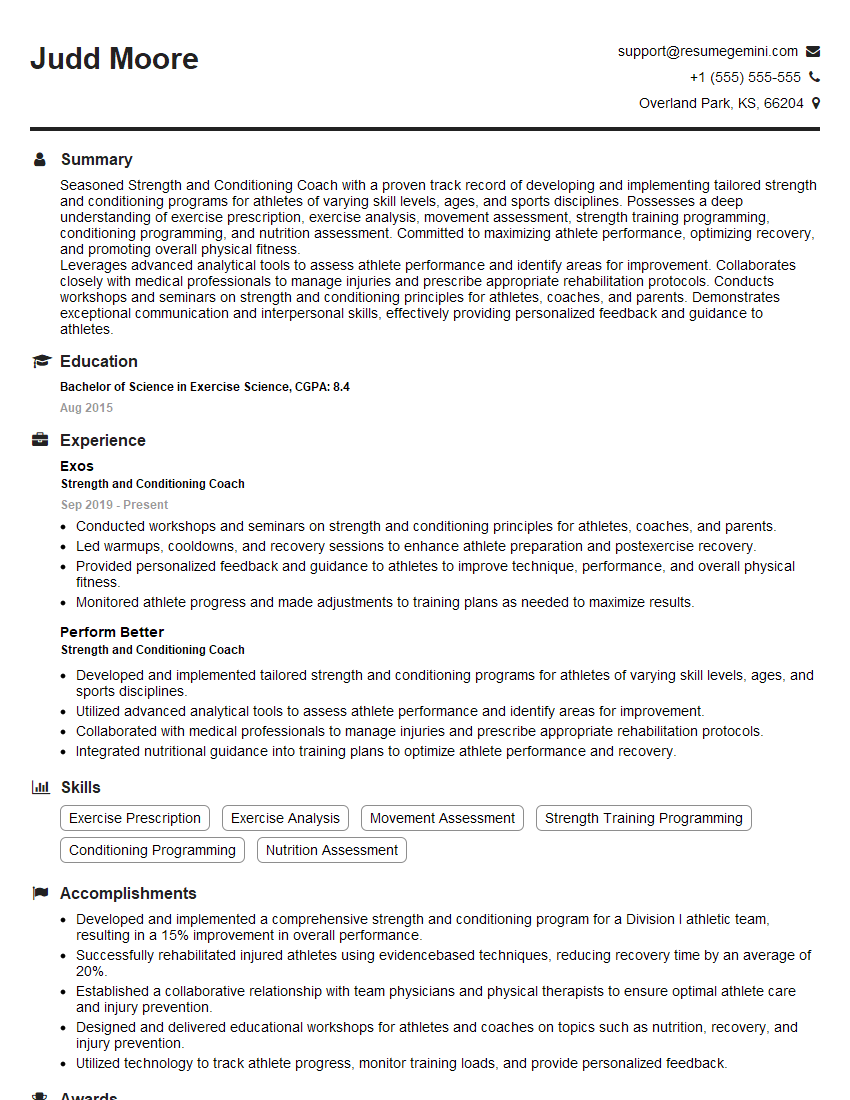
Strength and Conditioning Coach Resume Sample
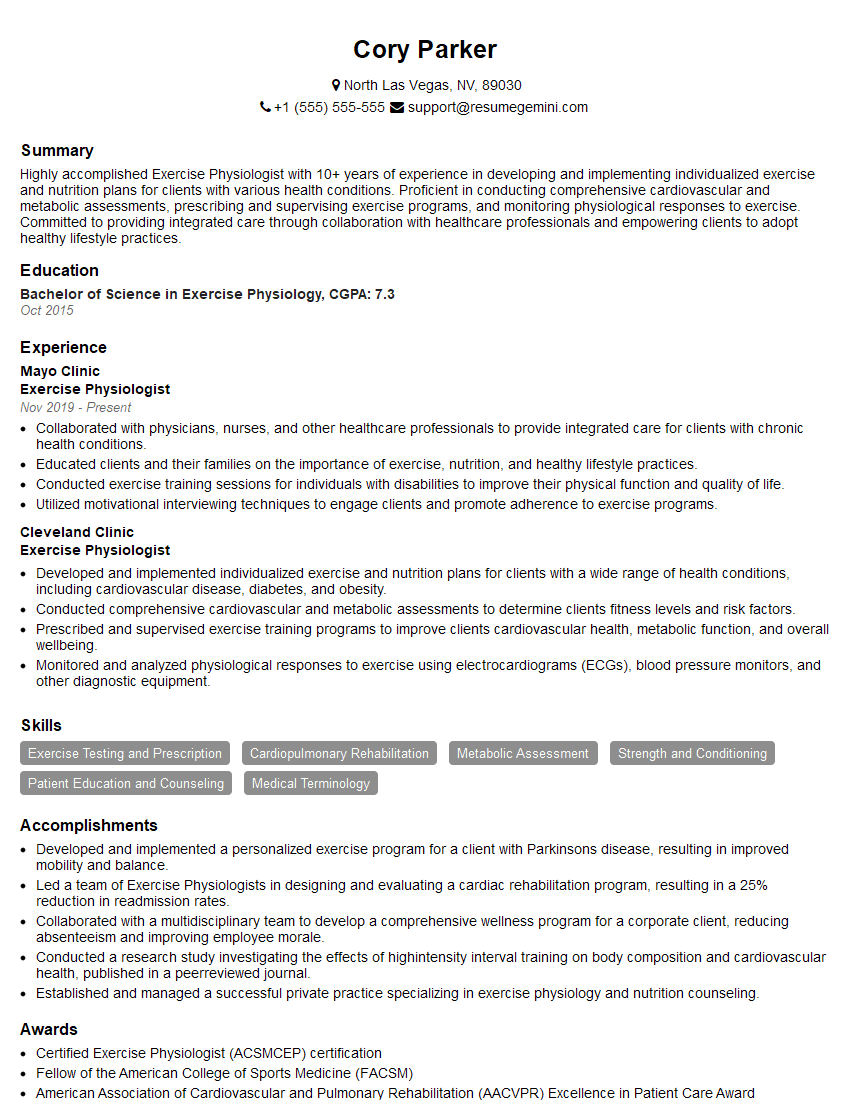
Exercise Physiologist Resume Sample
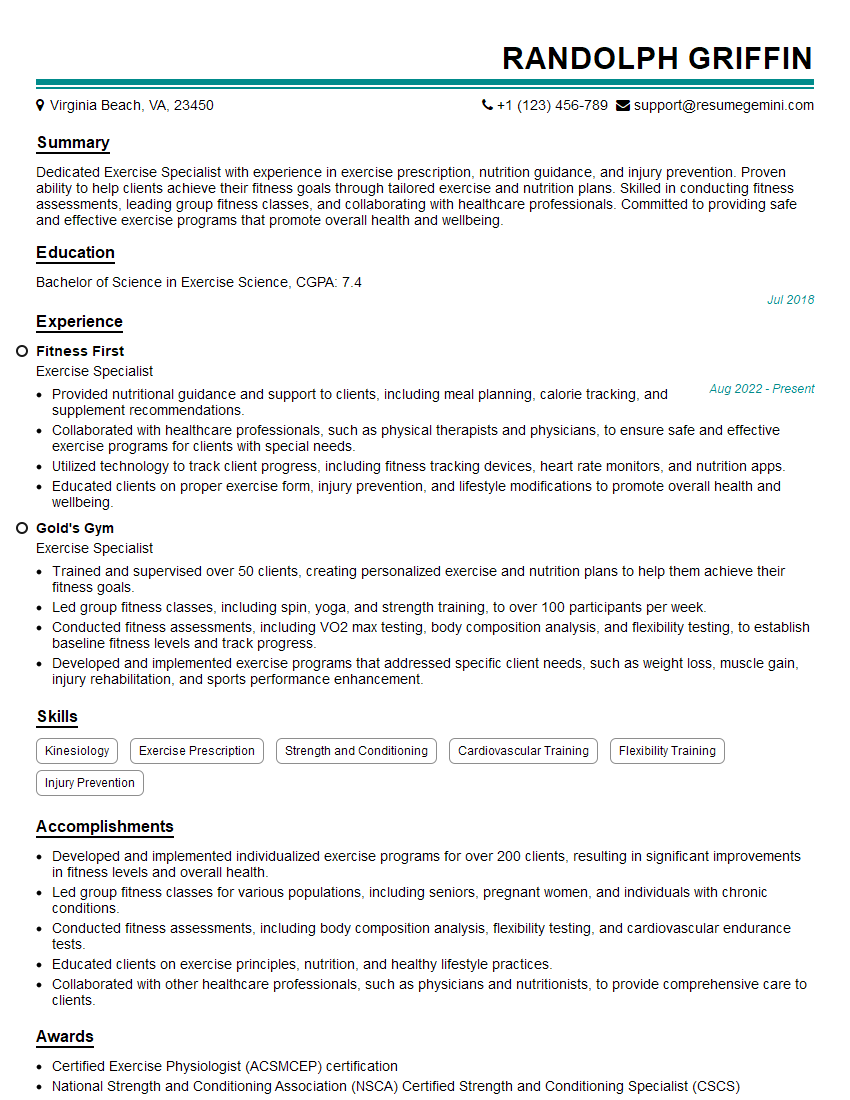
Exercise Specialist Resume Sample
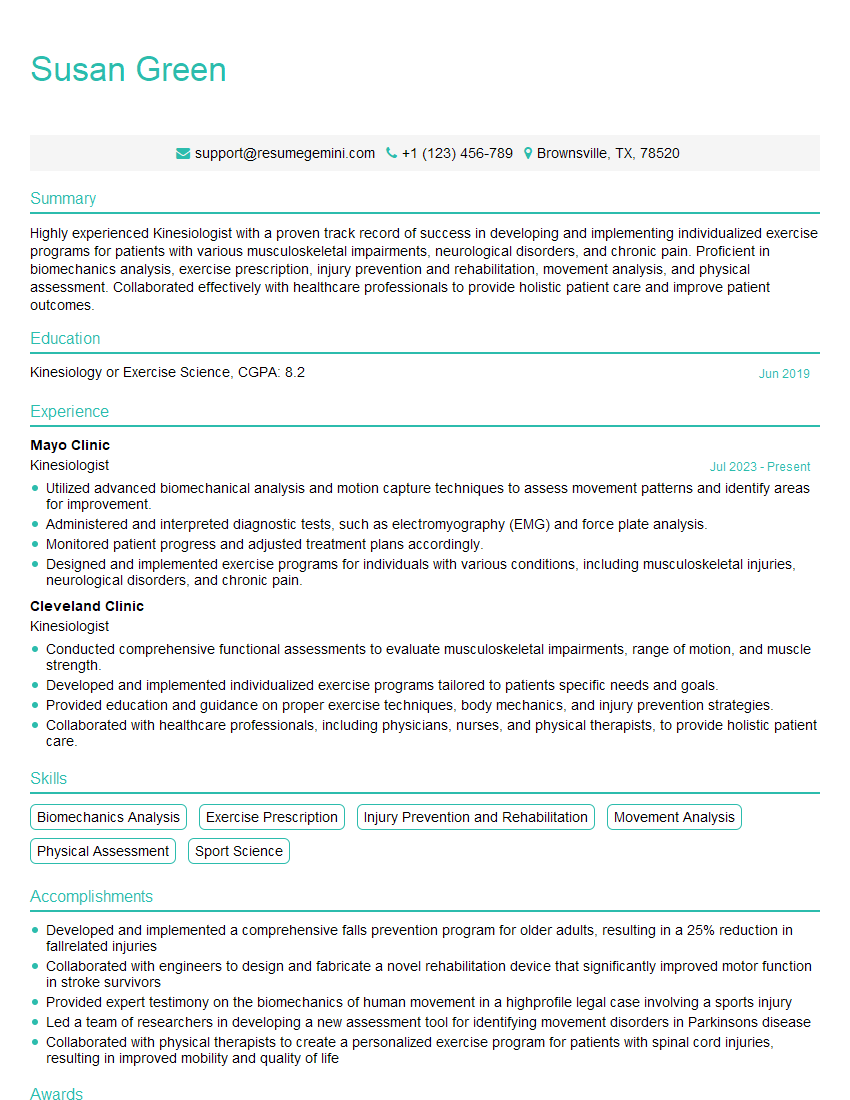
Kinesiologist Resume Sample
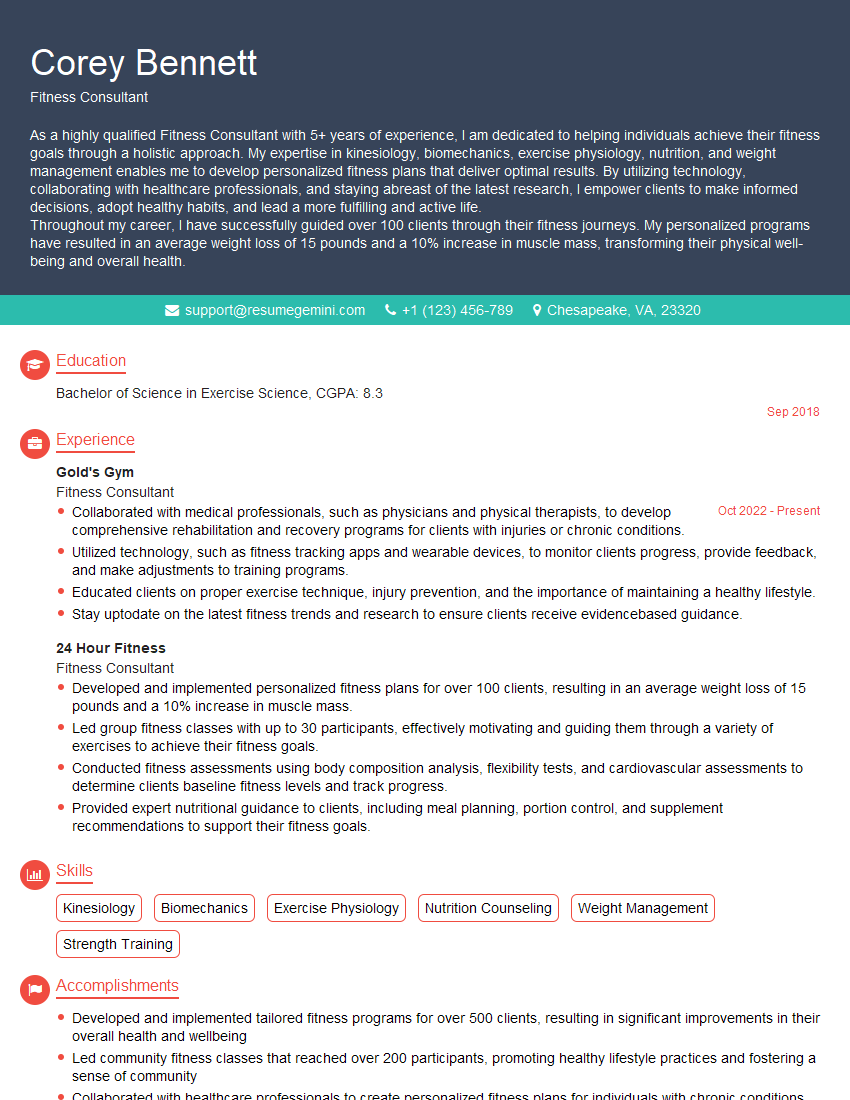
Fitness Consultant Resume Sample
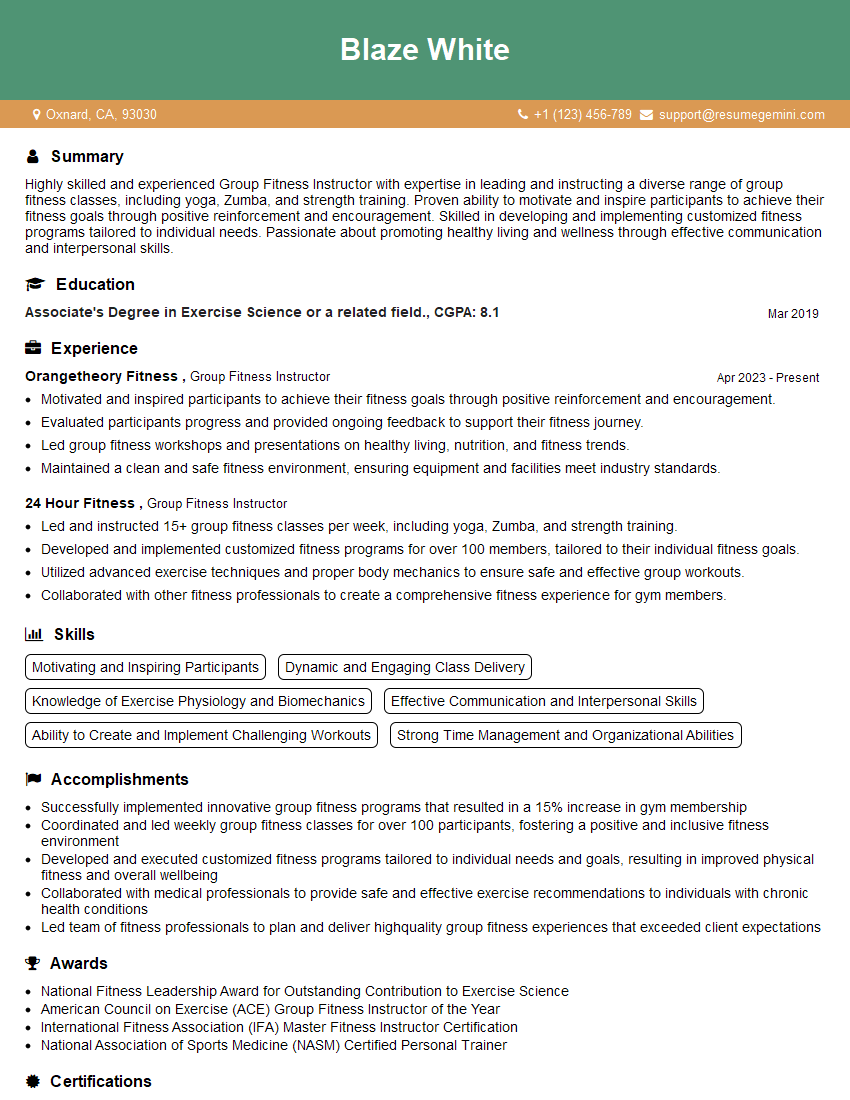
Group Fitness Instructor Resume Sample
Explore more articles
Users Rating of Our Blogs
Share Your Experience
We value your feedback! Please rate our content and share your thoughts (optional).
What Readers Say About Our Blog
Very informative content, great job.
good