Every successful interview starts with knowing what to expect. In this blog, we’ll take you through the top Historical and Cultural Knowledge interview questions, breaking them down with expert tips to help you deliver impactful answers. Step into your next interview fully prepared and ready to succeed.
Questions Asked in Historical and Cultural Knowledge Interview
Q 1. Explain the significance of the Renaissance.
The Renaissance, meaning “rebirth” in French, was a transformative period in European history spanning roughly from the 14th to the 17th centuries. It marked a shift from the medieval worldview, characterized by religious dogma and feudal structures, towards a renewed interest in classical learning, art, and human potential. This wasn’t a sudden revolution but a gradual process of intellectual and cultural flourishing.
- Rediscovery of Classical Knowledge: Scholars rediscovered ancient Greek and Roman texts, leading to advancements in philosophy, literature, and science. Think of the rediscovery of Aristotle’s works, which profoundly impacted scientific thought.
- Artistic Innovation: The Renaissance witnessed an explosion of artistic creativity. Artists like Leonardo da Vinci, Michelangelo, and Raphael produced masterpieces that redefined artistic techniques and perspectives, moving away from the stylized religious art of the Middle Ages towards a more realistic and humanist approach.
- Humanism: This intellectual movement emphasized human value, potential, and agency. Humanists studied classical texts to understand human nature and improve human life, shifting the focus from solely divine matters to earthly concerns.
- Scientific Revolution: The Renaissance laid the groundwork for the Scientific Revolution. The emphasis on observation, experimentation, and reason challenged traditional beliefs and spurred advancements in astronomy, physics, and medicine.
The significance of the Renaissance lies in its profound and lasting impact on Western civilization. It fostered intellectual curiosity, artistic innovation, and a shift in worldview that shaped the modern world. Its legacy continues to influence our understanding of art, science, philosophy, and human potential.
Q 2. Compare and contrast feudalism and mercantilism.
Feudalism and mercantilism were both socio-economic systems prevalent in Europe, but they differed significantly in their structures and goals.
- Feudalism (roughly 9th-15th centuries): This was a decentralized political and social system based on a hierarchical structure. Land ownership was the basis of power. At the top was the king, followed by nobles, knights, and finally peasants who worked the land in exchange for protection. Loyalty and personal obligations formed the backbone of this system. Think of it as a pyramid of power based on land control.
- Mercantilism (roughly 16th-18th centuries): This economic system prioritized national wealth and power. Governments actively intervened in the economy to maximize exports and minimize imports, aiming for a favorable balance of trade. Colonies played a crucial role, providing raw materials and markets for finished goods. The focus was on accumulating gold and silver, seen as the ultimate measure of national wealth.
Comparison: Both systems involved hierarchical structures, but feudalism was primarily political and social, while mercantilism focused on economic policy. Feudalism relied on land ownership, while mercantilism emphasized trade and national power.
Contrast: Feudalism was decentralized, with fragmented power among various lords. Mercantilism, however, was more centralized, with governments playing a dominant role in the economy. Feudalism’s goal was social order and protection, while mercantilism aimed at national economic strength and global dominance.
In essence, feudalism was a social order built around land, while mercantilism was an economic system built around national wealth and trade.
Q 3. Discuss the impact of the printing press on European society.
Johannes Gutenberg’s invention of the printing press around 1440 revolutionized European society in profound ways. Before the printing press, books were painstakingly hand-copied, making them expensive and scarce. The printing press made mass production of books possible.
- Increased Literacy: The availability of books led to a significant rise in literacy rates. More people could access information and education, fueling intellectual growth.
- Spread of Knowledge: Ideas spread more rapidly across geographical boundaries. This facilitated the dissemination of scientific discoveries, religious reforms, and political ideologies.
- Standardization of Language: Printing helped standardize languages, leading to greater linguistic uniformity within regions. Different dialects and variations started converging towards standard forms.
- Rise of Nationalism: Printed materials, such as pamphlets and newspapers, fostered a sense of national identity and unity. This was particularly impactful in the development of national languages and cultural identities.
- Religious Reform: The printing press played a crucial role in the Protestant Reformation. Martin Luther’s Ninety-Five Theses, for example, were quickly disseminated across Europe, challenging the authority of the Catholic Church.
The impact of the printing press was far-reaching and transformative, contributing significantly to the Renaissance, the Reformation, and the Scientific Revolution. It empowered individuals with knowledge and facilitated the spread of new ideas, permanently altering the course of European history.
Q 4. Analyze the causes of World War I.
World War I, a devastating conflict that ravaged Europe from 1914 to 1918, had complex and intertwined causes. It wasn’t a single event but a culmination of long-term tensions and short-term triggers.
- System of Alliances: Europe was entangled in a complex web of military alliances. These alliances, designed to ensure security, ultimately escalated tensions, creating a domino effect where a conflict between two nations could quickly engulf the continent.
- Imperialism: Competition for colonies and resources fueled rivalry and animosity among European powers. This scramble for territory created friction and heightened tensions, particularly between Britain and Germany.
- Militarism: An arms race among the major powers created an atmosphere of fear and suspicion. Military build-up was seen as a way to enhance national security but inadvertently increased the likelihood of conflict.
- Nationalism: Strong feelings of national pride and patriotism, combined with a desire for self-determination, particularly in the Balkans, created instability and fueled ethnic conflicts.
- Assassination of Archduke Franz Ferdinand: The assassination of the Austro-Hungarian heir by a Serbian nationalist served as the immediate trigger for the war. Austria-Hungary’s response, and the subsequent activation of the alliance system, plunged Europe into war.
These factors interacted in a complex way, creating a volatile environment where a relatively minor incident could spark a major global conflict. The war’s outbreak underscored the dangers of unchecked nationalism, militarism, and the rigid alliance system of the time.
Q 5. Describe the impact of colonialism on a specific region.
Colonialism’s impact varied significantly across different regions, but its consequences for India are particularly striking and illustrative. British rule in India, lasting for over two centuries, reshaped its economy, society, and political landscape.
- Economic Exploitation: The British pursued a policy of economic exploitation, extracting resources and converting India into a supplier of raw materials for British industries. Traditional Indian industries were undermined, and the country became dependent on the British economy.
- Political Subjugation: Indian political structures were dismantled, and British rule imposed a system of governance that often ignored Indian interests and needs. This led to widespread resentment and resistance.
- Social Transformation: British rule introduced new administrative systems, legal frameworks, and educational institutions. While some aspects had positive impacts, such as the development of infrastructure and education, these changes often served the interests of the colonial power and created social inequalities.
- Cultural Impact: British rule introduced Western ideas and culture, leading to a complex interplay between Indian traditions and colonial influences. This created new forms of cultural hybridity but also led to a sense of cultural disruption.
- Partition and Independence: The eventual granting of independence in 1947 was marred by the partition of India and Pakistan, resulting in widespread violence and displacement. This traumatic event continues to shape the political landscape of the region.
The legacy of British colonialism in India is complex and multifaceted. While some positive developments occurred, the overall impact was one of economic exploitation, political subjugation, and profound social and cultural transformation. Understanding India’s contemporary challenges requires understanding its colonial past.
Q 6. What were the key features of the Cold War?
The Cold War (roughly 1947-1991) was a period of geopolitical tension between the United States and the Soviet Union and their respective allies. It wasn’t a direct military conflict but a prolonged ideological and proxy war, characterized by:
- Ideological Conflict: The Cold War was fundamentally a struggle between two opposing ideologies: capitalism and communism. The US and its allies championed democratic capitalism, while the Soviet Union and its allies promoted communist ideals.
- Nuclear Arms Race: Both superpowers engaged in a massive arms race, developing and stockpiling nuclear weapons. This created a constant threat of nuclear annihilation, shaping global politics and fostering an atmosphere of fear.
- Proxy Wars: The US and the Soviet Union supported opposing sides in various conflicts around the world, often fueling regional conflicts and contributing to instability. Examples include the Korean War and the Vietnam War.
- Espionage and Propaganda: Both sides engaged in extensive espionage and propaganda campaigns, aiming to undermine each other’s influence and spread their respective ideologies. The Cold War involved a battle for hearts and minds as well as military might.
- Containment Policy: The US adopted a policy of containment, aiming to prevent the spread of communism. This policy guided its actions in various parts of the world, leading to military interventions and economic aid.
The Cold War shaped global politics for decades, influencing international relations, economic policies, and technological development. Its end marked a significant shift in the global power balance and profoundly impacted the political landscape of the world.
Q 7. Explain the significance of the Civil Rights Movement.
The Civil Rights Movement in the United States (roughly 1954-1968) was a struggle to end racial segregation and discrimination against African Americans. It was a multifaceted movement involving various strategies and actors, aiming to secure equal rights and opportunities for all citizens.
- Legal Challenges: The movement used legal strategies to challenge segregation laws, culminating in landmark Supreme Court decisions like Brown v. Board of Education (1954), which declared state laws establishing separate public schools for black and white students to be unconstitutional.
- Nonviolent Resistance: Leaders like Martin Luther King Jr. championed nonviolent resistance, using methods such as sit-ins, marches, and boycotts to challenge segregation and promote social change. The Montgomery Bus Boycott is a prime example of this strategy.
- Political Mobilization: The movement mobilized significant political support, advocating for legislation to end discrimination and secure voting rights. The Civil Rights Act of 1964 and the Voting Rights Act of 1965 were major legislative victories.
- Black Power Movement: A more radical branch of the movement, the Black Power movement, emphasized black pride, self-determination, and sometimes more aggressive tactics to achieve racial equality.
- Broader Impact: The Civil Rights Movement inspired other social movements advocating for equality and justice, including the women’s rights movement, the gay rights movement, and the disability rights movement.
The Civil Rights Movement fundamentally reshaped American society, leading to significant legal and social changes that advanced the cause of racial equality. Its legacy continues to inspire struggles for justice and equality around the world.
Q 8. Discuss the impact of globalization on culture.
Globalization’s impact on culture is a complex tapestry woven with threads of both homogenization and diversification. On one hand, the increased interconnectedness facilitated by globalization leads to cultural exchange and the spread of ideas, products, and practices across geographical boundaries. This can result in the adoption of global trends in fashion, music, and cuisine, creating a sense of shared global culture. Think of the worldwide popularity of K-pop or the global spread of fast-food chains – these are prime examples of cultural homogenization.
However, globalization doesn’t simply erase cultural differences. Instead, it often leads to a process of hybridization, where local cultures adapt and integrate global influences, resulting in unique hybrid forms. For example, the fusion of traditional Indian cuisine with Western ingredients or the blending of traditional musical styles with electronic music demonstrates this dynamic interplay. Furthermore, globalization can empower marginalized cultures by providing platforms for them to share their traditions and perspectives with a wider audience, fostering greater cultural understanding and appreciation.
It’s crucial to remember that globalization’s cultural impact is not uniform. Its effects vary significantly depending on factors such as a society’s level of economic development, its political structures, and its existing cultural norms. Some cultures may be more resistant to global influences, while others may embrace them more readily. Ultimately, the impact of globalization on culture is an ongoing and multifaceted process, with both positive and negative consequences.
Q 9. How has technology affected historical research?
Technology has revolutionized historical research, providing unprecedented access to information and analytical tools. Digital archives, online databases, and sophisticated search engines allow researchers to delve into vast collections of primary and secondary sources with far greater ease and speed than ever before. Imagine trying to research the American Civil War without access to digitized newspapers, letters, and military records – the sheer volume of physical material would be daunting.
Furthermore, technological advancements in areas such as digital imaging, 3D modeling, and Geographic Information Systems (GIS) have expanded the scope of historical inquiry. Historians can now analyze artifacts in detail without the risk of physical damage, create immersive virtual reconstructions of historical sites, and map historical events geographically with high precision. These tools allow for more comprehensive and nuanced understandings of the past.
However, technology also presents challenges. The sheer volume of digital information can be overwhelming, requiring researchers to develop sophisticated strategies for data management and analysis. The reliability and authenticity of online sources must also be carefully evaluated, as the internet contains a great deal of misinformation. Moreover, unequal access to technology can exacerbate existing inequalities in historical research, creating a digital divide that impacts the representation and interpretation of the past.
Q 10. What are the ethical considerations in preserving cultural heritage?
Preserving cultural heritage involves significant ethical considerations, primarily revolving around issues of ownership, representation, and authenticity. Who has the right to decide what is preserved and how it is presented? Whose narratives and interpretations are privileged, and whose are marginalized? How do we ensure that preservation efforts are respectful of the cultures and communities they aim to protect?
One key ethical challenge is the potential for cultural appropriation, where elements of a culture are adopted by members of another culture without proper understanding or respect. This can lead to the trivialization or misrepresentation of cultural practices and symbols. For instance, the use of sacred Indigenous symbols as fashion items without the community’s consent constitutes a profound ethical violation.
Another concern involves the repatriation of cultural artifacts. Many museums hold artifacts that were acquired through colonial exploitation or unethical practices. The ethical imperative of returning these objects to their rightful owners and communities is increasingly recognized, although the process is often complex and fraught with challenges. Ethical considerations must also guide the digitization of cultural heritage, ensuring that access is equitable and that digital materials are preserved in a sustainable and responsible manner.
Q 11. Define cultural relativism and its implications.
Cultural relativism is the principle that a culture’s beliefs and practices should be understood within the context of that culture, rather than judged according to the standards of another culture. It emphasizes the importance of avoiding ethnocentrism – the tendency to view one’s own culture as superior or as the standard against which other cultures should be measured.
In practice, cultural relativism encourages a nuanced understanding of cultural diversity and challenges assumptions about universal moral standards. It suggests that practices which may seem morally objectionable in one cultural context could be perfectly acceptable within another. For example, certain forms of arranged marriage may be considered oppressive by Western standards but could be seen as a valued tradition within a specific cultural context.
However, cultural relativism also faces significant criticism. Some argue that it can lead to the toleration of harmful practices, such as human rights abuses or gender inequality, simply because they are accepted within a particular culture. The challenge is to balance the need for cultural understanding and sensitivity with the imperative to uphold universal human rights and ethical standards. A thoughtful approach to cultural relativism recognizes the importance of understanding cultural contexts without necessarily condoning practices that violate fundamental human values.
Q 12. Discuss the challenges of interpreting historical sources.
Interpreting historical sources is a complex and challenging endeavor. Historians must contend with several obstacles, including the biases of the source creator, the limitations of the available evidence, and the potential for misinterpretations based on the historian’s own background and perspective.
Sources are rarely neutral. They reflect the perspectives, beliefs, and experiences of the individuals or groups who created them. For example, a diary entry written by a wealthy landowner during the French Revolution will offer a very different perspective than an account written by a peasant. Historians need to be aware of the potential biases embedded in their sources and to critically evaluate their reliability and accuracy.
The incompleteness of the historical record also poses significant challenges. Much historical information is lost, destroyed, or simply never recorded. Historians must work with the available evidence, acknowledging its limitations and considering what might be missing. Furthermore, the meaning of historical sources can change over time. New discoveries, shifting scholarly perspectives, and changes in social and cultural contexts can lead to reinterpretations of the past. This means that historical interpretations are not static; they evolve as our understanding of the past expands.
Q 13. Explain the difference between primary and secondary sources.
Primary sources are materials created during the historical period being studied. They provide firsthand accounts or direct evidence of past events. Examples include letters, diaries, government documents, photographs, artifacts, and oral histories. These sources offer direct insights into the lives, thoughts, and experiences of people in the past.
Secondary sources, in contrast, are interpretations or analyses of primary sources. They are created after the historical period being studied and often draw upon multiple primary sources to offer a broader understanding of an event or topic. Examples include textbooks, scholarly articles, biographies, and documentaries. These sources provide valuable context and analysis but should always be critically assessed for their biases and interpretations.
Consider studying the American Revolution: a letter from a soldier describing a battle would be a primary source. A modern history textbook chapter analyzing the causes of the revolution, drawing on many letters, documents and accounts, would be a secondary source.
Q 14. How do you approach researching a historical event or figure?
Researching a historical event or figure involves a systematic and rigorous approach. My approach generally follows these steps:
- Formulate a research question: Start with a clear and focused research question that guides the entire investigation. This helps prevent the research from becoming too broad or unfocused.
- Identify relevant primary sources: Locate primary sources related to the research question. This often involves consulting archives, libraries, museums, and online databases.
- Analyze primary sources critically: Evaluate the reliability, authenticity, and potential biases of the primary sources. This involves considering the author’s perspective, the context of creation, and the potential for manipulation or distortion.
- Consult secondary sources: Review existing scholarship on the topic to gain a broader understanding of the historical context and different interpretations. This helps to place the primary sources within a larger framework.
- Synthesize the evidence: Integrate the findings from primary and secondary sources to construct a coherent and well-supported interpretation. This involves identifying patterns, connections, and contradictions in the evidence.
- Refine and revise: Continuously refine the research question and interpretation based on the evidence gathered. This is an iterative process that often involves revising the research design and methodology.
For example, researching the life of Queen Elizabeth I might involve examining her letters, portraits, parliamentary records, and contemporary accounts of her reign. Alongside these primary sources, I’d consult biographies, scholarly articles, and historical analyses of the Elizabethan era to provide context and understanding.
Q 15. Describe your experience with archival research.
Archival research is the cornerstone of historical scholarship. It involves meticulously examining primary sources – documents, artifacts, and other materials created during the period under study – housed in archives, libraries, and museums. My experience spans over a decade, encompassing projects ranging from analyzing 18th-century shipping manifests to deciphering personal diaries from the Victorian era. This has involved not only the physical handling of fragile documents but also mastering digital archival tools for navigating vast online databases and conducting keyword searches across digitized collections. For instance, during research on the impact of the Industrial Revolution on working-class families, I extensively used digitized census records and factory payrolls to supplement information gleaned from handwritten letters and oral history transcripts.
A key skill is developing a refined search strategy. Knowing where to look is crucial. Understanding the organizational structure of different archives and the specific cataloging systems they employ is paramount. I’ve also honed my skills in paleography (reading historical handwriting) and diplomatics (analyzing the authenticity and context of documents), skills vital for navigating the often challenging and ambiguous nature of historical records.
Career Expert Tips:
- Ace those interviews! Prepare effectively by reviewing the Top 50 Most Common Interview Questions on ResumeGemini.
- Navigate your job search with confidence! Explore a wide range of Career Tips on ResumeGemini. Learn about common challenges and recommendations to overcome them.
- Craft the perfect resume! Master the Art of Resume Writing with ResumeGemini’s guide. Showcase your unique qualifications and achievements effectively.
- Don’t miss out on holiday savings! Build your dream resume with ResumeGemini’s ATS optimized templates.
Q 16. How would you present complex historical information to a non-specialist audience?
Presenting complex historical information to a non-specialist audience requires a narrative approach that prioritizes clarity and engagement. Instead of overwhelming them with dense detail, I focus on storytelling. I build narratives around key individuals, events, or themes, using vivid language and relatable analogies to make the information accessible. For example, when explaining the complexities of the Cold War, I might use the metaphor of a chess game to illustrate the strategic maneuvering between the US and the Soviet Union. Visual aids, such as maps, timelines, and images, play a crucial role in making abstract concepts more concrete.
I also employ active learning techniques such as asking thought-provoking questions to encourage audience participation and critical thinking. Keeping the language simple and avoiding excessive jargon is paramount. I always tailor my presentation to the specific knowledge level and interests of the audience. A presentation on the French Revolution for a group of high school students will differ significantly from one intended for a group of history professors.
Q 17. Discuss the importance of context in understanding historical events.
Context is absolutely crucial in understanding historical events. It’s like trying to understand a single sentence without knowing the surrounding paragraph, chapter, or even the entire book. Historical context encompasses a wide range of factors, including the social, political, economic, cultural, and technological environment of the time. Understanding these factors allows us to interpret events within their proper framework and avoid anachronistic judgments – that is, judging past events by today’s standards.
For example, understanding the social and economic inequalities prevalent in 18th-century France is essential for comprehending the causes of the French Revolution. Without understanding the context of widespread poverty, food shortages, and resentment towards the aristocracy, the revolution appears as a random outburst rather than the culmination of long-standing tensions. Similarly, ignoring the global context of colonialism and imperialism would prevent a thorough understanding of the rise of nationalism in the 19th century.
Q 18. Explain the concept of historical bias.
Historical bias refers to the ways in which the perspectives, beliefs, and values of historians (consciously or unconsciously) influence their interpretation of past events. It is an inherent challenge in historical research because historians are products of their own time and place. This bias can manifest in several ways. It might involve the selection of sources (choosing only those that support a particular viewpoint), the interpretation of evidence (giving undue weight to certain pieces of information while ignoring others), or the language used to describe events (using loaded words that reflect a particular perspective).
For example, historical accounts of colonialism often reflected the biases of the colonizers, portraying them as benevolent civilizers while ignoring or downplaying the exploitation and oppression experienced by colonized peoples. Recognizing and acknowledging historical bias is not about dismissing all historical accounts as unreliable, but rather about critically engaging with the sources and seeking multiple perspectives to obtain a more nuanced and complete understanding of the past.
Q 19. What are some common methodologies used in historical research?
Historical research employs a variety of methodologies, each with its own strengths and limitations. These include:
- Source criticism: This involves meticulously evaluating the authenticity, reliability, and potential biases of historical sources, including primary (first-hand accounts) and secondary (interpretations of primary sources) sources.
- Comparative history: This involves comparing events, processes, or institutions across different societies or time periods to identify similarities, differences, and patterns.
- Quantitative methods: These involve using statistical techniques to analyze large datasets of historical information, such as census data or economic records.
- Qualitative methods: These focus on in-depth analysis of textual and visual sources, often employing techniques such as thematic analysis, discourse analysis, and narrative analysis.
- Oral history: This involves collecting and analyzing firsthand accounts from individuals who lived through specific historical events.
The choice of methodology depends on the research question, the available sources, and the historian’s own theoretical framework.
Q 20. How do you assess the credibility of historical sources?
Assessing the credibility of historical sources requires a critical and multi-faceted approach. I typically consider several factors:
- Authorship: Who created the source? What was their relationship to the events described? What were their potential biases?
- Date and context of creation: When and under what circumstances was the source created? This helps establish its relevance to the research question and allows me to consider potential influences on its content.
- Intended audience: Who was the source intended for? This can affect its style, content, and potential biases.
- Internal consistency: Does the source contain contradictions or inconsistencies? Are the claims made plausible?
- External corroboration: Does the information in the source align with information from other independent sources? This helps determine its accuracy and reliability.
By systematically evaluating these factors, I can make informed judgments about the credibility of a source and its contribution to my overall understanding of a historical event.
Q 21. Describe a time you had to analyze conflicting historical accounts.
During a research project on the causes of the American Civil War, I encountered conflicting accounts regarding the role of slavery in the secession of Southern states. Some sources emphasized economic factors, while others focused on ideological differences regarding states’ rights and the institution of slavery. Some sources downplayed the role of slavery, while others presented it as the central cause. To navigate these conflicting accounts, I employed a multi-pronged approach:
- Triangulation: I cross-referenced information from various sources, seeking corroboration and identifying discrepancies.
- Contextual analysis: I examined the social, political, and economic context surrounding each account to understand the author’s perspective and potential biases.
- Source criticism: I carefully evaluated the credibility of each source based on its authorship, date, and context of creation.
By systematically analyzing these conflicting narratives, I was able to develop a more nuanced understanding of the complex interplay of factors that led to the American Civil War, acknowledging the significance of slavery while also considering the other contributing factors. The process highlighted the importance of critical thinking, careful source analysis, and the necessity of considering multiple perspectives in historical research.
Q 22. Discuss the role of cultural preservation in society.
Cultural preservation is the process of safeguarding cultural heritage from deterioration and loss. It’s crucial for maintaining societal identity, fostering social cohesion, and ensuring future generations can learn from and appreciate the past. Think of it as protecting the very fabric of our communities, the stories, traditions, and artifacts that make them unique.
- Maintaining Social Identity: Preserving cultural practices, languages, and traditions allows communities to maintain a strong sense of identity and belonging. For example, the efforts to revitalize Indigenous languages ensure the continuity of unique cultural expressions and worldviews.
- Promoting Social Cohesion: Shared cultural heritage can unite diverse groups within a society. Museums showcasing a nation’s artistic and historical achievements serve as a common ground, fostering a sense of shared identity and pride.
- Economic Benefits: Cultural tourism, driven by the preservation of historical sites and cultural events, can contribute significantly to a region’s economy. Think of the influx of visitors to Machu Picchu in Peru, which is carefully managed to ensure its preservation while driving economic growth.
- Educational Opportunities: Preserved cultural artifacts and traditions provide invaluable educational resources, allowing future generations to understand their history and appreciate diverse perspectives. Museums and historical archives play a vital role here.
Q 23. What is your understanding of cultural appropriation?
Cultural appropriation occurs when members of a dominant culture adopt elements of a marginalized culture without understanding or respecting their original context. It often involves the exploitation of cultural symbols, practices, or knowledge for personal gain or entertainment, without acknowledging the cultural significance or giving credit to the originating culture. The key difference from cultural exchange is the power dynamic; appropriation happens when the dominant culture takes from the marginalized without reciprocal respect or benefit.
For example, the use of Indigenous designs in fashion without consultation or compensation is cultural appropriation. Similarly, the appropriation of religious practices or ceremonies for commercial purposes trivializes their spiritual significance and disrespects the cultural group they belong to. It’s important to remember that respecting cultural heritage requires acknowledging its significance and not reducing it to a trend or commodity.
Q 24. How can we ensure inclusive representation in historical narratives?
Inclusive representation in historical narratives requires actively challenging dominant narratives and incorporating the perspectives of marginalized groups. This means moving beyond a Eurocentric or predominantly male-focused history to highlight the experiences and contributions of women, people of color, Indigenous communities, and other historically underrepresented groups.
- Diversifying Sources: Historians need to draw upon a wider range of sources, including oral histories, marginalized community archives, and non-written sources to gain a more complete picture of the past.
- Centering Marginalized Voices: Narratives should be constructed around the experiences of marginalized groups, giving them agency and prominence rather than relegating them to the margins.
- Critical Self-Reflection: Historians must critically examine their own biases and perspectives to ensure their work is not perpetuating existing inequalities. This requires constant self-reflection and a willingness to acknowledge limitations in understanding.
- Collaboration and Consultation: Engaging with communities whose stories are being shared is crucial for ensuring accuracy, respect, and genuine representation.
Q 25. Discuss the impact of social media on historical memory.
Social media has profoundly impacted historical memory, both positively and negatively. On one hand, it allows for rapid dissemination of historical information, facilitating wider access to diverse perspectives and fostering public engagement with the past. However, it also presents challenges related to misinformation, the spread of biased or inaccurate narratives, and the ephemeral nature of online content.
- Increased Accessibility: Social media platforms provide access to digitized archives, museum collections, and historical discussions, democratizing access to historical knowledge.
- Enhanced Public Engagement: Social media facilitates discussions, debates, and collaborations around historical issues, fostering a more dynamic and participatory approach to understanding the past.
- Challenges of Misinformation: The ease with which misinformation can spread on social media poses a significant threat to historical accuracy. False narratives and manipulated images can quickly gain traction, distorting historical understanding.
- Ephemeral Nature of Content: The transient nature of online content raises concerns about the long-term preservation of historical information shared on social media platforms. Content can be easily removed or altered, potentially losing valuable information.
Q 26. Explain the difference between history and heritage.
While closely related, history and heritage differ in scope and focus. History is the systematic study and interpretation of past events, encompassing a broad range of human experience. Heritage, on the other hand, refers to the inherited traditions, objects, and places that are valued for their cultural or historical significance. In essence, history provides the context, while heritage represents the tangible and intangible manifestations of that history.
Think of it this way: History is the story, while heritage is the collection of artifacts, traditions, and places that embody that story. A historical study of the Roman Empire is history; the remaining Roman ruins, architectural styles, and legal concepts are part of our heritage.
Q 27. How do you see the future of historical studies evolving?
The future of historical studies will likely be characterized by increasing interdisciplinarity, a greater emphasis on digital methodologies, and a focus on addressing issues of social justice and inclusion. We will see a greater integration of digital humanities tools, such as data analysis and computational methods, to analyze vast amounts of historical data. This will allow for new ways of understanding the past, revealing patterns and trends that were previously hidden.
Furthermore, historical studies will need to contend with the challenges of interpreting and verifying information in the age of digital information and the need to tackle biases embedded in historical narratives. There will be a greater emphasis on collaborative research, engaging with communities and diverse perspectives to ensure a more nuanced and inclusive understanding of the past.
Q 28. Describe a significant historical figure and their impact.
Rosa Parks is a significant historical figure whose courageous act of defiance sparked the Montgomery Bus Boycott, a pivotal moment in the American Civil Rights Movement. Her refusal to give up her seat on a bus to a white passenger, seemingly a small act, became a powerful symbol of resistance against racial segregation and sparked a wave of activism that ultimately led to significant legal and social changes.
Parks’s impact extends beyond the immediate consequences of the boycott. Her actions inspired countless individuals to fight for equality and justice, demonstrating the power of individual courage in the face of systemic oppression. Her legacy serves as a reminder of the enduring struggle for civil rights and the importance of nonviolent resistance in achieving social change.
Key Topics to Learn for Historical and Cultural Knowledge Interview
- Chronological Understanding of Key Historical Periods: Develop a strong grasp of major historical eras and their interconnectedness, understanding the flow of events and their impact on societies.
- Cultural Analysis & Interpretation: Practice analyzing cultural artifacts, traditions, and practices, focusing on interpreting their meaning within historical context. This includes understanding different methodologies and theoretical frameworks.
- Comparative History & Cultural Studies: Explore how different cultures and societies have interacted and influenced each other throughout history. Develop the ability to compare and contrast historical events and cultural phenomena across diverse settings.
- Research Methods & Sources: Familiarize yourself with primary and secondary sources, evaluating credibility and bias in historical accounts. Understand different research methodologies applicable to historical and cultural studies.
- Theories of Historical & Cultural Change: Explore various theoretical perspectives that explain societal and cultural transformations, such as modernization theory, post-colonial theory, or world-systems theory. Understand their strengths and limitations.
- Ethical Considerations in Historical and Cultural Interpretation: Develop awareness of ethical implications in interpreting historical events and cultural practices, acknowledging biases and promoting responsible representation.
- Problem-Solving & Critical Thinking: Practice analyzing complex historical situations, identifying key factors, and proposing well-reasoned solutions or interpretations. Develop your ability to evaluate arguments and identify potential biases.
Next Steps
Mastering Historical and Cultural Knowledge is crucial for career advancement in numerous fields, demonstrating analytical skills, critical thinking, and a nuanced understanding of the world. A strong resume is your key to unlocking opportunities. To significantly boost your job prospects, create an ATS-friendly resume that highlights your skills and experience effectively. ResumeGemini is a trusted resource to help you build a professional resume tailored to your unique qualifications. Examples of resumes specifically designed for candidates in Historical and Cultural Knowledge are available to guide you. Invest the time to create a compelling resume – it’s an investment in your future success.
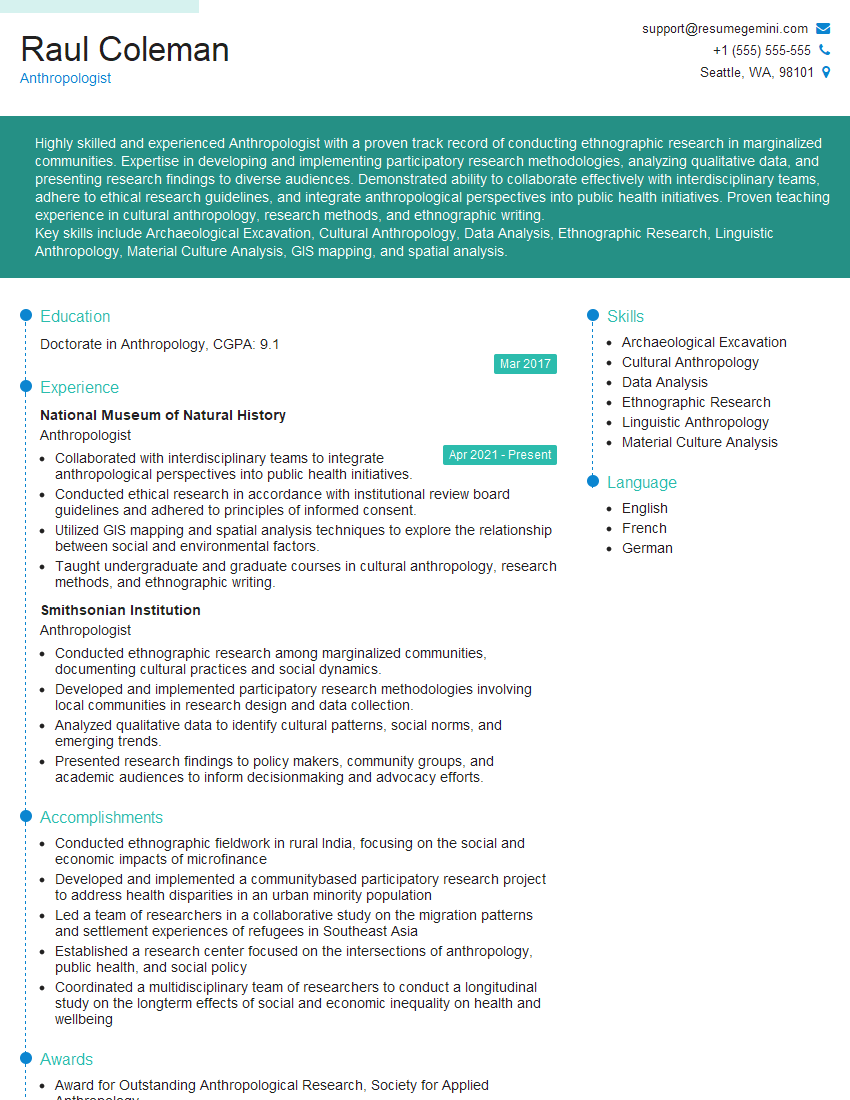
Anthropologist Resume Sample
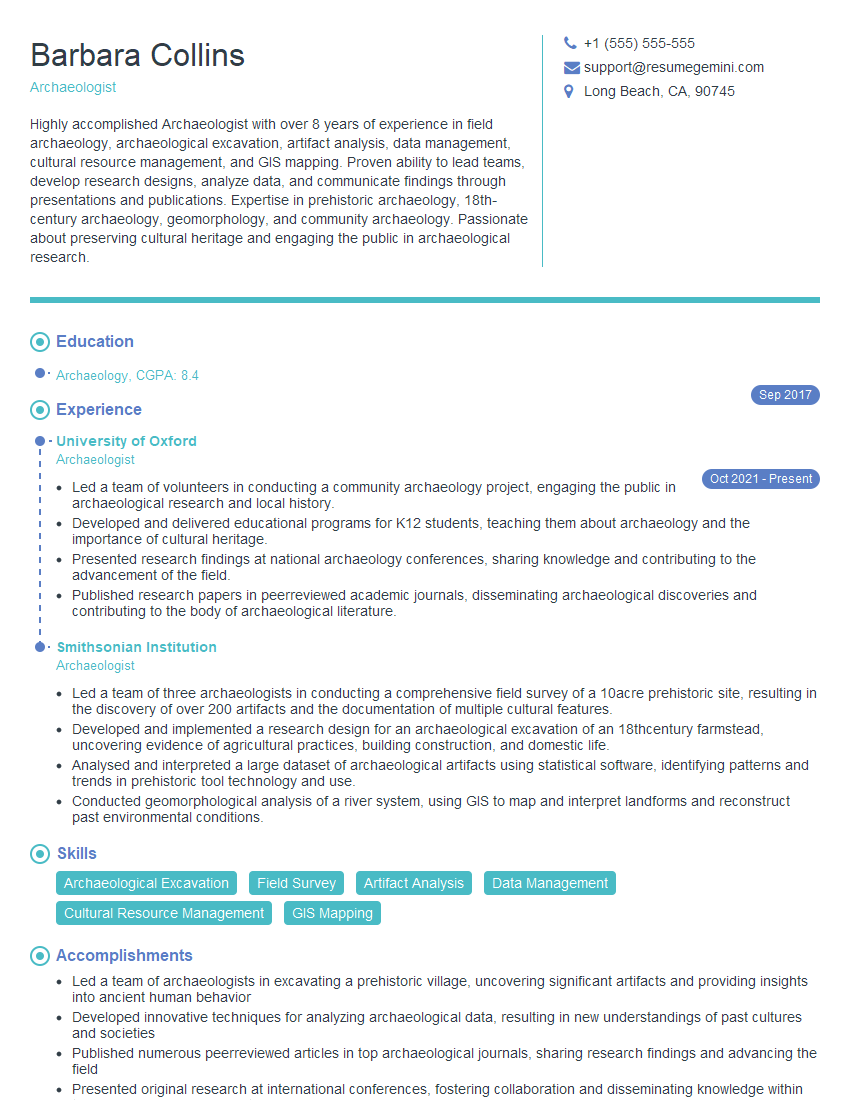
Archaeologist Resume Sample
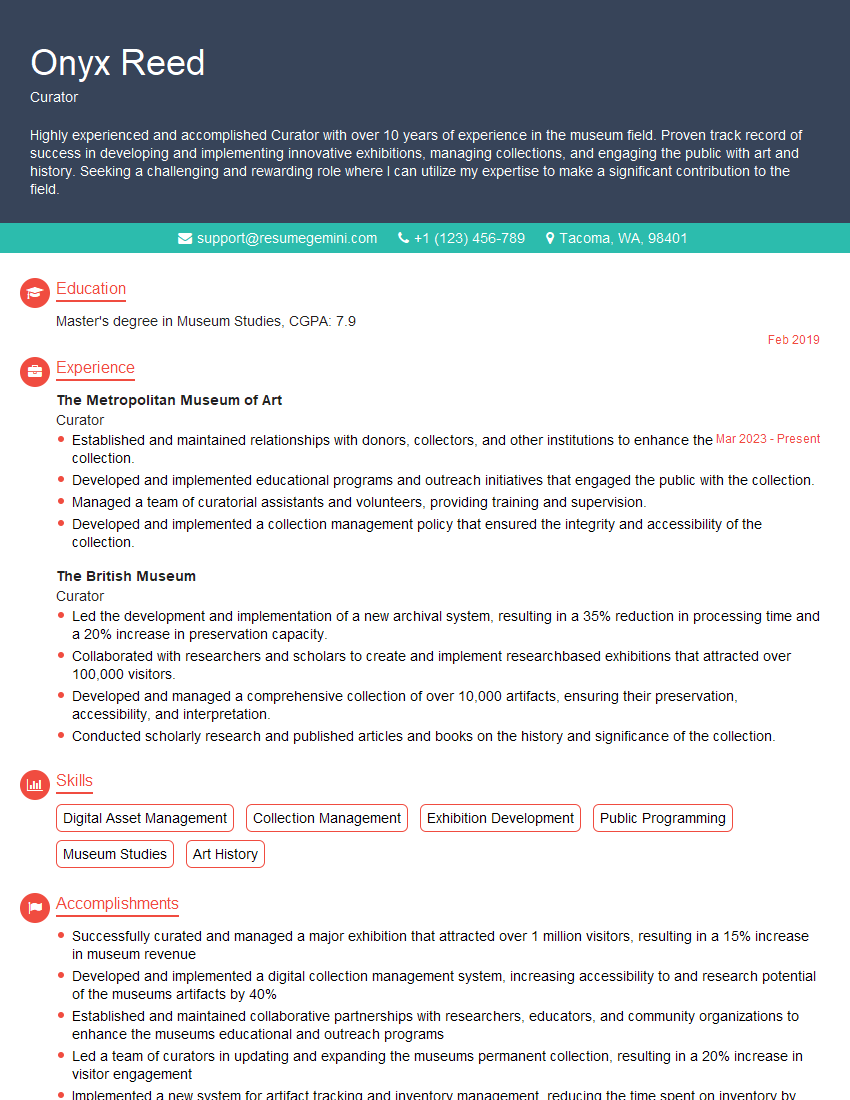
Curator Resume Sample
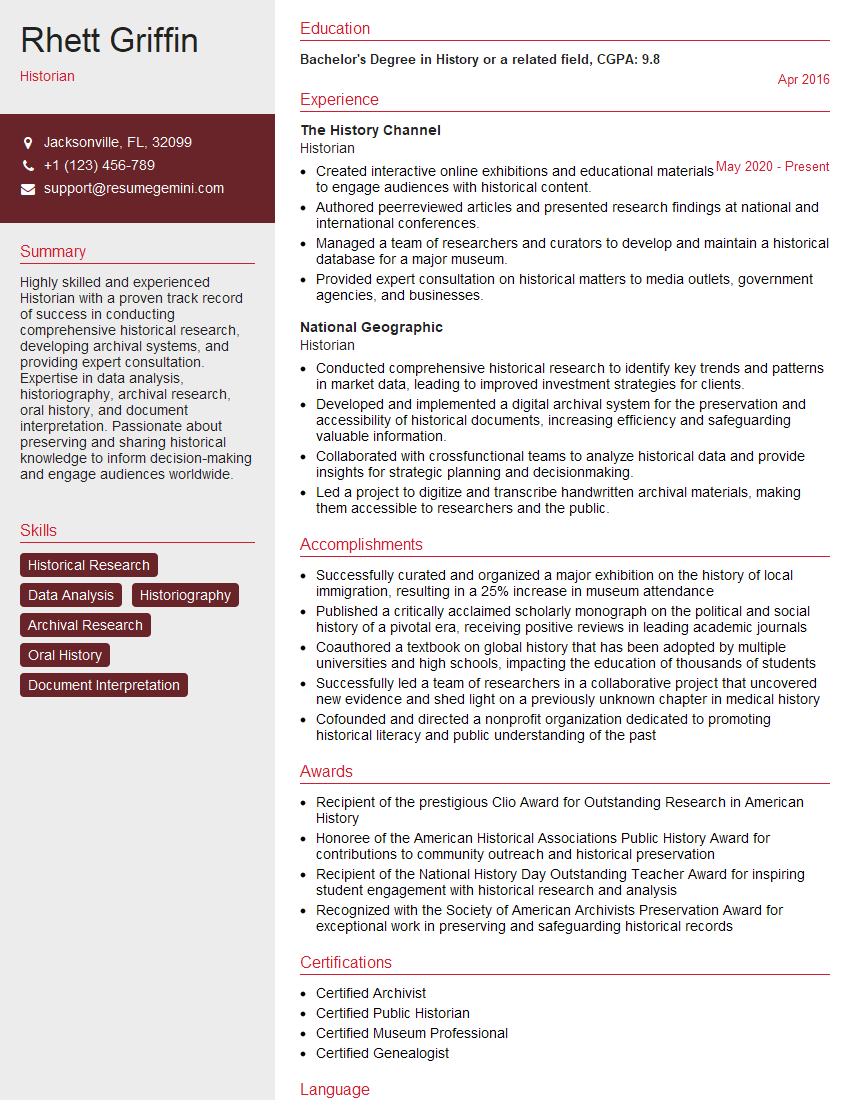
Historian Resume Sample
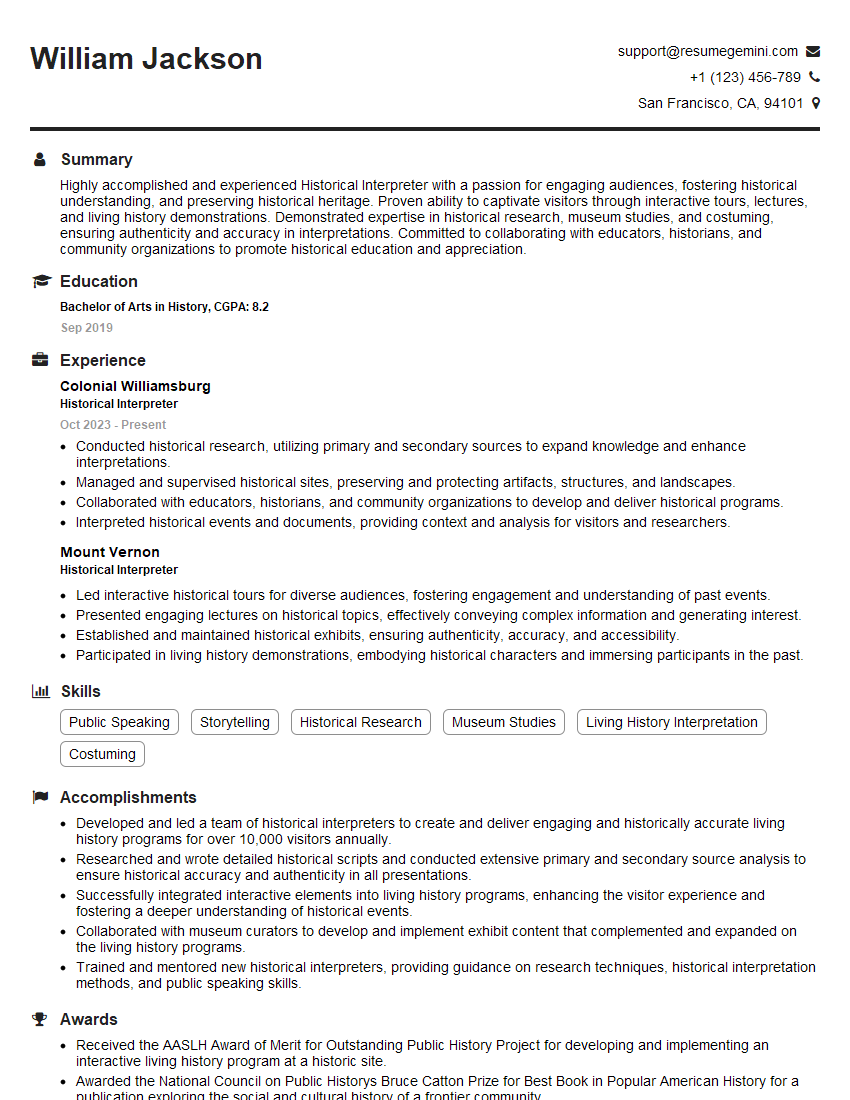
Historical Interpreter Resume Sample
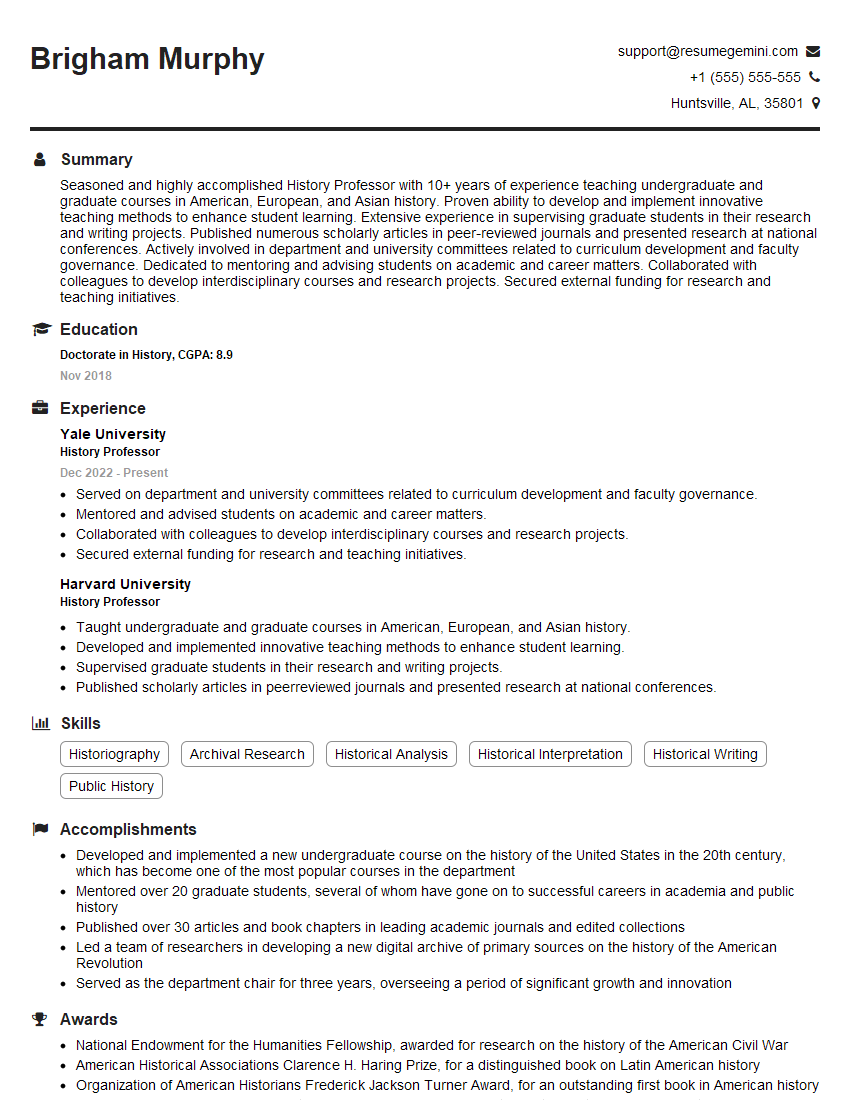
History Professor Resume Sample
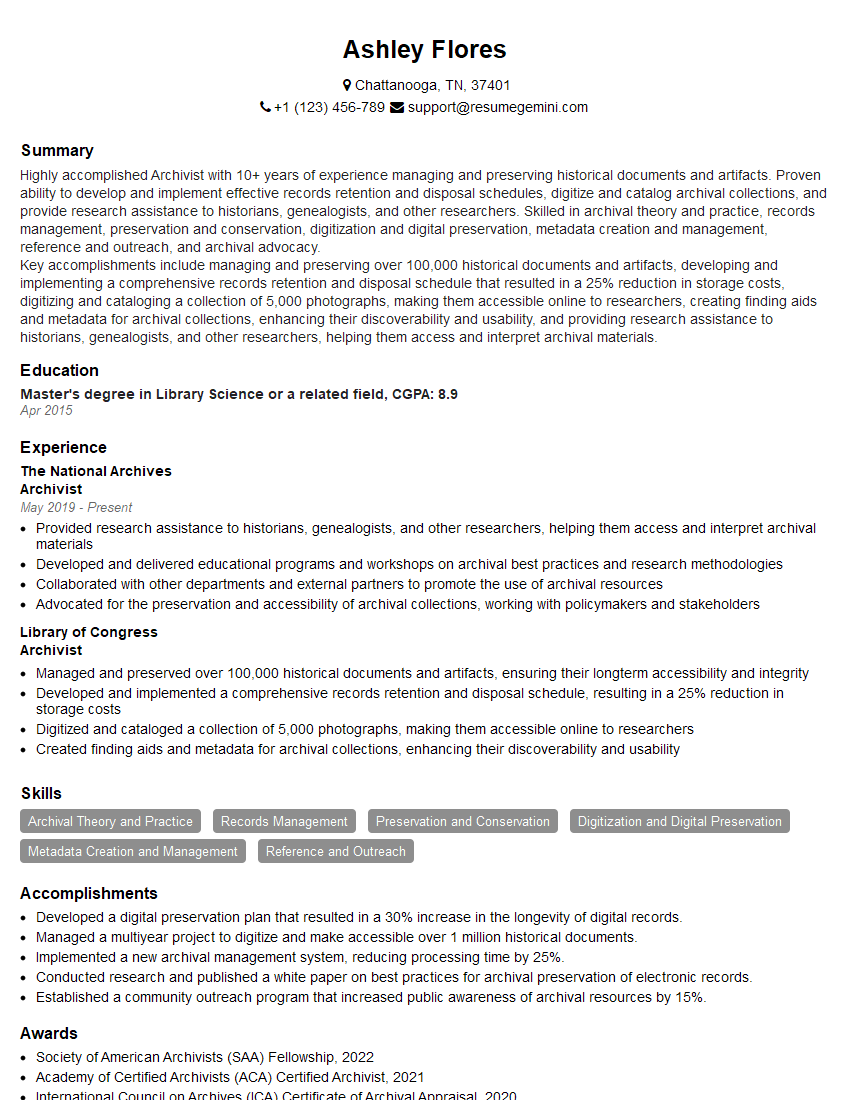
Archivist Resume Sample
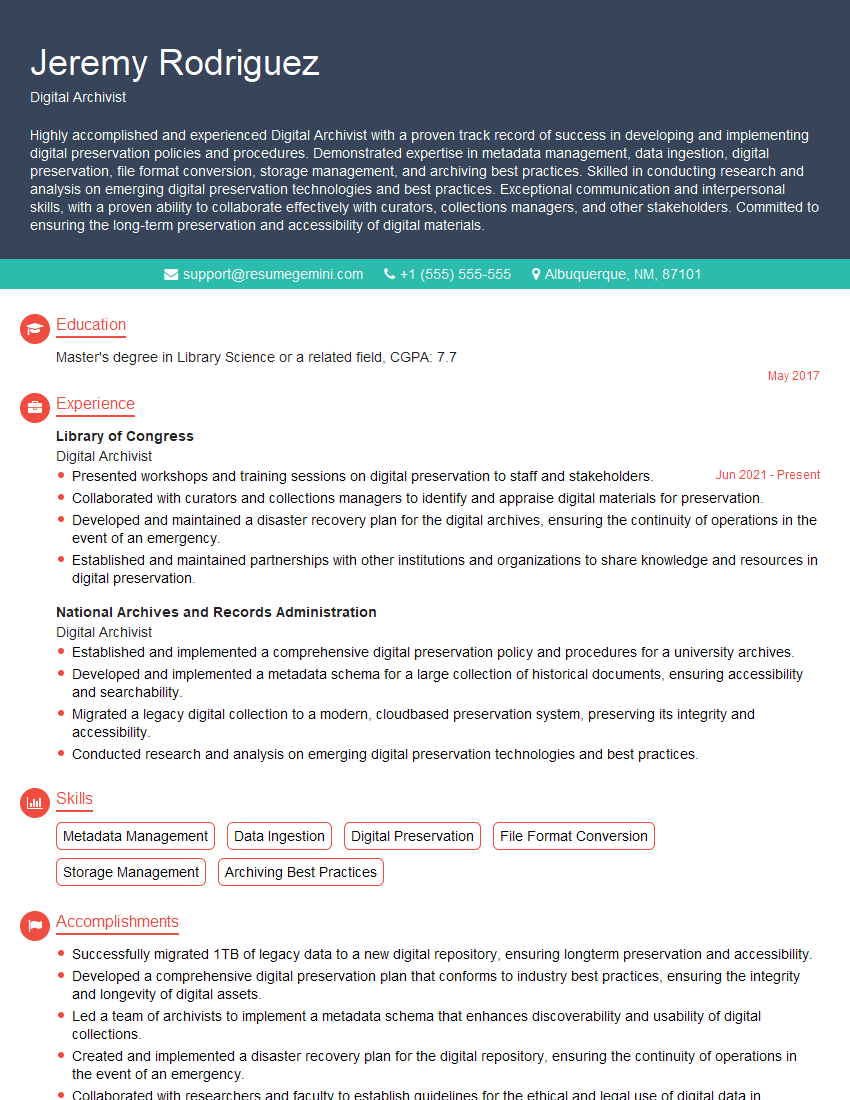
Digital Archivist Resume Sample
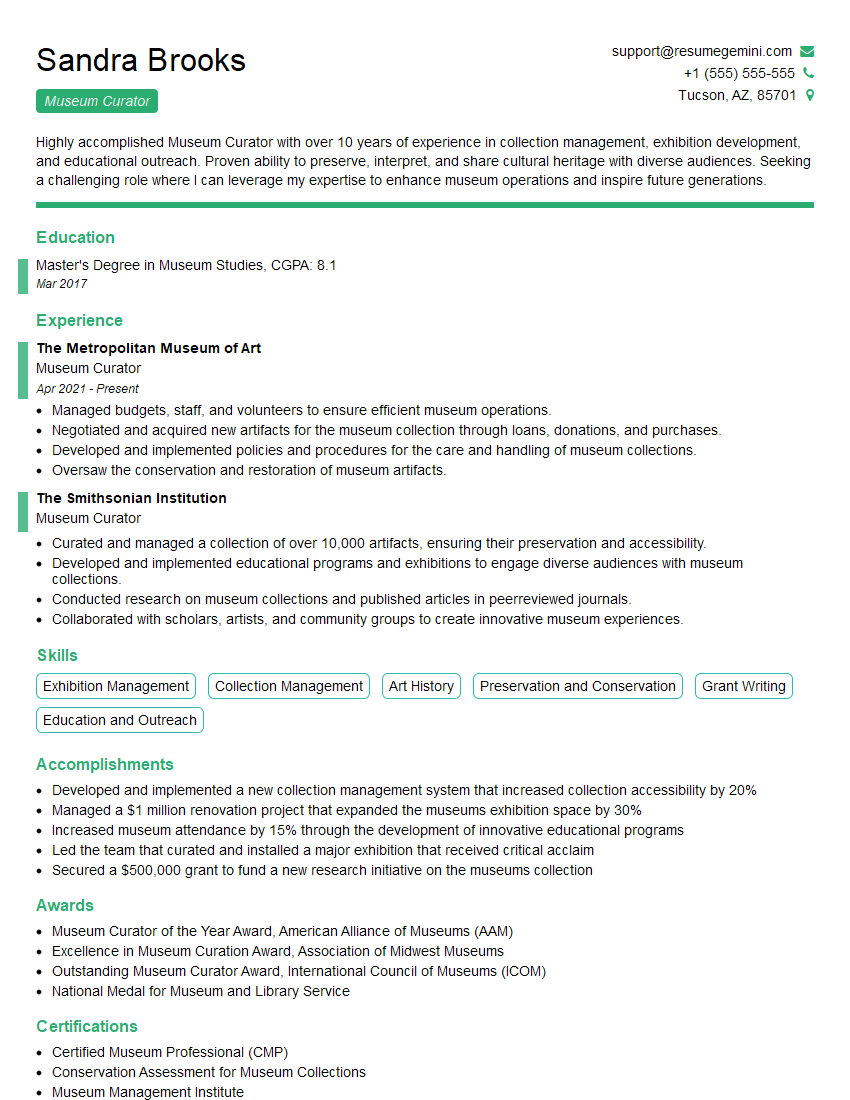
Museum Curator Resume Sample
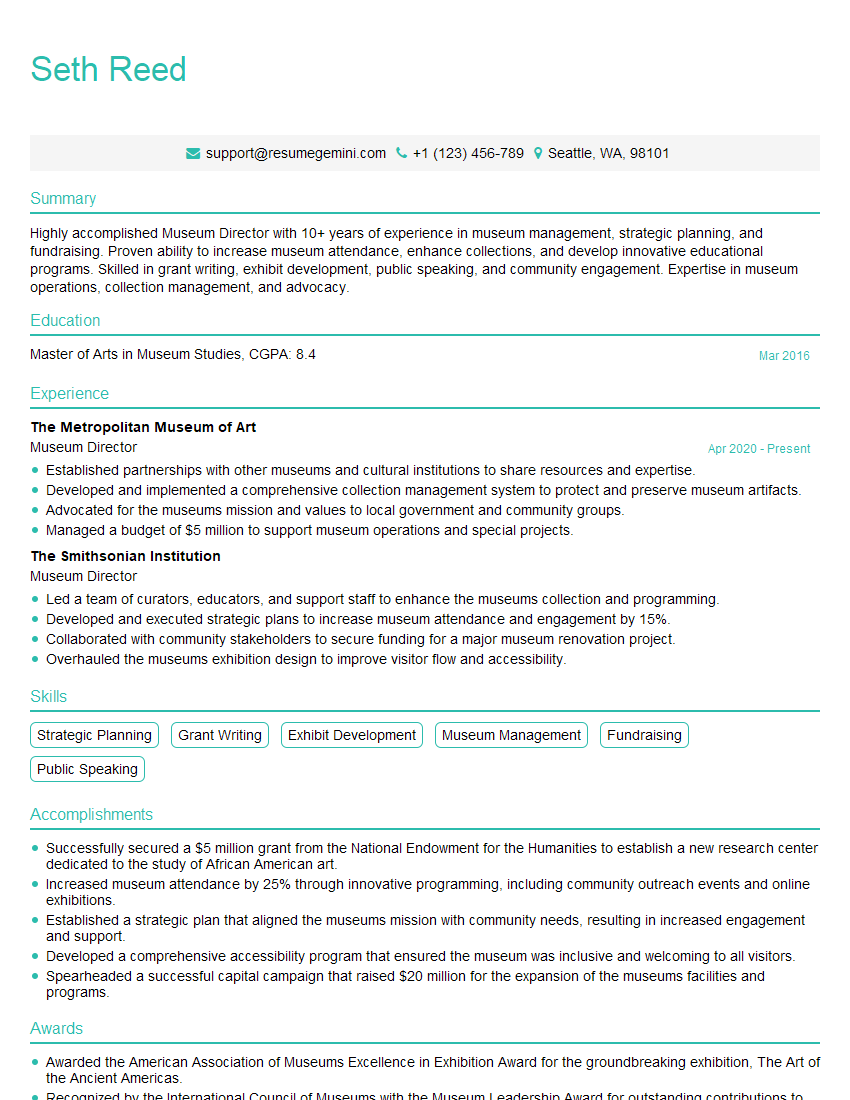
Museum Director Resume Sample
Explore more articles
Users Rating of Our Blogs
Share Your Experience
We value your feedback! Please rate our content and share your thoughts (optional).
What Readers Say About Our Blog
Very informative content, great job.
good