Every successful interview starts with knowing what to expect. In this blog, we’ll take you through the top Swim Competition Organization interview questions, breaking them down with expert tips to help you deliver impactful answers. Step into your next interview fully prepared and ready to succeed.
Questions Asked in Swim Competition Organization Interview
Q 1. Describe your experience managing the logistics of a large-scale swim meet.
Managing the logistics of a large-scale swim meet is like orchestrating a complex symphony. It requires meticulous planning and execution across multiple areas. My experience includes overseeing meets with hundreds of participants, encompassing everything from venue selection and securing permits to coordinating officials, volunteers, and equipment.
- Venue Management: This involves negotiating contracts, ensuring the pool is properly maintained and ready, arranging for adequate seating, concessions, and parking. For example, I once secured a last-minute alternative venue after a power outage threatened our original location, ensuring minimal disruption to the competition.
- Equipment Management: This includes sourcing and managing timing systems, starting blocks, lane lines, and other necessary equipment. Regular maintenance and backup plans are crucial. I’ve implemented a system of pre-meet equipment checks to mitigate on-site issues.
- Logistics Coordination: This involves scheduling events, managing athlete registration and check-in, providing clear communication to all stakeholders, and handling transportation arrangements for participants and officials.
- Budget Management: Creating a detailed budget and carefully tracking expenses throughout the planning and execution phases is essential for financial accountability. I’ve successfully managed budgets ranging from $10,000 to $50,000 for various swim meets.
Q 2. How do you ensure accurate timing and scoring during a competition?
Accurate timing and scoring are paramount in swim competitions. We utilize a multi-layered approach to ensure integrity and reliability.
- High-Quality Timing Systems: We rely on professional, fully automated timing systems with multiple backup systems. These systems typically use touchpads at the end of each lane to record the exact time of each swimmer’s finish.
- Trained Officials: Experienced timekeepers and judges are essential. They are trained in the precise operation of the timing equipment and in the application of the relevant rules. We conduct thorough training sessions prior to each meet to refresh knowledge and address any new rules or procedures.
- Multiple Verification Steps: The results are verified multiple times throughout the process. The results from the automated timing system are reviewed manually by the officials, and any discrepancies are carefully investigated and resolved before the final results are released. A clear chain of responsibility is crucial here.
- Backup Systems: In the unlikely event of a system failure, backup timing methods are in place. This may involve manual timing methods until the issue is resolved.
Q 3. What strategies do you use to manage volunteers effectively during a swim meet?
Managing volunteers effectively is vital for the success of any large swim meet. Clear communication, training, and appreciation are key components of my strategy.
- Detailed Roles and Responsibilities: We create a detailed volunteer handbook outlining roles, responsibilities, and schedules. This ensures everyone understands their tasks and how they contribute to the overall event.
- Comprehensive Training: We conduct thorough training sessions prior to the meet, covering specific tasks and procedures relevant to their assigned roles. For example, timekeepers receive training on the timing system, while lane judges receive instruction on stroke legality.
- Effective Communication: We establish a clear communication channel, often through a dedicated volunteer coordinator, to address any questions or concerns. Regular updates and announcements keep volunteers informed.
- Recognition and Appreciation: We express our gratitude for the volunteers’ time and effort through various means, such as providing meals, t-shirts, certificates of appreciation, or even a post-meet social gathering.
Q 4. Explain your process for resolving disputes or challenges during a competition.
Resolving disputes or challenges requires a fair, transparent, and consistent approach. We follow a structured process to ensure impartiality.
- Defined Protocol: We have a clear protocol for handling protests and challenges, which aligns with the governing body’s rules. This ensures consistency and predictability.
- Review by Officials: All protests are reviewed by a designated panel of officials who possess the authority to make decisions based on the available evidence and the rules of the competition. Judges’ calls are generally final unless there’s clear evidence of a mistake.
- Evidence and Documentation: All protests must be supported by evidence, such as video recordings or eyewitness accounts. All decisions and reasoning are documented carefully.
- Appeal Process (if applicable): In some cases, there may be a formal appeal process for decisions made at the meet level; this process is typically defined by the governing body of the competition.
Q 5. How familiar are you with various swim meet rule sets (e.g., FINA rules)?
I am highly familiar with various swim meet rule sets, including FINA (Fédération Internationale de Natation) rules, which are the international governing body’s standards. My experience encompasses the rules governing various stroke techniques, disqualifications, timing procedures, and competition formats.
Understanding these rules ensures fair play, accurate results, and consistency across different competitions. I regularly update my knowledge on rule changes and interpretations through official publications and workshops to maintain expertise.
Q 6. How would you handle a technical malfunction of the timing system during a meet?
A technical malfunction of the timing system is a serious issue requiring a swift, decisive response. Our procedures are designed to mitigate disruptions and ensure fairness.
- Activate Backup Systems: The first step is to immediately activate any backup timing systems that are in place. This may involve manual timing procedures or a secondary automated system.
- Inform Officials and Competitors: All relevant officials and competitors are promptly informed about the situation, and a clear communication plan is critical to maintain calm and order.
- Troubleshooting and Repair: A qualified technician is immediately contacted to diagnose and repair the malfunction as quickly as possible. In the meantime, the backup systems maintain operation.
- Document the Incident: A detailed record of the event, including the time of the failure, the duration of the disruption, and the steps taken to rectify the situation, is carefully documented.
- Post-Meet Review: After the competition, a thorough review of the incident will be undertaken to identify the cause of the failure and to implement preventative measures to prevent recurrence.
Q 7. Describe your experience with meet registration and athlete check-in processes.
Efficient registration and athlete check-in are crucial for a smooth-running meet. My experience involves utilizing both manual and online registration systems.
- Online Registration Systems: We typically employ a user-friendly online registration platform that automates the process, allowing athletes to register, pay fees, and provide necessary information electronically. This eliminates paperwork and reduces administrative overhead. We choose systems with robust security features to protect sensitive data.
- Data Management: The collected data is meticulously managed and used to generate start lists, heat sheets, and other important competition documents. Accuracy is paramount to avoid confusion.
- On-Site Check-in: A well-organized check-in process is established on the day of the meet. This may involve verifying registrations, distributing race packets (containing bib numbers and other information), and ensuring that all athletes have the necessary documentation.
- Communication: Clear communication regarding registration procedures and deadlines is crucial to minimize confusion and ensure a timely process. We employ email notifications, FAQs, and easily accessible information on the meet website.
Q 8. How do you ensure the safety and well-being of participants and officials during a meet?
Ensuring participant and official safety is paramount. It’s a multi-faceted approach beginning long before the meet starts. We begin with a thorough risk assessment of the venue, identifying potential hazards like slippery surfaces, inadequate lighting, or overcrowding.
- Pre-Meet Safety Checks: This includes inspecting the pool deck, ensuring proper lane lines, testing the emergency equipment (e.g., AED, first-aid kits), and verifying the functionality of timing systems. We also confirm the availability of qualified medical personnel on-site.
- Water Safety: We implement strict rules regarding entering and exiting the pool, and ensure lifeguards are strategically positioned and adequately trained in water rescue techniques. Regular water testing is vital to maintain safe chemical levels.
- Emergency Procedures: Clear emergency communication channels are established and regularly practiced. All staff, officials, and volunteers participate in pre-meet briefings covering emergency procedures, including how to handle medical emergencies, accidents, or evacuations. Detailed emergency contact lists are maintained.
- Athlete Wellness: We encourage athletes to hydrate properly, and we have a clearly defined process for reporting any injuries or illnesses. This may include a medical room with qualified staff.
For example, at a recent meet, we identified a potential trip hazard near the starting blocks. We immediately addressed it by placing caution tape and informing all participants and officials. This proactive approach prevented any accidents.
Q 9. What methods do you employ to effectively communicate with officials, athletes, and spectators?
Effective communication is crucial for a well-run swim meet. We utilize a layered approach, combining different communication methods to reach all stakeholders.
- Pre-Meet Communication: Detailed information packets are sent to officials and coaches well in advance, outlining schedules, rules, and procedures. Email and a dedicated online portal are used to share critical updates and announcements.
- During the Meet Communication: A public address system is used for announcements to spectators and competitors. Officials use hand signals and a system of whistles for in-pool communication. A dedicated communication channel (e.g., walkie-talkies or a designated messenger system) is used for communication between officials and the meet director.
- Post-Meet Communication: Results are promptly posted online and sent to coaches and athletes. Feedback forms are distributed to gather input for future improvements.
For example, during a meet, a lane line malfunction occurred. Using the walkie-talkie system, the head referee immediately alerted the meet director and the timing system operator, allowing for a quick repair with minimal disruption. A subsequent announcement was made to spectators explaining the delay.
Q 10. How do you manage the budget and resources for a swim competition?
Budget management is essential. We create a detailed budget before the meet, forecasting all potential expenses. This includes venue rental, officiating fees, timing system rental, prizes, marketing, and staff costs. We secure sponsorship where possible and explore options for grant funding.
- Detailed Budget Breakdown: Each expense category is carefully itemized, allowing for precise tracking and control. We use spreadsheet software to monitor income and expenses throughout the meet planning process.
- Seeking Sponsorships: We proactively approach local businesses and organizations that align with our values to secure sponsorship, which helps offset costs and provides additional resources.
- Cost-Effective Strategies: We explore ways to reduce expenses without compromising quality. This might include negotiating lower rental fees, securing volunteer assistance, or utilizing affordable marketing strategies.
- Post-Meet Reconciliation: After the meet concludes, we carefully reconcile the budget, comparing actual expenses to the projected budget. This helps us improve future budget planning and identify areas for cost optimization.
For example, in a recent meet, we secured a sponsorship from a local health food store, which provided healthy snacks for the athletes and reduced our food costs significantly.
Q 11. Explain your experience with creating and implementing a meet schedule.
Creating a meet schedule requires meticulous planning. We begin with the overall meet format (e.g., short course, long course, age groups). Then, we consider the number of events, the number of athletes, and the available time slots. The schedule needs to optimize flow and ensure fair competition across all age groups.
- Event Sequencing: We strategically sequence events to minimize idle time and maximize athlete participation. The schedule is typically organized by stroke and distance, with considerations given to athlete rest periods.
- Warm-up Considerations: Ample time is allocated for warm-up periods and breaks between events to ensure athlete safety and performance.
- Software Utilization: We utilize dedicated meet management software (Hy-Tek Meet Manager is a common choice) to create the schedule, generate heat sheets, and manage results. This software allows for easy adjustments and modifications as needed.
- Communication of the Schedule: The final schedule is distributed to all participating teams, officials, and volunteers well in advance of the meet.
For example, in a large regional meet, we utilized Hy-Tek Meet Manager to create a highly efficient schedule that allowed for the seamless completion of all events within the allotted timeframe. Careful sequencing of age groups minimized athlete waiting times.
Q 12. How familiar are you with different timing systems (e.g., Omega, Colorado Timing)?
I’m highly familiar with various timing systems including Omega and Colorado Timing. Both are industry standards known for their accuracy and reliability. My experience involves both setup, operation and troubleshooting.
- Omega Timing Systems: I’m proficient in operating Omega’s touchpads, back-up systems, and software interfaces. I understand the importance of proper calibration and maintenance for accurate results.
- Colorado Timing Systems: Similarly, I have extensive experience with Colorado Timing systems, including their data acquisition, software interface and reporting functionalities. I can identify and resolve technical issues promptly.
- Troubleshooting: My experience extends to identifying and resolving various technical glitches which might arise during competition. This includes dealing with touchpad malfunctions, software errors, and communication issues.
In one instance, a touchpad malfunction occurred during a crucial final. My familiarity with Omega’s diagnostic tools allowed me to identify the problem quickly and replace the faulty touchpad, minimizing disruption to the meet schedule.
Q 13. What is your experience with handling athlete eligibility and disqualifications?
Athlete eligibility and disqualification procedures are governed by the governing body’s rules and regulations (e.g., USA Swimming, FINA). I meticulously ensure adherence to these regulations.
- Eligibility Verification: I thoroughly verify athlete eligibility by reviewing registration forms, birth certificates, and any required documentation. This ensures compliance with age group and membership requirements.
- Disqualification Procedures: I’m well-versed in applying the rules of competition regarding disqualifications. I provide clear and concise explanations to coaches and athletes regarding the reasons for disqualification and ensure a fair process is followed.
- Appeals Process: I’m familiar with the process for handling appeals and ensuring that all athletes have a fair opportunity to address any concerns.
For example, during one meet, an athlete was inadvertently entered in the wrong age group. By carefully reviewing the documentation before the event, I was able to identify and correct the error before the event started, preventing a potential disqualification and unnecessary conflict.
Q 14. How do you ensure the smooth flow of a swim meet, minimizing delays?
Ensuring a smooth meet requires proactive planning and efficient execution. Delays can be minimized through various strategies.
- Efficient Scheduling: A well-structured schedule with appropriate buffer times between events is crucial. This accommodates unexpected delays.
- Clear Communication: Maintaining clear and concise communication among officials, coaches, and athletes helps resolve issues promptly and prevents confusion.
- Preparedness: Ensuring all equipment is functioning correctly and all personnel are well-briefed before the meet begins helps prevent technical issues and delays.
- Contingency Planning: We have backup plans for potential problems such as equipment malfunctions, unforeseen delays or medical emergencies.
- Dedicated Meet Staff: Having a sufficient number of well-trained officials and volunteers is essential for a smooth and efficient meet.
For example, at a recent meet, a timing system glitch caused a minor delay. However, our pre-planned contingency measures allowed our technical team to quickly resolve the problem, minimizing disruption to the meet schedule.
Q 15. Describe your experience in working with sponsors and marketing for a swim meet.
Securing sponsorships and effective marketing are crucial for a successful swim meet. My approach involves a multi-pronged strategy. First, I identify potential sponsors whose target audience aligns with the meet’s demographics – this might include local businesses, sporting goods companies, or health and wellness organizations. I then develop a tailored sponsorship package, outlining the various benefits they’ll receive, such as logo placement on banners and programs, announcements during the meet, social media mentions, and opportunities for product demonstrations or giveaways.
For marketing, I leverage a combination of digital and traditional methods. This includes creating a dedicated website and social media accounts to promote the event, utilizing email marketing to reach potential attendees and sponsors, and securing press coverage through local media outlets. I also create visually appealing marketing materials, such as flyers and posters, emphasizing the excitement and prestige of the event. For example, during a recent meet, we partnered with a local health food store which provided healthy snacks for athletes and received prominent branding in return. This created a win-win situation, enhancing both the athlete experience and the sponsor’s visibility.
Career Expert Tips:
- Ace those interviews! Prepare effectively by reviewing the Top 50 Most Common Interview Questions on ResumeGemini.
- Navigate your job search with confidence! Explore a wide range of Career Tips on ResumeGemini. Learn about common challenges and recommendations to overcome them.
- Craft the perfect resume! Master the Art of Resume Writing with ResumeGemini’s guide. Showcase your unique qualifications and achievements effectively.
- Don’t miss out on holiday savings! Build your dream resume with ResumeGemini’s ATS optimized templates.
Q 16. What is your approach to post-meet analysis and improvement?
Post-meet analysis is essential for continuous improvement. My approach involves a three-stage process: data collection, evaluation, and action planning. Data collection includes analyzing attendance figures, reviewing feedback from participants, coaches, and volunteers, and examining financial records. Evaluation involves identifying areas of success and areas needing improvement. For example, low attendance might suggest a need for enhanced marketing or a change of date. Negative feedback about timing or organization might lead to process refinements. Finally, action planning translates insights into concrete steps. This might include revising marketing strategies, improving volunteer training, streamlining registration, or negotiating better deals with vendors for the next meet.
Q 17. How do you ensure compliance with all relevant regulations and safety standards?
Ensuring compliance and safety is paramount. This involves adherence to rules set by governing bodies like USA Swimming (or the equivalent in your region), ensuring proper safety protocols are in place, and having adequate medical personnel on-site. This includes having a clear understanding and implementation of rules regarding athlete eligibility, competition procedures, and doping control. Pre-meet inspections of the venue are crucial, focusing on pool safety (depth markers, lane lines), emergency exits, first-aid stations, and ensuring sufficient lifeguards are present. We also ensure compliance with all relevant local regulations regarding permits, licenses, and insurance. For example, a detailed emergency action plan should be drafted and rehearsed to ensure all stakeholders are familiar with procedures in case of an accident or emergency.
Q 18. How would you handle a situation where an athlete protests a judge’s decision?
Athlete protests require a calm, fair, and consistent approach. The first step is to listen carefully and respectfully to the athlete’s concerns. Then, I would review the official judge’s decision and the relevant rule book to ensure its correctness. If the protest is deemed valid, the decision might be overturned. However, if the judge’s decision is upheld, I’ll clearly explain the reasoning behind the ruling, ensuring the athlete understands the rules and the process. In situations where the protest is deemed unfounded, a strong but supportive and educational response is essential to preserve fairness and the respect of participants. Documentation of the entire process is critical – including the protest, the review, and the final decision – to maintain transparency and accountability.
Q 19. How do you maintain accurate records and documentation for a swim meet?
Accurate record-keeping is essential. This begins with a robust registration system, capturing all athlete details, club affiliations, and event entries. I utilize specialized meet management software (more details below) which automatically generates heat sheets, results, and rankings. All documents, including registration forms, waivers, financial records, and correspondence with athletes, sponsors, and officials, are meticulously stored and backed up. This is crucial for maintaining transparency, ensuring proper payment processing, and managing communication efficiently. A secure digital archiving system is essential to safeguard against data loss and ensure easy access to information when needed. For example, a chronological log of all communications related to specific incidents or issues will enhance transparency and accountability.
Q 20. What experience do you have with different types of swim meets (e.g., short course, long course)?
My experience encompasses both short course (25-yard or 25-meter) and long course (50-meter) swim meets. The differences between these formats extend beyond just pool length; they also involve variations in race strategies, athlete preparation, and logistical considerations. In short course meets, the focus often shifts towards speed and tactical maneuvering, while long course meets emphasize endurance and pacing. I have experience organizing meets at various levels, from local club competitions to larger regional events. This experience equips me to effectively manage the unique requirements of each type of meet, including adapting the scheduling, staffing, and resource allocation as needed. For example, the timing systems and the level of technical support required might differ significantly between a small local meet and a large championship event.
Q 21. Describe your experience with utilizing meet management software.
I’m proficient in using various meet management software, such as Hy-Tek Meet Manager or TeamUnify. These platforms streamline several aspects of swim meet organization, including registration, heat sheet generation, results processing, and real-time score updates. The software enhances efficiency by automating repetitive tasks, reducing the likelihood of manual errors, and providing quick access to information. For example, Hy-Tek Meet Manager allows for the seamless import and export of data, simplifying the process of managing athlete entries, generating results, and producing reports. This is crucial for ensuring the accuracy and timeliness of the results, while also facilitating communication with coaches, officials, and swimmers.
Q 22. How do you handle emergencies or unexpected situations during a competition?
Handling emergencies during a swim competition requires a proactive and multi-faceted approach. We establish a comprehensive emergency action plan well in advance, outlining procedures for various scenarios, from medical emergencies to equipment malfunctions. This plan includes clearly defined roles and responsibilities for all personnel, from officials to medical staff to volunteers.
For instance, we’d have designated first aid stations with trained personnel readily available. We also establish clear communication channels – using radios and designated personnel – to ensure swift response and coordination across the venue. During a meet, I would regularly assess potential hazards and adjust the plan as needed. A recent example involved a swimmer experiencing a panic attack; our pre-planned emergency protocol, which included having a trained psychologist on-site, allowed for a swift and calm response, minimizing disruption to the competition.
Beyond the pre-planned approach, adaptability is key. Unexpected situations demand quick thinking and decisive action. We regularly conduct drills to prepare our team for various scenarios, ensuring everyone understands their role and feels confident in executing the plan under pressure. The goal is not just to resolve the immediate crisis but to minimize disruption to the competition and ensure the safety and well-being of all participants.
Q 23. Explain your experience with different types of officiating roles (e.g., Referee, Judge).
My experience in officiating spans various roles, providing a comprehensive understanding of competition management. I’ve served as a Referee, responsible for the overall conduct of the meet, ensuring adherence to rules and regulations. This involves making critical decisions regarding false starts, disqualifications, and addressing protests. I’ve also acted as a Judge, specifically scoring dives in diving events. This requires meticulous observation, precise scoring, and a deep understanding of judging criteria. In addition, I’ve been involved in timing, which demands accuracy, promptness and a strong understanding of the technical details of timekeeping. The combined experience offers a holistic view of the competition, ensuring fairness, accuracy and efficient operations.
For example, during a regional championship, a protest was lodged against a disqualification. My experience as a Referee enabled me to meticulously review the video footage, consult with other officials, and ultimately uphold the initial decision based on clear evidence of a rule violation. This demonstrated a commitment to fair play and upholding the integrity of the competition.
Q 24. What is your familiarity with FINA rules and regulations regarding competition?
My familiarity with FINA (Fédération Internationale de Natation) rules and regulations is extensive and up-to-date. I regularly review rule updates, attend workshops and actively participate in FINA-sanctioned events. This ensures I’m always aware of any changes in rule interpretations and can effectively apply them during competitions. Understanding FINA rules is crucial for maintaining the integrity and fairness of all events. This knowledge extends to all aspects of swimming competitions, from technical rules governing stroke legality to the regulations for qualifying times and eligibility.
For instance, the recent changes to the rules surrounding underwater dolphin kicks were thoroughly studied to ensure accurate judging during competitions. Understanding the nuances and proper interpretation of such rules is paramount to ensure a level playing field for all participants.
Q 25. Describe your experience with managing athlete and spectator accommodations.
Managing athlete and spectator accommodations requires meticulous planning and attention to detail. This begins long before the competition, involving securing appropriate venues, coordinating transportation, and ensuring sufficient space for warm-up areas, changing rooms, and spectator seating. It’s crucial to consider accessibility needs for athletes and spectators with disabilities. We also collaborate with local hotels and transportation services to provide affordable and convenient options. Effective communication is vital, ensuring athletes receive clear instructions on accommodation details and spectators are informed of venue layouts and transportation options.
For a large national competition, I oversaw the entire accommodation process, from contract negotiations with hotels to arranging shuttle services for athletes. Effective communication ensured athletes felt welcomed and comfortable, contributing positively to their performance. Clear signage and easily accessible information for spectators created a seamless and enjoyable experience.
Q 26. How do you ensure the accuracy and timely dissemination of meet results?
Ensuring accuracy and timely dissemination of meet results requires a robust system that combines technological tools with careful human oversight. We typically use a sophisticated timing system that automatically records and processes results. This system often includes backup systems to prevent data loss. Results are then verified by multiple officials, ensuring accuracy before being made public. We also utilize a results management software that allows for real-time updates and easy generation of reports. The results are then disseminated promptly via online platforms, scoreboards and official publications.
During a recent event, a slight timing discrepancy was identified through our verification process, highlighting the importance of our multi-layered approach. This prevented a potential error from becoming public, maintaining the integrity of the competition.
Q 27. How would you troubleshoot issues with lane assignments or heat sheets?
Troubleshooting issues with lane assignments or heat sheets requires a methodical approach, combining careful review with efficient communication. First, we verify the source of the error, using the official entry data and competition software. Common issues include data entry errors, misinterpretations of seeding criteria, or software glitches. Once the source is identified, we make corrections, ensuring transparency and communication with all involved parties. Any changes are documented and re-printed or displayed electronically. A crucial aspect is maintaining a calm and organized approach to avoid further confusion.
For example, a swimmer’s name was incorrectly listed on the heat sheet. By quickly reviewing the entry data and the software, we identified the typographical error, corrected it, and promptly informed the affected swimmer and the officials. This demonstrated a capacity for problem-solving and a commitment to fairness.
Q 28. What is your understanding of anti-doping procedures and regulations in swimming?
My understanding of anti-doping procedures and regulations in swimming is comprehensive. I’m familiar with the World Anti-Doping Code (WADA) and the specific regulations implemented by FINA. This includes knowledge of prohibited substances, testing procedures, and the consequences of violations. I am aware of the importance of educating athletes about anti-doping rules and ensuring a clean and fair competition environment. I understand the process of athlete notification for testing and the proper handling of samples. This knowledge allows for the smooth and efficient operation of the anti-doping aspects of a competition.
For instance, I’ve worked with doping control officers to ensure the smooth and compliant execution of testing procedures during major competitions. My understanding of regulations helps maintain a fair and credible environment for all athletes.
Key Topics to Learn for Swim Competition Organization Interview
- Meet Management & Logistics: Understanding the complexities of scheduling, registration, and managing athletes, officials, and volunteers across multiple events.
- Rules & Regulations: Deep knowledge of FINA (or relevant governing body) rules, regulations, and procedures for various swim strokes and competition formats. Practical application includes interpreting rules in ambiguous situations and ensuring fair play.
- Results Management & Scoring: Proficiency in using timing systems, recording results accurately, and applying scoring methodologies to determine winners and rankings. This includes understanding and troubleshooting potential technical issues.
- Athlete Relations & Communication: Effective communication with athletes, coaches, and parents, addressing concerns and maintaining positive relationships. This includes conflict resolution and managing expectations.
- Event Planning & Budgeting: Experience in planning and executing swim meets, including venue selection, securing sponsorships, managing budgets, and overseeing marketing efforts.
- Volunteer Management & Training: Recruiting, training, and managing volunteers effectively to ensure smooth meet operations. This includes creating clear roles, providing training materials, and fostering teamwork.
- Data Analysis & Reporting: Analyzing competition data to identify trends, improve efficiency, and inform future event planning. This could include using spreadsheets or specialized software.
- Technology & Software: Familiarity with common software and technology used in swim meet management, such as timing systems, registration platforms, and results databases. Troubleshooting technical issues is crucial.
Next Steps
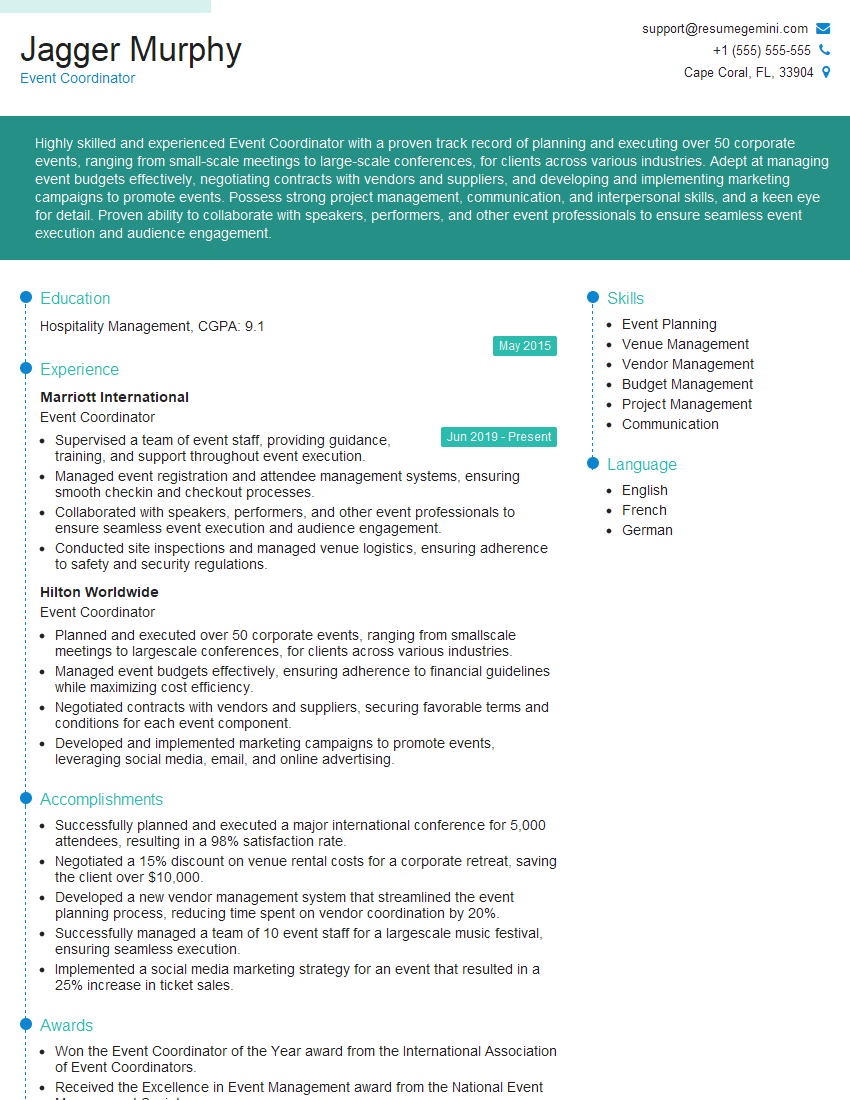
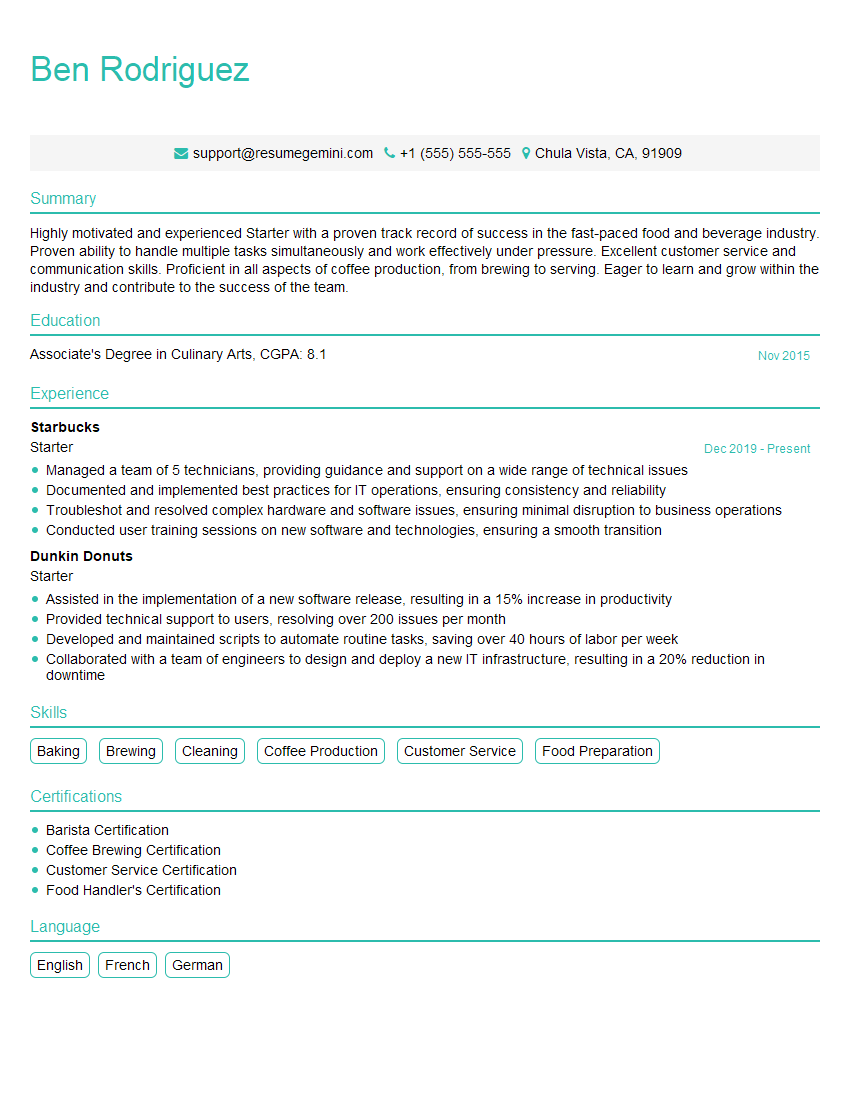
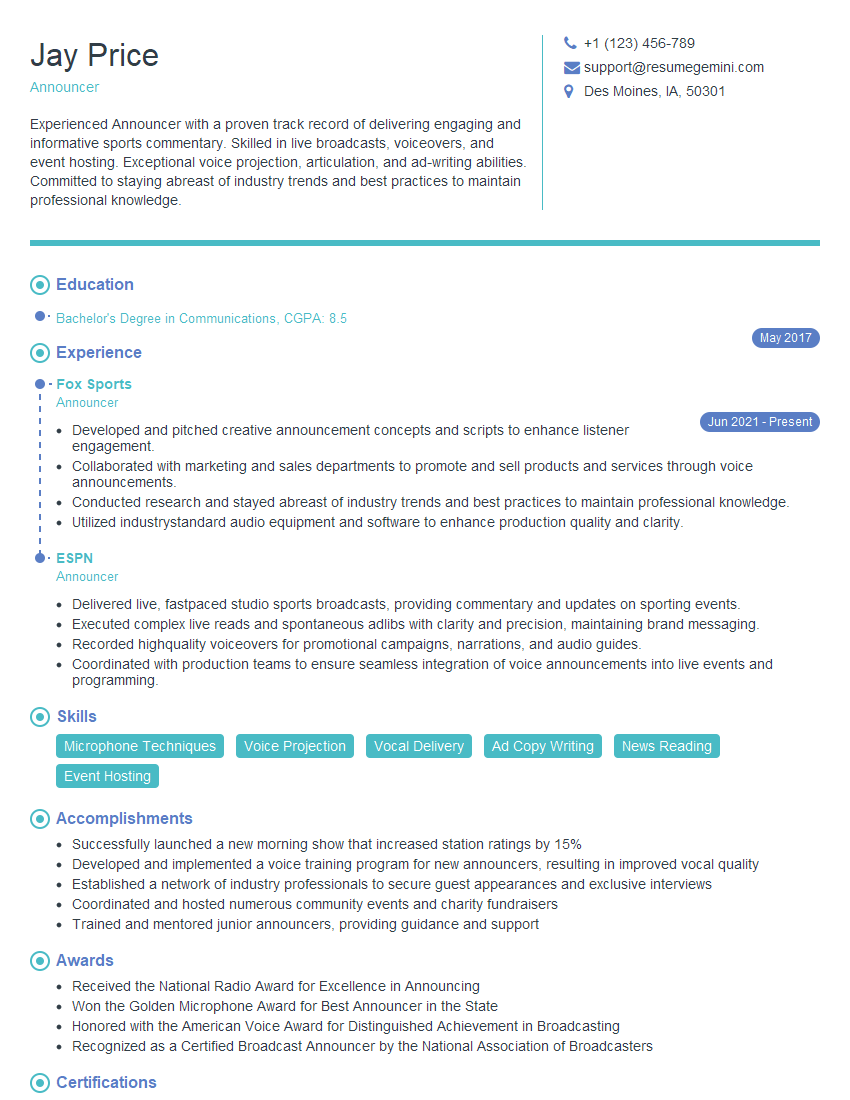
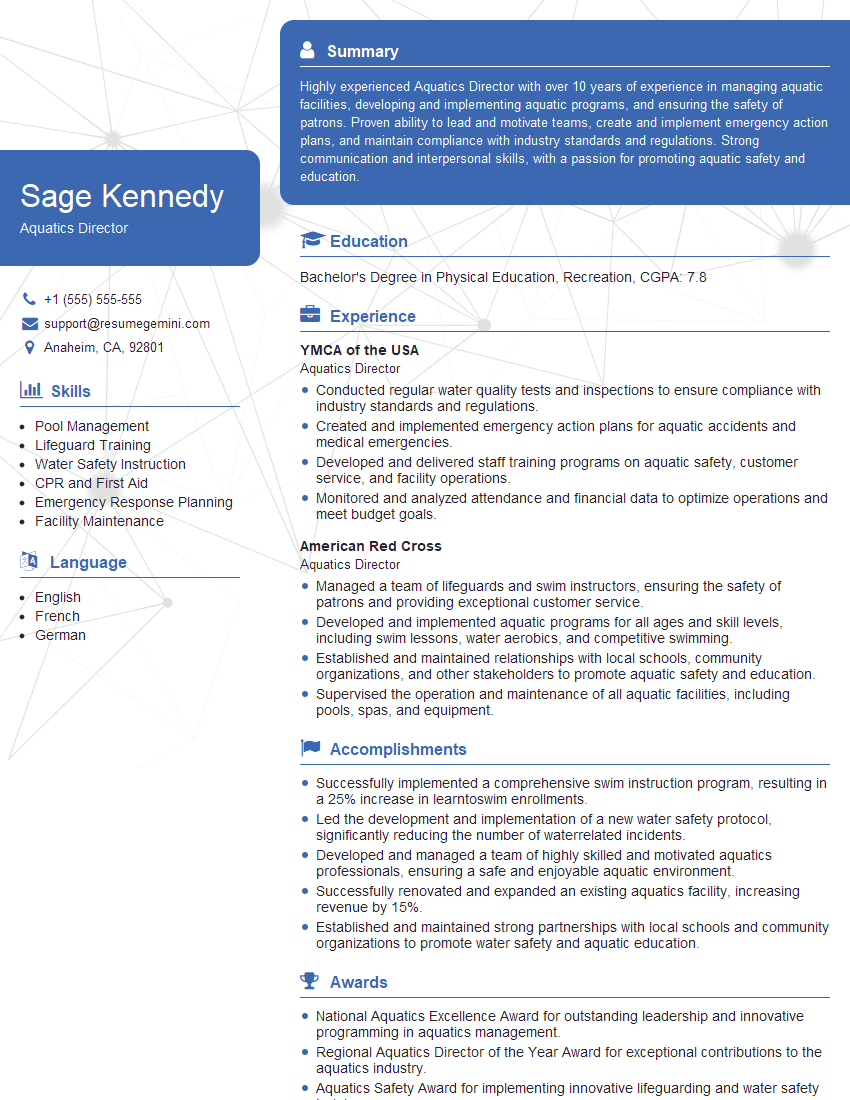
Mastering Swim Competition Organization is crucial for career advancement in the aquatic sports industry. It demonstrates your ability to manage complex operations, solve problems effectively, and contribute to a positive athlete experience. To significantly improve your job prospects, crafting an ATS-friendly resume is essential. ResumeGemini is a trusted resource that can help you build a professional and impactful resume designed to get noticed by recruiters. Examples of resumes tailored to Swim Competition Organization roles are available, showcasing best practices for highlighting your relevant skills and experience.
Explore more articles
Users Rating of Our Blogs
Share Your Experience
We value your feedback! Please rate our content and share your thoughts (optional).
What Readers Say About Our Blog
Very informative content, great job.
good