Feeling uncertain about what to expect in your upcoming interview? We’ve got you covered! This blog highlights the most important Dog Handling and Restraint interview questions and provides actionable advice to help you stand out as the ideal candidate. Let’s pave the way for your success.
Questions Asked in Dog Handling and Restraint Interview
Q 1. Describe the different types of dog muzzles and their appropriate uses.
Dog muzzles come in various types, each designed for specific purposes and situations. The choice depends heavily on the dog’s temperament, the reason for muzzling, and the duration of use. Improper muzzle use can be harmful, so careful selection is crucial.
- Basket Muzzles: These allow panting and drinking, making them suitable for long-term use or situations where the dog needs to remain comfortable. They’re ideal for dogs who tend to nip or mouth but aren’t severely aggressive. Think of them as a safety net rather than a punishment tool.
- Soft Muzzles: Often made of nylon or fabric, these are less restrictive than basket muzzles but offer less protection. They are best suited for short periods and might not be appropriate for truly aggressive dogs.
- Leather Muzzles: These provide more control than soft muzzles but can be uncomfortable if not fitted correctly. They are not ideal for long-term use and require careful fitting to avoid skin irritation.
- Plastic Muzzles: Some are designed with a cage-like structure while others are more like a plastic sleeve covering the mouth. This type offers more protection than soft muzzles, and the type is very breed-dependent.
Appropriate Uses: Basket muzzles are often used for veterinary visits, during training sessions with potentially mouthy dogs, or in public places for dogs with a history of nipping. Soft muzzles might be used temporarily for grooming or short car rides. It’s important to always prioritize the dog’s comfort and well-being when using a muzzle.
Q 2. Explain the proper technique for safely restraining a dog exhibiting aggressive behavior.
Restraining an aggressively behaving dog requires a calm, controlled approach, prioritizing both your safety and the dog’s well-being. Never approach a dog head-on; maintain a safe distance and avoid direct eye contact, which can be perceived as a challenge. Your body language should project confidence and calmness.
- Assess the situation: Identify the triggers of the aggression. Is it fear-based, territorial, or possessive? This helps inform your approach.
- Create distance: If possible, slowly back away and give the dog space. If you’re cornered, stay calm and use a non-threatening posture. It’s vital to not feel intimidated into reacting defensively; a defensive stance can instigate the attack.
- Use a tool if necessary: Depending on the dog’s size and level of aggression, you might use a catch pole or a long lead (to keep distance), ideally with a trained professional if possible. Remember that these tools should not cause injury.
- Enlist help: If the aggression is severe, seek help from qualified professionals immediately. Your safety is paramount.
- After the event: Once the situation de-escalates, assess the dog’s emotional state. If it’s related to underlying issues, seek professional guidance from a veterinarian or certified dog behaviorist.
Example: I once encountered a dog displaying resource guarding over its food. Instead of approaching directly, I calmly spoke to the dog in a soothing tone and offered a high-value treat from a distance. This diverted its attention, creating an opportunity to safely remove the food bowl.
Q 3. How would you handle a dog exhibiting fear-based aggression during a veterinary examination?
Fear-based aggression in a veterinary setting requires a gentle, patient approach. The goal is to minimize stressors and build trust. Understanding that this aggression is born from anxiety and not malice is vital to developing a solution. A veterinarian often involves a team with training in handling fearful animals.
- Minimize sensory overload: Dim the lights, limit loud noises, and reduce crowding. A quiet, calm environment helps alleviate anxiety.
- Create a safe space: Allow the dog to approach the exam table at its own pace. Avoid forcing interaction or restraint at first.
- Use positive reinforcement: Offer high-value treats and praise to build a positive association with the examination process.
- Controlled restraint techniques: Use minimal restraint, perhaps a towel to gently cover the dog if this offers comfort. Muzzling may be necessary if there’s a significant biting risk, but it should be done with respect to the individual animal’s preferences.
- Teamwork: Involve veterinary assistants and, if possible, the owner, to make the process smoother. One person might focus on calming the dog while another performs the exam.
Example: With a fearful dog, I often start by letting it sniff my hand before gently touching its body. I build upon this slow interaction to help the dog adapt to touch. This avoids triggering its fear response, thus creating a more positive examination experience.
Q 4. What are the signs of a dog that is about to bite?
Recognizing warning signs before a dog bites is critical for preventing injury. These signs can be subtle or overt, and understanding them is crucial for both dog handlers and the general public.
- Body Stiffening: A rigid body posture, often with a tense tail, indicates that the dog is preparing for a potential confrontation.
- Whale Eye: Showing the whites of their eyes, often accompanied by a tense jaw.
- Lip Lifting: A slight lifting of the lip, revealing teeth, is a common warning sign of defensive aggression or irritation. It is a visual indication of teeth.
- Growling or Snapping: Vocalizations and sudden, quick movements of the jaw are clear signs of escalating tension.
- Pinned Ears and Low Tail: These often indicate fear and can precede an attack out of fear.
- Yawning or Lip Licking: Excessive yawning or lip licking can be displacement behaviors, indicating stress or anxiety that might escalate into aggression.
- Direct Staring: Sustained, intense eye contact can be a challenge or a sign of escalated tension.
Importance: Recognizing these signs allows for intervention before the dog bites. It allows you time to create distance, offer reassurance (if appropriate), or seek professional help.
Q 5. Describe your experience using various restraint tools, such as leads, harnesses, and catch poles.
My experience with various restraint tools is extensive, encompassing various breeds and temperaments. Proper use of these tools is crucial, emphasizing safety for both the dog and the handler. Improper handling can create harm and trauma.
- Leads: I’m proficient in using various types of leads, from standard leashes to slip leads and head halters, adjusting my approach depending on the dog’s size, strength, and temperament. The type of lead you choose will impact the type of pressure the dog feels.
- Harnesses: I understand the advantages and disadvantages of different harness types, selecting the appropriate one based on the dog’s needs. The front-clip harnesses, for example, are typically ideal for dogs prone to pulling on their leads.
- Catch Poles: These tools require specialized training. I’m skilled in their use for safely restraining aggressive or uncontrolled dogs, ensuring both the dog’s safety and my own. The use of catch poles typically requires specialized certification and knowledge.
Example: I once used a catch pole to safely restrain a large, aggressive dog that had escaped its enclosure. I approached cautiously, maintaining a safe distance and using the pole to gently guide the dog into a secure area without causing injury.
Q 6. How do you assess a dog’s body language to predict potential aggression or fear?
Assessing a dog’s body language is crucial in predicting potential aggression or fear. It’s a complex skill honed through experience and careful observation. Small changes can be indicators of potential conflict.
- Ears: Pricked ears often indicate alertness, while flattened ears can signal fear or submission. One ear pricked and one ear back suggests confusion.
- Tail: A wagging tail doesn’t always mean happiness; a stiff, high tail might signal aggression, while a tucked tail can suggest fear. The movement and position are important.
- Mouth: A relaxed mouth is a positive sign. A tense jaw, lip lifting, and teeth baring are clear indicators of potential aggression.
- Eyes: Whale eye (showing the whites of the eyes) is a strong indicator of stress or fear. Intense staring can be aggressive, so backing down is a better move.
- Posture: A stiff, rigid posture often signifies tension, while a lowered posture can suggest submission or fear. A dog that is bowed, is essentially surrendering. This should not be viewed as an invitation to approach the dog.
Context is Key: It’s important to remember that body language is nuanced. Consider the context—what is the dog doing, where is it, who is it with? All of this contributes to better understanding and reacting appropriately.
Q 7. What safety measures do you take when handling dogs of different sizes and breeds?
Handling dogs of different sizes and breeds requires adapting safety measures to the individual animal. Understanding breed characteristics and the potential for different forms of aggression is crucial. Prior knowledge of animal behavior is a primary factor.
- Size and Strength: Larger, stronger dogs require more caution and potentially different restraint techniques. A larger dog could cause more damage if it bites.
- Breed Characteristics: Certain breeds are predisposed to specific behaviors; knowing these predispositions allows for proactive safety measures. A dog’s breed is not a guarantee of its personality, but it helps to have some basic knowledge.
- Individual Temperament: Every dog is an individual. Assessment of each dog’s temperament and past behavior is crucial to selecting appropriate handling methods.
- Appropriate Equipment: This includes selecting the right size and type of lead, harness, or muzzle. Always use well-maintained equipment.
- Professional Guidance: When handling dogs with known aggressive tendencies, seeking professional help is always recommended. A trained dog handler will have the skills and expertise in resolving a dangerous situation.
Example: Handling a small, nervous Chihuahua requires a different approach than handling a large, powerful Mastiff. Gentle handling and a calm approach are essential for the Chihuahua, while a more controlled and distanced approach with possibly a long lead is necessary for the Mastiff. Both approaches need to be adapted to their specific temperaments.
Q 8. How do you maintain control of a dog that is pulling strongly on its leash?
Maintaining control of a dog pulling strongly on its leash requires a multi-faceted approach focusing on prevention and correction. It’s not about brute force, but about understanding canine behavior and employing humane techniques.
Prevention: Start with proper leash training from a young age. Teach the dog to walk loosely beside you using positive reinforcement. Reward calm walking with treats or praise. Use a well-fitting harness or collar to distribute pressure evenly.
Correction: If the dog pulls, immediately stop walking. Don’t pull back; this can create a tug-of-war. Instead, wait patiently until the leash slackens. Then, praise the dog and continue walking. This teaches the dog that pulling stops forward momentum. Consider using a front-clip harness; when a dog pulls, it gently turns the dog towards you. This technique is far less stressful on the dog’s neck and spine compared to choke chains or other harsh devices.
Consistency is key. All family members must use the same training methods consistently. Inconsistent training can confuse the dog and make it harder to correct pulling behavior.
For example, I once worked with a German Shepherd who was a powerful puller. By consistently rewarding loose-leash walking and immediately stopping when he pulled, he learned to walk calmly beside me within a few weeks. Patience and positive reinforcement are crucial for success.
Q 9. Explain your approach to handling a dog experiencing a medical emergency.
Handling a dog in a medical emergency requires quick thinking and calm action. My approach prioritizes the dog’s safety and well-being, while also ensuring my own safety.
Assess the situation: First, I observe the dog to identify the nature of the emergency. Is it breathing difficulty, bleeding, seizure, or something else?
Ensure safety: If the dog is aggressive or agitated due to pain, I would use appropriate, safe restraint methods – maybe a gentle muzzle if necessary (only if trained to do so safely and appropriately). I prioritize my safety and the safety of those around me.
Seek veterinary help: I immediately contact a veterinarian or emergency veterinary service. I provide them with a clear description of the situation, including the dog’s breed, age, weight, and symptoms. If transportation is necessary, I would use a secure method, such as a pet carrier, to minimize further stress or injury.
Provide first aid (if trained): If I’ve received appropriate first aid training for pets, I will provide immediate assistance while awaiting veterinary care – this could involve things like controlling bleeding or administering oxygen (if I possess the correct equipment and training).
Remember, attempting advanced first aid is only advisable if you have received proper veterinary first-aid training. Improper techniques can worsen a situation.
Q 10. Describe your experience working with dogs exhibiting specific behavioral problems (e.g., anxiety, fear, reactivity).
I have extensive experience working with dogs displaying various behavioral issues. My approach is always humane, science-based, and focuses on understanding the root cause of the behavior.
Anxiety: I utilize techniques such as desensitization and counter-conditioning. This involves gradually exposing the dog to anxiety-inducing stimuli at a level they can manage, while simultaneously pairing it with positive experiences like treats or praise. For instance, a dog with thunderstorm anxiety might be desensitized to the sounds of thunder using recordings played at low volumes initially.
Fear: Fear-based behaviors are similar to anxiety, but often stem from a specific negative experience. The approach again is often desensitization and counter-conditioning, combined with creating a safe, predictable environment for the dog.
Reactivity: This involves teaching impulse control and managing the dog’s environment to prevent trigger exposure. This can include positive reinforcement training methods like “leave it” and “look at me,” teaching the dog to focus on the handler rather than the trigger. Management involves carefully controlling situations to avoid confrontations, using physical barriers like long lines to keep the dog at a safe distance, and practicing avoidance of high-risk areas.
For example, I once rehabilitated a reactive dog who aggressively reacted to other dogs. Through a combination of management techniques, desensitization, counter-conditioning, and training, I successfully helped the dog to manage triggers and learn more appropriate social interactions.
Q 11. How do you ensure the safety of yourself and others when working with multiple dogs?
Ensuring safety when working with multiple dogs necessitates careful planning and a thorough understanding of canine body language.
Careful introductions: I always introduce dogs gradually, allowing them to sniff each other under controlled circumstances. Avoid forcing interactions. Observe carefully for signs of stress or aggression in each dog.
Sufficient space: Providing ample space is crucial. Overcrowding can lead to conflict. I often work with dogs individually or in small, manageable groups.
Controlled environments: I always work in a secure, enclosed space where dogs cannot escape. This could be a fenced yard, a training area, or a securely closed room.
Understanding canine communication: I’m highly attuned to canine body language, which gives me early warnings of potential conflicts. Signs of stress include yawning, lip licking, whale eye (showing the whites of their eyes), tucked tail, and avoidance of eye contact. I intervene immediately to separate the dogs if I see these signs.
Appropriate restraint (if needed): I might use leashes or other appropriate restraint measures, only if necessary and when trained to use these tools appropriately, always prioritizing the safety and well-being of the animals involved.
For instance, during group dog walks, I carefully observe each dog’s interactions, immediately intervening if a conflict arises to prevent escalated aggression or injuries.
Q 12. What are your strategies for calming a stressed or anxious dog?
Calming a stressed or anxious dog relies on creating a safe, predictable environment and employing techniques that help the dog feel secure.
Create a safe space: This could be a quiet, comfortable area where the dog can retreat when feeling overwhelmed. Provide soft bedding, calming toys, and access to fresh water.
Gentle handling: Avoid forceful movements or loud noises. Speak to the dog in a soft, reassuring voice.
Distraction techniques: Offer calming activities such as gentle petting, providing a favorite toy or chew, or engaging in a calming activity such as slow, gentle walks.
Positive reinforcement: Reward calm behaviors with treats or praise. This helps build confidence and strengthens the association of calm behavior with positive experiences.
Thundershirts or calming aids: Consider using calming aids such as a Thundershirt or other anxiety-reducing products, however, these should be used under professional guidance.
For example, I’ve used a combination of these strategies to help many dogs overcome firework anxieties. A calm, quiet room, a Thundershirt, and lots of petting and reassurance created a significant difference.
Q 13. Explain the importance of positive reinforcement in dog handling.
Positive reinforcement is paramount in dog handling for several reasons. It fosters a positive relationship based on trust and mutual respect, leading to better cooperation and faster learning.
Builds confidence: Rewards motivate the dog to repeat desired behaviors, building confidence and a positive association with training. It promotes a willingness to learn and cooperate.
Reduces stress: Unlike aversive methods, positive reinforcement reduces stress and fear, creating a more relaxed learning environment. This promotes better learning and reduces the chances of fear-based aggression.
Strengthens the bond: Positive reinforcement strengthens the bond between the dog and handler. This fosters trust and makes training a more enjoyable experience for both.
Ethical approach: It’s an ethical and humane approach, aligning with modern animal welfare standards. The focus is on rewarding good behavior rather than punishing mistakes.
For example, rewarding a dog for sitting calmly instead of punishing it for jumping significantly improves the likelihood of the dog learning to sit. This approach creates a better learning experience than punishment-based methods.
Q 14. Describe your understanding of canine anatomy and physiology as it relates to safe handling.
Understanding canine anatomy and physiology is crucial for safe handling. Knowledge of a dog’s physical capabilities and limitations prevents injury to both the animal and handler.
Musculoskeletal system: Awareness of the dog’s joints, muscles, and ligaments helps prevent injuries during handling. For example, lifting a large dog improperly can damage its spine or joints. Knowing a dog’s weight and how to lift it correctly is essential.
Nervous system: Understanding the dog’s nervous system informs the handling approach. Rough handling or sudden movements can trigger fear or aggression. Gentle handling and predictable movements minimize stress.
Sensory systems: Dogs rely on their senses, and understanding their visual, auditory, and olfactory sensitivities can prevent startling or overstimulating them. For example, loud noises or sudden movements can be particularly frightening.
Breed-specific traits: Some breeds have predispositions to certain health problems. Knowing these predispositions helps in handling. For instance, brachycephalic (short-nosed) breeds can suffer from respiratory issues, making them more sensitive to exertion or heat.
For instance, knowing that pulling on a dog’s leash can cause neck strain highlights the importance of using appropriate equipment like front-clip harnesses. Understanding a dog’s body language helps to identify if it is in pain or distress and prevents further injury or exacerbation.
Q 15. How do you handle a dog that is escaping or running away?
Handling an escaping dog requires a calm and strategic approach. Panicking will only escalate the situation. First, assess the environment – is the dog in a safe area? Is there significant traffic? Your priority is the dog’s safety and the safety of others.
If the dog is in a relatively safe area, try to lure it back with calm verbal commands and potentially treats or a favorite toy. Avoid sudden movements or loud noises, which could frighten the dog further.
If the dog is running towards a dangerous location (road, busy street etc.), try to strategically position yourself to gently guide it towards safety, without directly chasing. You might consider using a long lead or a capture pole if you are trained to use them, but using these tools requires appropriate training to avoid injury to both yourself and the dog.
In many instances, contacting local animal control or a nearby veterinarian is crucial. They have experience in safely capturing and handling loose animals.
Remember, every situation is unique, and the best course of action depends on the individual dog, the environment, and your training. It’s vital to prioritize safety for everyone involved.
Career Expert Tips:
- Ace those interviews! Prepare effectively by reviewing the Top 50 Most Common Interview Questions on ResumeGemini.
- Navigate your job search with confidence! Explore a wide range of Career Tips on ResumeGemini. Learn about common challenges and recommendations to overcome them.
- Craft the perfect resume! Master the Art of Resume Writing with ResumeGemini’s guide. Showcase your unique qualifications and achievements effectively.
- Don’t miss out on holiday savings! Build your dream resume with ResumeGemini’s ATS optimized templates.
Q 16. What is your experience with different types of dog bites and how to prevent them?
My experience encompasses a wide spectrum of dog bites, from minor nips to severe attacks. Understanding the context of the bite is key to prevention. Bites often stem from fear, pain, territoriality, or protective instincts. A dog might bite due to feeling threatened, cornered, or if it’s protecting its resources (food, toys, its owner).
Preventing bites involves understanding canine body language. Learning to recognize signs of stress – yawning, lip licking, whale eye (showing the whites of the eyes), tucked tail – is crucial. If you observe these signs, you need to give the dog space and avoid approaching it. Always avoid direct eye contact, as this can be interpreted as a challenge.
- Never approach a dog that is eating, sleeping or guarding something.
- Always ask the owner before petting their dog.
- Teach children how to interact appropriately with dogs.
- Use appropriate handling techniques, like supporting the dog’s body weight and avoiding sudden movements.
Understanding breed-specific tendencies can also be helpful in prediction, although generalization is not always accurate. For example, some breeds are known for guarding instincts or a higher prey drive, requiring more careful handling. Responsible ownership includes appropriate socialization and training to mitigate these risks.
Q 17. How would you handle a dog that is exhibiting signs of heatstroke?
Heatstroke in dogs is a life-threatening emergency requiring immediate action. Symptoms include excessive panting, drooling, elevated heart rate, vomiting, and lethargy. If you suspect heatstroke, your primary goal is to rapidly cool the dog down.
Immediate Actions:
- Move the dog to a cool place immediately: Get them out of the sun and into shade or an air-conditioned space.
- Cool the dog down gradually: Do not use ice water as this can cause shock. Instead, use cool (not cold) water to bathe the dog, focusing on the paws, underbelly, and groin area. You can also use cool, damp towels.
- Fan the dog: This helps evaporation and cooling.
- Offer small amounts of cool water: Only if the dog is conscious and able to drink.
Seek veterinary attention immediately. Heatstroke can lead to organ damage and death if not treated promptly. While providing first aid is crucial, professional veterinary care is essential to monitor the dog’s condition and address any underlying complications.
Q 18. What are the legal and ethical considerations related to restraining dogs?
Restraining dogs involves significant legal and ethical considerations. Legalities vary by jurisdiction, but generally, restraint must be humane and avoid causing unnecessary pain or distress. The use of force should only be employed as a last resort and ideally by trained personnel.
Ethically, restraint should be justified and proportionate to the situation. It should always prioritize the well-being of the animal. Excessive force, inappropriate methods, or prolonged restraint are ethically unacceptable. The use of muzzles, for example, while sometimes necessary, must be done correctly to avoid causing discomfort or injury.
Professional dog handlers should always operate within their scope of training and expertise, adhering to best practices for animal handling and welfare. Documentation and reporting protocols are crucial in case of incidents involving restraint.
Q 19. How do you maintain proper hygiene and sanitation while handling animals?
Maintaining proper hygiene and sanitation when handling animals is critical to prevent the spread of diseases. This involves several key practices:
- Handwashing: Thorough handwashing with soap and water before and after handling any animal is paramount.
- Disinfection: Regularly disinfecting surfaces and equipment that come into contact with animals helps eliminate pathogens.
- Waste disposal: Proper disposal of animal waste (feces, urine) is crucial to maintain a clean and sanitary environment. Waste should be bagged and disposed of in appropriate receptacles.
- Personal protective equipment (PPE): Gloves should be worn whenever possible, particularly when handling animals with known or suspected health conditions.
- Clothing: Changing clothes after handling animals, especially if the handling involved cleaning or contact with body fluids, is a good practice.
Following these guidelines safeguards both animal and human health, minimizing the risk of zoonotic diseases (diseases that can be transmitted from animals to humans).
Q 20. How do you handle a dog bite incident? What are the first aid steps?
A dog bite incident requires a calm and methodical response. Immediate actions should focus on safety and first aid. First, ensure the safety of yourself and the injured person.
First Aid Steps:
- Clean the wound: Gently wash the bite wound with soap and water. Do not scrub.
- Control bleeding: Apply direct pressure to the wound with a clean cloth to stop bleeding.
- Cover the wound: Apply a clean bandage to the wound.
- Seek medical attention: All dog bites should be assessed by a medical professional. Rabies is a serious concern and needs to be addressed immediately. The dog’s vaccination history should be noted if possible.
- Report the incident: Depending on local regulations, the incident may need to be reported to animal control or law enforcement.
It’s crucial to remain calm and avoid further provoking the animal. Remember that detailed documentation of the incident is important for potential legal procedures and medical follow-up.
Q 21. Describe your experience working with different breeds of dogs and their unique handling requirements.
My experience spans a diverse range of dog breeds, from small lap dogs like Chihuahuas to large working breeds like German Shepherds. Each breed has its unique temperament, energy levels, and handling requirements.
Small breeds often require gentle handling to avoid injury. They can be easily overwhelmed by rough handling. Large breeds require a different approach, considering their size and strength. Proper support is crucial to prevent injury to both the handler and the dog.
Working breeds, such as border collies or German shepherds, often possess high energy and intelligence. They require consistent training and mentally stimulating activities. Guard breeds such as Rottweilers or Doberman Pinschers often display heightened protective instincts and require careful socialization from a young age.
Understanding a breed’s temperament, common health concerns and its typical physical attributes helps inform appropriate handling techniques and ensures a positive interaction. It’s crucial to remember that individual dogs may not always conform to breed stereotypes; hence, careful observation and adaptability are essential for safe and successful handling.
Q 22. What are the potential risks associated with improper dog handling techniques?
Improper dog handling techniques pose significant risks, potentially leading to injury for both the handler and the dog. These risks range from minor scratches and bites to severe trauma and even death. The severity depends on factors like the dog’s size, temperament, and the nature of the mishandling.
- Physical Injury: Improper restraint can cause musculoskeletal injuries in the dog, such as sprains, dislocations, or fractures. For the handler, bites, scratches, and even broken bones are possibilities.
- Psychological Trauma: Rough or frightening handling can instill fear and anxiety in a dog, leading to behavioral problems like aggression, fear-based biting, or avoidance.
- Escape and Injury to Others: Failure to secure a dog properly can result in escape, leading to potential harm to the dog, the handler, or the public. This is especially dangerous with aggressive or untrained dogs.
- Liability and Legal Issues: Injuries caused by improper handling can result in legal repercussions for the handler.
For example, a handler failing to use a properly fitted muzzle on a dog with known biting tendencies significantly increases the risk of bites to themselves and others. Similarly, pulling a dog’s leash too hard can cause neck injuries.
Q 23. How do you adapt your handling techniques to dogs with disabilities or special needs?
Handling dogs with disabilities or special needs requires a customized approach prioritizing their comfort and safety. It’s crucial to understand the specific needs of each animal.
- Visual Impairments: Use clear verbal cues and gentle physical guidance. Avoid sudden movements.
- Hearing Impairments: Rely more heavily on visual cues and tactile communication. Ensure they can see you approach.
- Mobility Issues: Provide extra support during movement and avoid sudden changes in pace or direction. Use slings or other assistive devices as needed. A senior dog with arthritis needs gentler handling than a young, energetic one.
- Behavioral Issues: Understand the triggers for their behavioral issues and adapt your approach accordingly. Work with a veterinary behaviorist for guidance.
- Medical Conditions: Be aware of any medical conditions, like epilepsy, that might influence handling. Ensure appropriate medications are administered, if required.
For example, a dog with arthritis might need a harness instead of a collar to avoid putting undue stress on their neck and joints. A blind dog benefits from consistent verbal cues and tactile guidance to navigate safely.
Q 24. How do you work effectively as part of a team when handling multiple dogs or potentially dangerous animals?
Effective teamwork is paramount when handling multiple dogs or potentially dangerous animals. Clear communication, coordinated actions, and pre-determined roles are essential.
- Pre-handling briefing: Discuss the temperament and handling requirements of each animal. Assign roles and responsibilities (e.g., one person controls the leash, another manages the dog’s body).
- Clear communication: Use hand signals and verbal cues consistently. Establish a system for indicating potential problems.
- Strategic positioning: Maintain appropriate distance between handlers and animals. Avoid overcrowding the dog.
- Safe restraint: Use appropriate restraint equipment – leashes, muzzles, etc. – for each animal.
- Contingency planning: Discuss protocols for unexpected situations (e.g., a dog becoming aggressive).
In a real-world scenario, imagine a team transporting several dogs from a shelter. Designated handlers would control each dog’s leash; other team members may manage the opening and closing of transport doors. Clear communication ensures a smooth, safe process.
Q 25. Describe a situation where you had to use creative problem-solving skills while handling a challenging dog.
I once encountered a highly anxious Greyhound who would cower and refuse to move when confronted with the veterinary examination table. Standard techniques weren’t working. To alleviate her anxiety and safely handle her, I created a distraction tactic. I used a high-value treat, her favorite toy, and a calming pheromone spray, gradually coaxing her closer to the table. By creating a positive association with the table using her favorite toy and treats I was able to get her to move onto the table. The combined approach reduced her fear response, allowing for a successful examination.
Q 26. What is your approach to conflict resolution when dealing with a dog owner who disagrees with your handling techniques?
Conflict resolution with a dog owner requires a calm, professional approach that prioritizes the well-being of the dog.
- Active listening: Listen attentively to the owner’s concerns without interrupting. Show empathy and understanding.
- Explain your rationale: Clearly and calmly explain the reasons behind your handling techniques, emphasizing safety and the dog’s best interests.
- Provide evidence-based information: If possible, cite relevant research or professional guidelines to support your approach.
- Collaborate on solutions: Work collaboratively to find a mutually agreeable handling method that balances safety and the owner’s preferences.
- Refer to a professional: If the conflict persists, consider referring the owner and dog to a certified professional dog trainer or veterinary behaviorist for further assessment.
For example, if an owner insists on using a choke chain despite the dog’s clear signs of distress, I’d explain the potential for injury and propose alternative, humane restraint methods. I may even demonstrate a gentler approach.
Q 27. How do you stay updated on best practices and safety protocols for dog handling and restraint?
Staying updated on best practices in dog handling and restraint involves continuous learning and engagement with the professional community.
- Professional Development: Attend workshops, conferences, and seminars related to canine behavior, handling, and safety.
- Continuing Education: Complete certification programs offered by reputable organizations, such as those focused on animal handling and safety.
- Professional Organizations: Join relevant professional organizations to access resources, publications, and networking opportunities.
- Research and Literature: Stay informed by reading peer-reviewed articles and publications in the veterinary and animal behavior fields.
- Mentorship: Seek guidance from experienced professionals in the field.
Staying updated ensures I’m using the most effective and humane techniques.
Q 28. Describe your understanding of the potential impact of stress and fear on a dog’s behavior and how you can mitigate it during handling.
Stress and fear significantly impact a dog’s behavior, often leading to aggression, anxiety, or submissive urination. Understanding this is crucial for safe and humane handling.
- Recognizing signs of stress: Learn to identify signs like panting, yawning, lip licking, tucked tail, whale eye (showing the whites of their eyes), or avoidance behavior.
- Creating a calming environment: Minimize distractions, use a calm and reassuring voice, and avoid sudden movements.
- Positive reinforcement: Use positive reinforcement techniques, such as treats and praise, to create positive associations with handling.
- Desensitization and counterconditioning: Gradually expose the dog to fearful stimuli in a controlled manner, pairing it with positive experiences.
- Pharmacological intervention: In some cases, veterinary consultation may be necessary to use medications to help manage the dog’s anxiety.
For instance, if a dog shows signs of fear during nail trimming, I might begin by using positive reinforcement with treats, working gradually closer to the feet. If the stress is severe, consultation with a vet may be required.
Key Topics to Learn for Dog Handling and Restraint Interview
- Understanding Canine Body Language: Learn to interpret canine signals (tail wags, ear position, posture) to predict behavior and ensure safe handling.
- Safe Restraint Techniques: Master various restraint methods (e.g., leash handling, muzzle application, gentle control holds) appropriate for different breeds and situations, emphasizing safety for both handler and dog.
- Stress Reduction and Positive Reinforcement: Understand the importance of creating a calm and reassuring environment for the dog, utilizing positive reinforcement techniques to minimize stress and promote cooperation.
- Emergency Procedures: Prepare to discuss actions to take in emergency situations, such as dog bites, escapes, or medical needs. Knowing proper first aid protocols is crucial.
- Breed-Specific Handling Considerations: Familiarize yourself with handling techniques specific to different dog breeds, recognizing their unique temperaments and physical characteristics.
- Legal and Ethical Considerations: Understand the legal and ethical responsibilities associated with dog handling and restraint, including animal welfare regulations and best practices.
- Practical Application: Prepare examples from your experience demonstrating safe and effective dog handling techniques in diverse settings (e.g., shelter, veterinary clinic, training facility).
- Problem-Solving Scenarios: Practice analyzing challenging scenarios involving unruly or fearful dogs, outlining your approach to de-escalation and safe management.
Next Steps
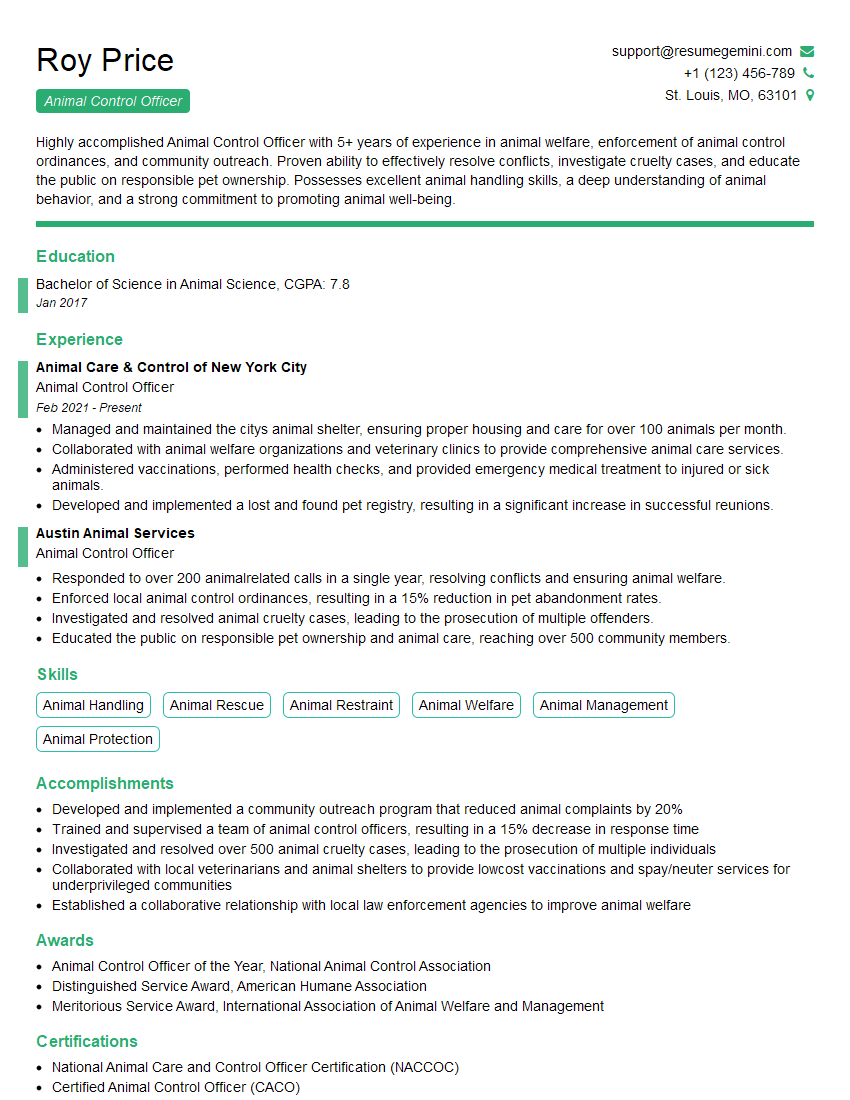
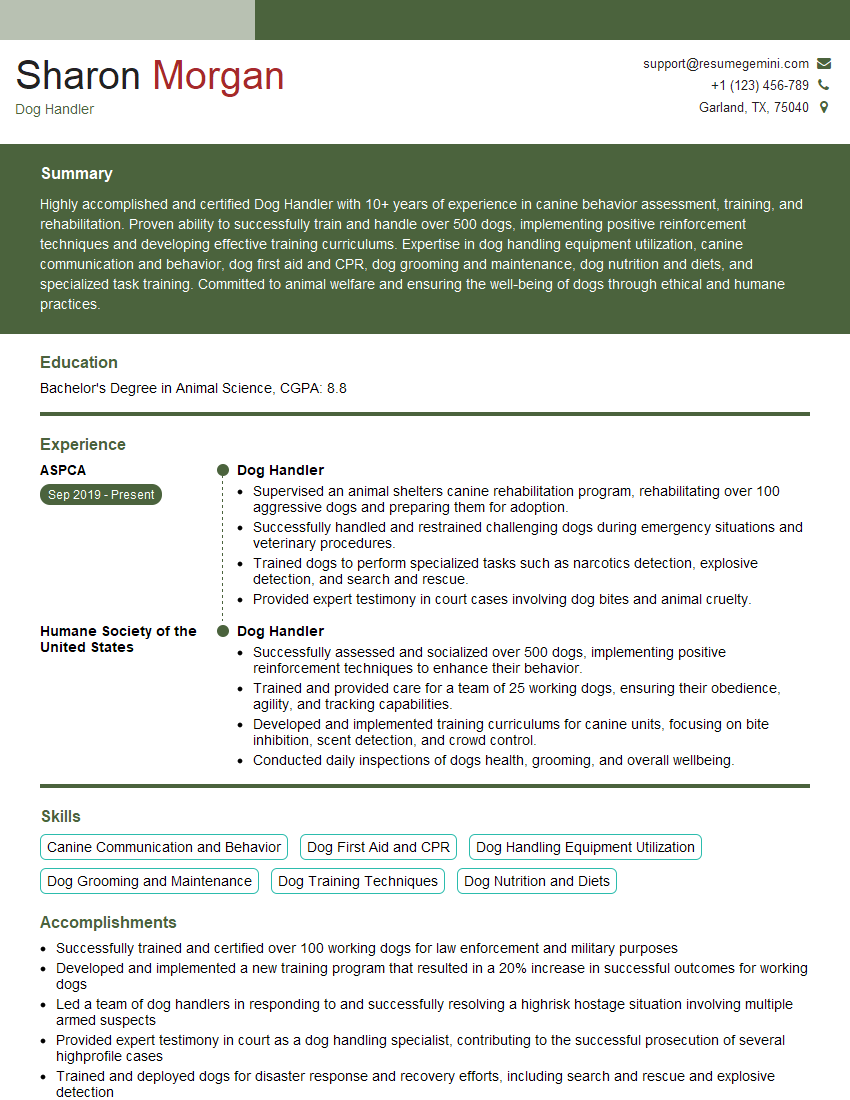
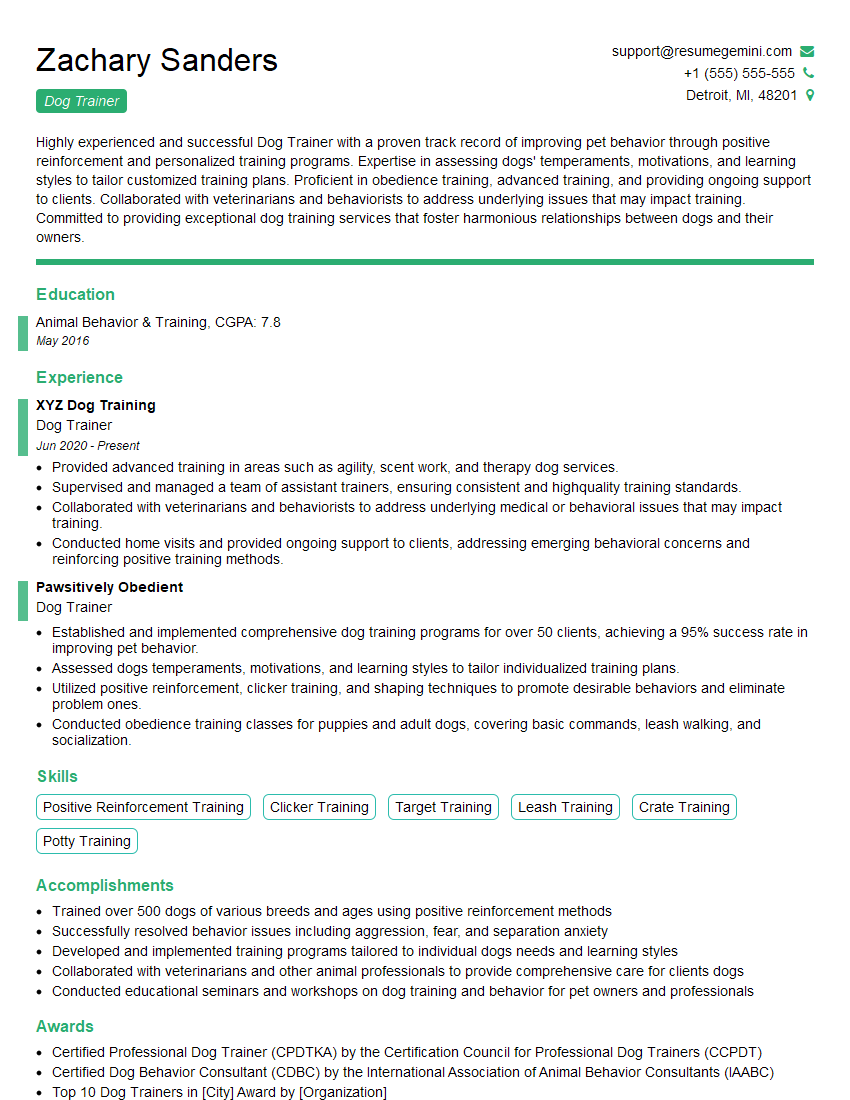
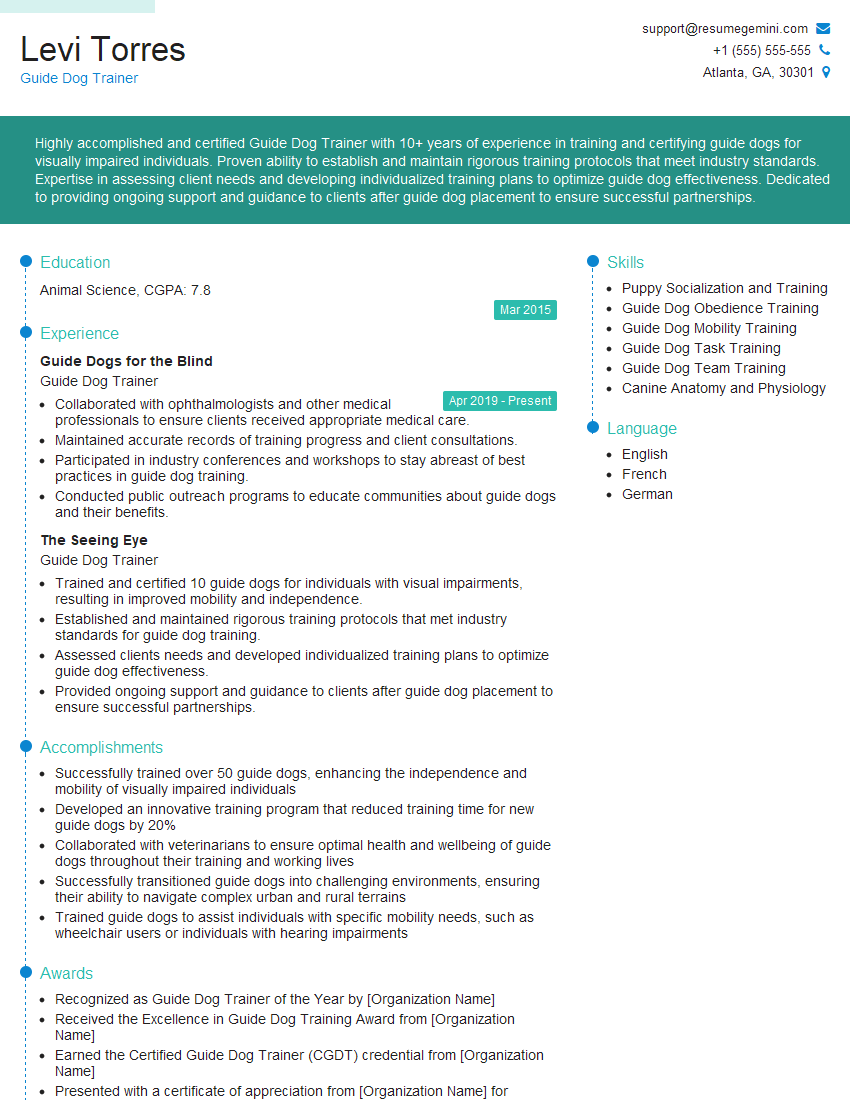
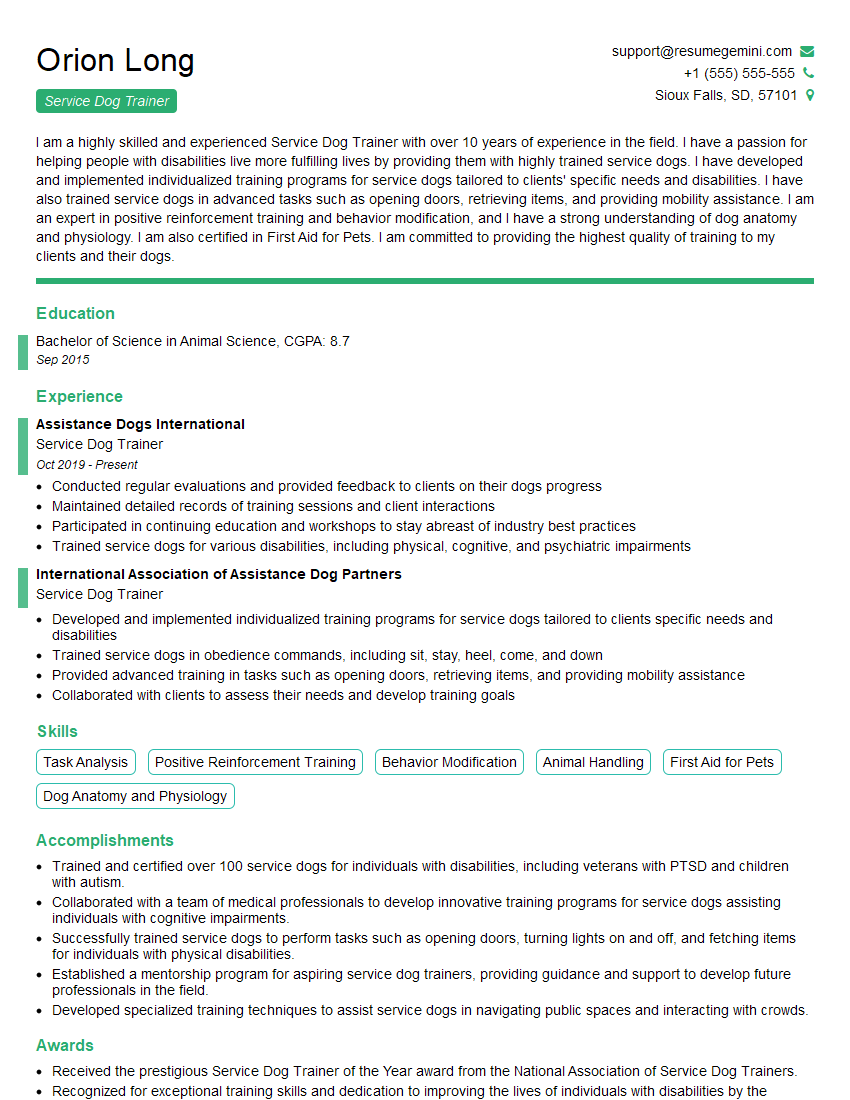
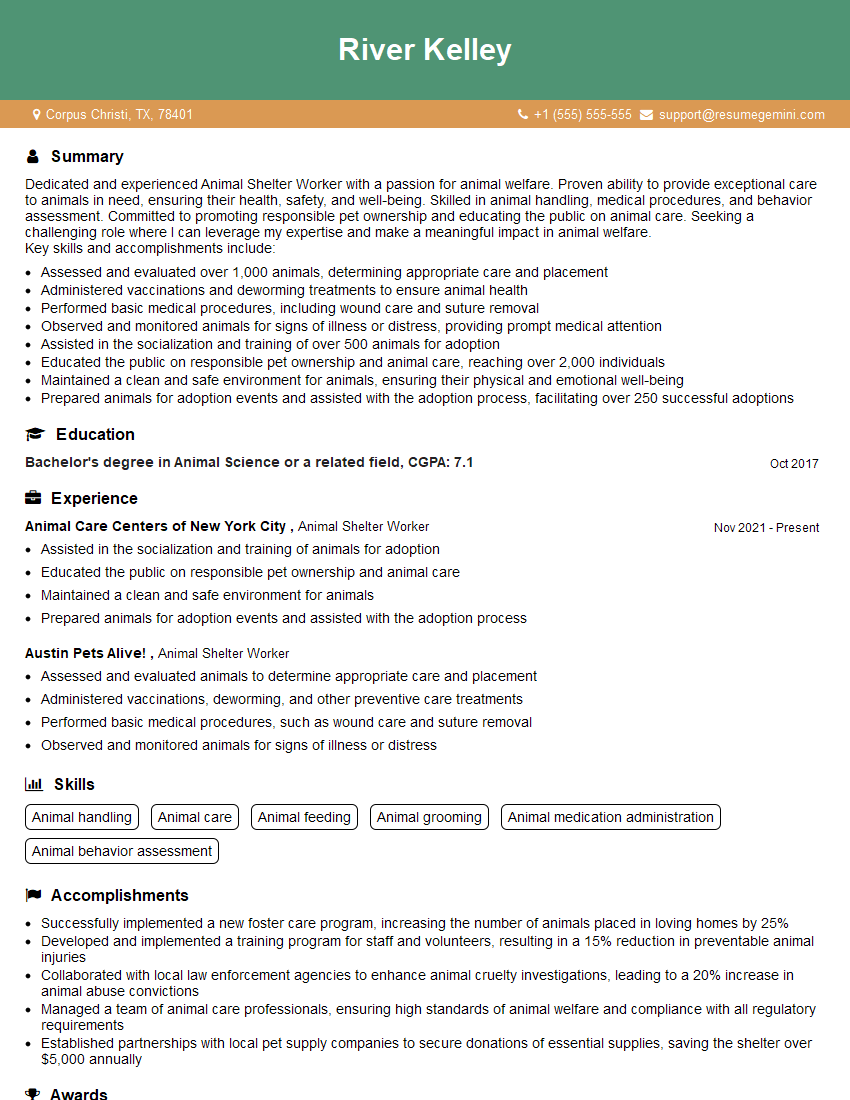
Mastering dog handling and restraint is paramount for career advancement in animal care, veterinary science, and related fields. It demonstrates competence, responsibility, and a commitment to animal welfare – qualities highly sought after by employers. To significantly boost your job prospects, creating a compelling and ATS-friendly resume is essential. ResumeGemini is a trusted resource that can help you craft a professional and impactful resume tailored to highlight your skills and experience. Examples of resumes specifically designed for Dog Handling and Restraint positions are available through ResumeGemini to help guide you.


Explore more articles
Users Rating of Our Blogs
Share Your Experience
We value your feedback! Please rate our content and share your thoughts (optional).
What Readers Say About Our Blog
Very informative content, great job.
good