Feeling uncertain about what to expect in your upcoming interview? We’ve got you covered! This blog highlights the most important Experience using tree cabling and bracing techniques interview questions and provides actionable advice to help you stand out as the ideal candidate. Let’s pave the way for your success.
Questions Asked in Experience using tree cabling and bracing techniques Interview
Q 1. Describe the different types of tree cabling systems.
Tree cabling systems are designed to reinforce weak branch unions or structural flaws within a tree, preventing failure and potential damage. There are primarily two types: dynamic and rigid systems.
- Dynamic Cable Systems: These systems use flexible cables, typically made of galvanized steel or high-strength synthetic materials. They allow for some movement and sway in the tree’s branches, mimicking natural flexibility. Think of them as shock absorbers. They are excellent for mitigating stress from wind and snow loads.
- Rigid Bracing Systems: These employ rigid supports, usually metal rods or bars, to provide strong, inflexible support. They are ideal for situations requiring immediate, robust stabilization, often used for repairing significant structural weaknesses or supporting large, heavy branches.
The choice between dynamic and rigid systems depends heavily on the tree’s species, the severity of the structural defect, and the anticipated stress factors.
Q 2. Explain the purpose of tree bracing and when it’s necessary.
Tree bracing aims to support weak branch unions or structural defects, increasing the tree’s stability and reducing the risk of limb failure. Bracing is necessary when:
- Weak Branch Unions: Branches with narrow crotch angles (less than 45 degrees) are inherently weaker and prone to splitting.
- Decay or Disease: Internal decay or fungal infections can compromise the structural integrity of branches or the main trunk.
- Previous Damage: Past storm damage or improper pruning can leave trees vulnerable.
- High Wind or Snow Loads: In areas prone to severe weather, bracing may be essential to safeguard the tree.
- V-shaped Branches: These often have a significantly weaker structure than U-shaped branches and tend to split apart easily under stress.
Think of bracing as providing external support to compensate for internal weaknesses; it’s like giving the tree a supporting cast for its injured limbs.
Q 3. What are the common materials used for tree cabling and bracing?
The materials used in tree cabling and bracing must be durable, weather-resistant, and strong enough to withstand significant stress. Common materials include:
- Galvanized Steel Cables: These offer high strength and durability, commonly used in dynamic cable systems.
- High-Strength Synthetic Cables: These are lighter than steel, less prone to rust, and often less damaging to the bark. They are becoming increasingly popular.
- Steel Rods or Bars: Used in rigid bracing, offering considerable strength for substantial support.
- Lag Screws or Bolts: These secure the cables or rods to the tree’s branches or trunk. Stainless steel is preferred for longevity.
- Cable Splicing Materials: These are crucial for creating secure connections in dynamic cabling. They must be strong enough to prevent cable failure.
- Tree-friendly padding and wraps: to help protect the bark from damage during installation and minimize friction.
Q 4. How do you assess the structural integrity of a tree before cabling or bracing?
Assessing a tree’s structural integrity before cabling or bracing is crucial. It involves a thorough visual inspection and often includes more advanced methods. The assessment considers:
- Visual Inspection: Look for signs of decay, cracks, splits, broken branches, narrow crotch angles, and other visible structural defects. We carefully check the overall shape, posture and any signs of previous damage.
- Branch Union Angle Assessment: Measure the angle between branches at their union. Angles less than 45 degrees are generally considered weak.
- Bark Condition: Examine the bark for signs of disease, insect infestation, or decay.
- Sounding: Using a specialized tool, we can sometimes detect internal decay or hollows.
- Resistance Tests (Advanced): Specialized equipment can measure the tree’s internal strength and resistance to stress.
- Professional Assessment (When Necessary): For complex cases, involving large, high-value trees or significant structural concerns, a certified arborist might utilize advanced equipment and techniques like sonic tomography or resistograph testing.
A detailed assessment ensures that the cabling or bracing is appropriately designed and installed to effectively address the tree’s specific vulnerabilities.
Q 5. Explain the process of installing a dynamic cable system on a tree.
Installing a dynamic cable system involves several key steps:
- Assessment: Evaluate the tree’s structure and identify the areas needing support. Choose cable locations that minimize bark damage and maximize support effectiveness.
- Material Selection: Select appropriate-sized cable, hardware, and protective materials based on the tree’s size and the stress being mitigated.
- Drilling: Carefully drill pilot holes (if needed) and install lag screws or bolts. Ensure the screws don’t penetrate too deep and cause damage to the heartwood.
- Cable Installation: Attach the cables to the selected points on the tree branches, ensuring a snug fit and minimal bark intrusion. Use cable protectors wherever the cable could rub against the branches or the trunk.
- Tensioning: Carefully tension the cables to the correct amount. Over-tensioning can damage the tree, while under-tensioning reduces effectiveness. A specialized tensioning tool might be needed here.
- Securing: Securely fasten the end of the cables or connectors using appropriate hardware.
- Inspection: Perform a final visual inspection to confirm proper installation and cable functionality.
Remember that precise placement and proper tensioning are critical to the system’s success and the tree’s well-being.
Q 6. Describe the process of installing a rigid brace on a tree.
Installing a rigid brace is generally a more straightforward process than dynamic cabling:
- Assessment: Identify the structural defect needing support and the optimal brace placement.
- Material Selection: Choose appropriately sized rods or bars, hardware, and potentially bracing components like straps or plates.
- Drilling: Drill pilot holes into the designated points on the tree’s branches and/or trunk to install metal braces. The depth and angle of drilling need to be precisely calculated to avoid damaging the wood.
- Brace Installation: Attach the brace securely using appropriate hardware, ensuring a firm and stable connection. Avoid over-tightening.
- Inspection: Conduct a thorough visual inspection for proper installation and stability. Ensure the brace is securely fastened and doesn’t put undue stress on the tree.
For rigid braces, accurate positioning and secure fastening are crucial to their long-term effectiveness. These systems provide significant support but also require careful consideration to minimize stress on the tree. The use of bark protectors and padding is still recommended here to prevent damage from the hardware.
Q 7. What safety precautions are essential when working with tree cabling and bracing equipment?
Safety is paramount when working with tree cabling and bracing equipment. Essential precautions include:
- Proper Training and Certification: Only trained and certified arborists should perform these procedures.
- Personal Protective Equipment (PPE): Always use appropriate PPE, including safety glasses, gloves, hard hats, and appropriate clothing to prevent injuries.
- Tree Risk Assessment: Thoroughly assess the tree for hazards before starting work, including potential for limb drop, insect infestations and decay.
- Secure Work Positions: Use appropriate climbing gear and techniques to ensure a safe and stable work platform.
- Use of Specialized Tools: Use only suitable tools for drilling, tensioning, and securing cables and braces. Ensure all tools are in good working condition.
- Safe Handling of Equipment: Exercise caution when handling heavy equipment or sharp objects, avoiding accidental injury.
- Weather Conditions: Avoid working in inclement weather, especially high winds or rain.
- Emergency Plan: Have a clear emergency plan in place to deal with any unforeseen incidents.
By adhering strictly to safety protocols, we can minimise risks and ensure the safety of both the tree and the workers. Remember, safety is not an option, it’s a non-negotiable requirement.
Q 8. How do you determine the appropriate cable size and placement for a particular tree?
Determining the appropriate cable size and placement for a tree involves a careful assessment of several factors. Think of it like designing a support system for a bridge – you need to know the load and the structural integrity of the components.
- Tree Species and Structure: Different species have different wood strengths and branching patterns. A mature oak requires a much stronger cable than a young willow. We assess the tree’s overall health, including the presence of decay or disease, which can weaken the wood significantly.
- Defect Severity: The size and location of the defect – whether it’s a split, crack, or included bark – dictate the required cable strength and placement. A large, unstable crotch requires a larger, more strategically placed cable than a minor crack.
- Cable Material and Strength: Stainless steel cables are commonly used due to their high tensile strength and corrosion resistance. The required cable diameter is calculated based on the anticipated load, considering factors such as wind load, snow load, and the weight of the branches.
- Anchor Points: Choosing strong, stable anchor points on the tree is crucial. Ideally, we select points where the wood is sound and free from decay. The anchor points must also be capable of withstanding the tension imposed by the cable without causing further damage to the tree.
- Cable Angle and Configuration: The cable angle influences its effectiveness. A too-steep angle can put excessive pressure on the anchor points, while a too-shallow angle might not offer sufficient support. We may use multiple cables arranged strategically for optimal support, similar to the way multiple guy wires support a tall tower.
For example, a large, V-shaped crotch in a mature oak might require two 5/16” diameter stainless steel cables, anchored to sound wood on either side of the crotch, with the cables forming a relatively wide angle to spread the load.
Q 9. What are the signs of a failing cable or brace?
Recognizing signs of failing cables or braces is critical for preventing tree failure. These signs often indicate that the system is no longer providing adequate support and needs attention.
- Cable Stretching or Sagging: Significant stretching indicates the cable is under excessive load or has weakened. Sagging suggests a loss of tension, compromising the system’s effectiveness.
- Corrosion or Rust: Rust on the cable significantly reduces its tensile strength, making it more prone to failure. We regularly inspect cables for rust, especially in humid climates.
- Broken or Damaged Hardware: This includes broken cable clamps, deteriorated eye bolts, or damaged anchor plates. These failures can compromise the entire system.
- Movement or Loosening of Anchor Points: If the anchor points on the tree have moved or loosened, the cable will be less effective at providing support. This often indicates problems with wood decay or initial improper installation.
- Unusual Stress on the Tree: Observe the tree closely. If you notice excessive bending or stress on specific parts of the tree near the cabling system despite favorable weather conditions, this may indicate cable failure.
Imagine a clothesline sagging under the weight of wet laundry; a similar sagging in a tree support cable suggests a problem.
Q 10. How do you inspect and maintain existing tree cabling and bracing systems?
Regular inspection and maintenance are vital for prolonging the life and effectiveness of tree cabling and bracing systems. A thorough inspection should be performed annually, preferably after leaf drop in the fall, or before the heavy winds and rains of the spring.
- Visual Inspection: This involves carefully examining all components of the system, including cables, hardware, and anchor points. Look for signs of corrosion, damage, stretching, or loosening.
- Tension Check: Using a tension gauge, we measure the tension in the cables. This helps to determine whether the cables are still providing sufficient support. If the tension is too low, the cables may need to be retightened or replaced.
- Wood Health Assessment: We re-assess the health of the surrounding wood at the anchor points. Look for signs of decay, disease, or insect infestation which could compromise the anchors.
- Cleaning and Lubrication: Removing debris and lubricating moving parts can prevent premature wear and tear.
- Repair or Replacement: If any damage or deterioration is found, we immediately carry out necessary repairs or replacements. Replacing rusty or corroded cables is crucial.
Think of it like regular maintenance on your car – routine checks and timely repairs prevent major problems down the line.
Q 11. Explain the difference between preventative and remedial cabling/bracing.
Preventative and remedial cabling and bracing serve different purposes and are applied in different circumstances.
- Preventative Cabling/Bracing: This is performed on trees that show signs of potential structural weakness *before* a failure occurs. This is proactive and aims to prevent future problems. For example, we might cable a young tree with a weak crotch to prevent future splitting.
- Remedial Cabling/Bracing: This is done after a tree has suffered damage, such as a broken branch or a significant split. The goal is to stabilize the tree and prevent further damage. For example, a tree with a large limb broken off might need remedial cabling to support the remaining structure.
The key difference is timing: preventative is done before failure, remedial is done after.
Q 12. What are the limitations of tree cabling and bracing?
While tree cabling and bracing are valuable techniques, they have limitations.
- Not a Permanent Solution: Cables and braces will eventually degrade over time, even with proper maintenance. They are not a permanent fix but extend the life and structural integrity of the tree.
- Cannot Address All Problems: Cabling and bracing are ineffective for trees with severe internal decay or structural issues that are beyond repair. Extensive decay requires more drastic measures such as pruning or removal.
- Potential for Damage: Improper installation or inadequate maintenance can lead to additional damage to the tree. A poorly placed cable can girdle the tree or damage the bark.
- Aesthetics: Some find the presence of cables visually unappealing, particularly in landscaped settings. The placement and design need to strike a balance between functionality and appearance.
- Cost and Skill: Proper installation requires specialized skills and equipment, making it more expensive than other tree management techniques.
Imagine trying to hold up a collapsing building with only ropes – it might help temporarily, but it’s not a long-term solution.
Q 13. How do you choose the appropriate technique for cabling or bracing a particular tree species?
Choosing the appropriate cabling or bracing technique depends on several factors, including the tree species, defect type, and overall tree structure.
- Species-Specific Considerations: Some species are naturally more prone to certain defects. For example, certain types of elm trees are susceptible to crotch failures, while other species are more prone to wind damage. The choice of cable type and placement strategy is tailored accordingly.
- Defect Type: Different defects necessitate different approaches. A large, single split requires different support than a series of small cracks. Different cabling patterns and brace configurations will be required.
- Wood Strength and Density: The strength and density of the tree’s wood affect the ability of the anchor points to hold the cables. Hardwoods tend to be more suitable anchor points than softwoods.
- Branch Angle: The acute angle of a branch-to-trunk junction increases the stress on the area and demands stronger support and strategic cabling to reduce the potential for failure.
- Tree Size and Age: Mature, larger trees will need stronger cables and anchors compared to smaller, younger trees.
Think of it like tailoring a suit – a custom-made suit fits better and is more effective than an off-the-rack one. Similarly, custom-designed cabling ensures optimal protection.
Q 14. Describe different types of tree defects that may necessitate cabling or bracing.
Many tree defects can necessitate cabling or bracing. These defects weaken the tree’s structure, making it susceptible to failure.
- Crotch Failures: Weak or poorly formed crotches (where branches join the trunk) are common areas of failure, particularly in V-shaped crotches. These necessitate cabling to spread the load and prevent splitting.
- Splits and Cracks: These can range from minor cracks to large, extensive splits, either in the trunk or branches. The severity of the split dictates the type of support needed.
- Decay: Internal decay weakens the tree’s structure, making it more vulnerable to failure. Cabling and bracing may still be beneficial, but the decayed wood may also necessitate targeted removal.
- Included Bark: This refers to bark that’s grown between branches, which can create weak points. Cabling can help mitigate this weakness.
- Codominant Leaders: Two or more competing leaders can cause structural weakness due to competition for resources. Often, this requires cabling or removal of one or more leaders.
- Weak Branch Attachments: Branches with weak attachment points to the trunk are prone to breaking. Cables are effective in reducing the stress at these weak points.
Imagine a building with a cracked foundation – cabling and bracing act as a temporary support structure until more extensive repairs can be made.
Q 15. What are the common failure points in tree cabling systems?
Common failure points in tree cabling systems often stem from improper installation, material degradation, or unforeseen environmental factors. Let’s break it down:
- Hardware Failure: This includes things like cable breakage due to corrosion (especially with cheaper galvanized steel), improperly tightened connections leading to slippage or failure, and anchor points pulling out of the wood due to inadequate depth or poor wood quality. I’ve seen instances where using too small a diameter cable for the load resulted in snapping.
- Cable Sag and Stress Concentration: Improper installation, leading to excessive sag, creates high stress points where the cable meets the tree and the attachment points. This is exacerbated by environmental factors like ice or heavy snow loads. Think of it like a tightly stretched rubber band – the points where you’re holding it experience the most stress.
- Tree Growth and Movement: Trees are dynamic organisms. Branch growth and natural movement can place additional stress on the cabling system over time. This is why regular inspections are crucial. I once had a case where rapid growth of a branch placed enough pressure on a system, leading to cable failure.
- Environmental Factors: Sun exposure, extreme temperature fluctuations, and moisture can all accelerate the degradation of cabling materials, reducing their strength and lifespan. UV degradation is particularly insidious.
Understanding these failure points guides me towards using high-quality materials, employing robust installation techniques, and emphasizing regular inspections to ensure long-term system integrity.
Career Expert Tips:
- Ace those interviews! Prepare effectively by reviewing the Top 50 Most Common Interview Questions on ResumeGemini.
- Navigate your job search with confidence! Explore a wide range of Career Tips on ResumeGemini. Learn about common challenges and recommendations to overcome them.
- Craft the perfect resume! Master the Art of Resume Writing with ResumeGemini’s guide. Showcase your unique qualifications and achievements effectively.
- Don’t miss out on holiday savings! Build your dream resume with ResumeGemini’s ATS optimized templates.
Q 16. How do you handle unexpected challenges during cabling or bracing installation?
Unexpected challenges during cabling or bracing installation are common. My approach involves a combination of pre-planning, on-the-spot problem-solving, and a willingness to adapt. For example, I might encounter unexpected root systems during ground anchor installation, or discover decay within a seemingly healthy branch. Here’s how I typically handle these:
- Thorough Assessment: Before commencing any work, I conduct a comprehensive assessment, using tools like a resistograph to assess wood quality. This helps anticipate potential issues.
- Adaptability and Alternative Solutions: If I encounter unforeseen issues, I utilize my experience and knowledge to find alternative solutions. For example, if a planned anchor point proves unsuitable, I might adjust the cabling configuration, use different hardware, or even choose a completely different bracing method.
- Communication: Open communication with the client is key. I explain the issue, the proposed solution, and its impact on the timeline and cost. Transparency is essential for maintaining trust.
- Safety First: If a situation compromises safety, I immediately halt the work and reassess. Safety always comes first.
Recently, I encountered unexpectedly unstable soil during an anchor installation. Instead of forcing the anchor, we opted for a modified design using additional guy wires and adjusted the anchoring points to a more stable area. The extra work paid off; the system is secure and functions as intended.
Q 17. How do you assess the risk associated with a particular tree before cabling or bracing?
Risk assessment is paramount before initiating any cabling or bracing work. It’s a multi-faceted process involving:
- Visual Inspection: A thorough visual inspection identifies obvious signs of decay, disease, structural weakness, and the overall condition of the tree and its surrounding environment.
- Tree Species and Growth Habits: Different species have inherent strengths and weaknesses, influencing their susceptibility to failure. For instance, some species are more prone to breakage than others.
- Environmental Factors: Exposure to wind, snow, ice, and other environmental stresses all increase risk. The presence of nearby structures or power lines must also be considered.
- Structural Analysis: This could involve using specialized tools such as a resistograph to assess wood density and decay within branches. It provides a far more accurate picture than a simple visual inspection.
- Load Calculations: Estimating the weight of the branch(es) to be supported is vital to ensure the cabling system can withstand it. I also factor in additional loads due to environmental factors, like wind and snow.
I use a combination of these techniques to build a comprehensive risk profile. This informs my choice of cabling materials, installation methods, and the overall strategy for protecting the tree.
Q 18. How do you communicate with the client regarding the need for and the process of cabling or bracing?
Communicating effectively with the client is crucial. It involves a clear, concise explanation of the need for cabling or bracing and the process involved. My approach includes:
- Initial Consultation: I start with a thorough on-site assessment and explain my findings in plain language, avoiding technical jargon as much as possible. I provide visual aids like photographs and diagrams to help them understand the tree’s condition and the proposed solutions.
- Detailed Proposal: This outlines the proposed work, including the type of cabling, hardware, and methods used, as well as cost and timeline estimates.
- Ongoing Communication: I keep the client updated throughout the project, answering their questions and addressing any concerns.
- Post-Installation Inspection: After completion, I conduct a final inspection and provide a report that documents the installation, including any important notes regarding maintenance or future inspections.
By ensuring that clients understand both the problem and the solution, I can gain their trust and ensure their satisfaction. I often find a simple drawing showing the planned cabling placement is more effective than a lengthy explanation.
Q 19. What are the legal and regulatory considerations related to tree cabling and bracing?
Legal and regulatory considerations for tree cabling and bracing vary depending on location. However, some common aspects include:
- Permits and Licenses: In many jurisdictions, permits or licenses are required to work on trees, especially those near power lines or public spaces. Failure to obtain necessary permits can lead to penalties.
- Liability and Insurance: Adequate liability insurance is essential to protect both the arborist and the client in case of accidents or damage. This is a non-negotiable aspect of my work.
- Safety Regulations: Adherence to all relevant Occupational Safety and Health Administration (OSHA) or equivalent safety regulations is mandatory. This includes the use of appropriate personal protective equipment (PPE) and safe working practices.
- Environmental Regulations: Regulations concerning the protection of trees and the environment must be observed. This can include rules about tree removal and disposal, and the selection of environmentally friendly materials.
Before undertaking any project, I always research and comply with all applicable local, regional, and national regulations to ensure legal compliance and minimize risk.
Q 20. Describe your experience using different types of cabling hardware.
My experience encompasses a range of cabling hardware, each with its strengths and weaknesses. I’ve used:
- Steel Cables: Galvanized steel cables are widely used for their strength and durability, but they are susceptible to corrosion, requiring regular inspections. I prefer higher grade stainless steel for enhanced longevity in challenging environments.
- Dyneema® or similar Synthetic Cables: These offer high strength-to-weight ratios and are less prone to corrosion than steel. However, they can be damaged by UV exposure and require careful handling to prevent abrasion.
- Anchors: I use a variety of anchors depending on the tree species, soil conditions, and load requirements. These include eye bolts, lag screws, and specialized ground anchors. The choice depends significantly on the tree and soil conditions.
- Hardware: High-quality hardware, such as shackles, turnbuckles, and cable clamps, is crucial. I only utilize high-grade materials resistant to corrosion and designed for the specific loads involved. I steer clear of anything that looks questionable.
My selection of cabling hardware is always tailored to the specific needs of the project, considering factors like longevity, cost, and suitability for the tree species and surrounding environment.
Q 21. How do you ensure the longevity of your cabling and bracing installations?
Ensuring longevity requires a multi-pronged approach:
- High-Quality Materials: Using corrosion-resistant materials, such as stainless steel cables and hardware, is essential. I avoid cheap alternatives that might compromise the system’s lifespan.
- Proper Installation: Correct installation techniques are crucial to prevent stress points and premature failure. This includes ensuring proper tension, secure attachments, and protection from abrasion.
- Regular Inspections: I recommend periodic inspections (at least annually, more often in harsh climates) to check for signs of wear, corrosion, damage, or changes in the tree’s structure that might affect the cabling system.
- Maintenance: This could involve cleaning, lubricating, and tightening components as needed to maintain their effectiveness and prevent failures. Minor adjustments can prevent major problems down the line.
- Documentation: I maintain detailed records of each installation, including materials used, installation date, and inspection schedules. This is critical for both accountability and future maintenance.
By combining these practices, I strive to create cabling and bracing systems that can withstand the test of time and provide long-term protection for the trees.
Q 22. Explain the role of proper pruning in conjunction with cabling and bracing.
Proper pruning is crucial before and after cabling and bracing, acting as preventative and restorative maintenance. Think of it like this: cabling and bracing are the supports, but pruning prepares the tree to receive those supports effectively and ensures long-term health.
Before Cabling/Bracing: Pruning removes competing branches or weak, damaged wood that could interfere with the installation or reduce the effectiveness of the support system. This also reduces the load on the remaining structure making the cables and braces more effective. For instance, removing crossing branches reduces rubbing and potential damage to the bark, which is a common problem that can weaken a tree’s structure over time.
After Cabling/Bracing: Post-installation pruning helps to maintain the tree’s natural shape and balance, ensuring the cables and braces remain effective. It also removes any branches that might have been damaged during the installation process and keeps branches from growing into cables.
In short, proper pruning maximizes the longevity and effectiveness of cabling and bracing, resulting in a healthier and more structurally sound tree.
Q 23. How do you document your cabling and bracing work?
Thorough documentation is paramount for liability and future maintenance. My documentation includes:
Detailed Sketches/Photographs: Showing the location of each cable and brace, including angles, attachment points, and the type of hardware used. Think of it as creating a ‘before and after’ visual record.
Species and Dimensions: Recording the tree species, diameter at breast height (DBH), and overall height provides vital information for assessing the tree’s condition.
Materials Used: Specifying the type and gauge of cables, type of brace, and any additional hardware used (e.g., cable grips, thimbles, bolts).
Date of Installation: Important for scheduling follow-up inspections and preventative maintenance.
Client Information: Including contact details and property address ensures easy reference and communication.
This comprehensive documentation allows for easy reference for future inspections, maintenance, and provides a clear record of my work, protecting both the client and myself.
Q 24. How do you deal with difficult or inaccessible trees requiring cabling or bracing?
Accessing difficult trees requires specialized techniques and equipment. Safety is always my primary concern.
Advanced Climbing Techniques: Utilizing specialized climbing gear, ropes, and ascenders to safely access the canopy.
Aerial Lifts/Crane Assistance: For very tall or inaccessible trees, I may utilize aerial lifts or cranes to reach the necessary positions. This is often coordinated with other arborists for safety and efficiency.
Specialized Tools: Employing lightweight but strong tools and cabling equipment for maneuverability in tight spaces.
Ground-Based Techniques: In some cases, it’s possible to install bracing from the ground using specialized throwing lines and techniques, but this isn’t always feasible.
Each situation requires careful assessment to determine the safest and most effective approach. Safety briefings and risk assessments are conducted before any work begins on challenging projects.
Q 25. What are some common mistakes to avoid during tree cabling and bracing?
Avoiding these common mistakes is critical to ensuring the longevity and safety of the cabling and bracing system:
Improper Cable Tension: Over-tightening can damage the tree, while under-tightening renders the system ineffective. Proper tensioning tools and techniques are essential.
Incorrect Attachment Points: Attaching cables or braces to weak or decaying wood compromises the entire system. Proper assessment of the tree’s structure is crucial.
Ignoring Bark Inclusion: Cables should never be installed in a way that damages the tree’s bark. This can lead to tree damage and compromise the integrity of the cabling system.
Using inappropriate materials: Using unsuitable materials for the tree’s size, species or environmental conditions will lead to premature failure of the system.
Lack of Proper Pruning: Failing to prune competing branches or deadwood before cabling can weaken the structure and hinder the effectiveness of the supports.
Careful planning, proper training, and attention to detail are key to avoiding these common pitfalls.
Q 26. How do you handle complaints or issues related to your cabling or bracing work?
Addressing client concerns promptly and professionally is crucial. My approach involves:
Immediate Response: Acknowledging the complaint and scheduling a site visit as soon as possible.
Thorough Inspection: Carefully examining the situation to determine the cause of the issue. I’ll often review my initial documentation.
Honest Assessment: Providing a clear and concise explanation of the findings, whether it’s a result of normal wear and tear, unforeseen circumstances, or a genuine issue with my work.
Collaborative Solution: Working with the client to develop a mutually agreeable solution, which may involve repair, replacement, or further maintenance.
Documentation of Resolution: Keeping a record of the complaint, my assessment, and the steps taken to resolve the issue.
Open communication and a commitment to resolving issues fairly and efficiently build trust with clients and maintain a positive reputation.
Q 27. Describe a challenging tree cabling or bracing project you have completed and the solutions you implemented.
One particularly challenging project involved a massive, ancient oak with a significant split in its main trunk. The split was extensive, and the tree was located on a steep slope near a house.
The solution involved a multi-pronged approach: First, we carefully assessed the structural integrity of the tree. Then, we implemented a combination of strong, flexible cabling to hold the split together, and strategically placed braces to reinforce the weak areas.
Because of the slope and proximity to the house, we utilized specialized rigging techniques to ensure safety and precision during installation. We also added a root flare support system to provide additional stability to the base of the tree. The project required several days of meticulous work and a coordinated team, but the final result successfully stabilized the tree and mitigated the risk of failure.
Q 28. What are your ongoing professional development plans in the area of tree cabling and bracing?
My ongoing professional development focuses on staying up-to-date with the latest techniques, equipment, and safety standards in tree cabling and bracing.
Continuing Education Courses: Attending workshops and seminars offered by reputable organizations such as the International Society of Arboriculture (ISA).
Industry Publications: Regularly reading industry journals and publications to remain informed about new research, best practices, and emerging technologies.
Networking with Colleagues: Participating in professional organizations and networking events to share knowledge and learn from experienced arborists.
Hands-on Experience: Actively seeking opportunities to work on diverse and challenging projects to enhance my skills and broaden my experience.
Continuous learning is essential in this field to ensure I can provide the highest level of service and maintain my expertise.
Key Topics to Learn for Experience using Tree Cabling and Bracing Techniques Interview
- Tree Anatomy and Physiology: Understanding wood strength, growth patterns, and potential weaknesses is crucial for effective cabling and bracing.
- Cable Selection and Installation: Learn about different cable types (e.g., steel, synthetic), appropriate tensioning techniques, and safe installation practices. This includes understanding the limitations of different materials and their applications in various tree species and conditions.
- Bracing Systems and Design: Explore various bracing methods (e.g., rigid, flexible), their applications, and how to select the most appropriate system for a given tree and situation. Consider factors like tree size, species, and potential hazards.
- Risk Assessment and Safety Procedures: Mastering safe work practices, including proper use of personal protective equipment (PPE), is paramount. Understand how to identify and mitigate potential hazards during cabling and bracing operations.
- Maintenance and Inspection: Learn how to inspect existing cabling and bracing systems for damage or deterioration. Understanding the lifespan of various materials and methods is critical for long-term tree health.
- Practical Applications: Be prepared to discuss specific case studies where you’ve applied your expertise in tree cabling and bracing to address structural weaknesses or prevent damage. Detail the challenges encountered and the solutions implemented.
- Problem-Solving and Decision-Making: Showcase your ability to analyze tree conditions, select appropriate techniques, and solve complex problems related to tree support and stability.
- Relevant Regulations and Standards: Familiarize yourself with industry best practices, safety regulations, and any relevant standards related to arboriculture and tree care.
Next Steps
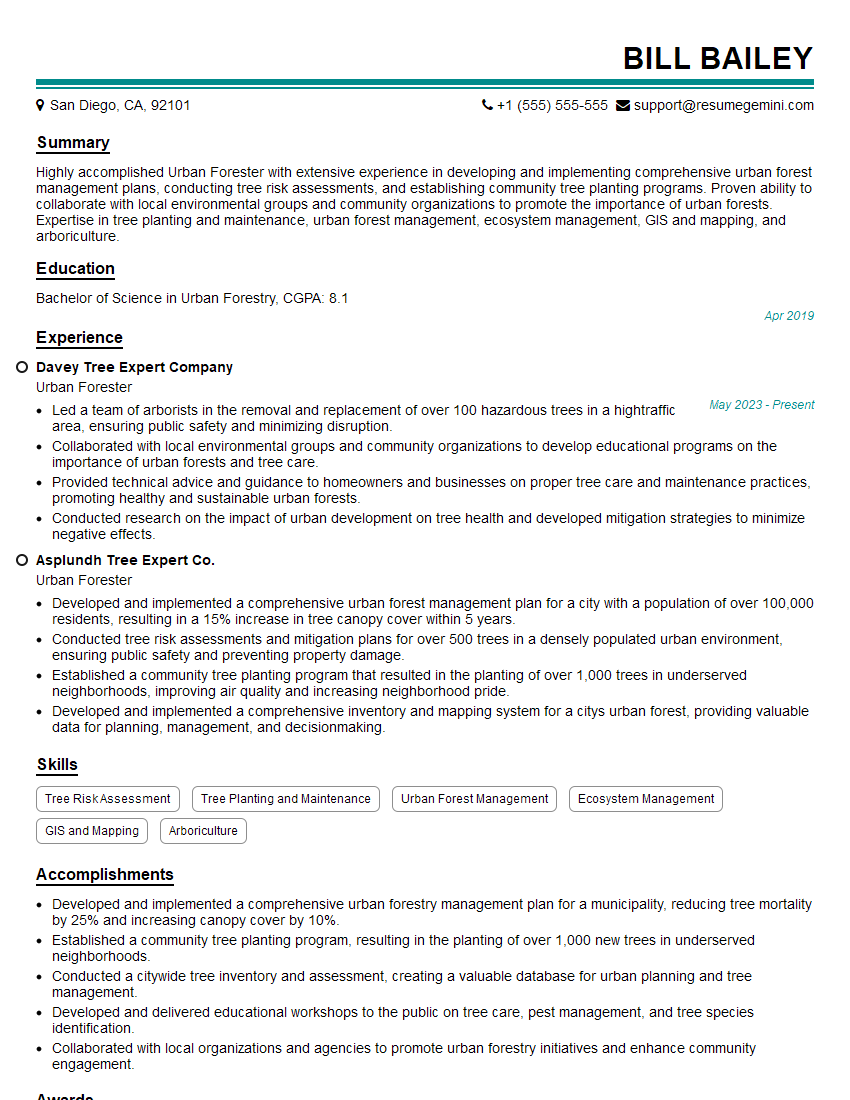
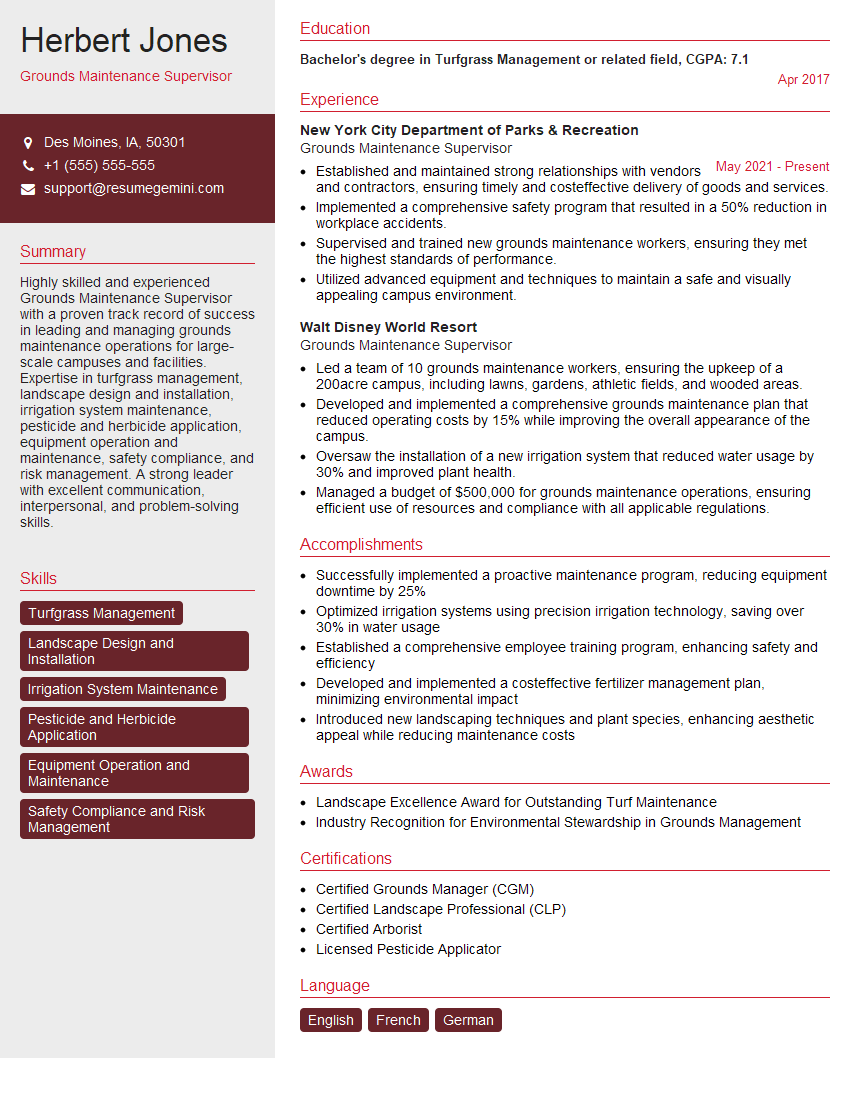
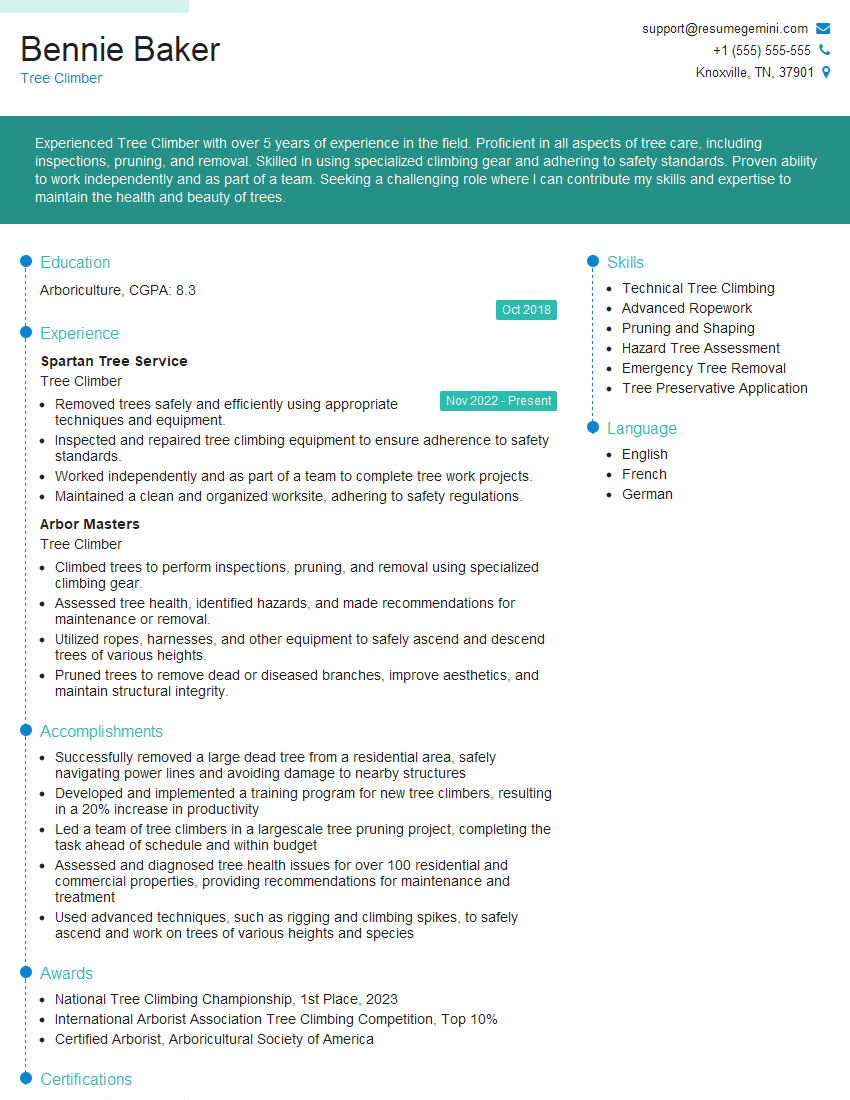
Mastering tree cabling and bracing techniques significantly enhances your career prospects in arboriculture and related fields. It demonstrates a high level of skill, attention to detail, and commitment to tree health and safety. To stand out in the job market, it’s crucial to present your expertise effectively. Creating an ATS-friendly resume is essential for maximizing your chances of landing interviews. ResumeGemini is a trusted resource for building professional, impactful resumes that highlight your skills and experience. We provide examples of resumes tailored specifically to highlight experience in tree cabling and bracing techniques to help you build a compelling application.

Explore more articles
Users Rating of Our Blogs
Share Your Experience
We value your feedback! Please rate our content and share your thoughts (optional).
What Readers Say About Our Blog
Very informative content, great job.
good