Interviews are opportunities to demonstrate your expertise, and this guide is here to help you shine. Explore the essential Preparing Mail for Outgoing Delivery interview questions that employers frequently ask, paired with strategies for crafting responses that set you apart from the competition.
Questions Asked in Preparing Mail for Outgoing Delivery Interview
Q 1. Explain the process of preparing a letter for outgoing mail.
Preparing a letter for outgoing mail is a straightforward yet crucial process ensuring its timely and accurate delivery. It involves several key steps, starting with verifying the recipient’s complete and correct address – including apartment numbers, building names, and accurate postal codes. Next, the letter itself should be neatly folded and placed in an appropriate envelope. Ensure the envelope is sturdy enough to prevent damage during transit. The return address should be clearly written or printed on the back flap. Finally, affix the correct postage, based on the letter’s weight and destination.
Example: Imagine sending a thank you note. Before placing it in the envelope, double-check the recipient’s address against their contact information. A slightly crumpled envelope might seem insignificant, but it can reflect poorly on the sender and potentially delay delivery.
Q 2. Describe your experience with different mail classes (e.g., First-Class Mail, Priority Mail).
My experience encompasses a wide range of mail classes, each with its own unique characteristics and delivery timelines. First-Class Mail is the most common, ideal for letters, postcards, and small envelopes. I’ve utilized it extensively for correspondence requiring standard delivery speeds. Priority Mail offers faster delivery, often within 1-3 business days, and is suitable for documents or packages requiring quicker transit. I’ve used this for time-sensitive materials like legal documents or important business proposals. I’m also familiar with other classes such as Express Mail, Certified Mail (offering proof of delivery), and Package Services, choosing the appropriate class depending on the item’s urgency, size, and value.
Example: When sending a crucial contract, I’d opt for Priority Mail or even Express Mail for guaranteed swift delivery and peace of mind. For less urgent communications, First-Class Mail is a cost-effective solution.
Q 3. How do you ensure mail is properly addressed and stamped?
Accurate addressing and proper stamping are fundamental for successful mail delivery. I ensure the recipient’s address is legible, complete, and in the correct format, consistently following USPS guidelines. I use clear, bold lettering or a high-quality printer to avoid any ambiguity. Similarly, the postage must be correct; I utilize a postage scale to accurately weigh the mail and determine the required postage, employing either stamps or postage meters for precise application. I also verify that the postage is securely affixed to prevent detachment during handling.
Example: Using a return address label prevents delays and increases the chance of the mail being returned if undeliverable. Similarly, using a postage meter ensures accurate postage, preventing delays from insufficient postage.
Q 4. What are the steps you take to prepare a package for shipment?
Preparing a package for shipment requires a more systematic approach than a letter. The process begins with securely packing the item using appropriate packaging material—boxes, bubble wrap, packing peanuts—to protect it during transit. Fragile items necessitate extra cushioning. Next, I clearly label the package with the sender’s and recipient’s addresses, ensuring legibility and compliance with carrier requirements. The package weight and dimensions are determined, and the correct shipping label, including postage, is affixed. Finally, I note the tracking number for monitoring the shipment’s progress. For valuable items, insurance is considered to mitigate loss or damage.
Example: Sending a delicate piece of art requires a sturdy box, abundant bubble wrap, and potentially additional protective layers before sealing the box tightly. Choosing the right size box minimizes the risk of the contents shifting during transport.
Q 5. How do you handle oversized or irregularly shaped mail?
Handling oversized or irregularly shaped mail requires careful consideration of packaging and shipping methods. For items exceeding standard size or weight limits, specialized packaging might be needed, such as large boxes or tubes. The items may require extra reinforcement to prevent damage during transit. In addition to using appropriate packaging, I also inform the shipping carrier beforehand about the package’s non-standard dimensions to determine the appropriate shipping fees and ensure they handle it properly. Special handling instructions may be necessary, particularly for fragile or easily damaged items.
Example: Sending a long, thin poster tube requires a sturdy cardboard tube with end caps. A large, oddly shaped sculpture might require custom crating to ensure it arrives undamaged.
Q 6. What methods do you use to sort and organize outgoing mail?
Sorting and organizing outgoing mail significantly streamlines the mailing process and minimizes the risk of misdirected mail. I typically sort mail by mail class (First-Class, Priority, etc.), then by zip code, further subdivided by street address if volume warrants. This organized approach helps in efficient batching for postage application and carrier drop-off. Using labels and color-coding can further enhance organization, especially in high-volume mail scenarios.
Example: A large office might categorize mail by department and then by individual recipient within each department. This ensures that mail is efficiently processed and delivered.
Q 7. How do you prioritize mail for timely delivery?
Prioritizing mail for timely delivery depends on the urgency of each item. Time-sensitive items, such as overnight deliveries or those with critical deadlines, receive immediate attention. I use color-coded labels or separate bins to visually identify these items. I ensure these items are processed and dispatched first to meet the respective deadlines. For less urgent items, I follow a systematic approach, based on the established sorting methods described previously. Utilizing tracking information helps monitor the progress and address potential delays proactively.
Example: An urgent legal document would be marked immediately and sent via Express Mail, taking priority over routine correspondence going out via standard mail.
Q 8. Explain your experience with using postage meters or online postage systems.
My experience with postage meters and online postage systems is extensive. I’ve used various models, from standalone postage meters like Pitney Bowes and FP Mailing Systems to integrated online platforms such as Stamps.com and Endicia. Each system offers unique features, but the core functionality remains the same: generating postage, printing labels, and tracking shipments. For example, with a Pitney Bowes meter, I’m proficient in managing the meter’s account, replenishing postage, and troubleshooting any print or meter malfunctions. Online systems provide additional benefits like automated address verification and discounted postage rates, especially beneficial for high-volume mailings. In one instance, I managed the transition from a manual postage system to Stamps.com for a company, resulting in a 15% reduction in postage costs and significantly improved efficiency.
I find online systems particularly useful for generating customized shipping labels with tracking numbers, which are crucial for maintaining accountability and visibility over the delivery process. The ability to schedule postage purchases and automatically update the postage account is also very efficient, particularly for recurring mailings.
Q 9. How do you track outgoing mail and ensure delivery confirmation?
Tracking outgoing mail and ensuring delivery confirmation is paramount for efficient mail management and customer satisfaction. I utilize various methods depending on the mailing type and required level of tracking. For standard mail, a simple tracking number provided through the postage system is sufficient. However, for crucial documents or packages, certified mail, return receipt requested, or signature confirmation is essential. Many online postage systems offer these options which provide proof of delivery. The tracking information is meticulously recorded, either manually in a spreadsheet or digitally within a mail management software, creating an audit trail. This system allows for quick identification of packages that may require further investigation if there are delivery issues. For example, if a delivery is not confirmed, I can initiate an inquiry with the postal service to understand the reason for the delay or non-delivery.
Q 10. How do you handle confidential or sensitive mail?
Handling confidential or sensitive mail requires stringent procedures to maintain privacy and comply with relevant regulations. This involves using secure envelopes or packaging with tamper-evident seals, utilizing registered mail services, or employing courier services specializing in secure deliveries. In addition, access to sensitive mail is strictly limited to authorized personnel only, and all documents are appropriately shredded after they are no longer needed. For instance, I’ve personally handled the secure mailing of sensitive financial documents, following strict protocols that include tracking information, chain of custody records, and confirmation of receipt. We strictly adhered to company policy regarding data privacy and security regulations throughout this process.
Q 11. Describe your experience with various mailing equipment (e.g., scales, postage meters).
My experience encompasses various mailing equipment, including digital scales for accurate weight measurement (essential for calculating postage costs), postage meters for generating and applying postage, and various types of label printers for producing clear and readable shipping labels. I’m familiar with operating and troubleshooting different models of these devices. For instance, I am adept at calibrating a digital scale to ensure accurate measurements, which helps avoid insufficient postage charges and delays. Similarly, I’m able to recognize and resolve common printer errors – like paper jams or connectivity issues – ensuring mail processing stays on schedule. Maintaining these equipment requires regular cleaning and preventative maintenance to ensure accuracy and functionality.
Q 12. How do you handle returned mail?
Returned mail requires careful examination to determine the reason for return. Common reasons include incorrect addresses, insufficient postage, or refusal of delivery. The process involves checking the reason for return indicated on the mail piece, updating records accordingly, and correcting the address, if possible, for re-mailing. If the reason for the return is not immediately apparent, the sender needs to be informed, allowing them to determine the next course of action, which could include resending the mail, amending the recipient’s information, or disposing of the item appropriately. Detailed records are maintained for returned mail, including the date of return, reason for return, and any actions taken. This information is used for data analysis to identify trends and improve mailing accuracy in the future.
Q 13. What is your process for dealing with insufficient postage?
Insufficient postage is a common issue. When this happens, the mail is returned to the sender. In such scenarios, I review the mail piece to determine if a simple correction – adding the necessary postage – is possible. If so, I will add the correct postage and re-mail the piece immediately. However, if it’s a complex problem or the delay would be unacceptable, I’ll contact the recipient to inform them of the issue and seek their guidance on how to proceed. If it’s beyond my control to rectify the situation, the original sender is always notified so they can address the problem.
Q 14. How do you maintain accurate records of outgoing mail?
Maintaining accurate records of outgoing mail is crucial for accountability and auditing purposes. This involves using a combination of methods depending on the volume and complexity of the mail. For smaller volumes, a simple spreadsheet can suffice, while larger operations might necessitate dedicated mail management software. The records typically include date, recipient, address, postage cost, tracking number (if applicable), and delivery confirmation details. These records are crucial for generating reports on mailing expenses, tracking delivery times, and identifying areas for improvement in mailing efficiency and accuracy. This rigorous record-keeping system ensures clear traceability of all mail pieces, assisting with efficient data analysis and improving our operational processes.
Q 15. Describe your experience with different delivery services (e.g., USPS, FedEx, UPS).
My experience spans several years working with various delivery services, including USPS, FedEx, and UPS. Each carrier has its own nuances in terms of packaging requirements, shipping costs, and delivery speeds. For example, USPS is generally the most cost-effective for standard mail and bulk mailings, while FedEx and UPS offer faster delivery options and more robust tracking capabilities, often crucial for time-sensitive documents or packages. I’ve managed everything from single-piece mailings requiring special handling to high-volume shipments needing precise logistical coordination with these carriers. My experience includes negotiating rates, selecting appropriate service levels based on client needs and deadlines, and tracking shipments to ensure timely delivery. I am also proficient in using each carrier’s online tools for label creation, tracking, and reporting.
For instance, when sending sensitive documents, I prioritize services offering signature confirmation and insurance to mitigate potential loss or damage. For bulk mailings, optimizing USPS bulk mail discounts requires careful understanding of their regulations and addressing procedures, a task I have consistently perfected.
Career Expert Tips:
- Ace those interviews! Prepare effectively by reviewing the Top 50 Most Common Interview Questions on ResumeGemini.
- Navigate your job search with confidence! Explore a wide range of Career Tips on ResumeGemini. Learn about common challenges and recommendations to overcome them.
- Craft the perfect resume! Master the Art of Resume Writing with ResumeGemini’s guide. Showcase your unique qualifications and achievements effectively.
- Don’t miss out on holiday savings! Build your dream resume with ResumeGemini’s ATS optimized templates.
Q 16. How do you ensure compliance with postal regulations?
Ensuring compliance with postal regulations is paramount. This involves a thorough understanding of weight and dimension limits, address formatting rules, acceptable packaging materials, and hazardous materials regulations for each carrier. I regularly consult the USPS Publication 507, FedEx Service Guide, and UPS Service Guide to stay current on changes and best practices. I meticulously check every piece of mail to verify accurate addressing, appropriate postage, and compliance with any special handling requirements. Failure to comply can lead to delays, returns, and added costs. This also includes understanding and adhering to regulations regarding prohibited items, like certain liquids or flammable substances.
For example, using incorrect address formatting, even a minor detail like missing an apartment number, can result in undeliverable mail. Similarly, incorrect postage can lead to delays or a return to sender. Our mailroom employs a multi-step quality control process including pre-sort, verification checks, and a final review before sending mail to the respective postal service or carrier.
Q 17. How do you handle bulk mailings?
Handling bulk mailings requires a different approach than individual mail pieces. It starts with accurate data preparation – ensuring all addresses are correctly formatted and validated. This often involves using mail merging software to create personalized mail pieces efficiently. Then, proper sorting is essential, often requiring pre-sorting by ZIP code or other criteria to take advantage of postal discounts. We use automated sorting equipment where feasible to streamline this process. Finally, packaging and labeling are crucial; correct USPS bulk mail labeling is essential to qualify for discounted rates. The process always includes a careful review to ensure accuracy and minimize potential errors.
For example, we recently handled a bulk mailing of over 10,000 postcards. Through meticulous data cleaning, pre-sorting, and utilizing the correct USPS bulk mail class, we significantly reduced postage costs while maintaining a high delivery rate.
Q 18. How do you deal with mailroom emergencies (e.g., mail backups, equipment malfunctions)?
Mailroom emergencies require quick thinking and a structured response. Our team has well-defined procedures for various scenarios. For mail backups, we immediately assess the cause—is it a processing bottleneck, equipment failure, or a surge in volume? We then implement temporary solutions, like manual sorting or overtime, while addressing the root cause. Equipment malfunctions trigger our maintenance protocol, which includes contacting the vendor for repairs and utilizing backup equipment if available.
In one instance, a paper jam in our automated inserter caused a significant backup. Our team quickly switched to manual insertion, minimizing the delay and preventing a major disruption. We then initiated the repair process while closely monitoring the situation to prevent similar events.
Q 19. What strategies do you use to improve mail processing efficiency?
Improving mail processing efficiency involves several strategies. We analyze our workflows to identify bottlenecks, then implement solutions like process automation (where possible) or staff training to optimize procedures. This might include investing in new equipment, like automated inserters or label printers, or using software to streamline address verification and postage calculation. We also regularly review our processes to identify areas for improvement and make adjustments as needed. Regular training and clear communication among team members are essential.
For instance, implementing a new address verification system reduced errors by 20%, saving time and reducing costly returns. This is a direct result of our ongoing commitment to optimizing efficiency.
Q 20. How do you manage the inventory of mail supplies?
We utilize a robust inventory management system to track our mail supplies, including envelopes, labels, postage, and packaging materials. This system provides real-time visibility into stock levels, allowing us to place timely orders and prevent shortages. We set reorder points based on historical usage and forecast future demand. Regular inventory counts are conducted to validate accuracy and identify any discrepancies. This prevents delays caused by running out of essential supplies.
A well-stocked mailroom is a functional mailroom. Efficient inventory management isn’t just about having enough supplies, it’s about ensuring we have the right supplies at the right time, preventing unnecessary downtime and maintaining smooth operations.
Q 21. How do you ensure the security of outgoing mail?
Outgoing mail security is crucial, especially for sensitive information. This involves several measures. We utilize secure containers for storing and transporting mail. Access to the mailroom is restricted, with only authorized personnel allowed entry. We securely shred confidential documents before disposal. For especially sensitive mail, we use registered or certified mail services that provide tracking and require signatures for delivery. We also implement regular security audits to identify and address any vulnerabilities. Employee training in security protocols is mandatory to prevent internal breaches.
For example, we never leave sensitive documents unattended and always utilize secure shredding services for confidential materials. This layered approach to security ensures the protection of sensitive information.
Q 22. Describe your experience with using mailing software or databases.
Throughout my career, I’ve extensively used various mailing software and databases, from simple spreadsheet programs like Microsoft Excel for smaller mailings to sophisticated CRM (Customer Relationship Management) systems like Salesforce and marketing automation platforms such as HubSpot for larger-scale campaigns. My experience encompasses data entry, list segmentation, mail merge functionalities, and the generation of mailing labels. For example, in my previous role, I managed a database of over 100,000 customer records, segmenting them by demographics and purchase history to personalize direct mail marketing campaigns. This involved using advanced filtering and querying techniques within the database to ensure the right message reached the right audience. I’m also proficient in using postal software that automatically validates addresses and calculates postage based on weight and destination.
For smaller mailings, I’m adept at using mail merge features in Microsoft Word to personalize letters and create labels efficiently. This allows for creating highly targeted and customized communication without manual input for each recipient. For larger campaigns, I’m familiar with integrating databases with mailing software to automate the entire process, ensuring accuracy and saving significant time and resources.
Q 23. How do you handle international mail?
Handling international mail requires meticulous attention to detail. It goes beyond simply adding a foreign address; it involves understanding customs regulations, international postal standards, and potential delivery challenges. I’m experienced in properly completing customs forms (CN22 or CN23), accurately declaring the contents and value of packages, and selecting the appropriate shipping method based on the destination and the nature of the goods. For instance, I’ve successfully shipped fragile items internationally using appropriate packaging and selecting expedited shipping options to minimize transit time and reduce the risk of damage. I’m familiar with the different postal services offered by various countries and know how to track packages internationally using tracking numbers provided by the postal carrier. Understanding the restrictions on certain goods in specific countries is crucial; for example, I know that certain food items might be prohibited in some countries, and I would take the necessary precautions to avoid delays or issues.
Q 24. What is your experience with different types of packaging materials?
My experience with packaging materials is broad and encompasses various types to suit different needs. I’m familiar with everything from standard corrugated cardboard boxes in various sizes and strengths, to padded mailers, bubble wrap, and packing peanuts for fragile items. I know the importance of using appropriate cushioning materials to prevent damage during transit. I also have experience with specialized packaging, such as those required for shipping liquids or temperature-sensitive items. For example, I’ve used insulated containers with ice packs to ship perishable goods, and I’ve used static-shielding bags for electronics. Choosing the right packaging not only protects the contents but also reduces the risk of damage claims and returns. I also take into consideration the cost-effectiveness of packaging materials, opting for eco-friendly options whenever possible.
Q 25. How familiar are you with different postal codes and zip codes?
I possess a thorough understanding of postal codes and zip codes globally. I’m adept at using online tools and databases to verify address accuracy, including the correct postal code or zip code. Incorrect postal codes can significantly delay or prevent delivery, so accuracy is paramount. I understand the structure of different postal codes; for example, the difference between a five-digit US zip code and a more complex postal code used in countries like Canada or the UK. I’m familiar with using address verification software that can help to identify and correct errors, and I have experience with using international postal code databases to ensure accuracy when sending packages overseas.
Q 26. Describe your problem-solving skills related to mail processing issues.
My problem-solving skills in mail processing are honed by years of experience handling various unexpected issues. When facing a problem, I follow a systematic approach: First, I carefully identify the problem and gather all relevant information. Next, I brainstorm potential solutions, considering the urgency and impact of the issue. Then I assess the feasibility and potential consequences of each solution. I prioritize solutions that are efficient, effective, and compliant with regulations. Finally, I implement the chosen solution, monitor its effectiveness, and document the process for future reference. For instance, if a batch of mail was undeliverable due to incorrect addresses, I would analyze the error, potentially identifying patterns or flaws in the data entry process and implementing corrective measures to prevent recurrence. This could involve working with the data entry team, reviewing the database, and implementing address verification protocols.
Q 27. How do you stay organized in a fast-paced mailroom environment?
Maintaining organization in a fast-paced mailroom environment is crucial for efficiency and accuracy. I utilize several strategies. I maintain a clear and well-organized workspace, with designated areas for incoming and outgoing mail, sorted by priority or destination. I use color-coded labels and filing systems to categorize mail and ensure quick retrieval. I prioritize tasks based on urgency and deadlines, using tools like task management software or simply a well-maintained to-do list. I also leverage technology, such as barcode scanners and mail sorting machines to expedite the process. Regularly cleaning up and decluttering the workspace and employing a ‘first in, first out’ approach helps to prevent backlog and ensures smooth workflow. Consistent implementation of these practices ensures that mail is processed accurately and efficiently, even in high-volume periods.
Q 28. Describe a time you had to adapt to a change in mailroom procedures.
In my previous role, we transitioned from a manual mail sorting system to a fully automated one using barcode scanning technology. Initially, there was some resistance to change, and some colleagues were apprehensive about learning the new system. I took the initiative to help my colleagues adapt by offering training and support. I created step-by-step guides and conducted hands-on training sessions to familiarize everyone with the new system. I addressed their concerns patiently and answered their questions thoroughly, fostering a positive learning environment. This proactive approach ensured a smooth transition and improved overall efficiency. The automated system significantly increased our processing speed and reduced errors, demonstrating the importance of adaptability and a collaborative approach to implementing change within a team.
Key Topics to Learn for Preparing Mail for Outgoing Delivery Interview
- Mail Sorting and Processing: Understanding different mail classes (First-Class, Priority, etc.), sorting techniques, and the role of automation in efficient mail handling.
- Addressing and Labeling: Mastering accurate address formatting, utilizing barcodes and other automated labeling systems, and identifying and correcting addressing errors.
- Metering and Postage: Knowledge of different postage methods (meter, stamps, pre-paid labels), understanding postage calculations, and troubleshooting metering equipment issues.
- Packaging and Handling: Proper techniques for packaging mail for safe and efficient delivery, adhering to size and weight restrictions, and handling fragile or sensitive items.
- Compliance and Regulations: Familiarity with postal regulations, including hazardous materials handling, prohibited items, and international mailing procedures.
- Delivery Processes: Understanding the flow of mail from internal processing to external delivery, including the role of different postal services and delivery partners.
- Troubleshooting and Problem-solving: Identifying and resolving common issues related to mail processing, addressing, and delivery. This includes addressing delays, damaged mail, and incorrect postage.
- Mail Security and Privacy: Understanding procedures to ensure mail security and maintain customer privacy throughout the delivery process.
- Technology in Mail Processing: Familiarity with mail processing technologies like automated sorting machines, barcode scanners, and tracking systems.
- Efficiency and Optimization: Understanding strategies to improve mail processing efficiency, reduce costs, and meet delivery deadlines.
Next Steps
Mastering the intricacies of Preparing Mail for Outgoing Delivery demonstrates valuable organizational skills, attention to detail, and adherence to procedures – highly sought-after qualities in many industries. A strong understanding of these concepts will significantly enhance your career prospects. To maximize your chances of landing your dream job, crafting an ATS-friendly resume is crucial. ResumeGemini can help you build a professional and impactful resume that highlights your skills and experience effectively. Examples of resumes tailored to Preparing Mail for Outgoing Delivery are available to guide your process. Take the next step toward your career success today!
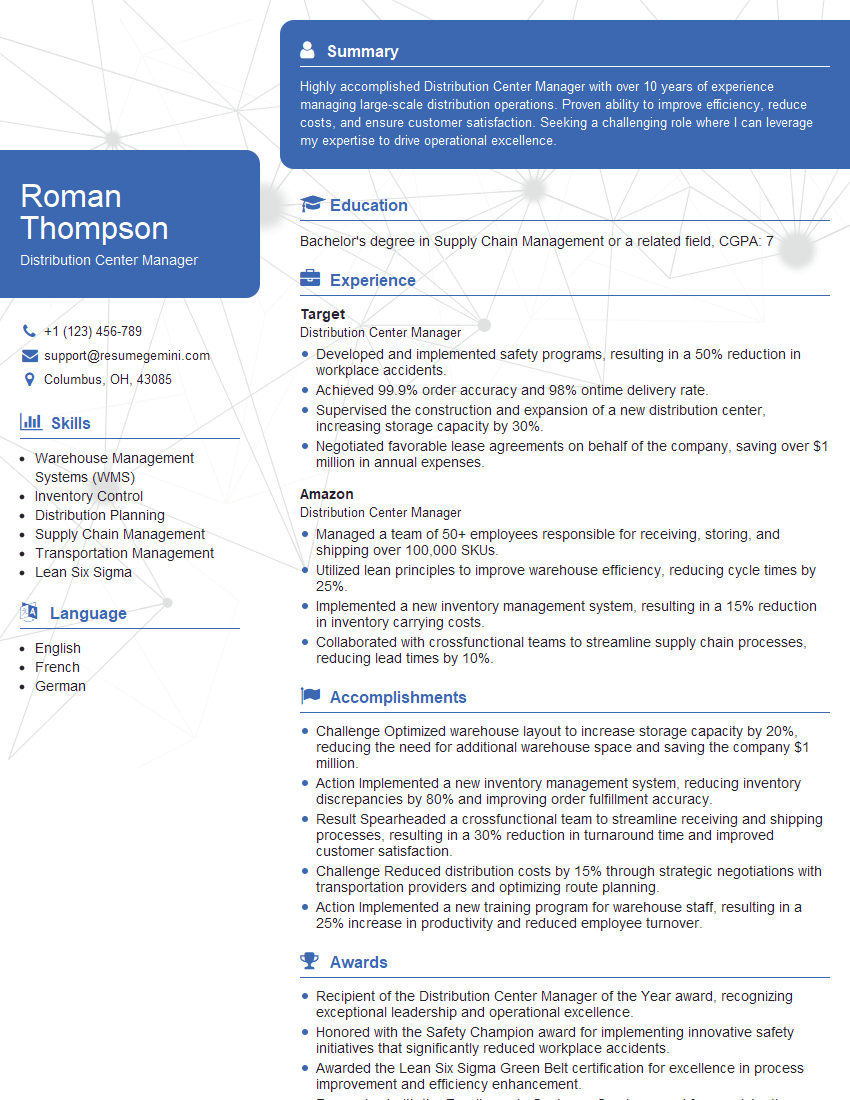
Distribution Center Manager Resume Sample
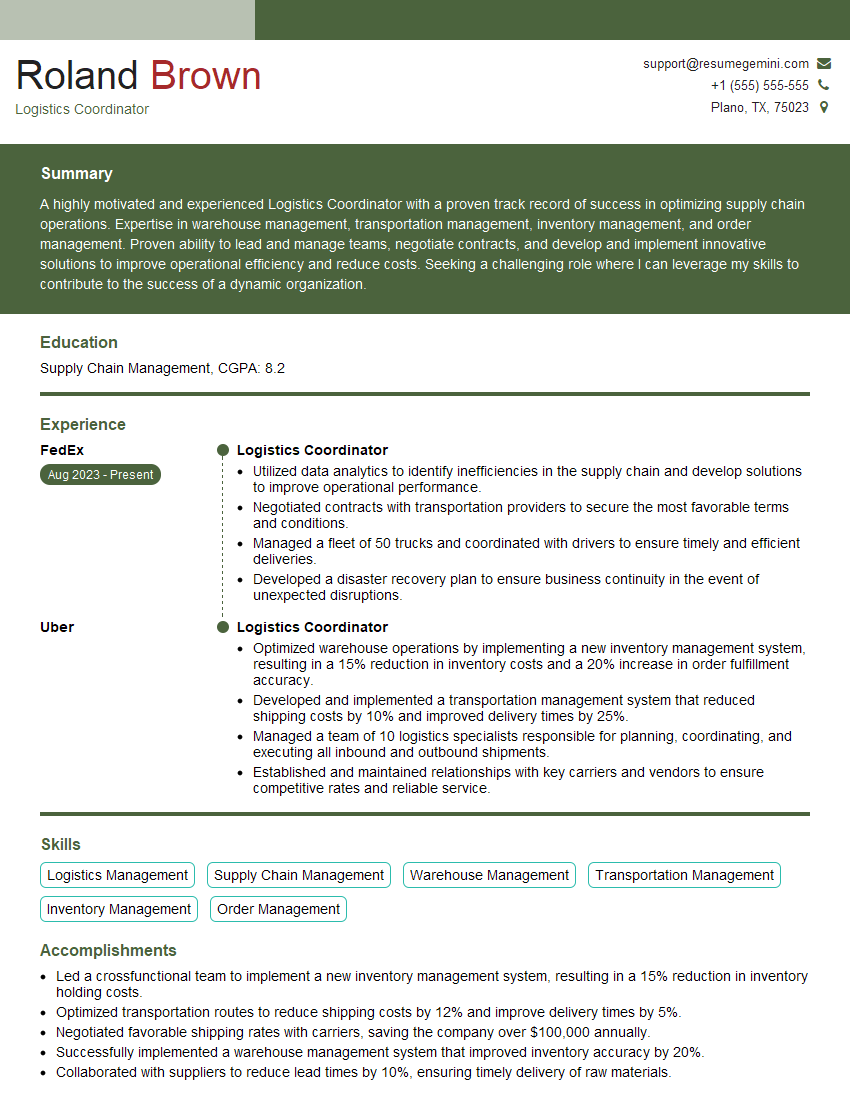
Logistics Coordinator Resume Sample
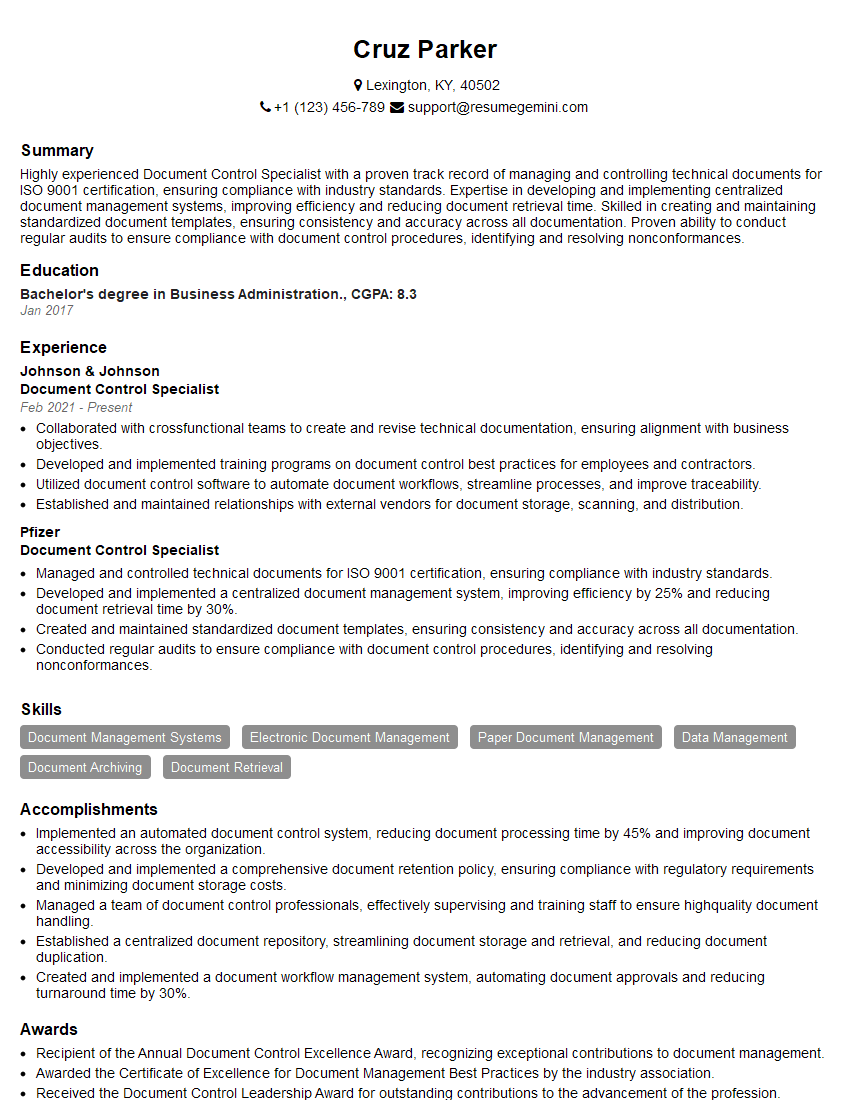
Document Control Specialist Resume Sample
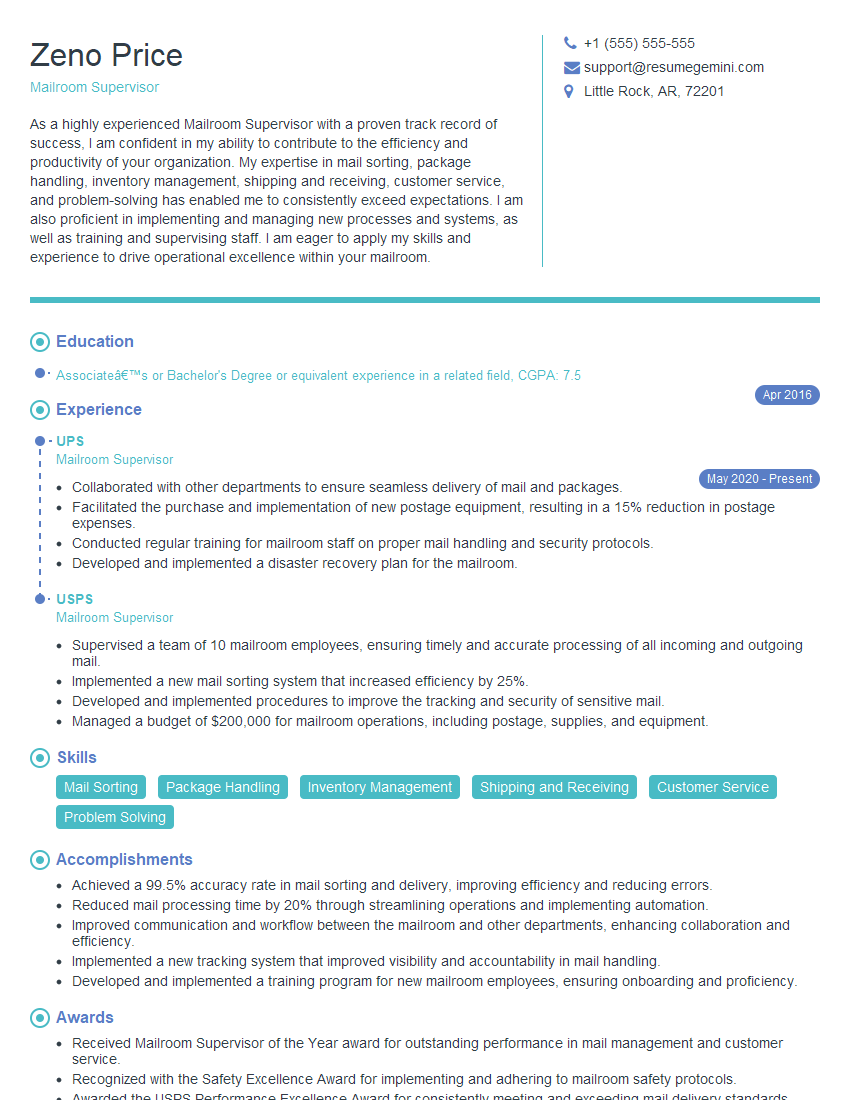
Mailroom Supervisor Resume Sample
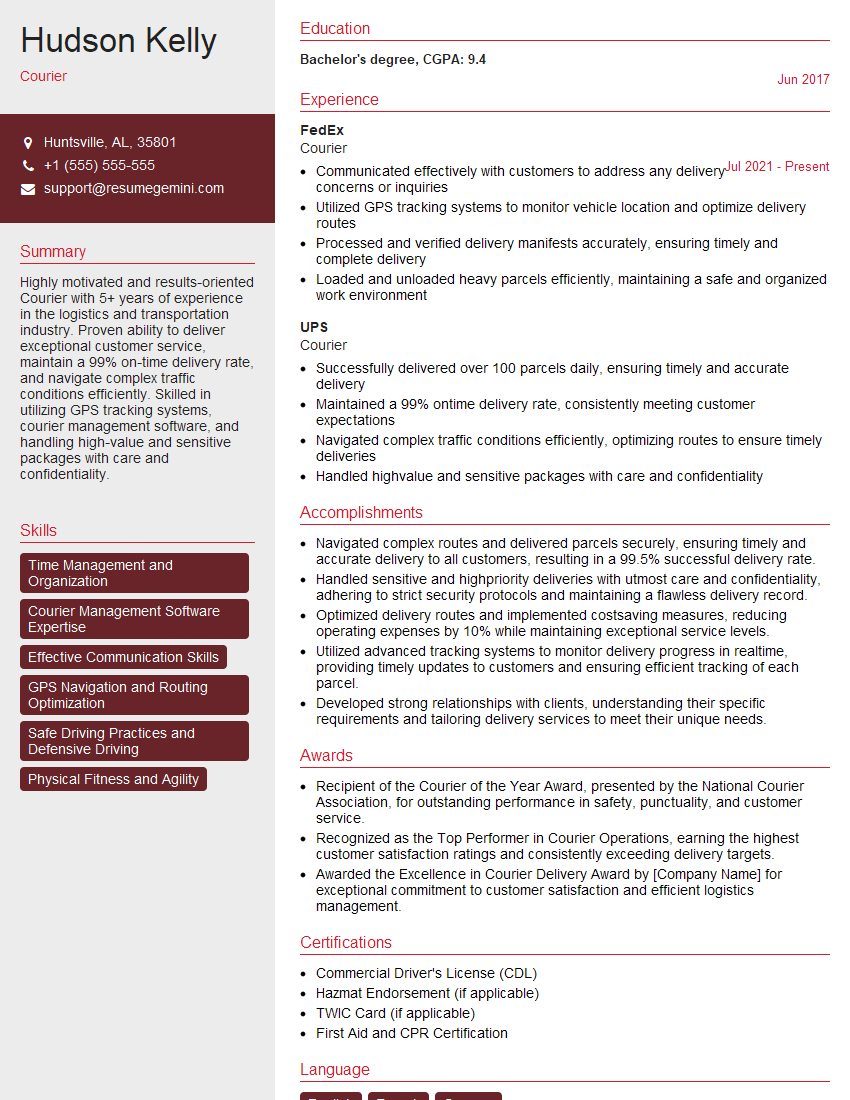
Courier Resume Sample
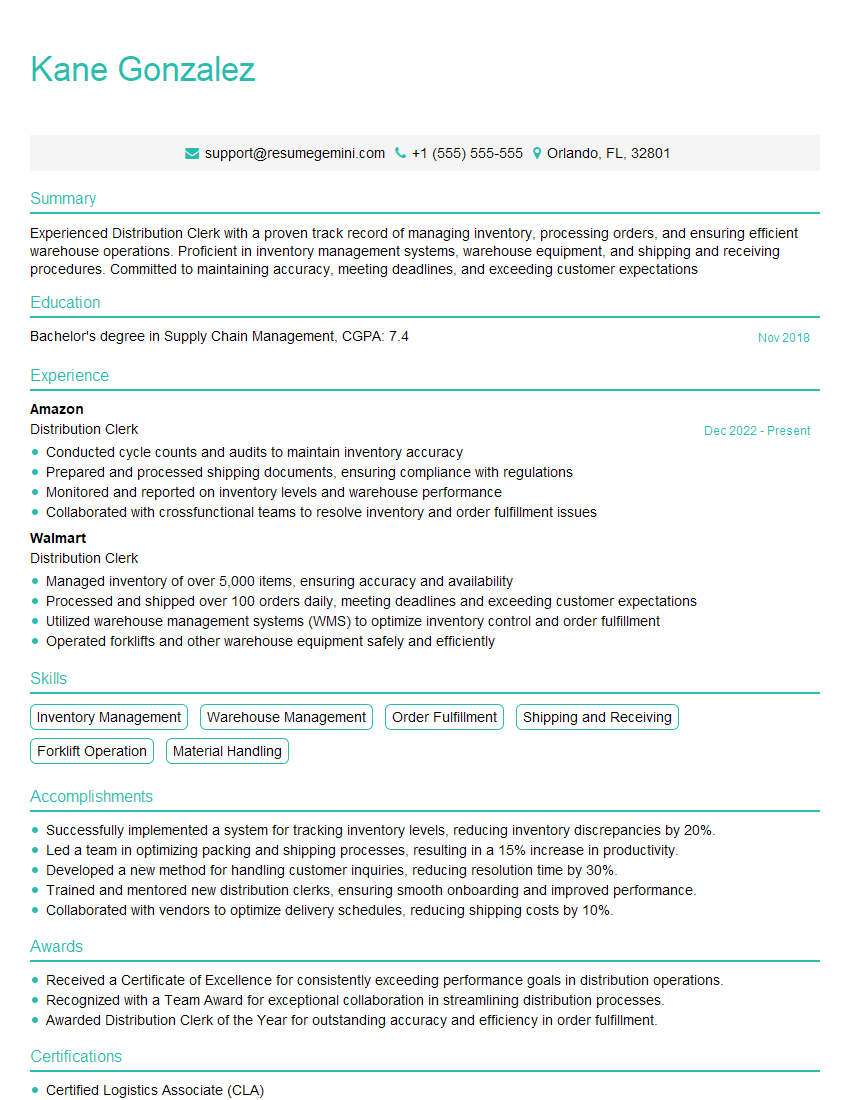
Distribution Clerk Resume Sample
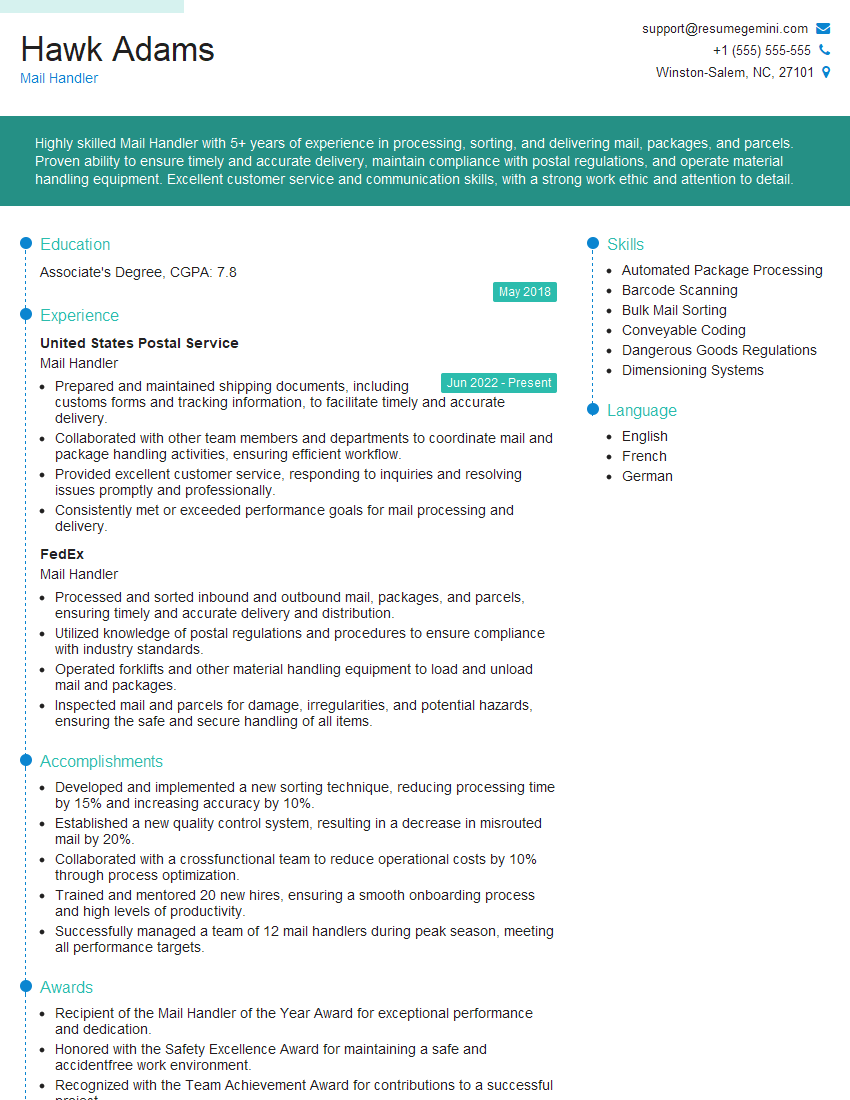
Mail Handler Resume Sample
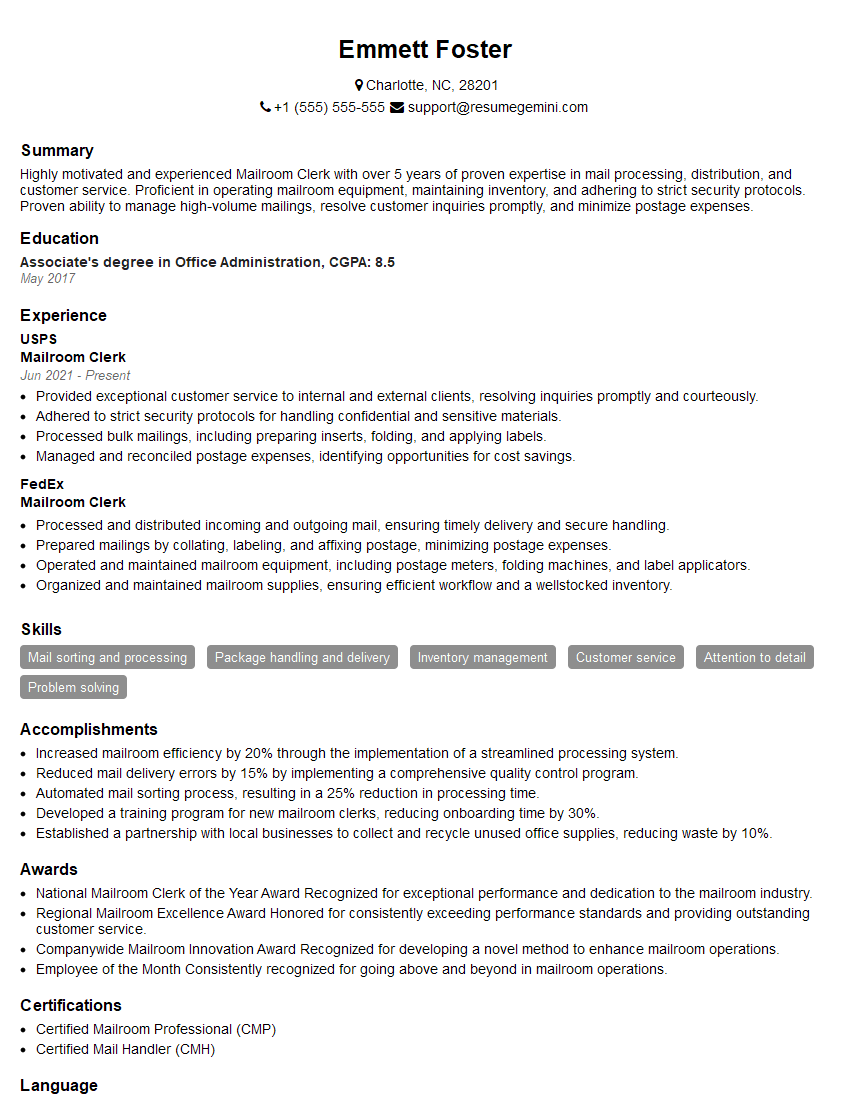
Mailroom Clerk Resume Sample

Postal Clerk Resume Sample
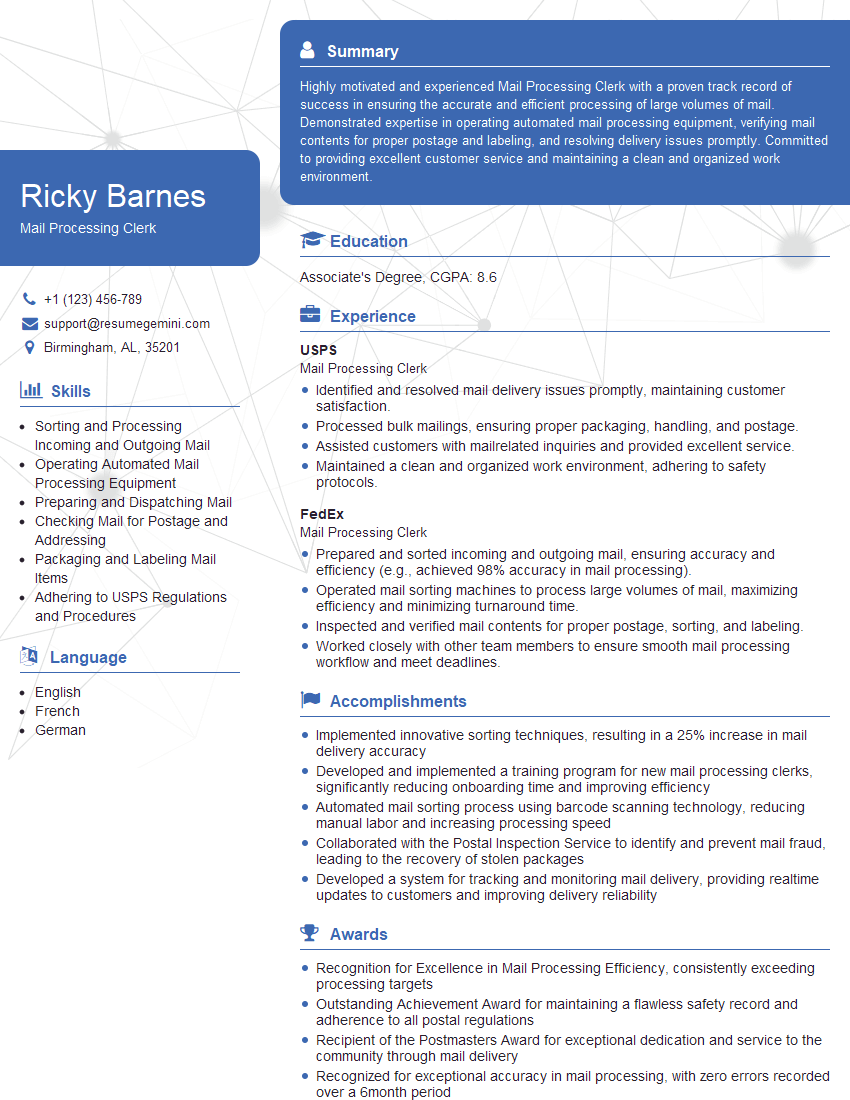
Mail Processing Clerk Resume Sample

Shipping and Receiving Clerk Resume Sample
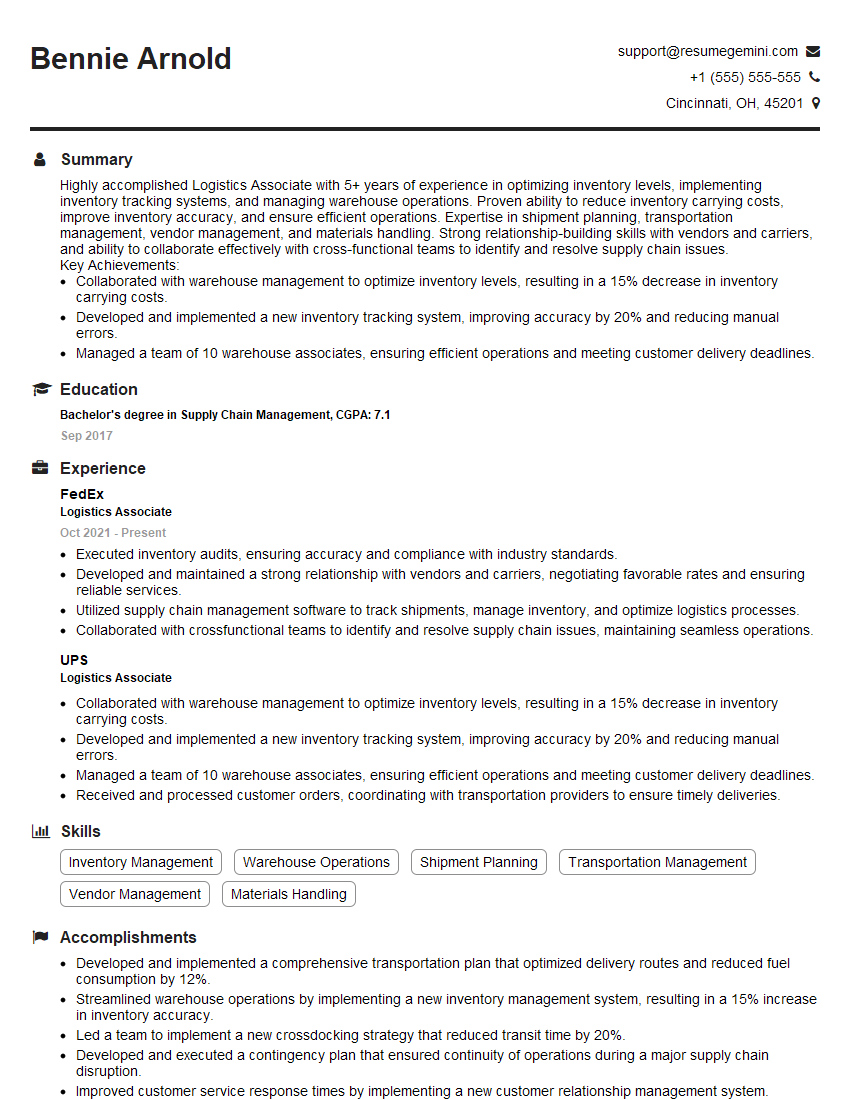
Logistics Associate Resume Sample
Explore more articles
Users Rating of Our Blogs
Share Your Experience
We value your feedback! Please rate our content and share your thoughts (optional).
What Readers Say About Our Blog
Very informative content, great job.
good