Preparation is the key to success in any interview. In this post, we’ll explore crucial Hazardous Materials Handling and Disposal interview questions and equip you with strategies to craft impactful answers. Whether you’re a beginner or a pro, these tips will elevate your preparation.
Questions Asked in Hazardous Materials Handling and Disposal Interview
Q 1. Describe your experience with OSHA regulations regarding hazardous materials.
My experience with OSHA regulations regarding hazardous materials is extensive. I’ve spent over 15 years working in industries where OSHA’s Hazard Communication Standard (HCS), Process Safety Management (PSM) standard, and other relevant regulations are paramount. I’m intimately familiar with the requirements for hazard identification, labeling, safety data sheets (SDS), employee training, and emergency response planning. For example, I’ve led numerous training sessions on proper handling of chemicals, including the use of PPE and emergency procedures. I’ve also been involved in conducting regular workplace inspections to ensure compliance with all applicable OSHA standards, including documenting findings and implementing corrective actions. My experience extends to participating in OSHA inspections and working with compliance officers to address any deficiencies. This includes understanding the nuances of record-keeping requirements and the penalties associated with non-compliance. I’ve even played a key role in developing and implementing comprehensive hazard communication programs that align with OSHA’s requirements and best practices.
Q 2. Explain the different classes of hazardous materials and their associated risks.
Hazardous materials are classified into different classes based on their inherent hazards. Think of it like sorting items in a toolbox – each tool has a specific function and potential risk. The classes define the potential dangers and inform appropriate handling procedures. These classes, as defined by the DOT (Department of Transportation) and similar international standards, include:
- Class 1: Explosives – These materials can explode under certain conditions, posing a significant risk of blast injury and damage. Examples include dynamite and fireworks.
- Class 2: Gases – Gases can be flammable, toxic, or oxidizing. Flammable gases, like propane, present a fire hazard, while toxic gases, like chlorine, pose a serious health risk.
- Class 3: Flammable Liquids – These liquids have low flash points and can easily ignite, such as gasoline and ethanol.
- Class 4: Flammable Solids – These solids easily catch fire or undergo spontaneous combustion, like magnesium shavings and matches.
- Class 5: Oxidizers and Organic Peroxides – Oxidizers can cause or enhance combustion, while organic peroxides are unstable and prone to explosion. Examples include hydrogen peroxide and ammonium nitrate.
- Class 6: Toxic and Infectious Substances – These materials can cause illness or death through inhalation, ingestion, or skin contact. Examples range from pesticides to biological agents.
- Class 7: Radioactive Materials – These materials emit ionizing radiation that can cause health problems. Examples include uranium and plutonium.
- Class 8: Corrosive Materials – These materials can chemically destroy living tissue and materials, like acids and alkalis.
- Class 9: Miscellaneous Hazardous Materials – This class encompasses materials that don’t fit into the other classes but still pose significant risks, such as lithium batteries and dry ice.
Understanding these classes is critical for safe handling, storage, and transportation. The associated risks depend on the specific material, its quantity, and the environment.
Q 3. What are the proper procedures for handling a chemical spill?
Responding to a chemical spill requires a systematic approach prioritizing safety. The first step is always evacuation and isolation. Clear the area immediately, preventing further exposure. Then, assess the situation: Identify the spilled substance, estimate the quantity, and note any potential hazards (fire, toxicity, reactivity). Refer to the SDS for specific guidance. Next, call for help. Contact emergency services and your company’s emergency response team. While waiting for assistance, contain the spill if possible using appropriate absorbent materials, dikes, or other containment measures. Never attempt to neutralize a spill unless you are specifically trained to do so; it can sometimes worsen the situation. Once the spill is contained, cleanup can begin – following the SDS instructions carefully and using appropriate PPE. Finally, document everything: the incident details, actions taken, and any injuries or damages. This information is crucial for accident investigation, regulatory compliance, and prevention of future incidents. Consider using spill kits tailored to different types of spills for a more effective response.
Q 4. How do you ensure compliance with EPA regulations for hazardous waste disposal?
Ensuring compliance with EPA regulations for hazardous waste disposal involves a multifaceted approach. It starts with proper waste characterization. We need to determine if the waste is hazardous according to the EPA’s criteria (toxicity, ignitability, reactivity, corrosivity). Then, a thorough waste management plan must be developed and implemented, detailing procedures for handling, storage, and disposal. This plan must comply with all applicable EPA regulations, including the Resource Conservation and Recovery Act (RCRA). Key elements include proper labeling and packaging, maintaining detailed records of all waste generated, transported, and disposed of, using permitted disposal facilities, and complying with manifest tracking requirements. Regular audits and inspections are vital to identify areas for improvement and maintain compliance. Failure to comply can lead to significant penalties and legal repercussions. Proper training for all employees involved in handling hazardous waste is crucial for successful compliance. This training covers everything from waste segregation to emergency response procedures.
Q 5. Describe your experience with personal protective equipment (PPE) selection and use.
Selecting and using appropriate PPE is a cornerstone of hazardous materials handling. My experience involves a thorough risk assessment to determine the necessary PPE. This process considers the specific hazards present (chemical, biological, physical), the potential exposure routes (inhalation, ingestion, skin contact), and the duration of exposure. For instance, working with corrosive chemicals might require chemical-resistant gloves, eye protection, and a lab coat. Handling airborne toxins necessitates respirators with appropriate filters. PPE selection is not a one-size-fits-all approach. Proper training on the use and limitations of the PPE is essential. Employees must be trained on how to properly don, doff, and inspect PPE to ensure its effectiveness. Regular maintenance and replacement of PPE are also crucial to guarantee its continued effectiveness. For example, we might inspect gloves for tears before each use, and replace them regularly to prevent chemical degradation. Furthermore, proper disposal of contaminated PPE is also critical to prevent the spread of hazards.
Q 6. What are the key differences between hazardous waste and non-hazardous waste?
The key difference between hazardous and non-hazardous waste lies in their potential to cause harm to human health or the environment. Hazardous waste exhibits characteristics defined by regulatory agencies like the EPA – ignitability, corrosivity, reactivity, or toxicity. These wastes require special handling, storage, and disposal methods to minimize their environmental impact and human exposure. Examples include solvents, pesticides, and certain heavy metals. In contrast, non-hazardous waste does not possess these characteristics and can be managed through conventional methods like landfills or recycling. This includes ordinary trash, yard waste, and many recyclable materials. The classification is critical because it determines the appropriate disposal methods and dictates regulatory compliance requirements. Improper classification and disposal of hazardous waste can have severe environmental and health consequences.
Q 7. Explain the process of developing a hazardous materials management plan.
Developing a hazardous materials management plan (HMMP) is a structured process. It begins with a thorough hazard identification and risk assessment. This involves identifying all hazardous materials used, stored, or generated within a facility, evaluating the potential hazards associated with each material, and assessing the likelihood and consequences of potential incidents. The next step is to establish control measures to minimize risks. This could include engineering controls (ventilation systems), administrative controls (standard operating procedures), and PPE. A comprehensive training program is essential to ensure all employees are aware of the hazards and the procedures for safe handling, storage, and emergency response. The plan should also detail procedures for spill response, waste management, and emergency preparedness. These procedures should include specific steps to follow in case of an incident, such as a chemical spill or fire, and identify responsible personnel. Regular reviews and updates of the HMMP are vital to ensure its continued effectiveness and compliance with evolving regulations and best practices. Finally, the plan should be easily accessible to all relevant personnel and undergo regular training updates.
Q 8. How do you conduct a risk assessment for hazardous materials handling?
Conducting a thorough risk assessment for hazardous materials handling is paramount to ensuring worker safety and environmental protection. It’s a systematic process that identifies potential hazards, analyzes their risks, and implements control measures. Think of it as a detective story where you’re identifying potential ‘criminals’ (hazards) and their potential ‘crimes’ (incidents).
The process typically involves these steps:
- Hazard Identification: This involves identifying all potential hazards associated with the materials, including physical (e.g., flammability, corrosivity), health (e.g., toxicity, carcinogenicity), and environmental hazards (e.g., water contamination). We use various methods like checklists, site inspections, and reviewing Material Safety Data Sheets (MSDS).
- Risk Analysis: This step involves evaluating the likelihood and severity of each identified hazard. We often use risk matrices that combine the probability of an incident with its potential consequences. For example, a highly probable incident with severe consequences would receive a high-risk rating, demanding immediate attention.
- Risk Control: This is where we develop and implement strategies to eliminate or reduce the identified risks. Control measures can range from engineering controls (e.g., ventilation systems, safety showers), administrative controls (e.g., safe work procedures, training programs), and personal protective equipment (PPE) such as respirators, gloves, and safety glasses.
- Monitoring and Review: The final step involves regularly monitoring the effectiveness of the control measures and reviewing the risk assessment periodically to ensure it remains relevant and accurate. Changes in processes, materials, or regulations may require updates.
For example, in a chemical plant, a risk assessment might identify the risk of a flammable solvent spill. The analysis would determine the likelihood of a spill and its potential consequences (fire, explosion, injury). Control measures might include implementing spill containment systems, providing fire suppression equipment, and training employees on spill response procedures.
Q 9. Describe your experience with transportation of hazardous materials.
My experience with hazardous materials transportation spans over 10 years, encompassing various modes of transport—road, rail, and sea. I’ve been directly involved in developing and implementing transportation plans adhering to stringent regulations like the Department of Transportation (DOT) regulations in the US or equivalent international standards.
This involves ensuring proper packaging, labeling, and documentation of hazardous materials shipments. For example, I’ve worked with companies shipping corrosive chemicals, ensuring the containers were properly secured and the drivers were trained in handling hazardous materials incidents. I’ve also dealt with the necessary permits and documentation, ensuring compliance with all relevant regulations.
A key aspect is emergency preparedness. I’ve been involved in creating emergency response plans for transportation incidents, including procedures for containment, notification of emergency services, and evacuation, if necessary. I have personally participated in training programs for drivers and other personnel involved in the transportation of hazardous materials. We conduct regular drills and simulations to keep our response capabilities sharp. One memorable experience involved a minor spill of a corrosive material during transport; our pre-planned response quickly contained the spill, preventing any injuries or environmental damage.
Q 10. What are the different methods for treating and disposing of hazardous waste?
Hazardous waste treatment and disposal methods vary significantly based on the waste’s properties and applicable regulations. The goal is always to minimize environmental impact and protect human health.
- Physical Treatment: This includes methods like filtration, sedimentation, and incineration. Incineration, for instance, reduces the volume of waste significantly but requires strict emission controls to prevent air pollution.
- Chemical Treatment: This involves using chemical reactions to neutralize or transform hazardous substances into less harmful forms. Neutralization of acidic or alkaline wastes is a common example.
- Biological Treatment: This utilizes microorganisms to break down hazardous components. Bioremediation, for example, uses naturally occurring bacteria to degrade contaminants in soil or water.
- Land Disposal: This includes landfilling in specially designed hazardous waste landfills with multiple barriers to prevent leakage into the environment. This is often a last resort, as it doesn’t eliminate the hazard, only contains it.
- Recycling and Resource Recovery: Whenever feasible, recycling and resource recovery are preferred. This could involve reclaiming valuable materials from the waste stream, reducing the overall volume needing disposal.
The choice of treatment and disposal method depends on a detailed analysis of the waste’s characteristics, considering factors such as toxicity, flammability, reactivity, and the environmental impact of each option. Regulations often dictate the permitted methods and require permits for disposal operations.
Q 11. How do you ensure the safe storage of hazardous materials?
Safe storage of hazardous materials is crucial in preventing accidents and protecting the environment. It involves a multi-faceted approach centered on careful selection and maintenance of storage facilities, adherence to strict safety protocols, and regular inspections.
Key aspects include:
- Suitable Storage Area: The storage area should be well-ventilated, away from ignition sources (like heat or sparks), and protected from weather elements. The floor should be impervious to leaks, and proper drainage systems must be in place.
- Appropriate Containment: Hazardous materials should be stored in appropriate containers—properly labeled, sealed, and in good condition. Secondary containment (e.g., spill pallets or berms) is often necessary to catch leaks or spills.
- Compatibility: Incompatible materials should never be stored together. For example, strong oxidizers and flammable materials are a dangerous combination, potentially leading to fires or explosions.
- Inventory Control: Maintaining accurate inventory records ensures proper tracking of materials, their quantities, and expiration dates. This helps prevent storage of outdated or unstable materials.
- Regular Inspections: Regular inspections of the storage area and containers are crucial to detect any leaks, damage, or deterioration. This proactive approach prevents accidents before they occur.
For instance, storing flammable liquids requires a dedicated storage area, away from ignition sources, with proper ventilation and secondary containment to prevent fire hazards.
Q 12. Explain the concept of Material Safety Data Sheets (MSDS) and their importance.
Material Safety Data Sheets (MSDS), now often referred to as Safety Data Sheets (SDS), are documents that provide comprehensive information on the hazards of a chemical product and how to handle it safely. Think of them as the ‘instruction manual’ for hazardous materials.
They contain critical information such as:
- Chemical identification: Name, CAS number, and other identifiers.
- Hazard identification: Physical hazards (e.g., flammability), health hazards (e.g., toxicity), and environmental hazards.
- Composition/information on ingredients: The chemical composition of the product.
- First-aid measures: Procedures to follow in case of accidental exposure.
- Fire-fighting measures: Appropriate extinguishing agents and procedures.
- Accidental release measures: Steps to take in case of spills or leaks.
- Handling and storage: Safe handling and storage practices.
- Exposure controls/personal protection: Recommended personal protective equipment (PPE).
- Physical and chemical properties: Physical and chemical characteristics of the substance.
- Stability and reactivity: Stability and reactivity of the material.
- Toxicological information: Health effects of exposure.
- Ecological information: Environmental effects.
- Disposal considerations: Proper disposal methods.
- Transport information: Regulations for transportation.
- Regulatory information: Relevant regulations and labeling requirements.
MSDS are crucial for ensuring safe handling, storage, and disposal of hazardous materials. They provide the necessary information for risk assessment, emergency response planning, and worker training. Failure to consult and follow the instructions on an MSDS can lead to accidents and injuries.
Q 13. What is your experience with emergency response procedures for hazardous materials incidents?
My experience in emergency response for hazardous materials incidents includes direct participation in numerous drills, training exercises, and actual responses. I’m familiar with various emergency response plans, including those compliant with the National Incident Management System (NIMS) framework.
This involves understanding the different levels of response, from initial assessment and containment to long-term cleanup and remediation. I’ve participated in training programs that cover topics like hazard identification, personal protective equipment selection, decontamination procedures, and communication protocols. We use various tools and technologies, including specialized monitoring equipment and personal protective gear.
One instance involved a chemical spill at a local manufacturing plant. My role was to coordinate the emergency response, liaising with local fire and emergency services, assessing the hazard, and implementing the containment and cleanup strategy. This required clear communication, effective team coordination, and knowledge of relevant regulations and safety protocols.
It’s critical to have a robust communication system in place during an emergency, allowing quick and effective information exchange among responders, affected personnel, and regulatory agencies. Our team undergoes regular training to ensure everyone is prepared to handle various scenarios, from minor spills to large-scale emergencies.
Q 14. Describe your familiarity with various hazardous waste disposal technologies.
My familiarity with hazardous waste disposal technologies is extensive. I’m aware of the various treatment and disposal methods mentioned previously and their associated advantages and limitations. This includes:
- Incineration: High-temperature combustion to destroy waste, reducing volume significantly but requiring strict emission controls. It’s particularly effective for organic wastes.
- Landfilling: Disposal in specially engineered landfills with multiple barriers to prevent leakage, generally a last resort.
- Solidification/Stabilization: Treating the waste to solidify it, reducing its mobility and preventing leaching into the environment.
- Chemical Treatment: Neutralization, oxidation, or reduction to render waste less hazardous.
- Bioremediation: Using microorganisms to break down harmful substances.
- Physical separation techniques: Methods like filtration, evaporation, and distillation to separate hazardous components.
The selection of a specific technology hinges on several factors, including the waste’s physical and chemical properties, applicable regulations, cost considerations, and the availability of appropriate facilities. For instance, highly toxic and persistent organic pollutants might necessitate incineration with advanced emission controls, while less hazardous wastes might be suitable for stabilization and landfilling. Each technology has its pros and cons, and careful evaluation is required to determine the most appropriate and environmentally sound approach.
Q 15. How do you monitor and track hazardous waste from cradle to grave?
Monitoring hazardous waste from cradle to grave, meaning from its generation to its final disposal, requires a robust and meticulously documented system. This involves a comprehensive tracking process that begins with the identification and characterization of the waste at its source. We use a combination of methods including detailed waste stream assessments, labeling systems, and digital tracking software. Each container of hazardous waste receives a unique identification number, linked to a detailed record including its composition, quantity, and origin. This information is then entered into a database and updated at each stage of the waste’s journey. For example, when a waste container is transported, the tracking system logs the transporter’s information, the date and time of transport, and the destination. Upon arrival at the treatment, storage, or disposal facility, the transfer is documented, again updating our database. The entire process ensures complete transparency and accountability, allowing us to quickly trace the location and history of any waste at any point in the process. This detailed record-keeping is crucial for regulatory compliance and prevents environmental contamination.
Imagine a package delivery service – we treat hazardous waste with the same level of tracking and care, ensuring its safe and compliant journey from origin to final disposal.
Career Expert Tips:
- Ace those interviews! Prepare effectively by reviewing the Top 50 Most Common Interview Questions on ResumeGemini.
- Navigate your job search with confidence! Explore a wide range of Career Tips on ResumeGemini. Learn about common challenges and recommendations to overcome them.
- Craft the perfect resume! Master the Art of Resume Writing with ResumeGemini’s guide. Showcase your unique qualifications and achievements effectively.
- Don’t miss out on holiday savings! Build your dream resume with ResumeGemini’s ATS optimized templates.
Q 16. What is your experience with hazardous waste manifest systems?
My experience with hazardous waste manifest systems is extensive. I’ve worked with various systems, both manual and electronic, and understand the importance of their accurate completion and adherence to regulations. The manifest acts as a legal document that accompanies the waste throughout its transport. It details the waste generator’s information, the waste’s characteristics, the transporter’s details, and the designated disposal facility’s information. Accurate completion is vital for compliance. In my previous role, I oversaw the implementation of a new electronic manifest system that significantly improved tracking accuracy and reduced paperwork. This system incorporated automatic alerts for missing information or discrepancies, minimizing the risk of regulatory infractions. I’m also proficient in handling discrepancies that may arise, ensuring timely resolution and maintaining compliance. For instance, I’ve successfully resolved discrepancies due to inaccurate waste characterization by liaising directly with waste generators and the disposal facilities to correct the information and amend the manifest accordingly.
Q 17. How do you ensure worker safety during hazardous materials handling operations?
Ensuring worker safety during hazardous materials handling operations is paramount. Our approach is multi-faceted and begins with a thorough hazard assessment specific to the materials and tasks involved. This identifies potential risks, allowing us to implement appropriate engineering controls, such as ventilation systems, enclosed transfer systems, and specialized equipment. For example, when handling corrosive materials, we utilize specialized resistant suits and protective eyewear. Administrative controls, such as strict work procedures, safety briefings, and clear communication channels, supplement these engineering controls. Personal Protective Equipment (PPE), such as respirators, gloves, and safety footwear, is provided and its proper use is strictly enforced. Regular training and competency assessments ensure all personnel are equipped to handle the materials safely. We also conduct regular inspections and audits to ensure compliance with safety protocols and to identify any potential hazards. The safety of our workers isn’t just a priority; it’s the foundation of our operations.
Q 18. What are your methods for training employees on safe hazardous materials handling practices?
Our employee training program on safe hazardous materials handling practices is comprehensive and ongoing. It’s not a one-time event; rather, it’s a continuous process that incorporates both classroom and hands-on training. The curriculum covers relevant regulations, hazard identification and assessment, the use of proper PPE, emergency response procedures, and safe handling techniques. We utilize a variety of methods, including interactive presentations, videos, case studies, and practical demonstrations. For instance, employees receive hands-on training with the specific equipment they use. We also conduct regular refresher courses and incorporate new information on emerging technologies and regulations. The training incorporates practical exercises and simulations to reinforce learning and ensure that all staff are confident and competent in handling hazardous materials. Competency assessments are regularly conducted to evaluate the effectiveness of our training and identify any areas requiring improvement.
Q 19. Explain your understanding of RCRA and its implications for hazardous waste management.
The Resource Conservation and Recovery Act (RCRA) is the cornerstone of hazardous waste management in the United States. It establishes a comprehensive framework for the proper management of hazardous waste from its generation to its disposal. RCRA mandates that all hazardous waste generators comply with specific standards for waste characterization, storage, transportation, treatment, and disposal. Key implications include the need for comprehensive waste characterization (determining if a waste is indeed hazardous), proper labeling and packaging, detailed record-keeping (manifests), and adherence to specific treatment standards before disposal. Non-compliance can result in substantial penalties, including fines and even criminal charges. Understanding RCRA is critical for ensuring that our operations are compliant, protecting both the environment and the public. We use RCRA’s guidelines as the foundation for all our hazardous waste management practices, ensuring that our procedures are not only safe but also legally sound.
Q 20. How do you manage and minimize hazardous waste generation?
Managing and minimizing hazardous waste generation is a proactive approach focusing on waste reduction at the source. This begins with a thorough assessment of the waste streams generated by our operations. We implement strategies to reduce waste generation, such as process optimization, material substitution with less hazardous alternatives, and improved equipment efficiency. For instance, we’ve switched to water-based cleaning solvents, reducing the generation of hazardous organic waste. We also promote reuse and recycling programs where feasible. Regular waste audits help us track our progress and identify opportunities for further improvement. Our approach isn’t solely reactive; it’s a continuous improvement cycle focused on minimizing our environmental impact and promoting sustainability. We believe that reducing waste at the source is the most effective and cost-efficient way to manage hazardous waste.
Q 21. Describe your experience with waste audits and compliance inspections.
I have extensive experience with both waste audits and compliance inspections. Waste audits provide a thorough assessment of our waste management practices, identifying any inconsistencies or areas requiring improvement. These audits often involve a detailed review of our records, waste characterization procedures, and compliance with regulations like RCRA. We use the findings to improve our practices. Compliance inspections, on the other hand, are conducted by regulatory agencies to ensure our adherence to environmental regulations. During these inspections, we provide all necessary documentation and cooperate fully with the inspectors. My experience in these inspections has involved successfully demonstrating compliance, addressing any minor discrepancies promptly, and implementing corrective actions as needed. A strong record-keeping system and a proactive approach to compliance have been essential for a smooth and successful outcome during these inspections. The goal is not merely to pass inspections; it’s to maintain a consistently high standard of environmental responsibility.
Q 22. Explain your knowledge of different types of hazardous waste containers and their proper labeling.
Hazardous waste containers come in various types, each designed for specific materials and hazard classes. Proper labeling is crucial for safe handling and disposal. Containers are selected based on the physical and chemical properties of the waste they will contain.
- Drums: Steel or plastic drums are commonly used for liquids and solids. They must be compatible with the waste’s chemical composition to prevent corrosion or reactions. For example, highly reactive materials might require specialized lined drums.
- Carboys: Glass or plastic carboys are used for smaller volumes of liquids, often acids or bases. They require careful handling to prevent breakage.
- Fiberboard Boxes: Used for non-liquids that are not likely to puncture the box. Often used for smaller quantities of solid waste.
- Flexible Containers: Bags or liners made of materials such as polyethylene are used for various wastes. Their use needs to carefully consider the waste’s properties.
Labeling must comply with regulations like OSHA’s Hazard Communication Standard. Labels must clearly indicate the contents, hazard class (e.g., flammable, corrosive, toxic), and any specific handling precautions. A Globally Harmonized System of Classification and Labelling of Chemicals (GHS) compliant label is required, including pictograms to warn handlers of the specific hazard.
For instance, a drum containing corrosive sulfuric acid would be labeled with a corrosive pictogram, a signal word (e.g., Danger), hazard statements, and precautionary statements instructing users to wear appropriate PPE (personal protective equipment).
Q 23. What are the common hazards associated with handling corrosive materials?
Corrosive materials pose several significant hazards. They can cause severe damage to living tissue (skin, eyes, respiratory tract) and equipment upon contact. The damage happens through chemical reactions, dissolving or destroying biological material or other substances.
- Chemical Burns: Direct contact leads to burns, ranging from minor irritation to deep tissue damage, depending on the material’s concentration and exposure time.
- Respiratory Damage: Inhalation of corrosive fumes or mists can damage the lungs and airways, causing inflammation, irritation, and potentially fatal conditions.
- Equipment Corrosion: Corrosive materials can rapidly damage or destroy equipment made of incompatible materials, leading to leaks, spills, and potential further hazards.
- Fire Hazards: Some corrosive materials can react violently with water or other substances, generating heat and potentially igniting flammable materials.
Imagine working with concentrated sulfuric acid. A simple splash can cause severe burns. Similarly, a leak in an improperly stored container can cause damage to nearby structures and equipment. This illustrates the need for rigorous safety precautions, including appropriate PPE (e.g., acid-resistant gloves, eye protection, respirators), careful handling procedures, and emergency response plans.
Q 24. How do you investigate and report hazardous materials incidents?
Investigating and reporting hazardous materials incidents follows a structured process to ensure safety, accountability, and prevent future occurrences. The process is primarily dictated by regulatory agencies such as OSHA, EPA and local environmental agencies.
- Secure the Scene: The first priority is to ensure the safety of personnel and prevent further contamination or escalation of the incident. This might involve evacuation, isolation of the affected area, and calling emergency services.
- Assess the Situation: Identify the hazardous material involved, the extent of the release or spill, and any immediate health or environmental risks.
- Contain the Spill: Use appropriate containment methods such as absorbent materials, spill pallets, or diking to prevent further spread of the material.
- Clean Up: Employ appropriate decontamination and cleanup procedures depending on the nature of the hazard, following relevant safety protocols. Personnel must wear appropriate protective gear.
- Document Everything: Meticulous record-keeping is vital. This includes photographic evidence, witness statements, material safety data sheets (MSDS), and details of the cleanup procedures.
- Report the Incident: Report the incident to the appropriate regulatory agencies, as required by law. This often involves filing specific forms and providing detailed information about the event. Internal incident reports should also be prepared.
For example, a spill of a flammable liquid might require immediate evacuation and the involvement of specialized hazardous materials cleanup teams. A detailed report would be filed with OSHA, detailing the substance involved, the quantity spilled, the extent of damage, and steps taken to remediate the situation.
Q 25. What is your experience with using and maintaining specialized equipment for hazardous materials handling?
My experience encompasses the use and maintenance of a wide range of specialized equipment for hazardous materials handling, including:
- Spill Response Equipment: This includes absorbent pads, booms, and vacuums for containing and cleaning up spills of various liquids and solids.
- Decontamination Equipment: Pressure washers, shower units, and specialized cleaning agents are used to decontaminate personnel and equipment exposed to hazardous materials.
- Respiratory Protection Equipment: I am proficient in the selection, fitting, and use of respirators suitable for various hazardous atmospheres. Training and testing are critical here.
- Specialized Containers and Transfer Pumps: Handling hazardous materials often requires specialized containers and pumps designed to safely transfer materials without spills or leaks. Materials must always be compatible with the equipment.
Maintaining this equipment involves regular inspections, cleaning, and testing to ensure functionality and safety. Calibration and testing of monitoring equipment are also critically important. For instance, regular pressure testing of air tanks for SCBA (self-contained breathing apparatus) is critical for the safety of the wearer.
My experience also includes training others in the proper use and maintenance of this equipment, emphasizing the importance of following manufacturer’s guidelines to prevent accidents.
Q 26. Describe your understanding of environmental remediation techniques.
Environmental remediation techniques aim to clean up or restore contaminated sites to acceptable levels. The approach is highly dependent on the type and extent of contamination and the surrounding environment.
- Soil Remediation: Techniques include excavation and disposal of contaminated soil, bioremediation (using microorganisms to break down contaminants), and chemical oxidation or reduction to neutralize pollutants.
- Groundwater Remediation: Pump-and-treat systems, in-situ bioremediation, and permeable reactive barriers are used to remove or neutralize contaminants in groundwater.
- Air Remediation: This can involve installing air scrubbers or other systems to remove volatile organic compounds (VOCs) or other airborne contaminants.
- Surface Water Remediation: This might include removing contaminated sediments, treating surface water with activated carbon or other methods, or restoring wetlands.
Consider a site contaminated with petroleum hydrocarbons. Remediation might involve excavating and treating the contaminated soil, installing a pump-and-treat system to remove contaminants from groundwater, and monitoring the site to ensure environmental standards are met. The selection of a proper remediation technique needs to consider many factors, such as cost, efficiency, risks to human health and environment, and the regulatory requirements.
Q 27. How do you select appropriate decontamination procedures for different hazardous materials?
Selecting appropriate decontamination procedures depends heavily on the specific hazardous material involved. The process requires careful consideration of the material’s properties and potential health effects.
- Physical Decontamination: This typically involves removing the contaminant mechanically, such as washing with water and detergent, brushing or scraping off solids, or vacuuming up spilled material.
- Chemical Decontamination: This involves using chemicals to neutralize or break down the hazardous material. The chosen chemical must be compatible with the contaminant and safe for use.
- Thermal Decontamination: This involves using heat to destroy or remove the contaminant, but this is less common and requires specialized equipment.
For instance, spilled corrosive acids might require neutralization with a base, followed by thorough washing and rinsing. Decontamination of personnel exposed to radioactive materials would necessitate specialized procedures and equipment. Always consult the Material Safety Data Sheet (MSDS) for detailed recommendations.
Choosing the right procedure minimizes risks to personnel and the environment. Incorrect decontamination can lead to further spread or persistent exposure to hazardous materials. Safety precautions, such as using appropriate PPE (personal protective equipment), must be followed meticulously.
Q 28. What are your strategies for communicating safety procedures to workers effectively?
Effective communication is paramount in ensuring worker safety in hazardous materials handling. My strategies include:
- Training and Education: Comprehensive training programs covering hazard identification, risk assessment, safe handling procedures, emergency response, and the use of PPE are essential. This includes both classroom instruction and hands-on practice.
- Clear and Concise Communication: Safety procedures must be presented in a clear, concise, and easy-to-understand manner, avoiding unnecessary jargon. Visual aids like diagrams, videos, and checklists are highly effective.
- Regular Refresher Training: Workers should receive regular refresher training to reinforce safety procedures and address any changes in regulations or procedures.
- Open Communication Channels: Establish open communication channels, encouraging workers to report safety concerns or near misses without fear of retribution. Regular safety meetings provide a platform for addressing safety issues.
- Use of Multiple Communication Methods: Combine various methods like written instructions, videos, demonstrations, and interactive simulations to cater to different learning styles.
For example, using a combination of videos demonstrating proper respirator use, written procedures with clear diagrams, and hands-on practice sessions creates a more robust learning experience that increases understanding and improves safety compliance.
Effective communication saves lives and reduces the likelihood of accidents.
Key Topics to Learn for Hazardous Materials Handling and Disposal Interview
- Regulatory Compliance: Understanding and applying relevant regulations (e.g., OSHA, EPA) concerning hazardous materials handling, transportation, storage, and disposal. This includes knowing permit requirements and reporting procedures.
- Material Safety Data Sheets (MSDS/SDS): Interpreting and utilizing MSDS/SDS information to understand material hazards, proper handling procedures, and emergency response protocols. Practical application involves demonstrating the ability to identify potential risks based on SDS data.
- Personal Protective Equipment (PPE): Selecting and properly using appropriate PPE based on the specific hazards involved. This includes understanding the limitations of different PPE and knowing when to escalate safety concerns.
- Spill Response and Emergency Procedures: Developing and implementing effective spill response plans. This involves practical knowledge of containment, cleanup, and emergency notification procedures for various hazardous materials.
- Waste Management and Disposal Techniques: Understanding different waste streams and appropriate disposal methods for hazardous materials, including proper labeling, packaging, and transportation to licensed facilities. This also includes knowledge of waste minimization strategies.
- Hazardous Waste Transportation: Familiarity with DOT regulations and procedures for the safe transportation of hazardous materials, including proper documentation and handling during transit.
- Risk Assessment and Mitigation: Conducting thorough risk assessments to identify potential hazards and implementing effective control measures to minimize risks. This requires problem-solving skills and the ability to prioritize safety concerns.
- Record Keeping and Documentation: Maintaining accurate and complete records of hazardous materials handling, transportation, and disposal activities, ensuring compliance with regulatory requirements.
Next Steps
Mastering Hazardous Materials Handling and Disposal opens doors to rewarding and impactful careers in environmental protection, industrial safety, and waste management. A strong understanding of these critical concepts is vital for career advancement and securing your dream role. To significantly boost your job prospects, invest time in crafting an ATS-friendly resume that highlights your skills and experience effectively. ResumeGemini is a trusted resource that can help you build a professional and impactful resume tailored to the specific demands of the Hazardous Materials Handling and Disposal field. Examples of resumes specifically designed for this industry are available to guide you. Let ResumeGemini help you showcase your expertise and land your ideal position.
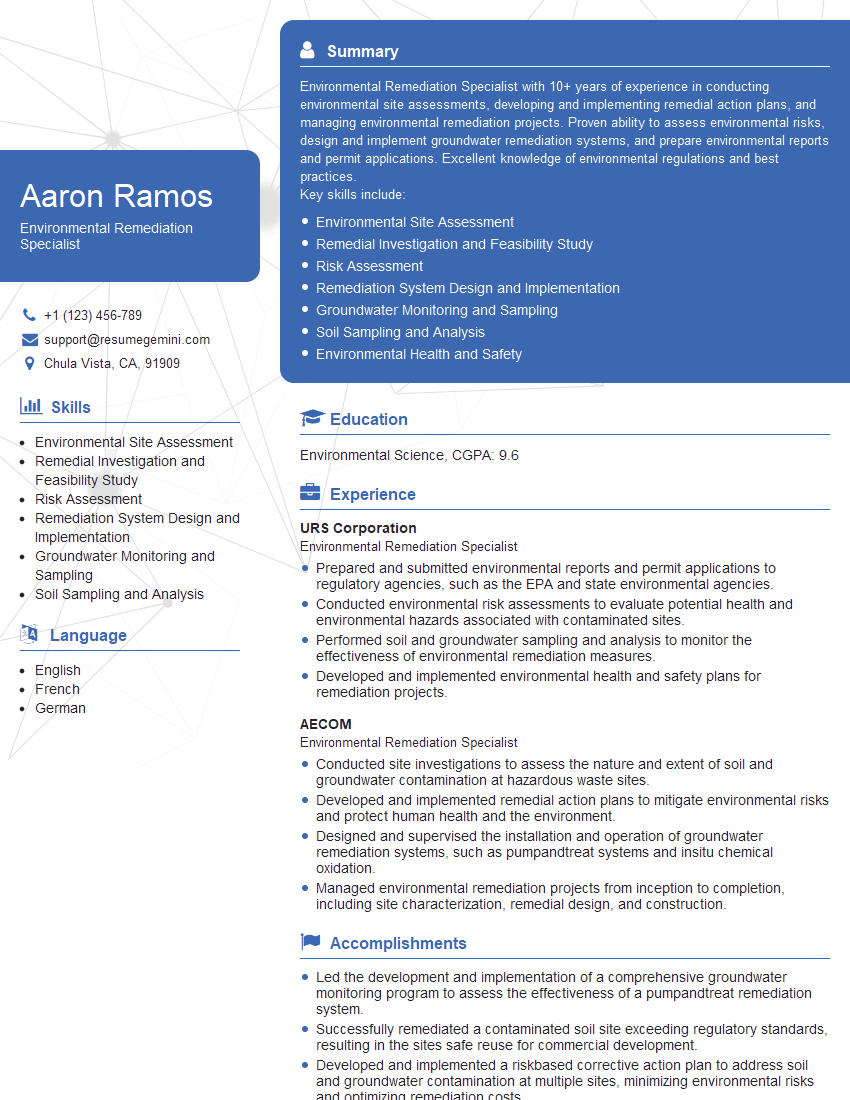
Environmental Remediation Specialist Resume Sample
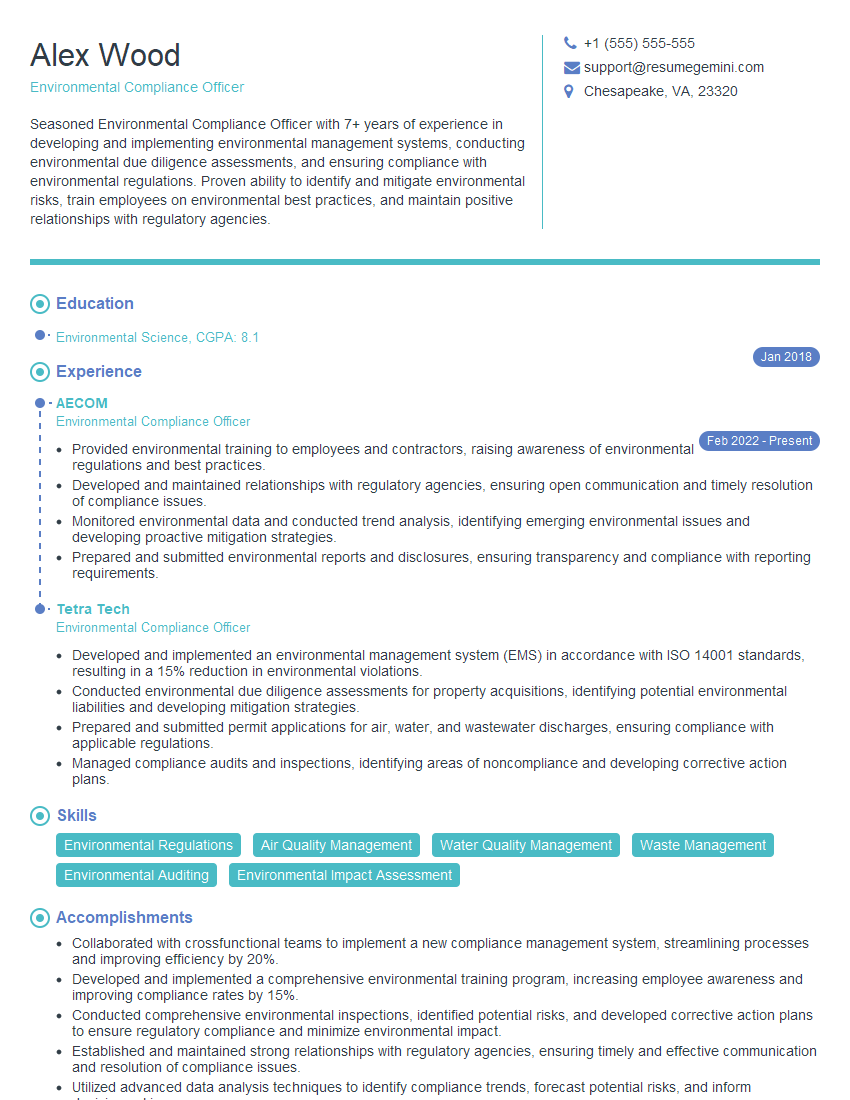
Environmental Compliance Officer Resume Sample
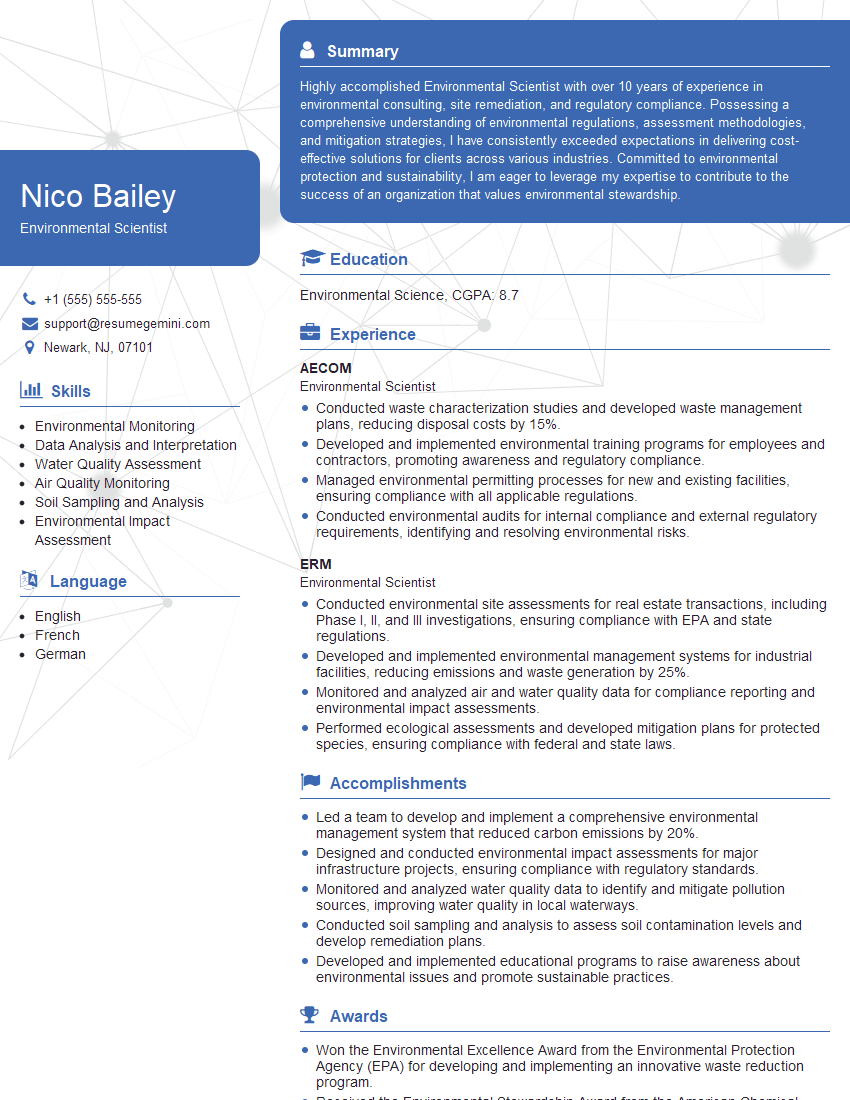
Environmental Scientist Resume Sample
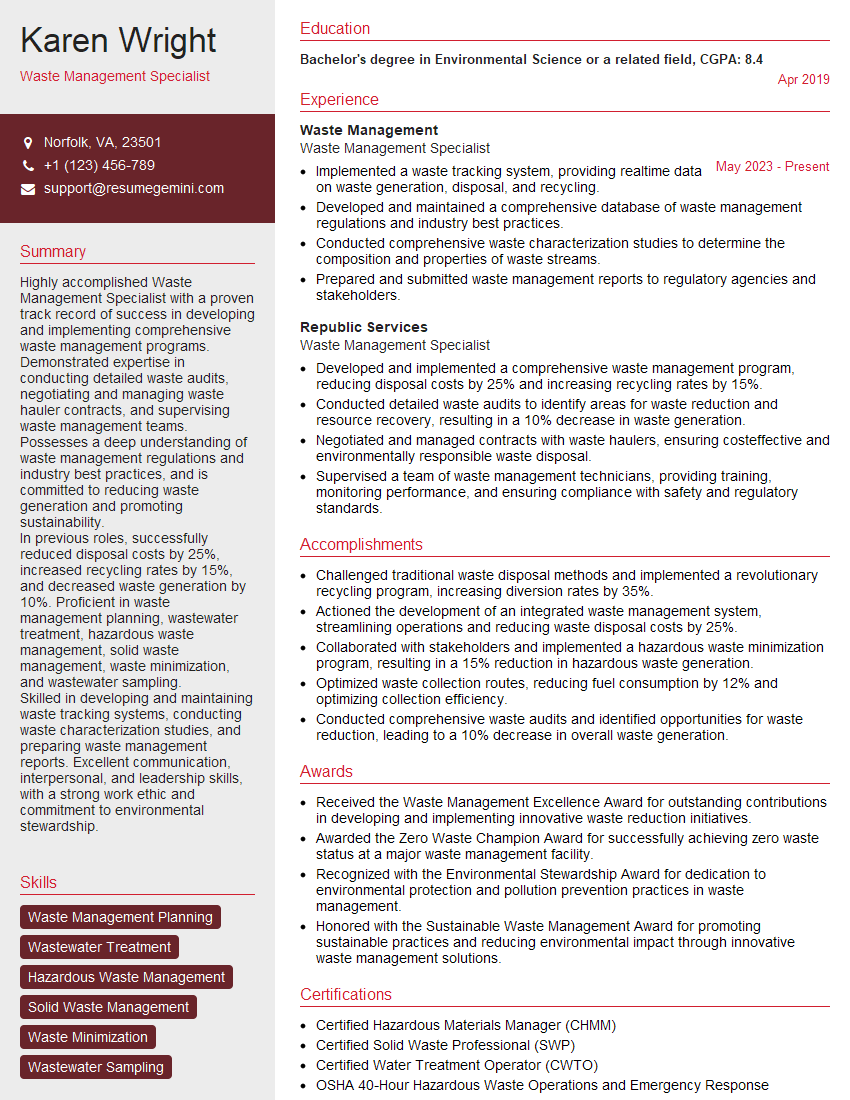
Waste Management Specialist Resume Sample
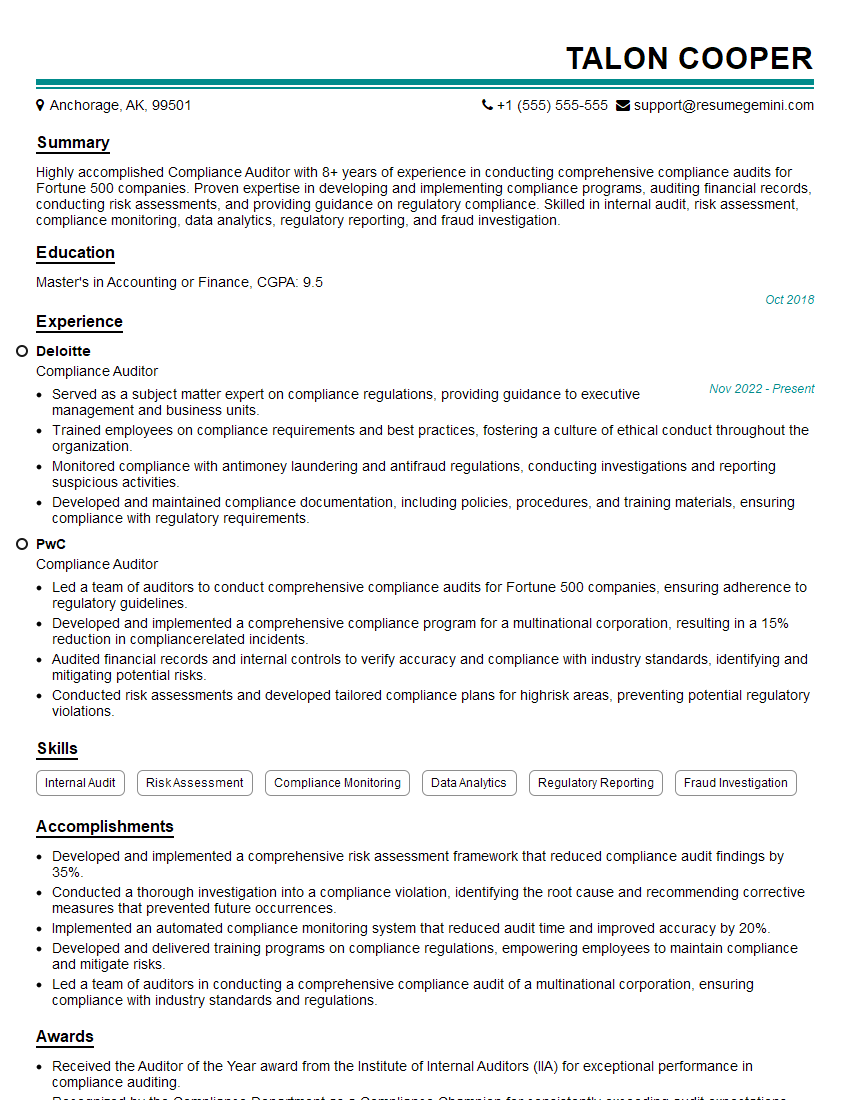
Compliance Auditor Resume Sample
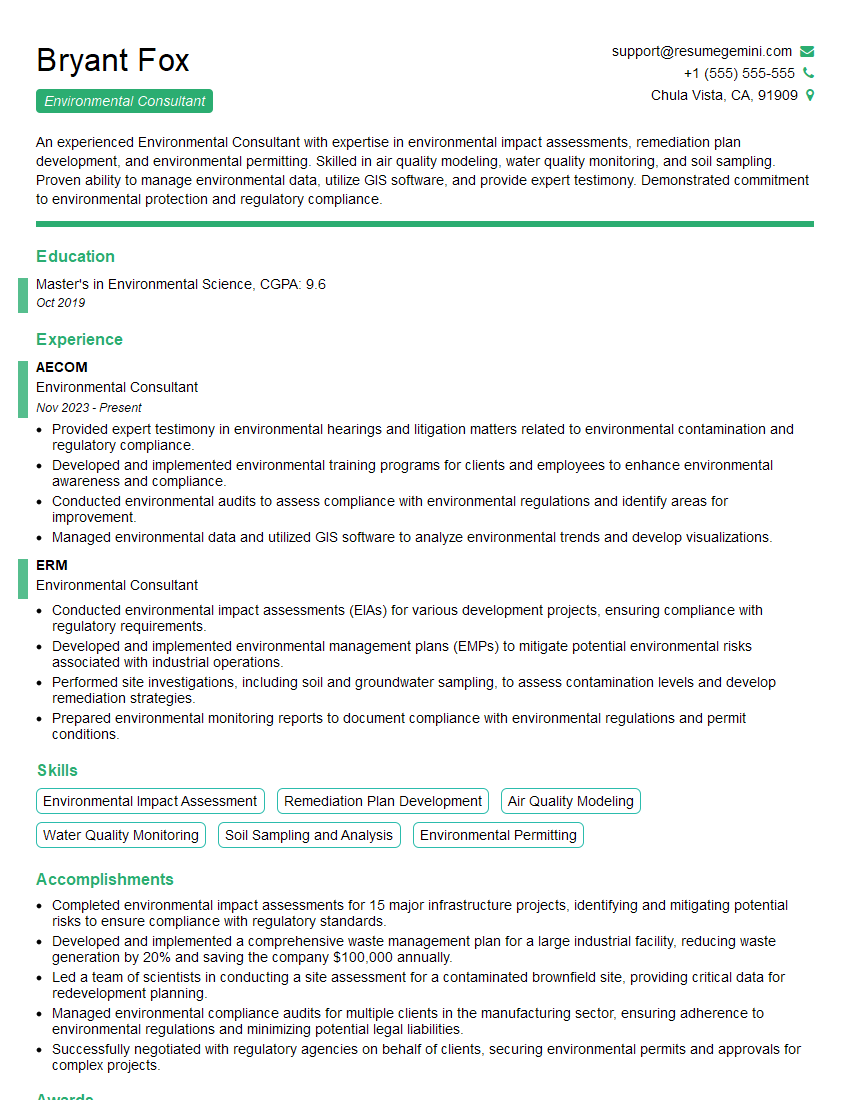
Environmental Consultant Resume Sample
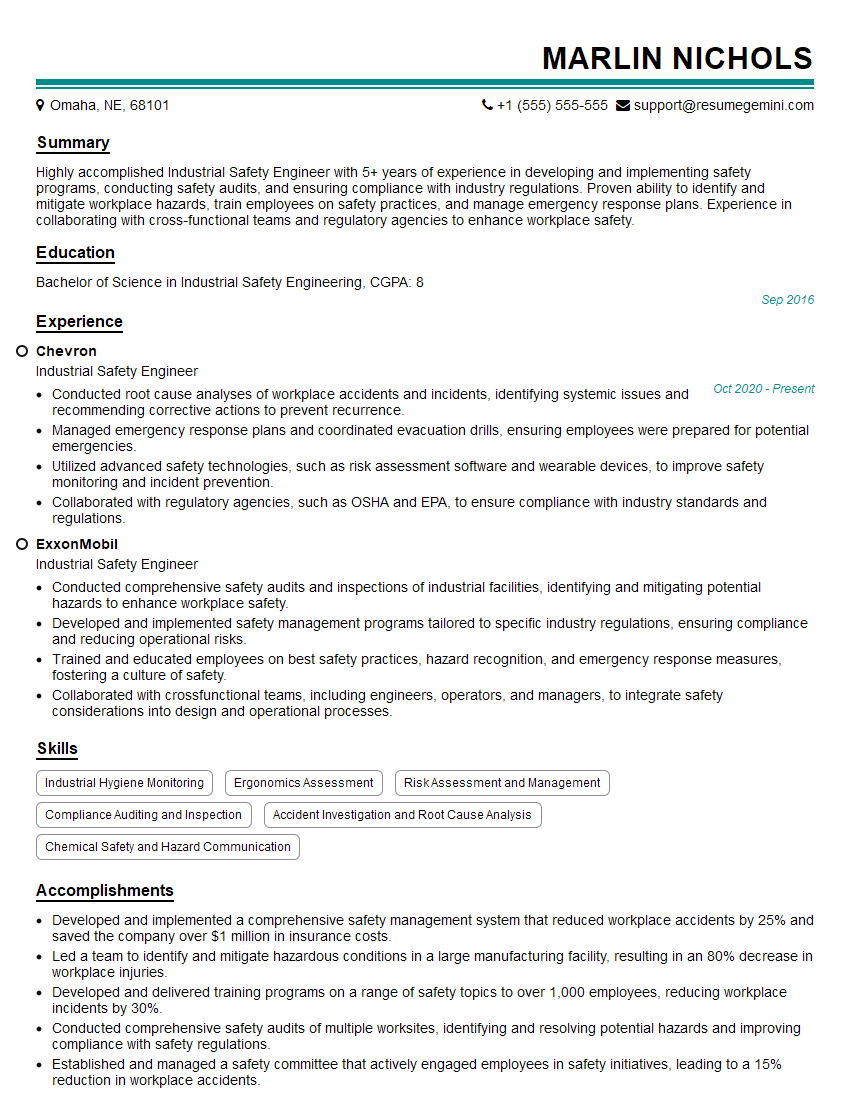
Industrial Safety Engineer Resume Sample
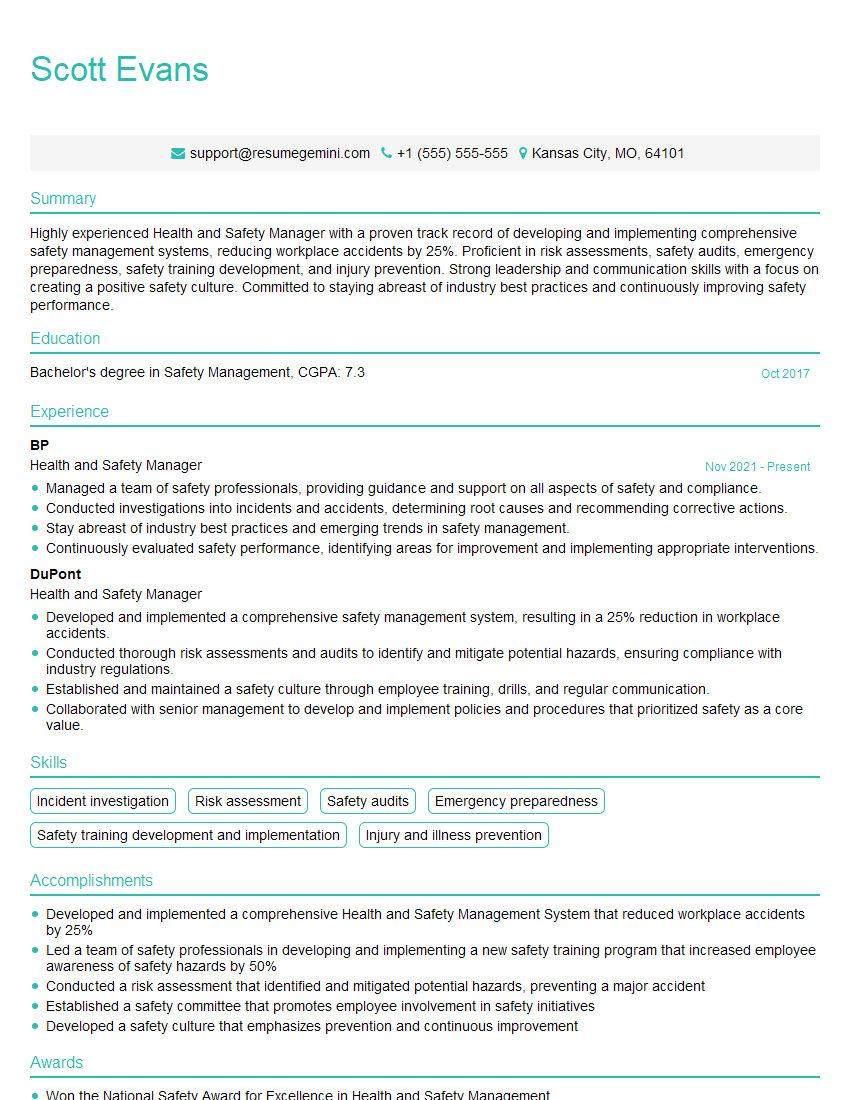
Health and Safety Manager Resume Sample
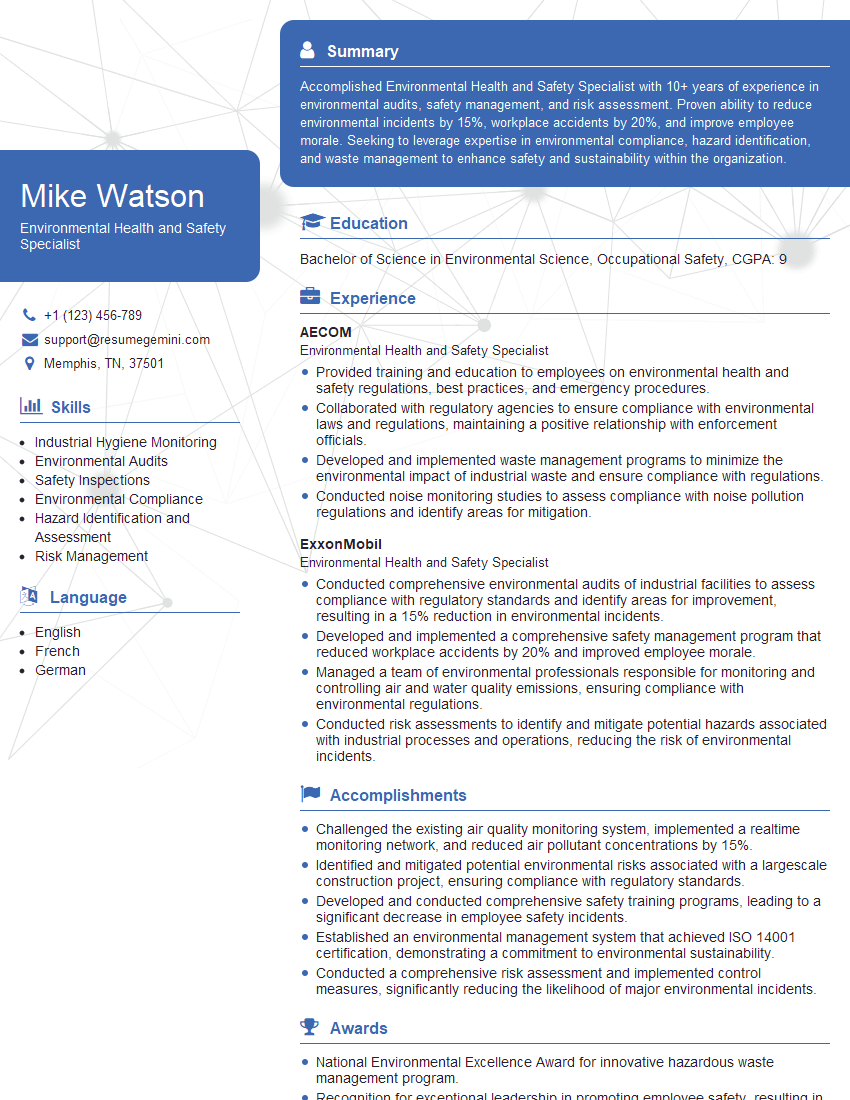
Environmental Health and Safety Specialist Resume Sample
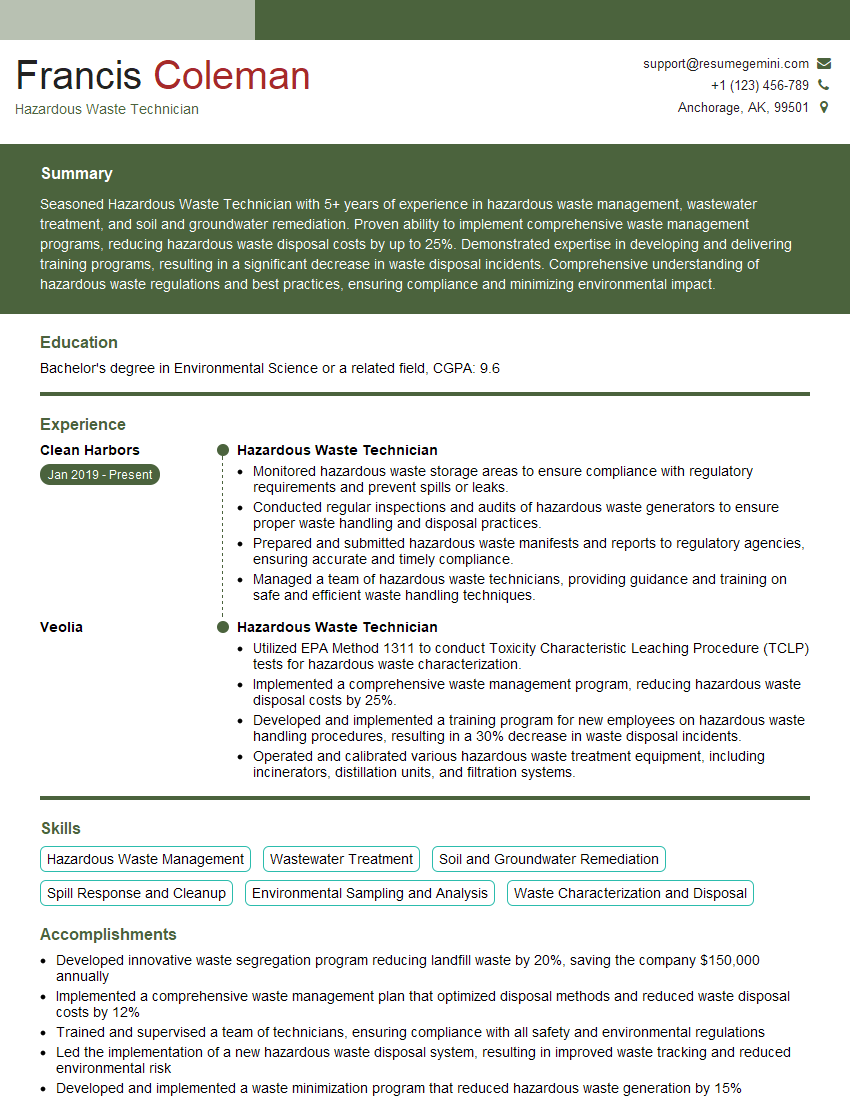
Hazardous Waste Technician Resume Sample
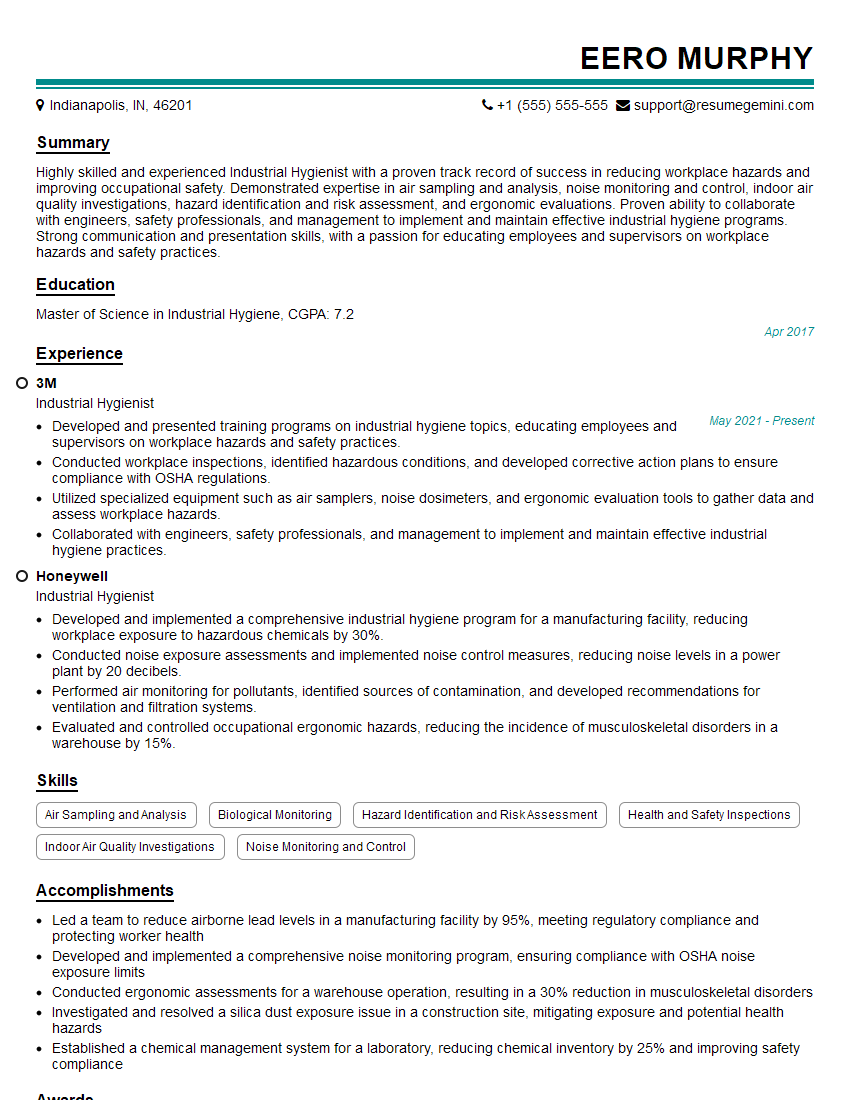
Industrial Hygienist Resume Sample
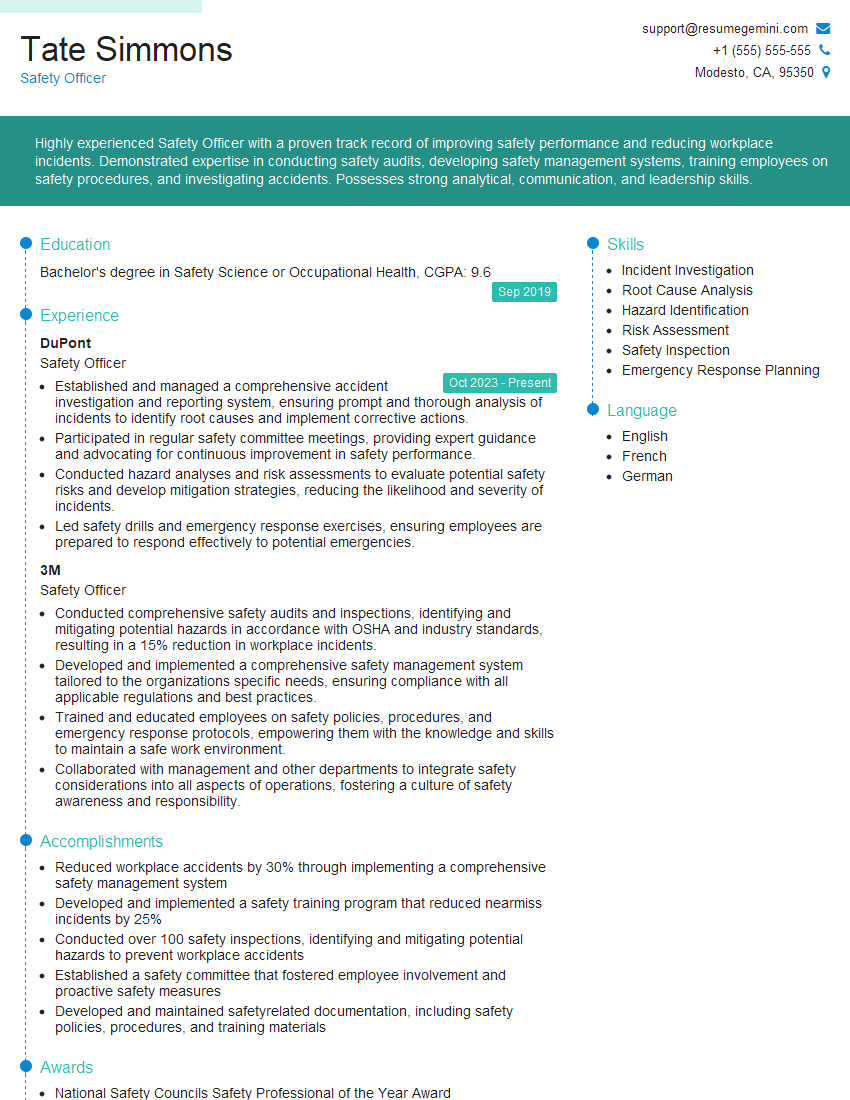
Safety Officer Resume Sample
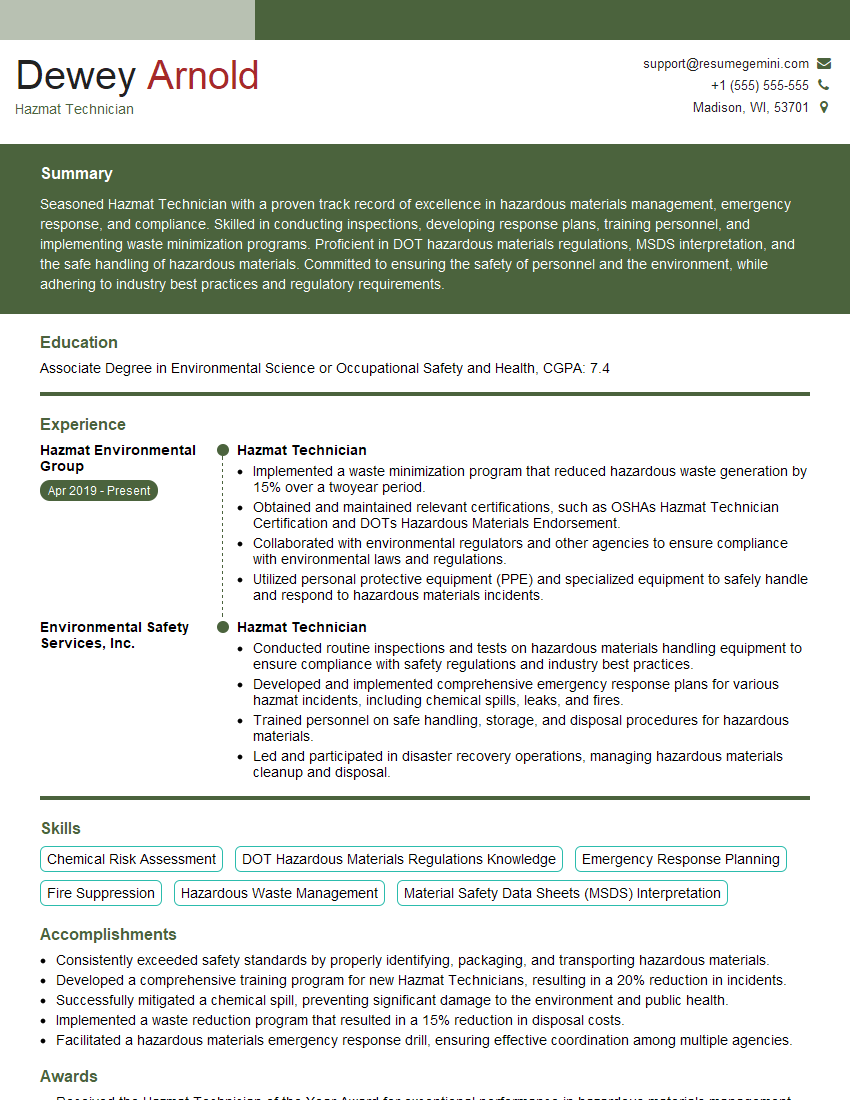
Hazmat Technician Resume Sample
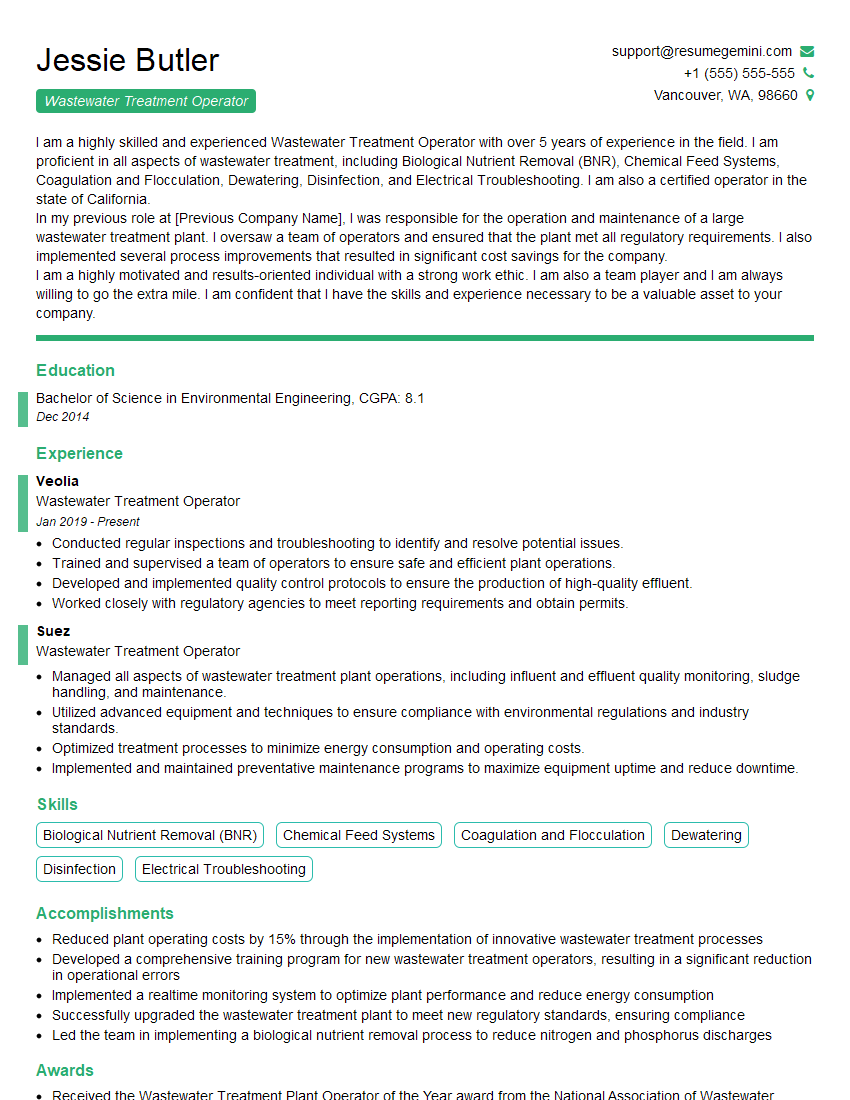
Wastewater Treatment Operator Resume Sample
- Environmental Remediation Specialist
- Environmental Compliance Officer
- Environmental Scientist
- Waste Management Specialist
- Compliance Auditor
- Environmental Consultant
- Industrial Safety Engineer
- Health and Safety Manager
- Environmental Health and Safety Specialist
- Hazardous Waste Technician
- Industrial Hygienist
- Safety Officer
- Hazmat Technician
- Wastewater Treatment Operator
Explore more articles
Users Rating of Our Blogs
Share Your Experience
We value your feedback! Please rate our content and share your thoughts (optional).
What Readers Say About Our Blog
Very informative content, great job.
good