Feeling uncertain about what to expect in your upcoming interview? We’ve got you covered! This blog highlights the most important Cement Mixer interview questions and provides actionable advice to help you stand out as the ideal candidate. Let’s pave the way for your success.
Questions Asked in Cement Mixer Interview
Q 1. Describe the different types of cement mixers you are familiar with.
Cement mixers come in various types, primarily categorized by their size and mixing mechanism. The most common are:
- Small, portable, drum-type mixers: These are typically used for smaller projects, like DIY home improvements. They are relatively inexpensive and easy to maneuver. Think of the classic wheelbarrow-style mixer you see in many home improvement stores.
- Larger, stationary, drum-type mixers: These are more robust and have a larger capacity, ideal for bigger construction sites or commercial applications. They often feature a more powerful motor and are usually mounted on a stand.
- Paddle mixers: These mixers have paddles instead of a rotating drum. They’re often used for smaller batches of specialized concrete mixes or for mixing materials that might be damaged by a rotating drum.
- Heavy-duty, industrial mixers: These are very large machines used in pre-cast concrete plants and large-scale construction projects. These are designed for continuous operation and high volume mixing.
The choice of mixer depends heavily on the scale of the project and the frequency of use. A homeowner tackling a small patio might choose a small, portable model, while a construction company would opt for a larger, stationary or even industrial mixer.
Q 2. Explain the process of mixing concrete using a cement mixer.
Mixing concrete with a cement mixer is a straightforward process but requires attention to detail to ensure a quality mix. First, you add the dry ingredients – cement, sand, and aggregate (gravel or crushed stone) – to the drum. The order isn’t strictly critical, but it’s often recommended to add the larger aggregate first, then the sand, and finally the cement. This helps prevent the cement from clumping and ensures even distribution.
Next, start the mixer and allow it to rotate for a minute or two to blend the dry ingredients. Then, slowly add the required amount of water while the mixer is running. This is crucial; adding too much water at once can lead to a weak, inconsistent mix, while too little will create a dry, unworkable mixture. Continue mixing until a consistent, smooth, and homogenous mixture is achieved – typically around 2-3 minutes after adding all the water. This is when you will see all the ingredients evenly distributed throughout the mixture, and it has a uniform consistency.
Finally, you can discharge the concrete into a wheelbarrow or directly onto the work area. Remember to immediately clean out the mixer after use to prevent hardening of concrete in the drum.
Q 3. What safety precautions should be taken when operating a cement mixer?
Operating a cement mixer safely is paramount. Here are some key safety precautions:
- Always wear appropriate personal protective equipment (PPE): This includes safety glasses or goggles to protect your eyes from flying debris, work gloves to protect your hands, and sturdy work boots to prevent injuries to your feet.
- Never reach into a running mixer: This is extremely dangerous and can lead to severe injury. Always turn off and unplug the mixer before attempting any maintenance or cleaning.
- Ensure proper grounding: Ensure the mixer is properly grounded to prevent electrical shocks.
- Maintain a safe distance: Keep bystanders at a safe distance from the operating mixer to avoid accidental injuries.
- Check for damage before use: Inspect the mixer for any signs of damage or wear before each use. Don’t operate a damaged machine.
- Follow the manufacturer’s instructions: Always refer to the manufacturer’s instructions for specific safety guidelines and operating procedures.
By following these precautions, you can significantly reduce the risk of accidents and injuries when operating a cement mixer.
Q 4. How do you ensure the proper mix ratio of cement, aggregate, and water?
Achieving the correct concrete mix ratio is vital for the strength and durability of the final product. The ratio is typically expressed as a volumetric ratio of cement, sand, aggregate, and water. A common ratio is 1:2:4 (cement:sand:aggregate) but this can vary depending on the application and desired properties of the concrete.
To ensure accuracy, it’s best to use measuring tools like buckets or wheelbarrows of known capacity. For example, if you’re using a 1:2:4 ratio and want to make a batch using 1 cubic foot (cu ft) of cement, you would measure 2 cu ft of sand and 4 cu ft of aggregate. The amount of water needed is more variable and often determined by trial and error or using a slump test (a consistency test). Adding water gradually until you get the desired consistency is key. Always follow guidelines provided by the cement supplier or specified in your project plans.
Pre-mixed concrete bags from suppliers usually have their own recommended water amounts printed on them, making it easy to get the correct mix.
Q 5. What are the signs of a malfunctioning cement mixer?
Several signs can indicate a malfunctioning cement mixer:
- Unusual noises: Grinding, squealing, or unusual vibrations during operation often signal mechanical issues.
- Motor failure: The motor might not start, struggle to turn, or overheat frequently.
- Drum problems: The drum might wobble excessively, not rotate smoothly, or become difficult to tilt for discharge.
- Leaks: Leaks in the drum or housing can lead to loss of material and potentially damage the machine.
- Uneven mixing: If the concrete is not mixing evenly, it might indicate problems with the drum’s rotation, blades, or a problem with the motor’s power.
Addressing these issues promptly is essential to prevent further damage and ensure safety.
Q 6. How do you troubleshoot common cement mixer problems?
Troubleshooting cement mixer problems requires a systematic approach. Always disconnect the power supply before attempting any repairs:
- Identify the problem: Observe the symptoms carefully and note any unusual sounds, behavior, or leaks.
- Check the obvious: Ensure the mixer is properly plugged in and the circuit breaker isn’t tripped. Check for any loose connections or belts.
- Inspect the motor: Look for any signs of overheating, damage to the wiring, or a tripped thermal overload protector.
- Examine the drum: Check for any damage, wear, or obstructions that might be hindering its rotation.
- Lubricate moving parts: If the mixer is making unusual noises, lubricating moving parts (as per manufacturer instructions) might resolve the issue.
- Check the belt: If a belt is loose or broken, it will need to be replaced.
- Consult a professional: If you cannot identify or fix the problem, contact a qualified repair technician or the manufacturer.
It’s often a good idea to keep a basic toolkit near your mixer, including screwdrivers, wrenches, and a multimeter, for simple repairs. Remember, safety always comes first. If you’re unsure about any repair, seek professional help.
Q 7. Explain the importance of regular maintenance for a cement mixer.
Regular maintenance is crucial for extending the lifespan of your cement mixer, ensuring its safety, and preventing costly repairs. A well-maintained mixer will also produce consistently better concrete mixes.
- Clean the drum thoroughly after each use: This prevents concrete from hardening inside, which can damage the drum and blades.
- Inspect for wear and tear: Regularly inspect the mixer for signs of damage or wear, including cracks, loose bolts, or worn belts.
- Lubricate moving parts: Lubricate moving parts as recommended by the manufacturer. This reduces friction and extends the lifespan of the components.
- Check the motor: Ensure the motor is properly ventilated and clean it regularly to prevent overheating.
- Store it properly: Store the mixer in a dry, protected area when not in use.
Creating a regular maintenance schedule – perhaps a monthly or bi-monthly check – will save you money and time in the long run. Think of it like regular servicing for your car; preventative maintenance is always better than reactive repairs.
Q 8. What are the procedures for cleaning and storing a cement mixer?
Cleaning and storing a cement mixer properly extends its lifespan and ensures safe operation. The process involves several key steps, starting immediately after use.
- Immediate Cleaning: While the concrete is still wet, run the drum for a minute or two to loosen any clinging material. This prevents the concrete from hardening and becoming difficult to remove.
- Thorough Washing: Use a high-pressure water hose to thoroughly wash the inside and outside of the drum. Pay special attention to the mixing paddles and any crevices where concrete might accumulate. A stiff brush can be helpful for stubborn residue. Avoid using harsh chemicals unless absolutely necessary, and always consult the manufacturer’s instructions.
- Drying: Allow the mixer to air dry completely before storing. This prevents rust and mold formation. You can speed up the drying process by using a clean cloth to wipe down the surfaces.
- Storage: Store the cement mixer in a dry, covered area to protect it from the elements. If storing outside, consider using a tarp or a protective cover. If it’s a tilt-drum mixer, ensure it’s tilted to allow for drainage.
For example, on a recent job, I noticed a crew leaving the mixer overnight with wet concrete still inside. This resulted in a significant amount of extra cleaning time and effort the next day. Proper cleaning immediately after each use saved valuable time and prevented costly repairs.
Q 9. How do you handle different types of aggregates in a cement mixer?
Handling different aggregates requires understanding their properties and adjusting the mixing process accordingly. Aggregates like sand, gravel, and crushed stone vary in size, shape, and moisture content. These variations influence the overall mix consistency and workability.
- Size and Grading: The size and grading of the aggregate directly affect the mixer’s capacity and the final concrete quality. Overloading the mixer with excessively large aggregates can lead to inefficient mixing and damage to the machine. It’s crucial to use aggregates consistent with the mixer’s specifications.
- Moisture Content: The moisture content of the aggregates needs to be considered when adjusting the water content in the mix. Dry aggregates will require more water, while damp aggregates may need less. This affects the final consistency and can be adjusted based on experience and observation of the mix.
- Material Type: Different aggregates have different properties. Some, like certain types of gravel, can be harder on the mixer drum than others. It’s essential to understand potential wear and tear based on the materials used and adjust operation accordingly or consider using protective liners if needed.
For instance, when mixing with a high percentage of crushed stone, I carefully monitor the drum to ensure even mixing and avoid overloading, reducing wear and tear on the machine and maintaining consistency in the concrete produced.
Q 10. What are the limitations of a cement mixer in terms of capacity and mixing time?
Cement mixers have limitations in both capacity and mixing time. These limitations are crucial to understand to avoid compromising the quality of the concrete and to ensure safe operation.
- Capacity: The capacity of a cement mixer is determined by its drum size and is typically expressed in cubic feet or cubic yards. Overloading the mixer reduces mixing efficiency and can damage the motor and the drum. It is essential to carefully measure the components to stay within the rated capacity.
- Mixing Time: Insufficient mixing time leads to uneven distribution of cement and aggregates, resulting in weak and inconsistent concrete. The required mixing time varies depending on the mixer type and the materials being used but is usually between 3 to 5 minutes for smaller portable mixers. Over-mixing can also be detrimental, leading to increased water demand and potentially weakening the concrete.
In my experience, I’ve seen jobs where contractors tried to rush the process, resulting in poorly mixed concrete. Adhering to the manufacturer’s recommendations regarding capacity and mixing time is crucial for producing quality concrete.
Q 11. Describe your experience with different types of cement.
My experience encompasses various types of cement, each with unique properties that influence the final concrete mixture.
- Portland Cement: This is the most common type, known for its strength and versatility. Different types of Portland cement, such as Type I (general purpose), Type II (moderate sulfate resistance), Type III (high early strength), and others, are chosen depending on the project’s requirements.
- Masonry Cement: This is designed specifically for masonry work and offers improved workability and water retention compared to standard Portland cement.
- High-Performance Concrete (HPC): HPC cements are engineered to achieve superior strength, durability, and other special properties like increased resistance to chemicals or fire. These often require specialized handling and mixing techniques.
For example, on a recent high-rise construction project, we used Type III high-early-strength cement to expedite the curing process and meet the tight schedule. Understanding the properties of each type of cement allowed us to optimize the mix design for the specific needs of the project.
Q 12. How do you adjust the water content in the mix based on weather conditions?
Weather conditions significantly impact the water content required for optimal concrete mixing. Adjustments are necessary to maintain the desired workability and prevent issues like cracking or excessive water loss.
- Hot Weather: In hot and dry weather, the water evaporates quickly from the concrete mix. More water may be needed to compensate for this loss. However, adding too much water weakens the concrete. A careful balance is necessary to maintain desired consistency.
- Cold Weather: In cold weather, water can freeze within the concrete before it has a chance to properly hydrate and set. While adding less water might seem intuitive, it often leads to reduced workability. In colder conditions, admixtures that help reduce water and enhance freezing resistance can be used.
I’ve learned through experience that careful monitoring of the concrete’s consistency and the use of appropriate admixtures in extreme weather are essential for producing high-quality concrete regardless of conditions.
Q 13. What are the potential hazards associated with using a cement mixer?
Operating a cement mixer presents several potential hazards that require careful attention and adherence to safety procedures.
- Rotating Drum Hazards: Entanglement in the rotating drum is a significant risk. Never reach into the drum while it’s running. Proper lockout/tagout procedures should be implemented before performing any maintenance or repairs.
- Material Handling Hazards: Lifting heavy bags of cement and aggregates can cause injuries if not done properly. Use mechanical aids such as wheelbarrows or forklifts when handling larger quantities of materials. Remember to use proper lifting techniques to avoid back strain.
- Electrical Hazards: Ensure that electrical cords are not damaged and are properly grounded to prevent electrical shocks. Avoid using the mixer in wet conditions to reduce the risk of electrical hazards.
- Concrete Hazards: Cement is an alkaline substance that can irritate skin and eyes. Always wear appropriate personal protective equipment (PPE), including gloves, eye protection, and safety boots. Proper ventilation also helps reduce the risk of respiratory issues from cement dust.
One time, I witnessed a worker who wasn’t wearing gloves get a chemical burn from the cement. This underscored the critical importance of always following proper safety protocols.
Q 14. Explain your understanding of OSHA regulations related to cement mixer operation.
OSHA (Occupational Safety and Health Administration) regulations related to cement mixer operation focus primarily on preventing injuries and ensuring a safe work environment. These regulations cover aspects such as machine guarding, personal protective equipment (PPE), training, and emergency procedures.
- Machine Guarding: OSHA mandates that all moving parts of the cement mixer, such as the rotating drum, be properly guarded to prevent accidental contact and injuries. This may involve the use of shields or interlocks that prevent operation unless safety measures are in place.
- Personal Protective Equipment (PPE): OSHA requires the use of appropriate PPE, including safety glasses, gloves, hearing protection, and safety footwear, to minimize the risk of injury from flying debris, chemical burns, or noise. The type of PPE will depend on the specific task and the hazards associated with it.
- Training: Employees operating cement mixers must receive adequate training on safe operating procedures, including lockout/tagout procedures, proper lifting techniques, and emergency response protocols. This training should cover the specific hazards associated with the mixer and the steps needed to mitigate them.
- Emergency Procedures: There should be clear emergency procedures in place, including how to respond to equipment malfunctions, injuries, and spills. These procedures must be readily available to all employees.
Compliance with OSHA regulations is not just a legal requirement but is a crucial step in creating a safe and productive work environment. Understanding and implementing these regulations are fundamental to responsible cement mixer operation.
Q 15. Describe your experience with preventative maintenance schedules.
Preventative maintenance is crucial for extending the lifespan of a cement mixer and preventing costly downtime. My approach involves a meticulously planned schedule, typically incorporating daily, weekly, and monthly checks.
- Daily Checks: These focus on readily observable aspects like checking for fluid leaks (hydraulic oil, water), ensuring the drum spins freely, and visually inspecting the tires and general condition of the mixer. I always make a note of any unusual sounds or vibrations. For example, a grinding noise might indicate wear in the drum gears.
- Weekly Checks: This involves more thorough checks, including greasing moving parts according to the manufacturer’s recommendations (which I always have on hand). I’ll also inspect belts for wear and tear and check the tightness of all nuts and bolts.
- Monthly Checks: This is when I perform a more in-depth inspection, potentially including checking the hydraulic fluid levels and quality, and meticulously examining the drum’s interior for any signs of damage or build-up. I also review the operational logs to identify potential trends in usage or any emerging issues.
This proactive approach minimizes the risk of unexpected breakdowns and keeps the mixer running smoothly and efficiently. I’m also adept at using computerized maintenance management systems (CMMS) to track and schedule maintenance activities.
Career Expert Tips:
- Ace those interviews! Prepare effectively by reviewing the Top 50 Most Common Interview Questions on ResumeGemini.
- Navigate your job search with confidence! Explore a wide range of Career Tips on ResumeGemini. Learn about common challenges and recommendations to overcome them.
- Craft the perfect resume! Master the Art of Resume Writing with ResumeGemini’s guide. Showcase your unique qualifications and achievements effectively.
- Don’t miss out on holiday savings! Build your dream resume with ResumeGemini’s ATS optimized templates.
Q 16. How do you identify and resolve issues related to drum rotation?
Drum rotation problems are usually due to mechanical or hydraulic issues. My troubleshooting starts with a visual inspection, followed by a systematic approach:
- Visual Inspection: Check for obvious things like obstructions in the drum, damaged belts, or loose components. A visual check can often reveal a simple solution, like removing a foreign object that’s jamming the drum.
- Hydraulic System Check (if applicable): For hydraulically driven mixers, I’ll check the hydraulic fluid level, look for leaks, and assess the hydraulic pump’s operation. Low fluid levels or a faulty pump will hinder drum rotation. I’m proficient in using pressure gauges to check for proper hydraulic pressure.
- Mechanical System Check: This involves examining the gearbox, motor, and drive system for damage or wear. Unusual noises – grinding, whining, or clicking – provide valuable clues. I’m experienced in identifying the source of such noises and have experience in diagnosing gear wear, belt slippage, or motor issues.
- Testing Motor and Components: Using specialized tools like multimeters, I can test the motor’s current draw and the operation of various switches and relays to pinpoint electrical issues. I can also assess the condition of the gearbox through auditory and tactile inspection.
Each step helps narrow down the problem, leading to a more efficient repair. It’s essential to understand the specific model of the mixer to troubleshoot effectively. For instance, knowing the location and access points of different components makes the maintenance and repairs less time-consuming.
Q 17. How do you ensure the proper lubrication of a cement mixer?
Proper lubrication is paramount to extend the life and efficiency of a cement mixer. My process involves adhering strictly to the manufacturer’s recommendations, found in the machine’s operational manual. I typically use specified grease and oil types.
- Identifying Lubrication Points: I carefully identify all lubrication points, such as bearings, gears, and moving parts of the drum and chassis. These are often clearly marked.
- Using the Correct Lubricants: I always use the exact type and grade of grease and oil specified by the manufacturer. Using inappropriate lubricants can cause damage.
- Applying Lubricants Correctly: I carefully apply lubricants to each point, ensuring proper distribution and avoiding over-lubrication (which can attract dirt and cause issues). I’ll often clean the area before applying the lubricant.
- Regular Lubrication Schedule: I maintain a consistent lubrication schedule as per the manufacturer’s specifications (this is usually part of the preventative maintenance schedule).
Consistent, correct lubrication prevents premature wear and tear, reducing friction and keeping the mixer running smoothly. Neglecting lubrication can lead to significant damage and costly repairs.
Q 18. What is your experience with different types of mixer drums (e.g., tilt-drum, paddle-mixers)?
I have extensive experience with various mixer drum types, including tilt-drum and paddle mixers. Each type offers distinct advantages and requires specific maintenance considerations.
- Tilt-Drum Mixers: These are common and rely on the rotation of a drum to mix the concrete. I understand the crucial components, including the drum’s rotation mechanism, hydraulics (if applicable), and the tilting mechanism itself. I am familiar with the common issues such as drum bearing wear, hydraulic leaks, and problems with the tilting mechanism.
- Paddle Mixers: These use rotating paddles within a stationary drum to mix the concrete. My experience encompasses understanding the paddle’s design and the motor’s drive system. Common maintenance challenges include paddle wear, motor issues, and the need for regular cleaning to remove hardened concrete.
My expertise allows me to adapt quickly to the specific requirements of each type, ensuring efficient operation and preventative maintenance tailored to the drum’s design.
Q 19. Explain your experience with various concrete additives and their impact on the mix.
Concrete additives significantly alter the properties of the final mix, and I have a solid understanding of their impact. Different additives serve various purposes, and I understand their proper usage and potential effects:
- Accelerators: These speed up the setting time of concrete, which can be useful in cold weather or when rapid curing is needed. However, over-usage can lead to rapid setting and difficulty in placing the concrete.
- Retarders: These slow down the setting time, useful in hot weather or for larger pours. Misuse can result in excessively long setting times.
- Water Reducers: These allow for reduced water content while maintaining workability, resulting in stronger, more durable concrete. It’s crucial to use them in the correct proportions.
- Superplasticizers: These are high-range water reducers, offering significant improvements in flow and workability. Incorrect dosage can negatively impact the concrete’s strength.
My experience includes understanding the interaction between different additives and ensuring the correct dosage according to the specific requirements of the project and the environmental conditions. I’m also aware of potential safety hazards associated with certain additives.
Q 20. How do you handle unexpected equipment failures during operation?
Unexpected equipment failures are a part of construction work, and my approach involves a calm, systematic response:
- Safety First: The immediate priority is ensuring the safety of myself and others on the site. I secure the area and prevent further incidents.
- Assess the Situation: I try to determine the nature and severity of the failure. What is not working? What are the potential consequences?
- Attempt Immediate Fixes (If Safe and Possible): For minor issues, like a minor belt adjustment, I may be able to quickly fix the problem. This needs to be done only if it’s safe to attempt.
- Contact Support: For more significant issues, I’ll immediately contact maintenance personnel or the relevant supplier for support and guidance. I have established reliable contacts for emergency repairs.
- Document Everything: I meticulously document the failure, including the time, the nature of the problem, steps taken, and the eventual solution. This is essential for analysis and prevention of future occurrences.
- Implement Contingency Plans: If the failure significantly impacts the workflow, I implement contingency plans (if available) to minimize delays.
My experience ensures a timely and effective response, minimizing project disruptions.
Q 21. Describe your approach to working safely in a construction environment.
Safety is my top priority in a construction environment. My approach combines adherence to safety regulations and the use of best practices:
- Personal Protective Equipment (PPE): I consistently use appropriate PPE, including safety glasses, gloves, steel-toe boots, and hearing protection, as required by the job.
- Hazard Identification and Risk Assessment: Before commencing any task, I carefully assess potential hazards – such as moving machinery, uneven surfaces, and electrical hazards – and implement appropriate safety measures.
- Safe Operating Procedures: I strictly adhere to the manufacturer’s operating instructions for the cement mixer and all other equipment used. I am familiar with lockout/tagout procedures for maintenance activities.
- Communication and Teamwork: I maintain open communication with colleagues and supervisors to ensure everyone is aware of potential risks and safety procedures. This includes reporting any unsafe conditions immediately.
- Regular Safety Training: I am always up to date with my safety training and actively participate in safety briefings and discussions.
Safety is not just a set of rules, it’s a mindset. I am always vigilant and proactively contribute to a safe work environment for myself and my colleagues. For instance, I wouldn’t start work on a mixer if I detected any unsafe operating conditions.
Q 22. How do you communicate effectively with your team and supervisors?
Effective communication is crucial in construction. With my team, I prioritize clear, concise instructions, especially when dealing with potentially hazardous machinery like cement mixers. I use visual aids like diagrams when explaining complex tasks. With supervisors, I maintain open communication channels, proactively reporting progress, potential issues, or any required material adjustments. For example, if I anticipate a delay due to material shortage, I’ll inform my supervisor immediately, suggesting potential solutions. I also actively participate in team meetings, offering insights and contributing to problem-solving. Regular, open dialogue ensures everyone’s on the same page, preventing misunderstandings and fostering a collaborative work environment.
Q 23. Explain your experience with load bearing calculations or concrete volume estimations.
My experience includes calculating concrete volumes for various projects, ensuring we order the correct amount of materials. For instance, to pour a foundation of 10ft x 10ft x 2ft, I’d calculate the volume as 200 cubic feet. Converting this to cubic yards (approximately 7.4 cubic yards), I would then adjust based on the concrete mix ratio to determine the exact amounts of cement, sand, and aggregate required. Load bearing calculations aren’t directly my responsibility, but I understand their importance and collaborate closely with engineers to ensure the concrete mix’s compressive strength meets project specifications. If a project requires high-strength concrete, for example, I understand the need for precise mix ratios and diligent monitoring of the mixing process.
Q 24. How do you manage time effectively to meet project deadlines?
Time management on construction sites is critical. I use a combination of techniques to meet deadlines. First, I meticulously review project plans, breaking down tasks into smaller, manageable steps. I then prioritize tasks based on their urgency and dependencies. I also allocate specific time slots for each task, allowing for potential delays. For example, I’ll schedule the mixing process considering the setting time of the concrete. Real-time monitoring of the project’s progress helps me identify potential bottlenecks early on and allows me to adjust my schedule accordingly, working closely with the team to maintain the workflow. Furthermore, I maintain detailed records, documenting the progress of each stage which aids in tracking and adjusting as needed.
Q 25. Describe your experience with different types of concrete (e.g., high-strength, self-consolidating).
I’ve worked with various concrete types. High-strength concrete requires a precise mix ratio with specialized admixtures to achieve the desired compressive strength. I understand that variations in cement type and aggregate size can affect the final product. Self-consolidating concrete (SCC), on the other hand, requires careful handling to prevent segregation. It needs a different mixing approach and consistency check throughout the process to ensure it flows evenly without needing vibration. Each type demands a different approach to mixing, pouring, and curing, and I’m proficient in handling them all. For example, I know the importance of using a slump test to verify the workability of SCC.
Q 26. How do you ensure the quality and consistency of the concrete mix?
Maintaining quality and consistency is paramount. I ensure this through several measures. First, I rigorously follow the specified mix design, precisely measuring the amounts of each ingredient using calibrated measuring equipment. This includes regularly checking and calibrating the cement mixer itself. I also consistently monitor the mixing process, ensuring all materials are thoroughly combined. Visual inspection for proper consistency is performed, and I use a slump test regularly to ensure workability. Finally, thorough documentation of each batch, including mix ratios and slump test results, provides a traceable record. Any deviations from the standard are immediately reported and addressed.
Q 27. Explain the process of batching concrete materials using a cement mixer.
Batching concrete involves accurately measuring and combining the ingredients. The process starts with verifying the mix design and calculating the required quantities of cement, aggregates (sand and gravel), and water. Next, I’ll add the larger aggregate to the cement mixer drum, followed by the cement, and then the sand. Once this is done, I start the mixer to ensure proper distribution. Then, the appropriate amount of water is added gradually while the mixer is running, until the desired consistency is achieved. I’ll monitor the mixture, ensuring it is homogeneous and free of any clumps. Finally, I’ll run the mixer for a set amount of time to ensure complete mixing, before discharging it for use. The entire process is carefully monitored to ensure accuracy and consistency.
Q 28. What are your strengths and weaknesses as a cement mixer operator?
My strengths include my meticulous attention to detail, ensuring precise measurements and consistent mix quality. I’m also adept at troubleshooting common mixing problems and maintaining the cement mixer in optimal condition. My ability to work efficiently and meet deadlines is another key strength. However, my weakness is occasionally becoming too focused on the technical aspects, potentially overlooking less obvious aspects like overall site organization. I’m actively working to improve this by improving my teamwork and communication skills, understanding that a cohesive team contributes to a more efficient workflow and safer environment.
Key Topics to Learn for Cement Mixer Interview
- Understanding Mixer Components: Familiarize yourself with the various parts of a cement mixer, their functions, and how they interact. This includes the drum, motor, transmission, and controls.
- Operational Procedures: Master the safe and efficient operation of different types of cement mixers, including loading, mixing, and unloading procedures. Understand safety protocols and preventative maintenance.
- Material Handling & Safety: Learn about proper handling of cement, aggregates, and water to ensure consistent mix quality. Understand and apply relevant safety regulations and best practices to prevent accidents.
- Troubleshooting Common Issues: Develop your ability to diagnose and resolve common problems encountered during cement mixing operations, such as engine malfunctions, material inconsistencies, or drum issues.
- Mix Design & Proportions: Understand the principles of concrete mix design and the impact of different ratios of cement, aggregates, and water on the final product’s strength and workability.
- Maintenance & Repair: Be prepared to discuss routine maintenance tasks and basic repair procedures for cement mixers. Understanding preventative maintenance is crucial.
- Environmental Considerations: Discuss the environmental impact of cement production and mixing, including dust control and waste management.
Next Steps
Mastering the operation and maintenance of cement mixers opens doors to numerous opportunities in construction and related industries. A strong understanding of these principles demonstrates valuable practical skills and commitment to safety. To significantly boost your job prospects, create a resume that is ATS-friendly – one that Applicant Tracking Systems can easily read and understand. ResumeGemini is a trusted resource that can help you build a professional and effective resume tailored to highlight your cement mixer expertise. Examples of resumes specifically designed for cement mixer roles are available to guide you.
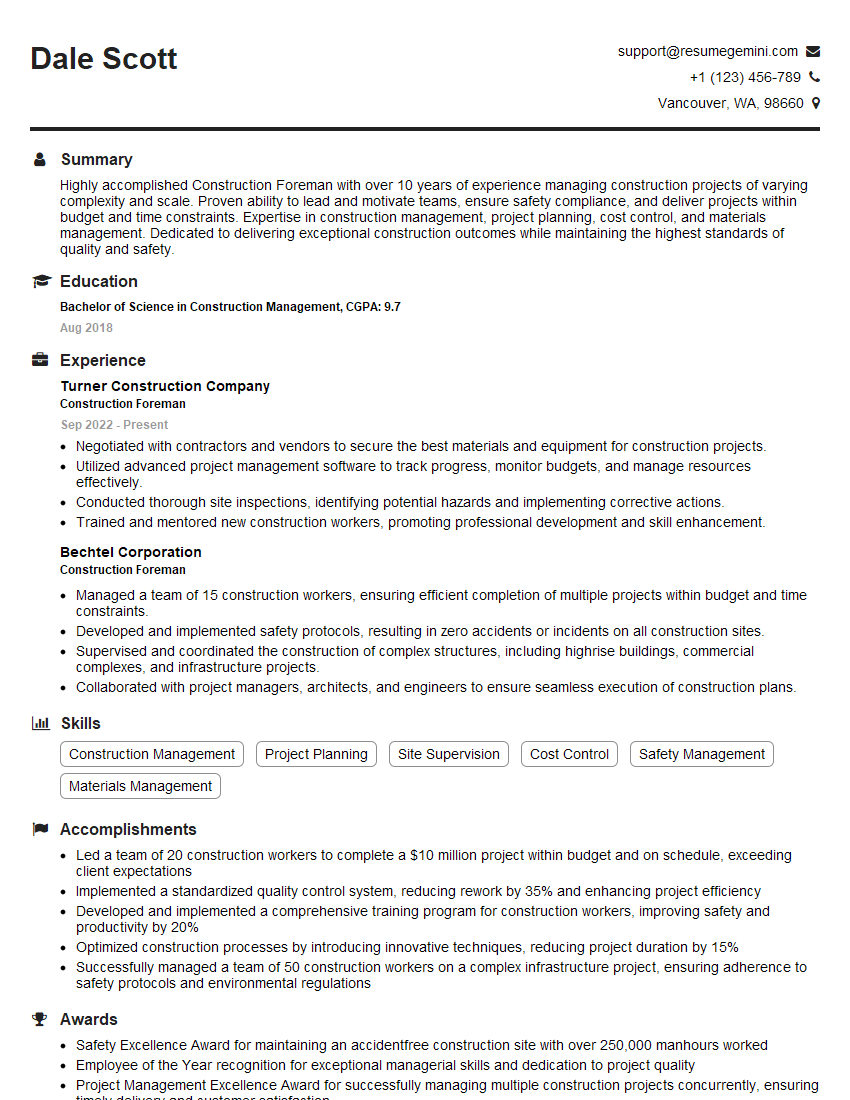
Construction Foreman Resume Sample

Construction Superintendent Resume Sample
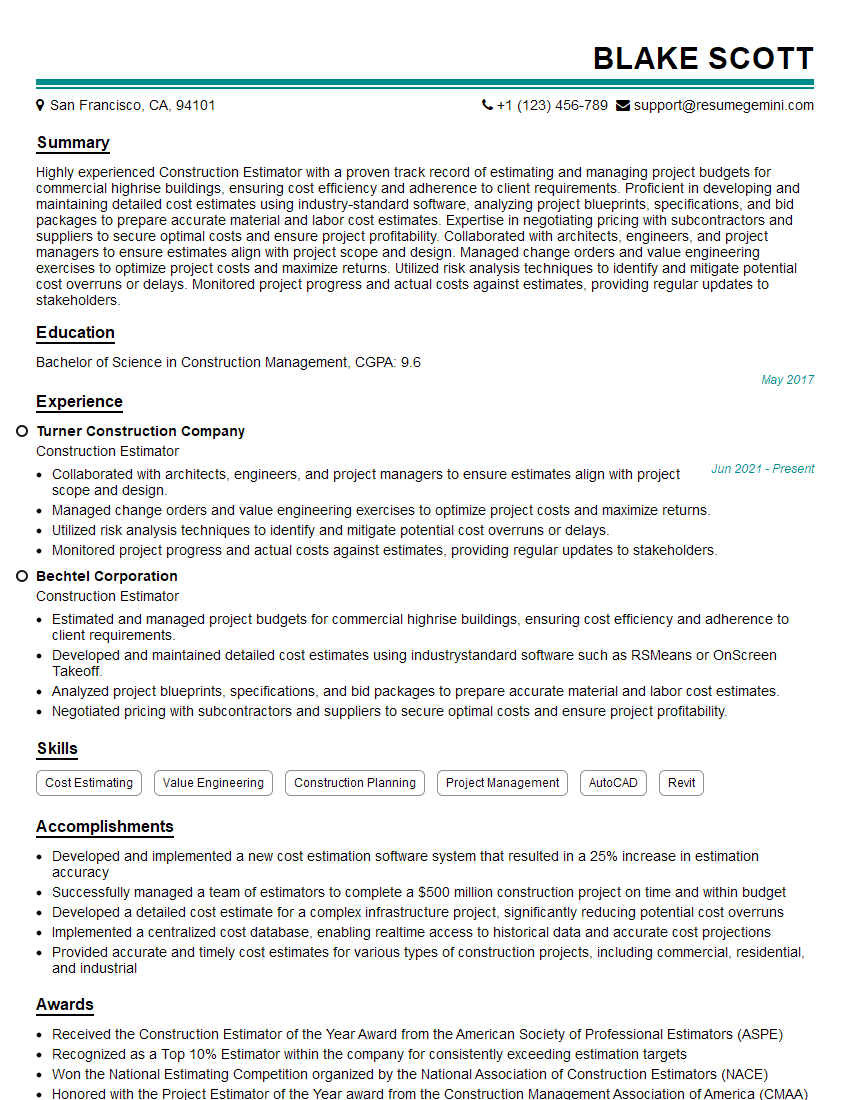
Construction Estimator Resume Sample
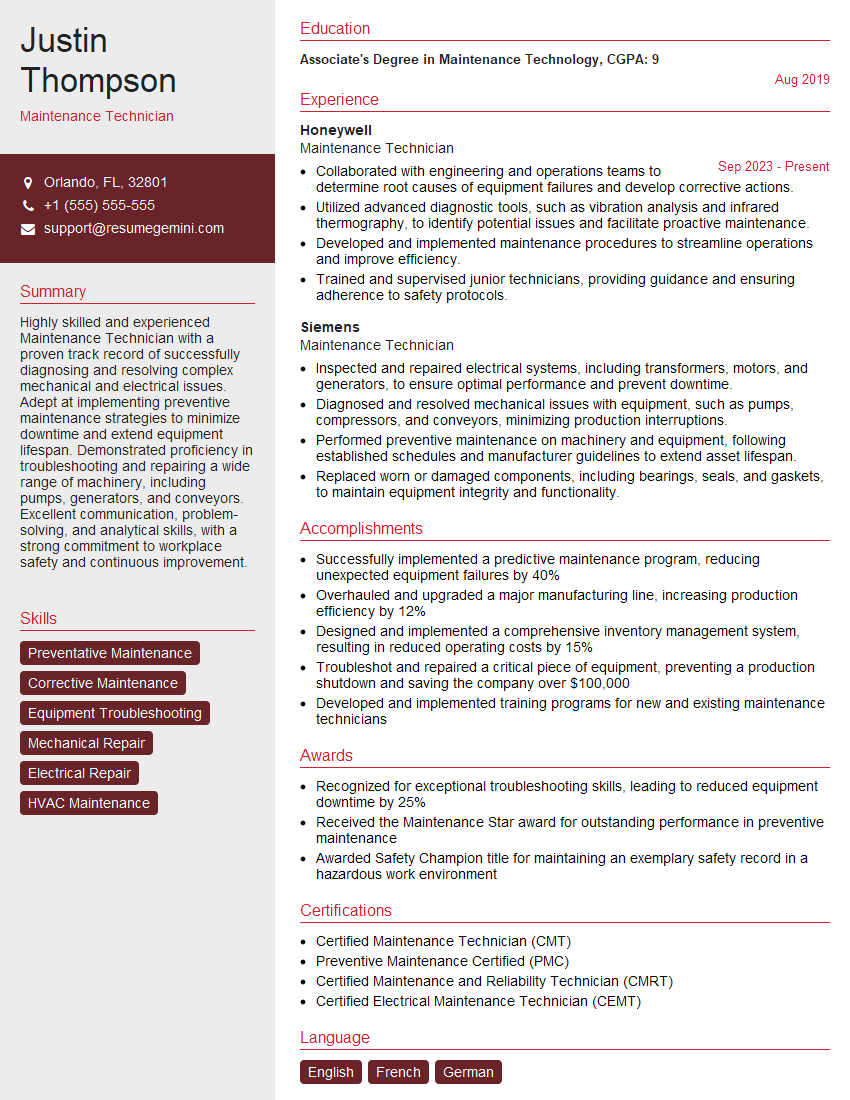
Maintenance Technician Resume Sample

Civil Engineer Resume Sample
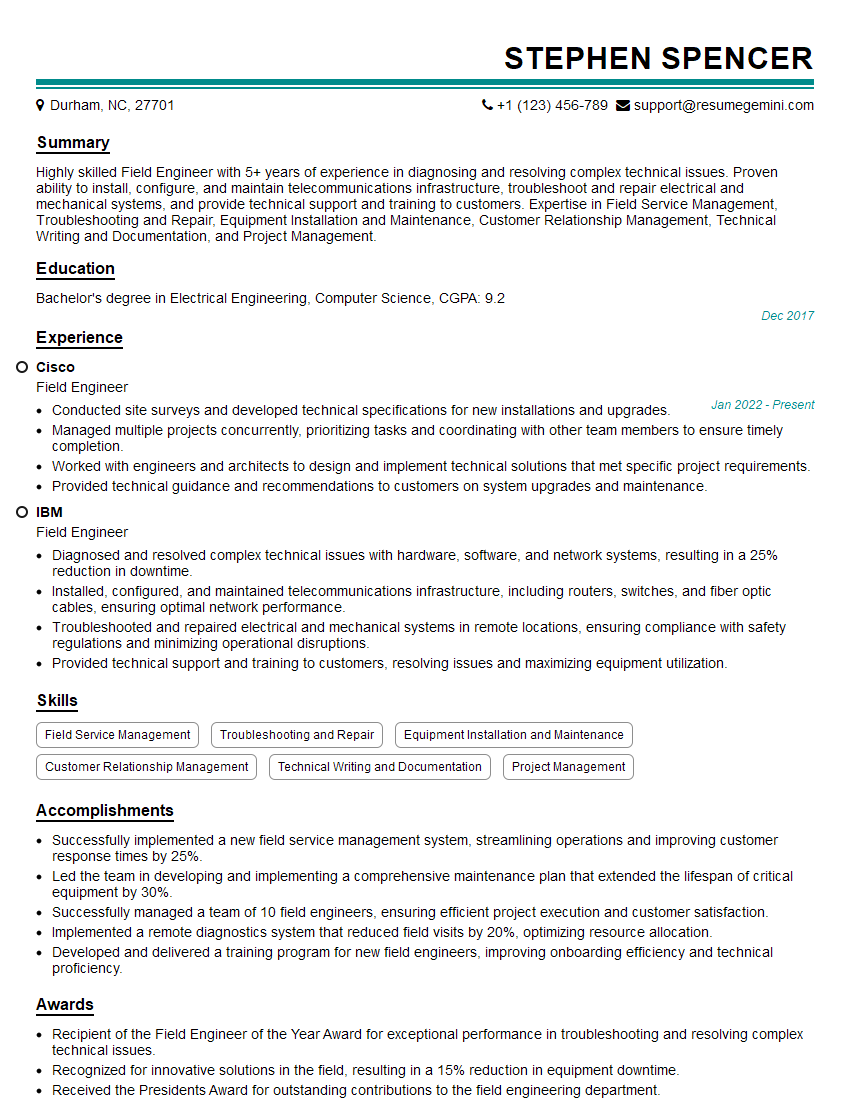
Field Engineer Resume Sample
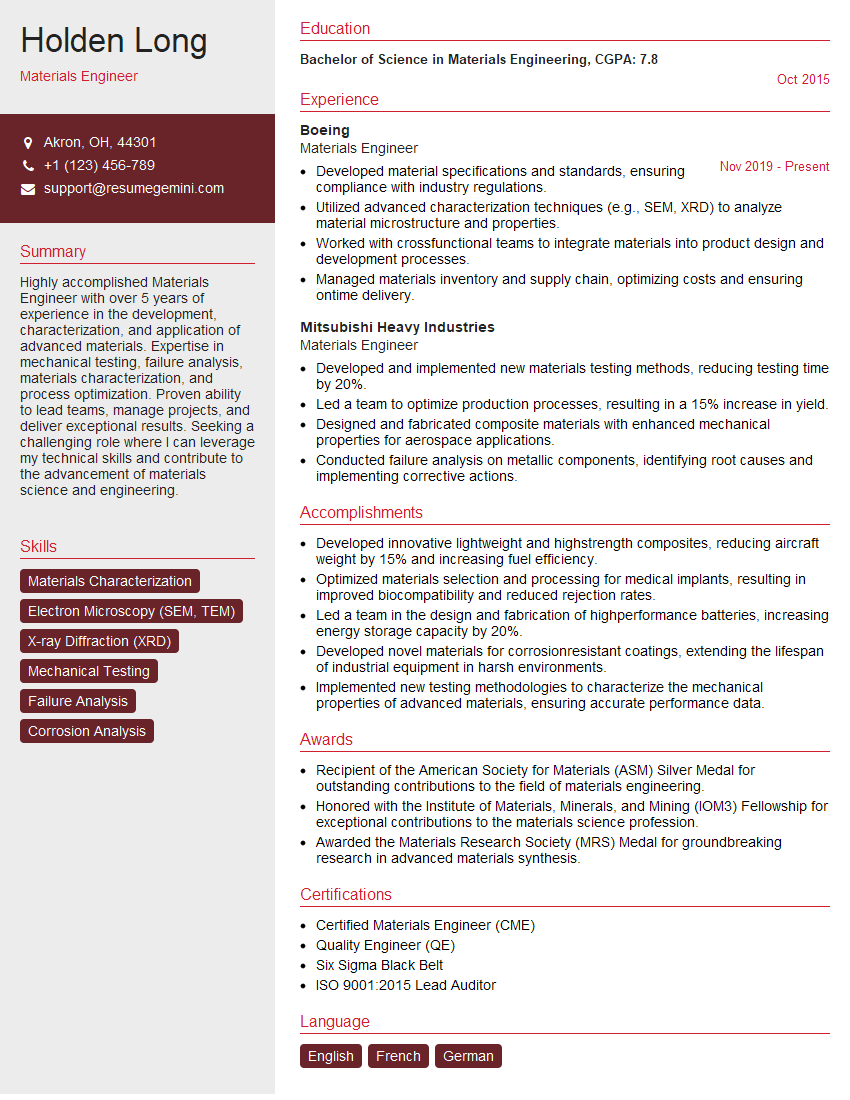
Materials Engineer Resume Sample
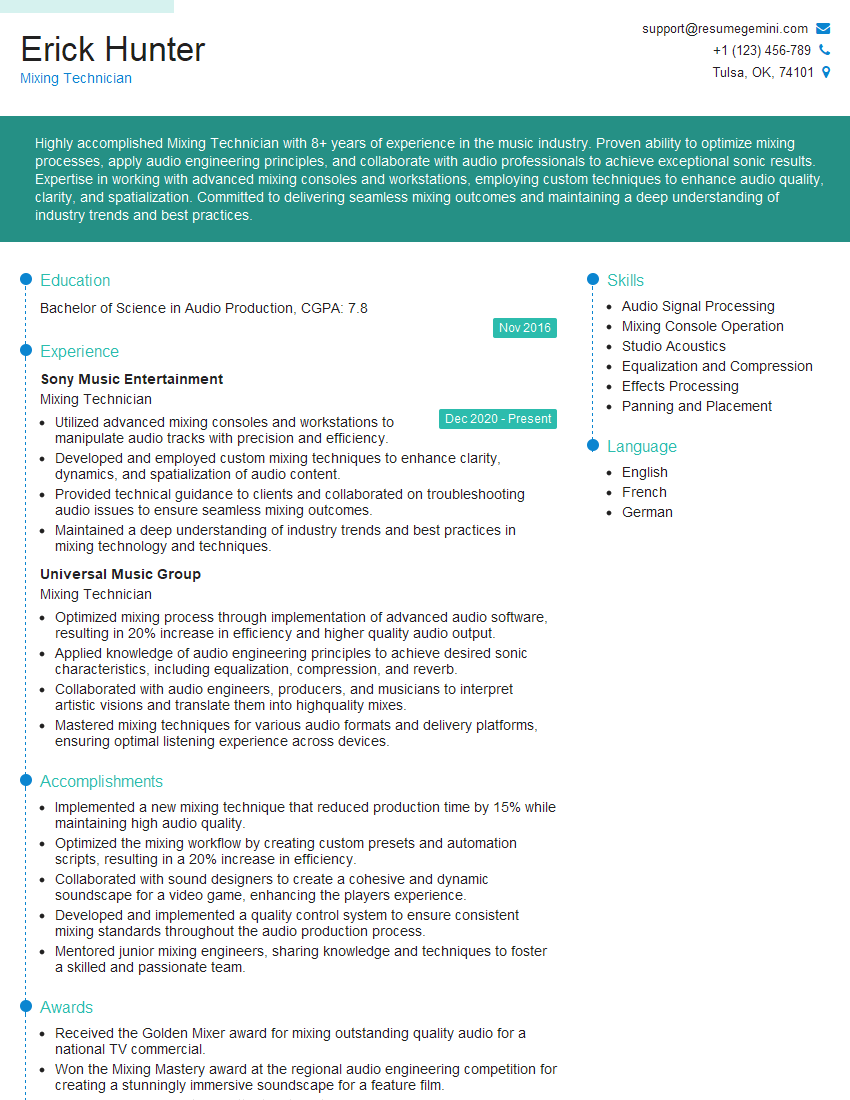
Mixing Technician Resume Sample
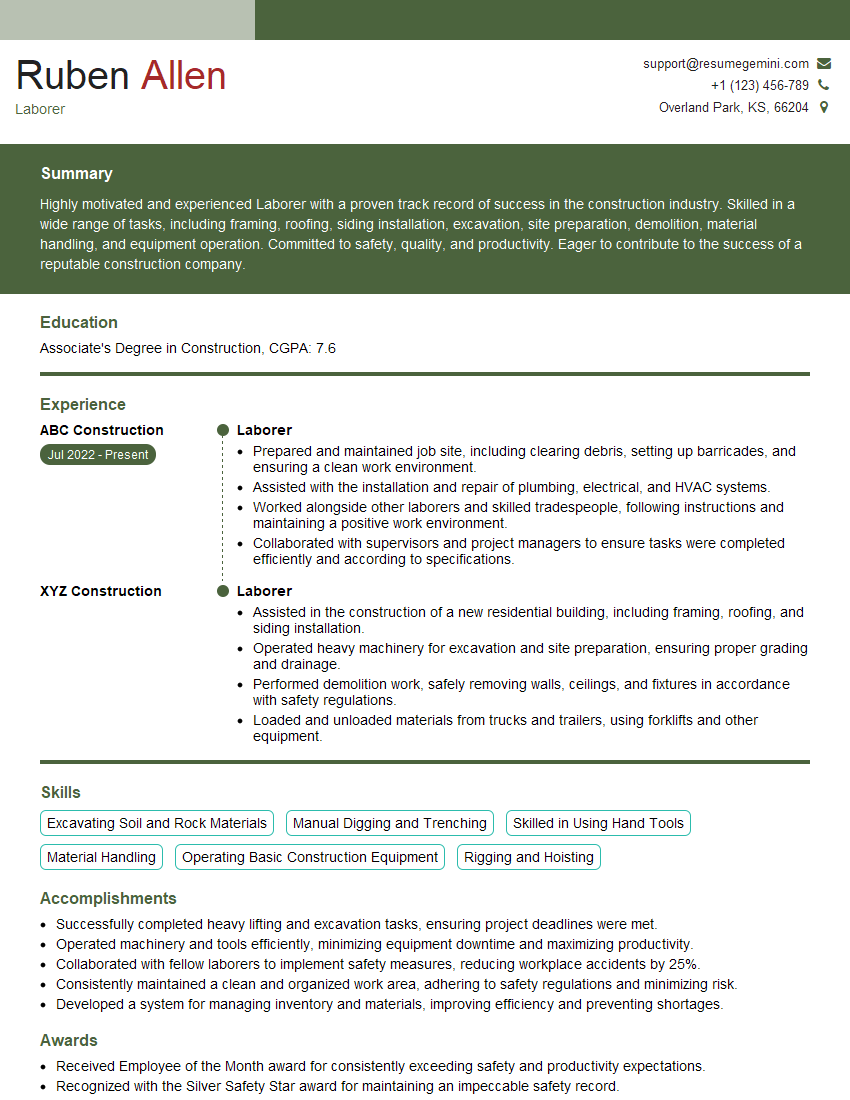
Laborer Resume Sample
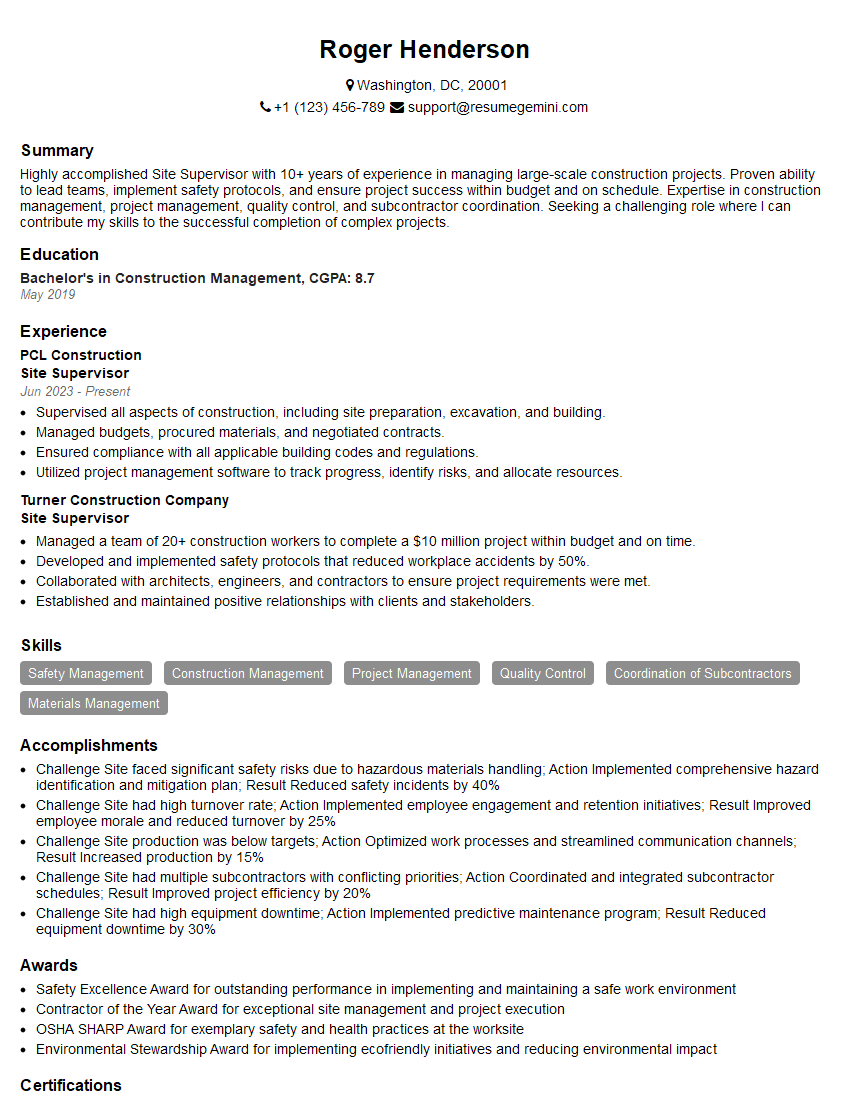
Site Supervisor Resume Sample
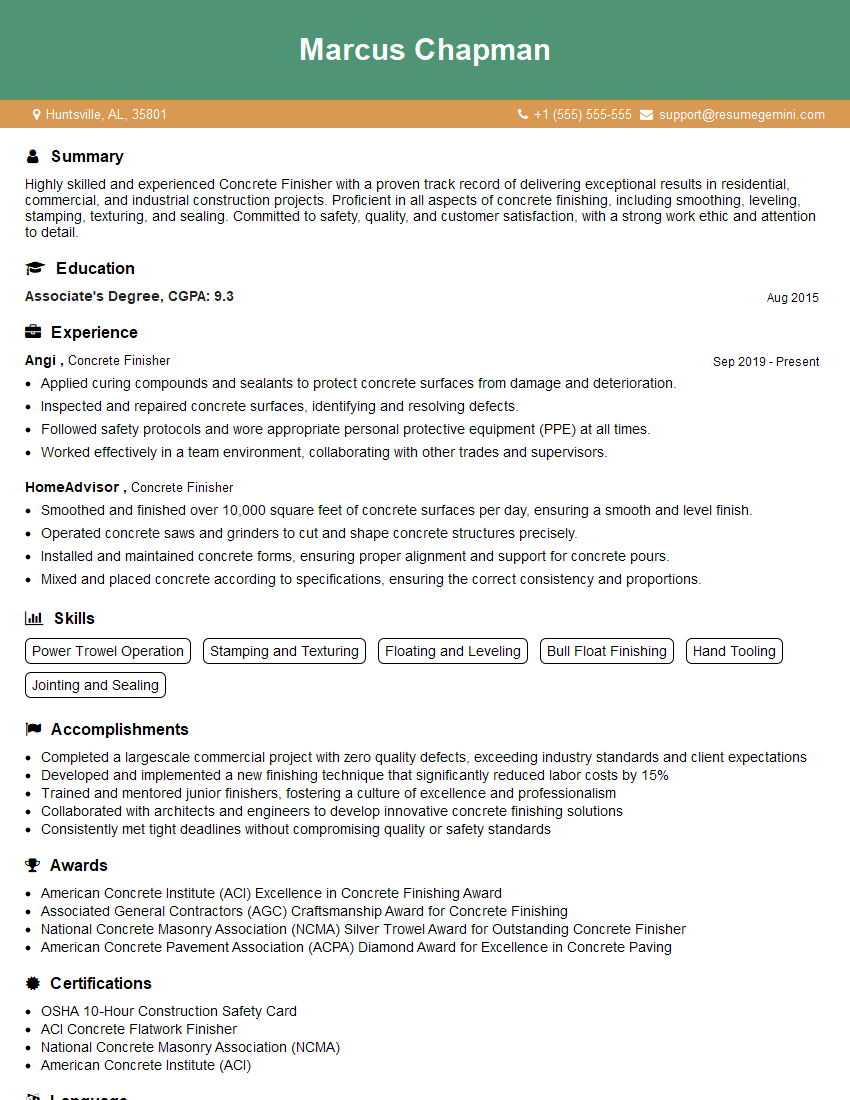
Concrete Finisher Resume Sample
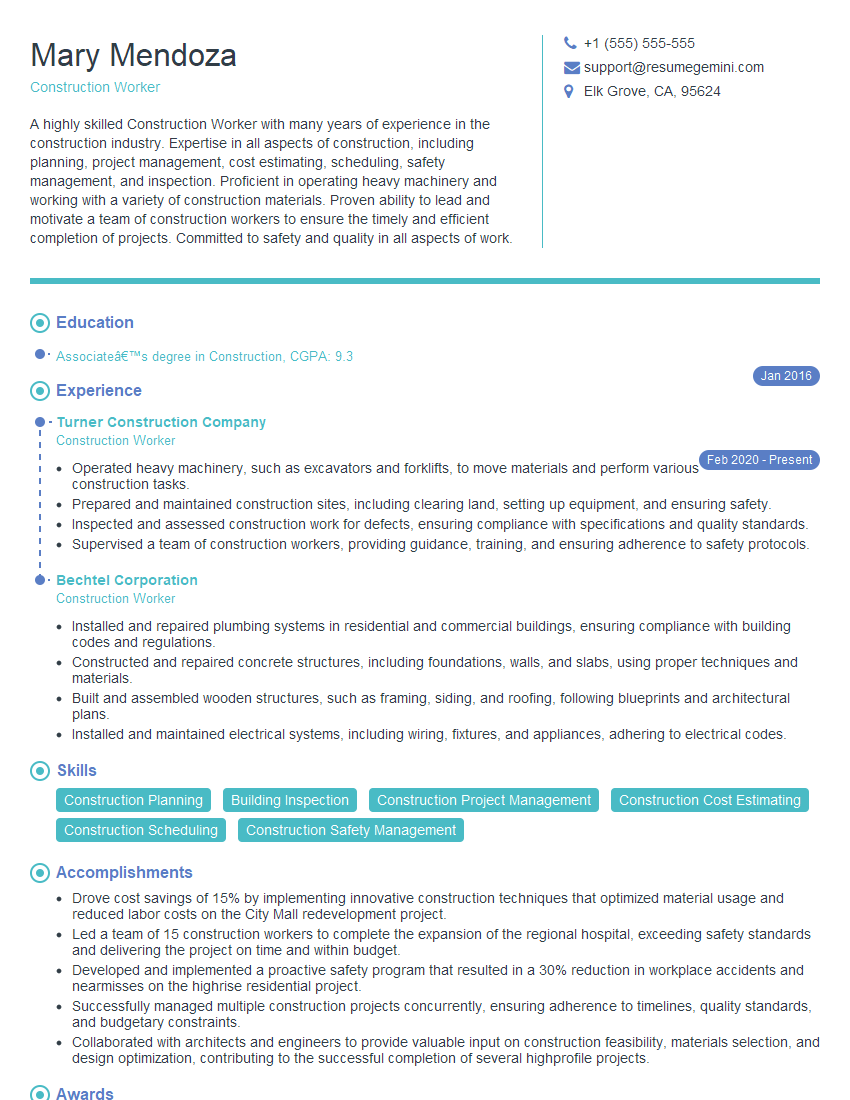
Construction Worker Resume Sample

Heavy Equipment Operator Resume Sample
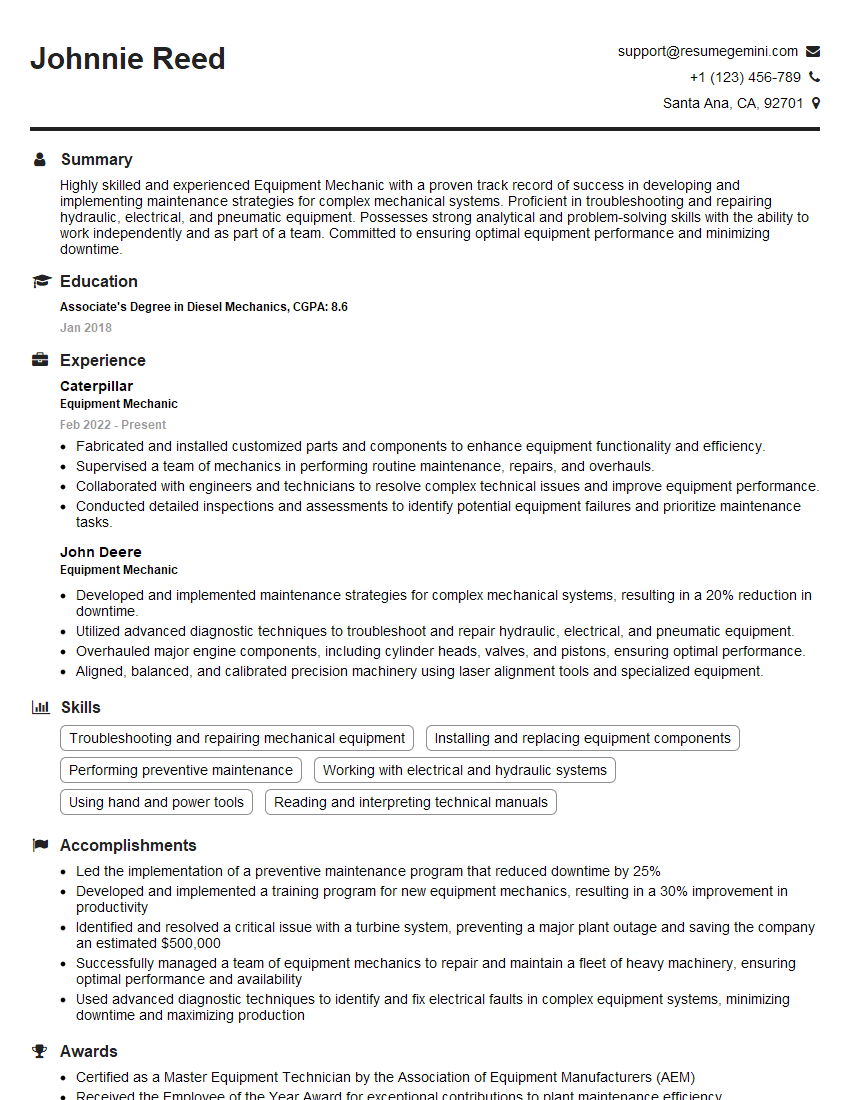
Equipment Mechanic Resume Sample
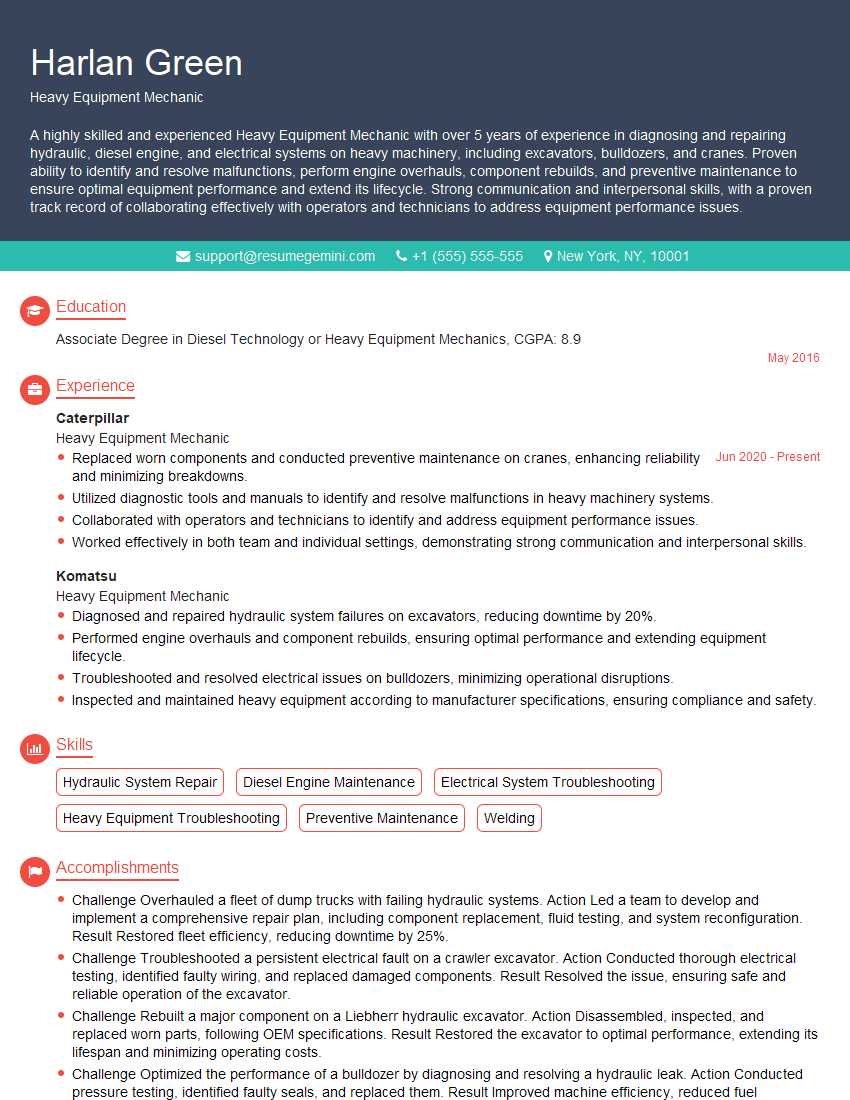
Heavy Equipment Mechanic Resume Sample
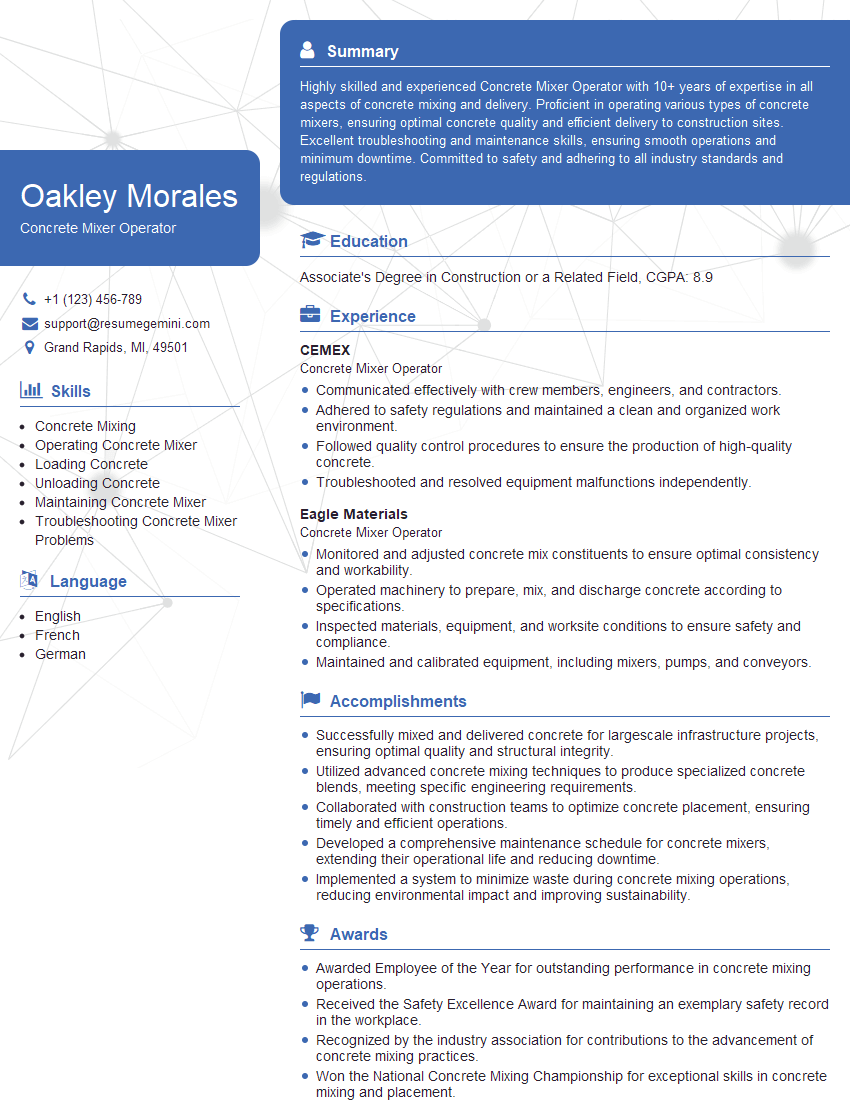
Concrete Mixer Operator Resume Sample
- Construction Foreman
- Construction Superintendent
- Construction Estimator
- Maintenance Technician
- Civil Engineer
- Field Engineer
- Materials Engineer
- Mixing Technician
- Laborer
- Site Supervisor
- Concrete Finisher
- Construction Worker
- Heavy Equipment Operator
- Equipment Mechanic
- Heavy Equipment Mechanic
- Concrete Mixer Operator
Explore more articles
Users Rating of Our Blogs
Share Your Experience
We value your feedback! Please rate our content and share your thoughts (optional).
What Readers Say About Our Blog
Very informative content, great job.
good