Unlock your full potential by mastering the most common Ability to Adapt and Modify Practice Plans interview questions. This blog offers a deep dive into the critical topics, ensuring you’re not only prepared to answer but to excel. With these insights, you’ll approach your interview with clarity and confidence.
Questions Asked in Ability to Adapt and Modify Practice Plans Interview
Q 1. Describe a situation where you had to significantly alter a project plan due to unexpected circumstances.
Adapting project plans is a crucial skill. One time, I was leading a software development project with a tight deadline. We’d meticulously planned sprints based on initial user requirements. However, halfway through, the client requested a significant feature addition—a complete overhaul of the user interface. This wasn’t just a small tweak; it was a fundamental shift.
My response was to immediately convene a team meeting. We analyzed the impact of the new requirement on the existing timeline, identifying tasks that could be deprioritized or even cut entirely to accommodate the change. We used a Gantt chart to visualize the revised timeline, showing the impact of the extra work and reallocating resources accordingly. This involved transparent communication with the client about the implications for the project timeline and budget. We ultimately delivered a successful product, albeit with a slightly delayed release, by effectively adapting to the unexpected change.
Q 2. How do you prioritize tasks when a project’s scope changes unexpectedly?
Prioritization during scope changes hinges on a structured approach. I typically use a MoSCoW method (Must have, Should have, Could have, Won’t have). We list all tasks, categorizing them according to their importance and alignment with the revised project goals. ‘Must-have’ tasks are non-negotiable and form the core of the revised plan. ‘Should-have’ features come next, followed by ‘Could-have’, which might be delayed or dropped depending on time and resources. ‘Won’t-have’ tasks are clearly identified and removed.
This process allows for a clear and transparent way to communicate decisions to the team and the client, ensuring everyone is aware of which features are prioritized and why. It reduces confusion and keeps the project focused.
Q 3. What methods do you use to identify potential risks that might necessitate plan modification?
Risk identification is proactive, not reactive. I employ a combination of methods. First, a thorough risk assessment using SWOT analysis helps identify internal weaknesses and external threats. I also leverage brainstorming sessions with the project team, encouraging open communication and diverse perspectives.
Additionally, I review past project experiences—my own and those of others—to anticipate potential problems. Finally, I incorporate regular progress monitoring and feedback loops to detect emerging risks early. The key is to create a culture of proactive risk management, where identifying and mitigating potential problems is an ongoing process, not a one-time event.
Q 4. Explain your process for communicating plan changes to stakeholders.
Communicating plan changes requires clear, timely, and consistent communication. I use multiple channels tailored to the audience and the nature of the change. For instance, a minor adjustment might only require a quick email update to the team.
However, significant changes warrant more formal communication, such as a project meeting where everyone can discuss the reasons for the change and its implications. I always ensure that communication is transparent, providing justification for any decisions made. Regular updates, using tools like project management software or shared documents, help to keep everyone informed and engaged. Active listening during these communications is critical to address concerns and build consensus.
Q 5. How do you ensure that changes to a practice plan maintain alignment with overall goals?
Maintaining alignment with overall goals during practice plan modification requires constant vigilance. Each change needs to be assessed against the larger objectives. Does this modification still contribute to the overarching strategy? If not, adjustments need to be made.
A useful technique is to regularly review the plan against the project’s stated goals and key performance indicators (KPIs). This ensures that every change, no matter how small, supports the larger picture. A simple method is to visually map out the relationship between the practice plan changes and the ultimate project goals. This helps avoid ‘drift’ where the plan deviates too far from the intended outcome.
Q 6. Describe a time you had to adapt a plan due to resource constraints.
Resource constraints are a common challenge. Once, we faced a situation where a key team member unexpectedly left the project mid-way through. This created a gap in expertise and significantly impacted our schedule.
To adapt, we immediately assessed the affected tasks. We reassigned some responsibilities, prioritized the remaining tasks based on urgency and impact, and even considered outsourcing some tasks to a third-party contractor. We also focused on upskilling the existing team members to bridge the skill gap as quickly as possible. Open communication with all stakeholders about the new constraints and revised timeline was critical to managing expectations. While it wasn’t ideal, we managed to mitigate the impact by taking decisive action and working collaboratively.
Q 7. How do you measure the effectiveness of a modified practice plan?
Measuring the effectiveness of a modified plan involves both qualitative and quantitative methods. Quantitatively, we analyze key performance indicators (KPIs) like project completion rate, budget adherence, and customer satisfaction. We compare these metrics against the original plan and identify any improvements or areas needing further adjustment.
Qualitatively, we solicit feedback from the team and stakeholders through surveys, interviews, or informal discussions. This helps uncover any unforeseen consequences or areas where the modified plan has positively impacted productivity or morale. By combining quantitative data with qualitative feedback, we gain a holistic understanding of the modified plan’s effectiveness and identify areas for continuous improvement in future projects.
Q 8. What strategies do you employ to mitigate resistance to plan changes?
Mitigating resistance to plan changes requires a proactive and empathetic approach. It’s not just about *imposing* changes, but about building buy-in and understanding. I start by clearly communicating the reason for the change, highlighting its benefits and addressing potential concerns directly. This often involves using data and real-world examples to demonstrate the necessity of the adjustment. Transparency is key; people are less likely to resist changes they understand.
- Active Listening: I dedicate time to listen to team members’ perspectives and concerns regarding the proposed changes. This helps in addressing their reservations effectively and incorporating valuable feedback.
- Collaboration: I involve the team in the modification process wherever possible, allowing them to contribute ideas and feel ownership over the new plan. This fosters a sense of collaboration rather than imposition.
- Phased Implementation: Instead of a complete overhaul, I often introduce changes incrementally. This allows for adaptation and minimizes disruption, making the transition smoother and less stressful.
- Training and Support: If the changes involve new skills or processes, I ensure adequate training and ongoing support are provided. This builds confidence and reduces anxiety about the changes.
For example, in a previous project, we needed to adjust our project timeline due to unforeseen technical challenges. Instead of simply announcing the changes, I held a team meeting to explain the situation, answer questions, and solicit feedback. This collaborative approach minimized resistance and ensured a smoother transition.
Q 9. How do you balance the need for flexibility with the importance of sticking to a plan?
Balancing flexibility and adherence to a plan is a crucial skill. Think of it like navigating a ship – you need a course (the plan), but you also need to adjust your sails (flexibility) to account for unexpected winds (unforeseen circumstances). A rigid plan can be brittle, while excessive flexibility can lead to chaos.
My approach involves:
- Defining Key Milestones: I identify critical milestones that must be met, providing a framework while allowing flexibility within those boundaries.
- Contingency Planning: I anticipate potential challenges and develop alternative strategies or backup plans. This allows for proactive adaptation without derailing the entire project.
- Regular Monitoring and Evaluation: Consistent tracking of progress and comparing it to the plan helps identify deviations early on, enabling timely adjustments.
- Agile Methodology: In many cases, adopting an agile approach – with iterative cycles and frequent reviews – allows for continuous adaptation and refinement of the plan based on ongoing feedback and results.
For instance, if a marketing campaign isn’t performing as expected after the first week, I wouldn’t abandon it entirely. Instead, I’d analyze the data, adjust the strategy (perhaps focusing on different demographics or platforms), and track the results closely to ensure we are getting the best possible return on investment.
Q 10. Have you ever had to completely abandon a plan? Explain the situation and your response.
Yes, I have had to completely abandon a plan once. We were developing a new software feature using a specific technology, but halfway through the development cycle, a major security vulnerability was discovered in that technology. Continuing with the initial plan would have exposed the company to significant risks.
My response involved several steps:
- Risk Assessment: I immediately assessed the risks associated with continuing with the original plan versus abandoning it and choosing a different technology.
- Stakeholder Communication: I communicated the situation and the proposed solution to all relevant stakeholders, explaining the rationale behind abandoning the original plan and the potential impact on the timeline and budget.
- Alternative Planning: I quickly developed a new plan using a more secure technology, evaluating its feasibility and potential implications.
- Team Re-orientation: I ensured the team was adequately trained on the new technology and re-focused their efforts on the revised plan.
- Documentation: The entire process, from the discovery of the vulnerability to the adoption of the new plan, was meticulously documented.
While abandoning a plan is a significant decision, it’s sometimes the most responsible course of action, particularly when dealing with critical issues like security vulnerabilities. The key is to act decisively, communicate transparently, and demonstrate a commitment to finding the best solution, even if it requires a complete change in approach.
Q 11. How do you involve your team in the process of adapting a practice plan?
Involving the team in adapting a practice plan is crucial for success. It ensures buy-in, fosters collaboration, and leverages the collective expertise of the team. My approach involves:
- Brainstorming Sessions: I facilitate collaborative brainstorming sessions where team members can contribute ideas and suggest potential modifications to the plan.
- Feedback Mechanisms: I establish clear channels for feedback, such as regular team meetings, surveys, or suggestion boxes. This allows for continuous input and improvement.
- Delegation of Responsibility: I delegate specific tasks related to plan adaptation to team members based on their skills and expertise. This empowers them and encourages ownership.
- Transparency and Communication: I ensure that all team members are kept informed of any changes to the plan and the reasons behind those changes. This promotes a sense of shared purpose and prevents misunderstandings.
For instance, when revising a training program, I’d hold workshops with the trainers to get their input on how to make the program more effective and engaging. Their firsthand experience is invaluable in improving the overall plan.
Q 12. How do you handle disagreements about the need for or direction of plan changes?
Disagreements about plan changes are inevitable. My approach is to facilitate constructive dialogue and reach a consensus that is both feasible and effective. I do this by:
- Data-Driven Discussions: I use data and evidence to support the need for changes and to justify the proposed direction. This creates a common ground for discussion and minimizes emotional arguments.
- Mediation and Facilitation: I act as a mediator, guiding discussions and ensuring everyone feels heard and respected. I encourage active listening and promote respectful communication.
- Compromise and Negotiation: I’m willing to compromise and negotiate to find a solution that addresses the concerns of all parties involved. This shows respect for diverse perspectives and strengthens team unity.
- Decision-Making Framework: In cases where a clear consensus cannot be reached, I have a pre-defined decision-making framework to ensure a timely and fair resolution.
For example, if team members disagree about a specific feature’s inclusion in a new product, I would facilitate a discussion, gathering data on user needs and market trends to inform the decision. The goal is to find a solution that balances feasibility, resource allocation, and market viability.
Q 13. Describe your experience with using project management software to manage plan changes.
I have extensive experience using project management software like Jira, Asana, and Trello to manage plan changes. These tools provide features crucial for efficient adaptation:
- Version Control: The ability to track changes to the plan over time and revert to previous versions if necessary is invaluable. This ensures transparency and accountability.
- Task Management: These tools allow for efficient task assignment, progress tracking, and dependency management, making it easier to adjust tasks in response to plan changes.
- Communication and Collaboration: Integrated communication features within these platforms facilitate quick and efficient communication regarding plan changes amongst team members.
- Reporting and Analytics: These tools provide reports and analytics that enable the monitoring of progress and identification of potential bottlenecks after plan modifications.
For example, in Jira, I would use the issue tracking system to document changes, assign responsibilities, and track the progress of implementing the changes. The version history allows me to easily track the evolution of the plan over time, which is particularly helpful for auditing and learning from past experiences.
Q 14. How do you ensure that modified plans are properly documented and communicated?
Proper documentation and communication of modified plans are critical for avoiding confusion, maintaining accountability, and ensuring consistent execution. I achieve this through:
- Version Control System: Using a version control system (like Git for code or a document versioning system for other plans) allows for easy tracking of changes, collaboration, and the ability to revert if necessary.
- Change Logs: Maintaining detailed change logs that document all modifications to the plan, including the date, author, reason for the change, and impact are vital.
- Regular Team Updates: Communicating changes to the team through regular meetings, emails, or updates within the project management system keeps everyone informed and aligned.
- Formal Documentation: Updating formal documents, such as project plans and specifications, to reflect the changes ensures that everyone works from the same updated information.
- Training and Onboarding: If the changes involve new processes or procedures, providing adequate training and on-boarding helps ensure team members understand and can implement the modifications effectively.
For example, when updating a marketing strategy, I would not only update the master document but also send a concise email summary to the team, highlighting the key changes and their implications. This approach ensures consistent execution of the revised strategy.
Q 15. How do you anticipate potential challenges when modifying a practice plan?
Anticipating challenges when modifying a practice plan is crucial for successful implementation. It’s like renovating a house – you need to foresee potential problems before demolition begins. Challenges can stem from various sources, including:
- Resource constraints: Lack of budget, personnel, or time can hinder implementation. For example, switching to a new software might require training, costing both time and money.
- Stakeholder resistance: Team members may resist change due to fear of the unknown or disruption to established routines. Imagine introducing a new project management methodology; some team members might be hesitant to adopt it.
- Unforeseen complexities: The modified plan might reveal hidden dependencies or unexpected obstacles not initially considered. Think of discovering structural issues during a house renovation – unexpected delays and costs.
- Measurement difficulties: Tracking the effectiveness of modifications might be complex if the appropriate metrics aren’t defined upfront. For instance, measuring the impact of a new training program requires clear learning objectives and evaluation methods.
Proactive identification of these potential roadblocks allows for mitigation strategies, ensuring a smoother transition and higher likelihood of success.
Career Expert Tips:
- Ace those interviews! Prepare effectively by reviewing the Top 50 Most Common Interview Questions on ResumeGemini.
- Navigate your job search with confidence! Explore a wide range of Career Tips on ResumeGemini. Learn about common challenges and recommendations to overcome them.
- Craft the perfect resume! Master the Art of Resume Writing with ResumeGemini’s guide. Showcase your unique qualifications and achievements effectively.
- Don’t miss out on holiday savings! Build your dream resume with ResumeGemini’s ATS optimized templates.
Q 16. What is your approach to risk assessment when making adjustments to a plan?
Risk assessment for plan modifications involves a systematic approach to identify, analyze, and mitigate potential negative consequences. I use a structured process that involves:
- Identifying potential risks: This involves brainstorming possible problems that could arise from the changes (using techniques like SWOT analysis or a risk register).
- Analyzing the likelihood and impact of each risk: For each identified risk, I assess the probability of it occurring and the potential severity of its impact. A simple risk matrix can be helpful here, plotting likelihood against impact.
- Developing mitigation strategies: For each significant risk, I develop a plan to reduce its likelihood or impact. This might include contingency plans, alternative approaches, or additional resources.
- Monitoring and reviewing: Throughout the implementation, I monitor the effectiveness of the mitigation strategies and make adjustments as needed. Regular check-ins are vital.
For example, if a risk is a potential delay in acquiring new equipment, the mitigation strategy might be to explore renting temporary equipment as a backup.
Q 17. How do you ensure the new plan is feasible and realistic?
Ensuring feasibility and realism is paramount. It’s about creating a plan that is not only effective but also achievable within the given constraints. My approach involves:
- Resource mapping: I carefully map available resources (time, budget, personnel, technology) against the requirements of the modified plan.
- Consultation and collaboration: I actively seek input from stakeholders to validate the plan’s practicality and address concerns early on.
- Pilot testing or phased rollout: Before full-scale implementation, I often recommend a pilot test or a phased rollout to identify and address any unforeseen issues on a smaller scale. This is less risky than a complete overhaul.
- Realistic timelines and milestones: I set realistic timelines and achievable milestones to track progress and ensure the plan remains on track. Avoid overly optimistic scheduling!
Think of it like baking a cake – you need the right ingredients (resources) and a realistic recipe (plan) to produce a delicious outcome. Adjustments to the recipe (plan) should still make a delicious cake, not a inedible mess.
Q 18. What metrics do you use to track progress after plan modifications?
Tracking progress after plan modifications requires careful selection of relevant metrics. The specific metrics will depend on the nature of the plan and the modifications made, but some common examples include:
- Efficiency gains: Track improvements in time, cost, or resource utilization (e.g., reduction in processing time, lower defect rates).
- Outcome measures: Monitor the impact on key performance indicators (KPIs) relevant to the plan’s objectives (e.g., increased sales, improved customer satisfaction).
- Process adherence: Measure the degree to which the modified plan is being followed as intended.
- Stakeholder satisfaction: Assess the level of satisfaction among stakeholders with the modified plan and its impact.
Data visualization (e.g., dashboards, charts) is crucial to make the progress easy to understand and monitor. Regularly reviewing these metrics allows for timely course correction if necessary.
Q 19. Describe a time you successfully adapted a plan to improve efficiency.
In a previous role, our team was struggling with a lengthy and inefficient onboarding process for new employees. The existing process involved multiple departments, resulting in delays and inconsistencies. To improve efficiency, I proposed a streamlined process that centralized onboarding tasks and utilized project management software. The new process:
- Centralized all onboarding documents and tasks in a single platform.
- Defined clear roles and responsibilities for each department.
- Established clear timelines and milestones.
- Implemented automated email reminders and notifications.
This adaptation reduced the average onboarding time by 40% and significantly improved the consistency of the process. The project management software allowed for better tracking and collaboration, leading to greater employee satisfaction and faster integration into the team.
Q 20. How do you handle conflicting priorities when adjusting a plan?
Conflicting priorities are inevitable when adjusting a plan. My approach involves:
- Prioritization framework: Employing a prioritization framework (e.g., MoSCoW method – Must have, Should have, Could have, Won’t have) helps rank objectives based on their importance and urgency.
- Stakeholder alignment: Facilitating open communication and collaboration with stakeholders to clarify priorities and resolve conflicts collaboratively.
- Trade-off analysis: Evaluating the potential trade-offs associated with different choices and selecting the option that best balances competing priorities.
- Negotiation and compromise: Finding mutually acceptable solutions that address the concerns of all involved parties. Sometimes, compromises are necessary to move forward.
Remember, it’s about finding the best balance, not necessarily satisfying every single request. Clear communication and collaboration are key to reaching consensus.
Q 21. What is your process for evaluating the impact of plan modifications?
Evaluating the impact of plan modifications requires a structured approach that combines quantitative and qualitative data. My process includes:
- Defining key performance indicators (KPIs): Identifying the specific metrics to track the success of the modified plan, aligned with the original goals.
- Data collection and analysis: Gathering relevant data through various means (e.g., surveys, performance reports, observation) and analyzing the data to assess the impact of the modifications.
- Feedback gathering: Actively seeking feedback from stakeholders (team members, clients, managers) to understand their perspectives and experiences.
- Comparative analysis: Comparing the performance before and after the modifications to determine the extent of improvement or change.
- Reporting and documentation: Clearly documenting the evaluation findings, including both positive and negative impacts, and sharing the results with relevant stakeholders.
This systematic evaluation provides valuable insights for future plan development and adaptation. It’s not just about measuring success, but also learning from both successes and challenges.
Q 22. How do you deal with stakeholders who are resistant to change?
Resistance to change is a common hurdle in any project. My approach involves understanding the root of the resistance. This often involves active listening and empathetic communication. I start by acknowledging stakeholders’ concerns and validating their feelings. For example, if a team member is resistant due to fear of increased workload, I’ll address that directly by demonstrating how the changes streamline processes and ultimately reduce their burden. If resistance stems from a lack of understanding, I provide clear and concise explanations of the changes, including the benefits and how they align with overall objectives. Sometimes, involving stakeholders in the decision-making process itself can significantly reduce resistance; their buy-in becomes more substantial when they’re part of the solution.
For example, in a previous project involving a shift to a new project management software, I addressed resistance by holding workshops to demonstrate the software’s features and benefits. This hands-on approach allowed team members to experience the improvement firsthand and alleviate their concerns. I also created a feedback channel to address their ongoing queries and concerns.
Q 23. How do you use data to inform decisions about adapting practice plans?
Data is crucial for making informed decisions about adapting practice plans. I leverage data analytics to track key performance indicators (KPIs) relevant to our goals. This could include metrics such as project completion rates, budget adherence, customer satisfaction scores, or efficiency gains. By consistently monitoring these KPIs, I can identify areas needing improvement. If a specific practice isn’t producing the expected results, the data will highlight it. For example, if we’re seeing consistently late project deliveries, the data will indicate the bottlenecks. We can then analyze the data to understand the root causes – is it resource allocation, inefficient processes, or unforeseen challenges?
Once the root causes are identified, the data informs the design of modifications to our practice plans. We might adjust task assignments, introduce new technologies, or revise project timelines based on the insights gleaned from the data. This data-driven approach ensures that plan adaptations are not only reactive but also proactive and optimized for better outcomes.
Q 24. Describe your experience with agile methodologies and their impact on plan adaptation.
Agile methodologies, with their emphasis on iterative development and flexibility, are perfectly suited for adapting practice plans. I’ve extensively used Scrum and Kanban in my work. The iterative nature of Agile allows for frequent reviews and adjustments. Each sprint or iteration provides an opportunity to assess progress, gather feedback, and make necessary changes to the plan. The daily stand-ups and sprint reviews foster open communication and collaboration, ensuring that everyone is aligned on the direction and any required pivots.
For instance, in a recent project utilizing Scrum, we discovered during the second sprint that a key assumption about a third-party integration was incorrect. Instead of proceeding with a flawed plan, we adapted by re-planning the sprint to include the necessary changes. This proactive adjustment prevented bigger problems down the line. The Agile framework’s inherent adaptability minimizes the disruption caused by unexpected issues, making it a powerful tool for effective plan adaptation.
Q 25. How do you ensure that all stakeholders are kept informed during plan adjustments?
Keeping stakeholders informed is paramount. I employ a multi-pronged approach. Regular updates are provided through various channels tailored to stakeholder preferences. This might include email updates, project management software notifications, team meetings, or even informal check-ins. The frequency and format of communication are chosen based on the stakeholder’s role and their need for information. For instance, executive stakeholders might need high-level summaries, while project team members require detailed updates.
Transparency is key. I make sure everyone understands the rationale behind plan adjustments, highlighting the benefits and how it contributes to achieving the overall project goals. This fosters trust and buy-in. In addition, I establish clear communication channels for feedback and questions. Active listening and addressing concerns promptly are crucial for maintaining open and effective communication.
Q 26. What is your preferred method for documenting plan changes and revisions?
I prefer a version-controlled system for documenting plan changes and revisions. This ensures a clear audit trail of all modifications, including who made the changes, when they were made, and the rationale behind them. A system like Git, or even a simple version-controlled document on a shared drive with clear version numbering and change logs, works well. This approach allows us to easily revert to previous versions if needed and provides a valuable historical record for future reference. The documentation should include a clear description of the change, its impact on the project, and any associated risks or mitigation strategies.
For instance, if we need to add a new feature, the documentation will clearly outline the new tasks, timelines, resource allocation, and any budget implications. This ensures everyone is on the same page and reduces ambiguity.
Q 27. How do you ensure that the modified plan remains within budget constraints?
Maintaining budget constraints during plan adjustments requires careful planning and monitoring. Before implementing any changes, a thorough cost-benefit analysis is performed. This involves evaluating the costs associated with the modifications (e.g., additional resources, training, new technologies) against the potential benefits (e.g., improved efficiency, reduced risks, enhanced outcomes). Any proposed change exceeding the allocated budget requires careful justification and may involve negotiating priorities with stakeholders.
Regular budget monitoring and tracking are essential. This helps identify potential overruns early on and allows for corrective action. For example, if we encounter unexpected delays, we may need to re-prioritize tasks or find cost-effective alternatives to keep the project within budget. Transparency with stakeholders regarding budget adjustments is crucial to maintain trust and collaboration.
Q 28. Describe a situation where you had to make a quick decision to adapt a plan under pressure.
In a previous project, we experienced a critical server failure just days before a major product launch. This was a high-pressure situation, requiring immediate action. We had to adapt the launch plan quickly. My first step was assessing the situation – what was broken, what were the potential impacts, and what were the available resources? We quickly decided to activate our disaster recovery plan, which involved switching to a backup server and delaying the launch by a few hours.
This rapid decision was made after consulting key stakeholders and assessing the risks associated with various options. Prioritizing essential functions, streamlining the launch process, and transparently communicating the delay to customers minimized the disruption. The swift and decisive response prevented a complete project failure. This experience highlighted the importance of having a well-defined contingency plan and the ability to adapt under pressure while maintaining clear and open communication.
Key Topics to Learn for Ability to Adapt and Modify Practice Plans Interview
- Understanding Your Learning Style: Identifying your strengths and weaknesses in learning and adapting to new information is crucial. Consider how you best absorb and retain information, and how this impacts your practice plan creation.
- Goal Setting and Progress Tracking: Learn to define clear, measurable, achievable, relevant, and time-bound (SMART) goals for your practice plans. Develop strategies for tracking progress and making necessary adjustments along the way.
- Flexibility and Iteration: Explore the importance of embracing change and adapting your practice plan based on feedback, results, and unexpected challenges. Understand the iterative nature of improvement and how to incorporate feedback effectively.
- Resourcefulness and Problem-Solving: Discuss how you identify and overcome obstacles in your practice plan. Highlight examples where you’ve creatively solved problems or found alternative solutions when faced with limitations.
- Self-Assessment and Reflection: Demonstrate your ability to critically evaluate your performance, identify areas for improvement, and modify your practice plan accordingly. This includes honest self-reflection and the willingness to adjust your approach.
- Communication and Collaboration: Explain how you communicate your progress, challenges, and proposed adjustments to colleagues, mentors, or supervisors. Highlight collaborative approaches to practice plan modification.
- Prioritization and Time Management: Discuss strategies for effectively prioritizing tasks within your practice plan and managing your time efficiently, especially when faced with unexpected changes or competing demands.
Next Steps
Mastering the ability to adapt and modify practice plans is essential for continuous professional growth and demonstrating adaptability—a highly valued trait in today’s dynamic work environments. To significantly increase your job prospects, focus on crafting an ATS-friendly resume that effectively highlights these skills. ResumeGemini is a trusted resource to help you build a professional and impactful resume that showcases your abilities. Examples of resumes tailored to highlight your ability to adapt and modify practice plans are available within the ResumeGemini platform. Take the next step and craft a resume that truly reflects your potential.
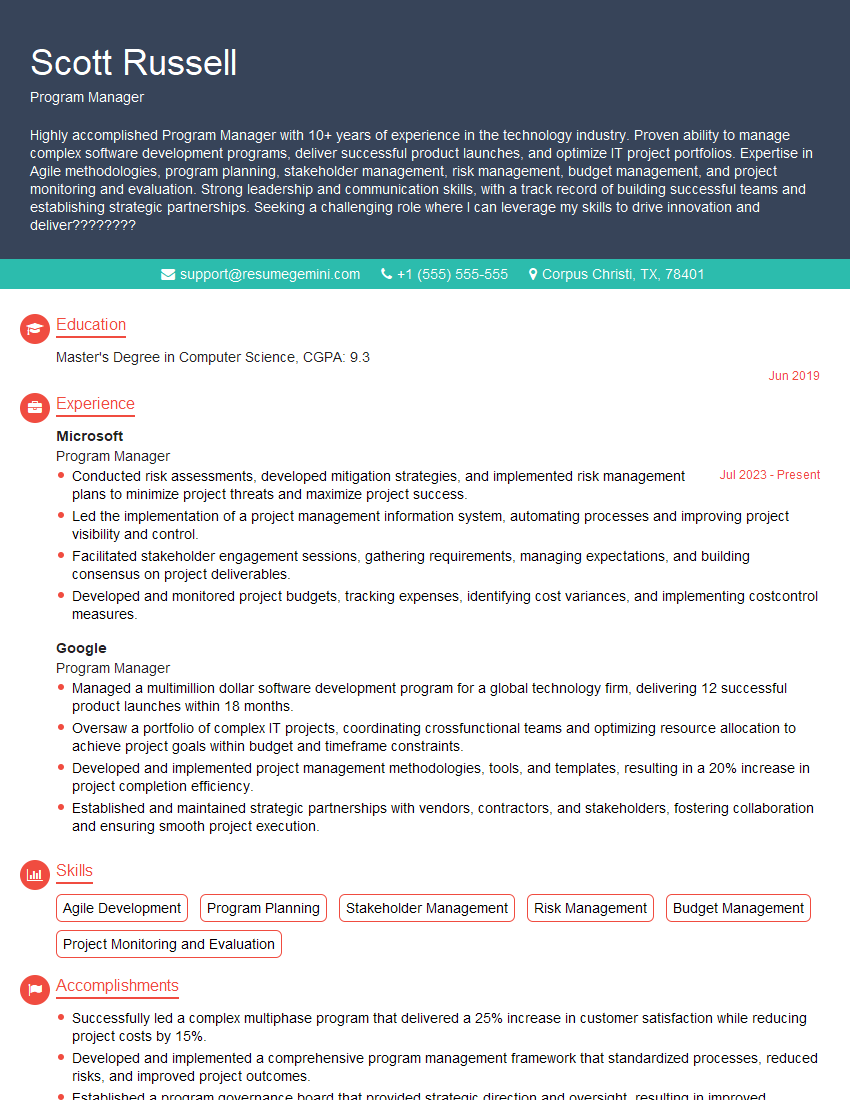
Program Manager Resume Sample
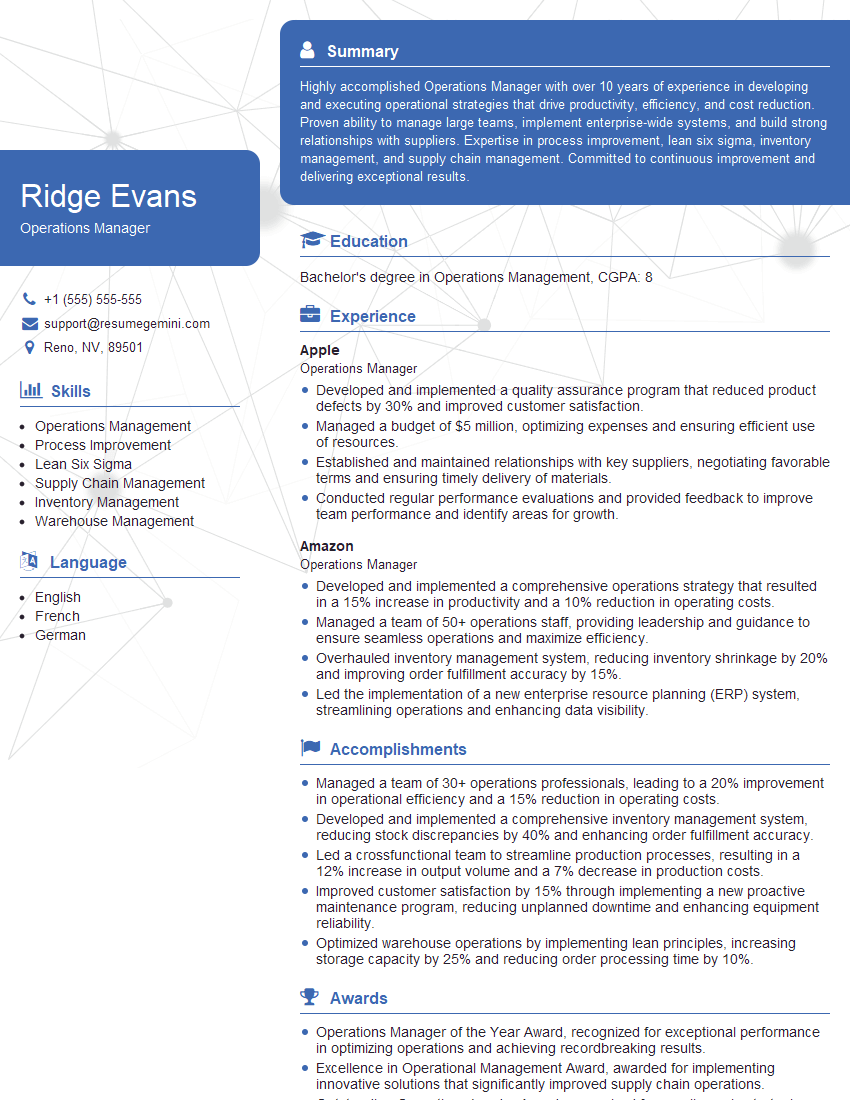
Operations Manager Resume Sample
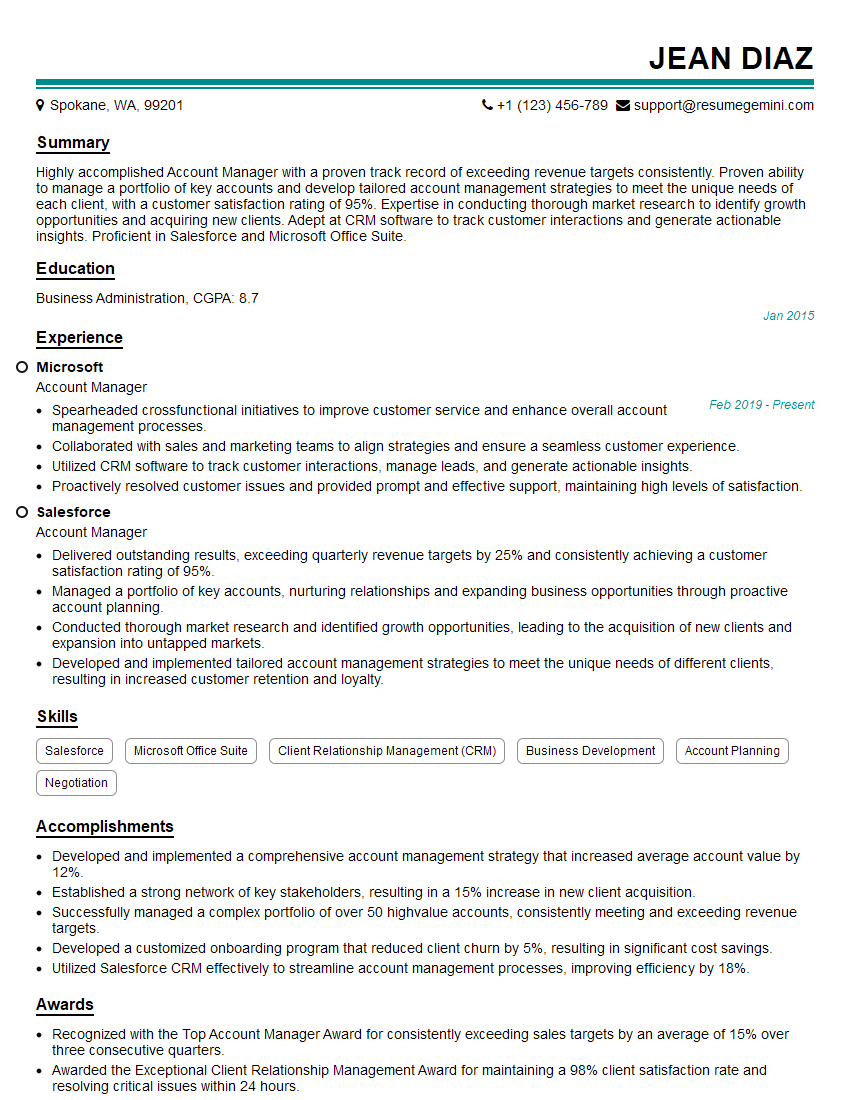
Account Manager Resume Sample
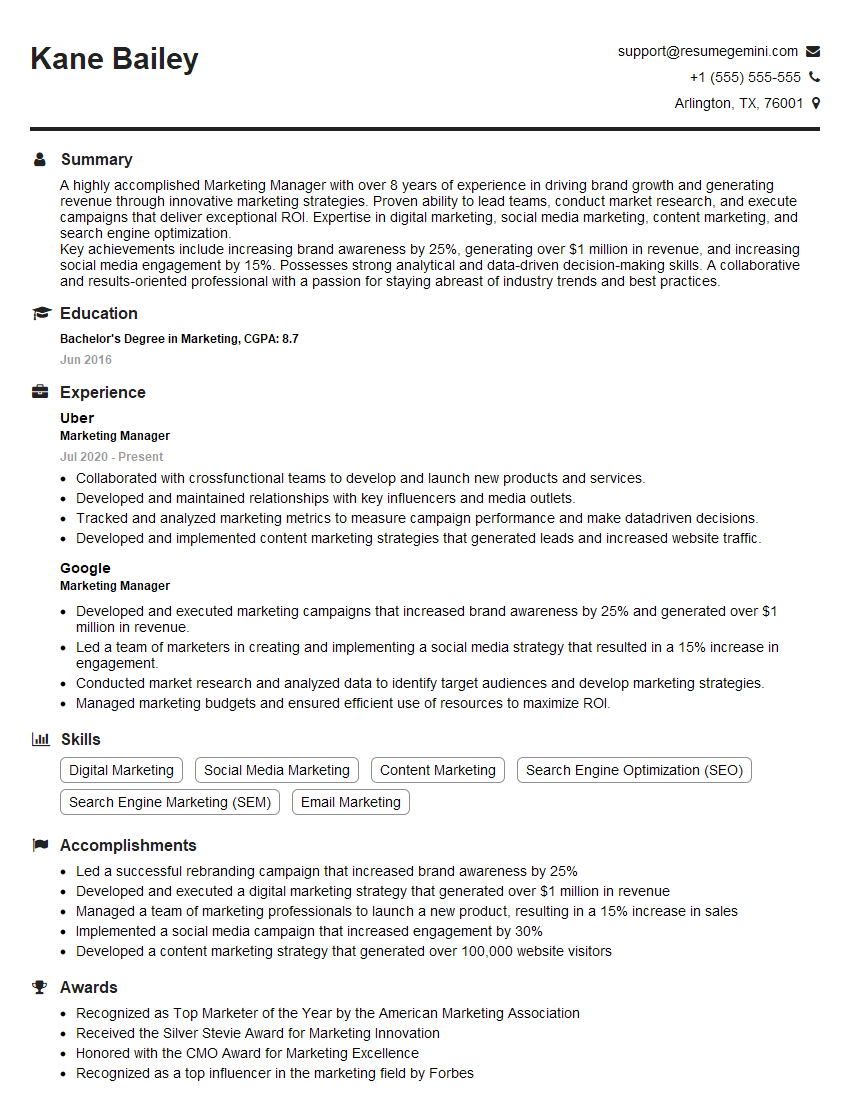
Marketing Manager Resume Sample
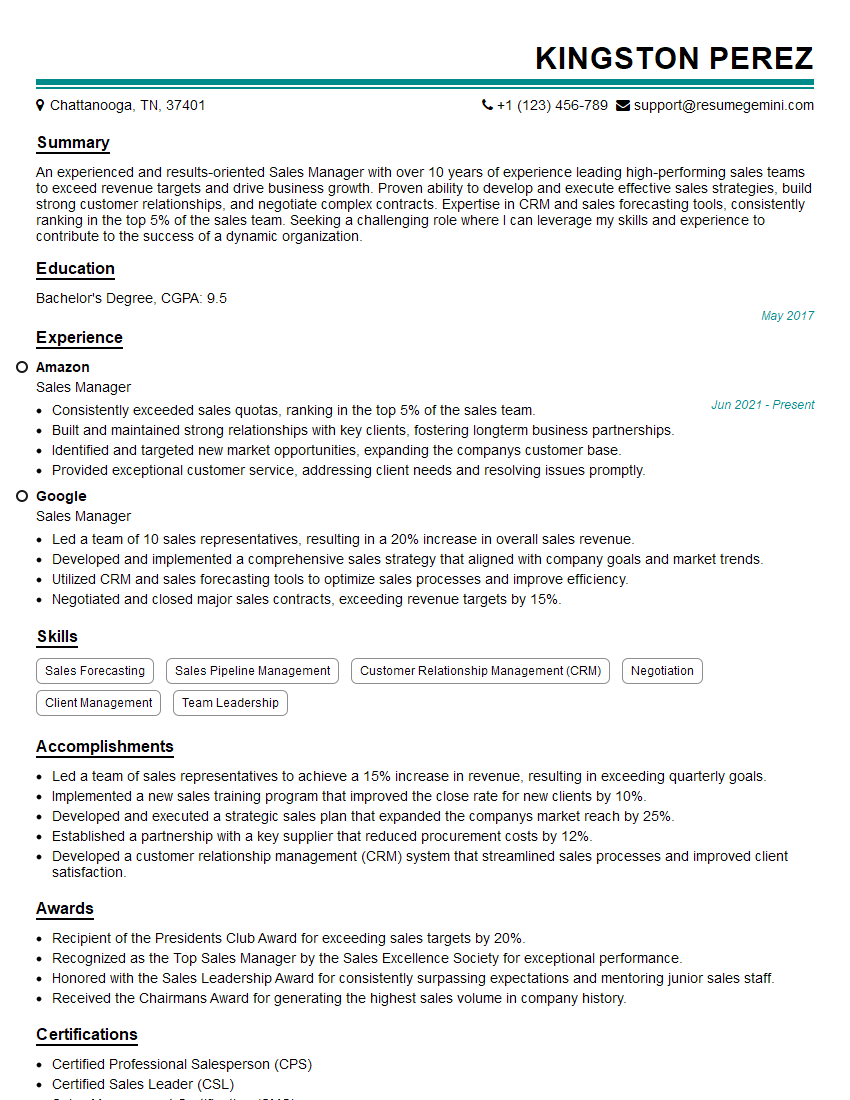
Sales Manager Resume Sample
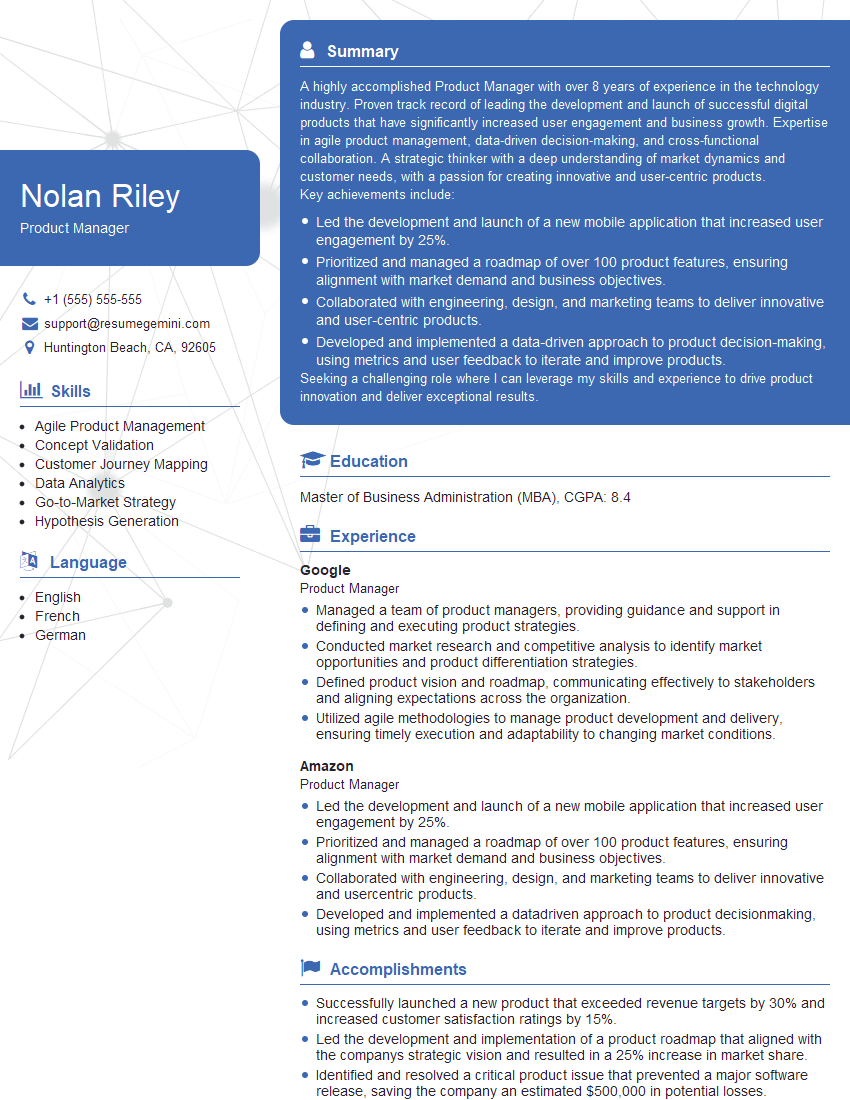
Product Manager Resume Sample
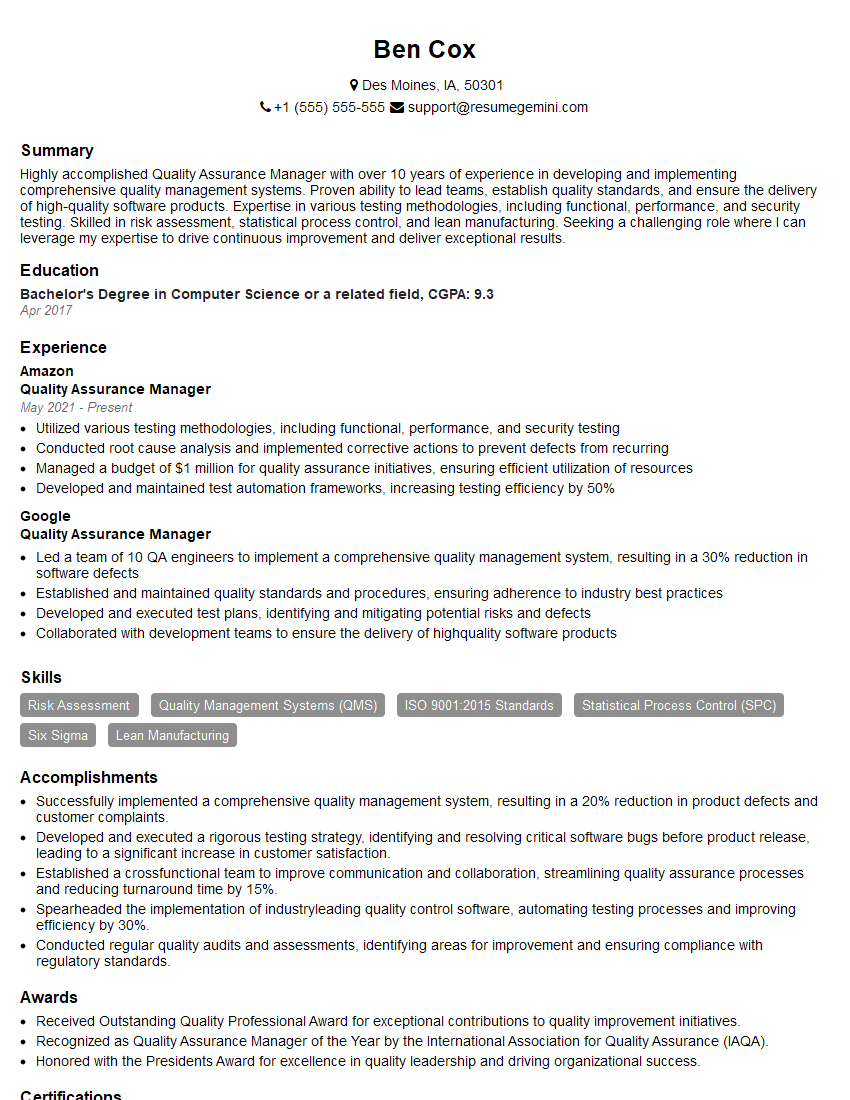
Quality Assurance Manager Resume Sample
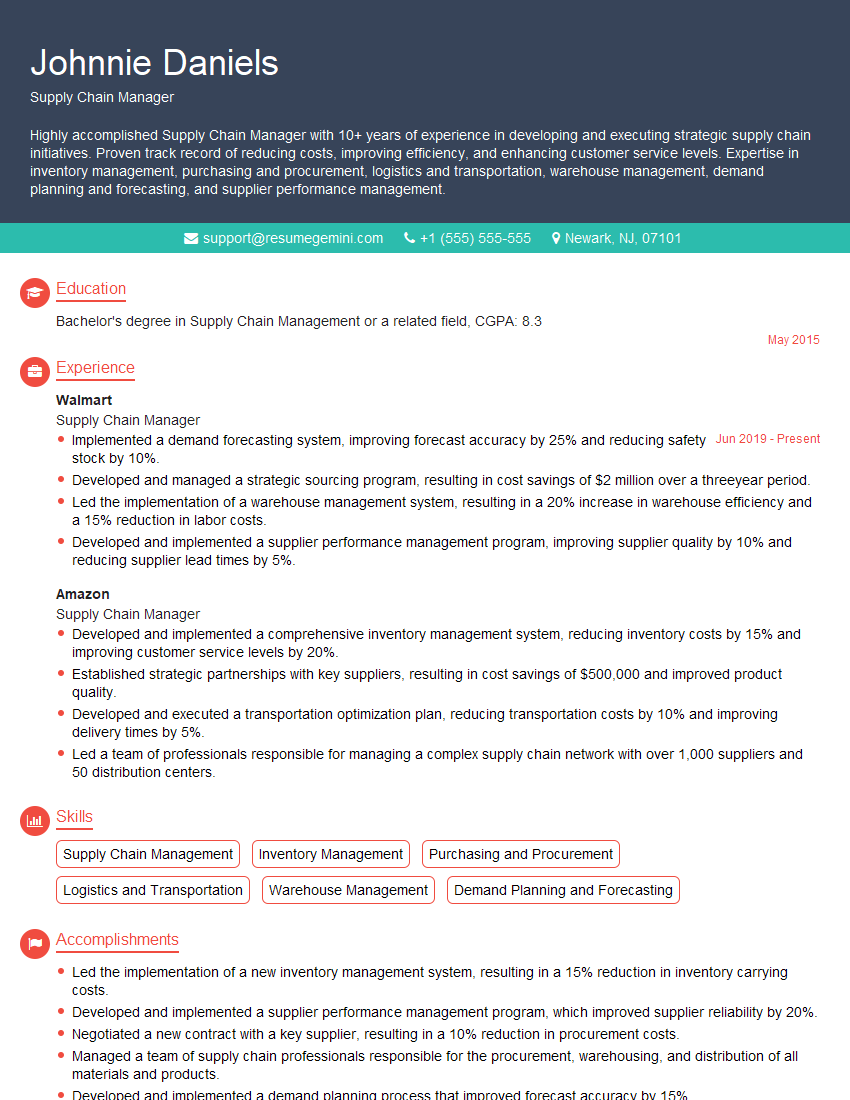
Supply Chain Manager Resume Sample
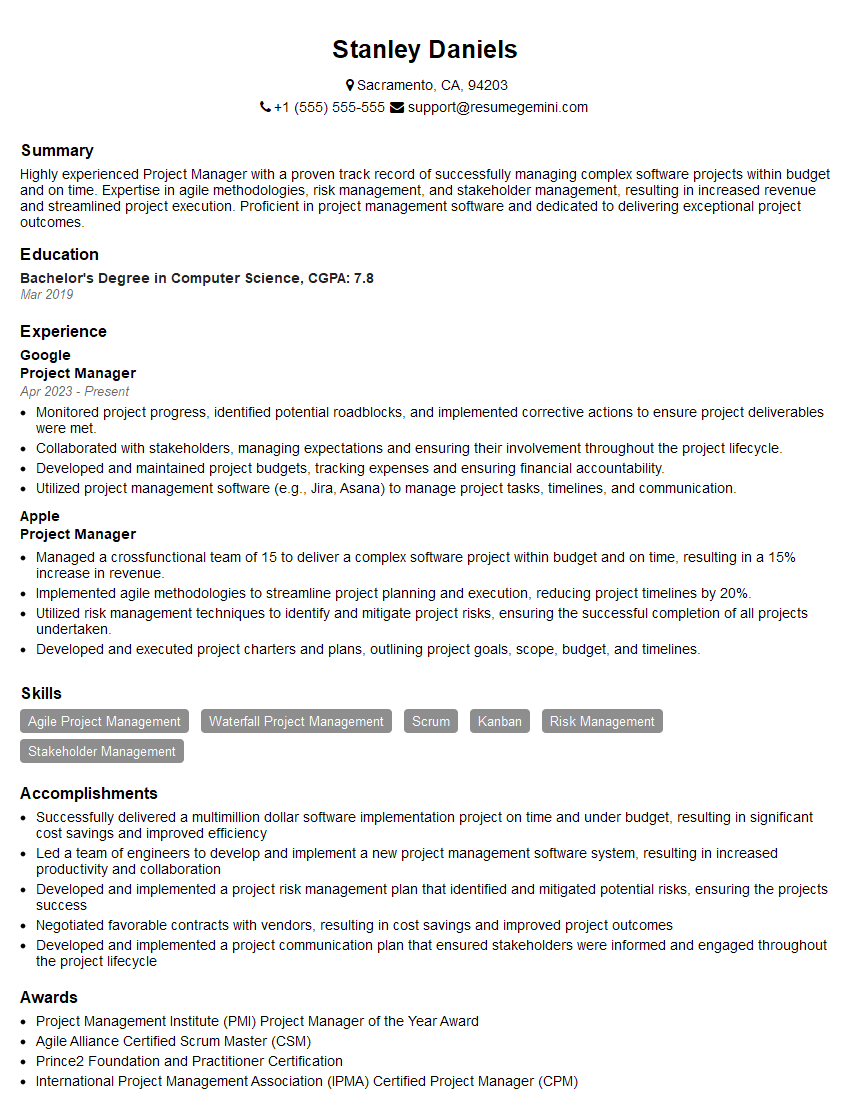
Project Manager Resume Sample

Compliance Officer Resume Sample
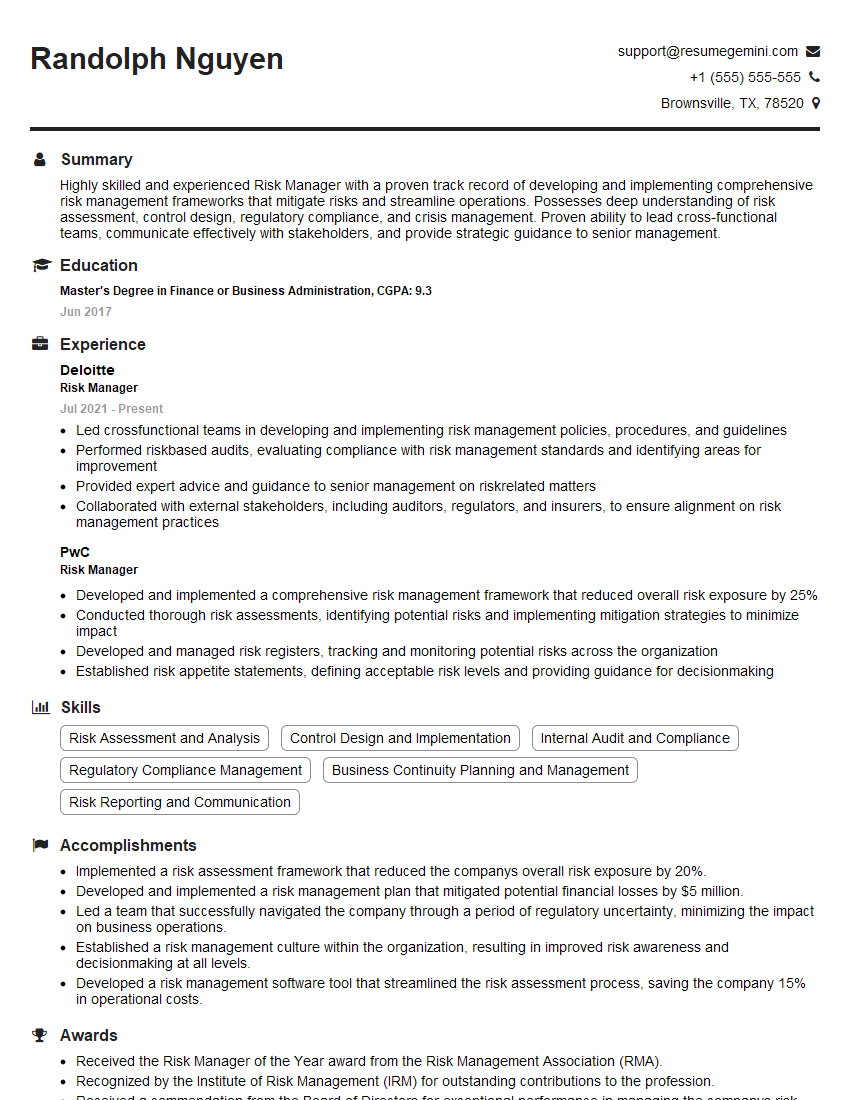
Risk Manager Resume Sample
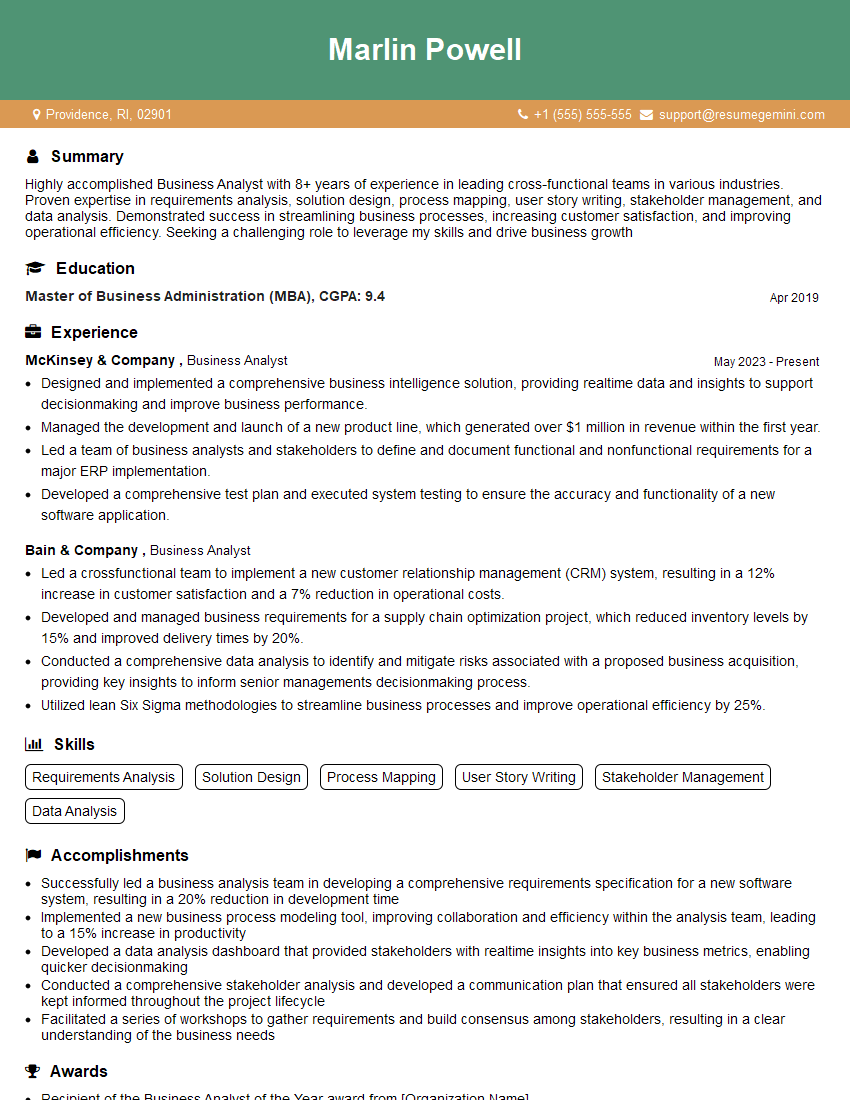
Business Analyst Resume Sample
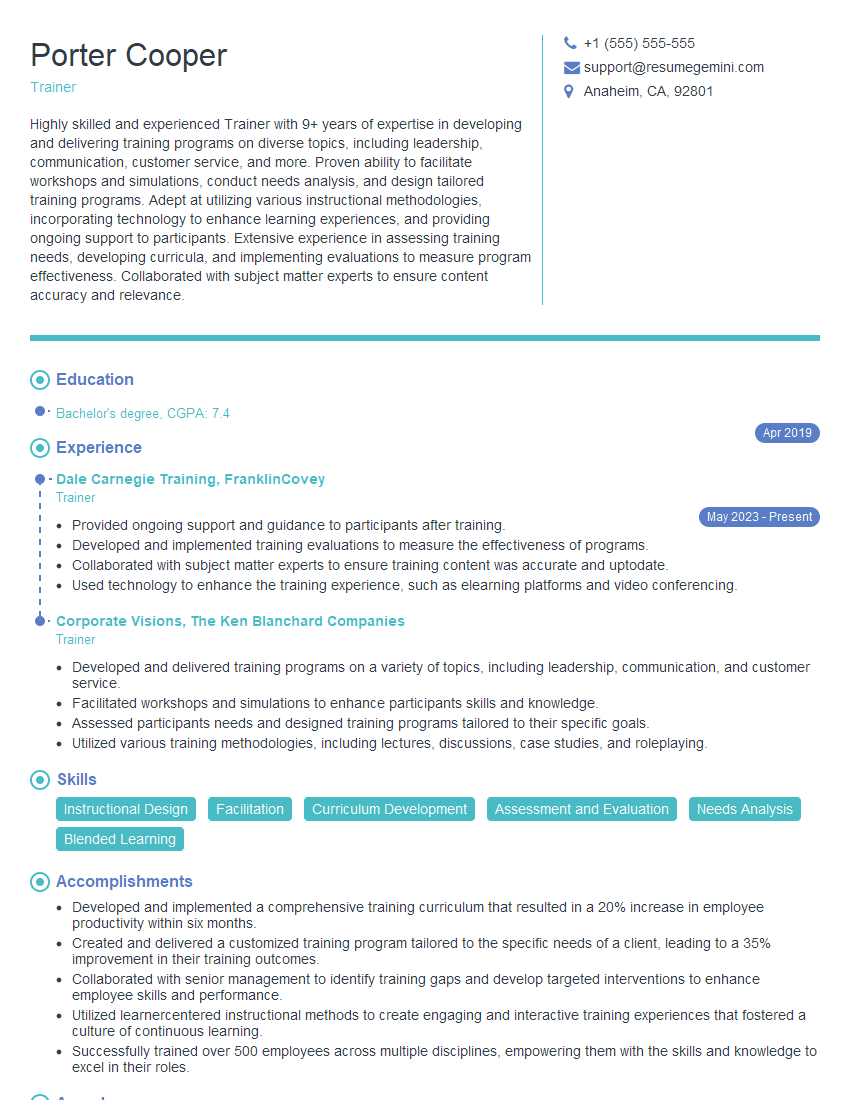
Trainer Resume Sample
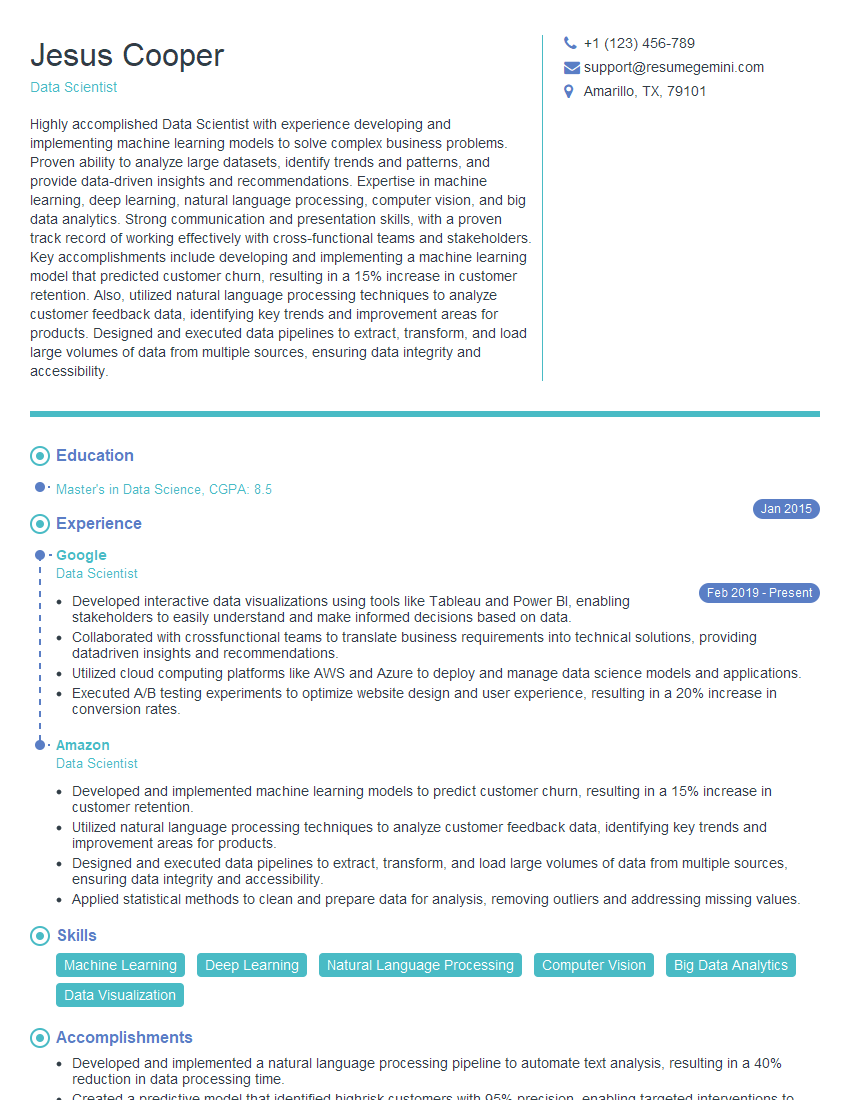
Data Scientist Resume Sample
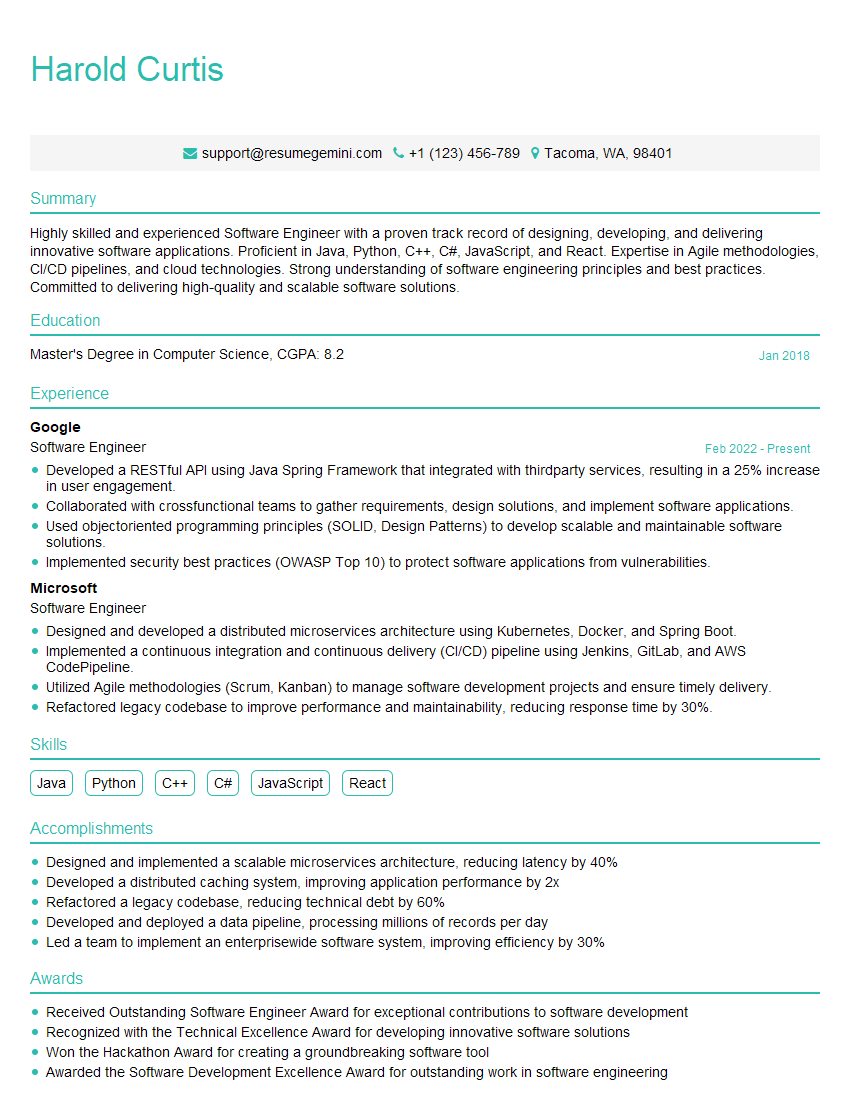
Software Engineer Resume Sample
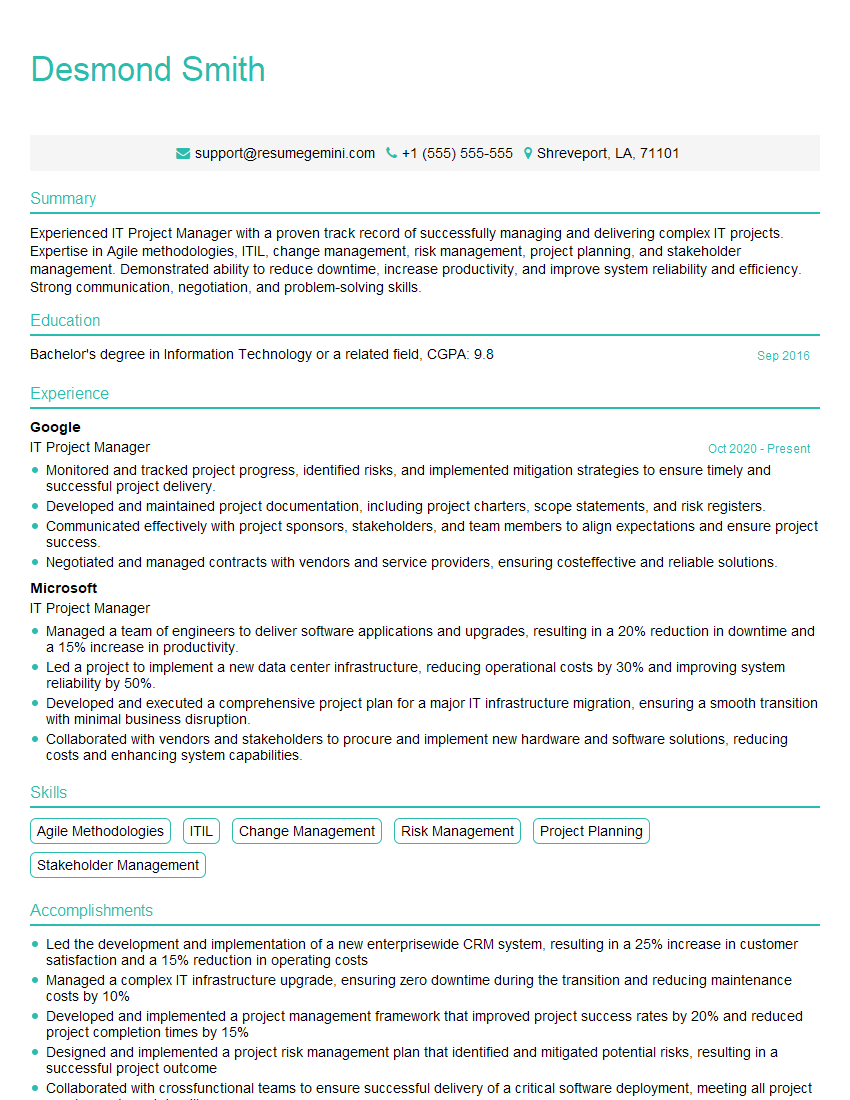
IT Project Manager Resume Sample
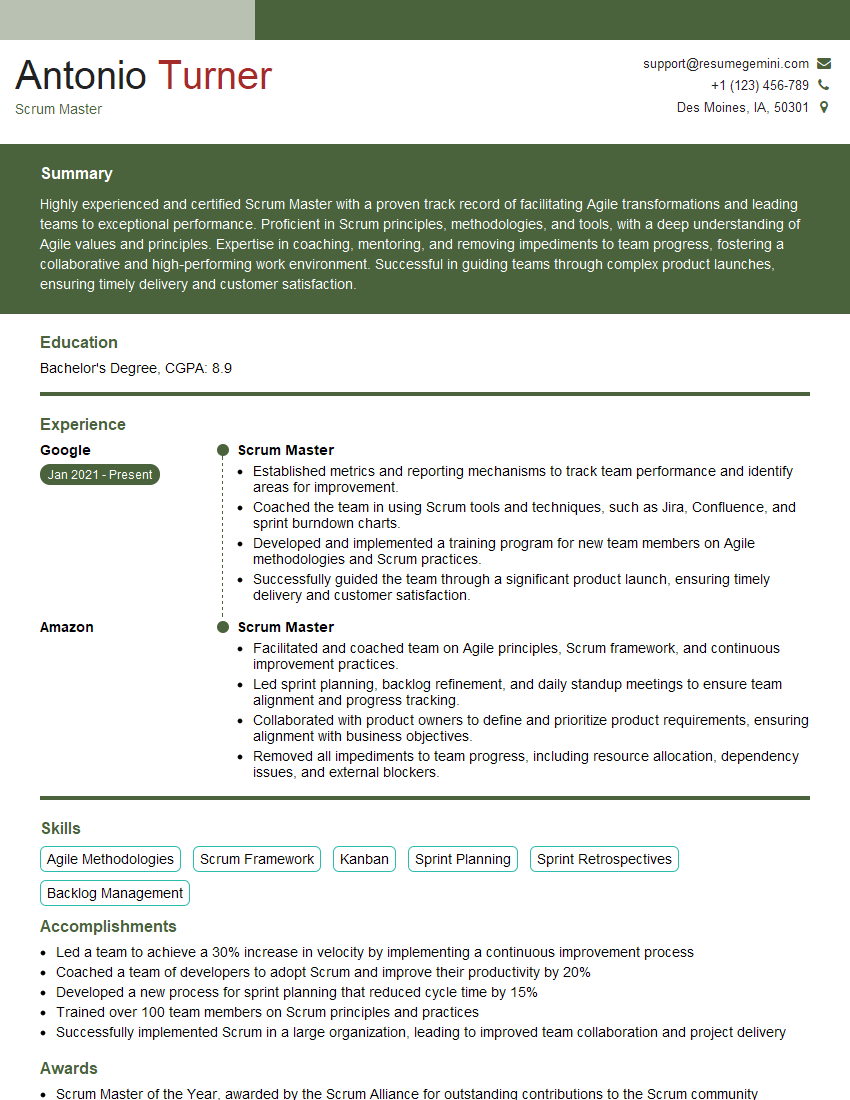
Scrum Master Resume Sample
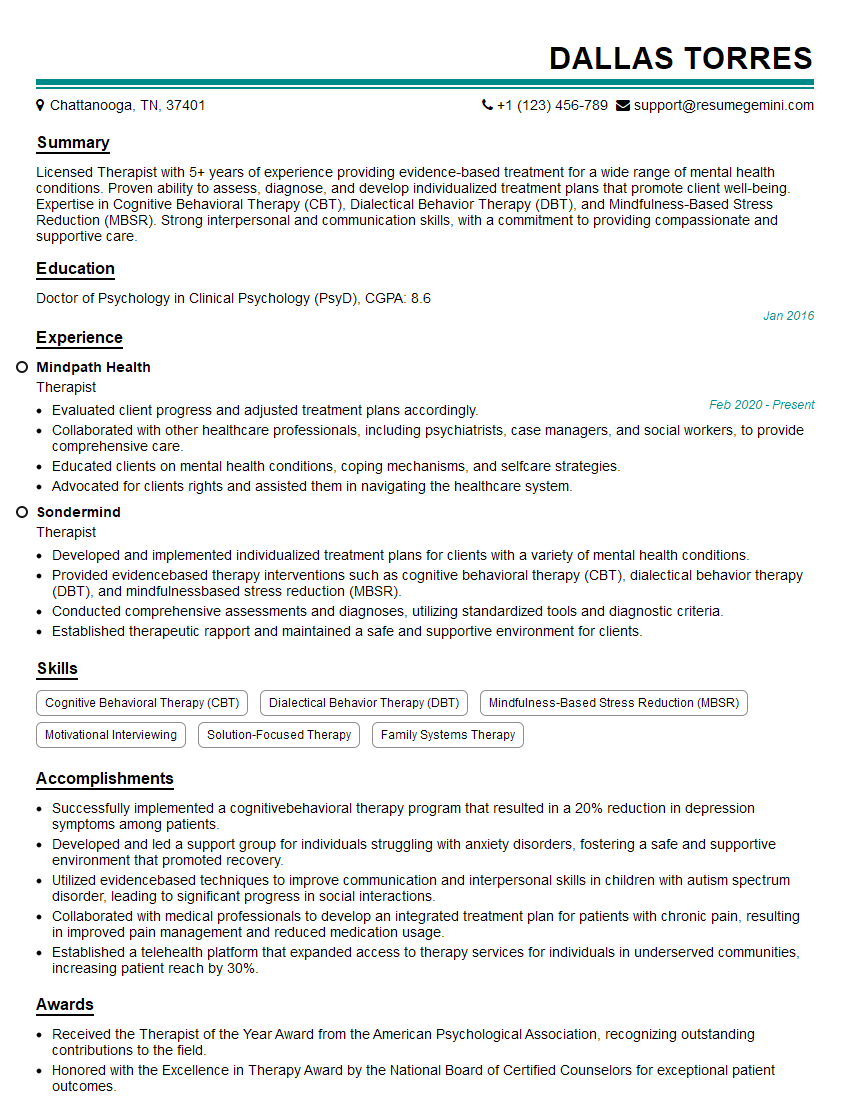
Therapist Resume Sample
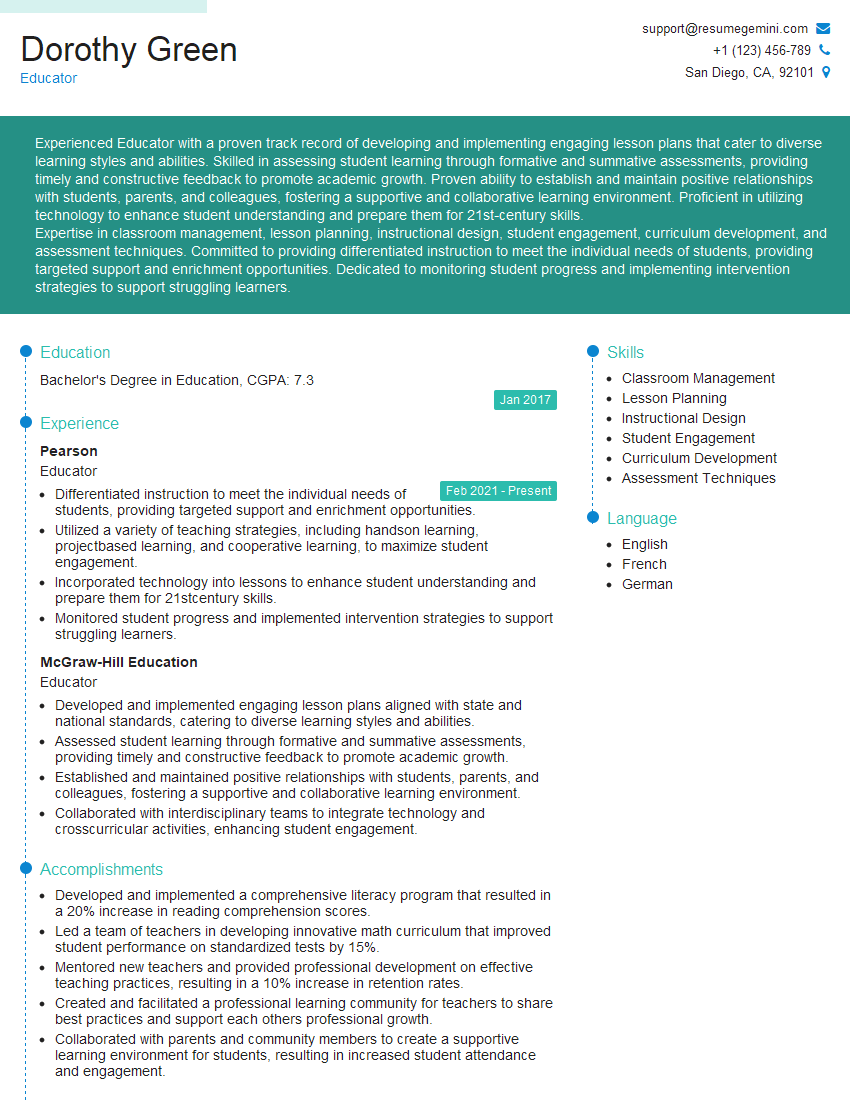
Educator Resume Sample
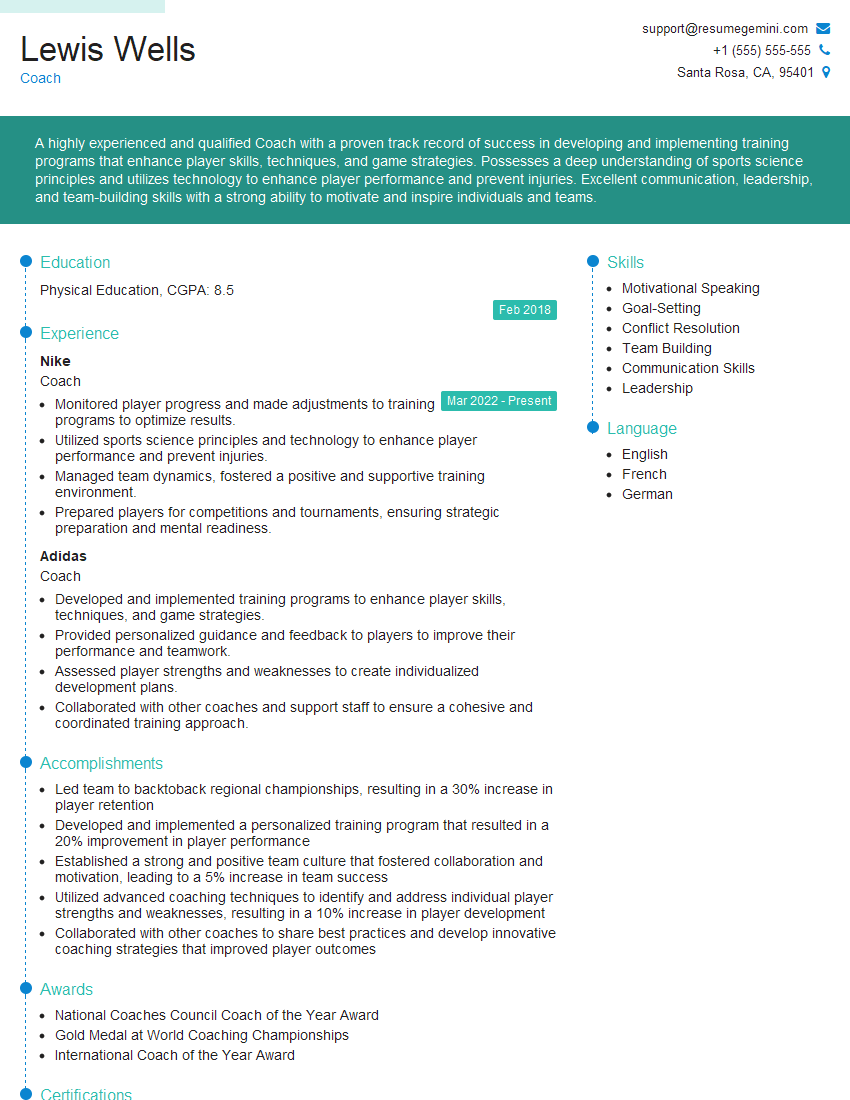
Coach Resume Sample
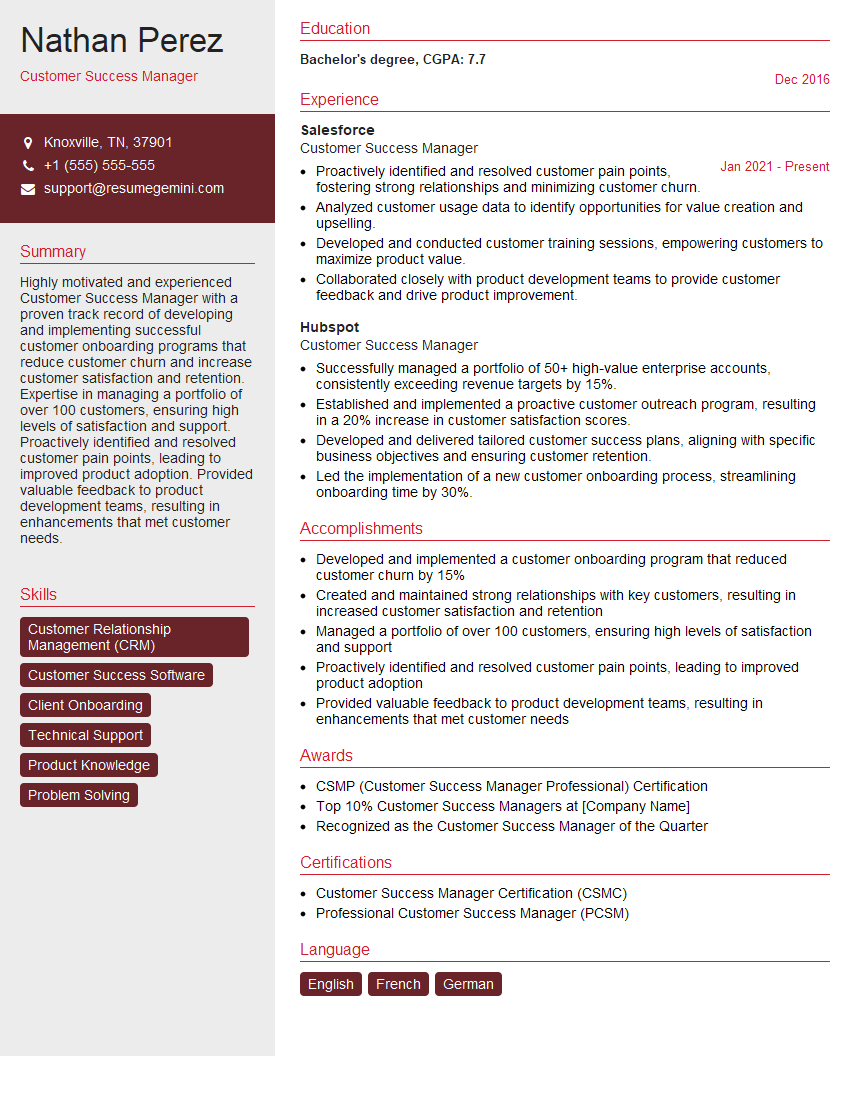
Customer Success Manager Resume Sample
- Program Manager
- Operations Manager
- Account Manager
- Marketing Manager
- Sales Manager
- Product Manager
- Quality Assurance Manager
- Supply Chain Manager
- Project Manager
- Compliance Officer
- Risk Manager
- Business Analyst
- Trainer
- Data Scientist
- Software Engineer
- IT Project Manager
- Scrum Master
- Therapist
- Educator
- Coach
- Customer Success Manager
Explore more articles
Users Rating of Our Blogs
Share Your Experience
We value your feedback! Please rate our content and share your thoughts (optional).
What Readers Say About Our Blog
Very informative content, great job.
good