The right preparation can turn an interview into an opportunity to showcase your expertise. This guide to Ability to adapt to changes in staging and production schedules interview questions is your ultimate resource, providing key insights and tips to help you ace your responses and stand out as a top candidate.
Questions Asked in Ability to adapt to changes in staging and production schedules Interview
Q 1. Describe a time a production schedule changed unexpectedly. How did you adapt?
One time, we were nearing the launch of a major software update. The production schedule, meticulously planned over months, was thrown into disarray when a critical third-party API experienced unexpected downtime just two days before launch. This immediately impacted several key features reliant on that API. My immediate response was to activate our incident management plan.
We first established a clear communication channel, involving all stakeholders – development, QA, marketing, and client representatives. Next, we prioritized the most critical functionalities affected by the API outage. Our team worked diligently to identify alternative solutions. For certain less critical features, we decided to temporarily disable them for launch, and prioritize getting the core functionality operational. We also coordinated with the third-party vendor to expedite the restoration of their API. Ultimately, through rigorous prioritization and collaborative problem-solving, we successfully launched the software one day behind schedule, but with the most important features functioning correctly. This minimized client impact and avoided potential reputational damage.
Q 2. How do you prioritize tasks when faced with a sudden shift in production deadlines?
Prioritizing tasks during a sudden shift in production deadlines requires a structured approach. I use a combination of techniques including the MoSCoW method and a risk-based prioritization matrix.
The MoSCoW method categorizes tasks into: Must have (critical for launch), Should have (high priority, but acceptable to postpone), Could have (desirable but not essential), and Won’t have (to be removed or deferred). The risk-based matrix considers the impact and likelihood of a task’s failure. Tasks with a high impact and high likelihood of failure are prioritized first. This matrix helps visualize the risks associated with different features or tasks. This dual approach ensures both business criticality and risk mitigation are addressed in the prioritization process.
Q 3. What strategies do you use to communicate schedule changes effectively to a team?
Effective communication is crucial during schedule changes. I employ a multi-pronged approach:
- Regular team meetings: These provide opportunities for updates, Q&A, and collaborative problem-solving.
- Project management software updates: Tools like Jira or Asana provide a centralized hub for tracking changes and notifying individuals.
- Email communication: I utilize concise, clear emails to disseminate critical information, ensuring everyone understands the context of the change.
- Visual aids: Gantt charts and updated project timelines visually illustrate the impacts of changes, which can be exceptionally helpful.
Consistency is key. I ensure everyone is informed and updated in a timely manner to minimize uncertainty and foster transparency.
Q 4. How do you manage stakeholder expectations when production timelines are altered?
Managing stakeholder expectations during timeline alterations requires proactive and transparent communication.
- Explain the reason for the change: Provide a clear, concise, and honest explanation behind the schedule shift.
- Outline the impact: Be transparent about the effects on deliverables and milestones.
- Present a revised plan: Show how you’ll address the change, including contingency plans.
- Set realistic expectations: Avoid making promises you cannot keep.
- Maintain regular communication: Keep stakeholders informed of progress throughout the altered timeline.
By demonstrating understanding and proactive management, I aim to build trust and maintain positive relationships with stakeholders, despite the disruptions.
Q 5. Explain your process for identifying and mitigating potential risks to a production schedule.
Identifying and mitigating potential risks requires a proactive approach. I utilize a risk assessment framework, typically incorporating a structured approach like SWOT analysis or FMEA (Failure Mode and Effects Analysis).
This involves:
- Identifying potential risks: This includes technical issues, resource constraints, external dependencies, and potential delays.
- Assessing the likelihood and impact: This helps prioritize risks based on their potential severity.
- Developing mitigation strategies: This involves defining contingency plans and alternative solutions for high-priority risks.
- Implementing and monitoring: Putting mitigation plans into action and continuously monitoring for emerging risks.
Regular risk reviews throughout the project lifecycle help identify and address emerging risks quickly and effectively.
Q 6. What tools or techniques do you use to track and manage production schedules?
I rely on a combination of tools and techniques for tracking and managing production schedules.
- Project management software: Tools like Jira, Asana, or Monday.com provide centralized task management, scheduling, and progress tracking.
- Gantt charts: These provide a visual representation of project timelines and dependencies.
- Kanban boards: These visualize workflow progress and help identify bottlenecks.
- Spreadsheets: These allow detailed tracking of tasks, deadlines, and resource allocation.
- Regular status meetings: These ensure everyone is aligned on the project’s progress and potential roadblocks.
The choice of tools depends on the project’s size and complexity, as well as team preferences. The critical aspect is consistency and maintaining a centralized source of truth for all schedule information.
Q 7. How do you handle conflicting priorities when multiple schedule changes occur simultaneously?
Handling conflicting priorities during multiple simultaneous schedule changes requires a clear decision-making framework. I apply a combination of techniques to resolve these conflicts effectively.
First, I use a prioritization matrix, incorporating the MoSCoW method and a risk assessment. This provides a clear understanding of the criticality and risk associated with each task. This allows for a data-driven approach rather than gut feeling.
Secondly, I communicate openly and transparently with stakeholders. This might require negotiating priorities and adjusting expectations. Finally, I might need to re-allocate resources to focus on the most critical tasks. This may involve discussions about potential compromises and re-scoping the project. This approach requires a collaborative effort, involving stakeholders in decision making to manage the conflicting priorities effectively.
Q 8. Describe your experience working with project management software to adapt to schedule changes.
My experience with project management software for adapting to schedule changes is extensive. I’ve used tools like Jira, Asana, and MS Project extensively throughout my career. These platforms aren’t just for tracking tasks; they’re crucial for visualizing the impact of changes. For instance, in a recent project involving a website redesign, we used Jira to track every task, assigning dependencies and deadlines. When a key stakeholder requested a significant UI change mid-sprint, we immediately updated Jira. The software’s dependency mapping instantly highlighted tasks affected by the change, allowing us to re-prioritize and adjust deadlines accordingly. We used the Gantt chart view in MS Project to visualize the overall schedule impact and communicate this clearly to the team and stakeholders. This transparency ensured everyone understood the necessary adjustments and their role in the revised timeline.
Beyond simply updating timelines, these tools allow for effective communication. We utilized Jira’s commenting and notification features to keep everyone informed about changes and to foster collaboration in finding solutions.
Q 9. Have you ever had to re-allocate resources due to unexpected changes in the production schedule? How did you do it?
Yes, I have. During a large-scale software implementation project, a critical third-party API integration faced unexpected delays. This pushed back our deployment date by two weeks. To compensate, we immediately held a resource allocation meeting. We analyzed the project’s critical path and identified tasks that could be accelerated or performed concurrently. This involved re-assigning team members with relevant skills to the most critical tasks. For example, we moved a senior developer from a less urgent module to assist with the API integration, and we brought in freelance support to pick up some of his previously allocated work. We also leveraged agile methodologies, breaking down larger tasks into smaller, manageable units to facilitate faster progress. Open communication and clear task assignments were key to ensuring a smooth transition and maintaining productivity during the reallocation process.
Q 10. How do you maintain team morale and productivity amidst significant production schedule disruptions?
Maintaining team morale and productivity during schedule disruptions requires proactive communication and empathy. Transparency is paramount. When changes arise, I make sure the team understands the reason for the disruption, the impact on the overall project, and our strategy to mitigate delays. I also actively solicit feedback and address concerns. I believe in fostering a collaborative environment where everyone feels heard and valued. We might adjust working hours temporarily to accommodate the changed schedule or introduce small team-building activities to boost morale. Regular check-ins with individual team members also help identify any challenges or stress they may be experiencing, allowing for timely intervention and support. Celebrating small victories along the way, despite the schedule pressures, is equally crucial to maintain momentum and a positive outlook.
Q 11. What is your approach to resolving conflicts arising from schedule changes?
My approach to resolving conflicts arising from schedule changes involves a structured and collaborative process. I typically start by clearly defining the issue and the conflicting priorities. I then facilitate open dialogue among all involved parties, encouraging them to express their concerns and perspectives. Active listening is crucial during this phase. Once all viewpoints are understood, I guide the discussion towards finding mutually acceptable solutions. This may involve prioritizing tasks based on their business value, negotiating deadlines, or re-allocating resources. If compromise proves difficult, I might employ techniques like prioritization matrices or decision-making frameworks to provide a structured approach to reaching a decision. The goal is to find a solution that satisfies the project’s goals while minimizing disruption and maintaining team harmony.
Q 12. Describe a situation where you successfully negotiated a change to a production schedule.
In a previous project, we were facing a tight deadline for a product launch. A critical feature required additional testing time, potentially delaying the launch. I worked with the testing team and the product manager to analyze the situation. We determined that while thorough testing was crucial, some less critical aspects could be addressed post-launch. I presented a proposal to the stakeholders, demonstrating how we could release the product on time with the core features fully tested while deferring less critical elements to a minor release shortly after. This involved clearly outlining the risks and mitigation strategies for the deferred features. The stakeholders, understanding the implications, approved the revised schedule, demonstrating successful negotiation by focusing on delivering the core value proposition while managing risk effectively.
Q 13. How do you assess the impact of a schedule change on the overall project budget?
Assessing the impact of a schedule change on the overall project budget requires a careful analysis of several factors. First, we need to identify the tasks affected by the change. Then, we evaluate the associated cost implications. This might include increased overtime costs for team members, additional resource allocation (contractors or freelancers), or potential penalties for delayed delivery. We also need to assess potential cost savings. For example, postponing certain features might reduce development costs. I typically use a spreadsheet or project management software to track the cost-related changes to create a revised budget. This revised budget and the associated reasoning are then communicated clearly to stakeholders.
Q 14. How do you identify and prevent schedule slippage?
Preventing schedule slippage is a proactive process that starts with accurate initial planning and continues throughout the project lifecycle. This involves creating realistic timelines with buffer time incorporated for unforeseen delays. Regular monitoring and progress tracking using project management software are critical. We also employ techniques like the Critical Path Method (CPM) to identify and prioritize the most crucial tasks. Proactive risk management is key; this involves identifying potential risks and developing mitigation strategies. Regular team meetings, daily stand-ups in agile settings, or weekly progress reports help to identify early warning signs of potential delays and facilitate quick corrective actions. Finally, encouraging open communication and empowering the team to flag potential issues ensures problems are addressed before they escalate and cause significant schedule slippage.
Q 15. What are your preferred methods for documenting and communicating schedule changes?
My preferred methods for documenting and communicating schedule changes prioritize clarity, accessibility, and traceability. I utilize a combination of tools and strategies. For instance, I leverage project management software like Jira or Asana to create and update task timelines, visually showcasing the impact of any changes. These platforms allow for easy collaboration, with notifications sent to relevant stakeholders. For more complex or significant shifts, I create concise, well-formatted change requests detailing the reason for the change, the proposed new schedule, and the potential impact. These requests are formally distributed via email and are documented in meeting minutes. Crucially, I always maintain a central repository of all schedule-related documentation, readily accessible to the entire team.
For instance, if a critical bug is discovered in the staging environment just before a release, I’ll create a change request explaining the nature of the bug, the estimated time needed for the fix, and the updated deployment date. This ensures everyone understands the need for the delay and the steps being taken.
Career Expert Tips:
- Ace those interviews! Prepare effectively by reviewing the Top 50 Most Common Interview Questions on ResumeGemini.
- Navigate your job search with confidence! Explore a wide range of Career Tips on ResumeGemini. Learn about common challenges and recommendations to overcome them.
- Craft the perfect resume! Master the Art of Resume Writing with ResumeGemini’s guide. Showcase your unique qualifications and achievements effectively.
- Don’t miss out on holiday savings! Build your dream resume with ResumeGemini’s ATS optimized templates.
Q 16. How do you use risk assessment to anticipate and prepare for potential production schedule disruptions?
Risk assessment is integral to proactive schedule management. I employ a structured approach using a risk register, identifying potential disruptions like dependencies on external factors, resource availability, and technical challenges. For each identified risk, I assess the likelihood and potential impact on the schedule. This allows for prioritization and informed decision-making. High-impact, high-likelihood risks warrant more detailed contingency plans. For example, if we’re reliant on a third-party API, I’ll build buffer time into the schedule, and develop alternative solutions (e.g., a temporary workaround or a different data source) should that API become unavailable.
I use techniques like SWOT analysis to get a comprehensive picture of internal strengths and weaknesses, opportunities, and external threats. This helps in anticipating and mitigating potential problems before they affect the production schedule.
Q 17. How familiar are you with Agile methodologies and their application to adapting to schedule changes?
I’m highly familiar with Agile methodologies and their adaptability to schedule changes. Agile’s iterative nature and emphasis on flexibility are inherently suited to managing unforeseen circumstances. The daily stand-ups, sprint reviews, and retrospectives provide opportunities for constant monitoring and adjustment. Techniques like sprint backlog refinement, which involves continuously reviewing and prioritizing tasks, allow us to react quickly to changing priorities or roadblocks. Moreover, Agile’s emphasis on collaboration and open communication ensures that schedule changes are smoothly incorporated. For example, if a new requirement emerges mid-sprint, it is discussed, evaluated for feasibility, and incorporated or prioritized accordingly, transparently to the whole team.
The use of Kanban boards also provides a visual representation of the workflow, making it easy to identify bottlenecks and adjust the schedule as needed.
Q 18. Describe your approach to contingency planning for unforeseen schedule changes.
My approach to contingency planning involves developing multiple backup plans for various potential scenarios. This isn’t a ‘one-size-fits-all’ approach; it depends on the risk assessment. I start by identifying potential disruptions: technical issues, resource unavailability, external dependencies. Then, I brainstorm alternative solutions. For example, if a key developer falls ill, I’ll have a backup developer ready or tasks re-allocated. If a server fails, I’ll have a disaster recovery plan in place. These contingency plans are documented and regularly reviewed, ensuring their relevance and efficacy.
The key is to anticipate potential issues and to have a proactive approach, rather than simply reacting when something goes wrong. Regular drills and simulations help in testing the efficiency of these contingency plans and making necessary adjustments.
Q 19. How do you balance the need for flexibility with the importance of maintaining a structured production plan?
Balancing flexibility and structure is crucial in production planning. I accomplish this using a hybrid approach that combines the structure of a well-defined project plan with the flexibility of Agile methodologies. A detailed, time-phased project plan serves as a baseline, setting clear expectations and milestones. However, within this structure, I incorporate elements of Agile, such as daily stand-ups and iterative development, allowing for adjustments based on real-time progress and unforeseen events. Regular review meetings help monitor progress, identify potential deviations, and adjust the plan accordingly.
Think of it like a roadmap. The roadmap provides a general direction, but the actual route taken might need to adapt to unexpected road closures or traffic jams (schedule changes). The important thing is to stay on track toward the final destination, making necessary adjustments along the way.
Q 20. What metrics do you use to evaluate the success of your adaptations to schedule changes?
I use several metrics to evaluate the success of my adaptations to schedule changes. These include the adherence to the revised schedule, the overall project completion time, the cost of the adaptation, and the impact on product quality. I track the time taken to resolve issues, implement changes, and recover from disruptions. For example, if a schedule change causes a delay, I track the reason for the delay, the time spent addressing it, and the overall impact on the project timeline and budget. This helps in identifying areas for improvement in future planning and risk mitigation.
Furthermore, I gather feedback from stakeholders to evaluate the effectiveness of the communication and collaborative processes around schedule adjustments. Customer satisfaction with the final product also plays a role in evaluating the overall success.
Q 21. How do you ensure that all stakeholders are informed of and agree to schedule changes?
Ensuring all stakeholders are informed and agree to schedule changes involves transparent and proactive communication. I use multiple channels for communication such as email, project management software notifications, and regular meetings. Before implementing any change, I hold discussions with key stakeholders, explaining the rationale and addressing concerns. I document all approvals and agreements, maintaining a clear audit trail. The level of detail and the communication channels used vary based on the significance of the schedule change and the stakeholder’s involvement.
For minor changes, a quick email notification might suffice. However, for major changes, I would schedule a dedicated meeting to discuss the implications, gather feedback, and ensure everyone is on board. This proactive and collaborative approach ensures that schedule changes are understood, accepted, and integrated smoothly into the overall project workflow.
Q 22. Describe a time you had to make a difficult decision regarding a production schedule.
One time, we were nearing the launch of a major software update. The marketing team announced a significant product launch event just three days before our planned production deployment. This meant we needed to fast-track several crucial testing phases to meet the new deadline.
My decision was to prioritize the most critical features for immediate release, postponing less critical aspects to a subsequent minor release. This involved a tough conversation with the development team, explaining the rationale for the expedited timeline and managing expectations around potential compromises in scope. We established clear communication channels to track progress against the revised timeline. We managed to successfully launch the product for the event, albeit with fewer features than originally planned, but this secured a major marketing win and ensured a positive first impression.
This difficult decision highlighted the importance of strategic prioritization under pressure, clear and frequent communication, and the necessity to accept compromises to meet critical business needs.
Q 23. How do you delegate tasks effectively when dealing with unexpected schedule changes?
When unexpected schedule changes arise, effective delegation is paramount. My approach involves a three-step process: Assessment, Allocation, and Accountability.
- Assessment: I quickly analyze the impact of the change on different tasks. I determine which tasks are most time-sensitive and which team members possess the necessary skills and availability.
- Allocation: I delegate tasks based on individual strengths and workload. I ensure tasks are clearly defined with specific deliverables, timelines, and expected outcomes. Open communication is key here, making sure everyone understands the urgency and their role.
- Accountability: I establish regular check-ins to monitor progress and address any roadblocks. This proactive approach allows me to provide timely support and make necessary adjustments as needed. Clear reporting mechanisms ensure transparency and keep everyone informed.
For example, if a critical bug emerges just before a deployment, I’d identify the most experienced developer in that area and assign them the task, providing them with any necessary support resources. I’d then update the project management tools to reflect the change and notify other team members.
Q 24. How do you handle pressure and stress when faced with last-minute production schedule changes?
Last-minute changes are stressful, but effective stress management is crucial. I use a combination of techniques to handle pressure:
- Prioritization: I focus on what’s most important and delegate tasks appropriately, avoiding being overwhelmed.
- Deep Breathing and Mindfulness: Short breaks to center myself allow for clearer thinking and more productive problem-solving.
- Clear Communication: Keeping the team informed reduces anxiety and fosters collaboration, especially when we need to make quick decisions.
- Positive Self-Talk: Focusing on what we *can* control and reminding myself of past successes helps maintain a positive mindset.
Think of it like a firefighter responding to an emergency—calm, decisive action is key. Focusing on the steps to resolve the immediate problem, rather than dwelling on the stress itself, is crucial.
Q 25. How do you stay organized and manage your time effectively during periods of significant schedule changes?
Maintaining organization during periods of significant schedule changes relies on robust tools and processes. I utilize project management software (e.g., Jira, Asana) to track tasks, dependencies, and timelines.
- Visual Task Management: Kanban boards provide a clear, visual representation of workflow and progress.
- Regular Team Meetings: Short, focused meetings ensure everyone is aligned on priorities and any necessary adjustments.
- Time Blocking: Allocating specific time slots for particular tasks enhances focus and prevents task switching.
- Documentation: Maintaining comprehensive documentation of decisions and changes ensures everyone is informed and prevents confusion.
Imagine a well-organized toolbox—each tool (task) has its place and purpose, ready for immediate use. My system helps me quickly locate and utilize the right ‘tool’ at the right time.
Q 26. What is your preferred method for resolving schedule conflicts between different team members?
Resolving schedule conflicts necessitates open communication and a collaborative approach. I facilitate discussions among team members, encouraging them to articulate their concerns and propose solutions.
- Identify the Root Cause: Understanding the reasons behind the conflict is critical for finding a viable solution.
- Prioritize Tasks: We discuss the relative importance of tasks to determine which ones are non-negotiable and which could potentially be adjusted.
- Compromise and Negotiation: Working together to find a solution that accommodates everyone’s needs, even if it requires some give and take.
- Documentation: The agreed-upon solution should be clearly documented to avoid future misunderstandings.
It’s like negotiating a deal—finding a point of mutual agreement that respects everyone’s interests. Open communication and a willingness to compromise are essential for success.
Q 27. How do you ensure that all necessary approvals are obtained before implementing schedule changes?
Ensuring necessary approvals for schedule changes involves a systematic approach. I utilize a formal change management process, involving:
- Change Request Form: A documented request outlining the proposed change, its impact, and justification.
- Stakeholder Identification: Identifying all individuals or teams affected by the change and obtaining their input.
- Approval Workflow: Establishing a clear workflow outlining the individuals who need to approve the change request.
- Communication and Tracking: Clearly communicating the status of the request to all stakeholders and tracking the approval process within the project management system.
This formal process minimizes confusion and ensures accountability, much like a legal contract ensures all parties are aware of and agree to the terms.
Q 28. Describe a time you failed to adapt to a schedule change. What did you learn from the experience?
In a previous project, I underestimated the impact of a last-minute change to a critical dependency. I failed to communicate the implications effectively to the team, leading to confusion and missed deadlines. We ended up scrambling to meet the original deadline, resulting in a rushed product launch and several critical bugs going unnoticed.
This failure taught me the importance of proactive communication and thorough impact assessment. I now always anticipate potential ripple effects of changes and clearly communicate their implications to all stakeholders before implementing them. I’ve integrated more robust risk management practices into my workflow to better anticipate and mitigate potential issues.
Key Topics to Learn for Ability to Adapt to Changes in Staging and Production Schedules Interview
- Understanding Agile Methodologies: Grasping the principles of Agile development, including iterative development, sprints, and daily stand-ups, is crucial for demonstrating adaptability to shifting priorities.
- Prioritization and Time Management: Discuss your strategies for prioritizing tasks when schedules change, highlighting your ability to re-allocate resources and meet deadlines effectively. Provide examples of how you’ve managed competing demands.
- Communication and Collaboration: Explain how you communicate effectively with team members and stakeholders during schedule changes. Emphasize your proactive approach to keeping everyone informed and aligned.
- Problem-Solving and Contingency Planning: Describe your approach to identifying and mitigating potential risks associated with schedule changes. Showcase instances where you’ve developed proactive solutions to unforeseen challenges.
- Technical Proficiency and Troubleshooting: Highlight your ability to quickly adapt to new technologies or tools as needed and resolve technical issues that arise due to schedule adjustments. This shows your versatility and problem-solving skills.
- Stress Management and Resilience: Discuss how you handle pressure and maintain productivity when faced with unexpected changes in deadlines or project scope. Showcase your ability to remain calm and focused under pressure.
- Proactive Risk Assessment: Demonstrate your ability to anticipate potential problems that schedule changes might create, and to propose mitigation strategies beforehand.
Next Steps
Mastering the ability to adapt to changes in staging and production schedules is paramount for career advancement in today’s dynamic work environment. It demonstrates your flexibility, resilience, and problem-solving skills – highly valued attributes in any industry. To significantly boost your job prospects, focus on crafting an ATS-friendly resume that showcases these abilities effectively. ResumeGemini is a trusted resource that can help you build a professional, impactful resume tailored to highlight your adaptability. Examples of resumes specifically designed to showcase expertise in adapting to changing schedules are available within ResumeGemini, allowing you to tailor your own resume for maximum impact.
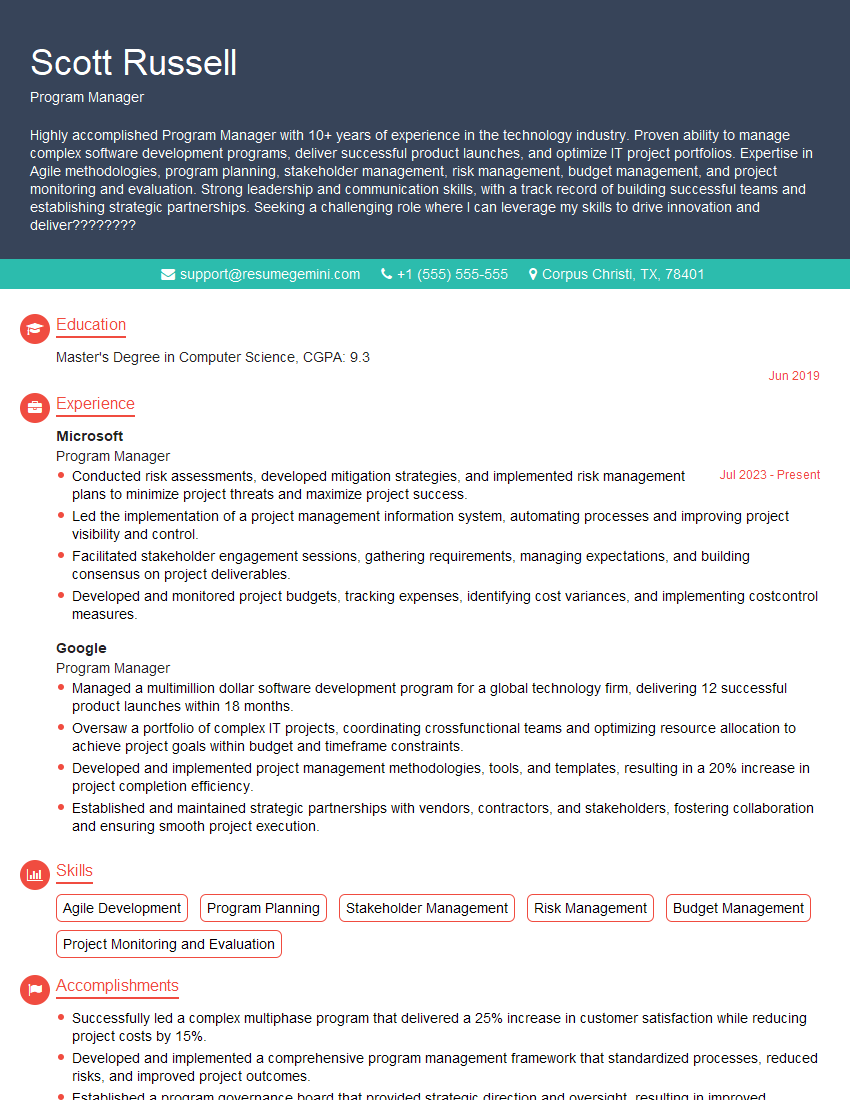
Program Manager Resume Sample

Operations Manager Resume Sample
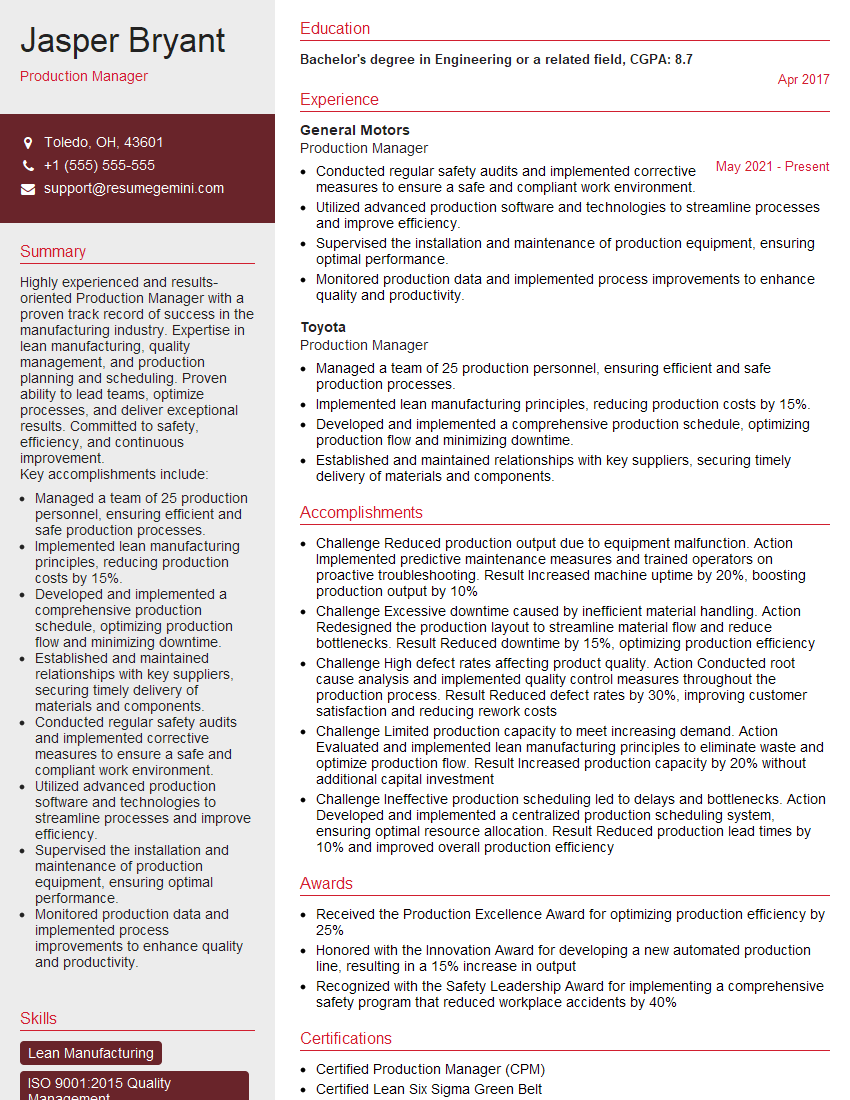
Production Manager Resume Sample

Creative Director Resume Sample
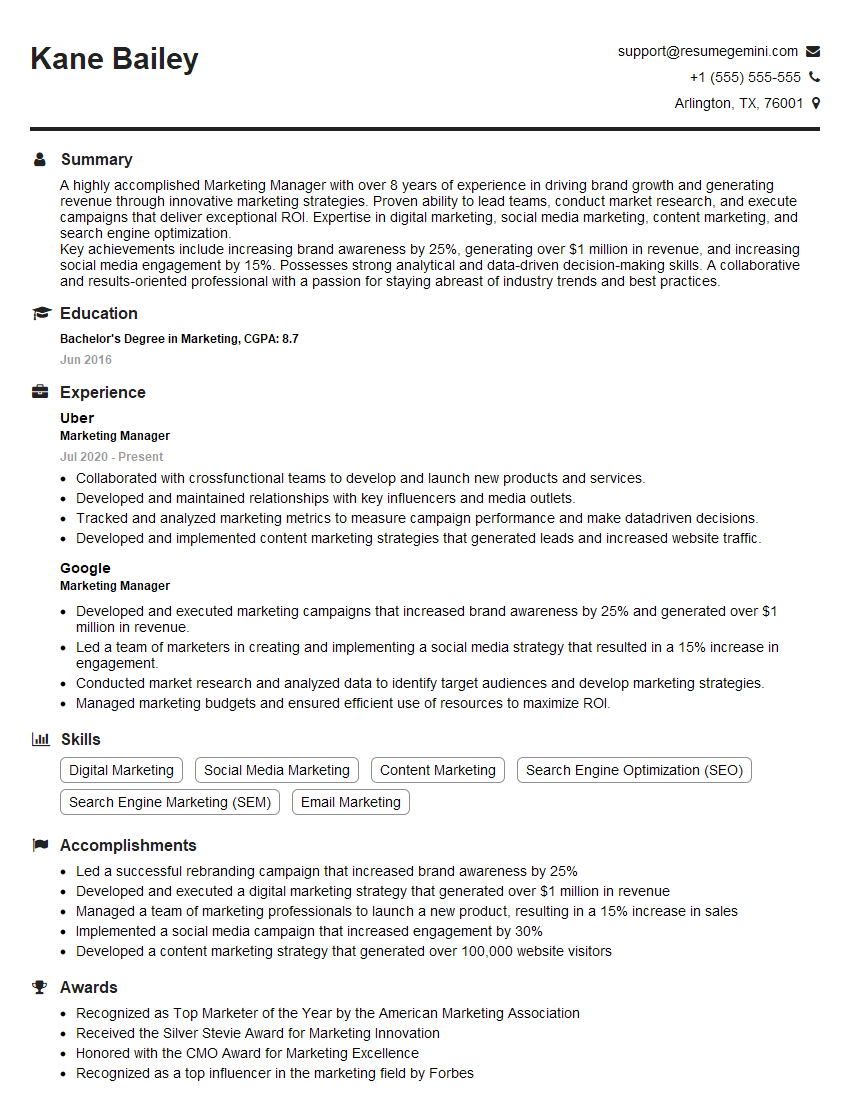
Marketing Manager Resume Sample
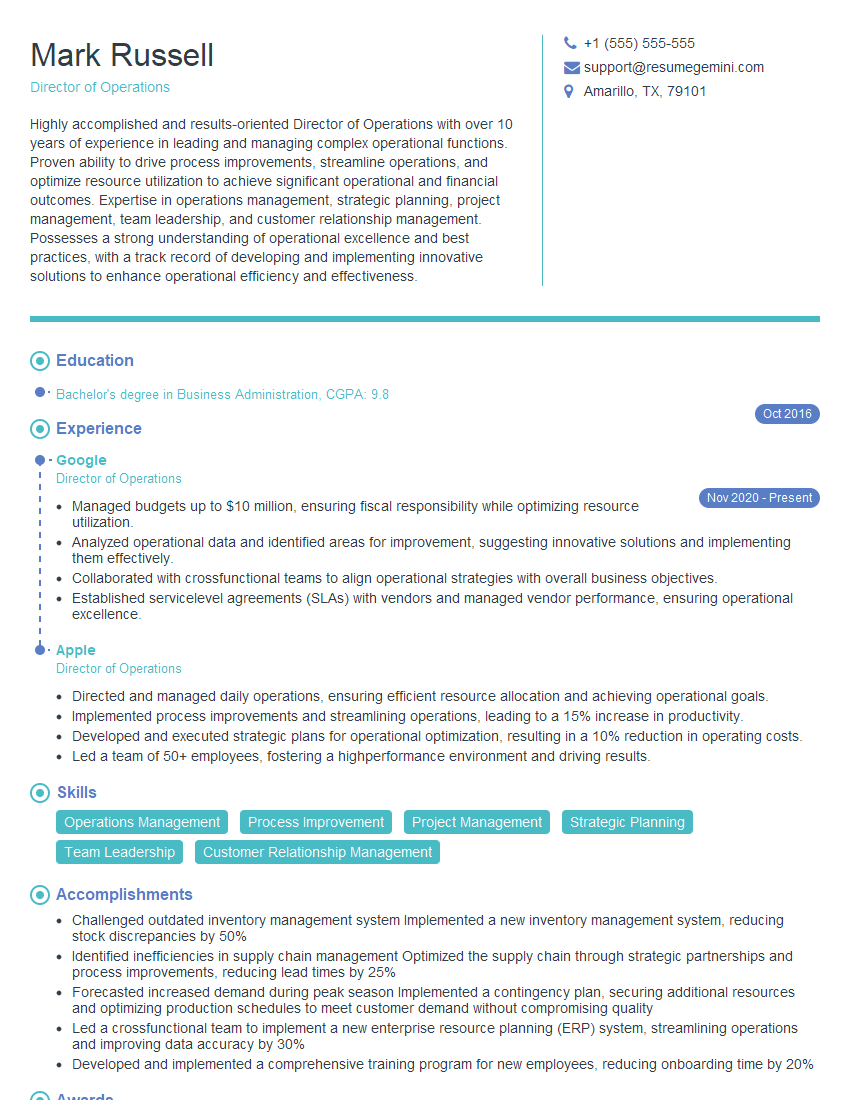
Director of Operations Resume Sample
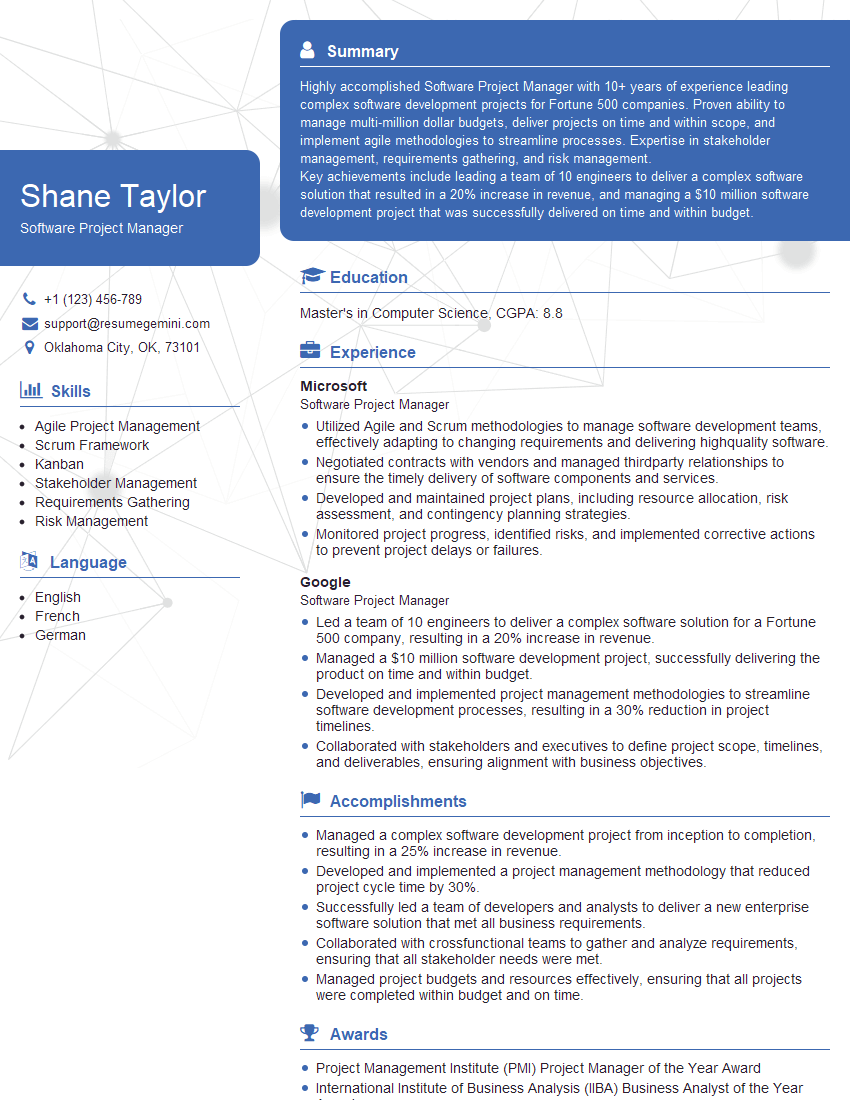
Software Project Manager Resume Sample
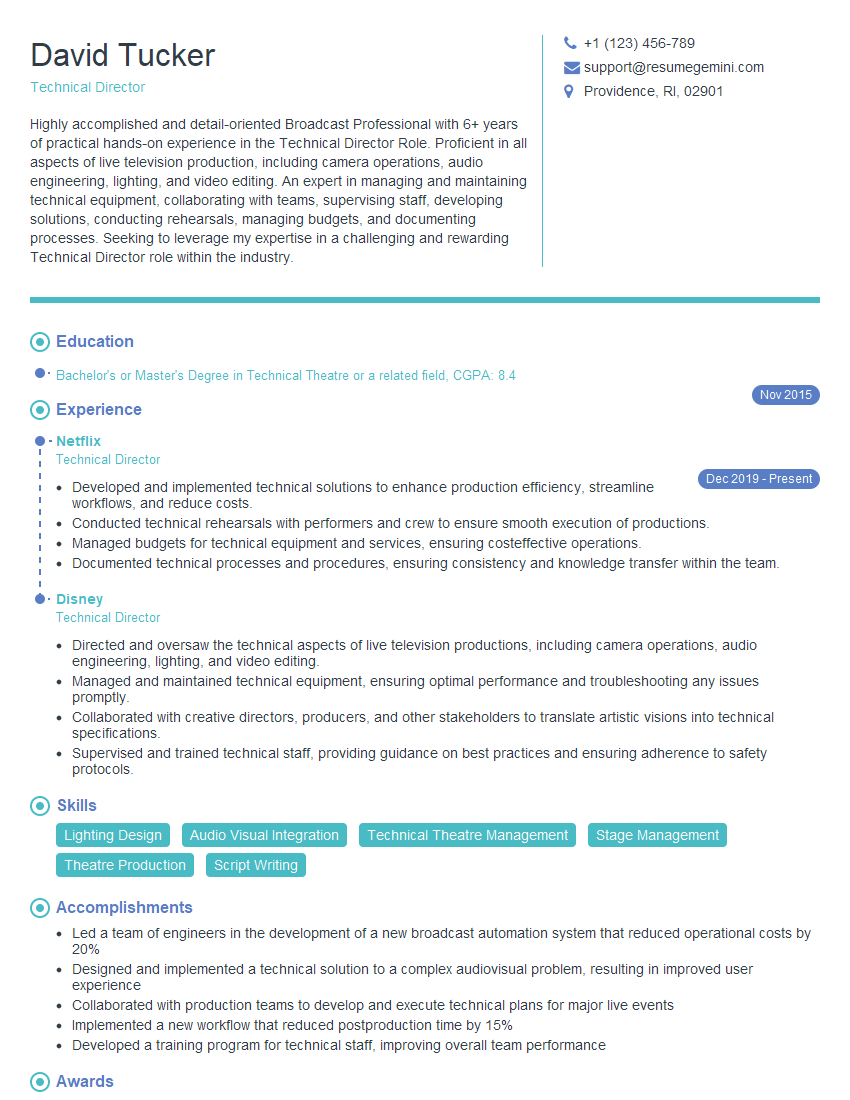
Technical Director Resume Sample

Production Coordinator Resume Sample
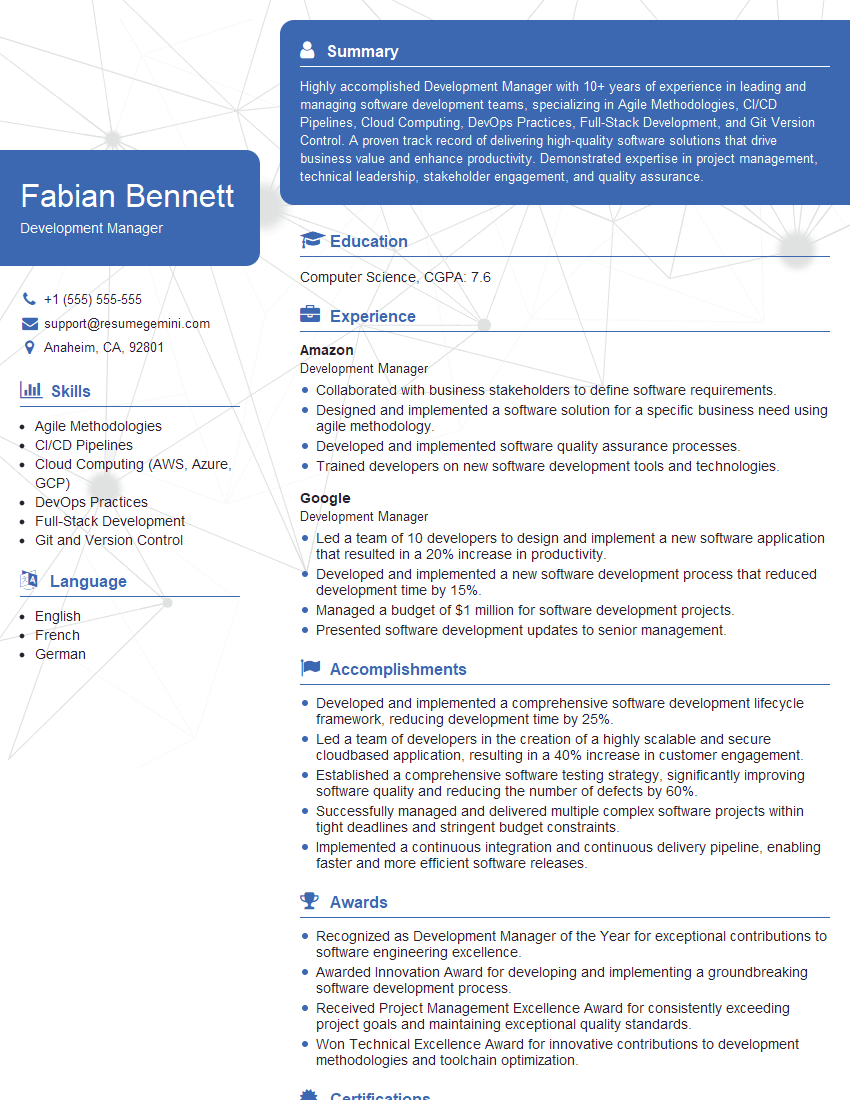
Development Manager Resume Sample
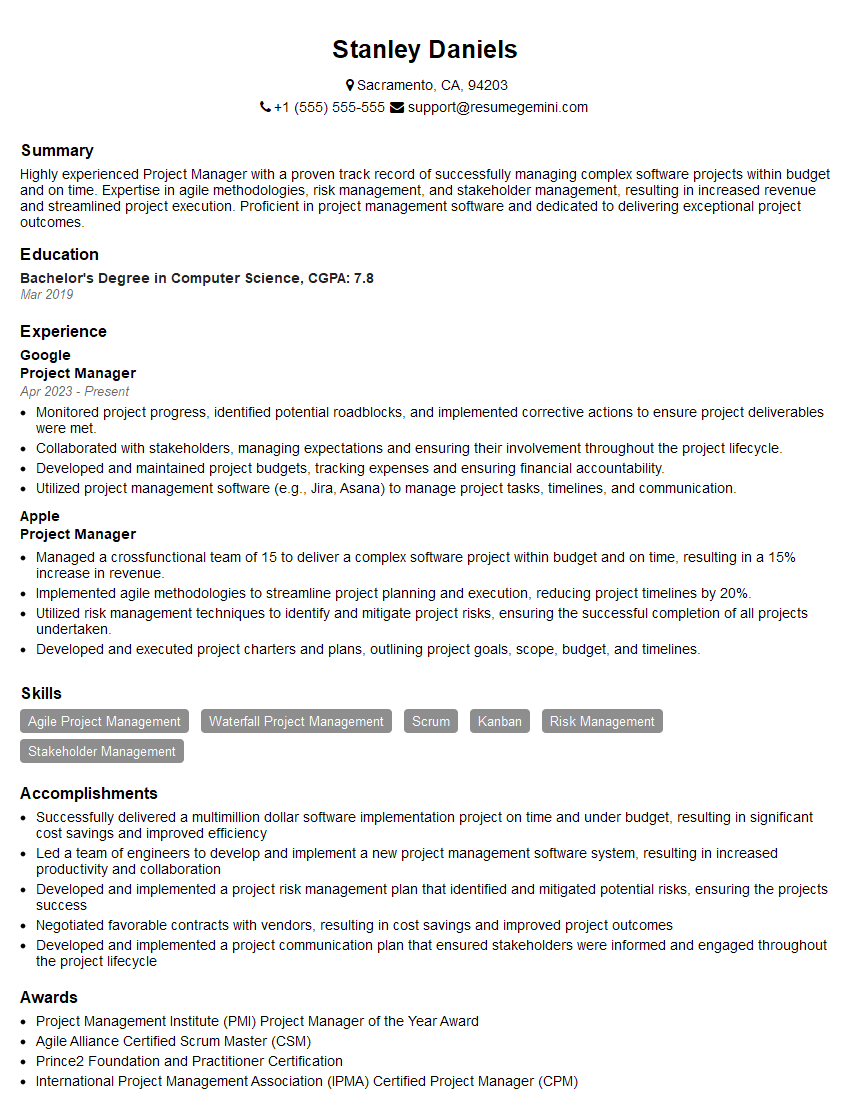
Project Manager Resume Sample
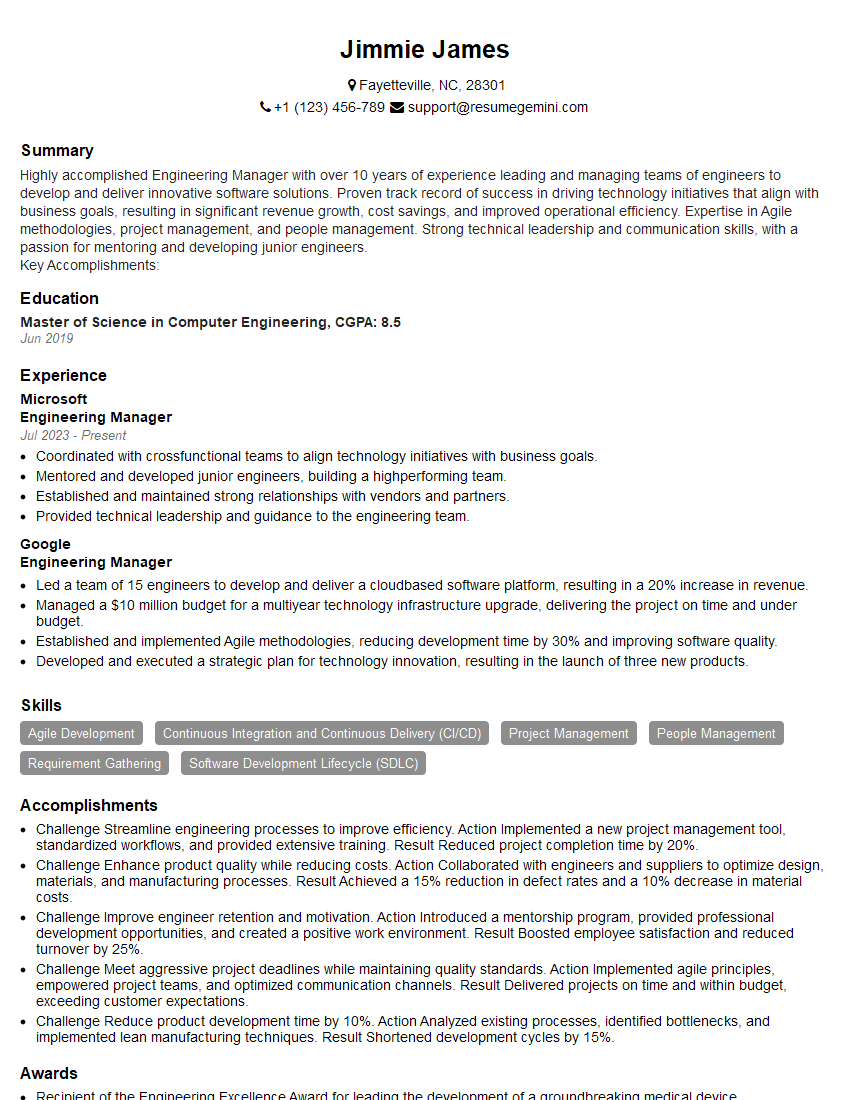
Engineering Manager Resume Sample
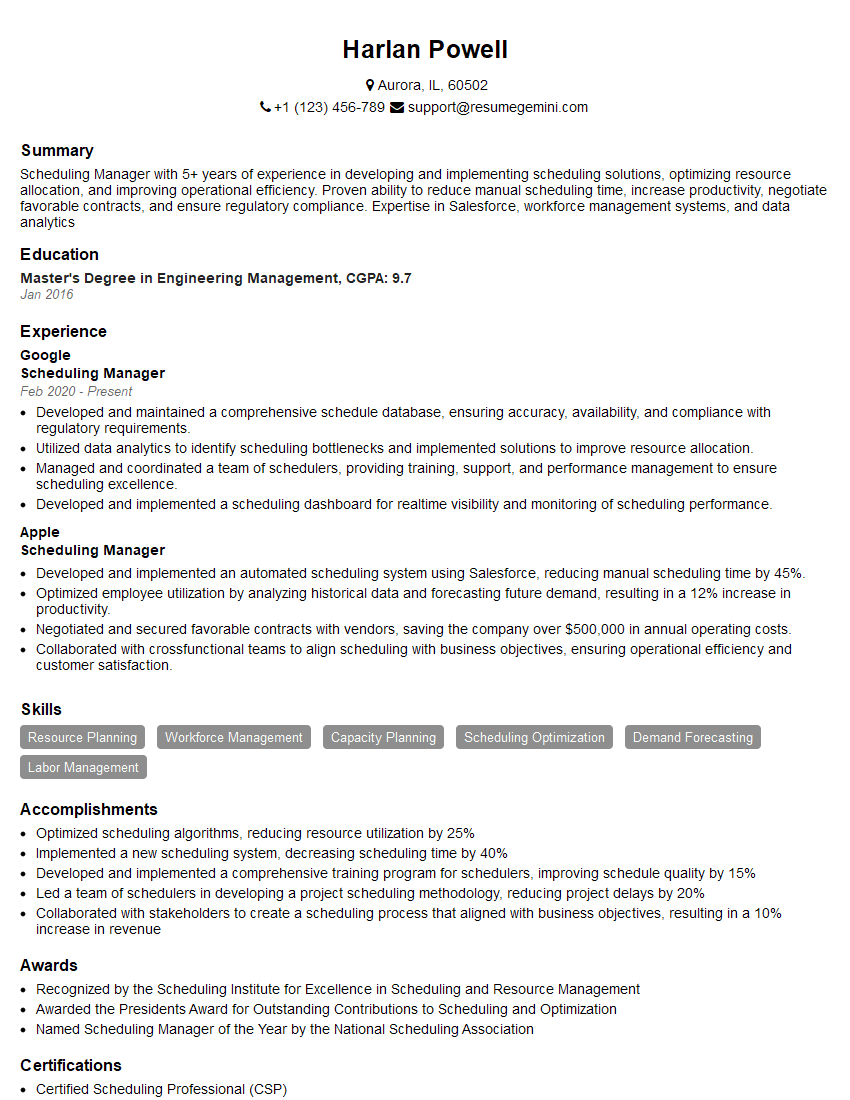
Scheduling Manager Resume Sample
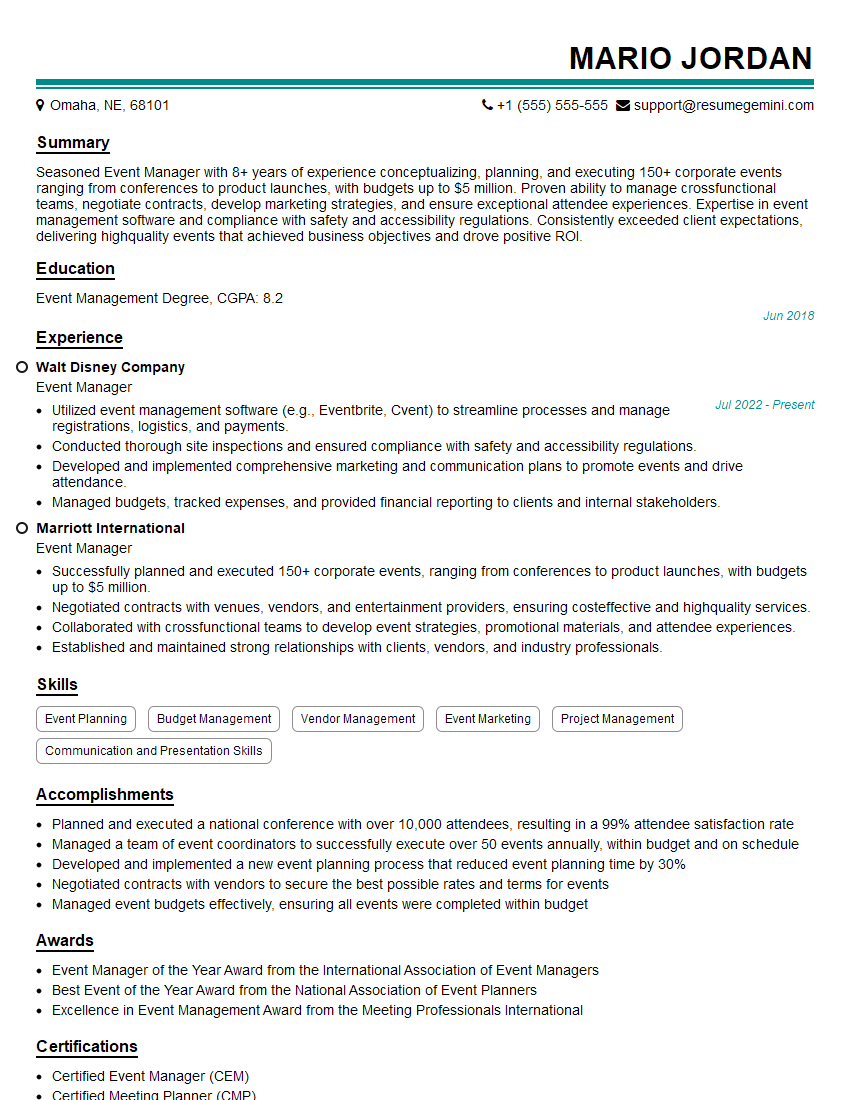
Event Manager Resume Sample
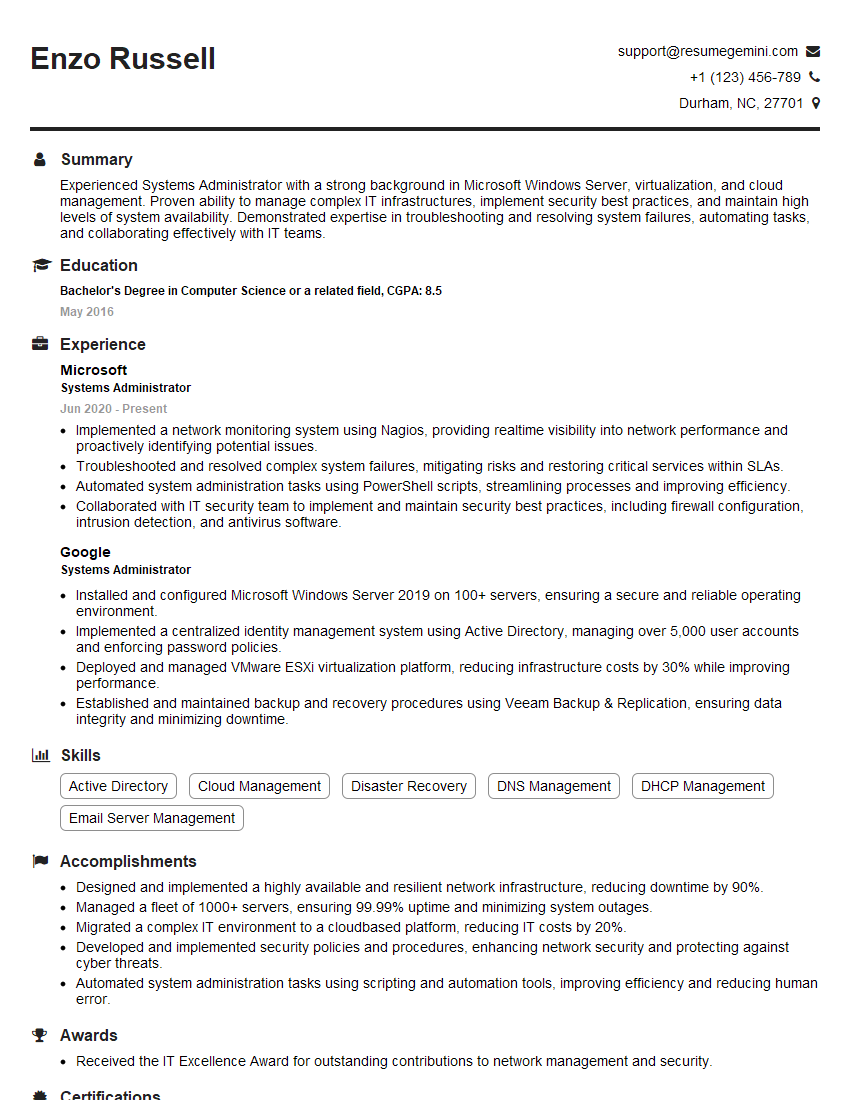
Systems Administrator Resume Sample
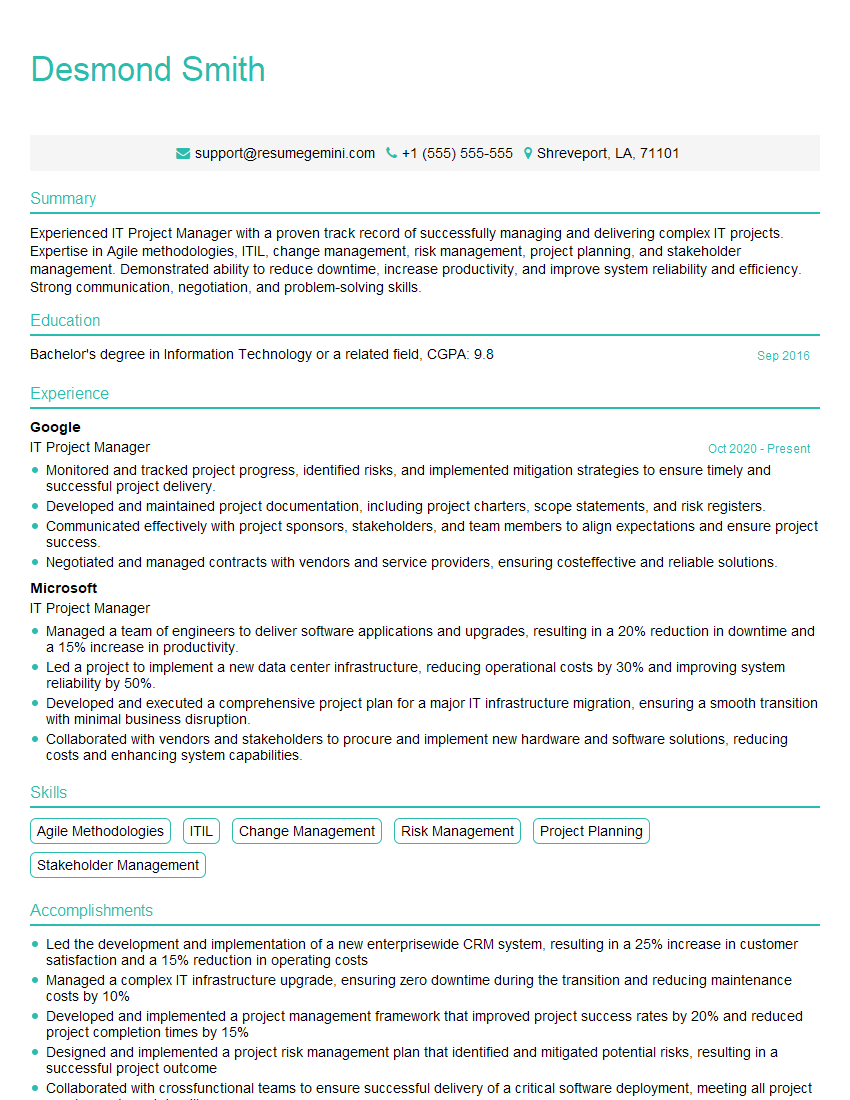
IT Project Manager Resume Sample
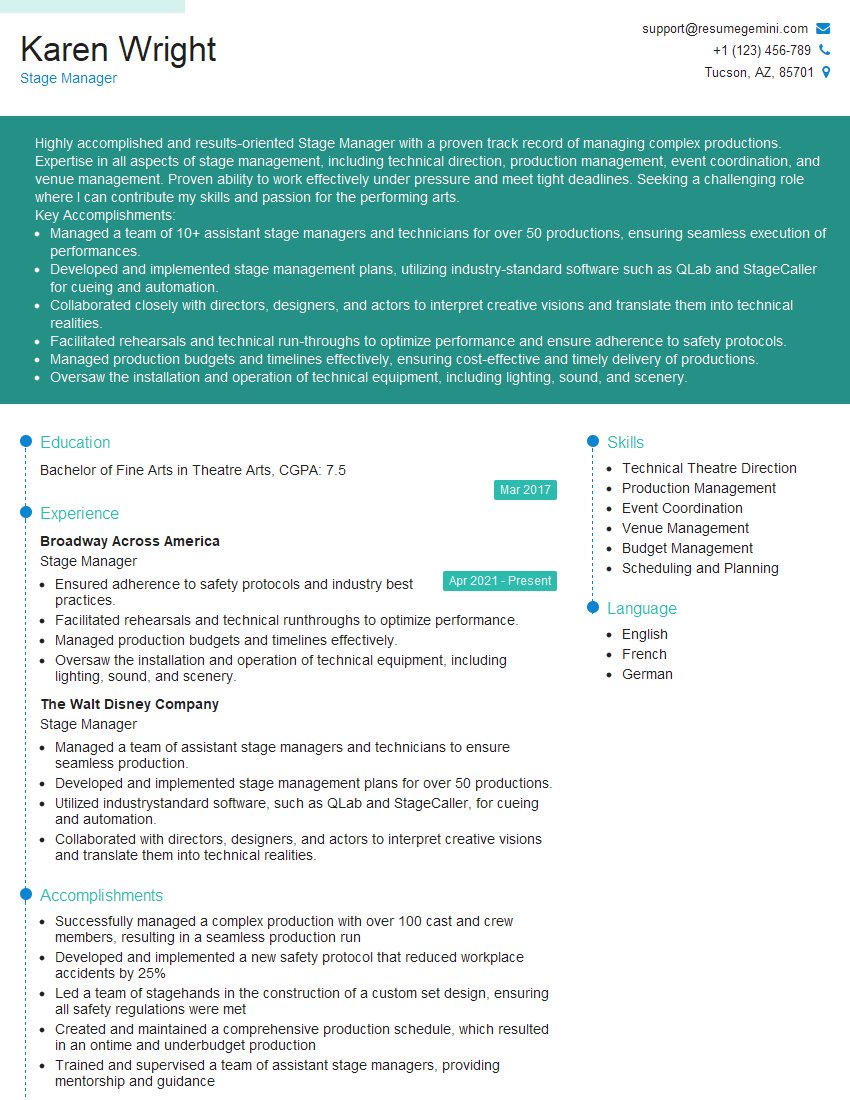
Stage Manager Resume Sample
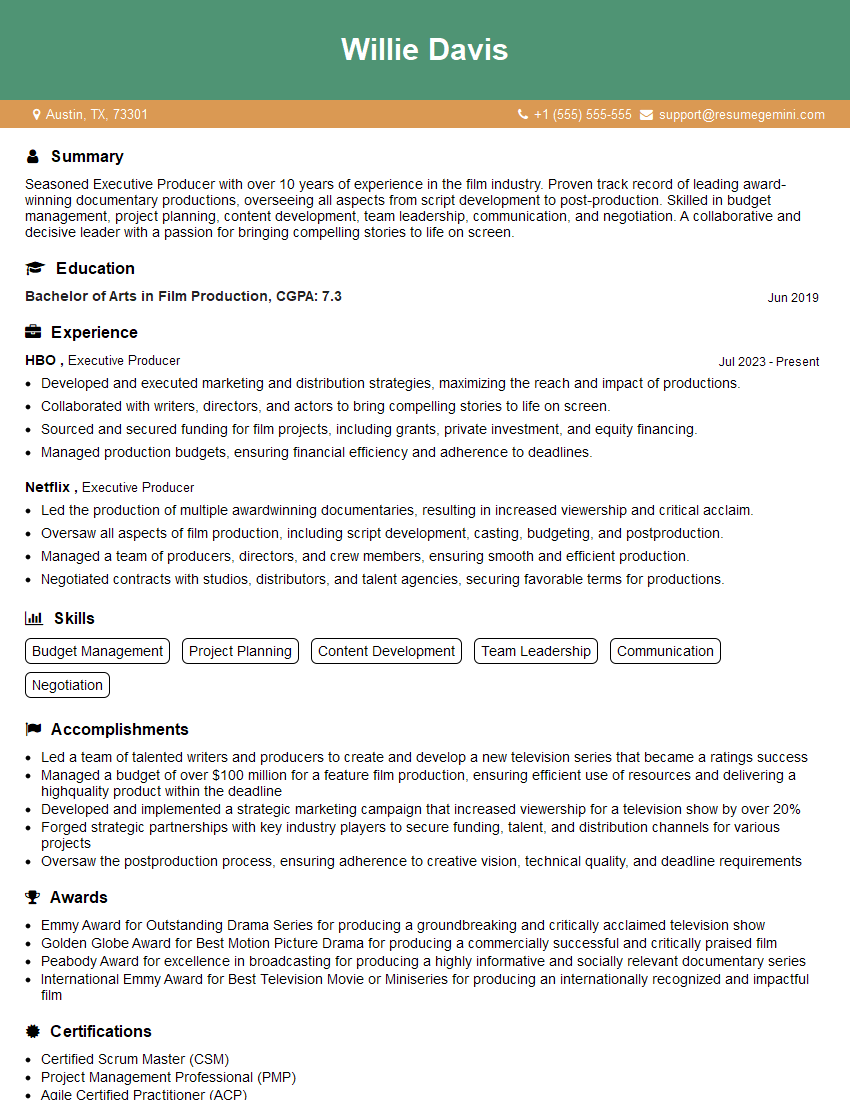
Executive Producer Resume Sample
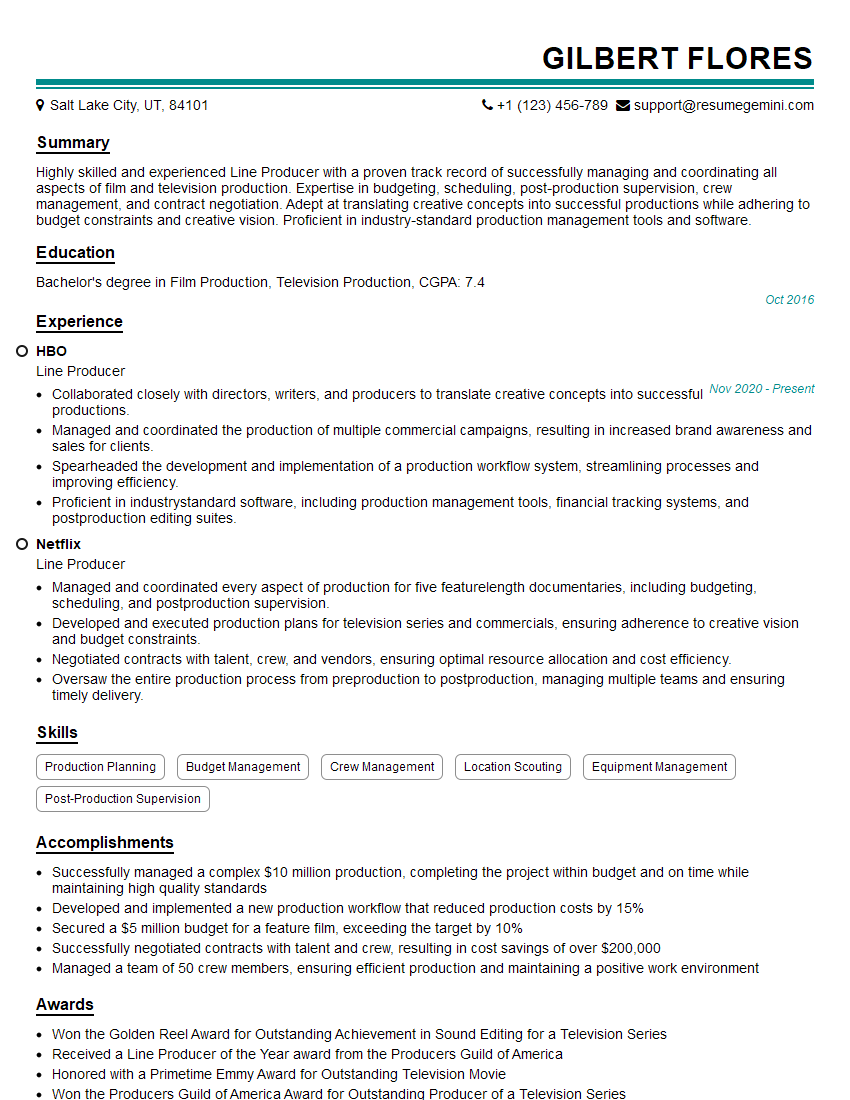
Line Producer Resume Sample
- Program Manager
- Operations Manager
- Production Manager
- Creative Director
- Marketing Manager
- Director of Operations
- Software Project Manager
- Technical Director
- Production Coordinator
- Development Manager
- Project Manager
- Engineering Manager
- Scheduling Manager
- Event Manager
- Systems Administrator
- IT Project Manager
- Stage Manager
- Executive Producer
- Line Producer
Explore more articles
Users Rating of Our Blogs
Share Your Experience
We value your feedback! Please rate our content and share your thoughts (optional).
What Readers Say About Our Blog
Very informative content, great job.
good