Unlock your full potential by mastering the most common Ability to adapt to changing conditions and emerging challenges interview questions. This blog offers a deep dive into the critical topics, ensuring you’re not only prepared to answer but to excel. With these insights, you’ll approach your interview with clarity and confidence.
Questions Asked in Ability to adapt to changing conditions and emerging challenges Interview
Q 1. Describe a situation where you had to adapt to a significant change in project requirements.
Adapting to shifting project requirements is a crucial skill in today’s dynamic work environment. It requires flexibility, proactive communication, and a problem-solving mindset. I once worked on a large-scale software development project where, halfway through, the client decided to significantly alter the core functionality. Initially, this felt like a setback, but I viewed it as an opportunity.
My approach involved several steps: First, I facilitated a meeting with the development team and the client to fully understand the revised requirements. We meticulously documented the changes and their impact on existing code, timelines, and budget. Next, we prioritized the new features based on their business value and technical feasibility, using a MoSCoW method (Must have, Should have, Could have, Won’t have). This allowed us to maintain a clear focus amidst the changes. Finally, we adjusted the project plan, assigning new tasks and deadlines, and implementing agile methodologies to allow for iterative development and quick adaptation to any further changes. This collaborative approach ensured a smooth transition and a successful project delivery, ultimately strengthening the client relationship.
Q 2. How do you prioritize tasks when faced with unexpected challenges?
Prioritizing tasks during unexpected challenges requires a structured approach. My process combines urgency, impact, and dependency analysis. I use a matrix that considers the urgency (how soon the task needs completion), impact (how significant the task is to the project’s overall success), and dependency (whether other tasks depend on this one’s completion). Tasks with high urgency and high impact get top priority, especially if they have dependencies. This matrix helps me visualize and systematically tackle challenges, ensuring that critical tasks are not overlooked amidst the chaos.
For instance, if a critical server goes down, fixing it takes immediate precedence over other tasks regardless of their planned schedule, as the impact on the entire system is far greater than any other individual task.
Q 3. Explain your process for identifying and mitigating potential risks in a dynamic environment.
Identifying and mitigating risks in a dynamic environment is an ongoing process that demands proactive thinking and continuous monitoring. I employ a risk assessment framework that includes identifying potential risks (e.g., technological failures, resource constraints, shifting market conditions), analyzing their likelihood and impact, and developing mitigation strategies. This involves brainstorming sessions with the team, reviewing historical data, and conducting scenario planning.
For example, when launching a new product, I would consider risks like inadequate marketing, competitor actions, and technical glitches. I would then create a plan to address each. This might include A/B testing different marketing strategies, monitoring competitor activity closely, and conducting rigorous testing before the launch. Regularly reviewing and updating this risk assessment is key, as new challenges constantly emerge. This proactive approach helps turn potential problems into manageable challenges.
Q 4. Describe a time you had to learn a new skill quickly to meet a deadline.
Learning new skills quickly is often necessary to meet deadlines. In a previous role, we needed to integrate a new payment gateway into our e-commerce platform within a tight timeframe. While I was proficient in backend development, I lacked experience with the specific API of this new gateway. To overcome this, I adopted a structured learning approach.
First, I thoroughly reviewed the gateway’s documentation and tutorials. I then created a small test project to experiment with the API calls and understand its functionality. I leveraged online communities and forums to seek help when I encountered challenges. Through focused practice and collaboration, I was able to integrate the gateway successfully, demonstrating that quick learning is a matter of effective resource utilization and focused effort.
Q 5. How do you handle conflicting priorities?
Conflicting priorities are inevitable in a fast-paced environment. I handle them by first clearly understanding the context of each priority. I use a prioritization framework that considers the urgency, importance, and dependencies of each task, as mentioned earlier. When conflicts arise, I prioritize tasks based on their impact on overall goals and communicate transparently with stakeholders involved, explaining the rationale behind my decisions. This avoids misunderstandings and ensures that everyone is aligned.
Sometimes, negotiation and compromise are necessary. If two equally important tasks are competing for resources, I might break them down into smaller components and allocate resources strategically to make progress on both. Open communication is key to finding solutions that satisfy all involved parties.
Q 6. How do you stay informed about industry trends and emerging challenges?
Staying informed about industry trends and emerging challenges is critical for professional growth and effective adaptation. My approach is multi-faceted. I regularly read industry publications and journals, attend conferences and webinars, and actively participate in online professional communities. I follow key influencers and thought leaders on social media platforms relevant to my field. I also dedicate time to researching emerging technologies and their potential impact on my work. This constant learning ensures I’m equipped to anticipate challenges and leverage new opportunities.
Q 7. Describe a time you failed to adapt effectively. What did you learn?
There was a time I failed to adapt effectively when a major technological shift occurred in the industry. Instead of embracing the change and learning the new technology, I initially resisted it, clinging to familiar methods. This resulted in delays and hindered the project’s progress.
The experience taught me the importance of embracing change and continuous learning. I realized that resisting new technologies or approaches only creates unnecessary obstacles. Now, I actively seek out opportunities to learn new skills and technologies and encourage my team to do the same. I view change not as a threat but as a potential opportunity for growth and innovation. This proactive approach allows me to anticipate and effectively adapt to future challenges.
Q 8. How do you handle stress and pressure in high-stakes situations?
In high-stakes situations, stress and pressure are inevitable. My approach is multifaceted and focuses on proactive preparation, strategic thinking, and self-regulation. I begin by thoroughly understanding the task at hand, identifying potential challenges, and developing contingency plans. This proactive approach reduces anxiety by minimizing surprises. During the high-pressure moment itself, I utilize techniques like deep breathing exercises to manage my physiological response. I prioritize clear communication with my team, ensuring everyone is informed and working collaboratively. Finally, I maintain a realistic perspective, focusing on what I can control and accepting that some things are outside my immediate influence. For instance, during a critical product launch, meticulous planning, including multiple test runs and a detailed communication strategy, greatly minimized stress when unexpected issues arose.
Q 9. What strategies do you use to build resilience?
Building resilience is an ongoing process, not a one-time event. My strategies include cultivating a strong support network of colleagues and mentors, who provide both emotional support and valuable advice. I also prioritize self-care, ensuring I get sufficient sleep, exercise regularly, and maintain a healthy diet. These practices bolster my physical and mental stamina. Furthermore, I actively seek opportunities for continuous learning and skill development. This increases my confidence and ability to handle new challenges. I view setbacks not as failures but as learning experiences, analyzing what went wrong and adapting my approach accordingly. For example, after a project faced unexpected delays, I proactively sought feedback, identified the root causes of the issues, and implemented new project management strategies to enhance future project success.
Q 10. How do you foster adaptability within a team?
Fostering adaptability within a team requires creating a culture of open communication, trust, and psychological safety. I encourage team members to openly share their ideas, concerns, and perspectives without fear of judgment. We regularly conduct training sessions focused on problem-solving, critical thinking, and embracing change. I lead by example, demonstrating flexibility and adaptability in my own actions. I also implement agile methodologies, which promote iterative development and quick adaptation to changing requirements. This allows the team to respond effectively to evolving situations and challenges. Furthermore, we regularly debrief after projects, both successes and failures, analyzing what worked well and what could be improved to increase our collective adaptability.
Q 11. How do you approach problem-solving in an ambiguous environment?
Problem-solving in ambiguous environments requires a structured and iterative approach. I start by clearly defining the problem, gathering as much information as possible, even if it’s incomplete. Then, I brainstorm potential solutions with the team, encouraging diverse perspectives. We then prioritize these solutions based on feasibility, impact, and risk. We develop a plan with clear milestones and regularly monitor progress, adapting as needed based on new information or emerging challenges. A useful framework I frequently utilize is the ‘5 Whys’ technique, to delve deeper into the root cause of the problem. For instance, when dealing with a sudden drop in customer engagement, we used this technique to uncover the underlying technical issues causing the problem.
Q 12. How do you utilize feedback to improve your adaptability?
Feedback is crucial for improving adaptability. I actively solicit feedback from colleagues, supervisors, and even clients, using both formal and informal methods like 360-degree reviews and regular one-on-one meetings. I listen attentively and ask clarifying questions to ensure I fully understand the feedback. I then analyze the feedback, identifying areas for improvement and developing action plans to address them. It’s important to be receptive to both positive and negative feedback, as both offer valuable insights. For instance, feedback on a previous project highlighted a weakness in my delegation skills, which I addressed through targeted training and by actively practicing improved delegation techniques on subsequent projects.
Q 13. Give an example of a time you had to make a quick decision with incomplete information.
During a major system outage, we had only partial information about the root cause. The system was critical to ongoing operations, and a prolonged outage would have significant consequences. With limited diagnostic data, I had to make a quick decision on whether to attempt a risky partial system restore or wait for a more complete diagnosis. Weighing the risks and potential rewards, I chose the partial restore, knowing it had a chance of failure but also a higher likelihood of minimizing downtime compared to waiting. Thankfully, the partial restore succeeded, significantly minimizing the impact of the outage. This decision highlighted the importance of quick decision-making under pressure and accepting calculated risks in ambiguous situations.
Q 14. Describe a time you had to adapt your communication style to reach a diverse audience.
While presenting a complex technical solution to a diverse audience – including engineers, executives, and marketing personnel – I adjusted my communication style to suit their varying levels of technical expertise. With the engineers, I used more technical jargon and detailed explanations. With the executives, I focused on the high-level benefits and strategic implications. For the marketing team, I highlighted the customer-facing aspects and the impact on the brand. I used visuals extensively, such as diagrams and charts, to ensure everyone could understand the key concepts. This adaptable communication style facilitated effective collaboration and ensured everyone was aligned on the proposed solution.
Q 15. How do you manage your time and resources effectively during periods of rapid change?
Effective time and resource management during rapid change hinges on prioritization, flexibility, and proactive planning. I utilize a combination of techniques. First, I employ a prioritization matrix, often a MoSCoW method (Must have, Should have, Could have, Won’t have), to clearly define tasks based on urgency and importance. This ensures that critical activities get the necessary attention even amidst the chaos. Second, I embrace flexible scheduling. Rigid schedules become quickly obsolete in dynamic environments. Instead, I incorporate buffer time, regularly review my schedule, and am prepared to adjust based on emerging priorities. Finally, proactive planning is crucial; anticipating potential bottlenecks and resource constraints allows for timely mitigation strategies. For instance, if I foresee a surge in demand for a particular resource, I’ll proactively explore alternative solutions or seek additional support.
For example, during a recent project launch where unforeseen technical challenges arose, I quickly re-prioritized tasks using the MoSCoW method, focusing on the ‘must-have’ features first. This allowed us to deliver a minimum viable product on time, mitigating potential project failure. Simultaneously, I communicated transparently with the team about the shift in priorities and adjusted the schedule accordingly, ensuring everyone understood the change and was committed to the new plan.
Career Expert Tips:
- Ace those interviews! Prepare effectively by reviewing the Top 50 Most Common Interview Questions on ResumeGemini.
- Navigate your job search with confidence! Explore a wide range of Career Tips on ResumeGemini. Learn about common challenges and recommendations to overcome them.
- Craft the perfect resume! Master the Art of Resume Writing with ResumeGemini’s guide. Showcase your unique qualifications and achievements effectively.
- Don’t miss out on holiday savings! Build your dream resume with ResumeGemini’s ATS optimized templates.
Q 16. Describe your experience with agile methodologies and their impact on adaptability.
Agile methodologies, like Scrum and Kanban, are fundamental to my approach to adaptability. These iterative frameworks excel at handling uncertainty and change. The iterative nature allows for continuous feedback and adaptation. In Scrum, for example, daily stand-up meetings facilitate quick identification and resolution of roadblocks, ensuring the team stays aligned and responsive to changes. Kanban’s visual workflow management provides exceptional transparency, allowing me to easily track progress, identify bottlenecks, and re-allocate resources effectively as needed. The emphasis on collaboration and frequent communication inherent in agile methodologies fosters a culture of flexibility and rapid response to change.
In a previous project, we transitioned to a Scrum framework midway through the project due to evolving client needs. The agile approach proved invaluable. The daily stand-ups allowed us to quickly adapt to shifting requirements, and the short sprints ensured that we delivered incremental value frequently, minimizing risk and maximizing customer satisfaction.
Q 17. How do you measure the success of your adaptation strategies?
Measuring the success of adaptation strategies requires a multi-faceted approach. Quantitative metrics, like project completion rates, on-time delivery, and customer satisfaction scores, provide objective data. However, equally important are qualitative measures. I conduct regular retrospectives with my teams to gather feedback on the effectiveness of our adaptation strategies, identifying areas for improvement. Analyzing post-project reviews and examining the efficiency of resource allocation helps quantify the impact of changes. This comprehensive approach helps to identify not just whether we adapted, but also how effective that adaptation was.
For example, after a period of significant change, we analyzed our project completion rate, customer satisfaction surveys, and team feedback from retrospectives. The data showed a slight increase in project completion rate despite the challenges. Team feedback highlighted areas where our communication could be improved, which we subsequently addressed, ensuring even more effective adaptation in the future. This holistic review allowed us to demonstrably prove the success of our strategies.
Q 18. What are your preferred methods for managing uncertainty?
Managing uncertainty involves a proactive approach that combines scenario planning, risk assessment, and flexible decision-making. Scenario planning helps explore different potential futures, allowing us to develop contingency plans for various outcomes. A robust risk assessment identifies potential obstacles and their impact, allowing for prioritization and mitigation strategies. Crucially, I foster a culture of flexible decision-making, enabling rapid adjustments based on new information or unforeseen circumstances. This is supported by a strong communication network within the team, ensuring that everyone is informed and prepared for changes.
In one instance, we anticipated several potential market shifts. We used scenario planning to outline potential responses to each, ranging from minor adjustments to major strategic shifts. This preparedness allowed us to respond decisively and efficiently when one of our predicted scenarios unfolded.
Q 19. How do you identify and leverage opportunities presented by change?
Identifying and leveraging opportunities presented by change requires a keen eye for emerging trends and a proactive mindset. I actively seek out information on industry developments, competitor actions, and customer feedback. This allows me to identify potential opportunities early on. A crucial aspect is the ability to connect seemingly unrelated pieces of information, identifying potential synergies and innovative solutions. This often involves challenging existing assumptions and exploring unconventional approaches. Furthermore, open communication channels foster an environment where others feel comfortable bringing forth new ideas, allowing the team to collectively identify and pursue opportunities.
For example, when a competitor introduced a new technology, we analyzed its impact on the market and saw an opportunity to integrate its features into our existing products. This allowed us to maintain a competitive advantage, gaining a new feature-set while simultaneously anticipating future market shifts.
Q 20. Describe a time you had to overcome resistance to change within a team.
In a previous role, we needed to implement a new project management software. Some team members were resistant due to unfamiliarity with the new system and a preference for established methods. I addressed this resistance by engaging in open dialogue and actively listening to their concerns. I organized training sessions tailored to their specific needs and demonstrated the long-term benefits of the new software, highlighting improved efficiency and collaboration. Crucially, I provided opportunities for continuous feedback, allowing them to feel ownership of the transition. Rather than forcing the change, I actively involved the team throughout the process, turning resistance into collaboration.
This approach, which focused on transparency, training, and communication, proved successful. Initially resistant team members eventually became enthusiastic adopters of the new system, appreciating the improved efficiency and their participation in the change process.
Q 21. How do you use technology to enhance your adaptability?
Technology significantly enhances my adaptability. I utilize project management software (like Jira or Asana) for efficient task management, collaboration, and progress tracking. These tools facilitate quick responses to change through real-time updates and integrated communication. Data analytics tools provide insights into project performance, helping identify bottlenecks and areas for improvement. Communication platforms (like Slack or Microsoft Teams) ensure seamless information flow, enhancing responsiveness and collaboration. Furthermore, I stay up-to-date on emerging technologies and their applications to project management and adaptation to maintain a cutting-edge approach.
For instance, using data analytics from our project management software, I identified a recurring bottleneck in a specific stage of the project lifecycle. This data-driven insight allowed me to implement process improvements that streamlined the workflow and significantly improved efficiency.
Q 22. How do you ensure your team remains adaptable to new technologies and processes?
Maintaining a team’s adaptability to new technologies and processes requires a multifaceted approach. It’s not just about technical skills; it’s about fostering a culture of continuous learning and embracing change.
- Regular Training and Development: We invest in ongoing training programs, workshops, and online courses tailored to emerging technologies relevant to our work. This could range from learning a new programming language to mastering a new project management tool. For example, when cloud computing became crucial, we provided team members with AWS certifications and practical training sessions.
- Mentorship and Knowledge Sharing: We encourage experienced team members to mentor newer ones, fostering a collaborative environment where knowledge is freely shared. This peer-to-peer learning is invaluable in accelerating the adoption of new technologies and methodologies. We utilize internal knowledge bases and regular ‘lunch-and-learn’ sessions to facilitate this.
- Experimentation and Prototyping: We allocate dedicated time for experimentation with new tools and technologies. This allows team members to explore new approaches, identify potential benefits and drawbacks, and develop practical experience firsthand. This ‘proof-of-concept’ approach minimizes risk and allows for informed decisions about technology adoption.
- Feedback and Iteration: We implement a system of regular feedback and iteration, allowing us to adapt our training and development strategies based on team needs and performance. We use surveys, performance reviews, and informal feedback sessions to continuously improve our approach.
Q 23. How do you approach continuous learning and development in a rapidly evolving field?
In a rapidly evolving field, continuous learning isn’t just a suggestion; it’s a necessity for staying relevant and competitive. I approach it strategically:
- Identify Skill Gaps: I regularly assess my skills against industry benchmarks and identify areas needing improvement. This often involves self-assessment, feedback from colleagues, and market research.
- Personalized Learning Plan: I develop a personalized learning plan that targets specific skill gaps. This plan includes online courses, industry conferences, books, and mentorship opportunities. For instance, to enhance my data analysis skills, I enrolled in an online course on advanced statistical modelling and regularly attended webinars on data visualization.
- Active Participation in the Community: I actively participate in industry events, conferences, and online communities. This provides invaluable exposure to new ideas, best practices, and networking opportunities. Attending industry conferences helps me stay updated on the latest trends and technologies.
- Experimentation and Practice: I don’t just passively consume information; I actively apply what I learn through experimentation and practice on real-world projects. This is how I solidify my understanding and build practical expertise.
- Seek Feedback: I actively seek feedback on my learning progress and areas for improvement. This helps refine my approach and ensures that my efforts are aligned with organizational goals.
Q 24. Describe a time you successfully navigated a crisis situation.
During a major system upgrade, a critical bug emerged just hours before launch, potentially causing significant financial losses and reputational damage.
My first step was to initiate a calm and controlled crisis management meeting. We assembled a cross-functional team, prioritizing clear communication and assigning specific roles and responsibilities. We followed a structured problem-solving approach:
- Problem Definition: Accurately identify the root cause of the bug, leveraging our monitoring tools and logs.
- Solution Brainstorming: We explored multiple solutions, weighing the pros and cons of each. This included patching the existing code, developing a temporary workaround, and even reverting to a previous version.
- Risk Assessment: We assessed the risks associated with each solution, considering potential downtime, data loss, and customer impact.
- Execution and Monitoring: The chosen solution was swiftly implemented, closely monitored, and tested to confirm its effectiveness.
- Post-Mortem Analysis: After the crisis was resolved, we held a post-mortem analysis to identify lessons learned, including preventative measures and improvements to our processes.
Through this structured approach, we successfully resolved the issue, mitigating the potential damage and learning valuable lessons about our systems and crisis management capabilities.
Q 25. How do you balance long-term goals with immediate needs during periods of change?
Balancing long-term goals with immediate needs during periods of change is a crucial leadership skill. It requires strategic prioritization and effective communication.
I use a framework that combines strategic planning with agile execution:
- Define Clear Long-Term Vision: Start with a clear, well-defined long-term vision that outlines the desired future state. This provides a roadmap and helps guide decision-making during turbulent times.
- Break Down Goals: Divide the long-term goals into smaller, achievable milestones. This makes the overarching vision more tangible and manageable.
- Prioritize Tasks: Use a prioritization matrix (e.g., Eisenhower Matrix) to differentiate between urgent and important tasks. This ensures that immediate needs are addressed without compromising long-term objectives. For instance, a pressing client request may be urgent, but building a new internal tool that will improve efficiency in the long run could be more important.
- Adaptive Planning: Adopt an agile approach to planning, allowing for flexibility and adjustments as new information emerges. Regularly review and adapt the plan as needed.
- Communicate Effectively: Maintain open and transparent communication with the team, explaining the rationale behind prioritization decisions. This ensures team alignment and buy-in.
Q 26. How do you maintain morale and motivation in a team facing significant challenges?
Maintaining morale and motivation during challenging times requires fostering a supportive and collaborative environment. This involves several key strategies:
- Open and Honest Communication: Keep the team informed about challenges and progress, fostering transparency and trust. Addressing concerns directly and honestly is crucial.
- Recognition and Appreciation: Acknowledge and celebrate successes, no matter how small. Recognizing individual and team contributions boosts morale and motivation.
- Empowerment and Ownership: Empower team members by giving them ownership and responsibility, making them feel valued and integral to the process. Allowing them to participate in decision-making increases their sense of commitment.
- Support and Wellbeing: Provide support and resources to help team members cope with stress and pressure. This might include access to mental health resources, flexible working arrangements, or team-building activities.
- Celebrate Small Wins: Focus on celebrating small victories and milestones along the way. This helps to maintain momentum and a positive outlook.
Q 27. Describe your experience working in a fast-paced, high-pressure environment.
I thrive in fast-paced, high-pressure environments. My experience working on several time-sensitive projects has equipped me with the skills and resilience to handle such situations effectively. For example, during the launch of a new product, we faced numerous unexpected challenges, including technical glitches and last-minute changes to requirements. We successfully navigated these challenges by:
- Prioritizing Tasks: Clearly defining priorities and focusing on the most critical tasks first. Utilizing agile methodologies allowed for quick adaptations and iterations.
- Effective Time Management: Using time management techniques, like timeboxing and task breakdown, to optimize efficiency and meet deadlines.
- Collaboration and Teamwork: Working closely with the team, leveraging each member’s strengths, to overcome obstacles collaboratively. Open communication was critical.
- Problem-Solving Skills: Using a systematic approach to problem-solving to identify, analyze, and resolve issues efficiently.
- Maintaining Calmness Under Pressure: Remaining calm and focused in stressful situations, providing a sense of stability to the team.
Q 28. How do you identify and address personal biases that might hinder adaptability?
Identifying and addressing personal biases that hinder adaptability is a continuous process of self-reflection and improvement. It’s crucial to recognize that biases are often unconscious and can significantly impact decision-making.
- Self-Awareness: Regular self-reflection is essential to identify potential biases. I regularly assess my decision-making processes to identify patterns and potential biases.
- Seek Feedback: Actively seek feedback from colleagues and mentors to gain insights into my blind spots. Constructive criticism can be a powerful tool for self-improvement.
- Diverse Perspectives: Actively seek out and incorporate diverse perspectives in decision-making processes. This helps mitigate the influence of personal biases.
- Data-Driven Decisions: Rely on data and objective evidence when possible, rather than relying solely on intuition or personal opinions. This reduces the likelihood of biased decision-making.
- Continuous Learning: Stay informed about common biases and strategies for mitigating their impact. Learning about cognitive biases helps me anticipate potential pitfalls and develop strategies to counteract them.
Key Topics to Learn for Ability to Adapt to Changing Conditions and Emerging Challenges Interview
- Proactive Problem-Solving: Understanding how to anticipate potential challenges and develop preventative strategies. This includes risk assessment and contingency planning.
- Resourcefulness and Innovation: Demonstrating the ability to find creative solutions with limited resources, showcasing initiative and problem-solving skills in dynamic situations.
- Adaptability and Flexibility: Articulating your ability to adjust to new information, changing priorities, and unexpected circumstances. Provide examples of how you’ve embraced change and learned new skills.
- Learning Agility: Highlighting your capacity to quickly acquire new knowledge and skills, adapting your approach as needed, and demonstrating a growth mindset.
- Resilience and Stress Management: Explaining your strategies for coping with pressure, setbacks, and maintaining productivity under challenging conditions. This includes showcasing emotional intelligence and composure.
- Communication and Collaboration: Demonstrating your ability to effectively communicate changes, solicit feedback, and collaborate effectively with others during periods of uncertainty.
- Decision-Making Under Pressure: Showcasing your ability to make sound judgments and take decisive action, even when faced with incomplete information or time constraints.
Next Steps
Mastering your ability to adapt to change is crucial for career advancement in today’s dynamic work environment. Employers highly value individuals who can navigate uncertainty and contribute effectively in evolving situations. To significantly boost your job prospects, it’s essential to create an ATS-friendly resume that showcases these skills effectively. ResumeGemini is a trusted resource that can help you build a professional and impactful resume tailored to highlight your adaptability. We provide examples of resumes specifically designed to showcase your ability to adapt to changing conditions and emerging challenges, helping you make a strong impression on potential employers.
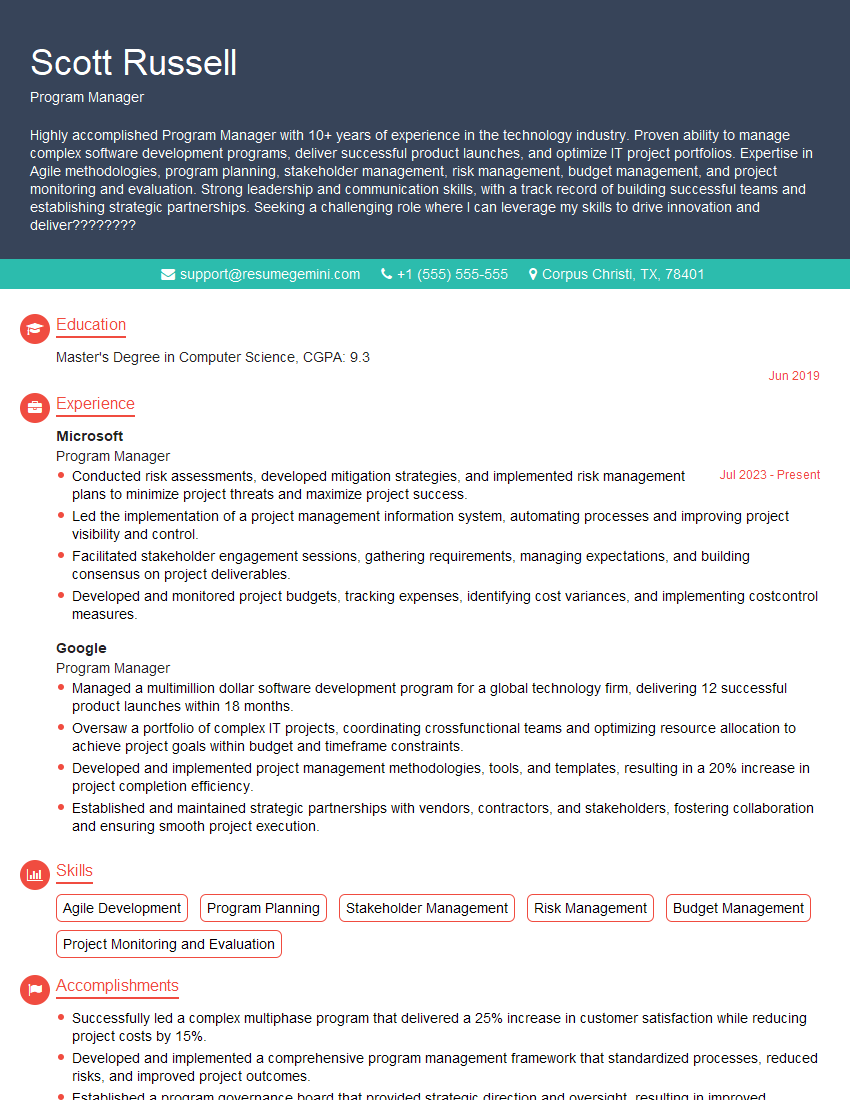
Program Manager Resume Sample
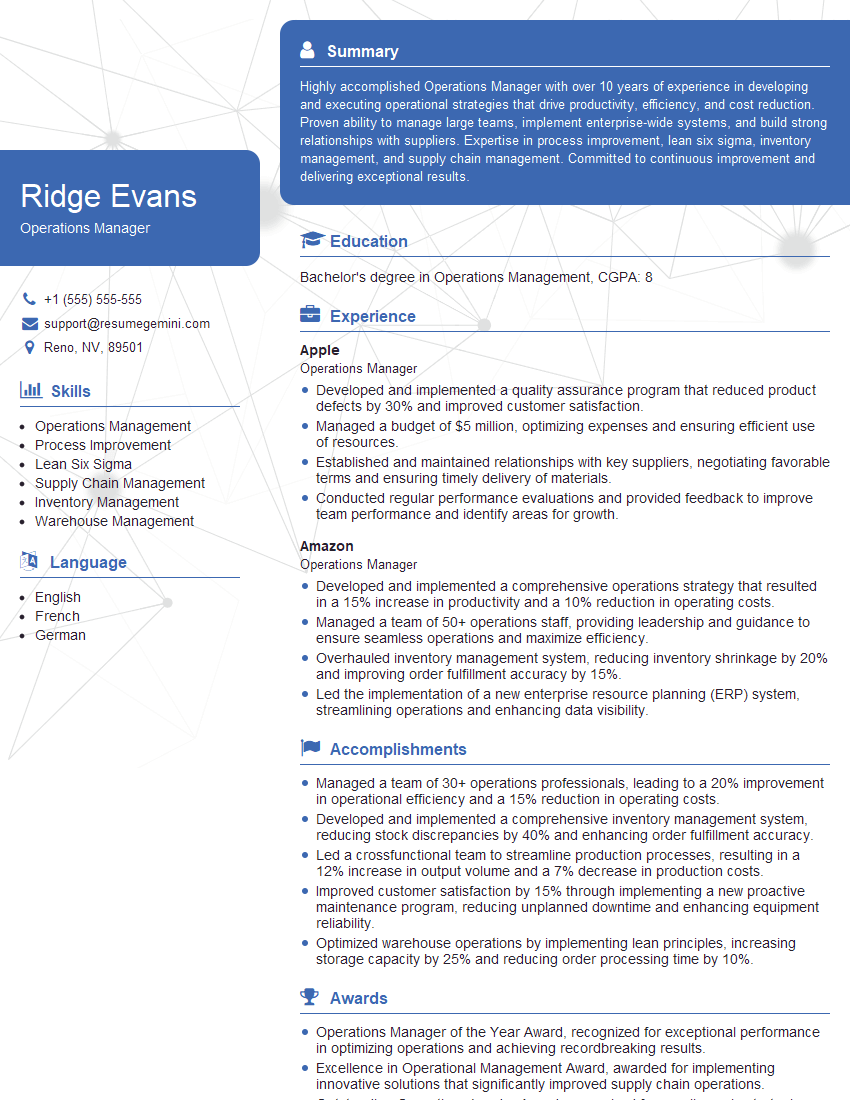
Operations Manager Resume Sample
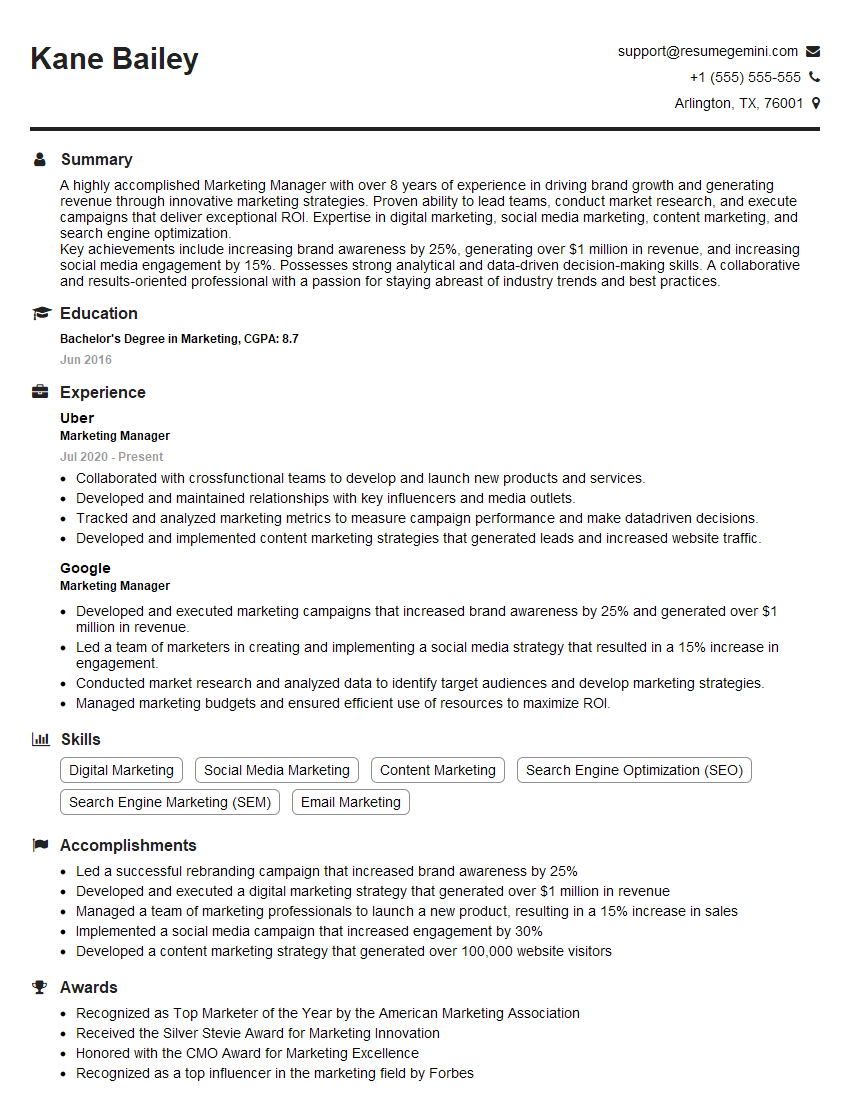
Marketing Manager Resume Sample
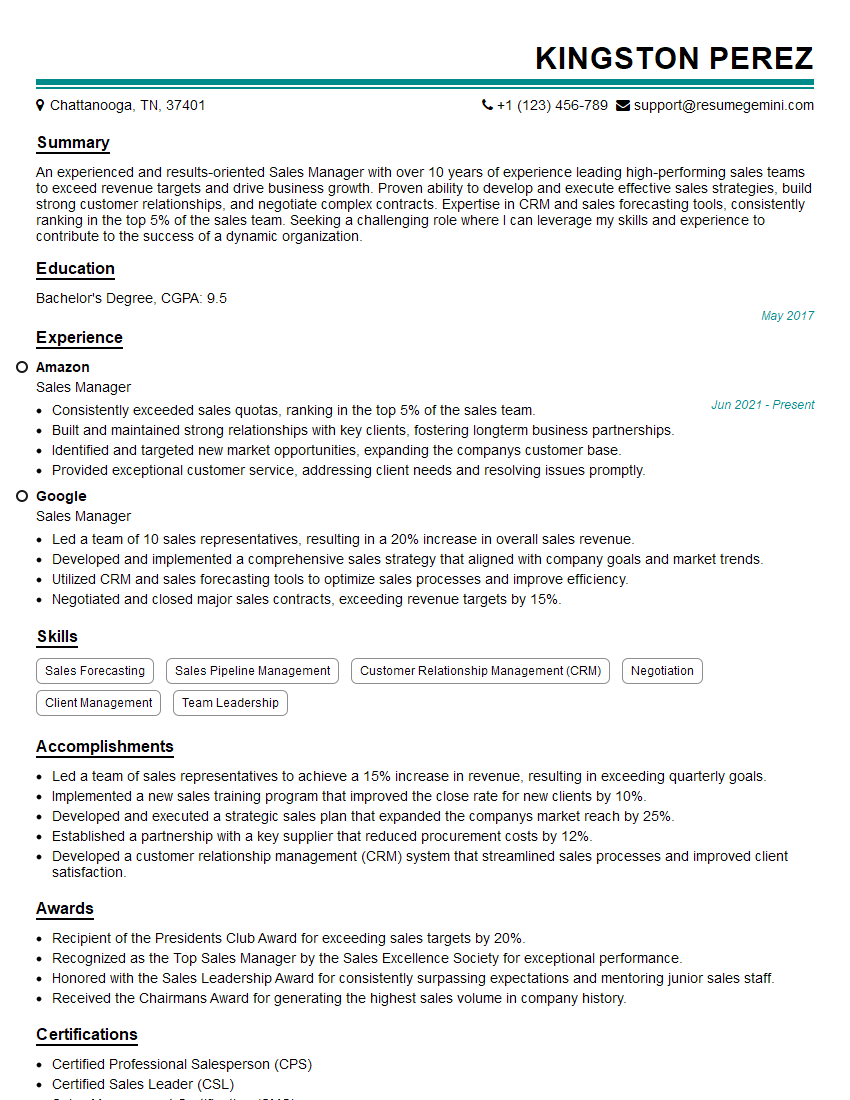
Sales Manager Resume Sample
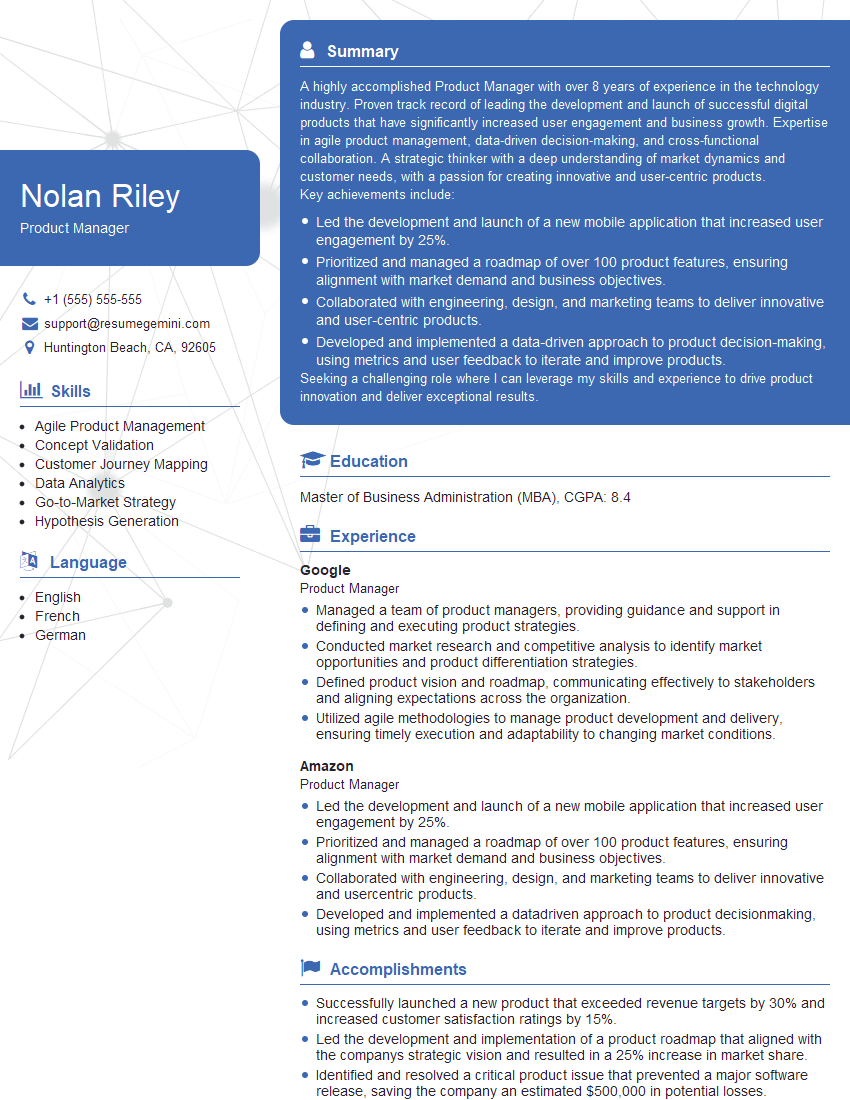
Product Manager Resume Sample
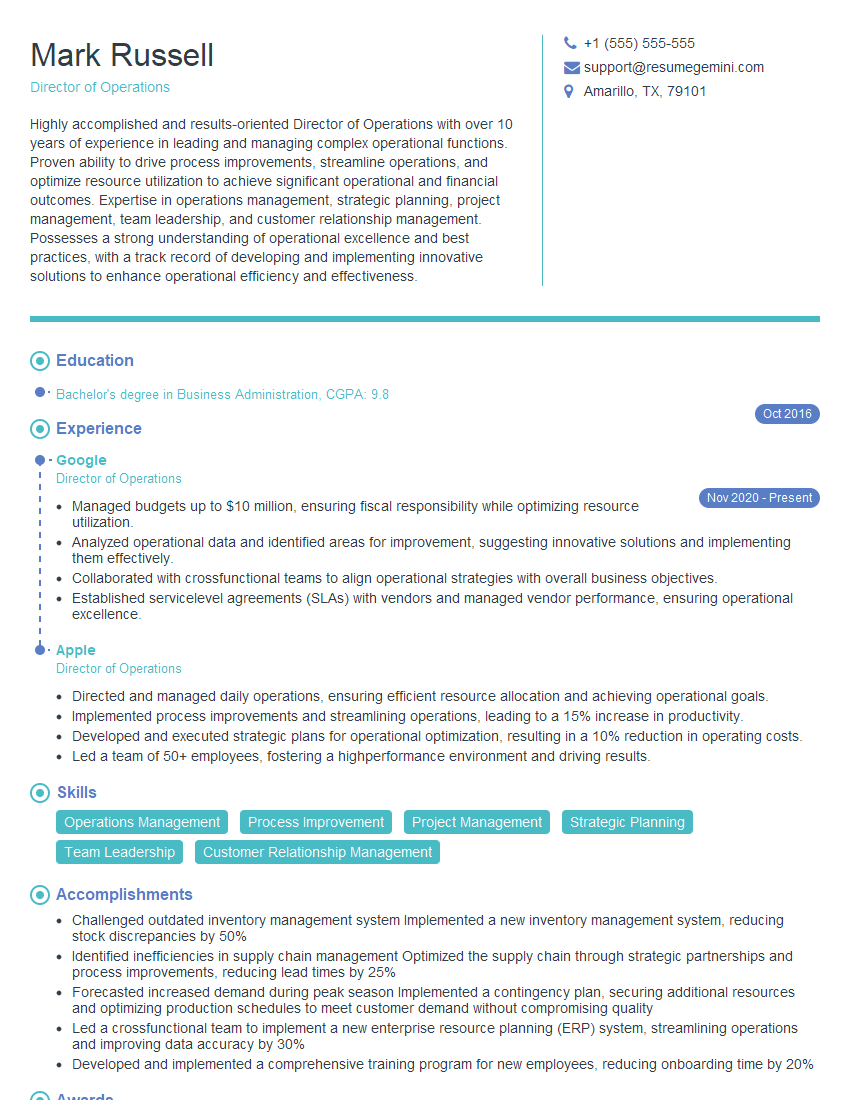
Director of Operations Resume Sample
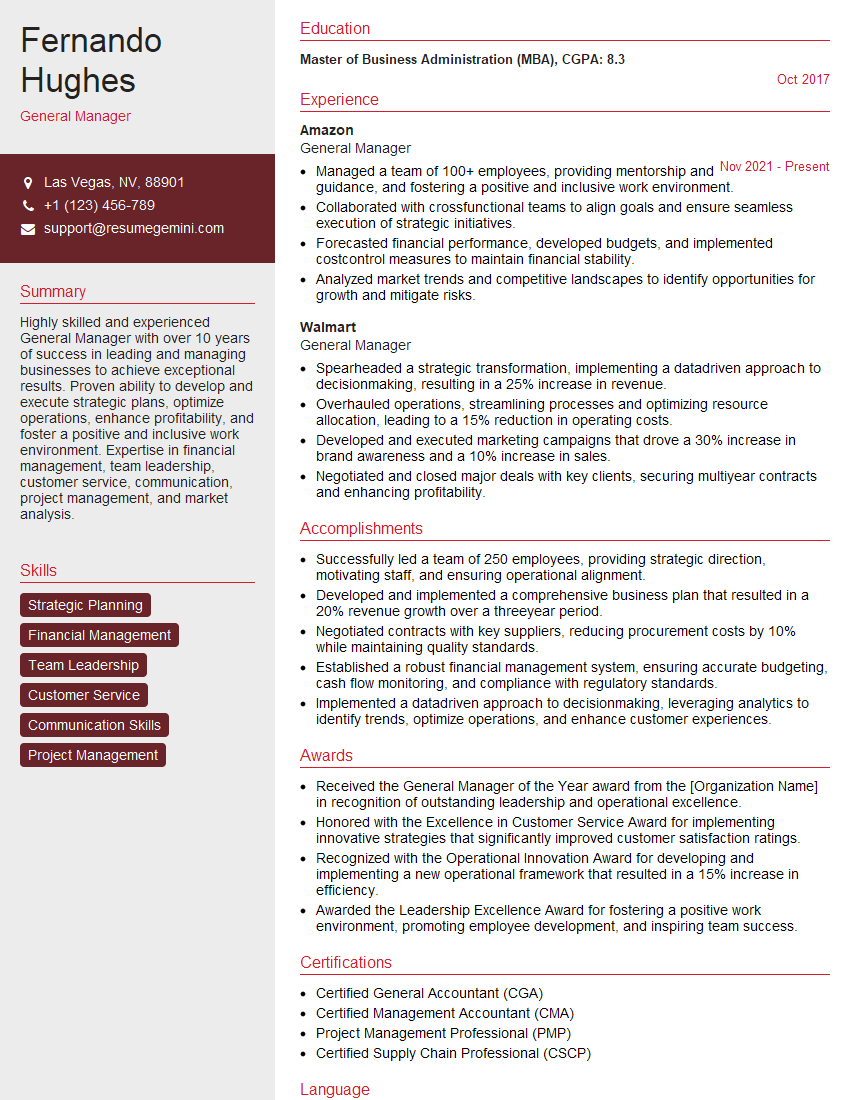
General Manager Resume Sample
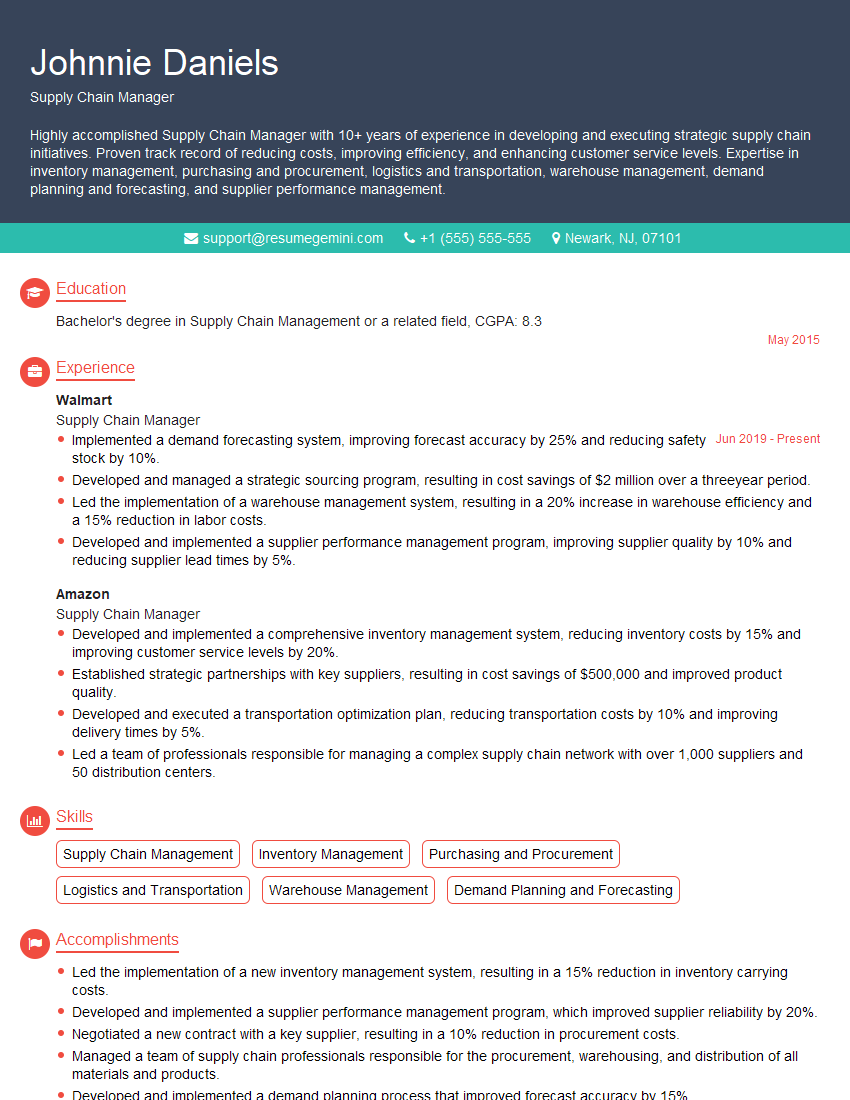
Supply Chain Manager Resume Sample
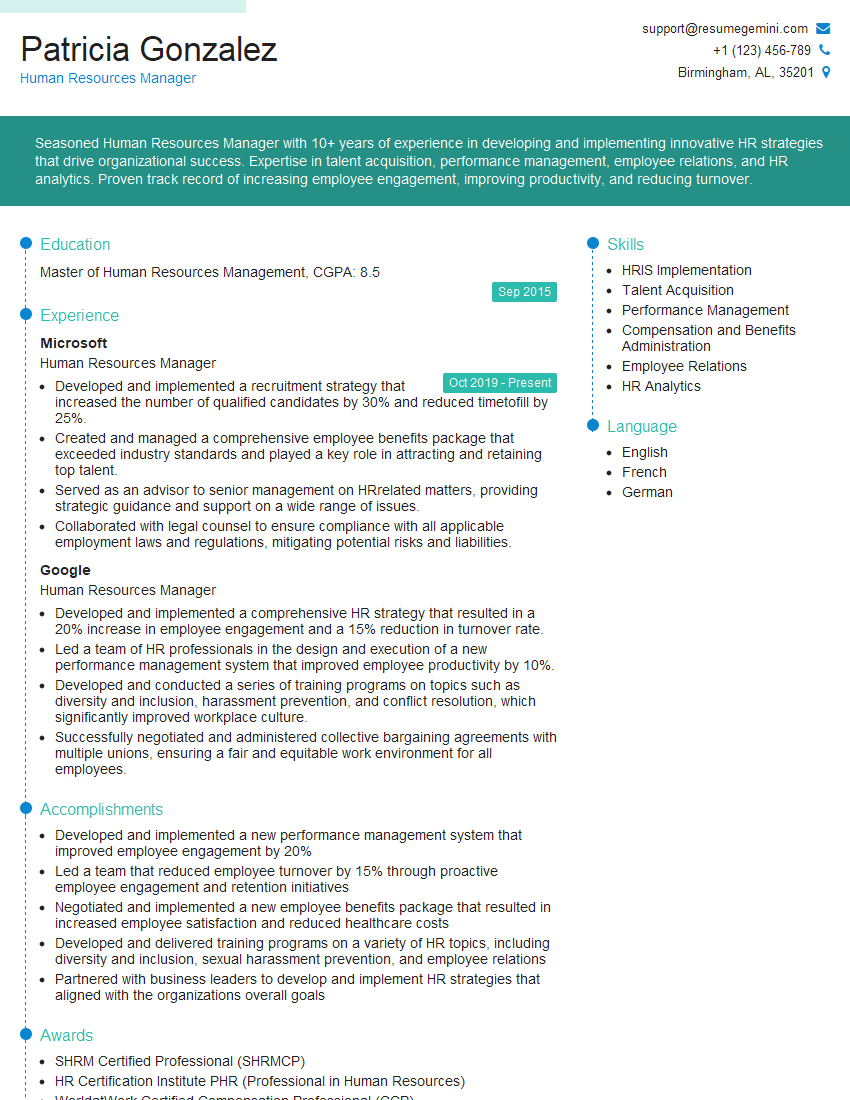
Human Resources Manager Resume Sample
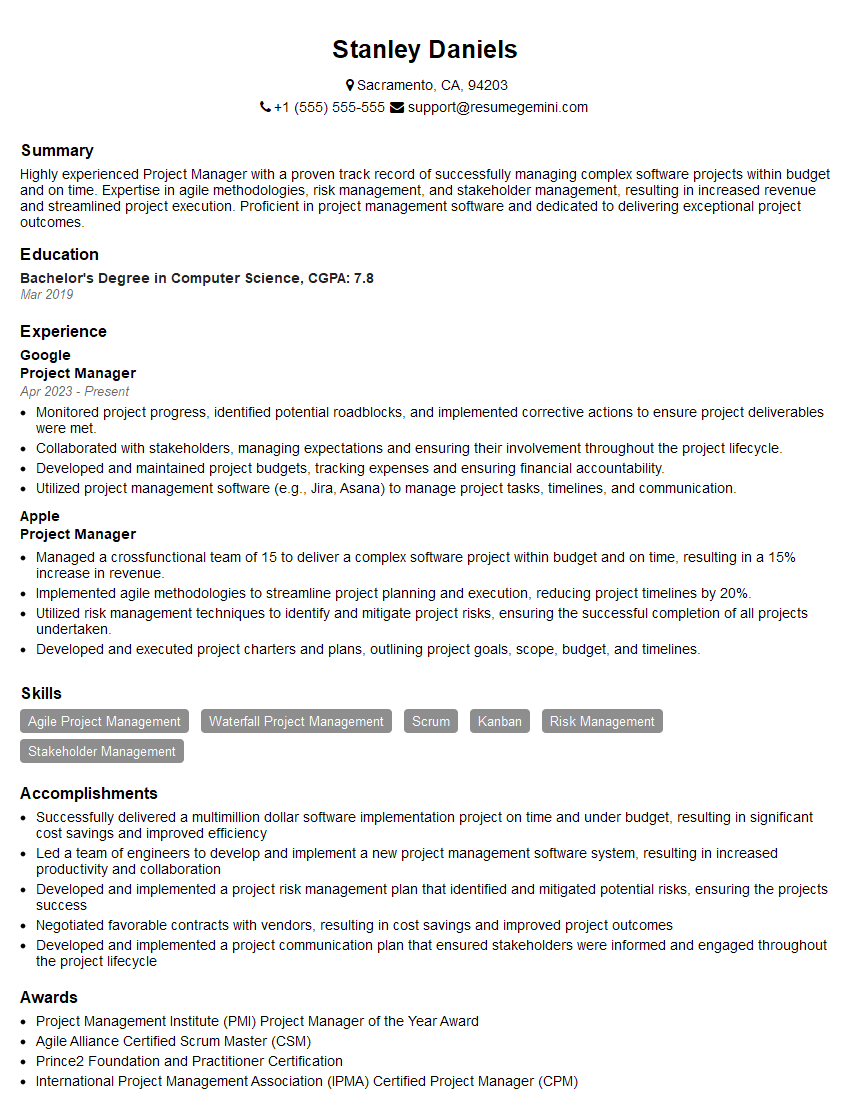
Project Manager Resume Sample
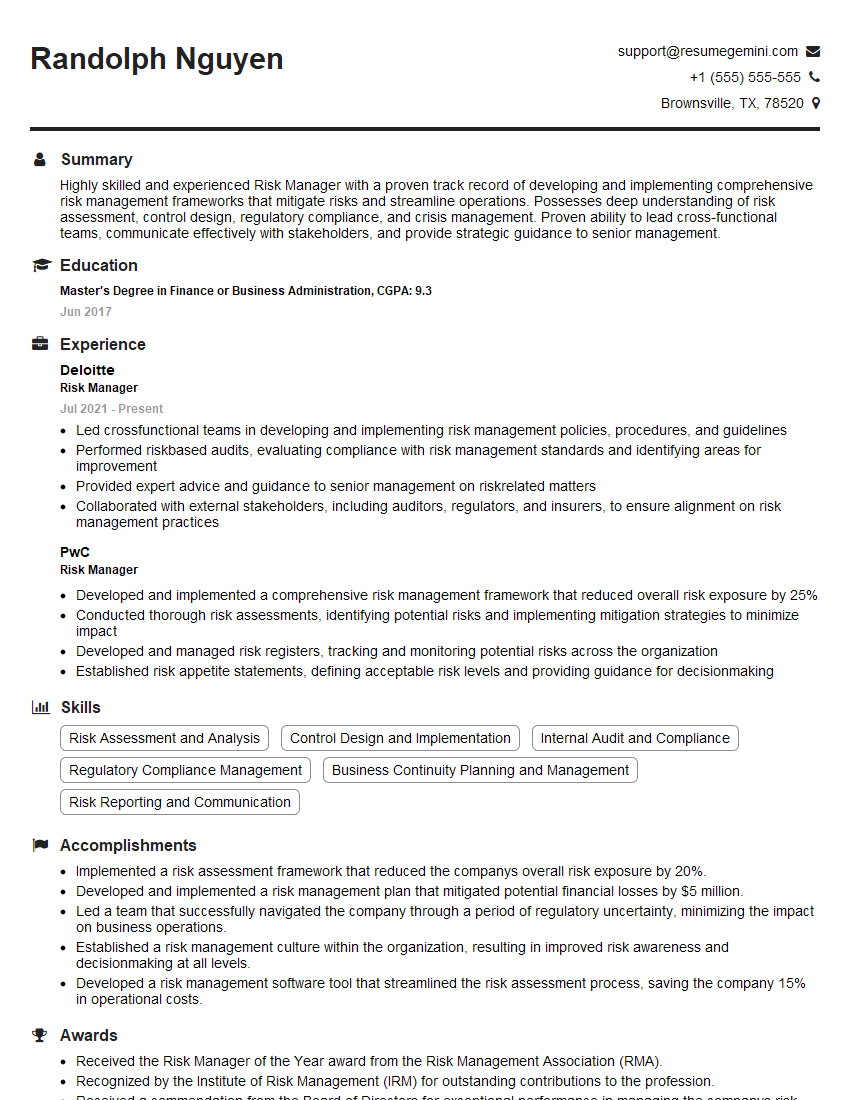
Risk Manager Resume Sample
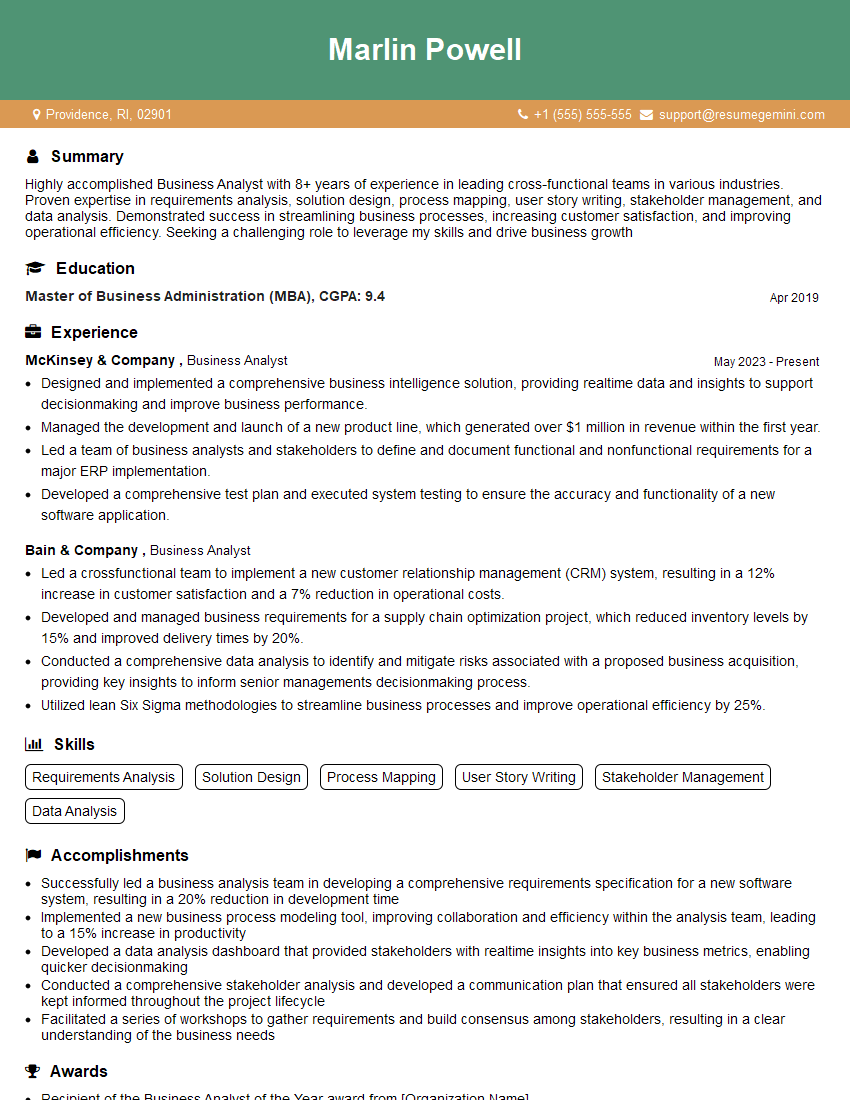
Business Analyst Resume Sample
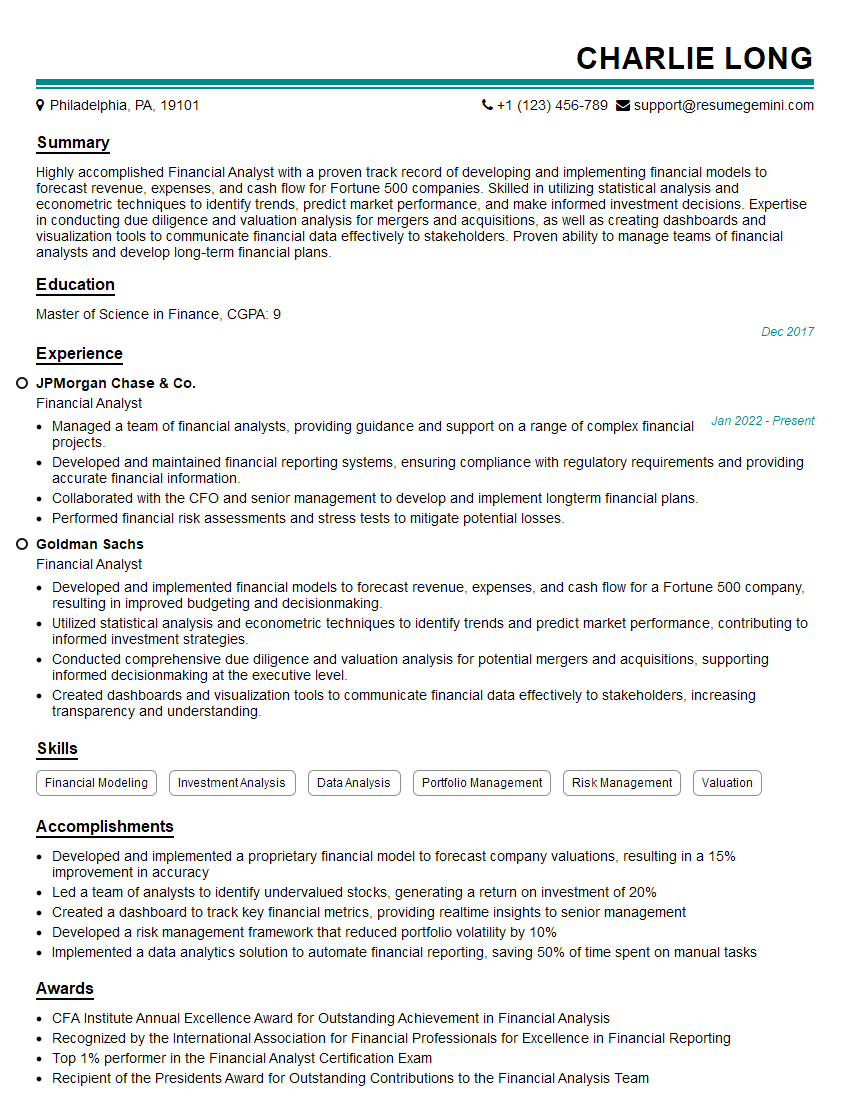
Financial Analyst Resume Sample
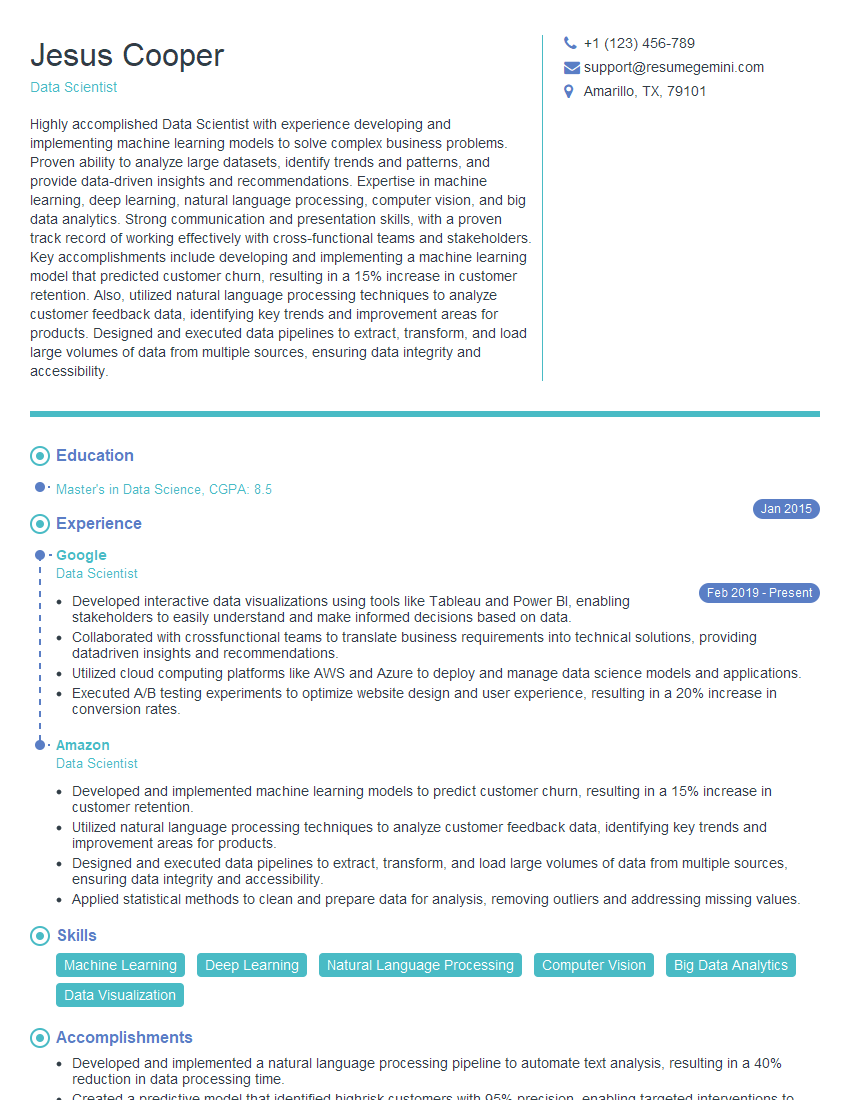
Data Scientist Resume Sample
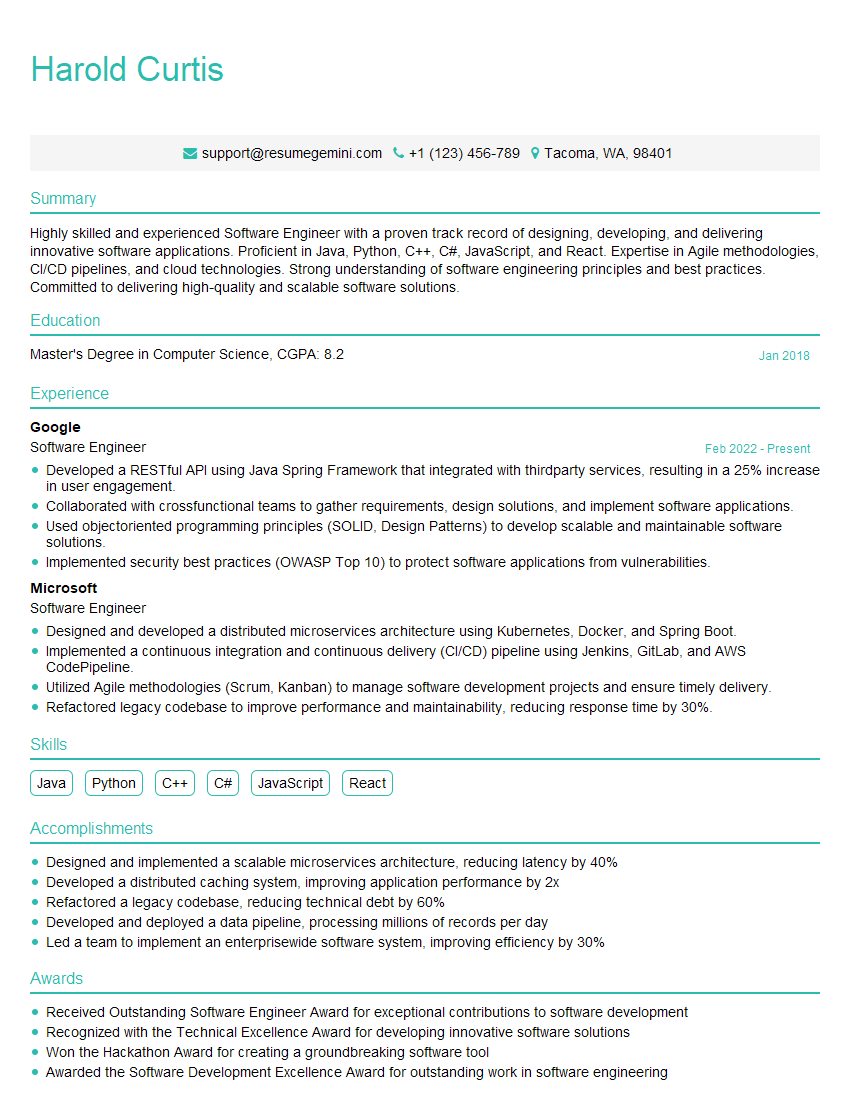
Software Engineer Resume Sample
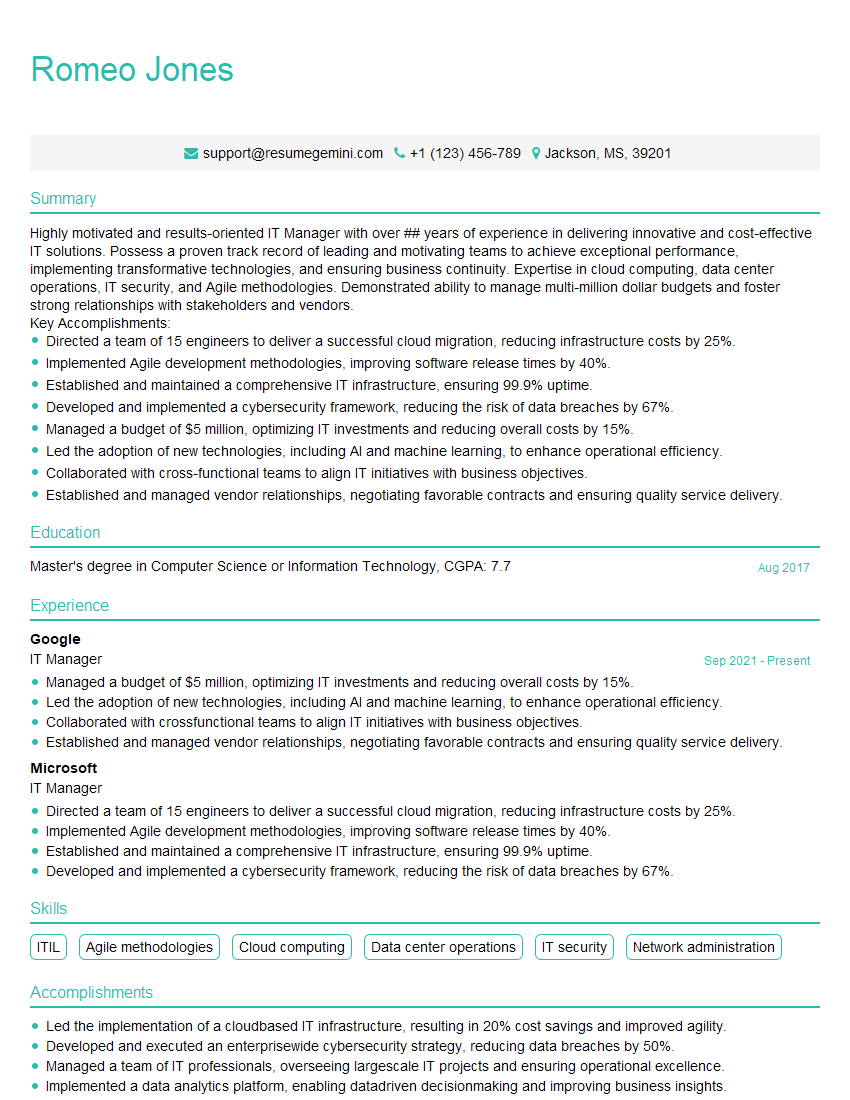
IT Manager Resume Sample
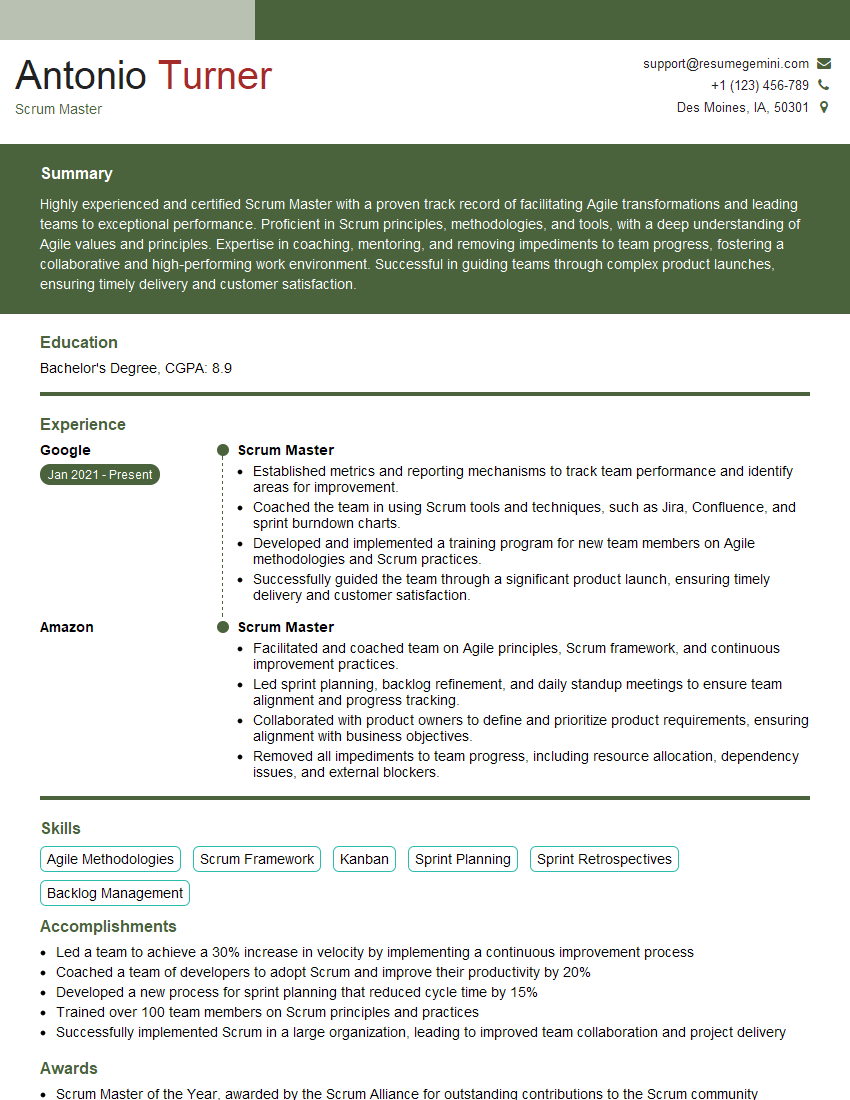
Scrum Master Resume Sample
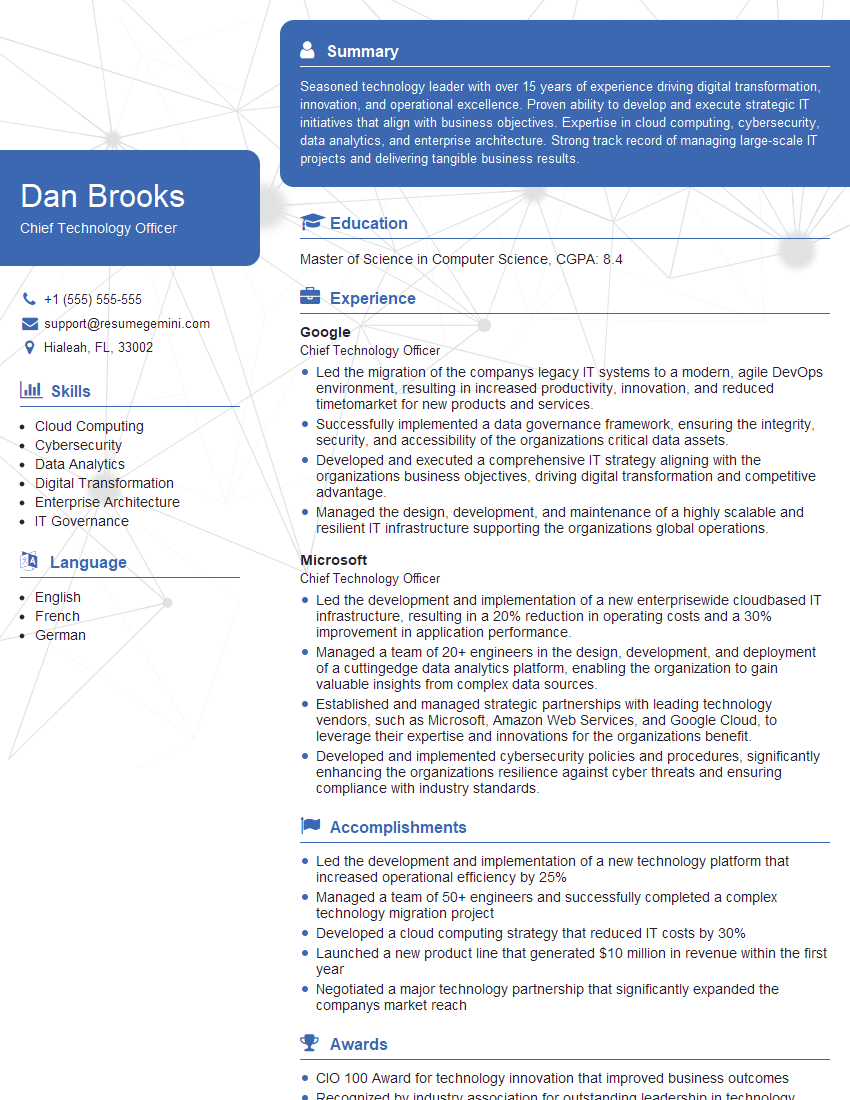
Chief Technology Officer Resume Sample
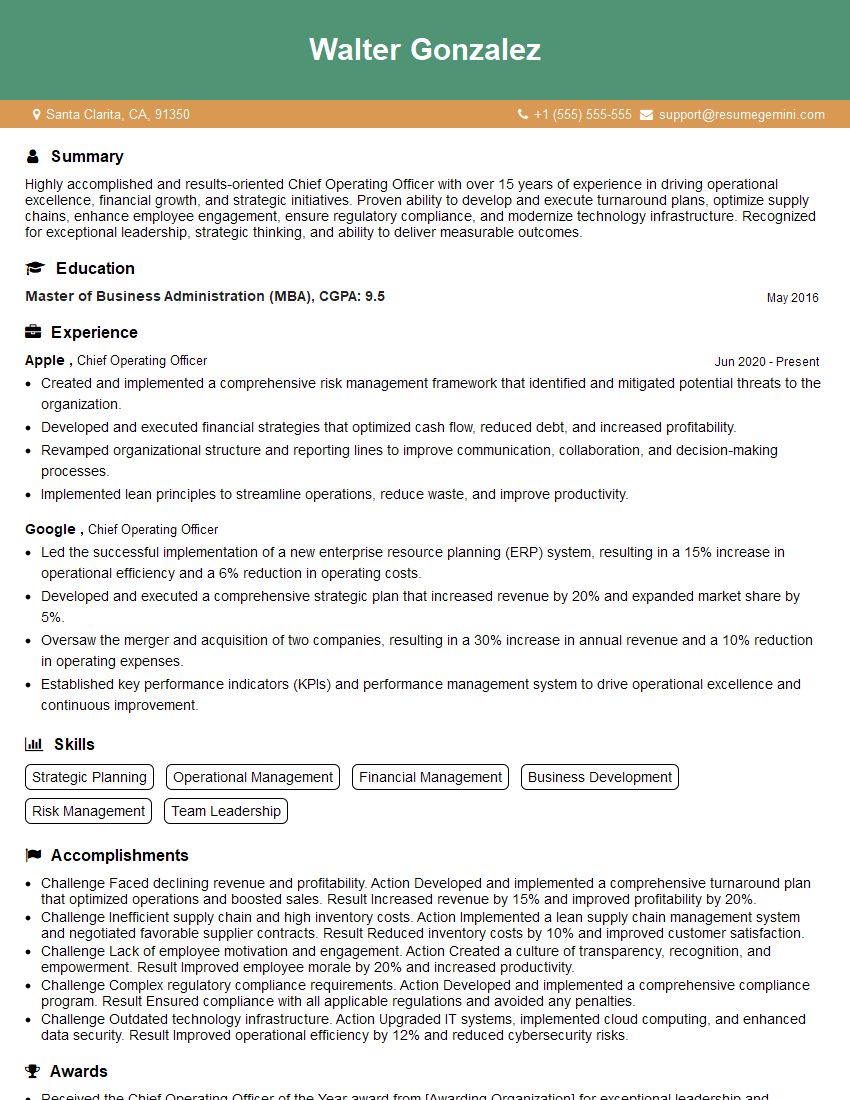
Chief Operating Officer Resume Sample
- Program Manager
- Operations Manager
- Marketing Manager
- Sales Manager
- Product Manager
- Director of Operations
- General Manager
- Supply Chain Manager
- Human Resources Manager
- Project Manager
- Risk Manager
- Business Analyst
- Financial Analyst
- Data Scientist
- Software Engineer
- IT Manager
- Scrum Master
- Chief Technology Officer
- Chief Operating Officer
Explore more articles
Users Rating of Our Blogs
Share Your Experience
We value your feedback! Please rate our content and share your thoughts (optional).
What Readers Say About Our Blog
Very informative content, great job.
good