Cracking a skill-specific interview, like one for Ability to Adapt to Changing Conditions and Manage Stress, requires understanding the nuances of the role. In this blog, we present the questions you’re most likely to encounter, along with insights into how to answer them effectively. Let’s ensure you’re ready to make a strong impression.
Questions Asked in Ability to Adapt to Changing Conditions and Manage Stress Interview
Q 1. Describe a time you had to adapt to a significant change in your work environment. What steps did you take?
Adaptability is crucial in today’s dynamic work environments. A significant change I faced was the unexpected shift from a traditional office setting to a fully remote work model during the pandemic. My initial reaction was a mix of apprehension and excitement, but I quickly recognized the need for a structured approach.
- Technology Proficiency: I invested time in upskilling my tech abilities, focusing on video conferencing tools, project management software, and communication platforms. This ensured seamless collaboration with colleagues.
- Communication Strategy: I proactively increased the frequency and clarity of communication with my team and supervisor. Regular check-ins and detailed updates prevented misunderstandings and maintained productivity.
- Work-Life Integration: I consciously created a dedicated workspace at home and established clear boundaries between work and personal life. This helped me maintain focus and prevent burnout.
- Seeking Support: I actively participated in online team-building activities and reached out to colleagues for support when needed. This maintained a sense of community and camaraderie in the new virtual environment.
Ultimately, this experience highlighted the importance of proactive learning, strong communication, and mindful self-care when adapting to substantial workplace transformations.
Q 2. How do you prioritize tasks when faced with competing deadlines and unexpected challenges?
Prioritization is an essential skill, especially when juggling multiple deadlines and unexpected events. My approach involves a structured process:
- Urgent vs. Important Matrix: I use the Eisenhower Matrix (urgent/important) to categorize tasks. Urgent and important tasks take immediate precedence, while important but non-urgent tasks are scheduled. Urgent but unimportant tasks are delegated or eliminated if possible. Non-urgent and unimportant tasks are deferred or removed altogether.
- Time Blocking: I allocate specific time blocks for focused work on high-priority tasks, minimizing distractions.
- Regular Review & Adjustment: I review my schedule and priorities daily or even multiple times a day, particularly when unexpected challenges arise. This allows for flexible adjustments as needed.
- Communication: Open communication with stakeholders is crucial. If a deadline is at risk, I proactively inform my manager and team, collaboratively seeking solutions.
This multi-faceted approach enables me to manage workload effectively, even amidst competing demands and unexpected challenges.
Q 3. Describe your approach to managing stress in a high-pressure situation.
Managing stress in high-pressure situations requires a multifaceted approach. My strategy includes:
- Mindfulness and Breathing Techniques: I utilize deep breathing exercises and mindfulness practices to calm my nerves and center myself. Even a few minutes can make a significant difference.
- Time Management: Effective time management reduces feelings of overwhelm. Prioritizing tasks and breaking down large projects into smaller, manageable steps helps alleviate pressure.
- Physical Activity: Regular physical activity, whether it’s a quick walk or a workout, is crucial for stress reduction. It helps clear my head and boost my energy levels.
- Seeking Support: Talking to trusted colleagues, friends, or family can provide a much-needed emotional outlet and perspective.
- Healthy Lifestyle: Maintaining a healthy lifestyle – sufficient sleep, nutritious diet, and limiting caffeine and alcohol – is essential for building resilience to stress.
A combination of these techniques helps me maintain composure and manage stress effectively in demanding situations.
Q 4. Have you ever had to work with a difficult team member? How did you handle the situation?
I’ve encountered difficult team members in the past. One instance involved a colleague who consistently missed deadlines and displayed a lack of communication. My approach focused on addressing the issue directly but constructively:
- Direct but Empathetic Communication: I scheduled a private meeting with the colleague to discuss the concerns in a professional and respectful manner. I focused on the impact of their actions on the team, rather than launching personal attacks.
- Collaborative Problem-Solving: I worked with the colleague to identify the root cause of the issues. Was it a lack of understanding, skill deficit, or personal challenges? We collaboratively developed strategies to improve performance, which included offering support and resources.
- Documentation: I documented all interactions and agreed-upon solutions to ensure accountability and track progress.
- Escalation (if necessary): If the issues persisted despite collaborative efforts, I escalated the matter to my manager to seek guidance and support.
While dealing with difficult team members is challenging, a direct, empathetic, and solution-oriented approach often proves effective in resolving conflicts and fostering a positive team environment.
Q 5. How do you stay calm and focused under pressure?
Staying calm and focused under pressure requires a proactive approach and preparation. This involves:
- Mental Rehearsal: I mentally prepare myself for potential challenges and practice how I’ll respond to stressful situations. This reduces anxiety and enhances my ability to react effectively.
- Deep Breathing and Mindfulness: Consciously taking deep breaths and focusing on the present moment helps calm my nerves and improve focus.
- Positive Self-Talk: I engage in positive self-talk to maintain confidence and resilience. This involves reminding myself of my skills and past successes.
- Breaking Down Tasks: I break down complex tasks into smaller, manageable steps to make them less daunting. This enhances my sense of control and reduces feelings of overwhelm.
These techniques help me remain centered and focused, even amidst high-pressure scenarios.
Q 6. Describe a time you had to make a quick decision with limited information.
In a previous project, a critical piece of equipment malfunctioned unexpectedly, jeopardizing the project timeline. I had limited information about the cause of the failure and potential solutions. My approach involved:
- Rapid Assessment: I quickly assessed the situation, gathering available data to understand the extent of the problem and potential impact.
- Information Gathering: I reached out to technical experts and consulted available resources to gather information about the equipment and potential solutions.
- Risk Assessment: I evaluated the potential risks of various courses of action, weighing the potential benefits and drawbacks.
- Decisive Action: Based on the limited information, I made a decision to implement a temporary workaround, while simultaneously initiating a full investigation into the equipment failure. This minimized disruption and allowed us to proceed with the project.
This situation highlighted the importance of quick thinking, resourcefulness, and the ability to make informed decisions despite limited data.
Q 7. How do you handle conflicting priorities?
Conflicting priorities are a common occurrence in a fast-paced work environment. My approach to managing them includes:
- Clarification and Negotiation: I clarify the importance and urgency of each priority with relevant stakeholders. This often involves negotiation to re-prioritize tasks or adjust deadlines.
- Objective Assessment: I objectively assess the impact of delaying or compromising certain priorities. This involves weighing potential risks and benefits.
- Delegation: Where feasible, I delegate tasks to other team members who have the appropriate skills and capacity.
- Seeking Support: When facing insurmountable conflicts, I seek guidance and support from my manager or other senior team members.
This systematic approach ensures that crucial tasks receive appropriate attention, while minimizing disruption and promoting overall team productivity.
Q 8. How do you learn new skills quickly and efficiently?
Learning new skills efficiently involves a structured approach. I begin by breaking down the skill into smaller, manageable components. This allows me to focus on mastering one aspect before moving on to the next, preventing overwhelm. I then utilize a variety of learning methods – visual learning through videos or diagrams, kinesthetic learning through hands-on practice, and auditory learning through podcasts or lectures – choosing the methods best suited to the specific skill. Regular self-testing and seeking feedback are crucial. Finally, I apply the new skill in real-world situations as soon as possible to solidify my understanding and identify areas needing further refinement. For example, when learning a new programming language, I started with the basics of syntax and data types, then moved onto loops and functions, practicing each concept with small coding exercises before tackling larger projects.
Q 9. What strategies do you use to stay organized and manage your workload effectively?
Effective workload management relies heavily on organization. I utilize a combination of tools and techniques. Firstly, I prioritize tasks using methods like the Eisenhower Matrix (urgent/important), ensuring that critical tasks receive immediate attention. I then break down large projects into smaller, more manageable tasks, setting realistic deadlines for each. I use digital project management tools like Trello or Asana to track progress and deadlines visually, ensuring accountability. Finally, regular time blocking and dedicated focus sessions, interspersed with short breaks, help maintain productivity and prevent burnout. For instance, I might dedicate two hours in the morning to focused work on a high-priority project, followed by a 15-minute break before tackling less urgent tasks.
Q 10. Describe a situation where you had to deal with a sudden change in plans. How did you react?
In a previous project, a critical client meeting was unexpectedly rescheduled just hours before its scheduled time due to an unforeseen conflict on their end. My initial reaction was a slight surge of stress, but I immediately shifted to problem-solving mode. I first confirmed the new timing and relayed it to all involved parties. Then I reviewed the materials to ensure they were up-to-date for the new time. I also used the extra time to prepare contingency plans for potential new challenges that might arise because of the change. The meeting went smoothly, and the swift adaptation actually allowed for some improved preparation on our side.
Q 11. How do you proactively anticipate and mitigate potential problems?
Proactive problem anticipation involves a systematic approach. I begin by identifying potential risks and challenges associated with a project or task. This might involve brainstorming sessions, reviewing past project experiences, and seeking input from others. I then analyze the likelihood and impact of each potential problem. Finally, I develop mitigation strategies for the most likely and impactful risks. This might include creating backup plans, setting contingency budgets, or establishing communication protocols for addressing unexpected issues. For example, when launching a new product, we anticipated potential supply chain disruptions and proactively secured multiple suppliers to mitigate the risk of delays.
Q 12. How do you build resilience in the face of setbacks?
Building resilience involves cultivating a positive mindset and adopting healthy coping mechanisms. I focus on reframing setbacks as learning opportunities, analyzing what went wrong and how I can improve in the future. I also practice self-compassion, acknowledging that everyone faces setbacks, and avoiding self-criticism. Seeking support from colleagues, mentors, or friends also provides valuable perspective and encouragement. Finally, maintaining a healthy work-life balance through exercise, sufficient sleep, and engaging in hobbies helps build mental and emotional resilience. For example, after missing a key deadline, instead of dwelling on the failure, I analyzed the root cause – insufficient planning – and developed a more robust project planning process for future projects.
Q 13. What are your preferred methods for managing stress?
My stress management techniques are multifaceted. Physical activities like exercise and yoga are crucial for releasing tension and boosting endorphins. Mindfulness and meditation practices help me focus on the present moment and reduce anxiety. Getting enough sleep and maintaining a healthy diet are also essential for managing stress effectively. Time management techniques, as discussed earlier, prevent feeling overwhelmed by workload. Finally, engaging in hobbies and activities I enjoy helps maintain a healthy work-life balance and provides a much-needed mental break. I tailor my stress management approach based on the specific stressor; for example, for short-term high-pressure situations I might use deep breathing exercises, while for long-term stress I’d focus on lifestyle changes.
Q 14. Describe a time when you had to adapt to a new technology or process.
Recently, our team transitioned to a new project management software. Initially, I felt some resistance to the change, as I was comfortable with the previous system. However, I actively embraced the learning process. I started by watching the software’s training videos and carefully reading the documentation. I then experimented with the software’s features using sample projects, focusing on understanding its key functionalities and differences from the old system. I also sought help from colleagues who were more familiar with the new software, and actively participated in team training sessions. This proactive approach ensured a smooth transition and allowed me to quickly become proficient in using the new technology. The result was improved project management and increased team efficiency.
Q 15. How do you effectively communicate changes to your team or colleagues?
Effective communication of change is crucial for team cohesion and project success. My approach involves transparency, clarity, and empathy. I start by clearly articulating the why behind the change, addressing potential concerns proactively. I then provide specific details about the what and how, using multiple communication channels to ensure everyone receives the information. This might include a team meeting, followed by an email summarizing key points and providing supporting documentation.
For example, when our team transitioned to a new project management software, I organized a training session, provided written instructions, and offered individual support to address any questions or challenges. I also created a FAQ document to preemptively address common concerns. Regular check-ins and open communication channels ensured everyone felt heard and understood throughout the transition.
Career Expert Tips:
- Ace those interviews! Prepare effectively by reviewing the Top 50 Most Common Interview Questions on ResumeGemini.
- Navigate your job search with confidence! Explore a wide range of Career Tips on ResumeGemini. Learn about common challenges and recommendations to overcome them.
- Craft the perfect resume! Master the Art of Resume Writing with ResumeGemini’s guide. Showcase your unique qualifications and achievements effectively.
- Don’t miss out on holiday savings! Build your dream resume with ResumeGemini’s ATS optimized templates.
Q 16. How do you remain positive and motivated when facing challenges?
Maintaining positivity and motivation during challenges involves a multi-pronged approach. Firstly, I focus on reframing challenges as opportunities for growth and learning. This shifts my perspective from negativity to a proactive problem-solving mode. Secondly, I prioritize self-care, ensuring adequate rest, healthy eating, and engaging in activities I enjoy outside of work. This replenishes my energy and resilience. Finally, I leverage my support network – both personal and professional – to discuss challenges and brainstorm solutions.
During a particularly stressful project deadline, I maintained my motivation by breaking down the large task into smaller, manageable steps. Celebrating each milestone helped me stay focused and avoid feeling overwhelmed. I also made sure to take short breaks to avoid burnout. This helped me maintain my positive outlook and successfully deliver the project on time.
Q 17. Describe a situation where you had to work under time constraints. What was your approach?
Working under time constraints requires a structured and efficient approach. My strategy involves prioritization, efficient delegation, and effective communication. I begin by identifying the critical tasks and deadlines, using tools like Gantt charts to visualize the project timeline and allocate resources effectively.
In one instance, we faced a critical bug that needed to be fixed before a major product launch. With a tight deadline, I prioritized the most critical aspects of the bug fix, delegated specific tasks to team members with the relevant expertise, and utilized agile methodologies to swiftly test and implement solutions. We held daily stand-up meetings to track progress, identify roadblocks and maintain a collaborative and proactive approach. This allowed us to address the issue within the time constraints and avoid compromising the launch.
Q 18. How do you ensure you maintain a healthy work-life balance?
Maintaining a healthy work-life balance is a continuous effort that requires intentionality and discipline. I set clear boundaries between work and personal time, avoiding checking emails or working late into the night unless absolutely necessary. I schedule dedicated time for activities I enjoy, such as spending time with family and friends, exercising, and pursuing hobbies.
This is not always easy; but I prioritize planning my day carefully. I use a calendar to schedule work tasks, personal appointments, and leisure activities, creating a visual representation of my time allocation. I also ensure I take regular breaks throughout the workday to rest and recharge. This prevents burnout and allows me to be more focused and productive.
Q 19. How do you handle criticism or negative feedback?
I view criticism and negative feedback as valuable opportunities for growth. My approach involves active listening, seeking clarification, and responding constructively. I avoid becoming defensive and instead focus on understanding the feedback’s intent and identifying areas for improvement.
For instance, when I received feedback that my communication style was sometimes too direct, I reflected on this criticism and actively worked on improving my communication approach, focusing on empathy and considering different communication styles. This feedback helped me develop stronger and more effective communication skills. I actively sought further feedback to gauge my progress and continue to refine my approach.
Q 20. What techniques do you use to improve your problem-solving skills?
I employ several techniques to enhance my problem-solving skills. These include a structured approach to problem identification, brainstorming solutions, and evaluating outcomes. I find the ‘5 Whys’ technique particularly useful for getting to the root cause of a problem. This involves repeatedly asking ‘why’ to uncover the underlying issue.
Furthermore, I actively seek diverse perspectives, leveraging the knowledge and experience of colleagues to generate creative solutions. I always try to document my problem-solving processes, including the steps I took, the challenges I encountered, and the lessons I learned. This process of reflection and documentation significantly improves my future problem-solving capabilities.
Q 21. Describe your ability to handle multiple projects simultaneously.
Handling multiple projects simultaneously requires strong organizational skills and the ability to prioritize tasks effectively. I utilize project management tools and methodologies, such as agile frameworks or Kanban boards, to visualize the progress of each project and manage deadlines effectively.
I break down large projects into smaller, manageable tasks, assigning deadlines and responsibilities to myself or other team members, ensuring clear communication and collaboration throughout the process. I schedule dedicated time blocks for each project and regularly review my progress, adapting my approach as needed. Regular communication with stakeholders ensures that expectations are met and potential issues are addressed proactively.
Q 22. How do you delegate tasks effectively under pressure?
Effective delegation under pressure hinges on trust, clear communication, and a well-defined process. It’s not about dumping tasks; it’s about strategically assigning responsibilities to the right individuals based on their skills and capacity.
- Assess Team Capabilities: I first identify team members whose skills align with the task. Consider not just technical skills, but also their ability to handle pressure and work independently.
- Clearly Define Expectations: Provide crystal-clear instructions, including deadlines, desired outcomes, and acceptable quality standards. Avoid ambiguity. Using a project management tool to track progress is immensely helpful.
- Empower and Support: Grant team members the authority to make decisions within the defined scope. Regular check-ins are vital to provide support and address any roadblocks.
- Monitor Progress, but Don’t Micromanage: Track progress without excessive oversight. This fosters trust and allows team members to take ownership. Regular updates, perhaps using short daily stand-ups, keep everyone aligned.
For instance, during a critical product launch, I once delegated testing to a junior team member who showed strong attention to detail. By providing him with clear test cases and a structured reporting system, he not only met the deadlines but also identified crucial bugs that would have otherwise gone unnoticed. This also provided him with invaluable experience.
Q 23. How do you handle uncertainty and ambiguity in the workplace?
Uncertainty and ambiguity are inherent in many workplaces. My approach involves embracing a structured, proactive method to manage these situations.
- Information Gathering: The first step is to gather as much information as possible, even if it’s incomplete. This includes talking to stakeholders, reviewing relevant documents, and researching related issues.
- Scenario Planning: Based on the available information, I develop multiple plausible scenarios and associated potential outcomes. This helps anticipate challenges and prepare mitigation strategies.
- Adaptive Planning: Instead of rigidly sticking to a plan, I embrace agile methodologies, allowing for flexibility and adjustments based on new information or changing circumstances. Regular reviews and iterations are key.
- Open Communication: Transparency is crucial. I proactively communicate uncertainties and potential challenges to relevant stakeholders, fostering collective problem-solving.
For example, during a market shift that created significant uncertainty, I facilitated a team brainstorming session to identify various potential scenarios. By outlining plans for each, we were far better prepared when the market did in fact shift, leading to a smoother transition and more effective responses.
Q 24. Describe a time you had to adjust to a new team or organizational structure.
I recently transitioned to a new team with a significantly different working style. The previous team was highly structured and followed a waterfall project methodology, whereas the new team embraced agile principles.
- Observation and Learning: Initially, I focused on observing the team dynamics and processes. This helped me understand their communication styles and decision-making processes.
- Active Participation: I actively participated in team meetings and actively sought feedback on my contributions. This allowed me to integrate seamlessly into the team’s workflow.
- Seeking Clarification: I wasn’t afraid to ask questions to clarify roles, responsibilities, and processes, ensuring I understood expectations.
- Adapting My Approach: I adjusted my work style to fit the team’s agile approach. This included learning new tools and adapting my approach to collaborative work.
The transition was smooth because I actively sought understanding and adapted my methods to align with the new team culture. My proactive approach quickly established trust and acceptance from my colleagues.
Q 25. How do you prioritize your own well-being while meeting demanding work requirements?
Prioritizing well-being amidst demanding work is crucial for long-term success and preventing burnout. It requires a conscious effort and a holistic approach.
- Time Management: Effective time management is key. I use techniques like time blocking and prioritizing tasks to ensure that I allocate sufficient time for both work and personal activities.
- Healthy Lifestyle: Maintaining a healthy lifestyle is paramount. This includes regular exercise, a balanced diet, and sufficient sleep. Even short breaks throughout the day can make a significant difference.
- Mindfulness and Stress Management: I incorporate mindfulness techniques such as meditation or deep breathing exercises to manage stress and improve focus.
- Setting Boundaries: Setting clear boundaries between work and personal life is crucial. This might involve disconnecting from work emails outside of work hours or scheduling specific times for personal activities.
I find that regular exercise significantly helps me manage stress and improves my cognitive function, allowing me to tackle demanding work with greater focus and efficiency.
Q 26. Describe a situation where you had to overcome a significant obstacle. What was your strategy?
In a previous role, we faced a significant challenge when a key software system unexpectedly failed, causing a major disruption to our operations.
- Problem Definition: The first step was to clearly define the problem. We quickly assessed the extent of the damage and identified the root cause of the failure.
- Emergency Response: We immediately implemented a contingency plan to minimize disruption. This involved setting up a temporary workaround and communicating the issue to stakeholders.
- Root Cause Analysis: We conducted a thorough root cause analysis to understand why the system failed and to prevent similar incidents from happening again. This involved analyzing system logs, interviewing users, and reviewing our infrastructure.
- Solution Implementation: Once the root cause was identified, we implemented a permanent solution, which involved upgrading the software and improving our infrastructure.
Our systematic approach, from immediate response to comprehensive analysis and solution implementation, mitigated the impact and prevented future occurrences. This experience taught me the importance of preparedness, effective communication, and thorough problem-solving.
Q 27. How do you ensure your work remains high-quality even during periods of high stress?
Maintaining high-quality work under stress necessitates strategic planning and self-awareness.
- Prioritization and Focus: I prioritize tasks based on their importance and urgency. Focusing on one task at a time improves accuracy and reduces errors.
- Time Management Techniques: Using time-management techniques like the Pomodoro Technique (working in focused bursts with short breaks) helps maintain concentration and prevent burnout.
- Quality Checks: I incorporate regular quality checks into my workflow to ensure that my work meets the required standards. This may include peer reviews or self-reviews.
- Self-Care: Prioritizing self-care, including breaks and mindfulness exercises, helps maintain focus and reduces the likelihood of errors caused by stress.
For example, during a particularly hectic project deadline, I intentionally scheduled short breaks to stretch and refocus. This enabled me to sustain high-quality work, despite the pressures.
Q 28. What are your strategies for maintaining productivity during periods of change?
Maintaining productivity during change requires a proactive and adaptable approach.
- Embrace Change: Actively embrace change as an opportunity for growth and improvement rather than a threat.
- Stay Informed: Stay informed about the changes happening within the organization and their impact on your work.
- Seek Clarity: Seek clarification on new roles, responsibilities, and processes if you are unsure of anything.
- Prioritize and Adapt: Prioritize tasks based on their importance and adjust your work style to fit the new circumstances.
- Continuous Learning: Embrace opportunities to learn new skills or knowledge that will be relevant in the new environment.
During a recent organizational restructuring, I actively participated in training sessions and sought feedback on my performance. This allowed me to adapt quickly and maintain productivity throughout the transition.
Key Topics to Learn for Ability to Adapt to Changing Conditions and Manage Stress Interviews
- Understanding Change: Explore different types of workplace change (e.g., process changes, technological advancements, organizational restructuring) and their potential impact.
- Proactive Adaptability: Discuss strategies for anticipating and preparing for potential changes. This includes continuous learning, seeking feedback, and developing a flexible mindset.
- Reactive Adaptability: Detail approaches for effectively handling unexpected changes and setbacks. This involves problem-solving skills, resourcefulness, and the ability to adjust priorities.
- Stress Management Techniques: Examine various stress management strategies, such as time management, prioritization, mindfulness, and seeking support from colleagues or mentors.
- Resilience Building: Focus on developing resilience – the ability to bounce back from adversity – through self-reflection, positive self-talk, and learning from mistakes.
- Communication During Change: Highlight the importance of clear and effective communication during periods of transition. This includes active listening, providing constructive feedback, and maintaining positive relationships.
- Problem-Solving in Dynamic Environments: Practice applying problem-solving methodologies in scenarios involving unexpected challenges and limited resources. Emphasize the importance of structured approaches.
- Decision-Making Under Pressure: Discuss the ability to make sound judgments and decisions even when facing time constraints or high-pressure situations.
Next Steps
Mastering your ability to adapt to changing conditions and manage stress is crucial for career advancement. It demonstrates key skills employers highly value: resilience, problem-solving, and emotional intelligence. To showcase these skills effectively to potential employers, create a strong, ATS-friendly resume that highlights your relevant experiences and accomplishments. ResumeGemini is a trusted resource that can help you build a professional resume tailored to your unique strengths. We provide examples of resumes tailored to showcasing your ability to adapt to changing conditions and manage stress; review these examples to refine your own application materials.
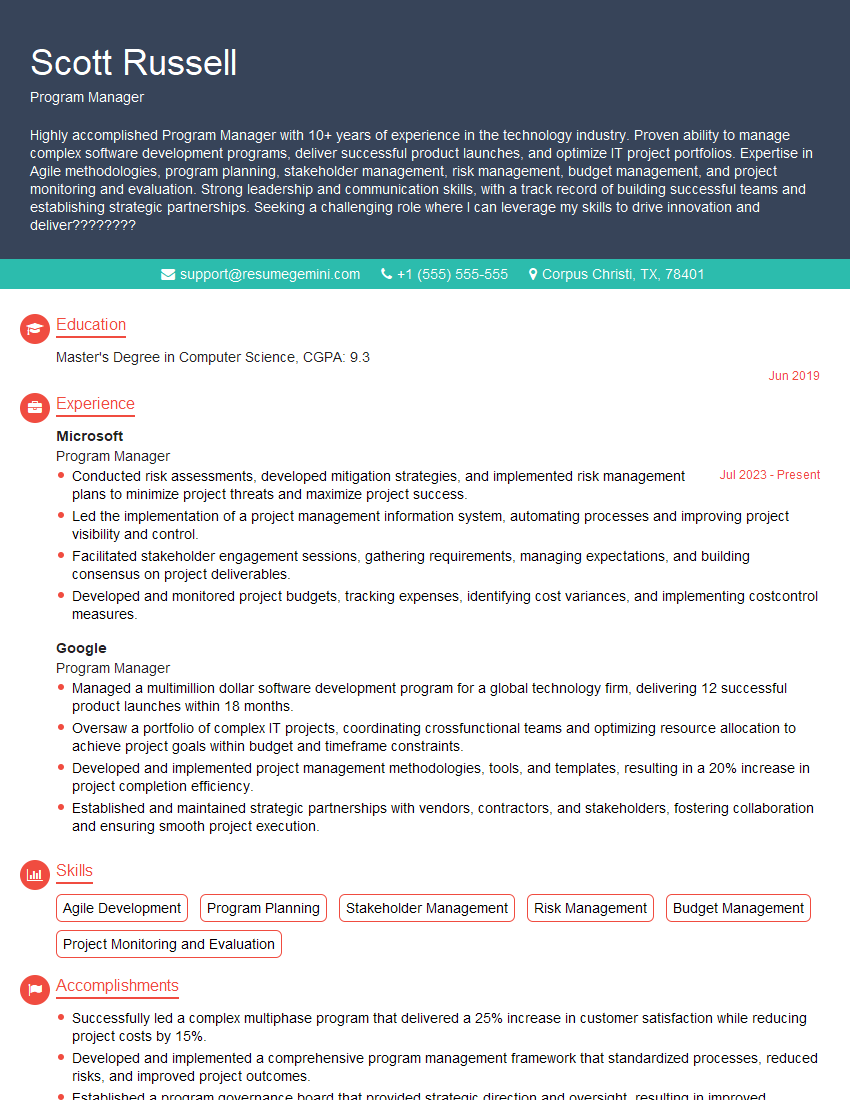
Program Manager Resume Sample

Operations Manager Resume Sample
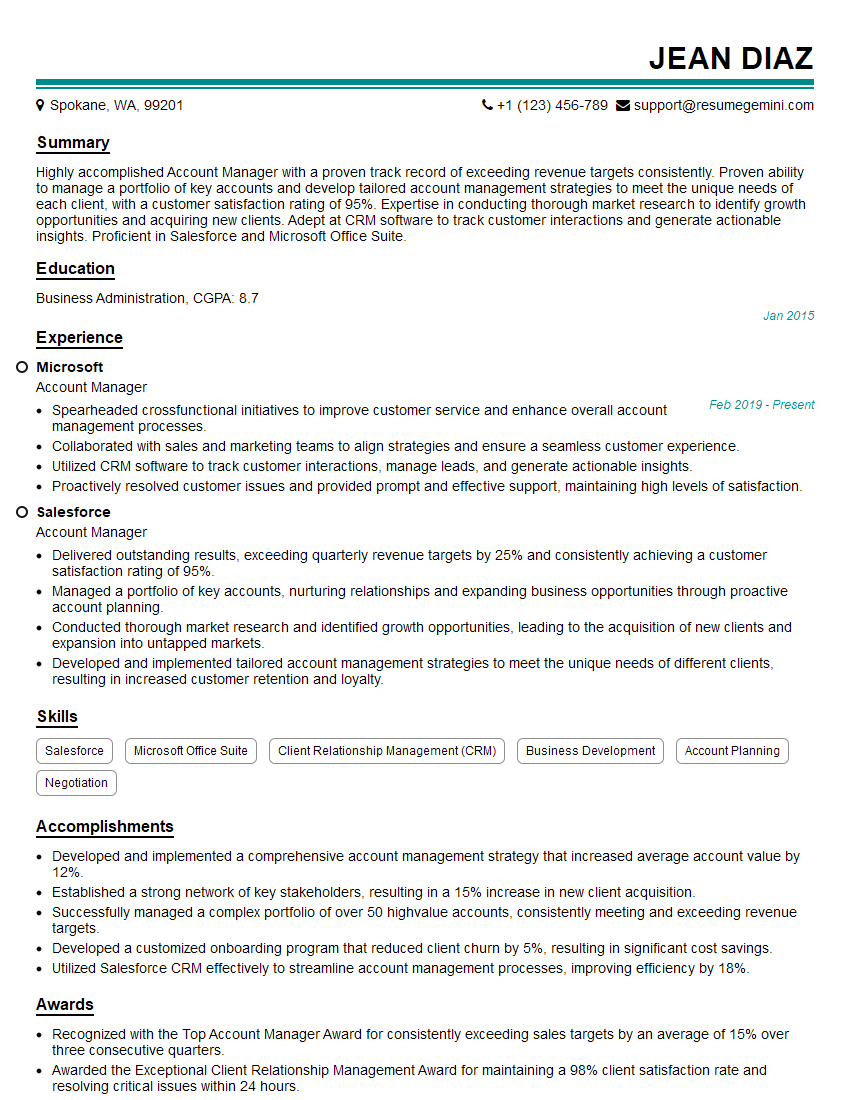
Account Manager Resume Sample
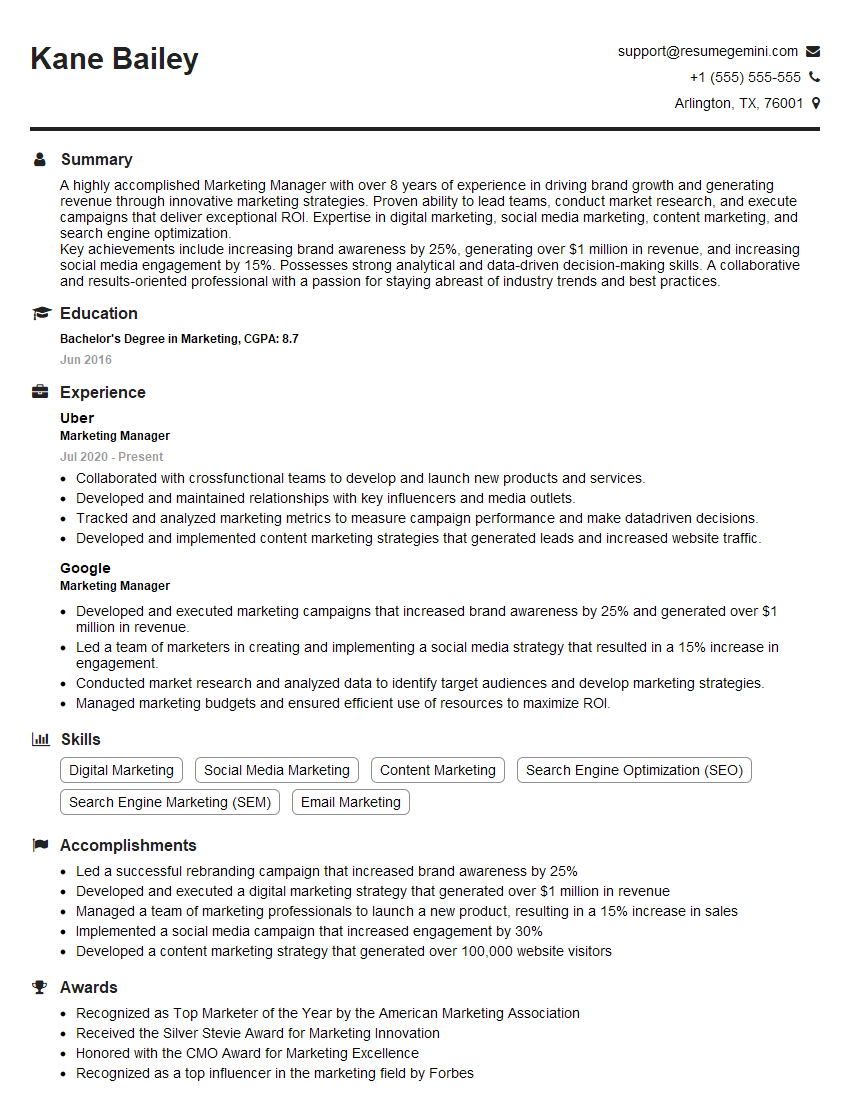
Marketing Manager Resume Sample
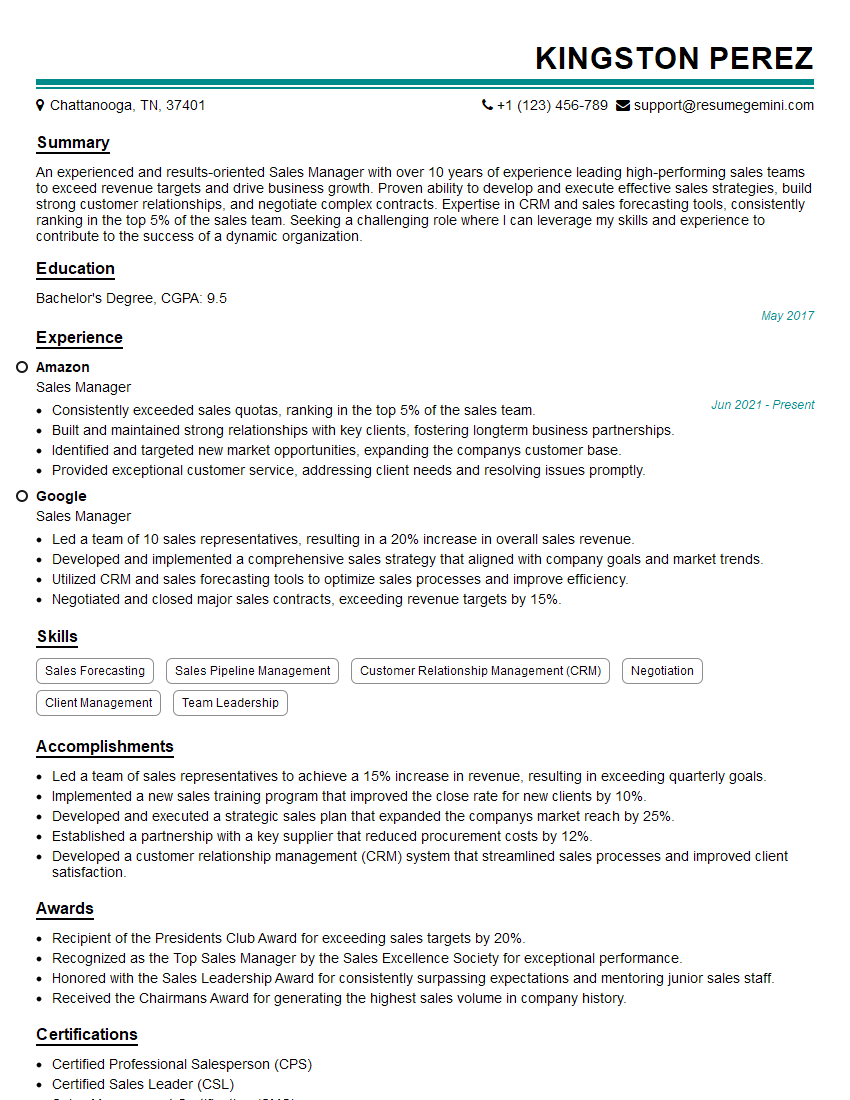
Sales Manager Resume Sample
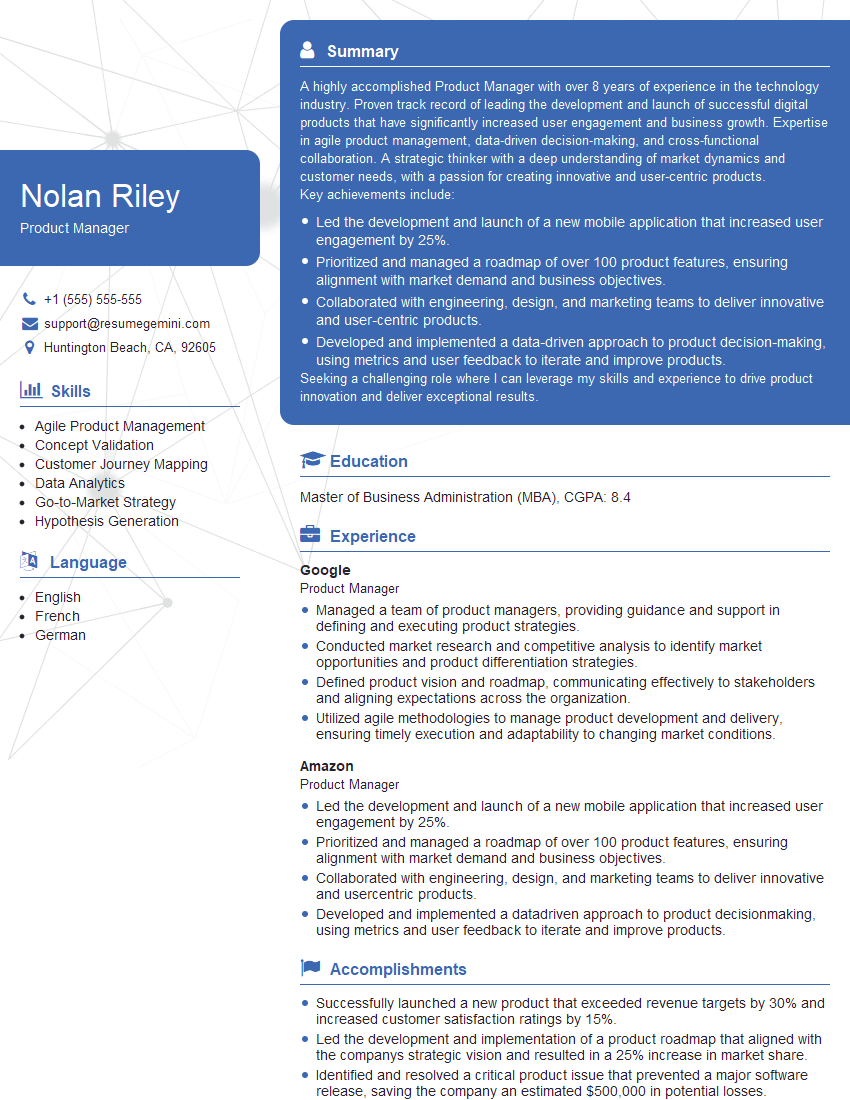
Product Manager Resume Sample
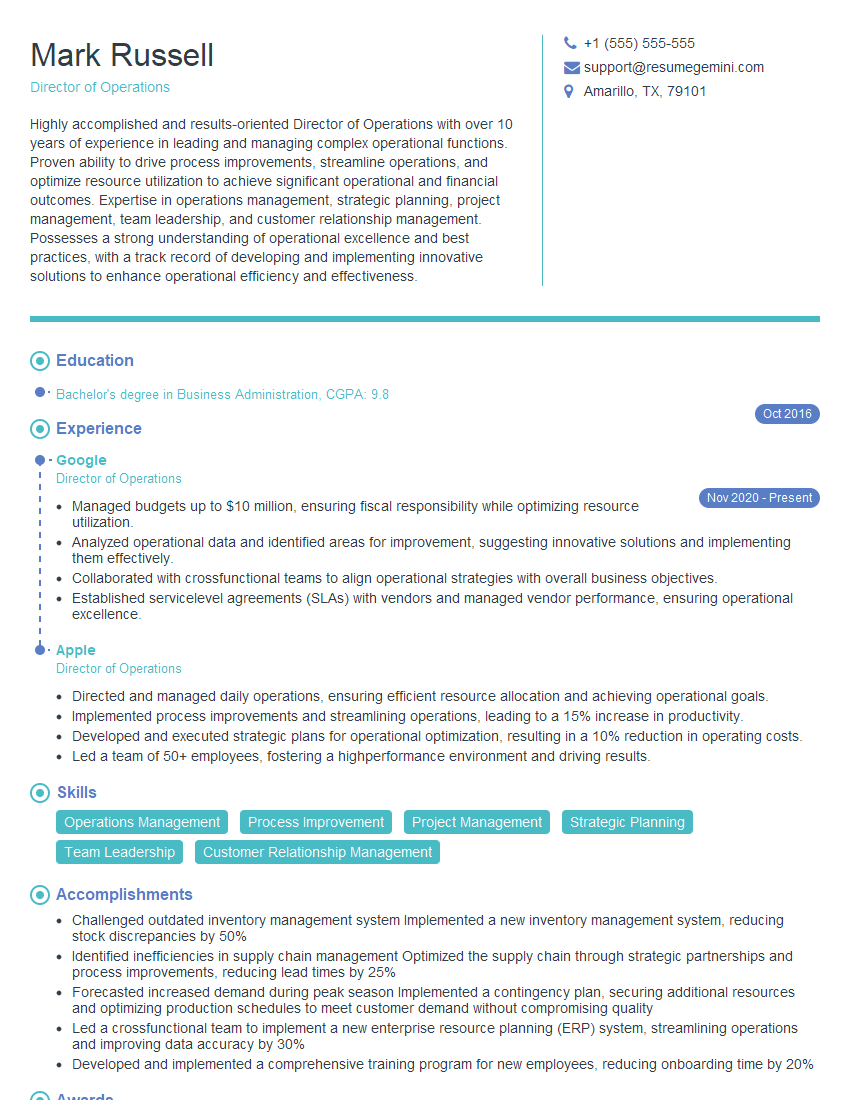
Director of Operations Resume Sample

Supply Chain Manager Resume Sample
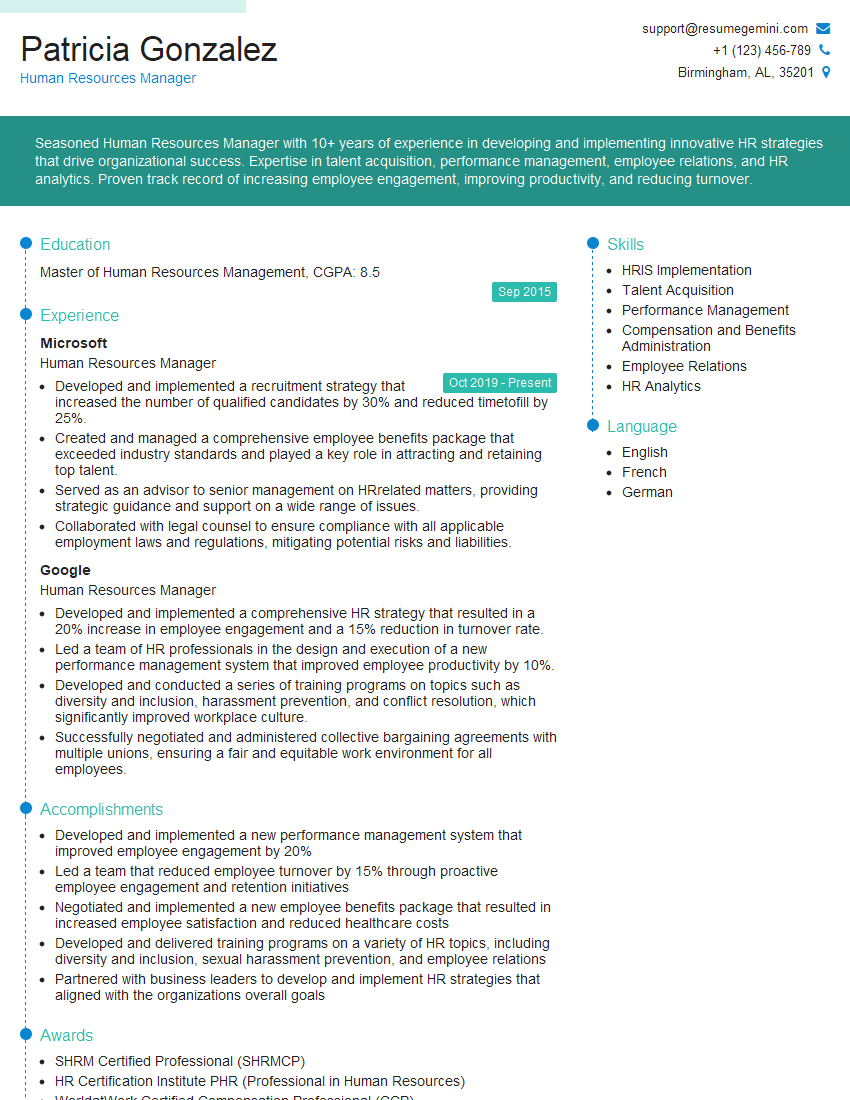
Human Resources Manager Resume Sample

Project Manager Resume Sample
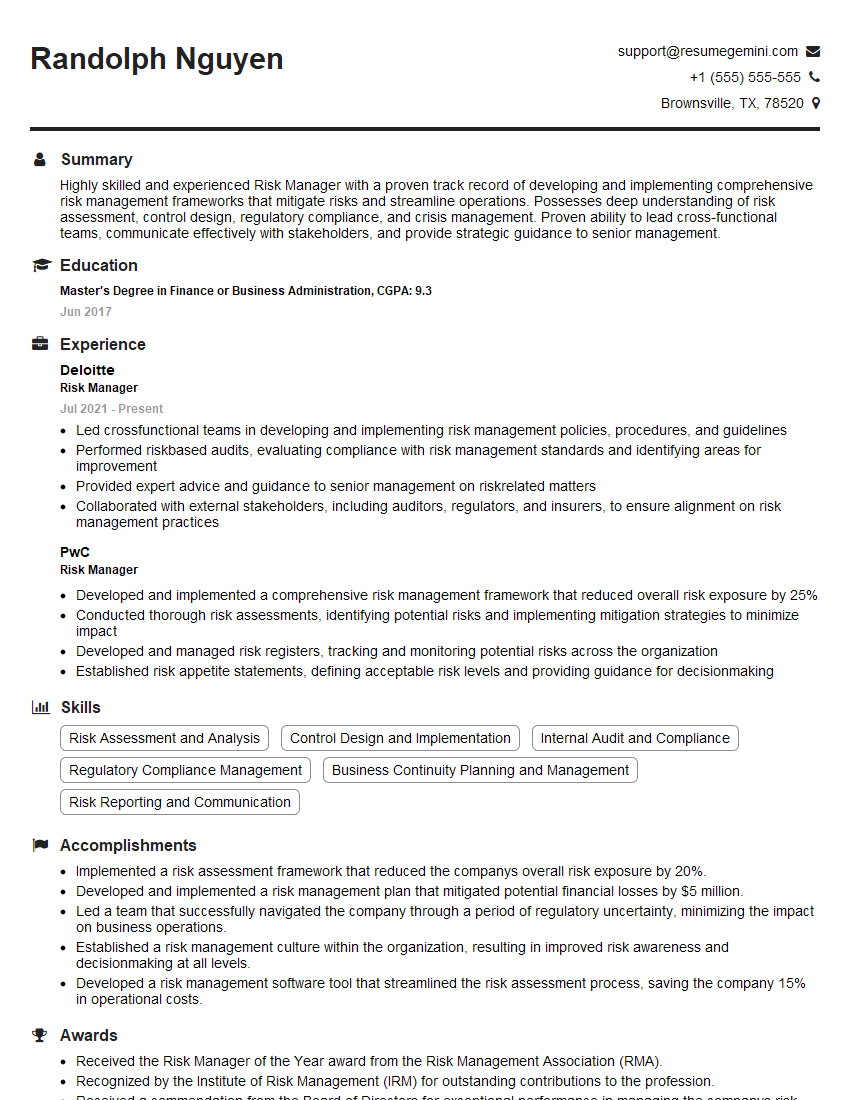
Risk Manager Resume Sample
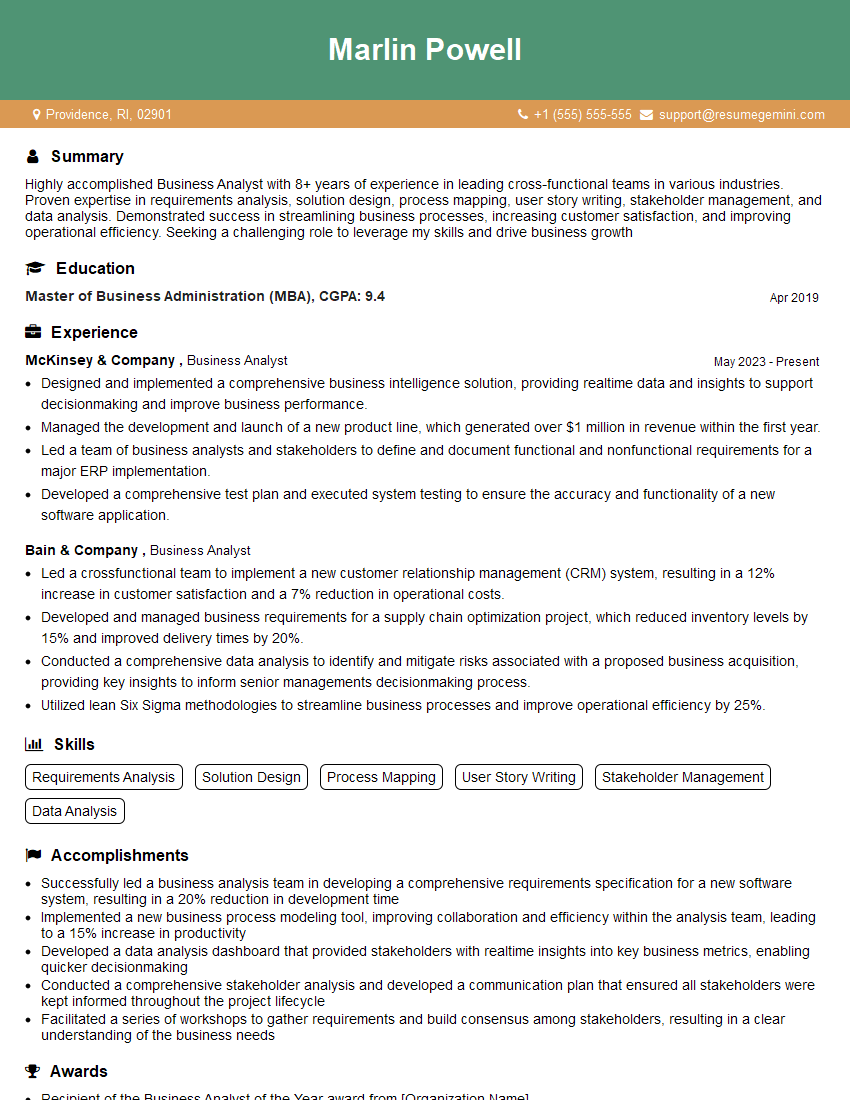
Business Analyst Resume Sample
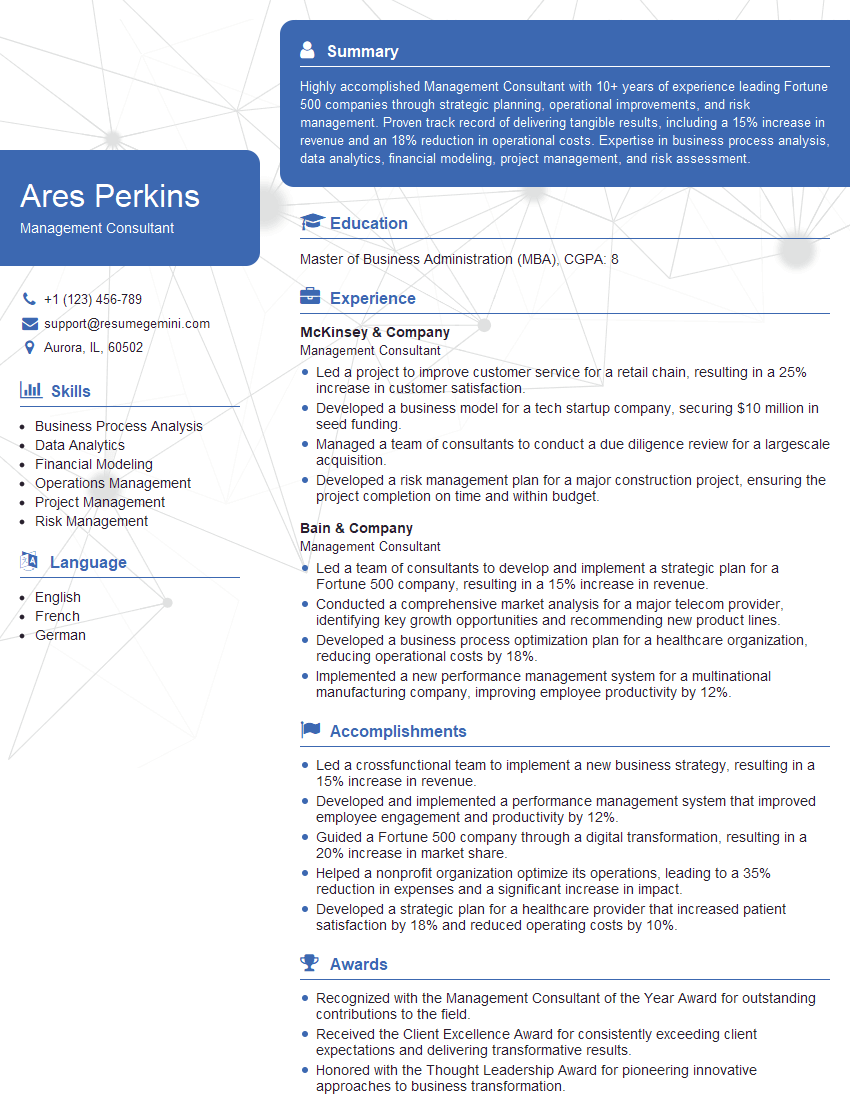
Management Consultant Resume Sample
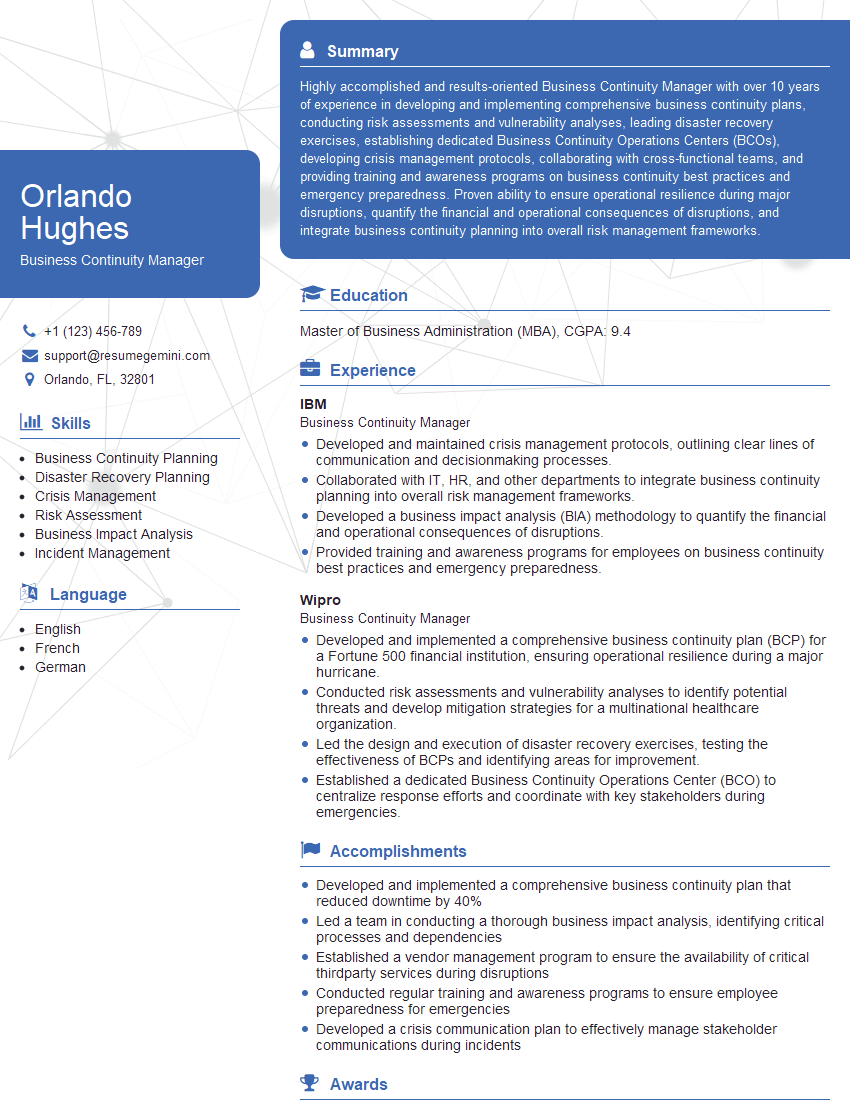
Business Continuity Manager Resume Sample
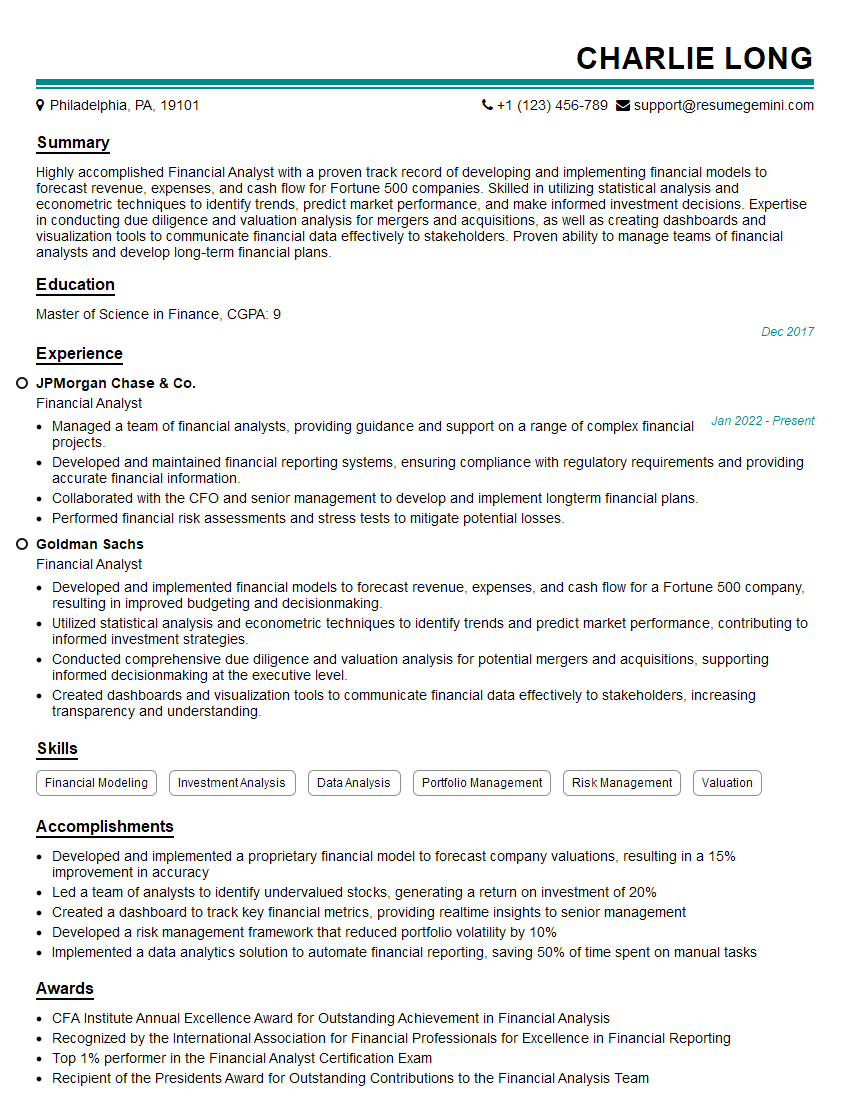
Financial Analyst Resume Sample

Data Analyst Resume Sample

Senior Software Engineer Resume Sample
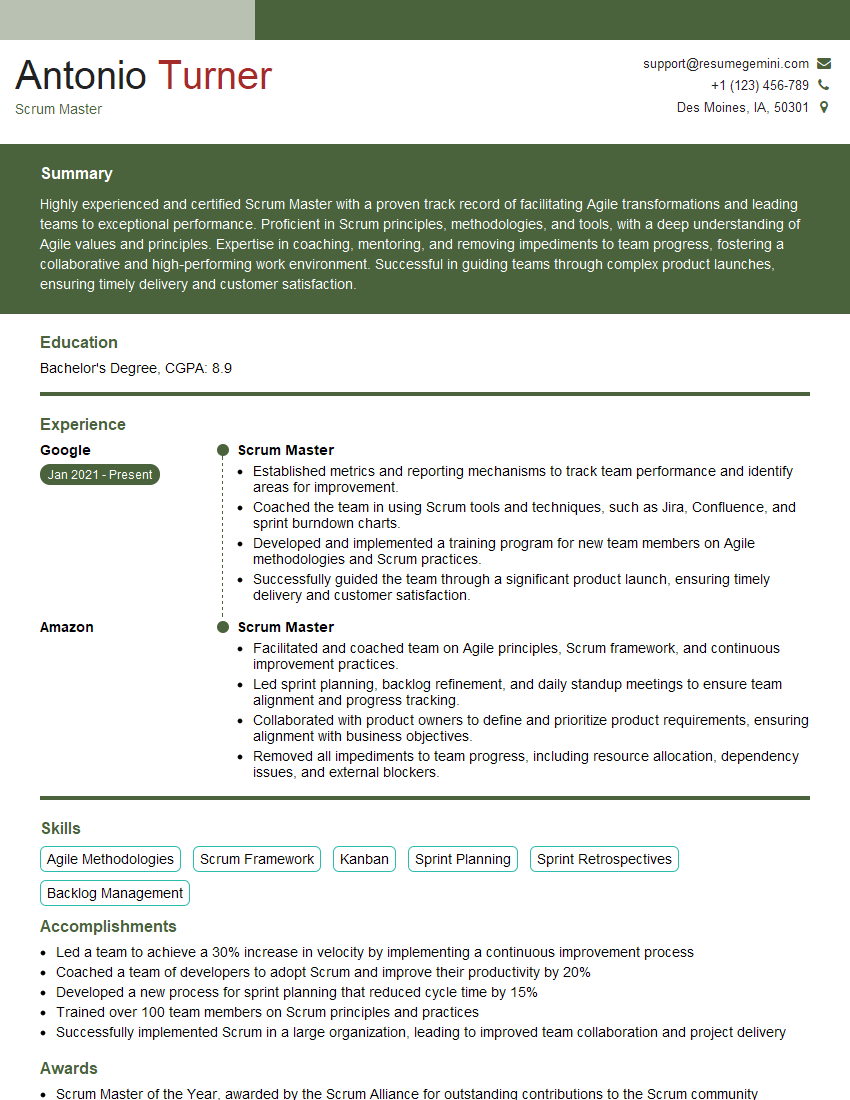
Scrum Master Resume Sample
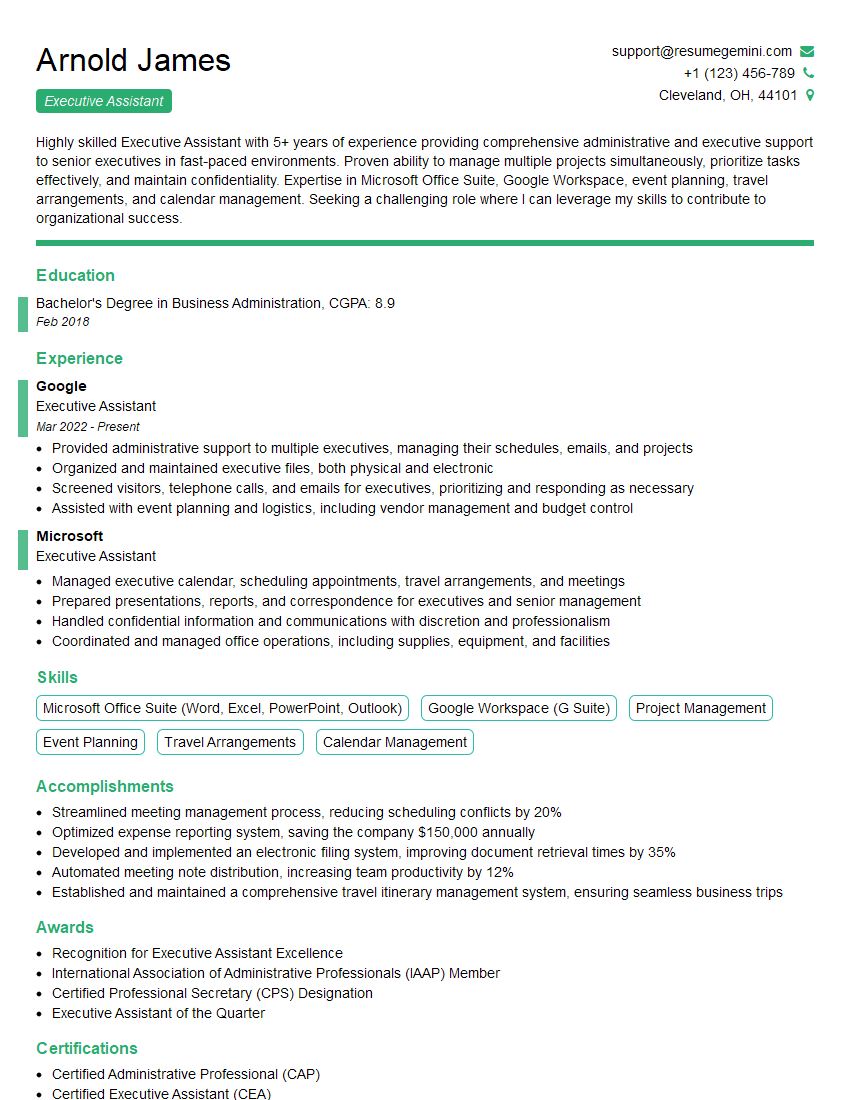
Executive Assistant Resume Sample
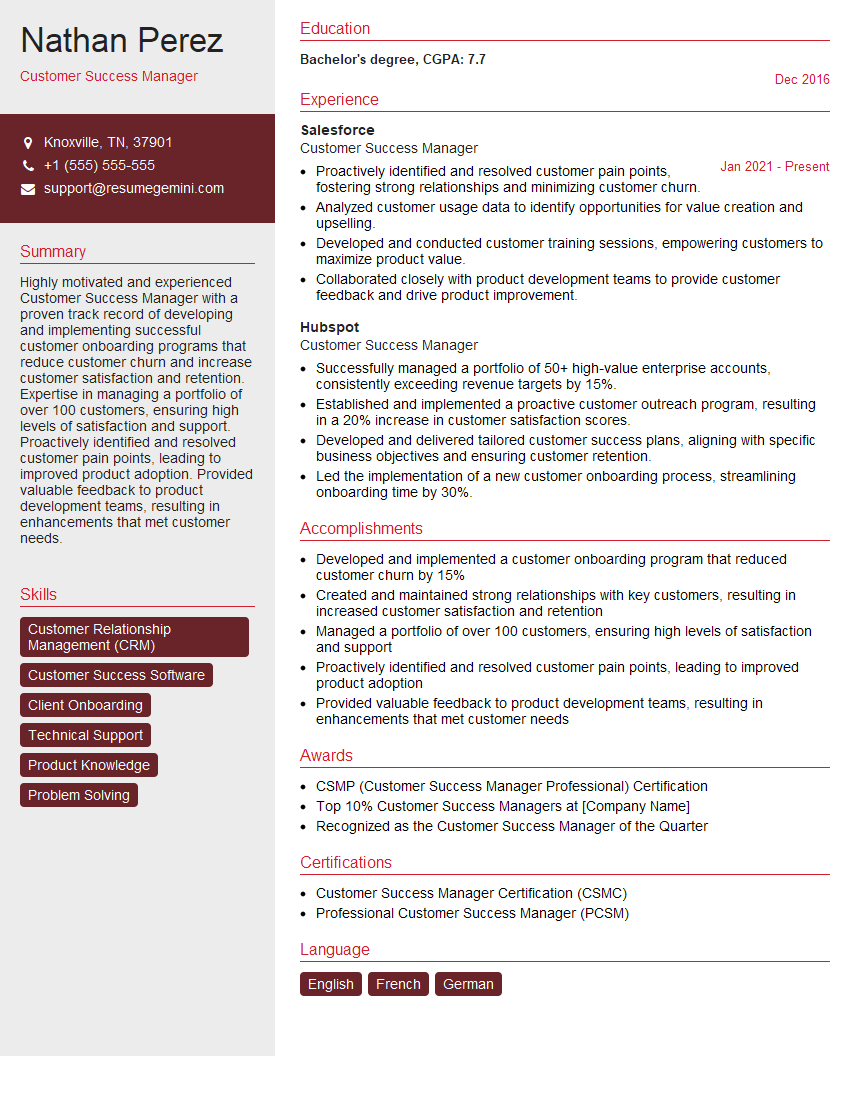
Customer Success Manager Resume Sample
- Program Manager
- Operations Manager
- Account Manager
- Marketing Manager
- Sales Manager
- Product Manager
- Director of Operations
- Supply Chain Manager
- Human Resources Manager
- Project Manager
- Risk Manager
- Business Analyst
- Management Consultant
- Business Continuity Manager
- Financial Analyst
- Data Analyst
- Senior Software Engineer
- Scrum Master
- Executive Assistant
- Customer Success Manager
Explore more articles
Users Rating of Our Blogs
Share Your Experience
We value your feedback! Please rate our content and share your thoughts (optional).
What Readers Say About Our Blog
Very informative content, great job.
good