The right preparation can turn an interview into an opportunity to showcase your expertise. This guide to Vessel Crew Management interview questions is your ultimate resource, providing key insights and tips to help you ace your responses and stand out as a top candidate.
Questions Asked in Vessel Crew Management Interview
Q 1. Describe your experience managing a vessel crew.
My experience in vessel crew management spans over 15 years, encompassing various vessel types and operational environments, from container ships to bulk carriers. I’ve overseen crews ranging from 15 to 30 members, successfully managing all aspects of their onboard life and work. This includes recruitment, onboarding, performance management, conflict resolution, and ensuring compliance with all relevant safety and regulatory standards. For instance, during my time on the ‘Ocean Voyager,’ I successfully implemented a new crew rostering system that reduced crew turnover by 15% and improved operational efficiency by 10%. This involved meticulous planning, considering factors like fatigue management and individual crew member skills and preferences.
A key element of my approach involves fostering a strong team spirit and open communication. I believe in leading by example, maintaining a fair and respectful environment, and proactively addressing potential issues before they escalate.
Q 2. How do you handle crew conflicts onboard?
Handling crew conflicts requires a calm, impartial, and proactive approach. My strategy focuses on early intervention and preventative measures. I encourage open communication and regularly hold team meetings to address concerns before they escalate into serious conflicts. Think of it like tending a garden – regular weeding prevents overwhelming growth. When conflicts do arise, I follow a structured process:
- Listen and understand: I carefully listen to each individual’s perspective without judgment.
- Facilitate communication: I create a safe space for open dialogue and help both parties express their needs and concerns.
- Mediate and find solutions: I guide them towards finding mutually acceptable solutions, always ensuring fair treatment for all involved.
- Document everything: All discussions and resolutions are documented for future reference.
- Follow up: I conduct follow-up meetings to ensure that the agreed-upon solutions are working and to address any lingering issues.
For example, on one occasion, a disagreement between the chief officer and the second engineer regarding maintenance procedures escalated. By employing this structured approach, we uncovered underlying communication issues and devised a clear protocol for future collaboration, preventing similar conflicts.
Q 3. Explain your knowledge of STCW regulations.
The STCW (Standards of Training, Certification and Watchkeeping) Convention is the cornerstone of maritime safety, setting minimum standards for seafarers’ training and certification. My understanding encompasses all aspects of the convention, including:
- Minimum training requirements: I am well-versed in the mandatory training requirements for various ranks and roles, including basic safety training, advanced fire fighting, medical first aid, and survival techniques.
- Certification and endorsements: I understand the process of verifying crew members’ certificates and endorsements to ensure compliance with STCW standards.
- Watchkeeping arrangements: I am knowledgeable about safe manning levels and the implementation of effective watchkeeping procedures to prevent fatigue and ensure optimal safety.
- Continuous professional development: I recognize the importance of ongoing training and professional development for seafarers, and I actively encourage my crew members to participate in relevant courses and upgrades.
I regularly update myself on changes and amendments to the STCW convention to maintain compliance and best practice. Non-compliance can lead to severe penalties, so rigorous adherence is crucial.
Q 4. What is your experience with vessel maintenance scheduling?
Vessel maintenance scheduling is critical for preventing breakdowns and ensuring operational efficiency and safety. My experience involves developing and managing comprehensive maintenance schedules using both preventive and predictive maintenance strategies. I utilize computer-based maintenance management systems (CMMS) to track maintenance activities, spare parts inventory, and planned work orders. For example, I have successfully implemented a CMMS on a fleet of vessels, resulting in a 20% reduction in unscheduled downtime and improved equipment lifespan.
My approach involves:
- Assessing equipment condition: Regularly inspecting and assessing the condition of all equipment.
- Developing maintenance plans: Creating detailed maintenance plans based on manufacturers’ recommendations, operational history, and risk assessments.
- Scheduling maintenance tasks: Optimizing the scheduling of maintenance tasks to minimize disruption to operations.
- Tracking maintenance progress: Monitoring the progress of maintenance activities and addressing any delays promptly.
- Managing spare parts inventory: Maintaining adequate inventory of spare parts to minimize downtime.
Effective maintenance scheduling is a proactive strategy; it’s far cheaper to prevent problems than to solve them reactively.
Q 5. How do you ensure crew compliance with safety procedures?
Ensuring crew compliance with safety procedures is paramount. My strategy is built on a foundation of clear communication, rigorous training, and consistent reinforcement. This is not simply about issuing rules but about fostering a safety-conscious culture onboard. I use a multi-pronged approach:
- Regular safety training: Conducting regular safety drills and training sessions on emergency procedures, fire prevention, and other critical safety aspects.
- Clear communication: Ensuring clear communication of safety procedures and expectations to all crew members.
- Leading by example: Strictly adhering to safety procedures myself to set a positive example for the crew.
- Incentivizing compliance: Rewarding safe work practices and recognizing crew members who demonstrate a strong commitment to safety.
- Enforcing consequences: Addressing non-compliance through disciplinary measures, as needed, to ensure accountability.
For example, I’ve implemented a system of daily safety briefings, highlighting specific safety concerns and best practices relevant to the day’s operations.
Q 6. Describe your approach to crew training and development.
Crew training and development is an ongoing process crucial for maintaining a high-performing and safe crew. My approach is multifaceted and focuses on both individual and team development:
- Needs assessment: Identifying the training needs of individual crew members based on their roles, experience, and career aspirations.
- Developing training plans: Creating tailored training plans to address identified needs, incorporating both onboard and shore-based training opportunities.
- Providing access to resources: Providing access to relevant training materials, online courses, and mentorship programs.
- On-the-job training: Providing opportunities for on-the-job training and mentoring to enhance skills and knowledge.
- Evaluating training effectiveness: Assessing the effectiveness of training programs to ensure that learning objectives are achieved and adapting the programs as needed.
Investing in crew training is an investment in the safety and efficiency of the vessel. A well-trained crew is a more productive and safer crew.
Q 7. How do you manage crew performance and productivity?
Managing crew performance and productivity requires a balanced approach that combines performance monitoring, constructive feedback, and motivational strategies. My approach is data-driven and focuses on:
- Setting clear expectations: Defining clear roles, responsibilities, and performance expectations for each crew member.
- Regular performance reviews: Conducting regular performance reviews to provide feedback, identify areas for improvement, and recognize achievements.
- Providing constructive feedback: Delivering constructive feedback in a timely and supportive manner.
- Identifying and addressing performance issues: Addressing performance issues promptly and effectively through coaching, mentoring, or disciplinary measures, as necessary.
- Recognizing and rewarding good performance: Recognizing and rewarding good performance to motivate and retain high-performing crew members.
I utilize key performance indicators (KPIs) to track individual and team performance and use this data to identify areas for improvement and celebrate successes. For example, we implemented a system to track fuel efficiency, leading to significant cost savings and demonstrating the positive impact of focused training and performance management.
Q 8. Explain your experience with emergency response procedures.
Emergency response is paramount in maritime operations. My experience encompasses a wide range of scenarios, from fire and flooding to medical emergencies and man overboard situations. I’m proficient in utilizing the ship’s emergency response plan, which includes coordinating with the crew, activating the appropriate alarms, and initiating damage control measures.
For example, during a recent simulated fire drill, I successfully guided the crew through the evacuation procedure, ensuring all personnel reached designated assembly points within the required timeframe. We meticulously checked all fire doors and ensured the integrity of the fire suppression systems. My role also includes familiarizing myself with the location of all safety equipment and knowing how to use them effectively. This includes understanding the operational procedures for lifeboats, life rafts, and fire extinguishers. This proactive approach ensures we’re well-prepared for any eventuality.
Beyond drills, I’ve also been involved in real-world incidents, such as a minor engine room fire. My calm and decisive actions, in conjunction with the crew, were instrumental in quickly extinguishing the fire and preventing further damage. Proper communication and adherence to established protocols were crucial in managing this effectively. This experience has reinforced the importance of rigorous training and preparedness in emergency response.
Q 9. How do you maintain crew morale and well-being?
Maintaining high crew morale and well-being is crucial for operational efficiency and safety at sea. I believe in fostering a positive and supportive environment where every crew member feels valued and respected. This is achieved through a multi-faceted approach.
- Open Communication: Regular crew meetings are essential to address concerns, share information, and solicit feedback. I encourage open dialogue and ensure everyone has a platform to express their thoughts and feelings.
- Fair Treatment: Ensuring fair workload distribution and providing equal opportunities for rest and recreation is pivotal. Addressing issues of fairness proactively prevents resentment and conflict.
- Recreational Activities: Providing access to recreational facilities and organizing activities such as movie nights or games helps reduce boredom and fosters camaraderie among crew members. I also encourage personal time and hobbies.
- Conflict Resolution: I am trained in conflict resolution techniques and strive to mediate any disputes fairly and promptly. Creating an environment where concerns can be addressed respectfully is crucial.
- Mental Health Support: Recognizing the importance of mental health, I actively promote awareness and access to resources for crew members who may be struggling.
For example, during a particularly challenging voyage, I noticed a decline in the morale of the crew. I initiated an open forum where we discussed their concerns – primarily fatigue and the length of the voyage. We collaboratively implemented solutions like adjusting work schedules, incorporating more leisure activities, and offering additional rest periods. This resulted in a significant improvement in their overall spirits and performance.
Q 10. Describe your experience with voyage planning and route optimization.
Voyage planning and route optimization are critical aspects of my role. It involves a detailed analysis of various factors to determine the safest, most efficient, and economical route. This process typically begins with identifying the origin and destination ports, considering factors like weather conditions, sea currents, and potential hazards such as icebergs or piracy hotspots.
I utilize specialized software and navigational charts to plot the optimal route, factoring in fuel consumption and transit time. I also consider the ship’s draft and restrictions on certain waterways. For example, I might use a route optimization software like Bon Voyage which helps us factor in real-time weather data, allowing us to potentially avoid storms or high seas. This allows us to optimize fuel consumption by avoiding areas with strong headwinds and currents.
Furthermore, I regularly monitor the planned route and make necessary adjustments based on updated weather forecasts and real-time information. Safety is always the priority. If unforeseen circumstances arise, I’m prepared to adjust the route to ensure the safety of the vessel and its crew.
Q 11. How do you handle unexpected mechanical failures at sea?
Unexpected mechanical failures at sea require immediate and decisive action. My approach involves a structured process focused on minimizing disruption and ensuring safety.
- Assess the situation: The first step is to determine the extent of the failure, its potential impact on the vessel, and any immediate safety risks. This involves gathering information from the affected area’s crew and relevant instrumentation.
- Implement emergency procedures: Depending on the severity, I would implement relevant emergency procedures, which may involve damage control, diverting to a safe location, or sending out a distress signal if necessary.
- Inform relevant parties: I would immediately notify the vessel’s management, the ship’s owners, and any relevant authorities, providing updates on the situation and the measures being taken.
- Troubleshoot and repair: I would work with the engineering team to troubleshoot the problem, attempting to implement temporary fixes or workarounds. The focus is on stabilizing the vessel and restoring critical systems.
- Document everything: Maintaining accurate records of the incident is crucial for investigation, insurance claims, and preventative maintenance.
For instance, during a voyage, we experienced a sudden failure in the main engine. Following the established procedures, I initiated emergency procedures, communicated with management, and coordinated with the engineering team to troubleshoot the issue. While we did experience some delays, we successfully implemented a temporary fix and managed to navigate to the nearest port for repairs.
Q 12. Explain your proficiency in using navigational equipment.
Proficiency in using navigational equipment is essential for safe and efficient navigation. My expertise extends to a range of equipment, including:
- GPS (Global Positioning System): I’m highly proficient in using GPS receivers to obtain accurate positioning data, vital for route planning and monitoring.
- ECDIS (Electronic Chart Display and Information System): I use ECDIS to access and interpret electronic navigational charts, track the vessel’s position, and plan optimal routes, avoiding hazards and complying with regulations.
- Radar: I utilize radar systems to detect other vessels, obstacles, and weather patterns. This is particularly important in low visibility conditions.
- AIS (Automatic Identification System): AIS allows us to detect and track other vessels equipped with AIS transponders, improving collision avoidance.
- Gyrocompass: I understand the operation and limitations of gyrocompasses, which are crucial for determining the vessel’s heading.
Regular calibration and maintenance of these systems are crucial to ensure accuracy and reliability. I’m well-versed in conducting these checks and performing minor adjustments.
For example, during a night voyage with limited visibility, I relied on the radar to detect and safely navigate around a fishing fleet, ensuring the safety of our vessel.
Q 13. How do you manage crew workloads during peak periods?
Managing crew workloads during peak periods requires careful planning and effective communication. I utilize several strategies to ensure fairness and prevent burnout.
- Prioritize tasks: We establish a clear hierarchy of tasks based on urgency and importance. This ensures the most critical tasks are addressed first.
- Allocate resources efficiently: I ensure appropriate personnel are assigned to tasks based on their skills and experience. This optimizes the use of available resources.
- Flexible scheduling: Where possible, we implement flexible scheduling to accommodate peak workloads. This might involve adjusting shift patterns or temporarily increasing the number of personnel on duty.
- Open communication: Maintaining open communication with the crew ensures everyone is aware of the workload and any changes to the schedule. This prevents misunderstandings and promotes teamwork.
- Cross-training: Cross-training crew members in different tasks enables greater flexibility and reduces reliance on individual expertise during peak demands.
For example, during cargo loading, I carefully planned the workflow, assigning tasks based on crew expertise and distributing workloads fairly. By keeping the crew informed and coordinating the process efficiently, we completed loading on time without compromising safety or causing excessive fatigue.
Q 14. How do you ensure compliance with environmental regulations?
Compliance with environmental regulations is non-negotiable. My approach involves a proactive and multi-faceted strategy.
- Understanding Regulations: I stay updated on all relevant international and national environmental regulations, such as MARPOL (International Convention for the Prevention of Pollution from Ships). This requires ongoing research and familiarity with updates.
- Record Keeping: Maintaining meticulous records of all waste disposal, fuel consumption, and ballast water management is vital for demonstrating compliance.
- Waste Management: Implementing a robust waste management system, including segregation, storage, and proper disposal of various types of waste, is paramount. This prevents illegal dumping at sea.
- Ballast Water Management: Ensuring compliance with ballast water management regulations is critical to prevent the spread of invasive species. I oversee the operation of ballast water treatment systems.
- Fuel Efficiency: I actively monitor and optimize fuel consumption to reduce greenhouse gas emissions. This involves route optimization, minimizing engine idling, and adhering to fuel efficiency best practices.
I regularly conduct training sessions with the crew on environmental protection, emphasizing the importance of responsible practices and compliance with regulations. This proactive approach ensures that we not only meet but exceed environmental standards.
Q 15. Explain your experience with cargo handling procedures.
Cargo handling procedures are crucial for safety, efficiency, and preventing damage. My experience encompasses all phases, from pre-planning and securing the cargo to its safe discharge. I’m proficient in various cargo types – from containers and bulk goods to breakbulk and liquid cargo – and understand the specific handling requirements for each.
For example, with containerized cargo, I ensure proper stowage planning using specialized software to optimize weight distribution and stability. This involves considering the cargo’s weight, dimensions, and hazardous properties. During operations, I oversee the safe operation of cranes, forklifts, and other equipment, ensuring compliance with safety regulations and the International Maritime Dangerous Goods (IMDG) Code. For bulk cargo, I’m familiar with procedures for loading and unloading using specialized equipment like grabs and conveyors, always prioritizing dust control and preventing damage to the vessel’s structure.
I meticulously document all cargo handling activities, including weight verification, condition reports, and any incidents. This rigorous record-keeping is essential for auditing and ensuring accountability. My experience also includes liaising with stevedores, terminal operators, and other stakeholders to coordinate efficient and smooth cargo handling operations.
Career Expert Tips:
- Ace those interviews! Prepare effectively by reviewing the Top 50 Most Common Interview Questions on ResumeGemini.
- Navigate your job search with confidence! Explore a wide range of Career Tips on ResumeGemini. Learn about common challenges and recommendations to overcome them.
- Craft the perfect resume! Master the Art of Resume Writing with ResumeGemini’s guide. Showcase your unique qualifications and achievements effectively.
- Don’t miss out on holiday savings! Build your dream resume with ResumeGemini’s ATS optimized templates.
Q 16. Describe your experience with port state control inspections.
Port State Control (PSC) inspections are vital for ensuring compliance with international maritime regulations. Throughout my career, I’ve overseen numerous inspections and actively participated in preparing the vessel for them. This involves conducting thorough pre-inspection checks, ensuring all required documentation is readily available and up-to-date, and ensuring the vessel is compliant with safety and environmental standards.
A typical PSC inspection includes verification of certificates (like the International Safety Management (ISM) Code certificate and the International Ship Security Certificate (ISSC)), crew documents, and maintenance records. I’ve also addressed deficiencies during inspections, providing clear and concise explanations to the inspectors and implementing corrective actions promptly and efficiently. Successful PSC inspections require proactive management and detailed knowledge of the relevant regulations; I have consistently ensured minimal issues during these audits, demonstrating our vessel’s adherence to international standards.
For example, during one inspection, a minor discrepancy in our oil record book was flagged. I promptly provided the necessary supporting documentation and implemented a revised record-keeping system to prevent similar issues in the future. Open communication and a collaborative approach with the inspectors have always proved effective in resolving any concerns.
Q 17. How do you manage crew leave and vacation requests?
Managing crew leave and vacation requests requires careful planning and coordination to maintain sufficient crew numbers onboard while ensuring fairness and compliance with maritime labor laws. I use a combination of methods to streamline this process. We typically utilize a dedicated crew management software to track leave requests, ensuring requests are submitted well in advance and taking into account operational needs. A leave rotation policy is in place, ensuring fair distribution and minimizing disruption to operations.
The process starts with crew members submitting leave requests through the system, stating their preferred dates. I review these requests, considering operational requirements and the availability of relief crew. In case of conflicts or limitations, I communicate with the crew members to find mutually acceptable solutions. Approved requests are then integrated into the vessel’s crew schedule. After approval, the request is forwarded to the relevant department for processing. Finally, I keep all crew members informed about the status of their leave requests to ensure transparency and avoid misunderstandings. We also use a system that automatically alerts us to upcoming leave periods to proactively prepare for crew changes, minimizing downtime.
Q 18. How do you handle disciplinary actions with crew members?
Disciplinary actions are a last resort, but sometimes necessary to maintain a safe and productive working environment. My approach is based on fairness, consistency, and a focus on corrective action rather than punitive measures. I always follow a structured process, adhering to company policies and applicable laws. The process begins with a thorough investigation to gather all relevant facts and perspectives.
I document all instances and hold a meeting with the crew member to discuss the issue, allowing them to present their side of the story. Depending on the severity of the infraction, the disciplinary action may range from a verbal warning to suspension or termination. The key is to document every step meticulously, creating a clear record of the events and the actions taken. Throughout this process, the focus remains on rehabilitation and providing opportunities for improvement, rather than simply imposing punishment. I aim to find solutions that rectify behaviors and contribute to a more positive workplace. If the issue is related to competence, additional training might be implemented. This approach is critical for upholding discipline while maintaining good crew morale.
Q 19. Explain your experience with budgeting and cost control.
Budgeting and cost control are essential for the financial health of any vessel operation. My experience includes developing and managing budgets for various aspects of crew management, including salaries, travel expenses, training, and medical costs. I utilize budgeting software to track expenses against allocated funds, ensuring that costs remain within the approved limits. This involves proactively identifying potential cost overruns and implementing measures to mitigate them.
For example, I actively negotiate with crewing agencies to secure competitive rates for crew members, utilizing market data and historical trends. I also negotiate favorable rates with airlines and other service providers for crew travel arrangements. To further control costs, I regularly review crew expenses and identify opportunities for optimization, such as consolidating travel bookings or selecting more cost-effective training providers. I leverage data analytics to identify cost-saving opportunities and regularly report on budget performance to relevant stakeholders, ensuring transparency and proactive management of resources. Effective cost control is crucial to maintaining profitability and operational efficiency.
Q 20. Describe your approach to crew recruitment and selection.
Crew recruitment and selection are critical for operational safety and efficiency. My approach involves a multi-stage process that ensures we select the best candidates for each vessel and role. This begins with identifying the specific skills and qualifications needed for each position, drawing up detailed job descriptions. Then we use various channels to advertise the positions – including online job boards, recruitment agencies, and internal databases. This broad approach ensures we reach a diverse pool of potential candidates.
Once applications are received, the selection process involves a thorough review of their credentials and conducting interviews to assess their skills, experience, and personality. We perform background checks and reference checks to verify the information provided. For certain positions, we might conduct competency assessments or simulations to evaluate practical skills. The goal is to select candidates who are not only qualified but also demonstrate the right attitude, team spirit, and commitment to safety. The final stage involves offering the job, negotiating terms, and onboarding the successful candidates. I closely monitor the performance of newly hired crew members to ensure a smooth integration into the team and to offer additional support if needed.
Q 21. How do you utilize vessel communication systems effectively?
Effective utilization of vessel communication systems is paramount for safe and efficient operations. My experience involves managing and optimizing the use of various systems, including Inmarsat, satellite phones, and VHF radios. I ensure all crew members are properly trained on the use of these systems and understand their limitations and capabilities. I establish clear communication protocols to ensure efficient information flow both onboard and with shore-based personnel.
For example, I ensure that regular communication schedules are maintained with the shore office, providing daily reports on vessel status, crew welfare, and any operational challenges. In case of emergencies, I know how to efficiently utilize the various communication systems to contact relevant authorities (like search and rescue) and coordinate rescue efforts. We regularly conduct communication drills to ensure crew proficiency in using the equipment and following emergency procedures. Maintaining a clear and consistent communication strategy is critical for both operational success and the safety of the crew.
Q 22. Explain your familiarity with various types of vessels.
My experience encompasses a wide range of vessel types, from smaller coastal vessels like tugboats and ferries to larger ocean-going ships such as container vessels, tankers (crude oil, chemical, and LNG), bulk carriers, and cruise ships. Understanding the unique operational characteristics and crew requirements of each type is crucial. For instance, a tanker requires a specialized crew proficient in cargo handling procedures and safety protocols specific to hazardous materials, whereas a cruise ship necessitates a larger, more diverse crew focused on passenger services and entertainment, in addition to the standard maritime operations. My familiarity extends to specialized vessels like dredgers, offshore support vessels (OSVs), and research vessels, each demanding distinct skill sets and operational knowledge.
- Tankers: Requires expertise in cargo handling, including ballast water management and gas freeing procedures.
- Container Vessels: Demands efficient cargo handling, stowage planning, and knowledge of container security protocols.
- Bulk Carriers: Focuses on bulk cargo handling, including loading, unloading, and trim calculations.
- Cruise Ships: Requires expertise in passenger services, hospitality, and entertainment alongside standard maritime operations.
Q 23. How do you manage crew documentation and records?
Managing crew documentation and records is a critical aspect of compliance and efficient crew management. We utilize a digital system for secure storage and easy access to all relevant documents. This includes:
- Seafarer’s Documents: This includes certificates of competency (COCs), medical certificates, passports, visas, and STCW (Standards of Training, Certification and Watchkeeping) certificates. We ensure all documents are valid and up-to-date.
- Employment Contracts: These contracts clearly outline terms of employment, including salaries, benefits, and working conditions. They are digitally signed and stored securely.
- Training Records: We maintain a comprehensive record of all crew training, including safety courses, medical training, and any specialized training relevant to the vessel type. This is crucial for demonstrating compliance with regulations and maintaining a skilled workforce.
- Performance Appraisals: Regular performance appraisals are documented and stored, providing a record of individual performance and identifying areas for improvement.
- Medical Records: We keep secure, up-to-date medical records for each crew member, which includes pre-employment medical examinations, ongoing health check-ups, and any medical incidents during employment.
Regular audits ensure the accuracy and completeness of the records. This system not only helps maintain compliance with international regulations but also streamlines crew changes and facilitates efficient reporting.
Q 24. Describe your experience with implementing safety management systems (SMS).
Implementing and maintaining a Safety Management System (SMS) is paramount. My experience involves developing, implementing, and auditing SMSs across various vessel types, ensuring compliance with the International Safety Management (ISM) Code. This includes:
- Developing Safety Policies: Creating comprehensive safety policies aligned with the ISM Code, incorporating risk assessments for various operational activities.
- Crew Training: Conducting regular training programs on safety procedures, emergency response protocols, and hazard identification.
- Safety Audits and Inspections: Performing regular internal audits and inspections to identify deficiencies and implement corrective actions.
- Incident Reporting and Investigation: Establishing clear procedures for reporting and thoroughly investigating all accidents, near misses, and incidents to prevent recurrence.
- Emergency Preparedness: Developing and implementing comprehensive emergency response plans, including drills and exercises to ensure crew proficiency.
For example, in one instance, a thorough SMS review revealed a lack of sufficient training on a specific piece of safety equipment. This resulted in targeted training sessions for the entire crew, significantly improving safety standards.
Q 25. How do you handle crew medical emergencies?
Handling crew medical emergencies requires a structured approach. It starts with having a well-equipped onboard medical kit and trained personnel who can provide immediate first aid. Our procedures include:
- Immediate First Aid: Trained personnel provide immediate first aid based on the severity of the situation.
- Communication: Immediate communication with the shore-based medical assistance provider or company medical advisor.
- Medical Evacuation Planning: Depending on the severity of the injury or illness, we plan for medical evacuation, considering factors like the vessel’s location and the availability of medevac services.
- Documentation: Detailed documentation of the incident, medical treatment provided, and communication with medical professionals.
We have established clear protocols for contacting medical experts, arranging medevac if necessary, and ensuring proper medical records are maintained. One case involved a crew member suffering a heart attack. Swift action, involving communication with shore-based medical professionals and arranging a timely medevac, resulted in a positive outcome.
Q 26. Explain your knowledge of international maritime law.
My knowledge of international maritime law is extensive, covering areas such as the SOLAS Convention (Safety of Life at Sea), MARPOL (International Convention for the Prevention of Pollution from Ships), STCW, and the ISM Code. I understand the implications of these conventions on vessel operations and crew management. This includes understanding flag state regulations, port state control inspections, and liabilities related to maritime accidents and pollution.
For instance, I am well-versed in the regulations regarding crew working hours, rest periods, and repatriation rights. This knowledge ensures compliance and the protection of crew rights. Understanding the legal framework of maritime incidents is essential for mitigating risks and effectively managing potential disputes.
Q 27. How do you ensure proper maintenance of safety equipment?
Maintaining safety equipment is critical for ensuring crew safety and preventing accidents. This involves a multi-faceted approach:
- Regular Inspections: Regular inspections are carried out according to a predefined schedule, checking for defects, damage, or expiration dates.
- Preventative Maintenance: A preventative maintenance program is in place to ensure all safety equipment is regularly serviced and maintained according to the manufacturer’s recommendations.
- Record Keeping: Comprehensive records are maintained, documenting all inspections, maintenance activities, and any repairs carried out.
- Crew Training: Crew members are trained on the proper use, maintenance, and inspection of safety equipment.
- Spare Parts: An adequate supply of spare parts is maintained to ensure prompt repairs in case of failures.
For example, regular inspections of lifeboats, life rafts, and fire extinguishers, along with rigorous testing and maintenance, ensure they are always in good working condition and ready for use in an emergency.
Q 28. Describe your experience with performance appraisals for crew members.
Conducting performance appraisals is a vital part of crew management. It allows us to evaluate individual performance, identify areas of strength and weakness, and provide opportunities for professional development. The process typically involves:
- Setting Performance Goals: Setting clear and measurable goals for each crew member at the beginning of the appraisal period.
- Regular Monitoring: Regular monitoring of performance throughout the appraisal period, providing regular feedback and support.
- Formal Appraisal: A formal appraisal meeting is conducted, where performance is reviewed against the established goals. This is a two-way conversation, allowing for open feedback.
- Documentation: Detailed documentation of the appraisal, including strengths, weaknesses, areas for improvement, and agreed-upon development plans.
- Follow-up: Following up on the appraisal, ensuring that agreed-upon actions are implemented and progress is monitored.
We use a structured approach that ensures fairness and consistency. This allows us to identify high-performing individuals, provide support to those needing improvement, and overall, enhance the quality and performance of our crew.
Key Topics to Learn for Vessel Crew Management Interview
- Crew Planning & Scheduling: Understanding the complexities of scheduling crew members, considering factors like certifications, experience, rest periods, and regulatory compliance. Practical application includes optimizing crew rotations for efficiency and minimizing downtime.
- Compliance & Regulations: Deep knowledge of maritime regulations (STCW, MLC, etc.) and their impact on crew management. Practical application involves ensuring all crew members possess the necessary certifications and the company adheres to all legal requirements.
- Crew Performance Management: Strategies for motivating and managing crew performance, including performance reviews, training programs, and addressing conflict resolution. Practical application includes implementing effective communication channels and fostering a positive onboard environment.
- Recruitment & Selection: Understanding the process of recruiting and selecting qualified crew members, including screening applications, conducting interviews, and verifying credentials. Practical application involves developing effective recruitment strategies to attract top talent.
- Budgeting & Cost Management: Understanding the financial aspects of crew management, including salary costs, training expenses, and travel arrangements. Practical application includes developing and managing budgets to optimize crew costs while maintaining high standards.
- Health, Safety & Welfare: Prioritizing the health, safety, and well-being of crew members. Practical application includes implementing safety protocols, providing access to medical care, and addressing potential risks proactively.
- Technology in Crew Management: Familiarity with software and systems used for crew management (e.g., crew scheduling software, communication platforms). Practical application includes utilizing technology to streamline processes and improve efficiency.
Next Steps
Mastering Vessel Crew Management is crucial for career advancement in the maritime industry, opening doors to leadership roles and increased earning potential. To significantly boost your job prospects, it’s essential to create an ATS-friendly resume that highlights your skills and experience effectively. We strongly recommend using ResumeGemini to build a professional and impactful resume. ResumeGemini provides tools and resources to create a compelling document, and offers examples of resumes specifically tailored to Vessel Crew Management positions. Take the next step in your career journey – build a winning resume today!
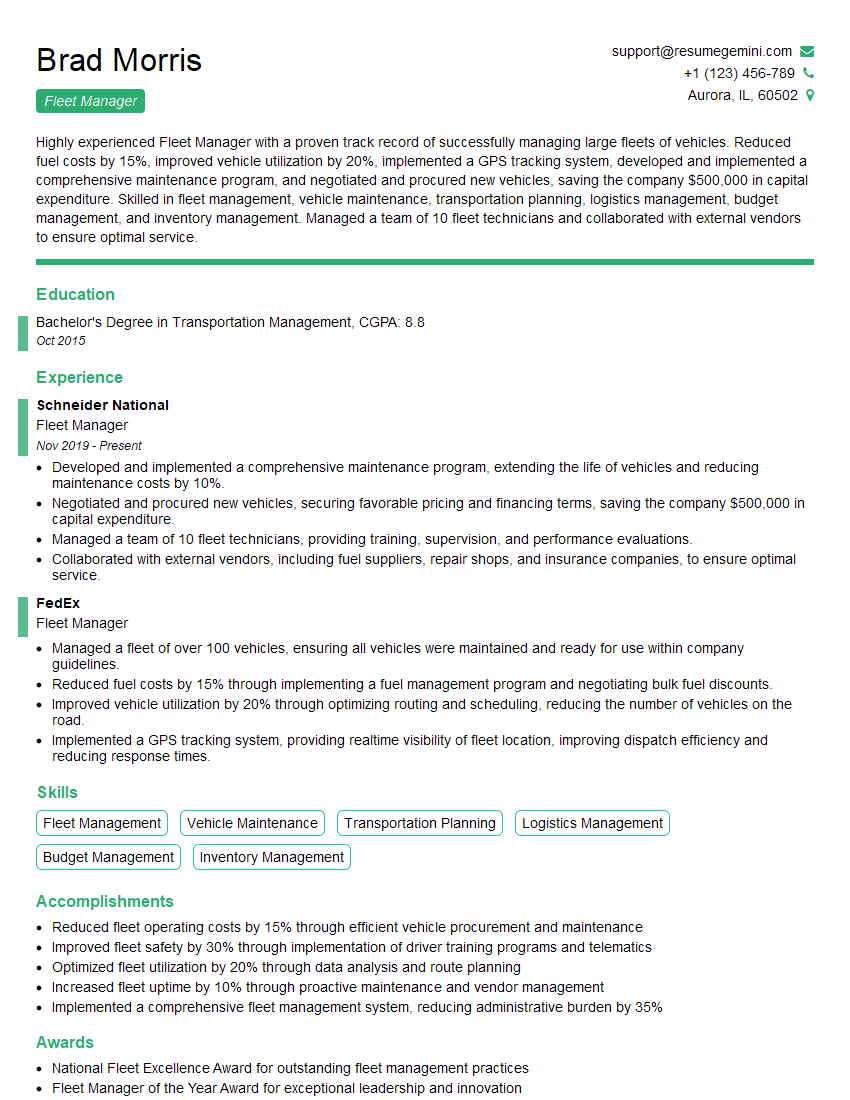
Fleet Manager Resume Sample
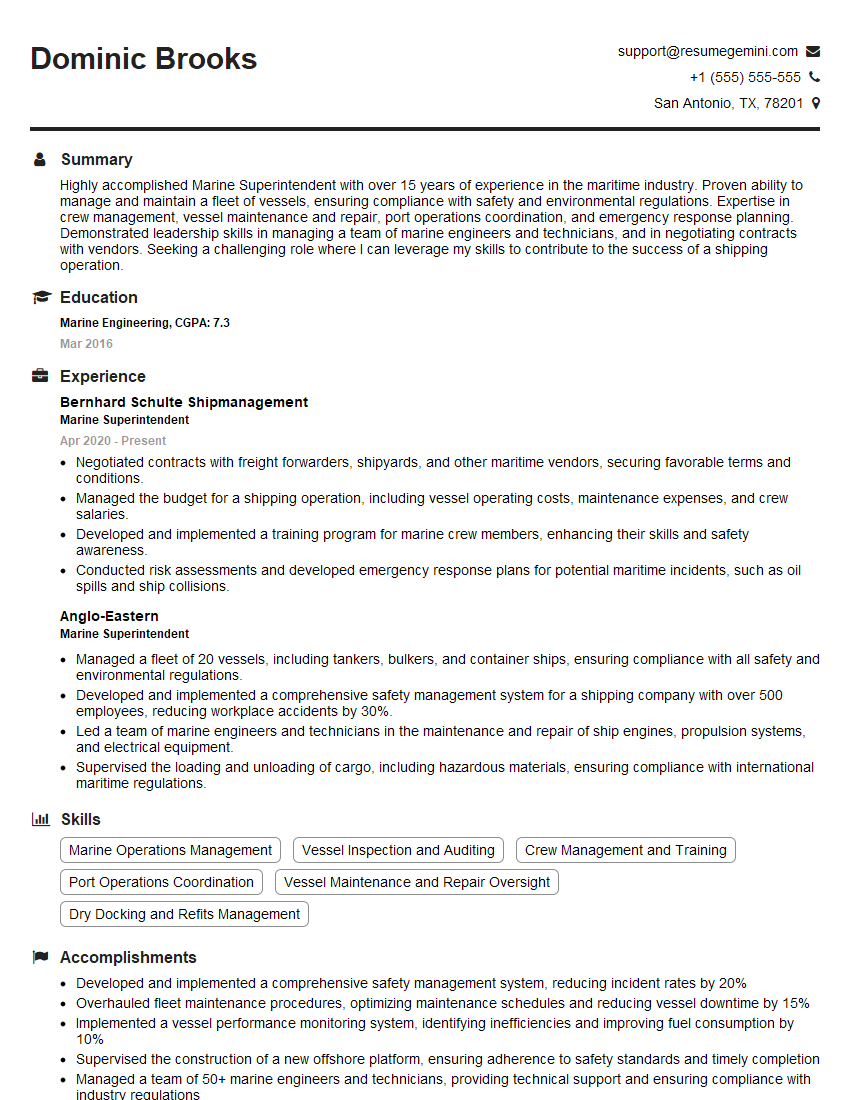
Marine Superintendent Resume Sample
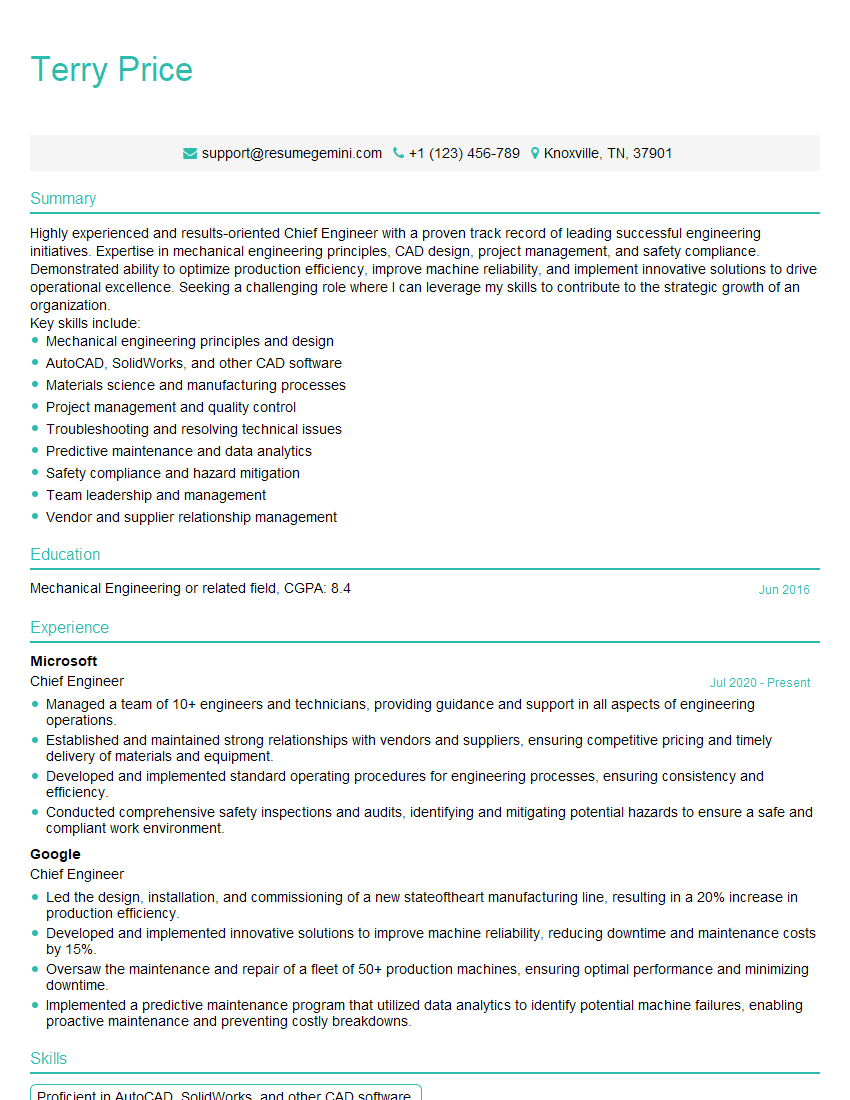
Chief Engineer Resume Sample
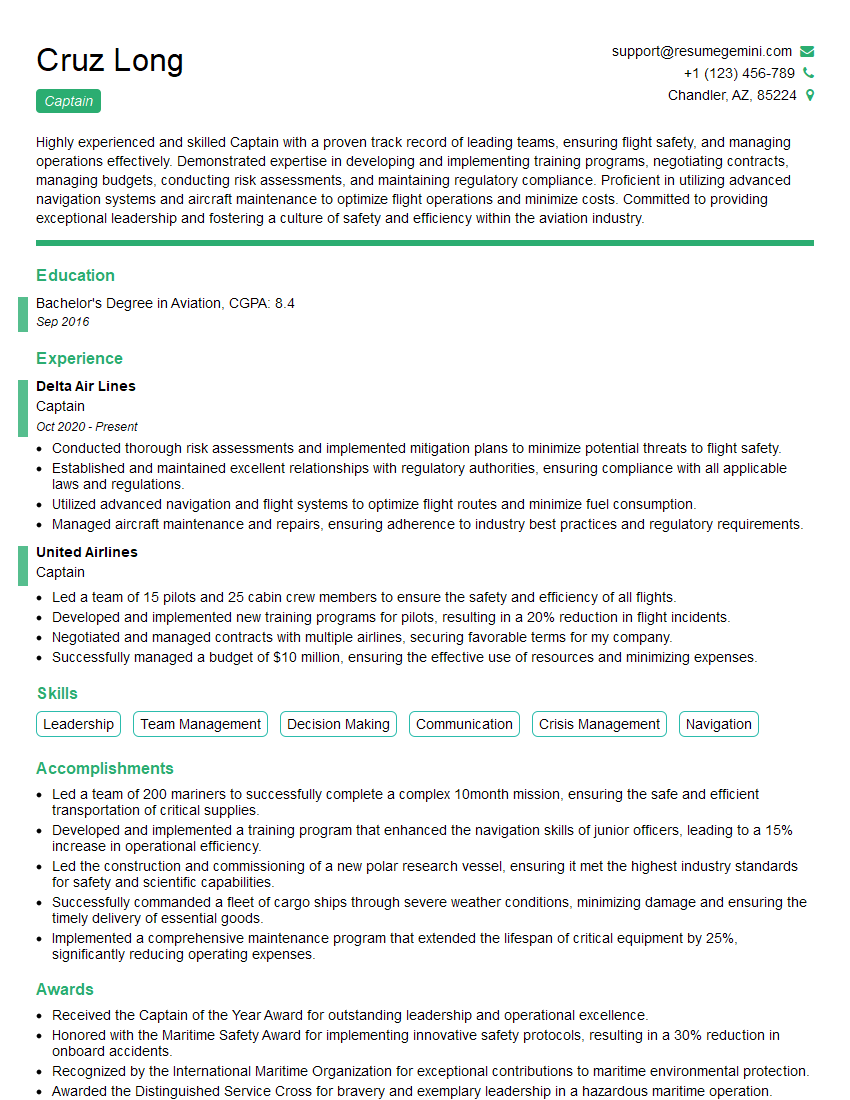
Captain Resume Sample
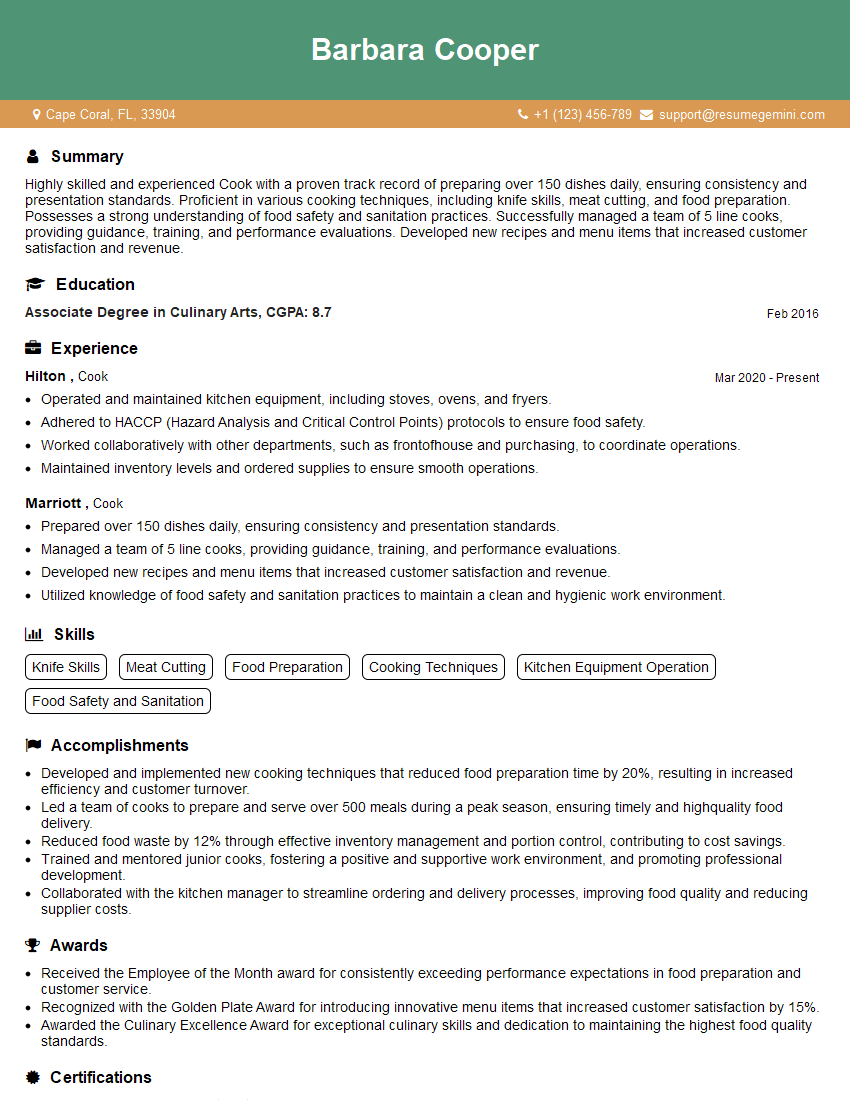
Cook Resume Sample
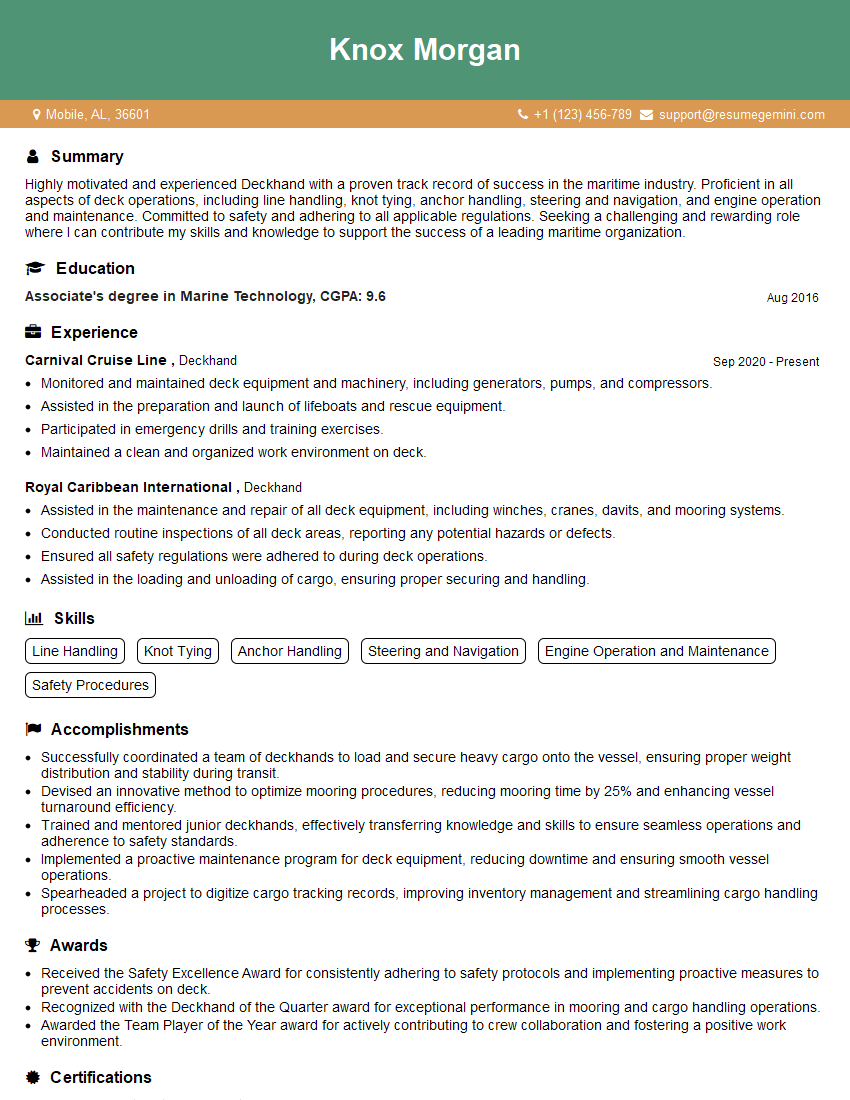
Deckhand Resume Sample
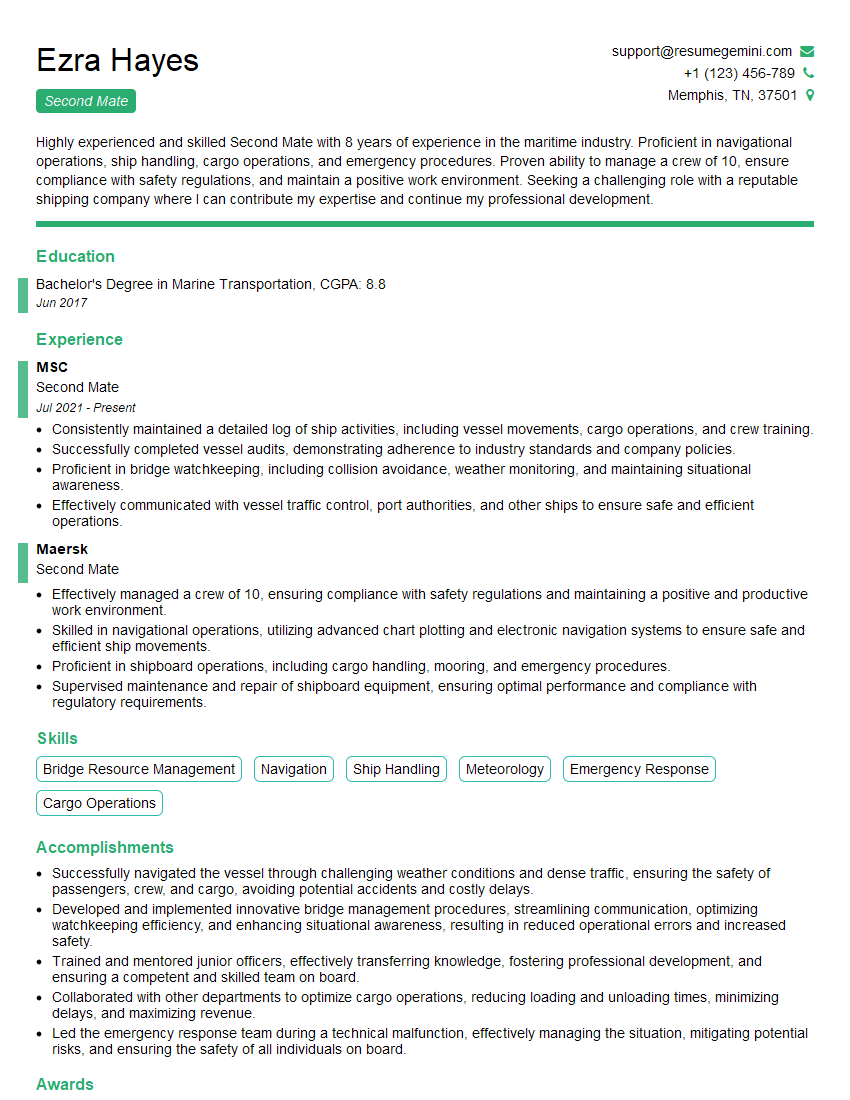
Second Mate Resume Sample
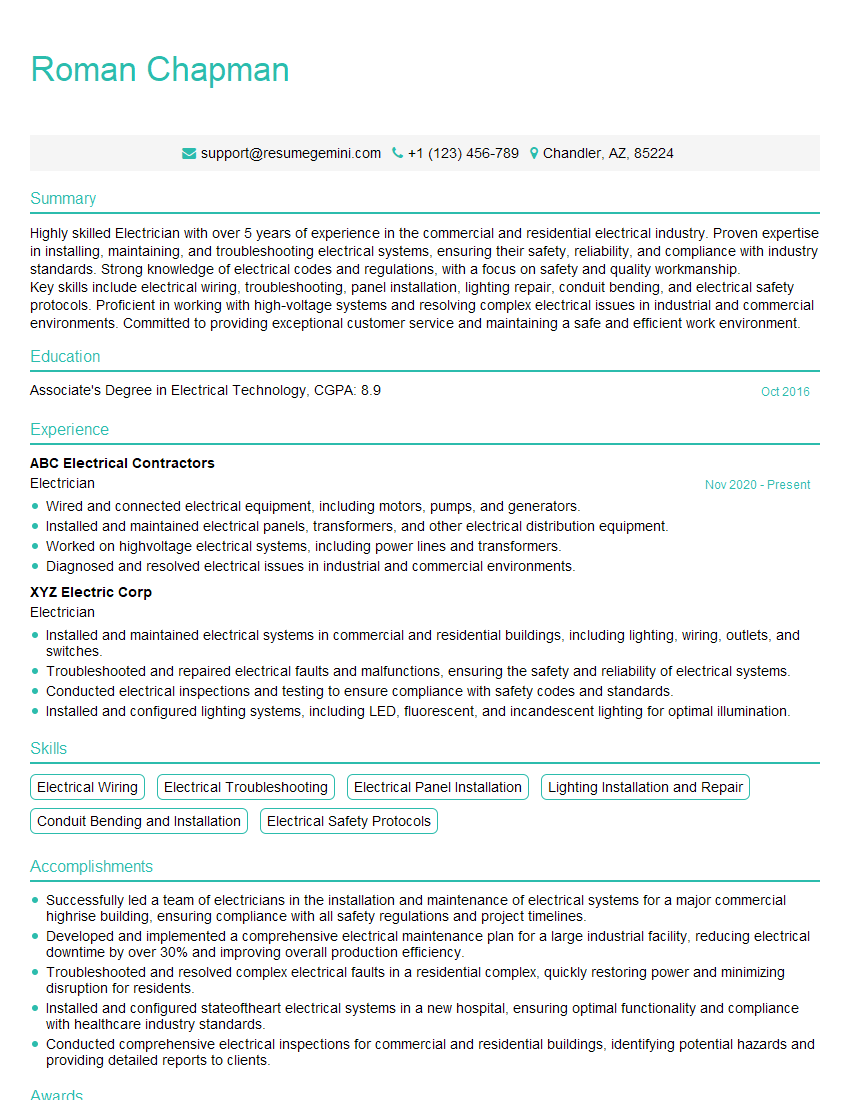
Electrician Resume Sample
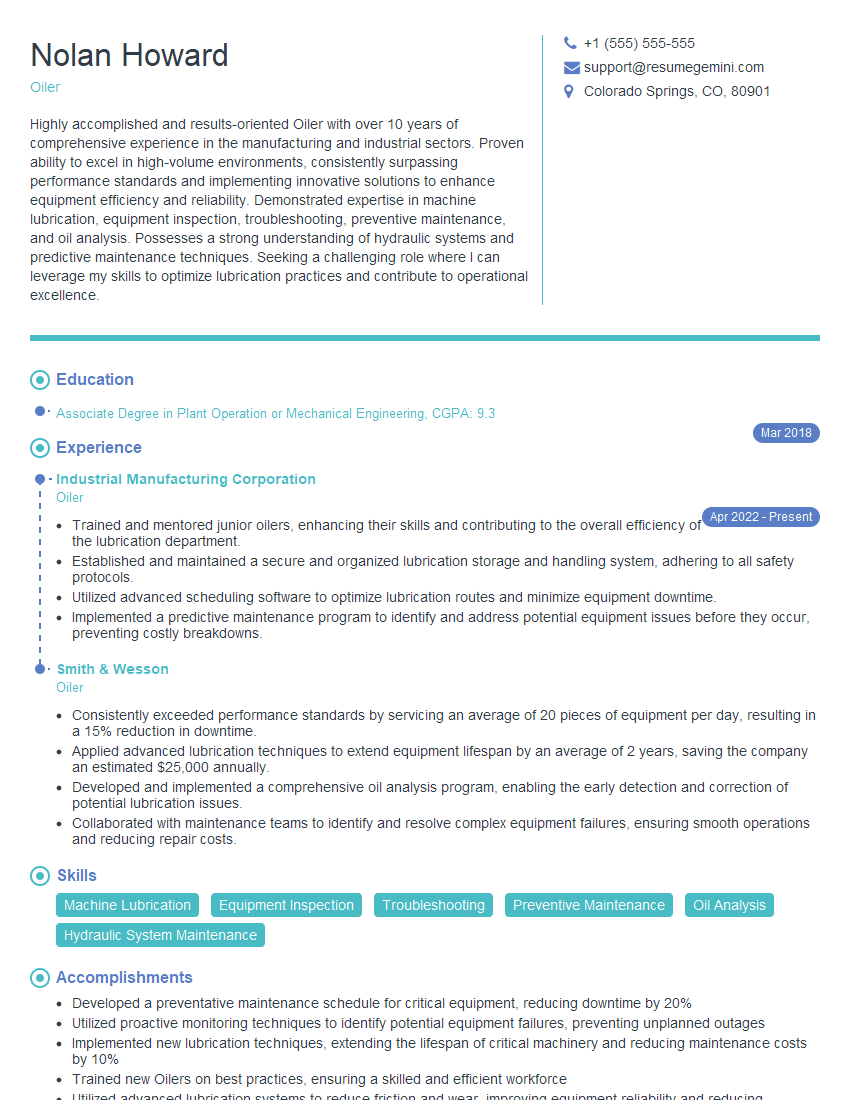
Oiler Resume Sample
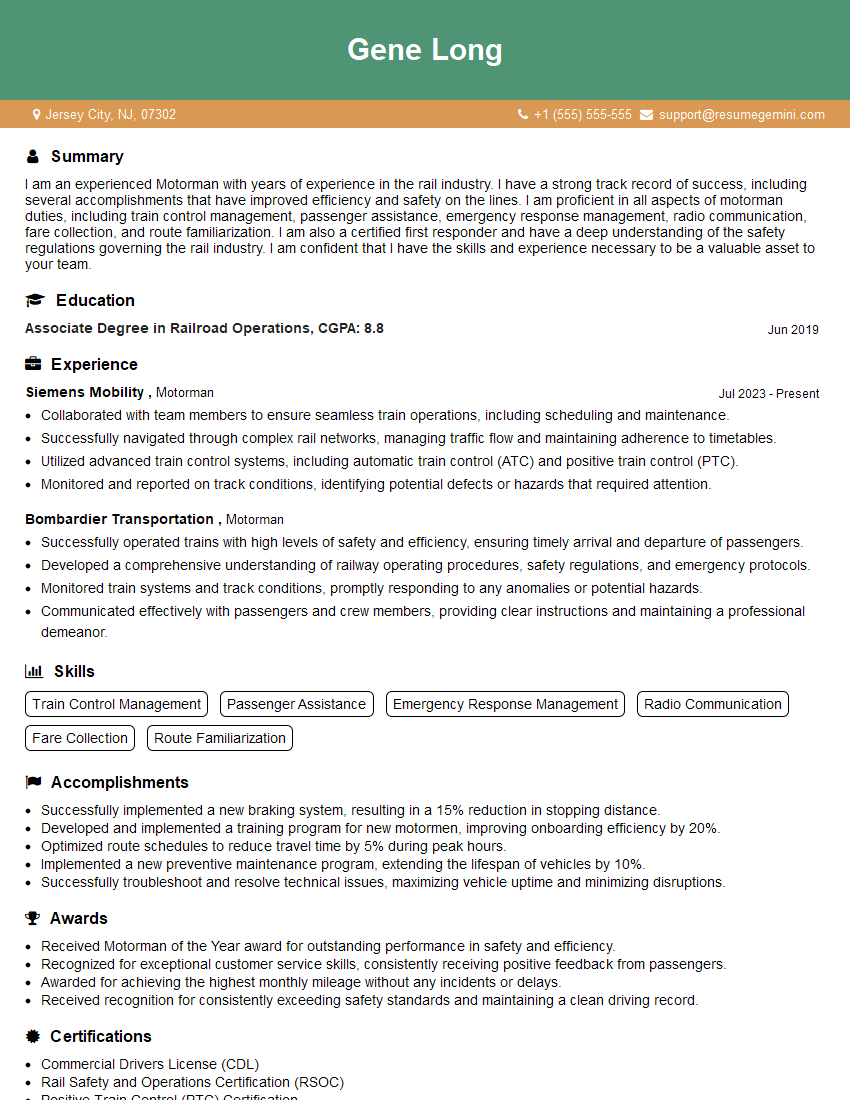
Motorman Resume Sample
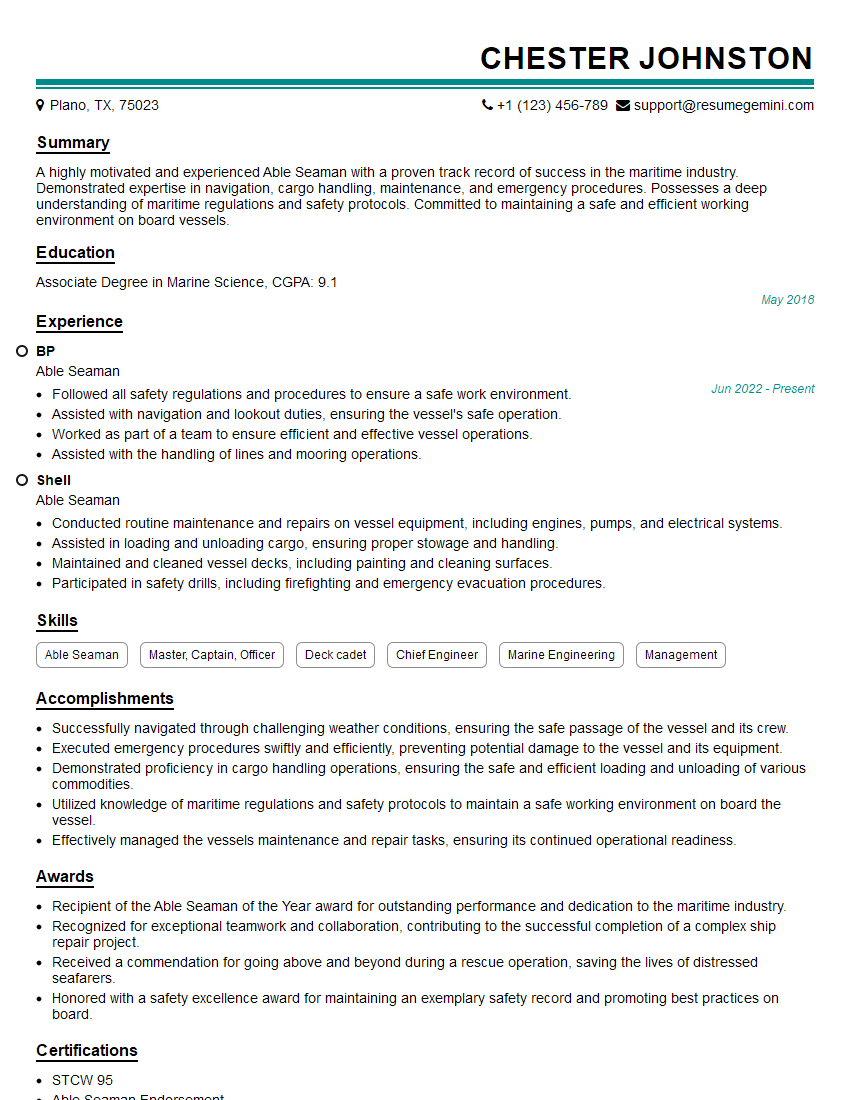
Able Seaman Resume Sample
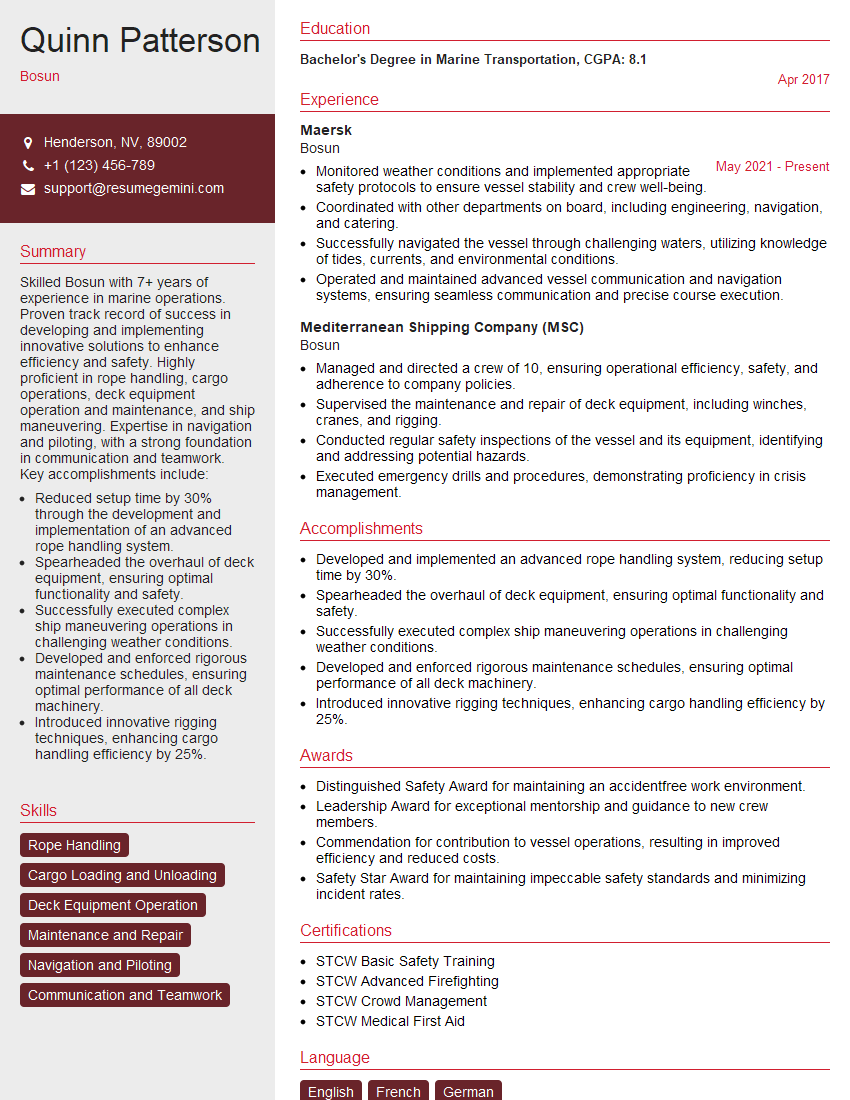
Bosun Resume Sample
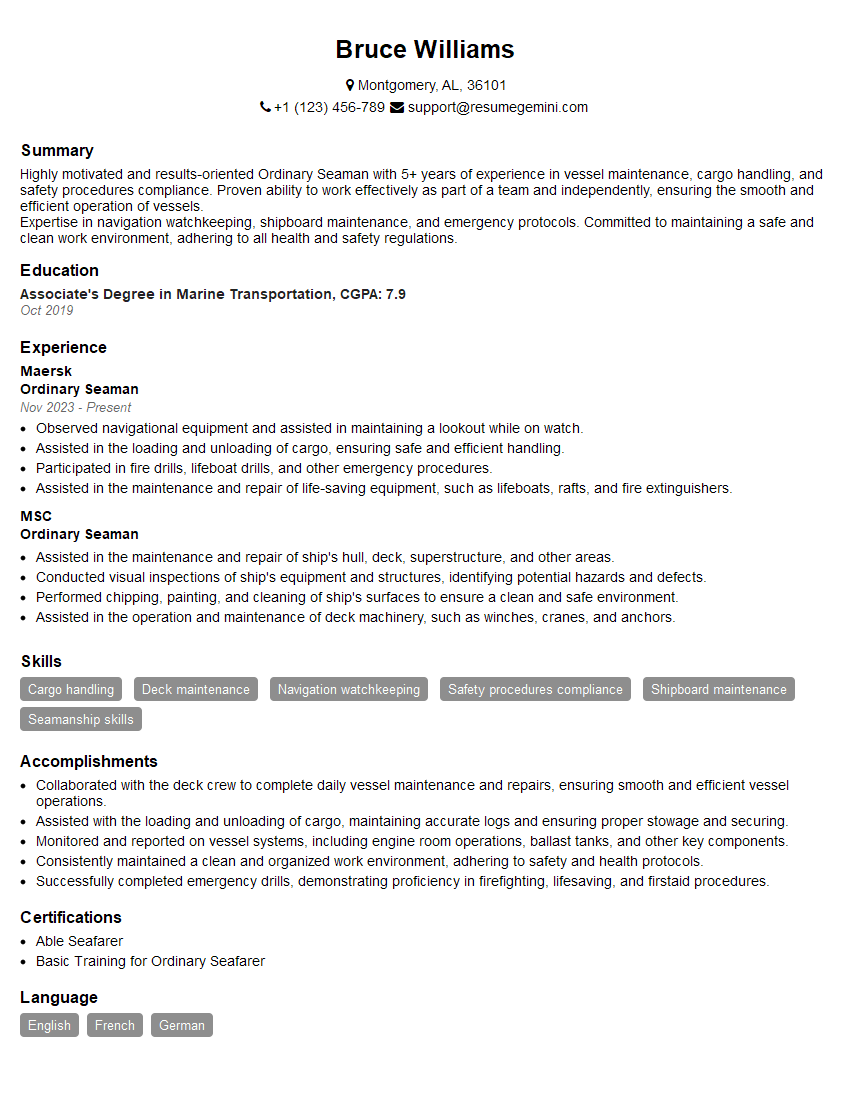
Ordinary Seaman Resume Sample
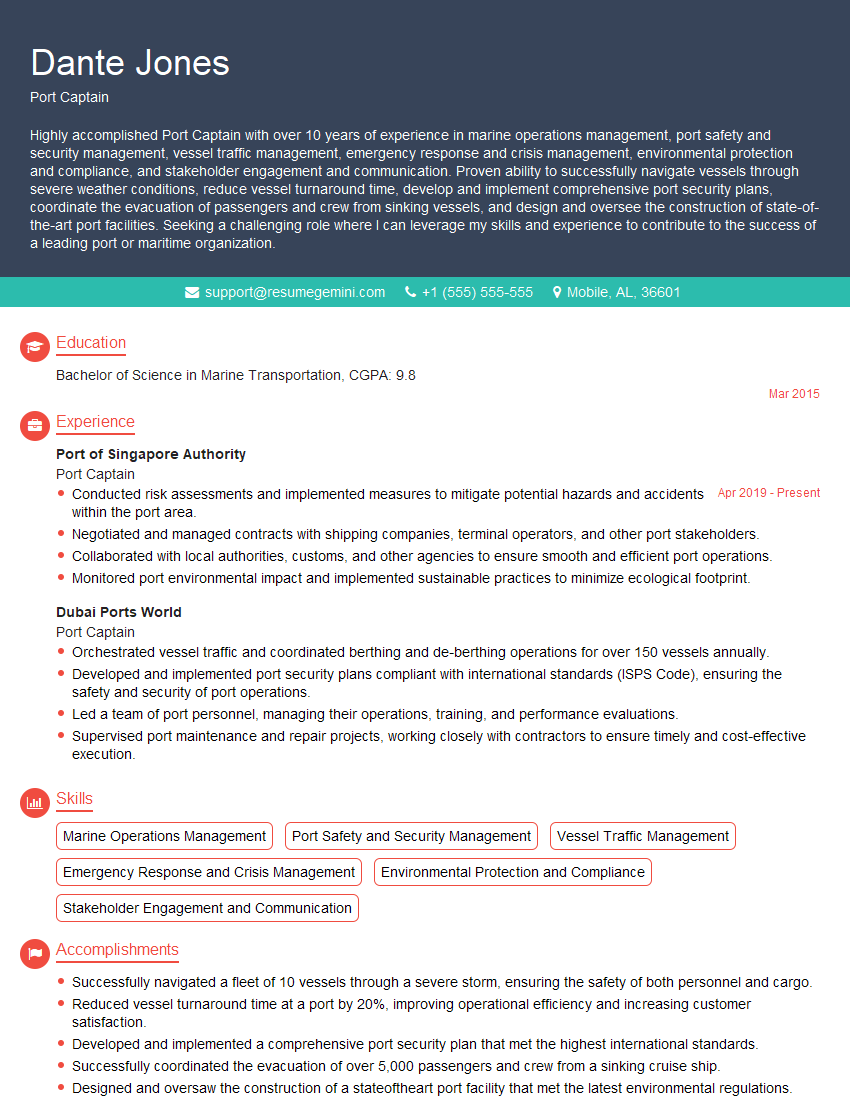
Port Captain Resume Sample
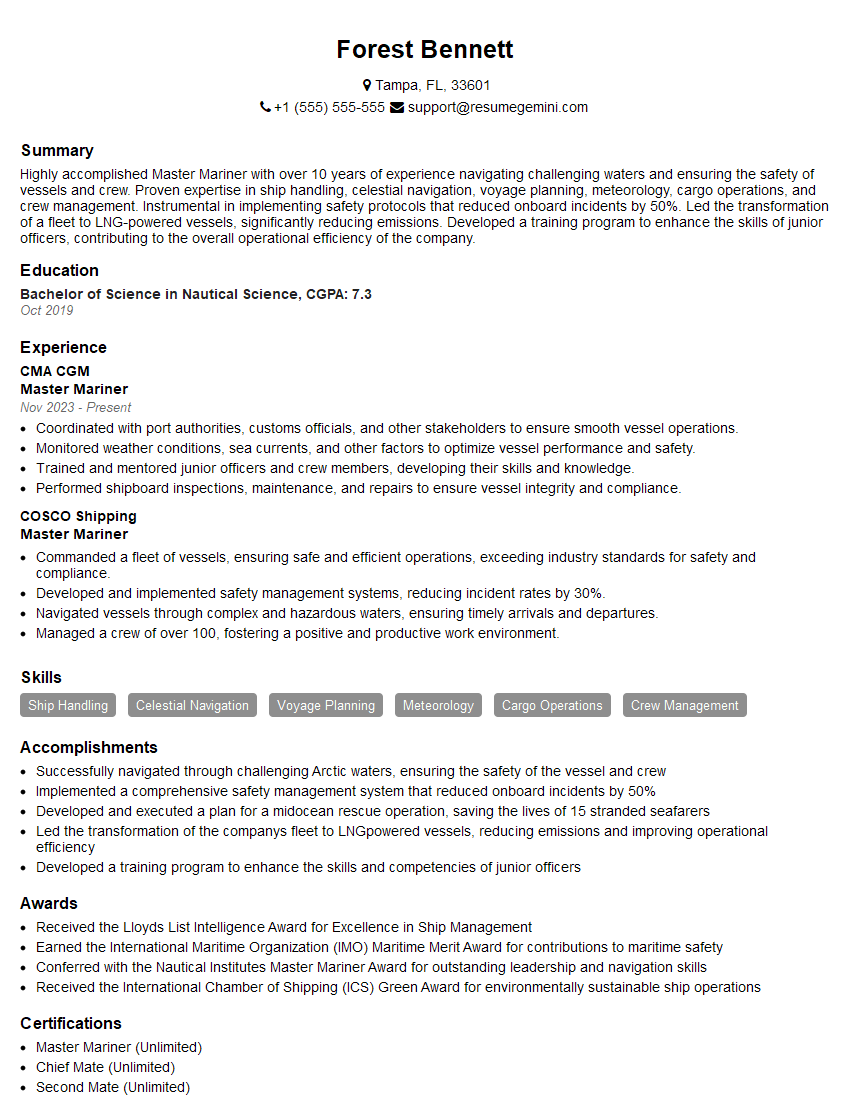
Master Mariner Resume Sample
Explore more articles
Users Rating of Our Blogs
Share Your Experience
We value your feedback! Please rate our content and share your thoughts (optional).
What Readers Say About Our Blog
Very informative content, great job.
good