Feeling uncertain about what to expect in your upcoming interview? We’ve got you covered! This blog highlights the most important Ability to adjust quickly to changing circumstances interview questions and provides actionable advice to help you stand out as the ideal candidate. Let’s pave the way for your success.
Questions Asked in Ability to adjust quickly to changing circumstances Interview
Q 1. Describe a time you had to quickly adapt to a new technology or software.
Adapting to new technologies is crucial in today’s dynamic work environment. It requires a proactive approach, a willingness to learn, and a structured method for onboarding. My approach involves a combination of structured learning, hands-on practice, and seeking expert help when needed.
For instance, when our team transitioned from a legacy CRM to Salesforce, I didn’t simply wait for training. I proactively explored Salesforce’s Trailhead platform, completing several relevant modules before the official training began. This allowed me to grasp the fundamentals quickly and ask targeted questions during training, maximizing my learning efficiency. I then further solidified my understanding by working through practice scenarios and actively seeking help from experienced colleagues on specific features I found challenging. This combination allowed for a rapid transition and enabled me to contribute effectively from the outset.
Q 2. How do you handle unexpected changes in project priorities?
Handling unexpected shifts in project priorities demands flexibility and effective communication. My strategy involves understanding the overall project goals, prioritizing tasks based on their impact on those goals, and transparently communicating the adjustments to the team. I use a prioritization matrix, considering factors such as urgency, impact, and dependencies.
In a recent project, a critical client request emerged, demanding an immediate shift in focus. Instead of panicking, I collaborated with the project manager and team to assess the impact on existing tasks. We re-prioritized the project backlog, focusing on the most impactful tasks related to the client request, while clearly communicating the timeline adjustments to all stakeholders. This approach ensured transparency and mitigated potential disruptions, successfully delivering on both the urgent client need and the original project objectives, albeit with a slightly modified timeline.
Q 3. Give an example of when you had to adjust your approach due to unforeseen circumstances.
Unforeseen circumstances necessitate adaptability and problem-solving skills. My approach involves assessing the situation, identifying potential solutions, selecting the optimal course of action, and implementing it efficiently. This often requires creative thinking and a willingness to deviate from the initial plan.
During a large-scale product launch, a critical software bug was discovered shortly before the event. The initial plan was scrapped, and we had to work through the night to diagnose and fix the bug. My role involved coordinating with the development and testing teams, ensuring the fix was implemented and thoroughly tested before deployment. We communicated proactively with marketing and sales, keeping them informed of the situation and revised launch strategy. This quick response and collaborative effort minimized the impact of the unforeseen circumstances, leading to a successful launch, although slightly delayed.
Q 4. How do you prioritize tasks when faced with multiple urgent requests?
Prioritizing multiple urgent requests requires a structured approach. I utilize a prioritization framework that considers urgency, impact, and dependencies. Factors such as deadline proximity, potential consequences of delay, and interdependencies between tasks are carefully weighed. I often employ a visual tool, such as a Kanban board, to manage and track the progress of tasks.
Imagine receiving three urgent requests simultaneously: a critical bug fix, a client presentation, and an important report. I would first assess the impact and deadlines of each. The bug fix, potentially disrupting the entire system, might take priority. The client presentation, with a looming deadline and significant business impact, would be next. The report, though important, might be delegated or slightly postponed depending on the available resources and time constraints.
Q 5. Describe a situation where you had to learn a new skill quickly.
Learning new skills rapidly is essential for professional growth and adaptability. My approach focuses on targeted learning, utilizing available resources effectively, and seeking guidance from experts. I break down the learning process into manageable steps and practice consistently to build proficiency.
When our team adopted a new project management software, I had to learn it quickly. I started by completing the software’s online tutorials and focusing on the features most relevant to my tasks. I then actively sought out colleagues experienced with the software, asking them for advice and practical tips. I dedicated time each day to practice using the software, gradually building my proficiency until I became confident and efficient in its use.
Q 6. How do you maintain productivity during periods of significant change?
Maintaining productivity during significant change requires proactive strategies. These strategies include effective time management, clear communication, and proactive planning. Breaking down large tasks into smaller, manageable components can help maintain focus and prevent feeling overwhelmed. Regular breaks and self-care are crucial for maintaining both mental and physical well-being.
During a company restructure, I used a time-blocking technique to schedule my day, allocating specific time slots for focused work and incorporating regular breaks to prevent burnout. This structured approach, combined with clear communication with colleagues, ensured that I could remain productive even amidst the uncertainty and change.
Q 7. What strategies do you use to manage stress during times of uncertainty?
Managing stress during uncertainty is paramount for maintaining well-being and productivity. My approach involves a combination of proactive strategies and reactive coping mechanisms. Proactive strategies include maintaining a healthy work-life balance, engaging in regular exercise, and practicing mindfulness. Reactive coping mechanisms include seeking support from colleagues or mentors, taking breaks, and practicing relaxation techniques such as deep breathing.
During periods of high stress, I find that regular exercise helps significantly to clear my head and improve my focus. Additionally, I have found that setting aside even just 15 minutes a day for mindfulness exercises significantly reduces feelings of stress and anxiety.
Q 8. How do you approach problem-solving when faced with evolving information?
Adapting to evolving information requires a structured approach. I begin by acknowledging the change, then systematically assess its impact. This involves identifying the key differences between the initial information and the updated version. I prioritize understanding the *why* behind the change – what factors caused it? This contextual understanding is crucial for making informed decisions. Next, I evaluate the potential consequences of the new information on existing plans and timelines. Finally, I create an adjusted plan, communicating the changes to all relevant stakeholders and making sure everyone is on the same page. Think of it like navigating with a map that’s being constantly updated – you need to regularly check for changes, recalculate your route, and adjust your pace accordingly.
For example, if I’m managing a project and new data shows a critical component is delayed, I won’t panic. Instead, I’ll analyze the impact on the overall project timeline, explore alternative solutions (perhaps substituting a component or re-prioritizing tasks), and communicate the revised schedule transparently to my team and clients.
Q 9. Describe your approach to managing competing deadlines.
Managing competing deadlines effectively is a balancing act of prioritization, delegation, and communication. I utilize tools like project management software (like Asana or Trello) to visualize all tasks and their deadlines. This allows me to clearly see where my time and resources are best allocated. I prioritize tasks based on their urgency and importance, using a system like the Eisenhower Matrix (Urgent/Important). For less critical tasks, I explore delegating them, ensuring I provide clear instructions and support. Open and proactive communication with stakeholders is key – informing them about potential delays or adjustments is crucial for managing expectations and preventing misunderstandings. Regularly reviewing my schedule and adapting my approach as needed is essential.
In a previous role, I was faced with a tight deadline for a major presentation alongside ongoing client work. I prioritized the presentation, allocating dedicated time blocks to its completion. Simultaneously, I delegated less urgent client tasks, ensuring clear communication with colleagues. The result was a successful presentation delivered on time and high-quality client service maintained throughout.
Q 10. How do you stay informed about changes in your industry?
Staying informed in a dynamic industry is a continuous process. I utilize several strategies: I subscribe to relevant industry publications and newsletters (both print and digital), regularly attend industry conferences and webinars, actively participate in professional networking groups, and follow thought leaders and key players on social media platforms like LinkedIn and Twitter. I also make it a point to read industry research reports and analyses to gain insights into emerging trends and potential challenges. This multi-faceted approach ensures I’m exposed to a wide range of information and perspectives, keeping my knowledge base current and relevant.
Q 11. Have you ever had to adapt to a significant organizational restructuring? How did you handle it?
I’ve experienced organizational restructuring before. My approach was to remain proactive and adaptable. Initially, I focused on understanding the reasons behind the restructuring and the overall strategic goals. Then, I assessed how the changes impacted my role and responsibilities. I actively sought out information about the new structure and identified opportunities for growth or skill development. I maintained a positive attitude and collaborated with colleagues during the transition. Open communication with my manager helped me understand expectations and navigate any uncertainties. This proactive stance allowed me to not only survive the restructuring but to thrive within the new organizational environment.
Q 12. How do you effectively communicate changes to your team or stakeholders?
Effective communication of changes involves clarity, transparency, and empathy. I begin by identifying the key stakeholders and their specific information needs. I craft my message concisely and clearly, focusing on the ‘what’, ‘why’, and ‘how’ of the changes. I choose the most appropriate communication channel (e.g., email, meeting, one-on-one conversation) based on the audience and the sensitivity of the information. I encourage questions and feedback to ensure everyone understands. For large-scale changes, I may use a phased rollout to minimize disruption and allow for adjustments based on initial feedback. For example, when implementing a new software system, I would start with a pilot group, gather feedback, and then progressively roll out to the wider team.
Q 13. Describe a time you had to make a quick decision with limited information.
In a previous project, we faced an unexpected server outage just hours before a critical client demo. With limited information about the cause of the outage and no immediate solutions available, I had to make a quick decision. I prioritized transparency and communication. I immediately informed the client of the situation, explaining the problem as clearly as possible, and offering an alternative (a scaled-down presentation using available resources). Simultaneously, I mobilized the technical team to troubleshoot the issue, while setting up a backup plan (e.g., alternative presentation location, demo data). This swift action, prioritizing honest communication and a contingency plan, mitigated the negative impact and preserved the client relationship.
Q 14. How do you identify potential roadblocks and develop contingency plans?
Identifying potential roadblocks and developing contingency plans is a proactive risk management approach. I start by brainstorming potential challenges using techniques like SWOT analysis (Strengths, Weaknesses, Opportunities, Threats) and risk assessment matrices. This involves identifying risks and their potential impact on the project. Once potential roadblocks are identified, I develop contingency plans – alternative actions or strategies – to mitigate those risks. These plans should be realistic, clearly defined, and easily accessible. Regularly reviewing and updating these plans as the project progresses is crucial to maintaining adaptability and responsiveness to evolving circumstances. It’s like having a backup parachute – you hope you won’t need it, but it’s essential to have it ready in case of an emergency.
Q 15. How do you build resilience to cope with frequent changes?
Building resilience to change isn’t about avoiding discomfort, but about developing the capacity to navigate it effectively. It’s like building a muscle; the more you use it, the stronger it gets. I approach this in a multi-faceted way:
- Mindset Shift: I actively cultivate a growth mindset, embracing challenges as opportunities for learning and development. Instead of fearing change, I view it as a chance to improve and innovate.
- Self-Care: Prioritizing physical and mental well-being is crucial. This includes adequate sleep, regular exercise, and mindfulness practices like meditation, which helps me manage stress and maintain perspective during turbulent times.
- Continuous Learning: I actively seek out new skills and knowledge. This allows me to adapt to new situations more readily and confidently. I regularly explore online courses, workshops, and industry publications.
- Networking and Mentorship: Connecting with experienced professionals provides invaluable support and insights. Sharing experiences and learning from others’ approaches to change strengthens resilience.
For example, when faced with a significant organizational restructuring, I actively sought out information about the changes, connected with colleagues to understand their concerns, and focused on developing skills relevant to the new structure. This proactive approach helped me navigate the uncertainty and emerge stronger.
Career Expert Tips:
- Ace those interviews! Prepare effectively by reviewing the Top 50 Most Common Interview Questions on ResumeGemini.
- Navigate your job search with confidence! Explore a wide range of Career Tips on ResumeGemini. Learn about common challenges and recommendations to overcome them.
- Craft the perfect resume! Master the Art of Resume Writing with ResumeGemini’s guide. Showcase your unique qualifications and achievements effectively.
- Don’t miss out on holiday savings! Build your dream resume with ResumeGemini’s ATS optimized templates.
Q 16. How do you measure your success in adapting to change?
Measuring success in adapting to change is not simply about surviving; it’s about thriving. I assess my success through several key indicators:
- Effective Problem Solving: Did I effectively identify and resolve the challenges presented by the change? Were my solutions efficient and effective?
- Positive Outcomes: Did the changes lead to positive results? This could be improved efficiency, increased productivity, successful project completion, or enhanced team morale.
- Skill Development: Did I acquire new skills or refine existing ones in response to the changes? Did I push my boundaries and expand my capabilities?
- Team Performance: Did I contribute to a positive and productive team environment during the transition? Was team morale maintained or even improved?
- Personal Growth: Did I learn from the experience? Did the experience enhance my resilience, adaptability, and problem-solving skills?
For instance, during a recent project where our primary software platform was unexpectedly discontinued, I measured my success not just by the successful migration to a new platform, but also by how efficiently we accomplished the migration, the skills we gained in the new system, and the improved team collaboration that emerged.
Q 17. What are your preferred methods for staying organized during periods of high change?
Maintaining organization during periods of significant change requires a structured and adaptable approach. My preferred methods include:
- Prioritization Matrix: I use a prioritization matrix (like Eisenhower Matrix – Urgent/Important) to identify and focus on the most critical tasks first. This ensures that I’m tackling the most impactful elements of the change efficiently.
- Project Management Tools: I leverage project management software (like Asana, Trello, or Monday.com) to track progress, manage deadlines, and ensure accountability. These tools provide a centralized system for managing tasks and collaborating with team members.
- Time Blocking: I allocate specific time blocks for different tasks and projects, minimizing context switching and maximizing focus. This helps me maintain momentum and avoid feeling overwhelmed.
- Regular Review and Adjustment: I regularly review my schedule and adjust it as needed to accommodate changing priorities. This ensures that my plan stays relevant and effective.
For example, during a company-wide rebranding initiative, I used a project management tool to track all aspects, from content updates to design changes, ensuring timely completion and minimal disruption to ongoing operations. Regular reviews helped us adjust priorities and address emerging issues quickly.
Q 18. How do you identify opportunities within challenges presented by change?
Identifying opportunities within challenges presented by change requires a proactive and creative mindset. I approach this by:
- Seeking Feedback: Actively seeking feedback from colleagues, clients, and stakeholders provides valuable insights into unmet needs and potential solutions.
- Process Optimization: Changes often highlight inefficiencies within existing processes. I look for opportunities to streamline workflows and enhance efficiency.
- Innovation and Creativity: Change provides a fertile ground for innovation. I encourage brainstorming sessions and actively explore creative solutions to challenges.
- Risk Assessment: I identify potential risks associated with change, then develop mitigation strategies. This proactive approach turns potential problems into opportunities for improvement.
For instance, when our company faced a budget cut, instead of viewing it as solely a negative, I used the opportunity to suggest more efficient strategies for achieving goals, leading to improved resource allocation and potentially even cost savings.
Q 19. Describe a time you had to change your communication style to effectively reach different audiences.
Adapting my communication style to effectively reach different audiences is essential. I achieve this through active listening and observation:
- Understanding the Audience: Before communicating, I consider the audience’s background, knowledge level, and communication preferences. This helps me tailor my message accordingly.
- Choosing the Right Medium: I select the appropriate communication channel (email, phone call, presentation, etc.) based on the message and the audience.
- Adjusting Tone and Language: I adjust my tone and language to match the audience’s expectations. For instance, I would use simpler language and more visual aids when communicating with a less technical audience, and a more formal, detailed approach when communicating with senior management.
- Active Listening and Feedback: I pay close attention to the audience’s reaction and actively seek feedback to ensure understanding and address any concerns.
For example, when presenting a complex technical project to a non-technical board of directors, I used analogies and visualizations, focusing on the high-level impact and benefits, rather than getting bogged down in technical details. This approach ensured clear communication and secured buy-in.
Q 20. How do you balance the need for immediate action with the need for thoughtful planning during change?
Balancing immediate action with thoughtful planning during change is crucial for effective outcomes. I achieve this balance using a phased approach:
- Rapid Assessment: First, I quickly assess the situation to identify immediate priorities and potential risks. This involves gathering critical information and identifying the most pressing issues that require immediate attention.
- Short-Term Planning: Next, I develop a short-term plan to address the immediate needs, focusing on stabilizing the situation and mitigating any potential damage.
- Long-Term Strategy: Simultaneously, I engage in more thoughtful long-term planning, considering the broader implications of the change and developing a comprehensive strategy for achieving desired outcomes.
- Iterative Approach: I recognize that plans need to adapt as situations evolve. I regularly review progress, gather feedback, and adjust the plan accordingly. This iterative approach ensures that the plan remains relevant and effective.
During a sudden market shift, for example, I initially focused on addressing the immediate customer concerns and stabilizing sales. Then, I worked on a longer-term strategy to reposition our products and services to meet the changed market demands. Regularly reviewing and adjusting the strategy ensured its effectiveness.
Q 21. How do you delegate tasks effectively during periods of rapid change?
Effective delegation during rapid change is crucial for success. My approach includes:
- Clear Communication: I clearly define the tasks, expectations, and desired outcomes, ensuring everyone understands their roles and responsibilities.
- Matching Skills: I delegate tasks to individuals with the appropriate skills and experience, empowering them to succeed.
- Providing Resources: I ensure that team members have the necessary resources, tools, and information to complete their tasks effectively.
- Regular Check-ins: I schedule regular check-ins to monitor progress, provide support, and address any challenges. This proactive approach helps maintain momentum and prevent setbacks.
- Trust and Empowerment: I trust my team members to execute their tasks effectively, providing autonomy and fostering a collaborative environment. This builds confidence and encourages initiative.
During a recent product launch crisis, I delegated specific tasks based on individual expertise, ensuring clear communication and regular updates. This collaborative approach allowed us to resolve the issues efficiently and meet the launch deadline successfully.
Q 22. How do you ensure team morale remains high during times of significant change?
Maintaining high team morale during significant change requires proactive communication, empathy, and a focus on shared goals. It’s like navigating a ship through a storm – you need a clear plan, a strong crew, and constant reassurance.
- Transparency: Keep the team informed about the changes, the reasons behind them, and the potential impact. Open communication prevents rumors and fosters trust. For example, during a recent company restructuring, I held regular team meetings to address concerns and explain the rationale behind the changes.
- Empowerment: Involve the team in the change process wherever possible. This gives them a sense of ownership and control, reducing anxiety. We once redesigned our workflow, and by involving the team in brainstorming sessions, we got buy-in and innovative solutions.
- Recognition and Support: Acknowledge the challenges the team faces and celebrate even small successes. Providing additional training or resources can also ease the transition and demonstrate your commitment to their well-being. After a challenging project launch, we held a team lunch to acknowledge everyone’s hard work and resilience.
- Focus on Shared Goals: Remind the team of the larger objectives and how the changes contribute to achieving them. This helps to maintain focus and motivation during periods of uncertainty. We frequently revisit our team mission statement to remind ourselves of the bigger picture and stay motivated.
Q 23. Describe your experience working in a fast-paced, dynamic environment.
I thrive in fast-paced, dynamic environments. My experience at [Previous Company Name] perfectly illustrates this. We were constantly launching new products, adapting to market shifts, and dealing with unexpected challenges. It was a baptism by fire, but it honed my ability to prioritize tasks, make quick decisions under pressure, and adapt to shifting priorities.
For example, we once faced a critical software bug right before a major product launch. Instead of panicking, I worked with the team to prioritize the most urgent fixes, delegate tasks effectively, and communicate transparently with stakeholders. We successfully resolved the issue, minimizing the impact on the launch. This situation taught me the importance of clear communication, efficient delegation, and problem-solving under pressure. It also highlighted the value of a flexible and adaptable mindset.
Q 24. How do you remain proactive in anticipating potential changes?
Proactive anticipation involves continuous monitoring of the market, staying informed about industry trends, and analyzing internal data to identify potential challenges and opportunities. It’s like being a weather forecaster – you analyze the data to predict potential storms and prepare accordingly.
- Market Research: I regularly review industry publications, attend conferences, and network with colleagues to stay abreast of emerging trends and potential disruptions.
- Data Analysis: I analyze internal performance data to identify patterns and potential bottlenecks. For example, a recent decline in sales led me to investigate the underlying causes, ultimately leading to a proactive adjustment in our marketing strategy.
- Scenario Planning: I engage in scenario planning exercises to anticipate various potential futures and develop contingency plans. This helps us to be prepared for a range of possible outcomes.
- Feedback Loops: I actively solicit feedback from colleagues, customers, and stakeholders to gain insights into potential issues or opportunities that might otherwise be overlooked.
Q 25. What is your approach to accepting and embracing change?
My approach to change is to view it as an opportunity for growth and improvement, rather than a threat. I embrace change by focusing on understanding the reasons behind it, learning from past experiences, and actively seeking ways to adapt and thrive in new situations. It’s about seeing the forest for the trees; the overall picture, not just the immediate disruption.
For example, when our company transitioned to a new CRM system, I approached it as a chance to improve my efficiency and learn a new skill. I proactively sought out training, experimented with different features, and became a resource for my colleagues. This allowed me not only to adapt effectively but to also become a more valuable asset to the team.
Q 26. How do you leverage change to improve your performance?
I leverage change to improve my performance by actively seeking out feedback, identifying areas for improvement, and developing new skills. It’s a continuous cycle of learning and adaptation. Like a blacksmith refining metal, I use the heat of change to forge a stronger and more resilient self.
- Seek Feedback: After significant changes, I actively seek feedback on my performance to identify areas where I can improve.
- Skill Development: I use changes as opportunities to learn new skills or enhance existing ones. The introduction of new software, for example, is a chance to upskill myself.
- Process Improvement: I look for opportunities to optimize processes or workflows that have been disrupted by change.
- Mentorship: I actively mentor colleagues, sharing my knowledge and experience to assist them in navigating change.
Q 27. How do you build relationships with colleagues during periods of transition?
Building strong relationships during periods of transition is crucial for maintaining team cohesion and achieving shared goals. It requires proactive communication, empathy, and a commitment to collaboration. Think of it like building a bridge during a flood – you need to work together to ensure everyone gets across safely.
- Open Communication: I make a point of checking in with colleagues regularly, asking about their experiences with the changes, and offering support where needed.
- Active Listening: I listen attentively to colleagues’ concerns and perspectives, validating their feelings and showing that I care about their well-being.
- Collaboration: I seek out opportunities to collaborate with colleagues on projects or tasks, fostering a sense of teamwork and mutual support.
- Social Interaction: I make an effort to maintain social connections with colleagues, even during stressful periods. This helps to maintain morale and build camaraderie.
Q 28. Describe a time you were able to turn a negative change into a positive outcome.
During a company-wide budget cut, our department faced a significant reduction in resources. Initially, this felt like a setback, threatening our ability to deliver on key projects. However, instead of focusing on the negative, we viewed it as an opportunity to streamline our processes and improve efficiency. We implemented new project management tools, identified redundancies, and consolidated tasks. The result? Not only did we successfully deliver on our projects within the reduced budget, but we actually improved our overall efficiency and team collaboration. The crisis forced us to innovate, leading to a stronger and more resilient team.
Key Topics to Learn for Ability to Adjust Quickly to Changing Circumstances Interview
- Proactive Problem-Solving: Understanding how to anticipate potential challenges and develop contingency plans. This includes identifying potential roadblocks and brainstorming solutions before they become critical issues.
- Adaptability and Flexibility: Demonstrating a willingness to embrace new challenges, learn new skills, and adjust your approach as needed. This goes beyond simply tolerating change; it’s about actively seeking opportunities to adapt and thrive in dynamic environments.
- Resourcefulness and Initiative: Showcasing your ability to find creative solutions with limited resources and taking the initiative to address changing circumstances without being explicitly instructed. Think about examples where you independently found a solution to a problem.
- Stress Management and Resilience: Highlighting your ability to remain calm and focused under pressure, and your capacity to bounce back from setbacks. Emphasize strategies you use to manage stress and maintain productivity during periods of uncertainty.
- Communication and Collaboration: Demonstrating effective communication skills in conveying changes to others, collaborating effectively during transitions, and actively seeking feedback to improve your response to change.
- Learning Agility: Showcasing your ability to quickly absorb new information, learn from mistakes, and apply new knowledge to improve your performance in evolving situations. Provide specific examples of times you rapidly mastered new skills or processes.
Next Steps
Mastering the ability to adjust quickly to changing circumstances is paramount for career growth. In today’s dynamic work environment, adaptability is highly valued by employers. To showcase this crucial skill effectively, a well-crafted, ATS-friendly resume is essential. ResumeGemini can help you build a powerful resume that highlights your adaptability and problem-solving skills, ensuring your application stands out. We provide examples of resumes tailored to showcase “Ability to adjust quickly to changing circumstances,” helping you present your experience in the most impactful way. Invest in your future and create a resume that reflects your exceptional adaptability.

Operations Manager Resume Sample
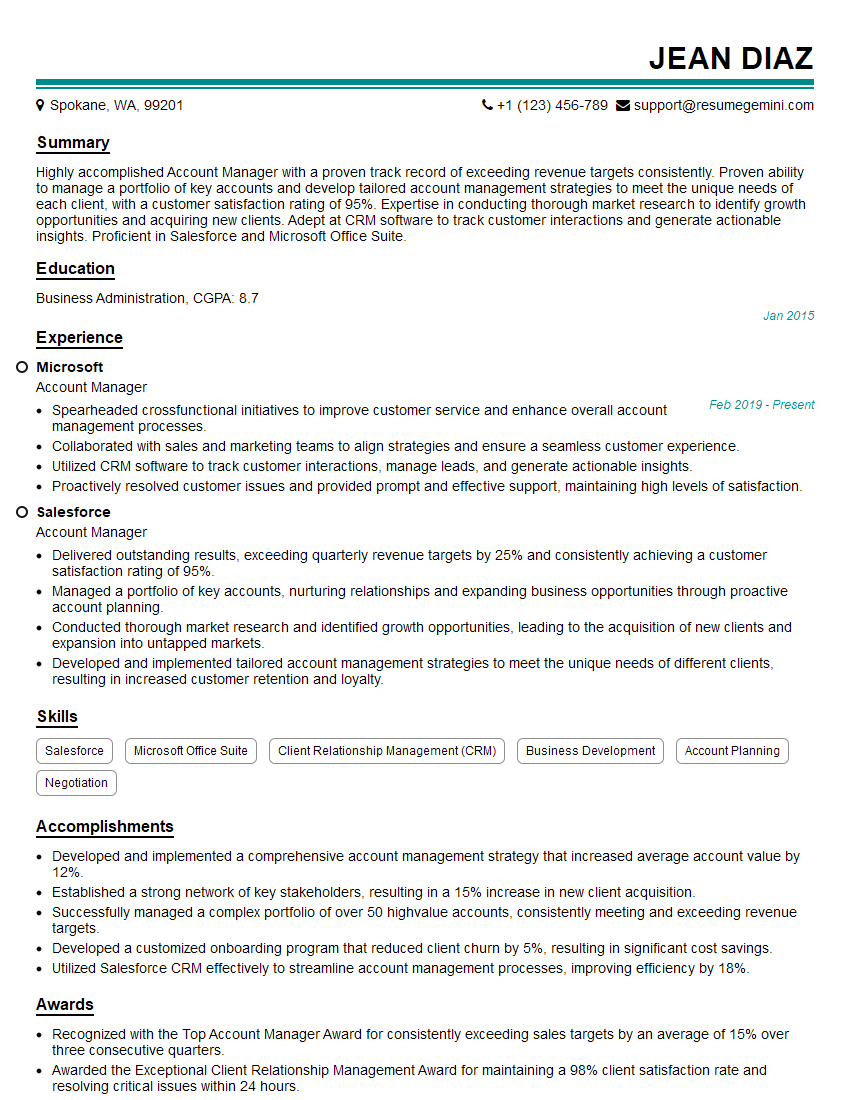
Account Manager Resume Sample
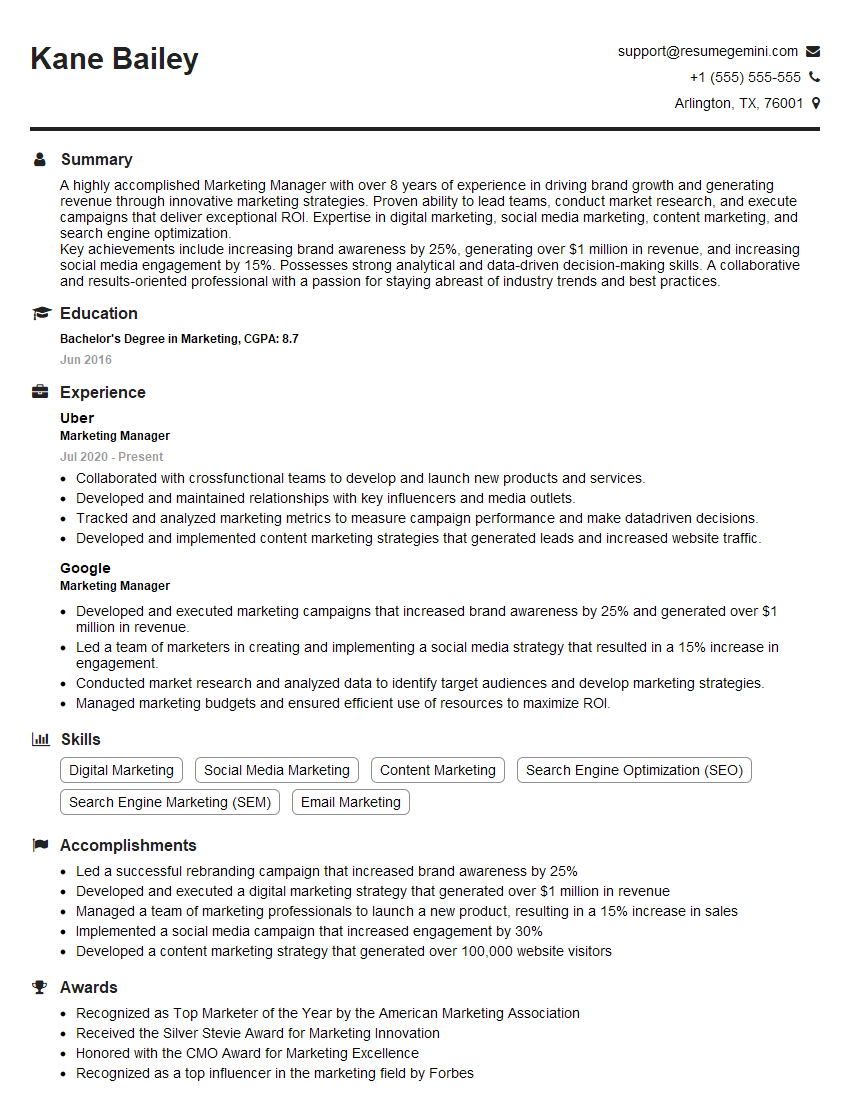
Marketing Manager Resume Sample
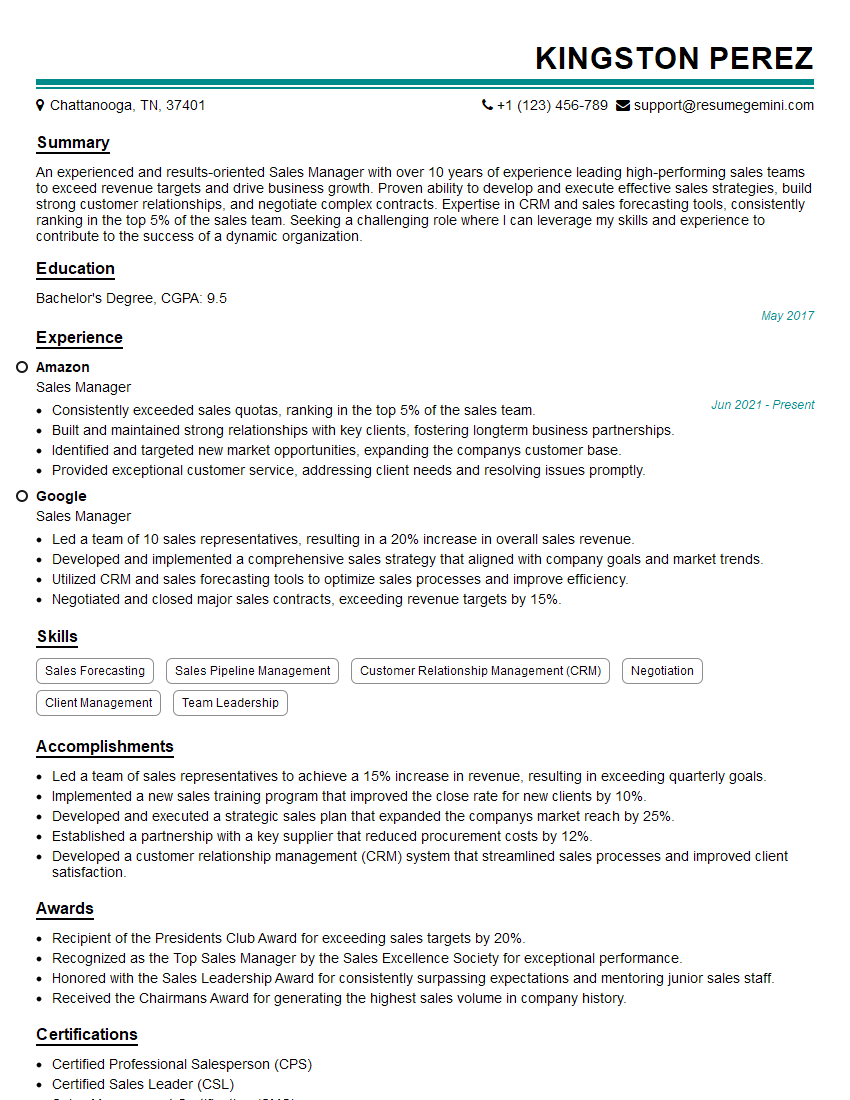
Sales Manager Resume Sample
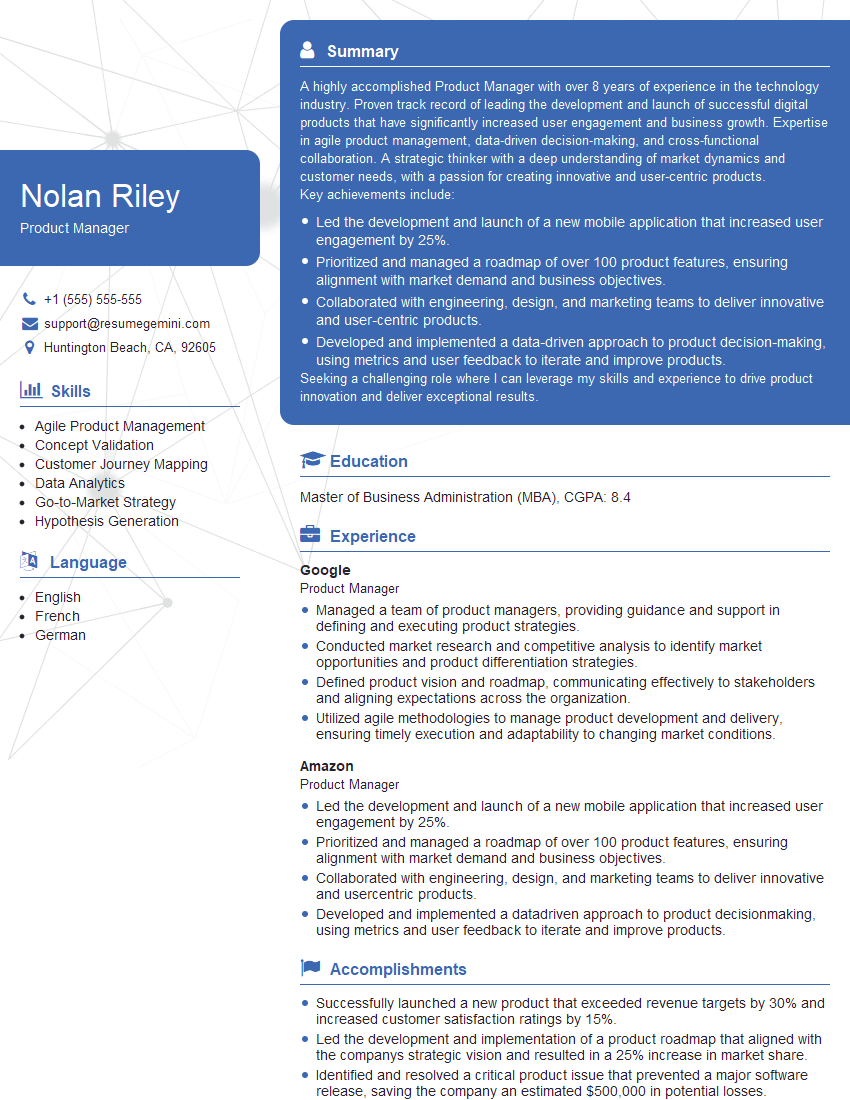
Product Manager Resume Sample

Supply Chain Manager Resume Sample
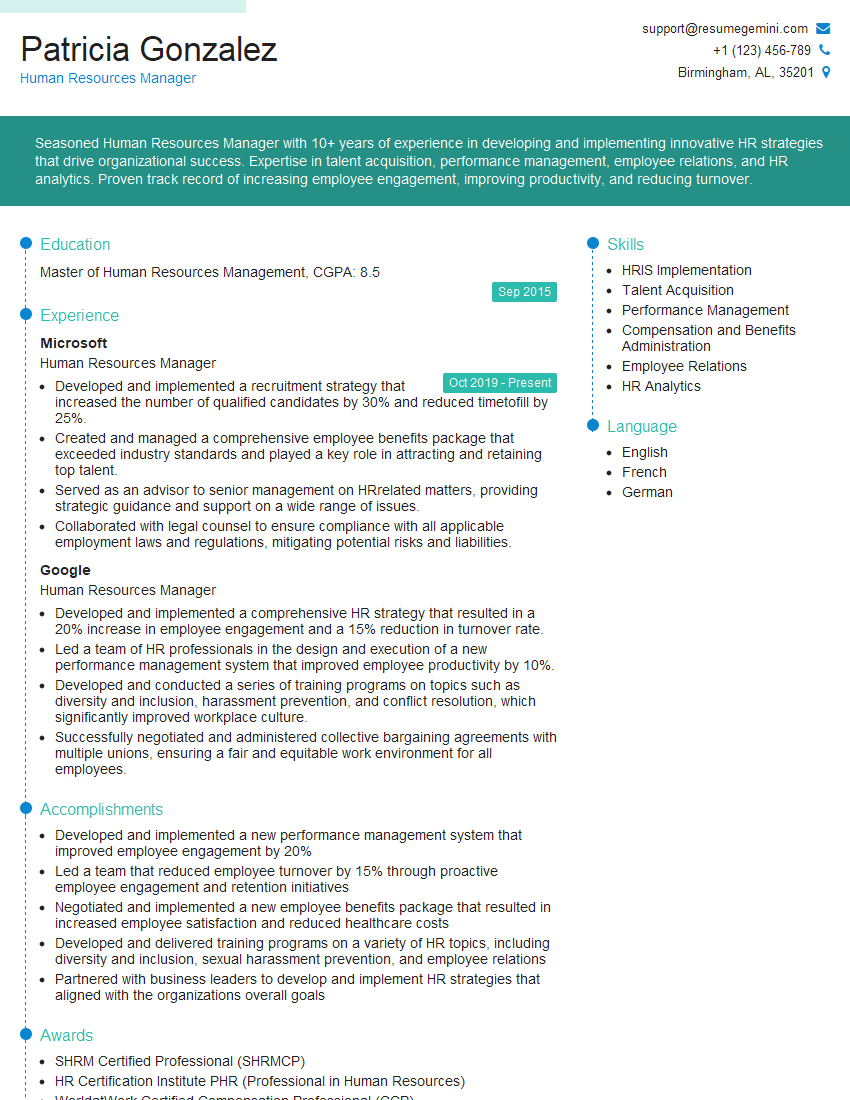
Human Resources Manager Resume Sample

Project Manager Resume Sample
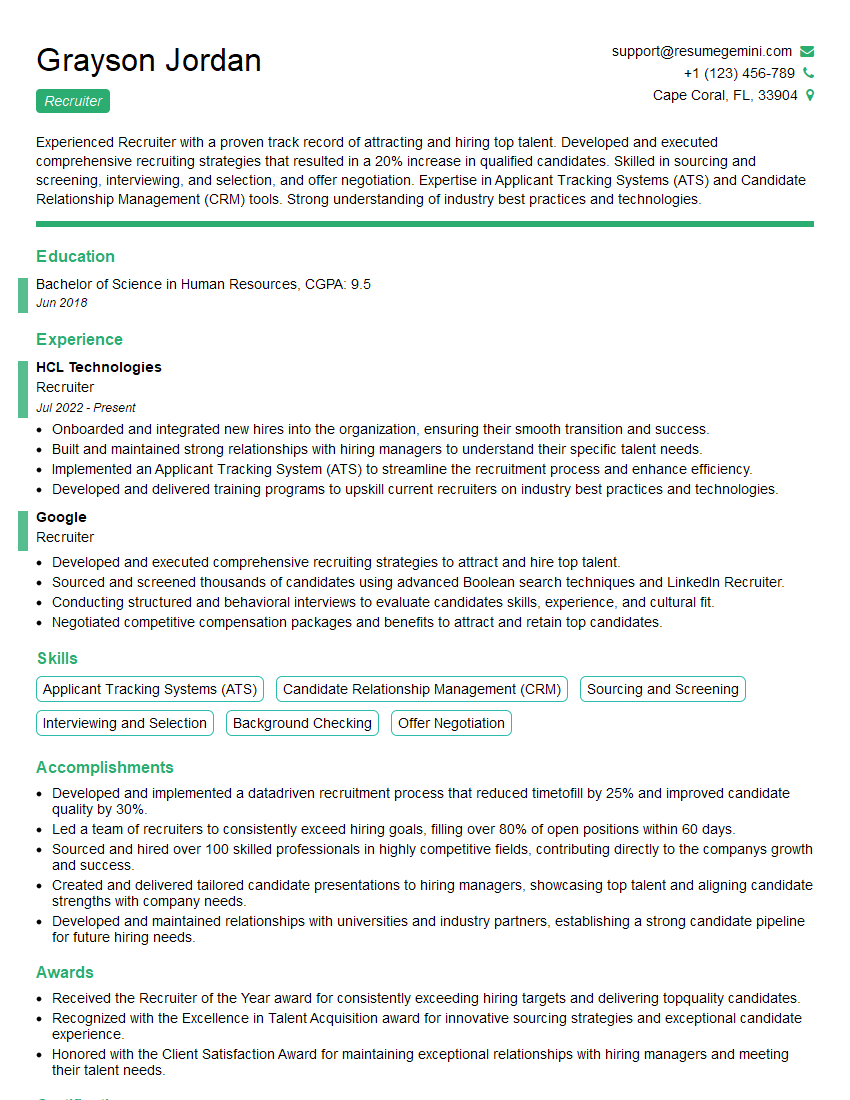
Recruiter Resume Sample
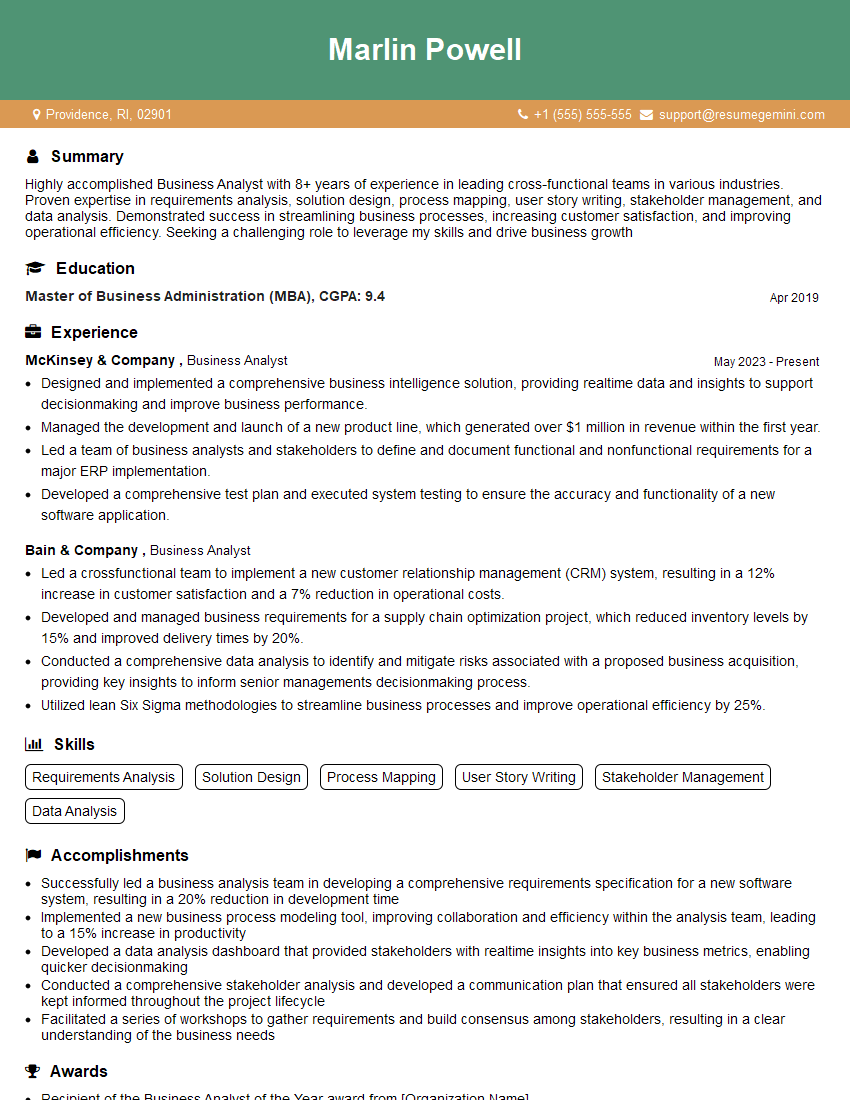
Business Analyst Resume Sample
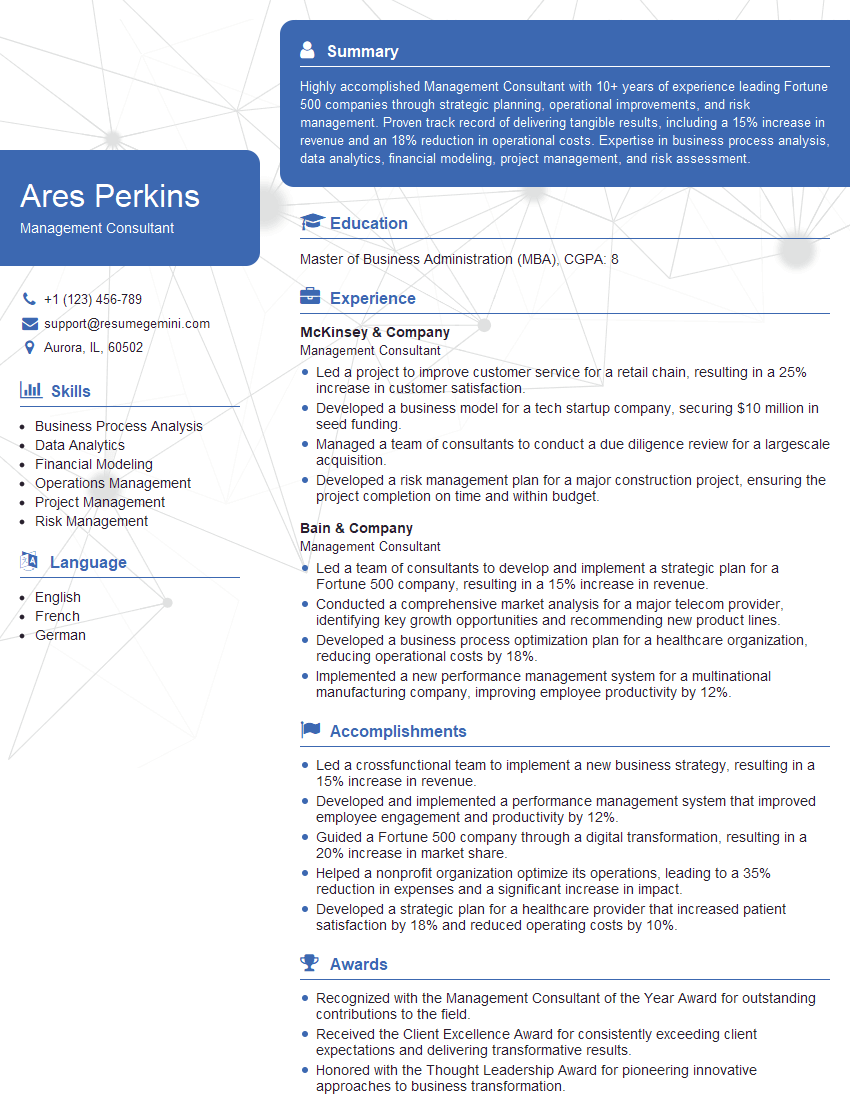
Management Consultant Resume Sample
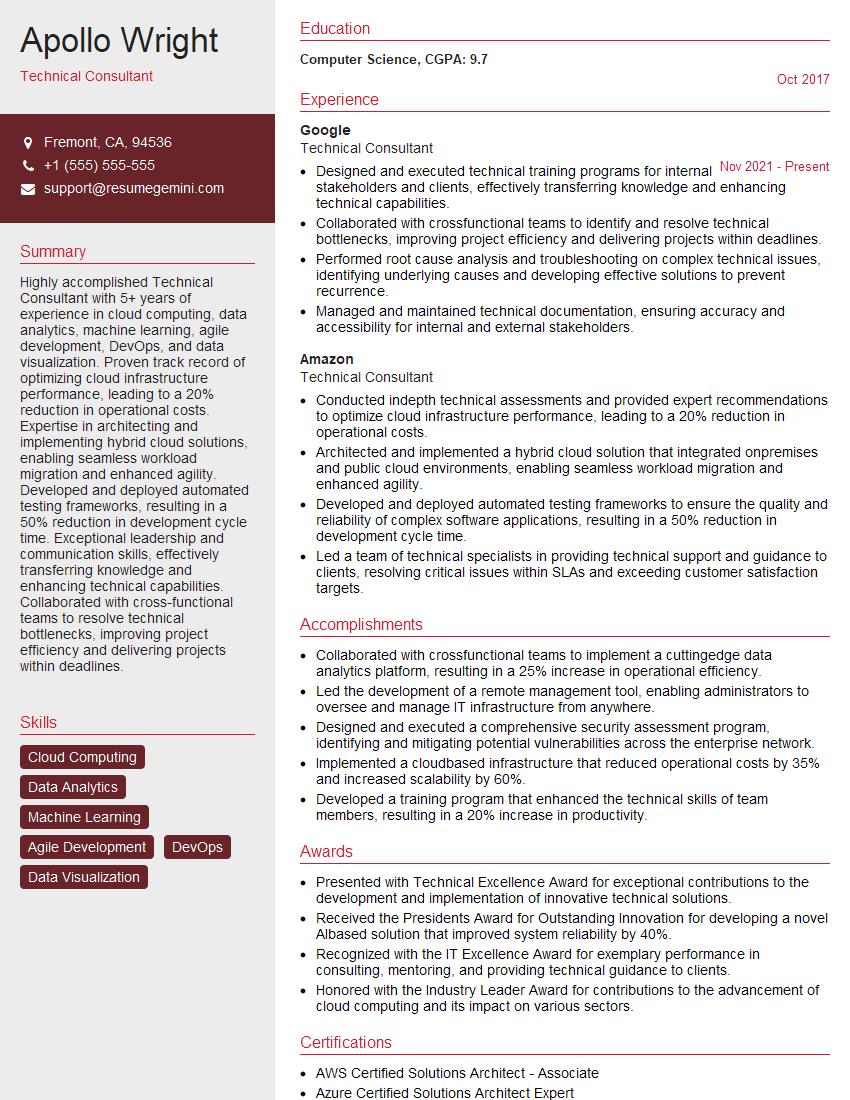
Technical Consultant Resume Sample
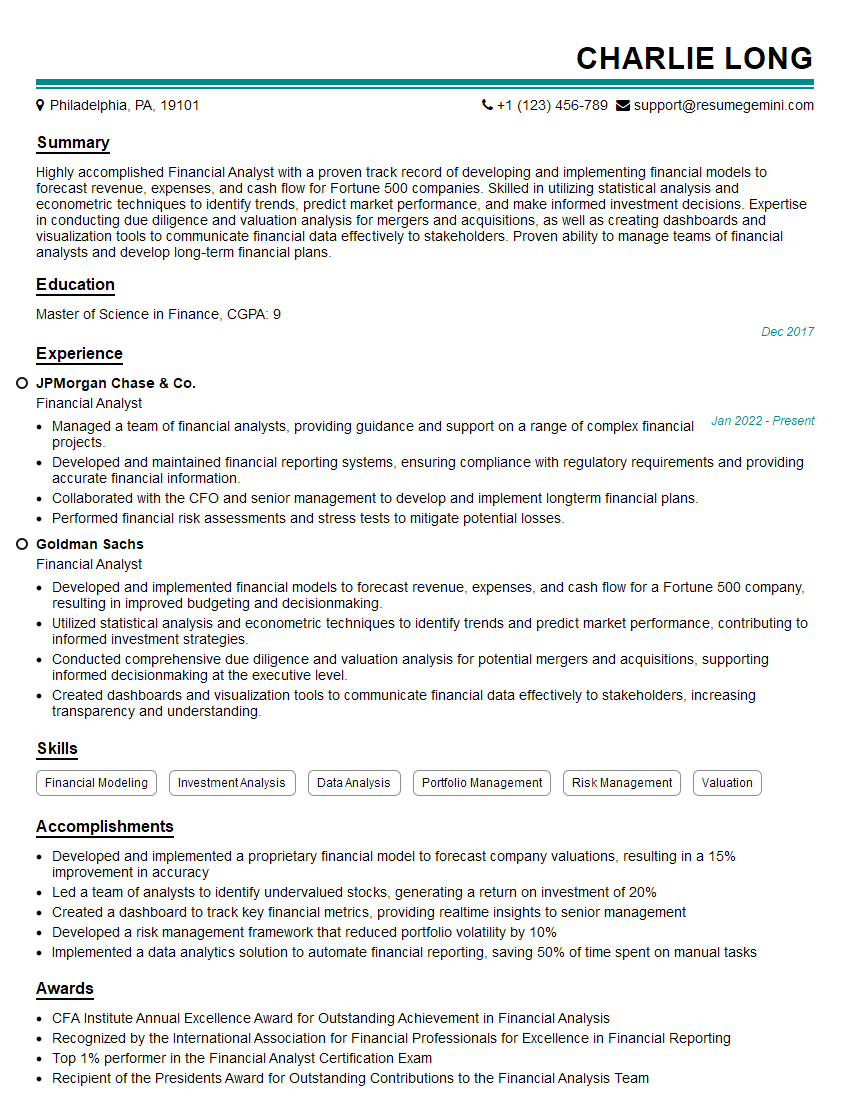
Financial Analyst Resume Sample
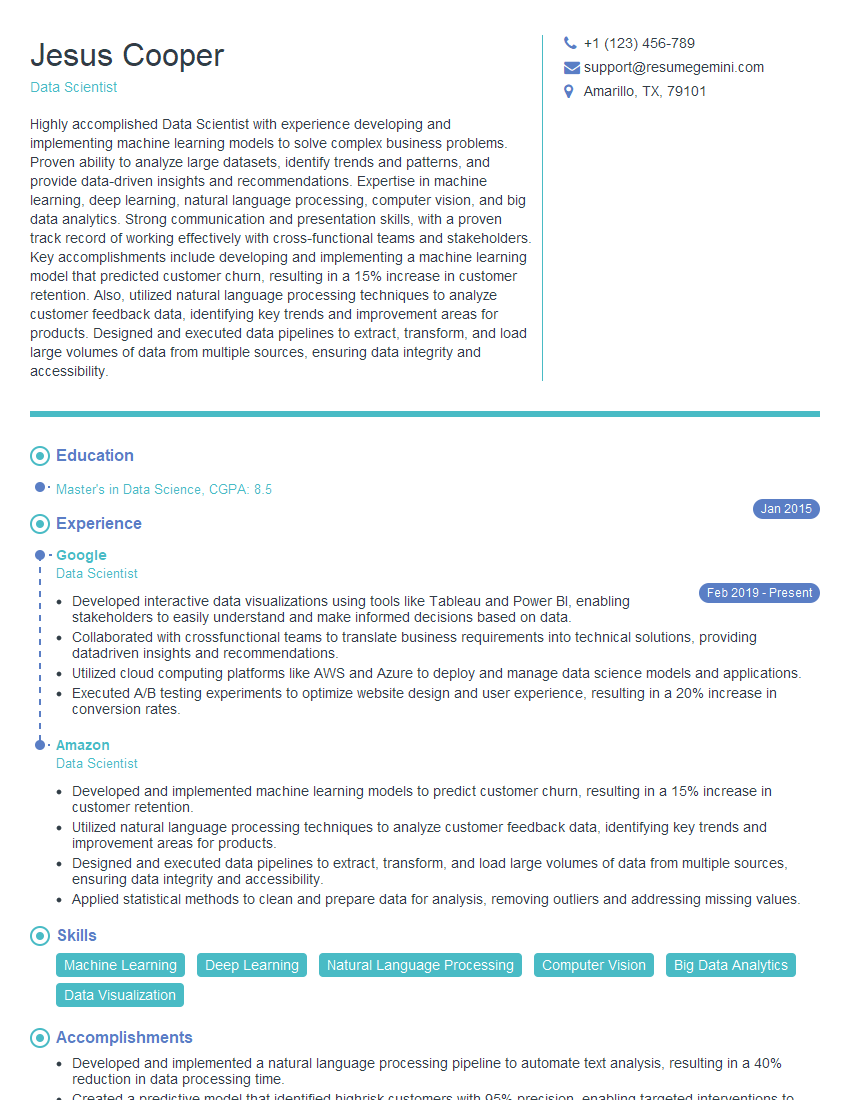
Data Scientist Resume Sample
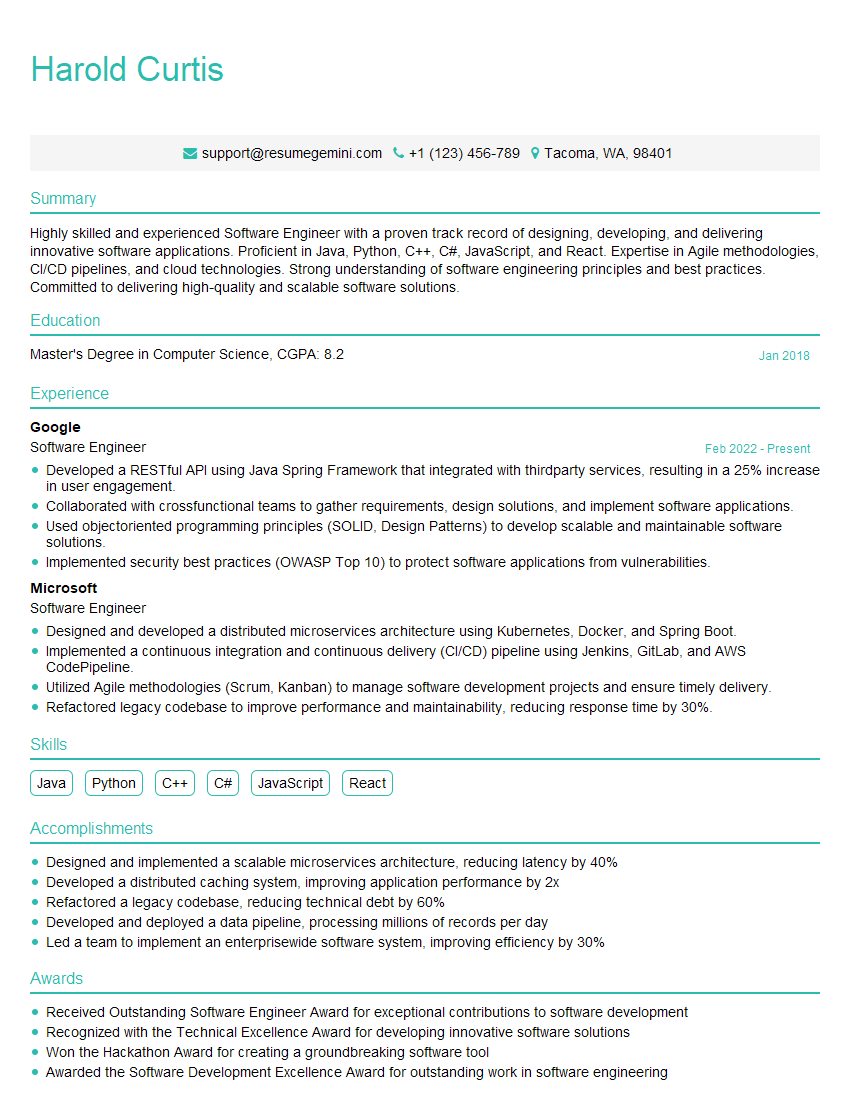
Software Engineer Resume Sample
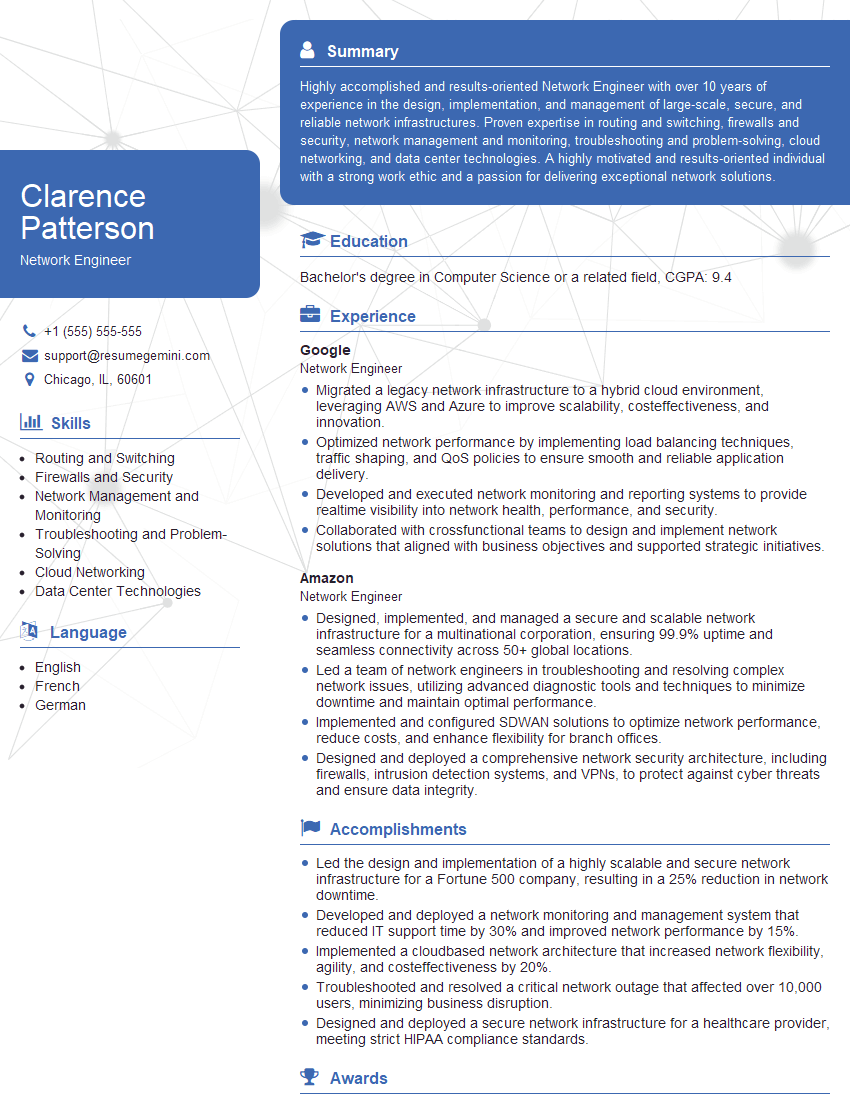
Network Engineer Resume Sample
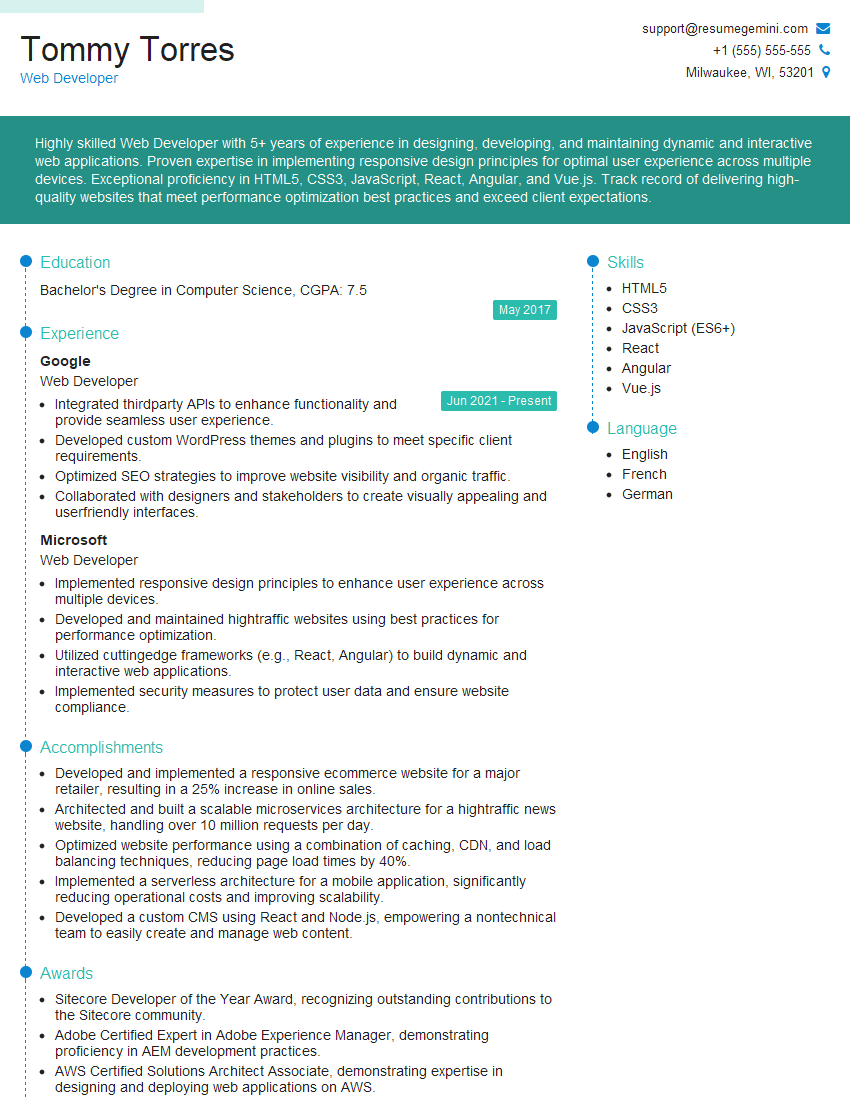
Web Developer Resume Sample
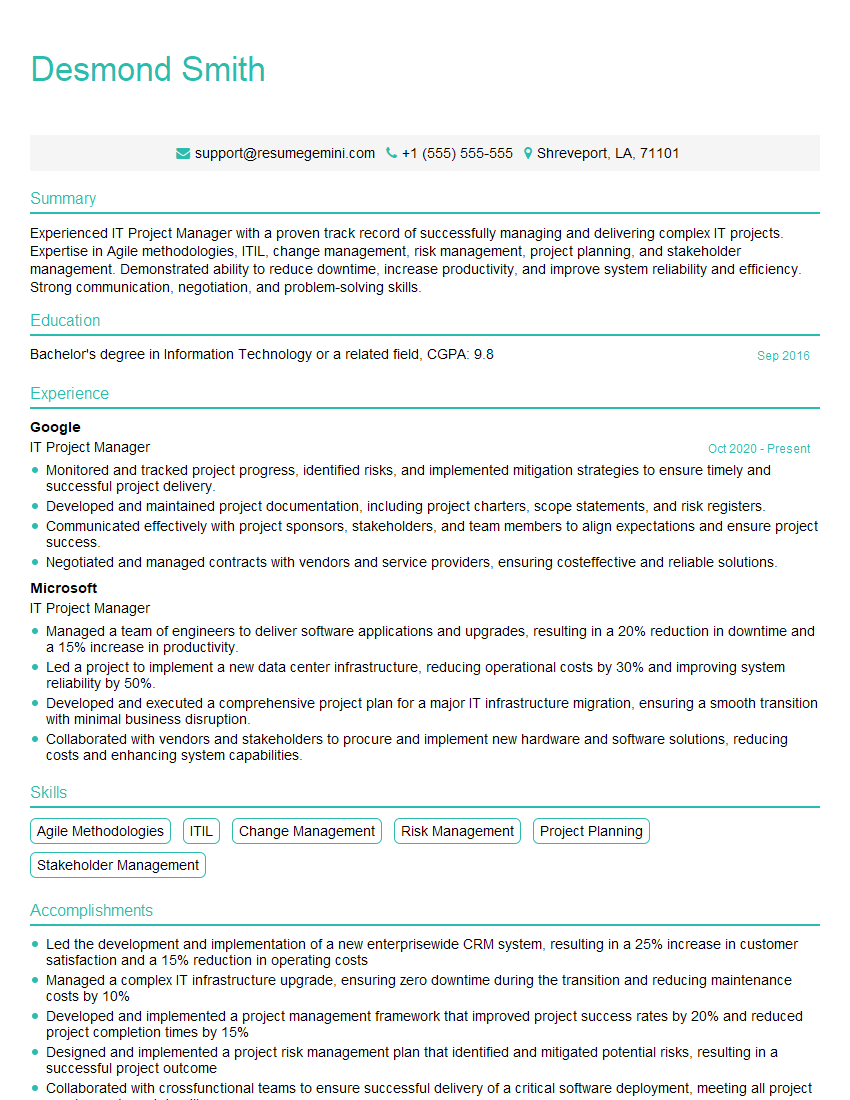
IT Project Manager Resume Sample
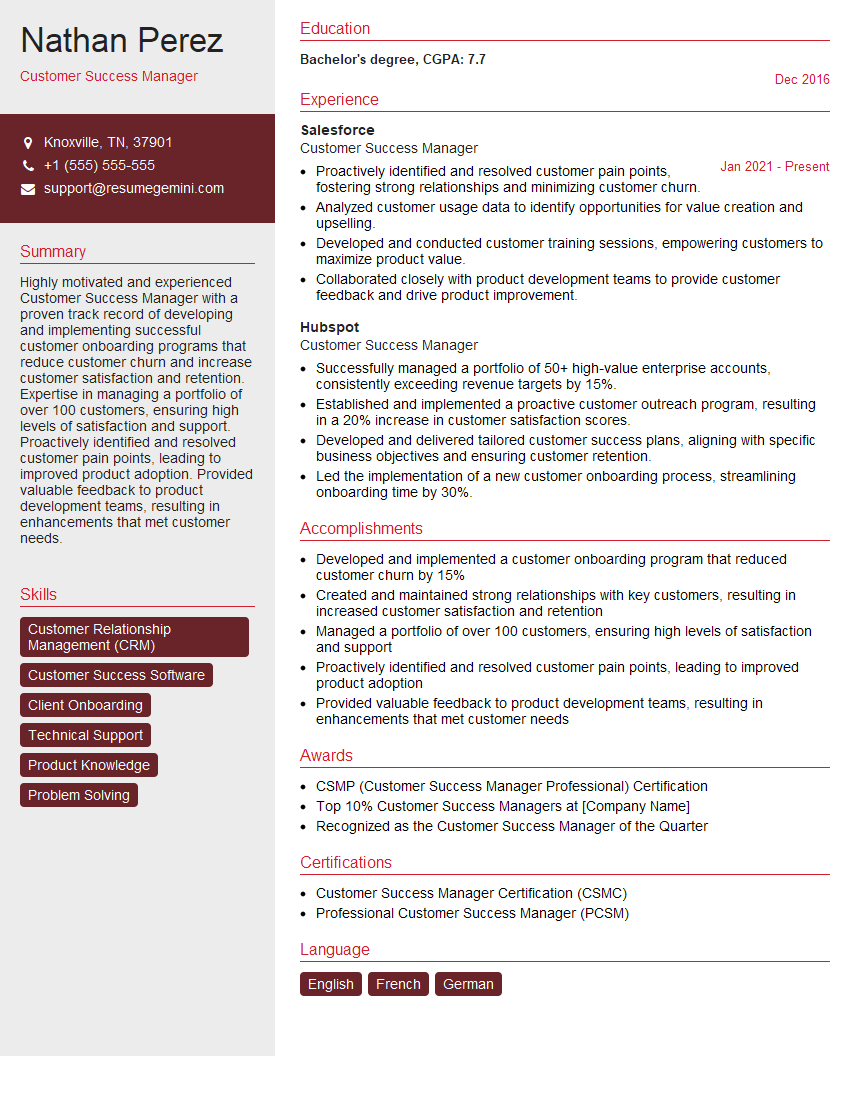
Customer Success Manager Resume Sample
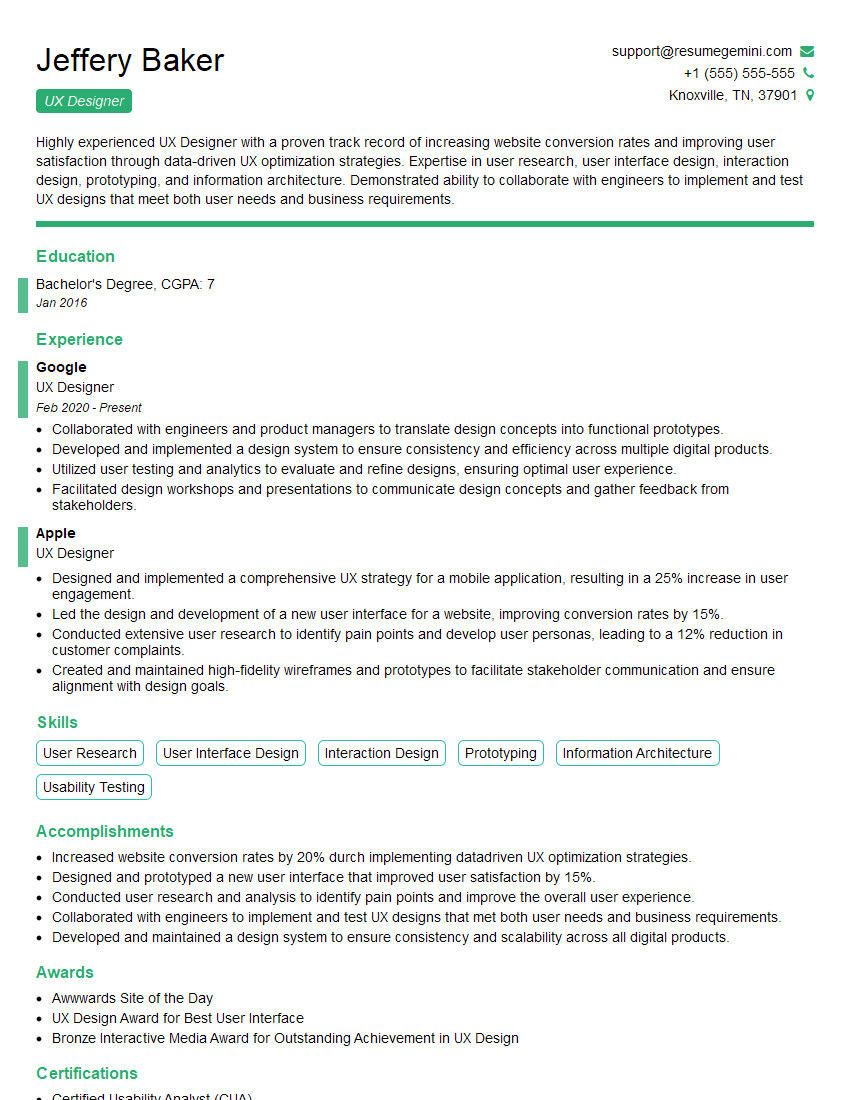
UX Designer Resume Sample
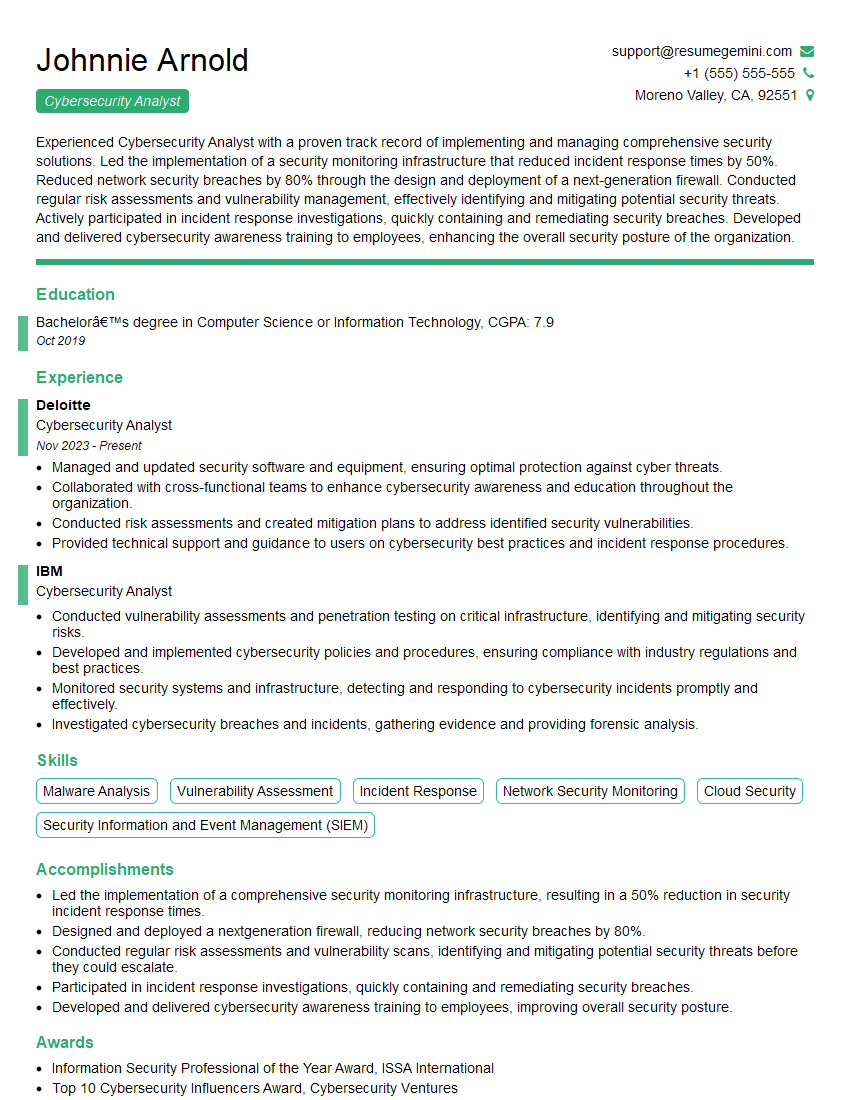
Cybersecurity Analyst Resume Sample
- Operations Manager
- Account Manager
- Marketing Manager
- Sales Manager
- Product Manager
- Supply Chain Manager
- Human Resources Manager
- Project Manager
- Recruiter
- Business Analyst
- Management Consultant
- Technical Consultant
- Financial Analyst
- Data Scientist
- Software Engineer
- Network Engineer
- Web Developer
- IT Project Manager
- Customer Success Manager
- UX Designer
- Cybersecurity Analyst
Explore more articles
Users Rating of Our Blogs
Share Your Experience
We value your feedback! Please rate our content and share your thoughts (optional).
What Readers Say About Our Blog
Very informative content, great job.
good