Interviews are opportunities to demonstrate your expertise, and this guide is here to help you shine. Explore the essential Ability to assess potential and project future performance interview questions that employers frequently ask, paired with strategies for crafting responses that set you apart from the competition.
Questions Asked in Ability to assess potential and project future performance Interview
Q 1. Describe your methodology for evaluating a candidate’s long-term potential.
My methodology for evaluating a candidate’s long-term potential is multifaceted and goes beyond simply assessing current skills. I employ a holistic approach, combining several key elements.
- Past Performance Analysis: I delve deep into their past experiences, looking for patterns of growth, consistent achievement, and how they handled challenges. Did they consistently exceed expectations? Did they take initiative? How did they adapt to changing circumstances? This isn’t just about listing accomplishments; it’s about understanding the why behind them.
- Skills Gap Analysis: I identify the skills necessary for future success in the role and company and then assess the candidate’s current skill set, identifying any gaps. Crucially, I also evaluate their learning agility – their willingness and ability to acquire new skills quickly.
- Potential Assessment: This involves probing their aspirations, learning style, and problem-solving approaches. I use behavioral questions to understand their decision-making processes, particularly in high-pressure situations. I look for evidence of intellectual curiosity, strategic thinking, and a proactive approach to challenges.
- Personality and Cultural Fit: While technical skills are crucial, cultural fit is equally important for long-term success. I assess their personality traits, teamwork abilities, and overall compatibility with the company culture. A great individual contributor might not thrive in a collaborative environment.
- 360-degree feedback (when available): If possible, I gather feedback from previous colleagues, supervisors, and subordinates to get a comprehensive picture of their work style, strengths, and areas for improvement.
By combining these elements, I create a comprehensive profile that allows me to predict future performance with reasonable accuracy. It’s not an exact science, but a well-structured assessment minimizes the chance of error.
Q 2. How do you identify key skills and competencies needed for future success in a specific role?
Identifying key skills and competencies for future success requires a forward-looking approach. It’s not enough to look at the current job description; you need to consider the future trajectory of the role and the organization.
- Job Analysis and Future Forecasting: I start by thoroughly analyzing the current job requirements but extend this to anticipate future needs. This involves researching industry trends, understanding the company’s strategic goals, and anticipating potential technological advancements that might impact the role.
- Competency Modeling: I use competency modeling to identify the essential skills and behaviors associated with high performance in the role. This might include technical skills, leadership capabilities, communication skills, problem-solving abilities, and adaptability.
- Succession Planning: Understanding the company’s succession plan provides insights into the career progression path for the role. This allows me to identify skills that will be necessary for advancement within the organization.
- Stakeholder Input: I consult with the hiring manager, team members, and other relevant stakeholders to get their perspectives on the essential skills and competencies needed for the role’s success.
For example, if hiring for a marketing role, current skills might be SEO optimization and social media marketing. But, future success might require knowledge of AI-driven marketing tools and data analytics – skills I’d look for in a candidate, even if they aren’t currently stated in the job description.
Q 3. Explain how you use data analytics to predict future employee performance.
Data analytics plays a crucial role in predicting future employee performance. It allows us to move beyond intuition and rely on objective metrics to assess potential.
- Performance Data Analysis: I analyze historical performance data, such as sales figures, project completion rates, customer satisfaction scores, and employee engagement metrics. This data can reveal patterns and trends indicative of future performance.
- Predictive Modeling: Techniques like regression analysis or machine learning algorithms can be used to create predictive models. These models can identify factors that are strongly correlated with future success, allowing for a more data-driven prediction of a candidate’s potential.
- Engagement and Retention Metrics: Data on employee engagement, turnover rates, and absenteeism can be used to identify potential performance issues early on. For example, low engagement might indicate a mismatch between the employee and the role, potentially leading to decreased performance in the future.
- Assessment Center Data: Data from assessment centers, including simulations, tests, and interviews, can be analyzed to identify patterns of behavior and performance that correlate with future success.
It’s important to note that data analysis should be used ethically and responsibly. It should be used in conjunction with human judgment to avoid bias and ensure fairness.
Q 4. What are some common biases you avoid when assessing potential?
Avoiding bias is paramount in assessing potential. Several common biases can skew our judgment. I actively work to mitigate these through structured processes and conscious effort.
- Confirmation Bias: This is the tendency to seek out information that confirms pre-existing beliefs. I counteract this by actively seeking out contradictory evidence and challenging my own assumptions.
- Affinity Bias: This is the tendency to favor candidates who are similar to oneself. I use structured interviews with standardized questions to minimize this bias and focus on objective criteria.
- Halo Effect: This is the tendency to let one positive trait overshadow other aspects of a candidate. I use a balanced scoring system to ensure all aspects of the candidate’s profile are given due consideration.
- Anchoring Bias: This involves over-reliance on the first piece of information received. I carefully review all information received before forming a judgment.
- Recency Bias: This involves placing too much emphasis on recent events. I make sure to consider the entire history and trajectory of the candidate’s performance.
By being aware of these biases and implementing strategies to mitigate them, I strive for a more objective and fair assessment.
Q 5. How do you assess a candidate’s adaptability and learning agility?
Assessing adaptability and learning agility requires going beyond the resume and looking at how candidates respond to challenges and new information.
- Behavioral Questions: I ask open-ended questions about past experiences where they had to adapt to new situations, learn new skills, or overcome unexpected challenges. I look for examples of initiative, resourcefulness, and a willingness to step outside their comfort zone.
- Situational Judgment Tests: These tests present candidates with hypothetical scenarios requiring them to make decisions and solve problems. This provides insights into their problem-solving abilities and their approach to complex situations.
- Cognitive Ability Tests: While not directly measuring adaptability, these tests assess cognitive flexibility and the ability to learn and process new information quickly. High scores often correlate with stronger learning agility.
- References and Background Checks: Checking references allows me to gather feedback on the candidate’s adaptability and willingness to learn from others. The type of learning and development opportunities they seek can also be assessed through such channels.
For example, I might ask about a time they had to quickly learn a new software program or a situation where they had to adapt their approach to a project due to unexpected changes.
Q 6. Describe a time you misjudged a candidate’s potential. What did you learn?
I once misjudged a candidate who presented brilliantly in interviews but lacked the practical skills needed for the role. I focused too heavily on their enthusiasm and confidence, overlooking their limited hands-on experience.
This experience taught me the critical importance of balancing soft skills with technical abilities and conducting thorough reference checks that focus on practical, real-world performance indicators, rather than solely relying on subjective perceptions. I now incorporate more practical assessments, such as skills tests and work samples, into my evaluation process to obtain a more complete and realistic picture of a candidate’s capabilities.
Q 7. How do you incorporate behavioral assessments into your talent evaluation process?
Behavioral assessments are valuable tools in evaluating talent. They provide insights into personality traits, work styles, and behavioral tendencies that might not be apparent in a traditional interview.
- Personality Inventories: Tools like the Myers-Briggs Type Indicator (MBTI) or the Big Five personality traits can provide valuable insights into a candidate’s personality and how they might fit into a team. However, it’s crucial to interpret these results cautiously and not use them as the sole basis for hiring decisions.
- Behavioral Questionnaires: These questionnaires ask candidates to describe how they handled specific situations in the past. Analyzing their responses can provide valuable insight into their work habits, problem-solving skills, and decision-making processes.
- Situational Judgment Tests (SJTs): These tests present candidates with hypothetical scenarios and ask them to choose the best course of action. This assesses their judgment, problem-solving abilities, and decision-making skills in a variety of situations.
- Assessment Centers: These involve a series of exercises, simulations, and interviews designed to assess a candidate’s skills and competencies in a realistic setting. Data from these assessments can be analyzed to identify patterns of behavior and performance.
It’s important to select assessments that are validated, reliable, and free from bias. The results should be interpreted holistically, considering other factors such as experience, education, and skills.
Q 8. How do you weigh technical skills against soft skills when evaluating potential?
Assessing potential requires a holistic view, blending technical proficiency with crucial soft skills. It’s not a simple equation of one outweighing the other; instead, it’s about understanding how these skills interact and contribute to overall success. Think of it like building a house: technical skills are the bricks and mortar—essential for the structure—while soft skills are the foundation, ensuring stability and longevity. A candidate might possess exceptional technical expertise (e.g., coding skills for a software engineer), but without strong communication and teamwork skills, their potential is significantly limited. Conversely, someone with excellent interpersonal skills but limited technical abilities might struggle to make a meaningful contribution.
My approach involves a structured evaluation process. First, I define the key technical requirements for the role. Then, I assess candidates’ skills through technical tests, coding challenges, or portfolio reviews. Simultaneously, I evaluate soft skills through behavioral interviews, focusing on past experiences that demonstrate teamwork, problem-solving, communication, and adaptability. Finally, I synthesize these assessments to create a comprehensive profile, weighting skills based on their relative importance to the role’s success.
For example, in a leadership role, strong communication and decision-making skills might hold more weight than highly specialized technical knowledge. In a highly technical role, technical proficiency naturally carries more significance. The balance is always context-dependent.
Q 9. What metrics do you use to track and measure the accuracy of your potential assessments?
Tracking the accuracy of potential assessments is crucial. I use a multi-faceted approach, combining quantitative and qualitative metrics. Quantitative metrics include:
- Performance reviews: Regular performance reviews provide objective data on an employee’s actual performance against expectations. We track key performance indicators (KPIs) relevant to their role.
- Promotion rate: The speed at which high-potential individuals are promoted indicates the accuracy of my assessment.
- Retention rate: High retention among those identified as high-potential demonstrates the validity of the selection process.
- Contribution to innovation: Tracking the number and impact of innovative ideas generated by those identified as high potential further validates the assessment.
Qualitative metrics are equally important and include:
- Manager feedback: Regular feedback from managers provides valuable insights into employee performance and development.
- 360-degree feedback: Feedback from peers, subordinates, and clients provides a more holistic view of an employee’s strengths and weaknesses.
- Self-assessment: Employees’ self-assessments can reveal their self-awareness and growth aspirations.
By combining these quantitative and qualitative data points, I can continuously refine my assessment methods and ensure their ongoing accuracy. Regular analysis of these metrics allows for adjustments to the assessment process, leading to improved predictive accuracy.
Q 10. How do you handle situations where a high-potential employee struggles to meet expectations?
When a high-potential employee struggles, it’s crucial to address the situation proactively and supportively. It’s rare for potential to simply disappear; often, underlying factors are at play. My approach follows these steps:
- Understanding the root cause: I initiate a thorough investigation, involving discussions with the employee, their manager, and potentially other stakeholders. This aims to identify the reasons behind the underperformance—is it a lack of training, insufficient resources, unclear expectations, personal issues, or a mismatch between skills and role?
- Personalized development plan: Once the root cause is understood, we develop a tailored development plan, addressing the specific challenges the employee faces. This might include additional training, mentoring, coaching, or adjustments to their role or responsibilities.
- Regular check-ins and support: I facilitate regular check-ins to track progress, offer ongoing support, and adjust the development plan as needed. It’s critical to maintain open communication and provide a supportive environment.
- Realistic expectations and reframing: Sometimes, expectations need to be adjusted to align with the individual’s current skills and development trajectory. This may involve reframing the definition of success or setting more achievable milestones.
- Reassignment or other options: In rare cases, if the development plan isn’t successful, and the mismatch between the employee’s skills and role remains insurmountable, reassignment to a more suitable role or other alternatives might be considered. This is always a last resort, handled with sensitivity and respect for the employee’s career.
The goal is to help the employee overcome their challenges and realize their full potential, even if it means adjusting their path slightly.
Q 11. Describe your approach to succession planning. How do you identify future leaders?
Succession planning is a critical process for organizational continuity and long-term success. My approach combines talent identification with strategic development. I identify future leaders through a multi-pronged strategy:
- Performance data analysis: I analyze performance data, including KPIs, promotion history, and 360-degree feedback, to identify consistently high-performing individuals with a proven track record.
- Assessment centers: These centers use simulations and exercises to assess leadership competencies such as decision-making, problem-solving, and communication under pressure.
- Mentoring and sponsorship programs: I establish mentoring and sponsorship programs to provide high-potential individuals with guidance from experienced leaders and access to challenging assignments.
- Leadership development programs: I design and implement tailored leadership development programs that focus on building crucial skills and knowledge needed for leadership roles.
- Talent reviews: Regular talent reviews allow for ongoing assessment and reassessment of potential and future roles.
Identifying future leaders is not just about picking the highest performers; it’s about identifying individuals with the right combination of skills, potential, and leadership qualities. The key is to foster a culture of development and provide ample opportunities for individuals to grow into leadership roles.
Q 12. Explain your understanding of different personality assessments (e.g., Myers-Briggs, Big Five).
Personality assessments like Myers-Briggs Type Indicator (MBTI) and the Big Five (OCEAN) model provide valuable insights into personality traits, preferences, and work styles. However, it’s vital to understand their limitations. They shouldn’t be used in isolation but rather as one piece of the puzzle in a comprehensive evaluation.
MBTI categorizes individuals into 16 personality types based on four dichotomies (Introversion/Extraversion, Sensing/Intuition, Thinking/Feeling, Judging/Perceiving). While helpful in understanding communication styles and work preferences, its categories are broad and shouldn’t be used for rigid classifications. For example, an individual identified as an ‘INTJ’ might exhibit different strengths and weaknesses compared to another ‘INTJ’.
The Big Five (OCEAN) model assesses five broad personality traits: Openness to Experience, Conscientiousness, Extraversion, Agreeableness, and Neuroticism. It offers a more nuanced and data-driven perspective than MBTI. Conscientiousness, for example, is often strongly correlated with job performance across various roles. However, even the Big Five has limitations; it doesn’t capture the full complexity of human personality and behavior.
In my evaluations, I use these assessments cautiously, focusing on identifying patterns and preferences rather than making definitive judgments. The results are always interpreted within the context of other assessments, interviews, and performance data. The goal is to use these assessments to gain a better understanding of the individual’s potential and how it might translate into workplace success, not to pigeonhole individuals into pre-defined categories.
Q 13. How do you evaluate a candidate’s cultural fit and its impact on future performance?
Cultural fit is crucial for long-term success. It’s not about finding clones; it’s about ensuring the candidate’s values, work style, and communication preferences align with the organization’s culture. A mismatch can lead to low engagement, reduced productivity, and ultimately, higher turnover.
My approach to evaluating cultural fit involves several steps:
- Behavioral interviews: I use behavioral interview questions to assess how the candidate has handled situations in the past that reveal their values and work style. For example, asking about past teamwork experiences or conflict resolution can provide insights into their interpersonal skills and approach to collaboration.
- Observational assessments: I incorporate observational assessments during interviews or assessment centers to gauge the candidate’s communication style, teamwork skills, and overall demeanor. This helps to assess their compatibility with the existing team dynamics.
- Reference checks: I verify the candidate’s past performance and behavior through thorough reference checks. This often provides valuable information about their work habits and interpersonal relationships.
- Organizational culture assessments: I utilize existing organizational culture assessments or design custom surveys to assess employees’ views on different aspects of the company culture. The results are used to better understand the values and norms of the organization and to identify the ideal candidate’s traits.
Ultimately, a strong cultural fit contributes to higher job satisfaction, increased engagement, and improved performance. It’s a crucial factor in predicting an individual’s long-term success within the organization.
Q 14. How do you use performance reviews to predict future performance?
Performance reviews are a valuable tool for predicting future performance, but they must be used cautiously and thoughtfully. They are snapshots in time, and past performance isn’t always a perfect predictor of future success. The key is to analyze the ‘why’ behind the performance, not just the ‘what’.
My approach involves:
- Analyzing trends: I look for patterns and trends in performance over time. A single good or bad performance review might be an outlier; consistent trends are more indicative of future performance.
- Identifying developmental areas: I pay close attention to areas where the employee has shown potential for improvement or areas that require development. This helps identify areas to focus on for future growth.
- Considering contextual factors: I take into account contextual factors that might have influenced past performance. These might include changes in team structure, resource availability, or market conditions.
- Qualitative feedback analysis: I go beyond numerical scores to analyze the qualitative feedback provided during performance reviews. This offers valuable insights into the employee’s strengths, weaknesses, and potential for growth. For example, consistently receiving feedback on a lack of initiative can be a stronger indicator for future performance than a single low score on a particular KPI.
- Employee self-assessment: I also incorporate the employee’s own self-assessment of their performance and areas for improvement. This demonstrates self-awareness and willingness to grow.
By combining objective performance data with qualitative feedback and considering contextual factors, I can develop a more accurate prediction of future performance, which informs decisions regarding career progression, development, and succession planning.
Q 15. What are some key indicators of high potential in different industries?
Identifying high-potential individuals requires a nuanced understanding of the specific industry and role. There isn’t a one-size-fits-all answer, but certain key indicators consistently emerge.
- Technology: For software engineers, indicators might include a strong GitHub portfolio showcasing complex projects, contributions to open-source initiatives, and a demonstrable passion for learning new technologies. Exceptional problem-solving skills, as evidenced by coding challenges or technical interviews, are crucial. Leadership potential could be shown through mentoring junior engineers or leading internal projects.
- Sales: In sales, exceeding quotas consistently, possessing a strong track record of closing complex deals, and demonstrating exceptional relationship-building skills are key. Adaptability and resilience in the face of rejection are also important, as is a clear understanding of market trends and competitor analysis.
- Finance: For financial analysts, a strong academic background, proven analytical skills (demonstrated through case studies or portfolio performance), and a deep understanding of financial modeling are paramount. The ability to synthesize complex data, identify trends, and communicate insights clearly are critical leadership qualities.
- Healthcare: In healthcare, leadership potential often manifests as the ability to collaborate effectively in multidisciplinary teams, manage complex patient cases, demonstrate empathy and communication skills, and stay current with the latest medical advancements. Strong critical thinking and decision-making under pressure are also essential.
In all industries, a consistent pattern emerges: a combination of technical skills, soft skills like communication and collaboration, and a demonstrable drive for learning and development is usually a strong indicator of high potential.
Career Expert Tips:
- Ace those interviews! Prepare effectively by reviewing the Top 50 Most Common Interview Questions on ResumeGemini.
- Navigate your job search with confidence! Explore a wide range of Career Tips on ResumeGemini. Learn about common challenges and recommendations to overcome them.
- Craft the perfect resume! Master the Art of Resume Writing with ResumeGemini’s guide. Showcase your unique qualifications and achievements effectively.
- Don’t miss out on holiday savings! Build your dream resume with ResumeGemini’s ATS optimized templates.
Q 16. How do you address potential conflicts of interest in talent assessment?
Addressing potential conflicts of interest in talent assessment is paramount to maintaining fairness and integrity. My approach involves several key strategies:
- Transparency: Clearly define the assessment criteria and process to all stakeholders beforehand. This ensures everyone understands the evaluation process and minimizes the chance of perceived bias.
- Multiple Assessors: Employing a diverse panel of assessors reduces the risk of individual biases influencing the outcome. This multi-faceted perspective allows for a more objective evaluation.
- Blind Evaluation: When possible, anonymizing candidate information (removing names, demographic details) before assessment can help reduce unconscious bias.
- Regular Calibration: Assessors should regularly calibrate their evaluation methods to ensure consistent standards are being applied across all candidates. This ensures fairness and minimizes subjectivity.
- Documented Process: Maintain detailed records of the assessment process, including the criteria used, the assessors involved, and the rationale behind each decision. This ensures accountability and allows for scrutiny if necessary.
For instance, if I were evaluating candidates for a senior management position, I would ensure that the assessment panel includes individuals from different departments to gain a broader perspective on the candidate’s leadership potential and prevent any individual biases from dominating the decision-making process.
Q 17. Describe your process for providing constructive feedback to improve potential.
Constructive feedback is crucial for developing high potential. My process emphasizes a supportive and goal-oriented approach:
- Focus on Specific Behaviors: Rather than making broad generalizations, I focus on specific behaviors or actions that can be improved. For example, instead of saying ‘You need to improve your communication,’ I would say, ‘During the recent presentation, your pace was too fast, making it difficult for the audience to follow. Consider using pauses and visual aids to enhance clarity.’
- Balance Strengths and Weaknesses: I start by acknowledging the individual’s strengths before addressing areas for improvement. This helps build confidence and ensures the feedback is received positively.
- Actionable Recommendations: The feedback should offer actionable steps for improvement. For example, suggest specific resources, training programs, or mentoring opportunities to help address identified weaknesses.
- Collaborative Approach: I encourage a dialogue, allowing the individual to share their perspective and contribute to the plan for improvement. This fosters ownership and commitment to growth.
- Regular Check-ins: Follow up on the feedback to track progress, offer further support, and make adjustments as needed. This ongoing support demonstrates commitment to the individual’s development.
This structured approach ensures that feedback isn’t just criticism, but a valuable tool for growth and development, helping individuals realize their full potential.
Q 18. How do you handle situations where limited data is available to assess potential?
Limited data is a common challenge in potential assessment. When dealing with this, I employ a multi-pronged strategy:
- Expand Data Sources: I actively seek additional data points beyond traditional methods. This might involve referencing previous performance reviews, seeking informal feedback from colleagues, conducting more in-depth interviews focused on behavioral questions, or using simulations or role-playing exercises to assess skills in a controlled environment.
- Focus on Transferable Skills: Assess skills that are likely transferable across various roles or contexts, even with limited data. For instance, problem-solving skills, adaptability, and learning agility are valuable across various industries and roles.
- Qualitative Data: Don’t undervalue qualitative data. In-depth interviews can provide insights into a candidate’s motivation, work ethic, and values, which can be strong indicators of long-term potential, even when quantitative data is scarce.
- References and Networking: Leverage networks and references to gain additional perspectives. Talking to previous supervisors or colleagues can provide a wealth of information that complements limited quantitative data.
- Structured Interviews: Use structured interviews to elicit consistent information across candidates. This helps normalize the data even when the quantity might be low.
By combining different data sources and focusing on key attributes, a more robust assessment of potential can be achieved even with limited information.
Q 19. Explain how you integrate potential assessment into the overall recruitment process.
Integrating potential assessment into the recruitment process is crucial for long-term success. I typically incorporate it throughout the process:
- Initial Screening: While initial screening might focus on skills and experience, early assessment tools (e.g., personality assessments, aptitude tests) can provide insights into potential for growth and adaptability. This helps identify candidates with high potential at the outset.
- Interviews: Structured interviews incorporating behavioral questions can assess past performance and predict future behavior. The focus shifts from merely assessing past achievements to evaluating learning agility, problem-solving skills, and overall potential.
- Assessment Centers: For more senior roles, assessment centers can offer a comprehensive evaluation. Simulations, group exercises, and presentations assess skills and potential in realistic scenarios.
- Succession Planning: Potential assessment is tightly linked to succession planning. Identifying high-potential employees early enables proactive development plans to prepare them for future leadership roles.
Integrating potential assessment throughout the recruitment process ensures that the organization is not just filling immediate needs, but also investing in its future leadership pipeline.
Q 20. How do you ensure your talent assessment methods are fair and unbiased?
Ensuring fairness and unbiased talent assessment is critical. This requires meticulous attention to detail and a commitment to ethical practices:
- Diverse Assessment Tools: Using a variety of assessment methods helps mitigate bias. Over-reliance on a single method (e.g., only using cognitive tests) can disadvantage certain groups.
- Bias Training: Assessors should receive training on unconscious biases and how to mitigate their influence on their judgments.
- Standardized Procedures: Establishing clear, standardized procedures ensures consistency and reduces subjectivity. This means all candidates are evaluated using the same criteria and processes.
- Regular Audits: Regularly audit the assessment process to identify any areas where bias might be creeping in. This proactive approach helps maintain fairness and integrity.
- Data Analysis: Analyze assessment data for potential biases. If certain demographics consistently score lower on certain assessments, this signals a need to review the methods used.
By actively working to mitigate bias at every stage, we ensure a fair and equitable process that allows everyone to demonstrate their true potential, regardless of background or identity.
Q 21. How do you tailor your assessment methods to different levels of seniority and roles?
Tailoring assessment methods to different seniority levels and roles is essential for effective evaluation. The approach needs to be differentiated based on the demands of each role and the experience level of the candidate.
- Entry-Level: Assessments focus on foundational skills, learning agility, and cultural fit. Aptitude tests, personality assessments, and behavioral interviews are commonly used.
- Mid-Level: Assessments emphasize leadership potential, problem-solving skills, and strategic thinking. Case studies, simulations, and group exercises are often incorporated.
- Senior-Level: Assessments focus on strategic vision, influencing skills, and organizational acumen. Assessment centers, 360-degree feedback, and in-depth interviews exploring past successes and failures are typical.
- Role-Specific Adaptations: The assessment methods should also be tailored to the specific requirements of the role. For example, a sales role might require assessing communication skills, closing ability, and resilience, while an engineering role might focus on technical skills, problem-solving, and innovation.
This differentiated approach ensures that the assessment is relevant and meaningful for each level and role, maximizing the accuracy and utility of the evaluation.
Q 22. How do you ensure consistent and reliable assessment across different interviewers?
Consistency and reliability in talent assessment across interviewers are crucial for fair and accurate evaluation. We achieve this through a structured approach that combines standardized assessment tools with rigorous training and calibration sessions for interviewers.
- Standardized Tools: We utilize validated assessment methods like structured interviews with pre-defined questions, behavioral event interviews (BEI), skills tests, and personality assessments. This ensures all candidates are evaluated against the same criteria.
- Interviewer Training: Interviewers receive comprehensive training on conducting unbiased interviews, recognizing potential biases, and accurately scoring candidate responses against pre-defined rating scales. This includes role-playing exercises and feedback sessions.
- Calibration Sessions: Before and during the assessment process, we conduct calibration sessions where interviewers review candidate responses together, discuss scoring interpretations, and adjust their scoring criteria to ensure consistency. This helps minimize individual variations in scoring.
- Regular Audits: We periodically audit the assessment process to identify any inconsistencies and make improvements to ensure ongoing reliability. This includes analyzing interviewer scores, identifying potential biases, and reviewing the effectiveness of training programs.
Think of it like baking a cake – a standardized recipe (assessment tools), trained bakers (interviewers), and regular quality checks (calibration sessions and audits) ensure every cake (assessment) tastes the same, regardless of who bakes it.
Q 23. What is the role of mentorship and coaching in developing high-potential employees?
Mentorship and coaching are pivotal in nurturing high-potential employees. Mentorship provides guidance and support from a more experienced professional, fostering professional development and growth. Coaching focuses on specific skill development and performance improvement, helping individuals reach their full potential. Both contribute significantly to employee retention and organizational success.
- Mentorship: A mentor acts as a role model, providing career advice, networking opportunities, and emotional support. They help high-potential employees navigate organizational complexities and develop a long-term career strategy. For example, a senior manager mentoring a high-potential junior team member can provide insight into strategic decision-making and long-term career planning.
- Coaching: A coach focuses on enhancing specific skills or addressing performance gaps. They work with the employee to identify areas for improvement, develop action plans, and track progress. This might involve providing feedback on presentation skills, improving communication techniques, or mastering new software. For instance, a coach might work with a high-potential sales representative to refine their negotiation skills.
Combining mentorship and coaching creates a robust development plan. The mentor provides the big-picture perspective and long-term guidance, while the coach helps refine specific skills and address immediate performance challenges. This synergistic approach maximizes the development of high-potential employees.
Q 24. Describe a time you successfully identified a high-potential employee who significantly exceeded expectations.
During my time at [Previous Company Name], I identified a junior data analyst, Sarah, as a high-potential employee. While she lacked extensive experience, she demonstrated exceptional analytical skills, a proactive approach to problem-solving, and a remarkable ability to learn quickly. I noticed her consistently exceeding expectations on assigned projects, independently taking initiative to improve processes and explore new data sources.
My assessment wasn’t based solely on performance metrics; I observed her critical thinking, her ability to communicate complex data in a clear manner, and her positive attitude. I provided her with challenging projects and opportunities to mentor junior team members, allowing her to develop her leadership skills. Within two years, Sarah was promoted to senior analyst, leading a significant project that resulted in a 15% increase in operational efficiency. This success significantly exceeded initial expectations and showcased my ability to accurately identify and nurture high-potential talent.
Q 25. How do you balance short-term needs with long-term potential in your hiring decisions?
Balancing short-term needs and long-term potential in hiring is a critical aspect of strategic workforce planning. A short-sighted approach focusing solely on immediate needs can limit the organization’s future growth, while prioritizing only long-term potential might leave immediate operational gaps. Therefore, a balanced approach is essential.
- Skills Gap Analysis: We first conduct a thorough skills gap analysis to identify immediate needs and future requirements. This helps us determine which roles require immediate filling and which can be strategically filled with high-potential candidates who might need further development.
- Candidate Segmentation: We then segment candidates into different categories based on their ability to meet immediate needs and demonstrate long-term potential. Some candidates may excel in meeting immediate needs but lack significant long-term potential. Others may be a better fit for long-term development, even if they don’t perfectly meet the short-term requirements.
- Development Plans: For candidates with high long-term potential, we develop tailored development plans to bridge any skill gaps. This might involve targeted training, mentorship, or coaching programs. This approach ensures that the long-term investment pays off while addressing immediate needs through other means like temporary staffing or internal resourcing.
This approach is analogous to investing – you need a mix of short-term, high-yield investments to meet immediate needs and long-term, high-growth investments to build future wealth. Similarly, hiring a mix of candidates with different profiles ensures the organization’s success both now and in the future.
Q 26. How do you communicate potential assessment results effectively to stakeholders?
Communicating potential assessment results effectively requires clarity, transparency, and sensitivity. We tailor our communication strategy to the audience and the context.
- For Candidates: We provide constructive feedback, highlighting both strengths and areas for improvement. We explain the assessment process and clearly state the rationale behind the assessment results. This ensures the candidate understands their current capabilities and areas where they can focus their development.
- For Hiring Managers: We present a comprehensive report summarizing the assessment results, emphasizing the candidate’s strengths, weaknesses, and overall potential. We provide specific examples and data to support our conclusions, and we’re prepared to answer any questions they may have. This facilitates informed decision-making about hiring and development.
- For Senior Leadership: We provide an overview of the talent pipeline, highlighting the key findings from the assessments and their implications for strategic workforce planning. We focus on the long-term impact of the assessed individuals on the organization’s success.
The key is to use data-driven insights to support our conclusions and present the information in a way that is both informative and actionable for each stakeholder group.
Q 27. How do you leverage technology (e.g., AI, machine learning) to enhance talent assessment?
Technology plays a significant role in enhancing talent assessment, particularly AI and machine learning. These technologies can help us automate certain aspects of the assessment process, improve the accuracy of predictions, and identify patterns that might be missed by human assessors.
- AI-powered Candidate Screening: AI can automate the initial screening of resumes and applications, identifying candidates who best match the required skills and experience. This helps us quickly filter large numbers of applications and focus on candidates with the highest potential.
- Predictive Analytics: Machine learning algorithms can analyze large datasets of employee performance data to identify factors that predict future success. This enables us to build more accurate models for assessing potential and reducing bias in our assessments.
- Gamified Assessments: We leverage technology to create engaging and interactive assessment tools, such as gamified assessments that simulate real-world work scenarios. This provides a richer and more insightful understanding of a candidate’s skills and abilities than traditional methods.
However, it’s crucial to remember that technology is a tool to augment human judgment, not replace it. Human expertise is still necessary to interpret the results and ensure that the assessments are fair, ethical, and aligned with the organization’s values.
Q 28. Describe your experience in developing and implementing a talent assessment program.
At [Previous Company Name], I led the development and implementation of a new talent assessment program. The existing system lacked standardization and consistency, resulting in inconsistent hiring decisions and difficulty identifying high-potential employees.
My first step involved conducting a thorough needs analysis, gathering input from stakeholders across the organization. This helped us define the program’s objectives, identify critical skills and competencies, and select appropriate assessment methods. We decided to use a multi-faceted approach, combining structured interviews, skills tests, and 360-degree feedback. Next, I designed the assessment process, creating standardized interview protocols, developing detailed scoring rubrics, and establishing a rigorous calibration process for interviewers.
Following this, I developed and delivered comprehensive training for all interviewers and assessors. We also created a user-friendly online platform for managing the assessment process and storing data securely. Post-implementation, we conducted regular monitoring and evaluation to assess the effectiveness of the program, making adjustments as needed. The result was a more consistent, reliable, and efficient talent assessment process, which significantly improved our ability to identify and develop high-potential employees.
Key Topics to Learn for Ability to Assess Potential and Project Future Performance Interview
- Understanding Behavioral Patterns: Learn to identify consistent behaviors indicative of future performance. This includes recognizing patterns in past actions, communication styles, and problem-solving approaches.
- Assessing Learning Agility: Explore methods for evaluating a candidate’s ability to quickly learn new skills and adapt to changing environments. Consider how past experiences demonstrate this adaptability.
- Identifying Potential Skill Gaps: Practice identifying areas where a candidate might need development and how this can be addressed through training or mentorship. This demonstrates a proactive and supportive approach to management.
- Using Data-Driven Insights: Explore how to leverage performance metrics, assessments, and feedback to predict future outcomes. This includes understanding the limitations and biases in such data.
- Projecting Long-Term Performance: Develop strategies for extrapolating past performance and potential into a reasonable projection of future contributions. This often involves considering career aspirations and organizational goals.
- Bias Mitigation Techniques: Understand and address potential biases that can skew your assessment of a candidate’s potential. Learn techniques for fair and objective evaluation.
- Communication & Feedback Strategies: Practice effectively communicating your assessment of a candidate’s potential and providing constructive feedback to improve their performance.
Next Steps
Mastering the ability to assess potential and project future performance is crucial for career advancement, particularly in leadership and management roles. It allows you to build high-performing teams and contribute significantly to organizational success. To increase your job prospects, create an ATS-friendly resume that highlights your relevant skills and experiences. ResumeGemini is a trusted resource to help you build a professional resume that showcases your capabilities. We provide examples of resumes tailored to highlight your proficiency in assessing potential and projecting future performance, helping you make a strong impression on potential employers.
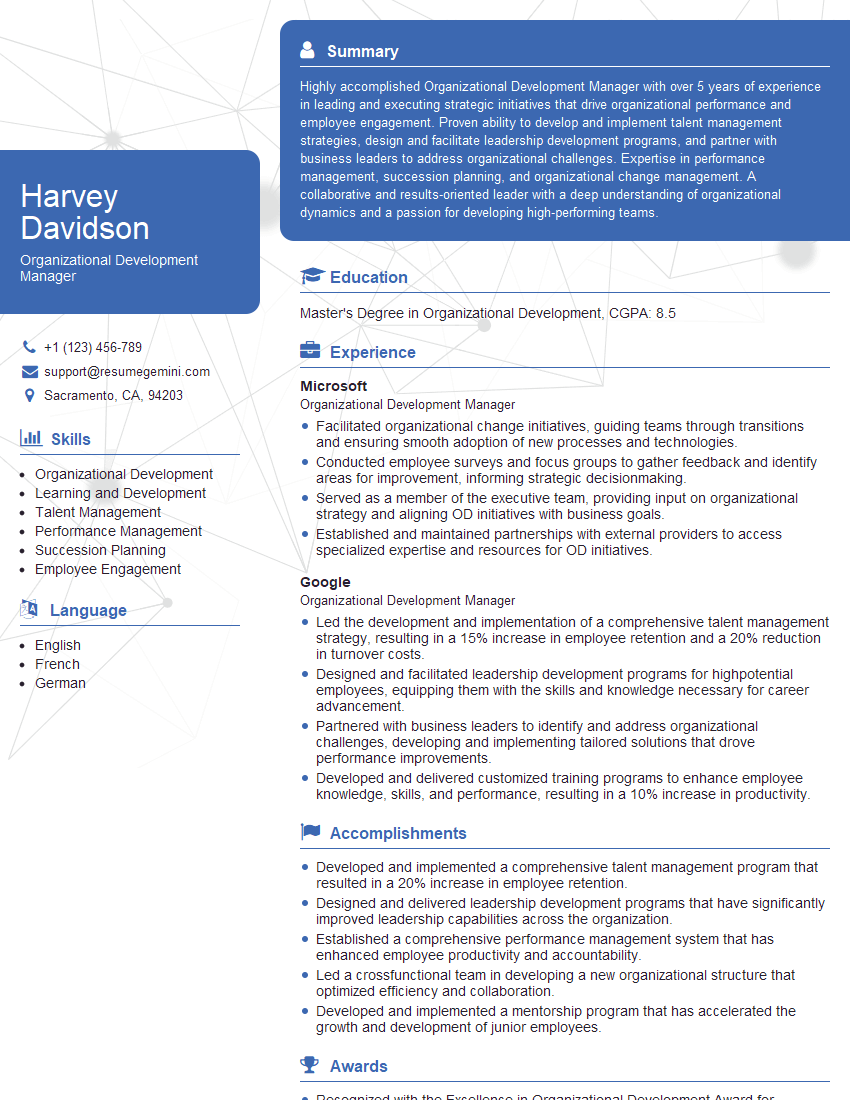
Organizational Development Manager Resume Sample
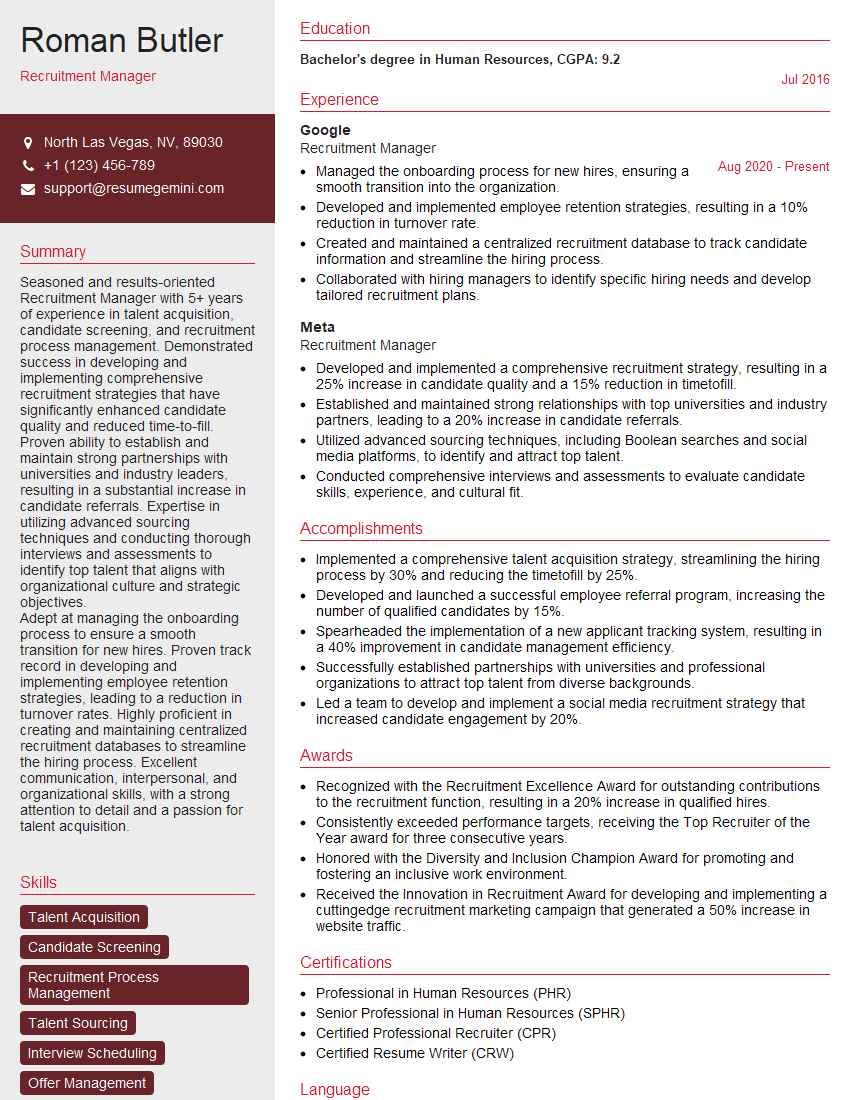
Recruitment Manager Resume Sample
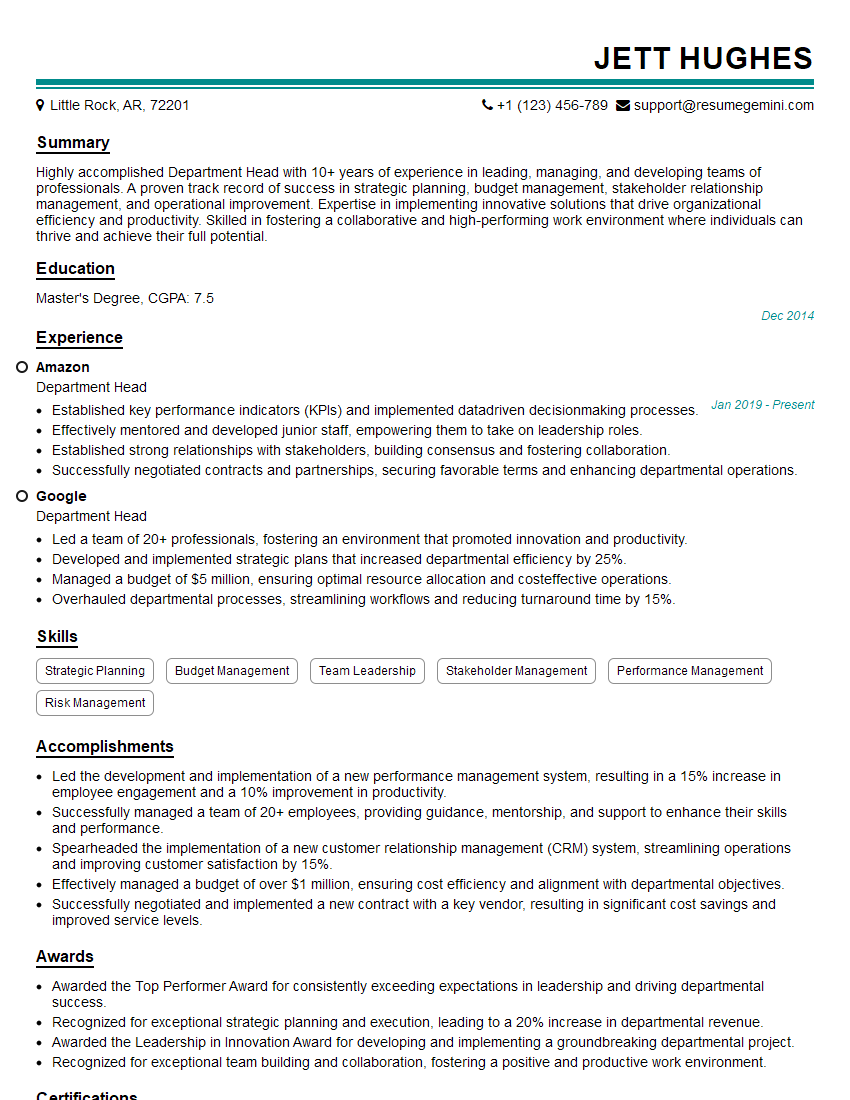
Department Head Resume Sample
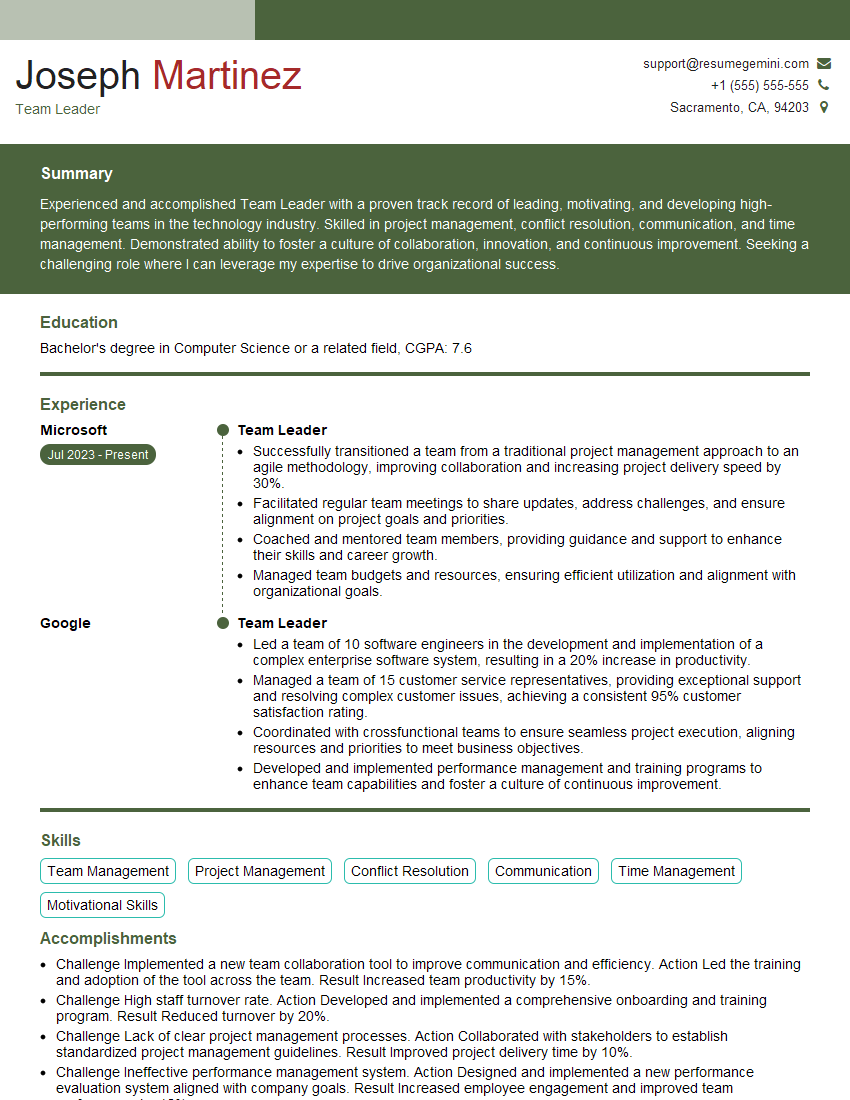
Team Leader Resume Sample
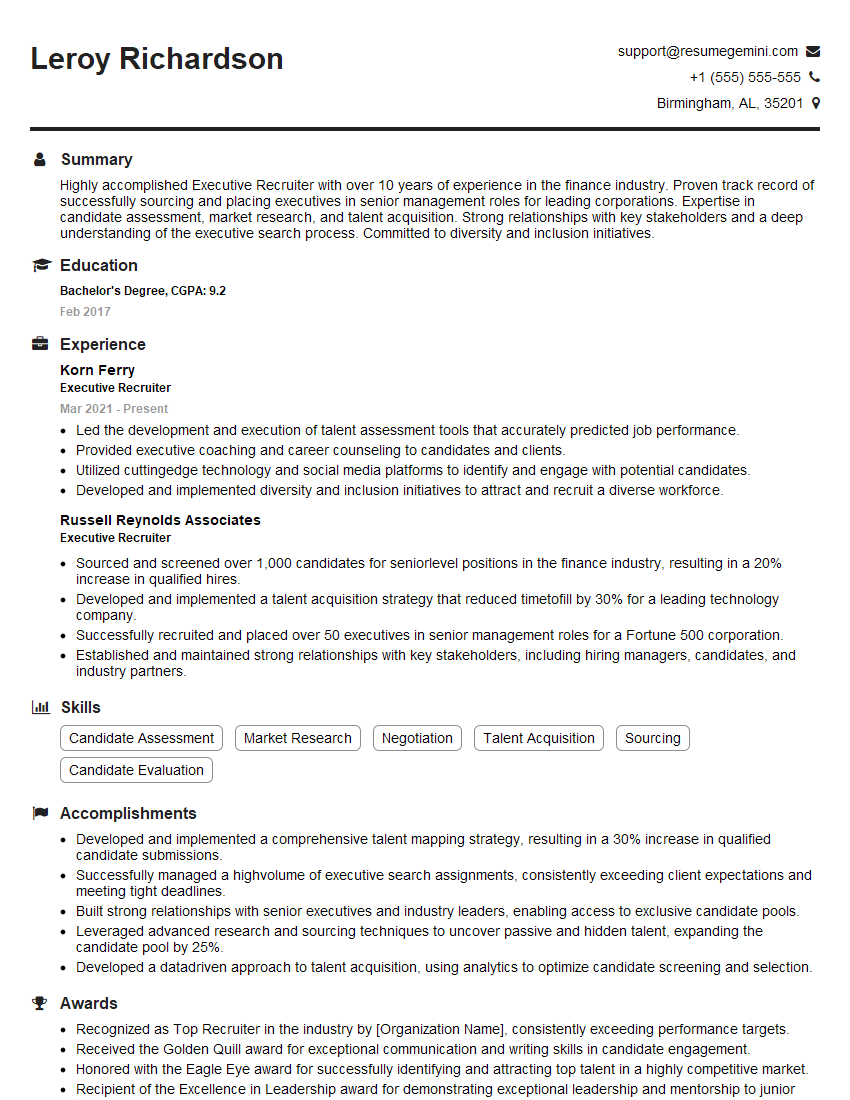
Executive Recruiter Resume Sample
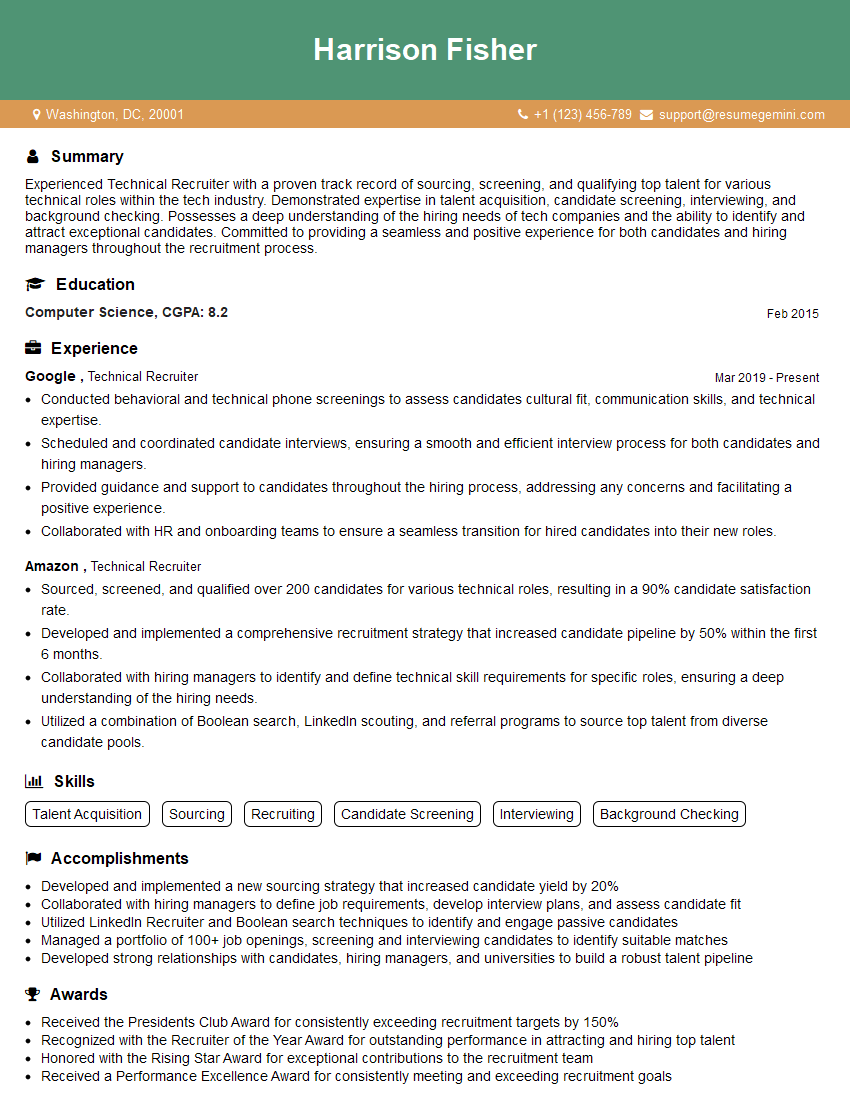
Technical Recruiter Resume Sample
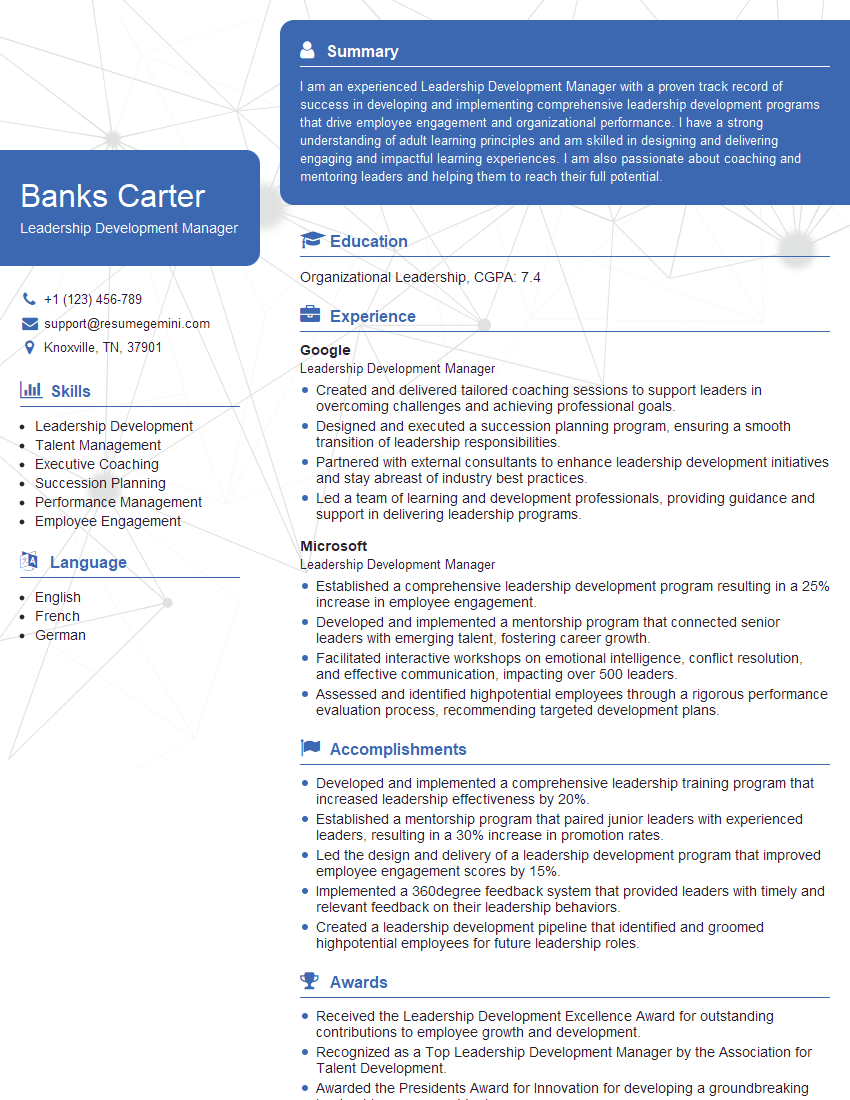
Leadership Development Manager Resume Sample
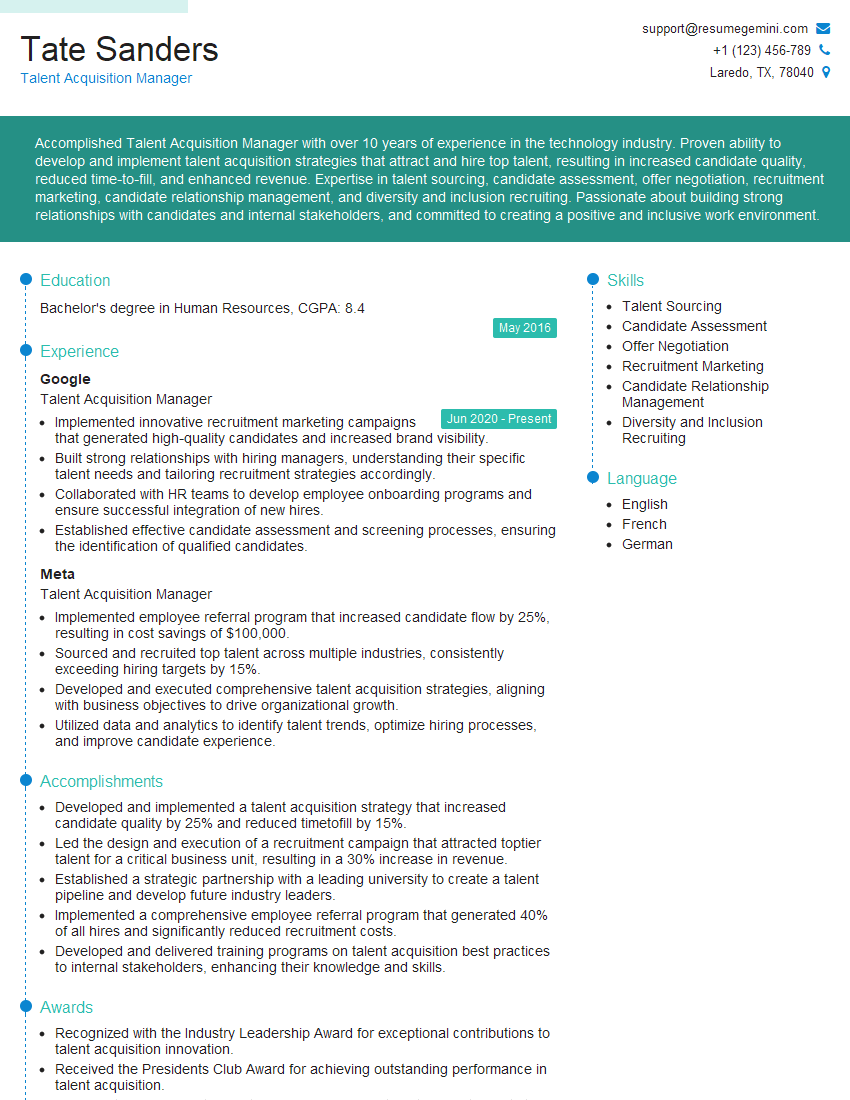
Talent Acquisition Manager Resume Sample
Explore more articles
Users Rating of Our Blogs
Share Your Experience
We value your feedback! Please rate our content and share your thoughts (optional).
What Readers Say About Our Blog
Very informative content, great job.
good