Interviews are more than just a Q&A session—they’re a chance to prove your worth. This blog dives into essential Pre-Operational Equipment Inspections interview questions and expert tips to help you align your answers with what hiring managers are looking for. Start preparing to shine!
Questions Asked in Pre-Operational Equipment Inspections Interview
Q 1. Describe your experience conducting pre-operational equipment inspections.
My experience in conducting pre-operational equipment inspections spans over 10 years, encompassing a wide range of machinery and equipment across various industries including construction, manufacturing, and logistics. I’ve performed inspections on everything from forklifts and cranes to complex automated production lines and specialized testing equipment. This experience has given me a keen eye for detail and a deep understanding of the potential hazards associated with malfunctioning equipment. I’m proficient in using both standardized checklists and adapting my inspection process to account for specific equipment needs and operational contexts. For instance, a pre-operational check for a forklift would be significantly different from that of a high-pressure hydraulic press, both in terms of the specifics of the inspection and the safety protocols involved.
In one memorable instance, I identified a critical crack in a crane’s support beam during a routine pre-operational check that would have resulted in a catastrophic failure had it gone unnoticed. This highlights the crucial role of diligent inspections in preventing accidents and ensuring workplace safety.
Q 2. What are the key components of a comprehensive pre-operational inspection checklist?
A comprehensive pre-operational inspection checklist should cover several key components, ensuring all critical aspects are addressed. Think of it like a multi-layered safety net. Each layer addresses a different potential risk, making the system more robust.
- Visual Inspection: This involves a thorough visual examination of the equipment for any visible damage, leaks, wear and tear, or loose components. This is often the first and most crucial step.
- Functional Checks: This part verifies that all systems and components are functioning correctly. This could involve testing gauges, switches, controls, and other operational parts. For example, checking fluid levels, testing brakes, or ensuring proper functionality of safety interlocks.
- Safety Systems Verification: This is paramount. It ensures that all safety devices, such as emergency stops, guards, and interlocks, are in place and functioning correctly. A malfunctioning safety system is a major hazard.
- Environmental Checks: This includes checking the surrounding area for any potential hazards that could impact the equipment’s operation, such as obstructions, spills, or unstable ground.
- Documentation: This is integral. The checklist itself provides a structured way to document the inspection findings, along with space for any observations or additional notes.
The specifics of the checklist will vary based on the type of equipment being inspected, but these key components remain essential.
Q 3. Explain the importance of documenting inspection findings.
Documenting inspection findings is not just a formality; it’s a critical element of safety management and legal compliance. Thorough documentation serves several vital purposes:
- Liability Protection: A well-maintained record provides irrefutable proof that pre-operational checks were conducted. This significantly reduces liability in case of accidents or incidents.
- Predictive Maintenance: Tracking inspection findings over time can reveal patterns of wear and tear, enabling proactive maintenance scheduling and preventing costly breakdowns. Identifying a recurring issue allows for targeted preventative measures.
- Continuous Improvement: Regularly reviewing inspection data helps identify areas needing improvement in maintenance procedures, training programs, or even equipment design.
- Compliance: Many industries have strict regulations requiring documented evidence of pre-operational inspections. Failing to comply can lead to significant fines or even legal action.
Think of it as building a chronological history of the equipment’s health. This history is valuable for both immediate safety and long-term operational efficiency.
Q 4. How do you identify and report equipment defects or malfunctions?
Identifying and reporting equipment defects or malfunctions requires a structured approach. Upon discovering a problem, I would:
- Immediate Action: If the defect poses an immediate safety hazard, I would immediately take the equipment out of service and notify the appropriate personnel (supervisors, maintenance team).
- Detailed Description: I would document the defect precisely, including its location, nature, and severity. Using clear and concise language is critical. For example, instead of “something’s wrong with the engine,” I’d write “Oil leak observed from the rear crankshaft seal; estimated leak rate 20ml/min.”
- Photography/Videography: Visual evidence is extremely helpful. Photographs or videos of the defect can greatly aid in understanding and resolving the issue.
- Formal Reporting: I’d complete a formal defect report, often using a standardized form, that includes all the documented information, and submit it to the designated authority.
- Follow-up: I’d follow up to ensure the defect is addressed and the equipment is deemed safe to operate again.
Clear and concise reporting is crucial for prompt resolution and preventing potential accidents.
Q 5. What safety procedures do you follow during pre-operational inspections?
Safety is paramount throughout the entire pre-operational inspection process. I consistently follow these safety procedures:
- Personal Protective Equipment (PPE): I always wear appropriate PPE, such as safety glasses, gloves, and steel-toe boots, based on the specific equipment and inspection environment.
- Lockout/Tagout Procedures: If the equipment requires lockout/tagout procedures (isolating power sources to prevent accidental startup), I rigorously follow established protocols to ensure safety.
- Awareness of Surroundings: I maintain situational awareness, being vigilant for potential hazards in the vicinity of the equipment, including tripping hazards or moving parts.
- Safe Approach and Positioning: I always approach the equipment cautiously and position myself in a way that minimizes risk of injury.
- Communication: I communicate clearly with other personnel in the area to ensure everyone is aware of my presence and the inspection process.
Safety is not just a checklist; it’s a mindset that guides every step of the inspection.
Q 6. How do you ensure the accuracy and consistency of your inspections?
Ensuring accuracy and consistency in inspections requires a multi-pronged approach:
- Standardized Checklists: Using well-defined checklists ensures that all critical points are consistently covered, minimizing the risk of overlooking potential issues.
- Regular Training and Calibration: Regular training keeps inspectors updated on the latest procedures and equipment specifications. This also enhances consistency and proficiency. Regular calibration of any testing equipment used is crucial for accurate readings.
- Supervision and Audits: Periodic supervision and audits of inspection processes help identify areas for improvement and ensure consistency across all inspectors.
- Data Analysis: Analyzing inspection data over time helps reveal potential areas of weakness or recurring problems that need attention.
- Continuous Improvement: Regularly reviewing and updating checklists, training programs, and procedures ensures the inspection process remains effective and aligned with best practices.
Consistency is key to preventing accidents and maintaining equipment reliability. Continuous improvement enhances the overall effectiveness of the inspection process.
Q 7. What are the potential consequences of failing to conduct proper pre-operational inspections?
Failing to conduct proper pre-operational inspections can have severe consequences, ranging from minor inconveniences to catastrophic events:
- Equipment Malfunction: This can lead to downtime, production losses, and increased maintenance costs. A seemingly minor issue that goes unnoticed could quickly escalate into a major problem.
- Injuries or Fatalities: Malfunctioning equipment can cause serious injuries or even fatalities to operators or nearby personnel. This is the most severe consequence.
- Damage to Property: Equipment failures can cause significant damage to the equipment itself or surrounding property.
- Environmental Damage: In some cases, equipment malfunction can lead to environmental damage, such as chemical spills or other releases.
- Legal and Regulatory Penalties: Failure to conduct proper inspections can lead to hefty fines or legal action from regulatory agencies.
The cost of a proper inspection is far outweighed by the potential consequences of neglecting this vital safety precaution.
Q 8. Describe your experience with different types of inspection equipment and tools.
My experience with inspection equipment and tools spans a wide range, encompassing both basic hand tools and sophisticated electronic instruments. Basic tools like calipers, micrometers, and torque wrenches are essential for verifying dimensions and ensuring proper fastening. I’m proficient in using non-destructive testing (NDT) equipment, including ultrasonic flaw detectors for identifying internal defects in materials, and liquid penetrant inspection kits for detecting surface cracks. I’ve also extensively used thermal imaging cameras to identify overheating components, which can be an early indicator of failure. For electrical systems, I’m adept at using multimeters to check voltage, current, and resistance, and insulation resistance testers to ensure the integrity of electrical insulation. Finally, I have experience with advanced equipment like vibration analysis tools used to detect early signs of mechanical problems in rotating equipment.
For instance, during a recent inspection of a large industrial crane, I used a combination of visual inspection, a micrometer to check cable wear, and an ultrasonic flaw detector to assess the structural integrity of the crane’s main beam. This multi-faceted approach ensured a comprehensive assessment of the equipment’s condition.
Q 9. How do you prioritize inspection tasks based on equipment criticality and risk?
Prioritizing inspection tasks hinges on a risk-based approach, considering both equipment criticality and the potential consequences of failure. I use a system that combines a criticality assessment with a failure modes and effects analysis (FMEA). Equipment criticality is determined by its importance to overall operation. For example, a critical piece of equipment might be a main power generator in a manufacturing facility; a non-critical piece might be an office printer. FMEA helps identify potential failure modes and their associated consequences (e.g., safety hazards, production downtime, environmental damage). By combining these assessments, I prioritize inspections according to the risk level – the higher the risk (critical equipment with severe consequences of failure), the higher the inspection priority.
Think of it like this: a small leak in a non-critical pipe is less of a concern than a potential catastrophic failure in a pressure vessel. My process ensures that higher-risk equipment receives more frequent and thorough inspections.
Q 10. Explain your understanding of relevant safety regulations and standards.
My understanding of safety regulations and standards is thorough and up-to-date. I am familiar with OSHA (Occupational Safety and Health Administration) regulations, relevant industry-specific standards (e.g., ASME, API, ANSI), and any local or regional safety codes. These standards provide guidelines for safe practices during inspections, including the use of personal protective equipment (PPE), lockout/tagout procedures for hazardous energy sources, and safe working practices in potentially hazardous environments. I ensure all inspections are conducted in accordance with these regulations and standards to minimize the risk of accidents or injuries.
For example, before inspecting high-voltage electrical equipment, I always follow strict lockout/tagout procedures to ensure the power is completely isolated and the equipment is safe to handle. This is non-negotiable for safety.
Q 11. How do you handle disagreements with maintenance personnel regarding inspection findings?
Disagreements with maintenance personnel are handled professionally and collaboratively. The goal is to reach a consensus based on objective evidence. If I find discrepancies in my inspection findings compared to the maintenance records or assessment, I first review my own work to ensure accuracy. Then, I calmly discuss the differences with the maintenance personnel, presenting my findings supported by photographic or other documentation. Open communication and mutual respect are crucial. If a resolution isn’t reached immediately, I’d suggest a joint inspection with a supervisor or a third-party expert to resolve the issue objectively. The focus is always on ensuring the safety and integrity of the equipment.
In one instance, a discrepancy arose regarding the tightness of a bolt on a critical component. By presenting clear photographic evidence of the discrepancy and discussing the potential safety implications, we were able to reach a mutual understanding and resolve the issue.
Q 12. Describe your experience with different types of equipment (e.g., heavy machinery, vehicles, etc.).
My experience encompasses a diverse range of equipment, including heavy machinery (cranes, excavators, forklifts), vehicles (trucks, buses, automobiles), and various industrial equipment (compressors, pumps, generators). I’ve conducted pre-operational inspections on construction sites, manufacturing facilities, transportation depots, and other industrial settings. This experience allows me to adapt my inspection approach depending on the equipment’s complexity and the potential hazards associated with its operation.
For example, inspecting a forklift involves checking fluid levels, tire pressure, and the overall mechanical condition, while inspecting a large industrial crane requires a much more rigorous assessment, including thorough checks of cables, structural components, and safety systems.
Q 13. How do you adapt your inspection procedures to different types of equipment?
Adapting inspection procedures to different equipment types is fundamental. I use a standardized approach incorporating a checklist tailored to the specific equipment being inspected. The checklist is developed based on the equipment’s operational characteristics, manufacturer’s recommendations, and relevant safety regulations. This ensures all critical aspects are addressed. For heavy machinery, the emphasis is on structural integrity, hydraulic systems, and safety mechanisms. For vehicles, the focus shifts to tires, brakes, lights, and fluid levels. For electrical equipment, it’s about insulation testing, grounding, and electrical connections. Regardless of the type of equipment, I always emphasize a visual inspection for any signs of damage, wear, or leaks.
Imagine the difference between checking a bicycle and a large truck. The inspection process fundamentally differs, but both require a methodical and comprehensive assessment of the components.
Q 14. What is your experience with using inspection software or databases?
I have extensive experience using inspection software and databases to manage inspection data, generate reports, and track equipment maintenance history. I’m proficient in using Computerized Maintenance Management Systems (CMMS) which allow me to record inspection findings, schedule future inspections, and generate reports detailing the equipment’s condition and maintenance history. This digital approach streamlines the entire inspection process, improves data accuracy, and enables efficient tracking of equipment performance and maintenance needs.
For example, I’ve used CMMS software to schedule routine inspections, track corrective actions, and generate reports showing compliance with safety regulations. This digital record-keeping enhances transparency and accountability.
Q 15. How do you manage your time effectively during inspections?
Effective time management during pre-operational equipment inspections is crucial for ensuring thoroughness and efficiency. My approach involves a multi-step process. First, I meticulously review the inspection checklist and relevant documentation before arriving on-site. This allows me to prioritize tasks and anticipate potential issues. On-site, I utilize a system of timed intervals for each component or system, allocating more time to complex or high-risk areas. For instance, I might allocate 30 minutes for a visual inspection of a hydraulic system and an hour for a more detailed functional test. I also employ techniques like the Pomodoro Technique, working in focused bursts with short breaks to maintain concentration and avoid fatigue. Regularly checking my progress against the schedule helps me identify and address any potential delays proactively. Finally, thorough documentation throughout the process ensures I don’t miss anything and speeds up the reporting phase.
Career Expert Tips:
- Ace those interviews! Prepare effectively by reviewing the Top 50 Most Common Interview Questions on ResumeGemini.
- Navigate your job search with confidence! Explore a wide range of Career Tips on ResumeGemini. Learn about common challenges and recommendations to overcome them.
- Craft the perfect resume! Master the Art of Resume Writing with ResumeGemini’s guide. Showcase your unique qualifications and achievements effectively.
- Don’t miss out on holiday savings! Build your dream resume with ResumeGemini’s ATS optimized templates.
Q 16. How do you ensure the confidentiality of inspection reports?
Confidentiality of inspection reports is paramount. I adhere to strict protocols to protect sensitive information. This begins with secure storage of physical documents in locked cabinets and electronically stored reports using password-protected systems with access limited to authorized personnel only. I never leave reports unattended, and I always ensure the destruction of superseded documents via secure shredding. Furthermore, I carefully redact any unnecessary information before sharing reports with clients, and I always obtain explicit permission before disclosing findings to third parties. My commitment to confidentiality extends to verbal communication as well; I only discuss findings with individuals who have a legitimate need to know.
Q 17. Describe a situation where you had to make a critical decision during an inspection.
During an inspection of a large industrial oven, I discovered a significant crack in the refractory lining, a critical safety issue. The initial visual inspection only showed a minor surface imperfection. However, using a specialized thermal imaging camera, I detected a significant temperature anomaly indicating a much deeper and more extensive crack than initially appeared. This could have led to a catastrophic failure during operation. My critical decision was to immediately halt the inspection and notify the site supervisor, recommending immediate shut down and a thorough assessment by a specialist. This prevented potential injury, equipment damage, and production delays. This experience highlighted the importance of utilizing advanced inspection techniques and prioritizing safety above all else.
Q 18. How do you stay updated on changes in regulations and industry best practices?
Staying updated is crucial in this field. I actively participate in industry-specific professional organizations, attending conferences and workshops to learn about new regulations, technologies, and best practices. I subscribe to relevant journals and newsletters and regularly review updates from regulatory bodies like OSHA (Occupational Safety and Health Administration). I also actively network with other inspectors and engineers to share knowledge and learn from their experiences. Online resources, such as manufacturer websites and technical publications, are also valuable tools for staying abreast of new developments in equipment technology and maintenance procedures.
Q 19. Explain your understanding of preventative maintenance.
Preventative maintenance (PM) is a proactive approach to equipment upkeep aimed at preventing failures and extending equipment lifespan. It involves scheduled inspections, lubrication, cleaning, and minor repairs performed before a problem occurs. Think of it like regular car maintenance: changing oil, rotating tires – these small steps prevent major breakdowns down the line. Effective PM programs reduce downtime, increase safety, and optimize operational costs. Implementing a robust PM program usually involves developing a detailed schedule based on manufacturer recommendations and operational usage. This schedule typically includes visual inspections, functional tests, and component replacements based on predetermined intervals or usage hours. Accurate record-keeping is essential for tracking maintenance activities and identifying potential problems early on.
Q 20. How do you communicate inspection findings to non-technical personnel?
Communicating complex technical findings to non-technical personnel requires clear, concise, and relatable language. I avoid jargon and technical terms whenever possible, instead relying on analogies and visual aids. For example, instead of saying “The hydraulic system exhibited anomalous pressure fluctuations,” I might explain: “Imagine a water pipe with inconsistent water flow; that’s what we observed in the system’s pressure.” I also use simple diagrams, charts, or photos to illustrate key points and make the information more easily digestible. Furthermore, I ensure my communication is tailored to the audience’s level of understanding, focusing on the implications of the findings rather than the technical details. A summary report with key recommendations is typically provided alongside a more detailed technical report.
Q 21. Describe your experience working independently and as part of a team.
I have extensive experience working both independently and collaboratively. Working independently, I am self-motivated and capable of managing my time effectively to meet deadlines. I am comfortable conducting solo inspections, performing detailed analyses, and preparing comprehensive reports. However, I also thrive in team environments. I value collaborative problem-solving and actively participate in brainstorming sessions and knowledge sharing. I’ve worked on several large-scale projects where teamwork was critical to success, coordinating with other inspectors, engineers, and technicians to ensure a thorough and efficient inspection process. I believe my skills in both independent work and teamwork contribute significantly to my effectiveness as a pre-operational equipment inspector.
Q 22. How do you handle stressful or high-pressure situations during inspections?
Handling stressful situations during inspections requires a methodical approach. My strategy involves prioritizing tasks based on risk assessment. For example, if I encounter a critical safety issue, I immediately address it, documenting the problem meticulously and initiating appropriate corrective actions. For less critical issues, I maintain a calm demeanor, focusing on systematic troubleshooting and problem-solving. I use checklists and standardized procedures to minimize errors and maintain efficiency even under pressure. This structured approach helps me stay focused, ensures thorough inspections, and prevents overlooking important details. I also believe in regular self-reflection and training to improve my stress management skills.
For instance, during an inspection of a large industrial oven, a critical safety interlock system malfunctioned. Instead of panicking, I immediately secured the area, notified the relevant personnel, and documented the failure, focusing on detailed descriptions of the malfunction and any potential hazards. Then, I systematically investigated the cause, following established procedures, which allowed for a swift and safe resolution.
Q 23. What are some common causes of equipment failure that you look for during inspections?
Common causes of equipment failure I look for during pre-operational inspections fall into several categories. These include:
- Wear and Tear: This is often visible as cracks, corrosion, loose connections, or excessive wear on moving parts. For example, I carefully examine conveyor belts for wear and tear, checking for fraying, cuts, and misalignment.
- Improper Maintenance: Lack of lubrication, inadequate cleaning, and missed scheduled maintenance are significant contributors. I look for signs of oil leaks, clogged filters, and rust buildup. For instance, a poorly maintained hydraulic system might show evidence of leaks or contamination, indicating a potential failure point.
- Improper Installation or Operation: Incorrect assembly, misuse, or overload can lead to failures. Checking for correct alignment, appropriate load limits, and signs of overloading (e.g., bent parts) is crucial. I might notice a motor burning out due to improper voltage.
- Environmental Factors: Exposure to extreme temperatures, moisture, or corrosive substances can accelerate degradation. I pay close attention to the equipment’s location and environmental conditions, checking for signs of corrosion or damage caused by environmental factors. For example, exposure to excessive humidity may lead to electrical short circuits.
- Material Degradation: Materials degrade over time, becoming brittle or losing their strength. I look for cracks or brittleness in structural components, especially in older equipment.
My inspection process involves a combination of visual inspection, functional testing, and, where applicable, non-destructive testing (NDT) methods to identify these potential failure points before they cause a problem.
Q 24. How do you use data from past inspections to improve future inspections?
Data from past inspections is invaluable for improving future inspections. I utilize this data in several ways:
- Identifying Trends: By analyzing past inspection reports, I can identify recurring issues or equipment failure patterns. This allows me to focus inspection efforts on areas of higher risk.
- Refining Inspection Procedures: If I consistently find specific problems overlooked in previous inspections, I can update checklists and procedures to ensure these critical areas are thoroughly examined in future inspections.
- Predictive Maintenance: Analyzing failure data can help predict when equipment is likely to fail, enabling proactive maintenance and minimizing downtime. For instance, if I notice a specific pump consistently failing after a certain number of operating hours, I can recommend replacing it before failure occurs.
- Improving Risk Assessment: Historical data informs my risk assessment, allowing me to prioritize critical equipment and areas requiring more frequent or thorough inspections.
- Benchmarking: Comparing data across different equipment or sites allows me to identify best practices and areas for improvement.
I use spreadsheets and database software to manage and analyze this data effectively. Creating visual dashboards of key metrics helps to identify trends quickly and facilitates communication with management.
Q 25. What are your strengths and weaknesses as an equipment inspector?
My strengths as an equipment inspector include my meticulous attention to detail, my methodical approach to problem-solving, and my ability to work independently and as part of a team. I am also adept at documenting findings clearly and concisely, and I have a strong understanding of relevant safety regulations. I am proficient in using various inspection tools and techniques.
One area for development is enhancing my knowledge of advanced NDT methods. While I am familiar with basic techniques, expanding my expertise in more sophisticated methods would further improve the thoroughness and accuracy of my inspections. I am actively pursuing training opportunities to address this.
Q 26. What are your salary expectations?
My salary expectations are in line with the industry standard for experienced equipment inspectors with my qualifications and experience. I am open to discussing a competitive compensation package that reflects my skills and contributions to your organization.
Q 27. Why are you interested in this position?
I am interested in this position because of your company’s reputation for safety and innovation. The opportunity to contribute to a safety-conscious environment, where proactive maintenance is prioritized, aligns perfectly with my values and professional goals. The challenge of inspecting a diverse range of equipment also appeals to me and will allow me to expand my expertise further. I am eager to leverage my skills to ensure operational efficiency and safety within your organization.
Q 28. Where do you see yourself in five years?
In five years, I see myself as a highly valued member of your team, contributing significantly to the safety and efficiency of your operations. I envision myself having taken on more responsibility, perhaps leading a team or specializing in a particular area of equipment inspection, such as advanced NDT methods. I am also committed to ongoing professional development, staying current with industry best practices and technological advancements in equipment inspection.
Key Topics to Learn for Pre-Operational Equipment Inspections Interview
- Safety Procedures and Regulations: Understanding relevant safety standards, protocols, and legal requirements for conducting inspections. This includes knowing how to identify and mitigate potential hazards.
- Visual Inspection Techniques: Mastering the art of thorough visual examination, including recognizing signs of wear, tear, damage, or malfunction in equipment components. Practical application involves describing your systematic approach to a visual inspection.
- Functional Testing and Operation: Knowing how to test the functionality of equipment through practical operation and identifying any deviations from normal performance. This includes understanding the operational limits of the equipment.
- Documentation and Reporting: Accurately recording inspection findings, utilizing appropriate checklists and reporting formats. This also covers understanding the importance of clear, concise, and accurate reporting.
- Preventive Maintenance and Predictive Maintenance: Understanding the concepts of preventative and predictive maintenance and how pre-operational inspections contribute to both. This includes identifying potential maintenance needs based on inspection findings.
- Troubleshooting and Problem Solving: Identifying and analyzing issues discovered during inspections, suggesting solutions, and escalating concerns as appropriate. This involves demonstrating logical problem-solving skills.
- Specific Equipment Knowledge: Depending on the role, you’ll need to demonstrate a deep understanding of the specific types of equipment you’ll be inspecting. Thoroughly research the equipment relevant to the position you’re applying for.
Next Steps
Mastering Pre-Operational Equipment Inspections is crucial for career advancement in many safety-critical industries. Proficiency in this area demonstrates your commitment to safety, attention to detail, and problem-solving skills – all highly valued attributes. To enhance your job prospects, focus on creating a strong, ATS-friendly resume that highlights your skills and experience effectively. ResumeGemini is a trusted resource that can help you build a professional and impactful resume tailored to your specific needs. We provide examples of resumes specifically tailored to Pre-Operational Equipment Inspections to guide you through the process.
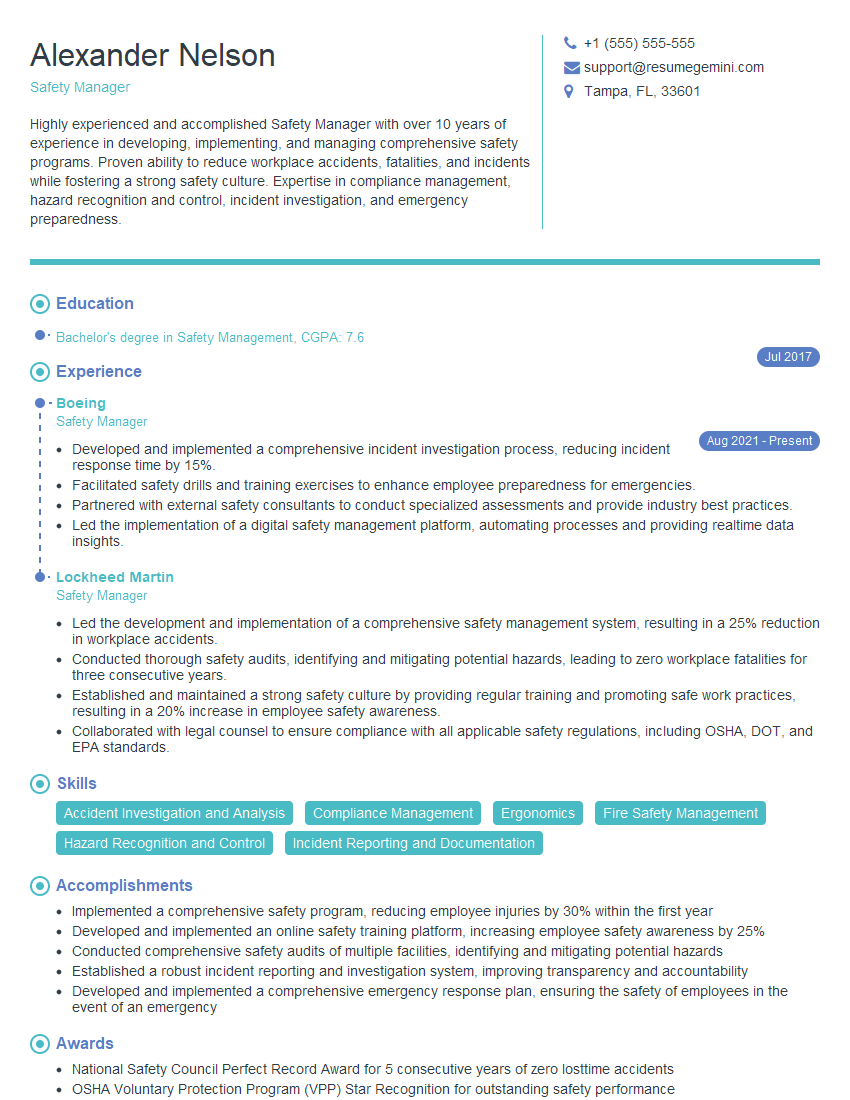
Safety Manager Resume Sample
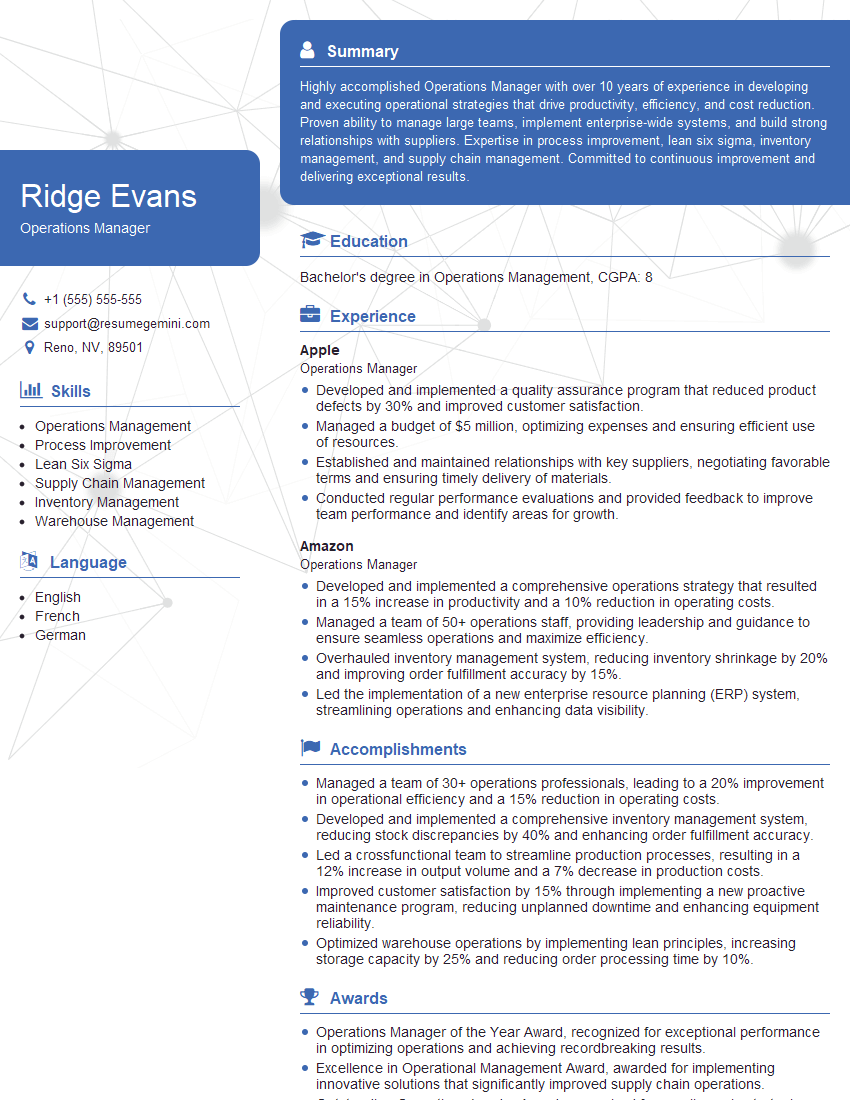
Operations Manager Resume Sample
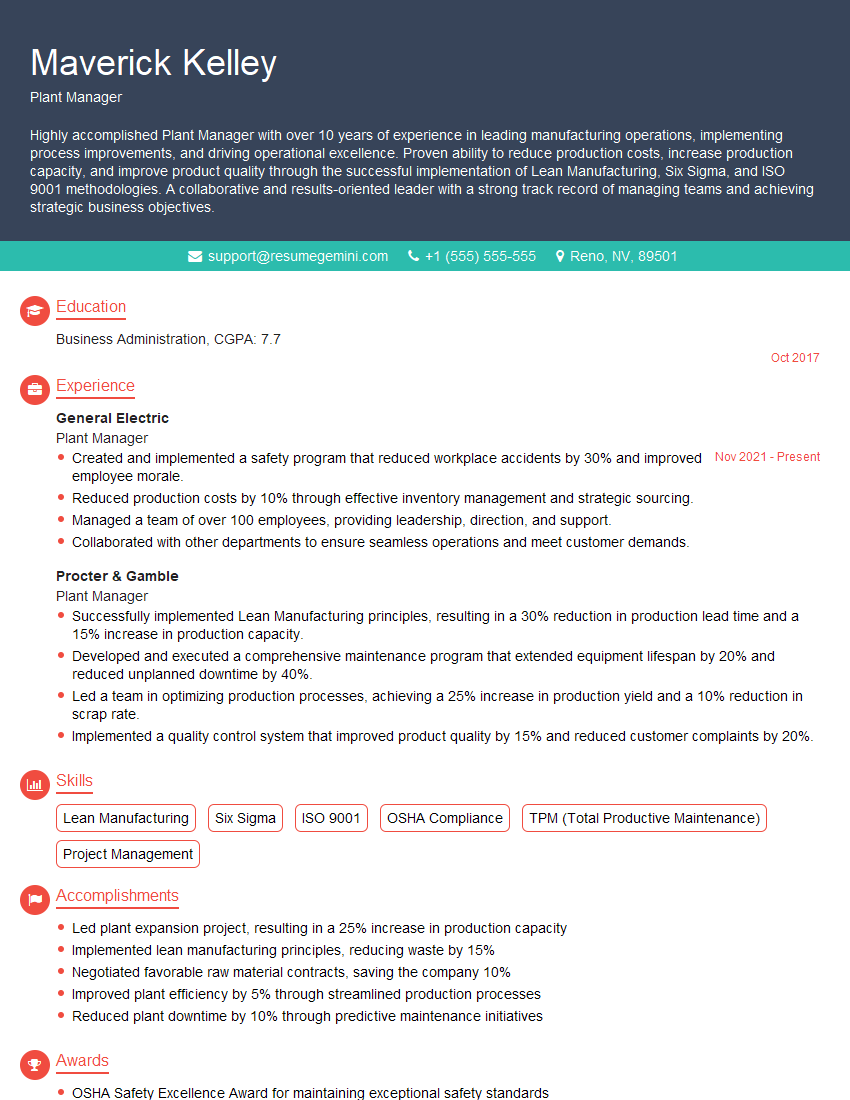
Plant Manager Resume Sample
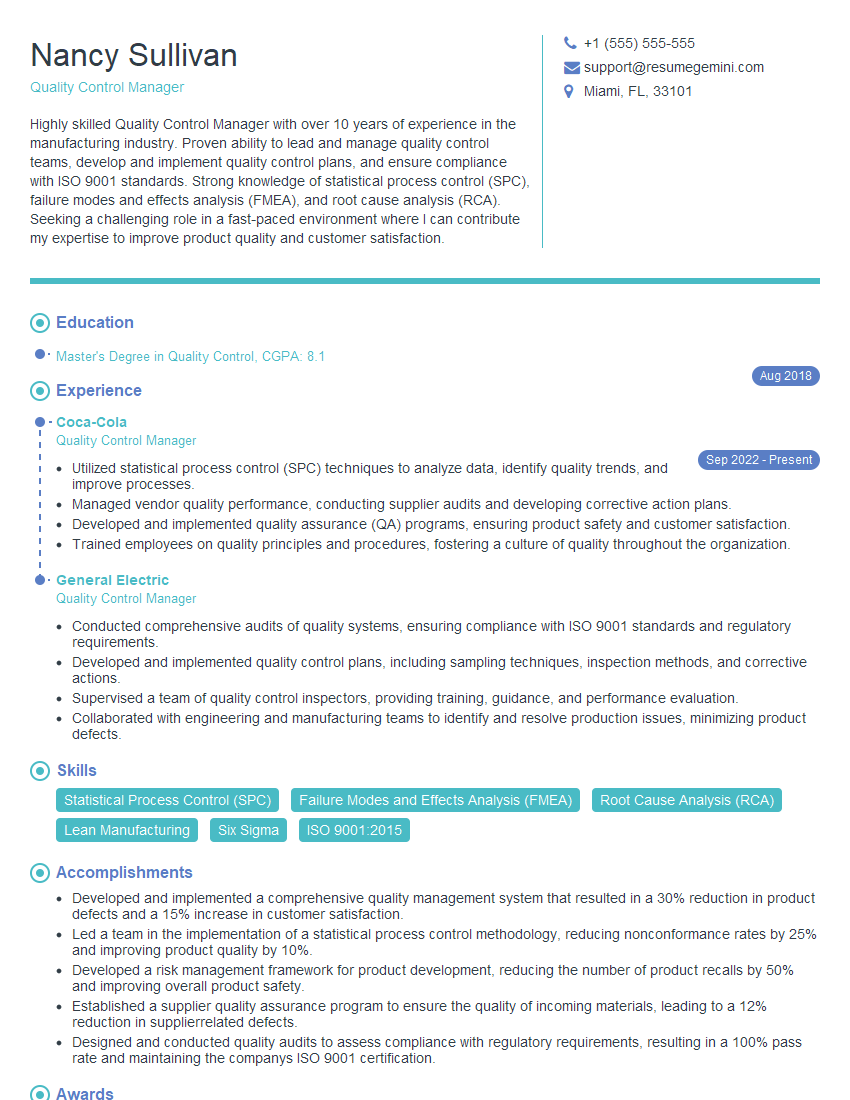
Quality Control Manager Resume Sample
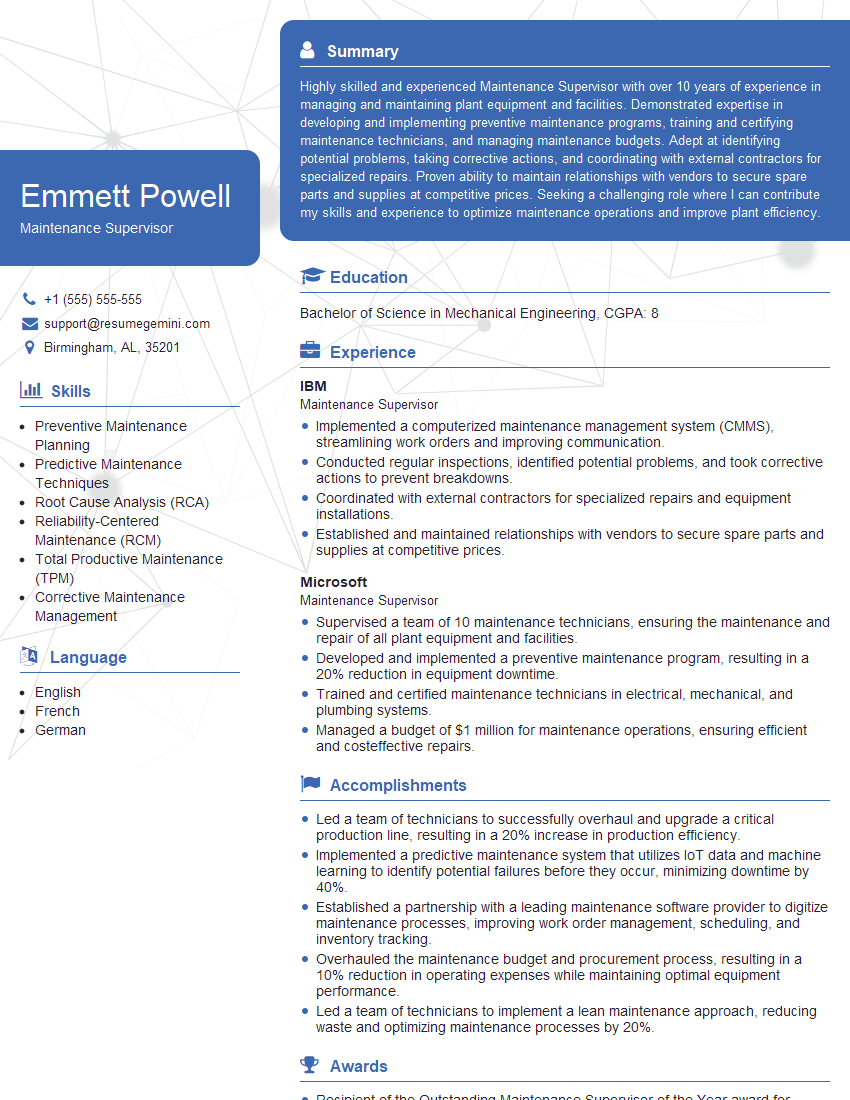
Maintenance Supervisor Resume Sample
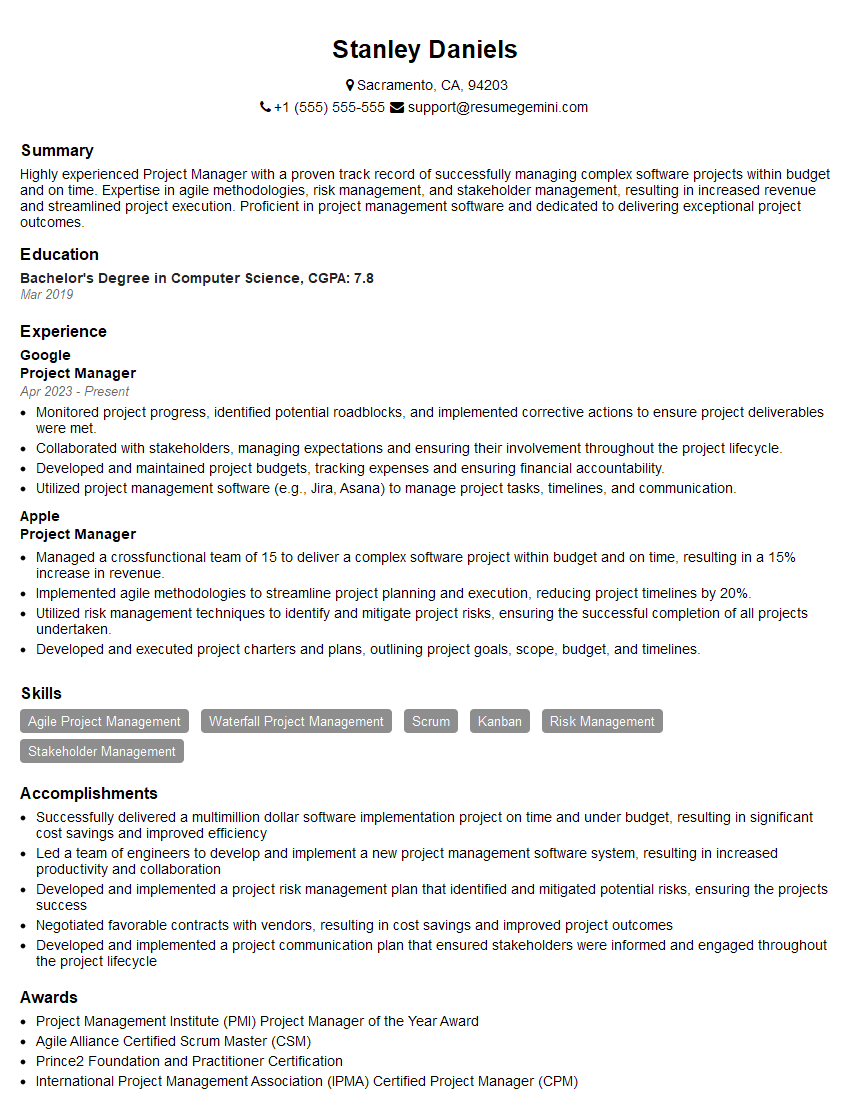
Project Manager Resume Sample
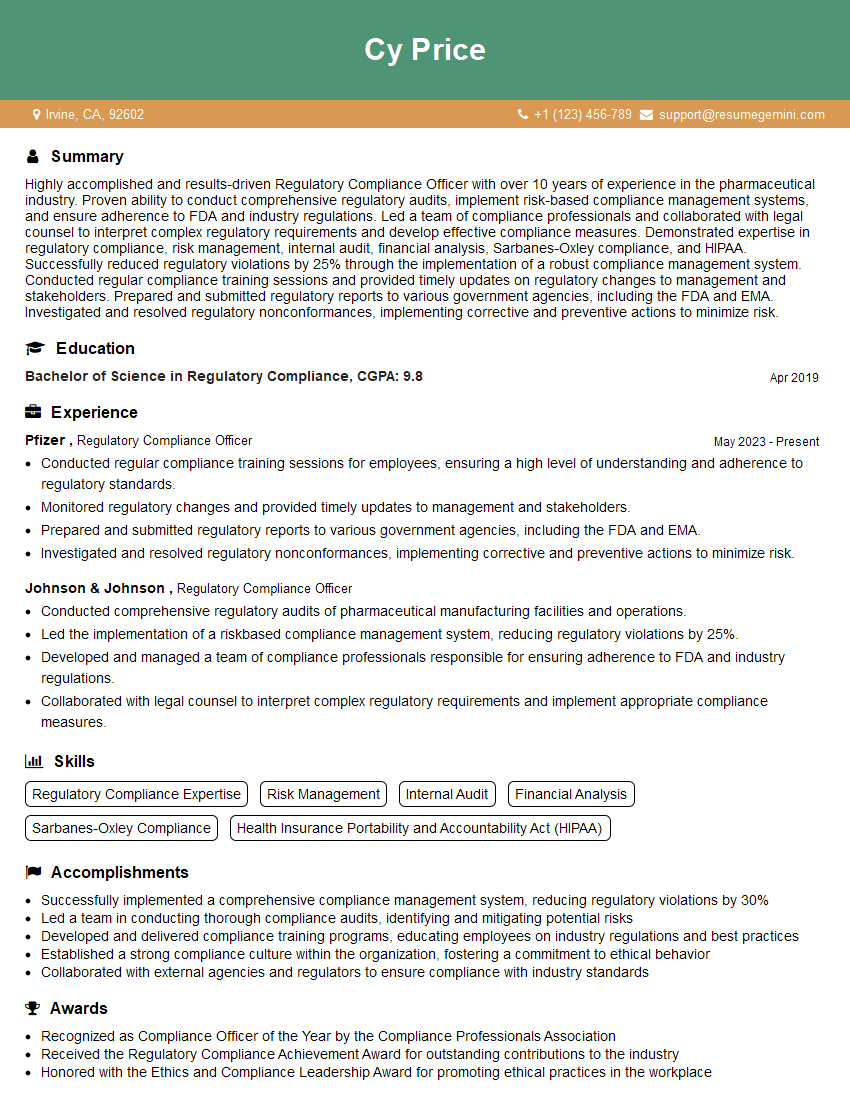
Regulatory Compliance Officer Resume Sample
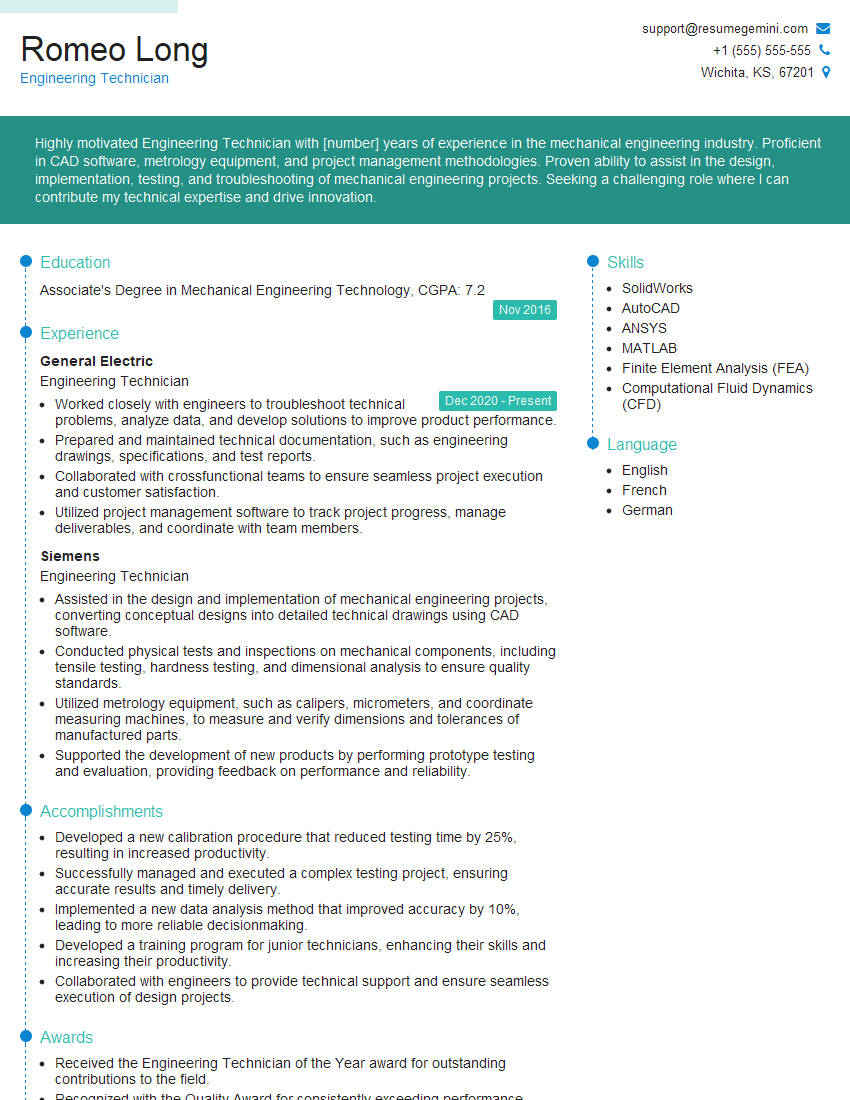
Engineering Technician Resume Sample
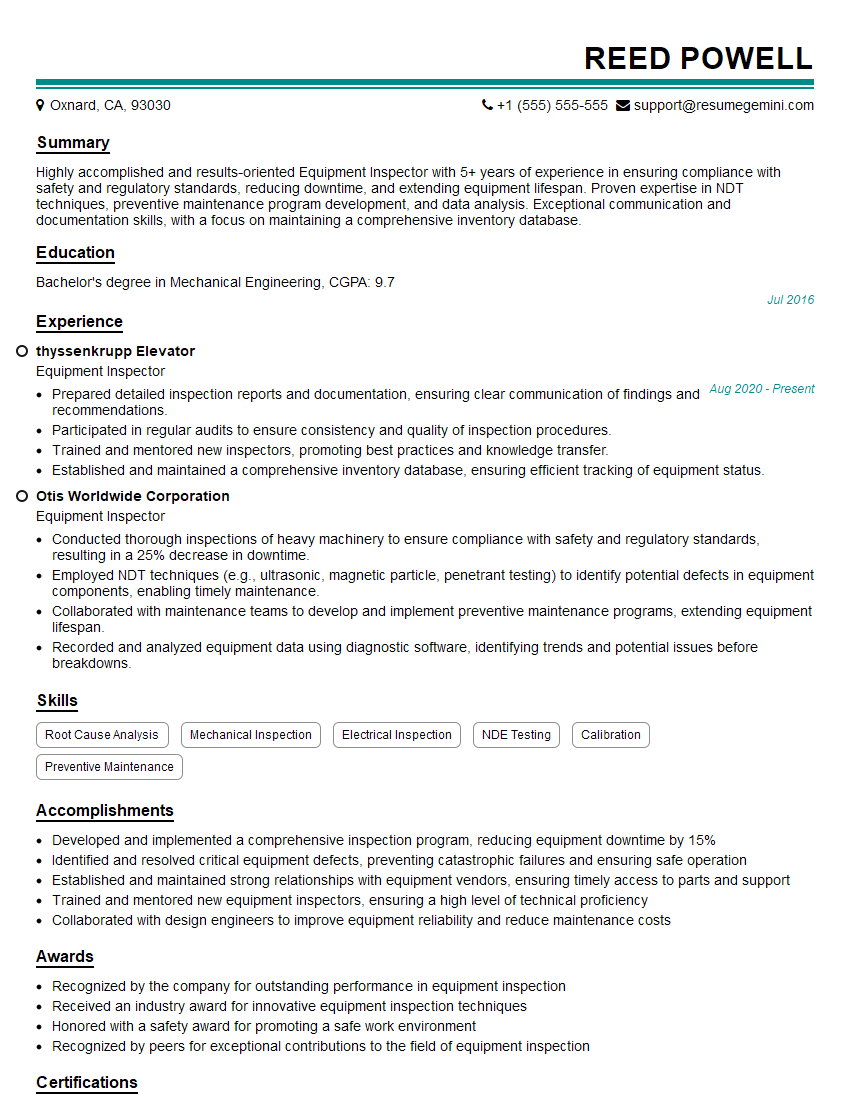
Equipment Inspector Resume Sample
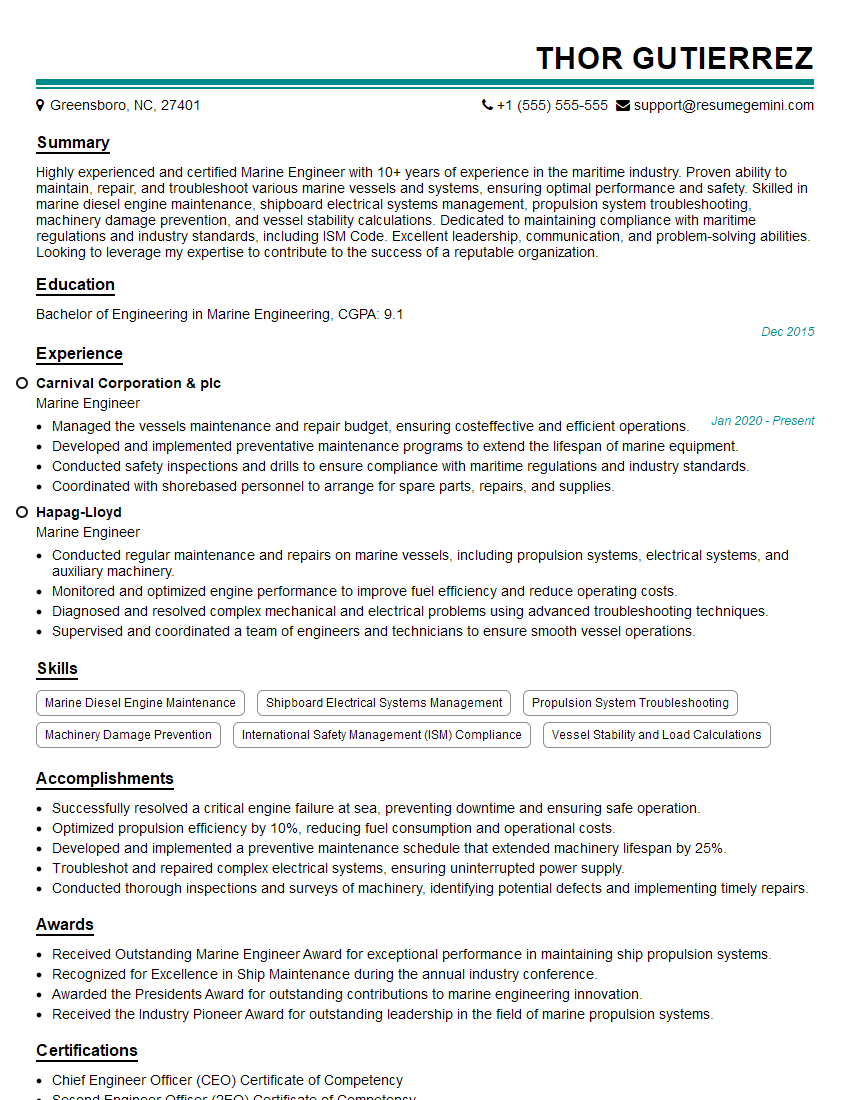
Marine Engineer Resume Sample
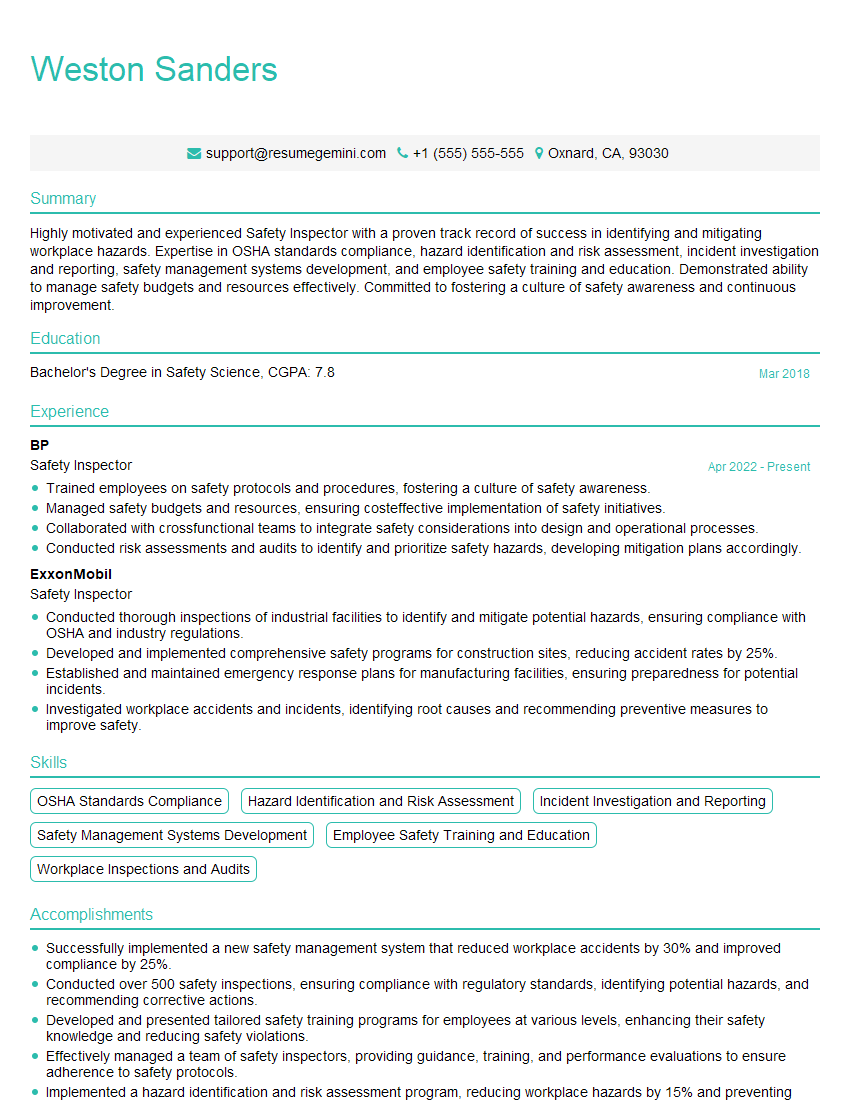
Safety Inspector Resume Sample
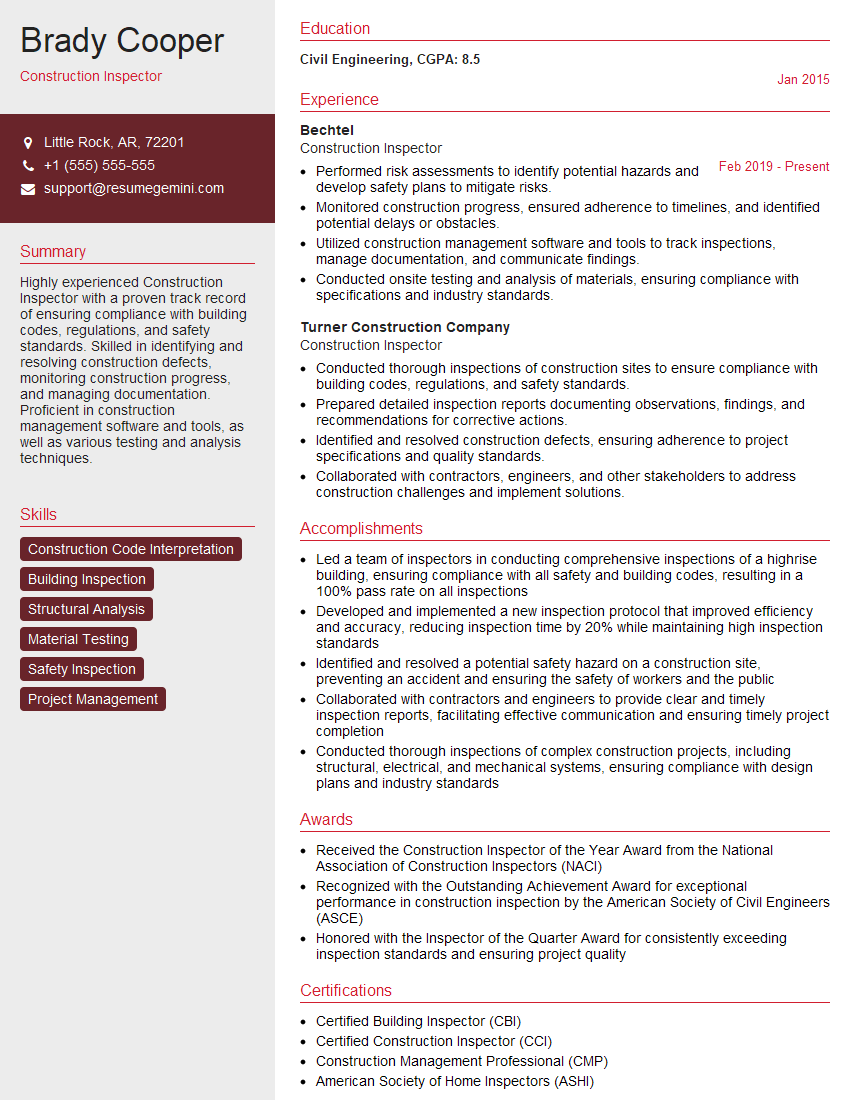
Construction Inspector Resume Sample
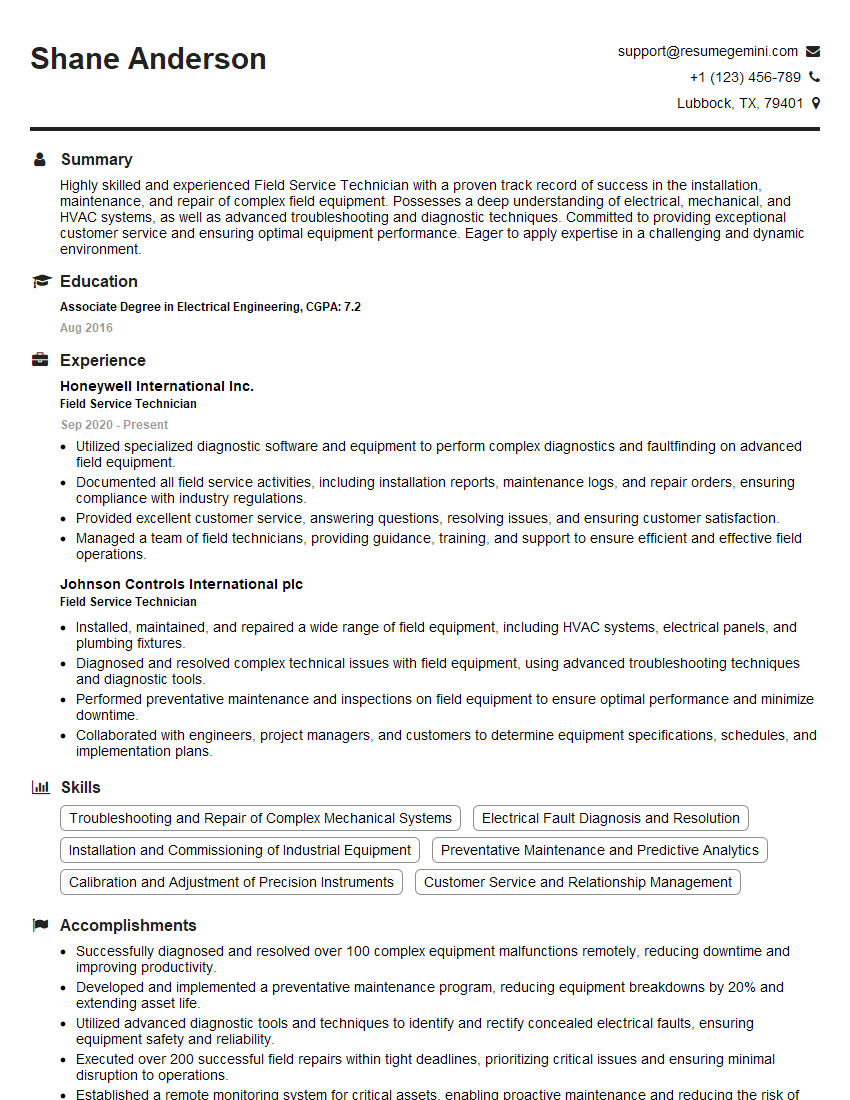
Field Service Technician Resume Sample
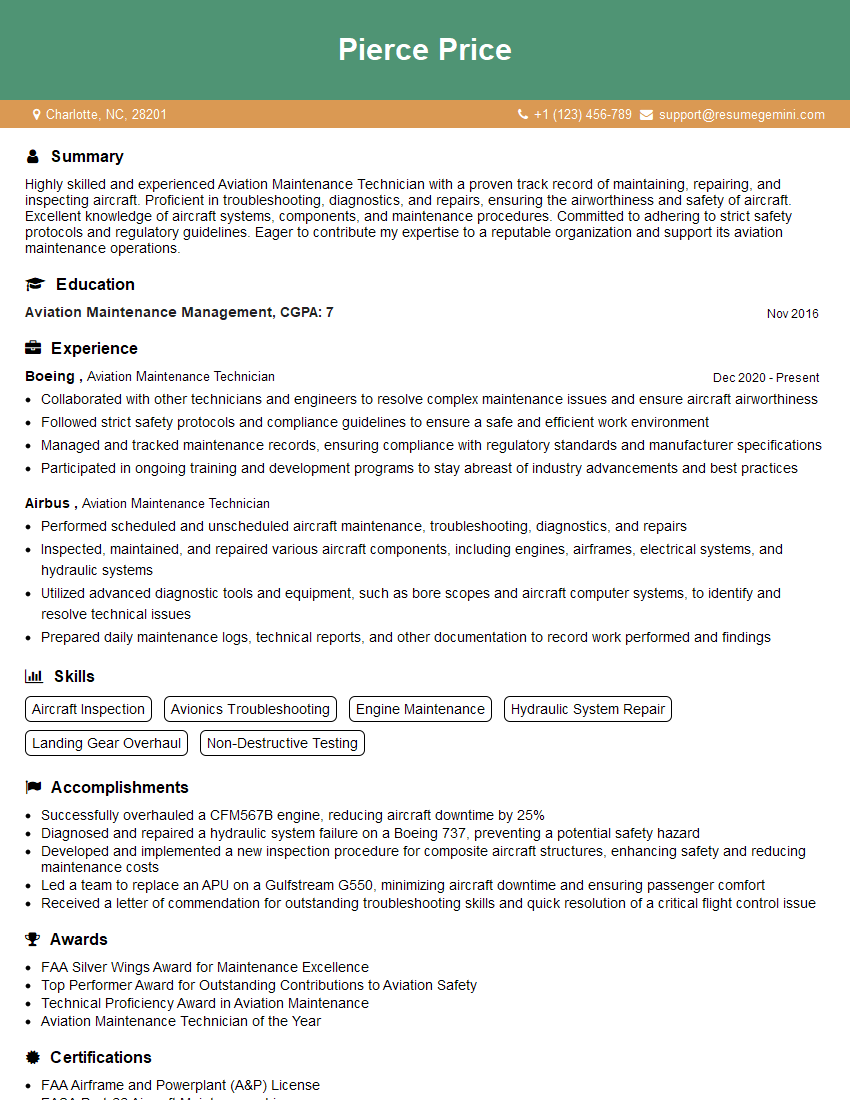
Aviation Maintenance Technician Resume Sample
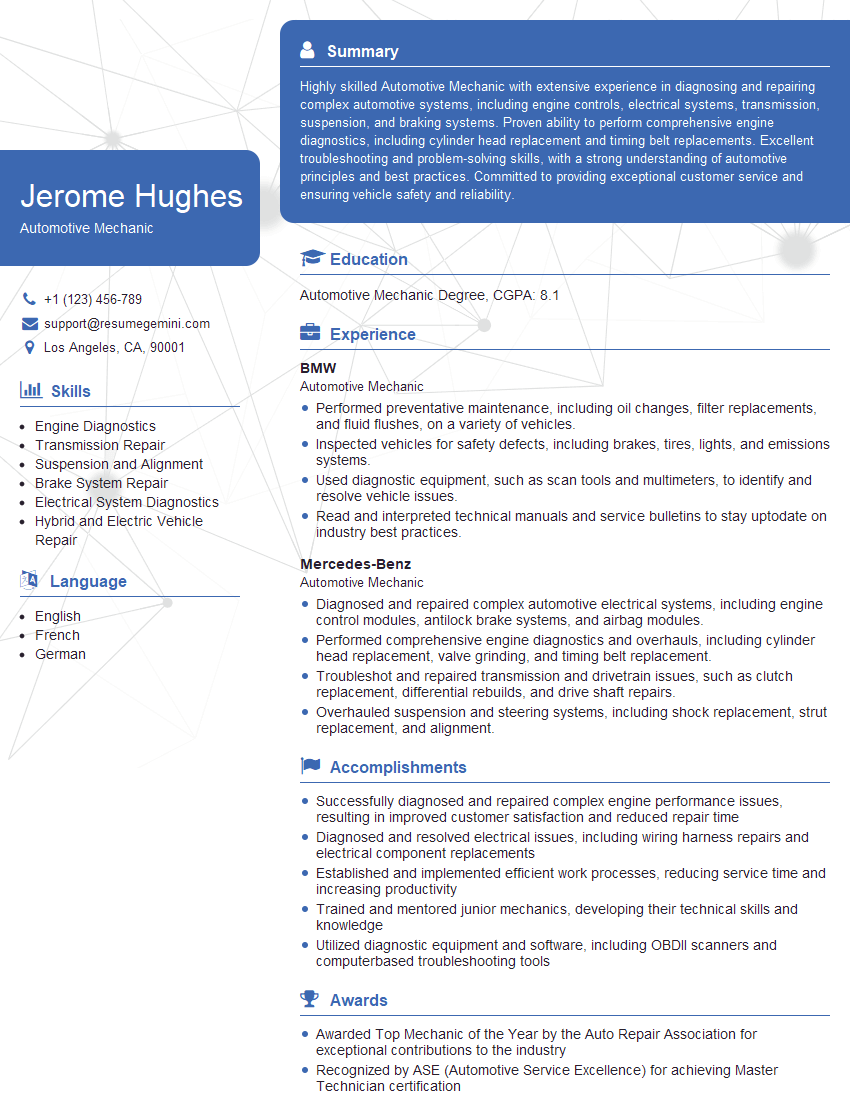
Automotive Mechanic Resume Sample
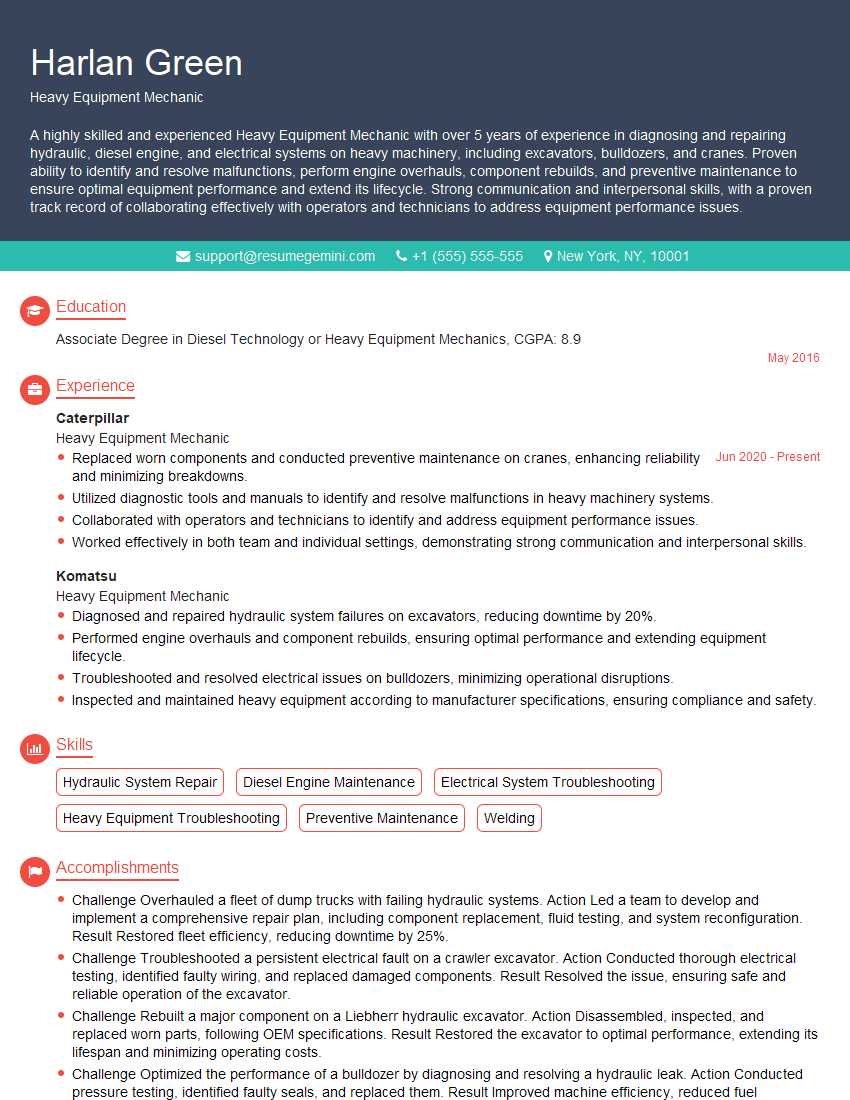
Heavy Equipment Mechanic Resume Sample
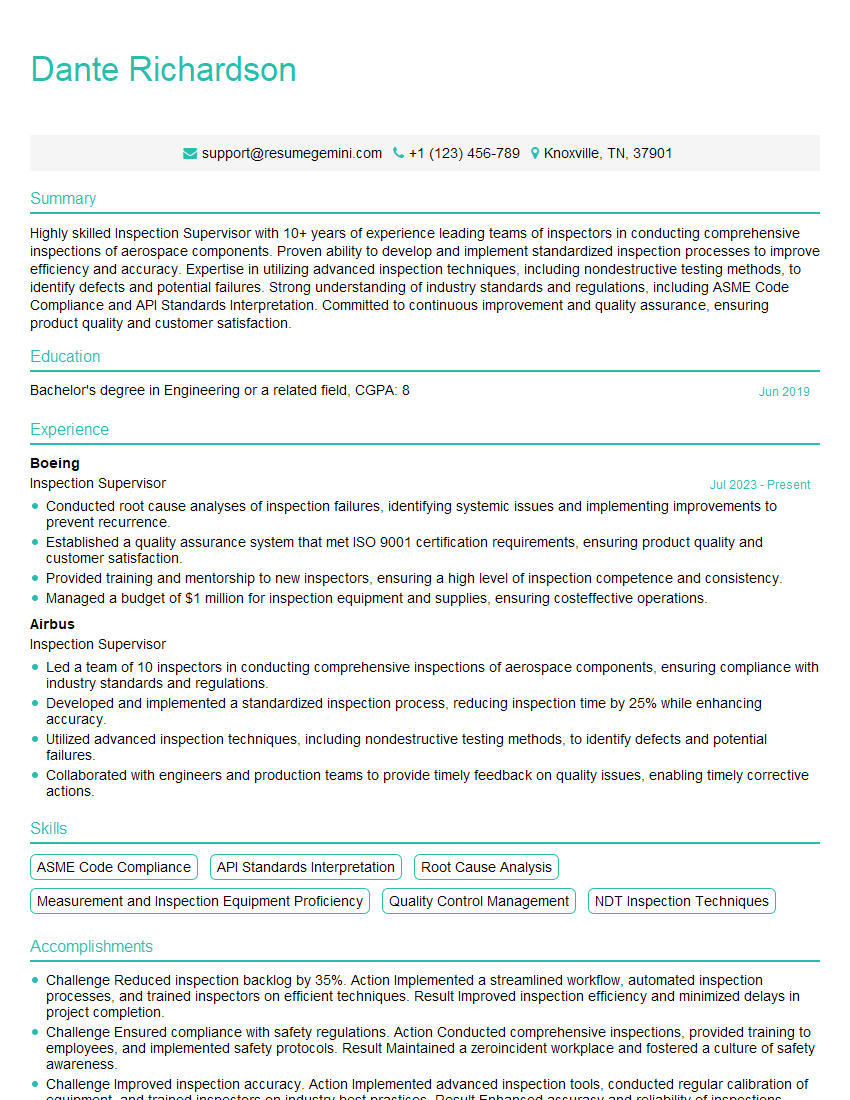
Inspection Supervisor Resume Sample
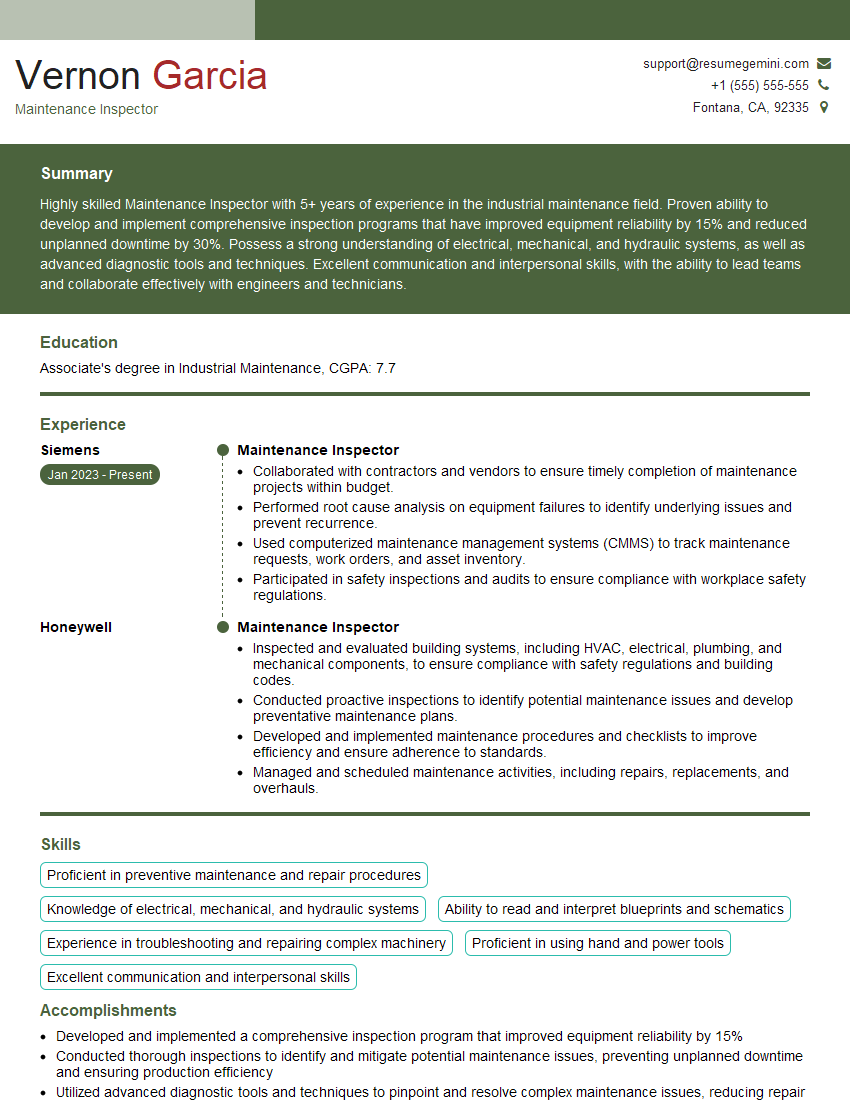
Maintenance Inspector Resume Sample
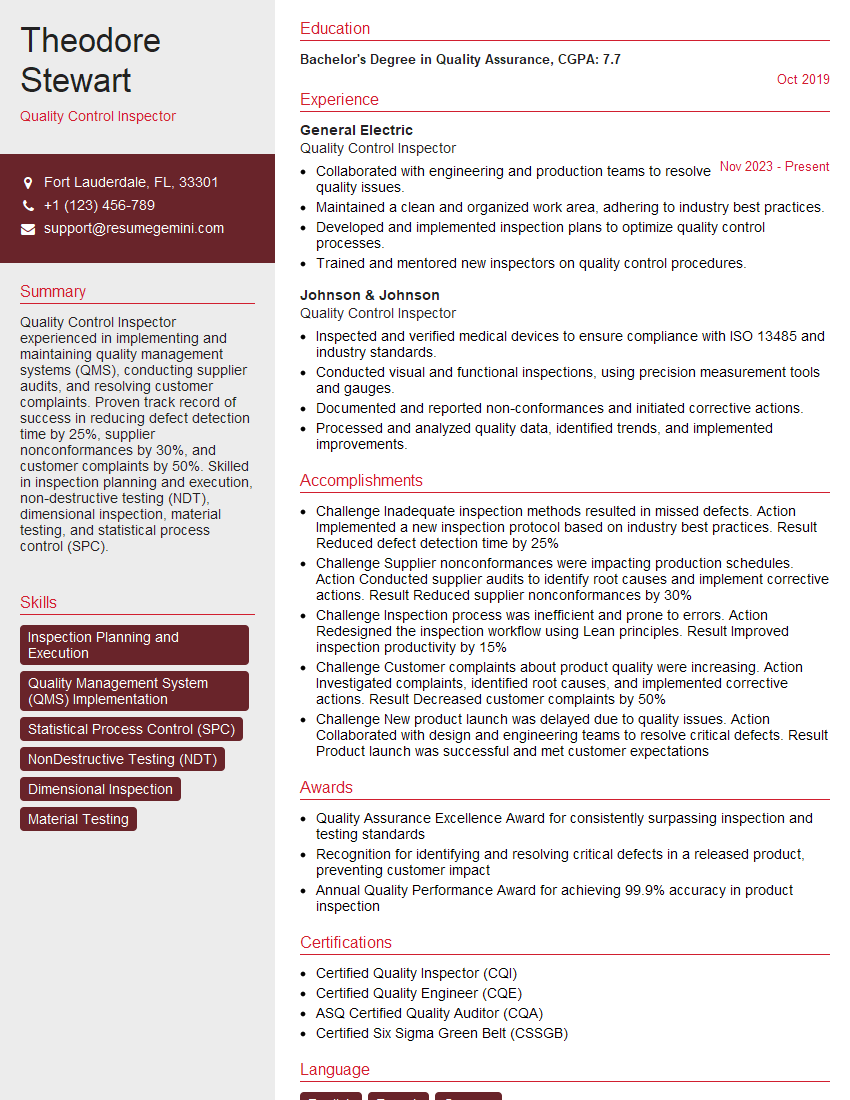
Quality Control Inspector Resume Sample
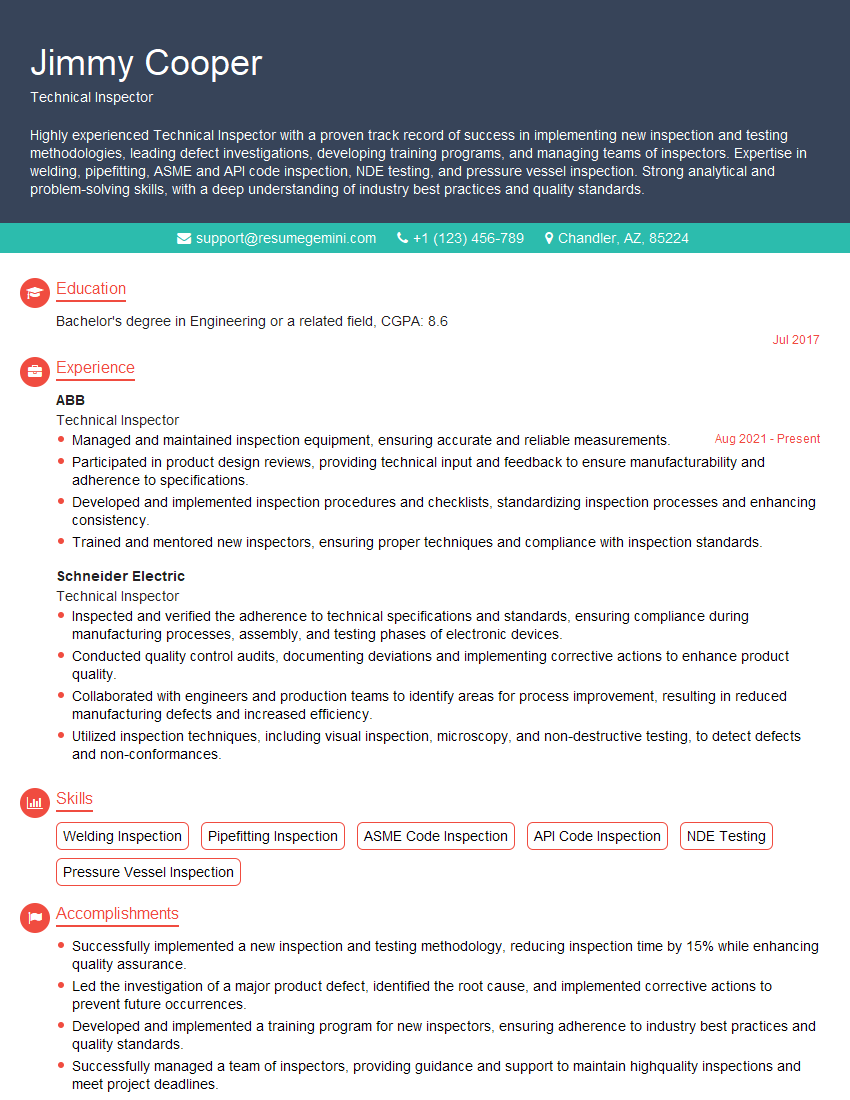
Technical Inspector Resume Sample
- Safety Manager
- Operations Manager
- Plant Manager
- Quality Control Manager
- Maintenance Supervisor
- Project Manager
- Regulatory Compliance Officer
- Engineering Technician
- Equipment Inspector
- Marine Engineer
- Safety Inspector
- Construction Inspector
- Field Service Technician
- Aviation Maintenance Technician
- Automotive Mechanic
- Heavy Equipment Mechanic
- Inspection Supervisor
- Maintenance Inspector
- Quality Control Inspector
- Technical Inspector
Explore more articles
Users Rating of Our Blogs
Share Your Experience
We value your feedback! Please rate our content and share your thoughts (optional).
What Readers Say About Our Blog
Very informative content, great job.
good