Interviews are opportunities to demonstrate your expertise, and this guide is here to help you shine. Explore the essential Ability to Collaborate with Others interview questions that employers frequently ask, paired with strategies for crafting responses that set you apart from the competition.
Questions Asked in Ability to Collaborate with Others Interview
Q 1. Describe a situation where you had to collaborate with a difficult team member. How did you navigate the challenge?
Navigating challenging team members requires a blend of empathy, clear communication, and strategic problem-solving. In one project, a team member, let’s call him Mark, consistently missed deadlines and failed to contribute his share of the work. This impacted the entire team’s progress and created frustration. Instead of confronting him directly and escalating the tension, I first tried to understand the root cause. I scheduled a one-on-one meeting to discuss his workload and any potential roadblocks. It turned out he was overwhelmed by a personal issue alongside his professional responsibilities. Once I understood this, we collaboratively devised a revised task schedule and I also connected him with our company’s Employee Assistance Program (EAP) for support. This showed him I cared about his well-being, not just his performance. Open communication and a willingness to help address the underlying problem were key to resolving the situation. Mark became a much more reliable team member after this intervention, and the project was completed successfully. This highlights the importance of focusing on collaborative solutions, rather than just pointing out failures.
Q 2. How do you handle disagreements within a team setting?
Disagreements are inevitable in teamwork. My approach is to foster a culture of respectful debate, where differing opinions are seen as opportunities for improvement. I encourage team members to clearly express their views, supporting their arguments with evidence. The key is to focus on the issue at hand, not on personalities. We use a structured approach; we clearly define the problem, list all perspectives, identify common ground, and then brainstorm solutions. Often, a simple ‘parking lot’ for less pressing disagreements is helpful. We prioritize the most critical issues and table minor disagreements to revisit later, avoiding decision paralysis. After a healthy exchange of ideas, we often find a solution that’s better than any individual’s initial proposal. The goal is to reach a consensus, but if that’s not possible, a clear decision-making process should be in place to guide us forward.
Q 3. Give an example of a time you successfully negotiated a compromise within a team.
During a software development project, our team was facing a significant time constraint. The initial plan called for a highly complex feature, but the tight deadline made it seem unrealistic. One faction of the team strongly advocated for including this feature, emphasizing its potential impact on the final product. Another group, citing the deadline pressure, proposed a more streamlined version. I facilitated a negotiation process by focusing on shared goals. We prioritized the most crucial aspects of the feature and identified what we could potentially sacrifice to meet the deadline. We created a compromise where we implemented a simplified version, incorporating the core functionality while postponing the more complex aspects for a future release. This approach satisfied both sides: the developers felt they had made significant progress, and the business side appreciated the timely delivery. We successfully negotiated a compromise by prioritizing our shared objective—a successful product launch—and then working together to find a mutually acceptable solution.
Q 4. Explain your preferred method for giving and receiving feedback within a team.
My preferred method for giving feedback follows the ‘Situation-Behavior-Impact’ framework. This involves describing the specific situation, outlining the observed behavior, and finally explaining the impact of that behavior on the team or project. For example, instead of saying ‘You’re not a team player,’ I’d say, ‘During yesterday’s meeting (situation), you interrupted several team members (behavior), preventing us from reaching a decision efficiently (impact).’ This approach is direct yet constructive. Receiving feedback is equally important. I actively listen, ask clarifying questions, and ensure I fully understand the feedback before reacting. I aim to be receptive and consider the feedback’s validity, regardless of whether I fully agree. This two-way process built on clear communication, empathy and mutual respect makes feedback sessions far more effective.
Q 5. Describe your approach to conflict resolution in a team environment.
My conflict resolution approach emphasizes collaborative problem-solving. I start by understanding the perspectives of all involved parties. Then, I reframe the conflict as a problem to be solved collectively, focusing on common goals. I facilitate open communication, ensuring everyone has a chance to express their concerns without interruption. Techniques like active listening, paraphrasing, and summarizing statements help ensure everyone feels heard and understood. If the disagreement persists, I may introduce mediation techniques to help the parties find common ground. Ultimately, the goal is to find a solution that is mutually acceptable and fosters stronger working relationships within the team.
Q 6. How do you ensure everyone’s voice is heard during team discussions?
Ensuring every voice is heard requires proactive strategies. During meetings, I use techniques like round-robin discussions, where each person gets a chance to speak before the conversation moves on. I also explicitly ask quieter team members for their input and opinions, creating a safe space for everyone to participate. We leverage tools like online collaborative platforms for brainstorming and feedback collection. This allows everyone to contribute their thoughts asynchronously, giving more introverted team members time to formulate their responses. Furthermore, I actively monitor body language and tone to identify any signs that someone feels unheard or excluded, prompting me to address their concerns or re-frame the conversation accordingly.
Q 7. How do you adapt your communication style to different team members?
Adapting communication style is essential for effective teamwork. I tailor my approach to each team member’s communication preferences and personality. Some prefer direct, concise communication, while others need more context and detail. I observe each team member’s communication style and adapt accordingly. For instance, with a more introverted member, I might initiate one-on-one conversations, while with an extroverted member, I may opt for a more interactive discussion. Visual aids or written summaries might be helpful for visual learners, whereas a detailed verbal explanation might be better suited to auditory learners. This flexibility ensures clear and effective communication across the team, maximizing understanding and collaboration.
Q 8. Describe a time you had to delegate tasks within a team project. What was your approach?
Effective delegation is crucial for successful teamwork. It involves entrusting tasks to team members based on their skills and expertise, empowering them to take ownership, and ensuring clear communication and support.
In a recent project developing a new marketing campaign, I was responsible for overseeing a team of five. We needed to create various assets including social media posts, website banners, email templates, and a press release. Instead of micromanaging, I assessed each team member’s strengths. One member excelled at graphic design, so I assigned them the banners and social media posts. Another was a strong writer, perfect for crafting the press release and email copy. I provided clear deadlines, specific requirements (e.g., brand guidelines, target audience), and regular check-in points. This approach ensured tasks were completed efficiently, leveraging everyone’s skills, and fostered a sense of responsibility within the team. The result was a timely and high-quality marketing campaign.
Q 9. Have you ever worked on a project with conflicting priorities? How did you resolve them?
Conflicting priorities are inevitable in project management. Successful resolution requires prioritization, clear communication, and potentially, negotiation.
During the development of a software application, we faced a clash between launching the Minimum Viable Product (MVP) quickly versus incorporating all the desired features. The quick launch was prioritized by the marketing team to capitalize on a market window, while the engineering team wanted more time to perfect the features. To resolve this, we used a prioritization matrix, weighing the business value and technical feasibility of each feature. We then created a phased rollout plan: launching the MVP with core features promptly and adding more features in subsequent iterations based on user feedback. This approach satisfied both teams by prioritizing the most impactful features while acknowledging the importance of a timely launch. Regular communication and transparency throughout the process were key to maintaining team morale and project momentum.
Q 10. How do you contribute to a positive team dynamic?
Contributing to a positive team dynamic is about fostering collaboration, respect, and open communication. It’s about making others feel valued and heard.
I actively encourage open dialogue, ensuring everyone has a chance to share their ideas and concerns. I celebrate team successes, both big and small, acknowledging individual contributions. I also actively listen to team members, showing empathy and understanding, and proactively addressing potential conflicts before they escalate. For instance, if I notice a team member seems stressed or disengaged, I’ll reach out privately to offer support or see if there’s anything I can do to help. Building trust and rapport among team members is essential; creating a comfortable and supportive atmosphere leads to better collaboration and higher quality work.
Q 11. Describe your experience using collaborative tools like Slack, Microsoft Teams, or Google Workspace.
Collaborative tools are essential for efficient teamwork, particularly in remote or hybrid environments. My experience with Slack, Microsoft Teams, and Google Workspace has been extensive and positive.
I use Slack for quick communication, sharing updates, and informal discussions. Microsoft Teams is ideal for larger projects, allowing for file sharing, video conferencing, and task management within dedicated channels. Google Workspace’s suite of applications, including Docs, Sheets, and Slides, is invaluable for collaborative document creation and editing. I find the real-time collaboration features incredibly beneficial, enabling simultaneous work on documents and eliminating version control issues. For example, using Google Docs for writing a report allowed multiple team members to contribute simultaneously, merging revisions smoothly and keeping everyone on the same page.
Q 12. How do you measure the success of a collaborative project?
Measuring the success of a collaborative project goes beyond simply completing the task. It’s about assessing the quality of the outcome, the team’s effectiveness, and the overall impact.
Key metrics include meeting project deadlines, adhering to the budget, achieving the desired outcomes (defined in project goals), and receiving positive feedback from stakeholders. Equally important is assessing team satisfaction – did the team members feel empowered, supported, and engaged throughout the process? Regular feedback sessions, surveys, and post-project retrospectives are valuable tools to gauge team performance and identify areas for improvement. For example, for a software project success could be measured by user adoption rates, positive reviews, and efficient development process as reflected in time spent per feature versus original estimates.
Q 13. How do you handle situations where a team member isn’t pulling their weight?
Addressing underperformance requires a thoughtful and supportive approach. It’s not about blame, but about identifying the root cause and providing the necessary support.
My initial step is a private conversation with the individual, expressing my concerns constructively and focusing on the impact of their underperformance on the team. I would listen actively to understand their perspective, exploring potential barriers – lack of clarity, insufficient skills, personal issues, or simply being overwhelmed. Once the root cause is identified, we collaboratively develop a plan to address it, which may include providing additional training, reassigning tasks to better suit their abilities, or offering mentoring and support. If the situation doesn’t improve despite these efforts, escalation to project management or HR might be necessary.
Q 14. Describe your experience working in a remote or hybrid team environment.
Working in remote or hybrid environments requires a different approach to collaboration. It’s crucial to establish clear communication channels, maintain regular contact, and foster a sense of community.
My experience with hybrid teams has highlighted the importance of proactive communication. Regular virtual meetings, using tools like video conferencing, are essential to maintain connection and build rapport. Asynchronous communication tools, such as project management software and email, facilitate collaboration when team members aren’t all online simultaneously. Building trust and strong working relationships is more vital in remote settings; creating opportunities for informal virtual interaction, such as virtual coffee breaks or team-building activities, can strengthen bonds and enhance collaboration. Clear expectations and shared goals are essential to ensure everyone stays aligned on objectives and progress.
Q 15. What strategies do you use to build consensus within a team?
Building consensus requires a collaborative approach that values diverse perspectives. My strategy involves active listening, open communication, and a structured process. I begin by ensuring everyone understands the overall goal and the importance of reaching a shared decision. Then, I facilitate a discussion where each team member gets a chance to express their ideas and concerns. I use techniques like summarizing key points to ensure everyone is on the same page and identify areas of agreement and disagreement. When conflicts arise, I encourage constructive dialogue, focusing on finding common ground rather than debating individual preferences. Finally, I aim to document the agreed-upon solution clearly, ensuring everyone feels heard and understands the next steps.
For example, in a previous project involving website redesign, team members had differing opinions on the best navigation structure. Instead of imposing a solution, I organized a workshop where we used wireframing tools to visually represent different options. This allowed everyone to see the pros and cons of each approach and collaboratively refine the design until we reached a consensus.
Career Expert Tips:
- Ace those interviews! Prepare effectively by reviewing the Top 50 Most Common Interview Questions on ResumeGemini.
- Navigate your job search with confidence! Explore a wide range of Career Tips on ResumeGemini. Learn about common challenges and recommendations to overcome them.
- Craft the perfect resume! Master the Art of Resume Writing with ResumeGemini’s guide. Showcase your unique qualifications and achievements effectively.
- Don’t miss out on holiday savings! Build your dream resume with ResumeGemini’s ATS optimized templates.
Q 16. How do you handle pressure and deadlines within a collaborative project?
Managing pressure and deadlines in collaborative projects involves proactive planning, effective communication, and a willingness to adapt. I start by breaking down the project into smaller, manageable tasks with clear deadlines for each. This allows us to track progress effectively and identify potential bottlenecks early on. Regular check-ins, preferably using a project management tool, are essential for monitoring progress and addressing any roadblocks. Open communication keeps everyone informed and allows for quick adjustments if unexpected challenges arise. If we face a critical deadline, I prioritize tasks strategically, focusing on the most crucial elements first. I also encourage team members to support each other and share workloads fairly, ensuring everyone feels supported and prevents burnout.
In one instance, we faced an unexpected delay in receiving critical data for a marketing campaign. Instead of panicking, we held an emergency team meeting to re-prioritize tasks and adjust the timeline. By openly discussing the situation and collaborating on solutions, we successfully launched the campaign on time, albeit with slightly modified deliverables.
Q 17. Describe your experience leading or participating in brainstorming sessions.
I’ve participated in and led numerous brainstorming sessions, employing various techniques to maximize creativity and collaboration. When leading, I start by clearly defining the problem or challenge and setting ground rules for respectful and inclusive participation. I then employ methods such as mind mapping, where we visually organize ideas, or round-robin brainstorming, ensuring every team member has an opportunity to contribute. I actively encourage diverse perspectives, celebrating ‘out-of-the-box’ thinking and discouraging premature judgment. After generating ideas, we collectively prioritize them based on feasibility and impact. My role is to facilitate the session, not to dominate it, ensuring everyone feels comfortable sharing their ideas.
In one project, we needed to generate innovative ideas for a new product feature. To stimulate creativity, I started the session with a series of thought-provoking questions and provided various props like images and objects to spark inspiration. This resulted in a surprisingly wide range of innovative ideas that ultimately led to a highly successful product launch.
Q 18. How do you identify and leverage the strengths of individual team members?
Identifying and leveraging individual strengths is critical for effective teamwork. I begin by actively listening during initial team meetings to understand each member’s skills, experience, and interests. I also utilize personality assessments or skill-based tests when appropriate. Once I have a clear picture of everyone’s strengths, I delegate tasks strategically, assigning responsibilities that align with individual expertise and preferences. This ensures that everyone feels valued and contributes to their full potential. I also encourage team members to mentor each other, fostering knowledge sharing and collaboration. Openly acknowledging and appreciating each person’s contributions strengthens team cohesion and boosts morale.
For instance, in a recent project, one team member excelled at data analysis, while another had strong communication skills. By assigning the first member to analyze complex data and the second to prepare presentations, I optimized their contributions, resulting in a highly effective outcome.
Q 19. How do you manage expectations when collaborating on a project with multiple stakeholders?
Managing expectations with multiple stakeholders requires clear, consistent, and proactive communication. I start by establishing a shared understanding of project goals, deliverables, and timelines at the outset. I create a comprehensive communication plan outlining how, when, and what information will be shared with each stakeholder. This ensures transparency and prevents misunderstandings. Regular updates, whether through meetings, email, or project management software, are crucial. I tailor communication to each stakeholder’s needs and preferences, ensuring that they receive the information relevant to them in a format they understand. Addressing concerns and proactively managing changes are vital in maintaining alignment and building trust.
In a past project, conflicting expectations arose between the marketing and engineering teams. By holding regular joint meetings and creating a shared project dashboard, I effectively communicated progress and resolved conflicts early on, ensuring the project stayed on track despite the differing stakeholder needs.
Q 20. How do you contribute to knowledge sharing within a team?
Contributing to knowledge sharing involves actively promoting a culture of learning and collaboration within the team. I regularly share my own knowledge and expertise through presentations, workshops, or mentoring sessions. I actively encourage team members to share their learnings and insights, creating opportunities for peer-to-peer learning. We use platforms like shared wikis, document repositories, or internal knowledge bases to document project learnings, best practices, and troubleshooting solutions. This ensures that knowledge isn’t lost when individuals leave the team or projects conclude. I also promote a culture of open feedback and continuous improvement, where everyone feels safe to share their experiences, both positive and negative, to enhance collective understanding.
For example, after successfully resolving a complex technical issue, I documented the solution and shared it with the team through a short presentation and a detailed write-up on our internal wiki, ensuring that this knowledge could be utilized in the future.
Q 21. Explain a time when you had to adapt your approach to collaboration due to a change in circumstances.
Adapting to changing circumstances is crucial for successful collaboration. In one project, a key team member unexpectedly left mid-project. This necessitated a quick adaptation of our approach. First, we held a team meeting to openly discuss the situation and assess the impact on the project timeline and deliverables. Then, we re-allocated responsibilities, leveraging the strengths of remaining team members and potentially outsourcing certain tasks to mitigate the impact of the absence. We adjusted our communication strategy to ensure everyone was updated on the changes. We emphasized flexibility and mutual support during this transition. This proactive approach allowed us to successfully navigate the change and complete the project despite the unforeseen circumstances.
This experience highlighted the importance of having a flexible plan, fostering a culture of adaptability, and maintaining open communication within the team.
Q 22. Describe your experience working with cross-functional teams.
Cross-functional collaboration is crucial for success in most modern workplaces. It involves working effectively with individuals from diverse departments, each bringing their unique expertise to a shared project. My experience spans several projects involving marketing, engineering, and product development teams. For instance, in a recent product launch, I collaborated with marketing to define the target audience and messaging, worked with engineering to ensure technical feasibility, and coordinated with product development to manage the product roadmap and timelines. This required active listening, clear communication, and a willingness to understand different perspectives and priorities.
In another project, we needed to integrate a new CRM system. I acted as the liaison between the sales team, the IT department, and the vendor. This involved translating technical jargon for non-technical stakeholders and managing expectations regarding timelines and features. Successful cross-functional collaboration relies on empathy, a strong understanding of individual roles and responsibilities, and a commitment to finding shared solutions.
Q 23. How do you stay organized and manage your workload when collaborating on multiple projects?
Managing multiple collaborative projects requires meticulous organization and a robust workload management system. I utilize project management tools like Jira and Asana to track tasks, deadlines, and dependencies. These tools allow for clear task assignments, progress monitoring, and efficient communication within the team. I also prioritize tasks based on urgency and importance, using methods like the Eisenhower Matrix (urgent/important). Furthermore, I schedule dedicated time blocks for specific projects, minimizing context switching and maximizing focus. Regular review meetings and progress reports ensure I stay on top of every project’s progress and can proactively address potential roadblocks. I also find that clear communication about workload capacity prevents burnout and keeps the team informed about my availability.
Q 24. What are your strengths and weaknesses when it comes to collaboration?
My strengths in collaboration include active listening, clear communication, and a proactive approach to conflict resolution. I’m adept at building rapport with team members, fostering a positive and inclusive environment. I actively seek diverse perspectives and encourage open dialogue. I also excel at synthesizing information from different sources and translating it into actionable plans.
One area I’m continually working on is delegating effectively. While I can handle a significant workload, I sometimes tend to take on more than necessary. I’m actively addressing this by improving my ability to trust team members’ capabilities and to provide constructive feedback that empowers them to take ownership of their tasks. This involves setting clear expectations, providing sufficient support, and trusting the process.
Q 25. How do you ensure clarity and alignment within a team regarding project goals and objectives?
Ensuring clarity and alignment on project goals and objectives is paramount for successful collaboration. I begin by clearly articulating the project’s overall vision and breaking it down into smaller, manageable goals with specific, measurable, achievable, relevant, and time-bound (SMART) objectives. These are then documented and shared with the team through collaborative documents like project charters or shared online workspaces. Regular check-in meetings, using techniques such as daily stand-ups, allow for real-time monitoring of progress against these objectives. Open communication channels ensure everyone is kept informed of any changes or challenges.
Visual aids, such as Gantt charts or Kanban boards, provide a clear overview of the project timeline and individual tasks. This visual representation enhances understanding and facilitates collaborative problem-solving. Finally, consistent feedback and open dialogue ensure everyone remains aligned and addresses any misunderstandings promptly.
Q 26. Describe a time you had to influence a team member to adopt a different perspective.
In a previous project, a team member was resistant to adopting a new project management methodology. They preferred their established method, despite its proven inefficiencies. To influence their perspective, I didn’t force the issue but instead scheduled a one-on-one meeting. I listened to their concerns, acknowledged their expertise, and then presented data showing the benefits of the new methodology – increased efficiency and improved collaboration. I also showed how the new system could address their specific concerns by offering more flexibility in certain areas. By demonstrating, rather than dictating, the benefits, I gained their trust and cooperation. They eventually became a strong advocate for the new methodology.
Q 27. How do you maintain motivation and morale within a team during challenging projects?
Maintaining team motivation and morale during challenging projects requires a multi-faceted approach. Firstly, I prioritize open and honest communication, ensuring the team is aware of the challenges and the steps being taken to overcome them. Regular team-building activities, even small ones, can foster camaraderie and improve morale. Celebrating small wins along the way is crucial, acknowledging individual and team contributions. I also actively seek feedback and address concerns promptly. This demonstrates that their voices are valued and their perspectives are considered.
Providing opportunities for professional development and growth keeps team members engaged and invested in the project’s success. When challenges arise, I emphasize the team’s collective strengths and focus on collaborative problem-solving. This fosters a sense of shared purpose and builds resilience.
Q 28. Describe a time you learned something new from a collaborative experience.
During a recent project involving the development of a new mobile application, I collaborated closely with a UX designer. While I possessed a strong technical background, my understanding of user experience principles was limited. Through this collaboration, I learned the importance of user-centered design, iterative testing, and the value of incorporating user feedback throughout the development process. I gained a deeper appreciation for the human-centered aspects of software development, expanding my skillset and improving the quality of our final product. This experience significantly enhanced my understanding of the importance of empathy and user-centric thinking in project development.
Key Topics to Learn for Ability to Collaborate with Others Interview
- Active Listening & Communication: Understanding diverse perspectives, asking clarifying questions, and effectively conveying your own ideas. Practical application: Describe a situation where you successfully navigated a disagreement within a team to achieve a common goal.
- Teamwork & Shared Goals: Contributing effectively as part of a team, understanding individual roles, and working towards shared objectives. Practical application: Detail how you contributed to a team project, highlighting your specific role and its impact on the overall success.
- Conflict Resolution & Negotiation: Identifying and addressing conflicts constructively, finding mutually beneficial solutions, and maintaining positive working relationships. Practical application: Explain a time you resolved a conflict within a team, emphasizing your approach and the outcome.
- Respectful Collaboration & Inclusivity: Valuing diverse viewpoints, fostering an inclusive environment, and showing respect for colleagues’ contributions. Practical application: Give an example of how you ensured everyone’s voice was heard and valued during a group project.
- Providing & Receiving Feedback: Offering constructive feedback in a positive manner and using feedback to improve performance and collaboration. Practical application: Describe how you gave or received feedback that significantly improved a team project or working relationship.
- Adaptability & Flexibility: Adjusting your approach to collaboration based on team dynamics and changing circumstances. Practical application: Share a situation where you had to adapt your collaboration style to meet the needs of a specific team or project.
Next Steps
Mastering the ability to collaborate effectively is crucial for career advancement. It demonstrates valuable interpersonal skills and your capacity to thrive in dynamic team environments. To significantly increase your job prospects, it’s essential to create a compelling and ATS-friendly resume that showcases these skills. ResumeGemini is a trusted resource to help you build a professional and impactful resume that highlights your collaborative abilities. We offer examples of resumes tailored to showcase “Ability to Collaborate with Others,” enabling you to create a document that truly reflects your capabilities and increases your chances of landing your dream job.
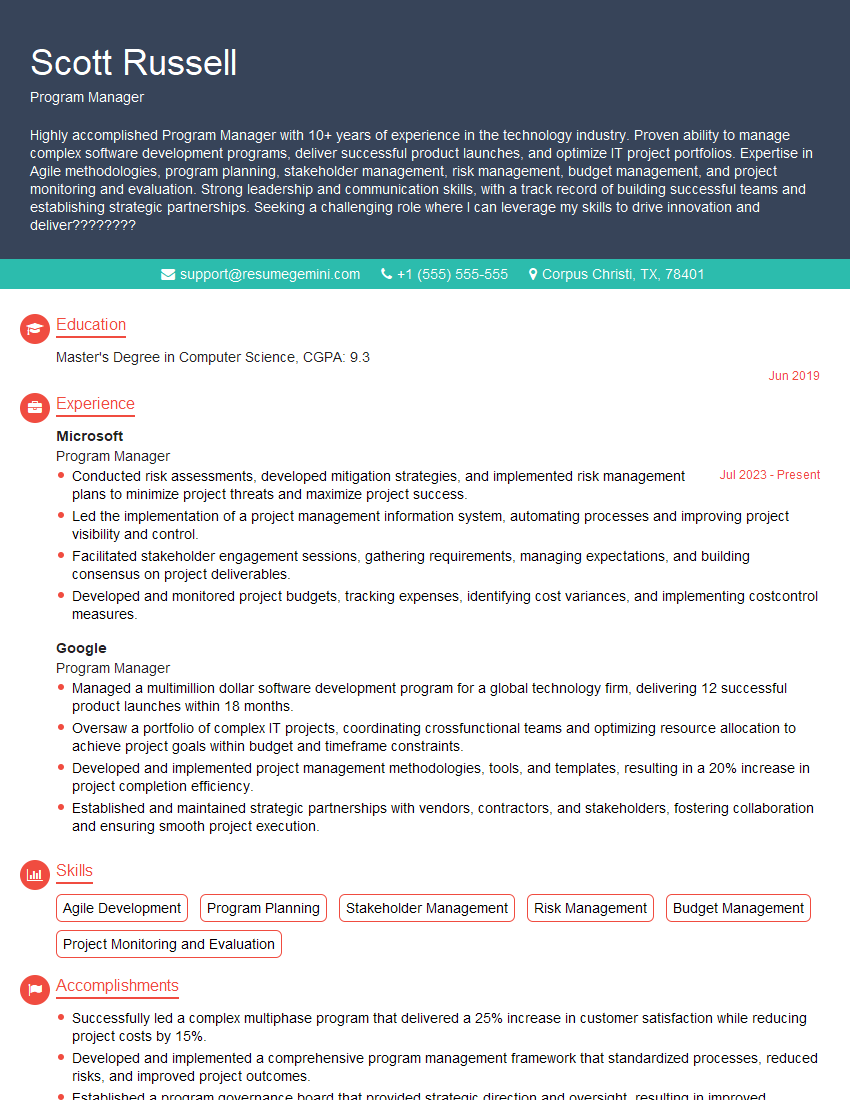
Program Manager Resume Sample
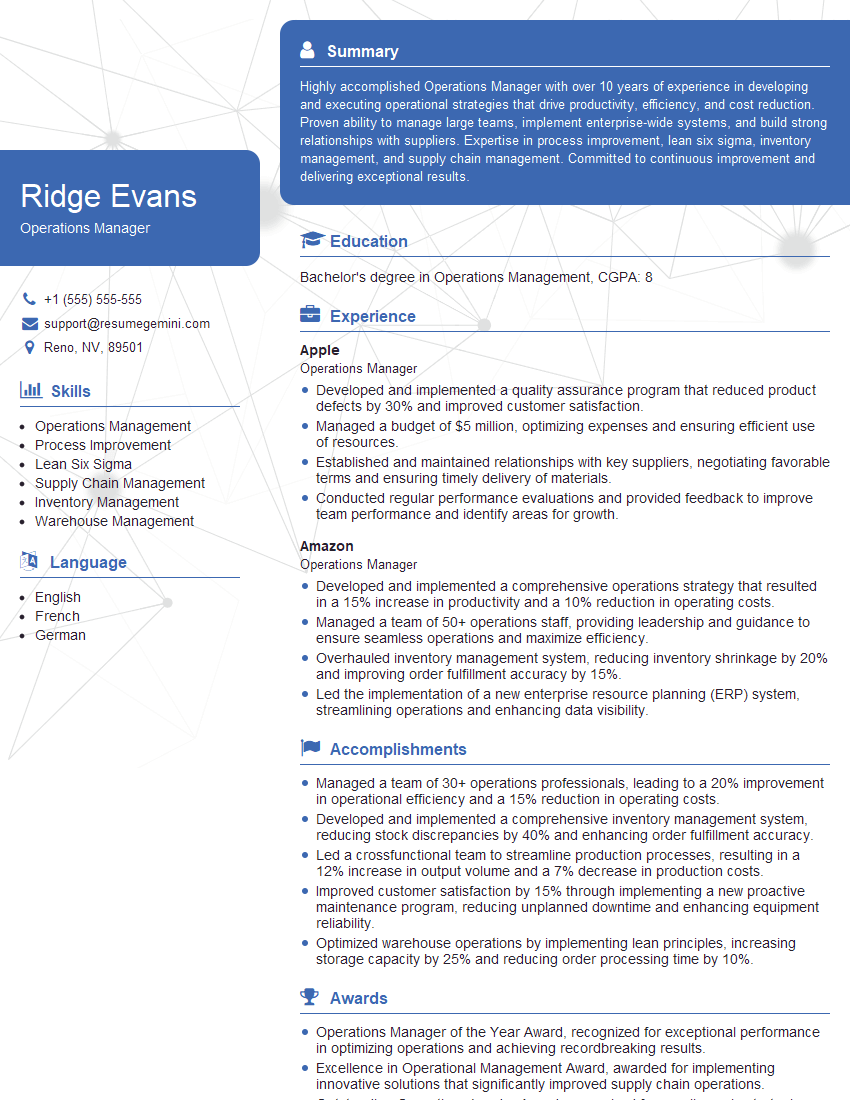
Operations Manager Resume Sample
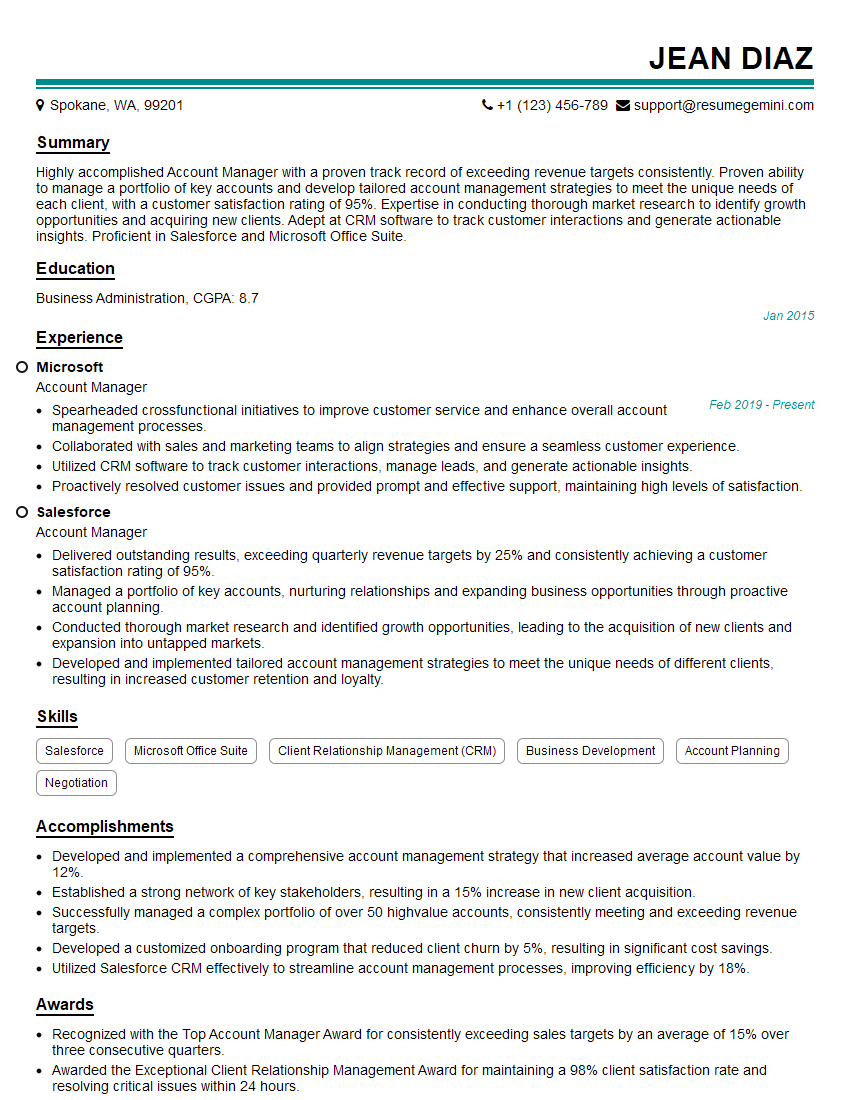
Account Manager Resume Sample
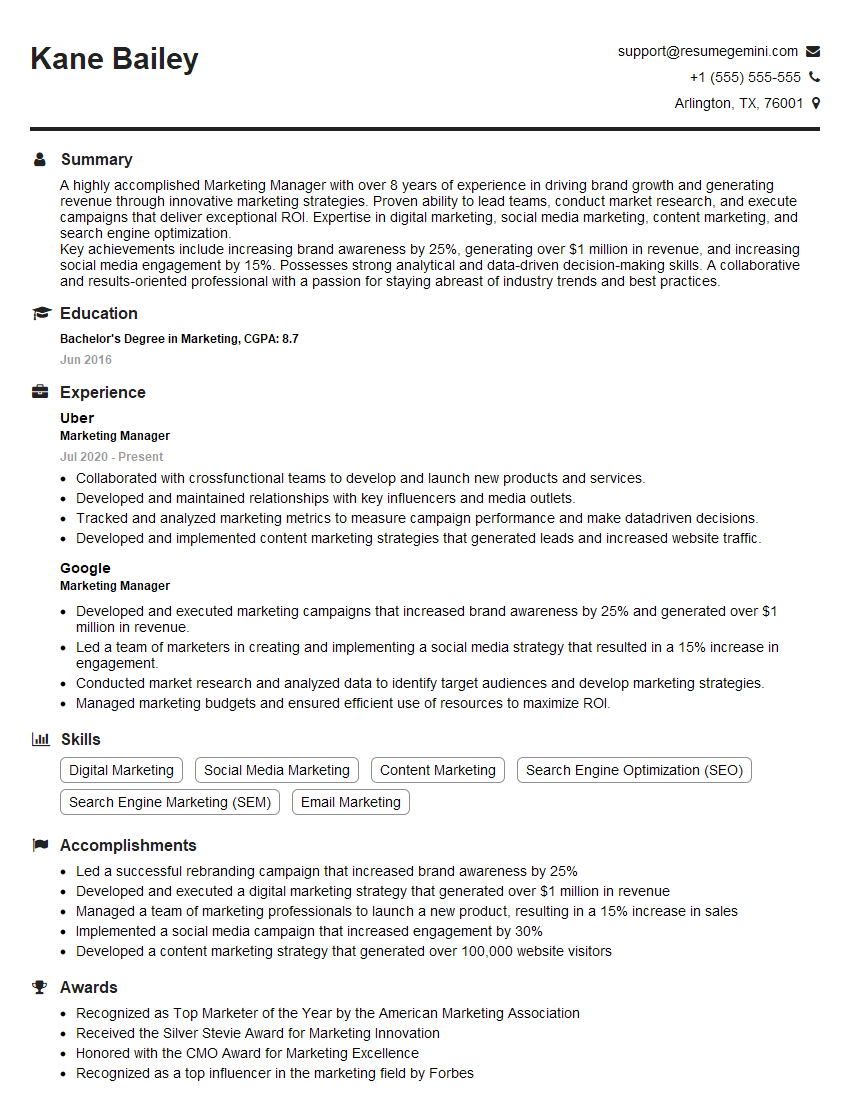
Marketing Manager Resume Sample
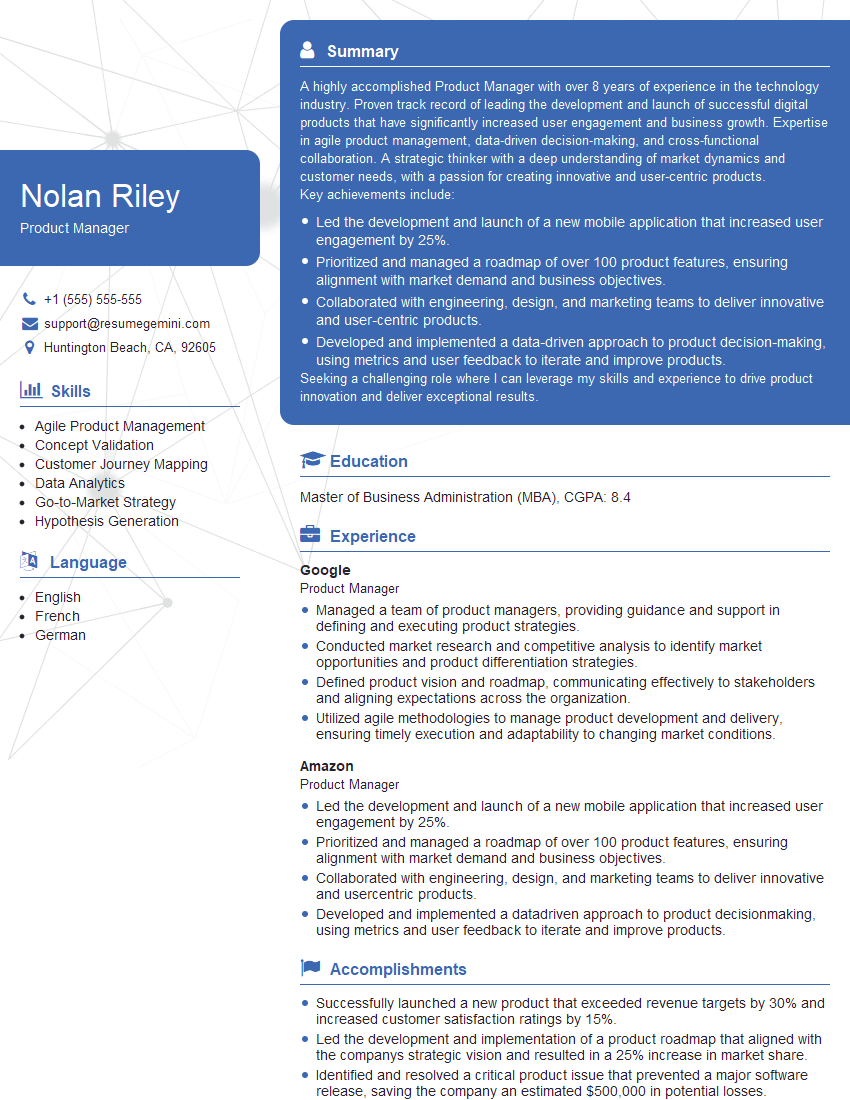
Product Manager Resume Sample
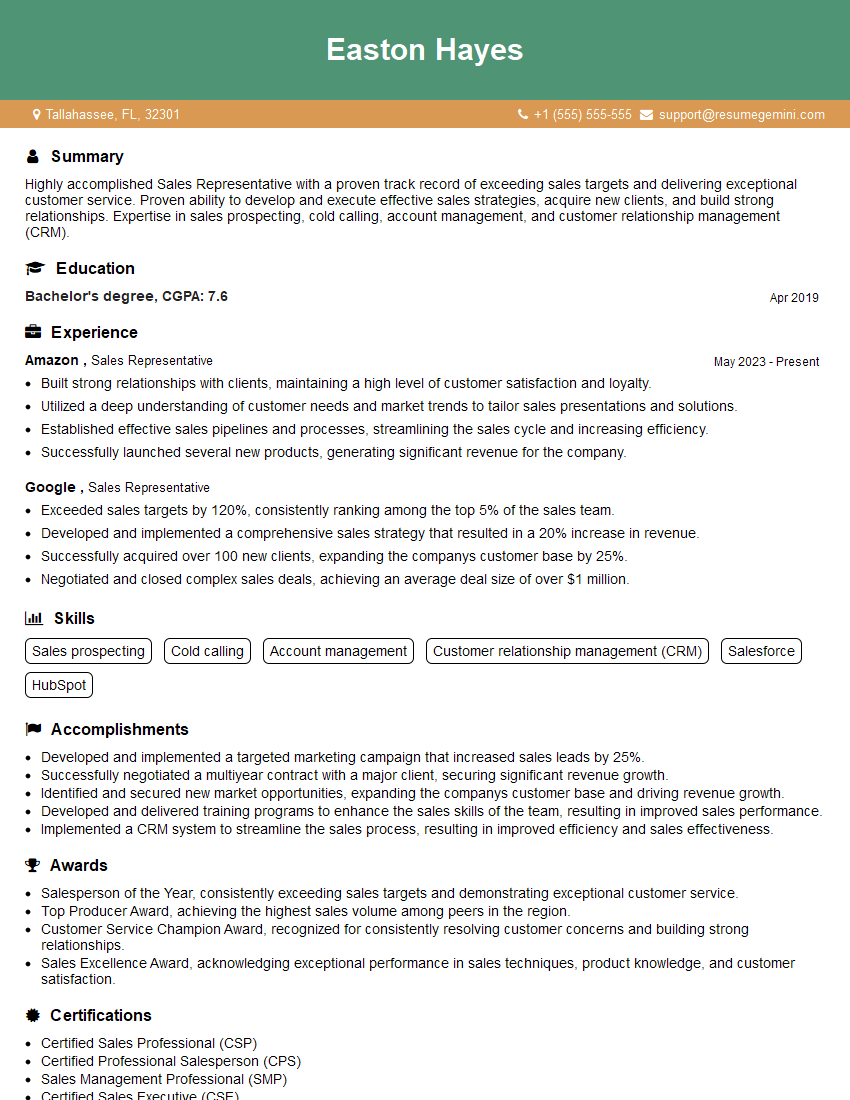
Sales Representative Resume Sample
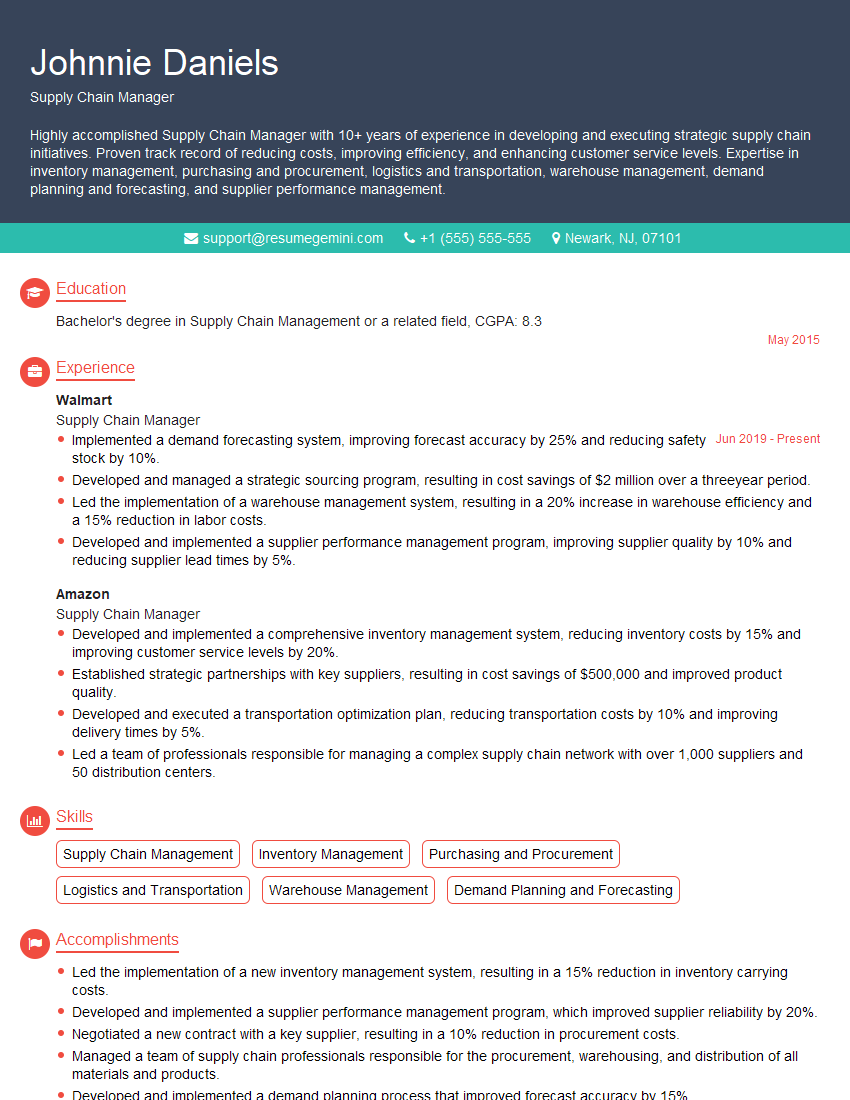
Supply Chain Manager Resume Sample
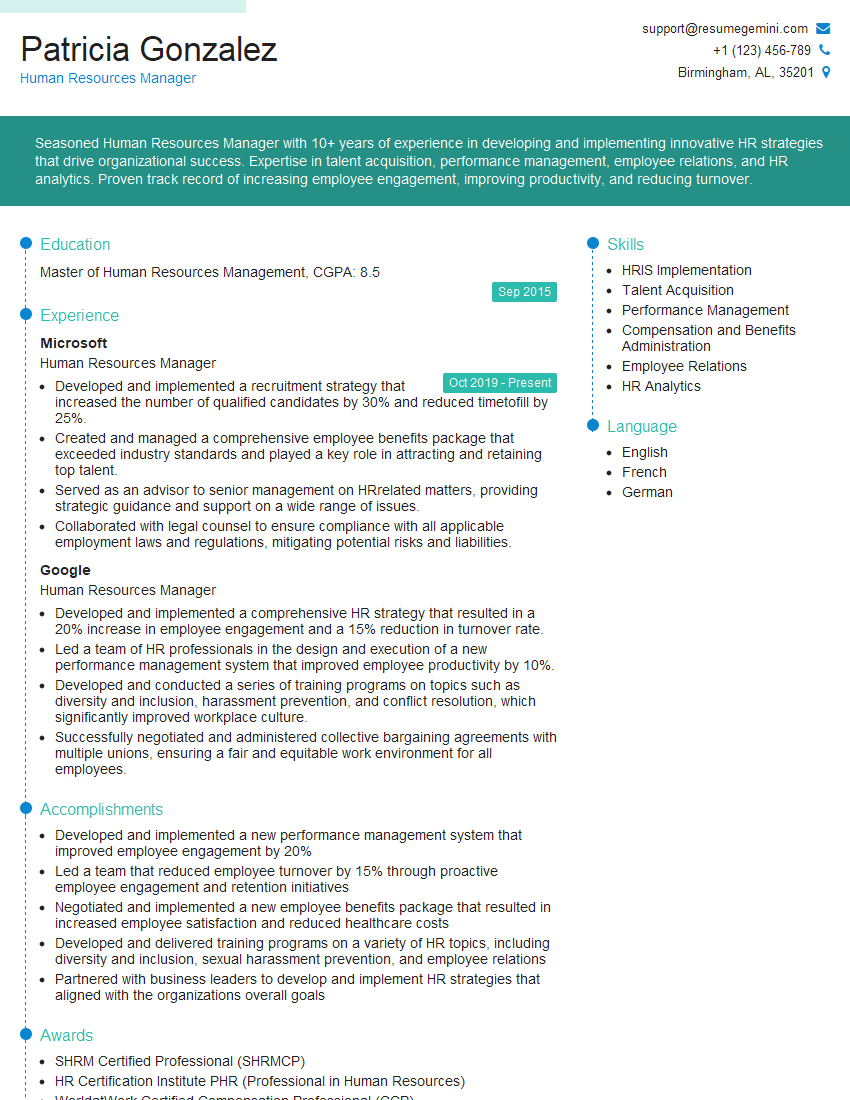
Human Resources Manager Resume Sample
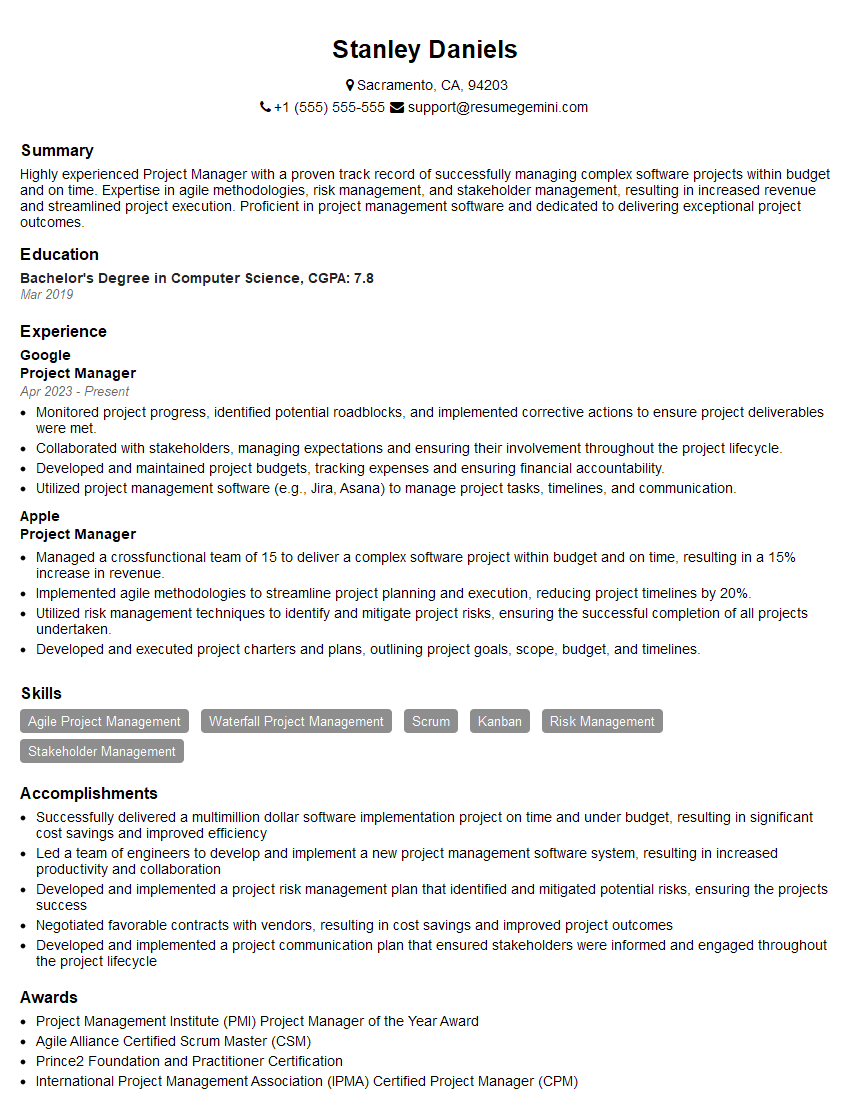
Project Manager Resume Sample
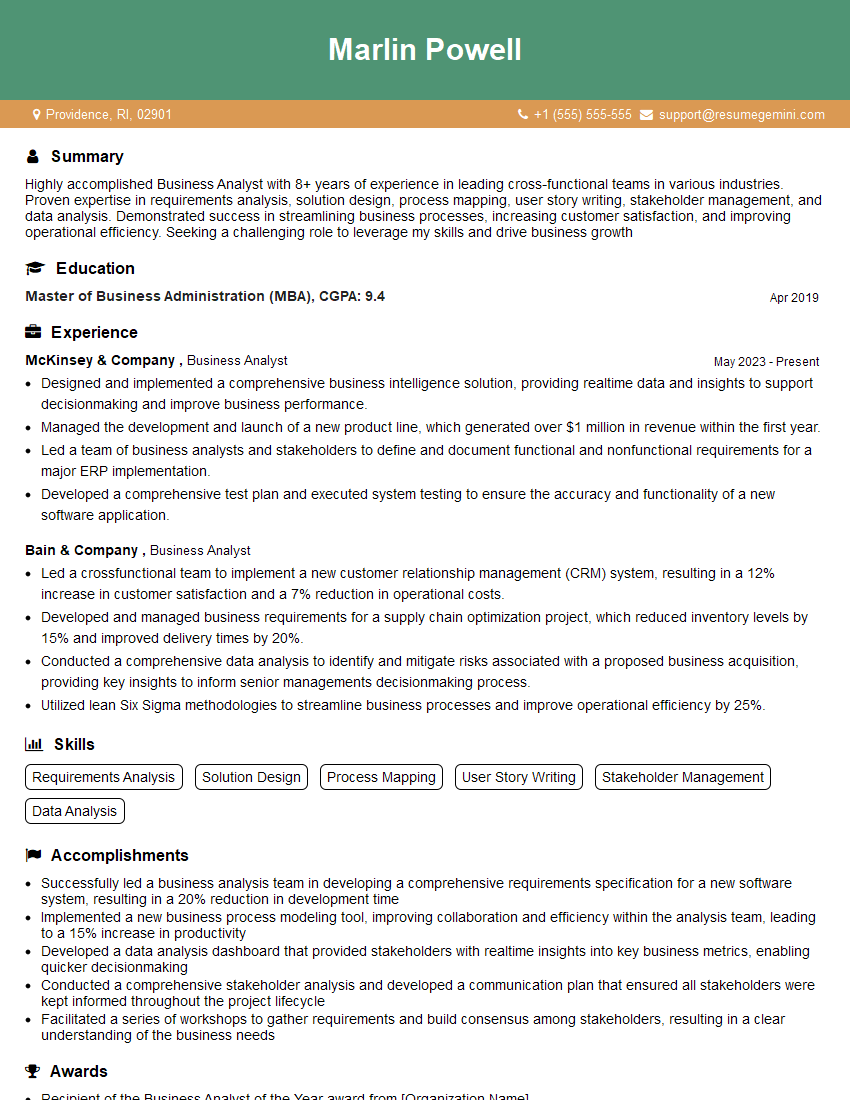
Business Analyst Resume Sample
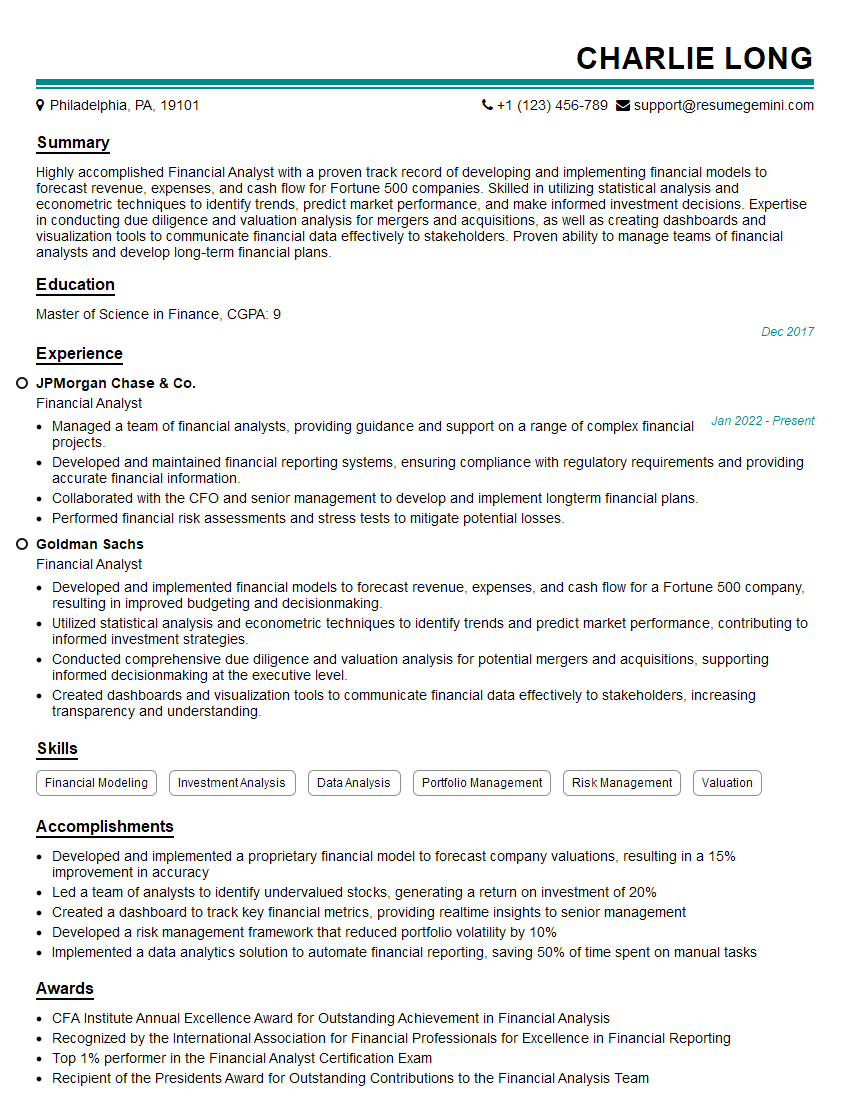
Financial Analyst Resume Sample
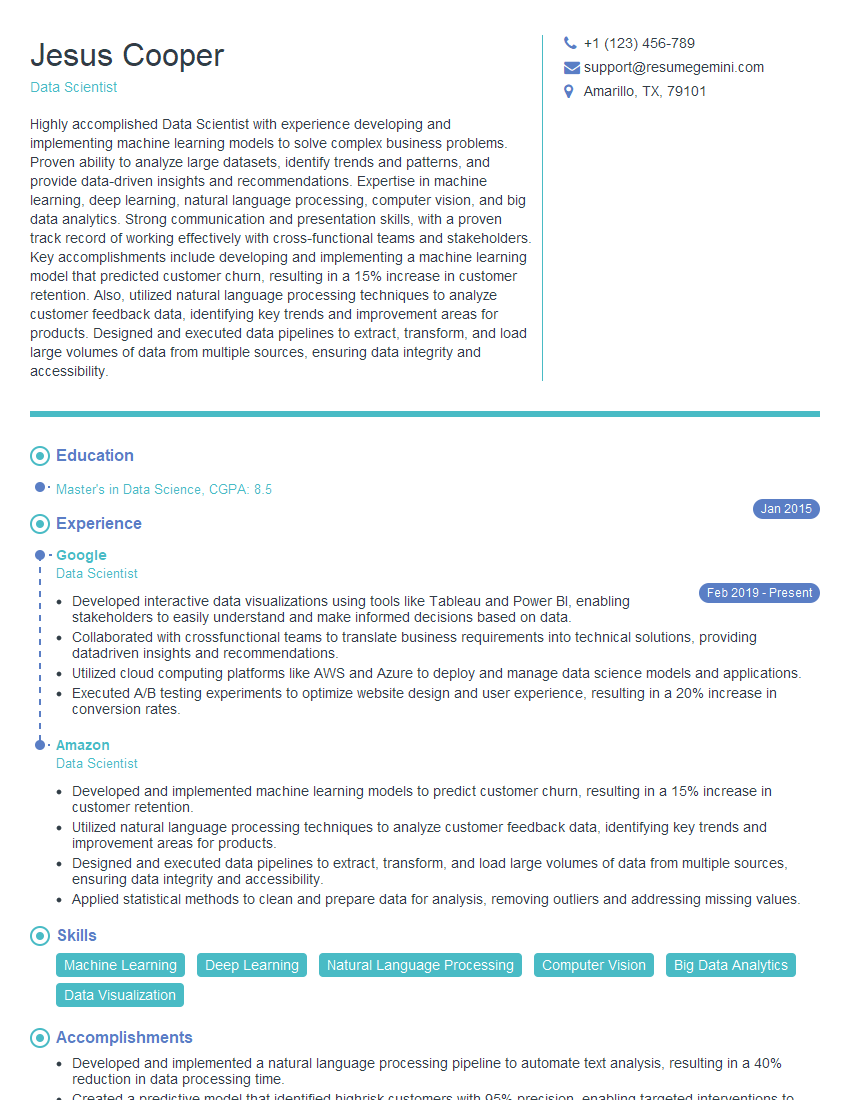
Data Scientist Resume Sample
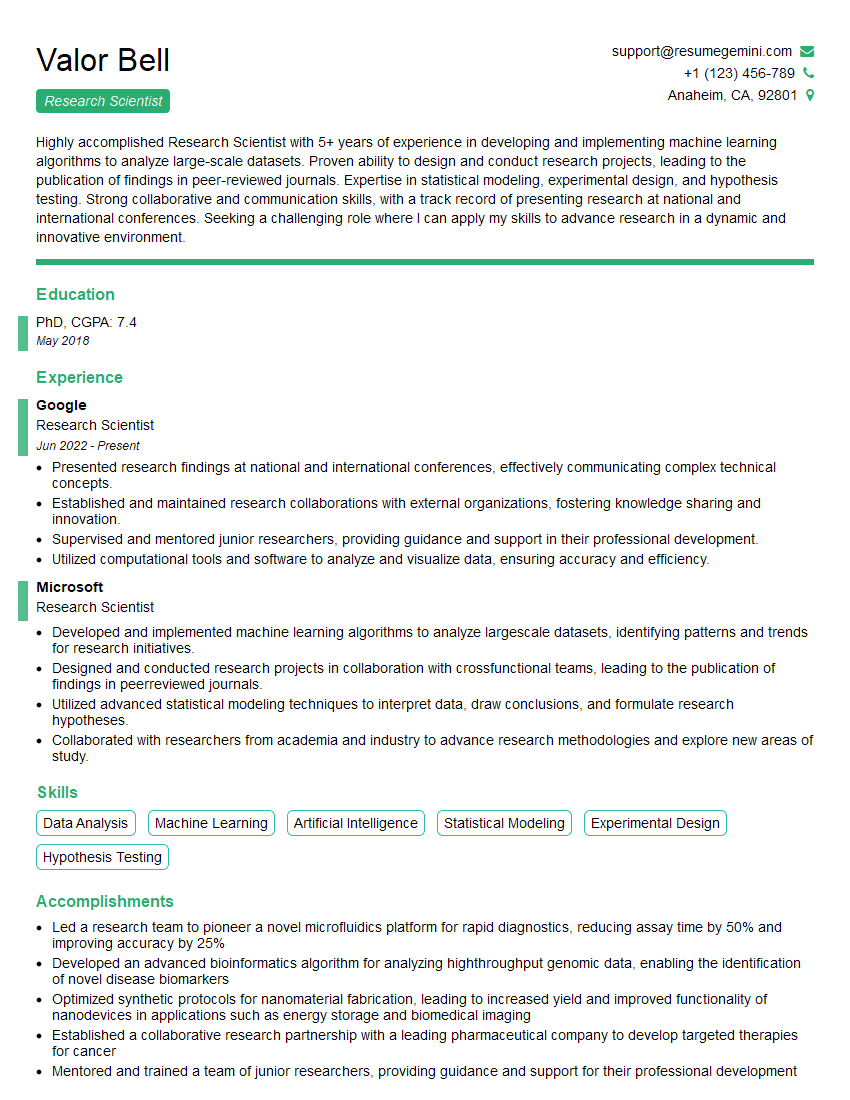
Research Scientist Resume Sample
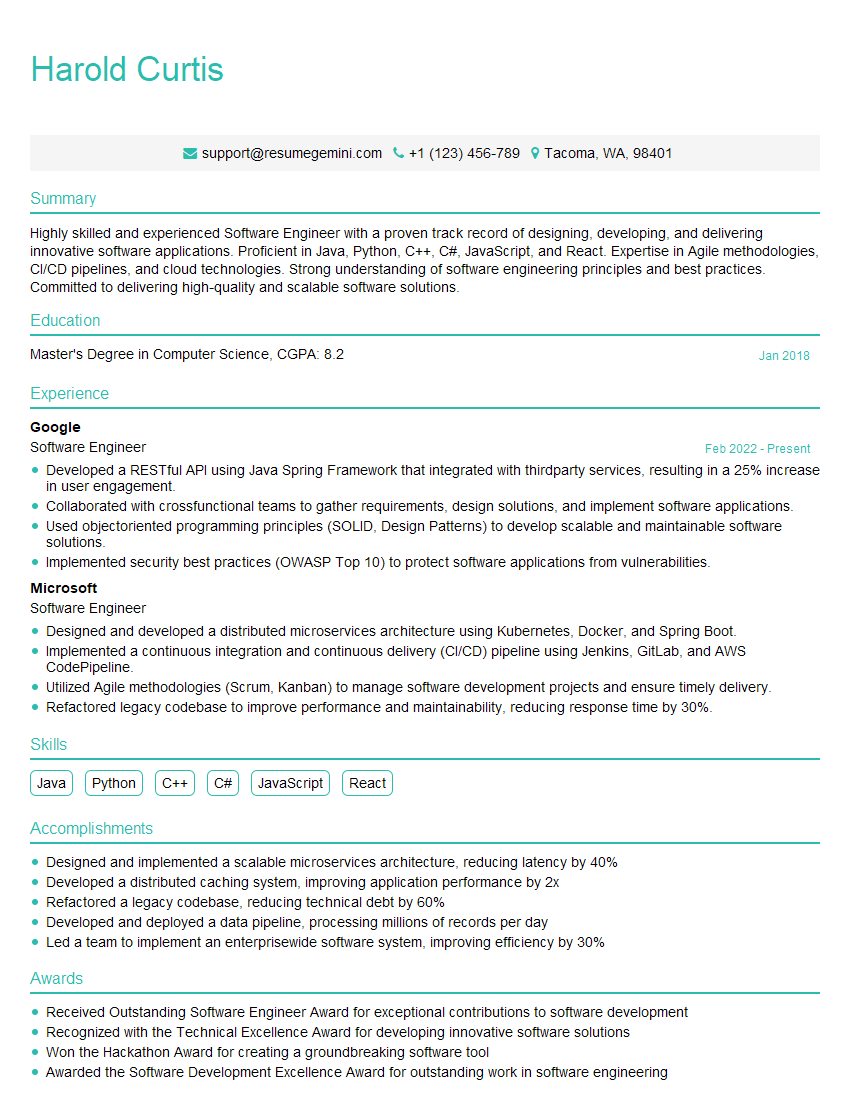
Software Engineer Resume Sample
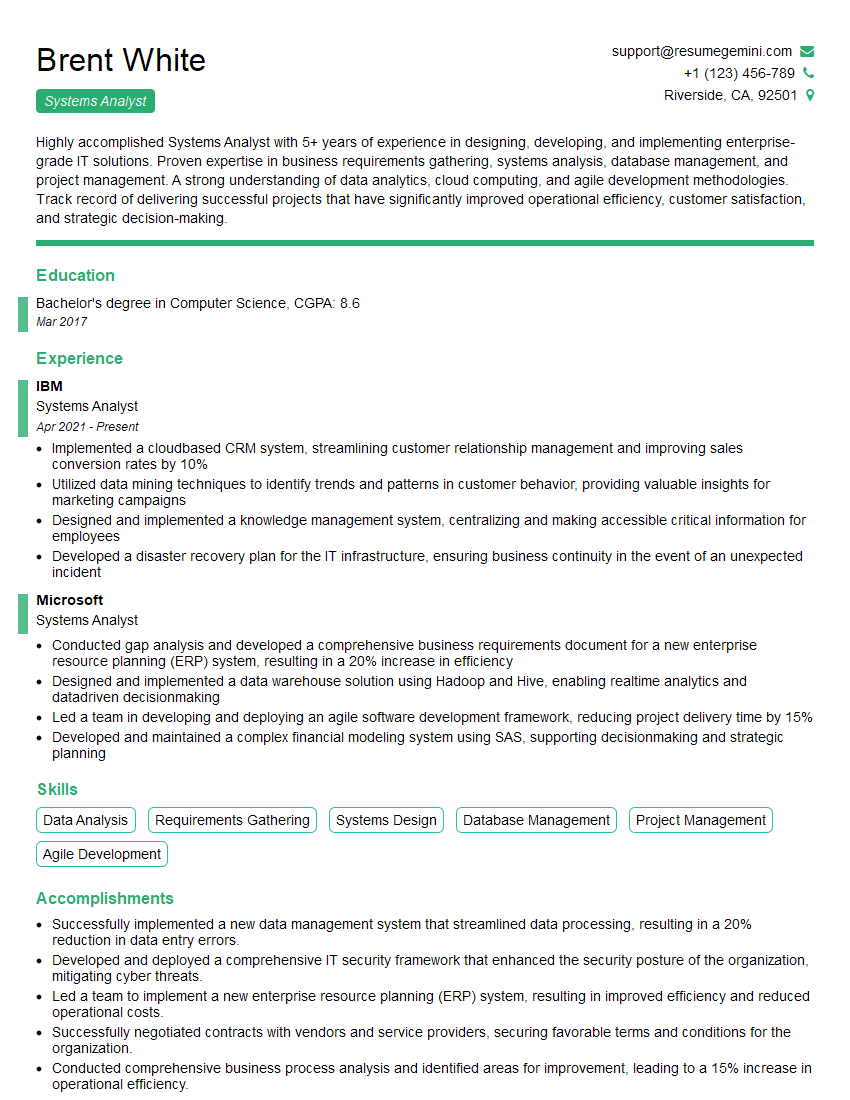
Systems Analyst Resume Sample
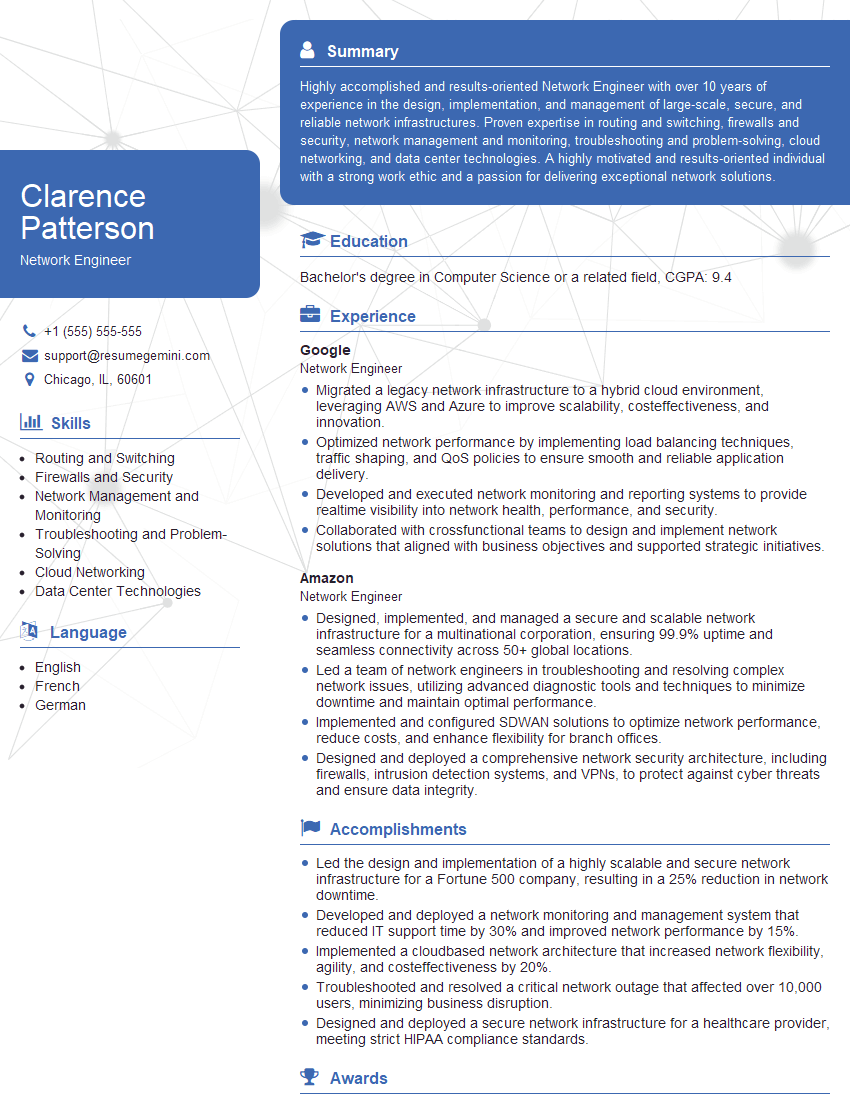
Network Engineer Resume Sample
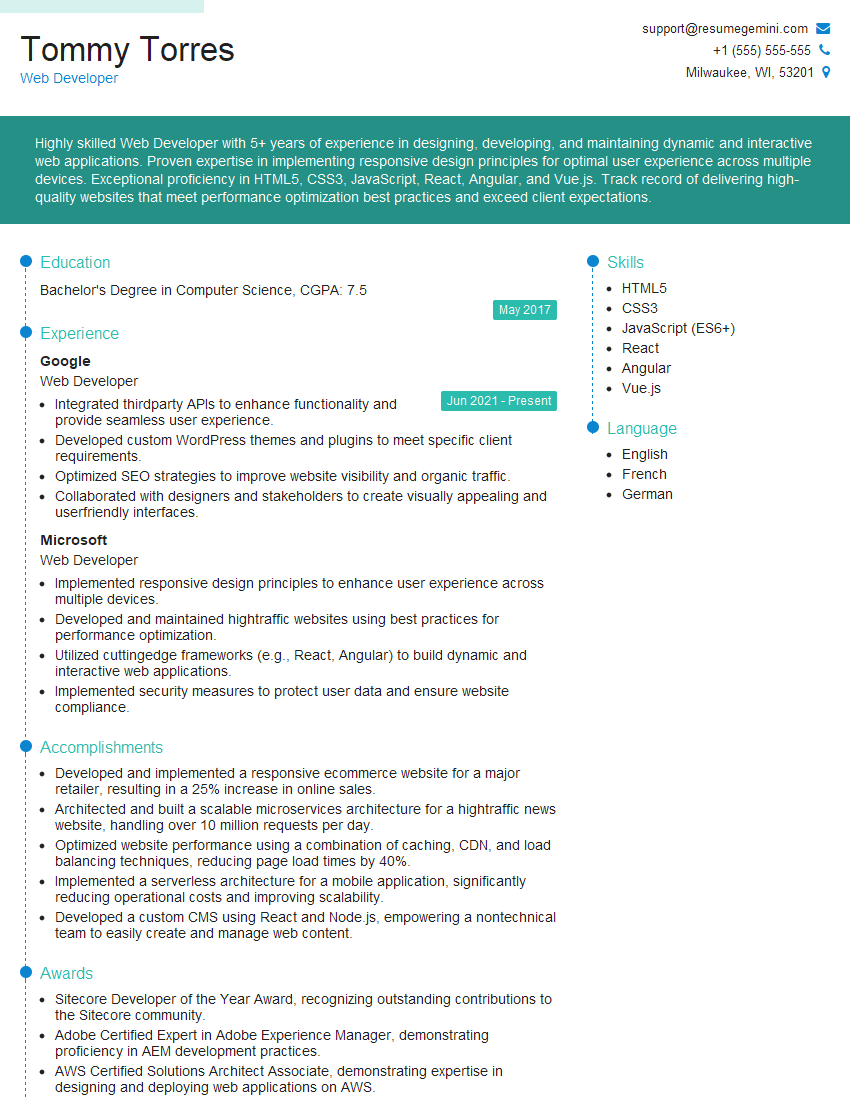
Web Developer Resume Sample
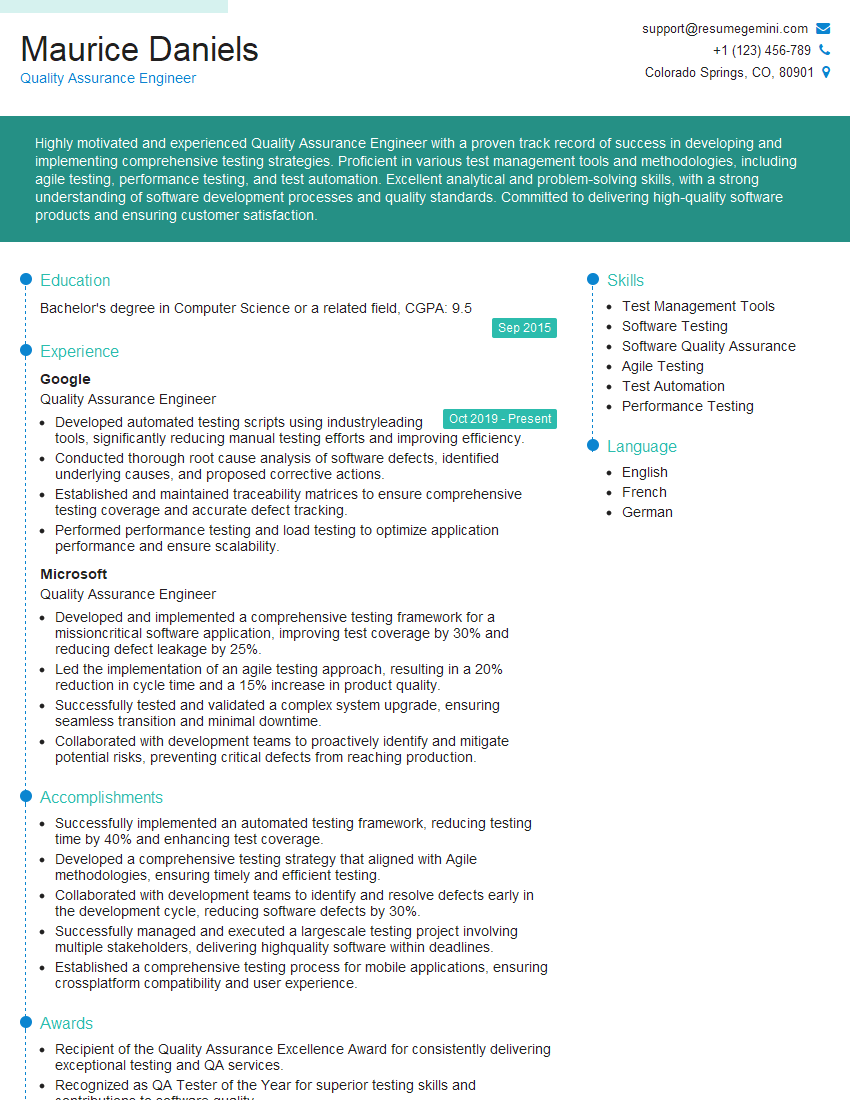
Quality Assurance Engineer Resume Sample

Technical Writer Resume Sample
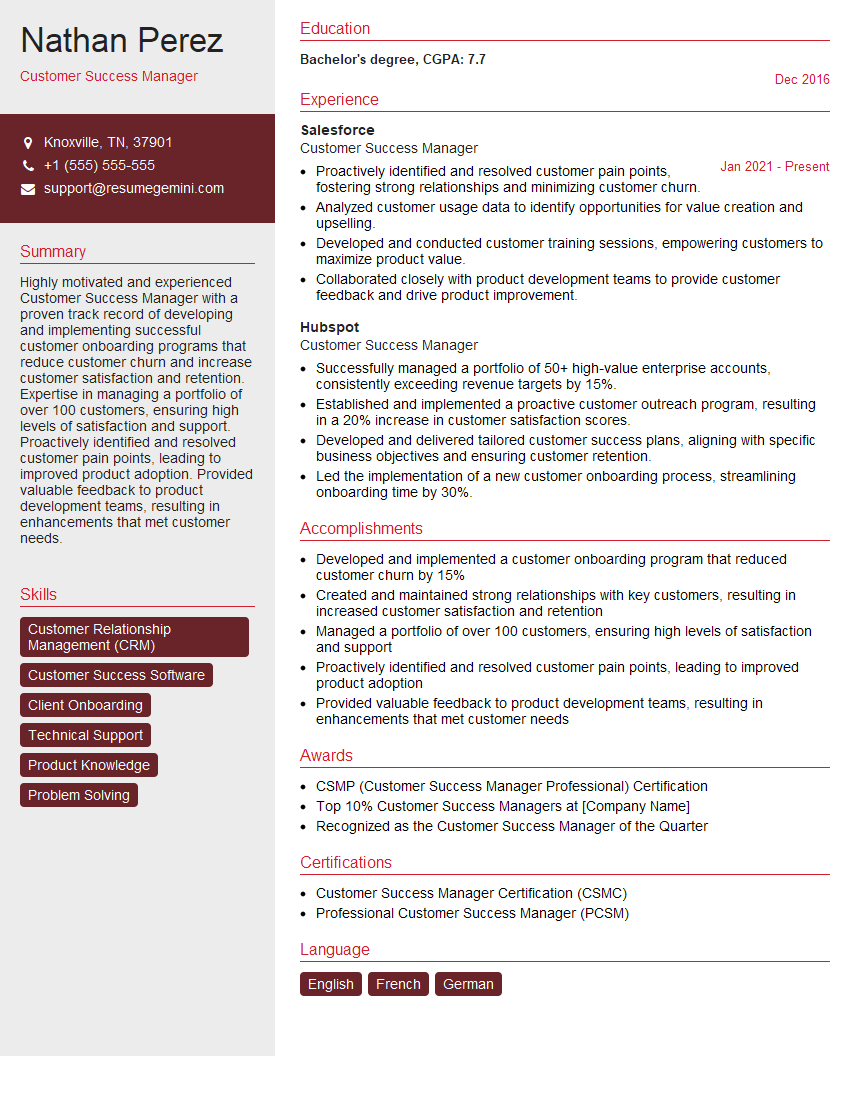
Customer Success Manager Resume Sample
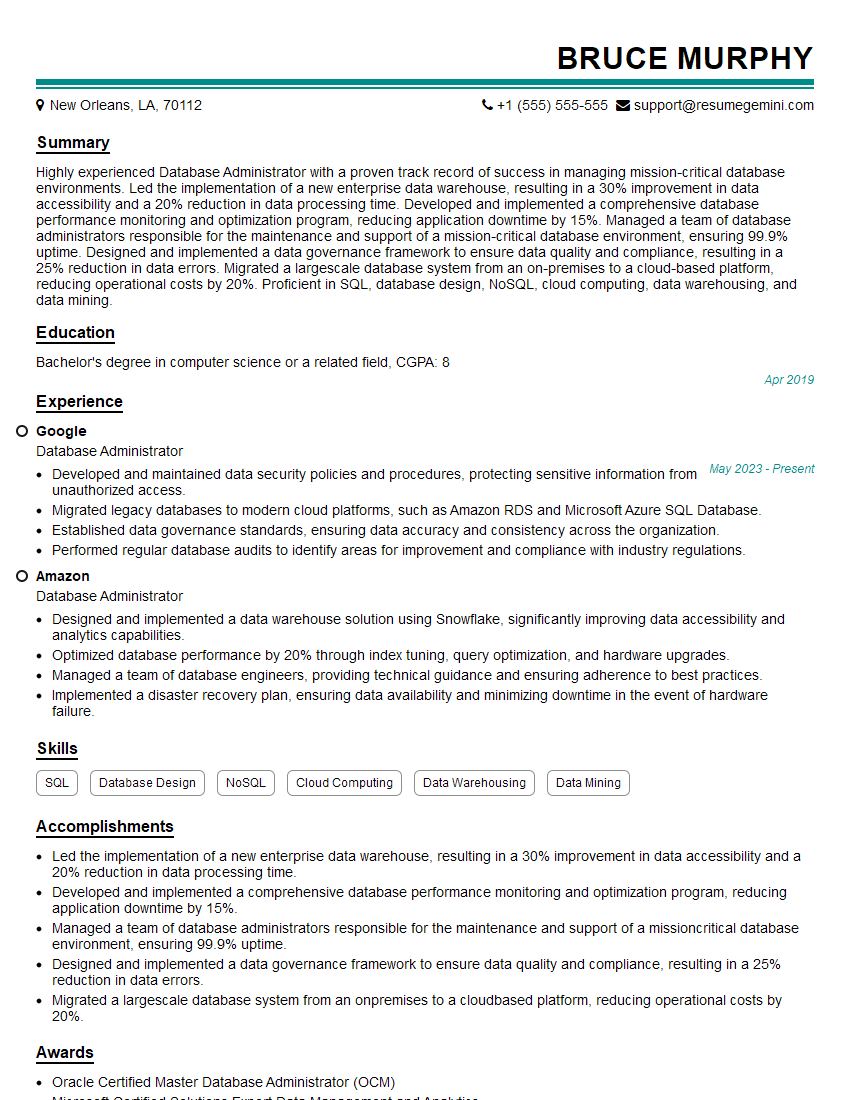
Database Administrator Resume Sample
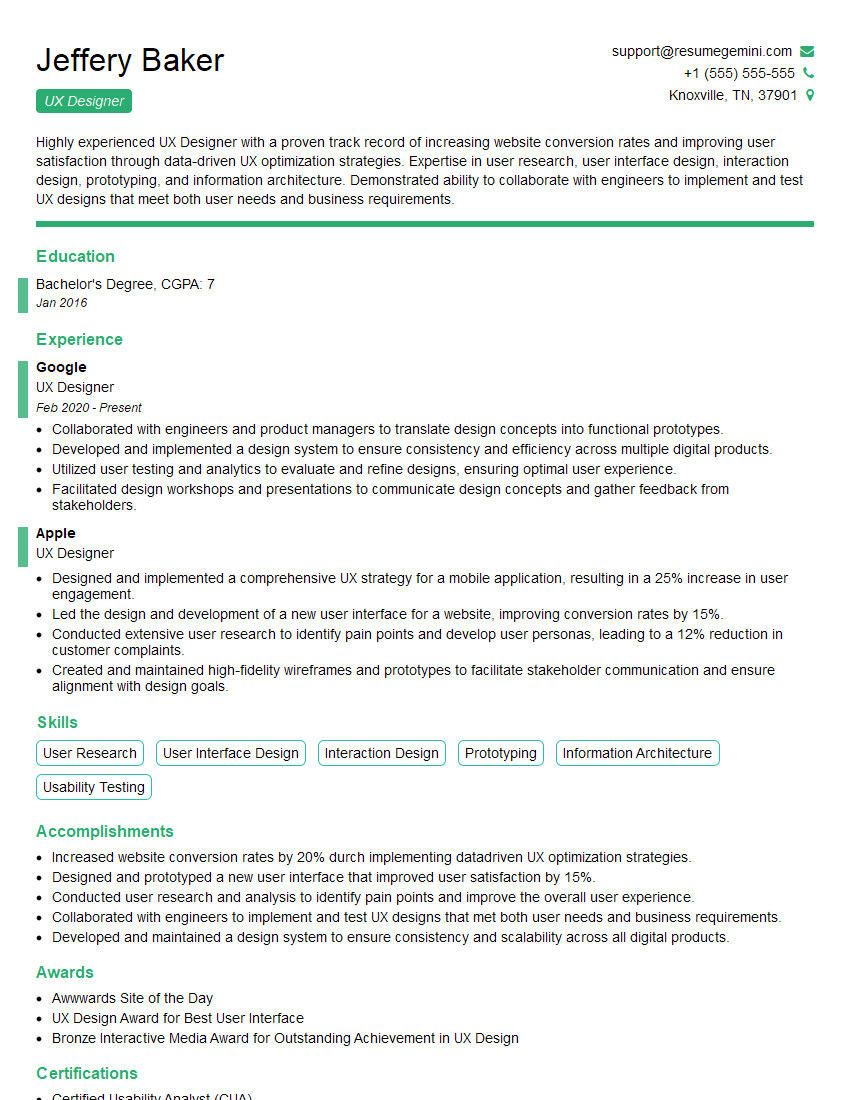
UX Designer Resume Sample
- Program Manager
- Operations Manager
- Account Manager
- Marketing Manager
- Product Manager
- Sales Representative
- Supply Chain Manager
- Human Resources Manager
- Project Manager
- Business Analyst
- Financial Analyst
- Data Scientist
- Research Scientist
- Software Engineer
- Systems Analyst
- Network Engineer
- Web Developer
- Quality Assurance Engineer
- Technical Writer
- Customer Success Manager
- Database Administrator
- UX Designer
Explore more articles
Users Rating of Our Blogs
Share Your Experience
We value your feedback! Please rate our content and share your thoughts (optional).
What Readers Say About Our Blog
Very informative content, great job.
good