Every successful interview starts with knowing what to expect. In this blog, we’ll take you through the top Ability to Conduct and Manage Multidisciplinary Projects interview questions, breaking them down with expert tips to help you deliver impactful answers. Step into your next interview fully prepared and ready to succeed.
Questions Asked in Ability to Conduct and Manage Multidisciplinary Projects Interview
Q 1. Describe your experience managing projects with diverse teams (e.g., engineering, marketing, design).
Managing multidisciplinary projects requires a nuanced approach, recognizing the unique strengths and perspectives each team brings. My experience spans numerous projects involving engineering, marketing, design, and development teams. For example, in a recent project developing a new SaaS platform, I led a team comprising software engineers, UX/UI designers, marketing specialists, and a sales team. I leveraged each team’s expertise by establishing clear roles and responsibilities from the outset, fostering open communication channels, and using project management tools to track progress and dependencies across different teams. This included regular cross-functional meetings to align on goals, share updates, and address potential roadblocks.
Another example involved the launch of a new product line. Here, I orchestrated the collaborative efforts of the product development team (engineers and designers), the marketing team (responsible for branding, messaging, and campaign strategy), and the sales team (responsible for market analysis and distribution). By establishing a shared project management system and promoting regular communication, I ensured that everyone remained informed and aligned on objectives, leading to a successful product launch.
Q 2. How do you identify and mitigate potential conflicts among team members from different disciplines?
Conflict is inevitable in multidisciplinary projects, often stemming from differing priorities, communication styles, or interpretations of project goals. My approach focuses on proactive conflict mitigation rather than reactive firefighting. This begins with establishing a strong project charter that clearly defines roles, responsibilities, and decision-making processes. I also foster a culture of open communication and mutual respect where team members feel comfortable expressing concerns and disagreements.
When conflicts arise, I facilitate structured discussions using techniques like active listening and collaborative problem-solving. I help team members understand each other’s perspectives, identify common ground, and find mutually agreeable solutions. For instance, if the marketing team wants a faster launch date than the engineering team deems feasible, I facilitate a discussion to explore trade-offs, potentially prioritizing core features for the initial release and delaying less critical functionalities. Mediation and clear documentation of decisions are crucial for managing and preventing future conflicts.
Q 3. Explain your process for defining project scope and objectives in multidisciplinary projects.
Defining project scope and objectives in multidisciplinary projects requires a collaborative, iterative approach. It starts with a high-level vision statement, agreed upon by all stakeholders, outlining the project’s overall goals and desired outcomes. This is then broken down into smaller, manageable tasks, with clearly defined deliverables and success metrics for each discipline. This breakdown ensures everyone understands their contribution to the overall project goal.
I typically employ a Work Breakdown Structure (WBS) to visually represent the project’s scope. The WBS helps to identify potential dependencies between tasks across different disciplines and enables more accurate time and resource allocation. Regular stakeholder meetings are crucial to ensure alignment throughout the scoping process and to address any emerging questions or concerns. The final documented scope serves as a shared understanding and a baseline for monitoring progress.
Q 4. What methodologies (e.g., Agile, Waterfall) have you used successfully in multidisciplinary projects?
My experience encompasses both Agile and Waterfall methodologies, with the choice dependent on the specific project’s characteristics and stakeholder needs. For projects requiring high flexibility and iterative development, Agile methodologies, such as Scrum or Kanban, are highly effective. The iterative nature of Agile enables continuous feedback from stakeholders and allows for adjustments based on evolving requirements. This is particularly beneficial in multidisciplinary projects where the interaction and feedback loops between different disciplines are crucial.
Waterfall, on the other hand, is more suitable for projects with well-defined requirements and minimal anticipated changes. While less flexible, it can be beneficial when managing predictable tasks with clearly defined dependencies between different teams. In practice, I often employ a hybrid approach, leveraging the strengths of both methodologies depending on the project phase and specific requirements.
Q 5. How do you ensure effective communication and collaboration among team members with varying technical expertise?
Effective communication and collaboration are paramount in multidisciplinary projects. I employ a multi-pronged approach to ensure seamless interaction. This includes establishing clear communication channels tailored to the specific needs of each team. For instance, daily stand-up meetings for the development team, weekly progress reports for stakeholders, and dedicated channels for specific discussions within project management tools.
I also prioritize the use of visual communication tools, such as project dashboards and progress charts, to provide a clear and concise overview of the project’s status. These tools facilitate better understanding and reduce miscommunication. Furthermore, I encourage cross-training and knowledge sharing amongst team members to bridge the technical gaps between disciplines. Regular cross-functional workshops and informal discussions help foster better understanding and collaborative problem-solving.
Q 6. Describe a situation where you had to manage conflicting priorities among different stakeholders in a multidisciplinary project.
In a recent project involving the development of a mobile application, we faced conflicting priorities between the marketing team, who desired a faster launch date to capitalize on a seasonal opportunity, and the engineering team, who required more time to ensure the app’s stability and security. The marketing team prioritized a quick launch for market share gains, while the engineering team stressed the importance of a bug-free product to maintain user trust and avoid negative reviews.
To resolve this, I facilitated a series of meetings involving all stakeholders. We collaboratively prioritized features, identifying those crucial for the initial launch versus those that could be included in later updates. This allowed us to create a launch plan that met the marketing team’s timeline while addressing the engineering team’s concerns. Open communication, data-driven decision-making, and a focus on finding a mutually acceptable compromise were key to resolving this conflict successfully.
Q 7. How do you handle disagreements among team members regarding project approaches or timelines?
Disagreements regarding project approaches or timelines are common in multidisciplinary projects. My approach prioritizes constructive dialogue and collaborative problem-solving. I encourage team members to articulate their perspectives clearly, supporting their arguments with data and evidence. I then facilitate a discussion to identify the root cause of the disagreement and explore potential solutions.
Sometimes, a compromise is necessary. This involves finding a middle ground that satisfies the majority of stakeholders while minimizing negative impacts. If a consensus cannot be reached, I may need to make a decision based on the project’s overall objectives and available resources. In these cases, transparency and clear communication are vital to ensure that all team members understand the rationale behind the decision. It’s also important to document decisions to provide clarity and maintain accountability.
Q 8. What strategies do you employ for risk management in complex, multidisciplinary projects?
Effective risk management in multidisciplinary projects is crucial for success. My approach involves a proactive, multi-layered strategy. It starts with identification, where I facilitate brainstorming sessions with team members from each discipline to identify potential risks, from technical challenges to communication breakdowns. We then analyze each risk, assessing its likelihood and potential impact using a risk matrix. This allows us to prioritize risks, focusing our resources where they’re most needed.
Next comes planning. For each high-priority risk, we develop a mitigation strategy – a specific action plan to reduce its likelihood or impact. This might involve acquiring specialized equipment, implementing additional training, or establishing contingency plans. We also incorporate monitoring throughout the project lifecycle. Regular risk reviews allow us to track identified risks, assess the effectiveness of mitigation strategies, and identify any emerging risks. Finally, documentation is key; maintaining a comprehensive risk register ensures everyone’s on the same page and provides a valuable record for future projects.
For example, in a recent software development project involving hardware integration, we identified a risk of incompatibility between the software and hardware components. Our mitigation strategy involved rigorous testing at each stage of development and establishing clear communication channels between the software and hardware teams. This proactive approach prevented significant delays and cost overruns.
Q 9. How do you measure and track progress in multidisciplinary projects with multiple deliverables?
Tracking progress in multidisciplinary projects with multiple deliverables requires a robust system. I leverage a combination of methods, starting with a clearly defined work breakdown structure (WBS). This breaks down the project into smaller, manageable tasks, assigning responsibility and deadlines to specific team members. We use Gantt charts to visualize the project schedule, dependencies between tasks, and critical paths. These charts provide a high-level overview of progress.
For more granular tracking, we utilize agile methodologies, employing daily stand-up meetings to discuss progress, roadblocks, and plans for the day. We track progress against key performance indicators (KPIs) relevant to each deliverable. These KPIs might include code completion rates, test coverage, or design milestones. Regular reporting, using dashboards and progress reports, helps keep all stakeholders informed. We also utilize project management software (as detailed in my answer to question 4) to automate progress tracking and reporting, providing real-time insights into project status.
Q 10. How do you ensure that project deliverables meet the requirements of all relevant stakeholders?
Ensuring deliverables meet stakeholder requirements requires meticulous planning and ongoing communication. It begins with clearly defining requirements through thorough stakeholder consultations. This might involve surveys, interviews, and workshops to understand the needs and expectations of all involved parties – clients, users, regulatory bodies, etc. We document these requirements in a requirements specification document, using clear, unambiguous language.
Throughout the project, we employ regular reviews and feedback loops. This involves presenting prototypes or draft deliverables to stakeholders for review and feedback at key milestones. This iterative approach allows us to incorporate feedback early and prevent costly rework later. We use version control systems to track changes and ensure everyone is working with the latest version of the deliverables. Finally, a comprehensive acceptance testing phase ensures the final deliverables meet the agreed-upon requirements before handover.
For example, in a construction project, we held regular meetings with the client, architects, and engineers to review design plans and construction progress, ensuring the final building met their specific needs and regulatory compliance.
Q 11. Describe your experience using project management software to manage multidisciplinary projects.
I have extensive experience using various project management software tools, including Jira, Asana, and Microsoft Project. My choice of software depends on the project’s specific needs and the team’s familiarity with the tool. These tools are invaluable for managing tasks, tracking progress, and facilitating communication in multidisciplinary projects.
For example, using Jira, I’ve managed sprints in agile software development projects, tracking user stories, bugs, and task completion rates. The ability to create custom workflows and dashboards allows for tailored project management to suit the specific needs of the project and the disciplines involved. In other projects, Microsoft Project’s Gantt chart functionality has proven critical for visualizing the project timeline and managing interdependencies between tasks across different teams. The key is not just selecting the right tool, but effectively leveraging its features to enhance collaboration, transparency, and efficiency.
Q 12. How do you delegate tasks effectively to team members from various disciplines?
Effective task delegation in a multidisciplinary team requires understanding individual strengths and expertise. I start by clearly defining each task, its scope, deliverables, and deadlines. Then, I consider each team member’s skills and experience, assigning tasks to individuals best suited to complete them efficiently and effectively. I also consider individual workloads and avoid overloading anyone.
Communication is critical. I ensure each team member understands their responsibilities, how their work contributes to the overall project goals, and the resources available to them. Regular check-ins and feedback sessions allow me to monitor progress, address any challenges, and provide support as needed. This ensures everyone feels valued, empowered, and accountable for their contributions. Clear communication channels, whether through project management software or regular meetings, prevent misunderstandings and facilitate collaboration.
Q 13. How do you build consensus among team members from different backgrounds and perspectives?
Building consensus in a diverse team requires fostering a culture of respect, collaboration, and open communication. I facilitate this through regular team meetings where everyone has a voice and feels comfortable sharing their perspectives. I encourage active listening and create a safe space for constructive disagreements.
I employ techniques like brainstorming and collaborative problem-solving to arrive at mutually acceptable solutions. I also highlight the common project goals and how each team member’s contribution contributes to the overall success. Recognizing and valuing individual expertise helps build trust and respect. When conflicts arise, I act as a mediator, helping to find common ground and build consensus through compromise and negotiation.
For example, in a project involving architects, engineers, and contractors, we used a collaborative design review process, allowing each team to share their input and address potential conflicts early. This proactive approach avoided significant delays and disagreements later in the project.
Q 14. What are the key challenges you’ve faced in managing multidisciplinary projects, and how did you overcome them?
One major challenge I’ve faced is managing communication across different disciplines with varying communication styles. In one project, the engineers favored technical documentation, while the marketing team preferred visual presentations. To overcome this, I implemented a multi-faceted communication strategy, using a combination of written reports, visual presentations, and regular meetings tailored to the preferences of each team.
Another significant challenge is coordinating schedules and dependencies across multiple teams. To address this, we implemented a detailed project schedule with clearly defined milestones and dependencies, using project management software to track progress and identify potential bottlenecks early. Proactive communication and regular progress reviews helped keep everyone informed and aligned, allowing us to address potential delays promptly. By acknowledging these challenges upfront and proactively developing strategies to address them, I’ve successfully managed complex multidisciplinary projects.
Q 15. How do you ensure that project documentation is clear, concise, and accessible to all team members?
Clear, concise, and accessible project documentation is crucial for effective multidisciplinary collaboration. My approach involves establishing a standardized documentation system from the outset, using a combination of techniques.
Centralized Repository: We utilize a single, accessible platform (e.g., a shared drive, project management software like Asana or Monday.com) for all project documents. This ensures everyone is working from the same source of truth, minimizing confusion and version control issues.
Consistent Formatting: We adopt a consistent template and style guide for all documents – from meeting minutes to technical specifications. This enhances readability and allows team members to quickly find the information they need.
Plain Language and Visual Aids: Jargon is minimized, and complex information is explained clearly using simple language, supplemented with diagrams, flowcharts, and other visual aids. This caters to diverse technical backgrounds and ensures everyone understands the project goals and processes.
Regular Updates and Version Control: Documents are updated regularly to reflect the latest project developments. Version control ensures that everyone is aware of changes and can access previous versions if needed. We use features like change logs and version numbering for transparency.
Feedback Mechanisms: We actively solicit feedback from team members on the clarity and accessibility of documentation. This iterative process ensures that the documentation remains relevant and user-friendly throughout the project lifecycle.
For example, in a recent software development project, implementing a consistent template for user stories and technical specifications resulted in a 20% reduction in clarification requests and a 15% improvement in development velocity.
Career Expert Tips:
- Ace those interviews! Prepare effectively by reviewing the Top 50 Most Common Interview Questions on ResumeGemini.
- Navigate your job search with confidence! Explore a wide range of Career Tips on ResumeGemini. Learn about common challenges and recommendations to overcome them.
- Craft the perfect resume! Master the Art of Resume Writing with ResumeGemini’s guide. Showcase your unique qualifications and achievements effectively.
- Don’t miss out on holiday savings! Build your dream resume with ResumeGemini’s ATS optimized templates.
Q 16. Explain your approach to managing project budgets and resources in a multidisciplinary context.
Managing project budgets and resources in a multidisciplinary setting requires a meticulous and proactive approach. My strategy involves a combination of detailed planning, regular monitoring, and effective communication.
Detailed Budget Breakdown: We start with a detailed budget breakdown, allocating funds to different tasks and teams based on their scope of work and resource requirements. This ensures transparency and accountability.
Resource Allocation Matrix: We create a resource allocation matrix, outlining the skills, time, and equipment needed for each task. This helps in identifying potential resource conflicts early on and optimizing resource utilization.
Regular Monitoring and Reporting: We track project expenses and resource consumption regularly, using project management software to generate reports and dashboards. This allows us to identify potential overruns early and take corrective actions.
Contingency Planning: We build a contingency plan to accommodate unexpected expenses or delays. This involves setting aside a certain percentage of the budget for unforeseen circumstances.
Collaboration and Communication: Open communication with team leads and stakeholders is vital. Regular meetings ensure that everyone is informed about budget status and any potential issues.
For instance, in a recent construction project, using a detailed resource allocation matrix helped us identify a potential shortage of skilled labor early on, allowing us to proactively recruit and train additional personnel, avoiding costly delays.
Q 17. Describe your experience with stakeholder management in multidisciplinary projects.
Stakeholder management is paramount in multidisciplinary projects, as success depends on aligning the diverse interests and expectations of various parties. My approach is based on proactive communication, regular engagement, and building strong relationships.
Stakeholder Identification and Analysis: The first step is identifying all key stakeholders – including clients, team members, management, and external partners. We analyze their interests, influence, and potential risks.
Communication Plan: A comprehensive communication plan outlines how we will engage each stakeholder group, tailoring our approach to their communication preferences and information needs. This includes regular updates, meetings, and feedback mechanisms.
Regular Meetings and Feedback Sessions: We conduct regular meetings with key stakeholders to discuss project progress, address concerns, and solicit feedback. This ensures transparency and keeps stakeholders informed and engaged.
Issue Resolution: We establish a clear process for addressing any conflicts or disagreements among stakeholders. This often involves facilitated discussions and collaborative problem-solving.
Relationship Building: Building trust and rapport with stakeholders is crucial. This involves active listening, understanding their perspectives, and demonstrating responsiveness to their concerns.
In a past environmental remediation project, proactive stakeholder engagement prevented a potential legal dispute with a local community group by addressing their environmental concerns and incorporating their feedback into the project plan.
Q 18. How do you adapt your communication style to effectively reach team members with diverse communication preferences?
Effective communication in multidisciplinary teams requires adapting to diverse communication preferences. My approach involves using a multi-modal communication strategy and actively seeking feedback.
Multiple Channels: I utilize various communication channels, including email, instant messaging (Slack, Teams), video conferencing, and project management software to cater to different preferences. Some team members might prefer concise emails, while others prefer detailed reports or face-to-face discussions.
Visual Communication: I often incorporate visual aids like charts, graphs, and presentations to communicate complex information effectively. Visuals aid understanding, especially when working with individuals from various backgrounds.
Active Listening and Feedback: I make it a point to actively listen to team members and seek their feedback on communication methods. This ensures that communication is clear and understood by everyone.
Clear and Concise Messaging: Regardless of the channel, I prioritize clear and concise messaging, avoiding jargon and technical terms that might confuse some team members.
Cultural Sensitivity: In diverse teams, I am mindful of cultural differences and adapt my communication style accordingly to ensure inclusivity and respect.
For instance, in a recent international project, adapting my communication style to incorporate more visual elements and using asynchronous communication channels improved the efficiency of communication across time zones and language barriers.
Q 19. How do you handle unexpected changes or delays in a multidisciplinary project?
Unexpected changes and delays are inevitable in multidisciplinary projects. My approach involves a structured process for handling these situations effectively.
Immediate Assessment: When an unexpected change or delay occurs, the first step is to assess the impact on the project timeline, budget, and deliverables. This often involves convening a quick meeting with relevant team members.
Risk Assessment and Mitigation: We conduct a risk assessment to identify the root cause of the issue and explore potential mitigation strategies. This could involve adjusting the project plan, reallocating resources, or seeking external support.
Communication and Transparency: We immediately communicate the situation to relevant stakeholders, providing a clear explanation of the issue and proposed solutions. Transparency builds trust and prevents misunderstandings.
Revised Plan and Timeline: Based on the assessment and mitigation strategies, we revise the project plan and timeline, ensuring that all team members are aware of the changes.
Monitoring and Evaluation: We closely monitor the situation after implementing the corrective actions, tracking progress and adjusting the plan as needed. Post-incident analysis helps to learn from the experience and improve future project planning.
For example, in a large-scale software project, we once faced a major delay due to a third-party vendor failing to deliver on time. By proactively communicating the situation to the client and implementing a mitigation plan involving internal resource reallocation, we successfully minimized the overall project impact.
Q 20. How do you foster a collaborative and positive team environment in a multidisciplinary setting?
Fostering a collaborative and positive team environment is crucial for success in multidisciplinary projects. My approach involves a combination of leadership, communication, and team-building activities.
Clear Roles and Responsibilities: Establishing clear roles and responsibilities from the beginning prevents confusion and ensures that everyone understands their contributions to the project.
Open Communication and Feedback: Creating a culture of open communication, where team members feel comfortable sharing ideas, concerns, and feedback, is essential. Regular feedback sessions provide opportunities for constructive criticism and improvement.
Team-Building Activities: We organize team-building activities to foster camaraderie and improve team cohesion. These can range from informal social gatherings to more structured activities designed to enhance communication and collaboration.
Recognition and Appreciation: Recognizing and appreciating individual and team accomplishments boosts morale and motivation. This can involve informal praise, formal awards, or other incentives.
Conflict Resolution: Establishing a clear process for addressing conflicts is essential. This often involves facilitating discussions, mediating disputes, and finding mutually agreeable solutions.
In a past project involving engineers, designers, and marketing professionals, introducing regular team lunches and collaborative brainstorming sessions led to enhanced communication, faster problem-solving, and a stronger sense of team unity.
Q 21. Describe your process for identifying and recruiting team members with the necessary skills and expertise for a multidisciplinary project.
Identifying and recruiting the right team members for a multidisciplinary project is crucial for success. My process involves a detailed needs assessment, a targeted recruitment strategy, and a thorough evaluation process.
Skills Matrix and Needs Assessment: We start by developing a skills matrix, outlining the specific skills and expertise needed for each role. This involves a detailed needs assessment that considers the project’s scope, complexity, and timeline.
Targeted Recruitment: Based on the skills matrix, we develop a targeted recruitment strategy, utilizing various channels such as online job boards, professional networks (LinkedIn), and university collaborations to attract candidates with the necessary skills.
Structured Interviews: We conduct structured interviews to assess candidates’ technical skills, experience, and soft skills (communication, teamwork, problem-solving). We often use a combination of technical assessments, case studies, and behavioral questions.
Background Checks and References: Thorough background checks and reference checks are conducted to verify candidates’ qualifications and experience.
Onboarding and Training: A robust onboarding process ensures that new team members are integrated effectively and receive the necessary training to succeed in their roles.
For example, in a recent research project requiring expertise in both biology and data science, we used a combination of online job boards and collaborations with university departments to attract candidates with the required interdisciplinary skills.
Q 22. How do you ensure that project outcomes align with overall organizational goals?
Aligning project outcomes with organizational goals requires a proactive and integrated approach. It starts even before the project begins, by clearly defining the project’s objectives and ensuring they are directly linked to broader strategic goals. This involves a thorough needs assessment to understand the organization’s challenges and how the project addresses them.
For example, if the organization’s goal is to increase market share by 15%, a project might focus on developing a new product line or improving customer service. The project’s success criteria would then be directly tied to metrics like sales growth, customer satisfaction, and market penetration. Regular monitoring and reporting against these metrics ensure we stay on track. We use tools like project management software and dashboards to track progress and identify any deviations early on, allowing for timely adjustments.
Furthermore, effective communication is key. Regular updates to stakeholders, including senior management, keep everyone informed and ensures the project remains aligned with overall organizational priorities. This transparency fosters buy-in and support, mitigating the risk of the project drifting from its intended purpose.
Q 23. What metrics do you use to assess the success of a multidisciplinary project?
Assessing the success of a multidisciplinary project isn’t just about meeting deadlines or staying within budget. It requires a holistic approach considering various dimensions. We use a balanced scorecard approach incorporating quantitative and qualitative metrics.
- Quantitative Metrics: These are measurable aspects like project completion rate, time efficiency, cost-effectiveness (budget adherence), defect rate, and return on investment (ROI). We might track the number of bugs resolved or the percentage of features delivered on time.
- Qualitative Metrics: These evaluate the softer aspects of the project’s impact, such as stakeholder satisfaction, team collaboration effectiveness, and overall contribution to organizational goals. We gather feedback through surveys, interviews, and regular team meetings.
For instance, in a software development project, quantitative success might be measured by the number of downloads and user engagement. Qualitative success would be determined by user feedback on ease of use and overall satisfaction.
The combination of quantitative and qualitative metrics provides a complete picture of success, allowing for a comprehensive evaluation and identification of areas for improvement in future projects.
Q 24. How do you ensure compliance with relevant regulations and standards in a multidisciplinary project?
Compliance in multidisciplinary projects necessitates a structured approach that integrates regulatory and standard adherence from the outset. We start by identifying all applicable regulations and standards relevant to each discipline involved. This might include industry-specific guidelines, safety regulations, data privacy laws (like GDPR or HIPAA), or ethical considerations.
A dedicated compliance officer or team is often appointed to oversee this process. Regular training sessions ensure all team members are aware of their compliance responsibilities. We also utilize checklists, templates, and automated tools to ensure consistent application of standards throughout the project lifecycle. We conduct regular audits and reviews to proactively identify and rectify potential compliance gaps.
For instance, in a pharmaceutical research project, compliance would entail strict adherence to clinical trial regulations, data integrity standards, and safety protocols. Failure to comply could result in serious consequences, including project termination or legal repercussions. Proactive compliance not only avoids legal issues but also strengthens the project’s credibility and builds stakeholder trust.
Q 25. Describe a situation where you had to make a difficult decision that impacted multiple disciplines.
In a large-scale infrastructure project, we faced a critical delay due to unforeseen geological challenges. The engineering team discovered unstable soil conditions that threatened the structural integrity of the building’s foundation. This impacted the architectural design, construction schedule, and the budget allocated for materials and labor. The initial plan was to simply redesign a section, but the structural issues could have led to future problems.
My decision was to temporarily halt construction, conduct thorough geotechnical investigations, and revise the design and construction plan to accommodate the new findings. This decision increased costs and delayed the project, but it prevented a potentially catastrophic failure. Communicating this difficult decision transparently to all stakeholders was crucial. We explained the technical issues and the potential risks involved, demonstrating the cost-effectiveness of preventative measures in the long run. While initially met with resistance, the stakeholders ultimately appreciated the proactive approach, prioritizing safety and project longevity over short-term cost savings.
Q 26. How do you prioritize tasks and allocate resources effectively in a fast-paced, multidisciplinary environment?
Prioritization and resource allocation in a fast-paced multidisciplinary environment require a structured approach. We use a combination of techniques, including:
- Work Breakdown Structure (WBS): We break down the project into smaller, manageable tasks, assigning them to specific teams and individuals. This allows for clear task dependencies and visibility of resource requirements.
- Prioritization Matrix: We use a matrix to rank tasks based on urgency and importance (e.g., Eisenhower Matrix). This helps to focus efforts on the most critical tasks first.
- Resource Leveling: We analyze resource availability and balance workloads across teams to avoid bottlenecks and ensure efficient utilization of resources. This might involve adjusting task schedules or reallocating personnel.
- Agile Methodologies: We often utilize Agile principles (Scrum, Kanban) to adapt to changing priorities and manage tasks iteratively. This allows for flexibility and responsiveness in a dynamic environment.
For instance, we might use a Kanban board to visualize the workflow, enabling us to quickly identify and address potential delays or resource conflicts. Regular stand-up meetings ensure transparency and facilitate quick decision-making.
Q 27. How do you handle situations where team members are not meeting expectations?
Addressing underperformance requires a structured and empathetic approach. My first step is to have a private conversation with the team member to understand the root cause of the issue. This is not about blame, but about identifying obstacles or providing necessary support. Are they lacking the required skills or resources? Are there personal issues affecting their performance?
Once the root cause is identified, we develop a performance improvement plan. This plan includes specific, measurable, achievable, relevant, and time-bound (SMART) goals. We provide the team member with additional training, mentorship, or the necessary resources to succeed. We also establish regular check-ins to monitor progress and provide ongoing support.
However, if the underperformance persists despite these interventions, then more decisive action might be necessary, potentially including disciplinary action or reassignment. This would always be done in line with the organization’s policies and with the support of HR. Open communication and a commitment to supporting team members is critical, while maintaining the integrity of the project and the team’s overall effectiveness.
Key Topics to Learn for Ability to Conduct and Manage Multidisciplinary Projects Interview
- Project Initiation & Planning: Defining project scope, objectives, and deliverables; creating detailed work breakdown structures (WBS); developing realistic project timelines and budgets; identifying and managing risks.
- Team Leadership & Communication: Building and motivating multidisciplinary teams; fostering collaboration and communication; resolving conflicts effectively; delegating tasks appropriately; providing constructive feedback.
- Resource Allocation & Management: Optimizing resource utilization (personnel, budget, materials); tracking progress and managing changes effectively; utilizing project management software and tools.
- Stakeholder Management: Identifying key stakeholders; managing expectations; communicating project status and progress transparently; addressing stakeholder concerns and resolving conflicts.
- Risk Management & Mitigation: Identifying potential risks and developing mitigation strategies; proactively addressing issues; implementing contingency plans; monitoring and controlling risks throughout the project lifecycle.
- Quality Assurance & Control: Implementing quality control processes; monitoring project deliverables against standards; conducting regular reviews and assessments; ensuring adherence to quality standards.
- Project Closure & Evaluation: Completing final deliverables; conducting post-project reviews; documenting lessons learned; evaluating project success against initial objectives.
- Practical Application: Describe a past project where you successfully managed a multidisciplinary team and navigated challenges. Focus on your contributions, problem-solving skills, and the overall project outcome. Quantify your achievements whenever possible.
Next Steps
Mastering the ability to conduct and manage multidisciplinary projects is crucial for career advancement, opening doors to leadership roles and higher earning potential. A well-crafted resume is your key to showcasing these vital skills to potential employers. Make sure your resume is ATS-friendly to maximize your chances of getting noticed. ResumeGemini is a trusted resource that can help you build a professional and impactful resume tailored to highlight your skills in managing multidisciplinary projects. Examples of resumes optimized for this specific skillset are available through ResumeGemini, allowing you to craft a document that truly reflects your abilities and experience.
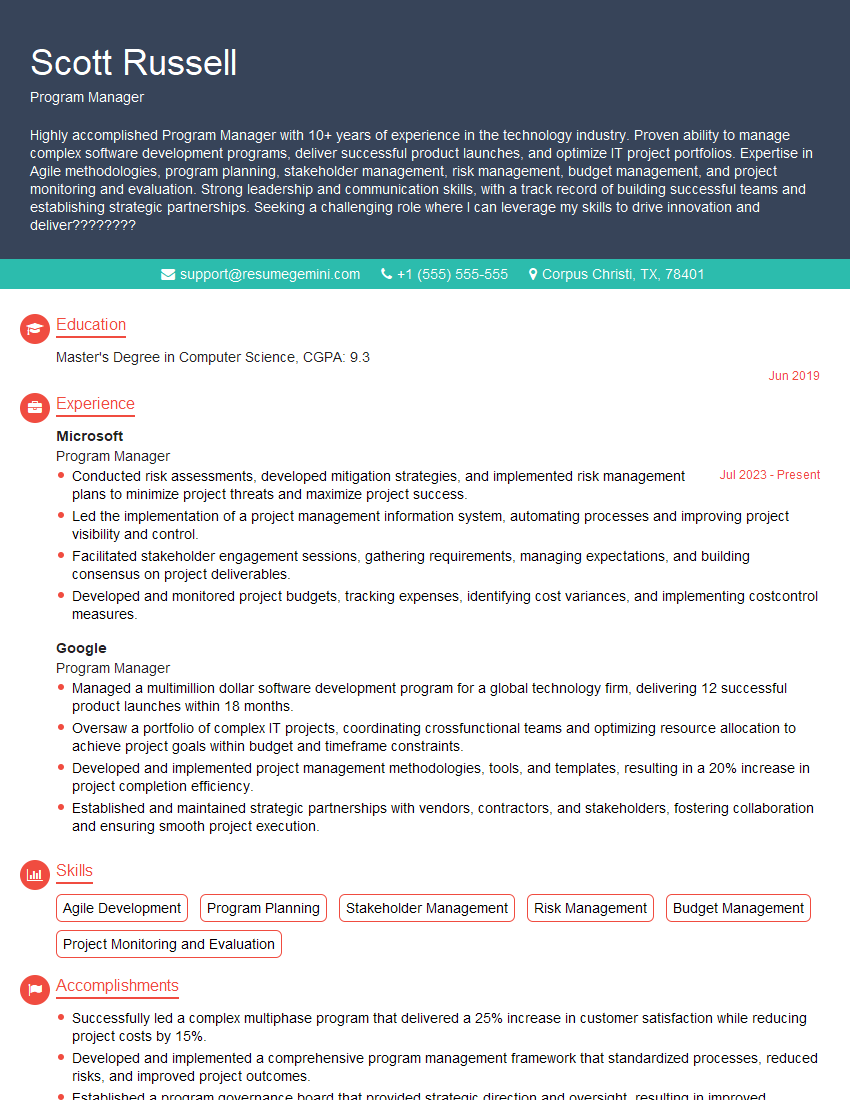
Program Manager Resume Sample

Operations Manager Resume Sample
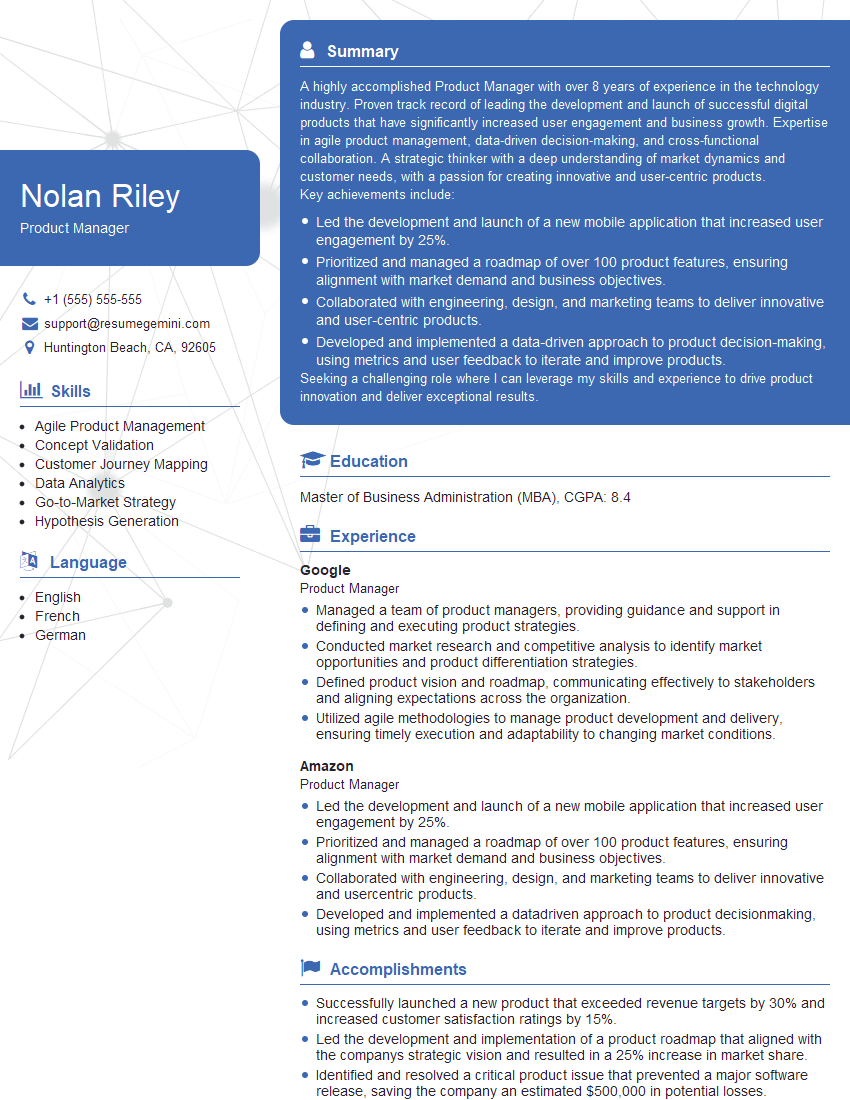
Product Manager Resume Sample
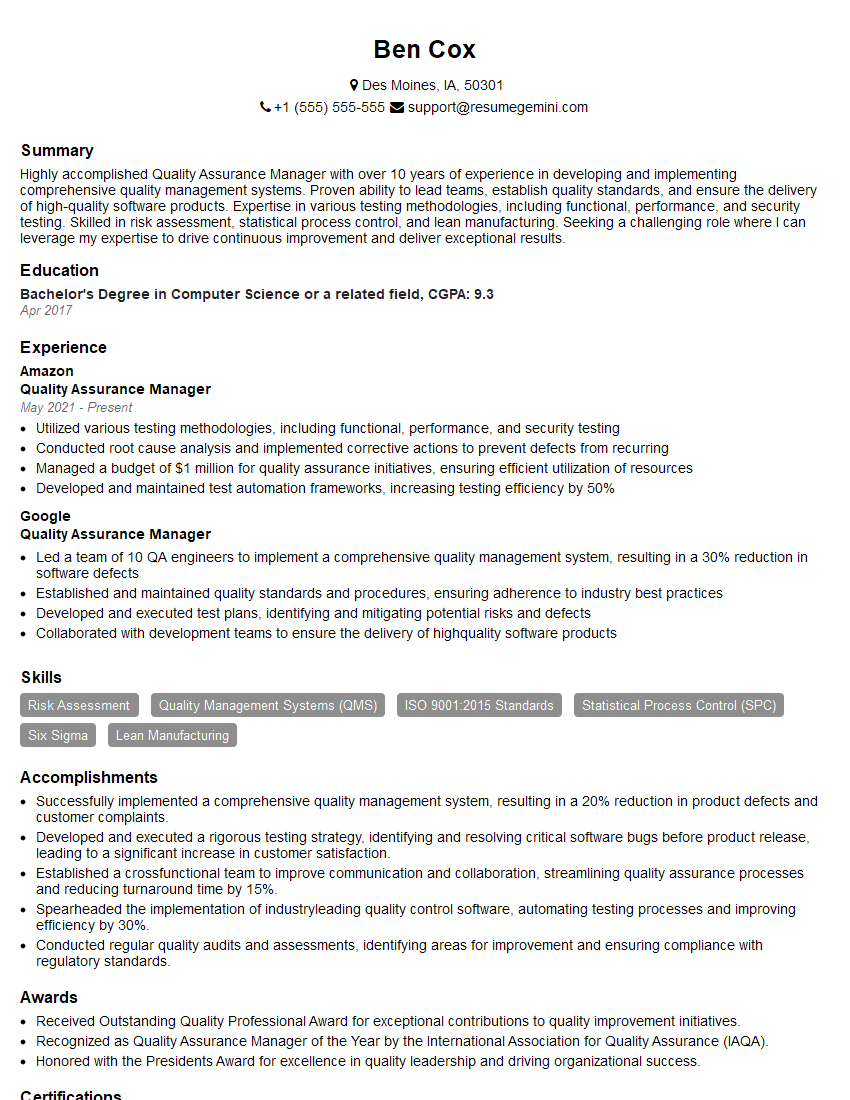
Quality Assurance Manager Resume Sample
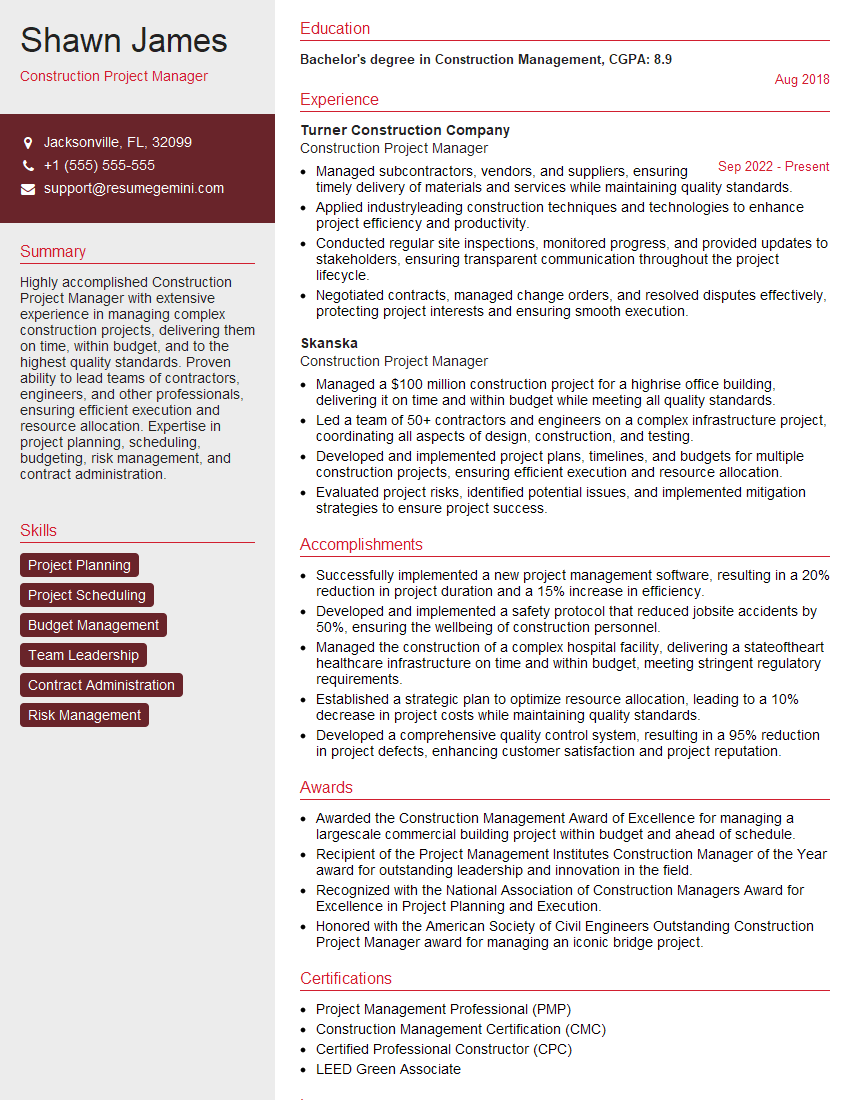
Construction Project Manager Resume Sample

Project Manager Resume Sample
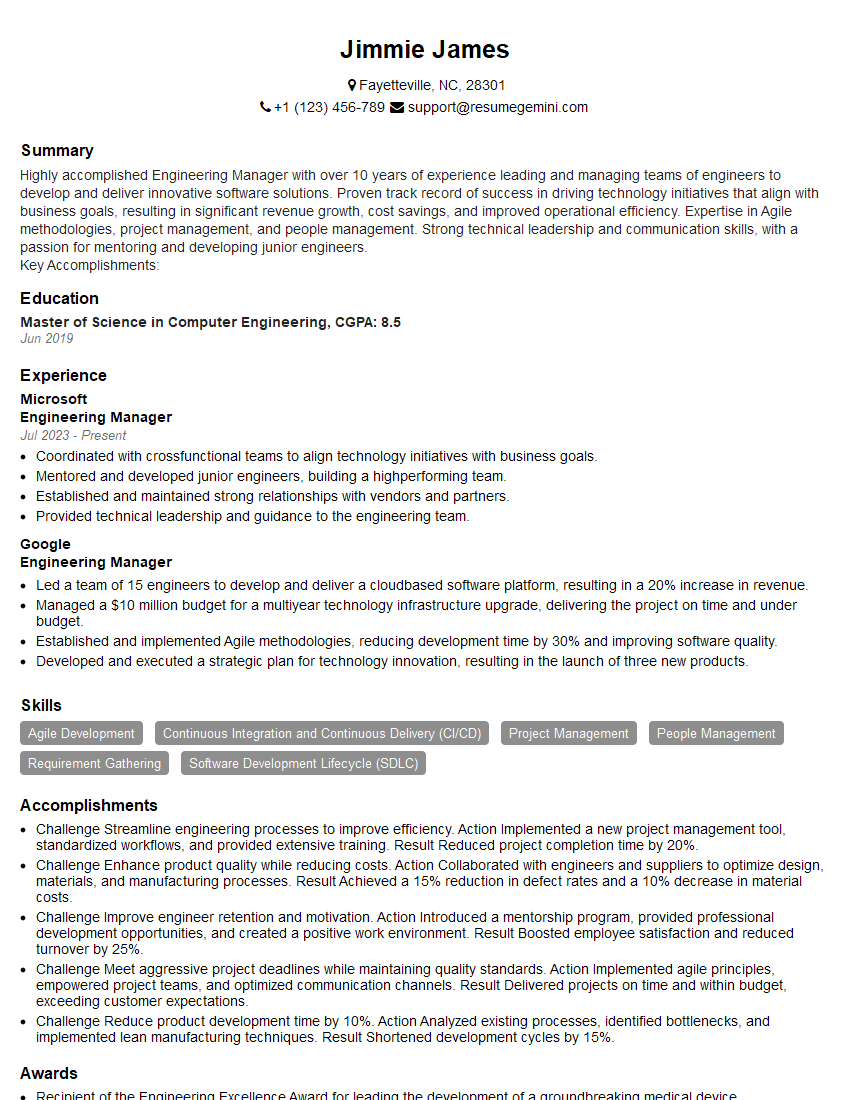
Engineering Manager Resume Sample
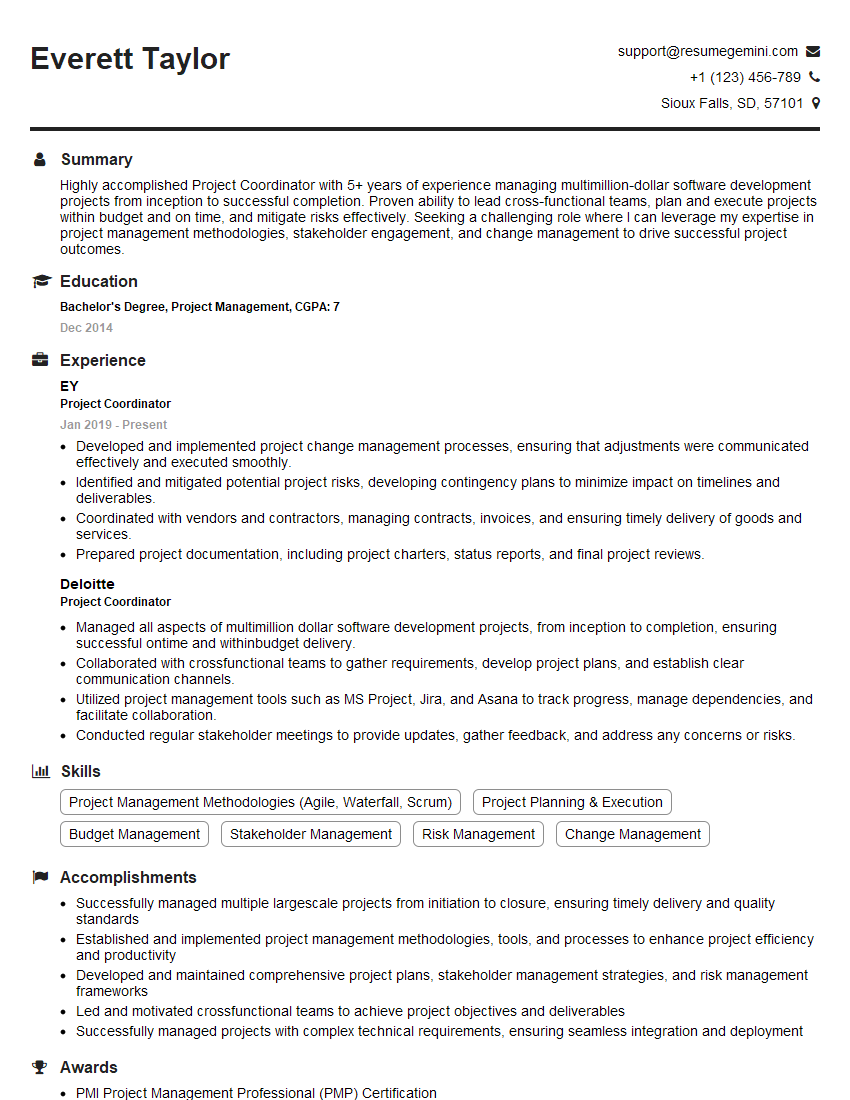
Project Coordinator Resume Sample
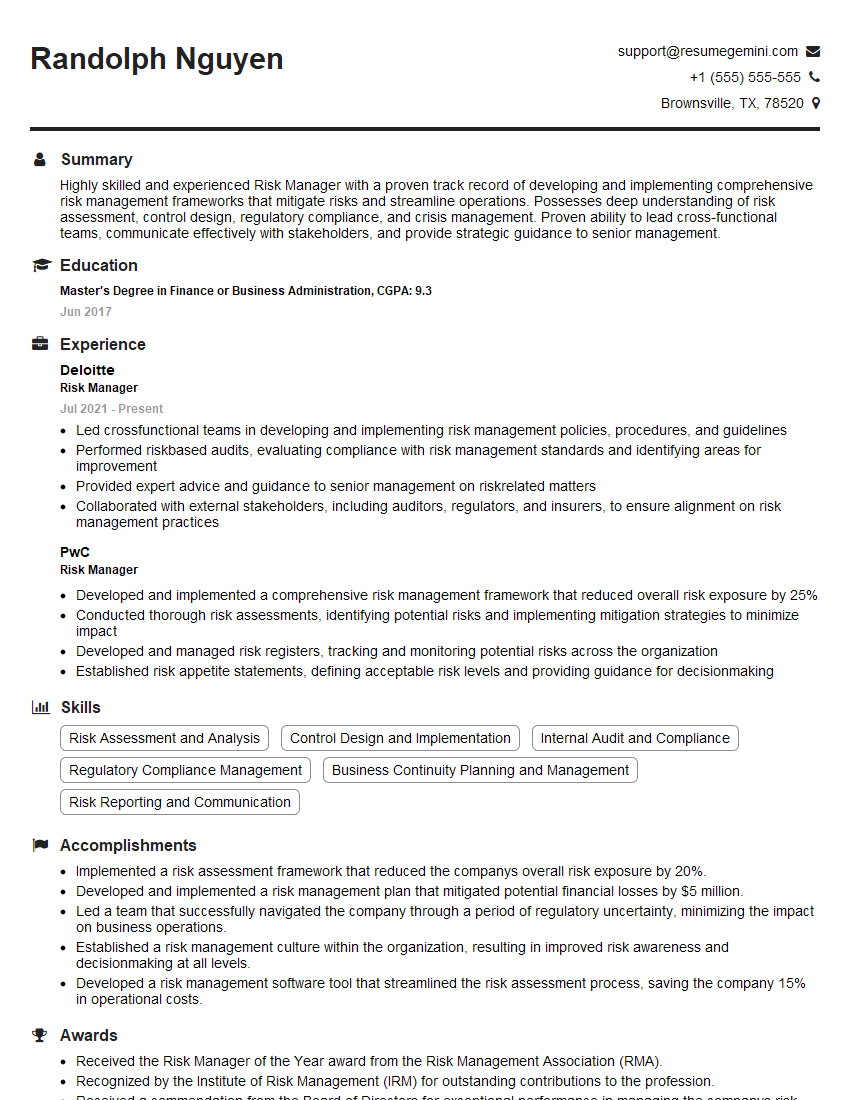
Risk Manager Resume Sample
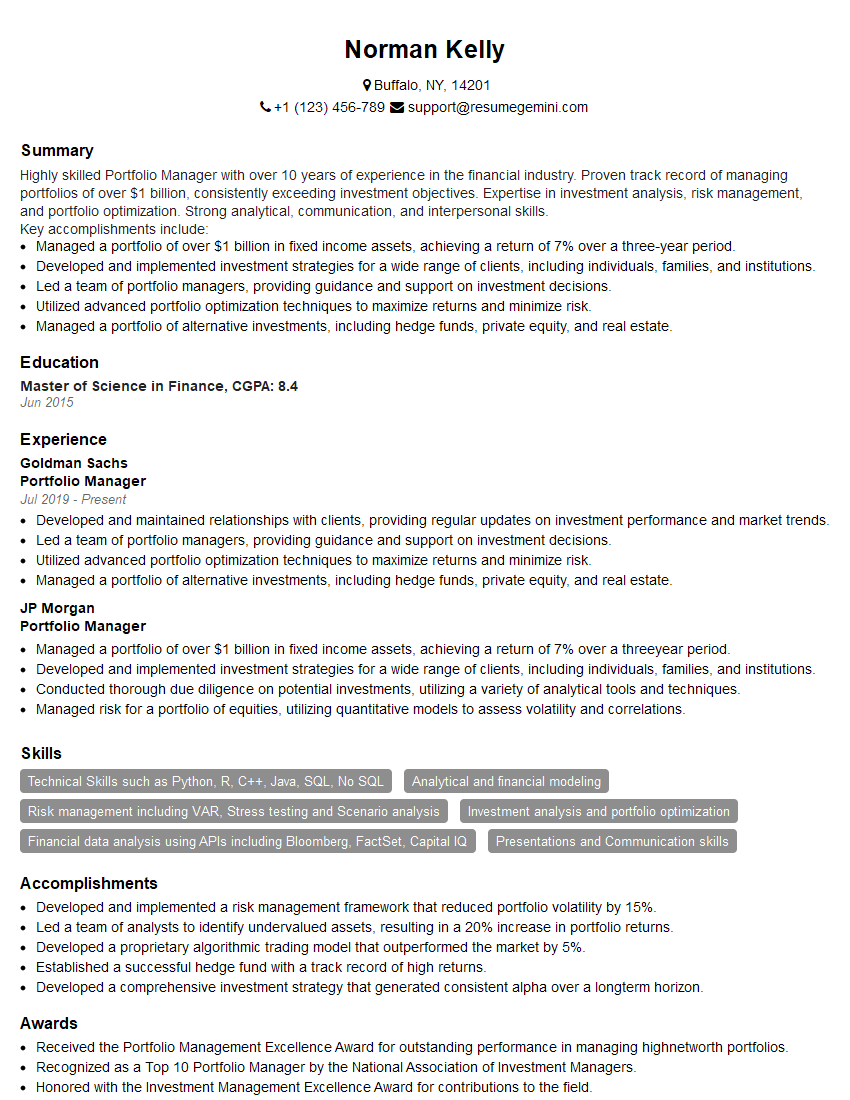
Portfolio Manager Resume Sample

Business Analyst Resume Sample
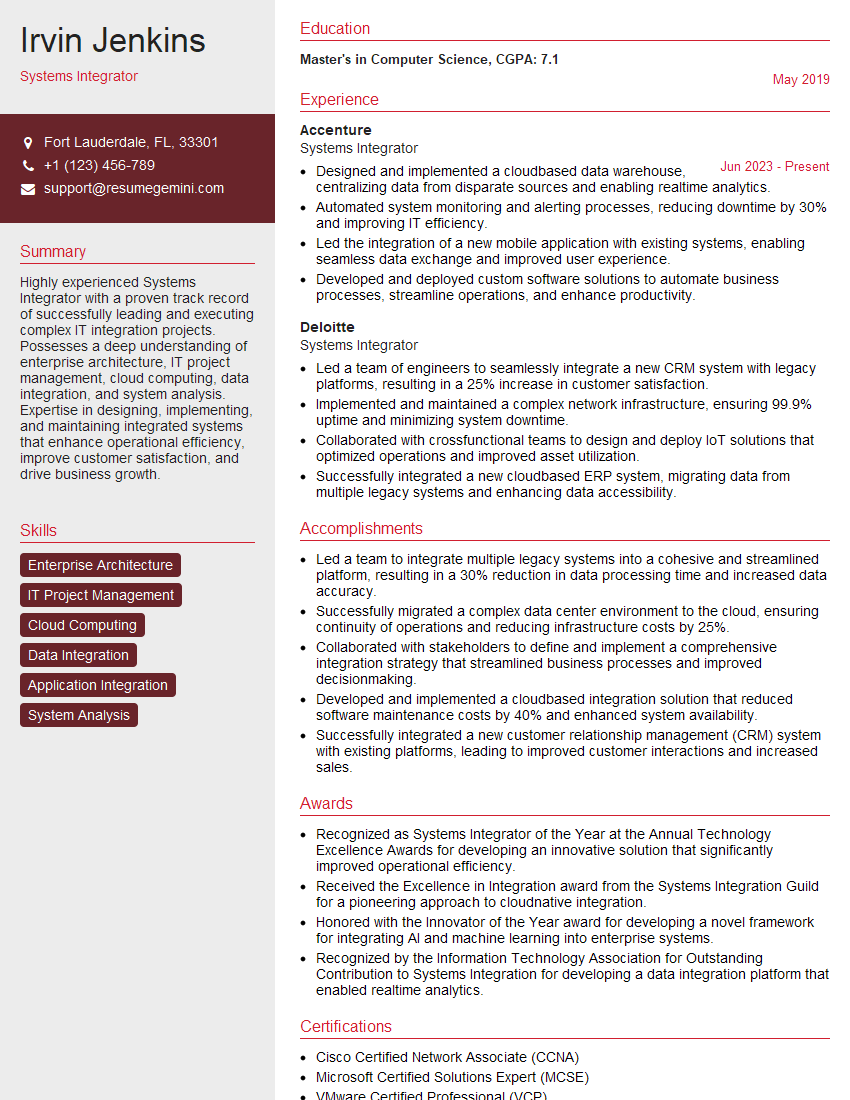
Systems Integrator Resume Sample
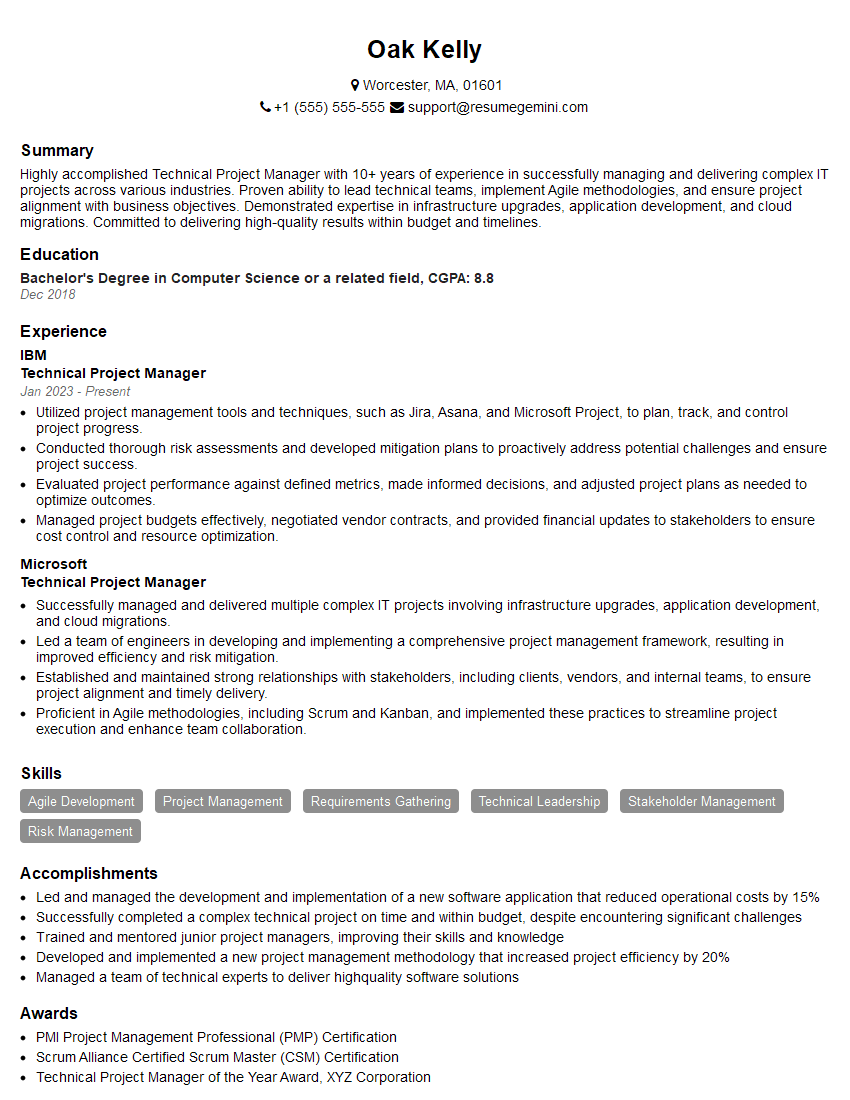
Technical Project Manager Resume Sample
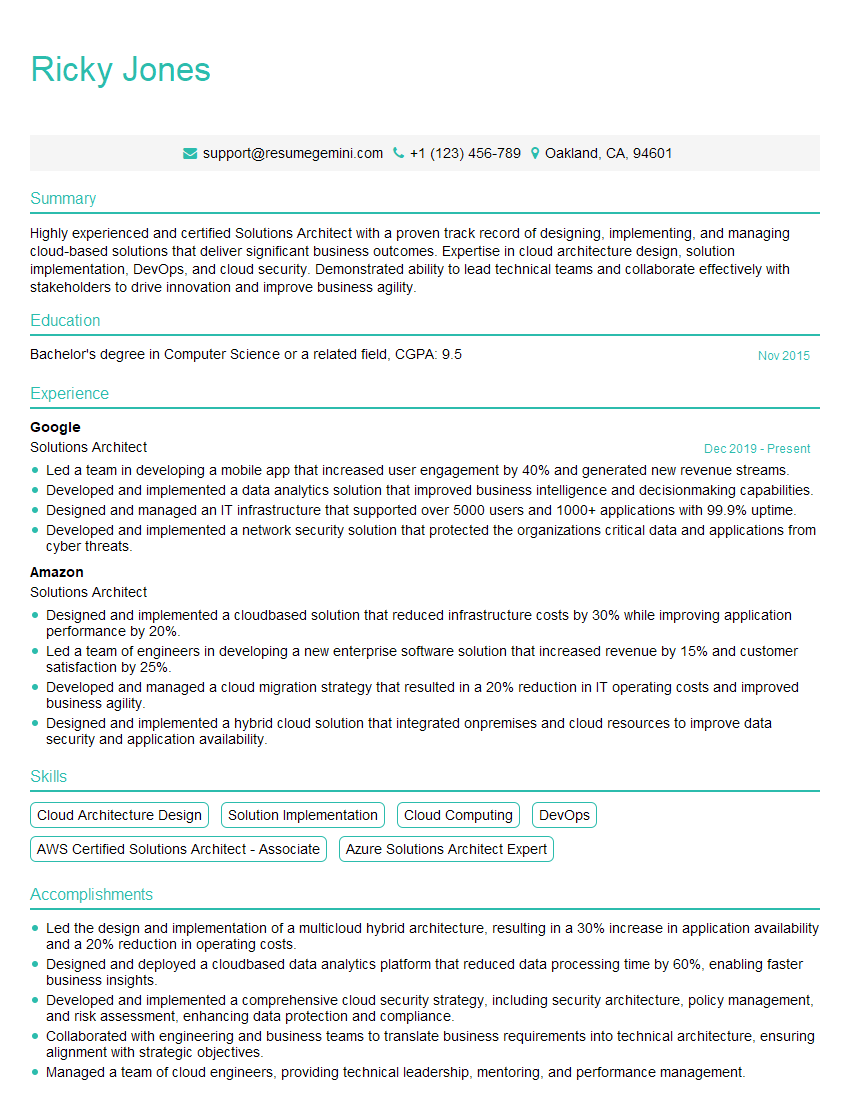
Solutions Architect Resume Sample
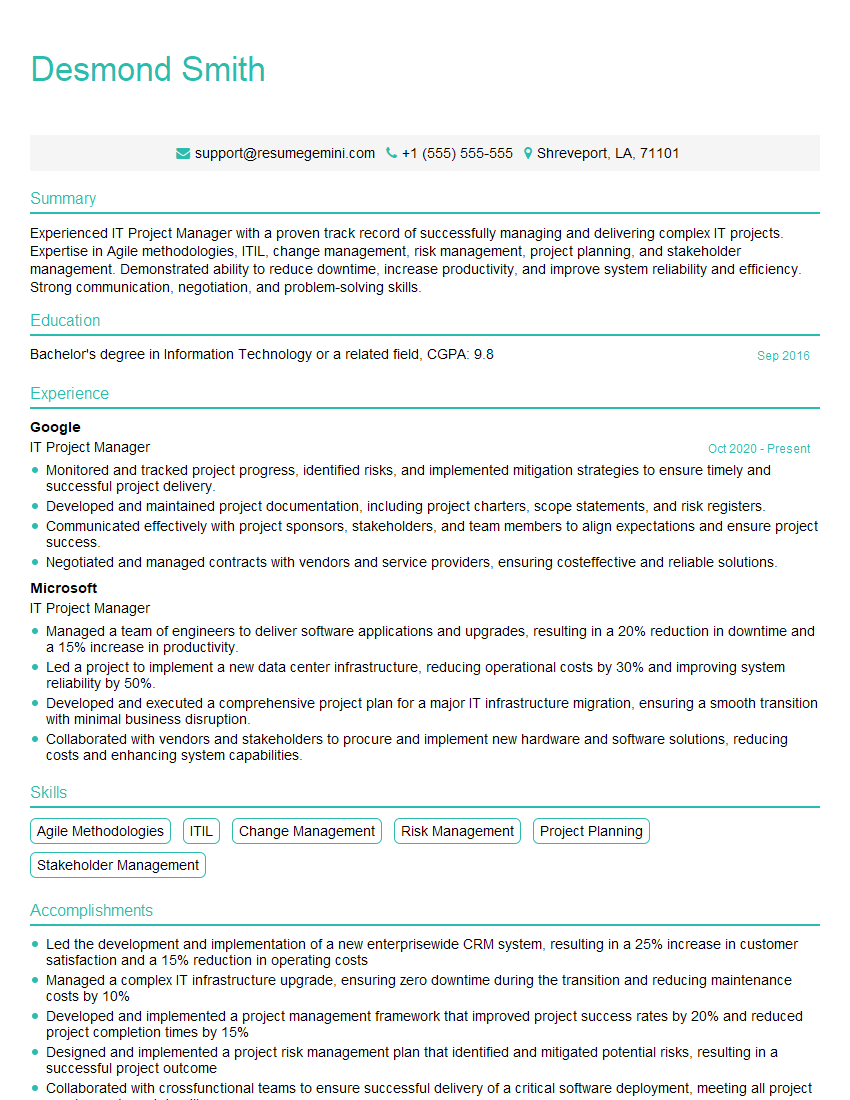
IT Project Manager Resume Sample
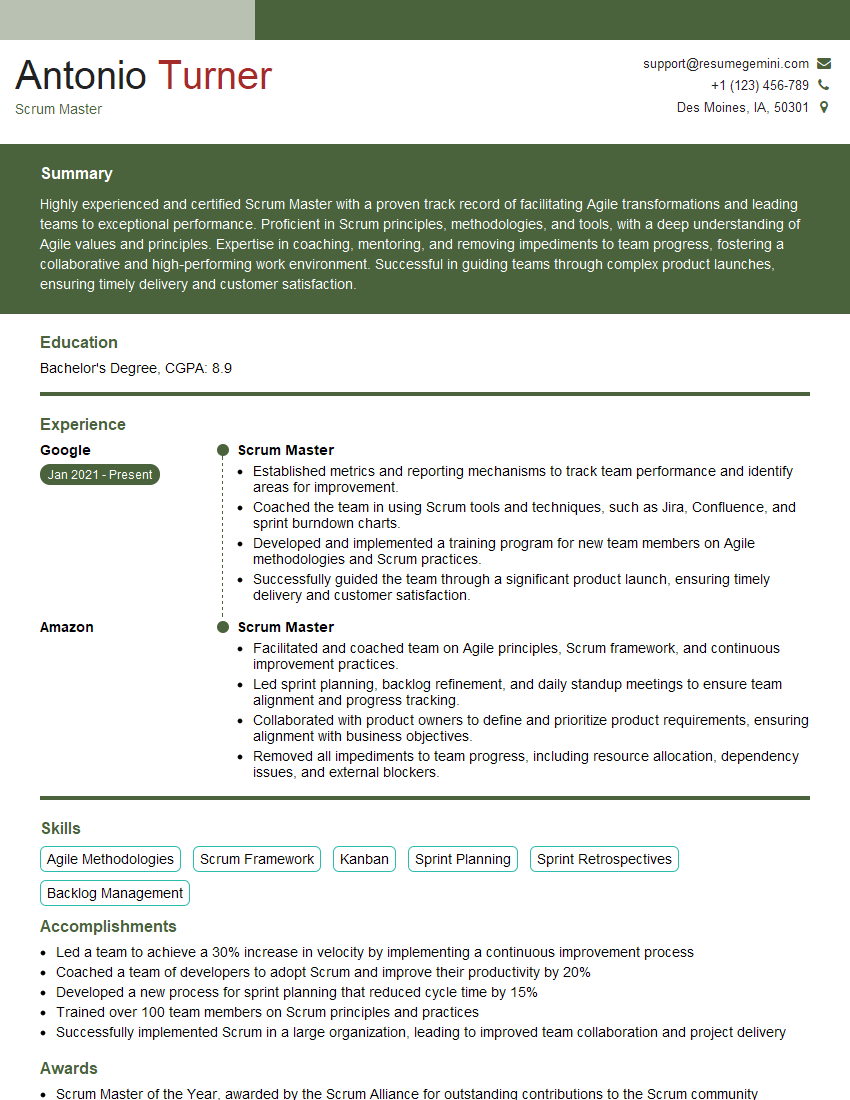
Scrum Master Resume Sample
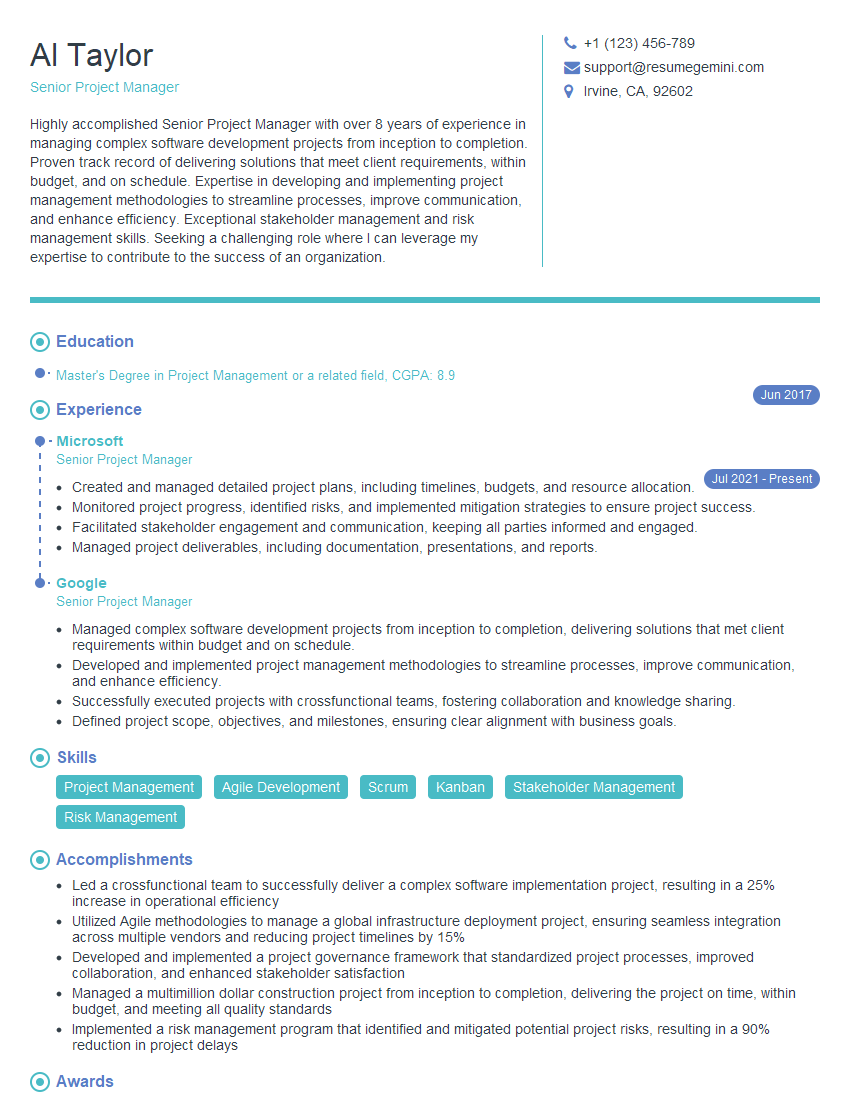
Senior Project Manager Resume Sample
- Program Manager
- Operations Manager
- Product Manager
- Quality Assurance Manager
- Construction Project Manager
- Project Manager
- Engineering Manager
- Project Coordinator
- Risk Manager
- Portfolio Manager
- Business Analyst
- Systems Integrator
- Technical Project Manager
- Solutions Architect
- IT Project Manager
- Scrum Master
- Senior Project Manager
Explore more articles
Users Rating of Our Blogs
Share Your Experience
We value your feedback! Please rate our content and share your thoughts (optional).
What Readers Say About Our Blog
Very informative content, great job.
good