Every successful interview starts with knowing what to expect. In this blog, we’ll take you through the top Chicken Health and Disease Management interview questions, breaking them down with expert tips to help you deliver impactful answers. Step into your next interview fully prepared and ready to succeed.
Questions Asked in Chicken Health and Disease Management Interview
Q 1. Describe the common signs and symptoms of Newcastle Disease in chickens.
Newcastle Disease (ND), also known as avian pneumoencephalitis, is a highly contagious viral disease affecting birds, particularly chickens. Symptoms vary greatly depending on the virulence of the virus and the age of the bird.
- Respiratory signs: These often appear first and include sneezing, gasping for air, coughing, and rales (abnormal sounds in the lungs).
- Nervous signs: In more severe cases, especially with virulent strains, birds display neurological symptoms such as twisting of the neck (torticollis), paralysis of the legs or wings, tremors, and even complete paralysis.
- Digestive signs: Diarrhea, often green or watery, is common. Birds may also show decreased appetite and weight loss.
- Other signs: Increased water consumption, decreased egg production (in laying hens), and sudden death can occur.
Imagine a flock where some chickens are suddenly lethargic, have difficulty breathing, and are twisting their necks – these are classic ND warning signs requiring immediate veterinary attention.
Q 2. Explain the lifecycle and transmission of Avian Influenza.
Avian Influenza (AI), or bird flu, is caused by influenza A viruses. These viruses infect birds and can sometimes infect humans. The lifecycle involves the virus entering a susceptible host (usually through the respiratory or digestive tract), replicating within cells, and then spreading to infect other cells and eventually shed from the host in the feces, nasal secretions, or saliva.
Transmission: AI viruses spread through various routes:
- Direct contact: Infected birds directly transmitting the virus to healthy birds through contact.
- Indirect contact: Contaminated surfaces (equipment, feed, water), fomites (inanimate objects carrying the virus), or vectors like wild birds spreading the virus.
- Aerosol transmission: The virus can also spread through the air via respiratory droplets.
A classic example of indirect transmission is wild birds contaminating a pond, with the virus then spreading to domesticated poultry drinking from the same water source. Strict biosecurity is vital to prevent this.
Q 3. What biosecurity measures are crucial to prevent disease outbreaks on a poultry farm?
Biosecurity is paramount in preventing disease outbreaks on poultry farms. It involves a multi-layered approach to minimize the introduction and spread of pathogens. Key measures include:
- Perimeter security: Good fencing, restricted access to the farm, and a designated vehicle entry/exit point.
- Hygiene: Regular cleaning and disinfection of all equipment, facilities, and vehicles. Foot dips containing disinfectant should be used at entry and exit points.
- Rodent and pest control: Effective strategies to eliminate rodents and other pests that can spread diseases.
- Quarantine: New birds should be kept in isolation for a period of time before integration with the main flock.
- Traffic control: Limiting the number of people entering the farm and enforcing strict hygiene protocols for all personnel.
- Waste disposal: Safe and proper disposal of manure and other waste products to prevent environmental contamination.
- Biosecurity training for personnel: Regularly updating staff on best practices to consistently maintain high standards of biosecurity.
Think of it like a fortress, with multiple layers of defense to protect the flock from invading pathogens.
Q 4. How would you diagnose and treat infectious coryza in a flock of chickens?
Infectious coryza is a highly contagious respiratory disease in chickens caused by Avibacterium paragallinarum.
Diagnosis: Diagnosis typically involves a combination of clinical signs and laboratory tests. Clinical signs include sneezing, nasal discharge (often watery and clear initially, becoming mucopurulent), swollen sinuses, and reduced egg production. Laboratory confirmation usually involves bacterial culture from nasal swabs.
Treatment: Treatment involves administering appropriate antibiotics, such as tetracyclines or fluoroquinolones, in the drinking water or by injection. Supportive care, including ensuring good ventilation and access to clean water and feed, is also crucial. Early detection and prompt treatment are essential to minimize the spread of the disease and prevent complications.
For example, if you observe a large number of chickens with profuse nasal discharge and respiratory distress, it’s crucial to collect samples for laboratory confirmation of infectious coryza and initiate treatment immediately. Delaying treatment can lead to severe economic losses.
Q 5. Discuss different vaccination strategies for common poultry diseases.
Vaccination is a critical tool in preventing and controlling poultry diseases. Strategies vary depending on the specific disease, the age of the birds, and the prevalence of the disease in the area.
- Mass vaccination: Administering vaccines to the entire flock, often through drinking water or by spray.
- Targeted vaccination: Vaccinating only specific groups of birds, such as breeders or layers, depending on the risk.
- Sequential vaccination: Administering multiple vaccines at different stages of a bird’s life to provide broader protection.
- In ovo vaccination: Injecting vaccines into eggs before hatching, providing early immunity.
For example, a farm may utilize mass vaccination for Newcastle Disease and Infectious Bursal Disease, while implementing a targeted approach for Avian Influenza, vaccinating only birds in higher-risk groups.
Q 6. What are the key indicators of good poultry health and welfare?
Good poultry health and welfare are interconnected and essential for productivity and ethical farming. Key indicators include:
- Alertness and activity: Birds should be active, alert, and responsive to their environment.
- Good feather condition: Smooth, shiny feathers indicate good health. Dull, ruffled feathers suggest illness or stress.
- Normal droppings: Consistent, well-formed droppings indicate proper digestion.
- Adequate weight gain: Consistent weight gain shows healthy growth and nutrition.
- Good egg production (in layers): High-quality egg production indicates good health and proper management.
- Low mortality rate: A low death rate indicates a healthy and well-managed flock.
- Absence of clinical signs of disease: The absence of respiratory distress, lameness, or other visible signs of illness.
A farmer who regularly monitors these indicators can quickly detect any deviation from the norm, allowing for timely intervention.
Q 7. Explain your understanding of coccidiosis in chickens, including prevention and treatment.
Coccidiosis is a parasitic disease caused by protozoa of the genus Eimeria. These parasites infect the intestinal tract of chickens, causing damage to the intestinal lining and leading to bloody diarrhea, weight loss, and reduced growth.
Lifecycle: The parasite undergoes a complex lifecycle within the chicken’s intestine, involving oocyst ingestion (the infectious stage), sporozoite release, and asexual and sexual reproduction in the intestinal cells. Oocysts are then shed in the droppings, contaminating the environment.
Prevention: Prevention strategies are crucial and focus on minimizing oocyst contamination. These include:
- Hygiene: Regular cleaning and disinfection of housing and equipment.
- Coccidiostats: Inclusion of coccidiostats (anti-coccidial drugs) in feed to prevent or control outbreaks.
- Vaccination: Live attenuated vaccines can provide immunity against coccidiosis.
Treatment: Treatment involves using anticoccidial drugs, typically administered in the feed or water. The choice of drug depends on the species of Eimeria involved and the severity of the infection. Effective sanitation is crucial after treatment to prevent reinfection.
For example, a farmer might implement a strict hygiene program and use coccidiostats in the feed as a preventative measure, but if an outbreak occurs, anticoccidial drugs would be used to treat the infected birds.
Q 8. How do you manage mortality rates in a commercial poultry setting?
Managing mortality rates in commercial poultry requires a multifaceted approach focusing on prevention and early intervention. High mortality often signals underlying problems, so it’s crucial to identify the root cause.
- Biosecurity: Strict biosecurity protocols are fundamental. This includes preventing contact with wild birds, implementing proper disinfection procedures, and controlling access to the farm. Think of it like a fortress protecting your flock.
- Vaccination Programs: Comprehensive vaccination schedules against common diseases like Newcastle disease, Infectious Bronchitis, and Infectious Bursal Disease are crucial. Regular vaccination is like giving your chickens a strong immune shield.
- Environmental Management: Maintaining optimal environmental conditions, including proper ventilation, temperature, and stocking density, is critical. Overcrowding, for example, can lead to stress and increased susceptibility to disease – think of it like giving your chickens enough space to breathe and thrive.
- Nutrition: A balanced diet with sufficient vitamins and minerals plays a key role in immune function and overall bird health. Imagine proper nutrition as providing your chickens with the best possible building blocks for their bodies.
- Early Detection and Treatment: Regular monitoring of mortality rates, coupled with prompt identification of sick birds through clinical observation and laboratory diagnostics, enables quick intervention. Early detection is like catching a problem before it becomes a full-blown crisis.
- Data Analysis: Tracking mortality rates over time, identifying trends and patterns, and analyzing factors that correlate with higher losses can reveal underlying issues. This analytical approach is crucial for making data-driven management decisions.
By combining these strategies, we can significantly reduce mortality rates and maximize flock productivity. For instance, in one farm we managed, mortality rates dropped from 8% to under 2% after implementing stringent biosecurity measures and an improved vaccination program.
Q 9. Describe the role of nutrition in maintaining chicken health and disease prevention.
Nutrition is the cornerstone of poultry health and disease prevention. It directly influences the bird’s immune system, growth rate, and overall resilience to infections. Imagine nutrition as the fuel that powers a car – good fuel leads to a smooth and efficient run.
- Immune System Support: Nutrients like vitamins A, E, and C, along with trace minerals such as zinc and selenium, are essential for proper immune function. A deficiency in these nutrients can make birds more susceptible to diseases.
- Growth and Development: Proteins, carbohydrates, and fats provide the building blocks for growth and development. Sufficient nutrient intake ensures birds reach their genetic potential.
- Gut Health: The gut plays a critical role in nutrient absorption and immune function. A healthy gut microbiota is promoted through dietary fiber and probiotics, limiting the risk of digestive problems.
- Disease Resistance: Optimal nutrition strengthens the bird’s natural defenses against pathogens. A well-nourished chicken is better equipped to fight off infections.
A practical example: We once saw a noticeable increase in respiratory infections in a flock. A nutritional analysis revealed a deficiency in vitamin A. Supplementing the diet with vitamin A significantly reduced the incidence of the respiratory illness.
Q 10. What are the key differences between Marek’s disease and Avian Leukosis Virus?
Marek’s disease and Avian Leukosis Virus (ALV) are both oncogenic (cancer-causing) herpesviruses affecting poultry, but they differ significantly in their pathogenesis and clinical presentation.
- Marek’s Disease (MD): This is caused by a highly contagious herpesvirus that primarily affects nerves and lymphoid organs. It causes paralysis, tumors in various organs, and immunosuppression. The disease is characterized by visible tumors in the nerves, liver, and other organs.
- Avian Leukosis Virus (ALV): ALV is a retrovirus that can cause various forms of leukemia and other neoplastic (tumor-like) diseases. It typically leads to slower-developing tumors and may not always show prominent clinical signs. Tumors can arise in various organs.
Key Differences Summarized:
- Causative Agent: MD is caused by a herpesvirus; ALV is a retrovirus.
- Transmission: MD is highly contagious through direct contact and airborne routes; ALV transmission is less contagious and often occurs vertically (from parent to offspring).
- Clinical Signs: MD often presents with visible nerve damage and tumors, while ALV often has less apparent clinical manifestations and may only be detected through laboratory tests.
- Prevention: Vaccination is highly effective for MD; ALV control strategies are primarily focused on preventing vertical transmission through breeding programs.
Understanding these differences is critical for accurate diagnosis, effective treatment, and prevention strategies.
Q 11. How do you assess the effectiveness of a vaccination program?
Assessing the effectiveness of a vaccination program involves a combination of monitoring, laboratory testing, and data analysis. It’s not enough just to vaccinate; you need to verify its success.
- Serological Testing: Blood samples are taken from a representative sample of the flock to measure antibody levels against the specific diseases targeted by the vaccine. High antibody titers indicate a successful immune response.
- Challenge Studies (Limited Use): In controlled settings, vaccinated birds may be exposed to a low dose of the pathogen to assess vaccine efficacy. This method is rarely used commercially due to ethical considerations and practical limitations.
- Monitoring Disease Incidence: Tracking the occurrence of the diseases that the vaccine is intended to prevent provides direct evidence of its effectiveness. A significant reduction in disease incidence demonstrates a successful vaccination program.
- Mortality Rates: A decrease in mortality rates associated with the diseases targeted by the vaccine further confirms its efficacy.
- Farm Records: Detailed and accurately maintained records are crucial. They provide a baseline to compare before and after vaccination, allowing for an objective assessment.
For example, if we observe a significant drop in Newcastle disease cases following vaccination and a corresponding increase in antibody titers, we can conclude the vaccination program is effective. Conversely, persistently high disease incidence despite vaccination necessitates an evaluation of vaccine quality, administration techniques, or other contributing factors.
Q 12. What are the common bacterial diseases affecting poultry?
Several bacterial diseases significantly impact poultry health. These infections can cause considerable economic losses due to mortality, reduced production, and treatment costs.
- Colibacillosis (E. coli): This is a common infection causing various issues, including respiratory problems, septicemia (blood infection), and diarrhea. E. coli can affect birds of all ages.
- Salmonellosis (Salmonella spp.): Salmonella causes enteritis (inflammation of the intestines) and can lead to high mortality, particularly in young birds. It’s also a food safety concern.
- Chlamydiosis (Avian Chlamydiosis): This infection primarily affects the respiratory system and can lead to significant economic losses in commercial flocks. It’s also zoonotic (transferable to humans).
- Mycoplasmosis (Mycoplasma gallisepticum and Mycoplasma synoviae): These infections cause respiratory disease and can lead to reduced egg production and airsacculitis (air sac inflammation). Chronic infection is common.
- Staphylococcosis (Staphylococcus aureus): This bacterium can cause various infections, including skin lesions, arthritis (joint inflammation), and internal organ infections.
Appropriate hygiene, biosecurity measures, and in some cases, antimicrobial treatments, are important in managing bacterial infections. Early diagnosis is crucial for effective treatment and prevention.
Q 13. Explain the importance of record-keeping in poultry health management.
Record-keeping is indispensable in poultry health management. It provides a comprehensive history of the flock, enabling proactive disease prevention and effective response to outbreaks. Think of it as the medical history of your flock.
- Disease Surveillance: Records of disease outbreaks, including symptoms, mortality rates, and treatments administered, assist in tracking disease trends and identifying potential problems.
- Vaccination Records: Detailed records of vaccination programs, including the type of vaccine, date of administration, and batch numbers, are essential for evaluating vaccine efficacy and assessing herd immunity.
- Mortality Data: Tracking daily, weekly, and monthly mortality rates helps identify unusual patterns and allows for timely intervention.
- Treatment Records: Documentation of antimicrobial treatments, including the drug used, dosage, and administration route, is vital for tracking antimicrobial resistance and ensuring appropriate usage.
- Production Data: Monitoring egg production, weight gain, feed conversion ratios, and other production parameters helps identify health problems that may be affecting productivity.
Effective record-keeping improves efficiency and allows for data-driven decision making. For example, if we see a consistent increase in mortality in a particular age group, we can review records to identify potential environmental or nutritional factors or disease outbreaks. Well-maintained records enable us to anticipate and address potential problems more effectively.
Q 14. How do you differentiate between viral and bacterial infections in chickens?
Differentiating between viral and bacterial infections in chickens can be challenging and often requires laboratory diagnostics. However, some clinical signs can provide clues.
- Viral Infections: Often characterized by systemic symptoms like respiratory distress, depression, sudden death, and neurological signs. Viral infections often spread rapidly through the flock.
- Bacterial Infections: May manifest as localized infections, such as respiratory or intestinal issues. They might involve swelling, abscesses, and diarrhea. The onset is often slower than viral infections.
However, it’s crucial to remember that these are just general guidelines. Many infections can have overlapping symptoms, making clinical diagnosis alone unreliable. Laboratory tests, such as PCR (for viruses) and bacterial cultures, are essential for accurate identification of the causative agent. For example, a bird with respiratory problems could be suffering from Infectious Bronchitis (viral) or E. coli infection (bacterial). Without laboratory confirmation, it’s impossible to determine the correct diagnosis and implement appropriate treatment.
Q 15. What are your strategies for managing stress in a poultry flock?
Managing stress in poultry is crucial for optimal health and productivity. Stress can manifest in various ways, leading to reduced egg production, immunosuppression, and increased susceptibility to diseases. My strategies focus on minimizing stressors throughout the bird’s life cycle.
Environmental Control: Maintaining consistent temperature, humidity, ventilation, and light cycles are paramount. Sudden changes can cause significant stress. Think of it like creating a comfortable home for your flock – not too hot, not too cold, with plenty of fresh air.
Stocking Density: Overcrowding is a major stressor. Birds need adequate space to move freely, eat, and rest without competition. We calculate stocking density carefully based on bird age, breed, and housing type.
Handling Practices: Gentle handling and minimizing noise and disturbance during routine procedures, such as vaccination or egg collection, is essential. Think of it as minimizing the stress you would experience with a sudden loud noise or unexpected touch.
Nutrition: A balanced diet provides the nutrients needed for stress resilience. Dietary deficiencies can exacerbate stress and compromise immunity. We carefully formulate rations based on the bird’s age and production stage.
Disease Prevention: A proactive approach to disease prevention through biosecurity and vaccination programs minimizes the stress associated with illness. This is like providing regular healthcare checkups to reduce the stress of unexpected health issues.
Career Expert Tips:
- Ace those interviews! Prepare effectively by reviewing the Top 50 Most Common Interview Questions on ResumeGemini.
- Navigate your job search with confidence! Explore a wide range of Career Tips on ResumeGemini. Learn about common challenges and recommendations to overcome them.
- Craft the perfect resume! Master the Art of Resume Writing with ResumeGemini’s guide. Showcase your unique qualifications and achievements effectively.
- Don’t miss out on holiday savings! Build your dream resume with ResumeGemini’s ATS optimized templates.
Q 16. Describe your experience with necropsy and sample collection for poultry disease diagnosis.
Necropsy, or post-mortem examination, is a fundamental skill in poultry disease diagnosis. My experience involves performing thorough necropsies, including meticulous examination of external features, internal organs, and taking samples for further laboratory analysis.
Procedure: I follow a standardized protocol ensuring proper sample collection to avoid contamination. This involves systematically examining the entire bird, noting lesions and abnormalities in each organ system. I pay close attention to the respiratory, digestive, and reproductive tracts as these systems are commonly affected by disease.
Sample Collection: Samples collected during necropsy include blood, organ tissues (liver, spleen, kidney, lung, intestines), and sometimes feces, depending on suspected disease. Samples are collected using sterile techniques to ensure the integrity of laboratory results.
Sample Preservation: Proper preservation is crucial. Blood samples are usually collected into anticoagulant tubes, while tissue samples are fixed in formalin for histopathology (microscopic examination) or frozen for various other laboratory tests such as microbiology and PCR.
Example: In a suspected case of Avian Influenza, careful collection of tracheal and cloacal swabs along with tissue samples (lung, spleen) for viral isolation and PCR is particularly crucial for accurate diagnosis.
Q 17. How do you interpret laboratory results related to poultry health?
Interpreting poultry laboratory results requires a deep understanding of avian physiology, hematology, and microbiology. I analyze the results in conjunction with the clinical signs observed during the examination to reach a definitive diagnosis.
Hematology: Changes in white blood cell counts (increased heterophils often indicate bacterial infection, increased lymphocytes suggest viral infection), red blood cell parameters, and other blood indices provide insights into the bird’s immune status and overall health.
Serology: Serological tests detect antibodies against specific pathogens, indicating past or current exposure. This is particularly useful in identifying viral infections. For instance, an ELISA test can help diagnose Newcastle Disease.
Microbiology: Cultures from various samples can identify the specific bacteria or fungi causing an infection. Antibiotic sensitivity testing then helps determine the most effective treatment.
Parasitology: Examination of fecal samples can identify various parasites such as coccidia, worms, and mites. Identification helps in implementing targeted control measures.
Molecular Diagnostics: PCR and other molecular techniques are highly sensitive and specific for detecting various pathogens, including viruses and bacteria, and are invaluable for rapid disease diagnosis.
Interpreting lab results is not just about looking at individual values; it’s about understanding the overall picture and connecting the lab data with the clinical findings for a holistic interpretation.
Q 18. Explain your understanding of poultry parasite control.
Poultry parasite control is an integrated approach encompassing prevention, diagnosis, and treatment. Effective control involves understanding the parasite life cycle, transmission routes, and the host’s immune response.
Prevention: Biosecurity measures, such as proper cleaning and disinfection of housing, equipment, and preventing contact with wild birds, are crucial in minimizing parasite exposure.
Diagnosis: Fecal examinations, using techniques such as flotation or sedimentation, are essential in identifying parasitic infections. We also utilize molecular diagnostics for accurate identification of specific parasites.
Treatment: Various anthelmintics (antiworm drugs), anticoccidials, and insecticides are available for the treatment of specific parasites. The choice of drug depends on the specific parasite and its lifecycle, always considering drug resistance development.
Integrated Pest Management (IPM): This is a holistic approach that combines various strategies, including sanitation, biological control (e.g., using beneficial nematodes), and judicious use of chemical treatments, minimizing reliance on chemicals and fostering a healthy environment for the birds.
For instance, coccidiosis, a common parasitic disease in poultry, is often managed through a combination of good hygiene practices, vaccination, and strategic use of anticoccidials.
Q 19. What are the different types of housing systems and their impact on poultry health?
Poultry housing systems significantly impact bird health and welfare. Different systems offer trade-offs in terms of cost, labor, bird welfare, and disease management.
Battery Cages: These systems provide individual cages for birds but are often criticized for restricting movement and potentially leading to stress and injuries. Disease spread can be relatively easy in high-density situations.
Floor Systems: Birds are kept on the floor, often with litter material. This allows more natural behaviors, but increased risk of diseases, particularly through fecal-oral transmission. Good litter management is essential to maintain hygiene and reduce parasite burden.
Aviary Systems: These systems offer more space and allow birds to exhibit natural behaviors. However, they present challenges in terms of managing manure and controlling disease spread.
Free-Range Systems: Birds have access to outdoor areas. This provides enrichment but increases exposure to parasites and predators. Biosecurity is particularly critical in this system.
The optimal housing system depends on many factors such as production scale, economics, environmental considerations, and the desired level of animal welfare. Proper management is crucial regardless of the chosen system.
Q 20. Describe your knowledge of antibiotic stewardship in poultry production.
Antibiotic stewardship in poultry production is critical to minimizing the development and spread of antibiotic resistance. It involves responsible use of antibiotics, guided by established guidelines and best practices.
Diagnosis Before Treatment: Never use antibiotics without proper diagnosis. Laboratory testing helps identify whether a bacterial infection is present and, if so, the causative agent. This prevents unnecessary use of antibiotics.
Targeted Therapy: Use antibiotics that are specifically effective against the identified bacteria. Antibiotic sensitivity testing helps in making informed choices, preventing broad-spectrum antibiotic use which can promote resistance development.
Appropriate Dosage and Duration: Follow the recommended dosage and duration of treatment, specified by the manufacturer. Underdosing can lead to ineffective treatment and resistance, while overdosing can be harmful to the birds and the environment.
Vaccination Programs: Focus on preventative measures, such as vaccination, to reduce the need for antibiotics. Vaccines significantly minimize the incidence of infectious diseases, reducing antibiotic use.
Biosecurity: Implement robust biosecurity measures to prevent the entry and spread of infectious diseases. Good hygiene and biosecurity significantly reduce the need for antibiotics.
Antibiotic stewardship is not only ethically important but essential for long-term poultry production sustainability. It’s about preserving the effectiveness of antibiotics for future use.
Q 21. How do you manage a disease outbreak on a poultry farm?
Managing a disease outbreak requires a rapid and coordinated response. My approach follows a structured plan:
Rapid Diagnosis: Immediate clinical examination and collection of samples for laboratory analysis are crucial for identifying the causative agent. This involves careful observation of clinical signs in the affected birds and collecting appropriate samples for laboratory testing, including PCR, bacterial cultures, and other relevant diagnostic tests.
Containment: Implement strict biosecurity measures to prevent the spread of the disease. This includes isolating the affected birds, restricting movement of people and equipment in and out of the affected area, and implementing appropriate disinfection protocols. The aim is to contain the outbreak and prevent its spread to other birds or farms.
Treatment: Based on the laboratory results, appropriate treatment is implemented. This could involve antibiotic therapy for bacterial infections, antiviral medication for viral diseases, or other specific treatments depending on the nature of the pathogen. Effective treatment is crucial to reduce mortality and morbidity.
Notification: Report the outbreak to the relevant animal health authorities as mandated by regulations. This ensures a coordinated response from local, regional, and national authorities.
Depopulation (if necessary): In severe outbreaks with high mortality and significant economic losses, depopulation of the affected flock might be necessary to control the spread of the disease. This is a difficult decision, but often the most effective method in situations of highly contagious diseases with limited treatment options.
Post-Outbreak Procedures: After the outbreak is contained, thorough cleaning and disinfection of the premises are crucial to eliminate the pathogen and prevent future outbreaks. Implementing improved biosecurity measures and vaccination programs should be part of a post-outbreak strategy to build resilience.
Effective outbreak management requires a multidisciplinary approach involving veterinarians, farm managers, and government authorities. A well-defined plan, implemented promptly and effectively, is key to mitigating the impact of a disease outbreak.
Q 22. What is your experience with using diagnostic tools such as PCR or ELISA?
PCR (Polymerase Chain Reaction) and ELISA (Enzyme-Linked Immunosorbent Assay) are invaluable diagnostic tools in poultry health management. PCR is a molecular technique that detects the presence of specific genetic material, like viral or bacterial DNA/RNA, offering highly sensitive and specific disease diagnosis even in early stages. ELISA, on the other hand, is an immunological assay that detects antibodies or antigens related to a specific pathogen. It’s a quicker and often less expensive method compared to PCR, ideal for large-scale screening.
My experience spans several years using both techniques. For example, I’ve extensively used PCR to detect avian influenza viruses (AIV) subtypes in various poultry flocks, enabling rapid intervention and preventing outbreaks. With ELISA, I’ve routinely screened for Salmonella and other bacterial pathogens, contributing to efficient flock management and minimizing economic losses.
Choosing between PCR and ELISA depends on the specific disease, budget constraints, required sensitivity, and turnaround time. A combination of both often provides the most comprehensive diagnostic picture.
Q 23. How do you ensure compliance with poultry health regulations and biosecurity protocols?
Compliance with poultry health regulations and biosecurity protocols is paramount to prevent disease outbreaks and protect the industry’s economic viability. My approach involves a multi-faceted strategy focusing on prevention, early detection, and rapid response. This includes adhering to all local, regional, and national regulations concerning disease reporting, vaccination protocols, and movement restrictions of birds and poultry products.
- Strict Biosecurity Measures: Implementing and enforcing rigorous biosecurity measures on farms are essential. This encompasses controlling access to poultry houses, implementing disinfection protocols, utilizing appropriate personal protective equipment (PPE), and managing waste effectively.
- Vaccination Programs: Developing and implementing strategic vaccination programs tailored to the specific risks and prevalent diseases in the region is crucial. I ensure that all vaccinations are correctly administered, monitored, and recorded. Regular serological testing post-vaccination confirms effective immunity levels.
- Surveillance and Monitoring: Continuous monitoring of bird health, mortality rates, and clinical signs is critical. Early detection through regular clinical checks and laboratory testing allows prompt intervention to minimize disease spread.
- Record Keeping and Traceability: Meticulous record-keeping is crucial for disease tracing and identifying the source of an outbreak. This includes maintaining accurate records of bird movements, health status, treatment protocols, and vaccination programs.
Regular training of farmers and farm workers on best biosecurity practices is also a key component of my approach, ensuring consistent adherence to protocols.
Q 24. What are the ethical considerations related to poultry health and welfare?
Ethical considerations in poultry health and welfare are central to my professional practice. It’s about ensuring that poultry are raised and handled humanely, minimizing any unnecessary suffering, and prioritizing their well-being. This encompasses several key areas:
- Minimizing Stress: Implementing practices that minimize stress on birds, such as providing adequate space, appropriate environmental conditions, and avoiding overcrowding and harsh handling techniques.
- Pain Management: Implementing appropriate pain management strategies during routine procedures, such as beak trimming or vaccination, is crucial. Using local anesthetics whenever possible, reducing stress, and ensuring proper post-procedure care is vital.
- Disease Prevention and Control: Proactive measures to prevent disease are ethically crucial, preventing unnecessary suffering and mortality. This includes vaccination, maintaining high biosecurity standards, and ensuring timely treatment.
- Euthanasia: When euthanasia is necessary, using humane and appropriate methods is essential. This includes following specific guidelines to ensure the bird suffers minimal distress.
- Transparency and Traceability: Maintaining transparency in farming practices, including welfare standards, disease prevention strategies, and handling techniques, is crucial. Traceability systems allow for better monitoring and improvement.
Ethical considerations must be at the forefront of every decision made, ensuring that the well-being of the birds remains the primary focus.
Q 25. Describe your understanding of different poultry breeds and their susceptibility to disease.
Different poultry breeds exhibit varying susceptibility to specific diseases due to genetic variations in their immune systems and overall physiology. Broiler breeds, selected for rapid growth, often have compromised immune systems and are more vulnerable to diseases like coccidiosis and respiratory infections compared to layer breeds, which are selected for egg production.
- Broilers: Their rapid growth often leads to skeletal issues and increased susceptibility to leg problems and ascites (fluid accumulation in the abdomen).
- Layers: While generally more resilient, they can be susceptible to egg-related issues and specific infectious diseases affecting egg production.
- Dual-Purpose Breeds: These breeds, possessing characteristics of both broilers and layers, show intermediate susceptibility profiles depending on the specific disease.
Understanding breed-specific vulnerabilities allows for targeted disease prevention strategies, including appropriate vaccination programs and husbandry practices, ultimately improving flock health and productivity.
Q 26. How do environmental factors impact poultry health?
Environmental factors significantly influence poultry health. Factors such as temperature, humidity, ventilation, lighting, and stocking density directly impact bird immunity and susceptibility to disease.
- Temperature Extremes: Extreme heat or cold stresses birds, weakening their immune systems and making them more prone to infections. Maintaining optimal temperature ranges within poultry houses is crucial.
- Humidity: High humidity can promote the growth of pathogens and respiratory problems, while excessively low humidity can cause dehydration and stress. Proper ventilation helps maintain optimal humidity levels.
- Ventilation: Inadequate ventilation leads to the accumulation of ammonia and other harmful gases, negatively impacting respiratory health and overall bird welfare.
- Lighting: Light cycles affect the birds’ physiological processes, including their reproductive cycles and immune function. Maintaining proper light schedules is essential for optimal health and productivity.
- Stocking Density: Overcrowding increases stress, competition for resources, and the risk of disease transmission.
Careful environmental control and monitoring are critical for minimizing the impact of environmental stressors on poultry health and productivity. This includes regular monitoring of temperature, humidity, ammonia levels, and air quality.
Q 27. What are your skills in data analysis and interpretation regarding poultry health metrics?
Analyzing and interpreting poultry health metrics is essential for effective disease management and flock optimization. I possess strong skills in data analysis using various statistical software and tools. This involves collecting, organizing, and analyzing data from multiple sources, including mortality records, clinical observations, laboratory results, and production data.
For example, I can use statistical models to identify trends in mortality rates, assess the impact of different interventions (e.g., vaccination programs), and predict potential outbreaks. I’m also proficient in using data visualization techniques to present complex information clearly and concisely to stakeholders, facilitating informed decision-making.
My analysis goes beyond simple descriptive statistics; I utilize techniques like regression analysis to identify correlations between environmental factors and disease incidence, enabling targeted interventions and improved biosecurity measures. The goal is to use data-driven approaches to continuously refine poultry health management strategies and optimize farm productivity while ensuring animal welfare.
Q 28. Explain your approach to working with poultry farmers and stakeholders.
My approach to working with poultry farmers and stakeholders is based on collaboration, communication, and mutual respect. I believe in building strong relationships based on trust and shared goals. This includes:
- Active Listening and Understanding: I begin by actively listening to farmers’ concerns and understanding their specific challenges and needs. This allows me to tailor my recommendations to their unique circumstances.
- Clear and Accessible Communication: I communicate complex information in a clear, concise, and easily understandable manner, avoiding technical jargon whenever possible. I believe in empowering farmers with the knowledge and tools they need to make informed decisions.
- Collaborative Problem-Solving: I work collaboratively with farmers, veterinarians, and other stakeholders to develop and implement effective solutions. I value their expertise and experience, ensuring that decisions are made jointly.
- Continuous Education and Support: I provide ongoing education and support to farmers, keeping them updated on the latest developments in poultry health management. This includes offering training workshops and providing access to relevant resources.
- Long-Term Relationships: I strive to build long-term relationships with farmers and stakeholders, providing consistent support and ensuring their sustainable success.
Ultimately, my goal is to empower farmers to proactively manage poultry health, ensuring both economic viability and animal welfare.
Key Topics to Learn for Chicken Health and Disease Management Interview
- Poultry Anatomy and Physiology: Understanding the avian immune system, respiratory system, and digestive tract is fundamental. Consider how these systems are impacted by disease.
- Common Poultry Diseases: Develop a strong understanding of prevalent bacterial, viral, and parasitic diseases affecting chickens. Be prepared to discuss their symptoms, diagnosis, and treatment protocols.
- Biosecurity and Hygiene Protocols: Discuss practical biosecurity measures for preventing disease outbreaks, including sanitation, disinfection, and vaccination strategies. Prepare examples of successful implementation.
- Disease Prevention and Vaccination Programs: Explain the importance of proactive disease prevention, including vaccination schedules, and the rationale behind specific vaccine choices.
- Diagnostic Techniques: Familiarize yourself with various diagnostic methods used in poultry health, such as necropsy, serology, and PCR testing. Understand their applications and limitations.
- Antimicrobial Stewardship: Discuss responsible use of antibiotics and other antimicrobial agents in poultry production, highlighting strategies for minimizing antimicrobial resistance.
- Poultry Housing and Environmental Management: Explain the impact of housing systems and environmental factors (temperature, humidity, ventilation) on chicken health and disease prevalence.
- Data Analysis and Interpretation: Demonstrate your ability to interpret data related to disease incidence, mortality, and production performance to make informed management decisions.
- Regulatory Compliance: Be familiar with relevant regulations and guidelines related to poultry health and disease management in your region.
- Problem-Solving and Decision-Making: Prepare examples showcasing your ability to diagnose problems, develop solutions, and make effective decisions under pressure in a poultry health context.
Next Steps
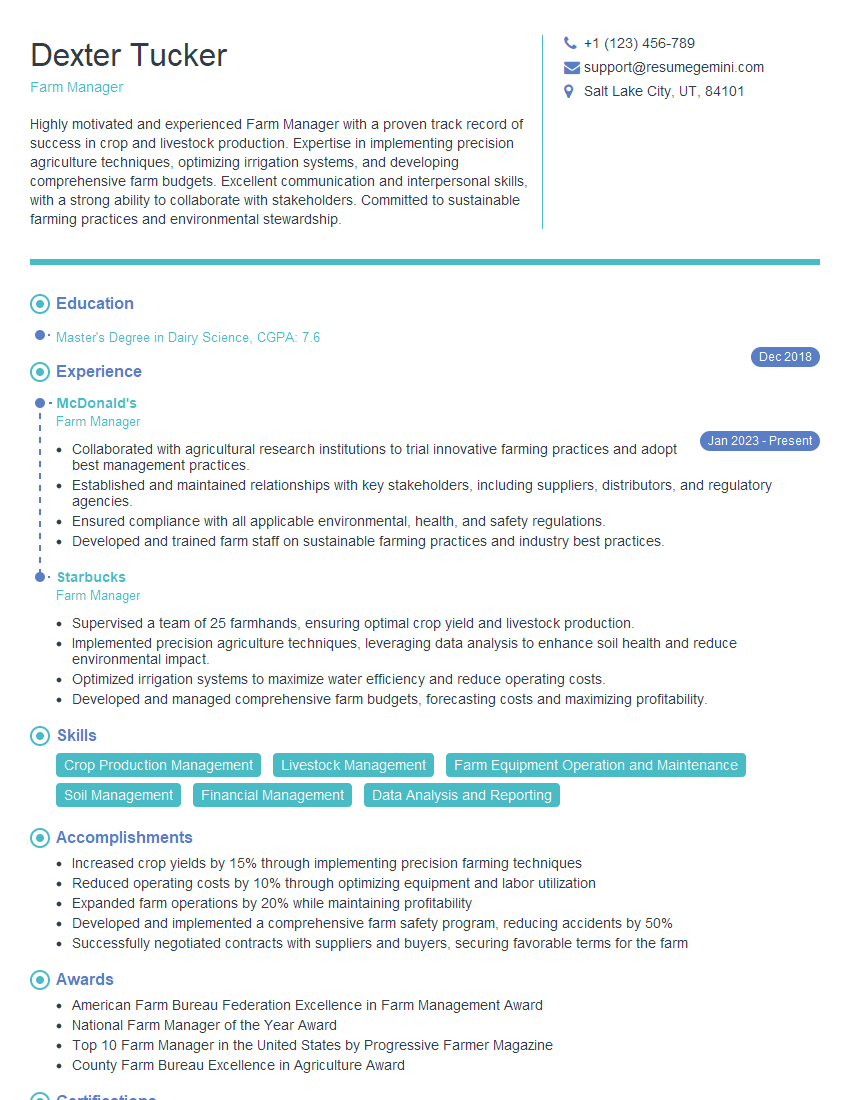
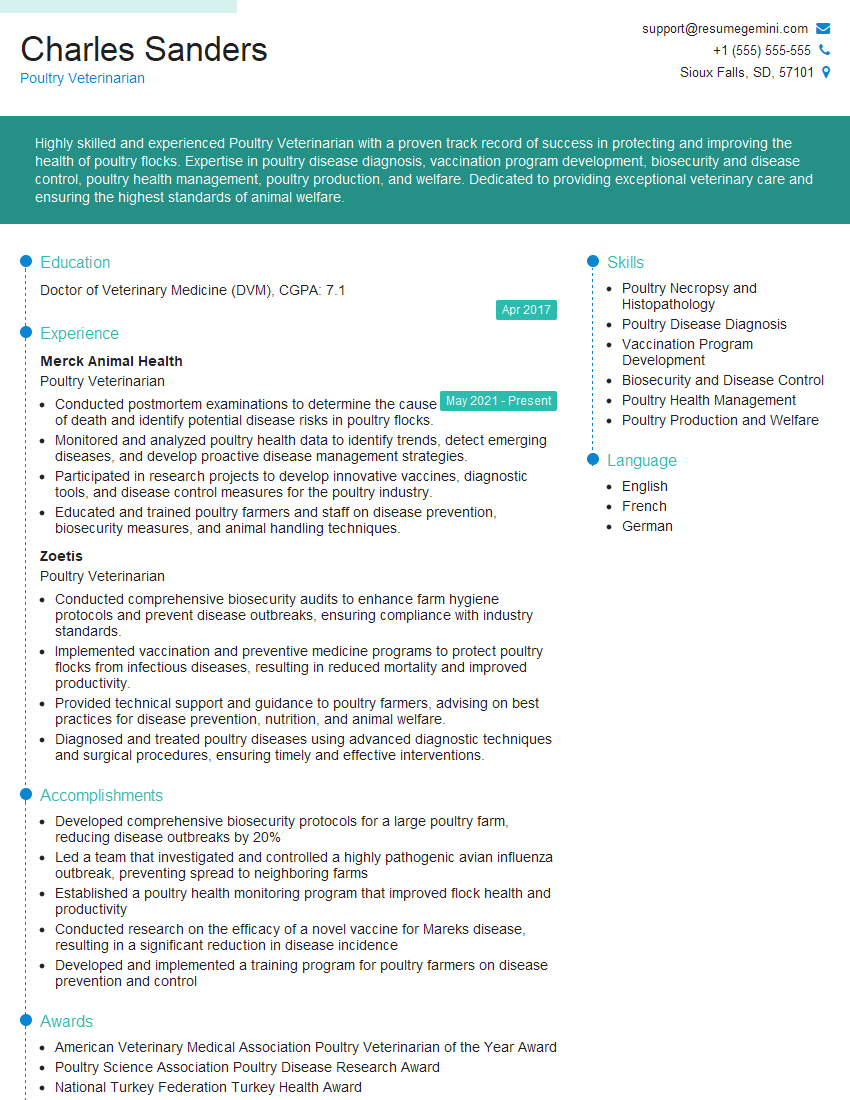
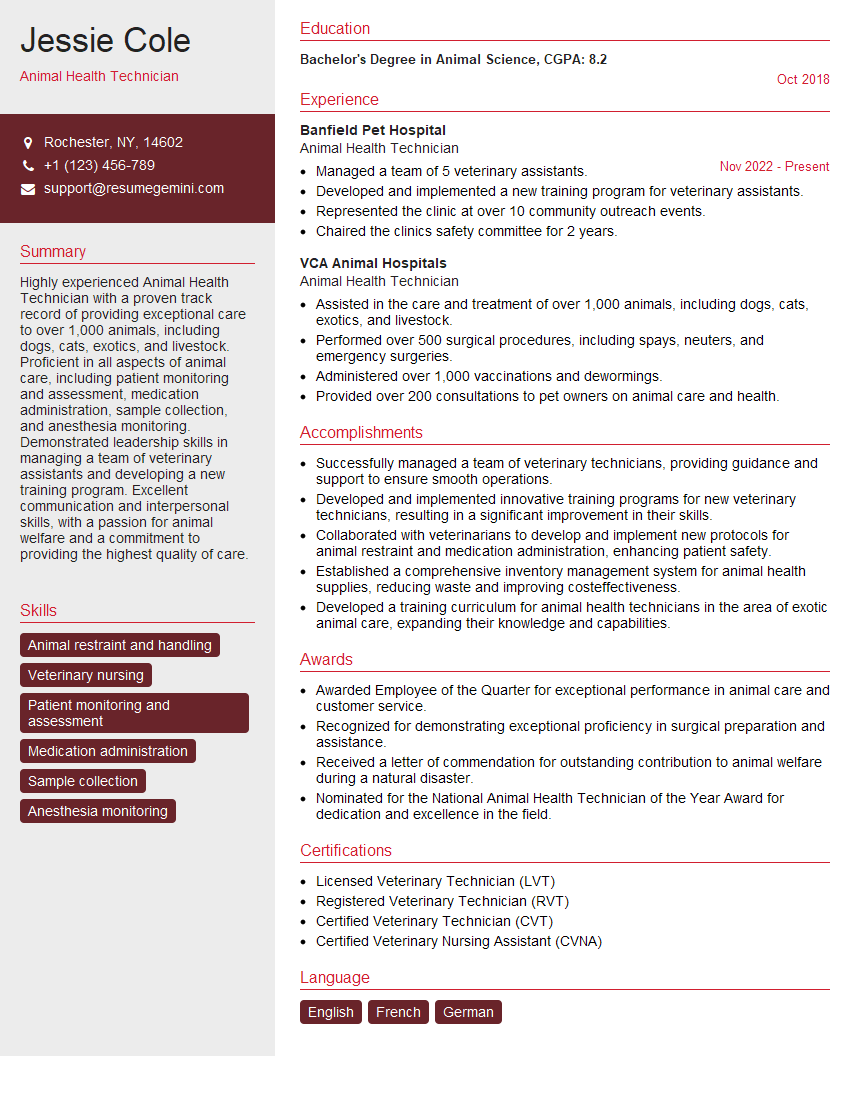
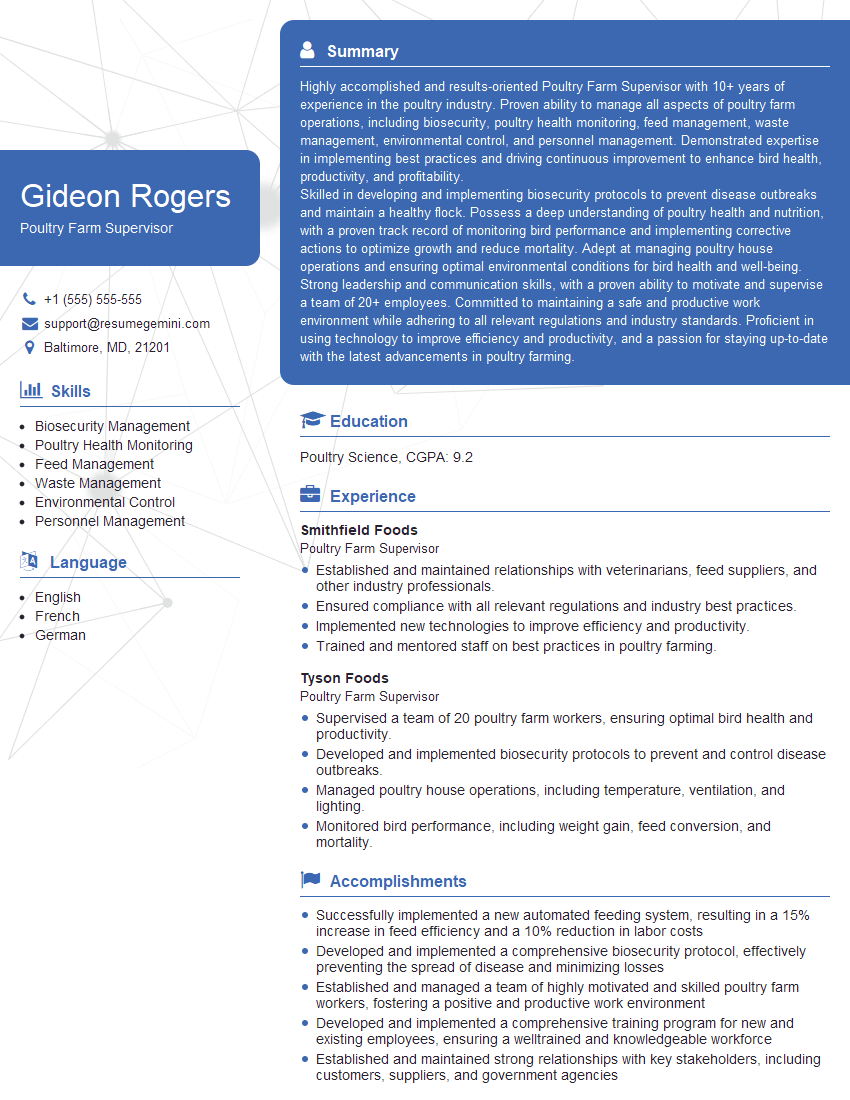
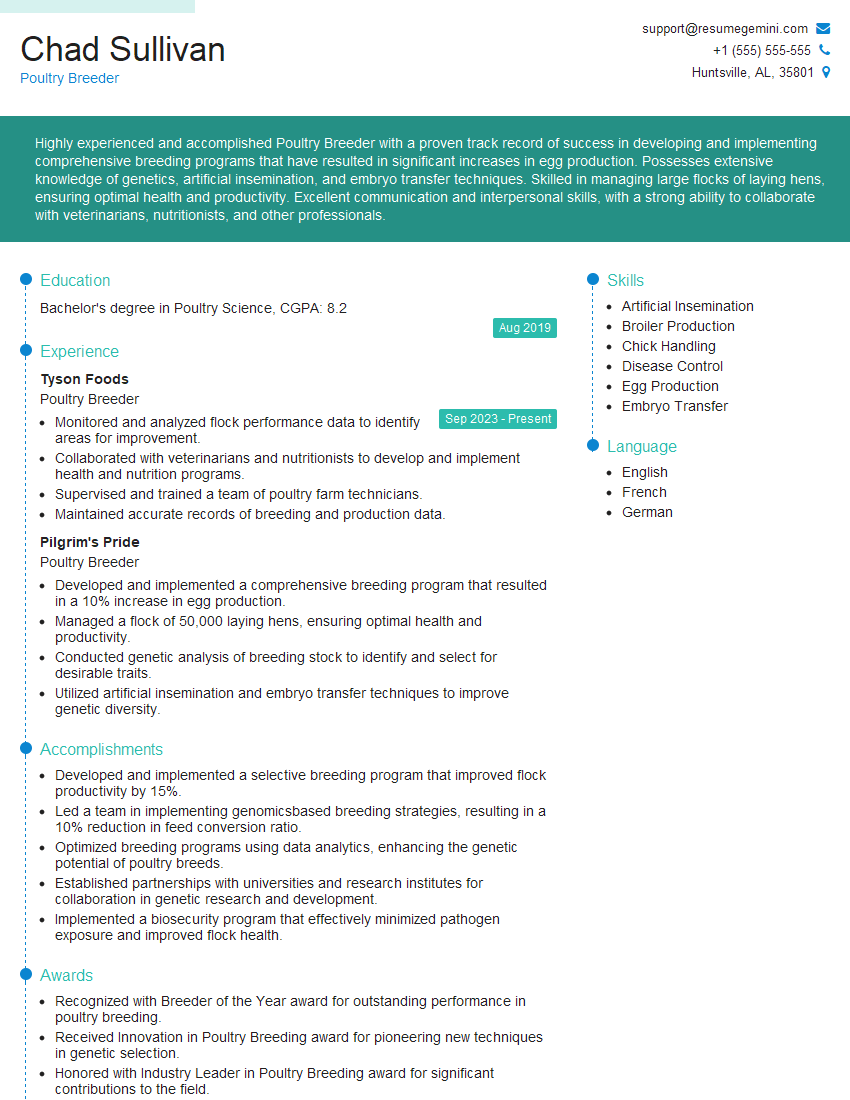
Mastering Chicken Health and Disease Management is crucial for a successful and rewarding career in the poultry industry. Your expertise in this field will be highly valued, leading to greater opportunities for advancement and higher earning potential. To maximize your job prospects, it’s vital to create a compelling and ATS-friendly resume that highlights your skills and experience effectively. We highly recommend using ResumeGemini, a trusted resource for building professional resumes. ResumeGemini provides examples of resumes tailored to Chicken Health and Disease Management, ensuring your application stands out from the competition. Invest time in crafting a strong resume; it’s your first impression on potential employers.
Explore more articles
Users Rating of Our Blogs
Share Your Experience
We value your feedback! Please rate our content and share your thoughts (optional).
What Readers Say About Our Blog
Very informative content, great job.
good