Interviews are more than just a Q&A session—they’re a chance to prove your worth. This blog dives into essential Ability to Conduct Risk Assessments interview questions and expert tips to help you align your answers with what hiring managers are looking for. Start preparing to shine!
Questions Asked in Ability to Conduct Risk Assessments Interview
Q 1. Describe your experience in conducting qualitative risk assessments.
Qualitative risk assessment focuses on the descriptive nature of risks, prioritizing the understanding of their potential impact and likelihood through non-numerical methods. My experience involves facilitating workshops with stakeholders, using techniques like brainstorming, SWOT analysis, and Delphi methods to identify and analyze potential risks. For example, during a project launch for a new software application, I led a workshop where we used a brainstorming session to identify potential risks related to market acceptance, competitor actions, and internal development challenges. We then used a qualitative impact-likelihood matrix to categorize these risks based on their severity and probability, allowing us to prioritize our mitigation efforts.
Another example involves assessing the reputation risk associated with a potential data breach. We wouldn’t quantify the potential financial loss numerically at this stage but instead analyze the potential damage to the brand’s image and customer trust, exploring the qualitative aspects like loss of confidence, negative media coverage, and legal repercussions. This allowed us to plan communication strategies and other mitigation actions focusing on maintaining brand integrity.
Q 2. Explain the difference between inherent risk and residual risk.
Inherent risk represents the risk before any controls or mitigation strategies are implemented. It’s the pure, unmitigated risk. Think of it as the inherent danger of a situation. Residual risk, on the other hand, is the risk that remains after you’ve put controls in place. It’s the risk you’re left with even after taking action. Imagine a building with a faulty fire alarm system (inherent risk: potential fire damage). After installing a new alarm system (control), there’s still a residual risk—a small chance the new system might fail or be inadequately designed, leaving some risk remaining.
Consider a scenario involving a manufacturing company. The inherent risk could be a machine malfunction leading to product defects. Implementing quality checks and maintenance protocols reduces the inherent risk but will not eliminate it completely, so some residual risk remains.
Q 3. What are the key components of a risk register?
A risk register is a central document that systematically catalogs and tracks identified risks. Key components include:
- Risk ID: A unique identifier for each risk.
- Description: A clear and concise explanation of the risk.
- Category: Classification of the risk (e.g., financial, operational, strategic).
- Likelihood: The probability of the risk occurring (often categorized as low, medium, high).
- Impact: The potential consequences if the risk occurs (often categorized as low, medium, high).
- Owner: The individual or team responsible for managing the risk.
- Mitigation Strategies: Actions to reduce the likelihood or impact of the risk.
- Status: Current state of the risk (e.g., open, in progress, closed).
- Contingency Plans: Backup plans in case mitigation strategies fail.
A well-maintained risk register provides a single source of truth for risk management, facilitating informed decision-making and efficient risk mitigation efforts.
Q 4. How do you prioritize risks based on likelihood and impact?
Prioritizing risks based on likelihood and impact is crucial. A common method is using a risk matrix. This matrix visually represents the likelihood (probability) and impact (severity) of each risk. Risks are typically plotted on a grid, with likelihood on one axis and impact on the other. A risk with high likelihood and high impact is considered high priority, requiring immediate attention and resource allocation.
For example, a risk with a high likelihood (e.g., 80% chance) and high impact (e.g., significant financial loss) would be prioritized over a risk with low likelihood (e.g., 10% chance) and low impact (e.g., minor inconvenience). This allows for the allocation of resources to address the most critical risks first.
Often, a scoring system is used, assigning numerical values to likelihood and impact, allowing for a more quantitative prioritization. For instance, high likelihood could be 3 points, medium 2, and low 1, with a similar scoring system for impact. The total score becomes the priority ranking metric.
Q 5. Explain your understanding of risk appetite and tolerance.
Risk appetite describes the level of risk an organization is willing to accept in pursuit of its objectives. It’s a strategic decision defining the boundaries of acceptable risk. Risk tolerance, on the other hand, is the acceptable deviation from the risk appetite. It defines how much variation from the target risk level the organization can tolerate before taking corrective actions.
Think of it like driving a car. Your risk appetite might be to drive at a safe speed to reach your destination. Your risk tolerance would be the slight variations in speed due to traffic conditions or unexpected events; it’s the acceptable deviation from your target speed. Exceeding your tolerance (e.g., exceeding the speed limit significantly) means you are exceeding your risk appetite and need to adjust your driving style. Similarly, an organization’s risk tolerance guides actions when the actual risk exceeds its set appetite.
Q 6. Describe your experience using a risk assessment framework (e.g., ISO 31000).
I have extensive experience applying the ISO 31000 risk management framework. This framework provides a structured approach to managing risks across an organization. My experience includes implementing the framework’s principles in various projects, including:
- Establishing a risk context: Defining the organization’s objectives, internal and external environment, and risk appetite.
- Risk identification: Utilizing various methods like brainstorming, checklists, and hazard identification techniques to identify potential risks.
- Risk analysis and evaluation: Assessing the likelihood and impact of identified risks using qualitative and quantitative methods.
- Risk treatment: Developing and implementing appropriate risk mitigation strategies such as risk avoidance, reduction, transfer, or acceptance.
- Risk monitoring and review: Regularly reviewing and updating the risk assessment to ensure its accuracy and relevance.
The systematic approach of ISO 31000 ensures a comprehensive and consistent risk management process, ultimately improving decision-making and enhancing organizational resilience.
Q 7. How do you identify and assess emerging risks?
Identifying and assessing emerging risks requires proactive and continuous monitoring of the internal and external environment. This includes:
- Scanning the news and industry trends: Staying informed about global events, technological advancements, and regulatory changes that could impact the organization.
- Analyzing competitor activities: Understanding the strategies and actions of competitors to identify potential threats and opportunities.
- Engaging with stakeholders: Regularly communicating with customers, suppliers, and other stakeholders to understand their concerns and perspectives.
- Utilizing scenario planning: Developing different scenarios to anticipate potential future risks and their potential impacts.
- Utilizing early warning systems: Implementing systems and processes that can detect emerging risks early on.
For instance, the recent rise in cybersecurity threats necessitates proactive monitoring and adaptation of cybersecurity strategies. Similarly, a sudden shift in government regulations would demand immediate assessment and adaptation of operational practices. Regularly updating risk assessments and conducting scenario planning allows organizations to adapt to such changes.
Q 8. What methods do you use to communicate risk information to stakeholders?
Communicating risk information effectively is crucial for ensuring stakeholders understand and respond appropriately. My approach involves tailoring the communication method to the audience and the complexity of the risk. I use a multi-faceted strategy:
Visual Aids: I frequently use charts, graphs, and heatmaps to visually represent risk levels and probabilities. For instance, a simple color-coded chart showing the likelihood and impact of different cyber threats is highly effective for non-technical audiences.
Clear and Concise Language: I avoid technical jargon whenever possible, translating complex risk assessments into plain language that everyone can understand. Instead of saying “the probability of a critical failure is 0.2,” I might say “There’s a 20% chance of a major system disruption.”
Targeted Reports and Presentations: For executive-level stakeholders, I provide concise summaries focusing on high-level risks and their potential impact on business objectives. For operational teams, I provide more detailed reports with actionable insights and suggested mitigation strategies.
Interactive Dashboards: For ongoing monitoring, I utilize dashboards that provide real-time updates on key risk indicators (KRIs), allowing stakeholders to track progress and identify emerging risks proactively.
Regular Meetings and Briefings: I schedule regular briefings to discuss risk assessments, mitigation strategies, and emerging risks. These sessions encourage open dialogue and collaboration.
Q 9. How do you involve stakeholders in the risk assessment process?
Stakeholder involvement is paramount for effective risk assessment. A collaborative approach ensures buy-in, ownership, and more accurate risk identification. My strategy involves:
Workshops and Brainstorming Sessions: These collaborative sessions allow stakeholders from various departments and levels to contribute their expertise and perspectives, enriching the risk assessment process. For example, in a recent project assessing supply chain risks, we held a workshop bringing together procurement, logistics, and production teams. This helped identify vulnerabilities that wouldn’t have been evident through a solely top-down approach.
Surveys and Questionnaires: For a wider reach, especially with large numbers of stakeholders, surveys and questionnaires are used to gather information on perceived risks and potential vulnerabilities. This approach ensures that even those who cannot attend workshops can contribute their insights.
Interviews and One-on-One Discussions: These are particularly useful for gathering in-depth information from key stakeholders, such as subject matter experts or those with unique perspectives on specific risks. For example, interviews with experienced security personnel are essential for identifying threats to cybersecurity systems.
Regular Feedback Mechanisms: Continuous feedback loops are vital for ensuring that the risk assessment remains relevant and up-to-date. This can involve regular check-ins, surveys, or updates to the risk register based on stakeholder input.
Q 10. Describe your experience in developing risk mitigation strategies.
Developing effective risk mitigation strategies requires a systematic approach. I typically follow these steps:
Prioritize Risks: After identifying potential risks, we prioritize them based on their likelihood and potential impact. This allows us to focus on the most critical risks first.
Identify Mitigation Options: For each high-priority risk, we brainstorm and evaluate potential mitigation strategies, considering their cost-effectiveness, feasibility, and impact on other areas. Examples include implementing new security protocols, improving training programs, or diversifying supply chains.
Develop Action Plans: Detailed action plans are created outlining the steps needed to implement each mitigation strategy. These plans include timelines, responsibilities, and resource allocation.
Document and Communicate: The chosen mitigation strategies and action plans are thoroughly documented and communicated to relevant stakeholders. This ensures transparency and alignment across the organization.
Regular Review and Updates: Mitigation strategies are regularly reviewed and updated based on changes in the risk landscape and the effectiveness of the implemented controls. For instance, I recently updated security protocols in response to an emerging cyber threat.
Q 11. How do you monitor and review the effectiveness of risk mitigation strategies?
Monitoring and reviewing the effectiveness of risk mitigation strategies is crucial for ensuring their continued relevance and impact. My process involves:
Key Risk Indicators (KRIs): We define and track KRIs that provide early warning signals of potential problems. These are regularly monitored to assess whether the mitigation strategies are working as intended.
Regular Reporting and Analysis: Regular reports on KRI performance are generated and analyzed to identify trends and potential issues. This analysis helps us to understand the effectiveness of each mitigation strategy and identify areas for improvement.
Internal Audits and Reviews: Regular internal audits and reviews are conducted to independently assess the effectiveness of controls and identify any gaps or weaknesses.
Incident Reporting and Analysis: When incidents occur, they are thoroughly investigated to determine their root cause and whether the implemented mitigation strategies were effective in preventing or minimizing their impact.
Adaptive Management: Based on the monitoring and review results, the mitigation strategies are continually adapted and improved to reflect changes in the risk environment and organizational priorities. This ensures that the risk management program remains dynamic and effective.
Q 12. What are some common risk assessment methodologies?
Several methodologies are used for risk assessment, each with its strengths and weaknesses. Common methodologies include:
Failure Mode and Effects Analysis (FMEA): A systematic approach to identifying potential failure modes in a process or system and assessing their potential effects. It’s particularly useful for identifying weaknesses in complex systems.
Hazard and Operability Study (HAZOP): A structured and systematic technique for identifying potential hazards and operational problems in a process or system. It uses a team-based approach and relies on a set of guide words to explore deviations from the normal operating conditions.
Bow Tie Analysis: A visual risk assessment method that maps out the causes and consequences of a hazard, along with the controls in place to prevent or mitigate the hazard. It’s helpful for illustrating the relationships between hazards, controls, and consequences.
Quantitative Risk Assessment: This method uses numerical data to quantify the likelihood and impact of risks. It allows for a more objective assessment of risk, which is useful for making informed decisions about mitigation strategies.
Qualitative Risk Assessment: This method uses subjective judgments to assess the likelihood and impact of risks. It’s useful when numerical data is unavailable or difficult to obtain.
Q 13. Explain your understanding of key risk indicators (KRIs).
Key Risk Indicators (KRIs) are quantifiable metrics that provide early warning signals of potential problems or risks. They are crucial for monitoring the effectiveness of risk mitigation strategies and proactively identifying emerging risks. A good KRI is:
Specific and Measurable: It should be clearly defined and easy to measure. For example, “Number of security breaches” is a better KRI than “Overall security posture.”
Actionable: It should provide insights that can be used to take corrective actions. For instance, a high number of security breaches might trigger a review of security protocols.
Relevant: It should be directly related to a specific risk or area of concern. For example, customer churn rate could be a KRI for assessing the risk of declining revenue.
Timely: It should be monitored frequently enough to detect problems early. The frequency depends on the nature of the risk and the desired level of monitoring.
Examples of KRIs could include: the number of near misses in a manufacturing plant, customer satisfaction scores, or the number of overdue payments.
Q 14. How do you use data analysis to support risk assessment?
Data analysis plays a vital role in supporting risk assessment by providing objective insights and facilitating informed decision-making. I utilize data analysis in several ways:
Identifying Trends and Patterns: Analyzing historical data can help identify trends and patterns that indicate potential risks. For example, analyzing past incident reports can reveal common causes of failures or security breaches, helping to prioritize risk mitigation efforts.
Quantifying Risk: Data analysis allows us to quantify the likelihood and impact of risks using statistical methods, providing a more objective assessment than relying solely on qualitative judgments. This helps in better prioritization and resource allocation.
Validating Risk Assessments: Data analysis can help validate the accuracy of our risk assessments by comparing predicted outcomes with actual results. This iterative process helps refine our risk models over time.
Monitoring the Effectiveness of Mitigation Strategies: Data analysis is crucial for tracking the effectiveness of implemented mitigation strategies by monitoring KRIs and other relevant metrics. This provides ongoing evidence of the success or failure of our efforts.
Predictive Modeling: Advanced data analysis techniques, such as machine learning, can be used to build predictive models that forecast future risks. This allows proactive risk management and mitigation.
For example, in a financial institution, data analysis of customer transaction data can identify patterns of fraudulent activity, enabling the implementation of preventative measures.
Q 15. Describe a situation where a risk assessment prevented a negative outcome.
A risk assessment prevented a significant data breach at a previous company. We were implementing a new cloud-based CRM system. My team conducted a thorough risk assessment, identifying vulnerabilities like insufficient access controls and a lack of data encryption in transit. The assessment highlighted the potential for unauthorized access and data leakage, quantifying the potential financial and reputational damage. Based on this, we implemented multi-factor authentication, robust encryption protocols, and a comprehensive security awareness training program before the system went live. This proactive approach directly prevented a costly and damaging data breach that could have resulted in significant fines, loss of customer trust, and legal repercussions.
Career Expert Tips:
- Ace those interviews! Prepare effectively by reviewing the Top 50 Most Common Interview Questions on ResumeGemini.
- Navigate your job search with confidence! Explore a wide range of Career Tips on ResumeGemini. Learn about common challenges and recommendations to overcome them.
- Craft the perfect resume! Master the Art of Resume Writing with ResumeGemini’s guide. Showcase your unique qualifications and achievements effectively.
- Don’t miss out on holiday savings! Build your dream resume with ResumeGemini’s ATS optimized templates.
Q 16. How do you handle disagreements on risk assessments among stakeholders?
Disagreements on risk assessments are common, reflecting differing perspectives and priorities among stakeholders. My approach is collaborative and data-driven. First, I facilitate open communication, ensuring everyone understands the assessment methodology and the underlying data. We then discuss the differing viewpoints, clarifying any misunderstandings or misinterpretations of the data. If the disagreement persists, I suggest a structured approach, possibly using a weighted scoring system where each stakeholder assigns weights to different risk factors based on their area of expertise. This allows for a transparent and objective prioritization of risks. In cases of irreconcilable differences, I would document the dissenting opinions and their rationale, escalating the decision to senior management for final resolution, ensuring all perspectives are considered in the final risk register.
Q 17. How do you incorporate qualitative and quantitative data in your risk assessments?
A comprehensive risk assessment incorporates both qualitative and quantitative data. Quantitative data provides numerical measurements of risk, such as the potential financial loss from a cyberattack (e.g., $1 million) or the probability of a supply chain disruption (e.g., 10%). Qualitative data captures less easily measurable aspects, such as reputational damage, impact on employee morale, or the effectiveness of existing controls (e.g., ‘High’ impact on customer trust, ‘Medium’ effectiveness of existing security measures). I use a combination of techniques, including probability and impact matrices, sensitivity analysis, and expert elicitation (interviews with subject matter experts) to gather both types of data. The qualitative data helps contextualize the quantitative data, providing a more holistic understanding of the overall risk profile. For example, a low probability event with high qualitative impact (e.g., a low-probability but high-impact environmental disaster) might still warrant significant attention and mitigation strategies.
Q 18. Describe your experience with risk assessment software or tools.
I have extensive experience with several risk assessment software tools, including Archer, RiskRecon, and ThreatModeler. These tools help streamline the risk assessment process, providing features like risk scoring, visualization, and reporting. For example, Archer facilitates collaborative risk assessment, allowing multiple stakeholders to contribute and track progress. RiskRecon automates the identification and scoring of third-party vendor risks. ThreatModeler allows for visual modeling of security threats and vulnerabilities. The choice of software depends on the specific needs of the assessment and the organization’s existing infrastructure. The key is using the tool to enhance efficiency and accuracy, not to replace critical thinking and judgment.
Q 19. What is your approach to assessing operational risks?
My approach to assessing operational risks involves identifying potential disruptions to business processes and operations. This begins with mapping key processes and identifying potential points of failure. I use techniques like Failure Mode and Effects Analysis (FMEA) to systematically evaluate the likelihood and severity of different failure modes. This includes considering factors like human error, equipment malfunction, supply chain disruptions, and process inefficiencies. The assessment also examines the existing controls designed to mitigate these risks, evaluating their effectiveness. For example, a lack of redundancy in a critical system could pose a significant operational risk. Mitigation strategies might include implementing backup systems, diversifying suppliers, or improving employee training. The final output is a prioritized list of operational risks and recommended mitigation strategies.
Q 20. What is your approach to assessing financial risks?
Assessing financial risks requires understanding the organization’s financial position and potential exposures. This begins with a review of the financial statements, including the balance sheet, income statement, and cash flow statement. Then, I assess potential risks such as credit risk (the risk of borrowers defaulting), market risk (fluctuations in asset values), liquidity risk (the risk of not having enough cash on hand), and interest rate risk (fluctuations in interest rates impacting borrowing costs). Techniques like sensitivity analysis and scenario planning are used to model the impact of these risks on the organization’s financial performance. For example, we might model the impact of a significant interest rate hike on the organization’s debt servicing capacity. Mitigation strategies could involve hedging strategies, diversification of investments, or improved cash flow management.
Q 21. What is your approach to assessing regulatory risks?
Regulatory risk assessment focuses on the potential impact of laws, regulations, and compliance requirements on the organization. This begins with identifying all applicable laws and regulations relevant to the organization’s industry and operations. Next, we assess the organization’s compliance with these regulations and identify any potential gaps or non-compliances. This includes evaluating internal controls, policies, and procedures designed to ensure compliance. For example, failure to meet data privacy regulations (like GDPR or CCPA) could lead to significant fines and reputational damage. Mitigation strategies involve establishing robust compliance programs, implementing appropriate controls, and conducting regular audits to ensure continued compliance. The output is a comprehensive report outlining the organization’s regulatory risk profile and a prioritized action plan to address any identified gaps.
Q 22. How do you handle uncertainty in risk assessments?
Uncertainty is inherent in risk assessment; we can’t predict the future with absolute certainty. My approach involves acknowledging and quantifying this uncertainty using several methods. Firstly, I employ probabilistic techniques, assigning likelihoods and impacts using ranges rather than single point estimates. For example, instead of stating a flood has a 50% chance of occurring, I might assign a range of 30-70%, reflecting the inherent uncertainty in hydrological modeling. Secondly, I use sensitivity analysis to identify which factors are most uncertain and have the greatest influence on the overall risk. This helps focus resources on reducing uncertainty in critical areas. Thirdly, I utilize expert elicitation, drawing on the knowledge and experience of subject matter experts to inform my assessments, particularly when historical data is scarce or unreliable. Finally, I incorporate scenarios analysis, exploring a range of possible outcomes based on different assumptions about the future.
Think of it like weather forecasting. A forecast of a 70% chance of rain doesn’t mean it’ll rain for 70% of the day, but it reflects the uncertainty in the prediction based on available data. Similarly, I acknowledge this inherent imprecision within my risk assessments by using ranges, sensitivity analysis and other techniques.
Q 23. How do you document your risk assessment findings?
Documentation is crucial for transparency and accountability in risk assessments. My documentation follows a structured format that includes the following elements: a clear statement of the scope and objectives of the assessment, a detailed description of the methodology used (including any assumptions made), a comprehensive inventory of identified risks, a qualitative and/or quantitative analysis of each risk (including likelihood, impact, and risk score), a clear presentation of the risk matrix used, a description of any mitigation strategies recommended, responsibilities assigned for implementing those strategies, and finally a schedule for monitoring and reviewing the risk assessment. This is often presented in a report using tables and charts to present the findings clearly and concisely. I always ensure the report is accessible to all stakeholders, tailoring the complexity to the target audience.
For example, a risk assessment for a construction project might include detailed descriptions of potential hazards like falling objects or electrical shocks, alongside associated mitigation measures such as safety harnesses or regular electrical inspections. These are documented clearly with associated responsibilities and monitoring plans.
Q 24. Explain your understanding of the concept of ‘risk appetite’.
Risk appetite refers to the level of risk an organization is willing to accept in pursuit of its strategic objectives. It’s essentially the organization’s tolerance for uncertainty. A high risk appetite indicates a willingness to accept higher levels of risk for potentially greater rewards, while a low risk appetite favors risk aversion and prioritizes certainty. Understanding an organization’s risk appetite is crucial because it guides decision-making related to risk management. A well-defined risk appetite helps align risk management strategies with overall business objectives. For example, a start-up company might have a higher risk appetite than a large, established corporation because the potential rewards associated with innovation and growth outweigh the potential downsides of failure. Conversely, a bank typically has a low risk appetite due to the highly regulated nature of its operations and the importance of maintaining financial stability.
Defining risk appetite often involves a discussion with senior management, defining acceptable levels of risk in terms of financial loss, reputation damage or operational disruption, expressed qualitatively or quantitatively, as is appropriate to the context.
Q 25. How do you ensure the accuracy and reliability of your risk assessments?
Ensuring accuracy and reliability is paramount. I employ several strategies to achieve this. First, I utilize a rigorous and structured methodology, following established frameworks and best practices. I always use a peer review process where another expert independently reviews my findings and methodology, to eliminate bias and ensure thoroughness. Data quality is essential, so I verify the accuracy and completeness of all information used in the assessment, relying on multiple sources and cross-checking where possible. Regular updates and revisions are vital, particularly in dynamic environments; I build mechanisms for monitoring and reviewing the assessment at regular intervals, adapting it as needed to reflect changing circumstances or new information. Finally, I maintain detailed records of all sources, assumptions, and calculations involved in the process; this audit trail is indispensable for ensuring transparency and enabling future revisions.
Think of it as a scientific experiment: replication is key. My methods are designed to be transparent and repeatable, allowing others to verify the findings.
Q 26. Describe your experience with different types of risk matrices.
I have extensive experience with various risk matrices, each with its strengths and weaknesses. A common type is the qualitative risk matrix, which uses descriptive scales (e.g., low, medium, high) for both likelihood and impact, resulting in a risk score derived from their combination. This is simple and easy to understand. Quantitative risk matrices, on the other hand, use numerical values (e.g., probabilities and monetary losses) for a more precise assessment. This requires more data but allows for better comparison between different risks. Another type is the colored risk matrix, where each risk score is represented by a different color, facilitating quick visual identification of high-priority risks. The choice of matrix depends on the context, the available data, and the needs of the stakeholders. For example, a small business might use a simple qualitative matrix, while a large corporation might employ a more sophisticated quantitative matrix. Sometimes, a hybrid approach is used, combining qualitative and quantitative elements for a comprehensive assessment. I select the matrix that best serves the purpose, providing stakeholders with the information they need to make informed decisions.
Q 27. How do you stay updated on best practices in risk assessment?
Staying current on best practices is crucial. I actively participate in professional organizations like [mention relevant professional organizations], attending conferences and workshops to learn about the latest advancements in risk assessment methodologies and techniques. I subscribe to relevant journals and publications, and I regularly review industry standards and guidelines. Online resources, such as reputable websites and online courses, also play a vital role in my continuous learning. Furthermore, I maintain a professional network of experts in the field, exchanging knowledge and insights with peers and collaborators. This constant learning ensures I remain proficient and adapt my approach to evolving needs and standards within the field.
Q 28. How do you adapt your risk assessment approach to different contexts?
Adaptability is key. My approach to risk assessment is tailored to the specific context. Factors influencing the approach include the nature of the risk (financial, operational, strategic, etc.), the industry, regulatory environment, organizational culture, and the resources available. For example, a risk assessment for a manufacturing plant will differ significantly from one for a software company. The former will focus heavily on occupational safety and environmental hazards, while the latter will concentrate more on cybersecurity threats and data breaches. I use different methodologies, tools, and techniques depending on these factors; I might use fault tree analysis for technical systems, HAZOP for process safety, or scenario planning for strategic risks. The key is to use the most appropriate method to effectively identify and manage risks within the specific environment. I constantly adapt my approach to the needs of the situation, ensuring the most effective and efficient assessment.
Key Topics to Learn for Ability to Conduct Risk Assessments Interview
- Risk Identification: Understanding various risk identification methods, including brainstorming, checklists, hazard and operability studies (HAZOP), and Failure Mode and Effects Analysis (FMEA). Learn to apply these techniques in different contexts.
- Risk Analysis: Mastering qualitative and quantitative risk analysis techniques. This includes understanding likelihood and consequence, using risk matrices, and applying scoring systems to prioritize risks.
- Risk Evaluation: Developing criteria for evaluating the significance of identified risks. Learn to differentiate between acceptable and unacceptable levels of risk and explain your reasoning clearly.
- Risk Control: Exploring different risk control strategies – avoidance, reduction, transfer, and acceptance. Understand the practical application of these strategies and their limitations.
- Risk Communication: Effectively communicating risk assessment findings to both technical and non-technical audiences. Practice presenting complex information concisely and clearly.
- Regulatory Compliance: Familiarity with relevant regulations and standards related to risk assessment in your industry. This demonstrates your understanding of legal and ethical considerations.
- Practical Application: Preparing case studies demonstrating your experience in conducting risk assessments. Focus on outlining the process, methodology, and results achieved.
- Problem-Solving & Decision-Making: Practice applying critical thinking to risk scenarios, demonstrating your ability to make informed decisions under pressure and justify your choices.
Next Steps
Mastering the ability to conduct thorough risk assessments is crucial for career advancement in many fields. It demonstrates critical thinking, problem-solving skills, and a proactive approach to safety and compliance. To increase your job prospects, creating a strong, ATS-friendly resume is essential. ResumeGemini can help you build a professional resume that highlights your skills and experience effectively. Examples of resumes tailored to showcasing expertise in Ability to Conduct Risk Assessments are available through ResumeGemini, providing valuable templates and guidance for your application process.

Operations Manager Resume Sample
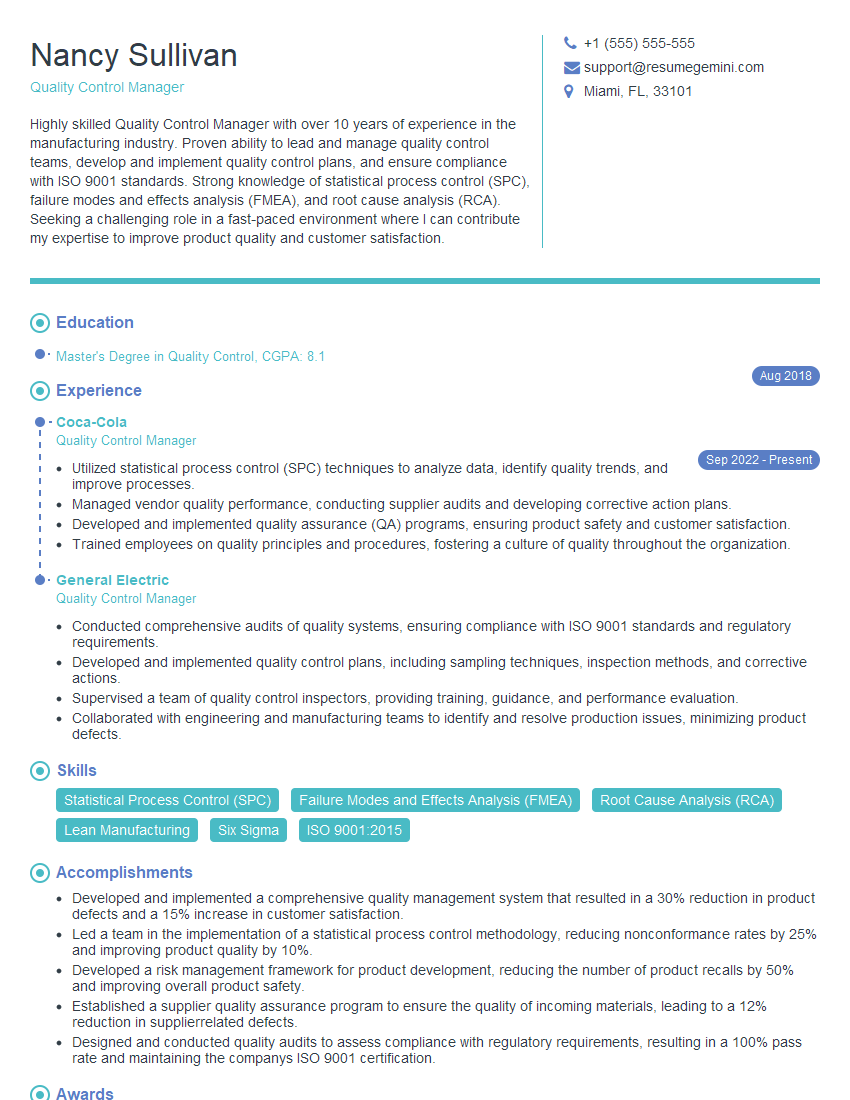
Quality Control Manager Resume Sample
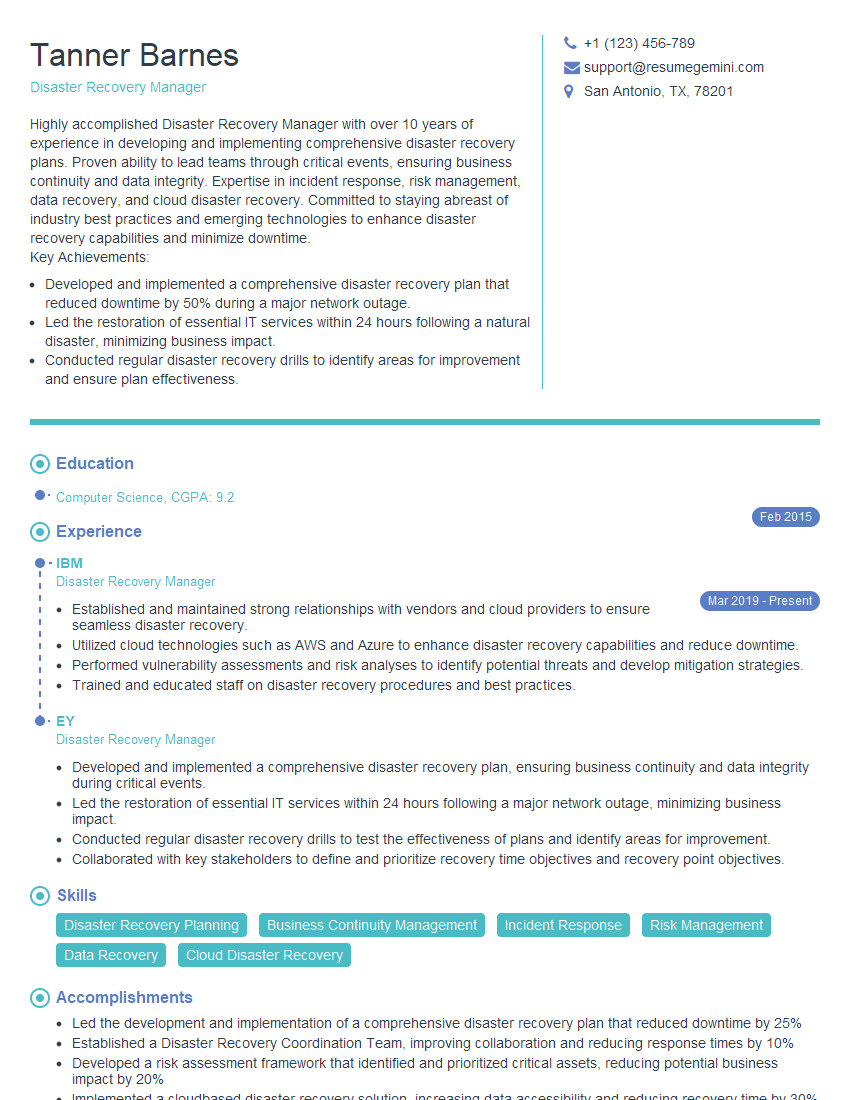
Disaster Recovery Manager Resume Sample
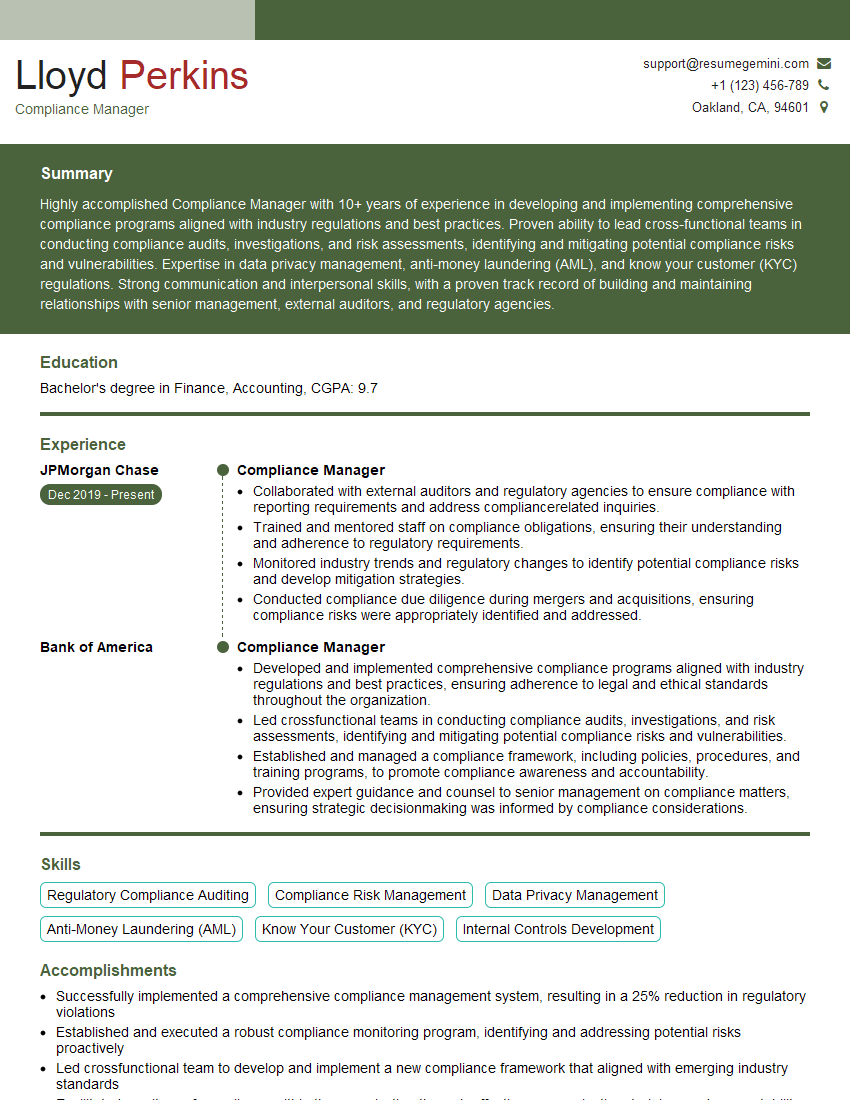
Compliance Manager Resume Sample

Compliance Officer Resume Sample
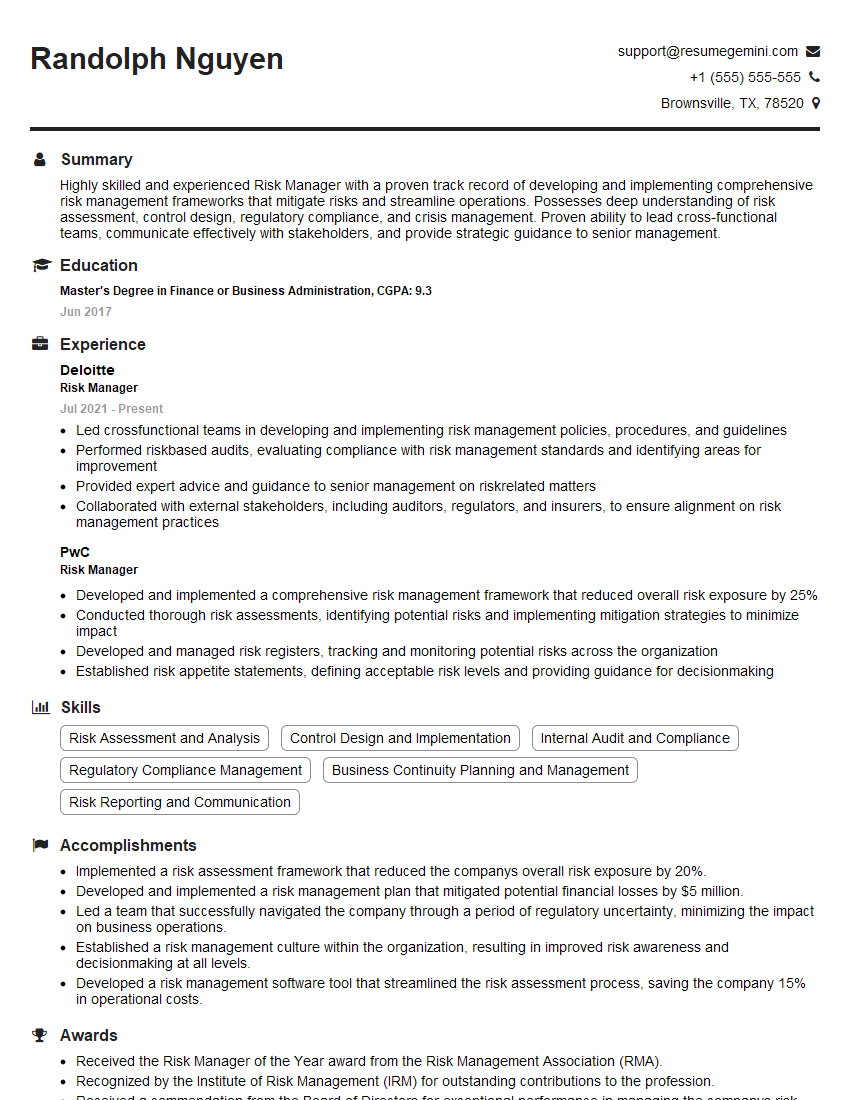
Risk Manager Resume Sample
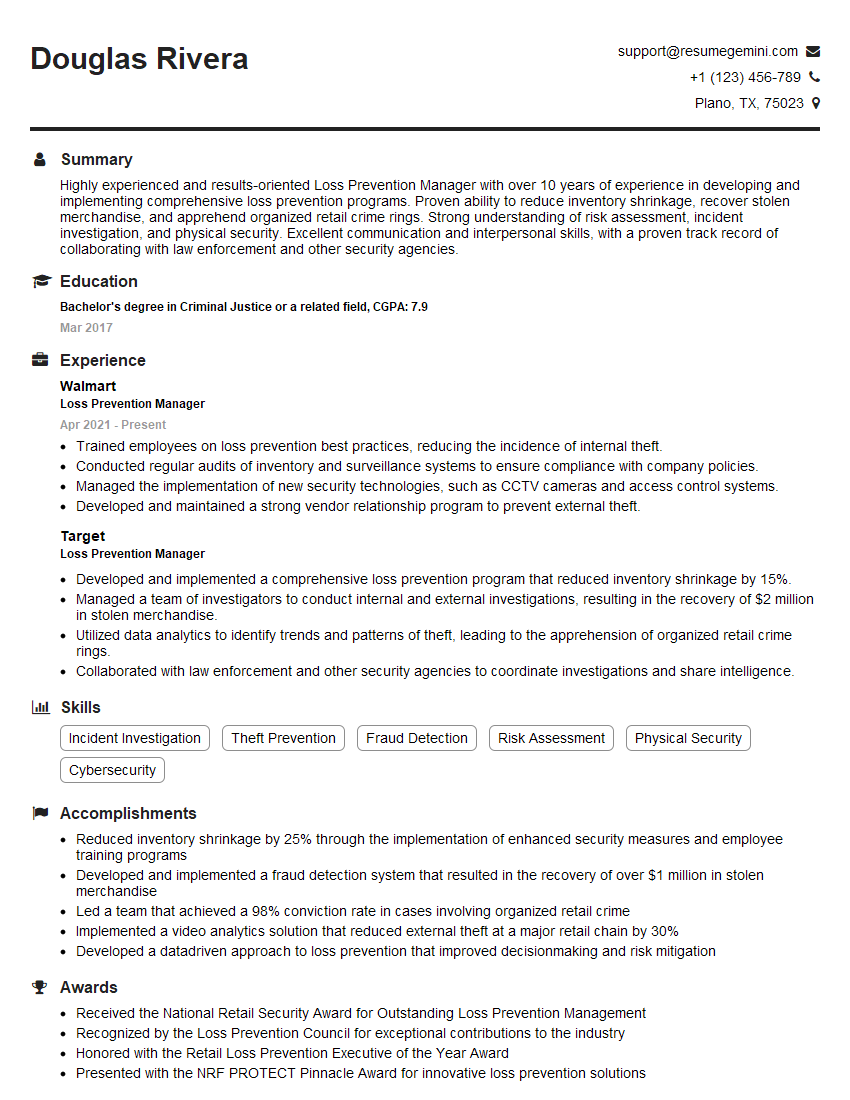
Loss Prevention Manager Resume Sample
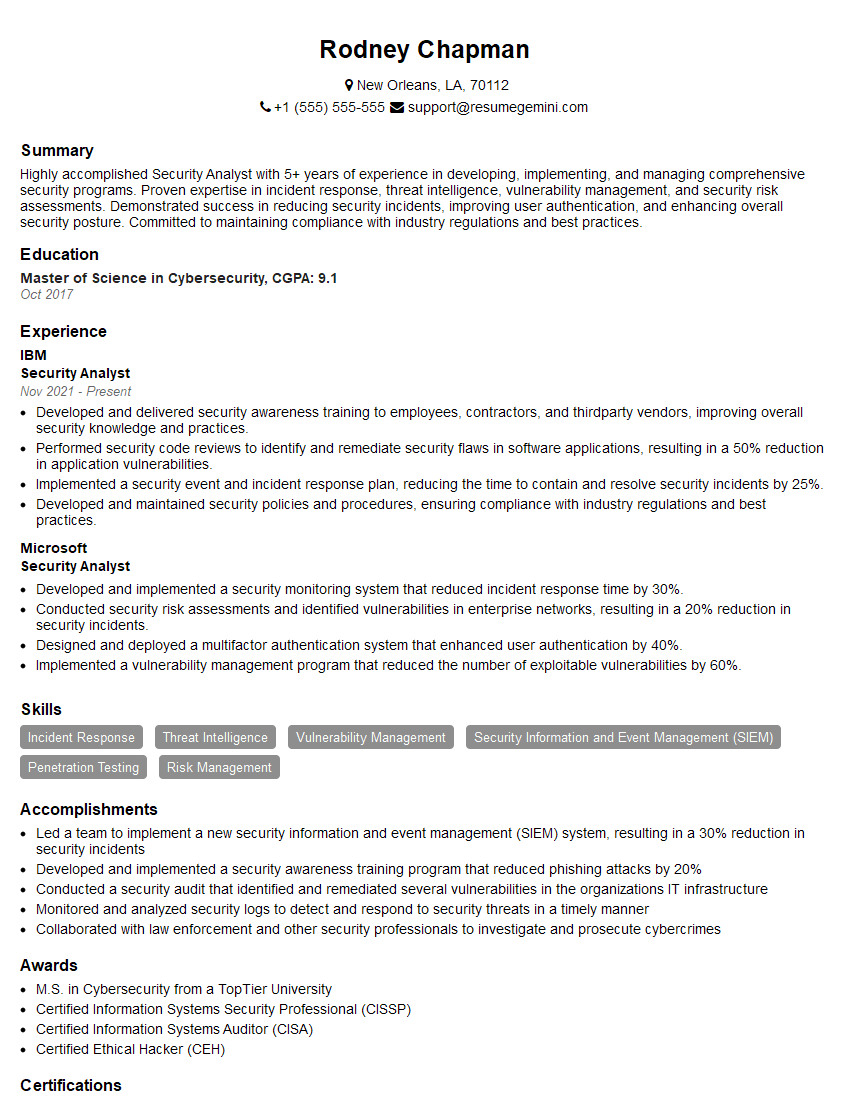
Security Analyst Resume Sample
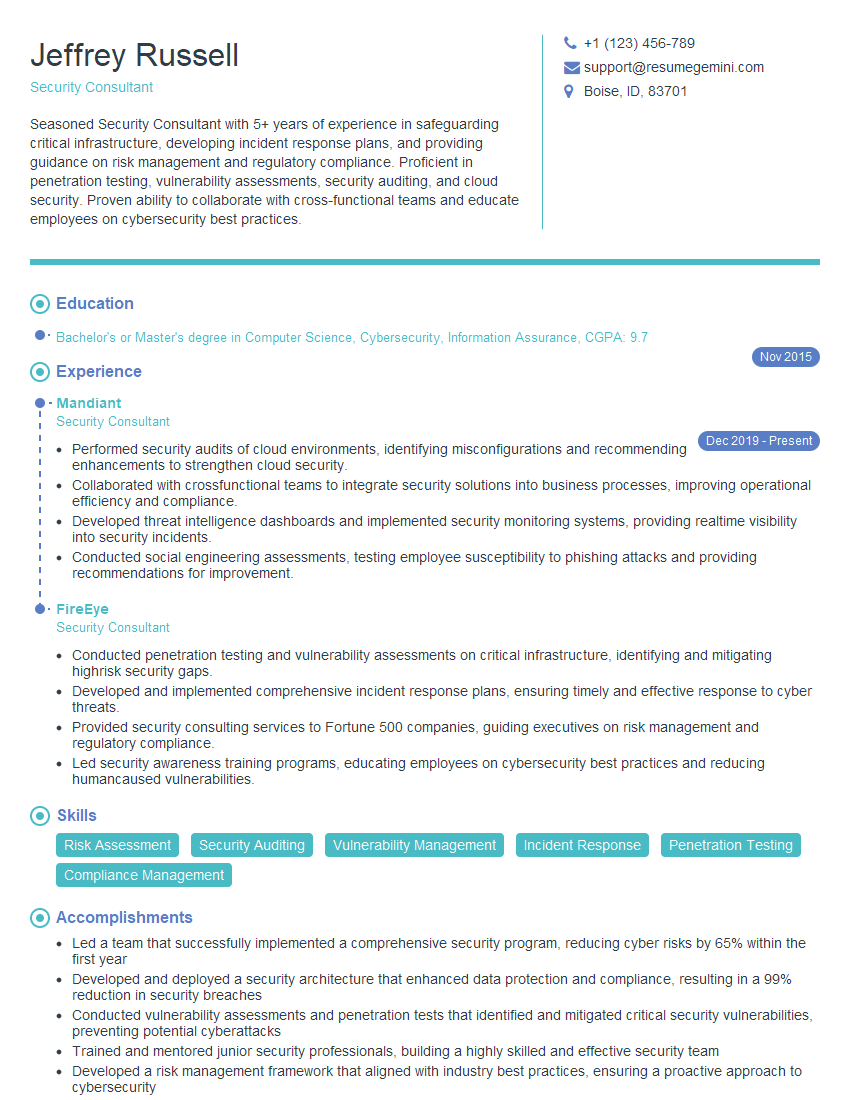
Security Consultant Resume Sample
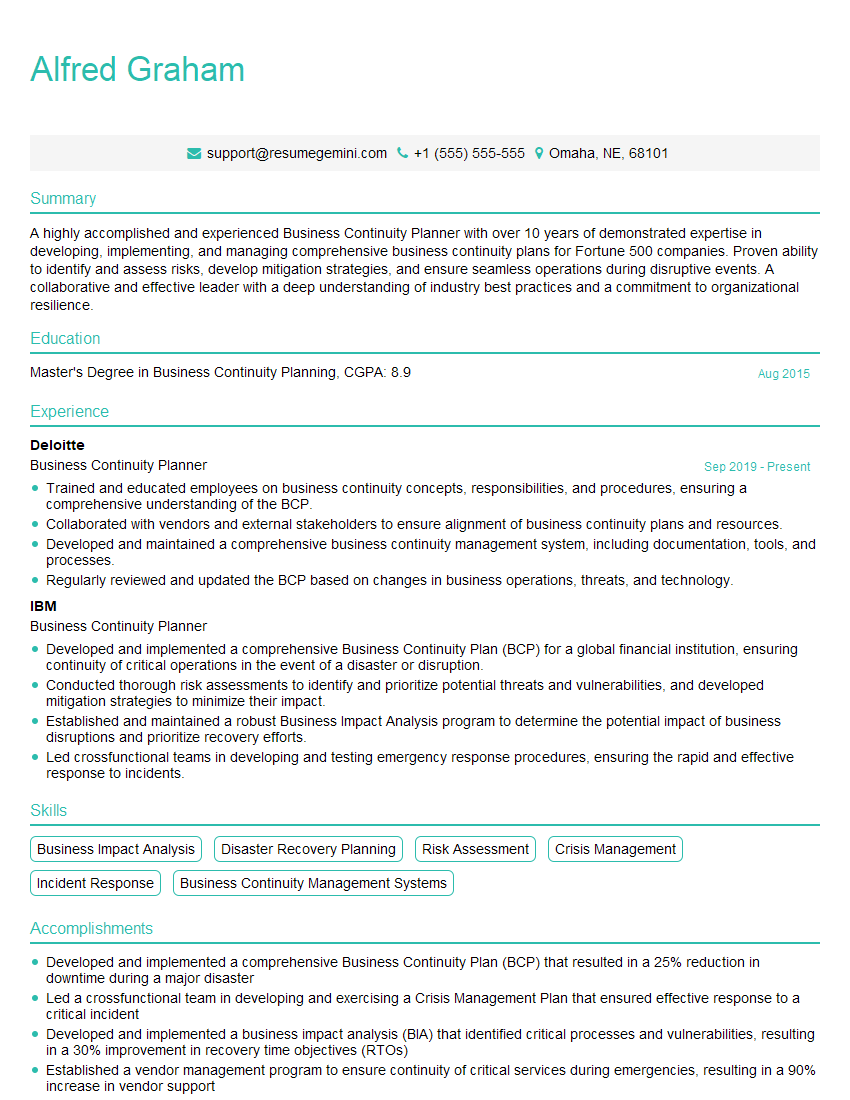
Business Continuity Planner Resume Sample
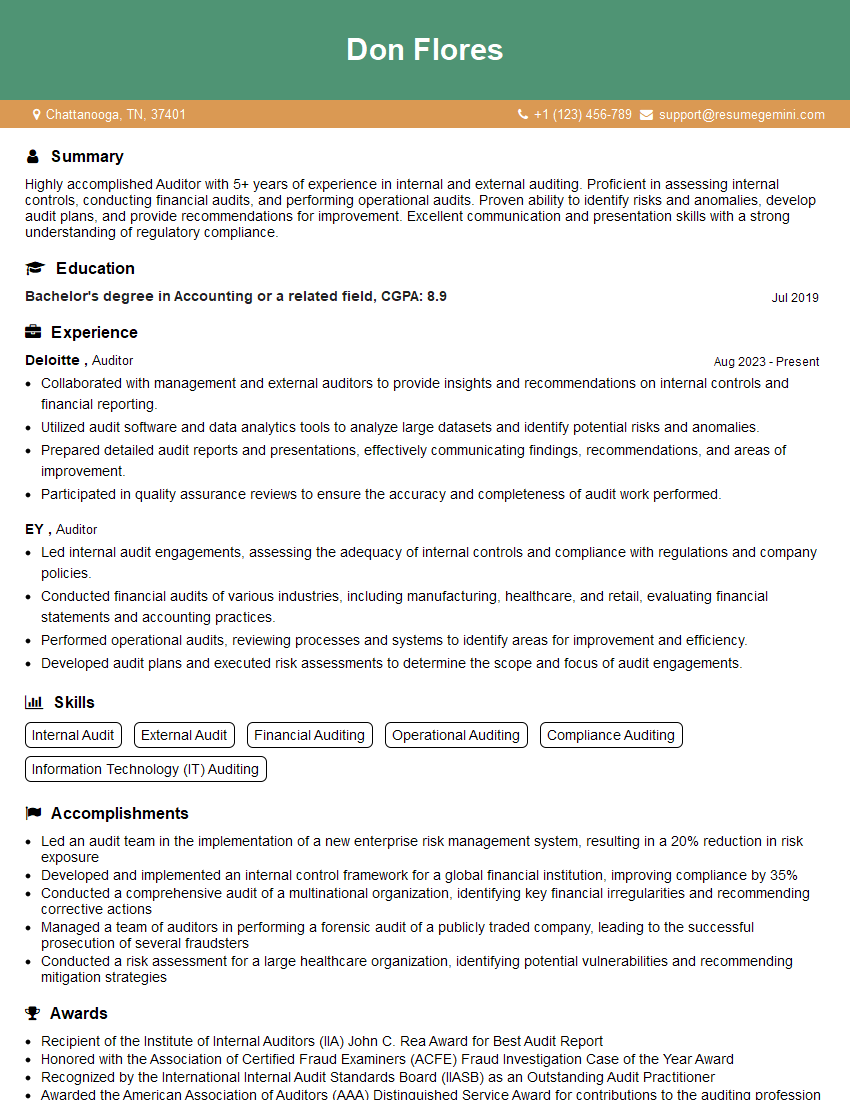
Auditor Resume Sample
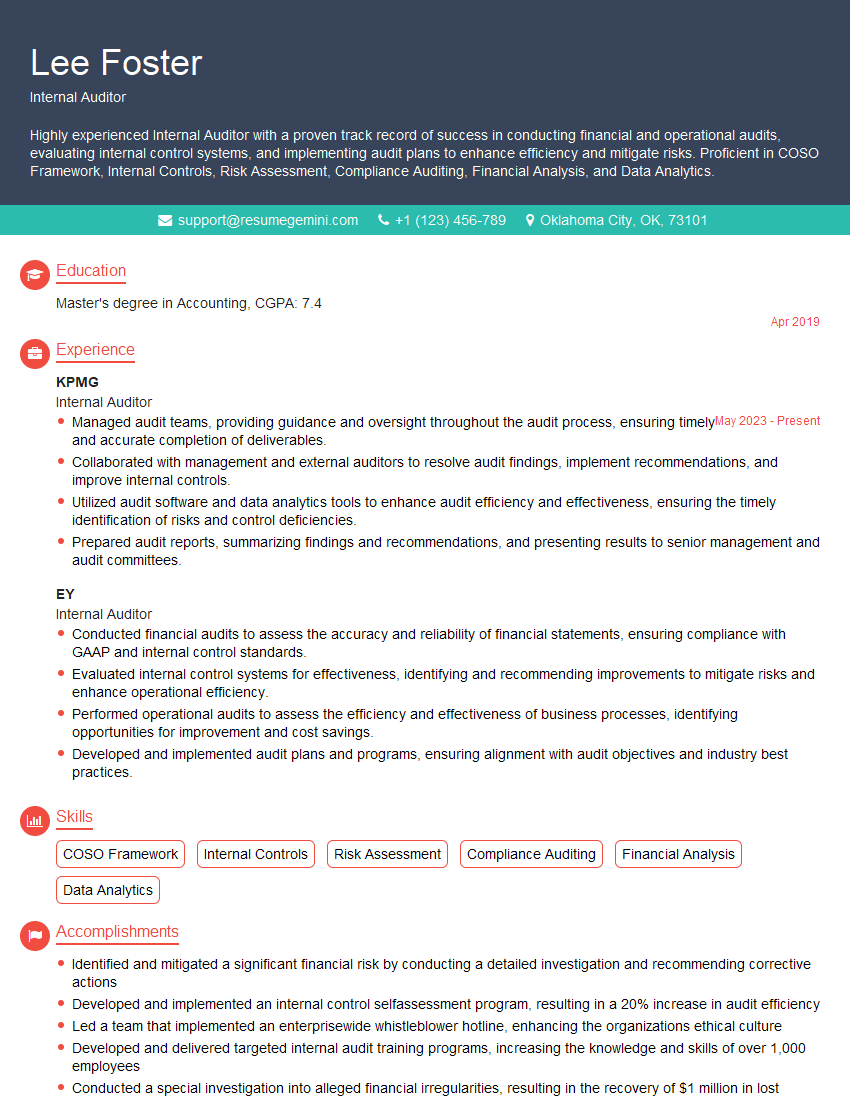
Internal Auditor Resume Sample
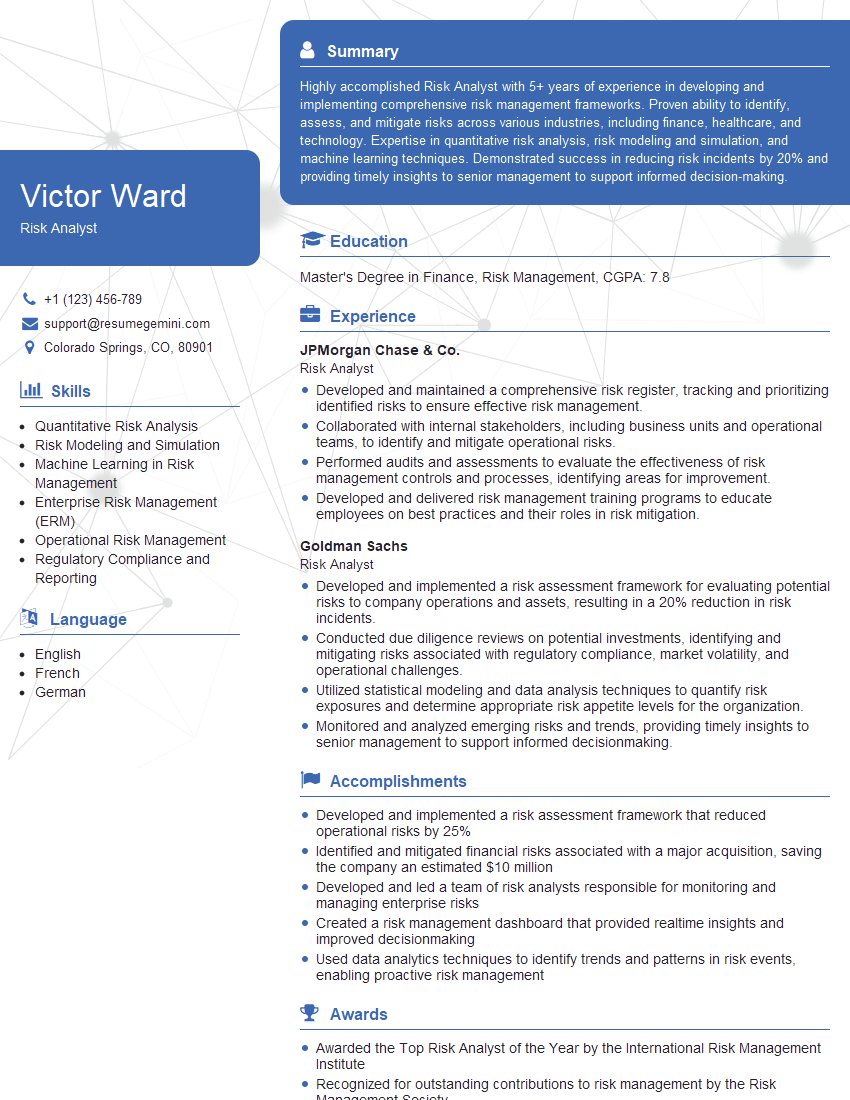
Risk Analyst Resume Sample
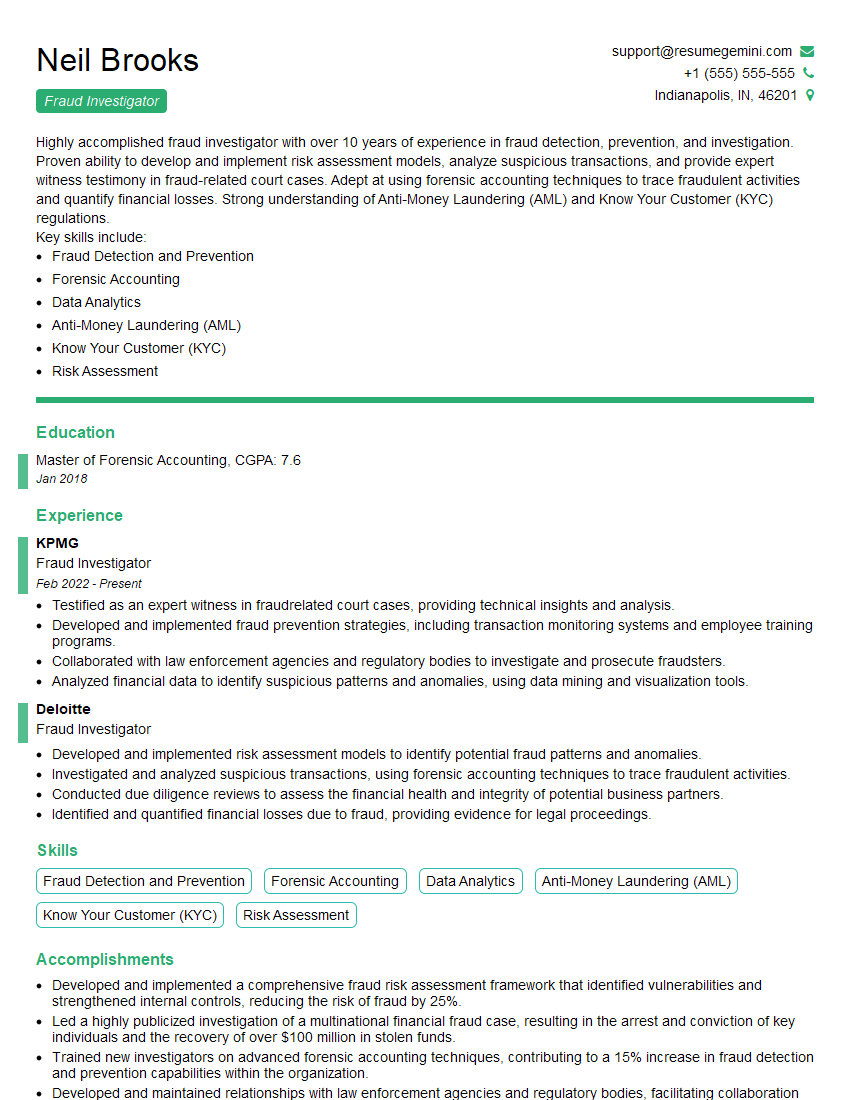
Fraud Investigator Resume Sample
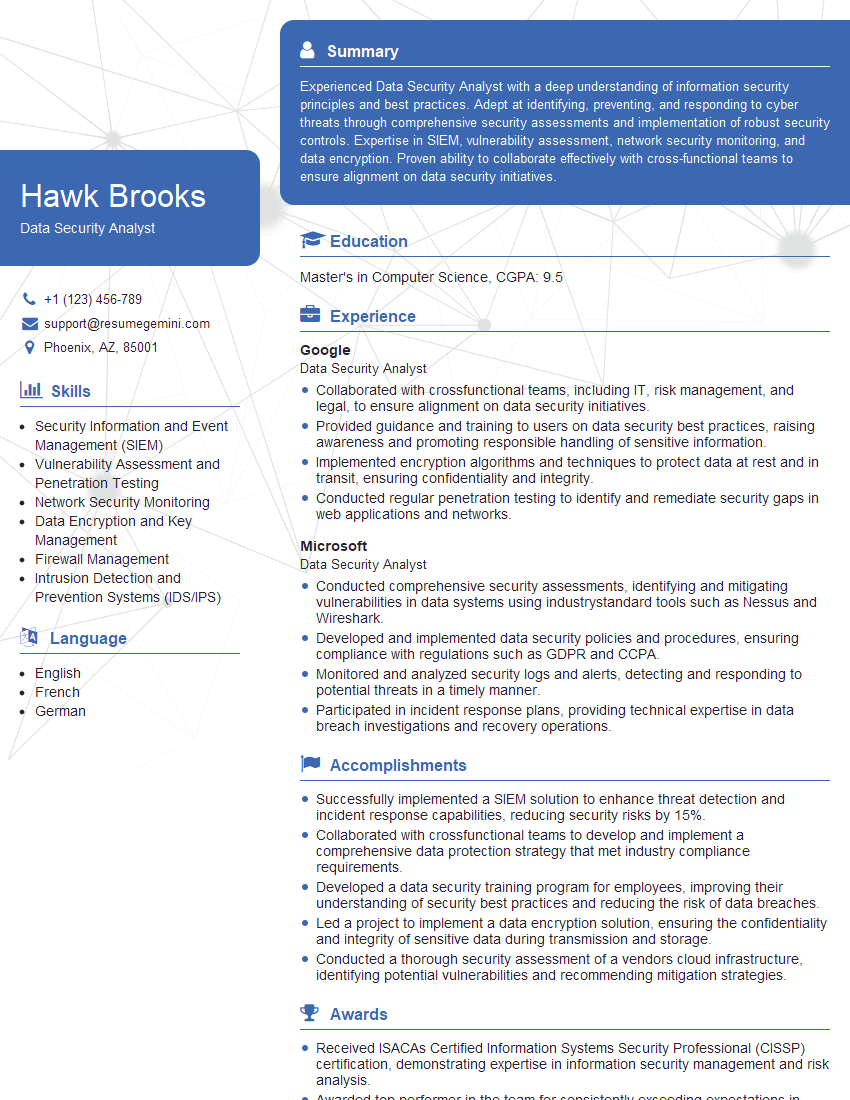
Data Security Analyst Resume Sample
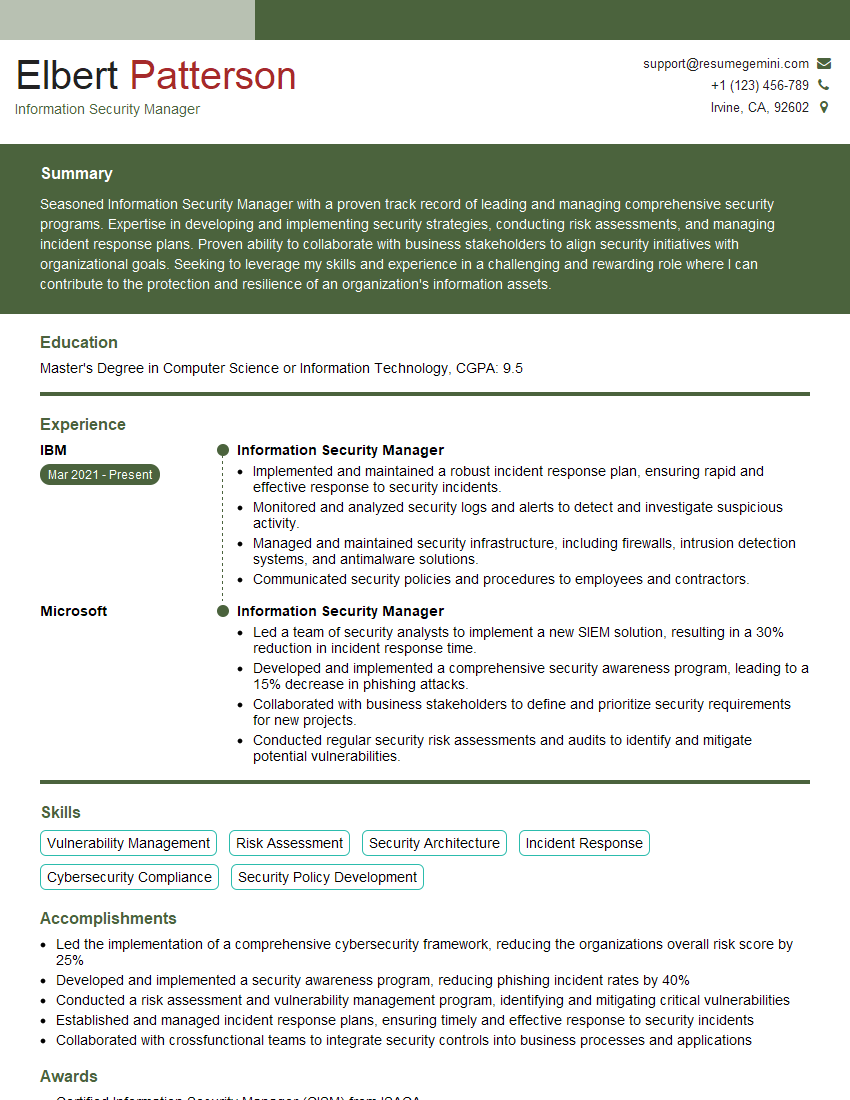
Information Security Manager Resume Sample
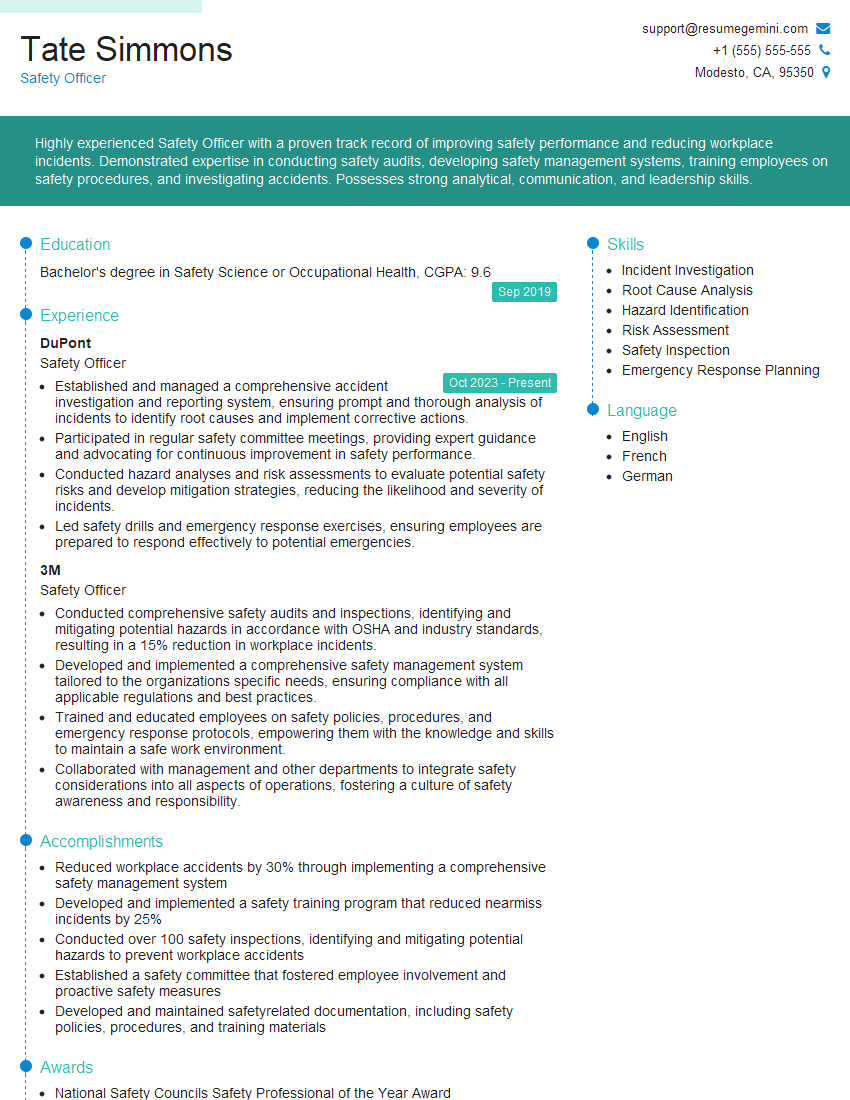
Safety Officer Resume Sample
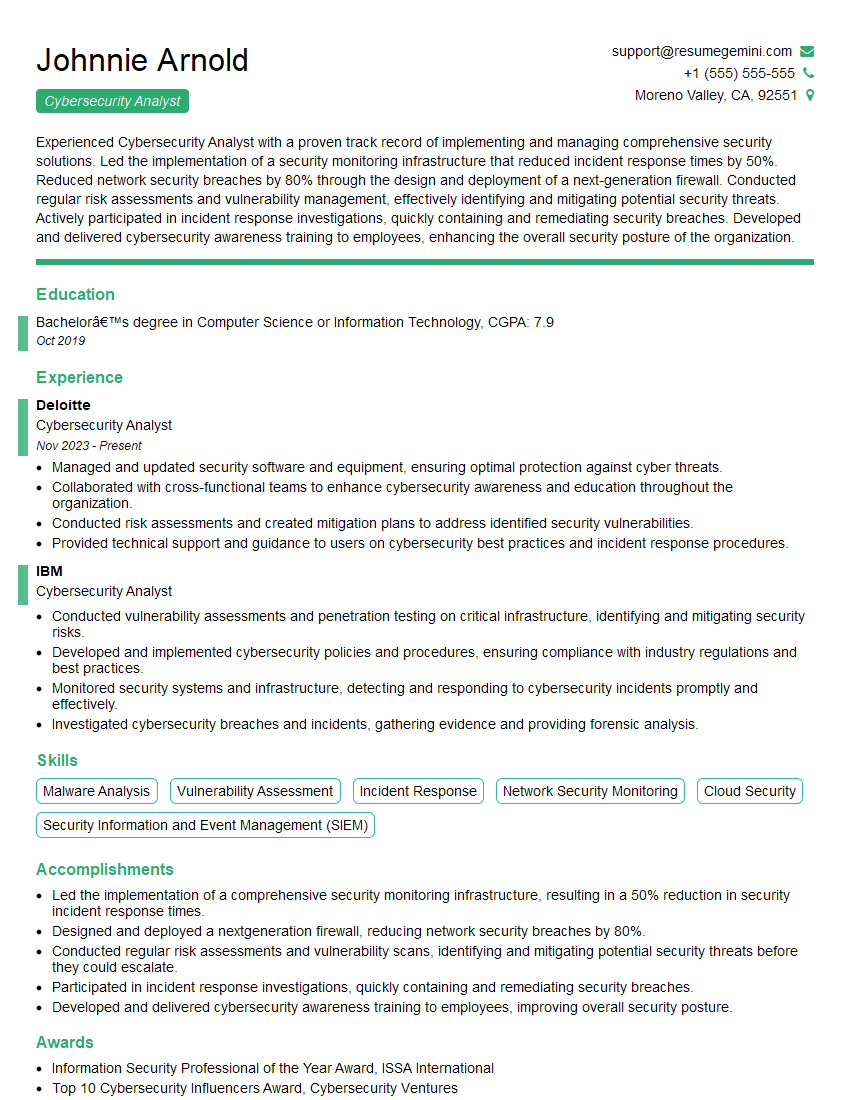
Cybersecurity Analyst Resume Sample
- Operations Manager
- Quality Control Manager
- Disaster Recovery Manager
- Compliance Manager
- Compliance Officer
- Risk Manager
- Loss Prevention Manager
- Security Analyst
- Security Consultant
- Business Continuity Planner
- Auditor
- Internal Auditor
- Risk Analyst
- Fraud Investigator
- Data Security Analyst
- Information Security Manager
- Safety Officer
- Cybersecurity Analyst
Explore more articles
Users Rating of Our Blogs
Share Your Experience
We value your feedback! Please rate our content and share your thoughts (optional).
What Readers Say About Our Blog
Very informative content, great job.
good