Feeling uncertain about what to expect in your upcoming interview? We’ve got you covered! This blog highlights the most important Game-day Operations Management interview questions and provides actionable advice to help you stand out as the ideal candidate. Let’s pave the way for your success.
Questions Asked in Game-day Operations Management Interview
Q 1. Describe your experience managing crowd flow and egress during a large-scale event.
Managing crowd flow and egress during a large-scale event is crucial for safety and a positive fan experience. It’s like orchestrating a complex dance, ensuring thousands of people move smoothly and efficiently through entry points, concourses, seating areas, and exits. This requires meticulous planning, effective communication, and real-time adaptation.
- Pre-event planning: This includes analyzing venue capacity, entry/exit points, potential bottlenecks, and anticipated crowd volume based on historical data and ticket sales. We create detailed flow maps and assign personnel to strategic locations. We also coordinate with transportation authorities to manage parking and public transit.
- Real-time management: During the event, we monitor crowd density using CCTV cameras, ground-level staff reports, and crowd counting systems. We adjust access points, deploy additional staff as needed, and communicate any delays or changes through public address systems and digital signage. Think of it as conducting an orchestra – constantly adjusting the volume and tempo to ensure a harmonious flow.
- Egress strategy: Planning for efficient egress is just as critical as entry. We ensure sufficient exit points, clearly marked escape routes, and adequate staffing to guide crowds safely. Post-event, we debrief to identify areas for improvement and refine our plans for future events.
- Example: At a recent concert, we implemented a color-coded system for guiding fans to different sections, reducing congestion significantly. We also used real-time data analysis to dynamically adjust entry points based on crowd density, preventing major bottlenecks.
Q 2. How would you handle a sudden power outage during a game?
A sudden power outage during a game is a critical incident requiring immediate and coordinated action. Our response is based on a pre-established emergency protocol, prioritizing safety and minimizing disruption.
- Immediate Actions: The first step is activating our emergency power system, which should provide backup power to essential systems like lighting, security systems, and communication networks. This is our first line of defense to mitigate the immediate impact.
- Communication: We immediately communicate the situation to staff, security, and emergency services using multiple channels – walkie-talkies, text alerts, and public address systems. Keeping everyone informed prevents panic and facilitates coordinated action.
- Crowd Control: Our security personnel guide patrons calmly and safely through the stadium, using emergency lighting and clear instructions. We ensure exits are well-lit and supervised to avoid any incidents.
- Assessment and Restoration: Simultaneously, we work with the venue’s electrical team and the power company to assess the cause of the outage and expedite restoration. We continuously update patrons on the situation and expected recovery time.
- Post-Outage Review: Following the restoration, we thoroughly review the incident, identifying areas where our response was effective and where improvements can be made. This is essential for continuously improving our emergency protocols and ensuring preparedness for future events.
Q 3. Explain your process for developing and implementing emergency response plans.
Developing and implementing emergency response plans is a multi-stage process that emphasizes preparedness, collaboration, and continuous improvement. It’s like building a robust safety net, anticipating potential problems and having solutions ready.
- Risk Assessment: We begin by identifying all potential hazards, from weather-related emergencies to medical emergencies and security threats. This often involves collaboration with local emergency services and stakeholders.
- Plan Development: Based on the risk assessment, we develop detailed plans outlining procedures for each type of emergency. These plans include contact lists, communication protocols, evacuation procedures, and roles and responsibilities for staff.
- Training and Drills: Regular training and drills are essential to ensure staff are familiar with the plans and can execute them effectively under pressure. Drills simulate different scenarios and assess the effectiveness of our response.
- Communication and Coordination: We establish clear communication channels and protocols with emergency services, vendors, and internal staff. This ensures coordinated response during an actual event.
- Review and Update: We regularly review and update our plans based on lessons learned from drills and actual incidents. This is a continuous improvement cycle, making the plan more robust over time.
Q 4. What strategies do you employ to ensure efficient staff communication during game day?
Efficient staff communication is the backbone of successful game-day operations. It’s about coordinating a large team to work together seamlessly, like a well-oiled machine. We use a multi-layered approach:
- Pre-Game Briefing: A comprehensive pre-game briefing is essential to ensure all staff members are informed about their roles, responsibilities, and any anticipated challenges. This briefing covers everything from emergency procedures to specific tasks for each department.
- Two-Way Radios and Communication Systems: We utilize two-way radios for real-time communication between staff members and supervisors across various locations in the venue. This allows for immediate response to incidents and coordination of actions.
- Digital Communication Tools: We also incorporate digital tools like instant messaging platforms and mobile applications for disseminating information and updates. This is particularly useful for disseminating larger amounts of information or coordinating across various departments.
- Designated Communication Points: Establishing designated communication points allows for efficient flow of information and central coordination in high-pressure situations.
- Post-Event Debrief: A post-event debrief is critical to gather feedback, identify areas for improvement in our communication strategies and address any challenges encountered during the event. This ensures continuous improvement and effective collaboration for future events.
Q 5. How do you manage vendor relationships and ensure timely delivery of services?
Managing vendor relationships and ensuring timely delivery of services requires careful planning and proactive communication. It’s about building strong partnerships to ensure every aspect of the event runs smoothly.
- Clear Contracts: We start with clear and comprehensive contracts outlining service expectations, timelines, payment terms, and responsibilities. This prevents misunderstandings and ensures accountability.
- Regular Communication: Open and regular communication is key. We maintain consistent contact with vendors throughout the planning process, addressing any issues or changes promptly. We utilize regular meetings, email correspondence, and project management software to stay connected.
- Performance Monitoring: We closely monitor vendor performance throughout the event, ensuring services are delivered as agreed upon. This may involve regular check-ins, performance metrics, and feedback sessions.
- Relationship Building: We strive to build strong, long-term relationships with vendors based on trust and mutual respect. This makes future collaborations smoother and more efficient.
- Contingency Planning: We always have contingency plans in place to handle potential delays or service disruptions. This could involve having backup vendors lined up or alternative solutions ready.
Q 6. What metrics do you use to measure the success of game-day operations?
Measuring the success of game-day operations requires a multi-faceted approach, looking beyond just attendance figures. We use a range of metrics to provide a comprehensive evaluation.
- Crowd Flow Metrics: We analyze entry and exit times, crowd density at various points, and overall movement efficiency to assess the smoothness of crowd flow. This involves analyzing data from CCTV cameras, crowd counters, and staff reports.
- Incident Reports: The number and type of incidents (medical emergencies, security issues, etc.) provide insights into potential risks and areas for improvement. This information is crucial for refining safety protocols and emergency response plans.
- Fan Satisfaction Surveys: Collecting feedback from fans through surveys helps to gauge their overall experience, including ease of entry/exit, accessibility, and overall satisfaction with the event.
- Staff Performance: Evaluating staff performance through feedback, observations, and post-event debriefs helps us identify areas for improved training and coordination.
- Operational Efficiency: We track metrics such as the time taken to complete specific tasks, resource utilization, and adherence to schedules to assess overall operational efficiency.
Q 7. Describe a time you had to make a quick, critical decision during a high-pressure event.
During a major championship game, a severe thunderstorm hit just as fans were leaving the stadium. The initial plan was to wait for the storm to pass, but the intensity and duration were uncertain. This created a potential safety hazard for thousands of fans exposed to lightning and heavy rain.
My decision was to expedite the egress process, even though it meant overriding parts of our established plan. We opened all available exits, deployed additional security personnel to guide the crowd efficiently, and coordinated with local authorities to ensure safe transportation options. While this deviated from the standard protocol, it prioritized fan safety and prevented a potentially dangerous situation. The successful, safe evacuation, although challenging, underscored the importance of adaptability and decisive action in high-pressure situations.
Post-event analysis showed that while the expedited egress created temporary congestion at some points, overall it averted potential injuries or worse. It also highlighted the importance of having flexible emergency response plans that can accommodate unforeseen circumstances.
Q 8. How do you balance safety and security with the overall fan experience?
Balancing safety and security with a positive fan experience is a delicate act of orchestration. It’s not about choosing one over the other; it’s about seamlessly integrating both. Think of it like a well-choreographed dance: security measures need to be present and effective, but they should be implemented in a way that doesn’t feel intrusive or detract from the excitement and enjoyment of the event.
Proactive Security Measures: Visible yet unobtrusive security personnel, strategically placed security cameras, and thorough bag checks are essential but must be conducted efficiently to minimize wait times. We use clear signage and announcements to inform fans of procedures beforehand, managing expectations and minimizing surprises.
Fan-Focused Communication: Keeping fans informed through various channels (app notifications, website updates, in-stadium announcements) about security protocols, emergency exits, and potential delays helps create a sense of preparedness and control, making them feel safer and more comfortable. We often use playful but informative messaging to keep the tone light.
Emergency Preparedness: Having well-defined emergency procedures, trained staff, and clear communication channels during crises ensures a swift and effective response while reassuring fans. Regular drills and simulations ensure our team is well-prepared for any scenario.
Technology Integration: Leveraging technology like facial recognition (with appropriate privacy considerations) and predictive analytics can enhance security without compromising fan experience. This allows us to identify potential threats proactively and deploy resources strategically, minimizing disruptions.
Q 9. What technology or software have you used to improve game-day efficiency?
Technology plays a crucial role in optimizing game-day efficiency. We’ve integrated several systems to streamline operations, improve communication, and enhance the fan experience.
Ticketing and Access Control System: We use a fully integrated ticketing system that seamlessly connects with our access control gates. This eliminates manual ticket scanning, reduces wait times, and provides real-time data on attendance. This allows for better crowd management and resource allocation.
Crowd Management Software: We utilize software that provides real-time crowd density monitoring within the stadium. This helps us identify potential bottlenecks and deploy staff strategically to manage crowd flow effectively, improving safety and reducing congestion. For example, if we see a surge in one area before a big play, we can reroute staff to assist.
Communication Platform: A dedicated internal communication platform allows instant updates and information exchange among our various teams (security, medical, concessions, etc.). This ensures everyone is on the same page, facilitating rapid response to any unexpected issues.
Point-of-Sale (POS) Systems: Modern POS systems in concessions stands expedite transactions, reduce lines, and provide valuable data on sales trends. This helps us optimize inventory management and staff deployment for peak demand periods.
Q 10. How do you handle complaints or negative feedback from attendees?
Handling complaints effectively is crucial for maintaining a positive reputation and addressing genuine concerns. Our approach is multi-faceted and prioritizes promptness, empathy, and resolution.
Immediate Response: We establish multiple channels for receiving feedback (online forms, email, in-person feedback kiosks, social media monitoring). All complaints are acknowledged promptly, and a dedicated team works to triage and address them within a defined timeframe.
Empathetic Approach: We approach every complaint with empathy, understanding that negative experiences can be frustrating. Active listening and clear communication are paramount to diffuse tension and show that we value the individual’s feedback.
Problem Solving: We thoroughly investigate each complaint to identify the root cause. This may involve reviewing security footage, interviewing staff, or analyzing data from our operational systems. Appropriate corrective actions are taken and documented.
Follow-up and Resolution: We aim to resolve the issue to the customer’s satisfaction. This may involve offering refunds, complimentary tickets, or other forms of compensation depending on the nature of the complaint. We always follow up to ensure the issue is resolved and the customer feels heard and valued.
Q 11. Describe your experience with managing ticketing and access control systems.
My experience with ticketing and access control systems is extensive. I’ve managed the implementation and operation of various systems, from traditional paper tickets to fully digital mobile ticketing. A key aspect is the integration of different technologies to ensure a seamless and efficient process.
Mobile Ticketing Implementation: I successfully implemented a mobile ticketing system, significantly reducing the risk of lost or stolen tickets and improving entry speeds. This involved educating fans on the new system, providing clear instructions and support, and addressing any technical challenges during the transition.
Access Control System Management: I have overseen the management of access control systems using both RFID and barcode technologies. This involved configuring the systems to match seating charts, ensuring accurate reader placement and functionality, and addressing any access issues promptly. This also included managing staff training on these systems.
Data Analytics and Reporting: These systems provide valuable data on attendance patterns, peak entry times, and other key metrics. I’ve leveraged this data to improve our operational efficiency and resource allocation, resulting in improved fan experience and reduced wait times.
Q 12. How do you ensure compliance with all relevant safety regulations and guidelines?
Compliance with safety regulations is paramount. We adhere to all local, state, and national guidelines, prioritizing fan safety and minimizing risk. This involves a combination of proactive measures, regular inspections, and ongoing training.
Regular Inspections and Audits: We conduct thorough inspections of our facilities before every event, checking for any potential hazards. These inspections cover everything from fire exits and emergency lighting to crowd control measures and first-aid stations. We also undergo regular external audits to ensure ongoing compliance.
Staff Training: All our staff receive extensive training on emergency procedures, safety protocols, and crowd management techniques. This training is regularly refreshed to ensure everyone is up-to-date on best practices and any changes in regulations.
Emergency Response Plans: We have detailed emergency response plans for various scenarios, including fire, medical emergencies, and security threats. These plans are regularly reviewed and updated in consultation with emergency services and safety experts. Regular drills ensure that all staff understand their roles and responsibilities.
Documentation and Record Keeping: We maintain meticulous records of all safety inspections, training sessions, and emergency response activities. This helps ensure accountability and enables us to demonstrate our commitment to compliance.
Q 13. What’s your approach to risk assessment and mitigation for game-day events?
Risk assessment and mitigation are integral to our game-day operations. We use a systematic approach to identify potential risks, assess their likelihood and impact, and develop strategies to minimize their effects.
Risk Identification: We identify potential risks through a variety of methods, including brainstorming sessions, reviewing past incidents, analyzing security reports, and conducting site assessments. We consider risks related to security, crowd management, weather, medical emergencies, and other factors.
Risk Assessment: Each identified risk is assessed based on its likelihood and potential impact. We use a matrix to categorize risks based on severity, which helps to prioritize our mitigation efforts.
Mitigation Strategies: We develop specific mitigation strategies for each identified risk. These strategies may include implementing additional security measures, developing emergency plans, enhancing communication protocols, or investing in new technologies.
Contingency Planning: We create detailed contingency plans to address potential disruptions or emergencies. These plans outline specific actions to take in various scenarios and ensure a swift, organized response.
Q 14. How do you prioritize tasks and allocate resources effectively during a busy game day?
Prioritizing tasks and allocating resources effectively on a busy game day requires a combination of planning, communication, and adaptability. We use a combination of proactive planning and real-time adjustments.
Pre-Game Planning: We create a detailed schedule of tasks and responsibilities well in advance of game day. This includes assigning roles, allocating resources, and establishing communication channels. We utilize project management tools to track progress and deadlines.
Real-time Adjustments: Despite careful planning, unforeseen circumstances arise. We have established communication channels that allow us to monitor the situation in real-time and make necessary adjustments to our resource allocation. Our team is trained to adapt to changing circumstances and prioritize tasks based on urgency and importance.
Communication and Collaboration: Effective communication is key. Regular updates and coordination among different teams ensure everyone is aware of the situation and can respond effectively. We use both internal communication platforms and visual dashboards to track progress and identify potential bottlenecks.
Data-Driven Decision Making: We use data from previous events to inform our resource allocation and prioritization. This may involve analyzing historical attendance data, sales figures, and emergency response times to optimize our operations.
Q 15. Describe your experience with managing concessions and retail operations at a large venue.
Managing concessions and retail operations at a large venue requires meticulous planning and execution. It’s like orchestrating a complex symphony, where each vendor and point of sale is an instrument, and the goal is a harmonious experience for the attendees. My experience encompasses overseeing everything from staffing and inventory management to vendor relations and sales performance tracking.
At a previous role managing concessions at a major league baseball stadium, I was responsible for a network of over 50 concession stands and numerous retail outlets. This involved forecasting demand based on historical data and anticipated attendance, negotiating contracts with vendors, ensuring sufficient staffing levels for peak times (like the 7th inning stretch!), and implementing inventory control systems to minimize waste and maximize profits. We used a point-of-sale (POS) system that provided real-time sales data, allowing us to adjust staffing and product offerings dynamically throughout the game. For example, if hot dog sales were unexpectedly high, we could quickly reallocate staff to those stands. We also implemented a system of regular quality checks to maintain consistent product quality and service across all locations.
Beyond daily operations, I proactively addressed challenges like long lines by strategically placing additional staff and optimizing point-of-sale systems. This involved analyzing customer flow patterns and implementing solutions like mobile ordering and express lanes.
Career Expert Tips:
- Ace those interviews! Prepare effectively by reviewing the Top 50 Most Common Interview Questions on ResumeGemini.
- Navigate your job search with confidence! Explore a wide range of Career Tips on ResumeGemini. Learn about common challenges and recommendations to overcome them.
- Craft the perfect resume! Master the Art of Resume Writing with ResumeGemini’s guide. Showcase your unique qualifications and achievements effectively.
- Don’t miss out on holiday savings! Build your dream resume with ResumeGemini’s ATS optimized templates.
Q 16. How do you collaborate with other departments (e.g., security, marketing, etc.) to ensure a smooth event?
Collaboration is paramount in game-day operations. Think of it as a well-oiled machine, with each department playing a crucial role. Effective communication and proactive planning are key. I typically start by establishing clear communication channels and regular meetings with representatives from security, marketing, ticketing, and other relevant departments.
For instance, with the security team, we coordinate crowd management strategies, particularly around high-traffic areas like entrances, concessions, and restrooms. We discuss potential security risks and develop contingency plans to address them. With the marketing team, we collaborate on promotions and special offers that can be integrated into concession offerings. We might collaborate on a special game-day promotion for a particular food item, creating a marketing campaign that highlights it in advance and drives sales.
This collaborative approach extends to addressing any unforeseen challenges. For example, if there is a sudden weather change, I work closely with the security team to manage crowd flow and potentially make adjustments to concession operations, such as temporarily closing outdoor stands. This collaborative approach ensures a smooth and enjoyable experience for the attendees.
Q 17. Explain your process for post-event analysis and identifying areas for improvement.
Post-event analysis is crucial for continuous improvement. It’s like a post-game review for our operational ‘team.’ My process involves a multi-stage approach. First, we collect data from various sources, including POS systems, staffing records, incident reports, and customer feedback surveys.
Next, we analyze this data to identify key performance indicators (KPIs) such as sales figures, customer satisfaction scores, staffing efficiency, and waste levels. This analysis often reveals trends and patterns that highlight areas needing attention. For example, we might discover a particular concession stand consistently underperforms, or that wait times are significantly longer at certain times of the event.
Based on this analysis, we develop actionable strategies to address identified shortcomings. This might involve adjusting staffing schedules, improving product offerings, optimizing layout, or implementing new technologies to enhance efficiency. We then document these improvements and incorporate them into our plans for future events, ensuring continuous improvement in our operations.
Q 18. What is your experience with budgeting and financial management for game-day operations?
Budgeting and financial management are essential for responsible operations. It’s about understanding the revenue streams and expenses associated with game-day operations and ensuring that the revenue generated exceeds the costs involved. This starts with careful budgeting and forecasting based on historical data and projected attendance.
I’ve developed proficiency using budget management software to track expenses, manage inventory costs, and analyze sales data. This data-driven approach enables us to make informed decisions about pricing, staffing levels, and product selection. For example, we analyze the cost of goods sold (COGS) for each item to ensure we’re achieving profitable margins. We also track sales data to identify best-selling items and plan inventory accordingly.
Regular financial reporting and variance analysis ensures we stay on track with budget targets. In case of discrepancies, it enables us to identify the underlying issues, implement corrective actions, and provide accurate reporting to stakeholders.
Q 19. How do you handle unexpected changes or challenges that arise on game day?
Handling unexpected changes on game day requires adaptability and a proactive approach. Think of it as being the captain of a ship navigating a storm. My strategy focuses on having contingency plans for a wide range of scenarios. This includes everything from severe weather to equipment malfunctions and medical emergencies.
First, I ensure that all staff members are aware of the emergency procedures and their roles in case of unexpected events. We practice these procedures regularly to ensure everyone is well-prepared and can react effectively under pressure. Second, I maintain open communication channels to receive real-time updates on any issues that arise. This enables prompt response and efficient problem-solving.
For example, if a power outage occurs, we have a backup generator system in place and a pre-defined protocol for switching to it seamlessly to minimize service disruption. Clear communication is essential in this scenario, informing the relevant teams (security, concessions, ticketing, etc.) and our attendees as quickly and effectively as possible. This proactive approach, combined with rapid response and clear communication, keeps disruptions to a minimum and ensures the event can continue as smoothly as possible.
Q 20. What is your understanding of ADA compliance and accessibility requirements for events?
ADA (Americans with Disabilities Act) compliance and accessibility are non-negotiable aspects of event management. It’s about ensuring everyone can participate and enjoy the event, regardless of their abilities. My understanding encompasses a wide range of requirements, including accessibility for people with disabilities in all areas of the venue, including seating, restrooms, concessions, and entrances.
This includes providing designated accessible seating, ensuring sufficient wheelchair access ramps and elevators, providing accessible restrooms with appropriate fixtures, and ensuring clear signage and audio announcements for visually and hearing-impaired individuals. I collaborate closely with the venue’s accessibility coordinator to ensure that our operations comply with all ADA regulations.
For example, we train all staff to be aware of ADA guidelines, to assist individuals with disabilities and respond appropriately to their needs. We also actively seek feedback from attendees to continually improve our accessibility measures. A thorough understanding and proactive implementation of ADA guidelines is crucial not only for legal compliance but also for creating a welcoming and inclusive environment for all.
Q 21. How do you ensure the efficient and timely transportation of personnel and equipment?
Efficient and timely transportation of personnel and equipment is vital for successful game-day operations. Think of it as a well-choreographed logistics operation. My approach involves careful planning and coordination, starting with determining transportation needs and creating detailed schedules for staff and equipment.
This often requires coordinating with transportation companies, scheduling buses for staff transport, arranging delivery schedules for equipment, and overseeing the efficient loading and unloading of materials. We utilize route optimization software to ensure the most efficient transportation routes for staff and equipment, minimizing travel time and costs.
For example, we might use a centralized staging area to consolidate equipment and personnel before distributing them to their designated locations within the venue. This helps avoid congestion and traffic jams during the event setup and takedown. Clear communication with all involved parties—staff, transportation providers, and venue personnel—is vital for ensuring smooth and timely transportation.
Q 22. How do you manage waste disposal and recycling during a large-scale event?
Effective waste management during large-scale events requires a multi-pronged approach focusing on prevention, segregation, and efficient disposal. We begin by minimizing waste generation through strategic sourcing (e.g., using compostable cutlery), promoting reusable containers, and educating vendors and attendees about responsible disposal practices.
Next, we implement a robust waste segregation system. This typically involves clearly labeled bins for different waste streams: recycling (paper, plastic, glass), compost (food scraps, organic materials), and landfill (non-recyclable trash). Sufficient numbers of bins strategically placed throughout the venue are crucial for success. We also frequently monitor bin fill levels and ensure prompt emptying to prevent overflowing and maintain a clean environment.
Finally, we partner with reputable waste management companies experienced in handling large-volume waste streams. These partners often have specialized equipment for efficient collection and processing, ensuring compliance with local regulations. We regularly review their performance, focusing on metrics like diversion rates (percentage of waste diverted from landfills) and timely pickup to ensure the smooth and efficient functioning of our waste management plan.
For example, during a recent music festival, we implemented a color-coded waste segregation system coupled with a gamified rewards program, resulting in a 25% increase in recycling rates compared to previous years. This success highlights the importance of not only robust infrastructure but also audience engagement.
Q 23. Describe your experience with managing VIP services and guest experiences.
Managing VIP services requires a meticulous approach prioritizing personalized attention and seamless experiences. This starts with pre-event communication, offering tailored services based on individual preferences. We work directly with VIPs to understand their requirements, providing customized itineraries and access to exclusive amenities.
On game day, dedicated staff provide personalized concierge services, handling everything from expedited entry and parking to exclusive seating and catering arrangements. We maintain constant communication with VIPs, proactively addressing any issues or requests. Regular feedback sessions allow us to continually refine our processes and ensure guest satisfaction.
For instance, during a championship game, we arranged private transportation and hosted a pre-game reception for our VIPs, resulting in overwhelmingly positive feedback and strengthening their loyalty. This personalized approach to VIP services is central to building lasting relationships and positive brand perception.
Q 24. How do you leverage technology to enhance the fan experience?
Technology plays a vital role in enhancing the fan experience. We use mobile apps to provide real-time updates on game schedules, scores, transportation options, and venue information. Interactive maps and wayfinding features help fans navigate the venue easily. Digital ticketing minimizes queues and ensures smooth entry.
Furthermore, we integrate social media into the fan experience, creating interactive content and contests that encourage engagement. Data analytics helps us to understand fan preferences and behaviors, enabling us to personalize services and promotions. Interactive kiosks allow fans to access information, purchase merchandise, and participate in polls, enriching their experience.
For example, a recent implementation of a real-time feedback system within our mobile app allowed us to quickly address issues such as long lines at concessions stands and implement immediate solutions, enhancing fan satisfaction significantly.
Q 25. What is your experience with contract negotiation and vendor management?
Successful contract negotiation and vendor management are critical to the smooth execution of game-day operations. I approach contract negotiation with a collaborative, win-win mindset, ensuring that agreements are fair, transparent, and mutually beneficial. This involves clearly defining deliverables, timelines, and performance metrics.
We develop a robust vendor management system that includes regular communication, performance monitoring, and timely payment processing. We hold regular meetings with our vendors to address any challenges and ensure that they are meeting expectations. We utilize a scoring system based on various performance indicators, ensuring accountability and driving continuous improvement.
For example, for our last event, I negotiated a favorable contract with our catering vendor that reduced costs by 15% without compromising quality, highlighting the value of strategic negotiation and effective vendor relationship management.
Q 26. How do you measure and improve customer satisfaction with game-day operations?
Measuring and improving customer satisfaction is an ongoing process requiring a multifaceted approach. We collect data through various channels such as surveys (pre- and post-event), feedback forms, social media monitoring, and mystery shopper programs. This provides a holistic view of the fan experience.
We analyze this data to identify areas for improvement. For example, low scores on concession stand wait times may lead to adjustments in staffing levels or menu options. We use this information to develop action plans to address specific concerns. Regular performance reviews and team meetings ensure that improvements are implemented and tracked.
The implementation of a new queuing system at a previous event, informed by feedback on long wait times, resulted in a 20% reduction in average queue times, significantly boosting customer satisfaction scores.
Q 27. Describe your experience with developing and executing marketing plans for game-day events.
Developing and executing marketing plans for game-day events requires a deep understanding of the target audience and the event itself. We begin by defining clear objectives, such as ticket sales, merchandise sales, and brand awareness. We then segment our audience and tailor marketing messages to resonate with each group. We utilize a mix of marketing channels, such as social media, email marketing, and traditional advertising, creating a cohesive campaign.
A crucial element is the creation of compelling content that highlights the unique features and benefits of attending the event. This can include video highlights, behind-the-scenes glimpses, and testimonials from previous attendees. We closely monitor campaign performance, using key performance indicators (KPIs) like website traffic, social media engagement, and ticket sales to measure success and make necessary adjustments.
For example, a targeted social media campaign we launched for a family-friendly game resulted in a 30% increase in ticket sales compared to the previous year, demonstrating the power of strategic marketing in driving attendance.
Q 28. How do you maintain a safe and secure environment for both staff and attendees?
Maintaining a safe and secure environment is paramount. We begin by conducting a thorough risk assessment, identifying potential hazards and developing mitigation strategies. This includes emergency preparedness planning, encompassing evacuation procedures, first-aid protocols, and communication strategies.
We collaborate closely with local law enforcement and security personnel to enhance security measures, implementing measures such as metal detectors, security checkpoints, and increased surveillance. We provide comprehensive training for staff on safety procedures and emergency response. Clear signage, well-lit areas, and readily available communication channels contribute to a safe and secure environment.
For instance, at a high-profile event, our meticulous security planning, including the implementation of a new crowd control system, ensured a smooth and safe experience for all attendees, preventing potential safety issues and enhancing public trust.
Key Topics to Learn for Game-day Operations Management Interview
- Event Logistics & Planning: Understanding the entire event lifecycle, from initial planning and budgeting to post-event analysis and reporting. This includes venue selection, vendor management, and resource allocation.
- Crowd Management & Safety: Developing and implementing strategies for safe and efficient crowd flow, including emergency preparedness and response protocols. This involves knowledge of relevant safety regulations and best practices.
- Staff Management & Training: Effectively recruiting, training, and managing a diverse team of game-day personnel, ensuring clear communication and coordination across all departments. This includes scheduling, performance evaluation, and conflict resolution.
- Technology & Communication: Utilizing technology to enhance game-day operations, including communication systems, ticketing systems, and data analytics. Proficiency in relevant software and systems is crucial.
- Risk Management & Contingency Planning: Identifying potential risks and developing comprehensive contingency plans to mitigate disruptions and ensure the smooth operation of the event, even in unexpected circumstances.
- Budgeting & Financial Management: Understanding the financial aspects of game-day operations, including revenue generation, expense tracking, and budget control.
- Customer Service & Experience: Prioritizing excellent customer service and creating a positive and memorable experience for all attendees. This includes addressing guest concerns and resolving issues efficiently.
- Post-Event Analysis & Reporting: Analyzing game-day data to identify areas for improvement and optimize future events. This involves reviewing metrics, feedback, and identifying lessons learned.
Next Steps
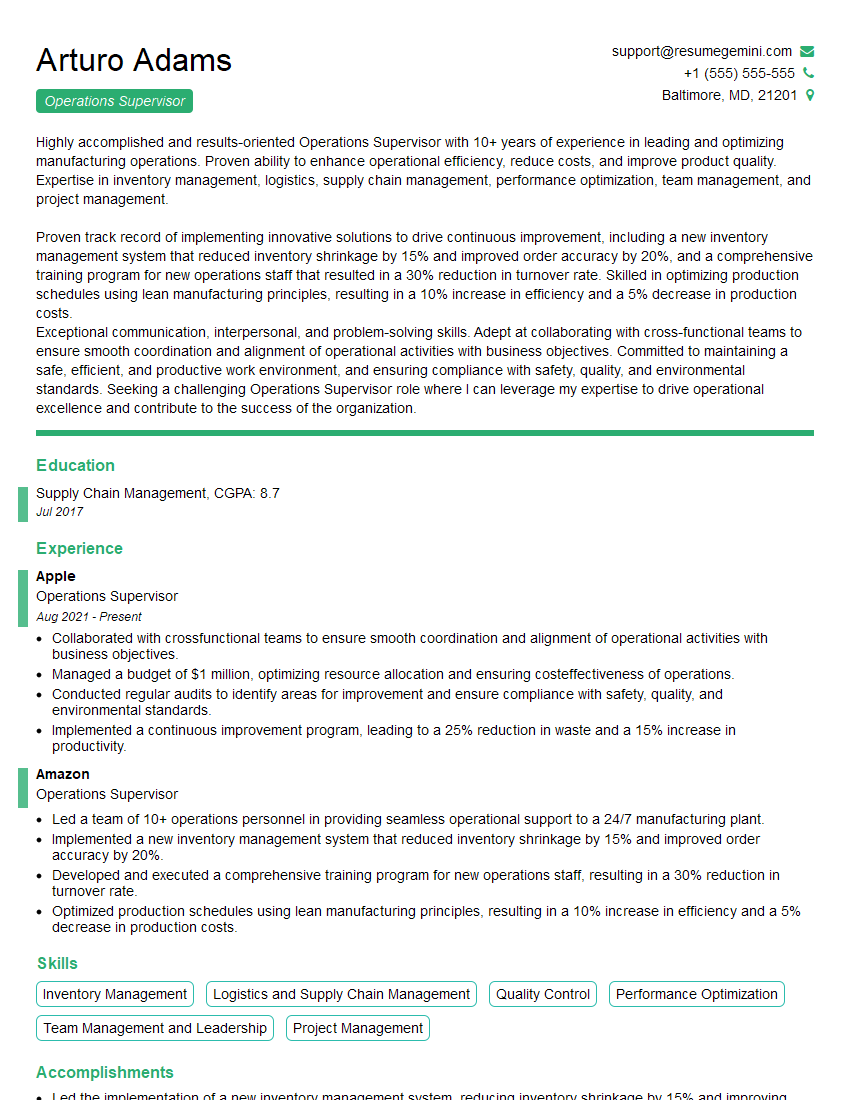
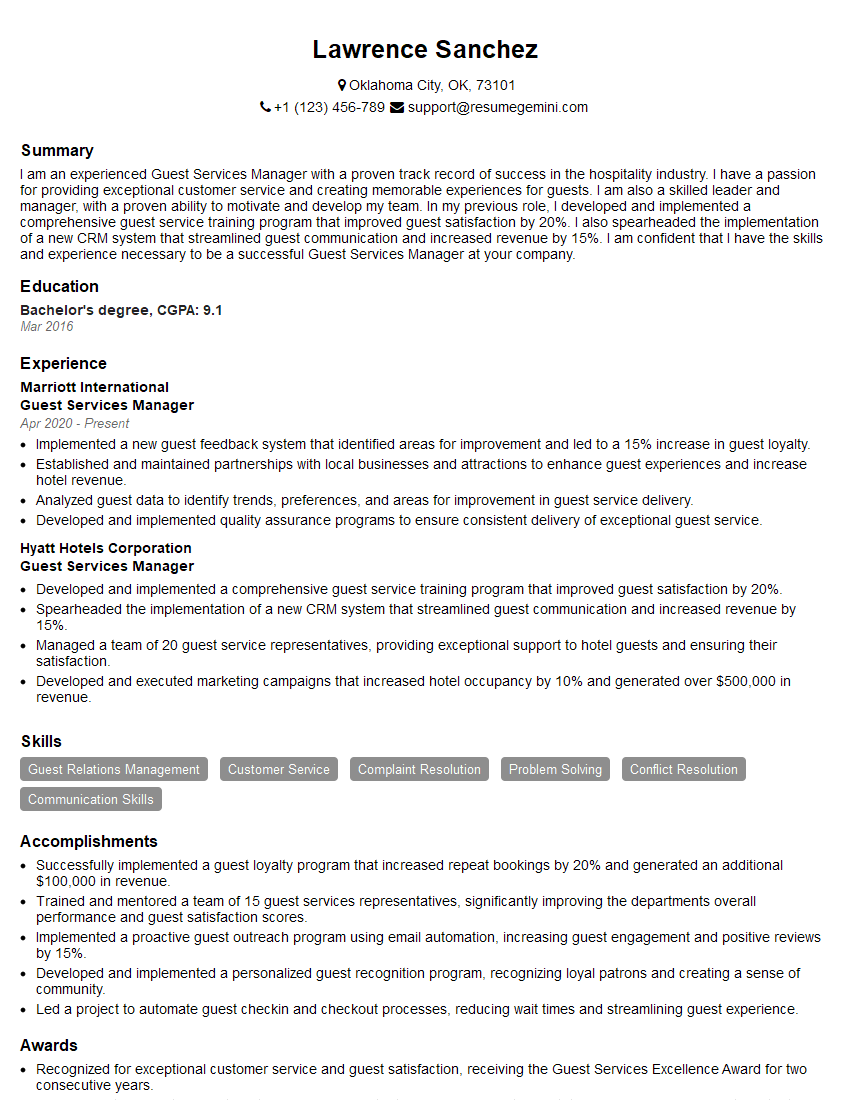
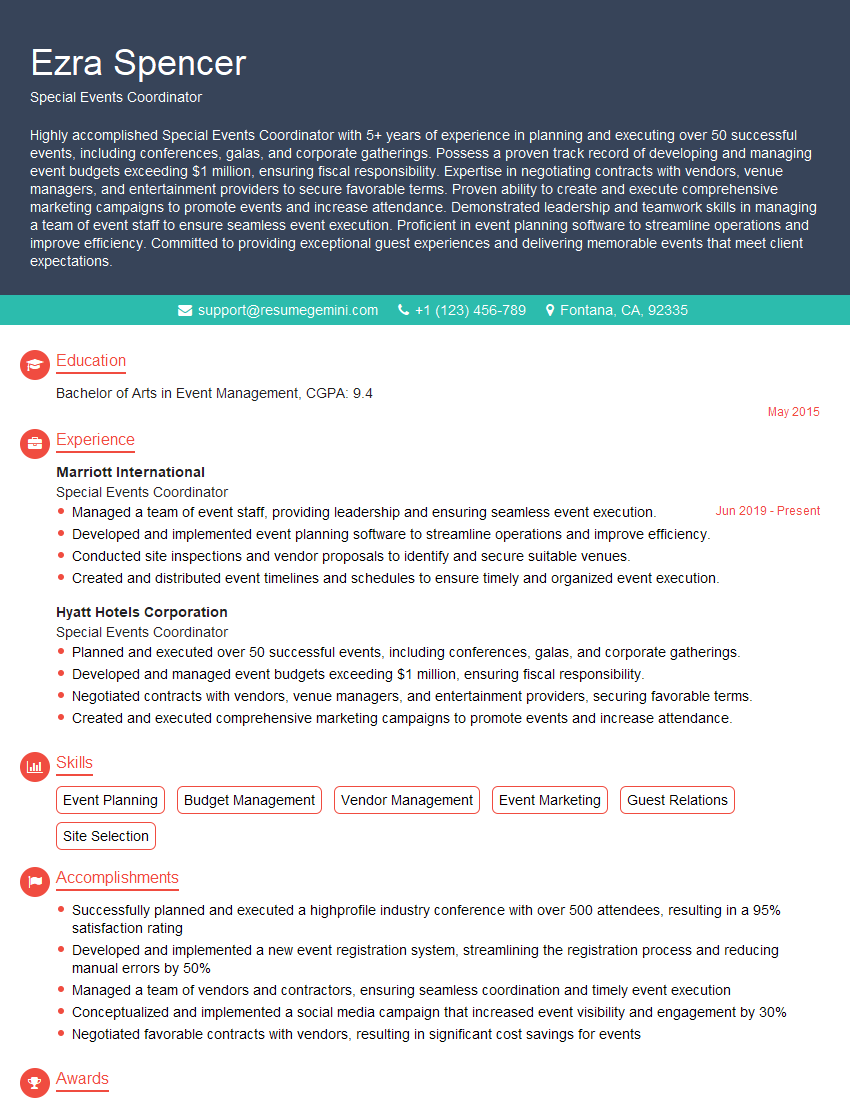
Mastering Game-day Operations Management opens doors to exciting career opportunities in the vibrant world of sports and entertainment. A strong understanding of these crucial aspects will significantly boost your interview performance and help you land your dream role. To maximize your job prospects, creating an ATS-friendly resume is essential. ResumeGemini is a trusted resource to help you build a professional and impactful resume that showcases your skills and experience effectively. Examples of resumes tailored to Game-day Operations Management are available to guide you through the process.
Explore more articles
Users Rating of Our Blogs
Share Your Experience
We value your feedback! Please rate our content and share your thoughts (optional).
What Readers Say About Our Blog
Very informative content, great job.
good