Interviews are opportunities to demonstrate your expertise, and this guide is here to help you shine. Explore the essential Ability to follow instructions and safety protocols interview questions that employers frequently ask, paired with strategies for crafting responses that set you apart from the competition.
Questions Asked in Ability to follow instructions and safety protocols Interview
Q 1. Describe a time you had to follow complex instructions precisely.
Following complex instructions precisely requires meticulous attention to detail and a systematic approach. Think of it like assembling a complex piece of machinery – each step is crucial to the final outcome. In my previous role at a pharmaceutical company, I was responsible for preparing and calibrating highly sensitive laboratory equipment for clinical trials. The calibration procedure involved a multi-step process outlined in a detailed, 50-page manual with stringent tolerances.
One specific instance involved calibrating a mass spectrometer. The instructions were incredibly precise, dictating specific temperatures, pressure levels, and cleaning protocols down to the milliliter. I meticulously followed each step, cross-referencing the manual with the equipment’s digital display to confirm correct parameters at every stage. Any deviation could compromise the accuracy of the results. By systematically checking off each step and ensuring all parameters were within the specified tolerances, I successfully calibrated the equipment, leading to accurate and reliable data for the trials.
Q 2. How do you ensure you understand instructions before beginning a task?
Ensuring I understand instructions before beginning a task is paramount. My approach is multi-faceted, incorporating clarification, repetition, and visualization. Firstly, I actively listen and read the instructions thoroughly, annotating any points that are unclear or require further explanation. Then, I ask clarifying questions to address any ambiguity. This is not a sign of weakness, but rather proactive problem-solving.
For example, if the instructions mention a specific chemical or procedure, I would confirm the exact type of chemical needed, its concentration, and the correct safety procedures involved. After clarifying any doubts, I mentally rehearse the steps, visualizing the process from beginning to end. This helps solidify my understanding and identify potential challenges before I start.
Q 3. What steps do you take to confirm your understanding of safety protocols?
Confirming my understanding of safety protocols involves a thorough review, practical application, and ongoing vigilance. I start by reading and studying the safety manual or documentation carefully, paying close attention to emergency procedures, hazard identification, and personal protective equipment (PPE) requirements. I then look for opportunities to demonstrate my understanding – for example, by participating in safety training exercises or observing experienced colleagues.
If any part of the protocol is unclear, I proactively seek clarification from a supervisor or safety officer. Furthermore, I don’t just passively follow protocols; I actively look for potential hazards and assess risks before starting any task. Think of it like a pilot conducting pre-flight checks – each step is crucial for a safe operation.
Q 4. Explain a situation where you identified a safety hazard and reported it.
During a previous project involving the use of a high-pressure gas cylinder, I noticed a small leak in the valve. Although the leak seemed minor, I recognized it as a potential safety hazard. A minor leak could escalate into a significant event, potentially causing injury or property damage.
Following company protocol, I immediately reported the issue to my supervisor, documenting the location, time, and details of the leak. The cylinder was removed from service, inspected by qualified personnel, and replaced, preventing a potentially dangerous situation. Reporting hazards promptly is not just about following rules, it’s about protecting oneself and others.
Q 5. How do you handle conflicting instructions from different supervisors?
Conflicting instructions from different supervisors can be challenging, but require a calm and methodical response. My approach involves clarifying the discrepancies and seeking a resolution through established communication channels. I would first politely approach each supervisor individually to understand their rationale and instructions fully. This involves active listening and ensuring complete understanding. Then, I would document each set of instructions clearly and objectively.
Once I have a complete picture, I would escalate the issue to a higher authority, like a project manager or department head. My goal is not to place blame, but to resolve the conflict and ensure that I receive clear, consistent, and safe instructions that align with company policies and safety regulations.
Q 6. Describe your approach to learning and following new safety procedures.
Learning and following new safety procedures requires a proactive and disciplined approach. I begin by carefully reviewing all documentation, paying close attention to diagrams, checklists, and any other visual aids. I actively participate in any relevant training sessions, asking clarifying questions to ensure complete understanding. Then, I practice the new procedures under supervision, gradually increasing my independence as my proficiency grows.
I also utilize various memory aids, such as creating checklists or flowcharts, to enhance retention and ensure consistency in application. Regular review and practice help maintain my competency and ensure that I stay abreast of any updated procedures.
Q 7. Have you ever had to deviate from instructions due to unforeseen circumstances? How did you handle it?
There have been instances where unforeseen circumstances necessitated deviating from established instructions. For example, during a field study, a sudden rainstorm threatened the integrity of sensitive equipment. The original plan didn’t account for such a contingency. Instead of continuing as planned, I immediately secured the equipment to prevent damage and prioritized the safety of the team.
I then communicated the situation to my supervisor, explaining the deviation from the original plan and justifying my actions based on safety and equipment preservation. We discussed alternative approaches and proceeded accordingly. The key is documentation – documenting the deviation, the reasons behind it, and the actions taken ensures transparency and accountability. The safety of the team and the protection of the equipment were my top priorities.
Q 8. How do you prioritize tasks when faced with multiple instructions?
Prioritizing tasks involves a structured approach. I typically use a method combining urgency and importance. I start by identifying all tasks, then I assign each a priority level using a matrix – for example, a simple Urgent/Important matrix. Urgent and Important tasks take precedence. Less urgent but still important tasks are scheduled strategically. I also consider dependencies; some tasks can’t begin until others are complete. Using a project management tool, like a Kanban board or a simple to-do list, helps visualize the workflow and track progress effectively. For example, if I receive instructions to complete a safety audit (high priority, urgent) and also to prepare a training document (high priority, less urgent), the audit will be tackled first to prevent potential safety issues.
Q 9. How do you manage your time effectively when working under strict deadlines and protocols?
Effective time management under pressure requires a proactive approach. Firstly, I meticulously review all instructions and deadlines. I break down large tasks into smaller, manageable steps, creating a detailed timeline. This allows for better tracking of progress and identification of potential bottlenecks. I utilize time-blocking techniques, allocating specific time slots for each task. Regularly reviewing my schedule and adjusting it as needed is crucial. Tools like calendars and timers help maintain focus and avoid time-wasting activities. During a previous project involving a complex machine installation with tight deadlines and stringent safety protocols, I created a detailed schedule, allocating specific times for each step, including buffer time for unexpected delays, leading to successful completion on time and within safety regulations.
Q 10. What are some common safety hazards in your field and how are they mitigated?
Safety hazards vary depending on the specific field, but some common ones include exposure to hazardous materials, equipment malfunctions, and ergonomic issues. Mitigation strategies involve robust safety training, using appropriate personal protective equipment (PPE), adhering strictly to operating procedures, regularly inspecting equipment, and implementing clear communication protocols. For example, in a laboratory setting, chemical exposure is a major risk; this is mitigated through proper handling procedures, the use of fume hoods, and the wearing of safety goggles and gloves. Equipment malfunctions can be reduced by regular maintenance checks and using properly functioning equipment. Ergonomic issues, like repetitive strain injuries, are reduced by taking regular breaks and using ergonomically designed tools and workstations.
Q 11. Describe a time you had to follow detailed, technical instructions.
In a previous role, I was responsible for configuring a complex network system based on detailed technical documentation. The instructions were extensive, involving precise IP address configuration, firewall rules, and server settings. I approached this systematically, following each step meticulously. I started by thoroughly reading the entire documentation to understand the overall process, then I proceeded step-by-step, verifying each action against the instructions. Any deviations or ambiguities were documented, and I consulted with senior colleagues for clarification before proceeding. This methodical approach ensured the system was configured correctly, preventing system failures and operational disruptions.
Q 12. How do you handle ambiguous or unclear instructions?
When faced with ambiguous instructions, my approach is to seek clarification. First, I carefully review the instructions multiple times to try and understand the intent. If it remains unclear, I ask clarifying questions to the person who issued the instructions. I use specific examples to ensure a common understanding. For example, instead of saying ‘This is unclear,’ I’d say ‘Regarding step 3, I am unsure if this refers to the primary server or the secondary backup server.’ This proactive approach prevents errors resulting from misinterpretation and ensures the tasks are completed correctly and safely.
Q 13. How do you ensure that you’re consistently following safety regulations?
Consistent adherence to safety regulations requires a multi-pronged approach. First, a thorough understanding of all applicable regulations is crucial. I actively participate in safety training and regularly review the relevant safety manuals and procedures. Second, I actively look for potential hazards and report any observed violations promptly. Third, I ensure I am using the appropriate PPE and following safe work practices at all times. For example, I would never operate machinery without proper training and the necessary safety equipment. Consistent self-checking and a culture of safety awareness are vital for maintaining a safe work environment.
Q 14. How do you stay updated on new safety protocols and procedures?
Staying updated on new safety protocols and procedures requires continuous effort. I regularly attend safety meetings and training sessions, review updates provided by regulatory bodies, and consult updated safety manuals. I also actively subscribe to relevant industry publications and newsletters. Online resources and professional organizations are excellent sources of information on the latest safety practices and standards. It’s important to stay informed, as safety standards evolve to address emerging hazards and best practices. Proactive learning and staying abreast of updates are essential for maintaining a high standard of safety in any professional setting.
Q 15. Have you ever made a mistake due to not following instructions? What did you learn?
Early in my career, I was working on a complex software deployment. The instructions specified a particular sequence for activating different modules. Due to time pressure, I deviated slightly, skipping a seemingly minor step. This resulted in a system crash and significant downtime. The mistake was costly in terms of time and resources.
The key lesson I learned was the importance of meticulous attention to detail, even when faced with tight deadlines. Every step in a procedure, no matter how small it appears, is crucial to the overall success. I now religiously follow instructions, verifying each step before proceeding, even using checklists to confirm completion.
Career Expert Tips:
- Ace those interviews! Prepare effectively by reviewing the Top 50 Most Common Interview Questions on ResumeGemini.
- Navigate your job search with confidence! Explore a wide range of Career Tips on ResumeGemini. Learn about common challenges and recommendations to overcome them.
- Craft the perfect resume! Master the Art of Resume Writing with ResumeGemini’s guide. Showcase your unique qualifications and achievements effectively.
- Don’t miss out on holiday savings! Build your dream resume with ResumeGemini’s ATS optimized templates.
Q 16. How do you use checklists or other tools to ensure adherence to instructions and protocols?
Checklists and other structured tools are indispensable for ensuring adherence to instructions and protocols. I use them in various ways:
- Pre-flight checklists: Before starting any task, especially complex ones, I create or use a provided checklist to ensure I have all the necessary resources and have understood all the steps. This mitigates errors caused by oversight.
- Step-by-step guides: For procedures with many steps, I often break them down into smaller, manageable units, using numbered lists or flowcharts. This allows for systematic progress and easier identification of any missed steps.
- Digital tools: I leverage software like task management applications or specialized software related to the specific domain (e.g., quality control software in manufacturing) to track progress, document steps completed, and automatically generate reports for audit purposes.
- Visual aids: Diagrams, schematics, and flowcharts significantly enhance my understanding and help in visualizing the sequence of steps. This is especially useful in technical procedures.
By systematically using these tools, I can confidently navigate complex procedures, reducing the risk of human error.
Q 17. Can you describe a time you had to explain a safety protocol to someone else?
During a laboratory experiment, a new intern needed assistance understanding the biosafety protocol for handling hazardous materials. I explained the protocol step-by-step, using visual aids and demonstrations to ensure clarity. I emphasized the importance of each precaution:
- Personal Protective Equipment (PPE): The correct use of gloves, lab coats, eye protection, and respirators.
- Waste Disposal: Proper segregation and disposal of hazardous materials according to their classification.
- Emergency Procedures: Knowing the location of emergency showers, eyewash stations, and the procedure for reporting accidents or spills.
I ensured that the intern understood not only the ‘what’ but also the ‘why’ behind each step, fostering a deep understanding and commitment to safety. Following the explanation, we conducted a practical session with the intern performing the procedure under my supervision.
Q 18. How do you manage stress when following complex or time-sensitive instructions under pressure?
Managing stress under pressure is a crucial skill, particularly when following complex instructions. My approach involves a combination of strategies:
- Deep breathing and mindfulness: Taking short breaks to practice deep, controlled breathing helps to calm the nervous system and improves focus. Mindfulness techniques help to center my attention on the task at hand.
- Prioritization and time management: Breaking down complex tasks into smaller, manageable components helps to reduce feelings of being overwhelmed. Setting realistic deadlines and prioritizing critical steps ensures efficient use of time.
- Seeking clarification: If I encounter any ambiguity in the instructions, I immediately seek clarification from a supervisor or colleague. This prevents errors stemming from misinterpretation.
- Positive self-talk: Maintaining a positive internal dialogue helps to build confidence and resilience under pressure. I remind myself of my skills and abilities, focusing on my past successes.
By applying these techniques, I can maintain composure, focus, and accuracy even in high-pressure situations.
Q 19. Describe your experience working in a highly regulated environment.
In my previous role at a pharmaceutical company, I worked extensively within a highly regulated environment subject to stringent guidelines like Good Manufacturing Practices (GMP) and FDA regulations. This environment demanded meticulous attention to detail, accurate record-keeping, and strict adherence to established protocols.
My responsibilities included validating equipment, executing manufacturing processes, and documenting every step meticulously. Any deviation from the approved procedures required proper justification and documentation. Regular audits and inspections were conducted to ensure compliance. The experience instilled in me a strong understanding of the importance of regulatory compliance and the potential consequences of non-compliance.
Q 20. How do you contribute to a safe and efficient work environment?
Contributing to a safe and efficient work environment is a shared responsibility. My contributions include:
- Proactive identification of hazards: I actively look for potential hazards in my workspace and report them promptly to the appropriate personnel. This proactive approach prevents accidents before they occur.
- Strict adherence to safety protocols: I consistently follow established safety procedures and regulations without exception. This sets a positive example for others and minimizes risks.
- Training and mentorship: I actively participate in training new colleagues on safety protocols and best practices. Mentoring junior team members fosters a culture of safety awareness.
- Open communication: I openly communicate any safety concerns or near-miss incidents to my supervisor. This ensures timely corrective action and prevents future incidents.
A safe and efficient workspace is not merely a compliance issue; it is a collaborative effort requiring active engagement from every individual.
Q 21. How do you document your adherence to safety protocols?
Documentation of adherence to safety protocols is crucial for maintaining accountability and traceability. My methods include:
- Checklists and sign-offs: Completing checklists and obtaining sign-offs from supervisors ensures verification that each step has been followed correctly.
- Electronic documentation systems: I utilize electronic systems, such as LIMS (Laboratory Information Management Systems) or ERP (Enterprise Resource Planning) systems, to log and track my adherence to safety protocols electronically. This provides an audit trail and facilitates easy access to records.
- Detailed logs and reports: When necessary, I maintain detailed logs of my activities, including times, steps taken, and any deviations from standard operating procedures. This allows for thorough reviews and investigations in case of any incidents.
- Photography and video recording: In situations where visual evidence is important, I utilize photography or video recording to document the completion of tasks according to safety protocols. This provides clear and unambiguous evidence of compliance.
Thorough documentation is not merely a formality but a critical aspect of maintaining a safe and compliant work environment.
Q 22. Explain a time you had to adapt your approach to following instructions due to changing circumstances.
Adaptability is crucial when following instructions, especially in dynamic environments. A rigid adherence to a plan can be counterproductive if circumstances change. For instance, during a large-scale software deployment, our initial plan involved a phased rollout across different server clusters. However, we discovered a critical bug affecting a core functionality in the first phase. Instead of continuing with the planned rollout, we immediately halted the process. This required deviating from the original timeline and prioritizing bug fixing. We then implemented a revised plan, focusing on thorough testing and validation before proceeding to the next phase. This ensured a smoother, more stable deployment and prevented further complications. This experience highlighted the importance of continuous monitoring, proactive problem-solving, and the ability to adjust plans based on real-time feedback.
This situation taught me the importance of clear communication and teamwork. Adapting my approach involved open collaboration with the team to assess the situation, identify the best course of action, and communicate the changes effectively to stakeholders. The successful resolution demonstrated the effectiveness of a flexible approach when confronted with unforeseen challenges.
Q 23. How do you report near misses or potential safety violations?
Reporting near misses and potential safety violations is paramount for maintaining a safe work environment. My approach involves a multi-step process. First, I immediately document the incident, including the time, location, involved personnel, and a detailed description of what occurred. Second, I directly report the incident to my supervisor or the designated safety officer, utilizing the company’s established reporting system – which in my case involves submitting a detailed incident report via our online safety management software. This system ensures timely and efficient communication. Third, I actively participate in any subsequent investigations and contribute my observations to help prevent similar incidents from happening again. This might involve attending safety meetings or providing feedback on revised safety protocols.
For example, if I noticed a colleague using equipment without proper safety gear, I would immediately address the issue privately and inform them of the safety procedures. If the behavior persists, I would then report it following the established process to ensure the safety of everyone involved.
Q 24. How do you balance speed and accuracy while following instructions?
Balancing speed and accuracy is a constant challenge. It’s not about rushing through instructions but understanding how to prioritize effectively. I use a systematic approach involving careful planning and execution. First, I thoroughly review the instructions to understand the entire process, identifying any potential bottlenecks or areas requiring extra attention. Second, I prioritize tasks based on their importance and potential impact. Critical tasks are tackled first to ensure the highest level of accuracy. This often involves breaking down complex tasks into smaller, more manageable steps. Finally, I utilize various time management techniques like setting realistic deadlines for each step, checking progress regularly, and making adjustments as necessary. I also understand that sacrificing accuracy for speed is never an acceptable compromise, especially concerning safety.
Think of it like baking a cake: rushing through the process might lead to a substandard cake, and rushing through safety procedures can have far more serious consequences. I prioritize accuracy to ensure the final product meets the required standards and safety requirements. Regular self-checks, along with peer reviews where appropriate, also help maintain accuracy and efficiency.
Q 25. What resources do you utilize to ensure your understanding of safety procedures?
Staying updated on safety procedures is an ongoing process. I utilize several resources, including company-provided safety manuals, online training modules, and industry-specific publications. I also actively participate in safety training sessions and workshops conducted by our safety department and external experts. This ensures I’m familiar with the latest best practices and regulations. Regularly reviewing safety data sheets (SDS) for chemicals and materials used in my work is also critical. The company’s intranet provides a centralized hub for all safety-related documentation, ensuring easy access to information when needed. I also make notes and create personal summaries to reinforce my understanding and ensure quick access to key information. This approach ensures that I maintain a high level of competence and awareness regarding all safety protocols.
Q 26. How do you ensure that your work meets both safety and quality standards?
Ensuring my work meets both safety and quality standards requires a proactive and integrated approach. It’s not a matter of choosing one over the other – they are interconnected. Safety is paramount; compromised safety impacts quality. For example, a poorly executed task due to haste might lead to errors, and errors can easily result in safety hazards. I follow a rigorous process starting with a thorough risk assessment before beginning any task, identifying potential hazards and implementing appropriate control measures. I also use checklists and standardized procedures to ensure consistency and reduce the risk of errors. Finally, I meticulously review my work, comparing it to the specified quality and safety standards. This may involve utilizing specific tools and equipment and regularly checking measurements against specifications. Quality control and safety checks are intertwined throughout my workflow. Any deviation from standards is immediately addressed to maintain both quality and safety. If a problem arises, I prioritize corrective actions to fix it, ensuring the safety of myself and others.
Q 27. Describe a situation where you had to prioritize safety over deadlines. How did you resolve the conflict?
Prioritizing safety over deadlines is non-negotiable. During a project involving the installation of heavy machinery, we were under a tight deadline. However, during the installation process, I noticed a significant safety concern – a loose cable that could cause a serious electrical hazard if not addressed immediately. Despite the pressure to meet the deadline, I immediately stopped the work, reported the issue to my supervisor, and insisted that the problem be rectified before resuming. This resulted in a slight delay, but it ensured the safety of all personnel involved. Resolving the conflict involved clear communication with my supervisor, demonstrating the potential risks and the importance of addressing them before proceeding. It’s about responsible decision-making, emphasizing that a completed project is worthless if it’s achieved at the cost of safety.
The delay was ultimately accepted and appreciated, highlighting the importance of placing safety above expediency. The value of a safe working environment far outweighs the pressures of a tight schedule.
Key Topics to Learn for Ability to Follow Instructions and Safety Protocols Interview
- Understanding Written and Verbal Instructions: Learn to accurately interpret both written and verbal instructions, paying close attention to detail and clarifying any ambiguities. Practice actively listening and asking clarifying questions.
- Applying Instructions in Practical Settings: Consider how you’ve followed instructions in past roles. Prepare examples demonstrating your ability to execute tasks precisely and efficiently, even under pressure. Focus on situations where accuracy and attention to detail were paramount.
- Safety Protocol Comprehension: Demonstrate your understanding of different safety protocols, including those related to your field of work. Be prepared to discuss how you prioritize safety and adhere to regulations in practical scenarios. Highlight instances where you proactively identified and mitigated potential hazards.
- Problem-Solving in Safety-Critical Situations: Discuss instances where you encountered unexpected issues while following instructions or safety protocols. Explain how you approached the problem, identified solutions, and ensured safety remained a top priority. Focus on your decision-making process and ability to adapt to changing circumstances.
- Teamwork and Communication in Safety-Conscious Environments: Explain how you collaborate with colleagues to ensure adherence to safety protocols. Highlight your ability to communicate effectively about safety concerns and contribute to a safe and productive work environment.
- Documentation and Record-Keeping: Explain your experience documenting procedures followed and any safety incidents. Highlight the importance of accurate and thorough record-keeping in maintaining safety standards.
Next Steps
Mastering the ability to follow instructions and adhere to safety protocols is crucial for career advancement. It demonstrates reliability, attention to detail, and a commitment to safety – qualities highly valued by employers across all industries. To significantly boost your job prospects, it’s essential to create an ATS-friendly resume that effectively highlights these skills. ResumeGemini is a trusted resource to help you build a professional and impactful resume. We provide examples of resumes tailored to showcase your ability to follow instructions and safety protocols, allowing you to present your skills in the best possible light. Use ResumeGemini to craft a resume that helps you land your dream job.
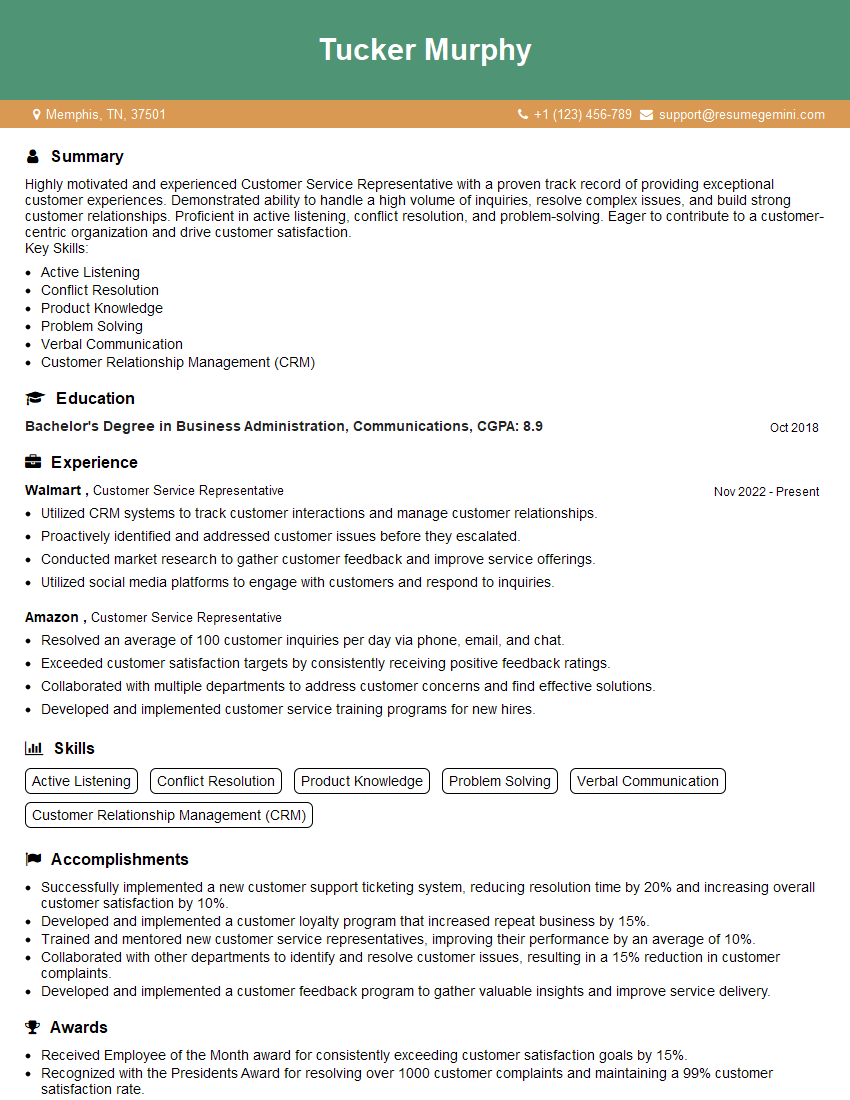
Customer Service Representative Resume Sample
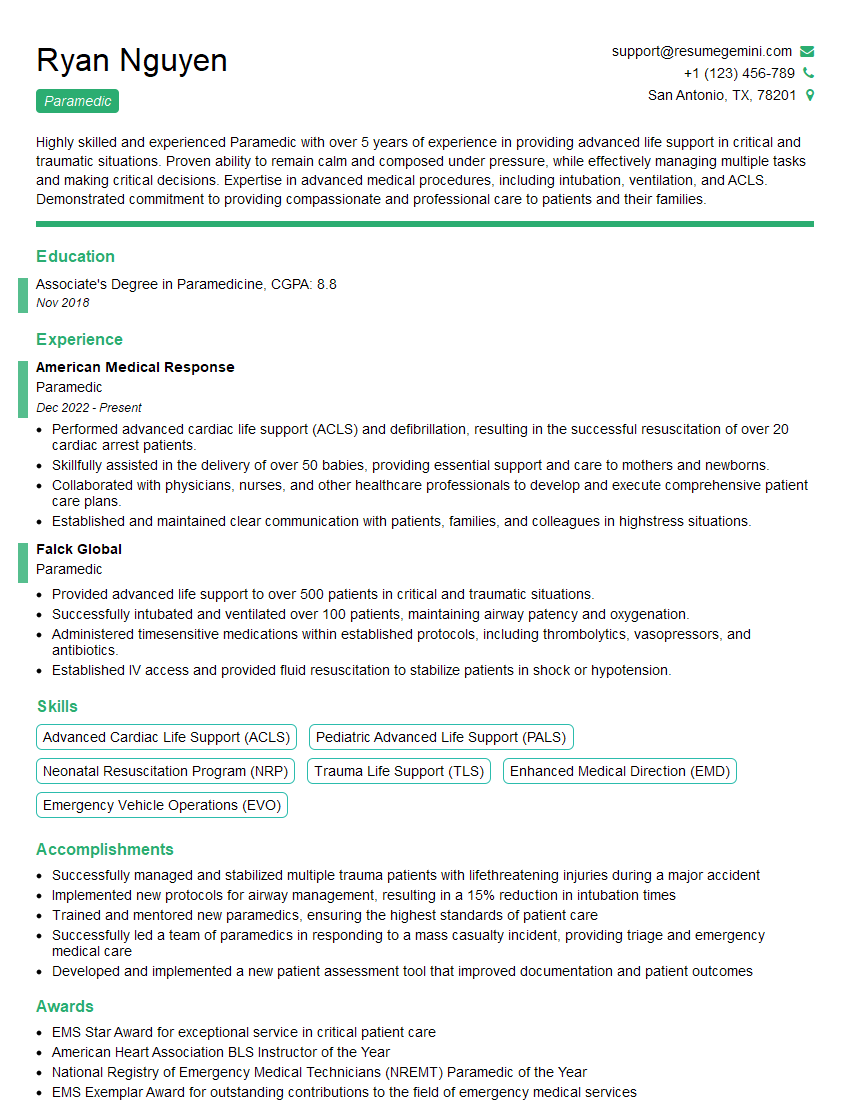
Paramedic Resume Sample

Compliance Officer Resume Sample
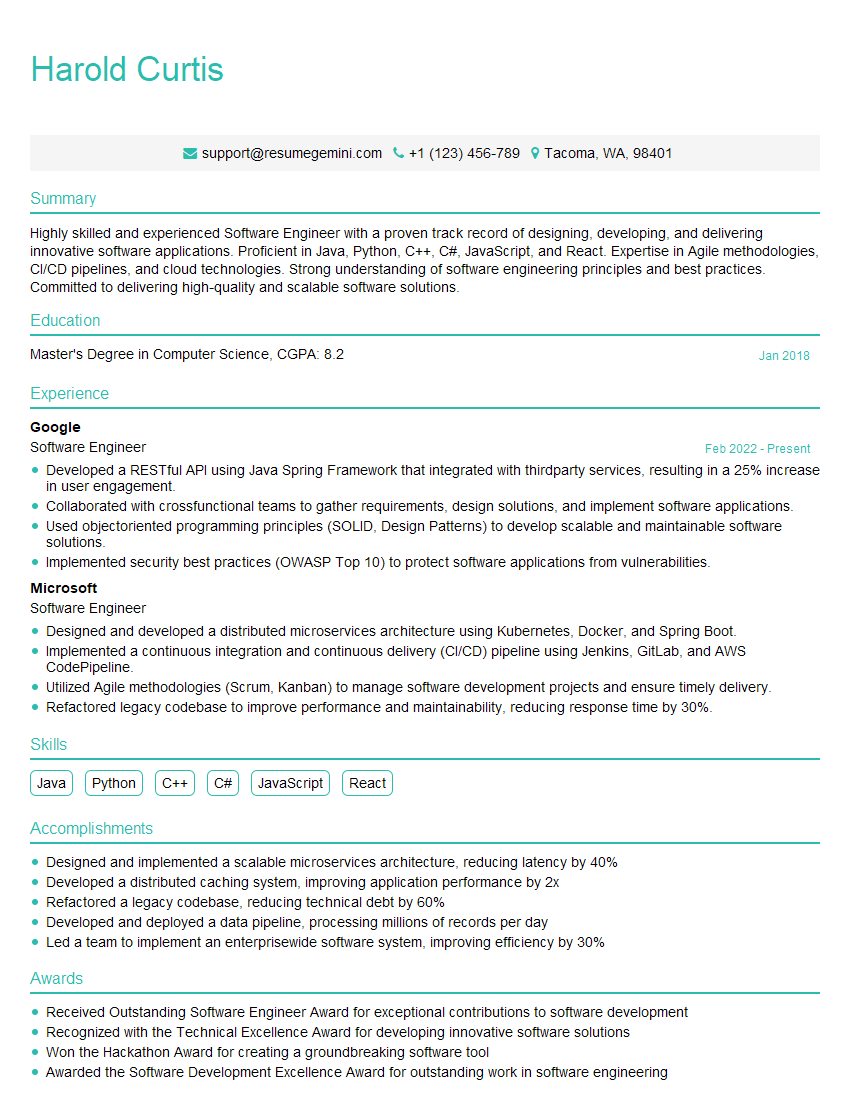
Software Engineer Resume Sample
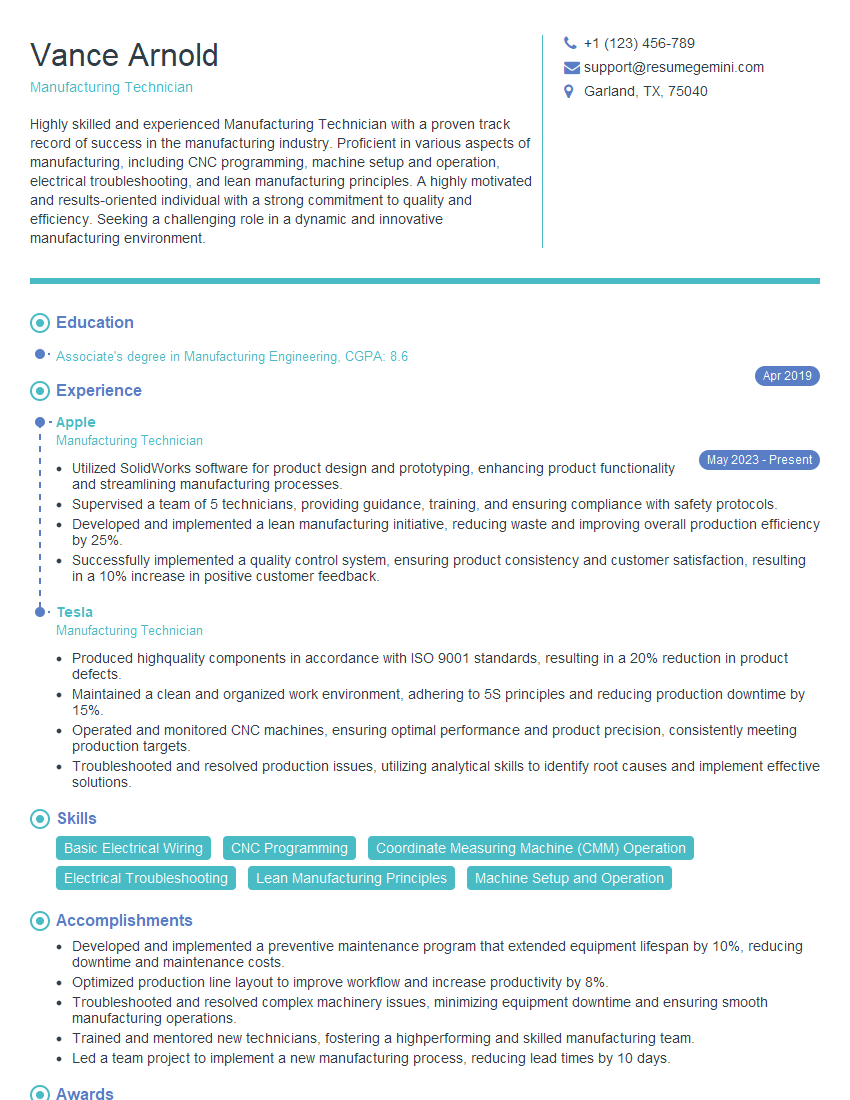
Manufacturing Technician Resume Sample
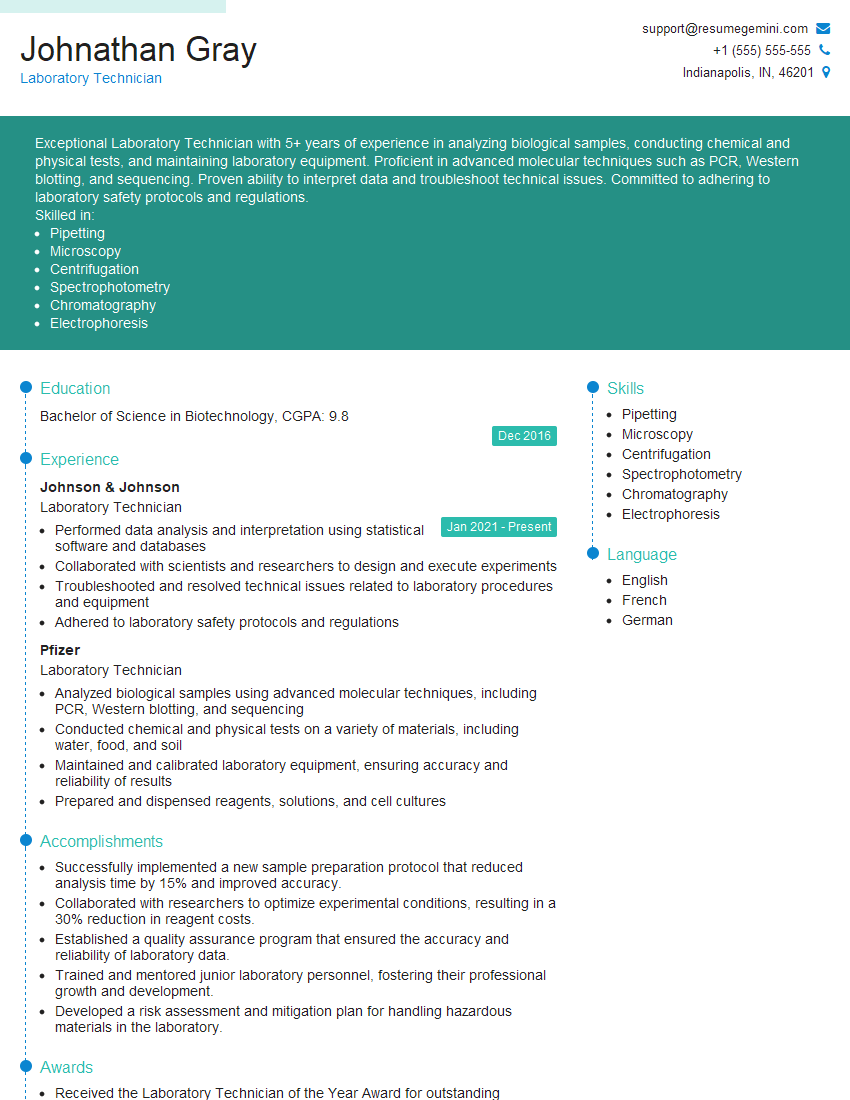
Laboratory Technician Resume Sample
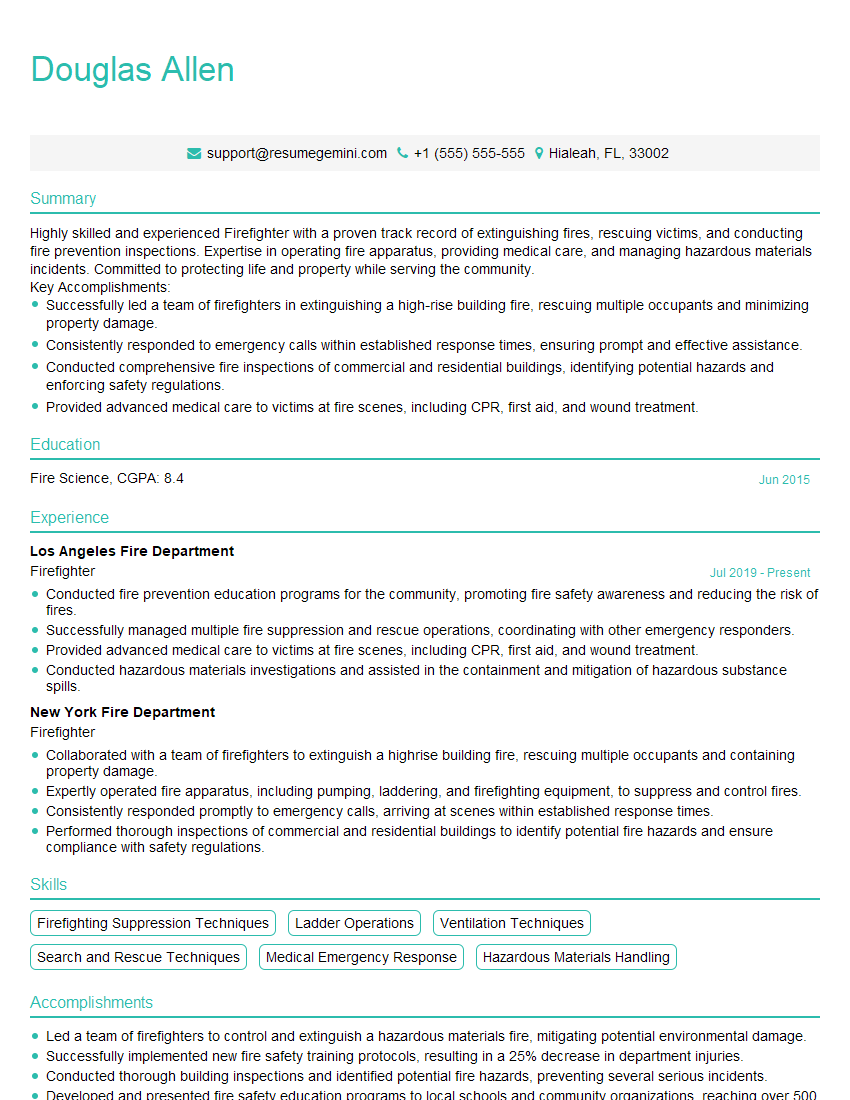
Firefighter Resume Sample
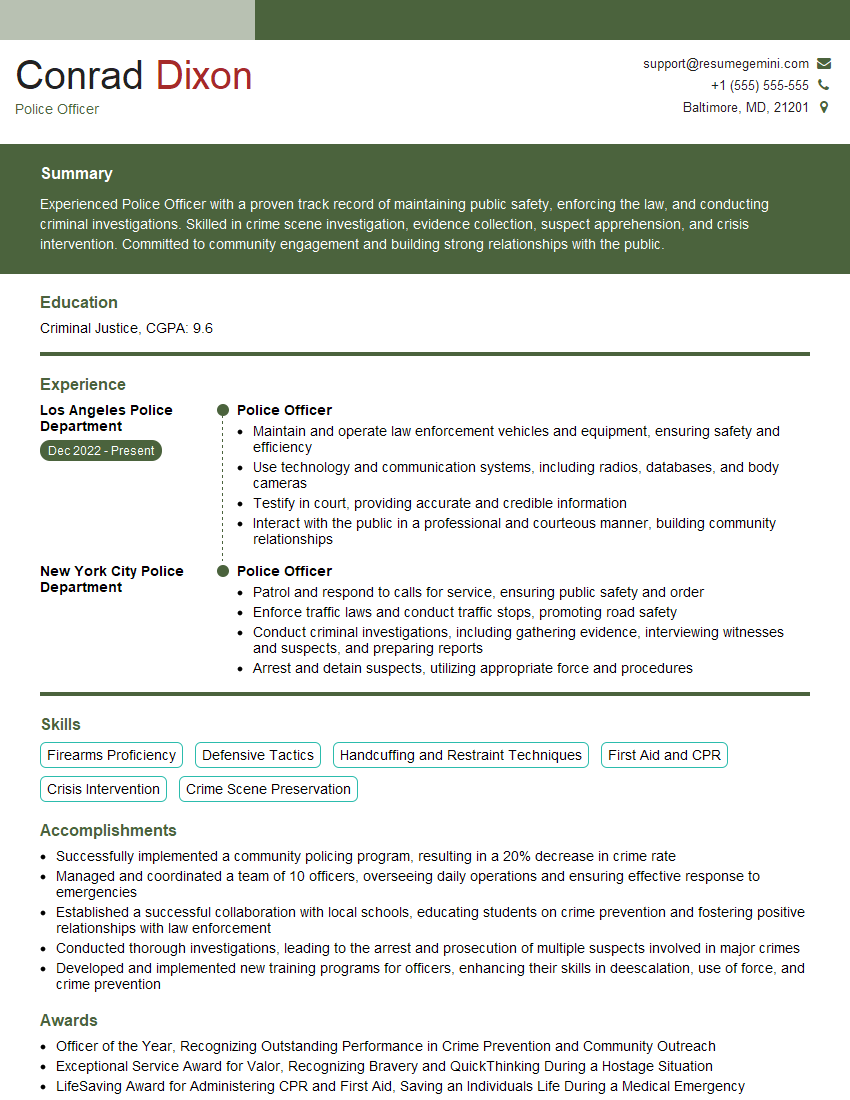
Police Officer Resume Sample
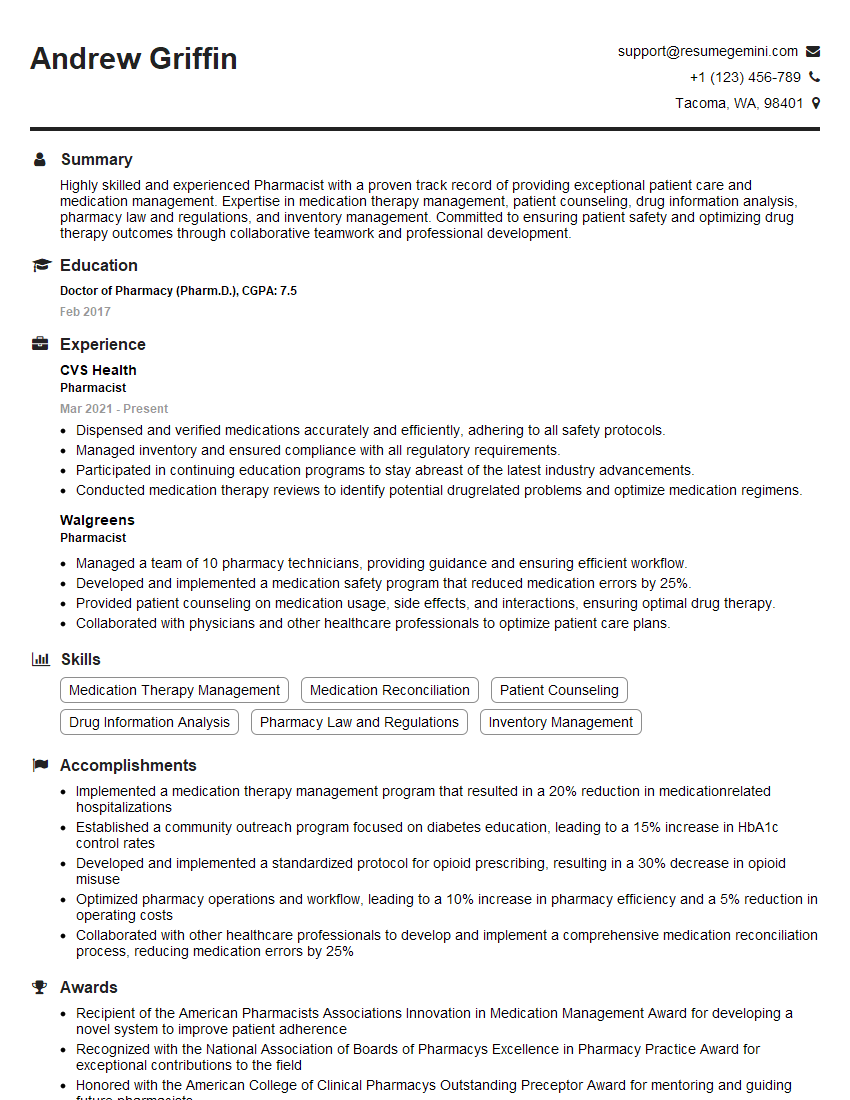
Pharmacist Resume Sample
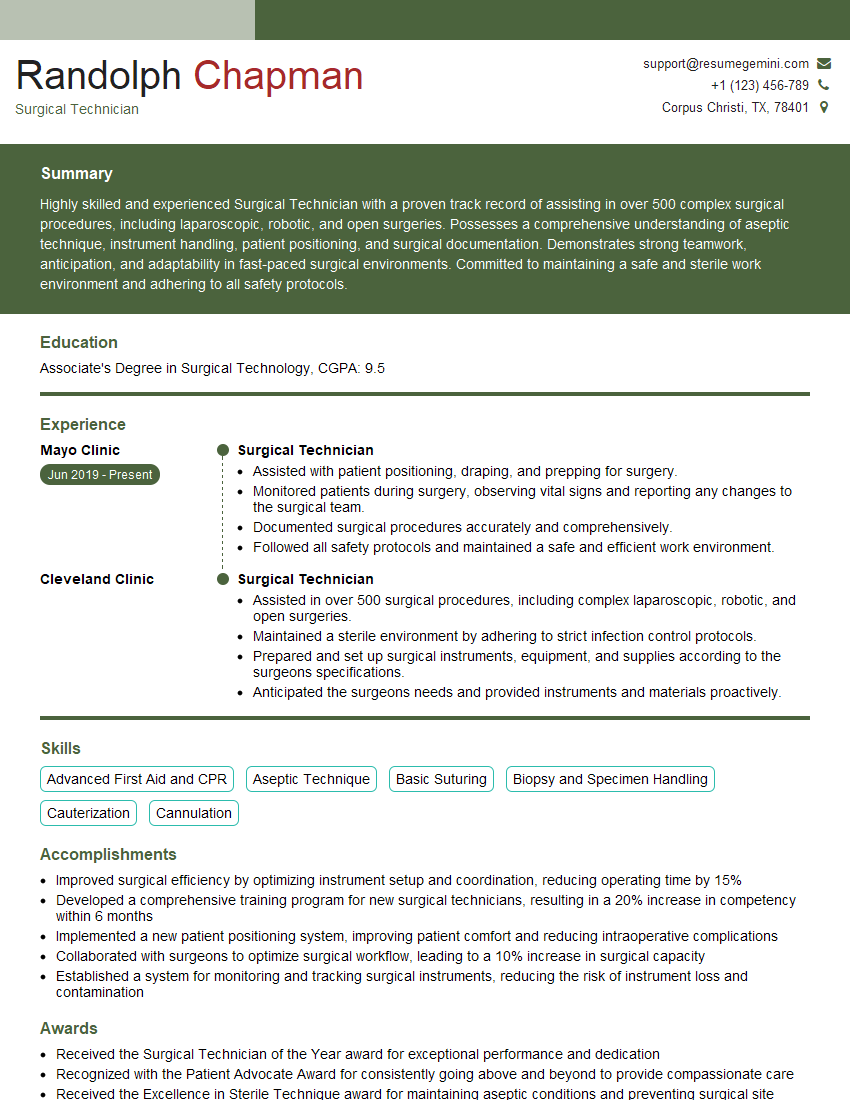
Surgical Technician Resume Sample
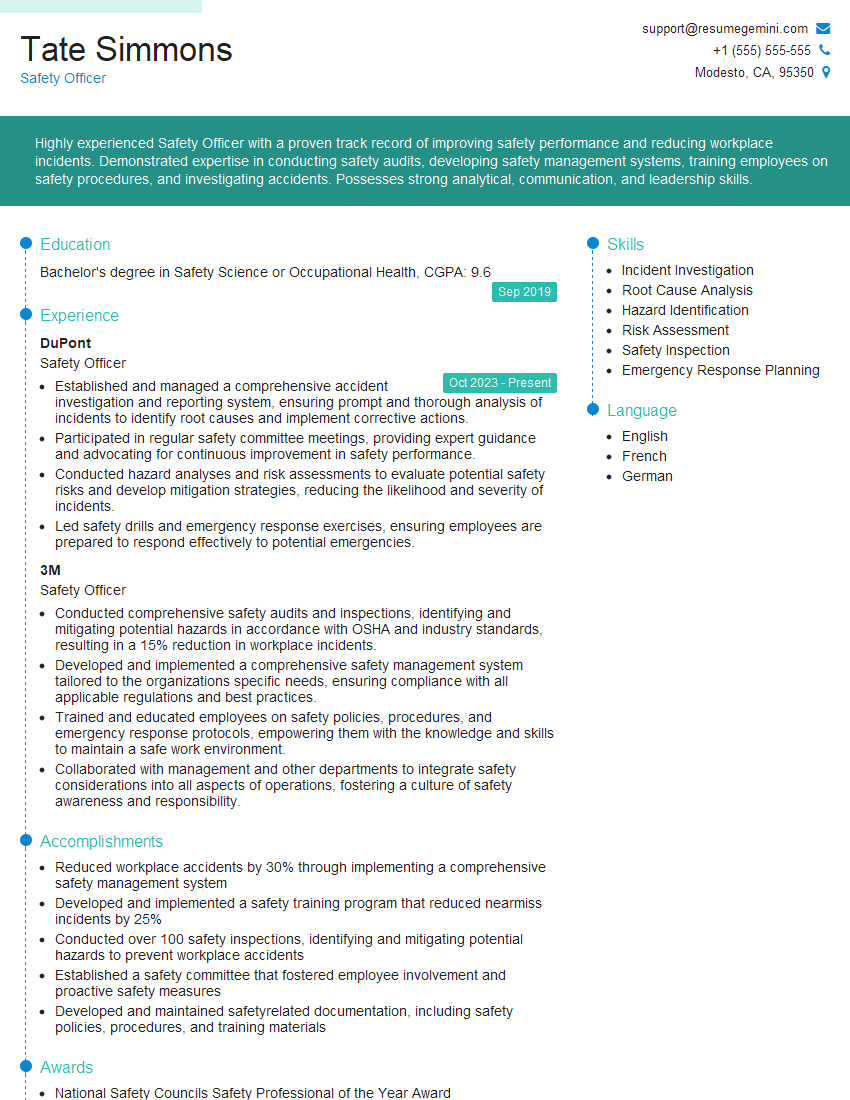
Safety Officer Resume Sample
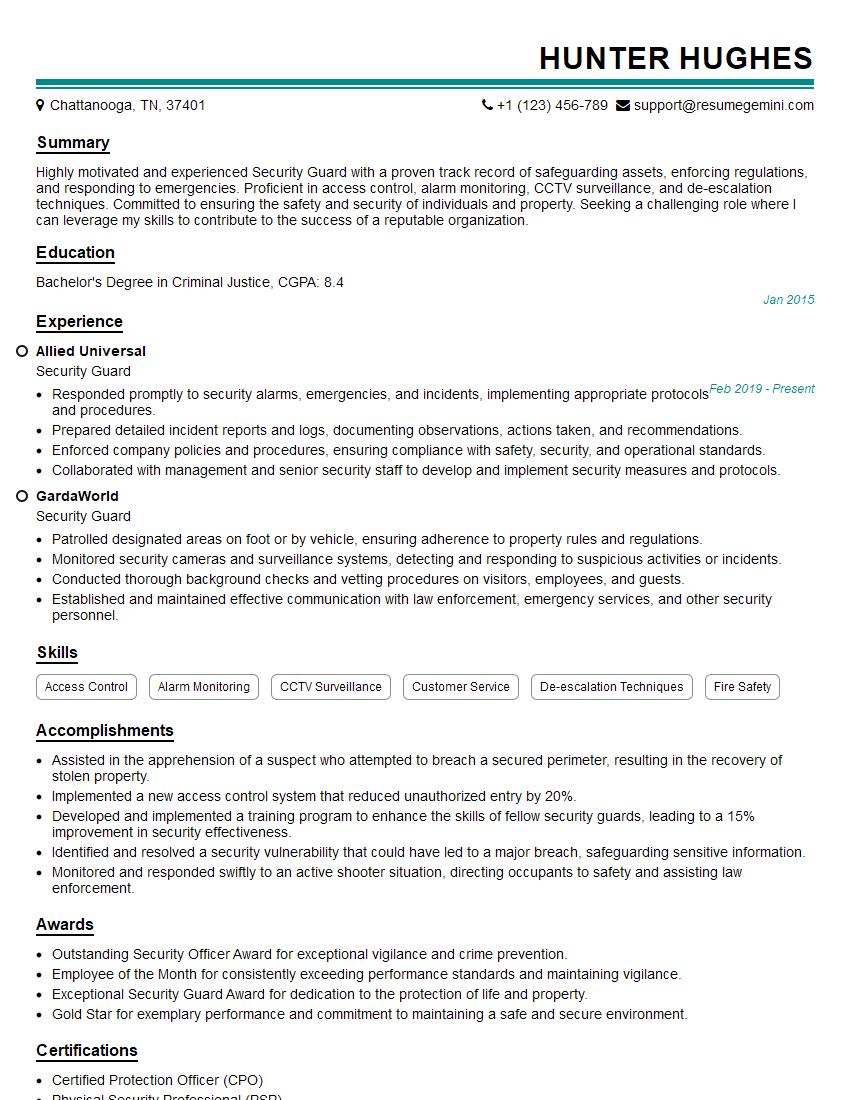
Security Guard Resume Sample
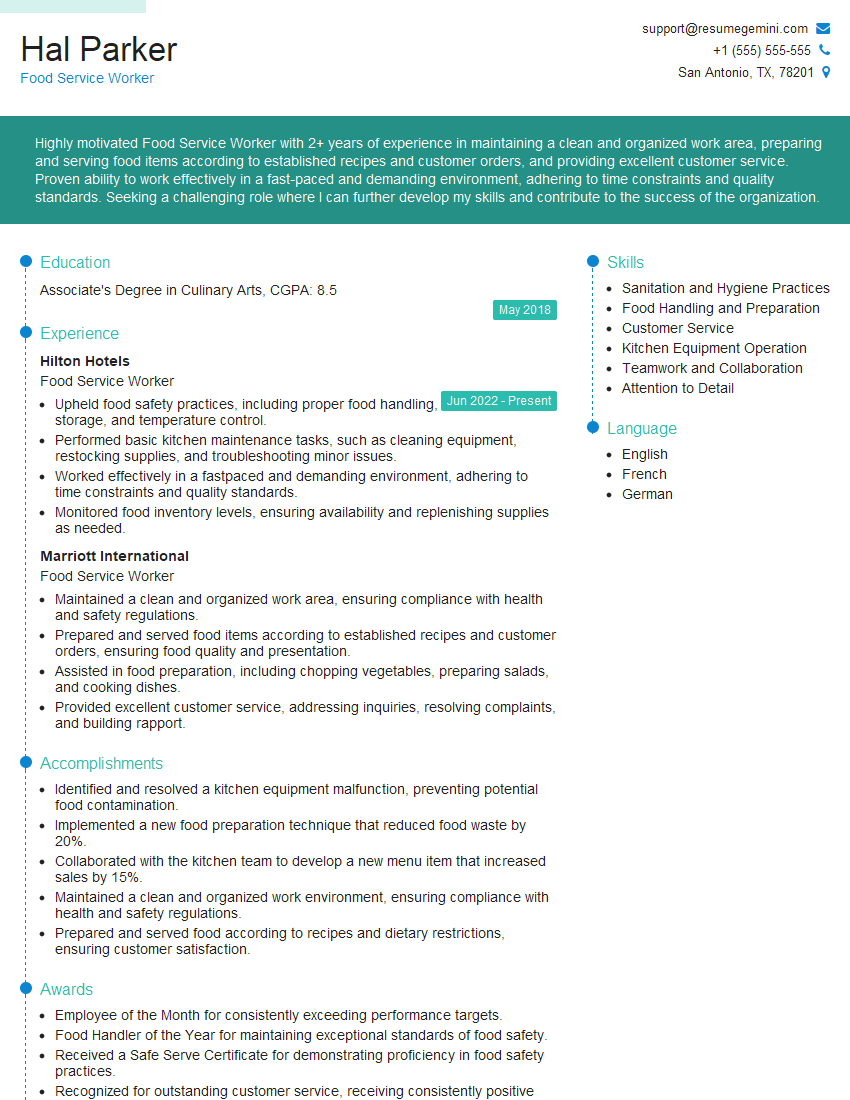
Food Service Worker Resume Sample
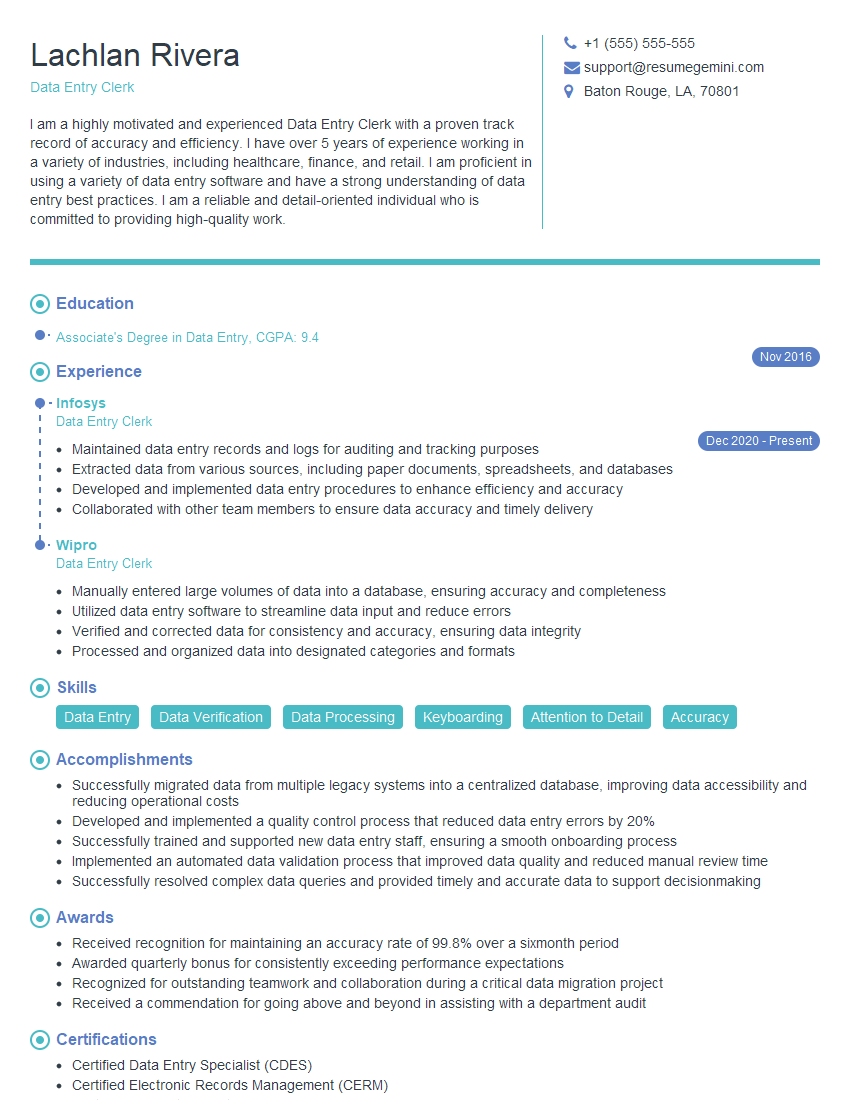
Data Entry Clerk Resume Sample
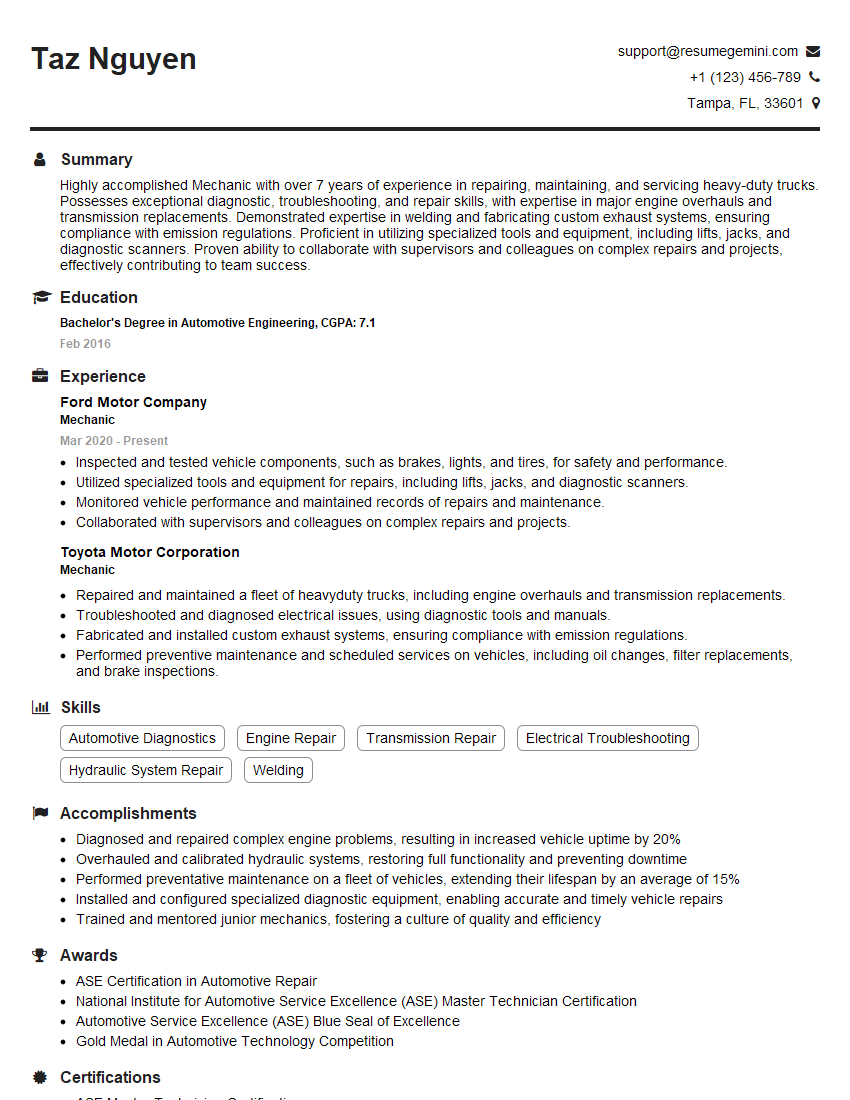
Mechanic Resume Sample
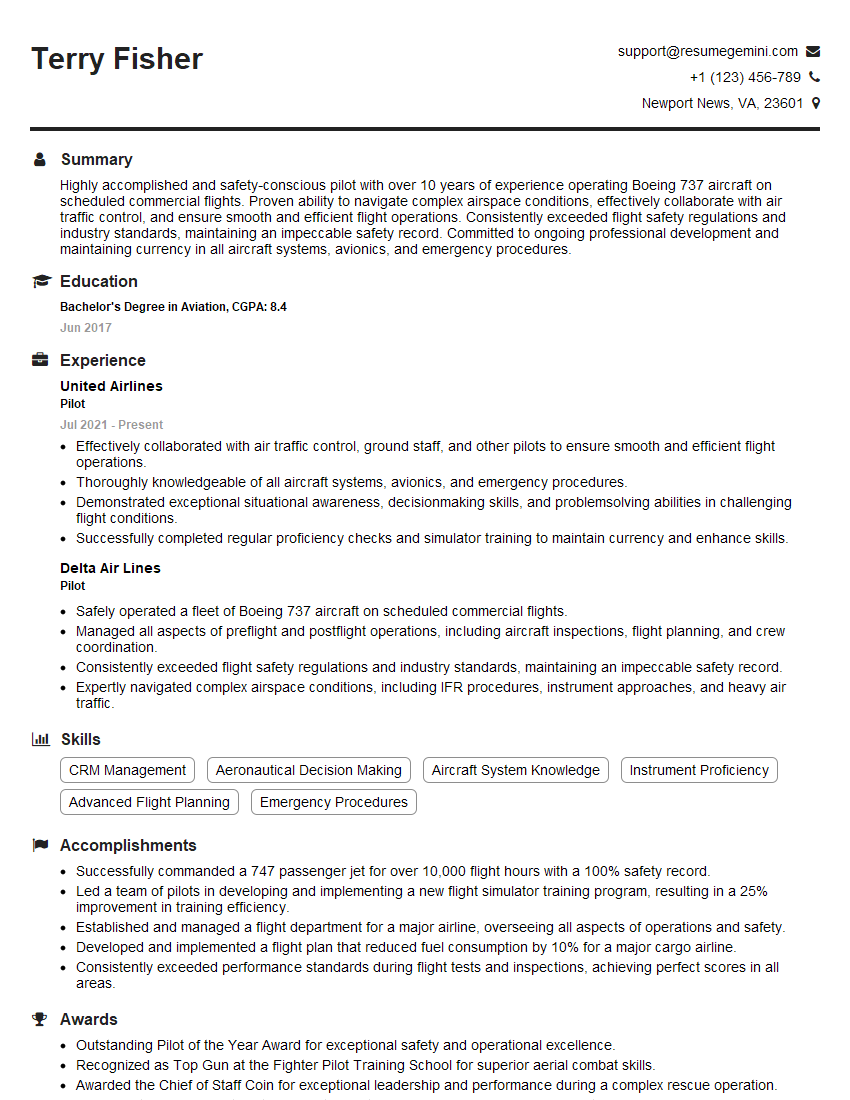
Pilot Resume Sample
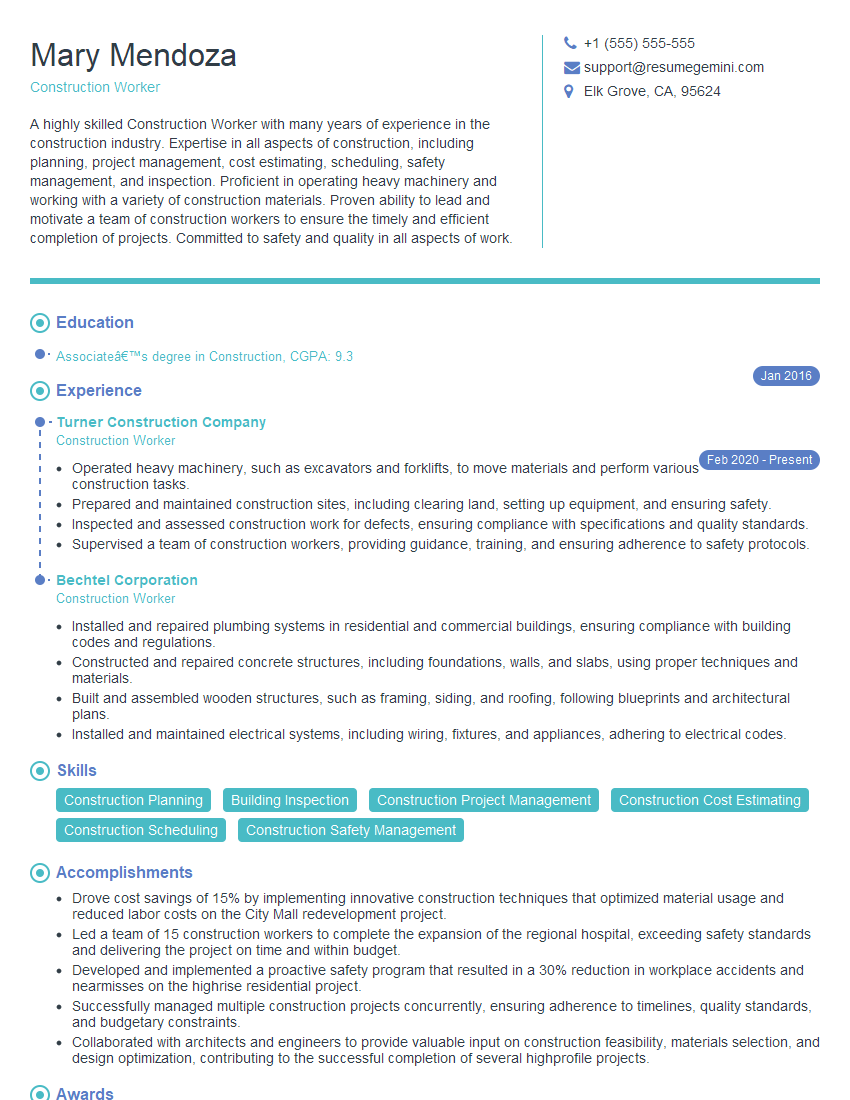
Construction Worker Resume Sample
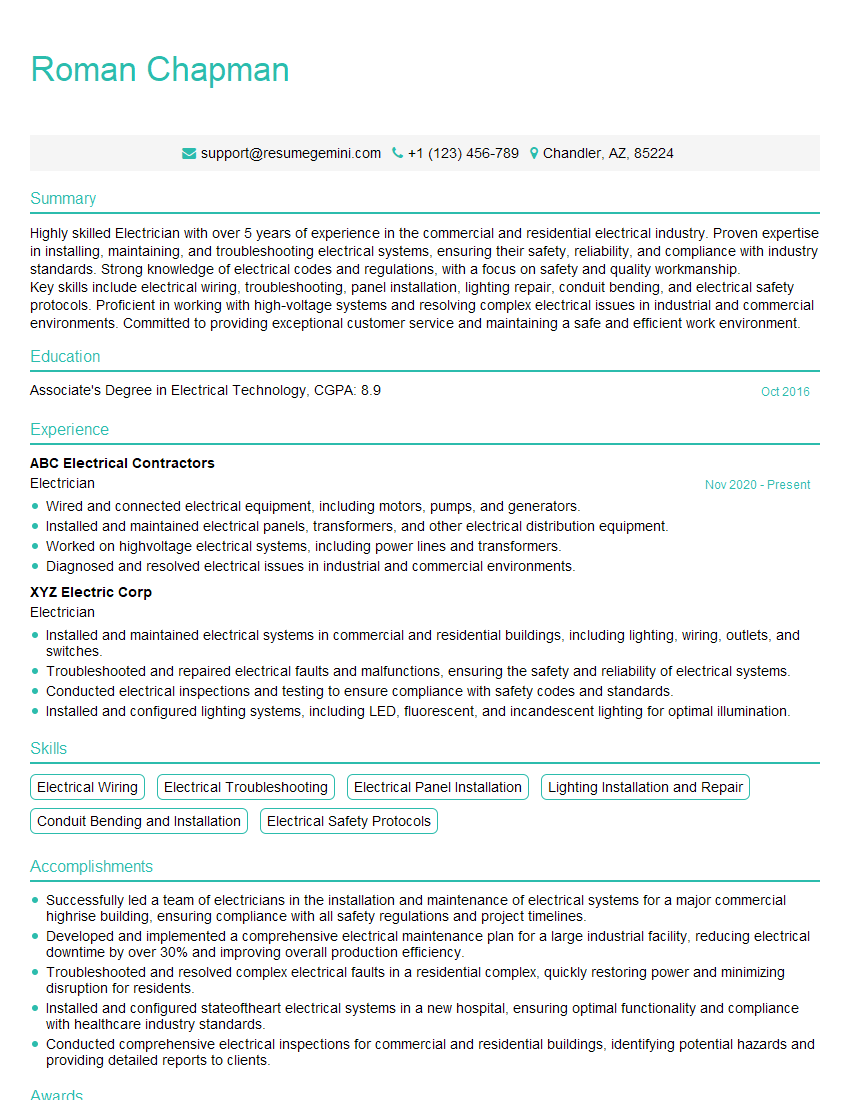
Electrician Resume Sample
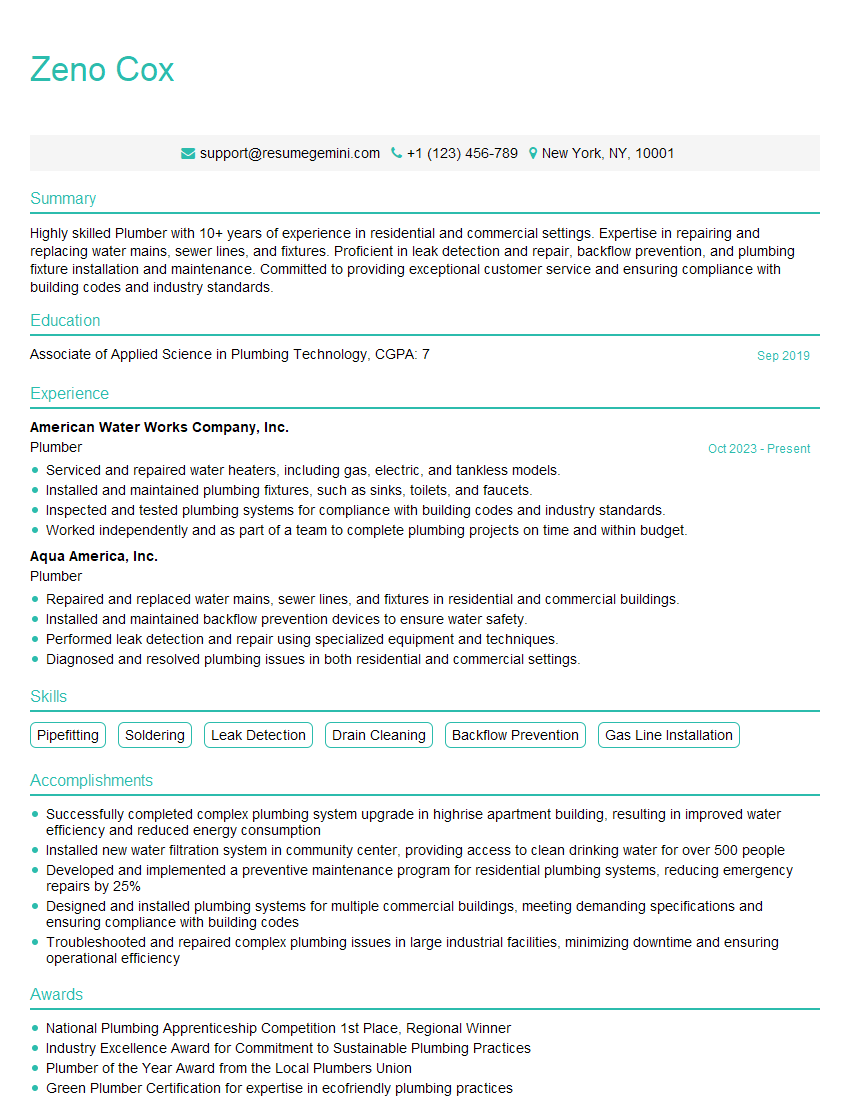
Plumber Resume Sample
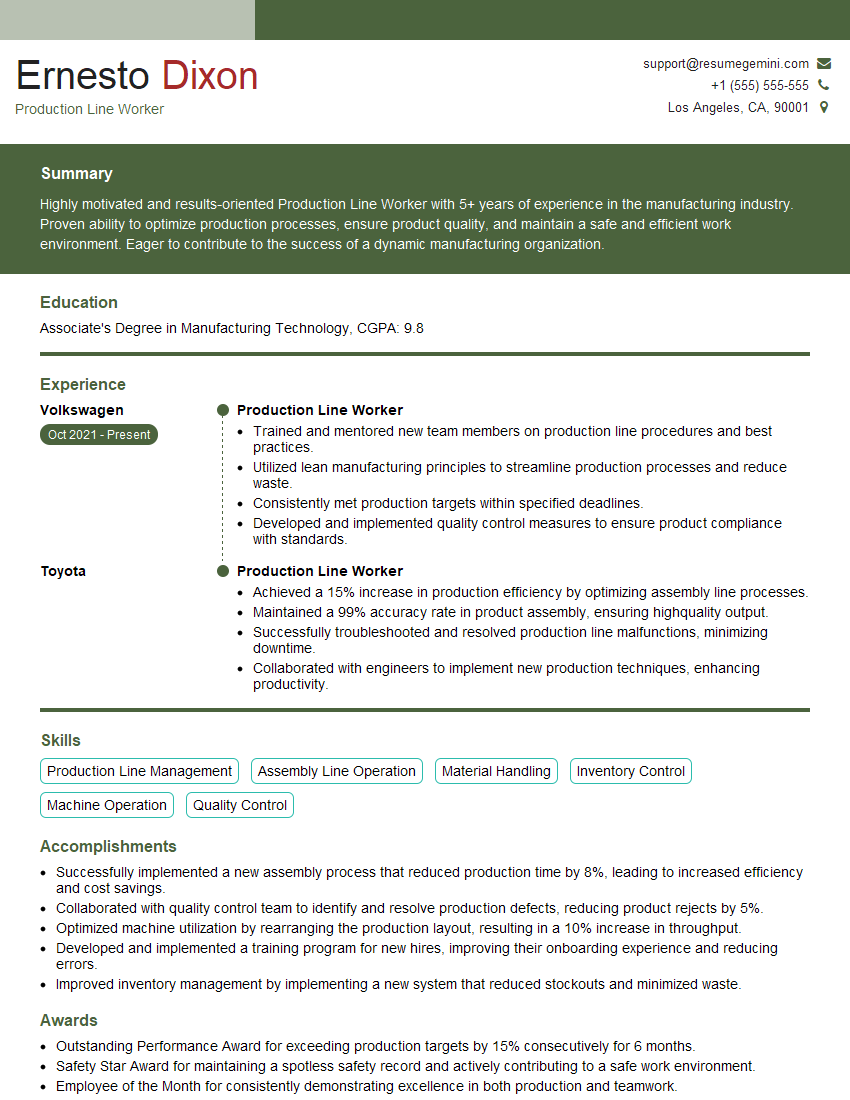
Production Line Worker Resume Sample
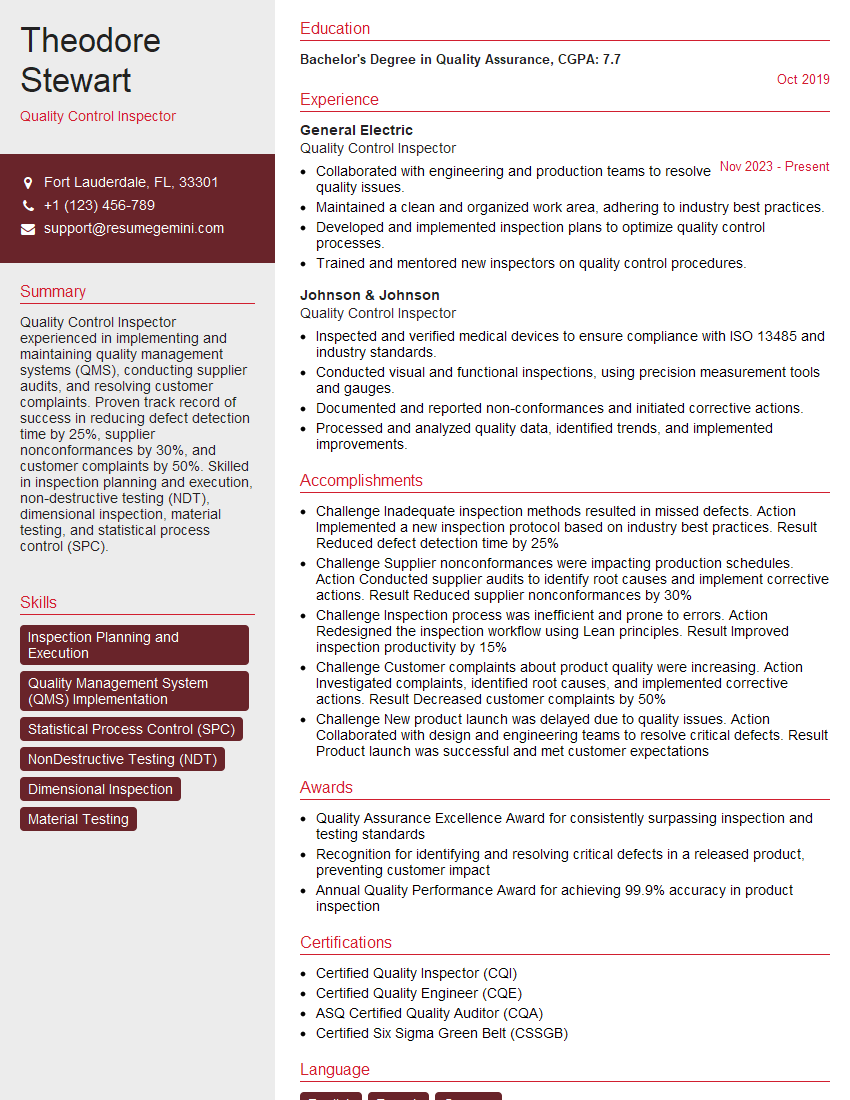
Quality Control Inspector Resume Sample
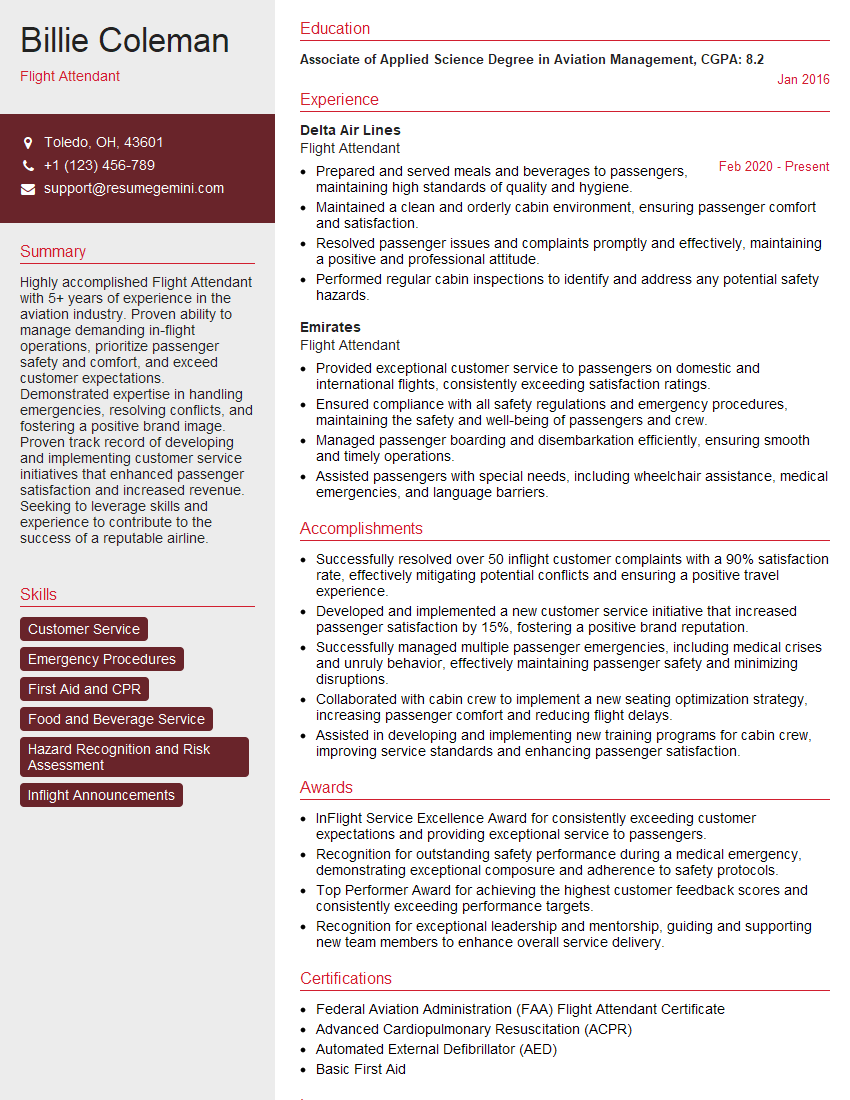
Flight Attendant Resume Sample
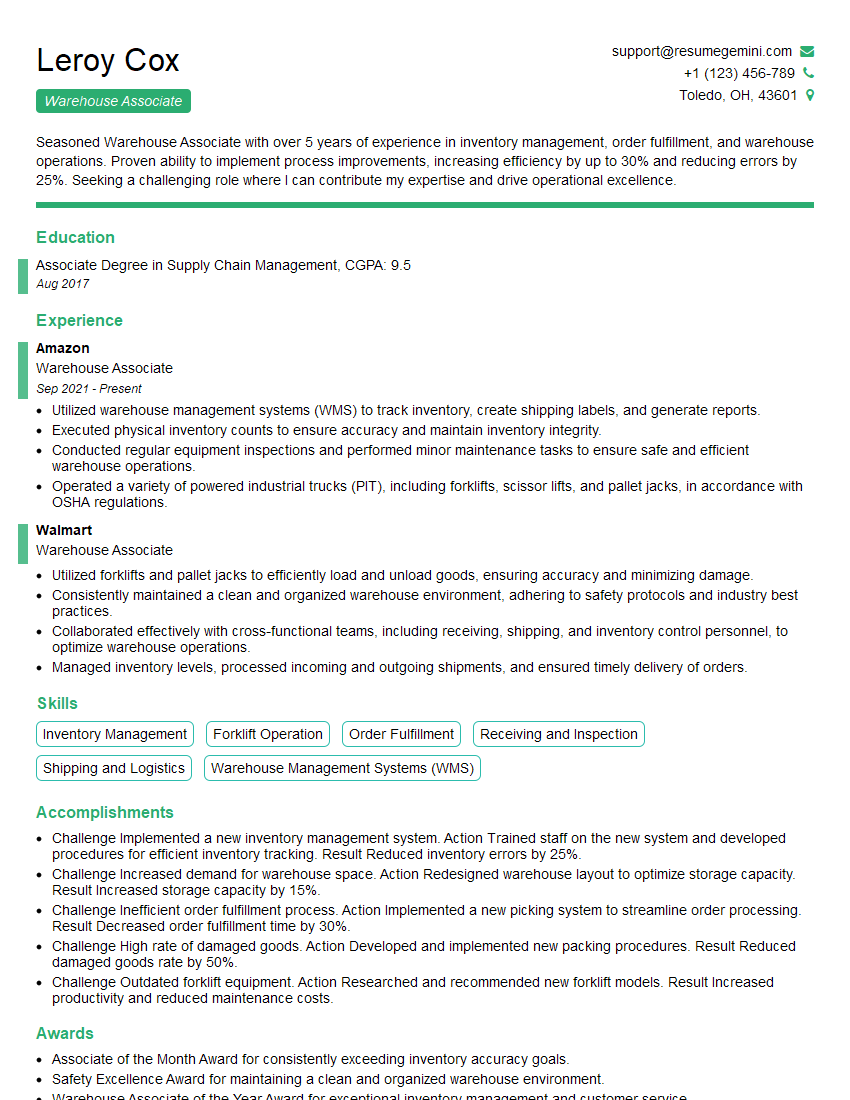
Warehouse Associate Resume Sample
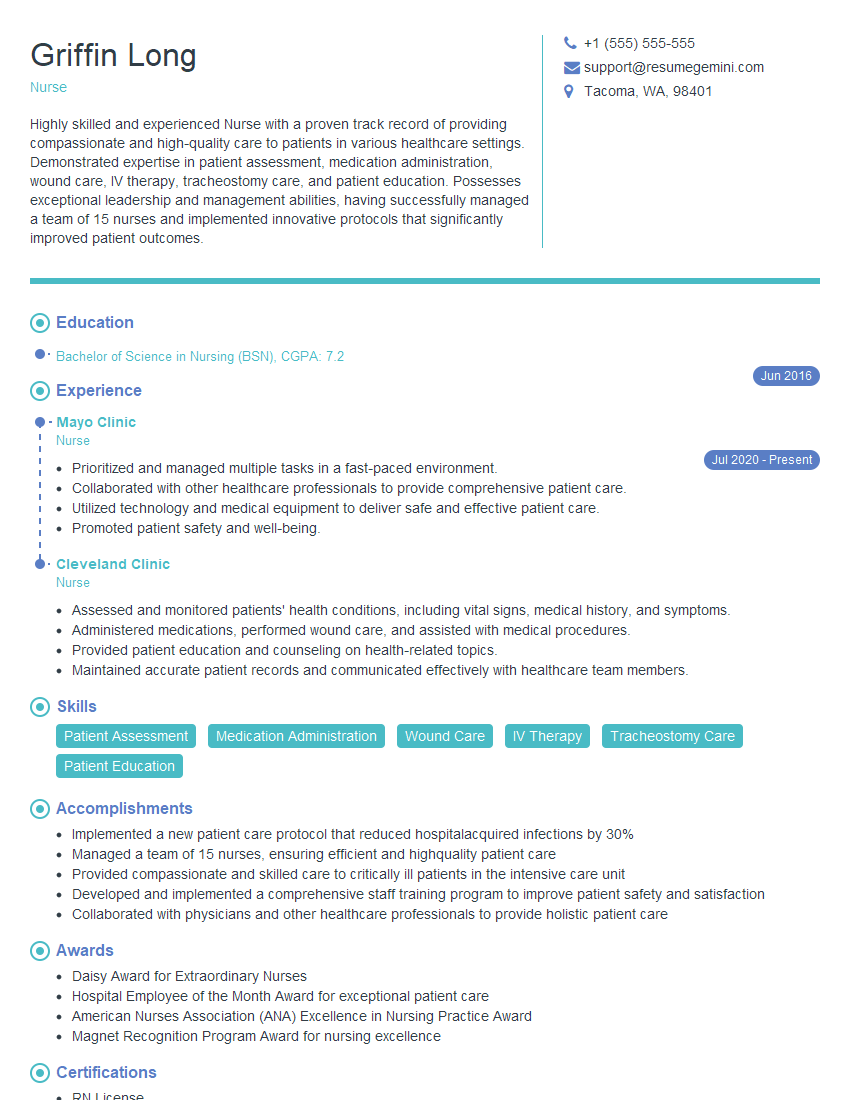
Nurse Resume Sample
- Customer Service Representative
- Paramedic
- Compliance Officer
- Software Engineer
- Manufacturing Technician
- Laboratory Technician
- Firefighter
- Police Officer
- Pharmacist
- Surgical Technician
- Safety Officer
- Security Guard
- Food Service Worker
- Data Entry Clerk
- Mechanic
- Pilot
- Construction Worker
- Electrician
- Plumber
- Production Line Worker
- Quality Control Inspector
- Flight Attendant
- Warehouse Associate
- Nurse
Explore more articles
Users Rating of Our Blogs
Share Your Experience
We value your feedback! Please rate our content and share your thoughts (optional).
What Readers Say About Our Blog
Very informative content, great job.
good