Cracking a skill-specific interview, like one for Ability to Guide Clients Through Transformational Processes, requires understanding the nuances of the role. In this blog, we present the questions you’re most likely to encounter, along with insights into how to answer them effectively. Let’s ensure you’re ready to make a strong impression.
Questions Asked in Ability to Guide Clients Through Transformational Processes Interview
Q 1. Describe your approach to assessing a client’s readiness for transformation.
Assessing a client’s readiness for transformation is crucial for success. It’s not just about their willingness, but their capability. My approach involves a three-pronged assessment:
- Organizational Assessment: This involves evaluating the client’s current state, including their organizational structure, processes, technology, and culture. I look for areas of strength and weakness, identifying potential roadblocks to transformation. For example, a highly siloed organization might struggle with collaborative initiatives, requiring careful planning and change management strategies.
- Leadership Assessment: Strong leadership commitment is paramount. I evaluate the leadership team’s understanding of the transformation’s goals, their willingness to champion the change, and their ability to effectively communicate and motivate their teams. A lack of leadership buy-in often spells disaster.
- Stakeholder Analysis: Identifying and analyzing key stakeholders, understanding their concerns, and anticipating their reactions to the change are vital. This helps anticipate resistance and develop strategies to mitigate it. I use surveys, interviews, and workshops to gather data and build a comprehensive picture.
Based on this assessment, I create a readiness report outlining areas of strength, areas needing improvement, and a recommended course of action. This might involve pre-transformation initiatives to build capacity, address cultural issues, or secure leadership commitment before embarking on the main transformation journey.
Q 2. How do you identify key stakeholders and manage their expectations during a transformation?
Identifying and managing key stakeholders is fundamental to a successful transformation. I begin by creating a stakeholder map, visually representing all individuals or groups impacted by the change. This helps clarify the relationships and influence each stakeholder holds. This map often includes details on their level of interest and influence.
I employ a multi-faceted approach to manage expectations:
- Early and Frequent Communication: Transparency is key. Regular updates, town hall meetings, and personalized communication keeps stakeholders informed and addresses their concerns proactively.
- Active Listening and Feedback Mechanisms: Creating channels for feedback, such as surveys, suggestion boxes, and open forums, allows stakeholders to express their opinions and concerns. This shows respect and helps manage expectations realistically.
- Stakeholder Engagement Strategy: For each stakeholder group, I tailor communication and engagement strategies to address their specific concerns and expectations. For example, I might use different communication styles for senior management versus front-line employees.
- Realistic Expectations: I avoid overpromising and ensure the transformation roadmap is realistic and achievable. I set clear expectations about timelines, resources, and potential challenges.
By actively managing stakeholders, addressing concerns, and maintaining open communication, I build trust and ensure that they are engaged and supportive throughout the process.
Q 3. Explain your methodology for developing a transformation roadmap.
My transformation roadmap methodology follows a phased approach:
- Define Vision and Objectives: We collaboratively define a clear vision for the transformation, setting measurable, achievable, relevant, and time-bound (SMART) objectives. This ensures everyone understands the ‘why’ and ‘what’ of the transformation.
- Assess Current State: A detailed assessment of the current state, including processes, technology, and people, provides a baseline for improvement. This helps pinpoint areas needing immediate attention.
- Develop the Roadmap: Based on the assessment and vision, we create a detailed roadmap outlining the key phases, timelines, resources, and responsibilities. This roadmap is a living document, allowing flexibility for adjustments based on progress and feedback.
- Pilot and Iterate: Before full-scale implementation, we conduct pilot programs to test and refine solutions, minimizing disruption and identifying potential issues early on.
- Implement and Monitor: The roadmap is implemented phase-by-phase, with regular monitoring and adjustments based on performance data and feedback. This iterative approach is critical for adaptation.
- Sustain and Optimize: Once implemented, we focus on sustaining the change and optimizing the processes to ensure long-term success. This includes post-implementation reviews and continuous improvement initiatives.
The roadmap is not just a document; it’s a collaborative tool that guides the transformation, fosters communication, and tracks progress. Using project management software like Asana or Jira helps ensure transparency and accountability.
Q 4. What metrics do you use to measure the success of a transformation initiative?
Measuring the success of a transformation initiative requires a balanced scorecard approach, considering both quantitative and qualitative metrics. These might include:
- Financial Metrics: Return on investment (ROI), cost reduction, revenue growth, and improved profitability.
- Operational Metrics: Improved efficiency, reduced cycle times, increased productivity, and enhanced quality.
- Customer Metrics: Improved customer satisfaction, increased customer loyalty, and enhanced customer experience.
- Employee Metrics: Improved employee engagement, increased employee satisfaction, and reduced employee turnover.
- Qualitative Metrics: Improved communication, enhanced collaboration, stronger culture, and increased innovation.
Regular reporting and analysis of these metrics provide crucial insights into the success of the transformation. This data is used to adapt the approach, address any issues, and celebrate successes along the way. It’s not just about reaching the end goal; it’s about measuring progress and making adjustments throughout the journey.
Q 5. How do you handle resistance to change from clients or employees?
Resistance to change is inevitable in any transformation. My approach focuses on understanding the root causes of resistance and addressing them proactively:
- Communication and Education: Clearly communicating the reasons for the change, its benefits, and how it will impact individuals helps alleviate fears and anxieties.
- Active Listening and Empathy: Creating a safe space for individuals to express their concerns, actively listening to their perspectives, and demonstrating empathy helps build trust and rapport.
- Involving Employees in the Process: Involving employees in the planning and implementation stages fosters a sense of ownership and reduces resistance. This might include forming cross-functional teams or establishing feedback mechanisms.
- Addressing Concerns and Providing Support: Addressing specific concerns and providing training, coaching, and mentoring helps equip employees with the skills and knowledge to adapt to the change.
- Celebrating Successes and Recognizing Contributions: Acknowledging the efforts and achievements of employees reinforces positive behavior and motivates continued engagement. Positive reinforcement is crucial.
By addressing concerns, building trust, and providing support, I aim to transform resistance into engagement and buy-in.
Q 6. Describe a time you had to adapt your approach mid-transformation. What was the challenge and how did you solve it?
During a recent transformation for a retail client, we encountered unexpected resistance from store managers who feared job losses due to the automation of certain tasks. Our initial roadmap focused heavily on technology implementation without fully addressing the human element.
The challenge was the significant drop in employee morale and productivity, jeopardizing the project timeline. To address this, we adapted our approach by:
- Re-aligning the Roadmap: We incorporated a significant training and upskilling component to the roadmap, focusing on developing new skills for store managers that would leverage the new technology.
- Open Communication and Collaboration: We organized workshops and focus groups with store managers to address their concerns directly and collaboratively define new roles and responsibilities.
- Demonstrating the Benefits: We highlighted how the automation would free up time for store managers to focus on customer engagement and other high-value tasks.
By addressing the human element, we transformed resistance into cooperation. The successful upskilling program not only averted job losses but also enhanced employee morale and increased productivity. This experience underscored the importance of incorporating flexibility and adaptability into any transformation roadmap and prioritizing the human element.
Q 7. How do you communicate complex information clearly and concisely to clients?
Communicating complex information clearly and concisely requires a multi-pronged approach:
- Visual Aids: Charts, graphs, and infographics translate complex data into easily digestible formats. A picture is worth a thousand words, especially when discussing metrics or timelines.
- Storytelling: Framing information within a compelling narrative makes it more relatable and memorable. I often use analogies and real-world examples to illustrate abstract concepts.
- Simplified Language: Avoiding technical jargon and using clear, concise language makes the information accessible to everyone. I tailor my communication to the audience’s level of understanding.
- Interactive Sessions: Engaging clients in interactive sessions, workshops, and Q&A sessions fosters understanding and addresses concerns directly. This two-way communication is crucial.
- Multiple Channels: Utilizing a combination of written reports, presentations, and face-to-face meetings ensures the message is conveyed effectively and caters to different learning styles.
Ultimately, effective communication is about understanding the audience and tailoring the message to resonate with their needs and understanding. Regular feedback loops ensure the message is received and understood correctly.
Q 8. What is your experience with different change management methodologies (e.g., Kotter, ADKAR)?
My experience encompasses a broad range of change management methodologies, most notably Kotter’s 8-Step Process and the ADKAR model. Kotter’s model provides a structured framework for driving organizational change, focusing on creating a sense of urgency and building a guiding coalition. I’ve successfully utilized this in streamlining a client’s supply chain, focusing on each step from establishing urgency to anchoring new approaches. ADKAR, on the other hand, focuses on individual change management, addressing the Awareness, Desire, Knowledge, Ability, and Reinforcement stages. I’ve found this particularly effective when implementing new software, ensuring staff not only understood the *why* and *how*, but also felt confident and supported in using the new system. I often blend these approaches, using Kotter for the overarching organizational strategy and ADKAR to tailor the change management to individual team members and their specific needs.
- Kotter’s 8-Step Process: Excellent for large-scale transformations requiring significant organizational restructuring.
- ADKAR Model: Best suited for addressing individual resistance to change and ensuring successful adoption of new processes or technologies.
Q 9. How do you build trust and rapport with clients during a stressful transformation?
Building trust and rapport during a stressful transformation is paramount. I begin by actively listening to the client’s concerns and acknowledging the challenges they face. Transparency is key – I openly communicate the plan, potential roadblocks, and expected outcomes. I also emphasize collaboration, involving the client in decision-making processes wherever possible. This builds a sense of ownership and reduces anxiety. Regular, open communication, including both formal updates and informal check-ins, helps maintain momentum and address concerns promptly. For example, during a recent digital transformation project for a retail client, I held weekly meetings not just to discuss progress, but also to address anxieties related to job security and the learning curve. This proactive approach significantly improved buy-in and reduced stress levels throughout the transformation.
Q 10. How do you manage conflicting priorities during a transformation project?
Managing conflicting priorities requires a structured approach. I begin by clearly defining project goals and objectives, prioritizing them based on their strategic importance and potential impact. Then, I use tools like a prioritization matrix (e.g., MoSCoW method – Must have, Should have, Could have, Won’t have) to rank tasks and activities. Regularly reviewing and adjusting priorities based on progress, new information, and emerging challenges is crucial. Open communication with stakeholders is essential to ensure everyone understands the rationale behind the prioritization decisions. For instance, in a recent project involving a company-wide CRM implementation, competing priorities emerged related to data migration and user training. By using a MoSCoW matrix and openly communicating the prioritization rationale, I managed to align stakeholders and successfully deliver the project within budget and timelines.
Q 11. How do you ensure the sustainability of a transformation initiative after completion?
Ensuring sustainability involves embedding the changes into the organization’s culture and processes. This includes developing robust training programs, creating clear documentation and procedures, and establishing a system for ongoing monitoring and improvement. Furthermore, it’s essential to build internal champions who can continue to drive the transformation long after the project’s official completion. I often work with clients to establish key performance indicators (KPIs) to track the success of the changes and make adjustments as needed. For example, after implementing a new sales process, I worked with the client to establish KPIs for conversion rates and sales growth, which are regularly reviewed to identify areas for optimization and ensure long-term success.
Q 12. Describe your experience with risk management in transformation projects.
Risk management is an integral part of every transformation project. My approach involves a proactive identification of potential risks throughout the project lifecycle. I use tools like risk registers to document potential risks, their likelihood, impact, and mitigation strategies. Regular risk reviews are conducted to assess the current risk landscape and adjust mitigation plans as needed. This includes considering both internal risks (e.g., resistance to change, lack of resources) and external risks (e.g., economic downturn, technological disruptions). For instance, in a recent project, we identified the risk of data loss during migration. We mitigated this by implementing robust data backup and recovery procedures and conducting thorough testing before migration.
Q 13. How do you measure the ROI of a transformation initiative?
Measuring the ROI of a transformation initiative requires a clear understanding of the initial investment and the expected benefits. This involves defining quantifiable metrics for measuring success, such as cost savings, increased efficiency, revenue growth, and improved customer satisfaction. I usually work with clients to establish a baseline before the transformation and then track the changes over time. This data is then used to calculate the return on investment. For example, in a process optimization project, we measured ROI by comparing pre- and post-transformation processing times, leading to a demonstrable reduction in costs and improved efficiency.
Q 14. How do you handle unexpected challenges or setbacks during a transformation?
Handling unexpected challenges requires adaptability and a problem-solving mindset. I begin by quickly assessing the situation, identifying the root cause of the setback, and determining its impact on the project. Then, I convene a team meeting to brainstorm solutions and develop a revised plan. This involves open communication with all stakeholders to ensure everyone is informed and aligned. Furthermore, I document lessons learned to prevent similar issues from arising in future projects. For example, during a recent project, a key technology partner faced unforeseen delays. By swiftly assessing the situation, securing alternative resources, and adapting the project timeline, we were able to minimize the impact on the overall delivery and successfully complete the transformation.
Q 15. Describe your experience with facilitating workshops and training sessions related to transformation.
Facilitating workshops and training is crucial for successful transformation. My approach involves a blend of interactive sessions, tailored content, and practical exercises designed to engage participants and build their capacity to embrace change.
For instance, in a recent project with a financial institution undergoing a digital transformation, I designed a series of workshops focused on agile methodologies and change management principles. These workshops were not just lectures; they included simulations of real-world scenarios, role-playing exercises, and collaborative problem-solving activities. This approach ensured active participation and fostered a deeper understanding of the new processes and technologies. We also incorporated feedback mechanisms throughout the training to ensure continuous improvement and address participants’ specific concerns. The success of this program was evident in the increased adoption rate of new technologies and improved team collaboration post-training.
Another example involved a manufacturing company that needed to improve its supply chain efficiency. Here, I facilitated a series of workshops focused on lean principles and Six Sigma methodologies. The workshops combined theoretical knowledge with practical applications using case studies and real-life data from the company’s operations. This hands-on approach enabled participants to understand the direct impact of their efforts on the company’s bottom line and fostered a sense of ownership over the transformation initiative.
Career Expert Tips:
- Ace those interviews! Prepare effectively by reviewing the Top 50 Most Common Interview Questions on ResumeGemini.
- Navigate your job search with confidence! Explore a wide range of Career Tips on ResumeGemini. Learn about common challenges and recommendations to overcome them.
- Craft the perfect resume! Master the Art of Resume Writing with ResumeGemini’s guide. Showcase your unique qualifications and achievements effectively.
- Don’t miss out on holiday savings! Build your dream resume with ResumeGemini’s ATS optimized templates.
Q 16. How do you ensure alignment between the client’s vision and the transformation strategy?
Ensuring alignment between the client’s vision and the transformation strategy requires a collaborative and iterative approach. It starts with a deep understanding of the client’s strategic goals, market position, and organizational culture.
I employ a structured process that involves:
- Vision Workshops: Facilitating interactive sessions to collaboratively define the desired future state. This includes identifying key performance indicators (KPIs) and success metrics.
- Gap Analysis: Assessing the current state of the organization against the desired future state to identify areas requiring improvement and the necessary transformation initiatives.
- Strategy Development: Collaboratively developing a transformation roadmap that outlines specific objectives, timelines, resources, and risk mitigation strategies. This roadmap serves as a living document, subject to revisions based on progress and feedback.
- Stakeholder Management: Engaging key stakeholders throughout the process to ensure buy-in and alignment. This involves regular communication, feedback sessions, and addressing concerns proactively.
For example, I worked with a healthcare provider looking to enhance patient experience. We started by jointly defining what ‘enhanced patient experience’ meant for them – faster check-in, more personalized care, etc. – then developed a transformation strategy that encompassed technology upgrades, process improvements, and staff training, all meticulously aligned with their specific vision.
Q 17. How do you manage client expectations throughout the transformation journey?
Managing client expectations is paramount to the success of any transformation. Transparency and clear communication are crucial. I use a proactive approach that involves:
- Setting Realistic Expectations: Clearly articulating the scope, timeline, and potential challenges of the transformation. I avoid making unrealistic promises.
- Regular Reporting and Progress Updates: Providing frequent updates on progress, challenges, and milestones achieved. This could involve regular meetings, dashboards, and reports tailored to the client’s needs.
- Open and Honest Communication: Addressing concerns and issues promptly and transparently. I encourage open feedback and actively seek input from the client.
- Adaptability and Flexibility: Adjusting the plan based on changes in the environment or emerging challenges. Transformation is a dynamic process, and flexibility is key.
In a recent project with a retail company implementing a new e-commerce platform, we regularly communicated potential delays, explaining the reasons transparently and outlining mitigation plans. This prevented disappointment and fostered trust. We also adapted the implementation timeline based on market feedback, showing responsiveness to changing needs.
Q 18. What is your experience with different types of organizational change (e.g., restructuring, process improvement, technology implementation)?
My experience encompasses a wide range of organizational change initiatives, including:
- Restructuring: I’ve guided organizations through mergers and acquisitions, downsizing, and organizational redesign, focusing on minimizing disruption and ensuring a smooth transition for employees.
- Process Improvement: I’ve implemented lean methodologies, Six Sigma, and other process improvement techniques to enhance efficiency, reduce costs, and improve quality.
- Technology Implementation: I’ve overseen the implementation of various technologies, including ERP systems, CRM systems, and cloud computing solutions, focusing on change management and user adoption.
Each type of change requires a unique approach. For example, restructuring demands a focus on communication and employee support to manage anxieties and uncertainties. Process improvement necessitates data analysis and a focus on continuous improvement. Technology implementation requires thorough training and change management strategies to ensure user adoption.
Q 19. How do you deal with difficult clients or stakeholders?
Handling difficult clients or stakeholders requires patience, empathy, and strong communication skills. My approach involves:
- Active Listening: Understanding their concerns and perspectives before offering solutions.
- Empathy and Validation: Acknowledging their feelings and perspectives, even if I don’t agree with them.
- Collaborative Problem-Solving: Working with them to find mutually acceptable solutions.
- Setting Clear Boundaries: Establishing clear expectations and professional boundaries.
- Escalation Process: Knowing when to escalate issues to higher management if necessary.
I recall a situation where a key stakeholder was resistant to a new process. By actively listening to their concerns – which stemmed from a fear of losing control – I was able to address those fears through open dialogue and demonstrating the benefits of the new process. We eventually found a solution that involved incorporating their suggestions, which significantly improved buy-in and collaboration.
Q 20. How do you stay up-to-date on the latest trends and best practices in transformation?
Staying up-to-date on the latest trends and best practices is crucial in the dynamic field of organizational transformation. I actively engage in:
- Professional Development: Attending conferences, workshops, and training programs.
- Industry Publications and Research: Reading industry publications, research reports, and case studies.
- Networking: Connecting with other transformation professionals through industry events and online communities.
- Continuous Learning: Exploring new methodologies and technologies relevant to organizational transformation.
This ensures that my knowledge and skills remain current and that I can effectively leverage the latest innovations to support my clients. For instance, I recently completed a certification in Agile methodologies, enhancing my ability to guide clients through agile transformations.
Q 21. How do you ensure client buy-in and engagement throughout the transformation process?
Ensuring client buy-in and engagement is essential for a successful transformation. This requires a multifaceted approach that focuses on:
- Communication: Regular, transparent, and open communication throughout the process. This includes providing regular updates, actively soliciting feedback, and addressing concerns promptly.
- Participation: Involving clients in decision-making processes, creating a sense of ownership and accountability.
- Incentives and Recognition: Recognizing and rewarding contributions from clients and their teams.
- Celebrating Successes: Regularly acknowledging and celebrating milestones to maintain momentum and morale.
In a recent project with a manufacturing company, we created a dedicated communication platform for updates and feedback. We also celebrated each milestone with small team events. These actions built a strong sense of community and ensured the client remained engaged and motivated throughout the process.
Q 22. Describe a time you had to overcome a significant obstacle to achieve a successful transformation.
One significant obstacle I encountered was during a digital transformation project for a large manufacturing company. They were deeply entrenched in legacy systems and resistant to change. Initially, buy-in from key stakeholders was minimal, leading to slow adoption of new technologies and processes. To overcome this, I implemented a phased approach, focusing on demonstrating quick wins with pilot projects in less critical areas. This allowed us to showcase the value proposition of the transformation early on. We also prioritized clear, consistent communication, building trust and transparency throughout the process. We held regular town hall meetings, created internal communication channels, and provided hands-on training to ease anxieties. By focusing on demonstrating value and addressing concerns proactively, we gradually built momentum, securing the necessary buy-in and achieving a successful transformation. The result was a significantly improved operational efficiency, increased productivity, and a more agile organization.
Q 23. What are your strengths and weaknesses in guiding clients through transformational processes?
My strengths lie in building strong relationships with clients, fostering collaboration, and effectively managing expectations. I excel at active listening, understanding the nuances of each client’s situation, and tailoring my approach accordingly. I’m also adept at identifying and addressing potential roadblocks early on, ensuring the transformation stays on track. A weakness I’m actively working on is delegating tasks more effectively. While I have a strong work ethic and want to ensure quality, I sometimes struggle to let go of certain responsibilities, hindering the project team’s growth and efficiency. I’m addressing this through improved project management techniques and a conscious effort to empower team members to take ownership of their tasks.
Q 24. How do you tailor your approach to different client needs and organizational cultures?
Adaptability is key in guiding clients through transformations. I begin by thoroughly understanding the client’s unique context – their industry, organizational culture, existing systems, and specific goals. For example, a fast-paced tech startup will require a more agile, iterative approach compared to a larger, more established corporation with stricter governance structures. I employ various diagnostic tools, including surveys, interviews, and workshops, to gauge the current state and identify key stakeholders. This information informs the development of a customized transformation roadmap, tailored to the client’s specific needs and preferred communication style. For instance, a client with a highly hierarchical structure might require more formal presentations and reports, while a more flat organizational structure might benefit from more informal brainstorming sessions and collaborative workshops.
Q 25. What are your preferred tools and techniques for managing transformational projects?
My preferred tools and techniques include Agile methodologies (Scrum, Kanban), project management software (e.g., Jira, Asana), and data visualization tools (e.g., Tableau, Power BI). Agile allows for flexibility and iterative improvements, enabling us to adapt to changing circumstances. Project management software helps to track progress, manage tasks, and maintain transparency. Data visualization provides clear insights into progress and allows for data-driven decision-making. Beyond these technical tools, I strongly believe in the power of effective communication, active listening, and building trust with clients and team members. These soft skills are crucial for navigating the complexities of a transformation and ensuring its successful completion.
Q 26. Describe your experience with different change management frameworks.
I have extensive experience with several change management frameworks, including Kotter’s 8-Step Process, ADKAR (Awareness, Desire, Knowledge, Ability, Reinforcement), and the Prosci methodology. Kotter’s model provides a structured approach to leading change, emphasizing the importance of creating a sense of urgency and building a guiding coalition. ADKAR focuses on individual change management, ensuring that each person understands and embraces the transformation. Prosci provides a comprehensive framework for planning, managing, and sustaining change. My choice of framework depends on the specific client and the nature of the transformation. Often, I integrate elements from multiple frameworks to develop a customized approach that best meets the client’s needs. For example, I might use Kotter’s framework for the overall strategic direction and ADKAR to ensure individual employee buy-in and successful skill development.
Q 27. How do you balance the needs of the client with the realities of organizational constraints?
Balancing client needs with organizational constraints requires careful negotiation and skillful prioritization. It’s crucial to have open and honest conversations with clients, setting realistic expectations from the outset. I use a collaborative approach, working closely with clients to identify their priorities and map them against the organization’s existing resources and capabilities. This often involves compromises. For example, a client may desire a fully integrated system, but budget or time constraints may necessitate a phased rollout. In such cases, I facilitate discussions to find mutually acceptable solutions, prioritizing those aspects that will deliver the most significant value within the given constraints. Transparent communication is key throughout this process, ensuring that all stakeholders are aware of the trade-offs and the rationale behind the decisions. The key is proactive planning and consistent communication to manage expectations and ensure a successful, if sometimes adjusted, outcome.
Key Topics to Learn for Ability to Guide Clients Through Transformational Processes Interview
- Understanding Client Needs: Identifying and articulating the client’s vision, challenges, and desired outcomes for transformation. This involves active listening, insightful questioning, and empathetic communication.
- Change Management Strategies: Developing and implementing effective strategies to manage resistance to change, build buy-in, and foster collaboration throughout the transformation process. Consider models like Kotter’s 8-Step Process or ADKAR.
- Project Planning & Execution: Defining clear goals, milestones, and timelines. Allocating resources effectively and managing risks proactively. This includes experience with Agile or Waterfall methodologies.
- Communication & Stakeholder Management: Maintaining consistent and transparent communication with all stakeholders throughout the process. This includes tailoring communication styles to different audiences and managing expectations effectively.
- Measuring Success & Reporting: Defining key performance indicators (KPIs) to track progress and demonstrate value. Presenting clear and concise reports to stakeholders to highlight achievements and address challenges.
- Troubleshooting & Problem-Solving: Identifying and addressing roadblocks proactively. Developing creative solutions to unexpected challenges and adapting plans as needed. This requires strong analytical and critical thinking skills.
- Building Trust & Rapport: Establishing a strong relationship with the client based on trust, credibility, and mutual respect. This involves demonstrating empathy, understanding, and a commitment to their success.
Next Steps
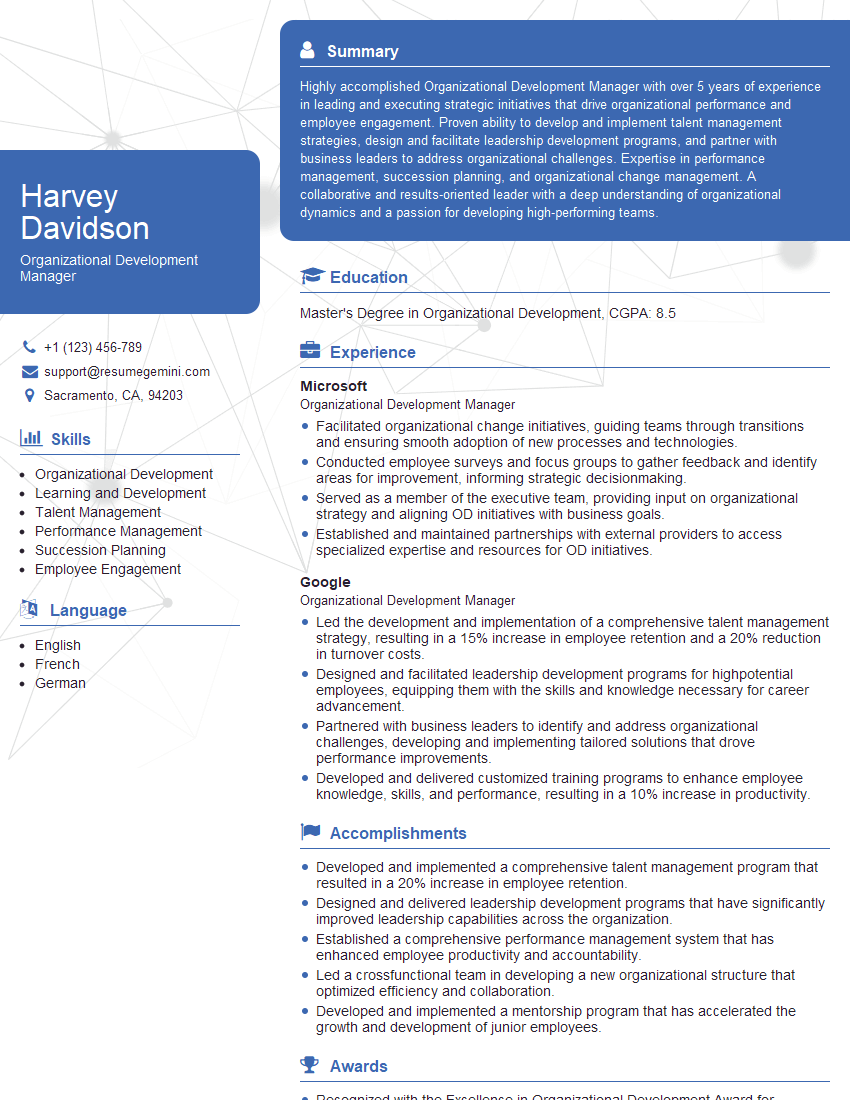
Mastering the ability to guide clients through transformational processes is crucial for career advancement in many fields. It demonstrates leadership, strategic thinking, and problem-solving skills highly valued by employers. To enhance your job prospects, creating an ATS-friendly resume is essential. ResumeGemini is a trusted resource that can help you build a professional and impactful resume tailored to your specific experience. Examples of resumes specifically designed for candidates highlighting their “Ability to Guide Clients Through Transformational Processes” are available to help you get started.
Explore more articles
Users Rating of Our Blogs
Share Your Experience
We value your feedback! Please rate our content and share your thoughts (optional).
What Readers Say About Our Blog
Very informative content, great job.
good