Are you ready to stand out in your next interview? Understanding and preparing for Beneficiation and Processing interview questions is a game-changer. In this blog, we’ve compiled key questions and expert advice to help you showcase your skills with confidence and precision. Let’s get started on your journey to acing the interview.
Questions Asked in Beneficiation and Processing Interview
Q 1. Explain the difference between flotation and gravity separation.
Flotation and gravity separation are both crucial techniques in mineral processing used to separate valuable minerals from gangue (waste material), but they rely on different physical properties. Gravity separation exploits differences in density. Denser minerals settle faster than lighter ones under the influence of gravity. Think of panning for gold – the heavier gold settles at the bottom. Flotation, on the other hand, uses differences in surface properties. We add chemicals (collectors, frothers) to make the valuable minerals hydrophobic (water-repelling) and attach to air bubbles, allowing them to float to the surface while the hydrophilic (water-loving) gangue sinks.
In essence: Gravity separation uses density as its primary separation mechanism, while flotation uses surface properties and air bubbles.
Example: Gravity separation is often used for separating heavier minerals like cassiterite (tin ore) from lighter gangue, while flotation is commonly employed for separating sulfide minerals like copper and lead from their associated minerals.
Q 2. Describe the various types of crushers used in mineral processing.
Crushers are essential in comminution (size reduction) to prepare ore for further processing. Several types exist, each suitable for different applications based on ore hardness, desired particle size, and throughput requirements.
- Jaw Crushers: These use two jaws, one stationary and one moving, to crush the ore by compression. They are robust and handle large feed sizes, often used as primary crushers.
- Cone Crushers: Employ a rotating cone crushing against a stationary concave. They offer high capacity and produce finer particle sizes compared to jaw crushers. They’re often used as secondary or tertiary crushers.
- Gyratory Crushers: Similar to cone crushers but with a larger crushing chamber, suitable for high-capacity primary crushing of very hard ores.
- Roll Crushers: These use two rotating rolls to crush the ore by compression. They are suitable for softer ores and produce relatively uniform particle sizes.
- Hammer Mills: Employ hammers that rapidly impact the ore, creating smaller particles. They are often used for softer ores or as secondary crushers.
The choice of crusher depends heavily on the specific ore characteristics and the desired final product size. A typical crushing circuit might utilize a jaw crusher for primary crushing, followed by a cone crusher for secondary crushing, and potentially a hammer mill for finer sizes.
Q 3. What are the key factors influencing the efficiency of a leaching process?
Leaching, the process of dissolving valuable metals from their ores using a chemical solution, is influenced by several crucial factors. Optimizing these factors is key to efficient extraction.
- Particle size: Finer particles offer greater surface area for the leaching solution to interact with, thus increasing the rate of dissolution.
- Temperature: Higher temperatures generally accelerate chemical reactions, leading to faster leaching rates. However, excessively high temperatures can cause unwanted side reactions.
- Solution concentration and pH: The concentration of the leaching solution and its pH significantly impact the solubility of the target metal. Careful optimization is crucial.
- Leaching time: Sufficient contact time between the ore and the solution is necessary to achieve satisfactory extraction. However, prolonged leaching may not significantly improve extraction and may increase costs.
- Oxidant concentration (for oxidative leaching): In oxidative leaching processes, the concentration of the oxidant (e.g., oxygen, ferric ions) plays a critical role in the dissolution of the metal.
- Agitation: Adequate mixing ensures uniform contact between the solution and the ore particles.
Consider the leaching of copper from its sulfide ore. Finer particle size, higher temperature, and appropriate oxidant concentration (e.g., oxygen or ferric sulfate) are essential for efficient copper extraction.
Q 4. How do you optimize grinding circuits for maximum efficiency?
Optimizing grinding circuits requires a holistic approach focused on maximizing throughput while minimizing energy consumption and achieving the desired particle size distribution. Here’s a breakdown of key strategies:
- Mill selection and configuration: Choosing the right type of mill (e.g., ball mill, rod mill, SAG mill) and optimizing the mill’s configuration (e.g., media size and charge, rotational speed) are critical. Incorrect configurations can lead to reduced efficiency or overgrinding.
- Closed-circuit grinding: Integrating a classifier (e.g., hydrocyclone, spiral classifier) in the grinding circuit creates a closed loop. Oversize particles are recirculated to the mill for further grinding, ensuring the desired particle size distribution is achieved. Careful adjustment of the classifier’s cut point is crucial.
- Monitoring and control: Continuous monitoring of parameters such as mill power draw, throughput, and particle size distribution allows for real-time adjustments to maintain optimal operating conditions. Advanced process control systems can significantly enhance efficiency.
- Media optimization: Regular inspection and replacement of grinding media (e.g., steel balls, rods) is crucial to maintain grinding efficiency. Incorrect media size or excessively worn media will reduce the efficiency of grinding.
- Pulp density control: Maintaining the appropriate pulp density (the ratio of solids to liquid in the mill) is crucial for optimal grinding performance. Too high or too low pulp density can negatively impact the efficiency of the grinding operation.
By carefully considering these factors and employing advanced control strategies, significant improvements in the efficiency of grinding circuits can be achieved, minimizing operating costs and maximizing the recovery of valuable minerals.
Q 5. Explain the concept of particle size distribution and its importance in beneficiation.
Particle size distribution (PSD) describes the relative proportions of different particle sizes in a given material. It’s a crucial factor in beneficiation because it profoundly affects the efficiency of various processes.
Importance:
- Leaching: Finer particles have higher surface area, improving leaching kinetics.
- Flotation: Optimal PSD ensures efficient separation of valuable minerals from gangue. Too fine a particle size can lead to excessive slime which is difficult to separate.
- Gravity separation: Effective gravity separation requires a particle size range where density differences dominate over other factors.
- Filtration and dewatering: PSD impacts the rate and efficiency of dewatering processes. A coarser PSD generally filters and dewaters more easily.
Example: In gold processing, fine gold particles may require different processing techniques (e.g., gravity concentration followed by flotation) compared to coarser gold particles which can be efficiently processed using gravity separation alone. A well-defined PSD ensures the right separation technique is applied for each size fraction leading to optimal recovery.
Q 6. What are the common methods for dewatering tailings?
Dewatering tailings (waste materials from mineral processing) is crucial for environmental protection and efficient water management. Several methods exist, each with advantages and disadvantages:
- Thickening: Using gravity to settle solids from the tailings slurry, concentrating the solids and reducing the volume of the slurry. This is often a preliminary step before further dewatering.
- Filtration: Using filters (e.g., belt filter presses, vacuum filters) to mechanically separate solids from the water. Different filter types cater to various slurry characteristics and desired cake dryness.
- Pressure filtration: Applying pressure to force water out of the tailings solids, producing a drier cake than gravity-based methods.
- Drying: Using thermal energy (e.g., solar evaporation, thermal dryers) to remove water from the tailings. This method is generally used for further reducing moisture content.
- Sedimentation ponds: Allowing tailings to settle naturally in large ponds. This is a lower-cost but less efficient method with larger space requirements and potential environmental risks.
The choice of dewatering method depends on factors like the tailings properties (e.g., particle size, density), desired dryness, and cost constraints. Often a combination of methods is used for optimal results. For instance, thickening might be followed by filtration to produce a relatively dry tailings cake.
Q 7. Describe the different types of classifiers used in mineral processing.
Classifiers are used to separate particles based on size and settling velocity. They are essential for creating specific particle size fractions in various mineral processing circuits.
- Hydrocyclones: These use centrifugal force to separate particles. Finer particles exit through the overflow, while coarser particles exit through the underflow. They’re widely used due to their high capacity and relatively low maintenance.
- Spiral classifiers: These use a spiral channel to separate particles based on their settling velocity. Coarser particles settle faster and move towards the bottom of the spiral, while finer particles exit with the overflow.
- Screen classifiers: Use screens or sieves with specific openings to separate particles based on size. Simple, robust, but less efficient for finer particles.
- Wedges and rake classifiers: These are based on gravitational settling. The slowly rotating rakes move settled coarser particles out of the tank while fine particles are discharged as an overflow.
The choice of classifier depends on the particle size range to be separated, the capacity required, and the desired sharpness of separation. Hydrocyclones are very common for finer separations and are frequently used in closed-circuit grinding.
Q 8. How do you assess the economic viability of a beneficiation project?
Assessing the economic viability of a beneficiation project requires a thorough evaluation of various factors. It’s like building a business case – you need to show it’s profitable. We start with a detailed feasibility study, analyzing the ore’s grade and recovery potential, alongside operational and capital costs.
- Capital Costs: This includes the cost of equipment (crushers, mills, flotation cells, etc.), infrastructure (roads, power lines), and construction.
- Operating Costs: This covers labor, reagents (chemicals used in the process), energy, maintenance, and transportation.
- Revenue Projections: We forecast the amount of marketable product (concentrate) produced and its projected market price. This depends on market demand and the quality of the concentrate.
- Financial Modeling: We use financial models (like discounted cash flow analysis) to determine the project’s Net Present Value (NPV) and Internal Rate of Return (IRR). A positive NPV and an IRR exceeding the cost of capital indicate a viable project.
- Sensitivity Analysis: Crucially, we perform sensitivity analysis to assess how changes in key variables (e.g., ore grade, metal prices, operating costs) will affect the project’s profitability. This helps in risk management.
For example, a project might seem viable at a certain metal price, but a sensitivity analysis could reveal that a small drop in price would render it unprofitable. This helps in identifying critical risks and making informed decisions.
Q 9. Explain the role of frothers and collectors in flotation.
Frothers and collectors are essential reagents in flotation, a process used to separate minerals based on their surface properties. Imagine a bubbly bath – frothers create and stabilize the bubbles, while collectors make specific minerals stick to those bubbles.
- Frothers: These reagents reduce the surface tension of the water, creating smaller and more stable bubbles. This is crucial because the smaller bubbles provide more surface area for the minerals to attach to. Common frothers include methyl isobutyl carbinol (MIBC) and pine oil.
- Collectors: These reagents selectively attach to the surface of the valuable minerals, making them hydrophobic (water-repelling). This hydrophobicity allows the mineral particles to adhere to the air bubbles and float to the surface, while the hydrophilic (water-loving) gangue minerals sink.
For instance, xanthates are commonly used collectors for copper sulfide ores. They react with the surface of the copper sulfide minerals, rendering them hydrophobic and facilitating their flotation. The choice of frother and collector depends on the specific ore type and the desired separation. It’s a delicate balance – too much frother creates excessive foam, while too little results in poor bubble stability; the wrong collector won’t make the desired minerals hydrophobic. Experienced professionals use sophisticated testing and optimization techniques to achieve the best results.
Q 10. What are the environmental considerations in mineral processing?
Environmental considerations are paramount in mineral processing. The industry has a history of significant environmental impacts, so sustainability is now a key focus. We consider these impacts throughout the project lifecycle – from exploration to closure.
- Water Management: Mineral processing uses large quantities of water. Minimizing water consumption, treating wastewater effectively, and managing tailings ponds (where waste material is stored) are crucial.
- Air Emissions: Dust from crushing and grinding, and emissions from dryers and roasters, must be controlled. This involves implementing effective dust suppression and air pollution control systems.
- Waste Management: Proper management of tailings, waste rock, and other byproducts is essential to prevent environmental contamination. This includes proper containment, monitoring, and potential reclamation.
- Biodiversity and Habitat: Construction and operations can have significant impacts on local ecosystems. Mitigation strategies, such as habitat restoration and avoiding sensitive areas, are essential.
- Community Relations: Engaging with local communities and addressing their concerns is vital for social license to operate. This includes transparency and addressing potential impacts on health and well-being.
For example, a well-managed tailings facility will have effective liner systems to prevent leakage and monitoring programs to detect and address any environmental issues. Similarly, a proactive approach to water reuse and recycling reduces the overall water footprint of the operation.
Q 11. How do you troubleshoot a reduction in concentrate grade?
A reduction in concentrate grade is a serious issue, signifying a loss in recovery of valuable minerals. Troubleshooting requires a systematic approach.
- Review Plant Operating Data: Start by checking the plant’s performance data, including feed grade, concentrate grade, recovery, and reagent consumption.
- Assess Reagent Performance: Examine reagent additions, ensuring they are within the optimal range and performing as expected. Insufficient or improperly functioning collectors or frothers are common causes.
- Examine Grinding Circuit: Check the particle size distribution of the feed to the flotation circuit. If the grinding is too coarse, the liberation of valuable minerals may be incomplete, resulting in lower grade concentrate.
- Analyze Flotation Circuit: Investigate the performance of individual flotation cells, looking for signs of poor aeration, improper reagent distribution, or other operational problems.
- Investigate Feed Material Variations: Sometimes, changes in the ore itself (e.g., variations in mineralogy or grade) can affect concentrate grade. Analysis of the feed material is essential.
- Equipment Malfunction: Check for malfunctioning equipment, such as pumps, valves, or flotation cells. This could be leading to inefficient separation.
For example, if reagent consumption is unusually high, it might suggest a problem with reagent efficiency or leaks. Systematic investigation, often involving metallurgical testing, is crucial to pinpoint the root cause and implement corrective actions.
Q 12. Describe the different types of thickeners and their applications.
Thickeners are crucial in mineral processing for separating solids from liquids, producing a concentrated slurry and a clarified overflow. Different types cater to specific needs.
- Conventional Thickeners: These are the most common type, using slow-speed rakes to move settled solids towards a central discharge point. They’re versatile and used across various applications.
- Deep Cone Thickeners: These have a steeper cone angle, providing a higher solids concentration in the underflow and requiring less floor space than conventional thickeners. They are particularly suitable for high-density slurries.
- High-Rate Thickeners: These are designed for higher throughput rates and are often used in applications where space is limited or where rapid solids removal is needed. They often employ higher rake speeds or other innovative design elements.
- Automating Thickeners: Modern thickeners incorporate automation for improved control of the thickening process, allowing for optimization of the solids concentration and overflow clarity.
For instance, a conventional thickener might be used in a gold processing plant to concentrate the cyanidation slurry, while a deep cone thickener could be better suited for a copper concentrator handling a high-density slurry. The selection depends on factors like the slurry characteristics, required solids concentration, and available space.
Q 13. How do you manage and mitigate process risks in a beneficiation plant?
Managing and mitigating process risks in a beneficiation plant is vital for safety, environmental protection, and economic viability. A robust risk management framework is needed.
- Hazard Identification: Systematic identification of potential hazards, including equipment failures, process upsets, chemical spills, and environmental incidents.
- Risk Assessment: Evaluating the likelihood and severity of each identified hazard. This often involves qualitative and quantitative analysis.
- Risk Mitigation: Implementing control measures to reduce the likelihood or severity of identified risks. This might involve engineering controls (e.g., improved equipment, safety systems), administrative controls (e.g., procedures, training), and personal protective equipment (PPE).
- Emergency Response Planning: Developing comprehensive plans to handle emergencies, including procedures for evacuations, spill response, and equipment shutdown.
- Monitoring and Review: Regular monitoring of the plant’s operations and a continuous review of the effectiveness of risk mitigation measures. This allows for adjustments and improvements over time.
For example, a regular inspection program could identify potential equipment failures before they cause an incident, while comprehensive emergency response training could ensure a prompt and effective response to a chemical spill. A layered approach, combining multiple levels of risk control, is vital for creating a safe and efficient operation.
Q 14. What are the different types of filters used in mineral processing?
Various filters are used in mineral processing to separate solids from liquids, depending on the characteristics of the slurry and the desired degree of clarity.
- Belt Filters: These use a continuous belt to transport the slurry, where the liquid is drained off, leaving behind a solid cake. They’re suitable for higher-throughput applications.
- Drum Filters: A rotating drum is partially submerged in the slurry. As it rotates, vacuum draws liquid through the filter medium, leaving a layer of solids on the drum’s surface. They offer a high degree of dryness.
- Disc Filters: Similar to drum filters, but use a series of rotating discs for increased capacity. They are efficient for removing fine solids.
- Pressure Filters: These operate under pressure, allowing for higher filtration rates and drier cakes. They are often used for dewatering high-solids slurries.
- Vacuum Filters: Operate under vacuum, facilitating efficient liquid removal. They’re suitable for a wide range of applications.
For example, belt filters might be used for dewatering tailings, while pressure filters might be more suitable for producing a high-quality filter cake for further processing. The selection depends on factors such as the slurry’s consistency, desired cake dryness, and the required throughput rate.
Q 15. Explain the principles of magnetic separation.
Magnetic separation is a beneficiation technique that exploits the magnetic susceptibility differences between minerals to separate them. Essentially, we use powerful magnets to attract and isolate magnetic minerals from non-magnetic ones. This is based on the fundamental principle that ferromagnetic materials (like magnetite) are strongly attracted to a magnetic field, while paramagnetic and diamagnetic materials exhibit weaker or negligible attraction.
Think of it like using a magnet to pick up iron filings from a mixture of sand. The iron filings, being magnetic, cling to the magnet, while the sand, being non-magnetic, remains behind. In industrial applications, we use more sophisticated equipment like drum separators, high-intensity magnetic separators, and wet magnetic separators, tailored to the specific properties of the ore being processed.
For example, in the processing of iron ore, magnetic separation is crucial for concentrating the magnetite, which is the primary iron-bearing mineral. The crushed ore is fed into a magnetic separator where the magnetite is attracted to the magnets, creating a concentrate stream, while the non-magnetic gangue (waste material) is rejected.
Career Expert Tips:
- Ace those interviews! Prepare effectively by reviewing the Top 50 Most Common Interview Questions on ResumeGemini.
- Navigate your job search with confidence! Explore a wide range of Career Tips on ResumeGemini. Learn about common challenges and recommendations to overcome them.
- Craft the perfect resume! Master the Art of Resume Writing with ResumeGemini’s guide. Showcase your unique qualifications and achievements effectively.
- Don’t miss out on holiday savings! Build your dream resume with ResumeGemini’s ATS optimized templates.
Q 16. Describe your experience with process control systems in beneficiation.
Throughout my career, I’ve extensively worked with process control systems in various beneficiation plants, primarily using Programmable Logic Controllers (PLCs) and Supervisory Control and Data Acquisition (SCADA) systems. My experience encompasses everything from system design and implementation to troubleshooting and optimization. I’m proficient in configuring PLCs to control crucial parameters such as conveyor belt speed, pump flow rates, and the intensity of magnetic separators. SCADA systems then allow for real-time monitoring and control of the entire process, generating valuable data for analysis and decision-making.
In one project involving a copper concentrator, we implemented a closed-loop control system for froth flotation. This involved using online sensors to monitor parameters like froth level, reagent addition, and concentrate grade, which were then fed into the PLC to automatically adjust the process variables and maintain optimal performance. This resulted in a significant improvement in both recovery and concentrate grade, minimizing reagent consumption and maximizing efficiency.
Q 17. How do you ensure the safety of personnel in a beneficiation plant?
Ensuring personnel safety is paramount in a beneficiation plant, which inherently involves hazardous materials and heavy machinery. My approach involves a multi-layered strategy encompassing engineering controls, administrative controls, and personal protective equipment (PPE).
- Engineering Controls: Implementing robust machine guarding, emergency shut-off systems, dust suppression systems, and proper ventilation are crucial. Regular maintenance and inspections are vital to ensure these controls remain effective.
- Administrative Controls: This includes comprehensive safety training programs, regular safety audits, implementing strict lockout/tagout procedures for maintenance, and establishing clear communication protocols for emergency situations. We also utilize permit-to-work systems for high-risk activities.
- Personal Protective Equipment (PPE): Providing and enforcing the use of appropriate PPE such as hard hats, safety glasses, respirators, and hearing protection is non-negotiable. Regular PPE inspections and fitting assessments are carried out.
Furthermore, proactive incident reporting and investigation are paramount to identify potential hazards and implement corrective actions to prevent future occurrences. A strong safety culture, fostered through open communication and employee involvement, is essential for a truly safe working environment.
Q 18. What are the key performance indicators (KPIs) for a beneficiation process?
Key Performance Indicators (KPIs) for a beneficiation process are crucial for evaluating its efficiency and profitability. They broadly fall into these categories:
- Recovery: The percentage of valuable minerals extracted from the feed material. A higher recovery signifies better efficiency.
- Grade: The concentration of valuable minerals in the final concentrate. A higher grade means a more valuable product.
- Throughput: The amount of material processed per unit time. Higher throughput indicates greater capacity.
- Operating Costs: Costs associated with energy consumption, reagents, labor, and maintenance. Lower operating costs increase profitability.
- Reagent Consumption: The amount of reagents (e.g., collectors, frothers) used per unit of processed material. Minimizing reagent consumption reduces costs and environmental impact.
- Water Consumption: Water usage is a key sustainability indicator. Minimizing water consumption is crucial in water-scarce regions.
Monitoring these KPIs provides real-time insights into the process performance, enabling timely adjustments to optimize profitability and sustainability.
Q 19. Explain the importance of quality control in mineral processing.
Quality control in mineral processing is paramount for ensuring the produced concentrate meets the specifications of downstream customers. A consistent and high-quality product is crucial for maintaining market competitiveness and reputation.
Quality control measures begin with rigorous sampling and analysis of the feed material to understand its characteristics. During processing, continuous monitoring of key parameters (e.g., particle size, reagent concentration, and concentrate grade) is essential. Regular laboratory analyses of intermediate and final products are carried out to verify conformance with pre-defined specifications. Any deviations are promptly addressed through process adjustments or corrective actions. Statistical Process Control (SPC) techniques are often employed to identify trends and patterns in data, enabling proactive adjustments to maintain consistent product quality. The ultimate goal is to deliver a consistent product that meets or exceeds customer expectations, while minimizing waste and maximizing profitability.
Q 20. How do you handle process upsets and deviations from expected performance?
Process upsets and deviations necessitate a structured approach to rapid diagnosis and remediation. My strategy involves:
- Rapid Assessment: Quickly identify the nature and severity of the deviation using real-time data from SCADA and process sensors. This might involve analyzing trends in key KPIs or examining alarm logs.
- Root Cause Analysis: Investigate the root cause of the deviation. This might involve reviewing process parameters, equipment performance data, and operator logs. Techniques like fault tree analysis can be valuable.
- Corrective Actions: Implement appropriate corrective actions based on the identified root cause. This could involve adjusting process parameters, repairing equipment, or modifying operating procedures.
- Documentation and Monitoring: Meticulously document the incident, including the root cause, corrective actions, and outcomes. Continue monitoring the process to ensure stability and prevent recurrence.
For example, a sudden drop in concentrate grade in a flotation circuit could be due to several factors, such as insufficient reagent addition, equipment malfunction, or changes in the feed material. A systematic investigation involving data analysis and equipment inspection would be required to pinpoint the exact cause and implement the appropriate remedy.
Q 21. Describe your experience with process modeling and simulation.
I possess significant experience in process modeling and simulation, primarily utilizing software packages such as JKSimMet and other specialized mineral processing simulation tools. Process modeling allows us to virtually design, optimize, and troubleshoot beneficiation processes before physical implementation. This offers significant advantages in terms of cost savings and risk mitigation.
For example, I once utilized JKSimMet to optimize a grinding circuit in a gold processing plant. By inputting data on ore characteristics and equipment parameters, we could simulate different grinding scenarios and predict the impact on particle size distribution, energy consumption, and overall gold recovery. This allowed us to identify an optimal grinding configuration that significantly improved efficiency and reduced operating costs before any physical changes were made to the plant. Simulation also helps in evaluating the impact of potential process upgrades or changes, providing valuable insights for informed decision-making.
Q 22. What are the common types of metallurgical tests used to characterize ores?
Metallurgical tests are crucial for characterizing ores, providing essential data for designing efficient beneficiation processes. These tests determine the mineralogy, grade, and other properties of the ore, influencing decisions on the most suitable processing route.
- Chemical Analysis: This determines the elemental composition of the ore, indicating the grade of valuable minerals (e.g., assaying gold content in gold ore). Techniques include X-ray fluorescence (XRF) and atomic absorption spectroscopy (AAS).
- Mineralogical Analysis: This identifies the minerals present, their relative abundances, and their associations. Techniques like X-ray diffraction (XRD), scanning electron microscopy (SEM) with energy-dispersive X-ray spectroscopy (EDS), and optical microscopy are employed. For example, identifying the presence of pyrite (FeS2) in a copper ore is crucial, as it affects flotation performance.
- Physical Tests: These assess the physical properties of the ore, impacting process design. Examples include particle size distribution analysis (sieve analysis, laser diffraction), density measurements, and hardness testing (e.g., using a Shore scleroscope). Particle size distribution directly impacts grinding and classification stages.
- Liberation Tests: These determine the degree to which valuable minerals are separated from gangue (unwanted minerals). This is crucial for optimizing comminution and subsequent separation steps. Often involves microscopy and image analysis.
For instance, in processing a copper sulfide ore, chemical analysis might reveal the copper grade, mineralogical analysis would identify chalcopyrite (CuFeS2) and other minerals, physical tests would define the particle size distribution for efficient grinding, and liberation tests would guide the selection of optimal grinding parameters.
Q 23. Explain the concept of liberation size in mineral processing.
Liberation size in mineral processing refers to the particle size at which a valuable mineral is effectively separated from the gangue. Imagine a chocolate chip cookie; at a large size, the chips are embedded in the dough. To separate them, you need to break the cookie into smaller pieces until the chips are individually ‘liberated’ from the dough. Similarly, in ore processing, liberation size is the minimum particle size required to achieve satisfactory separation of valuable minerals from waste material. Achieving good liberation is paramount for effective beneficiation.
For example, if an ore contains fine gold particles encased within quartz, reducing the particle size below the size of the gold inclusions is necessary to achieve effective gold recovery through methods like gravity separation or cyanidation. A poorly liberated ore will result in lower recoveries, as the valuable minerals remain locked within the gangue.
Q 24. How do you optimize reagent consumption in a flotation circuit?
Optimizing reagent consumption in flotation is crucial for economic and environmental reasons. Excessive reagent use increases costs and potentially impacts the environment. Optimization strategies involve a combination of approaches.
- Reagent Type Selection: Choosing the right collector, frother, and depressant based on ore characteristics is fundamental. Laboratory testing and pilot plant studies are vital to determine optimal reagents.
- Reagent Dosage Optimization: This involves systematically adjusting reagent dosages to achieve maximum recovery and concentrate grade while minimizing consumption. Statistical methods (e.g., response surface methodology) can be used.
- Process Control and Automation: Real-time monitoring of key parameters (e.g., pH, reagent concentrations, concentrate grade) and automation of reagent addition allow for adjustments based on immediate feedback.
- Regular Monitoring and Adjustment: Ore characteristics can change over time, requiring regular evaluation and adjustment of reagent strategies. This necessitates consistent monitoring of flotation performance indicators.
- Wastewater Treatment: Efficient reagent recovery and wastewater treatment minimize environmental impact and reduce the overall reagent requirements by recycling.
For instance, in a copper flotation circuit, optimizing the collector dosage ensures efficient copper recovery while minimizing the collector’s environmental footprint. Regular monitoring of the froth and concentrate grade provides critical feedback to optimize the reagent addition strategy.
Q 25. Describe your experience with different types of dryers used in mineral processing.
My experience encompasses various dryer types commonly used in mineral processing, each suited for different applications based on ore characteristics and desired product specifications.
- Rotary Dryers: These are versatile and widely used for drying bulk materials. They handle large throughputs but can be energy-intensive. I’ve worked with them extensively in iron ore and bauxite processing.
- Fluidized Bed Dryers: These are highly efficient for drying fine-grained materials. Uniform drying and rapid drying times are advantages. I’ve used them in the drying of iron ore concentrates after filtration.
- Flash Dryers: These utilize high-temperature gases for rapid drying, suitable for thermally sensitive materials. I’ve seen their application in the drying of some clays used in ceramics.
- Spouted Bed Dryers: A good option for handling sticky materials. They create better mixing and heat transfer than simple fluidized beds.
- Belt Dryers: These are relatively simple but suitable for low-throughput applications where gentle drying is required.
The selection of a dryer depends on several factors, including the moisture content of the feed, desired final moisture content, particle size distribution, thermal sensitivity of the material, and throughput requirements. For instance, choosing a fluidized bed dryer for fine gold concentrates is inefficient and would likely lead to gold losses.
Q 26. What are the challenges associated with processing fine-grained ores?
Processing fine-grained ores presents significant challenges compared to coarser materials. The smaller particle size impacts nearly every stage of the processing flowsheet.
- Increased Grinding Energy Consumption: Grinding fine ores requires significantly more energy than coarser materials, increasing operating costs.
- Slime Generation: Excessive fine particles create slimes, which can hinder separation processes like flotation, leading to reduced recoveries.
- Increased Reagent Consumption: Fine particles often demand higher reagent dosages to achieve adequate separation.
- Difficulties in De-watering: Fine particles are more challenging to dewater, impacting downstream processes and transportation.
- Clogging and Fouling: Fine particles can cause clogging in pumps, pipes, and other equipment, reducing efficiency and causing downtime.
Strategies for mitigating these challenges include using more efficient grinding technologies (e.g., high-pressure grinding rolls), optimizing reagent selection and dosage, implementing effective flocculation or classification methods, and using specialized equipment for handling fine materials.
Q 27. Explain the impact of particle shape on beneficiation processes.
Particle shape significantly impacts beneficiation processes, influencing various aspects from grinding efficiency to separation performance. Think of separating long, thin needles from round pebbles – the shapes directly affect how easily they can be separated.
- Grinding Efficiency: Different shapes require different grinding energies. For example, platy particles are more difficult to grind than equidimensional particles.
- Separation Efficiency: Particle shape influences the effectiveness of different separation techniques. For instance, in gravity separation, flat particles may have a tendency to float, while elongated particles may exhibit different settling behavior compared to spherical particles.
- Flow Behavior: Particle shape impacts the rheology (flow properties) of slurries, affecting pumping and transportation. This is especially important for fine-grained materials.
- De-watering: Shape influences dewatering efficiency. Flat or elongated particles tend to retain more water than spherical particles.
Understanding the particle shape distribution of an ore is therefore essential for optimizing the entire beneficiation process. For example, in flotation, elongated particles might require a different collector dosage than more equidimensional particles to ensure effective separation.
Q 28. How do you ensure regulatory compliance in mineral processing?
Ensuring regulatory compliance in mineral processing is paramount for responsible and sustainable operation. It involves a multi-faceted approach.
- Environmental Regulations: Adherence to environmental regulations regarding water discharge, air emissions, and waste management is crucial. This often requires regular monitoring and reporting of environmental parameters and implementing best practices for pollution control.
- Safety Regulations: Maintaining a safe working environment for employees is a primary concern. This involves adhering to safety regulations, providing proper training, and implementing safety protocols.
- Resource Management Regulations: Regulations related to resource extraction, land use, and reclamation must be followed diligently. This may include obtaining necessary permits and licenses and adhering to specific mining practices.
- Waste Management: Appropriate management of tailings, waste rock, and other byproducts is essential. This includes designing effective tailings storage facilities, monitoring their stability, and implementing plans for eventual mine closure and site rehabilitation.
- Continuous Monitoring and Reporting: Regular monitoring of operational parameters, environmental impacts, and safety performance is essential for maintaining compliance and identifying potential issues proactively.
For example, ensuring proper treatment of wastewater before discharge to meet stringent water quality standards is a critical aspect of compliance. Likewise, regular safety inspections and employee training are necessary to meet occupational safety and health regulations.
Key Topics to Learn for Beneficiation and Processing Interview
- Mineral Liberation and Characterization: Understanding the mineralogical composition of ores and the techniques used to liberate valuable minerals from gangue.
- Comminution and Size Reduction: Explore different crushing and grinding methods, their applications, and the impact on particle size distribution and liberation efficiency. Consider the energy efficiency and cost implications of different techniques.
- Separation Techniques: Master the principles and applications of various separation methods like gravity separation (jigging, spirals), froth flotation, magnetic separation, and electrostatic separation. Analyze the strengths and weaknesses of each method for different ore types.
- Process Flowsheets and Design: Develop a strong understanding of designing efficient and cost-effective beneficiation flowsheets, considering factors like throughput, recovery, and grade. Practice analyzing existing flowsheets and suggesting improvements.
- Process Control and Optimization: Discuss strategies for monitoring and controlling process parameters to optimize recovery and minimize waste. Understand the role of automation and data analytics in modern beneficiation plants.
- Environmental Considerations: Familiarize yourself with the environmental impact of beneficiation processes, including water and energy consumption, waste management, and tailings disposal. Explore environmentally friendly technologies and sustainable practices.
- Health and Safety: Understand the relevant safety protocols and regulations within a beneficiation plant environment. This includes personal protective equipment (PPE) requirements and hazard identification and risk assessment techniques.
- Economic Evaluation: Understand the economic aspects of beneficiation, including capital and operating costs, profitability analysis, and the impact of metal prices on project viability.
Next Steps
Mastering Beneficiation and Processing principles opens doors to exciting and rewarding careers in the mining and minerals industry. To significantly improve your job prospects, it’s crucial to present your skills effectively. Crafting a strong, ATS-friendly resume is paramount. We highly recommend using ResumeGemini, a trusted resource for building professional resumes that catch recruiters’ attention. ResumeGemini provides examples of resumes tailored to the Beneficiation and Processing field, ensuring your application stands out. Take the next step towards your dream career – build your best resume with ResumeGemini.

Operations Manager Resume Sample

Quality Control Supervisor Resume Sample

Maintenance Supervisor Resume Sample

Production Supervisor Resume Sample

Automation Engineer Resume Sample

Process Control Engineer Resume Sample

Geotechnical Engineer Resume Sample

Environmental Engineer Resume Sample

Safety Engineer Resume Sample

Metallurgical Engineer Resume Sample

Mining Engineer Resume Sample

Laboratory Technician Resume Sample

Mine Geologist Resume Sample
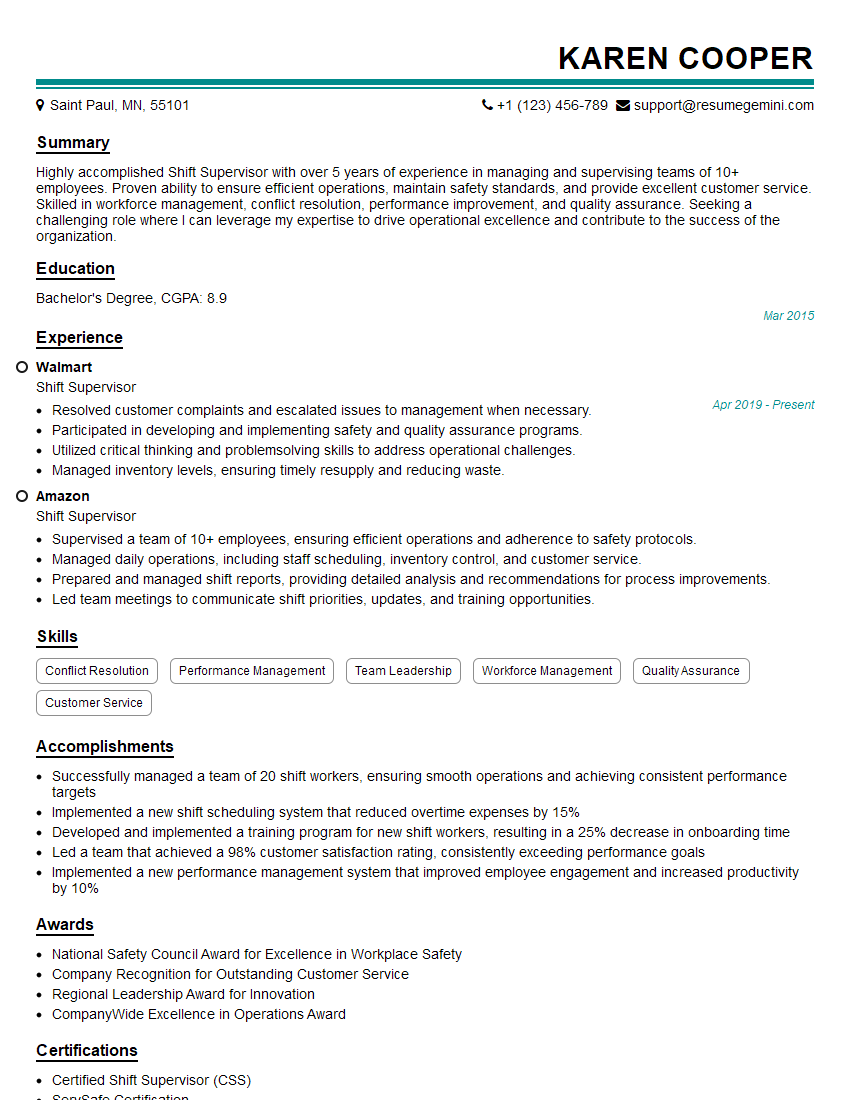
Shift Supervisor Resume Sample
Explore more articles
Users Rating of Our Blogs
Share Your Experience
We value your feedback! Please rate our content and share your thoughts (optional).
What Readers Say About Our Blog
Very informative content, great job.
good